


 Log in
 Sign Up


Buying a car at an auction can be tricky, especially when the odometer has rolled over. This guide explains what “odometer rolled over” means, how to spot it, and why it matters for car value, reliability, and resale. Budget-conscious buyers will learn how to interpret mileage correctly, avoid surprises, and make smarter, safer decisions when bidding on vehicles.
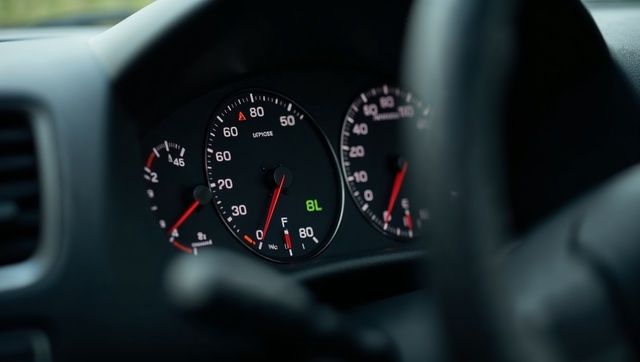
Odometer Rolled Over Meaning: What It Is and Why It Matters for Car Buyers

What Does Stationary Mean in Car Auctions
Buying a car at an auction can save you money, but understanding the terms is key. Stationary is one label that often confuses first-time buyers. This guide explains what stationary means, why it matters, and how to spot these vehicles. Learn how to evaluate risks, estimate costs, and make smarter bids so you can find real bargains without unexpected surprises.

What Does “Not Actual Mileage” Mean on a Title?
Buying a car at an auction or from a private seller? If the title says “Not Actual Mileage” (NAM), it can be confusing. This guide explains what NAM means, how it affects a vehicle’s value, and what to check before bidding. Learn how to spot risks, understand pricing, and make smart choices, so budget-conscious buyers can save money without getting stuck with hidden problems.

What Is a Bonded Title?
Buying a car with a missing or unclear title can be confusing, especially for budget-conscious buyers. A bonded title is a legal solution that lets you own, register, and drive a vehicle even without a clear title. This guide explains what a bonded title is, how it works, and what to watch for—helping you make smart, informed decisions when buying cars at auctions or from private sellers.
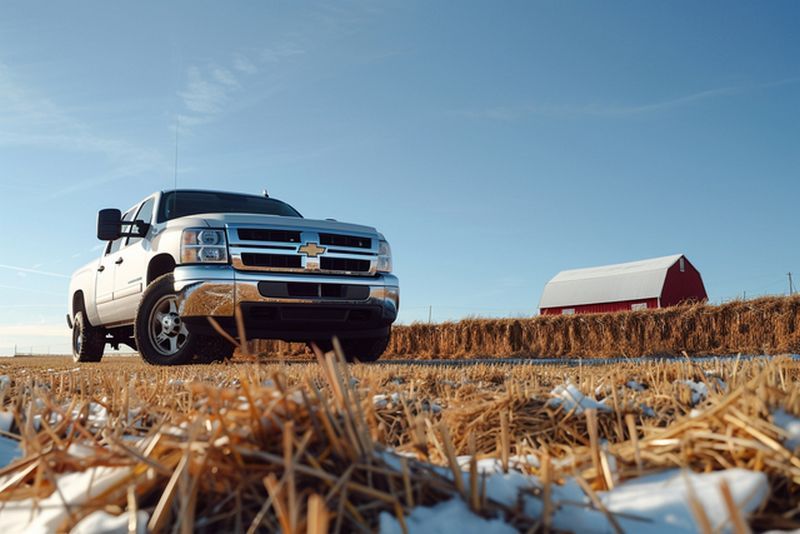
Online Pickup Truck Auctions: How to Buy a Truck for Less
For buyers on a tight budget, online pickup truck auctions offer a unique opportunity to save money while still getting a reliable vehicle. Unlike traditional dealerships, auctions allow you to access a wide range of trucks at prices often well below market value. Whether you’re looking for a workhorse for your business or a dependable truck for personal use, these auctions can make a big difference for your wallet.

Pros and Cons of Buying a Used Tesla
Buying a Tesla is a dream for many drivers. But for people on a tight budget, a brand-new Tesla is often out of reach. That’s why more buyers are looking at used Teslas, especially at online auto auctions. The big question is simple: does a used Tesla really make sense when you’re trying to save money?
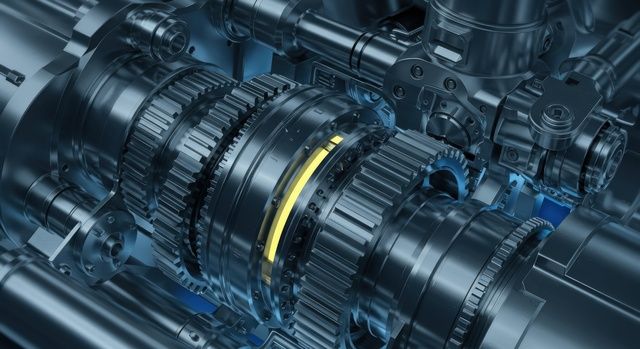
Drivetrain Types Explained: FWD, RWD, AWD & 4WD
Understanding drivetrain types can help you choose a used car that’s safe, reliable, and budget-friendly. This guide explains FWD, RWD, AWD, and 4WD, showing how each affects performance, fuel economy, and maintenance. Learn which drivetrain fits your lifestyle and climate, so you can save money and avoid costly surprises when buying at an online auction.
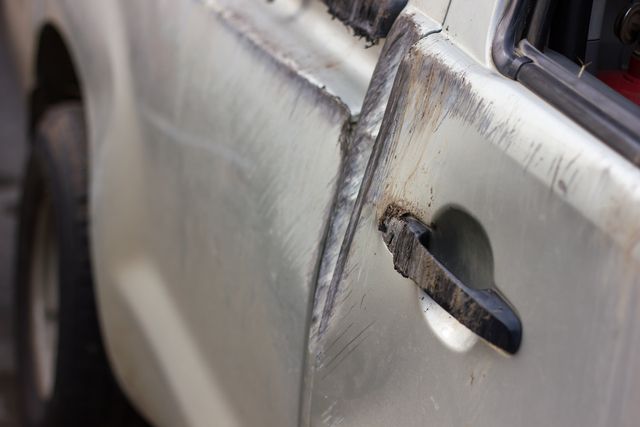
Fire Damage Repair Costs: What Budget Buyers Need to Know Before Buying at Auction
Looking at fire-damaged cars at auctions can seem like a bargain, but the costs to repair them often surprise budget buyers. This guide breaks down fire damage types, repair costs, and hidden risks, helping you decide whether a car is worth buying. Learn how to spot damage, estimate expenses, and make smarter, safer auction choices without overspending.

What Is My Used Pickup Truck Worth? Find Its True Value
Looking to sell or trade your pickup truck but not sure what it’s worth? This guide breaks down how to determine your truck’s value, from mileage and condition to market trends. You’ll learn practical tips to set a fair price, avoid overpaying, and get the most out of your sale—perfect for budget-conscious buyers who want clear, simple advice without the guesswork.

Run and Drive Meaning at Auto Auctions: What Buyers Really Need to Know
Buying a car at an auction can be confusing, especially when you see labels like Run & Drive. Many budget buyers assume it means the car is ready to drive home—but that’s not always true. This guide explains what Run & Drive really means, what it guarantees (and doesn’t), and how you can avoid costly surprises. By understanding these details, you’ll make smarter, safer choices and save money on your auction purchase.

Do You Have Any Questions?
 Ask Question