


 Log in
 Sign Up




Buying a Tesla is a dream for many drivers. But for people on a tight budget, a brand-new Tesla is often out of reach. That’s why more buyers are looking at used Teslas, especially at online auto auctions. The big question is simple: does a used Tesla really make sense when you’re trying to save money?
For budget buyers, the main goal is value. You want a car that costs less upfront, saves money over time, and doesn’t bring expensive surprises. A used Tesla can check many of these boxes. Prices are often much lower than new models, fuel costs drop sharply compared to gas cars, and maintenance is usually simpler. For someone tired of rising gas prices or frequent engine repairs, this sounds like a smart move.
At the same time, buying a used Tesla is not risk-free. Battery condition, limited warranty coverage, and older hardware can affect your experience and long-term costs. A low price at an auction may look great, but if you don’t know what to check, those savings can disappear fast.
What Makes Used Teslas Attractive on the Secondary Market
Used Teslas have become popular with budget buyers for a simple reason: they offer premium electric car features without the premium new-car price. On the secondary market, especially at auto auctions, Teslas often cost far less than people expect. For buyers who want modern tech, low running costs, and a cleaner driving experience, a used Tesla can be a strong value play.
Lower Purchase Price Compared to New Teslas
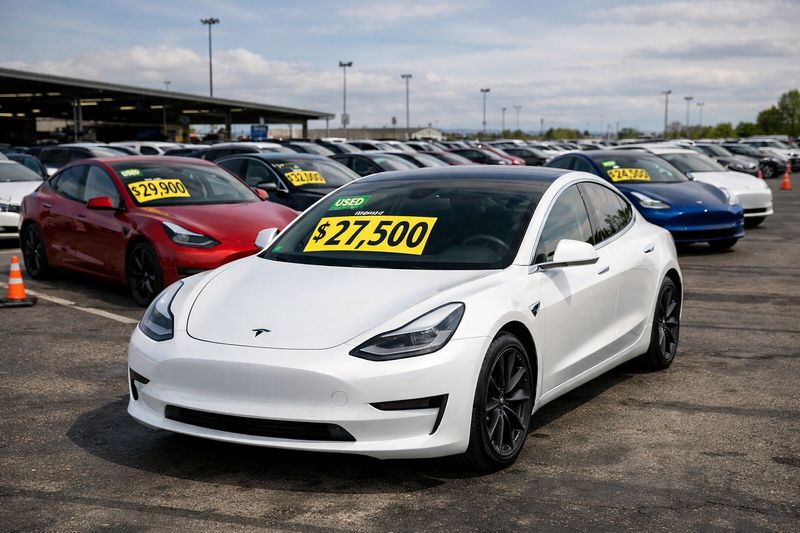
A new Tesla loses value quickly in the first few years. This works in favor of second-hand buyers. Many used Teslas cost tens of thousands less than their original sticker price, even though they still feel modern and drive well.
For a buyer choosing between a new economy gas car and a used Tesla, the price gap is often smaller than expected. At auctions, that gap can be even wider. This is why many budget-conscious buyers start looking at used Teslas instead of brand-new vehicles.
How Depreciation Works in the Buyer’s Favor
Most depreciation happens early. The first owner takes the biggest hit. When you buy a Tesla that’s three to five years old, you’re often paying for the usable life ahead, not the hype of being “new.” If you plan to keep the car for several years, this can mean better value per dollar spent.
Operating Cost Savings vs Gas Cars
One of the biggest reasons people switch to electric is daily savings. Compared to gas cars, used Teslas are cheaper to run, especially if you drive often or commute long distances.
Electricity vs Fuel Costs Explained
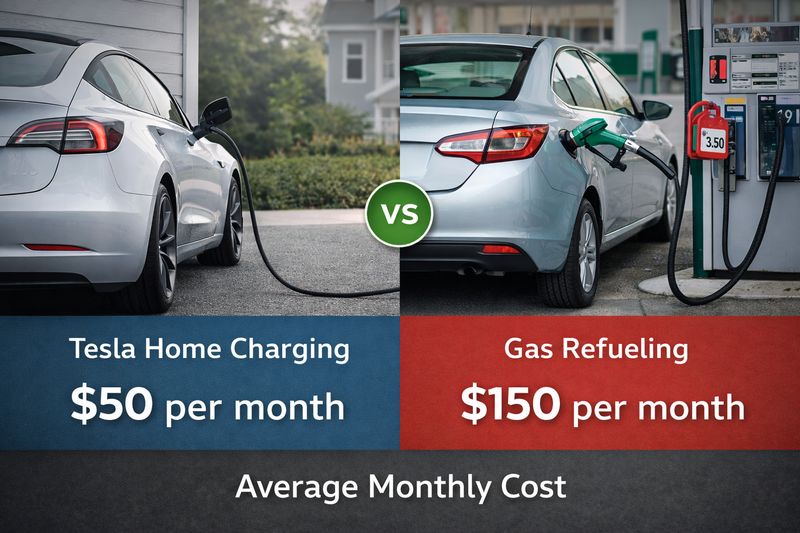
Charging a Tesla usually costs much less than filling a gas tank. For many drivers, home charging is the cheapest option. Even public charging can be cheaper than gas, depending on location. Over a year, these savings add up, which matters a lot for buyers watching monthly expenses.
Reduced Maintenance Compared to ICE Vehicles
Used Teslas also appeal to buyers tired of frequent repairs. Traditional gas cars have engines, transmissions, oil systems, and exhaust parts that wear out over time. Teslas skip most of that.
Fewer Moving Parts and Service Needs
There’s no oil to change, no spark plugs, and no timing belts. Brake wear is also lower thanks to regenerative braking. For someone used to regular service bills, this can feel like a relief and a real money saver.
Access to Tesla Supercharger Network
Even when buying used, Tesla owners usually get access to the Supercharger network. This makes long trips easier and removes a common fear about electric cars. For budget buyers who can’t afford charging mistakes, having a reliable charging network adds peace of mind.
Cutting-Edge Tesla Technology Even in Older Models
Tesla models age differently than most cars. Even older vehicles often feel modern inside. Large touchscreens, app-based controls, and driver assistance features are still part of the experience.
Software Updates and Over-the-Air Improvements
Tesla regularly sends software updates to its cars. This means a used Tesla can gain new features or improvements over time, without visiting a service center. For buyers who like getting more value without paying more, this is a big plus.
Environmental Benefits of Buying Electric Used
Buying a used electric car is also a practical way to reduce environmental impact without paying extra. You avoid the emissions of a gas vehicle and extend the life of an existing car instead of buying new. For many buyers, this feels like a smart and responsible choice that also fits a limited budget.
Battery and Drivetrain Considerations
For most budget buyers, the battery is the biggest question mark when looking at a used Tesla. The electric drivetrain itself is usually reliable, but battery condition directly affects range, daily usability, and long-term costs. Understanding how Tesla batteries age helps you avoid overpaying and reduces the risk of surprises after purchase.
Battery Degradation in Used Teslas
All EV batteries lose some capacity over time. This is normal and expected. A used Tesla will not have the same range it had when new, but that does not automatically make it a bad buy.
Most degradation happens early, then slows down. Many owners report that after the first drop, range loss becomes gradual. For a buyer who mainly drives around town or commutes short distances, a slightly reduced range may not matter at all.
What Is Normal Battery Wear by Mileage
As a rough guideline, a Tesla with 50,000–70,000 miles may show around 5–10% range loss. Cars with higher mileage can still be usable, especially if priced correctly. The key is matching the remaining range to your daily needs. If you drive 30–40 miles a day, you don’t need full factory range.
How Long Tesla Batteries Typically Last
Tesla batteries are designed for long service life. Many last well over 150,000 miles when properly used and charged. The electric motors and drivetrain also tend to outlast those in gas cars because they have fewer wear points.
For budget buyers, this means a used Tesla with higher mileage can still offer several years of use. The price should reflect the mileage, but the car is not “near the end” just because it’s not new.
Battery Warranty Coverage and Transferability
One major advantage of Tesla ownership is the battery and drivetrain warranty. In many cases, this warranty transfers to the next owner, which is a big plus for used buyers.
What Parts Are Still Covered
The battery pack and drive units are usually covered for several years or up to a mileage limit, depending on the model. Even if the basic vehicle warranty has expired, this coverage can protect you from the most expensive repairs. Always check the exact warranty status before buying.
Used Battery Risks and How to Minimize Them
The main risk with a used Tesla is buying a car with hidden battery issues. This is more common with poorly maintained vehicles or cars that were heavily fast-charged or stored improperly.
Warranty, Reliability, and Ownership Costs
For budget buyers, the real cost of a used Tesla is not just the purchase price. Warranty coverage, repair risks, and day-to-day ownership expenses all matter. A cheap car can become expensive fast if you don’t understand what is covered and what is not.
Factory Warranty on Used Teslas Explained
Tesla offers different warranty types, and not all of them remain active on used vehicles. This is why checking warranty status is one of the first steps before buying.
A new Tesla comes with full vehicle coverage plus a separate battery and drivetrain warranty. On a used Tesla, the basic warranty may be close to expiring or already expired, depending on age and mileage.
New vs Used Warranty Comparison
New Teslas offer the most protection, but you pay for it in the price. Used Teslas often keep battery and drivetrain coverage, which is the most important part for budget buyers. Even limited coverage can save you from the highest repair costs, while basic wear items are usually your responsibility.
Maintenance and Repair Costs of Used Teslas
Routine maintenance on a Tesla is usually cheaper than on a gas car. There are no oil changes, fuel system services, or exhaust repairs. This helps keep yearly costs predictable.
Repairs, however, can be expensive if something goes wrong outside of warranty. Parts are not always cheap, and service options may be limited in some areas. This is why buying the right car upfront matters more than finding the lowest price.
Common Reliability Issues by Model Year
Not all used Teslas are equal. Some model years have known issues that buyers should understand before committing.
Known Problems to Watch Out For
Depending on the year and model, issues may include screen failures, door handle problems, suspension wear, or interior trim defects. These are not always deal breakers, but they should affect the price you are willing to pay. A lower auction price often reflects these risks.
Tesla Build Quality: What Buyers Should Know
Tesla is known for technology, not perfect build quality. Panel gaps, paint imperfections, and interior fit issues are more common than with some traditional brands. For budget buyers, this is often a cosmetic issue rather than a functional one.
Technology, Features, and Hardware Differences
One of the biggest reasons people want a Tesla is the technology. Even when buying used, many of these features are still available. However, not all used Teslas offer the same tech experience. Hardware versions, software support, and paid features can vary a lot, which matters for buyers trying to get the most value for their money.
Autopilot and Full Self-Driving Capabilities in Used Teslas
Most used Teslas come with basic Autopilot features, such as adaptive cruise control and lane keeping. These features alone can make daily driving easier, especially for long commutes.
Full Self-Driving (FSD) is different. It is an optional package, and it does not always transfer with the car. Some used Teslas include it, others do not. Buyers should never assume FSD is included just because the car is a Tesla.
Hardware Generations and Feature Limitations
Tesla has released several hardware generations over the years. Older models may not support all current or future features, even if FSD is enabled. This means a cheaper used Tesla might offer fewer advanced functions than newer ones. For budget buyers, the key question is whether those extra features are worth paying more for.
Software Compatibility on Older Tesla Models
Tesla supports many older cars with software updates, but not all features reach every model. Some updates focus on safety and performance, while newer visual features may be limited by hardware.
This is still a plus compared to most gas cars. Even a used Tesla can feel improved over time, but buyers should expect differences between model years.
Infotainment, Connectivity, and App Access
Most used Teslas retain full access to the touchscreen, mobile app, and remote features like climate control and charging monitoring. This adds convenience without extra cost.
Some premium features, such as connectivity packages, may require a subscription. For budget buyers, this is a small but ongoing expense to consider. Overall, even older Teslas offer a tech experience that feels modern for the price.
Comparing Used Tesla vs New Tesla
When deciding between a used or new Tesla, budget buyers face a clear trade-off: lower upfront cost versus the latest features and full warranty coverage. Understanding the differences can help you make a smarter purchase without overspending or compromising on what matters most.
Cost Savings: New vs Used Tesla Pricing
The most obvious advantage of a used Tesla is price. New models can cost $50,000–$70,000 or more, depending on the trim. A three- to five-year-old Tesla often sells for 30–50% less, which can put the car within reach for buyers on a tight budget.
For example, a Tesla Model 3 that sold for $55,000 new might be available for $30,000–$35,000 used. That’s a huge upfront saving. For budget-conscious buyers, these savings can cover minor repairs, insurance, or charging costs, making ownership more affordable.
Feature Trade-Offs Between New and Used
Buying used usually means accepting some trade-offs. Older Teslas may have:
- Limited Autopilot or FSD capabilities
- Slower processors in infotainment screens
- Hardware that doesn’t support the newest software features
- Cosmetic wear or minor build imperfections
Despite these limitations, most used Teslas still offer the core electric driving experience, including long-range battery options, fast acceleration, and access to Superchargers. For many buyers, the money saved outweighs missing extras.
When Buying New Makes More Sense
Buying a new Tesla makes sense for buyers who:
- Want the latest Autopilot or FSD hardware
- Need the full factory warranty for peace of mind
- Plan to keep the car for many years
- Value having every feature and the latest interior technology
For someone on a strict budget, however, a lightly used Tesla can deliver most of the same driving experience at a fraction of the cost, making it the smarter choice for value-conscious buyers.
Buying Channels: Where to Purchase a Used Tesla
Finding the right place to buy a used Tesla is just as important as choosing the right model. Different channels offer different prices, guarantees, and risks. For budget buyers, knowing where to look can mean the difference between a smart purchase and an expensive mistake.
Buying from Tesla Directly
Tesla sometimes sells certified pre-owned (CPO) vehicles directly through their website. These cars are inspected, refurbished if needed, and often come with remaining warranty coverage or extended CPO warranty.
This option is great for buyers who want peace of mind and minimal risk. Prices are higher than other used options, but the reliability and official support can justify the cost.
Buying from a Dealership
Used Teslas are also available at independent or franchise dealerships. Dealers often provide limited warranties or service packages and handle registration and paperwork.
While the price is usually higher than private sales or auctions, dealerships offer convenience and a safer buying process. For budget buyers, this may still be affordable if you factor in the reduced risk of buying from someone inexperienced.
Buying from a Private Seller
Private sellers can offer the lowest prices. These are individuals who want to sell their Tesla quickly, often because they are upgrading or relocating.
Pros and Cons of Each Option
- Tesla Directly: High price, low risk, certified inspection, warranty included.
- Dealership: Moderate price, some warranty, more support than private sales.
- Private Seller: Lowest price, but higher risk, limited protections, no warranty.
For budget buyers willing to do homework and inspections, private sales can save money, but caution is essential.
Buying a Used Tesla from Auto Auctions
Auto auctions are another route to consider, especially for buyers who want the most savings. Auction vehicles often sell below market value, including Teslas that may have minor cosmetic damage or repossession history.
How Auction Cars Can Save You the Most Money
Buying at auction can deliver the lowest possible price for a used Tesla. The key is preparation: check vehicle history reports, inspect battery health, and set a strict budget. For buyers who know what to look for, auctions can provide incredible deals that make owning a Tesla much more affordable.
What to Check Before Buying a Used Tesla
Buying a used Tesla can save money, but skipping inspections or checks can turn savings into costly mistakes. For budget buyers, it’s crucial to know what to examine before making a purchase. Focusing on the battery, vehicle history, and software features helps you avoid expensive surprises and ensures the car meets your needs.
Battery Health and Range Test
The battery is the heart of any Tesla. Check the current range and compare it to the original factory range. A small drop is normal, but significant losses can indicate problems. If possible, request a battery report or have the car professionally tested. Understanding battery health helps you anticipate long-term costs and ensures the car can handle your daily driving needs.
Vehicle History Report and Accident Damage
A full vehicle history report reveals previous accidents, flood damage, or major repairs. Even minor accidents can affect Tesla’s aluminum body or electronics. Budget buyers should look for clean or well-documented history to avoid cars with hidden structural or battery issues.
Mileage, Usage Patterns, and Charging Habits
High mileage isn’t always a deal-breaker if the car was well-maintained. Ask about previous driving patterns, such as frequent highway trips versus city driving, and how the owner charged the car. Excessive fast charging or extreme climates can accelerate battery wear. Knowing the usage history helps you estimate future maintenance and battery life.
Software Locks and Feature Availability
Tesla software can include paid features like Full Self-Driving (FSD) or premium connectivity. Some features may be disabled or tied to the previous owner’s account. Always confirm which features are active and transferable. For budget buyers, this prevents surprises and ensures the car delivers the advertised experience.
Inspection Checklist for Auction and Private Sales
When buying from an auction or private seller, a thorough inspection is essential. Key items include:
- Battery health and charging performance
- Drive unit operation and noises
- Screen functionality and software version
- Exterior and interior condition, including paint, panels, and trim
- Tires, brakes, and suspension
- Accident history and title status
Following a detailed checklist ensures you make a safe purchase, get the most value for your money, and avoid unexpected repair costs after buying a used Tesla.
Financial Incentives and Cost Benefits
One of the biggest advantages of buying a used Tesla is the potential for financial savings beyond the purchase price. Budget-conscious buyers can take advantage of government incentives, lower insurance costs, and flexible financing options. Understanding these factors can make a used Tesla more affordable than many gas-powered alternatives.
Federal and State Tax Credits for Used EVs
Many states and the federal government offer tax credits or rebates for electric vehicles, including some used models. While incentives for used EVs are usually smaller than for new ones, they can still reduce the effective cost by hundreds or even a few thousand dollars.
For example, some buyers may qualify for a federal tax credit if the used Tesla meets certain battery size and mileage requirements. State incentives vary, with some offering rebates on registration fees, charging equipment, or even local utility discounts. For budget buyers, stacking these incentives can make a used Tesla significantly more affordable.
Insurance Costs for Used Teslas
Insurance for a Tesla can be higher than for a standard gas car, but used vehicles often cost less to insure than new ones. Rates depend on the model, mileage, and your driving record. Some insurers also offer discounts for EVs due to their lower repair frequency on basic systems.
Budget buyers should shop around and compare policies. Even small differences in premiums can add up over a few years, affecting the total cost of ownership.
Financing Options for Budget Buyers
Used Teslas can be financed through banks, credit unions, or specialized auto loan programs. Interest rates may be slightly higher than for new vehicles, but the lower purchase price keeps monthly payments manageable.
Resale Value and Long-Term Ownership
For budget buyers, a used Tesla is not just about the initial purchase price—it’s also about long-term value. Understanding how resale value and ownership costs behave over time helps you plan ahead and avoid surprises down the road.
Resale Value of Used Teslas
Used Teslas tend to hold their value better than many traditional cars, thanks to strong demand for electric vehicles and Tesla’s reputation for innovation. Even older models can retain a reasonable resale price if the battery is healthy and the car has been well maintained.
How Age and Mileage Affect Value
Like any vehicle, a Tesla’s resale value drops with age and mileage. The first few years see the steepest depreciation, which is why buying a slightly used Tesla can be a smart financial move. After that, depreciation slows, and cars with 50,000–100,000 miles can still sell for a decent price. For budget buyers, this means the money spent is less likely to evaporate quickly, and you can often recover a large portion of your investment if you decide to sell later.
Ownership Costs Over 3–5 Years
Ownership costs include more than the initial price. Electric cars have lower fuel and routine maintenance expenses than gas vehicles, which reduces overall costs. Battery replacements are uncommon within the first 100,000 miles, especially if the car has been cared for.
Insurance, charging, and occasional repairs make up the rest of the ownership costs. For budget buyers, these predictable expenses make planning easier. Over three to five years, a used Tesla can be more economical than a comparable gas car, especially when factoring in fuel savings, lower service needs, and potential incentives. This long-term affordability is one of the strongest reasons used Teslas are attractive for budget-conscious buyers.
Key Pros of Buying a Used Tesla
For budget-conscious buyers, used Teslas offer a unique combination of value, technology, and long-term savings. While no car is perfect, many advantages make a used Tesla a smart choice compared to similarly priced gas vehicles.
Affordable Entry into the Tesla Ecosystem
One of the biggest benefits is that a used Tesla gives you access to the Tesla brand and ecosystem at a fraction of the cost of a new car. You can experience electric driving, the Supercharger network, and Tesla’s modern design without paying the full new-car price. For buyers who have dreamed of owning a Tesla but couldn’t justify the high sticker price, a used model can make that dream attainable.
Lower Running Costs Than Gas Vehicles
Used Teslas are cheaper to operate than most gas-powered cars. Electricity is generally less expensive than gasoline, and the car has fewer parts that require routine maintenance. No oil changes, fewer brake replacements, and a simpler drivetrain mean that monthly costs are more predictable and often significantly lower. For budget buyers, these savings can make a big difference over the lifetime of the car.
Advanced Technology at a Discount
Even older Teslas come with impressive technology. Touchscreen controls, Autopilot features, and over-the-air software updates keep the car feeling modern. Buying used allows you to access this advanced tech at a much lower price than a new Tesla. For budget buyers, it’s a way to enjoy high-tech driving without stretching finances, while still benefiting from safety features, navigation, and the convenience of Tesla’s connected systems.
Key Cons of Buying a Used Tesla
While used Teslas offer strong value, they come with some downsides that budget-conscious buyers need to understand. Being aware of these drawbacks helps you make a smarter purchase and avoid unexpected costs.
Battery Uncertainty
The biggest concern with any used Tesla is the battery. Over time, battery capacity decreases, and a worn battery can reduce driving range. Some used Teslas may have been heavily fast-charged or poorly maintained, which accelerates battery wear. Even with warranty coverage, replacing a battery is expensive, so buyers need to carefully check battery health before committing.
Older Hardware Limitations
Older Teslas may lack the latest hardware needed for advanced Autopilot features or Full Self-Driving. Infotainment systems, screens, and processing speeds may be slower, and some newer software updates may not be fully compatible. For buyers expecting the newest tech, these limitations can be frustrating.
Build Quality Concerns
Tesla is known for innovative design, but build quality, especially on older models, can be inconsistent. Common issues include panel gaps, paint imperfections, trim misalignment, or interior wear. While these are often cosmetic rather than functional, they can affect overall satisfaction and resale value.
Limited Warranty Coverage
Used Teslas may have partial or expired factory warranties. While the battery and drivetrain often remain covered for a period, other components may not. This limited coverage can leave buyers responsible for expensive repairs, making careful inspection and understanding of warranty status essential before purchase.
Who Should Buy a Used Tesla
Buying a used Tesla is not for everyone, but it can be a smart choice for the right type of buyer. Understanding who benefits most—and who might be better off elsewhere—helps budget-conscious buyers make a confident decision.
Best Fit for Budget-Conscious Buyers
A used Tesla is ideal for buyers who want the Tesla experience without paying full price. If you are comfortable with a slightly older model, can check battery health, and accept minor cosmetic wear, a used Tesla offers excellent value. It’s also perfect for people looking to save on fuel and maintenance costs, as electric driving is cheaper than gas ownership over time. Buyers who are comfortable doing research, checking vehicle history, and inspecting the car before purchase will get the most benefit from a used Tesla.
When a Used Tesla Is Not the Right Choice
A used Tesla may not be suitable if you need the latest Autopilot or Full Self-Driving features, want a car in perfect cosmetic condition, or rely on a full factory warranty for peace of mind. Buyers who aren’t comfortable evaluating battery health, hardware limitations, or minor build issues might find ownership stressful. In these cases, either a new Tesla or a more traditional used gas vehicle may be a safer and more predictable option.
Final Verdict: Should You Buy a Used Tesla or Not?
Buying a used Tesla can be a smart move for budget-conscious buyers—but only if you approach it carefully. Understanding both the benefits and the potential risks ensures you make a purchase that saves money without compromising on reliability or usability. For many drivers, a used Tesla provides the perfect balance between modern electric driving and affordability.
Key Takeaways for Smart Buyers
A few key points can help you decide whether a used Tesla is right for you:
- Price Advantage: Used Teslas cost significantly less than new models while still offering long-range batteries and access to the Tesla ecosystem.
- Lower Running Costs: Electric driving saves money on fuel and routine maintenance.
- Battery and Hardware Awareness: Check battery health, mileage, and feature limitations to avoid unexpected issues.
- Warranty and Repairs: Understand what coverage remains and what repairs may fall on you.
- Inspection Matters: Whether buying from an auction, private seller, or dealership, thorough checks are essential to protect your investment.
How to Maximize Savings When Buying a Used Tesla
To get the best value from a used Tesla:
- Compare Channels: Look at Tesla CPO programs, dealerships, private sales, and auctions to find the best price.
- Check Incentives: Take advantage of federal and state tax credits or rebates for used EVs.
- Inspect Thoroughly: Review battery health, software features, and vehicle history reports before purchase.
- Consider Total Ownership Costs: Factor in insurance, charging, and maintenance when budgeting.
- Be Patient: Waiting for the right deal at an auction or private sale can save thousands compared to rushing into a purchase.
Buying a used Tesla can offer access to advanced technology and lower upfront costs, but factors such as battery condition, software features, and export eligibility play a major role in whether the purchase is worthwhile for international buyers.
When sourcing used electric vehicles from U.S. auctions, it’s important to confirm title status, battery health considerations, and any restrictions that may affect registration or use in another country. Auto4Export helps buyers focus on export-ready vehicles and ensures that post-auction documentation is handled correctly after purchase, reducing common risks associated with exporting electric vehicles.
If you’re considering exporting a used Tesla and want to explore available options from U.S. auctions, you can start by creating a free account and review current inventory.
Further Reading
Unlocking the Secrets: Understanding Vehicle History Reports
Cheapest Electric Cars for 2026 You Can Get for Under $40,000
Tips for Buying a Used Electric Vehicle: Everything You Need to Know
Risks and Benefits of Buying Cars with Unknown History at US Auctions

Do You Have Any Questions?
 Ask Question