


 Log in
 Sign Up


Understanding drivetrain types can help you choose a used car that’s safe, reliable, and budget-friendly. This guide explains FWD, RWD, AWD, and 4WD, showing how each affects performance, fuel economy, and maintenance. Learn which drivetrain fits your lifestyle and climate, so you can save money and avoid costly surprises when buying at an online auction.
Introduction: Why Drivetrain Matters
When buying a used car, most people focus on the brand, mileage, or price—but the drivetrain is just as important. The drivetrain affects how a car drives, how much it costs to maintain, and even how safe it is in different weather. Understanding drivetrain types can help you pick a car that fits your budget and lifestyle, while avoiding costly surprises later.
What is a drivetrain?
A drivetrain is the system that delivers power from the engine to the wheels. It includes components like the transmission, driveshaft, differential, and axles. In simple terms, the drivetrain determines which wheels move the car and how the power is split between them.
For example:
- In a front-wheel-drive car, the engine powers the front wheels.
- In a rear-wheel-drive car, the power goes to the back wheels.
- In all-wheel or four-wheel-drive vehicles, the power can go to all four wheels at once.

Knowing this helps you understand how the car will handle, especially in rain, snow, or on uneven roads.
How drivetrain affects performance, fuel economy, and maintenance
The drivetrain impacts three major areas for any car buyer:
- Performance – A rear-wheel-drive car often feels sportier with better acceleration, while front-wheel-drive cars are easier to handle in everyday driving. AWD and 4WD give extra traction for off-road or slippery conditions.
- Fuel Economy – Generally, cars that power only two wheels are lighter and use less fuel. AWD and 4WD systems add weight and mechanical complexity, which can slightly lower gas mileage.
- Maintenance and Repair Costs – Fewer moving parts mean fewer repairs. Front-wheel-drive cars are usually cheaper to maintain, while 4WD systems can be costly if something breaks down.
For someone on a tight budget, understanding these differences helps avoid cars that may drain your wallet on fuel or repairs.
Why knowing your drivetrain saves money on used cars
When buying at online auto auctions, knowing the drivetrain can prevent expensive mistakes. For instance:
- Buying a RWD car in a snowy area could lead to poor traction and potential accidents, resulting in repair costs.
- Paying extra for AWD on a car you only drive in the city might not be worth it.
- A 2WD car with low maintenance needs might be the most budget-friendly choice for everyday commuting.
By checking the drivetrain first, you can match the car to your needs, your climate, and your budget—saving money and stress down the road.
Two-Wheel Drive (2WD) Overview
Two-wheel drive, or 2WD, is the most basic drivetrain system found in cars and trucks. It powers only two of the vehicle’s wheels—either the front or the rear—while the other two wheels simply roll along. For many budget-conscious buyers, 2WD cars offer simplicity, lower costs, and easier maintenance.
What is 2WD?
In a 2WD vehicle, only one set of wheels receives power from the engine. Most cars you see on the road are front-wheel drive (FWD), which is a type of 2WD. Some trucks and older sports cars are rear-wheel drive (RWD), another type of 2WD.
This means that the engine sends power either to the front or rear wheels, depending on the design:
- Front-wheel drive (FWD 2WD): The front wheels do the work of moving the car and steering.
- Rear-wheel drive (RWD 2WD): The rear wheels push the car forward while the front wheels handle steering.
For a budget buyer, understanding this basic setup is key because it directly affects handling, fuel economy, and repair costs.
Advantages of 2WD
- Lower purchase price – 2WD vehicles are usually cheaper than AWD or 4WD models.
- Better fuel economy – With fewer moving parts, 2WD cars often use less gas.
- Simpler maintenance – Fewer components mean fewer potential breakdowns and lower repair costs.
- Lightweight and easy to drive – Especially for city driving or daily commuting, 2WD is straightforward and predictable.
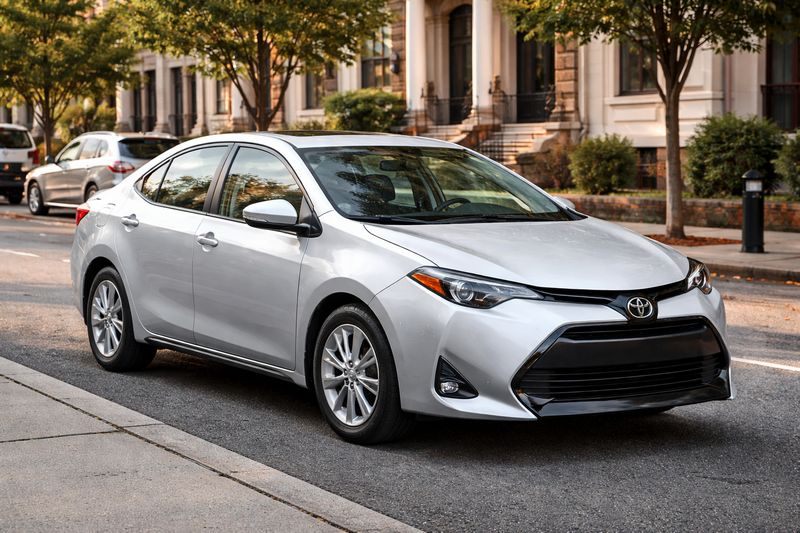
Example: A small sedan like a Toyota Corolla or Honda Civic with front-wheel drive is easy on gas, simple to maintain, and perfect for a tight budget.
Disadvantages of 2WD
- Limited traction in bad weather – Snow, ice, or muddy roads can be challenging, especially for RWD cars.
- Less off-road capability – 2WD vehicles are not designed for rough terrain, steep hills, or towing heavy loads.
- Handling limitations – While FWD is great for everyday driving, RWD can be tricky for beginners in slippery conditions.
Example: A rear-wheel-drive pickup in winter without snow tires may struggle to climb snowy hills, creating potential safety and repair risks.
Best uses and car types
2WD is ideal for drivers who mostly:
- Drive in urban or suburban areas on paved roads.
- Want low maintenance costs and better fuel efficiency.
- Don’t need heavy towing or off-road capability.
Typical 2WD vehicles include:
- Compact and mid-size sedans (Honda Civic, Toyota Corolla, Hyundai Elantra)
- Small hatchbacks (Ford Fiesta, Volkswagen Golf)
- Light trucks or vans used for city driving (Ford F-150 2WD models)
For someone on a tight budget, a well-maintained 2WD car often provides the best balance of affordability, reliability, and ease of use.
Front-Wheel Drive (FWD)
Front-wheel drive, or FWD, is one of the most common drivetrain types in today’s cars. In FWD vehicles, the engine powers the front wheels, which handle both propulsion and steering. This setup is especially popular in compact and mid-size cars because it’s affordable, efficient, and easy to maintain.
How FWD works
In a FWD car, the engine sends power through the transmission to the front wheels. These wheels pull the car forward while also handling the steering. Because the weight of the engine sits over the driven wheels, FWD cars usually have better traction on paved roads, especially in light rain or snow.
Most modern sedans, hatchbacks, and small SUVs use FWD because it’s simple and effective for everyday driving.
Advantages
Cost-effective
FWD cars are generally cheaper to buy than rear-wheel-drive or all-wheel-drive models. The drivetrain is simpler, with fewer parts like driveshafts or differentials, which lowers production and repair costs.
Example: A used Honda Civic or Toyota Corolla FWD can often be found at a fraction of the price of an AWD SUV, making it ideal for buyers on a tight budget.
Better traction in light rain or snow
Because the engine sits over the front wheels, FWD vehicles usually have better grip in slippery conditions than RWD cars. This makes them safer for everyday commuting in mild winter conditions or rainy weather.
Lower maintenance
Fewer moving parts mean less can go wrong. FWD cars tend to have lower repair and maintenance costs compared to RWD or AWD vehicles. Routine items like brakes, belts, and tires are easier and cheaper to service.
Disadvantages
Less sporty handling
FWD cars are not built for aggressive driving or sharp cornering. The front wheels handle both steering and power, which can lead to understeer in tight turns. For drivers seeking a sporty, performance-focused experience, FWD might feel less exciting.
Uneven tire wear
Because the front tires do all the work, they tend to wear out faster than rear tires. Budget buyers need to rotate tires regularly to avoid uneven wear and costly replacements.
Ideal cars and buyers for FWD
FWD is perfect for drivers who:
- Primarily drive in the city or on paved roads.
- Want a budget-friendly, fuel-efficient car.
- Prefer a car that’s simple and low-maintenance.
Common FWD cars include:
- Compact sedans: Honda Civic, Toyota Corolla, Hyundai Elantra
- Hatchbacks: Ford Focus, Volkswagen Golf
- Small crossovers: Honda HR-V, Toyota C-HR
For budget-conscious buyers, a used FWD car often offers the best mix of safety, economy, and reliability without breaking the bank.
Rear-Wheel Drive (RWD)
Rear-wheel drive, or RWD, is a drivetrain where the engine powers the rear wheels, while the front wheels handle steering. This setup has been used for decades in cars, trucks, and performance vehicles. RWD often offers better handling and driving dynamics, but it comes with some trade-offs, especially in slippery conditions.
How RWD works
In a RWD vehicle, the engine sends power through the transmission to a driveshaft, which turns the rear wheels. The front wheels focus only on steering, while the rear wheels push the car forward. This separation of tasks can provide a more balanced and responsive driving experience compared to FWD.
RWD is common in sports cars, larger sedans, and trucks, and it’s often preferred for towing or hauling heavy loads.
Advantages
Better handling and acceleration
Because the front wheels only steer and the rear wheels handle power, RWD cars can accelerate more smoothly and handle turns with better control at higher speeds. This makes RWD popular among driving enthusiasts or anyone who enjoys a more “connected” feel on the road.
Example: A used Mazda MX-5 Miata or BMW 3 Series offers a sporty driving experience for buyers who want fun behind the wheel without spending a fortune on a brand-new performance car.
Balanced weight distribution
RWD vehicles often have a more even weight balance between the front and rear of the car. This improves stability and handling, especially when carrying heavy cargo or passengers. For trucks, this balance helps when towing trailers or hauling loads.
Disadvantages
Poor traction in snow/rain
Since the rear wheels are powered and the engine weight sits mostly at the front, RWD cars can struggle for grip in slippery conditions. Without proper tires or traction control, driving on snow, ice, or wet roads can be tricky and even dangerous.
Can be pricier to repair
RWD systems include extra components like a driveshaft and rear differential, which can increase maintenance and repair costs compared to simpler FWD vehicles. For buyers on a strict budget, this is an important consideration.
Ideal cars and buyers for RWD
RWD is best for drivers who:
- Want a sportier or more performance-oriented driving experience.
- Live in areas with mild weather, where traction is less of a concern.
- Need a truck or SUV capable of towing or carrying heavy loads.
Common RWD vehicles include:
- Sports cars: Ford Mustang, Mazda MX-5, BMW 3 Series
- Larger sedans: Dodge Charger, Lexus IS
- Pickup trucks: Ford F-150 RWD models, Chevrolet Silverado RWD
For budget-conscious buyers, a used RWD car can be a great choice if you prioritize handling and performance, but it’s important to account for winter traction and potential maintenance costs.
Four-Wheel Drive (4WD)
Four-wheel drive, or 4WD, is a drivetrain that can send power to all four wheels at once, giving vehicles extra traction and strength for off-road driving, towing, or challenging conditions. 4WD is most common in trucks, SUVs, and off-road vehicles. While it’s incredibly capable, it can also be more expensive to buy and maintain than 2WD cars.
How 4WD works
In a 4WD vehicle, the engine can send power to both the front and rear wheels. Many 4WD systems allow the driver to switch between two-wheel drive (2WD) for regular roads and 4WD for tough conditions. This setup helps the car handle rough terrain, snow, mud, or steep inclines by distributing power evenly to all wheels.
Some advanced 4WD systems automatically adjust power without input from the driver, but traditional 4WD often requires manual engagement.
Advantages
Excellent off-road capability
4WD vehicles excel on rough terrain, dirt roads, or snowy paths. The power to all four wheels prevents slipping and makes it easier to climb hills or navigate trails. For buyers who live in rural areas or enjoy outdoor adventures, 4WD is a big advantage.
Example: A used Jeep Wrangler or Toyota 4Runner can handle dirt trails, sand, and snow better than any FWD or RWD car.
Strong towing and hauling
Because 4WD vehicles distribute power efficiently, they are ideal for towing trailers, boats, or carrying heavy loads. Many trucks and SUVs with 4WD are designed for work and recreational use alike.
Disadvantages
Higher fuel consumption
Adding power to all four wheels requires more energy, which usually means lower gas mileage. For a buyer focused on keeping running costs low, this is an important factor to consider.
More complex maintenance
4WD systems include extra components like transfer cases, differentials, and driveshafts. Repairs can be more expensive, and regular maintenance is essential to avoid costly issues.
Part-time vs full-time 4WD explained
- Part-time 4WD: You drive in 2WD most of the time and switch to 4WD only when needed (off-road, snow, mud). This saves fuel but requires the driver to engage it correctly.
- Full-time 4WD: The system automatically sends power to all four wheels whenever necessary. It’s easier to use but can slightly reduce fuel efficiency.
Understanding the difference helps you choose a system that fits your driving habits and budget.
Ideal cars and buyers for 4WD
4WD is best for drivers who:
- Frequently drive off-road, on dirt roads, or in heavy snow.
- Need a vehicle for towing or hauling heavy loads.
- Don’t mind slightly higher fuel and maintenance costs in exchange for capability.
Common 4WD vehicles include:
- SUVs: Jeep Wrangler, Toyota 4Runner, Ford Bronco
- Pickup trucks: Ford F-150 4WD, Chevrolet Silverado 4WD
- Off-road-focused vehicles: Toyota Tacoma TRD, Nissan Frontier Pro-4X
For a budget-conscious buyer, a used 4WD vehicle can be a great investment if you need traction, towing, or off-road performance, but it’s crucial to check the system for wear before bidding at an auction.
All-Wheel Drive (AWD)
All-wheel drive, or AWD, is a drivetrain system that automatically sends power to all four wheels as needed. Unlike 4WD, which is designed mainly for off-road use, AWD is built for everyday driving, improving traction and handling in rain, snow, or light off-road conditions. It’s common in cars, crossovers, and SUVs.
How AWD works
In an AWD vehicle, the system continuously monitors wheel grip and distributes power to the wheels with the most traction. Most AWD systems operate automatically—you don’t need to switch modes. This means the car adjusts on the fly for wet roads, light snow, or slippery pavement, giving drivers confidence in various weather conditions.
AWD is different from 4WD because it’s designed for on-road stability, not extreme off-road challenges.
Advantages
Better all-weather traction
AWD provides extra grip on slippery surfaces like rain-soaked streets or light snow. This reduces the chances of spinning wheels or losing control, making it a safer choice in regions with unpredictable weather.
Example: A Subaru Outback or Honda CR-V AWD handles snowy suburban streets better than a front-wheel-drive sedan, helping avoid accidents and reducing wear from sudden stops.
Safer handling on slippery roads
By sending power to the wheels that need it most, AWD improves cornering and stability, even at higher speeds. This makes highway driving in wet or icy conditions less stressful and safer for daily commuters.
Disadvantages
Slightly lower fuel efficiency
Because AWD powers all four wheels when needed, the system adds weight and mechanical drag, which can slightly reduce fuel economy compared to 2WD vehicles. For buyers prioritizing low running costs, this is something to consider.
Higher repair costs than 2WD
AWD systems are more complex than simple FWD or RWD drivetrains. Components like additional differentials, transfer cases, and driveshafts can cost more to repair if something fails. Regular maintenance is key to avoiding expensive surprises.
Ideal cars and buyers for AWD
AWD is ideal for drivers who:
- Drive in rainy, snowy, or hilly areas where extra traction improves safety.
- Want a low-maintenance, all-weather car without off-road-focused 4WD.
- Prefer crossovers or sedans with added stability for everyday use.
Common AWD vehicles include:
- Crossovers: Subaru Outback, Toyota RAV4 AWD, Honda CR-V AWD
- Sedans: Subaru Legacy, Audi A4 Quattro, BMW 3 Series AWD
- Compact SUVs: Mazda CX-5 AWD, Ford Escape AWD
For budget-conscious buyers, a used AWD vehicle is a smart choice if you want better safety and control in wet or winter conditions without paying the extra costs and complexity of full 4WD.
Comparing Drivetrains Side by Side
Choosing the right drivetrain can feel confusing, but looking at performance, costs, fuel efficiency, and suitability for different conditions helps simplify the decision. Here’s a clear comparison of FWD, RWD, AWD, and 4WD for everyday drivers.
Performance differences
- FWD: Great for daily commuting and city driving. Handles well in light rain and snow but less sporty than RWD.
- RWD: Offers better handling, acceleration, and a balanced driving feel. Ideal for enthusiasts or towing, but struggles in slippery conditions.
- AWD: Provides consistent traction and stability on wet or snowy roads. Less sporty than RWD but safer for all-weather driving.
- 4WD: Best for off-road adventures and heavy-duty tasks like towing. Not ideal for fuel efficiency or everyday city driving.
Example: If you live in a city with occasional rain, an AWD or FWD car will give you reliable grip without the higher cost of a 4WD truck.
Cost and maintenance comparison
- FWD: Lowest purchase and repair costs. Simple system, easy to maintain.
- RWD: Moderate cost. Some extra maintenance for the driveshaft and rear differential.
- AWD: Higher purchase and repair costs due to additional components. Maintenance is more involved.
- 4WD: Highest purchase and maintenance costs. Transfer case, multiple differentials, and heavy-duty parts can add up.
Example: A used FWD Honda Civic might cost $5,000–$8,000 and run cheaply, while a 4WD Jeep Wrangler can cost $15,000+ and require more maintenance.
Fuel efficiency comparison
- FWD: Most fuel-efficient; lighter drivetrain and fewer moving parts.
- RWD: Slightly lower efficiency; more mechanical components than FWD.
- AWD: Moderate fuel efficiency; extra weight and power distribution reduce mileage.
- 4WD: Least fuel-efficient; designed for strength and traction, not economy.
Example: If fuel budget is critical, a 2WD sedan or compact FWD car is usually the smartest choice for city driving.
Best drivetrain by climate and terrain
- Mild weather, city driving: FWD or AWD—safe, efficient, and budget-friendly.
- Snowy or rainy climates: AWD provides all-weather traction; FWD is acceptable with good tires.
- Off-road or rugged terrain: 4WD is ideal for dirt roads, mud, and steep inclines.
- Towing or performance driving: RWD or 4WD trucks and SUVs excel, depending on terrain.
Example: A budget buyer in a snowy region might prefer a used Subaru Outback AWD over a RWD sedan to reduce slipping risks, while someone in a dry, urban area would save money with a FWD Toyota Corolla.
Choosing the Right Drivetrain for You
Picking the right drivetrain can make a big difference in how much you spend, how safe your car is, and how much fun it is to drive. By asking the right questions, matching the drivetrain to your lifestyle, and inspecting carefully at auctions, you can save money and avoid surprises.
Questions to ask before buying
Before bidding on a used car, consider these key questions:
- Which drivetrain does this car have—FWD, RWD, AWD, or 4WD?
- Do I need extra traction for snow, rain, or off-road driving?
- Will I be towing or carrying heavy loads?
- How much am I willing to spend on fuel and maintenance?
- Has the drivetrain been well-maintained by previous owners?
Answering these questions helps you choose a car that fits your daily needs and avoids unnecessary costs.
Matching drivetrain to budget and lifestyle
- FWD: Best for budget buyers who drive mostly in the city, want low maintenance, and need good fuel economy.
- RWD: Good for drivers who prioritize sporty handling, towing, or performance, but can cost more in repairs.
- AWD: Ideal for areas with frequent rain, snow, or hilly terrain. Offers all-weather safety with moderate costs.
- 4WD: Perfect for off-road enthusiasts or heavy-duty towing. Expect higher purchase and maintenance costs.
Example: If your daily commute is short and mostly on paved roads, a used FWD sedan is often the cheapest and most reliable option. If you live in a snowy region and need extra traction, an AWD crossover like a Subaru Outback makes more sense, even if it costs a bit more upfront.
How to spot drivetrain issues at auctions
When buying at online auto auctions, inspect the drivetrain carefully to avoid unexpected repairs:
- Check for fluid leaks around the differential, transmission, and transfer case.
- Listen for unusual noises during test drives or videos: grinding, clunking, or whining can indicate worn components.
- Look for uneven tire wear, which may suggest alignment or drivetrain problems.
- Review the vehicle history report for past repairs or accidents affecting the drivetrain.
- Ask if the drivetrain has been regularly serviced and maintained, including oil and differential changes.
Example: A used 4WD truck with rough, uneven tire wear and a history of off-road use may need costly drivetrain repairs. Spotting these issues early can help you avoid overpaying at auction.
Tips for Maintaining Your Drivetrain on a Budget
Keeping your car’s drivetrain in good shape doesn’t have to cost a fortune. With regular care, smart habits, and a few budget-friendly tricks, you can extend the life of your drivetrain, reduce repairs, and save money over time.
Regular inspections and fluid checks
One of the simplest ways to protect your drivetrain is to inspect it regularly. Check for leaks, worn parts, or strange noises. Key points to focus on include:
- Transmission fluid: Low or dirty fluid can cause shifting problems or damage gears.
- Differential fluid: Essential for RWD, AWD, and 4WD systems to prevent wear.
- Drive shafts and CV joints: Look for cracks, torn boots, or grease leaks.
- Transfer case fluid (4WD/AWD): Keeps the system running smoothly under heavy loads.
Even doing a basic check every few months—or before long trips—can help catch small problems before they turn into costly repairs.
Avoiding common mistakes
Many drivers unintentionally damage their drivetrain by:
- Ignoring warning signs: Grinding, clunking, or vibrations often indicate worn components.
- Overloading the vehicle: Exceeding towing or payload limits strains the drivetrain.
- Skipping maintenance schedules: Delaying fluid changes or inspections can shorten component life.
- Aggressive driving: Sudden starts, hard turns, or excessive wheel spin accelerate wear on AWD, RWD, and 4WD vehicles.
Being mindful of these habits can save hundreds or even thousands of dollars over the life of your car.
Budget-friendly maintenance hacks
Even on a tight budget, there are ways to protect your drivetrain:
- DIY fluid changes: Some FWD and RWD vehicles have simple transmission or differential fluid systems you can service yourself with minimal tools.
- Buy used or refurbished parts: For older cars, quality used parts can be far cheaper than brand-new ones.
- Regular tire rotation and alignment: Properly balanced tires reduce strain on the drivetrain and extend component life.
- Keep it clean: Removing mud, salt, and debris from the undercarriage of AWD and 4WD vehicles prevents corrosion and drivetrain damage.
- Follow maintenance schedules: Even inexpensive cars last longer when you follow manufacturer recommendations for service intervals.
Example: A used Subaru AWD crossover may cost more to repair if neglected, but rotating tires, checking fluids, and addressing small leaks early can keep it running smoothly for years without breaking your budget.
Understanding drivetrain types is important not only for performance and handling, but also for determining how well a vehicle fits different road conditions, climates, and market preferences around the world.
When sourcing vehicles from U.S. auctions for export, drivetrain configuration can influence demand, resale value, and long-term usability in the destination country. Auto4Export helps buyers identify export-eligible vehicles and complete post-auction documentation correctly once a purchase is finalized, making it easier to choose a drivetrain that aligns with both local needs and export requirements.
If you’re exploring vehicles for international export and want to compare available options by drivetrain type, you can create a free account and review current inventory.
Further Reading
AWD vs 4WD: Differences, Similarities, and Which is Better for Your Needs
Cheapest AWD Cars and SUVs in 2026
Diesel vs Gas: Which Used Car Engine Is Right for You?
Most Reliable Engines of All Time: 26 Motors That Never Let You Down

Do You Have Any Questions?
 Ask Question