


 Log in
 Sign Up


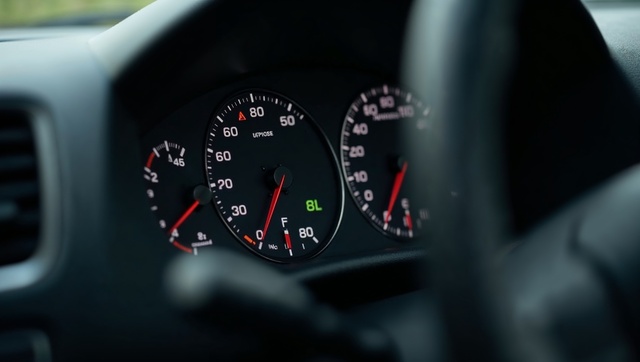


Buying a car at an auction can be tricky, especially when the odometer has rolled over. This guide explains what “odometer rolled over” means, how to spot it, and why it matters for car value, reliability, and resale. Budget-conscious buyers will learn how to interpret mileage correctly, avoid surprises, and make smarter, safer decisions when bidding on vehicles.
What Is a Vehicle Odometer and How It Works
An odometer is one of the most important instruments in a car. It measures how far a vehicle has traveled and gives buyers a clear picture of the car’s usage. Understanding how an odometer works helps budget buyers make smarter decisions when shopping at auctions. It also explains why mileage is so closely tied to price, wear, and reliability.
Even cars that look perfect in photos may have high mileage, which affects their lifespan and repair costs. Knowing what the odometer shows—and what it might not show—can save you from unexpected expenses.
What Does an Odometer Measure
A vehicle odometer records the total distance a car has traveled, usually in miles or kilometers. This number helps determine how much wear and tear the car has experienced.
For example, a sedan with 150,000 miles has likely seen more engine, transmission, and suspension stress than a similar car with 50,000 miles. Odometers also help track maintenance schedules, like oil changes, brake service, and tire rotations.
Some odometers are mechanical, using rolling numbers, while others are digital, storing mileage electronically. Both serve the same purpose: showing how far the car has gone since it was manufactured.
Why Accurate Mileage Is Critical for Car Value
Mileage is a key factor in a car’s value. Cars with low, verified mileage typically sell for more because they are expected to last longer and need fewer repairs.
For budget buyers, accurate mileage is crucial. Buying a car with unverified or tampered mileage can lead to:
- Unexpected repair costs
- Shorter usable lifespan
- Reduced resale value
For example, a 10-year-old car showing 80,000 miles may be fairly priced for a budget buyer. But if the odometer rolled over or was rolled back, the true mileage could be 180,000, meaning the engine, transmission, and other components may fail sooner than expected.
How Mileage Affects Price, Reliability, and Resale
Mileage impacts nearly every aspect of car ownership:
Price: High-mileage cars usually cost less at auction because buyers expect more maintenance. Low-mileage cars command higher prices.
Reliability: More miles generally mean more wear on key components like the engine, brakes, and suspension. For example, a car with 200,000 miles may need a major engine overhaul soon, while a 60,000-mile car may run trouble-free for years.
Resale: Accurate mileage affects resale value. Cars with verified, low mileage are easier to sell later. A vehicle with rolled-over or manipulated mileage can be difficult to resell, as buyers may suspect hidden damage or repairs.
Mechanical vs Digital Odometers
Understanding the difference between mechanical and digital odometers is essential for auction buyers. Both track mileage, but they work differently and have distinct risks. Knowing how each type functions helps budget-conscious buyers spot potential tampering and make smarter bids.
Whether you are buying a car locally or for export, recognizing odometer types can save you from overpaying for a vehicle with hidden high mileage.
How Mechanical Odometers Work
Mechanical odometers use a series of rotating gears and numbered wheels to track mileage. Each wheel represents a digit, usually up to 999,999 miles. As the car moves, the gears turn and the numbers roll forward, showing total miles traveled.
For example, an older sedan may have a six-digit mechanical odometer. Once it reaches 99,999 miles, it “rolls over” to 0. This is a natural occurrence and not fraud, but it can confuse buyers who are not aware of it.
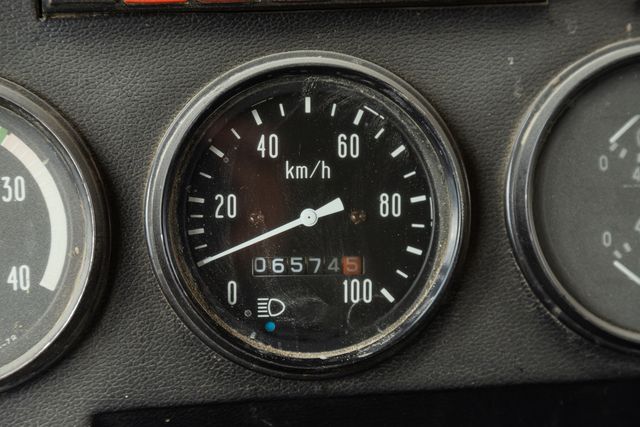
Mechanical odometers are straightforward, durable, and easy to read, but their physical nature makes them vulnerable to tampering. Someone can remove the dashboard and manually turn the gears to reduce mileage, which is a form of odometer fraud.
How Digital Odometers Work
Digital odometers use electronic sensors and software to record mileage. A sensor in the transmission or drive system sends data to the car’s computer, which then displays mileage on the dashboard screen.
For example, a modern auction car may show 85,000 miles on a digital display. That number is stored electronically and can sometimes include additional data like service intervals.
Digital odometers are harder to tamper with than mechanical ones, but sophisticated tools can still modify the stored data. Some devices can rewrite mileage, making the car appear lower than it actually is. Budget buyers need to be aware that digital odometers are not immune to rollback fraud.
Which Type Is Easier to Tamper With
Mechanical odometers are generally easier to manipulate because you can physically turn the numbered wheels. This means that older vehicles with mechanical odometers are at higher risk for mileage rollback.
Digital odometers require specialized equipment or software to change the stored mileage, making tampering more complex and expensive. However, digital odometer fraud does happen, particularly in cars sold at auctions or in used car markets.
What Does “Odometer Rolled Over” Mean
The term odometer rolled over often confuses first-time car buyers, especially at auctions. It refers to a natural occurrence in older vehicles with mechanical odometers, where the mileage counter resets after reaching its maximum limit. Understanding this distinction is essential for budget-conscious buyers to avoid mistaking a normal rollover for fraud.
Knowing what a rolled-over odometer looks like, how it differs from odometer rollback, and when it is legal can help you evaluate high-mileage cars accurately.
Official Definition of Odometer Roll Over
Odometer roll over happens when a vehicle’s odometer reaches its maximum reading and then resets to zero. For example, a mechanical odometer with six digits rolls over after 99,999 miles and starts again at 0.
This does not mean the vehicle has only driven zero miles—it simply indicates the counter has exceeded its limit. For instance, a car with 120,000 actual miles may display 20,000 miles after the odometer rolls over. Buyers should combine odometer readings with service records, history reports, and inspection notes to determine true mileage.
Odometer roll over is a normal, expected event in older cars with mechanical counters. It is not the same as tampering or fraud.
Odometer Roll Over vs Odometer Rollback (Key Differences)
It’s important to distinguish between a natural roll over and an illegal rollback:
- Odometer Roll Over: Happens automatically when the mileage counter reaches its limit. It is legal and part of the odometer’s design. The vehicle continues to accumulate actual miles even after the counter resets.
- Odometer Rollback: Occurs when someone intentionally reduces the mileage reading to make the car appear less used. This is illegal and considered fraud in most countries.
For example, a 1995 sedan with a mechanical odometer may roll over after 99,999 miles. That is normal. But if a seller disconnects the odometer and sets it back to 50,000 miles to increase resale value, that is rollback fraud.
When Odometer Roll Over Is Legal vs Fraud
Odometer roll over is completely legal because it is a mechanical limitation of the vehicle. The key is transparency: sellers must disclose that the odometer has rolled over, especially in auctions or resale transactions.
Fraud occurs when:
- The mileage is intentionally altered to mislead buyers
- Sellers fail to disclose high actual mileage
- Service records are forged or hidden
Why Odometers Roll Over
Odometer rollover is a normal part of vehicle operation, especially for older cars with mechanical odometers. Understanding why odometers roll over helps budget-conscious buyers at auctions identify whether the displayed mileage is realistic or just the result of a counter reset. Recognizing rollover patterns can prevent confusion and avoid misjudging a car’s true usage.
Many buyers mistakenly think low mileage after rollover means the car is “lightly used.” In reality, the vehicle may have driven far more than the odometer shows.
Maximum Mileage Limits on Older Mechanical Odometers
Older mechanical odometers have a fixed number of digits, which sets a maximum mileage they can display. For example:
- A 5-digit odometer can show up to 99,999 miles
- A 6-digit odometer can display up to 999,999 miles
Once this limit is reached, the odometer rolls over to zero. For instance, a car with 150,000 miles may display 50,000 after a 100,000-mile rollover. This is a normal occurrence and is not fraud as long as the true mileage is disclosed and documented.
Budget buyers should always consider the car’s age, service records, and physical wear to understand the actual mileage beyond the displayed numbers.
High-Mileage Vehicles and Mileage Reset
Vehicles with extremely high mileage, such as fleet cars, taxis, or delivery trucks, often experience multiple odometer rollovers. Each rollover can make it appear that the car has significantly fewer miles than it actually does.
For example, a 20-year-old delivery van with a six-digit odometer may have rolled over twice, showing only 40,000 miles when the actual mileage is over 240,000 miles. In such cases, the car may still be mechanically sound but will require closer inspection for wear and tear.
For budget-conscious auction buyers, understanding rollover helps set realistic expectations for repairs and future maintenance.
Common Scenarios at Auctions and Fleet Vehicles
Odometer rollovers are especially common in:
- Older vehicles at auctions: Many used cars from the 1990s or early 2000s have mechanical odometers that naturally roll over.
- Fleet vehicles: Taxis, rental cars, and delivery trucks often reach high mileage quickly, causing one or more rollovers.
- Auction sales of high-mileage cars: Sellers may not explicitly note rollovers, making it important for buyers to check history reports, service records, and wear patterns.
Are Miles and Kilometers Still Important Today
Even in today’s market, mileage remains one of the most important factors when buying a car. It affects price, reliability, maintenance needs, and resale value. For budget-conscious buyers at auctions, knowing a vehicle’s true mileage—whether in miles or kilometers—is essential to making a smart purchase.
While technology, inspections, and history reports help, mileage still gives the first clear indication of a car’s wear and expected lifespan.
Miles vs Kilometers in Different Markets
Vehicles around the world display mileage in either miles or kilometers depending on the country. In the U.S., cars are measured in miles, while most other countries, including Canada and Europe, use kilometers.
For example, a car showing 100,000 kilometers is roughly 62,000 miles. International buyers need to convert mileage correctly to understand a car’s true usage. Misreading mileage can lead to overpaying or underestimating maintenance needs.
Budget buyers importing cars must check whether the auction listing is in miles or kilometers and adjust calculations for repair and resale accordingly.
How Rolled Over Mileage Affects International Buyers
Odometer rollovers can be confusing for international buyers. A car that has rolled over may show a much lower number than the actual miles or kilometers traveled. Without proper documentation, this can mislead buyers about the vehicle’s condition.
For instance, a 1998 U.S. car with a 5-digit odometer may display 20,000 miles, but its actual mileage could be 120,000 miles. An overseas buyer unfamiliar with rollovers might assume it is low-mileage, risking unexpected repair costs.
To avoid this, international buyers should always request service records, CARFAX or AutoCheck reports, and physical inspection evidence of wear that aligns with true mileage.
Mileage Importance for Export Vehicles
Mileage is even more critical for export vehicles. High-mileage cars may be mechanically sound, but buyers abroad need to understand the true condition to calculate shipping, import taxes, and potential repairs.
For example, a budget buyer importing a stationary or rolled-over high-mileage vehicle may save on auction price but spend more on shipping, parts, or engine rebuilds. Accurate mileage helps plan these costs and avoid surprises.
How Odometer Rollback Fraud Works
Odometer rollback fraud is a serious concern for anyone buying cars at auctions, especially budget-conscious buyers looking for bargains. Fraudsters manipulate the mileage reading to make a high-mileage car appear low-mileage, increasing its resale value and attracting unsuspecting buyers. Understanding how odometer rollback works helps you spot warning signs and avoid expensive mistakes.
Fraud can affect both mechanical and digital odometers, and the methods are different for each type. Knowing what to look for is key to protecting yourself.
Mechanical Odometer Tampering Methods
Mechanical odometers are the oldest type and are relatively easy to manipulate. Fraudsters can physically roll back the numbers by:
- Removing the dashboard and manually turning the odometer wheels
- Using magnets or specialized tools to reverse the gears
For example, a 1998 sedan with a 5-digit mechanical odometer showing 50,000 miles may actually have 150,000 miles. Fraudsters manipulate the wheels to reduce the displayed mileage, making the car appear “lightly used.”
Signs of tampering include misaligned numbers, scratches around the odometer panel, or a dashboard that looks recently disturbed. Budget buyers should always cross-check mileage with service records or history reports when buying older mechanical cars.
Digital Odometer Reprogramming
Digital odometers store mileage electronically in the vehicle’s computer. While tampering is more complex than with mechanical odometers, it is still possible using specialized tools or software.
Fraudsters can:
- Reprogram the stored mileage through the car’s onboard computer
- Connect aftermarket devices to alter the display
- Modify electronic control modules to reset mileage
For example, a 2015 sedan showing 40,000 miles may actually have 140,000 miles if a digital rollback has occurred. Digital manipulation is harder to detect, which makes checking history reports, OBD data, and service records essential for auction buyers.
Use of Odometer Rollback Devices and Software
Modern odometer fraud often relies on devices and software designed specifically to reduce displayed mileage. These tools can:
- Reset or adjust mileage readings with a few clicks
- Store false mileage data while leaving other car functions intact
- Target specific vehicles, especially at auctions or online sales
For budget buyers, awareness is critical. Even if a car looks well-maintained, these devices can hide high mileage and potential repairs. Always verify mileage using multiple sources, including service history, inspection reports, and OBD readings, to avoid falling victim to rollback fraud.
Why Sellers and Dealers Roll Back Odometers
Odometer rollback is often driven by profit. Sellers and dealers know that mileage strongly influences a car’s market value. Lower mileage makes a vehicle appear newer, more reliable, and worth more money. Understanding the motivations behind odometer tampering helps budget buyers recognize potential risks and avoid overpaying for auction cars.
At auctions, where buyers often rely on mileage as a quick indicator of a vehicle’s condition, odometer rollback can be especially misleading.
Increasing Vehicle Resale Value
One of the main reasons sellers roll back odometers is to increase resale value. A car with lower mileage is perceived as less worn and can command a higher price.
For example, a 10-year-old car with 150,000 miles might sell for $4,000, while the same car showing 80,000 miles could fetch $6,000. The difference is significant for sellers, making rollback an attractive, though illegal, tactic.
Budget buyers at auctions need to be cautious, as the price may look like a bargain, but the true cost comes later in repairs and maintenance for a high-mileage vehicle.
Hiding High Mileage and Wear
Sellers may also roll back odometers to conceal high mileage and related wear. Cars with extensive use may have engine, transmission, suspension, or interior components that are closer to needing replacement. By lowering the displayed mileage, sellers hide these potential problems from buyers.
For example, a fleet vehicle used for deliveries may show only 60,000 miles after rollback, but in reality, it could have 160,000 miles of wear. Without accurate mileage, buyers cannot properly estimate the maintenance or repair costs, which may strain a budget.
Making Vehicles More Attractive to Buyers
Lower mileage makes cars more appealing, especially to first-time buyers or those shopping on a tight budget. Buyers often assume lower-mileage cars are more reliable, safer, and cheaper to maintain, which drives bidding higher at auctions.
A seller might roll back an odometer to make a stationary or high-mileage vehicle appear “like new” to attract more bids. For budget-conscious buyers, this can be misleading. Cars that seem like bargains based on mileage alone may quickly turn into expensive projects if underlying wear and tear is significant.
Signs of Odometer Roll Over or Rollback Fraud
Identifying odometer roll over or rollback fraud is critical for budget buyers at auctions. While rolled-over odometers are natural and legal, odometer rollback is illegal and designed to mislead buyers. The key is to compare the displayed mileage with the vehicle’s actual wear and tear. Physical inspection, history reports, and attention to details can help you spot inconsistencies before bidding.
Being able to recognize warning signs can save you from overpaying for a car that requires expensive repairs.
Physical Wear and Tear vs Shown Mileage
One of the most reliable ways to detect potential odometer fraud is by comparing the car’s physical condition to its reported mileage. If a car looks more worn than the odometer suggests, it may have been rolled back.
Interior Wear (Seats, Steering Wheel, Pedals)
High-mileage cars naturally show wear inside the cabin. Check for:
- Worn or faded seats, especially on the driver’s side
- Smooth, shiny, or cracked steering wheels
- Worn pedals with metal showing through rubber
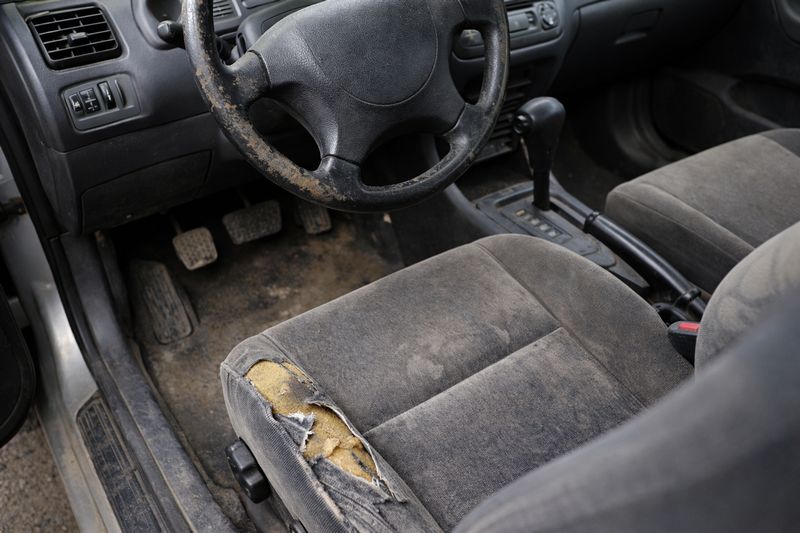
For example, a car displaying 50,000 miles but with heavily worn seats and steering may indicate rollback. Budget buyers should treat this as a red flag and verify service records.
Exterior Condition and Paint Wear
The exterior can also reveal true mileage. Look for:
- Faded or chipped paint inconsistent with age
- Rust spots in high-exposure areas
- Scratches, dents, or repaired panels
A vehicle with low displayed mileage but extensive exterior wear might have traveled more than reported, especially if it was exposed to harsh conditions or fleet use.
Tires and Brake Condition
Tires and brakes wear with mileage. Inspect for:
- Deep tread wear or uneven tire wear
- Brake rotors that are grooved or rusted
- New tires on an old vehicle without records
If the tires and brakes look excessively worn compared to the odometer reading, the car may have higher actual mileage than shown.
Odometer Display Irregularities
Check the odometer itself for signs of tampering:
- Misaligned or crooked numbers on mechanical odometers
- Scratches around the odometer panel
- Flickering or inconsistent readings on digital displays
Any of these issues may indicate rollback and warrant further investigation with service records or OBD tools.
Undercarriage and Suspension Wear
The car’s undercarriage and suspension reveal a lot about mileage:
- Look for worn bushings, sagging springs, or leaking shocks
- Rust or excessive dirt accumulation may indicate heavy use
- Compare wear patterns with the age and reported mileage of the vehicle
High-mileage cars often show uneven wear in these areas, even if the odometer shows low miles.
Engine Bay Condition vs Reported Mileage
Finally, inspect the engine compartment:
- Excessive grime, oil leaks, or worn belts suggest high use
- Components like the alternator, pulleys, and hoses degrade over time
- Clean engines are not always low-mileage—look for replaced parts that could hide wear
How to Check for Odometer Roll Over at Auctions
When buying cars at auctions, especially budget-friendly options, it’s important to verify mileage before placing a bid. Odometer roll over is natural in older cars, but odometer rollback can hide high mileage and costly repairs. Using a combination of history reports, title records, and diagnostic tools helps buyers confirm the car’s true mileage and avoid expensive mistakes.
Being thorough at this stage ensures you understand what you’re actually buying and protects your budget.
Reviewing Vehicle History Reports (CARFAX, AutoCheck)
Vehicle history reports are one of the easiest ways to check for odometer issues. Services like CARFAX and AutoCheck collect data from inspections, services, and registrations, showing a chronological mileage history.
For example, if a 2005 car’s report shows 110,000 miles, but the odometer displays 10,000 miles, this could indicate a rollover or rollback. History reports often flag suspicious mileage changes, helping buyers identify red flags before bidding.
Budget-conscious buyers should always request a history report, as it provides an objective record of mileage that can reveal inconsistencies with the auction listing.
Comparing Title Mileage Records
Title documents provide another mileage checkpoint. Every time a car changes ownership or is registered, the recorded mileage should match previous records.
Compare the mileage on the current title with previous titles and history reports. Large, unexplained discrepancies may suggest rollback. For instance, if the last title recorded 95,000 miles and the auction odometer shows 40,000 miles, further investigation is needed.
Auction Condition Reports and Announcements
Auction houses often provide condition reports that include mileage notes, mechanical issues, and vehicle history highlights. Review these carefully for any mention of odometer roll over or unusual mileage readings.
Some auctions also post announcements if a vehicle’s odometer has rolled over or if there are known discrepancies. Ignoring these notes can lead to overpaying for a car with hidden high mileage.
Using OBD Tools to Check Stored Mileage Data
Many modern vehicles store mileage in the car’s electronic control module (ECM). Using an OBD-II scanner or specialized tools, buyers can access stored mileage data that may confirm the odometer reading.
For example, a digital odometer may show 50,000 miles, but the OBD data could reveal 150,000 miles. Budget buyers can use this method to double-check mileage and ensure they aren’t bidding on a car with hidden high wear.
How to Manually Check Car Mileage
For budget-conscious buyers at auctions, relying solely on the odometer can be risky. Odometer rollovers are normal, but rollback fraud can hide high mileage and costly repairs. Manually checking mileage using records, stickers, and multiple sources helps verify the car’s true usage. By cross-referencing information, you can avoid overpaying and make smarter bidding decisions.
Manual checks are especially important for older vehicles or cars being exported, where history reports may be incomplete or inconsistent.
Checking Service Records and Maintenance Stickers
Service records and maintenance stickers provide a detailed history of a vehicle’s mileage at the time of service. Oil change receipts, brake service, tire replacements, and other repairs often include mileage information.
For example, a sedan with an odometer showing 60,000 miles may have service records documenting 110,000 miles, indicating a potential rollover or rollback. Budget buyers should carefully examine these documents to identify discrepancies and confirm true usage.
Maintenance stickers inside the engine bay, on doors, or near oil filters can also indicate the mileage at previous service intervals. These small details help validate odometer readings, especially when history reports are incomplete.
Comparing Inspection and Registration Records
Inspection and registration documents provide another layer of verification. Many states record mileage during annual inspections or vehicle registration renewals. Comparing these numbers over time can reveal inconsistencies.
For instance, if a car was registered five years ago with 90,000 miles, but the current odometer shows 40,000 miles, this is a clear warning sign. Budget buyers should cross-check both inspection and registration records with auction listings and service histories to confirm accuracy.
Verifying Mileage Across Multiple Databases
Using multiple databases ensures that mileage verification is thorough. Services like CARFAX, AutoCheck, and state DMV records can be cross-referenced to detect odometer rollback or inconsistencies.
For example, a buyer might see 70,000 miles on an auction listing but discover:
- CARFAX shows 170,000 miles
- State DMV records show 165,000 miles at last registration
What To Do If You Suspect Odometer Rollback
Suspecting odometer rollback at an auction can be stressful, but acting carefully protects your budget and prevents costly mistakes. Knowing the right steps to take ensures you evaluate the car thoroughly and avoid purchasing a vehicle with hidden high mileage.
For budget-conscious buyers, suspicion does not always mean fraud—it could be a simple rollover—but it’s important to confirm before bidding.
Steps to Take Before Buying the Vehicle
If you notice signs of potential rollback, start by gathering as much information as possible:
- Review the vehicle history report (CARFAX, AutoCheck) for mileage inconsistencies
- Examine service records, inspection documents, and registration history
- Inspect physical wear, including the interior, exterior, tires, brakes, and engine bay
For example, if a car’s odometer shows 50,000 miles but service records indicate 120,000 miles, document these discrepancies. Collecting evidence before bidding gives you leverage and helps make an informed decision.
How to Protect Yourself as a Buyer
Protecting yourself involves asking questions and confirming information. Consider the following:
- Ask the seller or auction representative about any odometer rollovers or unusual readings
- Request additional documentation for verification
- Use an OBD-II scanner to check stored mileage on digital odometers
- Work with an experienced auction broker if you are unsure about evaluating high-mileage cars
By taking these steps, you minimize the risk of purchasing a vehicle that may require costly repairs or lose resale value due to hidden high mileage.
When to Walk Away from a Deal
Sometimes the safest option is to walk away. Red flags that should make you reconsider include:
- Major discrepancies between odometer readings and history records
- Excessive wear inconsistent with reported mileage
- Unwillingness from the seller to provide service records or documentation
For example, if a 2010 sedan shows 60,000 miles but all physical indicators suggest over 150,000 miles, it’s better to pass on the deal. Budget buyers benefit from patience—skipping a risky car is often smarter than facing expensive repairs later.
What To Do If You Are a Victim of Mileage Rollback
Discovering that a vehicle you purchased has undergone odometer rollback can be stressful and costly, but there are steps you can take to protect yourself and seek justice. Acting quickly and documenting everything is essential for recovering losses or taking legal action. Budget-conscious buyers need to know their options to avoid being left with an unexpectedly high-mileage car.
Understanding how to report fraud, your legal rights, and proper documentation can make a big difference in resolving the issue.
How to Report Odometer Fraud
Odometer fraud is illegal in many countries, including the U.S. If you suspect rollback, you should report it immediately:
- Contact the National Highway Traffic Safety Administration (NHTSA) or local consumer protection agencies
- Inform your state Department of Motor Vehicles (DMV), as they often have dedicated fraud reporting procedures
- Notify the auction house or dealer where the vehicle was purchased
For example, providing the NHTSA with odometer readings, service records, and inspection reports can trigger an investigation into the seller. Early reporting increases the chances of resolving the case and prevents others from being defrauded.
Legal Options for Buyers
Victims of odometer rollback have several legal avenues:
- File a complaint under federal odometer fraud laws (such as the Truth in Mileage Act in the U.S.)
- Pursue civil action against the seller for damages, including vehicle value loss and repair costs
- Seek remedies through state consumer protection laws, which may include fines or restitution
Budget buyers should understand that legal action can take time and may require professional guidance, but it can help recover financial losses or hold fraudulent sellers accountable.
How to Document and Prove Odometer Tampering
Proper documentation is crucial to proving odometer rollback:
- Collect all service records, maintenance receipts, and inspection reports that indicate higher mileage
- Take photos of the odometer, vehicle condition, tires, engine, and any visible wear
- Save all correspondence with the seller, auction house, and relevant agencies
For example, if the odometer shows 60,000 miles but service records document 150,000 miles, compile these records and highlight the discrepancies. This evidence strengthens your case when reporting fraud or pursuing legal action.
How to Avoid Odometer Rollback Fraud
Avoiding odometer rollback fraud is crucial for budget-conscious buyers at car auctions. Fraudulent mileage can lead to unexpected repairs, reduced reliability, and lower resale value. By following best practices, recognizing warning signs, and working with trusted professionals, you can protect your investment and confidently bid on vehicles.
Being proactive before placing a bid helps ensure you’re buying a car that matches its true condition and mileage.
Best Practices for Budget Car Buyers
Budget buyers should adopt a careful approach to minimize risk:
- Always request a full vehicle history report (CARFAX, AutoCheck) before bidding
- Inspect service records, registration documents, and maintenance stickers to verify mileage
- Examine physical wear inside and outside the car, including seats, pedals, tires, brakes, and the engine bay
- Compare odometer readings to expected wear patterns and the car’s age
For example, if a 2008 sedan displays 70,000 miles but has heavily worn pedals and tires, investigate further before bidding. Taking these steps helps prevent costly surprises and ensures you make a wise purchase.
Red Flags in Auction Listings
Pay attention to auction listings for signs that may indicate potential odometer rollback:
- Mileage that seems unusually low for the car’s age
- Multiple previous owners in a short timeframe without consistent mileage reporting
- Missing or vague service history
- Notes indicating odometer roll over without proper disclosure
If you see any of these red flags, treat the listing with caution and verify information using records, inspection reports, or OBD tools before placing a bid.
Working With a Trusted Auction Broker
Partnering with a reputable auction broker or export company can greatly reduce the risk of odometer fraud. Experienced brokers:
- Review vehicle history reports and highlight mileage inconsistencies
- Provide inspection services to check physical wear and condition
- Advise on vehicles that are good value despite rolled-over mileage
- Help navigate auction rules and paperwork to avoid fraudulent listings
For budget buyers, working with a trusted broker ensures you get professional guidance, reduces the chances of buying a high-mileage car disguised as low-mileage, and increases confidence when bidding at online auctions.
How Auto4Export Helps Protect Buyers from Mileage Fraud
Buying cars at auctions can be risky, especially when it comes to mileage accuracy. Odometer rollback and fraud can lead to unexpected repairs and financial loss, which is a major concern for budget-conscious buyers. Auto4Export helps buyers navigate these risks by providing expert support, thorough inspections, and detailed analysis of vehicle information. Their services ensure that the cars you bid on match their true condition and mileage.
With professional guidance, you can confidently make smarter auction decisions and avoid high-mileage vehicles disguised as low-mileage bargains.
VIN and History Report Review
Auto4Export starts by carefully reviewing the vehicle’s VIN and history reports from sources like CARFAX and AutoCheck. These reports track mileage, ownership history, service records, and accident reports.
For example, if a sedan shows 50,000 miles on the odometer, but the history report records 150,000 miles, Auto4Export will flag the discrepancy. This gives buyers clear insight into potential odometer rollbacks or inconsistencies, helping them make informed decisions and avoid costly mistakes.
Auction Listing Analysis
Every auction listing is carefully analyzed to identify warning signs of mileage fraud or misleading descriptions. Auto4Export looks for:
- Mileage inconsistencies between the listing and history records
- Notes about rolled-over odometers or vague mileage reporting
- Other red flags, such as missing service records or unusual wear patterns
By examining these details, Auto4Export ensures that buyers know exactly what they are bidding on, reducing the risk of overpaying for a vehicle with hidden high mileage.
Expert Support Before You Bid
Auto4Export provides hands-on expert guidance to help buyers confidently participate in auctions. Their support includes:
- Explaining vehicle condition and potential hidden issues
- Advising on inspection priorities for rolled-over or high-mileage cars
- Helping interpret odometer readings, history reports, and auction disclosures
For budget-conscious buyers, this expert support is invaluable. It ensures you understand the true value of a car before placing a bid, avoid fraud, and make smart investment choices.
An “odometer rolled over” notation means the vehicle’s mileage has exceeded the mechanical or recorded limit of the odometer, making the displayed reading lower than the car’s actual usage. While this disclosure is not uncommon on older vehicles, it can affect value, buyer confidence, and export acceptance if not properly evaluated.
For international buyers sourcing vehicles from U.S. auctions, understanding mileage disclosures and title branding is essential before exporting a car. Auto4Export helps buyers identify export-eligible vehicles and ensures that title status and post-auction documentation are handled correctly after purchase, reducing the risk of registration or compliance issues in the destination country.
If you want to explore vehicles suitable for export and avoid common mileage-related risks, you can start by creating a free account and review current inventory.
Further Reading
What Does “Not Actual Mileage” Mean on a Title?
Unlocking the Secrets: Understanding Vehicle History Reports
What Is a VIN Number (Vehicle Identification Number)?
Damage History: What Buyers Need to Know Before Auctions

Do You Have Any Questions?
 Ask Question