


 Log in
 Sign Up


Software-defined vehicles are changing how cars work, improve, and hold value over time. This quick guide explains what SDVs are, how they differ from traditional cars, and what they mean for your budget. You’ll learn how to spot real value, avoid hidden costs, and make a smarter buying decision—especially when shopping for used vehicles or auction deals.
Introduction to Software-Defined Vehicles
Cars are changing fast. Today, a vehicle is no longer just an engine and wheels — it is also a computer on wheels. More and more features are controlled by software instead of hardware.
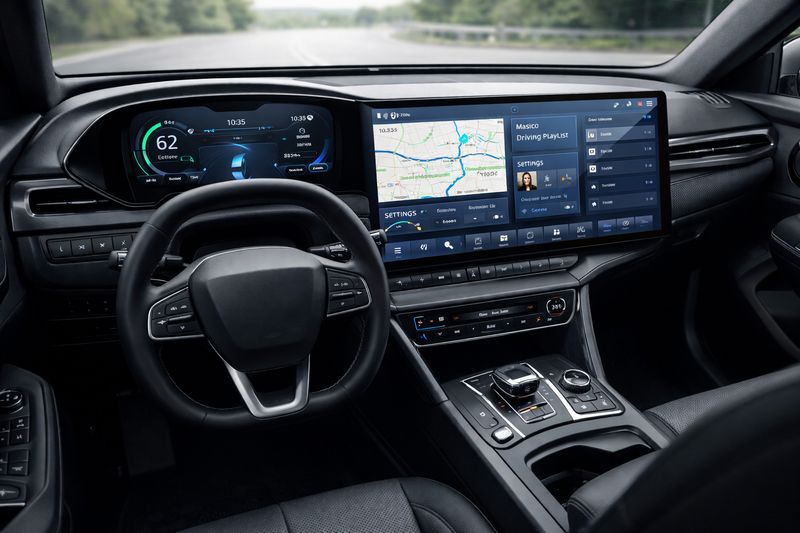
For buyers, especially those trying to save money, this change creates both opportunities and confusion. Understanding how software-defined vehicles work can help you make a smarter purchase and avoid surprises later.
What is a Software-Defined Vehicle (SDV)?
A software-defined vehicle (SDV) is a car where most functions are controlled by software rather than fixed hardware.
In simple terms, instead of installing physical components for every feature, manufacturers use software to control and update the car’s behavior.
For example:
- Heated seats may be activated by software
- Driving modes can be updated remotely
- New features can be added after you buy the car
This means the car you buy today can improve over time through updates, similar to a smartphone.
For a budget buyer, this is important. You might buy a car with basic features and unlock additional ones later instead of paying more upfront.
A Revolution in the Automotive Industry
Software-defined vehicles are changing how cars are built, sold, and used.
Before, once a car left the factory, it stayed mostly the same. Today, manufacturers can improve the car even after delivery through software updates.
This is a big shift. It allows:
- Faster innovation
- Continuous improvements
- New features without changing hardware
For example, a car may receive a software update that improves fuel efficiency or adds a new driver-assistance feature.
This approach is similar to how apps on your phone get updates. The car becomes a platform that evolves over time.
Why SDVs Are Important Today
SDVs are becoming more common because buyers expect more technology, convenience, and safety.
At the same time, manufacturers want to reduce costs and improve flexibility. Software helps achieve both.
For buyers, this means:
- Access to modern features at lower cost
- Ability to upgrade features later
- Better long-term value
For example, a buyer on a tight budget may choose a cheaper version of a car and later activate features like navigation or advanced driver assistance if needed.
However, it also means you need to understand what is included and what is locked behind software.
How SDVs Differ from Traditional Vehicles
Traditional cars rely heavily on physical components. If a feature is not installed at the factory, you usually cannot add it later.
Software-defined vehicles work differently. Many features are already built into the system but controlled by software.
Key differences include:
- Features can be added or updated remotely
- The car improves over time through updates
- Software plays a central role in performance and functionality
For example, in a traditional car, upgrading features might require expensive hardware changes. In an SDV, it could be as simple as activating a feature through software.
Buy a Modern Vehicle for Less — Even With Advanced Tech
Software-defined vehicles allow you to access modern features without paying premium prices upfront. With Auto4Export, you can find SDVs at auctions and get more value for your budget.
- ✅ Access to 200,000+ vehicles from US auctions
- ✅ Buy newer tech cars at lower prices
- ✅ Возможность выбрать авто с потенциалом апгрейда
- ✅ Помощь на каждом этапе покупки
SDV vs Connected and Autonomous Vehicles
Many buyers confuse software-defined vehicles with connected cars or self-driving cars. These terms sound similar, but they are not the same.
Understanding the difference is important, especially if you are trying to get the best value for your money. You don’t want to pay extra for features you don’t need or misunderstand what the car can actually do.
Key Differences Between SDV, Connected Cars, and Autonomous Vehicles
A software-defined vehicle (SDV) focuses on how the car is built and controlled — mainly through software.
A connected car is a vehicle that can connect to the internet and share data. For example, it can:
- Use navigation with live traffic
- Connect to mobile apps
- Send diagnostics data
An autonomous vehicle is a car that can drive itself, either partially or fully, using sensors, cameras, and AI.
Here is a simple way to understand it:
- SDV = how the car is designed (software-first)
- Connected car = how the car communicates (internet connection)
- Autonomous car = how the car drives (self-driving capability)
For example, a car can be an SDV without being fully autonomous. It may receive software updates and have smart features, but still require the driver to control it.
For budget buyers, this matters because autonomous features are usually expensive, while SDV benefits like updates and flexible features can be available at a lower cost.
Where ADAS Fits Into SDVs
ADAS stands for Advanced Driver Assistance Systems. These are features that help the driver but do not fully replace them.
Common ADAS features include:
- Lane keeping assist
- Adaptive cruise control
- Automatic emergency braking
- Parking assistance
In software-defined vehicles, ADAS is controlled and improved by software.
For example, a car may receive an update that improves how lane assist works or makes braking more responsive.
This means the car can become safer over time without changing hardware.
For a budget-conscious buyer, this is a big advantage. You may get a car with basic driver assistance and later benefit from improvements through updates instead of paying more upfront.
Common Misconceptions About SDVs
Many people misunderstand what software-defined vehicles actually are.
One common mistake is thinking that SDVs are fully self-driving cars. In reality, most SDVs still require a driver. They simply use more software to control features.
Another misconception is that all features are included for free. In many cases, some features are locked and require payment to activate.
For example, a car may have heated seats installed, but you need to pay to unlock them through software.
Some buyers also think SDVs are always more expensive. This is not always true. In the used car market, you may find SDVs at lower prices, especially through auctions.
For example, a buyer might purchase a used SDV at a good price and still benefit from software updates, getting more value over time.
The Evolution of Automotive Technology
Cars did not become software-driven overnight. This change happened step by step over many years. What started as simple mechanical systems has turned into complex digital platforms.
For buyers, especially those trying to save money, understanding this evolution helps explain why modern cars behave differently and what you are actually paying for. It also helps you avoid confusion when comparing older vehicles with newer, software-driven models.
Evolution of Automotive Hardware Architecture
In the past, cars were built with many separate components, each responsible for one specific function. Over time, this approach became more complex and harder to manage.
As technology advanced, manufacturers started moving toward more centralized systems that are easier to update and control.
From Distributed ECUs to Centralized Computing
Older vehicles use many small computers called ECUs (Electronic Control Units). Each ECU controls one function, such as:
- Engine performance
- Transmission
- Air conditioning
- Safety systems
A modern car can have dozens of these units. The problem is that they don’t always communicate efficiently, and updating them is difficult.
Software-defined vehicles move toward centralized computing. Instead of many small units, they use fewer, more powerful computers that control multiple functions at once.
For example, instead of separate systems for infotainment and driver assistance, one central system can manage both.
For a budget buyer, this matters because centralized systems are easier to update and maintain. It also means the car can improve over time instead of becoming outdated quickly.
Evolution of Automotive Software Architecture
Hardware is only part of the story. The way software works in cars has also changed significantly.
In the past, software was fixed. Today, it is flexible and constantly evolving.
From Static Software to Continuous Updates
Traditional vehicles come with software that rarely changes. Once the car leaves the factory, the software stays the same unless you visit a service center.
In modern vehicles, software can be updated regularly, often over the air (OTA), without visiting a mechanic.
For example:
- Bugs can be fixed remotely
- Performance can be improved
- New features can be added
This is similar to how your smartphone receives updates.
For budget-conscious buyers, this is a major advantage. You can buy a used car and still receive improvements later, instead of being stuck with outdated systems.
Shift Toward Software-Centric Vehicle Design
Today, manufacturers design cars with software as the main focus, not just hardware.
This means:
- Features are planned as software functions
- Hardware is designed to support future updates
- Cars are built to evolve over time
For example, a car may come with basic functionality, but the system already supports advanced features that can be activated later.
This shift changes how you should think about buying a car. Instead of only looking at what the car has today, you should also consider what it can become.
Core Characteristics of Software-Defined Vehicles
Software-defined vehicles are built very differently from traditional cars. Their main advantage is flexibility — the ability to change, improve, and adapt over time.
For buyers, especially those on a budget, these characteristics can mean better value, more features, and longer usefulness of the car. But they also require a better understanding of how the vehicle actually works.
Centralized Computing Architecture
Instead of using dozens of small control units, SDVs rely on a few powerful central computers. These systems manage multiple functions at once.
For example, one system may control infotainment, driver assistance, and vehicle settings.
This makes the car easier to update and improves performance. It also reduces complexity compared to older vehicles.
Separation of Hardware and Software
In traditional cars, hardware and software are tightly connected. If you don’t have the hardware, you can’t add the feature.
In SDVs, hardware and software are more independent. Many features are controlled by software and can be activated later.
For example, a car may already have the physical components for heated seats, but the feature is turned on through software.
This gives buyers more flexibility in how they use and upgrade the car.
Scalable and Layered Software Stack
SDVs use a structured software system, often built in layers. This allows different parts of the system to work together without interfering with each other.
For example:
- One layer controls hardware
- Another handles applications
- Another manages user interface
This structure makes it easier to add new features or fix issues without affecting the entire system.
Virtualization and Containerization
These are technical terms, but the idea is simple. They allow different software functions to run independently on the same hardware.
For example, navigation, entertainment, and safety systems can operate separately without causing conflicts.
This improves stability and makes updates safer and more efficient.
Advanced Connectivity and Cloud Integration
SDVs are designed to stay connected. They communicate with cloud systems to send and receive data.
This allows:
- Remote diagnostics
- Real-time updates
- Access to online services
For example, your car can send performance data to the manufacturer and receive improvements based on that data.
For buyers, this means better support and smarter features over time.
Over-the-Air (OTA) Updates
One of the most important features of SDVs is the ability to update software remotely.
Instead of visiting a service center, updates are delivered through the internet.
For example:
- Fixing bugs
- Improving performance
- Adding new features
This keeps the car up to date and can increase its value over time.
AI-Enabled Features and Smart Systems
Artificial intelligence helps the car learn and improve based on data.
Examples include:
- Smarter navigation
- Improved driver assistance
- Personalized settings
For example, the car may learn your driving habits and adjust settings automatically.
This creates a more comfortable and efficient driving experience.
Feature-on-Demand and Subscription Services
Some features in SDVs are available on demand. This means you can activate them when needed, sometimes for a fee.
For example:
- Heated seats for winter
- Advanced driving modes
- Premium infotainment features
For budget buyers, this can be helpful. You don’t need to pay for everything upfront — you can choose what you need later.
Enhanced Safety and Autonomy Readiness
SDVs are designed to support advanced safety systems and future autonomous features.
Even if the car is not fully self-driving, it can include:
- Lane assist
- Emergency braking
- Adaptive cruise control
These systems can improve over time through software updates.
Cybersecurity by Design
Because SDVs are connected, security is critical. Manufacturers build protection directly into the system.
This includes:
- Secure data transmission
- Protection from unauthorized access
- Regular security updates
For buyers, this means safer use of connected features.
Lifecycle Flexibility and Continuous Improvement
Traditional cars lose value as they age. SDVs can improve over time through updates.
For example, a car you buy today may gain new features next year.
This extends the useful life of the vehicle and can make it a better long-term investment.
Faster Development and Testing Cycles
Manufacturers can develop and test new features faster using software.
Instead of waiting years for a new model, improvements can be released more frequently.
For example, a feature that once required a new car model can now be added through an update.
Find Software-Defined Vehicles at Auction Prices
Many modern vehicles with advanced software features are available at significantly lower prices through auctions. Auto4Export helps you access these deals without needing a dealer license.
- ✅ Direct access to major US auto auctions
- ✅ Low service fees starting from $295
- ✅ Shipping from all major US ports
- ✅ Full export documentation support
How Software-Defined Vehicles Work
At first, software-defined vehicles may sound complicated. But the idea is simple: the car works like a combination of hardware (physical parts) and software (digital control), all connected through the internet and supported by data.
Understanding how these parts work together helps you see why SDVs can offer more flexibility and long-term value — especially if you are trying to get the most for your budget.
Hardware Platform in SDVs
The hardware is the physical foundation of the vehicle. This includes:
- Sensors and cameras
- Central computers
- Electric and electronic systems
In SDVs, hardware is designed to support multiple functions at once. Instead of many small control units, there are fewer but more powerful systems.
For example, one central computer can process data from cameras, control safety systems, and manage the infotainment system at the same time.

For buyers, this means fewer limitations. The car already has the physical capability for many features — even if they are not activated yet.
Software Platform and Operating Systems
The software platform is what controls how the car behaves. It works like the operating system on your phone or computer.
This system manages:
- Driving modes
- Safety features
- User interface
- Vehicle performance
For example, when you change driving mode from “eco” to “sport,” it’s the software adjusting how the car responds.
In SDVs, the software platform is designed to be updated and improved over time. This allows manufacturers to fix issues and add new features without changing the hardware.
Role of Cloud Infrastructure
The cloud plays a big role in modern vehicles. It connects the car to external servers where data is stored and processed.
This allows:
- Remote updates
- Data analysis
- Real-time services
For example, your car can send diagnostic data to the cloud, and the system can detect potential issues before they become serious problems.
For a budget buyer, this can help reduce unexpected repair costs and improve reliability.
Applications and Digital Services in SDVs
Software-defined vehicles support various apps and digital services, similar to a smartphone.
These can include:
- Navigation systems
- Music and entertainment apps
- Remote control via mobile apps
- Vehicle monitoring tools
For example, you can check your car’s status, lock or unlock it, or even start it remotely using your phone.
Some services may be included, while others may require a subscription.
This gives flexibility, but it’s important to understand what is free and what costs extra.
Integration of AI and Data Processing
Artificial intelligence (AI) helps the vehicle process data and make smarter decisions.
The car collects data from sensors, cameras, and user behavior, then uses AI to improve performance.
Examples include:
- Smarter driver assistance
- Predictive maintenance alerts
- Personalized settings
For example, the car may learn your daily driving patterns and suggest better routes or adjust settings automatically.
Benefits of Software-Defined Vehicles
Software-defined vehicles offer more than just modern technology. They change how you use, maintain, and even value your car over time.
For budget-conscious buyers, this can be a big advantage. Instead of paying more upfront, you can get a car that improves over time and gives you more flexibility.
Accelerated Innovation and Faster Updates
In traditional cars, new features usually come only with new models. This means you have to buy a newer car to get better technology.
With SDVs, updates happen much faster. Manufacturers can improve the car through software without waiting years.
For example, a vehicle may receive an update that improves system performance or adds a new function within months.
For buyers, this means you don’t always need to upgrade your car to stay current.
Continuous Feature Improvements Over Time
One of the biggest benefits of SDVs is that the car doesn’t stay the same after purchase. It can improve over time.
For example:
- New features can be added
- Existing systems can be enhanced
- Bugs can be fixed remotely
This means a used car can still feel modern even after a few years.
For someone on a budget, this is valuable. You can buy a slightly older vehicle and still benefit from updates instead of paying for the newest model.
Smarter and Personalized Driver Experience
SDVs can adapt to your preferences and driving habits.
For example, the car may:
- Adjust seat and climate settings automatically
- Suggest routes based on your routine
- Customize the interface to your preferences
This creates a more comfortable and convenient experience.
Even with a lower-cost vehicle, you can still enjoy features that feel premium.
Improved Safety and Driver Assistance
Safety systems in SDVs can improve over time through updates.
For example:
- Better braking response
- Improved lane assistance
- More accurate sensors
This means your car can become safer after you buy it.
For budget buyers, this is important. Instead of paying extra for top-level safety features upfront, you may receive improvements later through software updates.
Modular and Scalable Vehicle Architecture
SDVs are built in a flexible way. This allows manufacturers to add or adjust features without redesigning the entire system.
For example, new functions can be added without replacing major components.
This flexibility benefits buyers because:
- The car adapts to future needs
- Upgrades are easier and often cheaper
It also makes the vehicle more future-proof.
Extended Vehicle Lifespan
Traditional cars lose value as they age and technology becomes outdated.
SDVs can stay relevant longer because they receive updates and improvements.
For example, a car that is 3–5 years old may still get software updates that improve performance or add features.
This extends the useful life of the vehicle and reduces the need to replace it quickly.
For someone trying to save money, keeping a car longer without losing functionality is a major advantage.
Better Resale Value Through Software Upgrades
Software updates can help maintain or even improve a car’s value.
For example, a vehicle with updated features and improved systems is more attractive to the next buyer.
Even if the car is not new, it may offer modern functionality thanks to software upgrades.
For budget buyers, this means:
- Lower depreciation
- Better resale opportunities
- More value from the initial purchase
SDV and Driver Experience
Software-defined vehicles are not just about technology in the background. They directly affect how you feel when you drive and interact with the car every day.
For many buyers, especially those on a budget, the driving experience is just as important as the price. SDVs make it possible to get a more modern, comfortable, and convenient experience without always paying for the latest model.
Personalized In-Car Experience
SDVs can adapt to each driver. The car can remember your preferences and adjust settings automatically.
For example:
- Seat position adjusts when you unlock the car
- Climate control sets your preferred temperature
- Driving mode matches your style
If more than one person uses the car, each driver can have their own profile.
For a budget buyer, this means you can get a premium-like experience even in a used vehicle. The car feels tailored to you, not generic.
User Interface and Digital Dashboards
Modern SDVs often come with digital dashboards and touchscreen interfaces instead of traditional buttons.
These systems are designed to be simple and easy to use. You can control:
- Navigation
- Music and media
- Vehicle settings
- Safety features
For example, instead of pressing multiple buttons, you can adjust settings directly on the screen.
Another advantage is that the interface can be updated. The design, features, and layout can improve over time through software updates.
For buyers, this means the car’s interior experience can stay modern even as the vehicle gets older.
Remote Control and Mobile Integration
Many SDVs connect to your smartphone through apps. This allows you to control certain functions remotely.
For example, you can:
- Lock or unlock the car
- Check vehicle status
- Start the engine remotely
- Locate your car
Imagine parking your car and later checking from your phone if you locked it. Or starting the car remotely on a cold morning.
These features add convenience and can save time in everyday situations.
For budget-conscious buyers, this is a way to get advanced functionality without paying for a brand-new vehicle.
Comfort, Convenience, and Smart Features
SDVs are designed to make driving easier and more comfortable. Many features are controlled by software and can be improved over time.
Examples include:
- Smart climate control
- Voice commands
- Automated parking assistance
- Driver assistance systems
For example, you can use voice commands to change music or navigation without taking your hands off the wheel.
These features may seem small, but they improve the daily driving experience significantly.
Impact of Artificial Intelligence on SDVs
Artificial intelligence (AI) is one of the key technologies behind software-defined vehicles. It helps the car analyze data, learn from it, and make smarter decisions.
For buyers, this means a car that is not just functional, but also adaptive and helpful. Even for those with a limited budget, AI can improve safety, reduce costs, and make driving more convenient over time.
AI in Driver Assistance Systems
AI plays a major role in modern driver assistance features. These systems use data from cameras, sensors, and radar to support the driver in real time.
Examples include:
- Lane keeping assist
- Adaptive cruise control
- Automatic emergency braking
- Traffic sign recognition
For example, if a car detects that you are drifting out of your lane, it can gently correct the steering. If traffic slows down suddenly, the system can apply brakes faster than a human reaction.
In SDVs, these systems can improve over time through updates.
For a budget buyer, this means you may get a car with basic assistance features that become more accurate and reliable later without extra hardware costs.
Predictive Maintenance and Diagnostics
AI can also help detect problems before they become serious. The car continuously monitors its own condition and analyzes data to identify early signs of wear or failure.
For example:
- Detecting battery issues
- Identifying engine irregularities
- Monitoring brake system performance
Instead of waiting for a breakdown, the system can alert you in advance.
For someone trying to save money, this is a big advantage. Early detection can reduce repair costs and prevent unexpected expenses.
AI for Personalization and Automation
AI allows the car to learn your habits and preferences over time.
For example, the system may:
- Suggest routes based on your daily routine
- Adjust climate settings automatically
- Recommend music or settings based on past behavior
This creates a more comfortable and efficient driving experience.
Automation also reduces the need for manual adjustments. The car handles small tasks in the background, making everyday use easier.
For budget-conscious buyers, this means more convenience without paying for premium models.
Future Role of AI in Fully Autonomous Driving
AI is also the foundation of self-driving technology. While most cars today are not fully autonomous, many already include partial automation features.
In the future, AI will play an even bigger role in:
- Fully autonomous driving systems
- Safer traffic management
- Reduced human error
For example, future vehicles may be able to handle entire trips without driver input in certain conditions.
Cybersecurity in Software-Defined Vehicles
As cars become more connected and software-driven, security becomes just as important as engine performance or safety features.
For buyers, especially those trying to save money, cybersecurity may not seem like a priority at first. But it directly affects how safe your data is, how reliable your car is, and whether you face unexpected problems in the future.
Understanding basic security concepts can help you avoid risks and make a smarter purchase.
Why Cybersecurity Is Critical for SDVs
Software-defined vehicles rely on internet connections, cloud systems, and digital control. This makes them more advanced — but also more exposed to potential threats.
For example, SDVs:
- Store personal data (location, driving habits)
- Connect to mobile apps
- Receive remote updates
If these systems are not secure, they could be vulnerable to unauthorized access.
For a buyer, this means cybersecurity is not just a technical issue — it’s about protecting your personal information and ensuring your car operates safely.
Common Security Risks and Threats
Like any connected device, SDVs can face different types of risks.
Some common concerns include:
- Unauthorized access to vehicle systems
- Data leaks (location, personal information)
- Malware or software vulnerabilities
- Weak mobile app security
For example, if a system is not properly protected, someone could potentially access remote features like unlocking the car or tracking its location.
While such cases are not common, they highlight the importance of choosing vehicles with strong security systems.
For budget buyers, it’s important not to ignore this aspect just because the price is attractive.
Built-In Security Architecture
Modern SDVs are designed with security in mind from the beginning. Manufacturers include multiple layers of protection.
These can include:
- Encrypted communication between systems
- Secure authentication for users
- Regular software updates to fix vulnerabilities
- Isolation of critical systems (so one issue doesn’t affect everything)
For example, safety systems like braking and steering are usually separated from entertainment systems to prevent interference.
This layered approach helps reduce risks and ensures the car remains safe to use.
Compliance and Data Protection Standards
Manufacturers must follow strict regulations and standards when it comes to cybersecurity and data protection.
These standards ensure that:
- Personal data is handled securely
- Systems are tested for vulnerabilities
- Updates are provided when needed
For example, many modern vehicles follow global cybersecurity guidelines that require ongoing monitoring and protection.
For buyers, this means you are not relying only on the manufacturer’s promises — there are industry rules they must follow.
However, it’s still important to:
- Keep your software updated
- Use secure passwords for connected apps
- Understand what data your car collects
Challenges of Software-Defined Vehicles
Software-defined vehicles offer many benefits, but they also come with challenges. Understanding these challenges helps you make a more informed decision, especially if you are trying to stay within a budget.
Not every feature works perfectly, and not every system is as simple as it seems. Knowing the risks allows you to avoid unexpected costs and frustration later.
Software Complexity and Development at Scale
Modern vehicles use millions of lines of code. Managing this level of complexity is not easy, even for large manufacturers.
For example, one small software issue can affect multiple systems at once, such as infotainment, navigation, or driver assistance.
Because everything is connected, fixing problems can be more complicated than in traditional cars.
For buyers, this means occasional glitches or delays in updates may happen. It’s important to choose vehicles from brands that actively support and update their software.
Testing, Validation, and Certification Issues
Before new features are released, they need to be tested and approved. This process takes time and can slow down updates.
For example, a feature may be ready technically, but still waiting for approval due to safety or regulatory requirements.
Sometimes updates may introduce minor issues that need further fixes.
For buyers, this means that not every promised feature may be available immediately, and some updates may take longer than expected.
Cybersecurity and Regulatory Challenges
As vehicles become more connected, they must meet strict security and legal requirements.
Manufacturers need to protect:
- User data
- Vehicle systems
- Communication with external services
At the same time, regulations vary by country, which can limit certain features or updates.
For example, a feature available in one region may not be available in another due to legal restrictions.
For buyers, this means that some functions may be limited depending on where the car is used or imported.
Organizational and Talent Gaps
Building software-defined vehicles requires new skills. Manufacturers need software engineers, data specialists, and cybersecurity experts.
Not all companies are equally prepared for this shift.
For example, some brands may struggle with slow updates, unstable systems, or limited feature development because they lack the right expertise.
For buyers, this means the experience can vary significantly depending on the manufacturer. Choosing a brand with strong software support is important.
Dependence on Connectivity and Infrastructure
Many SDV features rely on internet connectivity. Without a stable connection, some functions may not work properly.
For example:
- Remote updates may be delayed
- Cloud-based services may not function
- Real-time features may be limited
If you live in an area with weak connectivity, this can affect your experience.
For budget-conscious buyers, it’s important to consider whether you will actually benefit from all connected features in your daily use.
Cost of Development and Implementation
Developing software-defined vehicles is expensive. This can affect the price of new cars and sometimes even service costs.
For example, some features may require:
- Paid activation
- Subscription services
- Ongoing updates
While SDVs can save money in the long run, some costs may appear later instead of upfront.
For buyers, this means you should always check:
- What features are included
- What requires additional payment
- What updates are free or paid
What SDVs Change for the Automotive Industry
Software-defined vehicles are not just a technical upgrade. They are changing how the entire car industry works — from how cars are built to how they are sold and maintained.
For buyers, this shift affects pricing, ownership costs, and what you actually get when you purchase a vehicle. Understanding these changes helps you make smarter decisions and avoid paying for things you don’t need.
Shift From Hardware to Software Business Models
In the past, car companies made most of their money from selling physical vehicles and hardware upgrades. Once you bought the car, the deal was mostly finished.
With SDVs, the focus is shifting toward software. Many features are now controlled digitally and can be updated or activated later.
For example, instead of paying more upfront for a higher trim level, you may buy a base version and unlock features later through software.
This changes how value is delivered. The car becomes a platform that can evolve, not just a fixed product.
For budget buyers, this can be positive. You don’t have to pay for everything at once. But you also need to understand what is included and what requires extra payment.
New Revenue Streams: Subscriptions and Services
Software allows manufacturers to introduce new ways of earning money after the car is sold.
These include:
- Monthly subscriptions for features
- Paid upgrades for performance or comfort
- Access to premium digital services
For example, heated seats, advanced navigation, or driver assistance features may be available as a subscription instead of a one-time purchase.
For buyers, this creates flexibility. You can choose what you need and avoid paying for features you don’t use.
However, it also means costs can add up over time if you activate multiple services. It’s important to calculate the long-term cost, not just the purchase price.
Changes in Manufacturing and Supply Chains
SDVs also change how cars are built. Manufacturers focus more on standard hardware that can support different software features.
This allows them to:
- Simplify production
- Reduce the number of physical variations
- Update vehicles after they leave the factory
For example, instead of producing many versions of the same model with different features, manufacturers can produce a standard version and activate features later through software.
For buyers, this means more flexibility and often better availability of vehicles.
It also makes it easier to find good deals in the used car market, since many cars have similar hardware but different software configurations.
Impact on Dealerships and Aftermarket Services
Software-defined vehicles are also changing the role of dealerships and service providers.
Traditionally, dealerships handled upgrades, repairs, and feature installations. Now, many updates happen remotely.
For example:
- Software updates are delivered over the air
- Some issues are diagnosed remotely
- Features can be activated without visiting a service center
This reduces the need for physical visits but increases the importance of digital support.
For aftermarket services, this creates both challenges and opportunities. Some traditional upgrades may no longer be possible, while new services related to software and diagnostics become more important.
Software-Defined Vehicles and the Used Car Market (Auto4Export Perspective)
Software-defined vehicles are changing not only new car sales, but also the used car market. For buyers working with a limited budget, this shift creates new ways to save money — but also new things to check before buying.
From an Auto4Export perspective, SDVs can offer strong value if you understand how software affects the car’s features, condition, and long-term usability.
How SDVs Affect Used Car Value
In traditional cars, value depends mostly on age, mileage, and physical condition.
With SDVs, software also plays a big role. A car’s value can depend on:
- Software version
- Available features
- Update support from the manufacturer
For example, two identical cars may have different value if one has updated software and active features, while the other does not.
Another example: a slightly older SDV may still feel modern if it continues to receive updates. This can make it a better deal than a newer traditional car with outdated systems.
For budget buyers, this means you can find strong value in used SDVs — especially through auctions — if you choose carefully.
What Buyers Should Check Before Purchasing an SDV
Buying a software-defined vehicle requires a slightly different approach compared to traditional cars.
It’s not enough to check only the engine and body condition. You also need to understand the digital side of the vehicle.
Software Version and Update History
Always check the current software version and whether the car has been regularly updated.
For example:
- Has the vehicle received recent updates?
- Are updates still supported by the manufacturer?
- Are there known issues with the current version?
A car with outdated software may miss important features or improvements.
For example, a newer update might improve battery performance, fix bugs, or enhance safety systems. If the car hasn’t received these updates, you may not get the full value.
Available Features and Locked Functions
In SDVs, some features may be installed but not activated.
For example:
- Heated seats may be present but locked
- Advanced driver assistance may require activation
- Premium infotainment features may not be included
Before buying, check:
- What features are active
- What features are available but locked
- What it costs to unlock them
This helps you understand the real value of the car and avoid surprises later.
Risks and Opportunities for Budget Buyers
Software-defined vehicles create both advantages and potential risks. Understanding both sides helps you make a smarter decision.
Access to Premium Features at Lower Cost
One of the biggest opportunities is getting more features for less money.
For example, you may buy a used SDV with:
- Advanced safety systems
- Digital dashboard
- Smart connectivity features
These may cost much more in a new car, but are available at a lower price in the used market.
In some cases, you can even unlock additional features later if needed.
This allows budget buyers to access technology that was previously only available in higher-end vehicles.
Potential Hidden Software Limitations
At the same time, there are risks to be aware of.
For example:
- Some features may require ongoing subscriptions
- Certain functions may not be available in your region
- Updates may stop if the manufacturer no longer supports the vehicle
Another example: a car may look fully equipped, but key features are locked behind software and require additional payment.
For budget buyers, this means you should always look beyond the initial price.
Check the full picture:
- What features are included
- What costs extra
- What updates are still available
Real-World Examples of Software-Defined Vehicles
It’s easier to understand software-defined vehicles when you look at real examples. Many brands already use this approach, and you may have seen these cars in listings or auctions without realizing how they work.
For budget-conscious buyers, these examples show where real value comes from — not just the car itself, but what it can do over time.
Leading Brands and Their SDV Strategies
Several manufacturers are actively building software-defined vehicles, each with a slightly different approach.
Some focus on frequent updates, others on premium features, and some on long-term flexibility.
For example:
- Tesla is known for frequent software updates and adding features after purchase
- BMW offers features that can be activated later, sometimes through subscriptions
- Mercedes-Benz focuses on digital systems and connected services
- Volkswagen is investing heavily in centralized software platforms
For a buyer, this means the experience depends on the brand.
For example, a used Tesla may still receive updates and new features, while another brand may offer fewer updates but more stable systems.
Understanding how each brand handles software helps you choose the right vehicle for your needs and budget.
Case Study: Feature Updates via OTA
One of the most practical examples of SDVs is over-the-air (OTA) updates.
Imagine buying a car with basic features and then receiving improvements later without visiting a service center.
For example:
- A navigation system becomes faster after an update
- Driver assistance systems become more accurate
- New interface features are added to the dashboard
In some cases, entirely new functions can be unlocked.
For example, a car may receive an update that adds a new driving mode or improves battery efficiency.
For a budget buyer, this is a major benefit. You can buy a car at a lower price today and still get improvements later, instead of paying more upfront for the latest version.
Industry Leaders and Technology Providers
Behind every software-defined vehicle, there are not only car manufacturers but also technology companies.
These providers develop:
- Operating systems for vehicles
- Cloud infrastructure
- AI and data processing systems
Examples include companies working on automotive software platforms, connectivity solutions, and security systems.
For example, many manufacturers partner with tech companies to build their software ecosystems, similar to how smartphones rely on operating systems and apps.
For buyers, this means the quality of the software experience depends not only on the car brand, but also on the technology behind it.
The Future of Software-Defined Vehicles
Software-defined vehicles are still evolving. What we see today is only the beginning. In the next few years, cars will become even more connected, smarter, and more flexible.
For buyers, this means the way you choose, use, and even think about a car will continue to change. If you understand these trends now, you can make better decisions and get more value for your money.
Transition Toward Fully Software-Driven Mobility
The industry is moving toward cars where almost everything is controlled by software.
In the future, most features — from performance to comfort — will be managed digitally. Hardware will still matter, but software will define how the car behaves.
For example:
- Performance settings may be adjusted through software
- New driving modes may be added after purchase
- Features may be activated instantly without physical upgrades
For budget buyers, this means more flexibility. Instead of paying for everything upfront, you can start with a basic setup and upgrade later if needed.
Role of AI and Automation in Future Vehicles
Artificial intelligence will play a bigger role in how cars operate. Vehicles will become more capable of assisting or even replacing certain driver actions.
For example:
- More advanced driver assistance systems
- Better route planning based on real-time data
- Automated parking and traffic handling
In the future, higher levels of automation may become more common, reducing the need for constant driver control in certain situations.
For buyers, this means safer and more convenient driving, even in more affordable vehicles over time.
Integration With Smart Cities and Infrastructure
Future vehicles will not only connect to the internet but also interact with their environment.
This includes:
- Traffic systems
- Parking infrastructure
- Charging stations
- Road safety systems
For example, a car may receive real-time updates from traffic lights or road sensors to optimize driving and reduce delays.
For buyers, this means a smoother driving experience and potentially lower operating costs, such as reduced fuel or energy consumption.
Long-Term Impact on Car Ownership
Software-defined vehicles are changing the concept of ownership.
Instead of buying a fixed product, you are buying a platform that evolves over time.
For example:
- Features can be added or removed as needed
- Updates can improve performance and safety
- Services may be activated only when required
This creates both opportunities and responsibilities.
For budget-conscious buyers, this means:
- More control over spending
- Ability to upgrade gradually
- Need to understand ongoing costs (subscriptions, updates)
Conclusion: Is a Software-Defined Vehicle Right for You?
Software-defined vehicles bring a new way of thinking about cars. Instead of buying a fixed set of features, you are choosing a platform that can grow and change over time.
For many buyers, especially those trying to save money, this can be a smart option — but only if you understand how it works. The key is to balance price, features, and long-term value.
Key Takeaways for Buyers
Software-defined vehicles offer flexibility and long-term improvements. They allow you to access modern features without always paying the highest price upfront.
Key points to remember:
- Features can be added or improved through software
- Updates can increase value over time
- Not all features may be included at purchase
- Some functions may require extra payment
For example, a buyer may purchase a lower-cost vehicle today and still benefit from updates that improve performance or usability later.
Understanding what is included and what can be upgraded is essential.
Pros and Cons for Budget-Conscious Customers
SDVs offer clear advantages, but they also come with trade-offs.
Pros:
- Lower entry cost for modern technology
- Access to updates and new features over time
- Better long-term value in many cases
- More flexibility in choosing features
Cons:
- Some features may require subscriptions or extra fees
- Not all updates are guaranteed
- Software issues or bugs may occur
- Requires understanding of digital systems
For example, you might find a great deal on a used SDV, but later discover that some features are locked or require payment to activate.
Being aware of both sides helps you avoid surprises.
How to Make a Smart Purchase Decision
To make the right choice, focus on both the current condition of the car and its future potential.
Before buying, check:
- What features are active and included
- Whether the vehicle still receives updates
- Total cost, including possible subscriptions
- Reputation of the brand’s software support
For example, two cars may have similar prices, but one may offer better long-term value because it continues to receive updates and has more features available.
For budget buyers, the best approach is simple:
Don’t just look at the price — look at what you are getting now and what you can get later.
When you understand how software-defined vehicles work, you can use this new technology to your advantage and make a smarter, more cost-effective decision.
Get the Best Value on Used Software-Defined Vehicles
Understanding SDVs helps you avoid overpaying and choose smarter. With Auto4Export, you can buy vehicles with modern features at auction prices and ship them anywhere in the world.
- ✅ Thousands of vehicles sold worldwide
- ✅ Container & RoRo shipping options
- ✅ Photo reports before export
- ✅ Secure payment via official invoices
Further Reading
Driver Assistance Technology and Safety Features for Parking, Backing, Lane, and Side
Electronic Stability Control: Must-Have Safety Feature for Cars
Your Essential Guide to Choosing the Right Electric Vehicle (EV)
GPS Options for Cars Without Built-In Navigation

Do You Have Any Questions?
 Ask Question