


 Log in
 Sign Up


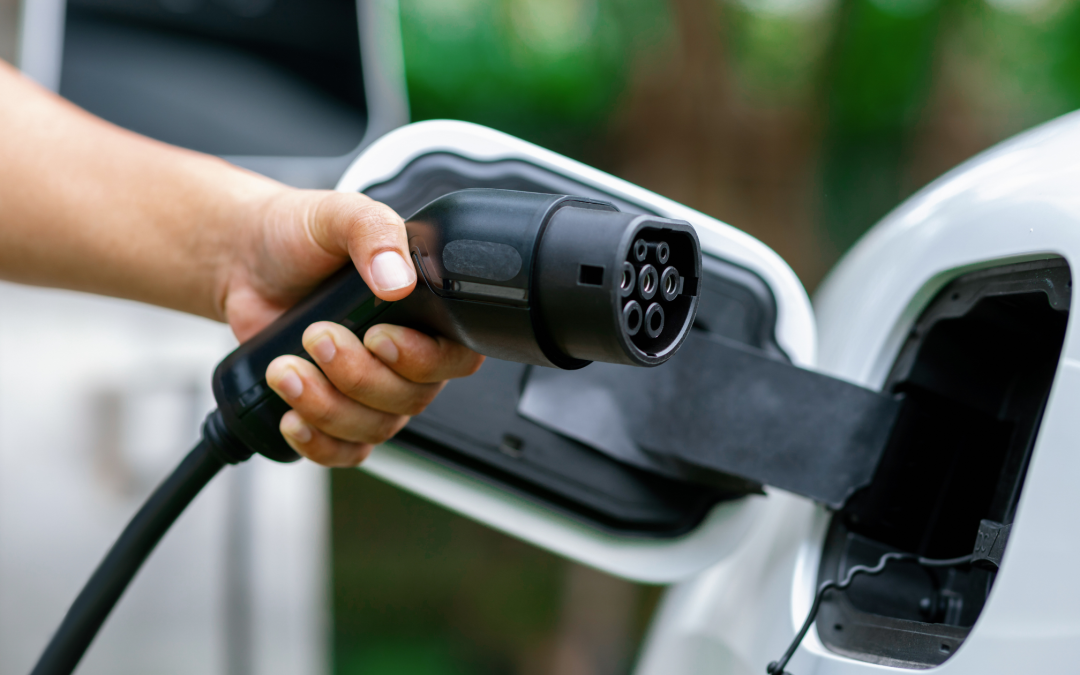


As electric vehicles (EVs) gain popularity, choosing the right one can be overwhelming, especially for budget-conscious buyers. This guide simplifies your decision-making process by breaking down the essential factors to consider, including types of EVs, battery range, performance, and cost savings. By the end, you'll have the knowledge to make an informed choice that aligns with your lifestyle and financial goals. Whether you're seeking fuel efficiency, environmental benefits, or modern technology, this guide will help you find the perfect EV for your needs.
What Are the Different Types of Electric Vehicles (EVs)?
Choosing the right electric vehicle (EV) begins with understanding the different types available on the market. Each type of EV has unique characteristics that cater to varying driving styles, preferences, and needs. Here’s a breakdown of the three primary types of electric vehicles: fully electric (Battery EVs), plug-in hybrids, and non-plug-in hybrids.
1. Fully Electric Vehicles (Battery EVs)
What They Are:
Fully electric vehicles, or Battery EVs, are powered entirely by electricity stored in rechargeable batteries. These vehicles do not rely on gasoline or diesel, making them an eco-friendly option.
Unique Characteristics:
- Zero Emissions: Battery EVs produce no tailpipe emissions, significantly reducing your carbon footprint and contributing to cleaner air.
- Long Range Options: Many modern Battery EVs can travel over 200 miles on a single charge, with premium models like Tesla achieving up to 400 miles. This makes them suitable for both city commuting and longer road trips.
- Instant Torque: Battery EVs provide smooth acceleration without the delay often experienced in traditional cars. This means quicker starts and an overall enjoyable driving experience.
Who They’re For:
If you're environmentally conscious and have access to charging stations at home or work, a fully electric vehicle is a great choice. They are ideal for individuals who primarily drive within urban settings or have predictable commuting patterns.
2. Plug-in Hybrid Electric Vehicles (PHEVs)
What They Are:
Plug-in hybrid electric vehicles combine a conventional gasoline or diesel engine with an electric motor. They can run on electricity alone for shorter distances but also use gasoline for longer trips.
Unique Characteristics:
- Dual Power Sources: PHEVs allow you to drive using electricity for daily commutes (typically 20-40 miles on a charge) and switch to gasoline for longer journeys, reducing range anxiety.
- Self-Charging Capability: These vehicles often feature regenerative braking, which helps recharge the battery while driving, extending the electric range without needing to plug in constantly.
- Flexibility: If you forget to charge, you can still rely on the gasoline engine, making them versatile for varying driving needs.
Who They’re For:
PHEVs are great for drivers looking for a balance between electric driving and the reassurance of traditional fuel options. They are particularly suitable for families or individuals with longer commutes who want to reduce fuel costs without completely transitioning to an all-electric vehicle.
3. Non-Plug-in Hybrid Electric Vehicles (HEVs)
What They Are:
Non-plug-in hybrid electric vehicles, or HEVs, utilize a gasoline or diesel engine along with a small electric battery. Unlike PHEVs, they do not need to be plugged in to recharge; the vehicle generates electricity through regenerative braking and the combustion engine.
Unique Characteristics:
- Self-Charging: HEVs automatically charge their batteries while driving, making them convenient as you never need to find a charging station.
- Improved Fuel Efficiency: These vehicles offer better fuel efficiency than traditional cars, as the electric motor assists the engine, particularly in stop-and-go traffic.
- Lower Cost: Generally, HEVs tend to be less expensive than fully electric and plug-in hybrid models, making them a more accessible option for budget-conscious buyers.
Who They’re For:
HEVs are ideal for those who want improved fuel economy without the need for charging infrastructure. They are well-suited for city driving and are an excellent choice for individuals who drive shorter distances but still want to make a positive environmental impact.
How Important is Battery Range When Choosing an EV?
When it comes to electric vehicles (EVs), one of the most critical factors to consider is battery range—the distance an EV can travel on a single charge. Understanding battery range is essential for ensuring that your chosen vehicle fits seamlessly into your lifestyle and driving habits.
The Significance of Battery Range
Battery range directly impacts your overall driving experience. If your vehicle doesn’t have sufficient range, you might find yourself frequently searching for charging stations or worrying about running out of power mid-journey. In contrast, a vehicle with a longer range allows for more freedom and flexibility, particularly for longer trips or in areas with limited charging infrastructure.
For many budget-conscious buyers, the battery range also influences cost-effectiveness. A vehicle that can travel further on a single charge reduces the frequency of charging, which can lead to savings in both time and charging costs. Therefore, selecting an EV with an appropriate battery range is vital for maximizing convenience and minimizing expenses.
Comparing Battery Range Across Different Types of EVs
-
Fully Electric Vehicles (Battery EVs):
- Battery EVs typically offer the most extensive range, with many modern models able to travel over 200 miles on a full charge. High-end models like Tesla can exceed 300-400 miles.
- This makes them an excellent option for daily commutes and road trips without the worry of recharging frequently.
-
Plug-in Hybrid Electric Vehicles (PHEVs):
- PHEVs generally have a shorter electric-only range, typically between 20 to 40 miles. However, they can switch to gasoline once the battery is depleted, effectively extending your total range.
- This hybrid capability is beneficial for drivers who need flexibility—using electric power for daily errands while relying on gasoline for longer journeys.
-
Non-Plug-in Hybrid Electric Vehicles (HEVs):
- HEVs do not operate solely on electricity; they rely on a gasoline or diesel engine alongside a small electric battery. Thus, battery range is less of a concern since they can always switch to fuel.
- While they don’t offer the same electric-only driving experience, they provide better fuel efficiency compared to traditional vehicles, making them a cost-effective option.
Factors Influencing Battery Range
Several factors can affect an EV's battery range:
-
Temperature: Cold weather can significantly reduce battery efficiency. For instance, if a manufacturer states a battery range of 290 miles, that might drop to 200 miles in colder conditions. This is due to the increased energy required for heating the cabin and the battery itself.
-
Driving Habits: Aggressive driving, such as rapid acceleration and high speeds, can decrease range. Conversely, smooth driving can help maximize it.
-
Weight and Cargo: Carrying extra weight in the vehicle can also affect range. If you frequently transport heavy loads or passengers, consider how that might impact your EV's performance.
-
Terrain: Hilly or mountainous terrain can cause increased energy consumption, reducing the effective range.
Tips for Choosing an EV Based on Driving Habits
-
Short Commutes: If you primarily use your vehicle for short trips—like commuting to work or running errands—look for a Battery EV with a range of at least 100 miles. This should comfortably cover your daily needs without frequent recharging.
-
Long-Distance Travel: If you often travel long distances, prioritize fully electric vehicles with extended ranges. Models that exceed 250 miles are generally considered more reliable for road trips, ensuring you can reach your destination with fewer charging stops.
-
Mix of Short and Long Trips: If your driving habits include a mix of short and long distances, a Plug-in Hybrid might be the best choice. It allows you to use electric power for daily commutes while providing the gasoline backup for longer journeys.
-
Planning for the Future: As EV technology continues to improve, newer models are being released with better battery efficiency and longer ranges. Keep an eye on market trends to find a vehicle that not only suits your current lifestyle but also accommodates future needs.
What Should You Know About EV Performance?
When considering an electric vehicle (EV), performance is a key factor that can significantly influence your driving experience. Unlike traditional gasoline vehicles, EVs offer unique advantages in terms of acceleration, handling, and overall driving dynamics. Understanding these performance aspects will help you choose the right vehicle to meet your driving preferences and needs.
Acceleration and Instant Torque
One of the standout features of electric vehicles is their remarkable acceleration. EVs deliver power in a way that traditional vehicles cannot, thanks to their electric motors, which provide instant torque. This means that as soon as you press the accelerator, the vehicle responds immediately, giving you a feeling of smooth and rapid acceleration.
-
Instant Power Delivery: Unlike conventional vehicles that may experience a lag when changing gears, EVs are designed to provide constant and instant power. This can be particularly beneficial when merging onto highways or overtaking other vehicles, offering a more confident driving experience.
-
Fun to Drive: Many drivers find EVs enjoyable to drive due to their quick acceleration and responsive handling. Whether you're navigating city streets or cruising on open highways, the effortless power delivery enhances the overall enjoyment of driving.
Comparing Performance Across Different Types of EVs
While all EVs share some performance benefits, there are differences based on the type of vehicle you choose:
-
Fully Electric Vehicles (Battery EVs):
- Battery EVs often excel in performance due to their dedicated electric drivetrains. Models like the Tesla Model S and the Porsche Taycan can achieve 0-60 mph in just a few seconds, rivaling many sports cars.
- The absence of a traditional transmission means there is no delay in gear changes, resulting in a smooth and continuous acceleration experience.
-
Plug-in Hybrid Electric Vehicles (PHEVs):
- PHEVs combine an electric motor with a gasoline engine. While they may not match the acceleration of fully electric vehicles, many PHEVs still offer impressive performance due to the assistance of the electric motor during acceleration.
- However, the experience may vary depending on whether you’re driving in electric mode or relying on the gasoline engine, which can introduce some lag when shifting between the two power sources.
-
Non-Plug-in Hybrid Electric Vehicles (HEVs):
- HEVs generally rely more on their gasoline engines but use electric motors to enhance performance. This results in improved fuel efficiency, but the acceleration might not be as responsive as that of fully electric vehicles.
- Since they are designed primarily for fuel efficiency, HEVs may not provide the same exhilarating driving experience that dedicated electric vehicles offer.
The Importance of Checking Acceleration Specifications
When shopping for an electric vehicle, it’s essential to pay attention to acceleration specifications. Here are a few reasons why:
-
Driving Style: If you enjoy spirited driving or need a vehicle that can handle highway merging and overtaking with ease, looking for models with high torque and quick acceleration times is crucial.
-
Real-World Performance: Manufacturers often provide 0-60 mph times in their specifications, giving you a benchmark for performance. However, consider reading reviews or watching performance tests to see how the vehicle performs in real-world conditions.
-
Understanding Your Needs: Think about your typical driving situations. If you often drive in stop-and-go traffic or need a reliable vehicle for highway driving, acceleration will play a significant role in your overall satisfaction with the car.
-
Safety Considerations: Good acceleration can enhance safety, allowing you to respond quickly to changing traffic conditions. An EV with quick acceleration can help you merge safely into fast-moving traffic or avoid potential hazards.
How Can You Save Money with an Electric Vehicle?
Switching to an electric vehicle (EV) can lead to substantial savings, making them an attractive option for budget-conscious buyers. Understanding how EVs can save you money involves looking at fuel costs, overall expenses, and strategies for optimizing charging. Here’s a closer look at how choosing an electric vehicle can impact your finances positively.
Fuel Savings
One of the most significant areas of savings when switching to an EV is fuel costs. Electricity is generally much cheaper than gasoline or diesel, translating into lower operating costs for EV owners.
-
Cost Per Mile: On average, electric vehicles cost about 3 to 5 cents per mile to operate, compared to 10 to 20 cents per mile for traditional gasoline vehicles. This means that if you drive 12,000 miles a year, you could save between $600 to $1,200 annually on fuel alone.
-
Charging Rates: The cost of charging can vary based on your location and time of day. Charging at home during off-peak hours can lead to additional savings, as many utility companies offer lower rates during nighttime hours.
-
Public Charging: Many public charging stations are free or offer low-cost charging options. By planning your routes and charging stops, you can take advantage of these opportunities, further reducing your overall fuel expenses.
Reduced Maintenance Costs
In addition to fuel savings, EVs typically incur lower maintenance costs compared to traditional vehicles. Here’s why:
-
Fewer Moving Parts: Electric vehicles have fewer moving parts than gasoline vehicles, which means there’s less that can go wrong. They don’t require oil changes, and they have fewer components like radiators and fuel injectors that need regular maintenance.
-
Brake Wear: Many EVs utilize regenerative braking, which reduces wear and tear on brake pads. This can lead to significant savings on brake replacement costs over the lifespan of the vehicle.
-
Longer Lifespan of Components: Electric motors tend to last longer than internal combustion engines, reducing the frequency of repairs and replacements.
Examples of Potential Savings by EV Type
-
Fully Electric Vehicles (Battery EVs):
- Battery EVs can save the most on fuel costs, especially with longer ranges. For example, if you own a Tesla Model 3, you might spend around $500 per year on charging, compared to $1,500 for a gasoline vehicle covering similar distances.
- Additionally, many states offer tax incentives and rebates for purchasing fully electric vehicles, which can further lower your upfront costs.
-
Plug-in Hybrid Electric Vehicles (PHEVs):
- PHEVs provide savings on fuel costs, but their savings depend on how often you charge and drive in electric mode. If you mainly use electric power for short trips, you could save hundreds on fuel costs annually while still having the gasoline engine for longer drives.
- A well-utilized PHEV could allow for annual savings of $300 to $800, depending on driving habits and fuel prices.
-
Non-Plug-in Hybrid Electric Vehicles (HEVs):
- While HEVs still use gasoline, they offer improved fuel efficiency over traditional cars. Owners can save around $200 to $500 annually compared to conventional vehicles, depending on driving patterns.
- Although the savings are less dramatic than with Battery EVs or PHEVs, they still represent a cost-effective choice for those looking to reduce their carbon footprint without fully committing to an electric vehicle.
Tips for Optimizing Charging Costs
To maximize your savings with an electric vehicle, consider the following tips:
-
Home Charging Installation: If you have a garage or dedicated parking space, consider installing a Level 2 home charging station. This allows you to charge your vehicle quickly and take advantage of lower off-peak electricity rates.
-
Utilize Incentives: Research local and federal incentives for EV owners, including rebates for home charging installations, tax credits for purchasing an EV, and discounts at public charging stations.
-
Plan Your Charging Stops: Use apps and resources to find charging stations along your routes, especially if you’re traveling long distances. This helps ensure you charge at lower-cost stations and avoid higher fees at fast chargers.
-
Monitor Energy Consumption: Many EVs provide detailed information about energy consumption. By keeping an eye on how and when you charge, you can adjust your habits to maximize efficiency and cost savings.
-
Participate in Time-of-Use Plans: If your utility offers time-of-use pricing, sign up for plans that lower rates during off-peak hours. This can lead to significant savings on your monthly electricity bill.
Where Can You Find the Right EV for You?
Finding the perfect electric vehicle (EV) that fits your budget and lifestyle can be a daunting task, but online auto auctions, such as Auto4Export, provide a convenient and efficient way to navigate your options. In this section, we’ll explore how to search for the right EV, what factors to consider, and tips for evaluating different models to ensure you make an informed decision.
Benefits of Using Online Auto Auctions
Online auto auctions have gained popularity for several reasons, especially for those looking to buy EVs:
-
Wide Selection: Online auctions typically feature a broad range of EVs, including fully electric, plug-in hybrids, and non-plug-in hybrids. This variety allows you to compare models side-by-side and find one that suits your preferences and needs.
-
Competitive Pricing: Auctions often result in competitive bidding, which can help you find a great deal. You may be able to purchase a high-quality EV at a lower price compared to traditional dealerships, making it more accessible for budget-conscious buyers.
-
Convenience: Shopping for an EV online lets you browse listings from the comfort of your home. You can filter searches based on your budget, preferred model, and other criteria, saving you time and effort.
-
Transparency: Most online auctions provide detailed vehicle histories and condition reports, giving you insight into the car’s background. This transparency helps you make more informed decisions.
Tips for Evaluating EV Models
When you begin your search for an electric vehicle, consider the following tips to ensure you find the right fit for your lifestyle:
-
Determine Your Needs: Before diving into listings, identify your primary driving habits. Are you looking for a car primarily for city driving, or do you need something that can handle longer road trips? Understanding your needs will help narrow down your choices.
-
Check Battery Range: As discussed earlier, battery range is crucial when choosing an EV. Look for vehicles with ranges that align with your driving patterns. If you frequently take long trips, opt for models with longer battery ranges.
-
Evaluate Performance: Review the acceleration and performance specifications of different models. If you enjoy responsive driving, prioritize EVs known for their quick acceleration and smooth handling.
-
Research Charging Options: Before making a purchase, consider the availability of charging stations in your area and along your common routes. Tools like PlugShare or ChargePoint can help you find nearby charging stations and assess their accessibility.
-
Look for Incentives: Check for any government incentives or rebates available for EV buyers. Many states offer tax credits, rebates, or grants that can significantly reduce the overall cost of your vehicle.
-
Read Reviews and Ratings: Look for reviews and ratings from current owners and automotive experts. Websites like Edmunds, Kelley Blue Book, and Consumer Reports can provide valuable insights into the performance, reliability, and overall satisfaction of specific models.
How to Use Auto4Export for Your EV Search
Auto4Export is a fantastic resource for finding the right electric vehicle. Here are some steps to help you make the most of this platform:
-
Create an Account: Sign up for an account on Auto4Export to start browsing listings and accessing auction information.
-
Filter Your Search: Use the platform's filtering tools to search specifically for electric vehicles. Narrow down your options based on factors such as price range, vehicle type, and condition.
-
Review Listings Thoroughly: Examine each listing carefully, paying close attention to vehicle details, mileage, battery range, and condition reports.
-
Participate in Auctions: If you find a model you like, participate in the auction process. Be sure to set a budget and stick to it, considering any additional costs such as registration, taxes, and potential repairs.
-
Connect with Sellers: Don’t hesitate to reach out to sellers with any questions or concerns you may have about the vehicle. Open communication can clarify any uncertainties.
-
Arrange for Inspection: If possible, arrange for a professional inspection of the vehicle before finalizing your purchase. This step can help you identify any potential issues and ensure you're making a sound investment.
In conclusion, selecting the right electric vehicle (EV) doesn't have to be a daunting task. By considering factors like vehicle type, battery range, performance, and cost savings, you can find an EV that perfectly suits your needs and budget. Now that you’re equipped with valuable insights, it’s time to take the next step. Register at Auto4Export, explore our extensive selection of electric vehicles, place your bids, and seize the opportunity to drive away with the perfect EV that enhances your lifestyle while saving you money.
Are you interested in buying a car from US auctions?
With this being said – you can still export vehicles and save up a few thousand dollars with Auto4Export. We have an inventory of over 150k plus vehicles with titles you can export for you to choose from. Once you have placed your bid and won the auction a Bill of Sale document is then emailed to you as proof of purchase – after full payments have been made.
To gain access and get started on your purchase, sign up for free.
Further Reading
How do US auto auctions work?
How to buy a used car from a US auction
Buy Salvaged Cars from the USA. What's the Meaning and Benefit?
Types of Vehicle Titles: What You Can and Can’t Export

Do You Have Any Questions?
 Ask Question