


 Inicia sesión
 Registrarse


Los vehículos definidos por software están transformando el funcionamiento, la mejora y la conservación del valor de los automóviles. Esta guía rápida explica qué son los vehículos definidos por software, en qué se diferencian de los coches tradicionales y qué implican para tu presupuesto. Aprenderás a identificar el verdadero valor, evitar costes ocultos y tomar decisiones de compra más inteligentes, especialmente al buscar vehículos usados o en subastas.
Introducción a los vehículos definidos por software
Los automóviles están cambiando rápidamente. Hoy en día, un vehículo ya no es solo un motor y ruedas, sino también una computadora sobre ruedas. Cada vez más funciones se controlan mediante software en lugar de hardware.
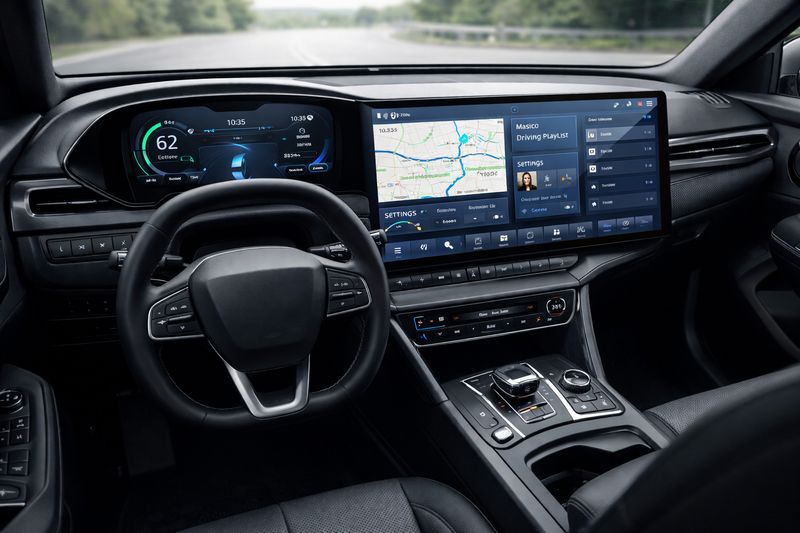
Para los compradores, especialmente para aquellos que buscan ahorrar dinero, este cambio genera tanto oportunidades como confusión. Comprender cómo funcionan los vehículos definidos por software puede ayudarle a realizar una compra más inteligente y evitar sorpresas posteriores.
¿Qué es un vehículo definido por software (SDV)?
Un vehículo definido por software (SDV, por sus siglas en inglés) es un automóvil cuyas funciones se controlan mediante software en lugar de hardware fijo.
En pocas palabras, en lugar de instalar componentes físicos para cada función, los fabricantes utilizan software para controlar y actualizar el comportamiento del automóvil.
Por ejemplo:
- Los asientos calefactables pueden activarse mediante software.
- Los modos de conducción se pueden actualizar de forma remota.
- Se pueden añadir nuevas funciones después de comprar el coche.
Esto significa que el coche que compres hoy puede mejorar con el tiempo mediante actualizaciones, de forma similar a un teléfono inteligente.
Para un comprador con presupuesto limitado, esto es importante. Podría comprar un coche con características básicas y desbloquear otras adicionales más adelante, en lugar de pagar más por adelantado.
Una revolución en la industria automotriz
Los vehículos definidos por software están cambiando la forma en que se fabrican, venden y utilizan los automóviles.
Antes, una vez que un coche salía de fábrica, permanecía prácticamente igual. Hoy en día, los fabricantes pueden mejorar el coche incluso después de la entrega mediante actualizaciones de software.
Este es un cambio importante. Permite:
- Innovación más rápida
- Mejoras continuas
- Nuevas funciones sin necesidad de cambiar el hardware.
Por ejemplo, un automóvil puede recibir una actualización de software que mejore la eficiencia del combustible o que añada una nueva función de asistencia al conductor.
Este enfoque es similar a cómo se actualizan las aplicaciones de tu teléfono. El coche se convierte en una plataforma que evoluciona con el tiempo.
Por qué los SDV son importantes hoy en día
Los vehículos autónomos son cada vez más comunes porque los compradores esperan más tecnología, comodidad y seguridad.
Al mismo tiempo, los fabricantes quieren reducir costes y mejorar la flexibilidad. El software ayuda a conseguir ambos objetivos.
Para los compradores, esto significa:
- Acceso a funciones modernas a menor coste.
- Posibilidad de actualizar las funciones más adelante.
- Mejor valor a largo plazo
Por ejemplo, un comprador con un presupuesto ajustado puede optar por una versión más económica de un automóvil y, posteriormente, activar funciones como la navegación o la asistencia avanzada al conductor si fuera necesario.
Sin embargo, también significa que debes comprender qué está incluido y qué está bloqueado por el software.
En qué se diferencian los vehículos de servicio ligero (SDV) de los vehículos tradicionales.
Los coches tradicionales dependen en gran medida de componentes físicos. Si una función no se instala de fábrica, normalmente no se puede añadir posteriormente.
Los vehículos definidos por software funcionan de manera diferente. Muchas funciones ya están integradas en el sistema, pero se controlan mediante software.
Las principales diferencias incluyen:
- Las funciones se pueden agregar o actualizar de forma remota.
- El coche mejora con el tiempo gracias a las actualizaciones.
- El software desempeña un papel fundamental en el rendimiento y la funcionalidad.
Por ejemplo, en un automóvil tradicional, actualizar las funciones podría requerir costosos cambios de hardware. En un SDV, podría ser tan sencillo como activar una función mediante software.
Vehículos autónomos frente a vehículos conectados y autónomos
Muchos compradores confunden los vehículos definidos por software con los coches conectados o los coches autónomos. Estos términos suenan parecidos, pero no son lo mismo.
Understanding the difference is important, especially if you are trying to get the best value for your money. You don’t want to pay extra for features you don’t need or misunderstand what the car can actually do.
Key Differences Between SDV, Connected Cars, and Autonomous Vehicles
A software-defined vehicle (SDV) focuses on how the car is built and controlled — mainly through software.
A connected car is a vehicle that can connect to the internet and share data. For example, it can:
- Use navigation with live traffic
- Connect to mobile apps
- Send diagnostics data
An autonomous vehicle is a car that can drive itself, either partially or fully, using sensors, cameras, and AI.
Here is a simple way to understand it:
- SDV = how the car is designed (software-first)
- Connected car = how the car communicates (internet connection)
- Autonomous car = how the car drives (self-driving capability)
For example, a car can be an SDV without being fully autonomous. It may receive software updates and have smart features, but still require the driver to control it.
For budget buyers, this matters because autonomous features are usually expensive, while SDV benefits like updates and flexible features can be available at a lower cost.
Where ADAS Fits Into SDVs
ADAS stands for Advanced Driver Assistance Systems. These are features that help the driver but do not fully replace them.
Common ADAS features include:
- Lane keeping assist
- Adaptive cruise control
- Automatic emergency braking
- Parking assistance
In software-defined vehicles, ADAS is controlled and improved by software.
For example, a car may receive an update that improves how lane assist works or makes braking more responsive.
This means the car can become safer over time without changing hardware.
For a budget-conscious buyer, this is a big advantage. You may get a car with basic driver assistance and later benefit from improvements through updates instead of paying more upfront.
Common Misconceptions About SDVs
Many people misunderstand what software-defined vehicles actually are.
One common mistake is thinking that SDVs are fully self-driving cars. In reality, most SDVs still require a driver. They simply use more software to control features.
Another misconception is that all features are included for free. In many cases, some features are locked and require payment to activate.
For example, a car may have heated seats installed, but you need to pay to unlock them through software.
Some buyers also think SDVs are always more expensive. This is not always true. In the used car market, you may find SDVs at lower prices, especially through auctions.
For example, a buyer might purchase a used SDV at a good price and still benefit from software updates, getting more value over time.
The Evolution of Automotive Technology
Cars did not become software-driven overnight. This change happened step by step over many years. What started as simple mechanical systems has turned into complex digital platforms.
For buyers, especially those trying to save money, understanding this evolution helps explain why modern cars behave differently and what you are actually paying for. It also helps you avoid confusion when comparing older vehicles with newer, software-driven models.
Evolution of Automotive Hardware Architecture
In the past, cars were built with many separate components, each responsible for one specific function. Over time, this approach became more complex and harder to manage.
As technology advanced, manufacturers started moving toward more centralized systems that are easier to update and control.
From Distributed ECUs to Centralized Computing
Older vehicles use many small computers called ECUs (Electronic Control Units). Each ECU controls one function, such as:
- Engine performance
- Transmission
- Air conditioning
- Safety systems
A modern car can have dozens of these units. The problem is that they don’t always communicate efficiently, and updating them is difficult.
Software-defined vehicles move toward centralized computing. Instead of many small units, they use fewer, more powerful computers that control multiple functions at once.
For example, instead of separate systems for infotainment and driver assistance, one central system can manage both.
For a budget buyer, this matters because centralized systems are easier to update and maintain. It also means the car can improve over time instead of becoming outdated quickly.
Evolution of Automotive Software Architecture
Hardware is only part of the story. The way software works in cars has also changed significantly.
In the past, software was fixed. Today, it is flexible and constantly evolving.
From Static Software to Continuous Updates
Traditional vehicles come with software that rarely changes. Once the car leaves the factory, the software stays the same unless you visit a service center.
In modern vehicles, software can be updated regularly, often over the air (OTA), without visiting a mechanic.
For example:
- Bugs can be fixed remotely
- Performance can be improved
- New features can be added
This is similar to how your smartphone receives updates.
For budget-conscious buyers, this is a major advantage. You can buy a used car and still receive improvements later, instead of being stuck with outdated systems.
Shift Toward Software-Centric Vehicle Design
Today, manufacturers design cars with software as the main focus, not just hardware.
This means:
- Features are planned as software functions
- Hardware is designed to support future updates
- Cars are built to evolve over time
For example, a car may come with basic functionality, but the system already supports advanced features that can be activated later.
This shift changes how you should think about buying a car. Instead of only looking at what the car has today, you should also consider what it can become.
Core Characteristics of Software-Defined Vehicles
Los vehículos definidos por software se construyen de forma muy diferente a los coches tradicionales. Su principal ventaja es la flexibilidad: la capacidad de cambiar, mejorar y adaptarse con el tiempo.
Para los compradores, especialmente aquellos con un presupuesto ajustado, estas características pueden significar una mejor relación calidad-precio, más prestaciones y una mayor vida útil del coche. Pero también requieren una mejor comprensión de cómo funciona realmente el vehículo.
Arquitectura de computación centralizada
En lugar de utilizar docenas de pequeñas unidades de control, los SDV se basan en unos pocos ordenadores centrales potentes. Estos sistemas gestionan múltiples funciones a la vez.
Por ejemplo, un sistema puede controlar el sistema de infoentretenimiento, la asistencia al conductor y la configuración del vehículo.
Esto facilita la actualización del vehículo y mejora su rendimiento. Además, reduce la complejidad en comparación con los vehículos más antiguos.
Separación de hardware y software
En los coches tradicionales, el hardware y el software están estrechamente conectados. Si no se dispone del hardware, no se puede añadir la función.
En los SDV, el hardware y el software son más independientes. Muchas funciones se controlan mediante software y se pueden activar posteriormente.
Por ejemplo, un coche puede que ya tenga los componentes físicos para los asientos calefactables, pero la función se activa mediante software.
Esto ofrece a los compradores mayor flexibilidad en la forma de usar y mejorar el coche.
Pila de software escalable y por capas
Los SDV utilizan un sistema de software estructurado, a menudo construido en capas. Esto permite que las diferentes partes del sistema trabajen juntas sin interferir entre sí.
Por ejemplo:
- Una capa controla el hardware
- Otro gestiona las aplicaciones
- Otro gestiona la interfaz de usuario.
Esta estructura facilita la incorporación de nuevas funciones o la corrección de problemas sin afectar a todo el sistema.
Virtualización y contenerización
Son términos técnicos, pero la idea es sencilla. Permiten que diferentes funciones de software se ejecuten de forma independiente en el mismo hardware.
Por ejemplo, los sistemas de navegación, entretenimiento y seguridad pueden funcionar de forma independiente sin provocar conflictos.
Esto mejora la estabilidad y hace que las actualizaciones sean más seguras y eficientes.
Conectividad avanzada e integración en la nube
Los SDV están diseñados para permanecer conectados. Se comunican con sistemas en la nube para enviar y recibir datos.
Esto permite:
- Diagnóstico remoto
- Actualizaciones en tiempo real
- Acceso a servicios en línea
Por ejemplo, su coche puede enviar datos de rendimiento al fabricante y recibir mejoras basadas en esos datos.
Para los compradores, esto significa una mejor asistencia y funciones más inteligentes con el tiempo.
Actualizaciones inalámbricas (OTA)
Una de las características más importantes de los SDV es la capacidad de actualizar el software de forma remota.
En lugar de acudir a un centro de servicio, las actualizaciones se realizan a través de Internet.
Por ejemplo:
- Corrección de errores
- Mejorar el rendimiento
- Agregar nuevas funciones
Esto mantiene el coche actualizado y puede aumentar su valor con el tiempo.
Funcionalidades habilitadas por IA y sistemas inteligentes
La inteligencia artificial ayuda al coche a aprender y mejorar basándose en los datos.
Algunos ejemplos son:
- Navegación más inteligente
- Asistencia al conductor mejorada
- Configuración personalizada
Por ejemplo, el coche puede aprender tus hábitos de conducción y ajustar la configuración automáticamente.
This creates a more comfortable and efficient driving experience.
Feature-on-Demand and Subscription Services
Some features in SDVs are available on demand. This means you can activate them when needed, sometimes for a fee.
For example:
- Heated seats for winter
- Advanced driving modes
- Premium infotainment features
For budget buyers, this can be helpful. You don’t need to pay for everything upfront — you can choose what you need later.
Enhanced Safety and Autonomy Readiness
SDVs are designed to support advanced safety systems and future autonomous features.
Even if the car is not fully self-driving, it can include:
- Lane assist
- Emergency braking
- Adaptive cruise control
These systems can improve over time through software updates.
Cybersecurity by Design
Because SDVs are connected, security is critical. Manufacturers build protection directly into the system.
This includes:
- Secure data transmission
- Protection from unauthorized access
- Regular security updates
For buyers, this means safer use of connected features.
Lifecycle Flexibility and Continuous Improvement
Traditional cars lose value as they age. SDVs can improve over time through updates.
For example, a car you buy today may gain new features next year.
This extends the useful life of the vehicle and can make it a better long-term investment.
Faster Development and Testing Cycles
Manufacturers can develop and test new features faster using software.
Instead of waiting years for a new model, improvements can be released more frequently.
For example, a feature that once required a new car model can now be added through an update.
How Software-Defined Vehicles Work
At first, software-defined vehicles may sound complicated. But the idea is simple: the car works like a combination of hardware (physical parts) and software (digital control), all connected through the internet and supported by data.
Understanding how these parts work together helps you see why SDVs can offer more flexibility and long-term value — especially if you are trying to get the most for your budget.
Hardware Platform in SDVs
The hardware is the physical foundation of the vehicle. This includes:
- Sensors and cameras
- Central computers
- Electric and electronic systems
In SDVs, hardware is designed to support multiple functions at once. Instead of many small control units, there are fewer but more powerful systems.
For example, one central computer can process data from cameras, control safety systems, and manage the infotainment system at the same time.

For buyers, this means fewer limitations. The car already has the physical capability for many features — even if they are not activated yet.
Software Platform and Operating Systems
The software platform is what controls how the car behaves. It works like the operating system on your phone or computer.
This system manages:
- Driving modes
- Safety features
- User interface
- Vehicle performance
For example, when you change driving mode from “eco” to “sport,” it’s the software adjusting how the car responds.
In SDVs, the software platform is designed to be updated and improved over time. This allows manufacturers to fix issues and add new features without changing the hardware.
Role of Cloud Infrastructure
The cloud plays a big role in modern vehicles. It connects the car to external servers where data is stored and processed.
This allows:
- Remote updates
- Data analysis
- Real-time services
For example, your car can send diagnostic data to the cloud, and the system can detect potential issues before they become serious problems.
For a budget buyer, this can help reduce unexpected repair costs and improve reliability.
Applications and Digital Services in SDVs
Software-defined vehicles support various apps and digital services, similar to a smartphone.
These can include:
- Navigation systems
- Music and entertainment apps
- Remote control via mobile apps
- Vehicle monitoring tools
For example, you can check your car’s status, lock or unlock it, or even start it remotely using your phone.
Some services may be included, while others may require a subscription.
This gives flexibility, but it’s important to understand what is free and what costs extra.
Integration of AI and Data Processing
Artificial intelligence (AI) helps the vehicle process data and make smarter decisions.
The car collects data from sensors, cameras, and user behavior, then uses AI to improve performance.
Examples include:
- Smarter driver assistance
- Predictive maintenance alerts
- Personalized settings
For example, the car may learn your daily driving patterns and suggest better routes or adjust settings automatically.
Benefits of Software-Defined Vehicles
Software-defined vehicles offer more than just modern technology. They change how you use, maintain, and even value your car over time.
For budget-conscious buyers, this can be a big advantage. Instead of paying more upfront, you can get a car that improves over time and gives you more flexibility.
Accelerated Innovation and Faster Updates
In traditional cars, new features usually come only with new models. This means you have to buy a newer car to get better technology.
With SDVs, updates happen much faster. Manufacturers can improve the car through software without waiting years.
For example, a vehicle may receive an update that improves system performance or adds a new function within months.
For buyers, this means you don’t always need to upgrade your car to stay current.
Continuous Feature Improvements Over Time
One of the biggest benefits of SDVs is that the car doesn’t stay the same after purchase. It can improve over time.
For example:
- New features can be added
- Existing systems can be enhanced
- Bugs can be fixed remotely
This means a used car can still feel modern even after a few years.
For someone on a budget, this is valuable. You can buy a slightly older vehicle and still benefit from updates instead of paying for the newest model.
Smarter and Personalized Driver Experience
SDVs can adapt to your preferences and driving habits.
For example, the car may:
- Adjust seat and climate settings automatically
- Suggest routes based on your routine
- Customize the interface to your preferences
This creates a more comfortable and convenient experience.
Even with a lower-cost vehicle, you can still enjoy features that feel premium.
Improved Safety and Driver Assistance
Safety systems in SDVs can improve over time through updates.
For example:
- Better braking response
- Improved lane assistance
- More accurate sensors
This means your car can become safer after you buy it.
For budget buyers, this is important. Instead of paying extra for top-level safety features upfront, you may receive improvements later through software updates.
Modular and Scalable Vehicle Architecture
SDVs are built in a flexible way. This allows manufacturers to add or adjust features without redesigning the entire system.
For example, new functions can be added without replacing major components.
This flexibility benefits buyers because:
- The car adapts to future needs
- Upgrades are easier and often cheaper
It also makes the vehicle more future-proof.
Extended Vehicle Lifespan
Traditional cars lose value as they age and technology becomes outdated.
SDVs can stay relevant longer because they receive updates and improvements.
For example, a car that is 3–5 years old may still get software updates that improve performance or add features.
This extends the useful life of the vehicle and reduces the need to replace it quickly.
For someone trying to save money, keeping a car longer without losing functionality is a major advantage.
Better Resale Value Through Software Upgrades
Software updates can help maintain or even improve a car’s value.
For example, a vehicle with updated features and improved systems is more attractive to the next buyer.
Even if the car is not new, it may offer modern functionality thanks to software upgrades.
For budget buyers, this means:
- Lower depreciation
- Better resale opportunities
- More value from the initial purchase
SDV and Driver Experience
Software-defined vehicles are not just about technology in the background. They directly affect how you feel when you drive and interact with the car every day.
For many buyers, especially those on a budget, the driving experience is just as important as the price. SDVs make it possible to get a more modern, comfortable, and convenient experience without always paying for the latest model.
Personalized In-Car Experience
SDVs can adapt to each driver. The car can remember your preferences and adjust settings automatically.
For example:
- Seat position adjusts when you unlock the car
- Climate control sets your preferred temperature
- Driving mode matches your style
If more than one person uses the car, each driver can have their own profile.
For a budget buyer, this means you can get a premium-like experience even in a used vehicle. The car feels tailored to you, not generic.
User Interface and Digital Dashboards
Modern SDVs often come with digital dashboards and touchscreen interfaces instead of traditional buttons.
Estos sistemas están diseñados para ser sencillos y fáciles de usar. Puedes controlar:
- Navegación
- Música y medios de comunicación
- Configuración del vehículo
- Características de seguridad
Por ejemplo, en lugar de pulsar varios botones, puede ajustar la configuración directamente en la pantalla.
Otra ventaja es que la interfaz se puede actualizar. El diseño, las funciones y la disposición pueden mejorar con el tiempo mediante actualizaciones de software.
Para los compradores, esto significa que la experiencia en el interior del coche puede mantenerse moderna incluso a medida que el vehículo envejece.
Control remoto e integración móvil
Muchos dispositivos SDV se conectan a tu smartphone mediante aplicaciones. Esto te permite controlar ciertas funciones de forma remota.
Por ejemplo, puedes:
- Bloquear o desbloquear el coche
- Comprobar el estado del vehículo
- Arranque el motor de forma remota
- Localiza tu coche
Imagina aparcar tu coche y luego comprobar desde tu móvil si lo has cerrado con llave. O arrancar el coche a distancia en una mañana fría.
Estas características aportan comodidad y pueden ahorrar tiempo en situaciones cotidianas.
Para los compradores que buscan ahorrar, esta es una forma de obtener funcionalidades avanzadas sin tener que pagar por un vehículo nuevo.
Comodidad, conveniencia y funciones inteligentes
Los vehículos de servicio ligero (SDV) están diseñados para facilitar y hacer más cómoda la conducción. Muchas de sus funciones se controlan mediante software y pueden mejorarse con el tiempo.
Algunos ejemplos son:
- Control climático inteligente
- comandos de voz
- Asistencia de estacionamiento automatizada
- Sistemas de asistencia al conductor
Por ejemplo, puedes usar comandos de voz para cambiar la música o la navegación sin quitar las manos del volante.
Estas características pueden parecer insignificantes, pero mejoran significativamente la experiencia de conducción diaria.
Impacto de la inteligencia artificial en los SDV
La inteligencia artificial (IA) es una de las tecnologías clave en los vehículos definidos por software. Ayuda al automóvil a analizar datos, aprender de ellos y tomar decisiones más inteligentes.
Para los compradores, esto significa un automóvil que no solo es funcional, sino también adaptable y útil. Incluso para quienes tienen un presupuesto limitado, la IA puede mejorar la seguridad, reducir costos y hacer que la conducción sea más cómoda con el tiempo.
Inteligencia artificial en los sistemas de asistencia al conductor
La IA desempeña un papel fundamental en las funciones modernas de asistencia al conductor. Estos sistemas utilizan datos de cámaras, sensores y radar para ayudar al conductor en tiempo real.
Algunos ejemplos son:
- Asistente de mantenimiento de carril
- control de crucero adaptativo
- Frenado automático de emergencia
- Reconocimiento de señales de tráfico
Por ejemplo, si un automóvil detecta que te estás desviando de tu carril, puede corregir suavemente la dirección. Si el tráfico disminuye la velocidad repentinamente, el sistema puede aplicar los frenos más rápido que una reacción humana.
En los entornos SDV, estos sistemas pueden mejorar con el tiempo mediante actualizaciones.
Para un comprador con presupuesto ajustado, esto significa que puede obtener un automóvil con funciones de asistencia básicas que se vuelven más precisas y confiables más adelante, sin costos adicionales de hardware.
Mantenimiento predictivo y diagnóstico
La IA también puede ayudar a detectar problemas antes de que se agraven. El coche monitoriza continuamente su propio estado y analiza los datos para identificar los primeros signos de desgaste o fallo.
Por ejemplo:
- Detección de problemas de batería
- Identificación de irregularidades en el motor
- Supervisión del rendimiento del sistema de frenos
En lugar de esperar a que se produzca una avería, el sistema puede avisarte con antelación.
Para quienes intentan ahorrar dinero, esto supone una gran ventaja. La detección temprana puede reducir los costes de reparación y prevenir gastos inesperados.
Inteligencia artificial para la personalización y la automatización.
La inteligencia artificial permite que el coche aprenda tus hábitos y preferencias con el tiempo.
Por ejemplo, el sistema puede:
- Sugiere rutas basadas en tu rutina diaria.
- Ajusta automáticamente la configuración del clima.
- Recomendar música o configuraciones en función del comportamiento anterior.
Esto crea una experiencia de conducción más cómoda y eficiente.
La automatización también reduce la necesidad de ajustes manuales. El coche realiza pequeñas tareas en segundo plano, facilitando su uso diario.
Para los compradores que buscan ahorrar, esto significa mayor comodidad sin tener que pagar por modelos de gama alta.
El futuro papel de la IA en la conducción totalmente autónoma.
La IA es también la base de la tecnología de conducción autónoma. Si bien la mayoría de los automóviles actuales no son totalmente autónomos, muchos ya incluyen funciones de automatización parcial.
En el futuro, la IA desempeñará un papel aún más importante en:
- Sistemas de conducción totalmente autónoma
- Gestión del tráfico más segura
- Reducción del error humano
Por ejemplo, los vehículos del futuro podrían ser capaces de realizar viajes completos sin la intervención del conductor en determinadas condiciones.
Ciberseguridad en vehículos definidos por software
A medida que los automóviles se vuelven más conectados y controlados por software, la seguridad se vuelve tan importante como el rendimiento del motor o las características de seguridad.
Para los compradores, especialmente para aquellos que intentan ahorrar dinero, la ciberseguridad puede no parecer una prioridad al principio. Sin embargo, afecta directamente a la seguridad de sus datos, a la fiabilidad de su coche y a la posibilidad de sufrir problemas inesperados en el futuro.
Comprender los conceptos básicos de seguridad puede ayudarte a evitar riesgos y a realizar una compra más inteligente.
Por qué la ciberseguridad es fundamental para los SDV
Los vehículos definidos por software dependen de conexiones a internet, sistemas en la nube y control digital. Esto los hace más avanzados, pero también más vulnerables a posibles amenazas.
Por ejemplo, SDV:
- Almacenar datos personales (ubicación, hábitos de conducción)
- Conéctate a aplicaciones móviles
- Reciba actualizaciones remotas
Si estos sistemas no son seguros, podrían ser vulnerables al acceso no autorizado.
Para un comprador, esto significa que la ciberseguridad no es solo una cuestión técnica, sino que se trata de proteger su información personal y garantizar que su automóvil funcione de forma segura.
Riesgos y amenazas comunes a la seguridad
Al igual que cualquier dispositivo conectado, los SDV pueden enfrentarse a diferentes tipos de riesgos.
Algunas preocupaciones comunes incluyen:
- Acceso no autorizado a los sistemas del vehículo.
- Fugas de datos (ubicación, información personal)
- Malware o vulnerabilidades de software
- Seguridad débil en las aplicaciones móviles
Por ejemplo, si un sistema no está debidamente protegido, alguien podría acceder a funciones remotas como desbloquear el coche o rastrear su ubicación.
Si bien estos casos no son comunes, resaltan la importancia de elegir vehículos con sistemas de seguridad robustos.
Para los compradores con presupuesto ajustado, es importante no ignorar este aspecto solo porque el precio sea atractivo.
Arquitectura de seguridad integrada
Los SDV modernos se diseñan teniendo en cuenta la seguridad desde el principio. Los fabricantes incluyen múltiples capas de protección.
Estos pueden incluir:
- Comunicación cifrada entre sistemas
- Secure authentication for users
- Regular software updates to fix vulnerabilities
- Isolation of critical systems (so one issue doesn’t affect everything)
For example, safety systems like braking and steering are usually separated from entertainment systems to prevent interference.
This layered approach helps reduce risks and ensures the car remains safe to use.
Compliance and Data Protection Standards
Manufacturers must follow strict regulations and standards when it comes to cybersecurity and data protection.
These standards ensure that:
- Personal data is handled securely
- Systems are tested for vulnerabilities
- Updates are provided when needed
For example, many modern vehicles follow global cybersecurity guidelines that require ongoing monitoring and protection.
For buyers, this means you are not relying only on the manufacturer’s promises — there are industry rules they must follow.
However, it’s still important to:
- Keep your software updated
- Use secure passwords for connected apps
- Understand what data your car collects
Challenges of Software-Defined Vehicles
Software-defined vehicles offer many benefits, but they also come with challenges. Understanding these challenges helps you make a more informed decision, especially if you are trying to stay within a budget.
Not every feature works perfectly, and not every system is as simple as it seems. Knowing the risks allows you to avoid unexpected costs and frustration later.
Software Complexity and Development at Scale
Modern vehicles use millions of lines of code. Managing this level of complexity is not easy, even for large manufacturers.
For example, one small software issue can affect multiple systems at once, such as infotainment, navigation, or driver assistance.
Because everything is connected, fixing problems can be more complicated than in traditional cars.
For buyers, this means occasional glitches or delays in updates may happen. It’s important to choose vehicles from brands that actively support and update their software.
Testing, Validation, and Certification Issues
Before new features are released, they need to be tested and approved. This process takes time and can slow down updates.
For example, a feature may be ready technically, but still waiting for approval due to safety or regulatory requirements.
Sometimes updates may introduce minor issues that need further fixes.
For buyers, this means that not every promised feature may be available immediately, and some updates may take longer than expected.
Cybersecurity and Regulatory Challenges
As vehicles become more connected, they must meet strict security and legal requirements.
Manufacturers need to protect:
- User data
- Vehicle systems
- Communication with external services
At the same time, regulations vary by country, which can limit certain features or updates.
For example, a feature available in one region may not be available in another due to legal restrictions.
For buyers, this means that some functions may be limited depending on where the car is used or imported.
Organizational and Talent Gaps
Building software-defined vehicles requires new skills. Manufacturers need software engineers, data specialists, and cybersecurity experts.
Not all companies are equally prepared for this shift.
For example, some brands may struggle with slow updates, unstable systems, or limited feature development because they lack the right expertise.
For buyers, this means the experience can vary significantly depending on the manufacturer. Choosing a brand with strong software support is important.
Dependence on Connectivity and Infrastructure
Many SDV features rely on internet connectivity. Without a stable connection, some functions may not work properly.
For example:
- Remote updates may be delayed
- Cloud-based services may not function
- Real-time features may be limited
If you live in an area with weak connectivity, this can affect your experience.
For budget-conscious buyers, it’s important to consider whether you will actually benefit from all connected features in your daily use.
Cost of Development and Implementation
Developing software-defined vehicles is expensive. This can affect the price of new cars and sometimes even service costs.
For example, some features may require:
- Paid activation
- Subscription services
- Ongoing updates
While SDVs can save money in the long run, some costs may appear later instead of upfront.
For buyers, this means you should always check:
- What features are included
- What requires additional payment
- What updates are free or paid
What SDVs Change for the Automotive Industry
Software-defined vehicles are not just a technical upgrade. They are changing how the entire car industry works — from how cars are built to how they are sold and maintained.
For buyers, this shift affects pricing, ownership costs, and what you actually get when you purchase a vehicle. Understanding these changes helps you make smarter decisions and avoid paying for things you don’t need.
Shift From Hardware to Software Business Models
In the past, car companies made most of their money from selling physical vehicles and hardware upgrades. Once you bought the car, the deal was mostly finished.
With SDVs, the focus is shifting toward software. Many features are now controlled digitally and can be updated or activated later.
For example, instead of paying more upfront for a higher trim level, you may buy a base version and unlock features later through software.
This changes how value is delivered. The car becomes a platform that can evolve, not just a fixed product.
For budget buyers, this can be positive. You don’t have to pay for everything at once. But you also need to understand what is included and what requires extra payment.
New Revenue Streams: Subscriptions and Services
Software allows manufacturers to introduce new ways of earning money after the car is sold.
These include:
- Monthly subscriptions for features
- Paid upgrades for performance or comfort
- Access to premium digital services
For example, heated seats, advanced navigation, or driver assistance features may be available as a subscription instead of a one-time purchase.
For buyers, this creates flexibility. You can choose what you need and avoid paying for features you don’t use.
However, it also means costs can add up over time if you activate multiple services. It’s important to calculate the long-term cost, not just the purchase price.
Changes in Manufacturing and Supply Chains
SDVs also change how cars are built. Manufacturers focus more on standard hardware that can support different software features.
This allows them to:
- Simplify production
- Reduce the number of physical variations
- Update vehicles after they leave the factory
For example, instead of producing many versions of the same model with different features, manufacturers can produce a standard version and activate features later through software.
For buyers, this means more flexibility and often better availability of vehicles.
It also makes it easier to find good deals in the used car market, since many cars have similar hardware but different software configurations.
Impact on Dealerships and Aftermarket Services
Software-defined vehicles are also changing the role of dealerships and service providers.
Traditionally, dealerships handled upgrades, repairs, and feature installations. Now, many updates happen remotely.
For example:
- Software updates are delivered over the air
- Some issues are diagnosed remotely
- Features can be activated without visiting a service center
This reduces the need for physical visits but increases the importance of digital support.
For aftermarket services, this creates both challenges and opportunities. Some traditional upgrades may no longer be possible, while new services related to software and diagnostics become more important.
Software-Defined Vehicles and the Used Car Market (Auto4Export Perspective)
Software-defined vehicles are changing not only new car sales, but also the used car market. For buyers working with a limited budget, this shift creates new ways to save money — but also new things to check before buying.
From an Auto4Export perspective, SDVs can offer strong value if you understand how software affects the car’s features, condition, and long-term usability.
How SDVs Affect Used Car Value
In traditional cars, value depends mostly on age, mileage, and physical condition.
With SDVs, software also plays a big role. A car’s value can depend on:
- Software version
- Available features
- Update support from the manufacturer
For example, two identical cars may have different value if one has updated software and active features, while the other does not.
Another example: a slightly older SDV may still feel modern if it continues to receive updates. This can make it a better deal than a newer traditional car with outdated systems.
For budget buyers, this means you can find strong value in used SDVs — especially through auctions — if you choose carefully.
What Buyers Should Check Before Purchasing an SDV
Buying a software-defined vehicle requires a slightly different approach compared to traditional cars.
It’s not enough to check only the engine and body condition. You also need to understand the digital side of the vehicle.
Software Version and Update History
Always check the current software version and whether the car has been regularly updated.
For example:
- Has the vehicle received recent updates?
- Are updates still supported by the manufacturer?
- Are there known issues with the current version?
A car with outdated software may miss important features or improvements.
For example, a newer update might improve battery performance, fix bugs, or enhance safety systems. If the car hasn’t received these updates, you may not get the full value.
Available Features and Locked Functions
In SDVs, some features may be installed but not activated.
For example:
- Heated seats may be present but locked
- Advanced driver assistance may require activation
- Premium infotainment features may not be included
Before buying, check:
- What features are active
- What features are available but locked
- What it costs to unlock them
This helps you understand the real value of the car and avoid surprises later.
Risks and Opportunities for Budget Buyers
Software-defined vehicles create both advantages and potential risks. Understanding both sides helps you make a smarter decision.
Access to Premium Features at Lower Cost
One of the biggest opportunities is getting more features for less money.
For example, you may buy a used SDV with:
- Advanced safety systems
- Digital dashboard
- Smart connectivity features
These may cost much more in a new car, but are available at a lower price in the used market.
In some cases, you can even unlock additional features later if needed.
This allows budget buyers to access technology that was previously only available in higher-end vehicles.
Potential Hidden Software Limitations
At the same time, there are risks to be aware of.
For example:
- Some features may require ongoing subscriptions
- Certain functions may not be available in your region
- Updates may stop if the manufacturer no longer supports the vehicle
Another example: a car may look fully equipped, but key features are locked behind software and require additional payment.
For budget buyers, this means you should always look beyond the initial price.
Check the full picture:
- What features are included
- What costs extra
- What updates are still available
Real-World Examples of Software-Defined Vehicles
It’s easier to understand software-defined vehicles when you look at real examples. Many brands already use this approach, and you may have seen these cars in listings or auctions without realizing how they work.
For budget-conscious buyers, these examples show where real value comes from — not just the car itself, but what it can do over time.
Leading Brands and Their SDV Strategies
Several manufacturers are actively building software-defined vehicles, each with a slightly different approach.
Some focus on frequent updates, others on premium features, and some on long-term flexibility.
For example:
- Tesla is known for frequent software updates and adding features after purchase
- BMW offers features that can be activated later, sometimes through subscriptions
- Mercedes-Benz focuses on digital systems and connected services
- Volkswagen is investing heavily in centralized software platforms
For a buyer, this means the experience depends on the brand.
For example, a used Tesla may still receive updates and new features, while another brand may offer fewer updates but more stable systems.
Understanding how each brand handles software helps you choose the right vehicle for your needs and budget.
Case Study: Feature Updates via OTA
One of the most practical examples of SDVs is over-the-air (OTA) updates.
Imagine buying a car with basic features and then receiving improvements later without visiting a service center.
For example:
- A navigation system becomes faster after an update
- Driver assistance systems become more accurate
- New interface features are added to the dashboard
In some cases, entirely new functions can be unlocked.
For example, a car may receive an update that adds a new driving mode or improves battery efficiency.
For a budget buyer, this is a major benefit. You can buy a car at a lower price today and still get improvements later, instead of paying more upfront for the latest version.
Industry Leaders and Technology Providers
Behind every software-defined vehicle, there are not only car manufacturers but also technology companies.
These providers develop:
- Operating systems for vehicles
- Cloud infrastructure
- AI and data processing systems
Examples include companies working on automotive software platforms, connectivity solutions, and security systems.
For example, many manufacturers partner with tech companies to build their software ecosystems, similar to how smartphones rely on operating systems and apps.
For buyers, this means the quality of the software experience depends not only on the car brand, but also on the technology behind it.
The Future of Software-Defined Vehicles
Software-defined vehicles are still evolving. What we see today is only the beginning. In the next few years, cars will become even more connected, smarter, and more flexible.
For buyers, this means the way you choose, use, and even think about a car will continue to change. If you understand these trends now, you can make better decisions and get more value for your money.
Transition Toward Fully Software-Driven Mobility
The industry is moving toward cars where almost everything is controlled by software.
In the future, most features — from performance to comfort — will be managed digitally. Hardware will still matter, but software will define how the car behaves.
For example:
- Performance settings may be adjusted through software
- New driving modes may be added after purchase
- Features may be activated instantly without physical upgrades
Para quienes buscan opciones económicas, esto significa mayor flexibilidad. En lugar de pagar todo por adelantado, pueden comenzar con una configuración básica y actualizarla más adelante si es necesario.
El papel de la IA y la automatización en los vehículos del futuro
La inteligencia artificial desempeñará un papel más importante en el funcionamiento de los automóviles. Los vehículos serán más capaces de asistir o incluso reemplazar ciertas acciones del conductor.
Por ejemplo:
- Sistemas de asistencia al conductor más avanzados
- Mejor planificación de rutas basada en datos en tiempo real.
- Estacionamiento automatizado y gestión del tráfico
En el futuro, es posible que se generalicen mayores niveles de automatización, lo que reducirá la necesidad de un control constante por parte del conductor en determinadas situaciones.
Para los compradores, esto significa una conducción más segura y cómoda, incluso en vehículos más asequibles con el paso del tiempo.
Integración con ciudades e infraestructuras inteligentes
Los vehículos del futuro no solo se conectarán a internet, sino que también interactuarán con su entorno.
Esto incluye:
- Sistemas de tráfico
- Infraestructura de estacionamiento
- estaciones de carga
- Sistemas de seguridad vial
Por ejemplo, un automóvil puede recibir actualizaciones en tiempo real de los semáforos o sensores de la carretera para optimizar la conducción y reducir los retrasos.
Para los compradores, esto significa una experiencia de conducción más fluida y, potencialmente, menores costes operativos, como un menor consumo de combustible o energía.
Impacto a largo plazo en la propiedad de automóviles
Los vehículos definidos por software están cambiando el concepto de propiedad.
En lugar de comprar un producto fijo, usted está comprando una plataforma que evoluciona con el tiempo.
Por ejemplo:
- Se pueden agregar o eliminar funciones según sea necesario.
- Las actualizaciones pueden mejorar el rendimiento y la seguridad.
- Los servicios solo podrán activarse cuando sea necesario.
Esto genera tanto oportunidades como responsabilidades.
Para los compradores que tienen un presupuesto ajustado, esto significa:
- Mayor control sobre el gasto
- Posibilidad de actualizar gradualmente
- Es necesario comprender los costos recurrentes (suscripciones, actualizaciones).
Conclusión: ¿Es un vehículo definido por software adecuado para usted?
Los vehículos definidos por software ofrecen una nueva forma de concebir los automóviles. En lugar de comprar un conjunto fijo de características, se elige una plataforma que puede crecer y cambiar con el tiempo.
Para muchos compradores, especialmente para aquellos que buscan ahorrar dinero, esta puede ser una opción inteligente, pero solo si entienden cómo funciona. La clave está en encontrar el equilibrio entre precio, características y valor a largo plazo.
Conclusiones clave para los compradores
Los vehículos definidos por software ofrecen flexibilidad y mejoras a largo plazo. Permiten acceder a funciones modernas sin tener que pagar siempre el precio más alto por adelantado.
Puntos clave a recordar:
- Las funciones se pueden agregar o mejorar mediante software.
- Las actualizaciones pueden aumentar el valor con el tiempo.
- Es posible que no todas las características estén incluidas en la compra.
- Algunas funciones pueden requerir un pago adicional.
Por ejemplo, un comprador puede adquirir hoy un vehículo de menor precio y aun así beneficiarse de las actualizaciones que mejoren el rendimiento o la facilidad de uso en el futuro.
Es fundamental comprender qué está incluido y qué se puede actualizar.
Ventajas y desventajas para clientes con presupuesto ajustado
Las SDV ofrecen claras ventajas, pero también conllevan inconvenientes.
Ventajas:
- Menor coste de entrada a la tecnología moderna.
- Acceso a actualizaciones y nuevas funciones con el tiempo.
- En muchos casos, ofrece un mejor valor a largo plazo.
- Mayor flexibilidad a la hora de elegir características.
Desventajas:
- Algunas funciones pueden requerir suscripciones o tarifas adicionales.
- No todas las actualizaciones están garantizadas.
- Pueden producirse problemas o errores de software.
- Requiere comprensión de los sistemas digitales.
Por ejemplo, podrías encontrar una gran oferta en un SDV usado, pero luego descubrir que algunas funciones están bloqueadas o requieren pago para activarse.
Conocer ambas partes te ayuda a evitar sorpresas.
Cómo tomar una decisión de compra inteligente
Para tomar la decisión correcta, céntrate tanto en el estado actual del coche como en su potencial futuro.
Antes de comprar, compruebe:
- ¿Qué funciones están activas e incluidas?
- Si el vehículo sigue recibiendo actualizaciones
- Coste total, incluidas las posibles suscripciones
- Reputación del soporte de software de la marca
Por ejemplo, dos coches pueden tener precios similares, pero uno puede ofrecer una mejor relación calidad-precio a largo plazo porque recibe actualizaciones constantemente y dispone de más funciones.
Para quienes buscan ahorrar, la mejor estrategia es sencilla:
no se fijen solo en el precio, sino en lo que obtienen ahora y en lo que pueden obtener más adelante.
Cuando comprendas cómo funcionan los vehículos definidos por software, podrás aprovechar esta nueva tecnología y tomar una decisión más inteligente y rentable.
Lecturas adicionales
Tecnología de asistencia al conductor y funciones de seguridad para estacionamiento, marcha atrás, carril y
control electrónico de estabilidad lateral: una función de seguridad imprescindible para los automóviles.
Su guía esencial para elegir el vehículo eléctrico (VE) adecuado.
Opciones de GPS para automóviles sin navegación integrada.

¿Tiene alguna pregunta?
 Hacer una pregunta