


 Log in
 Sign Up


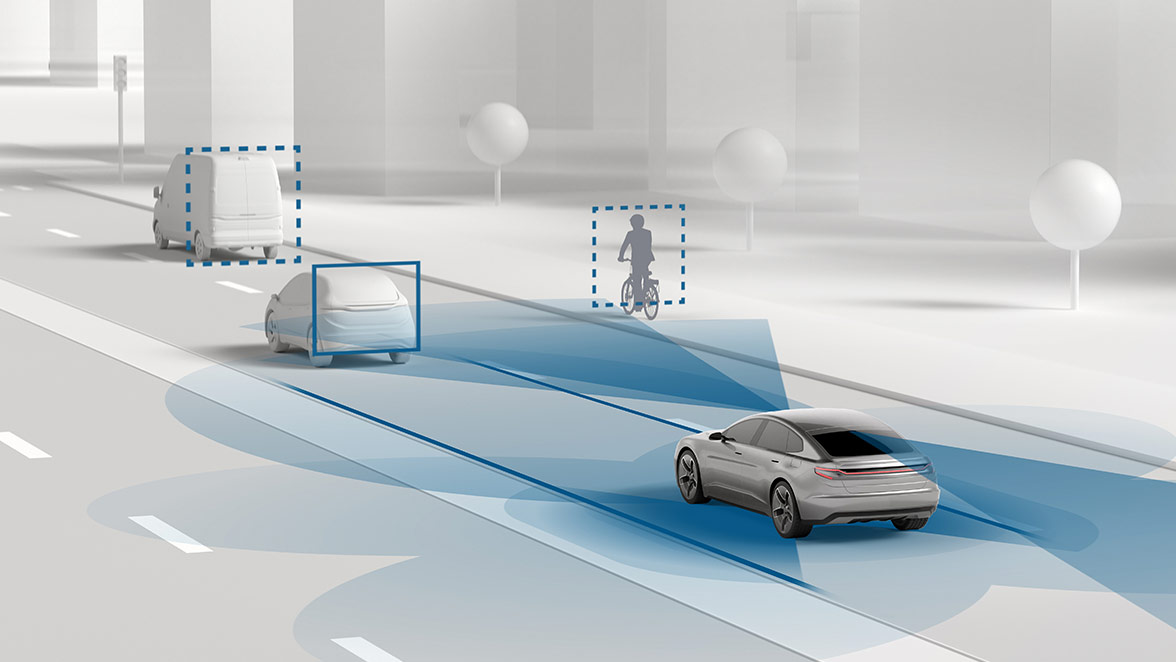


In the rapidly advancing world of automotive technology, driver assistance systems have become a cornerstone of vehicle safety. These features, which were once seen as luxuries, are now integral parts of modern vehicles, ensuring not just convenience but also significantly enhanced safety. From parking assistance to lane-keeping aids, these systems are designed to mitigate risks and protect drivers, passengers, and pedestrians alike.
The Evolution of Driver Assistance Technology
Driver assistance technology has come a long way since the early days of simple mechanical innovations like seat belts and airbags. The introduction of electronic systems in the late 20th century marked the beginning of a new era in automotive safety. These systems have evolved from basic warning indicators to sophisticated, interconnected networks that utilize sensors, cameras, and AI to assist drivers in real-time.
Parking Assistance Features
1. How Parking Sensors Work
Parking sensors are among the most common driver assistance features in today's vehicles. These sensors, typically located on the front and rear bumpers, use ultrasonic waves to detect obstacles around the vehicle. When an object is detected, the system alerts the driver with visual or audible warnings, helping to prevent collisions in tight spaces.
2. Rear and Front Parking Sensors
Most vehicles come equipped with rear parking sensors, which are invaluable when reversing into a parking spot. Some models also include front sensors, which assist in navigating tight forward parking situations. These sensors work together to provide a comprehensive understanding of the vehicle's surroundings.
3. 360-Degree Camera Systems
For an even more detailed view, 360-degree camera systems combine feeds from multiple cameras around the vehicle to create a bird's-eye view. This feature is particularly useful in crowded urban environments, where it can be difficult to judge distances from surrounding vehicles or obstacles.
4. Automated Parking Systems
Taking parking assistance to the next level, automated parking systems can control the steering, acceleration, and braking to park the car with minimal input from the driver. These systems are especially useful in parallel parking scenarios, where precision is key.
Backing Assistance Features
1. The Role of Backup Cameras
Backup cameras have become standard in many vehicles, providing a live video feed of what’s behind the car when it’s in reverse. This not only makes reversing safer but also helps drivers avoid small obstacles that might not be visible through rearview mirrors.
2. Guidelines and Overlays
To further assist the driver, backup cameras often include dynamic guidelines and overlays that indicate the path of the vehicle based on the steering angle. This feature allows for more accurate maneuvering in reverse.
3. Cross-Traffic Alerts
Cross-traffic alerts add another layer of safety by monitoring the area to the sides and rear of the vehicle when backing out of a parking spot. If a vehicle or pedestrian is approaching, the system will warn the driver, reducing the risk of a collision.
4. Rear Collision Avoidance Systems
Some advanced systems also include rear collision avoidance, which can automatically apply the brakes if an imminent collision is detected while reversing. This feature is particularly useful in busy parking lots where sudden obstacles may appear.
Lane Assistance Features
1. Lane Departure Warning Systems
Lane departure warning systems are designed to alert drivers when they unintentionally drift out of their lane. This feature is crucial in preventing accidents caused by driver distraction or drowsiness.
2. How They Detect Lane Markings
These systems rely on cameras mounted on the windshield to detect lane markings on the road. If the vehicle begins to drift out of its lane without the turn signal being activated, the system will issue a visual, audible, or haptic alert to get the driver’s attention.
3. Lane Keeping Assist
Building on lane departure warnings, lane-keeping assist systems actively steer the vehicle back into its lane if it detects that the driver is not taking corrective action. This feature can be a lifesaver on long highway drives, where maintaining lane discipline is essential.
4. The Integration of Lane-Centering Systems
Lane-centering systems represent the next level of lane assistance technology. These systems not only keep the vehicle within the lane but also position it in the center, reducing the need for constant steering adjustments and easing driver fatigue.
Side Assistance Features
1. Blind Spot Detection
Blind spot detection systems are designed to alert drivers to vehicles that are in their blind spots, making lane changes safer. These systems use radar sensors to monitor the areas alongside and slightly behind the vehicle.
2. How Radar Sensors Work
Radar sensors emit radio waves that bounce off objects in the vehicle’s vicinity. When a vehicle enters the blind spot, the system alerts the driver with a visual warning, usually displayed on the side mirror or an in-cabin display.
3. Active Blind Spot Monitoring
In some vehicles, blind spot detection is coupled with active blind spot monitoring, which can intervene by applying brakes or steering corrections if the driver attempts to change lanes while another vehicle is in the blind spot.
4. The Role of Side-Impact Airbags
While not a traditional driver assistance feature, side-impact airbags work in conjunction with blind spot monitoring and other safety systems to protect passengers in the event of a side collision. These airbags deploy from the side of the seat or door to cushion the impact.
The Impact of Driver Assistance Technology on Safety
1. Reduced Accidents and Fatalities
One of the most significant benefits of driver assistance technology is its impact on reducing accidents and fatalities. By addressing common causes of accidents, such as driver error, distraction, and fatigue, these systems help create a safer driving environment.
2. Improved Driver Confidence
These technologies also improve driver confidence, especially in challenging driving conditions. Knowing that the vehicle is equipped with features that can assist in critical situations allows drivers to focus more on the road and less on potential hazards.
3. Addressing Human Error
Human error is a leading cause of accidents, and driver assistance systems are designed to mitigate these errors. Whether it’s a momentary lapse in attention or a misjudgment in distance, these technologies provide a safety net that can prevent accidents before they occur.
Challenges and Limitations
1. Technology Dependency
While driver assistance systems are incredibly useful, they also raise concerns about technology dependency. Over-reliance on these features can lead to complacency, where drivers may pay less attention to their surroundings, assuming the technology will always intervene.
2. The Cost Factor
Another challenge is the cost associated with these advanced systems. While many of these features are becoming standard in new vehicles, they can still add significantly to the price of a car, making them less accessible to budget-conscious consumers.
3. Potential for False Alarms
False alarms are another limitation, where the system might warn of a potential collision even when there’s no actual threat. This can lead to driver frustration and may result in drivers ignoring or disabling these features altogether.
4. Legal and Ethical Concerns
As these technologies become more advanced, they also bring up legal and ethical questions, particularly in the context of liability. Who is responsible if an accident occurs while a vehicle is using an automated system? These are questions that regulators and manufacturers are still grappling with.
The Future of Driver Assistance Technology
1. Advances in AI and Machine Learning
The future of driver assistance technology is closely tied to advances in AI and machine learning. As these technologies evolve, we can expect even more sophisticated systems that can predict and respond to a wider range of scenarios.
2. Full Autonomy and Its Implications
The ultimate goal for many in the automotive industry is full autonomy—vehicles that can drive themselves without any human input. While we’re not there yet, the continued development of driver assistance systems is paving the way for this future.
3. The Role of 5G in Connected Cars
The advent of 5G technology will also play a crucial role in the evolution of driver assistance systems. With faster and more reliable connectivity, vehicles will be able to communicate with each other and with infrastructure, further enhancing safety and efficiency.
4. The Potential for Zero Accidents
As these technologies continue to improve, there is a real possibility of achieving the vision of zero accidents. By eliminating human error and creating a fully connected and autonomous driving environment, the roads of the future could be much safer than they are today.
Conclusion
Driver assistance technology and safety features have revolutionized the way we drive. From parking assistance to lane-keeping aids, these systems are designed to enhance safety and reduce the likelihood of accidents. As technology continues to advance, we can expect even more sophisticated systems that will bring us closer to the goal of zero accidents. However, it’s essential to remain aware of the challenges and limitations that come with these innovations. The future of driving is undoubtedly exciting, but it requires careful consideration and responsible use of technology.
FAQs
What is the difference between lane departure warning and lane-keeping assist?
Lane departure warning systems alert the driver if the vehicle starts to drift out of its lane without signaling. In contrast, lane-keeping assist not only warns the driver but also takes corrective action by steering the vehicle back into its lane.
How do blind spot monitors detect vehicles?
Blind spot monitors use radar sensors to detect vehicles that are in the driver’s blind spot. When a vehicle is detected, the system typically displays a warning light on the side mirror or dashboard.
Can parking sensors work in bad weather conditions?
While parking sensors generally perform well in various conditions, they can be less effective in extreme weather, such as heavy rain or snow, where the sensors might be obstructed by debris or moisture.
Are these safety features available in all new cars?
Many new cars come equipped with basic driver assistance features like backup cameras and lane departure warnings, but more advanced systems like automated parking or 360-degree cameras may be available only in higher-end models or as optional upgrades.
Will driver assistance technology eventually lead to fully autonomous cars?
Driver assistance technology is a crucial step toward the development of fully autonomous vehicles. While we’re not there yet, advancements in AI, machine learning, and sensor technology are steadily moving us closer to that reality.
Are you interested in buying a car from US auctions?
With this being said – you can still export vehicles and save up a few thousand dollars with Auto4Export. We have an inventory of over 150k plus vehicles with titles you can export for you to choose from. Once you have placed your bid and won the auction a Bill of Sale document is then emailed to you as proof of purchase – after full payments have been made.
To gain access and get started on your purchase, sign up for free.
Further Reading
How do US auto auctions work?
How to buy a used car from a US auction
Buy Salvaged Cars from the USA. What's the Meaning and Benefit?
Types of Vehicle Titles: What You Can and Can’t Export

Do You Have Any Questions?
 Ask Question