


 Войти
Войти Зарегистрироваться


Автомобили с программным управлением меняют принципы работы, совершенствования и сохранения стоимости автомобилей с течением времени. В этом кратком руководстве объясняется, что такое автомобили с программным управлением, чем они отличаются от традиционных автомобилей и что они означают для вашего бюджета. Вы узнаете, как распознать реальную ценность, избежать скрытых затрат и принять более разумное решение о покупке — особенно при поиске подержанных автомобилей или приобретении на аукционах.
Введение в программно-определяемые транспортные средства
Автомобили быстро меняются. Сегодня транспортное средство — это уже не просто двигатель и колеса, а еще и компьютер на колесах. Все больше функций управляется программным обеспечением, а не аппаратной частью.
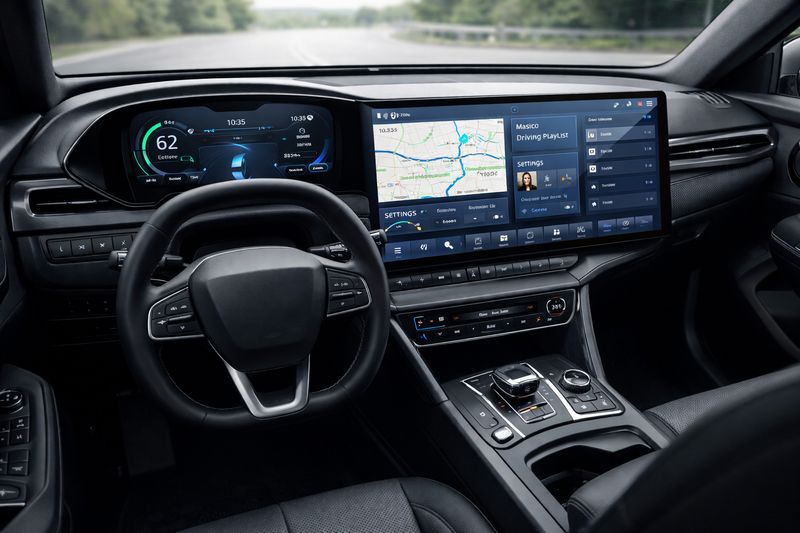
Для покупателей, особенно для тех, кто пытается сэкономить, это изменение создает как возможности, так и путаницу. Понимание принципов работы автомобилей с программным управлением может помочь вам совершить более разумную покупку и избежать неприятных сюрпризов в дальнейшем.
Что такое программно-определяемое транспортное средство (SDV)?
Программно-определяемый автомобиль (SDV) — это автомобиль, в котором большинство функций управляются программным обеспечением, а не фиксированным оборудованием.
Проще говоря, вместо установки физических компонентов для каждой функции производители используют программное обеспечение для управления и обновления работы автомобиля.
Например:
- Подогрев сидений может быть активирован программным обеспечением.
- Режимы движения можно обновлять удаленно.
- Новые функции можно добавить после покупки автомобиля.
Это значит, что автомобиль, который вы покупаете сегодня, со временем может улучшаться благодаря обновлениям, подобно смартфону.
Для покупателя с ограниченным бюджетом это важно. Вы можете купить автомобиль с базовыми функциями и разблокировать дополнительные позже, вместо того чтобы платить больше сразу.
Революция в автомобильной промышленности
Автомобили с программным управлением меняют способы их производства, продажи и использования.
Раньше, после схода с конвейера, автомобиль оставался практически неизменным. Сегодня же производители могут улучшать автомобиль даже после поставки с помощью обновлений программного обеспечения.
Это серьезные перемены. Они позволяют:
- Более быстрые инновации
- Непрерывное совершенствование
- Новые функции без изменения оборудования.
Например, автомобиль может получить обновление программного обеспечения, которое повысит топливную экономичность или добавит новую функцию помощи водителю.
Этот подход похож на то, как обновляются приложения на вашем телефоне. Автомобиль становится платформой, которая развивается со временем.
Почему SDV важны сегодня
Автомобили для самостоятельного проживания становятся все более распространенными, поскольку покупатели ожидают от них большей технологичности, удобства и безопасности.
В то же время производители стремятся снизить затраты и повысить гибкость. Программное обеспечение помогает достичь обеих целей.
Для покупателей это означает:
- Доступ к современным функциям по более низкой цене.
- Возможность обновления функций в дальнейшем.
- Более высокая долгосрочная ценность
Например, покупатель с ограниченным бюджетом может выбрать более дешевую версию автомобиля и при необходимости позже активировать такие функции, как навигация или расширенные системы помощи водителю.
Однако это также означает, что вам необходимо понимать, что входит в состав программного обеспечения, а что скрыто за ним.
Чем отличаются SDV от традиционных автомобилей?
Традиционные автомобили в значительной степени полагаются на физические компоненты. Если какая-либо функция не установлена на заводе, её обычно нельзя добавить позже.
Автомобили с программным управлением работают иначе. Многие функции уже встроены в систему, но управляются программным обеспечением.
Ключевые отличия включают в себя:
- Функции можно добавлять или обновлять удаленно.
- Автомобиль со временем совершенствуется благодаря обновлениям.
- Программное обеспечение играет центральную роль в производительности и функциональности.
Например, в традиционном автомобиле обновление функций может потребовать дорогостоящих аппаратных изменений. В внедорожнике же это может быть так же просто, как активация функции через программное обеспечение.
SDV против подключенных и автономных транспортных средств
Многие покупатели путают автомобили с программным управлением (Software-defined vehicles) с подключенными автомобилями (connected cars) или автомобилями с автопилотом (self driveing cars). Эти термины звучат похоже, но это не одно и то же.
Понимание разницы очень важно, особенно если вы стремитесь получить максимальную выгоду за свои деньги. Вы же не хотите переплачивать за ненужные функции или неправильно понимать, на что способен автомобиль на самом деле.
Основные различия между SDV, подключенными автомобилями и автономными транспортными средствами.
Программно-определяемый автомобиль (SDV) фокусируется на том, как автомобиль построен и управляется — в основном, с помощью программного обеспечения.
Подключенный автомобиль — это транспортное средство, которое может подключаться к интернету и обмениваться данными. Например, он может:
- Используйте навигацию с отображением дорожной ситуации в режиме реального времени.
- Подключайтесь к мобильным приложениям
- Отправить диагностические данные
Автономный автомобиль — это транспортное средство, способное двигаться самостоятельно, частично или полностью, используя датчики, камеры и искусственный интеллект.
Вот простой способ это понять:
- SDV = подход к проектированию автомобиля (программный подход, ориентированный на результат).
- Подключенный автомобиль = способ связи автомобиля (подключение к интернету).
- Автономный автомобиль = то, как автомобиль управляется (способность к автономному вождению).
Например, автомобиль может быть малогабаритным транспортным средством, не являясь при этом полностью автономным. Он может получать обновления программного обеспечения и обладать интеллектуальными функциями, но при этом всё равно требовать управления со стороны водителя.
Для покупателей с ограниченным бюджетом это важно, поскольку автономные функции обычно дороги, в то время как преимущества SDV, такие как обновления и гибкие возможности, могут быть доступны по более низкой цене.
Где ADAS вписывается в SDV?
ADAS расшифровывается как Advanced Driver Assistance Systems (усовершенствованные системы помощи водителю). Это функции, которые помогают водителю, но не заменяют его полностью.
К распространенным функциям систем помощи водителю относятся:
- Система помощи при удержании полосы движения
- Адаптивный круиз-контроль
- Автоматическое экстренное торможение
- Помощь при парковке
В автомобилях с программным управлением системы ADAS контролируются и улучшаются с помощью программного обеспечения.
Например, автомобиль может получить обновление, улучшающее работу системы помощи при движении по полосе или повышающее отзывчивость тормозов.
Это означает, что автомобиль может стать безопаснее со временем без изменения аппаратной части.
Для покупателя с ограниченным бюджетом это большое преимущество. Вы можете приобрести автомобиль с базовыми системами помощи водителю, а затем воспользоваться преимуществами улучшений за счет обновлений, вместо того чтобы переплачивать сразу.
Распространенные заблуждения о SDV
Многие люди неправильно понимают, что такое программно-определяемые транспортные средства.
Одна из распространенных ошибок — считать, что беспилотные автомобили полностью автономны. В действительности большинство беспилотных автомобилей по-прежнему требуют присутствия водителя. Они просто используют больше программного обеспечения для управления функциями.
Ещё одно распространённое заблуждение заключается в том, что все функции предоставляются бесплатно. Во многих случаях некоторые функции заблокированы и требуют оплаты для активации.
Например, в автомобиле могут быть установлены сиденья с подогревом, но для их разблокировки через программное обеспечение потребуется заплатить.
Некоторые покупатели также считают, что автомобили класса «подвеска» всегда дороже. Это не всегда так. На рынке подержанных автомобилей можно найти автомобили класса «подвеска» по более низким ценам, особенно на аукционах.
Например, покупатель может приобрести подержанный SDV по выгодной цене и при этом получать выгоду от обновлений программного обеспечения, что со временем увеличит его ценность.
Эволюция автомобильных технологий
Автомобили не стали управляться программным обеспечением в одночасье. Эти изменения происходили постепенно, на протяжении многих лет. То, что начиналось как простые механические системы, превратилось в сложные цифровые платформы.
For buyers, especially those trying to save money, understanding this evolution helps explain why modern cars behave differently and what you are actually paying for. It also helps you avoid confusion when comparing older vehicles with newer, software-driven models.
Evolution of Automotive Hardware Architecture
In the past, cars were built with many separate components, each responsible for one specific function. Over time, this approach became more complex and harder to manage.
As technology advanced, manufacturers started moving toward more centralized systems that are easier to update and control.
From Distributed ECUs to Centralized Computing
Older vehicles use many small computers called ECUs (Electronic Control Units). Each ECU controls one function, such as:
- Engine performance
- Transmission
- Air conditioning
- Safety systems
A modern car can have dozens of these units. The problem is that they don’t always communicate efficiently, and updating them is difficult.
Software-defined vehicles move toward centralized computing. Instead of many small units, they use fewer, more powerful computers that control multiple functions at once.
For example, instead of separate systems for infotainment and driver assistance, one central system can manage both.
For a budget buyer, this matters because centralized systems are easier to update and maintain. It also means the car can improve over time instead of becoming outdated quickly.
Evolution of Automotive Software Architecture
Hardware is only part of the story. The way software works in cars has also changed significantly.
In the past, software was fixed. Today, it is flexible and constantly evolving.
From Static Software to Continuous Updates
Traditional vehicles come with software that rarely changes. Once the car leaves the factory, the software stays the same unless you visit a service center.
In modern vehicles, software can be updated regularly, often over the air (OTA), without visiting a mechanic.
For example:
- Bugs can be fixed remotely
- Performance can be improved
- New features can be added
This is similar to how your smartphone receives updates.
For budget-conscious buyers, this is a major advantage. You can buy a used car and still receive improvements later, instead of being stuck with outdated systems.
Shift Toward Software-Centric Vehicle Design
Today, manufacturers design cars with software as the main focus, not just hardware.
This means:
- Features are planned as software functions
- Hardware is designed to support future updates
- Cars are built to evolve over time
For example, a car may come with basic functionality, but the system already supports advanced features that can be activated later.
This shift changes how you should think about buying a car. Instead of only looking at what the car has today, you should also consider what it can become.
Core Characteristics of Software-Defined Vehicles
Software-defined vehicles are built very differently from traditional cars. Their main advantage is flexibility — the ability to change, improve, and adapt over time.
For buyers, especially those on a budget, these characteristics can mean better value, more features, and longer usefulness of the car. But they also require a better understanding of how the vehicle actually works.
Centralized Computing Architecture
Instead of using dozens of small control units, SDVs rely on a few powerful central computers. These systems manage multiple functions at once.
For example, one system may control infotainment, driver assistance, and vehicle settings.
This makes the car easier to update and improves performance. It also reduces complexity compared to older vehicles.
Separation of Hardware and Software
In traditional cars, hardware and software are tightly connected. If you don’t have the hardware, you can’t add the feature.
In SDVs, hardware and software are more independent. Many features are controlled by software and can be activated later.
For example, a car may already have the physical components for heated seats, but the feature is turned on through software.
This gives buyers more flexibility in how they use and upgrade the car.
Scalable and Layered Software Stack
SDVs use a structured software system, often built in layers. This allows different parts of the system to work together without interfering with each other.
For example:
- One layer controls hardware
- Another handles applications
- Another manages user interface
This structure makes it easier to add new features or fix issues without affecting the entire system.
Virtualization and Containerization
These are technical terms, but the idea is simple. They allow different software functions to run independently on the same hardware.
For example, navigation, entertainment, and safety systems can operate separately without causing conflicts.
This improves stability and makes updates safer and more efficient.
Advanced Connectivity and Cloud Integration
SDVs are designed to stay connected. They communicate with cloud systems to send and receive data.
This allows:
- Remote diagnostics
- Real-time updates
- Access to online services
For example, your car can send performance data to the manufacturer and receive improvements based on that data.
For buyers, this means better support and smarter features over time.
Over-the-Air (OTA) Updates
One of the most important features of SDVs is the ability to update software remotely.
Instead of visiting a service center, updates are delivered through the internet.
For example:
- Fixing bugs
- Improving performance
- Adding new features
This keeps the car up to date and can increase its value over time.
AI-Enabled Features and Smart Systems
Artificial intelligence helps the car learn and improve based on data.
Examples include:
- Smarter navigation
- Improved driver assistance
- Personalized settings
For example, the car may learn your driving habits and adjust settings automatically.
This creates a more comfortable and efficient driving experience.
Feature-on-Demand and Subscription Services
Some features in SDVs are available on demand. This means you can activate them when needed, sometimes for a fee.
For example:
- Heated seats for winter
- Advanced driving modes
- Premium infotainment features
For budget buyers, this can be helpful. You don’t need to pay for everything upfront — you can choose what you need later.
Enhanced Safety and Autonomy Readiness
SDVs are designed to support advanced safety systems and future autonomous features.
Even if the car is not fully self-driving, it can include:
- Lane assist
- Emergency braking
- Adaptive cruise control
These systems can improve over time through software updates.
Cybersecurity by Design
Because SDVs are connected, security is critical. Manufacturers build protection directly into the system.
This includes:
- Secure data transmission
- Protection from unauthorized access
- Regular security updates
For buyers, this means safer use of connected features.
Lifecycle Flexibility and Continuous Improvement
Traditional cars lose value as they age. SDVs can improve over time through updates.
For example, a car you buy today may gain new features next year.
This extends the useful life of the vehicle and can make it a better long-term investment.
Faster Development and Testing Cycles
Manufacturers can develop and test new features faster using software.
Instead of waiting years for a new model, improvements can be released more frequently.
For example, a feature that once required a new car model can now be added through an update.
How Software-Defined Vehicles Work
At first, software-defined vehicles may sound complicated. But the idea is simple: the car works like a combination of hardware (physical parts) and software (digital control), all connected through the internet and supported by data.
Understanding how these parts work together helps you see why SDVs can offer more flexibility and long-term value — especially if you are trying to get the most for your budget.
Hardware Platform in SDVs
The hardware is the physical foundation of the vehicle. This includes:
- Sensors and cameras
- Central computers
- Electric and electronic systems
In SDVs, hardware is designed to support multiple functions at once. Instead of many small control units, there are fewer but more powerful systems.
For example, one central computer can process data from cameras, control safety systems, and manage the infotainment system at the same time.

For buyers, this means fewer limitations. The car already has the physical capability for many features — even if they are not activated yet.
Software Platform and Operating Systems
The software platform is what controls how the car behaves. It works like the operating system on your phone or computer.
This system manages:
- Driving modes
- Safety features
- User interface
- Vehicle performance
For example, when you change driving mode from “eco” to “sport,” it’s the software adjusting how the car responds.
В системах SDV программная платформа спроектирована таким образом, чтобы ее можно было обновлять и совершенствовать с течением времени. Это позволяет производителям исправлять ошибки и добавлять новые функции без изменения аппаратного обеспечения.
Роль облачной инфраструктуры
Облачные технологии играют важную роль в современных автомобилях. Они соединяют автомобиль с внешними серверами, где данные хранятся и обрабатываются.
Это позволяет:
- Удаленные обновления
- Анализ данных
- Сервисы в режиме реального времени
Например, ваш автомобиль может отправлять диагностические данные в облако, и система сможет выявлять потенциальные проблемы до того, как они превратятся в серьезные неполадки.
Для покупателя с ограниченным бюджетом это может помочь снизить непредвиденные расходы на ремонт и повысить надежность.
Приложения и цифровые услуги в SDVs
Автомобили с программным управлением поддерживают различные приложения и цифровые сервисы, подобно смартфону.
К ним могут относиться:
- навигационные системы
- Музыкальные и развлекательные приложения
- Дистанционное управление через мобильные приложения
- инструменты мониторинга транспортных средств
Например, вы можете проверить состояние своего автомобиля, заблокировать или разблокировать его, или даже дистанционно запустить двигатель с помощью телефона.
Некоторые услуги могут быть включены в стоимость, а для других может потребоваться подписка.
Это обеспечивает гибкость, но важно понимать, что предоставляется бесплатно, а за что взимается дополнительная плата.
Интеграция ИИ и обработки данных
Искусственный интеллект (ИИ) помогает транспортному средству обрабатывать данные и принимать более взвешенные решения.
Автомобиль собирает данные с датчиков, камер и отслеживает поведение пользователя, а затем использует искусственный интеллект для повышения производительности.
Примеры включают:
- Более интеллектуальная система помощи водителю
- Оповещения о плановом техническом обслуживании
- Персонализированные настройки
Например, автомобиль может изучить ваши ежедневные привычки вождения и предложить более оптимальные маршруты или автоматически скорректировать настройки.
Преимущества программно-определяемых транспортных средств
Автомобили с программным управлением предлагают нечто большее, чем просто современные технологии. Они меняют то, как вы используете, обслуживаете и даже оцениваете свой автомобиль с течением времени.
Для покупателей с ограниченным бюджетом это может стать большим преимуществом. Вместо того чтобы платить больше сразу, вы можете приобрести автомобиль, который со временем будет приносить больше пользы и обеспечит вам большую гибкость.
Ускоренное внедрение инноваций и более оперативные обновления.
В традиционных автомобилях новые функции обычно появляются только в новых моделях. Это означает, что для получения более совершенных технологий вам нужно купить более новую машину.
Благодаря системам SDV обновления происходят гораздо быстрее. Производители могут улучшать автомобиль с помощью программного обеспечения, не ожидая годы.
Например, автомобиль может получить обновление, улучшающее производительность системы или добавляющее новую функцию, в течение нескольких месяцев.
Для покупателей это означает, что им не всегда нужно менять автомобиль, чтобы оставаться в курсе современных тенденций.
Постоянное совершенствование функций с течением времени.
Одно из главных преимуществ малотоннажных автомобилей заключается в том, что автомобиль не остается неизменным после покупки. Со временем его можно улучшить.
Например:
- Можно добавлять новые функции.
- Существующие системы можно усовершенствовать.
- Ошибки можно исправить удалённо.
Это значит, что подержанный автомобиль может оставаться современным даже спустя несколько лет.
Для тех, кто ограничен в средствах, это очень ценно. Можно купить немного более старую модель автомобиля и при этом пользоваться преимуществами обновлений, вместо того чтобы переплачивать за самую новую.
Более интеллектуальный и персонализированный опыт вождения
Внедорожники могут адаптироваться к вашим предпочтениям и манере вождения.
Например, автомобиль может:
- Adjust seat and climate settings automatically
- Suggest routes based on your routine
- Customize the interface to your preferences
This creates a more comfortable and convenient experience.
Even with a lower-cost vehicle, you can still enjoy features that feel premium.
Improved Safety and Driver Assistance
Safety systems in SDVs can improve over time through updates.
For example:
- Better braking response
- Improved lane assistance
- More accurate sensors
This means your car can become safer after you buy it.
For budget buyers, this is important. Instead of paying extra for top-level safety features upfront, you may receive improvements later through software updates.
Modular and Scalable Vehicle Architecture
SDVs are built in a flexible way. This allows manufacturers to add or adjust features without redesigning the entire system.
For example, new functions can be added without replacing major components.
This flexibility benefits buyers because:
- The car adapts to future needs
- Upgrades are easier and often cheaper
It also makes the vehicle more future-proof.
Extended Vehicle Lifespan
Traditional cars lose value as they age and technology becomes outdated.
SDVs can stay relevant longer because they receive updates and improvements.
For example, a car that is 3–5 years old may still get software updates that improve performance or add features.
This extends the useful life of the vehicle and reduces the need to replace it quickly.
For someone trying to save money, keeping a car longer without losing functionality is a major advantage.
Better Resale Value Through Software Upgrades
Software updates can help maintain or even improve a car’s value.
For example, a vehicle with updated features and improved systems is more attractive to the next buyer.
Even if the car is not new, it may offer modern functionality thanks to software upgrades.
For budget buyers, this means:
- Lower depreciation
- Better resale opportunities
- More value from the initial purchase
SDV and Driver Experience
Software-defined vehicles are not just about technology in the background. They directly affect how you feel when you drive and interact with the car every day.
For many buyers, especially those on a budget, the driving experience is just as important as the price. SDVs make it possible to get a more modern, comfortable, and convenient experience without always paying for the latest model.
Personalized In-Car Experience
SDVs can adapt to each driver. The car can remember your preferences and adjust settings automatically.
For example:
- Seat position adjusts when you unlock the car
- Climate control sets your preferred temperature
- Driving mode matches your style
If more than one person uses the car, each driver can have their own profile.
For a budget buyer, this means you can get a premium-like experience even in a used vehicle. The car feels tailored to you, not generic.
User Interface and Digital Dashboards
Modern SDVs often come with digital dashboards and touchscreen interfaces instead of traditional buttons.
These systems are designed to be simple and easy to use. You can control:
- Navigation
- Music and media
- Vehicle settings
- Safety features
For example, instead of pressing multiple buttons, you can adjust settings directly on the screen.
Another advantage is that the interface can be updated. The design, features, and layout can improve over time through software updates.
For buyers, this means the car’s interior experience can stay modern even as the vehicle gets older.
Remote Control and Mobile Integration
Many SDVs connect to your smartphone through apps. This allows you to control certain functions remotely.
For example, you can:
- Lock or unlock the car
- Check vehicle status
- Start the engine remotely
- Locate your car
Imagine parking your car and later checking from your phone if you locked it. Or starting the car remotely on a cold morning.
These features add convenience and can save time in everyday situations.
For budget-conscious buyers, this is a way to get advanced functionality without paying for a brand-new vehicle.
Comfort, Convenience, and Smart Features
SDVs are designed to make driving easier and more comfortable. Many features are controlled by software and can be improved over time.
Examples include:
- Smart climate control
- Voice commands
- Automated parking assistance
- Driver assistance systems
For example, you can use voice commands to change music or navigation without taking your hands off the wheel.
These features may seem small, but they improve the daily driving experience significantly.
Impact of Artificial Intelligence on SDVs
Artificial intelligence (AI) is one of the key technologies behind software-defined vehicles. It helps the car analyze data, learn from it, and make smarter decisions.
For buyers, this means a car that is not just functional, but also adaptive and helpful. Even for those with a limited budget, AI can improve safety, reduce costs, and make driving more convenient over time.
AI in Driver Assistance Systems
AI plays a major role in modern driver assistance features. These systems use data from cameras, sensors, and radar to support the driver in real time.
Examples include:
- Lane keeping assist
- Adaptive cruise control
- Automatic emergency braking
- Traffic sign recognition
For example, if a car detects that you are drifting out of your lane, it can gently correct the steering. If traffic slows down suddenly, the system can apply brakes faster than a human reaction.
In SDVs, these systems can improve over time through updates.
For a budget buyer, this means you may get a car with basic assistance features that become more accurate and reliable later without extra hardware costs.
Predictive Maintenance and Diagnostics
AI can also help detect problems before they become serious. The car continuously monitors its own condition and analyzes data to identify early signs of wear or failure.
For example:
- Detecting battery issues
- Identifying engine irregularities
- Monitoring brake system performance
Instead of waiting for a breakdown, the system can alert you in advance.
For someone trying to save money, this is a big advantage. Early detection can reduce repair costs and prevent unexpected expenses.
AI for Personalization and Automation
AI allows the car to learn your habits and preferences over time.
For example, the system may:
- Suggest routes based on your daily routine
- Adjust climate settings automatically
- Recommend music or settings based on past behavior
This creates a more comfortable and efficient driving experience.
Automation also reduces the need for manual adjustments. The car handles small tasks in the background, making everyday use easier.
For budget-conscious buyers, this means more convenience without paying for premium models.
Future Role of AI in Fully Autonomous Driving
AI is also the foundation of self-driving technology. While most cars today are not fully autonomous, many already include partial automation features.
In the future, AI will play an even bigger role in:
- Fully autonomous driving systems
- Safer traffic management
- Reduced human error
For example, future vehicles may be able to handle entire trips without driver input in certain conditions.
Cybersecurity in Software-Defined Vehicles
As cars become more connected and software-driven, security becomes just as important as engine performance or safety features.
For buyers, especially those trying to save money, cybersecurity may not seem like a priority at first. But it directly affects how safe your data is, how reliable your car is, and whether you face unexpected problems in the future.
Understanding basic security concepts can help you avoid risks and make a smarter purchase.
Why Cybersecurity Is Critical for SDVs
Software-defined vehicles rely on internet connections, cloud systems, and digital control. This makes them more advanced — but also more exposed to potential threats.
For example, SDVs:
- Store personal data (location, driving habits)
- Connect to mobile apps
- Receive remote updates
If these systems are not secure, they could be vulnerable to unauthorized access.
For a buyer, this means cybersecurity is not just a technical issue — it’s about protecting your personal information and ensuring your car operates safely.
Common Security Risks and Threats
Like any connected device, SDVs can face different types of risks.
Some common concerns include:
- Unauthorized access to vehicle systems
- Data leaks (location, personal information)
- Malware or software vulnerabilities
- Weak mobile app security
For example, if a system is not properly protected, someone could potentially access remote features like unlocking the car or tracking its location.
While such cases are not common, they highlight the importance of choosing vehicles with strong security systems.
For budget buyers, it’s important not to ignore this aspect just because the price is attractive.
Built-In Security Architecture
Modern SDVs are designed with security in mind from the beginning. Manufacturers include multiple layers of protection.
These can include:
- Encrypted communication between systems
- Secure authentication for users
- Regular software updates to fix vulnerabilities
- Isolation of critical systems (so one issue doesn’t affect everything)
For example, safety systems like braking and steering are usually separated from entertainment systems to prevent interference.
This layered approach helps reduce risks and ensures the car remains safe to use.
Compliance and Data Protection Standards
Manufacturers must follow strict regulations and standards when it comes to cybersecurity and data protection.
These standards ensure that:
- Personal data is handled securely
- Systems are tested for vulnerabilities
- Updates are provided when needed
For example, many modern vehicles follow global cybersecurity guidelines that require ongoing monitoring and protection.
For buyers, this means you are not relying only on the manufacturer’s promises — there are industry rules they must follow.
However, it’s still important to:
- Keep your software updated
- Use secure passwords for connected apps
- Understand what data your car collects
Challenges of Software-Defined Vehicles
Software-defined vehicles offer many benefits, but they also come with challenges. Understanding these challenges helps you make a more informed decision, especially if you are trying to stay within a budget.
Not every feature works perfectly, and not every system is as simple as it seems. Knowing the risks allows you to avoid unexpected costs and frustration later.
Software Complexity and Development at Scale
Modern vehicles use millions of lines of code. Managing this level of complexity is not easy, even for large manufacturers.
For example, one small software issue can affect multiple systems at once, such as infotainment, navigation, or driver assistance.
Because everything is connected, fixing problems can be more complicated than in traditional cars.
For buyers, this means occasional glitches or delays in updates may happen. It’s important to choose vehicles from brands that actively support and update their software.
Testing, Validation, and Certification Issues
Before new features are released, they need to be tested and approved. This process takes time and can slow down updates.
For example, a feature may be ready technically, but still waiting for approval due to safety or regulatory requirements.
Sometimes updates may introduce minor issues that need further fixes.
For buyers, this means that not every promised feature may be available immediately, and some updates may take longer than expected.
Cybersecurity and Regulatory Challenges
As vehicles become more connected, they must meet strict security and legal requirements.
Manufacturers need to protect:
- User data
- Vehicle systems
- Communication with external services
At the same time, regulations vary by country, which can limit certain features or updates.
For example, a feature available in one region may not be available in another due to legal restrictions.
For buyers, this means that some functions may be limited depending on where the car is used or imported.
Organizational and Talent Gaps
Building software-defined vehicles requires new skills. Manufacturers need software engineers, data specialists, and cybersecurity experts.
Not all companies are equally prepared for this shift.
For example, some brands may struggle with slow updates, unstable systems, or limited feature development because they lack the right expertise.
For buyers, this means the experience can vary significantly depending on the manufacturer. Choosing a brand with strong software support is important.
Dependence on Connectivity and Infrastructure
Many SDV features rely on internet connectivity. Without a stable connection, some functions may not work properly.
For example:
- Remote updates may be delayed
- Cloud-based services may not function
- Real-time features may be limited
If you live in an area with weak connectivity, this can affect your experience.
For budget-conscious buyers, it’s important to consider whether you will actually benefit from all connected features in your daily use.
Cost of Development and Implementation
Developing software-defined vehicles is expensive. This can affect the price of new cars and sometimes even service costs.
For example, some features may require:
- Paid activation
- Subscription services
- Ongoing updates
While SDVs can save money in the long run, some costs may appear later instead of upfront.
For buyers, this means you should always check:
- What features are included
- What requires additional payment
- What updates are free or paid
What SDVs Change for the Automotive Industry
Software-defined vehicles are not just a technical upgrade. They are changing how the entire car industry works — from how cars are built to how they are sold and maintained.
For buyers, this shift affects pricing, ownership costs, and what you actually get when you purchase a vehicle. Understanding these changes helps you make smarter decisions and avoid paying for things you don’t need.
Shift From Hardware to Software Business Models
In the past, car companies made most of their money from selling physical vehicles and hardware upgrades. Once you bought the car, the deal was mostly finished.
With SDVs, the focus is shifting toward software. Many features are now controlled digitally and can be updated or activated later.
For example, instead of paying more upfront for a higher trim level, you may buy a base version and unlock features later through software.
This changes how value is delivered. The car becomes a platform that can evolve, not just a fixed product.
For budget buyers, this can be positive. You don’t have to pay for everything at once. But you also need to understand what is included and what requires extra payment.
New Revenue Streams: Subscriptions and Services
Software allows manufacturers to introduce new ways of earning money after the car is sold.
These include:
- Monthly subscriptions for features
- Paid upgrades for performance or comfort
- Access to premium digital services
Например, подогрев сидений, расширенная навигация или системы помощи водителю могут быть доступны по подписке, а не за единовременную покупку.
Для покупателей это обеспечивает гибкость. Вы можете выбрать то, что вам нужно, и избежать оплаты за функции, которые вы не используете.
Однако это также означает, что расходы могут накапливаться со временем, если вы активируете несколько услуг. Важно рассчитывать долгосрочные затраты, а не только цену покупки.
Изменения в производстве и цепочках поставок
SDV также меняют подход к производству автомобилей. Производители уделяют больше внимания стандартному оборудованию, которое может поддерживать различные программные функции.
Это позволяет им:
- Упростите производство
- Уменьшить количество физических вариаций
- Обновление автомобилей после их выпуска с завода.
Например, вместо того чтобы выпускать множество версий одной и той же модели с различными функциями, производители могут выпустить стандартную версию и активировать функции позже с помощью программного обеспечения.
Для покупателей это означает большую гибкость и зачастую лучшую доступность автомобилей.
Это также упрощает поиск выгодных предложений на рынке подержанных автомобилей, поскольку многие машины имеют схожую аппаратную начинку, но различное программное обеспечение.
Влияние на дилерские центры и послепродажное обслуживание
Автомобили с программным управлением также меняют роль дилерских центров и поставщиков услуг.
Традиционно модернизацией, ремонтом и установкой новых функций занимались дилерские центры. Сейчас многие обновления выполняются удаленно.
Например:
- Обновления программного обеспечения доставляются по беспроводной сети.
- Некоторые проблемы диагностируются дистанционно.
- Функции можно активировать без посещения сервисного центра.
Это снижает необходимость в личных визитах, но повышает важность цифровой поддержки.
Для сервисных центров это создает как проблемы, так и возможности. Некоторые традиционные обновления могут стать невозможными, в то время как новые услуги, связанные с программным обеспечением и диагностикой, приобретают все большее значение.
Автомобили, управляемые программным обеспечением, и рынок подержанных автомобилей (с точки зрения Auto4Export)
Автомобили с программным управлением меняют не только продажи новых автомобилей, но и рынок подержанных автомобилей. Для покупателей с ограниченным бюджетом этот сдвиг открывает новые возможности для экономии средств, но также и новые моменты, которые следует учитывать перед покупкой.
С точки зрения Auto4Export, автомобили с программным обеспечением могут представлять собой значительную ценность, если вы понимаете, как программное обеспечение влияет на характеристики автомобиля, его состояние и долгосрочную пригодность к эксплуатации.
Как SDV влияют на стоимость подержанных автомобилей
В случае с традиционными автомобилями стоимость в основном зависит от возраста, пробега и технического состояния.
В случае с беспилотными автомобилями программное обеспечение также играет важную роль. Стоимость автомобиля может зависеть от следующих факторов:
- Версия программного обеспечения
- Доступные функции
- Обновите поддержку от производителя.
Например, два одинаковых автомобиля могут иметь разную стоимость, если один из них имеет обновленное программное обеспечение и активные функции, а другой — нет.
Ещё один пример: немного более старая модель SDV может по-прежнему ощущаться современной, если её постоянно обновляют. Это может сделать её более выгодным приобретением, чем более новая традиционная машина с устаревшими системами.
Для покупателей с ограниченным бюджетом это означает, что при тщательном выборе можно найти выгодные предложения на подержанные автомобили SDV, особенно на аукционах.
Что покупателям следует проверить перед покупкой SDV
Buying a software-defined vehicle requires a slightly different approach compared to traditional cars.
It’s not enough to check only the engine and body condition. You also need to understand the digital side of the vehicle.
Software Version and Update History
Always check the current software version and whether the car has been regularly updated.
For example:
- Has the vehicle received recent updates?
- Are updates still supported by the manufacturer?
- Are there known issues with the current version?
A car with outdated software may miss important features or improvements.
For example, a newer update might improve battery performance, fix bugs, or enhance safety systems. If the car hasn’t received these updates, you may not get the full value.
Available Features and Locked Functions
In SDVs, some features may be installed but not activated.
For example:
- Heated seats may be present but locked
- Advanced driver assistance may require activation
- Premium infotainment features may not be included
Before buying, check:
- What features are active
- What features are available but locked
- What it costs to unlock them
This helps you understand the real value of the car and avoid surprises later.
Risks and Opportunities for Budget Buyers
Software-defined vehicles create both advantages and potential risks. Understanding both sides helps you make a smarter decision.
Access to Premium Features at Lower Cost
One of the biggest opportunities is getting more features for less money.
For example, you may buy a used SDV with:
- Advanced safety systems
- Digital dashboard
- Smart connectivity features
These may cost much more in a new car, but are available at a lower price in the used market.
In some cases, you can even unlock additional features later if needed.
This allows budget buyers to access technology that was previously only available in higher-end vehicles.
Potential Hidden Software Limitations
At the same time, there are risks to be aware of.
For example:
- Some features may require ongoing subscriptions
- Certain functions may not be available in your region
- Updates may stop if the manufacturer no longer supports the vehicle
Another example: a car may look fully equipped, but key features are locked behind software and require additional payment.
For budget buyers, this means you should always look beyond the initial price.
Check the full picture:
- What features are included
- What costs extra
- What updates are still available
Real-World Examples of Software-Defined Vehicles
It’s easier to understand software-defined vehicles when you look at real examples. Many brands already use this approach, and you may have seen these cars in listings or auctions without realizing how they work.
For budget-conscious buyers, these examples show where real value comes from — not just the car itself, but what it can do over time.
Leading Brands and Their SDV Strategies
Several manufacturers are actively building software-defined vehicles, each with a slightly different approach.
Some focus on frequent updates, others on premium features, and some on long-term flexibility.
For example:
- Tesla is known for frequent software updates and adding features after purchase
- BMW offers features that can be activated later, sometimes through subscriptions
- Mercedes-Benz focuses on digital systems and connected services
- Volkswagen is investing heavily in centralized software platforms
For a buyer, this means the experience depends on the brand.
For example, a used Tesla may still receive updates and new features, while another brand may offer fewer updates but more stable systems.
Understanding how each brand handles software helps you choose the right vehicle for your needs and budget.
Case Study: Feature Updates via OTA
One of the most practical examples of SDVs is over-the-air (OTA) updates.
Imagine buying a car with basic features and then receiving improvements later without visiting a service center.
For example:
- A navigation system becomes faster after an update
- Driver assistance systems become more accurate
- New interface features are added to the dashboard
In some cases, entirely new functions can be unlocked.
For example, a car may receive an update that adds a new driving mode or improves battery efficiency.
For a budget buyer, this is a major benefit. You can buy a car at a lower price today and still get improvements later, instead of paying more upfront for the latest version.
Industry Leaders and Technology Providers
Behind every software-defined vehicle, there are not only car manufacturers but also technology companies.
These providers develop:
- Operating systems for vehicles
- Cloud infrastructure
- AI and data processing systems
Examples include companies working on automotive software platforms, connectivity solutions, and security systems.
For example, many manufacturers partner with tech companies to build their software ecosystems, similar to how smartphones rely on operating systems and apps.
For buyers, this means the quality of the software experience depends not only on the car brand, but also on the technology behind it.
The Future of Software-Defined Vehicles
Software-defined vehicles are still evolving. What we see today is only the beginning. In the next few years, cars will become even more connected, smarter, and more flexible.
For buyers, this means the way you choose, use, and even think about a car will continue to change. If you understand these trends now, you can make better decisions and get more value for your money.
Transition Toward Fully Software-Driven Mobility
The industry is moving toward cars where almost everything is controlled by software.
In the future, most features — from performance to comfort — will be managed digitally. Hardware will still matter, but software will define how the car behaves.
For example:
- Performance settings may be adjusted through software
- New driving modes may be added after purchase
- Features may be activated instantly without physical upgrades
Для покупателей с ограниченным бюджетом это означает большую гибкость. Вместо того чтобы платить за все сразу, вы можете начать с базовой конфигурации и при необходимости обновить ее позже.
Роль ИИ и автоматизации в транспортных средствах будущего
Искусственный интеллект будет играть всё большую роль в работе автомобилей. Транспортные средства станут более способными помогать водителю или даже заменять его определённые действия.
Например:
- Более совершенные системы помощи водителю
- Более эффективное планирование маршрутов на основе данных в реальном времени.
- Автоматизированная парковка и управление дорожным движением
В будущем более высокий уровень автоматизации может стать более распространенным, что в определенных ситуациях снизит необходимость постоянного контроля со стороны водителя.
Для покупателей это означает более безопасное и удобное вождение, даже в более доступных по цене автомобилях в долгосрочной перспективе.
Интеграция с «умными городами» и инфраструктурой.
Автомобили будущего будут не только подключаться к интернету, но и взаимодействовать с окружающей средой.
Это включает в себя:
- Системы дорожного движения
- Парковочная инфраструктура
- Зарядные станции
- системы безопасности дорожного движения
Например, автомобиль может получать обновления в режиме реального времени от светофоров или дорожных датчиков для оптимизации вождения и сокращения задержек.
Для покупателей это означает более комфортное вождение и потенциально более низкие эксплуатационные расходы, такие как снижение расхода топлива или энергии.
Долгосрочное влияние на владение автомобилем
Автомобили с программным управлением меняют концепцию собственности.
Вместо того чтобы покупать готовый продукт, вы приобретаете платформу, которая развивается со временем.
Например:
- Функции можно добавлять или удалять по мере необходимости.
- Обновления могут повысить производительность и безопасность.
- Услуги могут быть активированы только по мере необходимости.
Это создает как возможности, так и обязанности.
Для покупателей с ограниченным бюджетом это означает:
- Больший контроль над расходами
- Возможность постепенного обновления
- Необходимо понимать текущие расходы (подписки, обновления).
Заключение: Подходит ли вам программно-определяемый автомобиль?
Автомобили с программным управлением открывают новые горизонты в автомобилестроении. Вместо покупки фиксированного набора функций вы выбираете платформу, которая может расти и меняться со временем.
Для многих покупателей, особенно для тех, кто пытается сэкономить, это может быть разумным вариантом — но только если вы понимаете, как это работает. Ключевым моментом является баланс между ценой, функциями и долгосрочной ценностью.
Основные выводы для покупателей
Автомобили с программным управлением обеспечивают гибкость и долгосрочные улучшения. Они позволяют получить доступ к современным функциям, не всегда переплачивая за них сразу.
Важные моменты, которые следует помнить:
- Функционал можно добавлять или улучшать с помощью программного обеспечения.
- Обновления могут со временем повысить свою ценность.
- При покупке могут быть включены не все функции.
- Для некоторых функций может потребоваться дополнительная оплата.
Например, покупатель может приобрести сегодня более дешевый автомобиль и при этом в будущем получить выгоду от обновлений, улучшающих его характеристики или удобство использования.
Крайне важно понимать, что входит в комплектацию и что можно улучшить.
Плюсы и минусы для покупателей с ограниченным бюджетом
Системы SDV обладают очевидными преимуществами, но также сопряжены с компромиссами.
Плюсы:
- Более низкая стоимость входа на рынок современных технологий.
- Доступ к обновлениям и новым функциям с течением времени.
- В большинстве случаев более выгодная долгосрочная перспектива.
- Более гибкие возможности выбора функций
Минусы:
- Для использования некоторых функций может потребоваться подписка или дополнительная плата.
- Не все обновления гарантированы.
- Могут возникать проблемы или ошибки в программном обеспечении.
- Требуется понимание цифровых систем.
Например, вы можете найти выгодное предложение на подержанный SDV, но позже обнаружить, что некоторые функции заблокированы или требуют оплаты для активации.
Осведомленность об обеих сторонах вопроса помогает избежать неожиданностей.
Как принять разумное решение о покупке
Чтобы сделать правильный выбор, обратите внимание как на текущее состояние автомобиля, так и на его будущий потенциал.
Перед покупкой проверьте:
- Какие функции активны и включены?
- Получает ли автомобиль по-прежнему обновления
- Общая стоимость, включая возможные подписки.
- Репутация бренда в сфере программной поддержки
Например, две машины могут иметь схожую цену, но одна из них может предложить лучшую долгосрочную выгоду, поскольку она постоянно получает обновления и имеет больше доступных функций.
Для покупателей с ограниченным бюджетом лучший подход прост:
не смотрите только на цену — смотрите, что вы получаете сейчас и что сможете получить позже.
Понимая принцип работы программно-определяемых транспортных средств, вы сможете использовать эту новую технологию в своих интересах и принимать более разумные и экономически выгодные решения.
Читать далее
Системы помощи водителю и функции безопасности для парковки, движения задним ходом, движения по полосе и бокового движения.
Электронная система стабилизации: необходимая функция безопасности для автомобилей.
Ваше незаменимое руководство по выбору подходящего электромобиля.
Варианты GPS для автомобилей без встроенной навигации.

У вас есть вопросы?
 Задать вопрос