


 Zaloguj się
 Zarejestruj się


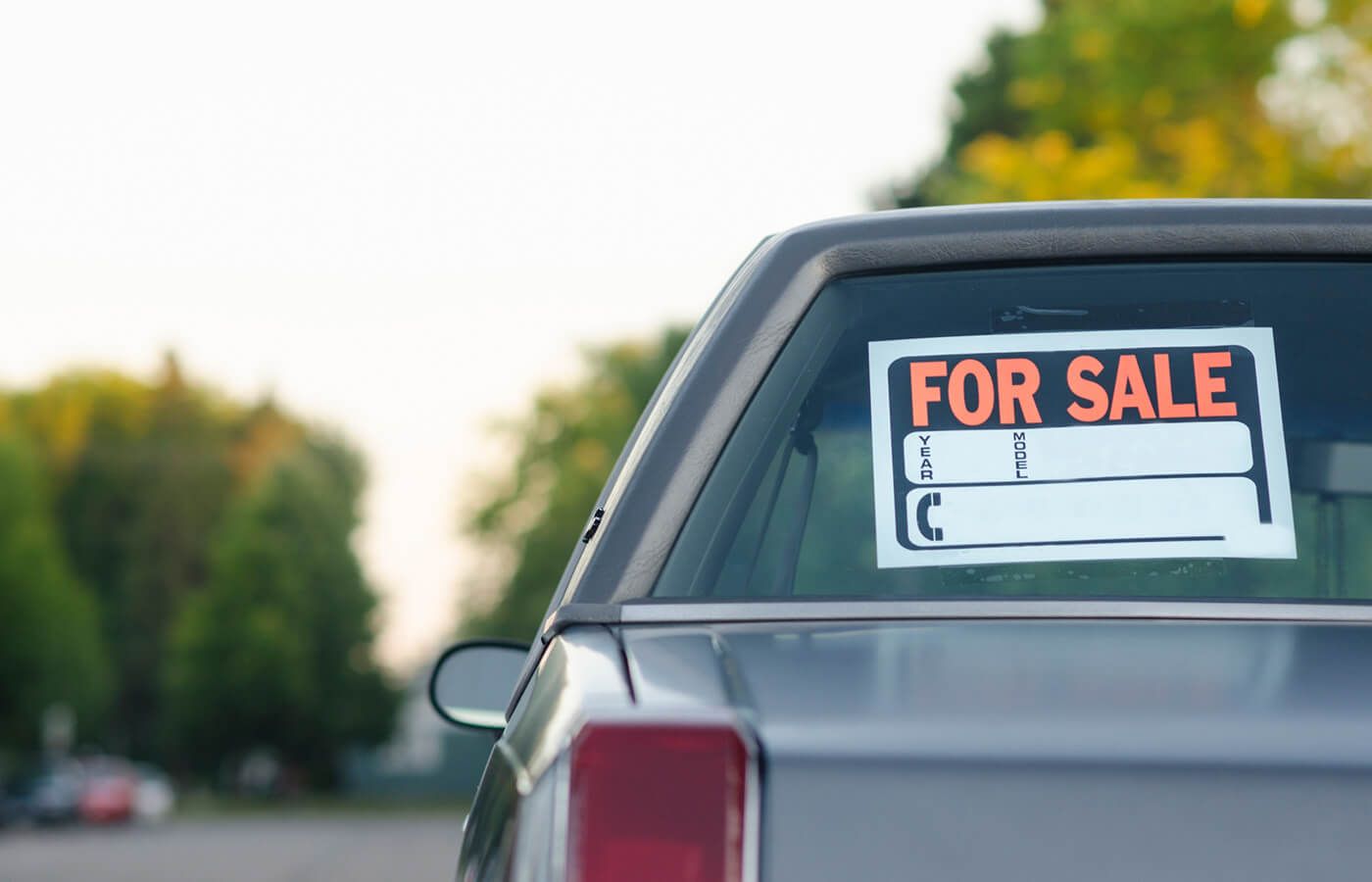


Zakup samochodu z tytułem odzysku może być świetnym sposobem na zaoszczędzenie pieniędzy, ale zrozumienie jego wartości jest kluczem do dokonania mądrego zakupu. Ten przewodnik wyjaśnia czynniki wpływające na wartość pojazdu z odzysku, w tym jego stan, wiek, markę i trendy rynkowe. Niezależnie od tego, czy jesteś kupującym szukającym okazji, czy sprzedającym, który chce właściwie wycenić swój samochód, ten artykuł pomoże Ci podejmować świadome decyzje i uzyskać najlepszą ofertę.
Czym jest pojazd ratowniczy?
Pojazd ratowniczy to samochód, który został uznany przez firmę ubezpieczeniową za całkowicie zniszczony. To określenie występuje zazwyczaj, gdy koszt naprawy pojazdu przekracza jego wartość sprzed wypadku. Na przykład, jeśli naprawa samochodu wartego 10 000 USD po wypadku kosztowałaby 12 000 USD, dla ubezpieczyciela bardziej ekonomiczne jest uznanie go za całkowicie zniszczony i wystawienie tytułu ratowniczego. Ten tytuł jest prawnym wskaźnikiem wskazującym, że samochód doznał znacznych uszkodzeń.
Chociaż tytuł ratunkowy może wydawać się końcem drogi dla pojazdu, nie zawsze tak jest. Wiele samochodów ratunkowych jest kupowanych, naprawianych i przywracanych na drogę w dobrym stanie technicznym. Te samochody często sprzedają się za znacznie mniej niż ich nieratunkowe odpowiedniki, co czyni je atrakcyjną opcją dla kupujących dbających o budżet. Jednak tytuł ratunkowy pozostaje przy samochodzie przez cały okres jego użytkowania, wpływając na jego atrakcyjność rynkową i wartość.
Ważne jest, aby zrozumieć, że tytuł ratunkowy nie oznacza automatycznie, że samochód jest niebezpieczny. Niektóre pojazdy ratunkowy mogły zostać uszkodzone przez takie zdarzenia, jak gradobicia lub powodzie, które mogą pozostawić niektóre części samochodu nienaruszone. Z drugiej strony poważne wypadki mogą naruszyć integralność strukturalną samochodu, czyniąc go mniej bezpiecznym nawet po naprawach.
Jakie czynniki wpływają na wartość samochodu uszkodzonego?
Wartość samochodu powypadkowego zależy od kilku kluczowych czynników, z których każdy odgrywa kluczową rolę w określeniu, czy samochód jest wart naprawy, odsprzedaży, czy po prostu wykorzystania na części. Zrozumienie tych czynników pomaga zarówno kupującym, jak i sprzedającym podejmować świadome decyzje. Przyjrzyjmy się najważniejszym elementom, które wpływają na wartość samochodu powypadkowego.
1. Stan
Ogólny stan samochodu powypadkowego jest jednym z najważniejszych czynników. Obejmuje to zarówno zakres pierwotnych uszkodzeń, jak i jakość wszelkich napraw. Samochody z minimalnymi uszkodzeniami lub te naprawione na wysokim poziomie często osiągają wyższe ceny. Na przykład, jeśli samochód miał tylko kosmetyczne uszkodzenia spowodowane gradem i został odrestaurowany, może mieć większą wartość w porównaniu z samochodem z poważnymi problemami strukturalnymi. Dokładna inspekcja przeprowadzona przez wykwalifikowanego mechanika jest niezbędna do określenia stanu samochodu i oszacowania wszelkich dodatkowych kosztów naprawy.
2. Wiek
Wiek samochodu znacząco wpływa na jego wartość odzysku. Nowsze pojazdy z nowoczesnymi funkcjami i technologiami są zazwyczaj warte więcej, nawet z tytułem odzysku, ponieważ ich części i systemy mają większą wartość rynkową. Z drugiej strony starsze pojazdy mogą mieć niższą wartość odsprzedaży, ale nadal mogą być cenne ze względu na rzadkie części, zwłaszcza jeśli są to klasyczne lub zabytkowe modele. Na przykład 5-letni sedan z tytułem odzysku może być wart naprawy, podczas gdy 20-letni model może być atrakcyjny tylko dla złomowisk ze względu na części.
3. Marka i model
Marka i model samochodu mogą mieć duży wpływ na jego wartość, niezależnie od tego, czy jest to tytuł odzysku, czy nie. Popularne lub pożądane marki, takie jak Toyota, Honda, lub luksusowe marki, takie jak BMW, często zachowują większą wartość, nawet jeśli są oznaczone jako odzyskane. Rzadkie lub limitowane modele mogą również mieć znaczną wartość, szczególnie dla entuzjastów lub kolekcjonerów. Kupujący i sprzedający powinni zbadać, jak konkretna marka i model radzą sobie na rynku odzysku, aby ustalić realistyczne oczekiwania.
4. Lokalizacja
Miejsce, w którym znajduje się samochód, może również wpłynąć na jego wartość. W obszarach, w których pewne marki lub modele cieszą się dużym popytem, samochody z odzysku tego typu mogą osiągnąć wyższą cenę. Na przykład, pickup może być bardziej wartościowy w regionach wiejskich, gdzie ciężarówki są powszechnie używane do pracy, podczas gdy pojazd elektryczny może cieszyć się większym zainteresowaniem w obszarach miejskich, w których nacisk kładzie się na ekologiczny transport. Ponadto koszty transportu mogą mieć wpływ na cenę końcową, jeśli samochód musi zostać wysłany do konkretnego nabywcy lub lokalizacji.
5. Aktualne trendy rynkowe
Trendy rynkowe odgrywają znaczącą rolę w określaniu wartości samochodu powypadkowego. Popyt na konkretne modele, części lub typy pojazdów może się wahać. Na przykład SUV-y i ciężarówki cieszą się dużym popytem w ostatnich latach, co może zwiększyć wartość pojazdów powypadkowych w tych kategoriach. Czynniki ekonomiczne, takie jak rosnące ceny nowych samochodów lub niedobory w łańcuchu dostaw, mogą również sprawić, że samochody powypadkowe staną się bardziej atrakcyjne dla kupujących, zwiększając ich wartość. Monitorowanie tych trendów jest kluczowe dla sprzedawców, którzy chcą zmaksymalizować zwroty, i dla kupujących, którzy szukają dobrej okazji.
6. Koszty naprawy i potencjalne wykorzystanie
Na koniec, koszt napraw w porównaniu z potencjalnym wykorzystaniem samochodu wpływa na jego wartość. Jeśli koszty napraw są stosunkowo niskie w porównaniu z wartością odsprzedaży samochodu, może warto go odnowić. Jednak jeśli naprawy przekraczają potencjalną wartość samochodu, często lepiej jest go sprzedać na części. Ta równowaga jest kluczowa zarówno dla kupujących, jak i sprzedających, przy określaniu, czy samochód z odzysku jest praktyczną inwestycją.
Jak marka i model wpływają na wartość samochodu uszkodzonego?
Marka i model samochodu znacząco wpływają na jego wartość, nawet jeśli ma tytuł odzysku. Niektóre marki i modele są bardziej pożądane ze względu na ich popularność, niezawodność lub rzadkość, co może pomóc im zachować wyższą wartość na rynku odzysku. Zarówno dla kupujących, jak i sprzedających zrozumienie wpływu marki i modelu samochodu jest niezbędne do podejmowania świadomych decyzji.
1. Popularne marki i modele zachowują wartość
Well-known and trusted brands like Toyota, Honda, and Ford often retain their value better than lesser-known brands, even when salvaged. These brands are associated with reliability and durability, making their vehicles more appealing to buyers, whether they’re looking for a drivable car or one to use for parts. For example, a salvage-title Toyota Corolla might still sell for a higher price compared to a lesser-known brand’s equivalent model because buyers trust Toyota’s reputation for quality and longevity.
2. Luxury and High-Performance Vehicles
Luxury brands such as BMW, Mercedes-Benz, and Audi, or high-performance cars like those from Porsche or Tesla, also tend to hold more value as salvage vehicles. The appeal lies in their premium features, advanced technology, and brand prestige. Even if these cars are labeled as salvage, their parts—such as engines, transmissions, or tech components—can be in high demand, boosting their resale value. Buyers are often willing to pay more for a salvaged luxury car with the intention of repairing it or harvesting its high-quality parts.
3. Rare or Limited-Edition Models
Rare or limited-edition models can command a significant value in the salvage market. Collectors or enthusiasts often seek out these vehicles, even in a damaged state, because of their scarcity. For example, a rare muscle car like a Dodge Charger Hellcat or a limited-production sports car might still fetch a high price despite extensive damage. Buyers and sellers dealing with such vehicles should be aware of their unique market potential and adjust pricing or expectations accordingly.
4. Brand Perception Matters
The public perception of a brand also plays a role. Cars from brands known for reliability or low maintenance costs tend to perform better in the salvage market. Conversely, brands with a reputation for expensive repairs or frequent mechanical issues may see lower demand for their salvage vehicles. For example, a salvaged Subaru might hold more value in regions where all-wheel-drive cars are popular and appreciated for their practicality.
5. Availability of Parts
The availability of replacement parts for a particular brand and model also influences its value. Popular brands with widely available parts are often easier and cheaper to repair, making their salvage vehicles more attractive. Conversely, less common brands with limited parts availability may deter buyers due to the potential difficulty or expense of repairs.
How Does the Condition of a Salvage Car Impact Its Value?
The condition of a salvage car is one of the most important factors affecting its value. When a car is labeled with a salvage title, it indicates that the vehicle has sustained significant damage. However, not all salvage cars are equal—some may only need minor repairs, while others might require extensive work to become roadworthy again. Understanding the extent of the damage and the car’s overall condition is crucial for determining its worth.
1. Extent of Damage
The severity of the damage plays a major role in valuing a salvage car. Cars with minor issues, such as cosmetic damage or easily replaceable parts, typically hold more value than those with structural or mechanical damage. For instance:
- A car with a dented door or scratched paint may only need superficial repairs and could retain a large portion of its value.
- A vehicle with a damaged frame or a compromised engine will likely see its value drop significantly, as these repairs are costly and may affect the car’s long-term reliability.
2. Repair History
The quality and completeness of repairs also influence a salvage car’s value. Cars that have undergone thorough and professional repairs are generally more valuable than those that have been poorly repaired or left in disrepair. Buyers are often more willing to pay for a salvage car if it comes with:
- Detailed records of repairs performed.
- Receipts for replacement parts, especially if they are new or sourced from the original manufacturer.
- Proof of passing safety inspections or certifications, which provide reassurance about the car’s roadworthiness.
3. Importance of a Mechanic’s Inspection
A mechanic’s inspection is essential for evaluating the condition of a salvage car. Professional mechanics can identify potential issues that may not be visible to the untrained eye. Key aspects of an inspection include:
- Assessing Structural Integrity: Ensuring the frame and body are in good condition and safe to drive.
- Checking Mechanical Components: Verifying the functionality of the engine, transmission, brakes, and suspension.
- Estimating Repair Costs: Determining how much it will cost to fix remaining issues, which helps both buyers and sellers agree on a fair price.
For buyers, a mechanic’s inspection provides confidence in their purchase, while sellers can use the results to justify their asking price.
4. Impact on Resale Value
The condition of the car directly affects its resale value. For example:
- A well-maintained car with minimal damage and complete repairs might fetch a price close to its non-salvaged counterpart.
- A car with unresolved issues or significant damage may only be worth its parts.
Buyers should always weigh the cost of repairs against the car’s potential resale value. Similarly, sellers should understand that the more repair work they complete before listing the car, the higher their chances of securing a better price.
5. Importance of Transparency
For sellers, being transparent about the car’s condition builds trust with potential buyers. Full disclosure of past damage and repairs, accompanied by inspection reports and repair records, demonstrates honesty and allows buyers to make informed decisions. Buyers, on the other hand, should carefully evaluate the car’s condition to ensure they’re getting a fair deal.
How Does the Age of a Salvage Vehicle Influence Its Worth?
The age of a salvage vehicle is a significant factor in determining its value. While newer cars often hold more appeal, older vehicles can sometimes retain value due to their rarity or the availability of sought-after parts. Understanding how age influences a salvage car’s worth is crucial for buyers and sellers alike.
1. Older Vehicles and Rare Parts
One of the key ways age can increase the value of a salvage car is through the demand for rare parts. Older models, especially those no longer in production, may have components that are difficult to find. Salvage yards, mechanics, and collectors often seek these vehicles to:
- Source rare parts: Classic car enthusiasts or owners of the same model may be willing to pay a premium for functional parts.
- Restore vintage cars: Some older vehicles are considered collectibles, and their components are valuable for restoration projects.
For example, a 20-year-old classic sports car with salvage status may still fetch a higher price than expected if its parts are in good condition and in demand.
2. Depreciation of Older Vehicles
On the flip side, age can significantly reduce a salvage car’s value. Vehicles that are outdated, heavily depreciated, or no longer efficient to repair may have limited appeal. Key factors include:
- Technology and features: Older cars often lack modern safety, convenience, and entertainment features, which can make them less attractive to buyers.
- Repair costs vs. value: The cost of repairing an older salvage vehicle might exceed its market value, especially if it requires extensive work to become roadworthy.
For example, an aging economy car with high mileage and significant damage may only be worth its weight in scrap metal or the few usable parts it contains.
3. Balancing Repair Costs and Market Value
When evaluating a salvage car’s age, it’s essential to balance repair costs against potential resale value. Older cars are more likely to have:
- Wear and tear: Beyond the salvage-related damage, age often brings additional maintenance issues like rust, worn-out components, or outdated systems.
- Ograniczony popyt na rynku: Kupujący mogą wahać się przed zainwestowaniem w starszy samochód, chyba że oferuje on wyraźną przewagę, np. rzadkie części lub wartość kolekcjonerską.
Dla kupujących oznacza to staranne obliczenie, czy koszty zakupu i naprawy są zgodne z wartością samochodu i jego przeznaczeniem. Dla sprzedających wymaga to realistycznych cen, które odzwierciedlają wiek i stan samochodu.
4. Wyjątki dla samochodów klasycznych i zabytkowych
Wiek może czasami dodać uroku pojazdowi, szczególnie w przypadku klasycznych i zabytkowych samochodów. Pojazdy te często mają wartość ze względu na swoje znaczenie historyczne, unikalny design lub rzadkość. Nawet w stanie odzysku, klasyczny samochód może przypaść do gustu kolekcjonerom lub entuzjastom, którzy są skłonni przywrócić mu dawną świetność. Czynniki, które zwiększają wartość starszych pojazdów odzysku w tej kategorii, obejmują:
- Wartość historyczna: Samochód pochodzący z znanej epoki lub mający bogatą przeszłość może wzbudzić spore zainteresowanie.
- Możliwość renowacji: Pojazdy, które można odrestaurować do stanu pierwotnego, mogą być droższe.
Na przykład zabytkowy Mustang lub Corvette z tytułem odzysku może zostać sprzedany za znaczną kwotę ze względu na jego atrakcyjność dla miłośników klasycznych samochodów.
5. Wpływ przebiegu
Wiek i przebieg często idą w parze, przy czym większy przebieg zazwyczaj obniża wartość pojazdu. Jednak nie zawsze tak jest w przypadku samochodów powypadkowych. W przypadku starszych pojazdów niski przebieg może nieznacznie zniwelować czynnik wieku, czyniąc je bardziej atrakcyjnymi dla kupujących. Na przykład 15-letni samochód z przebiegiem zaledwie 50 000 mil może mieć większą wartość niż 5-letni samochód z przebiegiem 200 000 mil, zwłaszcza jeśli jego części są w dobrym stanie.
6. Rozważanie przyszłych trendów
Wartość starszych pojazdów z odzysku może być również uzależniona od przyszłych trendów. Wraz ze wzrostem popularności niektórych modeli lub marek na rynku kolekcjonerskim, ich wartość może z czasem wzrosnąć, nawet jeśli obecnie posiadają tytuł odzysku. Kupujący, którzy mają oko na trendy, mogą wykorzystać ten potencjalny wzrost, podczas gdy sprzedawcy powinni być świadomi zmian na rynku, które mogą mieć wpływ na wartość ich pojazdu.
Jaką rolę odgrywa lokalizacja przy określaniu wartości samochodu powypadkowego?
Lokalizacja samochodu powypadkowego ma znaczący wpływ na jego wartość, ponieważ trendy na rynkach regionalnych, popyt na części, a nawet lokalne przepisy mogą wpływać na to, ile kupujący są skłonni zapłacić. Zarówno dla kupujących, jak i sprzedających zrozumienie, w jaki sposób lokalizacja wpływa na wartość pojazdu powypadkowego, jest kluczowe dla podejmowania najlepszych decyzji.
1. Popyt na części na rynku lokalnym
Jednym z najważniejszych czynników przy określaniu wartości samochodu powypadkowego jest popyt na jego części w okolicy, w której się znajduje. W regionach, w których pewne marki lub modele samochodów są bardziej powszechne, prawdopodobnie będzie większy popyt na ich części. Samochody powypadkowe mogą zapewnić:
- Przystępne cenowo części zamienne: Mechanicy i osoby prywatne często szukają używanych części, aby zaoszczędzić na naprawach.
- Rzadkie komponenty: W niektórych obszarach znalezienie konkretnych części może być trudniejsze, co zwiększa ich wartość.
Na przykład uszkodzony samochód Toyota z regionu, w którym samochody tej marki są popularne (np. w Kalifornii), może być wart więcej niż ten sam samochód w stanie, w którym ta marka jest mniej popularna.
2. Trendy na rynku regionalnym
Wartość samochodu powypadkowego może również wahać się w zależności od trendów regionalnych. Może to obejmować:
- Popularne typy pojazdów: Na obszarach wiejskich ciężarówki i SUV-y mogą zachować wyższą wartość odzysku ze względu na ich praktyczność i powszechne zastosowanie. Na obszarach miejskich bardziej pożądane mogą być samochody kompaktowe i hybrydy.
- Warunki ekonomiczne: W regionach o silnej gospodarce ludzie mogą być bardziej skłonni do inwestowania w naprawę samochodów powypadkowych, zwiększając ich wartość. Z drugiej strony, w regionach o słabszej gospodarce samochody powypadkowe mogą być wyceniane tylko na złom lub części.
Na przykład w Teksasie za uszkodzoną ciężarówkę typu pick-up można uzyskać wyższą cenę niż za sedana, biorąc pod uwagę lokalne preferencje dotyczące ciężarówek.
3. Koszty wysyłki i dostępność
Lokalizacja samochodu ratowniczego również determinuje jego dostępność i koszt transportu. Kupujący i sprzedający muszą wziąć pod uwagę:
- Bliskość nabywców: Samochód uszkodzony znajdujący się blisko swojego docelowego rynku jest bardziej atrakcyjny, ponieważ pozwala na obniżenie kosztów wysyłki.
- Koszty wysyłki: Odległe lub trudno dostępne miejsca mogą obniżyć wartość samochodu powypadkowego, ponieważ koszty transportu mogą przewyższyć jego wartość.
Na przykład samochód uszkodzony w dużym mieście, takim jak Atlanta w stanie Georgia, łatwiej sprzedać i przetransportować niż taki, który znajduje się na obszarze wiejskim z ograniczonym dostępem.
4. Przepisy stanowe i lokalne
Przepisy i regulacje dotyczące pojazdów ratowniczych różnią się w zależności od stanu, co może mieć wpływ na ich wartość. Czynniki, które należy wziąć pod uwagę, obejmują:
- Łatwość ponownego nadania tytułu: W niektórych stanach proces uzyskania odnowionego tytułu jest prosty, co sprawia, że samochód jest bardziej wartościowy dla kupujących. W innych stanach surowe przepisy mogą odstraszać kupujących, co obniża wartość samochodu.
- Wymagania dotyczące przeglądów: Stany, w których przeprowadzane są rygorystyczne przeglądy, mogą zaniżyć wartość samochodu uszkodzonego, ponieważ nabywcy mogą musieć zainwestować duże środki w naprawy, aby przejść pozytywnie.
- Normy emisji: Samochody znajdujące się w stanach o rygorystycznych wymaganiach dotyczących emisji (np. w Kalifornii) mogą być mniej warte, jeśli ich spełnienie wymaga kosztownych modyfikacji.
Na przykład samochód powypadkowy na Florydzie, gdzie przepisy dotyczące odbudowy są mniej restrykcyjne, może być bardziej wartościowy niż ten sam samochód w Nowym Jorku, gdzie wymogi dotyczące zgodności są bardziej rygorystyczne.
5. Wpływ pogody i środowiska
Warunki pogodowe w miejscu, w którym znajduje się samochód, mogą również wpływać na jego wartość. Samochody w obszarach podatnych na powodzie, huragany lub surowe zimy są bardziej narażone na dodatkowe zużycie. Może to mieć wpływ zarówno na ich obecny stan, jak i dostępność części.
- Flood-damaged vehicles: Salvage cars from flood-prone areas like Louisiana or Florida may be less appealing due to potential hidden damage.
- Rust-prone regions: Vehicles from areas with heavy snow and road salt, like the Northeast, may have rust issues, reducing their value.
Conversely, cars from drier climates, such as Arizona, may hold more value due to their typically better-preserved condition.
6. International Demand
In some cases, location can even influence a salvage car’s value on the global market. International buyers often seek salvage cars from the U.S. due to the availability of specific brands or models. Cars located near major shipping ports, such as in Los Angeles, CA, or Miami, FL, may be more valuable because they’re easier to export.
For instance, a salvage car near a port city may attract buyers from countries where the car’s brand is highly sought after, boosting its value.
How Do Market Trends Affect Salvage Car Valuation?
Market trends play a crucial role in determining the value of a salvage car. As consumer preferences and economic conditions shift, the demand for specific vehicle types or parts can significantly impact what a salvage car is worth. Understanding these trends can help both buyers and sellers make smarter decisions in the salvage market.
1. Demand for Vehicle Types
Changing market preferences for certain types of vehicles can greatly influence the value of a salvage car. For example:
- SUVs and Trucks: In recent years, SUVs and trucks have grown in popularity due to their versatility, safety, and fuel efficiency. Salvage SUVs and trucks may command higher prices because their parts are in demand for repairs or rebuilding.
- Hybrids and Electric Vehicles (EVs): As interest in eco-friendly vehicles increases, the value of salvage hybrids and EVs has risen. Components like batteries, inverters, and charging systems are especially valuable.
- Sedans and Compact Cars: While these vehicles are still practical and affordable for many buyers, their value in the salvage market may be lower if they’re less sought after in the current market.
For instance, a salvage Ford F-150 might hold more value in today’s market than a mid-sized sedan because of the ongoing popularity of trucks in the U.S.
2. Parts Demand and Availability
The value of a salvage car is heavily influenced by the demand for its parts. Cars with components that are:
- In high demand: Popular models with a large number of active drivers (like Toyota, Honda, or Ford) often have parts that are sought after for repairs.
- Expensive to replace new: If the cost of new parts is high, buyers are more likely to seek used or salvaged components, increasing the car's salvage value.
- Rare or limited in supply: For discontinued or rare models, parts can become harder to find, driving up their value in the salvage market.
For example, the transmission or engine from a salvage Toyota Camry might be worth more than other similar parts because it’s a widely owned and durable vehicle.
3. Economic Conditions
The state of the economy can directly impact the salvage car market:
- During economic downturns: When budgets are tight, people are more likely to repair their cars instead of buying new ones. This increases the demand for salvage vehicles and their parts, driving up their value.
- In times of economic growth: When more people can afford new cars, the demand for salvage vehicles may decline, lowering their market value.
For instance, during the 2008 financial crisis, the salvage market saw a surge in activity as people sought affordable repair options.
4. Seasonal Trends
The time of year can also influence salvage car values. Certain vehicle types are more in demand depending on the season:
- Winter: Trucks and SUVs with four-wheel drive or all-wheel drive are more valuable during winter months in colder regions.
- Summer: Convertibles and sports cars may see an increase in value during warmer months when they are more desirable.
For example, a salvage Jeep Wrangler might fetch a higher price in winter due to its off-road and snow-handling capabilities.
5. Impact of Technology Trends
Advancements in automotive technology can also affect salvage car valuation:
- Older technology: Cars with outdated technology may have a lower salvage value because their parts are less desirable or incompatible with newer models.
- Specialized components: Vehicles with advanced features, such as ADAS (Advanced Driver-Assistance Systems), may have higher salvage values due to the cost of repairing or replacing these systems.
- Electric and hybrid components: Batteries and other EV-specific parts can drive up the salvage value of these vehicles, especially as the EV market grows.
For instance, the battery pack from a salvage Tesla Model 3 might be worth more than the entire car itself due to high demand for EV components.
6. Regional and International Trends
Geographic location and global demand also influence salvage car value:
- Domestic market: In areas where specific brands or models are popular, salvage cars of those types hold higher value.
- International market: Salvage cars in the U.S. may have higher value for export to countries where specific models are in demand or where repair costs are lower.
For example, a salvage Toyota Land Cruiser might be highly sought after for export to regions like Africa or the Middle East, where it’s a favored model for durability.
7. Emerging Trends in Sustainability
As sustainability becomes a global priority, more buyers are turning to salvage cars and parts to reduce waste and minimize their carbon footprint. This trend increases the value of salvage vehicles, especially for eco-conscious consumers.
What Is the Difference Between Salvage Value and Actual Cash Value?
When dealing with cars, especially those declared as salvage, it’s essential to understand the distinction between salvage value and actual cash value (ACV). These terms are often used in the insurance and automotive industries, but they represent two very different concepts. Knowing how they differ is crucial for making informed decisions about insurance claims, repairs, and resale.
1. What Is Salvage Value?
The salvage value of a car refers to the estimated price a vehicle can be sold for after it has been declared a total loss. This value reflects the condition of the car post-damage and considers what it’s worth to buyers, such as:
- Rebuilders: People who repair and resell vehicles.
- Parts dealers: Companies or individuals who dismantle the car and sell its usable components.
- Scrap buyers: Businesses purchasing the vehicle for recycling metal and other materials.
Salvage value is typically much lower than the car’s original worth, as it represents what the car is worth in its damaged or inoperable state.
For example, if a car is totaled after a major accident but still has a functioning engine, transmission, and other valuable parts, its salvage value might be around 10-25% of the car’s original ACV before the damage.
2. What Is Actual Cash Value (ACV)?
The actual cash value of a car represents the vehicle’s estimated market value immediately before it was damaged. This figure takes into account the car’s:
- Make and model
- Age
- Mileage
- Overall condition
- Depreciation
ACV is often determined by insurance companies when settling claims. It reflects what the car was worth if sold in its pre-damage condition on the open market.
For instance, if your 5-year-old sedan with average mileage was worth $12,000 before an accident, its ACV would be calculated based on this market value.
3. Key Differences Between Salvage Value and ACV
| Aspect | Salvage Value | Actual Cash Value (ACV) |
|---|---|---|
| Definition | The car’s resale price after being damaged. | The car’s value before the damage occurred. |
| Condition of Car | Based on the damaged, inoperable condition. | Reflects the pre-damage, marketable condition. |
| Percentage of Value | Typically 10-25% of the ACV. | Represents 100% of the car’s market value. |
| Usage | Used to estimate resale or scrap potential. | Used to calculate insurance payouts. |
4. Impact on Insurance Decisions
Understanding the difference between salvage value and ACV is particularly important when dealing with insurance claims:
-
When a Car Is Declared a Total Loss:
Insurance companies declare a vehicle a total loss if the repair costs exceed a certain percentage of the ACV (often 70-80%). In this case:- The owner may receive a payout based on the ACV of the vehicle.
- The insurance company keeps the car and sells it for its salvage value.
-
Keeping a Salvage Car After a Total Loss:
If the owner chooses to retain the car instead of transferring it to the insurance company, the payout will be reduced by the salvage value.
For example:- ACV of the car: $10,000
- Salvage value: $2,000
- Payout if owner keeps the car: $8,000 ($10,000 - $2,000)
5. Impact on Resale Decisions
The difference between salvage value and ACV also matters when considering whether to sell or repair a damaged car:
- Selling a Salvage Vehicle:
A salvage car’s resale price will likely align with its salvage value. Buyers will factor in the cost of repairs or parts and the reduced marketability of a salvage title vehicle. - Repairing the Car:
If repairs cost less than the ACV, it may be worth fixing and selling the car as a rebuilt title. However, if repair costs exceed the ACV, selling for salvage value is usually the better financial decision.
What Definitions Are Important When Valuing a Salvage Car?
When evaluating the worth of a salvage car, several key terms are essential to understand. These terms provide a framework for assessing the vehicle’s value in different contexts, whether for insurance claims, resale, or purchase decisions. Below, we’ll break down some of the most important definitions:
1. Wholesale Value
The wholesale value of a vehicle refers to the price a dealer or reseller would pay to acquire the car from another dealer, auction, or seller. For salvage cars, this value is typically lower than the wholesale value of a similar undamaged vehicle because of the risks and costs associated with repair and resale.
- Importance for Salvage Cars:
Wholesale value is often used by dealers when purchasing salvage vehicles to resell as-is, repair for resale, or dismantle for parts.- For example, if a salvage car has a wholesale value of $2,500, a dealer might purchase it at this price with the expectation of either repairing it for resale or profiting from its parts.
2. Retail Value
The retail value represents the price a consumer is expected to pay when purchasing the car from a dealer or seller. For salvage cars, the retail value can vary significantly based on:
- The extent of the damage.
- The type and quality of repairs.
- The reputation of the seller.
Retail value for salvage cars is typically lower than for similar vehicles with clean titles. However, if the car has been repaired and certified as roadworthy (rebuilt title), the retail value may increase.
- Example:
A compact sedan with a clean title might have a retail value of $10,000. The same car with a salvage title, even if repaired, might have a retail value closer to $6,500 due to reduced marketability and buyer concerns.
3. Estimated Value
The estimated value of a salvage car is a more flexible term, encompassing various factors that influence what the car might be worth in its current state. It accounts for:
- The car’s condition.
- Its potential for repair.
- Current market demand.
- Availability of parts or the rarity of the model.
This term is particularly relevant when determining whether repairing a salvage car is financially viable or when selling the car as-is.
- Why It Matters:
The estimated value helps both buyers and sellers gauge the potential return on investment (ROI) for repairing, reselling, or dismantling the vehicle.
4. Fair Market Value (FMV)
The fair market value is the price a willing buyer and seller agree upon in an open market, assuming neither is under pressure to buy or sell. For salvage cars, FMV often reflects:
- The car’s salvage status.
- Its appeal to niche buyers, such as mechanics, rebuilders, or collectors.
FMV can be tricky to calculate for salvage cars because the buyer pool is often more specialized, and the perceived risks are higher.
5. Depreciation
Depreciation refers to the decrease in a car’s value over time due to factors such as age, mileage, and wear and tear. Salvage cars experience even steeper depreciation compared to vehicles with clean titles because:
- Their marketability is lower.
- Repairs may not restore them to their original condition.
Understanding depreciation is crucial when deciding whether to repair or resell a salvage car.
6. Insurance Payout Value
This term is relevant when an insurance company evaluates a total loss. The payout value is typically based on the actual cash value (ACV) of the car before the damage, minus:
- The deductible (the amount you agreed to pay out of pocket).
- The salvage value (if you keep the car).
For example, if the ACV is $8,000, the deductible is $500, and the salvage value is $2,000, your insurance payout would be $5,500 ($8,000 - $500 - $2,000).
7. Auction Value
The auction value is the price a salvage car fetches at auction. This is often influenced by:
- The car’s popularity and demand.
- Its condition and potential for repair.
- The interest of buyers such as mechanics or parts dealers.
Samochody uszkodzone sprzedawane na aukcjach zazwyczaj osiągają niższe ceny w porównaniu ze sprzedażą detaliczną, ponieważ kupującymi na aukcjach są zwykle profesjonaliści, którzy starają się zminimalizować koszty.
Jakich metod można użyć, aby ustalić wartość samochodu uszkodzonego?
Określenie wartości samochodu powypadkowego może być trudnym procesem, ponieważ jego wartość zależy od wielu zmiennych, w tym stanu, historii napraw i popytu rynkowego. Na szczęście istnieje kilka metod, których możesz użyć, aby uzyskać dokładną wycenę. Poniżej znajduje się szczegółowa dyskusja na temat najczęstszych podejść do wyceny samochodu powypadkowego.
1. Narzędzia wyceny online
Narzędzia online zapewniają szybki i wygodny sposób oszacowania wartości samochodu, nawet jeśli ma on tytuł ratunkowy. Platformy takie jak Kelley Blue Book (KBB), Edmunds lub NADA Guides pozwalają użytkownikom wprowadzać dane pojazdu, takie jak:
- Rok, marka i model.
- Przebieg.
- Funkcje i opcje.
- Stan (np. tytuł ratunkowy).
Chociaż te narzędzia skupiają się głównie na pojazdach z czystym tytułem, mogą nadal służyć jako punkt wyjścia. Zazwyczaj wartość samochodu powypadkowego szacuje się na 20–40% jego wartości z czystym tytułem , w zależności od stopnia uszkodzenia i kosztów napraw.
- Sposób użycia:
Zacznij od określenia wartości samochodu z czystym tytułem za pomocą jednego z tych narzędzi. Następnie dostosuj wycenę w dół na podstawie statusu odzysku. Na przykład, jeśli narzędzie pokazuje wartość czystego tytułu wynoszącą 10 000 USD, wartość odzysku może wynosić od 2000 do 4000 USD.
2. Profesjonalne wyceny
Zatrudnienie profesjonalnego rzeczoznawcy jest jednym z najbardziej wiarygodnych sposobów ustalenia wartości samochodu powypadkowego. Rzeczoznawcy wyceniają pojazd szczegółowo, biorąc pod uwagę takie czynniki jak:
-
Rozmiar szkód.
-
Jakość wszelkich napraw.
-
Stan mechaniczny i wizualny samochodu.
-
Trendy rynkowe i popyt na konkretną markę i model.
-
Dlaczego jest to przydatne:
Profesjonalne wyceny zapewniają dobrze udokumentowaną wycenę, co jest szczególnie przydatne w następujących sytuacjach:- Negocjacje z firmami ubezpieczeniowymi.
- Sprzedaż samochodu osobie prywatnej lub dealerowi.
- Określenie, czy naprawa jest warta inwestycji.
-
Koszt:
Choć wyceny są płatne (zwykle 100–300 dolarów), oferują one opinię eksperta, która jest szczególnie cenna w przypadku pojazdów luksusowych lub rzadkich.
3. Porównania rynkowe
Inną skuteczną metodą jest porównanie samochodu powypadkowego z podobnymi pojazdami obecnie dostępnymi na rynku. Wiąże się to z badaniem cen:
- Samochody uszkodzone tej samej marki, modelu i rocznika.
- Samochody o porównywalnym poziomie uszkodzeń lub historii napraw.
Możesz przeglądać internetowe platformy aukcyjne, złomowiska i ogłoszenia, aby zbierać dane. Przykłady platform do sprawdzenia obejmują:
-
IAAI (aukcje samochodów ubezpieczeniowych)
-
Kroki porównania rynku:
- Szukaj pojazdów z tego samego roku, tej samej marki i tego samego modelu.
- Porównaj przebieg, stan i uszkodzenia.
- Należy wziąć pod uwagę lokalizację, ponieważ wartości mogą się różnić w zależności od regionalnego popytu i dostępności części.
-
Przykład:
Jeżeli podobny samochód uszkodzony jest wystawiony na aukcji za 5000 USD, może to posłużyć jako punkt odniesienia przy określaniu wartości Twojego samochodu.
4. Konsultacja z lokalnymi mechanikami lub regeneratorami
Mechanicy i regeneratorzy specjalizujący się w pojazdach powypadkowych mogą dostarczyć cennych informacji na temat wartości samochodu. Rozumieją koszty związane z naprawą i renowacją tych samochodów i mogą oszacować ich potencjał odsprzedaży.
- Kiedy stosować tę metodę:
- Jeśli rozważasz naprawę samochodu przed jego sprzedażą.
- Jeśli potrzebujesz opinii eksperta na temat wykonalności naprawy.
5. Wyceny firm ubezpieczeniowych
Jeśli samochód został uznany za całkowitą stratę, Twoja firma ubezpieczeniowa prawdopodobnie obliczyła jego rzeczywistą wartość gotówkową (ACV) i wartość odzysku podczas procesu składania roszczeń. Możesz użyć tych wartości jako punktu odniesienia podczas określania jego wartości.
- ACV: Wartość pojazdu przed wystąpieniem szkody.
- Wartość odzysku: Szacunkowa cena odsprzedaży uszkodzonego pojazdu.
Chociaż wartości te oblicza ubezpieczyciel, mogą one posłużyć jako wiarygodna podstawa do Twojej własnej wyceny.
6. Dane i trendy aukcyjne
Jeśli samochód jest sprzedawany lub kupowany na aukcji, pomocne może być przejrzenie ostatnich danych sprzedaży z podobnych aukcji. Platformy takie jak Copart i IAAI często zapewniają:
- Historyczne ceny sprzedaży porównywalnych pojazdów.
- Wgląd w popyt na określone marki, modele lub części.
Metoda ta jest szczególnie użyteczna dla dealerów, firm regenerujących samochody i kupujących poszukujących konkretnych typów samochodów uszkodzonych.
7. Ocena wartości części
W przypadku pojazdów, których naprawa jest mało prawdopodobna, wartość może leżeć w ich częściach. Ocena wartości części obejmuje oszacowanie wartości komponentów samochodu, takich jak:
- Silnik i skrzynia biegów.
- Panele nadwozia.
- Elektronika.
- Koła i opony.
Wartość poszczególnych części można oszacować na podstawie danych z lokalnych składowisk złomu lub na internetowych platformach sprzedażowych, np. eBay.
- Wskazówka: Rzadkie lub pożądane części mogą znacznie zwiększyć wartość samochodu powypadkowego, nawet jeśli sam pojazd nie nadaje się do jazdy.
Łączenie metod dla dokładności
Aby uzyskać najdokładniejszy szacunek, często najlepiej jest użyć kombinacji metod. Na przykład:
- Zacznij od narzędzia do wyceny online, aby uzyskać punkt odniesienia.
- Wykorzystaj porównania rynkowe, aby doprecyzować szacunek.
- W celu uzyskania szczegółowej wyceny należy skonsultować się z profesjonalnym rzeczoznawcą lub mechanikiem.
Dzięki porównaniu tych podejść zyskasz pełniejszy obraz rzeczywistej wartości samochodu.
Jak można ustalić wartość samochodu uszkodzonego na podstawie ceny pojazdu nieodzyskanego?
When buying or selling a salvage car, one of the first steps in determining its value is understanding its non-salvaged price—the value it would have if it hadn’t been damaged. Starting with this baseline, you can then factor in repair costs, depreciation, and the salvage title status to get a more accurate estimate of its worth. Here’s a detailed guide on how to approach this process:
1. Start with the Non-Salvaged Price (Market Value)
The first step is to determine the non-salvaged price or market value of the car. This is the price the vehicle would command in the market if it hadn’t been damaged and received a salvage title. To find this value, you can use several sources:
-
Online valuation tools: Websites like Kelley Blue Book (KBB), Edmunds, or NADA Guides can provide the retail or wholesale value of a car based on its year, make, model, mileage, and condition. If the car had no damage, this would be the value you could expect to sell it for.
-
Comparable Sales: Look at listings for similar vehicles in similar condition (same make, model, year, and mileage). This is especially useful if you’re considering a rare or specialty vehicle, as these might not always align with the standard valuation tools.
-
Auction Prices: Research recent auction prices for comparable cars. If the car you are interested in is commonly sold at auctions, this can be a good indicator of its non-salvaged price.
2. Subtract the Salvage Title Discount
Once you have the non-salvaged value, the next step is to adjust it for the salvage title status. A salvage title means that the car has been significantly damaged and is considered a total loss by an insurance company. As a result, the vehicle will be worth less than it would be without the salvage title.
Typically, a salvage title reduces the car's value by 20% to 40% of its market value. However, this discount can vary based on several factors, such as the extent of the damage and the make/model of the car. For example:
-
Severe Damage: If the car was severely damaged in an accident, the discount will likely be on the higher end (closer to 40%).
-
Minor Damage: If the car only suffered minor damage, such as cosmetic issues, the discount might be closer to 20%.
3. Factor in Repair Costs
Repair costs play a significant role in determining a salvage car’s value. The more expensive and extensive the repairs needed, the lower the value of the car will be. To estimate repair costs, consider the following:
-
Get an Inspection: Have a mechanic or auto body shop inspect the car to assess the extent of the damage. They can provide a rough estimate of how much it will cost to fix the vehicle. This is particularly important if the damage is structural or involves critical systems (like the engine or transmission).
-
Cost of Common Repairs: For common issues like body damage or fender benders, repairs may not be as costly. However, significant repairs, such as fixing airbags, replacing a totaled engine, or repairing a bent frame, can quickly increase the cost of restoration.
-
DIY vs. Professional Repairs: If you plan to repair the car yourself, you may save money on labor costs. However, if the repairs require professional work, be sure to factor in both parts and labor costs.
-
Assess Repair Feasibility: Consider whether repairing the car is even worth it. If the cost of repairs exceeds the potential resale value, the car might only have value in parts.
4. Consider Depreciation
Depreciation is another important factor to consider when calculating the value of a salvage car. Even though the vehicle is repaired, it will still depreciate faster than a comparable car with a clean title. Here’s how to think about depreciation:
-
Normal Depreciation: All cars lose value over time. However, a car with a salvage title may depreciate more quickly than a car with a clean title, due to concerns over its history and the potential for hidden damage.
-
Rapid Depreciation Post-Salvage: After being repaired, the car may still be viewed with caution by potential buyers, leading to faster depreciation. This is because many buyers are wary of purchasing vehicles with salvage titles, fearing long-term issues.
5. Account for Market Demand
Market conditions also influence the salvage value of a car. If demand for certain types of vehicles is high (e.g., SUVs, trucks, or electric vehicles), a salvage car of that type might retain more of its value, even with damage. Similarly, classic or rare cars, even with a salvage title, may still fetch a higher price because collectors value them for their rarity or potential for restoration.
-
High-Demand Vehicles: If the vehicle is in high demand, it may be easier to sell even with a salvage title, and you may be able to fetch a higher price after repairs.
-
Low-Demand Vehicles: Cars that are in low demand or have a poor reputation may have their value significantly diminished, regardless of repairs.
6. Adjust for Location
The local market plays a significant role in salvage car valuation. For example, if you’re in a location where certain vehicles are more popular (e.g., trucks in rural areas or luxury cars in urban centers), the salvage car’s value may vary accordingly. Additionally, areas with many auto auctions or a high concentration of car rebuilders may offer better resale opportunities.
Example Calculation
Let’s say you have a 2017 Honda Civic that’s been involved in a fender-bender. After researching, you find that its non-salvaged market value is $12,000. You estimate repair costs at $2,500, and based on the severity of the damage, you apply a 25% salvage discount.
- Non-Salvaged Price: $12,000
- Salvage Discount (25%): -$3,000
- Adjusted Value: $9,000
- Repair Costs: -$2,500
- Final Estimated Value: $6,500
This gives you an estimated value of $6,500 for the salvage car, factoring in the initial market value, salvage title discount, and the cost of repairs.
What Are the Options for Appraising a Salvage Title Car?
When buying or selling a salvage title car, determining its value accurately is crucial. There are several ways to appraise a salvage car, and each method has its own strengths and limitations. Here’s an overview of the most common options for appraising a salvage title car:
1. Insurance Company Appraisal
Insurance companies often perform appraisals on salvage title cars when they are involved in an insurance claim, such as after an accident. This appraisal can provide a starting point for understanding the vehicle’s value in its damaged state.
Strengths:
- Professional Evaluation: Insurance companies typically have trained adjusters who assess the extent of the damage and assign a value based on the vehicle’s pre-accident condition and current market conditions.
- Official Documentation: The insurance company’s valuation may come with official documentation, which can be useful for legal or resale purposes.
Limitations:
- Not Always Accurate for Salvage Title Sales: The insurance appraisal is often based on the vehicle’s value before the accident, and it may not account for the specific condition of the car after it has been repaired or restored.
- Limited Scope: If the insurance company has already written off the car as a total loss, they may undervalue the vehicle and provide a payout lower than its potential market value, even after repairs.
2. Independent Appraisers
Independent appraisers are third-party professionals who assess the condition of a salvage vehicle and provide a detailed valuation report. They often have specialized knowledge in the field of vehicle damage and valuation, including salvage cars.
Strengths:
- Expert Opinion: Independent appraisers can provide a detailed and objective evaluation of a salvage car, considering factors like repair costs, potential for restoration, and market conditions.
- Comprehensive Report: Their assessments often include a comprehensive report that details the car’s condition, which can be valuable for both buyers and sellers in negotiations.
Limitations:
- Cost: Hiring an independent appraiser can be expensive, particularly for more detailed or specialized assessments. The cost may range from $100 to $500 or more, depending on the complexity of the evaluation.
- Subjectivity: While independent appraisers are experts, their valuation can still be subjective and may vary depending on their expertise and approach. It’s important to choose a qualified appraiser to ensure accuracy.
3. Online Valuation Tools
Online valuation tools like Kelley Blue Book (KBB), Edmunds, and NADA Guides offer quick and easy ways to estimate the value of a salvage car based on factors like make, model, year, mileage, and condition. Some platforms even offer specific estimations for salvage title vehicles.
Strengths:
- Convenient: Online tools are accessible 24/7 and can provide an immediate estimate of a car’s value, making them ideal for those who need a quick valuation.
- Cost-Effective: Most online valuation tools are free to use, making them a budget-friendly option for preliminary estimates.
- Easy to Use: The user-friendly interfaces of these tools make them accessible to anyone, even those without experience in vehicle appraisal.
Limitations:
- Generalized Estimates: Online tools provide broad estimates based on generic data, which may not account for unique circumstances. They don’t factor in specific repairs, hidden damage, or local market conditions that could impact the car’s value.
- No Physical Inspection: Unlike a professional appraiser or insurance adjuster, online tools cannot inspect the vehicle in person, which means they may miss critical details that could influence the value.
4. Auction House Valuation
Some auction houses specialize in selling salvage title cars and can provide an estimate based on similar vehicles sold at auction. This can be especially useful for buyers or sellers who plan to sell the car at auction.
Strengths:
- Real Market Value: Auction houses have access to current market trends and can give you a realistic valuation based on recent sales of similar salvage title vehicles.
- Specialization: Certain auction houses have experts who specialize in appraising and selling salvage cars, making them a good choice for niche or rare vehicles.
Limitations:
- Auction Fees: If you plan to sell the car at auction, you’ll need to factor in auction fees, which can reduce the net amount you receive from the sale.
- Auction-Specific Conditions: Valuations from auction houses may not always be applicable to private sales or other markets, as auction prices can fluctuate significantly depending on the buyer pool and bidding competition.
5. Dealership Appraisal
Some used car dealerships, especially those that specialize in salvage or rebuilt vehicles, may offer to appraise a salvage car. Dealerships can provide a quick and straightforward valuation.
Strengths:
- Quick and Easy: A dealership appraisal is often fast and convenient, with minimal effort required on the part of the seller.
- Potential Buyer: If you choose to sell the salvage car to the dealership, the appraisal can lead directly to a sale, which saves time and effort.
Limitations:
- Lower Offers: Dealerships, especially those that deal in salvage cars, may offer a lower valuation than you would receive in a private sale. They need to account for their own margins and repair costs.
- Limited Scope: Dealerships may not always provide the level of detail or objectivity that an independent appraiser or insurance company would offer.
6. DIY Appraisal
For individuals looking to save money, conducting a DIY appraisal can be an option. This involves researching similar vehicles in similar conditions, using online tools, and considering the extent of the damage and necessary repairs.
Strengths:
- Cost-Effective: Conducting a DIY appraisal requires no external costs, aside from time and effort.
- Flexibility: You can assess the car at your own pace, using online tools and local listings to get a rough estimate of its value.
Limitations:
- Lack of Expertise: Without the expertise of a professional, a DIY appraisal is more likely to overlook important details that could impact the value.
- Time-Consuming: Researching market trends, repair costs, and comparable sales takes time, and the resulting estimate may not be as accurate as a professional appraisal.
How Does an Insurance Company Assess the Value of a Salvage Car?
When a car is involved in an accident or significant damage, insurance companies play a crucial role in determining whether the car should be classified as salvage and how much it is worth. Understanding how insurance companies assess the value of a salvage car is important for both buyers and sellers, as it influences the decision-making process regarding repairs, resale, and insurance payouts.
1. Initial Assessment of the Car’s Condition
Firmy ubezpieczeniowe zaczynają od oceny stanu pojazdu przed wypadkiem . Ocena ta bierze pod uwagę wiek samochodu, markę, model, przebieg i ogólny stan przed wystąpieniem szkody. Biorą również pod uwagę, czy samochód był prawidłowo konserwowany i czy zgłoszono jakiekolwiek wcześniejsze szkody. Jest to krytyczne, ponieważ wartość samochodu powypadkowego często opiera się na tym, ile byłby wart przed wypadkiem, przy założeniu, że szkody znacznie zmniejszają jego wartość.
Kluczowe czynniki w ocenie wstępnej:
- Przebieg : Samochód z większym przebiegiem może być mniej wart niż ten z mniejszym, nawet przed wypadkiem.
- Dokumentacja konserwacyjna : Dobrze utrzymany i regularnie serwisowany pojazd może być wart więcej niż model zaniedbany.
- Marka i model : Niektóre marki i modele (np. pojazdy luksusowe lub rzadkie przedmioty kolekcjonerskie) mogą zachować większą wartość pomimo uszkodzenia.
2. Koszt napraw i ocena uszkodzeń
Po ustaleniu wartości przed wypadkiem firma ubezpieczeniowa ocenia rozmiar szkody . Opiera się na raportach o kolizjach , szacunkach napraw i inspekcjach uszkodzeń, aby obliczyć koszt naprawy. W niektórych przypadkach firmy ubezpieczeniowe mogą współpracować z warsztatami samochodowymi lub mechanikami , aby określić, ile będzie kosztować przywrócenie pojazdu do stanu nadającego się do jazdy i funkcjonalnego.
Kluczowe zagadnienia przy ocenie uszkodzeń:
- Zakres uszkodzeń : Poważne uszkodzenia konstrukcyjne (np. ramy lub silnika) mogą znacznie zwiększyć koszty naprawy, natomiast naprawa uszkodzeń kosmetycznych może być mniej kosztowna.
- Dostępność części : Jeśli pojazd wymaga rzadkich lub trudno dostępnych części, koszty naprawy mogą być wyższe, co wpłynie na ogólną wartość samochodu.
- Wykonalność naprawy : Jeśli naprawa zostanie uznana za nieopłacalną ekonomicznie — tzn. jej koszt przekroczy wartość rynkową samochodu — samochód może zostać uznany za szkodę całkowitą lub złom.
3. Określenie całkowitej straty w porównaniu z tytułem ratunkowym
Gdy koszty napraw są wysokie, firma ubezpieczeniowa decyduje, czy samochód powinien zostać oznaczony jako strata całkowita czy jako ratunek . Jest to ustalane poprzez porównanie kosztów naprawy z rzeczywistą wartością gotówkową (ACV) samochodu — wartością samochodu przed wypadkiem, pomniejszoną o amortyzację. Jeśli koszty naprawy są zbliżone lub przekraczają ACV, firma ubezpieczeniowa może uznać samochód za stratę całkowitą.
Gdy samochód zostanie uznany za całkowicie zniszczony, firma ubezpieczeniowa prawdopodobnie wypłaci ubezpieczającemu ACV pojazdu, pomniejszone o wszelkie odliczenia. Następnie samochód zostanie sprzedany na złomowisko lub wystawiony na aukcji, gdzie zostanie odsprzedany jako pojazd złomowany.
4. Wpływ tytułu ratowniczego na wycenę
Gdy samochód zostanie sklasyfikowany jako złomowany, jego wartość znacznie spada. Dzieje się tak, ponieważ tytuł złomowy wskazuje, że samochód został uznany za niebezpieczny lub niezdatny do regularnego użytku na drodze z powodu uszkodzeń. Pojazd jest zazwyczaj sprzedawany na części lub w stanie „jak jest” do naprawy. Wartość złomowa jest zazwyczaj znacznie niższa niż wartość samochodu przed wypadkiem i uwzględnia takie czynniki, jak:
- Stan uszkodzony : Pojazdu nie można już sprzedać za pełną wartość rynkową, nawet po naprawie.
- Przyszłe koszty napraw : Potencjalni nabywcy prawdopodobnie wezmą pod uwagę koszty naprawy pojazdu, co dodatkowo obniży jego wartość odsprzedaży.
- Ograniczony rynek : Samochody z tytułem awaryjnym często mają mniejszą liczbę potencjalnych nabywców, co również obniża ich wartość.
5. Rozważania dotyczące odbudowanego tytułu
W niektórych przypadkach, jeśli samochód zostanie naprawiony i odrestaurowany do stanu nadającego się do jazdy, może kwalifikować się do tytułu odbudowanego . Jednak nawet po naprawach samochód nadal będzie miał historię odzysku , co oznacza, że nigdy nie będzie mógł być ponownie wyceniony tak samo, jak samochód z czystym tytułem. Kupujący muszą być ostrożni przy zakupie odbudowanego pojazdu, ponieważ jego historia może mieć wpływ na jego przyszłą wartość odsprzedaży i składki ubezpieczeniowe.
Rozważania dotyczące pojazdów odbudowanych:
- Wymagania dotyczące inspekcji : Wiele stanów wymaga dokładnej inspekcji, zanim pojazdowi ratowniczemu zostanie wydany tytuł odbudowany. Samochód musi przejść inspekcję bezpieczeństwa, aby upewnić się, że naprawy zostały wykonane prawidłowo.
- Percepcja rynkowa : Nawet po naprawach, odbudowany samochód może nie mieć tej samej wartości rynkowej, co samochód z czystym tytułem własności, ponieważ potencjalni nabywcy mogą mieć obawy co do przyszłych problemów.
6. Ubezpieczenie i wycena samochodu uszkodzonego
Dla celów ubezpieczeniowych samochód z tytułem odzysku jest zazwyczaj uważany za mniej wartościowy w porównaniu z pojazdem z czystym tytułem. Rzeczywista wartość gotówkowa (ACV) podana przez firmę ubezpieczeniową będzie odzwierciedlać zmniejszoną wartość samochodu z powodu uszkodzenia. Ponadto właściciele pojazdów z tytułem odzysku mogą płacić wyższe składki za ich ubezpieczenie, a w niektórych przypadkach firmy ubezpieczeniowe mogą całkowicie odmówić oferowania ubezpieczenia na samochody z tytułem odzysku.
Jak sprzedać samochód z tytułem ratunkowym?
Sprzedaż samochodu z tytułem odzysku może być trudna, ale nie jest niemożliwa. Niezależnie od tego, czy pojazd wymaga naprawy, czy został odrestaurowany, zrozumienie, jak prawidłowo go wypromować i zarządzać procesem sprzedaży, pomoże Ci uzyskać najlepszą możliwą cenę. W tym przewodniku omówimy kluczowe wskazówki dotyczące sprzedaży samochodu z tytułem odzysku, od budowania zaufania u kupujących po ustalenie uczciwej ceny i poruszanie się po wymogach prawnych.
1. Bądź transparentny w kwestii tytułu ratowniczego
The most important aspect of selling a salvage title car is honesty. Buyers need to be fully aware of the car’s history, including the extent of the damage and whether it has been repaired. Being upfront about the salvage title will help you build trust with potential buyers, as they will appreciate the transparency and will be less likely to back out of the sale once they discover hidden details.
When listing your car for sale, clearly mention that it has a salvage title and provide any available documentation about the damage. This includes repair receipts, inspection reports, or photos from the accident (if available). If the car has been rebuilt or repaired, make sure to provide details about the work done and include receipts for the parts and labor.
Key Details to Share:
- The reason for the salvage title (e.g., accident, flood, theft recovery).
- Any repairs or modifications made.
- Whether the car has a rebuilt title (if applicable).
- The current condition of the vehicle, including any issues still pending.
2. Get a Professional Inspection or Appraisal
Before putting your salvage title car up for sale, it’s a good idea to have it professionally inspected by a mechanic. This will reassure potential buyers that the vehicle is safe and functional (if it’s in good condition) and provide them with an expert assessment of the car's overall health.
An inspection will help identify any underlying issues that may not be immediately visible to the buyer. If repairs are needed, this will allow you to be transparent about the car’s condition. Having an independent appraisal can also help establish the car’s market value based on its condition and repair history.
Benefits of an Inspection/Appraisal:
- Establishes credibility with buyers.
- Helps justify your asking price.
- Identifies any undisclosed issues that could affect the sale.
3. Market the Car Correctly
Selling a salvage title car requires more effort in terms of marketing compared to selling a vehicle with a clean title. You will likely need to target a more specific group of buyers, such as those looking for cheap project cars, those interested in car restoration, or buyers who are experienced with salvage vehicles and repairs.
The best places to market a salvage title car include:
- Online classified sites like Craigslist, Facebook Marketplace, or AutoTrader.
- Specialty auction sites that deal with salvage or damaged vehicles (e.g., Copart, IAAI).
- Car enthusiast forums or online communities that cater to buyers looking for repairable cars.
Highlight the car’s potential in your advertisements. Focus on its strong points, such as low mileage, desirable features, or its status as a project car that could be a good deal for the right buyer.
Things to Emphasize in Marketing:
- The car’s make, model, year, and any desirable features.
- The repairs or improvements that have been made, if applicable.
- Its potential resale value after repairs.
- Whether it has a rebuilt title, if the repairs meet legal and safety standards.
4. Set a Fair Price
When selling a salvage title car, pricing it correctly is essential. A salvage title car typically has a much lower resale value than a car with a clean title, even if it’s in good condition. The price will need to reflect its damage history, the costs of repairs, and the current market demand for similar vehicles.
To determine a fair price, start by researching the market value of similar cars without a salvage title. You can use online tools like Kelley Blue Book (KBB) or NADA Guides to get an estimate of what the car would be worth if it didn’t have a salvage title. Then, adjust this value based on the damage and repairs that have been done.
Keep in mind that buyers will expect a discount due to the salvage history, even if the car is in great condition. You can also consider the following factors:
- The cost of repairs and parts needed.
- The extent of the damage that caused the salvage title.
- How much the car is worth if it were restored.
- The demand for similar cars in your local area.
5. Consider Selling to a Salvage Yard or Dealer
If you’re finding it difficult to sell your salvage title car to an individual, you might want to consider selling it to a salvage yard, junkyard, or car dealership that specializes in salvage or project cars. These buyers are often willing to purchase salvage title cars in any condition, and they may offer you a quick and hassle-free sale.
While this may not yield the highest price, it can be a practical solution if you’re looking to sell the car quickly or don’t want to deal with the complexities of selling it privately.
Pros of Selling to a Salvage Yard or Dealer:
- Quick and easy sale process.
- Less time and effort spent marketing the car.
- The car is sold as-is without needing extensive negotiations.
6. Negotiate with Buyers
When negotiating with potential buyers, be prepared to answer questions about the car’s history, repairs, and condition. Buyers may also want to negotiate the price, especially if the vehicle still requires repairs. Be open to offers, but make sure that your final price reflects the car’s true worth.
Jeśli oddałeś samochód do profesjonalnej inspekcji lub wyceny, użyj tych dokumentów, aby poprzeć swoją cenę wywoławczą. Poinformuj kupujących o wartości części lub wszelkich unikalnych cechach, które mogą zwiększyć wartość samochodu. Bądź jednak elastyczny i chętny do negocjacji, ponieważ tytuł ratunkowy prawdopodobnie będzie punktem spornym dla wielu kupujących.
7. Dokonaj sprzedaży zgodnie z prawem
Gdy już znajdziesz kupca, upewnij się, że sprzedaż została zakończona legalnie. Zazwyczaj obejmuje to:
- Podpisanie tytułu własności (w którym będzie określony status ratownictwa).
- Dostarczenie umowy sprzedaży określającej warunki sprzedaży, w tym stan pojazdu.
- Wypełnienie wszelkich niezbędnych dokumentów obowiązujących w danym stanie , takich jak formularz przeniesienia własności.
W niektórych stanach konieczne może być powiadomienie Departamentu Pojazdów Mechanicznych (DMV) o sprzedaży i dostarczenie dokumentacji dotyczącej stanu pojazdu, zwłaszcza jeśli jest to pojazd odzyskany lub odbudowany.
Jak przygotować samochód z tytułem odzysku do sprzedaży?
Sprzedaż samochodu z tytułem odzysku może być nieco bardziej skomplikowana niż sprzedaż pojazdu z czystym tytułem. Kupujący mogą być ostrożni w kwestii zakupu samochodu, który został uszkodzony w przeszłości, dlatego ważne jest, aby przedstawić samochód w jak najlepszym świetle, jednocześnie będąc transparentnym co do jego stanu. Przygotowanie samochodu z tytułem odzysku do sprzedaży obejmuje kilka kroków, od upewnienia się, że pojazd spełnia normy bezpieczeństwa, po zebranie wszystkich niezbędnych dokumentów. Ten przewodnik zawiera praktyczne porady, jak przygotować samochód z tytułem odzysku do udanej sprzedaży.
1. Upewnij się, że samochód spełnia normy bezpieczeństwa
Pierwszym krokiem w przygotowaniu samochodu z tytułem ratunkowym do sprzedaży jest upewnienie się, że spełnia on normy bezpieczeństwa i prawne . W wielu przypadkach samochody z tytułami ratunkowymi zostały znacznie uszkodzone, dlatego kluczowe jest potwierdzenie, że wszystkie naprawy zostały wykonane na wysokim poziomie i że samochód jest bezpieczny do jazdy.
Jeśli Twój samochód przeszedł naprawy od czasu otrzymania tytułu ratowniczego, może być konieczne jego sprawdzenie przez licencjonowanego mechanika lub inspektora zatwierdzonego przez państwo (w zależności od wymagań Twojego stanu). Niektóre stany mają szczególne przepisy dotyczące kontroli pojazdów ratowniczych przed ich sprzedażą lub rejestracją. Ta kontrola potwierdzi, że samochód nadaje się do jazdy i że niezbędne naprawy zostały wykonane prawidłowo.
Upewnij się, że następujące elementy zostały sprawdzone i w razie potrzeby naprawione:
- Uszkodzenie ramy : Upewnij się, że rama samochodu jest solidna.
- Funkcje bezpieczeństwa : Sprawdź, czy poduszki powietrzne, pasy bezpieczeństwa i inne funkcje bezpieczeństwa działają prawidłowo.
- Hamulce, opony i zawieszenie : Aby samochód był uznany za bezpieczny, części te muszą być w dobrym stanie technicznym.
Jeśli samochód przeszedł kontrolę bezpieczeństwa, możesz pokazać potencjalnym nabywcom raport z kontroli, aby upewnić ich o stanie pojazdu.
2. Zbierz dokumentację napraw i historię
Jedną z najważniejszych rzeczy do zrobienia podczas przygotowywania samochodu z tytułem ratunkowym do sprzedaży jest zebranie całej dokumentacji naprawczej i przedstawienie jasnej historii pojazdu. Kupujący będą chcieli wiedzieć, co stało się z samochodem, jakie naprawy zostały wykonane i kto wykonał pracę. Im dokładniej i bardziej zorganizowanie przedstawisz te informacje, tym łatwiej będzie zbudować zaufanie potencjalnych nabywców.
Kluczowe dokumenty, które należy mieć pod ręką, to:
- Potwierdzenia napraw : Wykazują one dokładnie, co zostało naprawione i ile wydano na naprawę.
- Faktury za części : Jeżeli jakiekolwiek części zostały wymienione, należy przedstawić faktury potwierdzające koszt i jakość użytych części.
- Zdjęcia uszkodzeń : Zdjęcia uszkodzeń samochodu przed i po naprawie mogą okazać się dla kupującego cennym źródłem informacji na temat rozmiarów uszkodzeń i sposobu ich naprawy.
- Raporty z przeglądów : Jeśli samochód został sprawdzony przez profesjonalnego mechanika lub w warsztacie naprawczym, dostarczenie raportu z przeglądu może pomóc potencjalnym nabywcom upewnić się co do bezpieczeństwa samochodu i jego przydatności do jazdy.
Jeśli naprawa została wykonana przez renomowany warsztat lub licencjonowanego mechanika, warto o tym wspomnieć, ponieważ dodaje to wiarygodności wykonanej naprawie.
3. Uzyskaj profesjonalną wycenę
Nawet jeśli samochód wydaje się być w dobrym stanie, warto zlecić profesjonalną wycenę przed wystawieniem go na sprzedaż. Certyfikowany rzeczoznawca oceni wartość samochodu z tytułem ratunkowym na podstawie jego obecnego stanu, marki i modelu, historii napraw i innych istotnych czynników.
Wycena jest ważna, ponieważ dostarcza eksperckiej opinii na temat wartości samochodu, co może pomóc Ci ustalić realistyczną cenę wywoławczą. Pomaga również uzasadnić cenę potencjalnym nabywcom, zwłaszcza jeśli dokonałeś znaczących napraw lub ulepszeń. Rzeczoznawca weźmie pod uwagę różne czynniki, takie jak:
- Zakres uszkodzeń i napraw.
- Stan głównych podzespołów , np. silnika, skrzyni biegów i nadwozia.
- Aktualna wartość rynkowa konkretnej marki i modelu.
- Porównanie z podobnymi samochodami dostępnymi na rynku.
Skorzystanie z usług profesjonalnej wyceny może okazać się szczególnie pomocne podczas negocjacji z nabywcami, gdyż pozwala ona na obiektywną ocenę wartości samochodu.
4. Dokładnie wyczyść samochód
Czysty samochód zawsze robi lepsze wrażenie, nawet jeśli ma tytuł ratunkowy. Kupujący docenią dobrze utrzymany samochód, a czyste wnętrze i zewnętrze mogą sprawić, że Twój pojazd będzie bardziej atrakcyjny. Szczegółowe czyszczenie może również uwydatnić wszelkie dokonane naprawy, takie jak świeża farba lub nowo zainstalowana część.
Oto kilka wskazówek, jak sprawić, by Twój uszkodzony samochód wyglądał jak najlepiej:
- Dokładnie umyj nadwozie , łącznie z podwoziem, aby usunąć brud, zanieczyszczenia i rdzę.
- Dokładnie umyj wnętrze , odkurzając dywany, czyszcząc tapicerkę i wycierając powierzchnie.
- W razie konieczności wypoleruj lakier , zwłaszcza jeśli w samochodzie przeprowadzono prace blacharskie.
- Sprawdź opony i upewnij się, że są odpowiednio napompowane i w dobrym stanie.
Nawet jeśli jest to samochód uszkodzony, zaprezentowanie go jako czystego i dobrze utrzymanego może mieć znaczenie w przyciągnięciu kupców.
5. Przygotuj tytuł
Przed wystawieniem samochodu z tytułem ratunkowym na sprzedaż upewnij się, że masz tytuł w ręku i że dokładnie odzwierciedla on stan samochodu. W wielu przypadkach, gdy samochód zostanie naprawiony i przejdzie inspekcję, tytuł może zostać przemianowany na tytuł odbudowany lub tytuł odrestaurowany . Oznacza to, że samochód przeszedł naprawę i jest zdatny do jazdy.
Upewnij się, że tytuł odzwierciedla aktualny stan samochodu i że wszystkie istotne informacje są aktualne. Jeśli jeszcze tego nie zrobiłeś, sprawdź w lokalnym Department of Motor Vehicles (DMV), czy tytuł wymaga aktualizacji. Posiadanie odpowiednich dokumentów ułatwi proces sprzedaży i uspokoi potencjalnych nabywców.
6. Ustal realistyczną cenę
Ustalając cenę za samochód z tytułem odzysku, ważne jest, aby realistycznie oceniać jego wartość. Choć kuszące jest ustalenie wysokiej ceny ze względu na dokonane naprawy, samochody z tytułem odzysku są zazwyczaj warte znacznie mniej niż samochody z czystym tytułem. Cena powinna odzwierciedlać wartość rynkową samochodu , uwzględniając koszty napraw i amortyzację.
Aby ustalić uczciwą cenę, zacznij od zbadania wartości rynkowej podobnych samochodów bez tytułów ratunkowych. Następnie dostosuj cenę na podstawie historii uszkodzeń, napraw i wszelkich unikalnych cech. Kupujący będą oczekiwać zniżki ze względu na tytuł ratunkowy, więc upewnij się, że uwzględnisz to w ostatecznej cenie wywoławczej.
7. Odpowiednio reklamuj samochód
Gdy Twój samochód z tytułem odzysku będzie gotowy do sprzedaży, czas wypromować go do właściwej grupy odbiorców. Bądź transparentny w swojej reklamie dotyczącej historii odzysku samochodu, ale skup się również na jego wartości , historii napraw i wszelkich wprowadzonych ulepszeniach. Ponieważ samochody odzysku często przyciągają kupujących zainteresowanych samochodami projektowymi, renowacjami lub pojazdami ze zniżką, upewnij się, że kierujesz swoje reklamy do tych grup.
Możesz wystawić samochód na:
- Ogłoszenia internetowe (Craigslist, Facebook Marketplace).
- Witryny aukcyjne (Copart, IAAI), na których kupujący poszukują konkretnie samochodów uszkodzonych.
- Fora dla miłośników samochodów , na których ludzie mogą szukać samochodów nadających się do naprawy.
Zadbaj o to, aby Twoje oferty zawierały jasne i uczciwe opisy, zdjęcia nadwozia i wnętrza pojazdu oraz szczegóły dotyczące napraw i wymienionych części.
Zrozumienie wartości samochodu z tytułem odzysku jest kluczowe dla dokonania mądrego zakupu lub sprzedaży. Biorąc pod uwagę takie czynniki jak stan, wiek, marka i trendy rynkowe, możesz mieć pewność, że otrzymujesz uczciwą ofertę. Gotowy, aby znaleźć idealny samochód za świetną cenę? Zarejestruj się teraz na auto4export.com, przeglądaj nasze oferty, składaj oferty i wygraj pojazd swoich marzeń w bezkonkurencyjnej cenie!
Czy jesteś zainteresowany kupnem samochodu na aukcjach w USA?
Mając to na uwadze – nadal możesz eksportować pojazdy i zaoszczędzić kilka tysięcy dolarów z Auto4Export. Mamy inwentarz ponad 150 tys. pojazdów z tytułami, które możesz wyeksportować, aby wybrać spośród nich. Po złożeniu oferty i wygraniu aukcji otrzymasz e-mailem dokument sprzedaży jako dowód zakupu – po dokonaniu pełnej płatności.
Aby uzyskać dostęp i rozpocząć zakupy, zarejestruj się bezpłatnie.
Dalsza lektura
Jak działają aukcje samochodowe w USA?
Jak kupić używany samochód na aukcji w USA
Kupuj samochody powypadkowe z USA. Jakie jest ich znaczenie i korzyści?
Rodzaje tytułów pojazdów: co można, a czego nie można eksportować

Masz jakiekolwiek pytania?
 Zadaj pytanie