


 Log in
 Sign Up


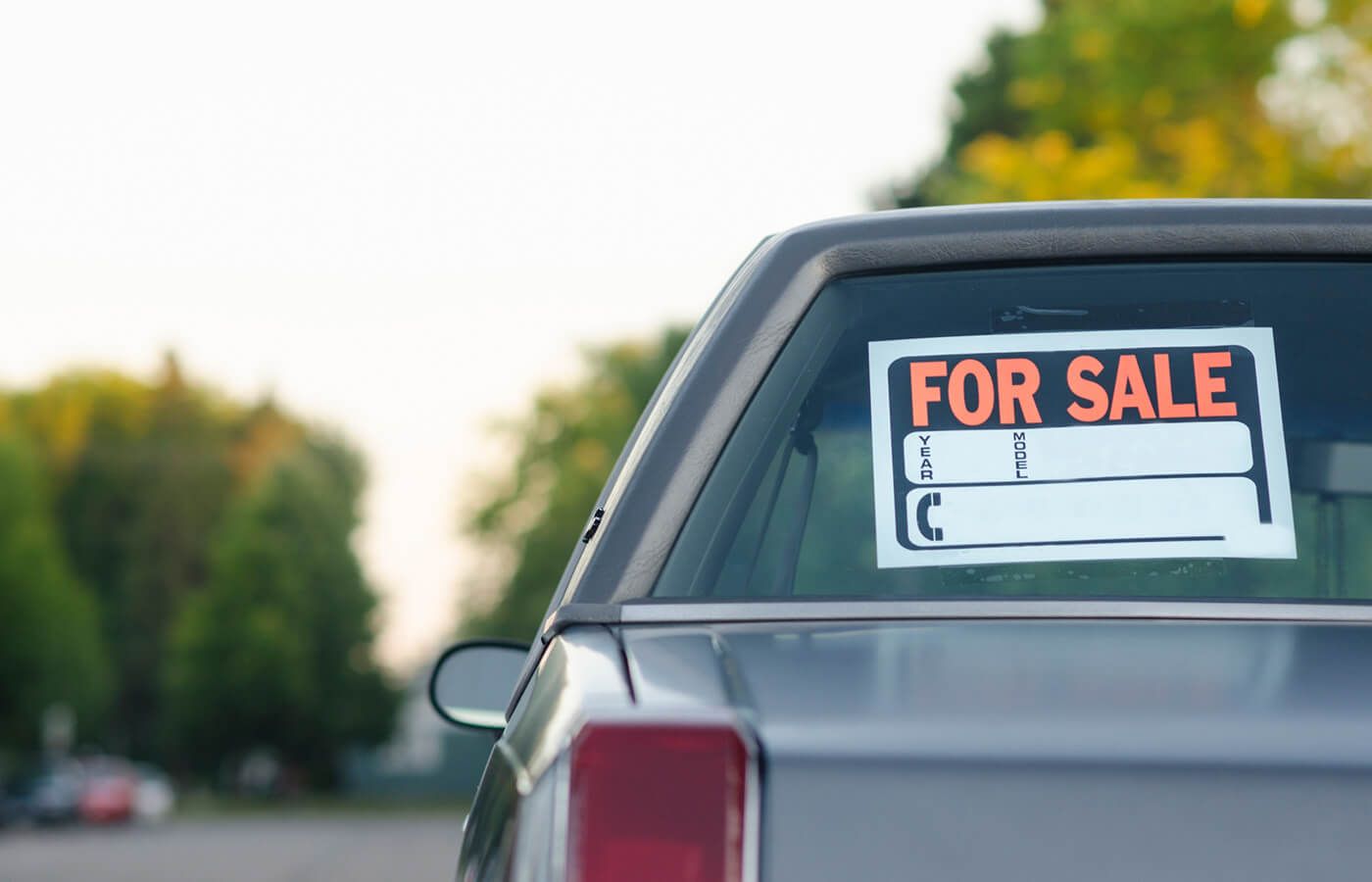


Buying a salvage title car can be a great way to save money, but understanding its value is key to making a smart purchase. This guide explains the factors that affect the worth of a salvage vehicle, including its condition, age, brand, and market trends. Whether you're a buyer looking for a bargain or a seller wanting to price your car right, this article will help you make informed decisions and get the best deal.
What Is a Salvage Vehicle?
A salvage vehicle is a car that has been declared a total loss by an insurance company. This designation typically occurs when the cost of repairing the vehicle exceeds its pre-accident value. For example, if a car worth $10,000 would cost $12,000 to fix after an accident, it’s more economical for the insurer to deem it a total loss and issue a salvage title. This title is a legal marker indicating the car has sustained significant damage.
While a salvage title might seem like the end of the road for a vehicle, that’s not always the case. Many salvage cars are purchased, repaired, and returned to the road in good working condition. These cars often sell for much less than their non-salvaged counterparts, making them an attractive option for budget-conscious buyers. However, the salvage title remains with the car for its entire lifespan, affecting its marketability and value.
It's important to understand that a salvage title doesn’t automatically mean the car is unsafe. Some salvage vehicles may have suffered damage from events like hailstorms or floods, which can leave certain parts of the car intact. On the other hand, severe accidents could compromise the car’s structural integrity, making it less safe even after repairs.
What Factors Affect the Value of a Salvage Car?
The value of a salvage car depends on several key factors, each playing a crucial role in determining whether the car is worth repairing, reselling, or simply using for parts. Understanding these factors helps both buyers and sellers make informed decisions. Let’s dive into the most significant elements that affect the value of a salvage car.
1. Condition
The overall condition of the salvage car is one of the most important factors. This includes both the extent of the original damage and the quality of any repairs. Cars with minimal damage or those repaired to a high standard often fetch higher prices. For instance, if a car had only cosmetic damage from a hailstorm and has been restored, it could hold more value compared to a car with severe structural issues. A thorough inspection by a qualified mechanic is essential to determine the car’s condition and estimate any additional repair costs.
2. Age
A car’s age significantly influences its salvage value. Newer vehicles with modern features and technologies are usually worth more, even with a salvage title, because their parts and systems hold greater market value. On the other hand, older vehicles might have a lower resale value, but they could still be valuable for rare parts, especially if they’re classic or antique models. For example, a 5-year-old sedan with a salvage title might be worth repairing, while a 20-year-old model may only appeal to salvage yards for its parts.
3. Make and Model
The make and model of a car can greatly impact its value, salvage title or not. Popular or high-demand brands like Toyota, Honda, or luxury names like BMW often retain more value even if labeled as salvage. Rare or limited-edition models may also hold significant worth, especially to enthusiasts or collectors. Buyers and sellers should research how a specific make and model performs in the salvage market to set realistic expectations.
4. Location
Where the car is located can also affect its value. In areas where certain brands or models are in high demand, salvage cars of those types might fetch a higher price. For example, a pickup truck might be more valuable in rural regions where trucks are commonly used for work, while an electric vehicle might see higher interest in urban areas focused on green transportation. Additionally, transportation costs can influence the final price if the car needs to be shipped to a specific buyer or location.
5. Current Market Trends
Market trends play a significant role in determining a salvage car's worth. Demand for specific models, parts, or types of vehicles can fluctuate. For example, SUVs and trucks have been in high demand in recent years, which can increase the value of salvaged vehicles in these categories. Economic factors, like rising new car prices or supply chain shortages, can also make salvage cars more appealing to buyers, boosting their value. Keeping an eye on these trends is vital for sellers aiming to maximize returns and for buyers seeking a good deal.
6. Repair Costs and Potential Use
Lastly, the cost of repairs versus the car’s potential use influences its value. If repair costs are relatively low compared to the car’s resale value, it might be worth restoring. However, if repairs exceed the car’s potential worth, it’s often better sold for parts. This balance is key for both buyers and sellers when determining whether a salvage car is a practical investment.
How Does the Brand and Model Affect a Salvage Car’s Value?
The brand and model of a car significantly influence its value, even when it carries a salvage title. Certain brands and models are more desirable due to their popularity, reliability, or rarity, which can help them retain a higher value in the salvage market. For both buyers and sellers, understanding the impact of a car's brand and model is essential to making informed decisions.
1. Popular Brands and Models Retain Value
Well-known and trusted brands like Toyota, Honda, and Ford often retain their value better than lesser-known brands, even when salvaged. These brands are associated with reliability and durability, making their vehicles more appealing to buyers, whether they’re looking for a drivable car or one to use for parts. For example, a salvage-title Toyota Corolla might still sell for a higher price compared to a lesser-known brand’s equivalent model because buyers trust Toyota’s reputation for quality and longevity.
2. Luxury and High-Performance Vehicles
Luxury brands such as BMW, Mercedes-Benz, and Audi, or high-performance cars like those from Porsche or Tesla, also tend to hold more value as salvage vehicles. The appeal lies in their premium features, advanced technology, and brand prestige. Even if these cars are labeled as salvage, their parts—such as engines, transmissions, or tech components—can be in high demand, boosting their resale value. Buyers are often willing to pay more for a salvaged luxury car with the intention of repairing it or harvesting its high-quality parts.
3. Rare or Limited-Edition Models
Rare or limited-edition models can command a significant value in the salvage market. Collectors or enthusiasts often seek out these vehicles, even in a damaged state, because of their scarcity. For example, a rare muscle car like a Dodge Charger Hellcat or a limited-production sports car might still fetch a high price despite extensive damage. Buyers and sellers dealing with such vehicles should be aware of their unique market potential and adjust pricing or expectations accordingly.
4. Brand Perception Matters
The public perception of a brand also plays a role. Cars from brands known for reliability or low maintenance costs tend to perform better in the salvage market. Conversely, brands with a reputation for expensive repairs or frequent mechanical issues may see lower demand for their salvage vehicles. For example, a salvaged Subaru might hold more value in regions where all-wheel-drive cars are popular and appreciated for their practicality.
5. Availability of Parts
The availability of replacement parts for a particular brand and model also influences its value. Popular brands with widely available parts are often easier and cheaper to repair, making their salvage vehicles more attractive. Conversely, less common brands with limited parts availability may deter buyers due to the potential difficulty or expense of repairs.
How Does the Condition of a Salvage Car Impact Its Value?
The condition of a salvage car is one of the most important factors affecting its value. When a car is labeled with a salvage title, it indicates that the vehicle has sustained significant damage. However, not all salvage cars are equal—some may only need minor repairs, while others might require extensive work to become roadworthy again. Understanding the extent of the damage and the car’s overall condition is crucial for determining its worth.
1. Extent of Damage
The severity of the damage plays a major role in valuing a salvage car. Cars with minor issues, such as cosmetic damage or easily replaceable parts, typically hold more value than those with structural or mechanical damage. For instance:
- A car with a dented door or scratched paint may only need superficial repairs and could retain a large portion of its value.
- A vehicle with a damaged frame or a compromised engine will likely see its value drop significantly, as these repairs are costly and may affect the car’s long-term reliability.
2. Repair History
The quality and completeness of repairs also influence a salvage car’s value. Cars that have undergone thorough and professional repairs are generally more valuable than those that have been poorly repaired or left in disrepair. Buyers are often more willing to pay for a salvage car if it comes with:
- Detailed records of repairs performed.
- Receipts for replacement parts, especially if they are new or sourced from the original manufacturer.
- Proof of passing safety inspections or certifications, which provide reassurance about the car’s roadworthiness.
3. Importance of a Mechanic’s Inspection
A mechanic’s inspection is essential for evaluating the condition of a salvage car. Professional mechanics can identify potential issues that may not be visible to the untrained eye. Key aspects of an inspection include:
- Assessing Structural Integrity: Ensuring the frame and body are in good condition and safe to drive.
- Checking Mechanical Components: Verifying the functionality of the engine, transmission, brakes, and suspension.
- Estimating Repair Costs: Determining how much it will cost to fix remaining issues, which helps both buyers and sellers agree on a fair price.
For buyers, a mechanic’s inspection provides confidence in their purchase, while sellers can use the results to justify their asking price.
4. Impact on Resale Value
The condition of the car directly affects its resale value. For example:
- A well-maintained car with minimal damage and complete repairs might fetch a price close to its non-salvaged counterpart.
- A car with unresolved issues or significant damage may only be worth its parts.
Buyers should always weigh the cost of repairs against the car’s potential resale value. Similarly, sellers should understand that the more repair work they complete before listing the car, the higher their chances of securing a better price.
5. Importance of Transparency
For sellers, being transparent about the car’s condition builds trust with potential buyers. Full disclosure of past damage and repairs, accompanied by inspection reports and repair records, demonstrates honesty and allows buyers to make informed decisions. Buyers, on the other hand, should carefully evaluate the car’s condition to ensure they’re getting a fair deal.
How Does the Age of a Salvage Vehicle Influence Its Worth?
The age of a salvage vehicle is a significant factor in determining its value. While newer cars often hold more appeal, older vehicles can sometimes retain value due to their rarity or the availability of sought-after parts. Understanding how age influences a salvage car’s worth is crucial for buyers and sellers alike.
1. Older Vehicles and Rare Parts
One of the key ways age can increase the value of a salvage car is through the demand for rare parts. Older models, especially those no longer in production, may have components that are difficult to find. Salvage yards, mechanics, and collectors often seek these vehicles to:
- Source rare parts: Classic car enthusiasts or owners of the same model may be willing to pay a premium for functional parts.
- Restore vintage cars: Some older vehicles are considered collectibles, and their components are valuable for restoration projects.
For example, a 20-year-old classic sports car with salvage status may still fetch a higher price than expected if its parts are in good condition and in demand.
2. Depreciation of Older Vehicles
On the flip side, age can significantly reduce a salvage car’s value. Vehicles that are outdated, heavily depreciated, or no longer efficient to repair may have limited appeal. Key factors include:
- Technology and features: Older cars often lack modern safety, convenience, and entertainment features, which can make them less attractive to buyers.
- Repair costs vs. value: The cost of repairing an older salvage vehicle might exceed its market value, especially if it requires extensive work to become roadworthy.
For example, an aging economy car with high mileage and significant damage may only be worth its weight in scrap metal or the few usable parts it contains.
3. Balancing Repair Costs and Market Value
When evaluating a salvage car’s age, it’s essential to balance repair costs against potential resale value. Older cars are more likely to have:
- Wear and tear: Beyond the salvage-related damage, age often brings additional maintenance issues like rust, worn-out components, or outdated systems.
- Limited market demand: Buyers may hesitate to invest in an older car unless it offers a clear advantage, such as rare parts or collector value.
For buyers, this means carefully calculating whether the purchase and repair costs align with the car’s value and intended use. For sellers, it requires realistic pricing that reflects the car’s age and condition.
4. Exceptions for Classic and Antique Cars
Age can sometimes add to a vehicle’s allure, particularly for classic and antique cars. These vehicles often hold value due to their historical significance, unique design, or rarity. Even in salvage condition, a classic car can appeal to collectors or enthusiasts who are willing to restore it to its former glory. Factors that increase the worth of older salvage vehicles in this category include:
- Historical value: A car from a well-known era or with a storied past can attract significant interest.
- Restoration potential: Vehicles that are restorable to their original condition may command a higher price.
For instance, a salvage-titled vintage Mustang or Corvette might still sell for a considerable sum due to its desirability among classic car enthusiasts.
5. Impact of Mileage
Age and mileage often go hand in hand, with higher mileage typically lowering a vehicle’s value. However, this isn’t always the case with salvage cars. For older vehicles, low mileage can slightly offset the age factor, making them more appealing to buyers. For example, a 15-year-old car with only 50,000 miles may hold more value than a 5-year-old car with 200,000 miles, especially if its parts are in good condition.
6. Considering Future Trends
The value of older salvage vehicles can also be influenced by future trends. As certain models or brands gain popularity in the collector market, their worth may increase over time, even if they currently hold a salvage title. Buyers with an eye for trends can capitalize on this potential appreciation, while sellers should remain aware of market shifts that might impact their vehicle’s value.
What Role Does Location Play in Determining a Salvage Car’s Value?
The location of a salvage car significantly impacts its value, as regional market trends, demand for parts, and even local regulations can all influence what buyers are willing to pay. For both buyers and sellers, understanding how location affects a salvage vehicle’s worth is key to making the best decisions.
1. Demand for Parts in the Local Market
One of the most critical factors in determining the value of a salvage car is the demand for its parts in the area where it is located. In regions where certain car brands or models are more common, there’s likely to be a higher demand for their parts. Salvage cars can provide:
- Affordable replacements: Mechanics and individuals often look for used parts to save money on repairs.
- Rare components: In some areas, specific parts may be harder to find, increasing their value.
For example, a salvage Toyota in a region where Toyotas are popular (e.g., California) may hold more value than the same car in a state where the brand is less common.
2. Regional Market Trends
The value of a salvage car can also fluctuate based on regional trends. This can include:
- Popular vehicle types: In rural areas, trucks and SUVs may retain higher salvage value due to their practicality and widespread use. In urban areas, compact cars and hybrids may be more in demand.
- Economic conditions: In regions with strong economies, people may be more willing to invest in repairing salvage cars, boosting their value. Conversely, in areas with weaker economies, salvage cars may be valued only for scrap or parts.
For instance, a damaged pickup truck in Texas might fetch a higher price than a sedan, given the local preference for trucks.
3. Shipping Costs and Accessibility
The location of a salvage car also determines its accessibility and the cost of transporting it. Buyers and sellers must consider:
- Proximity to buyers: A salvage car located near its target market is more appealing, as it reduces shipping costs.
- Shipping expenses: Remote or hard-to-reach locations may reduce a salvage car’s value since transportation costs could outweigh its worth.
For example, a salvage car in a major city like Atlanta, GA, is easier to sell and transport than one in a rural area with limited access.
4. State and Local Regulations
Laws and regulations surrounding salvage vehicles vary by state, which can impact their value. Factors to consider include:
- Ease of re-titling: In some states, the process to obtain a rebuilt title is straightforward, making the car more valuable to buyers. In others, strict regulations may deter buyers, reducing the car’s worth.
- Inspection requirements: States with rigorous inspections can lower the value of a salvage car, as buyers may have to invest heavily in repairs to pass.
- Emissions standards: Cars located in states with stringent emissions requirements (e.g., California) may be worth less if they require costly modifications to comply.
For example, a salvage car in Florida, where rebuilding laws are less restrictive, might be more valuable than the same car in New York, where compliance requirements are tougher.
5. Weather and Environmental Impact
Weather conditions in a car’s location can also influence its value. Cars in areas prone to flooding, hurricanes, or harsh winters are more likely to have additional wear and tear. This can affect both their current condition and the availability of parts.
- Flood-damaged vehicles: Salvage cars from flood-prone areas like Louisiana or Florida may be less appealing due to potential hidden damage.
- Rust-prone regions: Vehicles from areas with heavy snow and road salt, like the Northeast, may have rust issues, reducing their value.
Conversely, cars from drier climates, such as Arizona, may hold more value due to their typically better-preserved condition.
6. International Demand
In some cases, location can even influence a salvage car’s value on the global market. International buyers often seek salvage cars from the U.S. due to the availability of specific brands or models. Cars located near major shipping ports, such as in Los Angeles, CA, or Miami, FL, may be more valuable because they’re easier to export.
For instance, a salvage car near a port city may attract buyers from countries where the car’s brand is highly sought after, boosting its value.
How Do Market Trends Affect Salvage Car Valuation?
Market trends play a crucial role in determining the value of a salvage car. As consumer preferences and economic conditions shift, the demand for specific vehicle types or parts can significantly impact what a salvage car is worth. Understanding these trends can help both buyers and sellers make smarter decisions in the salvage market.
1. Demand for Vehicle Types
Changing market preferences for certain types of vehicles can greatly influence the value of a salvage car. For example:
- SUVs and Trucks: In recent years, SUVs and trucks have grown in popularity due to their versatility, safety, and fuel efficiency. Salvage SUVs and trucks may command higher prices because their parts are in demand for repairs or rebuilding.
- Hybrids and Electric Vehicles (EVs): As interest in eco-friendly vehicles increases, the value of salvage hybrids and EVs has risen. Components like batteries, inverters, and charging systems are especially valuable.
- Sedans and Compact Cars: While these vehicles are still practical and affordable for many buyers, their value in the salvage market may be lower if they’re less sought after in the current market.
For instance, a salvage Ford F-150 might hold more value in today’s market than a mid-sized sedan because of the ongoing popularity of trucks in the U.S.
2. Parts Demand and Availability
The value of a salvage car is heavily influenced by the demand for its parts. Cars with components that are:
- In high demand: Popular models with a large number of active drivers (like Toyota, Honda, or Ford) often have parts that are sought after for repairs.
- Expensive to replace new: If the cost of new parts is high, buyers are more likely to seek used or salvaged components, increasing the car's salvage value.
- Rare or limited in supply: For discontinued or rare models, parts can become harder to find, driving up their value in the salvage market.
For example, the transmission or engine from a salvage Toyota Camry might be worth more than other similar parts because it’s a widely owned and durable vehicle.
3. Economic Conditions
The state of the economy can directly impact the salvage car market:
- During economic downturns: When budgets are tight, people are more likely to repair their cars instead of buying new ones. This increases the demand for salvage vehicles and their parts, driving up their value.
- In times of economic growth: When more people can afford new cars, the demand for salvage vehicles may decline, lowering their market value.
For instance, during the 2008 financial crisis, the salvage market saw a surge in activity as people sought affordable repair options.
4. Seasonal Trends
The time of year can also influence salvage car values. Certain vehicle types are more in demand depending on the season:
- Winter: Trucks and SUVs with four-wheel drive or all-wheel drive are more valuable during winter months in colder regions.
- Summer: Convertibles and sports cars may see an increase in value during warmer months when they are more desirable.
For example, a salvage Jeep Wrangler might fetch a higher price in winter due to its off-road and snow-handling capabilities.
5. Impact of Technology Trends
Advancements in automotive technology can also affect salvage car valuation:
- Older technology: Cars with outdated technology may have a lower salvage value because their parts are less desirable or incompatible with newer models.
- Specialized components: Vehicles with advanced features, such as ADAS (Advanced Driver-Assistance Systems), may have higher salvage values due to the cost of repairing or replacing these systems.
- Electric and hybrid components: Batteries and other EV-specific parts can drive up the salvage value of these vehicles, especially as the EV market grows.
For instance, the battery pack from a salvage Tesla Model 3 might be worth more than the entire car itself due to high demand for EV components.
6. Regional and International Trends
Geographic location and global demand also influence salvage car value:
- Domestic market: In areas where specific brands or models are popular, salvage cars of those types hold higher value.
- International market: Salvage cars in the U.S. may have higher value for export to countries where specific models are in demand or where repair costs are lower.
For example, a salvage Toyota Land Cruiser might be highly sought after for export to regions like Africa or the Middle East, where it’s a favored model for durability.
7. Emerging Trends in Sustainability
As sustainability becomes a global priority, more buyers are turning to salvage cars and parts to reduce waste and minimize their carbon footprint. This trend increases the value of salvage vehicles, especially for eco-conscious consumers.
What Is the Difference Between Salvage Value and Actual Cash Value?
When dealing with cars, especially those declared as salvage, it’s essential to understand the distinction between salvage value and actual cash value (ACV). These terms are often used in the insurance and automotive industries, but they represent two very different concepts. Knowing how they differ is crucial for making informed decisions about insurance claims, repairs, and resale.
1. What Is Salvage Value?
The salvage value of a car refers to the estimated price a vehicle can be sold for after it has been declared a total loss. This value reflects the condition of the car post-damage and considers what it’s worth to buyers, such as:
- Rebuilders: People who repair and resell vehicles.
- Parts dealers: Companies or individuals who dismantle the car and sell its usable components.
- Scrap buyers: Businesses purchasing the vehicle for recycling metal and other materials.
Salvage value is typically much lower than the car’s original worth, as it represents what the car is worth in its damaged or inoperable state.
For example, if a car is totaled after a major accident but still has a functioning engine, transmission, and other valuable parts, its salvage value might be around 10-25% of the car’s original ACV before the damage.
2. What Is Actual Cash Value (ACV)?
The actual cash value of a car represents the vehicle’s estimated market value immediately before it was damaged. This figure takes into account the car’s:
- Make and model
- Age
- Mileage
- Overall condition
- Depreciation
ACV is often determined by insurance companies when settling claims. It reflects what the car was worth if sold in its pre-damage condition on the open market.
For instance, if your 5-year-old sedan with average mileage was worth $12,000 before an accident, its ACV would be calculated based on this market value.
3. Key Differences Between Salvage Value and ACV
| Aspect | Salvage Value | Actual Cash Value (ACV) |
|---|---|---|
| Definition | The car’s resale price after being damaged. | The car’s value before the damage occurred. |
| Condition of Car | Based on the damaged, inoperable condition. | Reflects the pre-damage, marketable condition. |
| Percentage of Value | Typically 10-25% of the ACV. | Represents 100% of the car’s market value. |
| Usage | Used to estimate resale or scrap potential. | Used to calculate insurance payouts. |
4. Impact on Insurance Decisions
Understanding the difference between salvage value and ACV is particularly important when dealing with insurance claims:
-
When a Car Is Declared a Total Loss:
Insurance companies declare a vehicle a total loss if the repair costs exceed a certain percentage of the ACV (often 70-80%). In this case:- The owner may receive a payout based on the ACV of the vehicle.
- The insurance company keeps the car and sells it for its salvage value.
-
Keeping a Salvage Car After a Total Loss:
If the owner chooses to retain the car instead of transferring it to the insurance company, the payout will be reduced by the salvage value.
For example:- ACV of the car: $10,000
- Salvage value: $2,000
- Payout if owner keeps the car: $8,000 ($10,000 - $2,000)
5. Impact on Resale Decisions
The difference between salvage value and ACV also matters when considering whether to sell or repair a damaged car:
- Selling a Salvage Vehicle:
A salvage car’s resale price will likely align with its salvage value. Buyers will factor in the cost of repairs or parts and the reduced marketability of a salvage title vehicle. - Repairing the Car:
If repairs cost less than the ACV, it may be worth fixing and selling the car as a rebuilt title. However, if repair costs exceed the ACV, selling for salvage value is usually the better financial decision.
What Definitions Are Important When Valuing a Salvage Car?
When evaluating the worth of a salvage car, several key terms are essential to understand. These terms provide a framework for assessing the vehicle’s value in different contexts, whether for insurance claims, resale, or purchase decisions. Below, we’ll break down some of the most important definitions:
1. Wholesale Value
The wholesale value of a vehicle refers to the price a dealer or reseller would pay to acquire the car from another dealer, auction, or seller. For salvage cars, this value is typically lower than the wholesale value of a similar undamaged vehicle because of the risks and costs associated with repair and resale.
- Importance for Salvage Cars:
Wholesale value is often used by dealers when purchasing salvage vehicles to resell as-is, repair for resale, or dismantle for parts.- For example, if a salvage car has a wholesale value of $2,500, a dealer might purchase it at this price with the expectation of either repairing it for resale or profiting from its parts.
2. Retail Value
The retail value represents the price a consumer is expected to pay when purchasing the car from a dealer or seller. For salvage cars, the retail value can vary significantly based on:
- The extent of the damage.
- The type and quality of repairs.
- The reputation of the seller.
Retail value for salvage cars is typically lower than for similar vehicles with clean titles. However, if the car has been repaired and certified as roadworthy (rebuilt title), the retail value may increase.
- Example:
A compact sedan with a clean title might have a retail value of $10,000. The same car with a salvage title, even if repaired, might have a retail value closer to $6,500 due to reduced marketability and buyer concerns.
3. Estimated Value
The estimated value of a salvage car is a more flexible term, encompassing various factors that influence what the car might be worth in its current state. It accounts for:
- The car’s condition.
- Its potential for repair.
- Current market demand.
- Availability of parts or the rarity of the model.
This term is particularly relevant when determining whether repairing a salvage car is financially viable or when selling the car as-is.
- Why It Matters:
The estimated value helps both buyers and sellers gauge the potential return on investment (ROI) for repairing, reselling, or dismantling the vehicle.
4. Fair Market Value (FMV)
The fair market value is the price a willing buyer and seller agree upon in an open market, assuming neither is under pressure to buy or sell. For salvage cars, FMV often reflects:
- The car’s salvage status.
- Its appeal to niche buyers, such as mechanics, rebuilders, or collectors.
FMV can be tricky to calculate for salvage cars because the buyer pool is often more specialized, and the perceived risks are higher.
5. Depreciation
Depreciation refers to the decrease in a car’s value over time due to factors such as age, mileage, and wear and tear. Salvage cars experience even steeper depreciation compared to vehicles with clean titles because:
- Their marketability is lower.
- Repairs may not restore them to their original condition.
Understanding depreciation is crucial when deciding whether to repair or resell a salvage car.
6. Insurance Payout Value
This term is relevant when an insurance company evaluates a total loss. The payout value is typically based on the actual cash value (ACV) of the car before the damage, minus:
- The deductible (the amount you agreed to pay out of pocket).
- The salvage value (if you keep the car).
For example, if the ACV is $8,000, the deductible is $500, and the salvage value is $2,000, your insurance payout would be $5,500 ($8,000 - $500 - $2,000).
7. Auction Value
The auction value is the price a salvage car fetches at auction. This is often influenced by:
- The car’s popularity and demand.
- Its condition and potential for repair.
- The interest of buyers such as mechanics or parts dealers.
Salvage cars sold at auction typically fetch lower prices compared to retail sales because buyers at auctions are usually professionals seeking to minimize costs.
What Methods Can You Use to Determine the Value of a Salvage Car?
Determining the value of a salvage car can be a challenging process because its worth depends on many variables, including its condition, repair history, and market demand. Fortunately, there are several methods you can use to get an accurate estimate. Below is a detailed discussion of the most common approaches to appraising a salvage car.
1. Online Valuation Tools
Online tools provide a quick and convenient way to estimate a car’s value, even if it has a salvage title. Platforms like Kelley Blue Book (KBB), Edmunds, or NADA Guides allow users to input vehicle details, such as:
- Year, make, and model.
- Mileage.
- Features and options.
- Condition (e.g., salvage title).
While these tools primarily focus on vehicles with clean titles, they can still serve as a starting point. Typically, a salvage car’s value is estimated at 20-40% of its clean-title value, depending on the severity of the damage and the cost of repairs.
- How to Use:
Start by determining the car’s value with a clean title using one of these tools. Then, adjust the estimate downward based on the salvage status. For example, if the tool shows a clean-title value of $10,000, the salvage value might range from $2,000 to $4,000.
2. Professional Appraisals
Hiring a professional appraiser is one of the most reliable ways to determine a salvage car’s value. Appraisers evaluate the vehicle in detail, considering factors like:
-
The extent of the damage.
-
The quality of any repairs.
-
The car’s mechanical and cosmetic condition.
-
Market trends and demand for the specific make and model.
-
Why It’s Useful:
Professional appraisals provide a well-documented valuation, which is particularly helpful in scenarios such as:- Negotiating with insurance companies.
- Selling the car to a private buyer or dealer.
- Determining whether repairs are worth the investment.
-
Cost:
While appraisals come with a fee (typically $100–$300), they offer an expert opinion that’s especially valuable for high-end or rare vehicles.
3. Market Comparisons
Another effective method is to compare the salvage car with similar vehicles currently for sale in the market. This involves researching prices for:
- Salvage cars of the same make, model, and year.
- Cars with comparable damage levels or repair histories.
You can browse online auction platforms, salvage yards, and classified ads to gather data. Examples of platforms to check include:
-
IAAI (Insurance Auto Auctions)
-
Steps for Market Comparison:
- Look for vehicles with the same year, make, and model.
- Compare mileage, condition, and damage.
- Consider location, as values may vary based on regional demand and availability of parts.
-
Example:
If a similar salvage car is listed for $5,000 on an auction site, this can serve as a benchmark for your car’s value.
4. Consulting Local Mechanics or Rebuilders
Mechanics and rebuilders who specialize in salvage vehicles can provide valuable insights into the car’s worth. They understand the costs associated with repairing and restoring these cars and can estimate their resale potential.
- When to Use This Method:
- If you’re considering repairing the car before selling.
- If you need an expert opinion on the viability of repairs.
5. Insurance Company Valuations
If the car was declared a total loss, your insurance company likely calculated its actual cash value (ACV) and salvage value during the claims process. You can use these values as a reference point when determining its worth.
- ACV: The car’s value before the damage occurred.
- Salvage Value: The estimated resale price of the damaged vehicle.
Although these values are calculated by the insurer, they can serve as a reliable baseline for your own appraisal.
6. Auction Data and Trends
If the car is being sold or purchased through an auction, reviewing recent sales data from similar auctions can help. Platforms like Copart and IAAI often provide:
- Historical sale prices for comparable vehicles.
- Insights into demand for certain brands, models, or parts.
This method is particularly useful for dealers, rebuilders, or buyers looking for specific types of salvage cars.
7. Parts Value Assessment
For vehicles that are unlikely to be repaired, the value may lie in their parts. A parts value assessment involves estimating the worth of the car’s components, such as:
- Engine and transmission.
- Body panels.
- Electronics.
- Wheels and tires.
You can consult local salvage yards or use online marketplaces like eBay to estimate the value of individual parts.
- Tip: Rare or high-demand parts can significantly increase the salvage car’s value, even if the vehicle itself isn’t drivable.
Combining Methods for Accuracy
To get the most accurate estimate, it’s often best to use a combination of methods. For instance:
- Start with an online valuation tool to get a baseline.
- Use market comparisons to refine the estimate.
- Consult a professional appraiser or mechanic for a detailed assessment.
By cross-referencing these approaches, you’ll gain a more comprehensive understanding of the car’s true worth.
How Can You Determine the Value of a Salvage Car Based on Its Non-Salvaged Price?
When buying or selling a salvage car, one of the first steps in determining its value is understanding its non-salvaged price—the value it would have if it hadn’t been damaged. Starting with this baseline, you can then factor in repair costs, depreciation, and the salvage title status to get a more accurate estimate of its worth. Here’s a detailed guide on how to approach this process:
1. Start with the Non-Salvaged Price (Market Value)
The first step is to determine the non-salvaged price or market value of the car. This is the price the vehicle would command in the market if it hadn’t been damaged and received a salvage title. To find this value, you can use several sources:
-
Online valuation tools: Websites like Kelley Blue Book (KBB), Edmunds, or NADA Guides can provide the retail or wholesale value of a car based on its year, make, model, mileage, and condition. If the car had no damage, this would be the value you could expect to sell it for.
-
Comparable Sales: Look at listings for similar vehicles in similar condition (same make, model, year, and mileage). This is especially useful if you’re considering a rare or specialty vehicle, as these might not always align with the standard valuation tools.
-
Auction Prices: Research recent auction prices for comparable cars. If the car you are interested in is commonly sold at auctions, this can be a good indicator of its non-salvaged price.
2. Subtract the Salvage Title Discount
Once you have the non-salvaged value, the next step is to adjust it for the salvage title status. A salvage title means that the car has been significantly damaged and is considered a total loss by an insurance company. As a result, the vehicle will be worth less than it would be without the salvage title.
Typically, a salvage title reduces the car's value by 20% to 40% of its market value. However, this discount can vary based on several factors, such as the extent of the damage and the make/model of the car. For example:
-
Severe Damage: If the car was severely damaged in an accident, the discount will likely be on the higher end (closer to 40%).
-
Minor Damage: If the car only suffered minor damage, such as cosmetic issues, the discount might be closer to 20%.
3. Factor in Repair Costs
Repair costs play a significant role in determining a salvage car’s value. The more expensive and extensive the repairs needed, the lower the value of the car will be. To estimate repair costs, consider the following:
-
Get an Inspection: Have a mechanic or auto body shop inspect the car to assess the extent of the damage. They can provide a rough estimate of how much it will cost to fix the vehicle. This is particularly important if the damage is structural or involves critical systems (like the engine or transmission).
-
Cost of Common Repairs: For common issues like body damage or fender benders, repairs may not be as costly. However, significant repairs, such as fixing airbags, replacing a totaled engine, or repairing a bent frame, can quickly increase the cost of restoration.
-
DIY vs. Professional Repairs: If you plan to repair the car yourself, you may save money on labor costs. However, if the repairs require professional work, be sure to factor in both parts and labor costs.
-
Assess Repair Feasibility: Consider whether repairing the car is even worth it. If the cost of repairs exceeds the potential resale value, the car might only have value in parts.
4. Consider Depreciation
Depreciation is another important factor to consider when calculating the value of a salvage car. Even though the vehicle is repaired, it will still depreciate faster than a comparable car with a clean title. Here’s how to think about depreciation:
-
Normal Depreciation: All cars lose value over time. However, a car with a salvage title may depreciate more quickly than a car with a clean title, due to concerns over its history and the potential for hidden damage.
-
Rapid Depreciation Post-Salvage: After being repaired, the car may still be viewed with caution by potential buyers, leading to faster depreciation. This is because many buyers are wary of purchasing vehicles with salvage titles, fearing long-term issues.
5. Account for Market Demand
Market conditions also influence the salvage value of a car. If demand for certain types of vehicles is high (e.g., SUVs, trucks, or electric vehicles), a salvage car of that type might retain more of its value, even with damage. Similarly, classic or rare cars, even with a salvage title, may still fetch a higher price because collectors value them for their rarity or potential for restoration.
-
High-Demand Vehicles: If the vehicle is in high demand, it may be easier to sell even with a salvage title, and you may be able to fetch a higher price after repairs.
-
Low-Demand Vehicles: Cars that are in low demand or have a poor reputation may have their value significantly diminished, regardless of repairs.
6. Adjust for Location
The local market plays a significant role in salvage car valuation. For example, if you’re in a location where certain vehicles are more popular (e.g., trucks in rural areas or luxury cars in urban centers), the salvage car’s value may vary accordingly. Additionally, areas with many auto auctions or a high concentration of car rebuilders may offer better resale opportunities.
Example Calculation
Let’s say you have a 2017 Honda Civic that’s been involved in a fender-bender. After researching, you find that its non-salvaged market value is $12,000. You estimate repair costs at $2,500, and based on the severity of the damage, you apply a 25% salvage discount.
- Non-Salvaged Price: $12,000
- Salvage Discount (25%): -$3,000
- Adjusted Value: $9,000
- Repair Costs: -$2,500
- Final Estimated Value: $6,500
This gives you an estimated value of $6,500 for the salvage car, factoring in the initial market value, salvage title discount, and the cost of repairs.
What Are the Options for Appraising a Salvage Title Car?
When buying or selling a salvage title car, determining its value accurately is crucial. There are several ways to appraise a salvage car, and each method has its own strengths and limitations. Here’s an overview of the most common options for appraising a salvage title car:
1. Insurance Company Appraisal
Insurance companies often perform appraisals on salvage title cars when they are involved in an insurance claim, such as after an accident. This appraisal can provide a starting point for understanding the vehicle’s value in its damaged state.
Strengths:
- Professional Evaluation: Insurance companies typically have trained adjusters who assess the extent of the damage and assign a value based on the vehicle’s pre-accident condition and current market conditions.
- Official Documentation: The insurance company’s valuation may come with official documentation, which can be useful for legal or resale purposes.
Limitations:
- Not Always Accurate for Salvage Title Sales: The insurance appraisal is often based on the vehicle’s value before the accident, and it may not account for the specific condition of the car after it has been repaired or restored.
- Limited Scope: If the insurance company has already written off the car as a total loss, they may undervalue the vehicle and provide a payout lower than its potential market value, even after repairs.
2. Independent Appraisers
Independent appraisers are third-party professionals who assess the condition of a salvage vehicle and provide a detailed valuation report. They often have specialized knowledge in the field of vehicle damage and valuation, including salvage cars.
Strengths:
- Expert Opinion: Independent appraisers can provide a detailed and objective evaluation of a salvage car, considering factors like repair costs, potential for restoration, and market conditions.
- Comprehensive Report: Their assessments often include a comprehensive report that details the car’s condition, which can be valuable for both buyers and sellers in negotiations.
Limitations:
- Cost: Hiring an independent appraiser can be expensive, particularly for more detailed or specialized assessments. The cost may range from $100 to $500 or more, depending on the complexity of the evaluation.
- Subjectivity: While independent appraisers are experts, their valuation can still be subjective and may vary depending on their expertise and approach. It’s important to choose a qualified appraiser to ensure accuracy.
3. Online Valuation Tools
Online valuation tools like Kelley Blue Book (KBB), Edmunds, and NADA Guides offer quick and easy ways to estimate the value of a salvage car based on factors like make, model, year, mileage, and condition. Some platforms even offer specific estimations for salvage title vehicles.
Strengths:
- Convenient: Online tools are accessible 24/7 and can provide an immediate estimate of a car’s value, making them ideal for those who need a quick valuation.
- Cost-Effective: Most online valuation tools are free to use, making them a budget-friendly option for preliminary estimates.
- Easy to Use: The user-friendly interfaces of these tools make them accessible to anyone, even those without experience in vehicle appraisal.
Limitations:
- Generalized Estimates: Online tools provide broad estimates based on generic data, which may not account for unique circumstances. They don’t factor in specific repairs, hidden damage, or local market conditions that could impact the car’s value.
- No Physical Inspection: Unlike a professional appraiser or insurance adjuster, online tools cannot inspect the vehicle in person, which means they may miss critical details that could influence the value.
4. Auction House Valuation
Some auction houses specialize in selling salvage title cars and can provide an estimate based on similar vehicles sold at auction. This can be especially useful for buyers or sellers who plan to sell the car at auction.
Strengths:
- Real Market Value: Auction houses have access to current market trends and can give you a realistic valuation based on recent sales of similar salvage title vehicles.
- Specialization: Certain auction houses have experts who specialize in appraising and selling salvage cars, making them a good choice for niche or rare vehicles.
Limitations:
- Auction Fees: If you plan to sell the car at auction, you’ll need to factor in auction fees, which can reduce the net amount you receive from the sale.
- Auction-Specific Conditions: Valuations from auction houses may not always be applicable to private sales or other markets, as auction prices can fluctuate significantly depending on the buyer pool and bidding competition.
5. Dealership Appraisal
Some used car dealerships, especially those that specialize in salvage or rebuilt vehicles, may offer to appraise a salvage car. Dealerships can provide a quick and straightforward valuation.
Strengths:
- Quick and Easy: A dealership appraisal is often fast and convenient, with minimal effort required on the part of the seller.
- Potential Buyer: If you choose to sell the salvage car to the dealership, the appraisal can lead directly to a sale, which saves time and effort.
Limitations:
- Lower Offers: Dealerships, especially those that deal in salvage cars, may offer a lower valuation than you would receive in a private sale. They need to account for their own margins and repair costs.
- Limited Scope: Dealerships may not always provide the level of detail or objectivity that an independent appraiser or insurance company would offer.
6. DIY Appraisal
For individuals looking to save money, conducting a DIY appraisal can be an option. This involves researching similar vehicles in similar conditions, using online tools, and considering the extent of the damage and necessary repairs.
Strengths:
- Cost-Effective: Conducting a DIY appraisal requires no external costs, aside from time and effort.
- Flexibility: You can assess the car at your own pace, using online tools and local listings to get a rough estimate of its value.
Limitations:
- Lack of Expertise: Without the expertise of a professional, a DIY appraisal is more likely to overlook important details that could impact the value.
- Time-Consuming: Researching market trends, repair costs, and comparable sales takes time, and the resulting estimate may not be as accurate as a professional appraisal.
How Does an Insurance Company Assess the Value of a Salvage Car?
When a car is involved in an accident or significant damage, insurance companies play a crucial role in determining whether the car should be classified as salvage and how much it is worth. Understanding how insurance companies assess the value of a salvage car is important for both buyers and sellers, as it influences the decision-making process regarding repairs, resale, and insurance payouts.
1. Initial Assessment of the Car’s Condition
Insurance companies begin by evaluating the pre-accident condition of the vehicle. This assessment takes into account the car’s age, make, model, mileage, and overall condition before the damage occurred. They also consider whether the car has been properly maintained and if any previous damage was reported. This is critical because the value of a salvage car is often based on what it would have been worth before the accident, with the assumption that the damage reduces its value significantly.
Key Factors in Initial Assessment:
- Mileage: A car with higher mileage may have less value than one with low mileage, even before the accident.
- Maintenance Records: A well-maintained vehicle that’s been regularly serviced may hold more value than a neglected one.
- Make and Model: Certain makes and models (e.g., luxury vehicles or rare collector’s items) may retain more value despite being damaged.
2. Cost of Repairs and Damage Evaluation
Once the pre-accident value has been determined, the insurance company assesses the extent of the damage. They rely on collision reports, repair estimates, and damage inspections to calculate the cost of repairs. In some cases, insurance companies may work with auto repair shops or mechanics to determine how much it would cost to bring the vehicle back to a drivable and functional state.
Key Considerations in Damage Evaluation:
- Extent of Damage: Major structural damage (e.g., to the frame or engine) can significantly increase the repair costs, whereas cosmetic damage may be less costly to fix.
- Parts Availability: If the vehicle requires rare or hard-to-find parts, the repair costs could be higher, impacting the car’s overall value.
- Repair Feasibility: If the repairs are deemed economically unfeasible—meaning the cost of repairs exceeds the car's market value—it may be classified as a total loss or salvage.
3. Total Loss vs. Salvage Title Determination
When the cost of repairs is high, the insurance company decides whether the car should be labeled as a total loss or salvage. This is determined by comparing the cost of repair to the car’s Actual Cash Value (ACV)—the value of the car before the accident, minus depreciation. If the repair costs are close to or exceed the ACV, the insurance company may declare the car a total loss.
Once a car is deemed a total loss, the insurance company will likely pay the policyholder the ACV of the vehicle, minus any deductibles. The car will then be sold to a salvage yard or auctioned off, where it will be resold as a salvage vehicle.
4. The Impact of Salvage Title on Valuation
Once a car is classified as salvage, its value is significantly reduced. This is because a salvage title indicates that the car has been deemed unsafe or unfit for regular road use due to damage. The vehicle is typically sold for parts or as-is for repair. The salvage value is typically much lower than the pre-accident value of the car and takes into account factors such as:
- Damaged Condition: The vehicle can no longer be sold at full market value, even if it’s repaired.
- Future Repair Costs: Potential buyers will likely consider how much it would cost to repair the vehicle, which further lowers its resale value.
- Limited Market: Salvage title cars often have a smaller pool of potential buyers, which also reduces their value.
5. Rebuilt Title Considerations
In some cases, if the car is repaired and restored to a drivable condition, it may be eligible for a rebuilt title. However, even with repairs, the car will still have a salvage history, which means that it can never again be valued the same as a car with a clean title. Buyers must be cautious when purchasing a rebuilt vehicle because its history may affect its future resale value and insurance premiums.
Considerations for Rebuilt Vehicles:
- Inspection Requirements: Many states require a thorough inspection before a salvage vehicle can be issued a rebuilt title. The car must pass a safety inspection to ensure that the repairs were completed correctly.
- Market Perception: Even after repairs, a rebuilt car may not hold the same market value as a car with a clean title because potential buyers may be wary of future issues.
6. Insurance and Salvage Car Valuation
For insurance purposes, a salvage title car is generally considered to be of lower value compared to a vehicle with a clean title. The actual cash value (ACV) provided by the insurance company will reflect the car’s diminished value due to the damage. Additionally, owners of salvage vehicles may face higher premiums for insuring them, or in some cases, insurance companies may refuse to offer coverage on salvage title cars altogether.
How Do You Sell a Car with a Salvage Title?
Selling a car with a salvage title can be challenging, but it is not impossible. Whether the vehicle is in need of repair or has been restored, understanding how to properly market it and manage the sale process will help you get the best possible price. In this guide, we’ll cover the key tips for selling a salvage title car, from building trust with buyers to setting a fair price and navigating the legal requirements.
1. Be Transparent About the Salvage Title
The most important aspect of selling a salvage title car is honesty. Buyers need to be fully aware of the car’s history, including the extent of the damage and whether it has been repaired. Being upfront about the salvage title will help you build trust with potential buyers, as they will appreciate the transparency and will be less likely to back out of the sale once they discover hidden details.
When listing your car for sale, clearly mention that it has a salvage title and provide any available documentation about the damage. This includes repair receipts, inspection reports, or photos from the accident (if available). If the car has been rebuilt or repaired, make sure to provide details about the work done and include receipts for the parts and labor.
Key Details to Share:
- The reason for the salvage title (e.g., accident, flood, theft recovery).
- Any repairs or modifications made.
- Whether the car has a rebuilt title (if applicable).
- The current condition of the vehicle, including any issues still pending.
2. Get a Professional Inspection or Appraisal
Before putting your salvage title car up for sale, it’s a good idea to have it professionally inspected by a mechanic. This will reassure potential buyers that the vehicle is safe and functional (if it’s in good condition) and provide them with an expert assessment of the car's overall health.
An inspection will help identify any underlying issues that may not be immediately visible to the buyer. If repairs are needed, this will allow you to be transparent about the car’s condition. Having an independent appraisal can also help establish the car’s market value based on its condition and repair history.
Benefits of an Inspection/Appraisal:
- Establishes credibility with buyers.
- Helps justify your asking price.
- Identifies any undisclosed issues that could affect the sale.
3. Market the Car Correctly
Selling a salvage title car requires more effort in terms of marketing compared to selling a vehicle with a clean title. You will likely need to target a more specific group of buyers, such as those looking for cheap project cars, those interested in car restoration, or buyers who are experienced with salvage vehicles and repairs.
The best places to market a salvage title car include:
- Online classified sites like Craigslist, Facebook Marketplace, or AutoTrader.
- Specialty auction sites that deal with salvage or damaged vehicles (e.g., Copart, IAAI).
- Car enthusiast forums or online communities that cater to buyers looking for repairable cars.
Highlight the car’s potential in your advertisements. Focus on its strong points, such as low mileage, desirable features, or its status as a project car that could be a good deal for the right buyer.
Things to Emphasize in Marketing:
- The car’s make, model, year, and any desirable features.
- The repairs or improvements that have been made, if applicable.
- Its potential resale value after repairs.
- Whether it has a rebuilt title, if the repairs meet legal and safety standards.
4. Set a Fair Price
When selling a salvage title car, pricing it correctly is essential. A salvage title car typically has a much lower resale value than a car with a clean title, even if it’s in good condition. The price will need to reflect its damage history, the costs of repairs, and the current market demand for similar vehicles.
To determine a fair price, start by researching the market value of similar cars without a salvage title. You can use online tools like Kelley Blue Book (KBB) or NADA Guides to get an estimate of what the car would be worth if it didn’t have a salvage title. Then, adjust this value based on the damage and repairs that have been done.
Keep in mind that buyers will expect a discount due to the salvage history, even if the car is in great condition. You can also consider the following factors:
- The cost of repairs and parts needed.
- The extent of the damage that caused the salvage title.
- How much the car is worth if it were restored.
- The demand for similar cars in your local area.
5. Consider Selling to a Salvage Yard or Dealer
If you’re finding it difficult to sell your salvage title car to an individual, you might want to consider selling it to a salvage yard, junkyard, or car dealership that specializes in salvage or project cars. These buyers are often willing to purchase salvage title cars in any condition, and they may offer you a quick and hassle-free sale.
While this may not yield the highest price, it can be a practical solution if you’re looking to sell the car quickly or don’t want to deal with the complexities of selling it privately.
Pros of Selling to a Salvage Yard or Dealer:
- Quick and easy sale process.
- Less time and effort spent marketing the car.
- The car is sold as-is without needing extensive negotiations.
6. Negotiate with Buyers
When negotiating with potential buyers, be prepared to answer questions about the car’s history, repairs, and condition. Buyers may also want to negotiate the price, especially if the vehicle still requires repairs. Be open to offers, but make sure that your final price reflects the car’s true worth.
If you’ve had the car professionally inspected or appraised, use these documents to back up your asking price. Let buyers know about the value of the parts or any unique features that may increase the car’s worth. However, be flexible and willing to negotiate, as the salvage title is likely to be a sticking point for many buyers.
7. Complete the Sale Legally
Once you find a buyer, ensure that the sale is completed legally. This typically involves:
- Signing over the title (which will state the salvage status).
- Providing a bill of sale outlining the terms of the sale, including the condition of the vehicle.
- Completing any necessary state-specific paperwork, such as a transfer of ownership form.
In some states, you may need to notify the Department of Motor Vehicles (DMV) of the sale and provide documentation about the car’s condition, especially if it has a salvage or rebuilt title.
How Do You Prepare a Salvage Title Car for Sale?
Selling a salvage title car can be a bit more complex than selling a vehicle with a clean title. Buyers may be cautious about purchasing a car that has been damaged in the past, so it's important to present the car in the best possible light while being transparent about its condition. Preparing your salvage title car for sale involves several steps, from ensuring the vehicle meets safety standards to gathering all necessary documents. This guide provides practical advice on how to prepare your salvage car for a successful sale.
1. Ensure the Car Meets Safety Standards
The first step in preparing your salvage title car for sale is to ensure that it meets safety and legal standards. In many cases, cars with salvage titles have been significantly damaged, so it's crucial to confirm that all repairs have been completed to a high standard and that the car is safe to drive.
If your car has undergone repairs since it received its salvage title, you may need to get it inspected by a licensed mechanic or a state-approved inspector (depending on your state’s requirements). Some states have specific regulations regarding the inspection of salvage vehicles before they can be sold or registered. This inspection will verify that the car is roadworthy and that the necessary repairs were properly performed.
Make sure the following components have been checked and repaired as needed:
- Frame damage: Ensure the car’s frame is structurally sound.
- Safety features: Verify that airbags, seat belts, and other safety features are functioning correctly.
- Brakes, tires, and suspension: These parts must be in good working condition for the car to be deemed safe.
If the car has passed a safety inspection, you can provide the inspection report to potential buyers to assure them of the vehicle’s condition.
2. Gather Documentation of Repairs and History
One of the most important things to do when preparing a salvage title car for sale is to gather all the repair documentation and provide a clear history of the vehicle. Buyers will want to know what happened to the car, what repairs were made, and who did the work. The more thorough and organized you are in presenting this information, the easier it will be to build trust with potential buyers.
Key documents to have on hand include:
- Repair receipts: These show exactly what was fixed and how much was spent on repairs.
- Parts invoices: If any parts were replaced, provide invoices to show the cost and quality of parts used.
- Photographs of the damage: Before-and-after photos of the car’s damage can be powerful in showing buyers how extensive the damage was and how well it was repaired.
- Inspection reports: If the car was inspected by a professional mechanic or repair shop, providing the inspection report can help potential buyers feel confident in the car’s safety and roadworthiness.
If the repairs were done by a reputable shop or a licensed mechanic, it’s helpful to mention that as well, as it adds credibility to the repair work.
3. Obtain a Professional Appraisal
Even if the car appears to be in good condition, it’s wise to have a professional appraisal done before listing it for sale. A certified appraiser will assess the value of the salvage title car based on its current condition, make and model, repair history, and other relevant factors.
An appraisal is important because it provides an expert opinion of the car’s value, which can help you set a realistic asking price. It also helps justify the price to potential buyers, especially if you’ve made significant repairs or improvements. An appraiser will consider various factors, such as:
- Extent of the damage and repairs.
- Condition of major components, like the engine, transmission, and body.
- Current market value for that particular make and model.
- Comparison with similar cars in the market.
Having a professional appraisal can be particularly helpful when negotiating with buyers, as it provides a neutral assessment of the car’s worth.
4. Clean the Car Thoroughly
A clean car always makes a better impression, even if it has a salvage title. Buyers will appreciate a well-maintained car, and a clean interior and exterior can help make your vehicle more appealing. A detailed cleaning can also highlight any repairs that were made, such as fresh paint or a newly installed part.
Here are a few tips to get your salvage car looking its best:
- Wash the exterior thoroughly, including the undercarriage, to remove any dirt, debris, or rust.
- Detail the interior, including vacuuming the carpets, cleaning the upholstery, and wiping down surfaces.
- Polish the paint if necessary, especially if the car has undergone bodywork.
- Check the tires and make sure they are properly inflated and in good condition.
Even though it’s a salvage car, presenting it as clean and well-maintained can make a difference in attracting buyers.
5. Get the Title Ready
Before listing your salvage title car for sale, make sure you have the title in hand and that it accurately reflects the car’s status. In many cases, when a car is repaired and passes inspection, the title can be rebranded as a rebuilt title or restored title. This means the car has undergone repairs and is roadworthy.
Make sure that the title reflects the current status of the car and that all the relevant information is up to date. If you haven’t already done so, check with your local Department of Motor Vehicles (DMV) to see if the title needs to be updated. Having the right paperwork in place will make the sale process smoother and reassure potential buyers.
6. Set a Realistic Price
When setting a price for your salvage title car, it’s important to be realistic about its value. While it’s tempting to price it high because of the repairs you’ve made, salvage title cars are generally worth much less than cars with clean titles. The price should reflect the car’s market value, factoring in the cost of repairs and any depreciation.
To determine a fair price, start by researching the market value of similar cars without salvage titles. From there, adjust the price based on the damage history, repairs, and any unique features. Buyers will expect a discount because of the salvage title, so make sure to factor that into the final asking price.
7. Market the Car Appropriately
Once your salvage title car is ready for sale, it’s time to market it to the right audience. Be transparent in your advertising about the car’s salvage history, but also focus on its value, repair history, and any improvements you’ve made. Since salvage cars often attract buyers who are interested in project cars, restorations, or discounted vehicles, make sure to target your ads toward those groups.
You can list the car on:
- Online classifieds (Craigslist, Facebook Marketplace).
- Auction websites (Copart, IAAI) where buyers specifically look for salvage cars.
- Car enthusiast forums where people might be looking for repairable cars.
Make sure your listings include clear and honest descriptions, photos of the car’s exterior and interior, and details about the repairs and parts replaced.
Understanding the value of a salvage title car is crucial for making a smart purchase or sale. By considering factors like condition, age, brand, and market trends, you can ensure you’re getting a fair deal. Ready to find the perfect car for a great price? Register now on auto4export.com, browse our listings, place your bids, and win your dream vehicle at an unbeatable price!
Are you interested in buying a car from US auctions?
With this being said – you can still export vehicles and save up a few thousand dollars with Auto4Export. We have an inventory of over 150k plus vehicles with titles you can export for you to choose from. Once you have placed your bid and won the auction a Bill of Sale document is then emailed to you as proof of purchase – after full payments have been made.
To gain access and get started on your purchase, sign up for free.
Further Reading
How do US auto auctions work?
How to buy a used car from a US auction
Buy Salvaged Cars from the USA. What's the Meaning and Benefit?
Types of Vehicle Titles: What You Can and Can’t Export

Do You Have Any Questions?
 Ask Question