


 Log in
 Sign Up


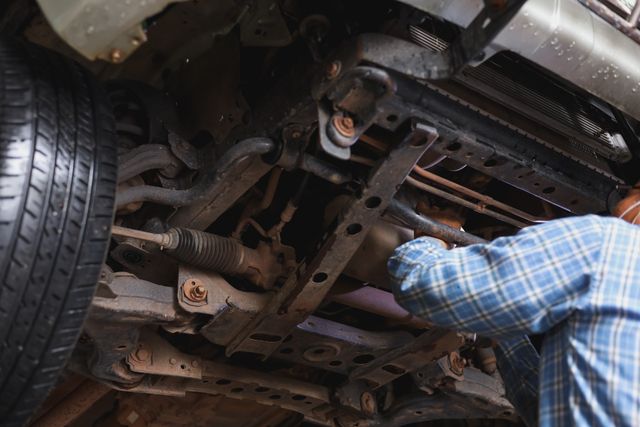


Buying a car at an online auction can save you money, but undercarriage damage is a hidden risk that can turn a bargain into a costly mistake. This guide explains what undercarriage damage is, how to spot it, and what repairs may cost, helping budget-conscious buyers make smart, safe decisions before placing a bid.
What Is a Car’s Undercarriage and Why It Matters
When people shop for a car at an auction, they usually look at the exterior and interior first. Shiny paint, clean seats, low mileage — that’s what catches the eye. But the real story is often underneath the vehicle.
The undercarriage is one of the most important — and most ignored — parts of a car. If you're buying on a budget and trying to save money, understanding this area can protect you from very expensive mistakes.
What Is the Undercarriage?
The undercarriage is everything located on the bottom side of a vehicle. It includes the structural base of the car and many critical mechanical systems.э
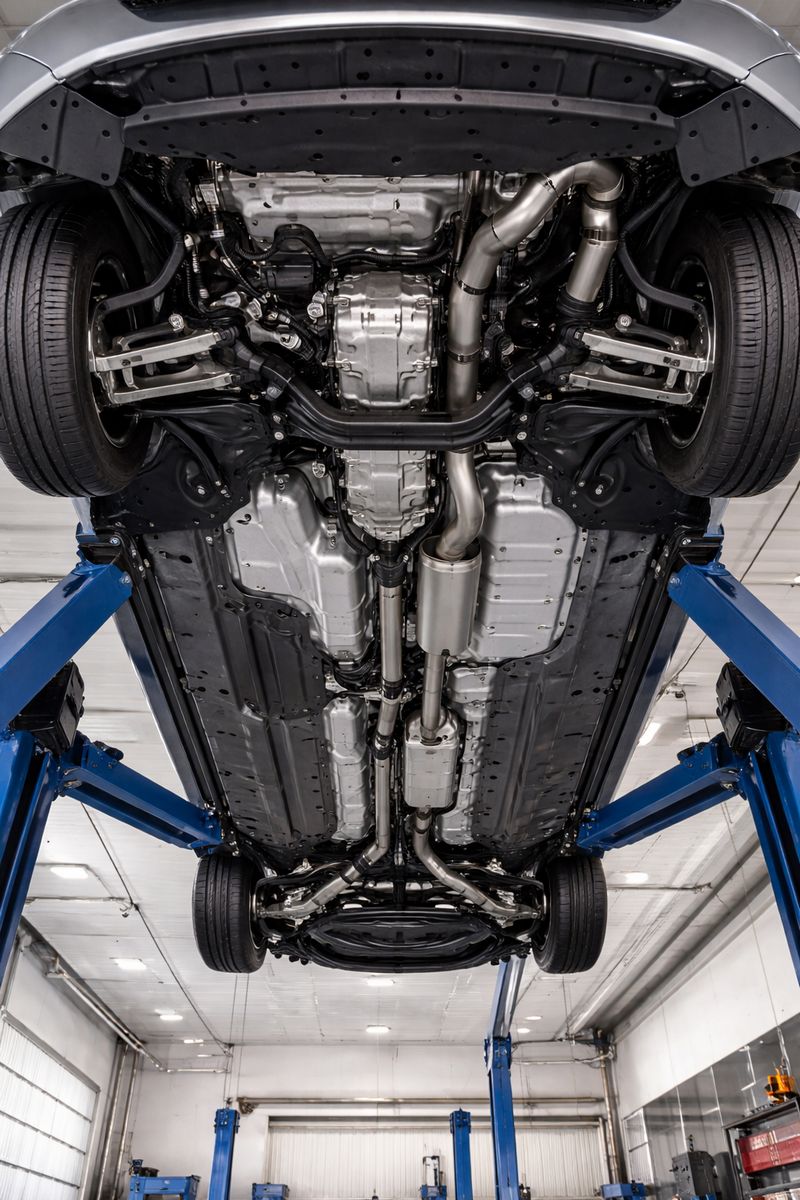
You usually don’t see it unless the car is lifted on a hoist or you crawl underneath it. That’s exactly why many auction buyers overlook it.
Think of it like the foundation of a house. The walls and roof may look perfect, but if the foundation is cracked, the whole structure is at risk. The same logic applies to a car.
What Parts Are Included in the Undercarriage?
The undercarriage is not just one part. It’s a collection of systems that keep the vehicle stable, safe, and moving.
Here’s what you’ll typically find underneath:
Frame and Subframe
The frame is the main structural support of the vehicle. It holds everything together. In modern cars, the subframe supports specific components like the engine or suspension.
If the frame is bent or cracked, the vehicle may never drive properly again — even after repairs. Frame damage can also reduce resale value dramatically.
For a budget buyer, frame damage is one of the biggest red flags.
Suspension Components (Control Arms, Shocks, Struts)
The suspension system keeps your ride smooth and your tires in contact with the road.
Control arms connect the wheels to the frame. Shocks and struts absorb bumps and prevent the car from bouncing.
If these parts are damaged:
- The car may pull to one side.
- You may feel vibrations.
- Tires may wear unevenly.
Replacing suspension parts can cost hundreds — sometimes thousands — of dollars.
Exhaust System
The exhaust system runs along the bottom of the vehicle. It removes harmful gases from the engine and reduces noise.
It includes:
- Exhaust pipes
- Muffler
- Catalytic converter
If the exhaust is damaged, you might hear loud noises or notice reduced fuel efficiency. A damaged catalytic converter alone can be expensive to replace.
Fuel and Brake Lines
Fuel lines carry gasoline from the tank to the engine. Brake lines carry brake fluid to help you stop the vehicle.
If these lines are corroded, leaking, or crushed, it becomes a serious safety issue.
Brake line damage can mean:
- Soft brake pedal
- Longer stopping distance
- Total brake failure in extreme cases
This is not an area where you want to “take a chance” to save money.
Transmission and Drivetrain Components
The drivetrain transfers power from the engine to the wheels. It includes parts like:
- Driveshaft
- Axles
- Differential
- Transmission housing
If these components are damaged from impact or rust, the car may:
- Vibrate while driving
- Make clunking noises
- Struggle to shift gears
Drivetrain repairs are often costly and complex.
Why the Undercarriage Is Critical for Safety and Value
The undercarriage directly affects:
- Structural strength
- Braking performance
- Steering control
- Ride comfort
- Long-term durability
Here’s a common situation:
You find a car at auction that looks perfect in photos. Clean body. No major visible damage. The price is low. It feels like a win.
But if the undercarriage has hidden rust, bent suspension parts, or frame damage, repairs can quickly cost more than the car itself.
For budget buyers, this matters even more. You’re trying to save money — not buy a project that drains your savings.
Undercarriage damage can also:
- Lower resale value
- Make insurance more complicated
- Lead to repeated repair bills
Check the Undercarriage Remotely
Even if you can’t lift the car, you can inspect photos and listings carefully. Our tools help highlight potential undercarriage issues so you avoid costly surprises.
- ✅ Zoom in on hidden damage in auction photos
- ✅ Track rust, frame bends, and leaks
- ✅ Compare with similar vehicles for context
- ✅ Receive alerts for unusual red flags
What Does “Undercarriage Damage” Mean?
When you see “undercarriage damage” in an auction listing, it can mean many different things. Sometimes it’s minor. Other times, it’s serious structural damage that affects safety.
The problem is that this term is very broad. It does not tell you exactly what is damaged, how bad it is, or how much it will cost to fix.
For a budget buyer, this makes a big difference. A small scrape might cost $200 to repair. Frame damage could cost thousands — or make the car unsafe to drive.
Let’s break it down.
Structural vs. Cosmetic Damage
Not all undercarriage damage is equal.
Cosmetic damage usually includes:
- Surface rust
- Light scratches
- Minor dents on protective covers
- Scraped exhaust shields
This type of damage may look bad but doesn’t always affect how the car drives.
Structural damage, on the other hand, is much more serious. It can involve:
- Bent frame rails
- Cracked weld points
- Twisted subframe
- Damaged suspension mounting points
Structural damage affects how the car handles, brakes, and protects you in an accident.
If you’re buying at auction to save money, cosmetic damage can sometimes be a smart opportunity. Structural damage is a much bigger risk.
Minor Scrapes vs. Severe Frame Damage
A lot of vehicles have small scrapes underneath. This is normal.
For example:
- The car hit a speed bump too fast.
- It scraped the bottom on a steep driveway.
- It drove over road debris.
These minor scrapes usually affect metal shields or exhaust parts. They may not require major repairs.
But severe damage is different.
Frame damage can happen when:
- A vehicle hits a curb at high speed.
- It bottoms out during a collision.
- It goes off-road and strikes a hard object.
- It is involved in a flood or rollover accident.
Severe frame damage can cause:
- Misalignment that never fully corrects
- Uneven tire wear
- Steering instability
- Long-term safety issues
At an auction, two cars may both say “undercarriage damage.” One might need a simple exhaust fix. The other might need major structural repair. The listing doesn’t always explain which one it is.
That’s why you must dig deeper.
Hidden vs. Visible Damage
Undercarriage damage is often hidden.
Unlike a dented door or broken headlight, you can’t always see it in standard auction photos. Some sellers include underbody pictures. Many do not.
Visible damage may include:
- Hanging exhaust pipes
- Obvious rust patches
- Bent metal parts
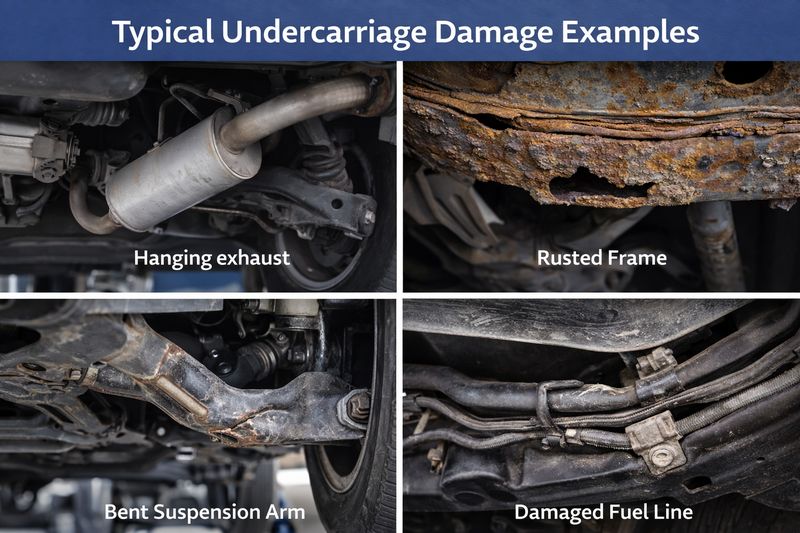
Hidden damage may include:
- Hairline cracks in the frame
- Slight subframe misalignment
- Crushed brake or fuel lines
- Internal transmission housing damage
Hidden damage is what makes undercarriage issues risky for online auction buyers.
You may win a car because it “looks clean,” only to discover problems once it arrives.
Why Undercarriage Damage Is Often Overlooked
Most buyers focus on what they can see.
They zoom in on:
- Paint condition
- Interior wear
- Dashboard warning lights
- Mileage
Very few people scroll through every photo looking for underbody details.
There are a few reasons why undercarriage damage gets ignored:
- It’s harder to inspect in photos.
- The term sounds technical and vague.
- Buyers assume “it can’t be that bad.”
- They are focused on getting a good deal.
If you’re shopping with a limited budget, it’s easy to think:
“The price is low. Even if there’s a small issue, I’ll handle it.”
But undercarriage repairs can quickly erase the savings you thought you were getting.
Common Causes of Undercarriage Damage
Undercarriage damage rarely happens “for no reason.” In most cases, it’s the result of daily driving, weather conditions, or past accidents.
If you're buying a car at an online auction, understanding the common causes helps you guess what might be hiding underneath — especially when the listing is vague.
Here are the most common reasons vehicles suffer undercarriage damage.
Road Hazards
Daily driving exposes the bottom of a car to constant impact and stress. Even careful drivers can’t avoid every road hazard.
Potholes
Potholes are one of the biggest threats to a vehicle’s undercarriage.
When a car hits a deep pothole at speed, the impact travels through the suspension and into the frame. This can bend control arms, damage struts, or even crack subframe components.
If the car was driven in areas with poor road conditions, there’s a higher chance of hidden suspension or structural damage.
Speed Bumps and Curbs
Speed bumps don’t seem dangerous — until someone drives over them too fast.
Low-clearance vehicles are especially at risk. Scraping the bottom can damage:
- Exhaust pipes
- Catalytic converter
- Protective shields
- Oil pan
Curbs are another common issue. Hitting a curb hard can bend suspension parts or shift alignment.
Many drivers won’t even report this type of damage when selling the car.
Road Debris
Loose objects on the road can cause serious underbody damage.
Examples include:
- Tire fragments from trucks
- Fallen metal parts
- Construction debris
- Rocks
At highway speeds, even small debris can strike with force. It may dent the exhaust, crack transmission housing, or damage fuel and brake lines.
At auction, this type of damage may only appear as a short note: “undercarriage.”
Environmental Factors
Weather and environment can slowly destroy a vehicle from underneath — even without accidents.
Road Salt and Corrosion
In northern states, road salt is used during winter. Salt speeds up rust and corrosion.
Over time, corrosion can weaken:
- Frame rails
- Brake lines
- Fuel lines
- Suspension mounting points
Surface rust is common and manageable. But deep corrosion can compromise safety.
If you’re buying a car that spent years in snowy regions, check for rust carefully. What looks like a cheap deal may turn into constant repair bills.
Water and Flood Exposure
Water exposure is another serious risk.
Flood damage doesn’t just affect electronics. It also damages:
- Bearings
- Suspension joints
- Brake components
- Frame metal
Water trapped inside frame sections can cause rust from the inside out.
Even if the interior looks clean, the undercarriage may tell a different story.
Mud and Off-Road Conditions
SUVs and trucks often look attractive at auction. But vehicles used off-road face extra stress.
Mud can:
- Trap moisture
- Accelerate corrosion
- Damage bushings and joints
Off-road driving can also bend suspension parts or scrape the underbody on rocks.
If the vehicle shows signs of heavy off-road use, expect possible undercarriage wear.
Driving Habits
How a person drives matters more than many buyers realize.
Aggressive Driving
Hard acceleration, sudden braking, and high-speed cornering all put extra stress on the suspension and drivetrain.
Over time, aggressive driving can lead to:
- Premature suspension wear
- Cracked mounting points
- Loose underbody components
Even if there was no accident, the car may have experienced heavy stress underneath.
Overloading the Vehicle
Carrying too much weight strains the suspension and frame.
Examples:
- Constantly hauling heavy equipment
- Overloaded work trucks
- Vehicles used for towing beyond limits
Overloading can bend suspension arms and weaken frame components.
For budget buyers looking at pickup trucks or vans, this is especially important.
Driving with Worn-Out Suspension
If shocks and struts are already worn, the vehicle absorbs bumps poorly.
This increases impact force to the frame and drivetrain.
Driving too long with bad suspension can cause secondary damage underneath — damage that could have been avoided with simple maintenance.
Accident-Related Damage
Some of the most serious undercarriage damage comes from collisions.
And not all of it is obvious.
Bottoming Out During a Collision
In certain accidents, especially front-end or side impacts, the vehicle may “bottom out.”
This means the underside hits the ground forcefully during the crash.
Even if the body panels are repaired, the undercarriage may still have:
- Bent frame rails
- Cracked welds
- Twisted subframe
Auction photos may focus on visible body damage, not what happened underneath.
Hidden Damage After a Minor Crash
Even a small accident can shift suspension components or slightly bend mounting points.
The car may drive “almost normal,” but:
- Alignment may never fully correct
- Tires may wear unevenly
- Steering may feel slightly off
These issues often appear months later — after you’ve already paid for the car.
Signs and Symptoms of Undercarriage Damage
Undercarriage damage does not always show up in big, obvious ways. Sometimes the car still starts, drives, and looks fine in photos. But small warning signs can tell you that something underneath is not right.
If you are buying at auction to save money, learning to recognize these signs can protect you from expensive surprises.
Visual Indicators
Even without lifting the car, some problems can be seen — if you know what to look for.
Rust, Corrosion, or Flaking Metal
Surface rust is common, especially on older vehicles. But heavy rust is a different story.
Warning signs include:
- Thick, flaky metal
- Deep corrosion around joints
- Rust near brake or fuel lines
- Rust holes in frame rails
Light surface rust may not be a deal-breaker. But structural rust can weaken the frame and create serious safety risks.
If the car comes from a snowy region, pay extra attention to corrosion.
Bent or Hanging Parts
Look closely at underbody photos.
If you see:
- Exhaust pipes hanging low
- Loose protective shields
- Bent suspension arms
- Drooping brackets
This may indicate impact damage.
Hanging parts often mean the car hit something hard underneath. Even if the repair looks simple, the impact may have caused deeper issues.
Scratches and Dents on the Frame
Scratches along the bottom are common, especially on low-clearance vehicles.
But deep dents in frame rails or subframe areas are more serious.
Large dents can:
- Affect structural strength
- Change wheel alignment
- Create long-term handling problems
If the frame itself shows damage, repairs can become expensive quickly.
Fluid Leaks
Leaks are one of the clearest warning signs of undercarriage problems.
Always check the ground under the car in photos, if available.
Oil Leaks
Oil leaks often come from:
- Damaged oil pans
- Cracked seals
- Impact to the bottom of the engine
If the oil pan was hit from below, the engine could have suffered internal stress.
An oil leak may start small but lead to engine failure if ignored.
Transmission Fluid Leaks
Transmission fluid usually has a red or dark color.
Leaks may indicate:
- Cracked transmission housing
- Damaged seals
- Impact to drivetrain components
Transmission repairs are rarely cheap. For a budget buyer, this can erase any savings from a low auction price.
Brake Fluid Leaks
Brake fluid leaks are serious safety issues.
If brake lines underneath the vehicle are corroded or crushed, the system may lose pressure.
Signs may include:
- Soft brake pedal
- Longer stopping distance
- Warning lights on the dashboard
Brake system problems should never be ignored.
Unusual Noises
Strange sounds while driving are often connected to the undercarriage.
Clunking or Rattling Sounds
Clunking noises may point to:
- Loose suspension components
- Worn bushings
- Damaged control arms
Rattling may come from:
- Loose exhaust parts
- Broken brackets
- Metal shields scraping against other parts
These noises often get louder over time.
Scraping While Driving
Scraping sounds when going over bumps may mean:
- Low-hanging exhaust
- Bent metal shields
- Suspension damage
If scraping happens regularly, the car may have reduced ground clearance due to previous impact.
Performance Issues
Undercarriage damage often affects how the vehicle drives.
Poor Alignment
If the steering wheel is not centered or the car pulls to one side, alignment may be off.
Alignment problems can be caused by:
- Bent suspension parts
- Frame misalignment
- Subframe damage
If alignment cannot be corrected during service, structural damage may be the reason.
Uneven Tire Wear
Check tire condition in auction photos.
If one side of a tire is more worn than the other, it may signal:
- Suspension damage
- Alignment issues
- Bent components
Uneven wear means you may need new tires soon — plus the repair that caused the issue.
Vibrations While Driving
Vibrations at certain speeds can indicate:
- Damaged driveshaft
- Bent axles
- Worn suspension parts
Vibrations are not just uncomfortable. They may signal deeper drivetrain issues.
Safety Concerns
Some symptoms go beyond comfort and directly affect safety.
Reduced Braking Performance
If the car takes longer to stop or feels unstable during braking, undercarriage damage may be involved.
Possible causes include:
- Bent suspension components
- Damaged brake lines
- Warped mounting points
Braking problems increase accident risk.
Steering Instability
If the vehicle feels loose or unstable while steering, especially at highway speeds, there may be damage underneath.
This can result from:
- Bent control arms
- Worn bushings
- Subframe misalignment
Steering instability makes the car unpredictable and unsafe.
How to Inspect Undercarriage Damage Before Buying at Auction
One of the biggest risks for budget buyers at online auto auctions is hidden undercarriage damage. Since you can’t touch or lift the car before bidding, it’s easy to miss warning signs. Knowing how to inspect the undercarriage can save you thousands in repair costs and prevent buying a car that’s unsafe or unreliable.
Why Dealers Often Skip Undercarriage Checks
Dealers and auction sellers often focus on what’s visible: the exterior, interior, mileage, and engine bay. The undercarriage is harder to photograph, takes time to inspect, and may reveal problems that lower the car’s value.
For example:
- A used SUV may have scraped exhaust pipes, but the auction photos only show a clean body.
- A truck with a bent control arm could still drive short distances, but fixing it would cost hundreds.
Because undercarriage inspections are inconvenient and sometimes reveal expensive issues, they’re frequently skipped in auction listings.
How to Check Undercarriage Damage Yourself
Even from a distance or with online listings, you can take steps to assess the undercarriage before bidding.
Reviewing Auction Photos Carefully
Start with every photo the seller provides. Look for:
- Visible rust or corrosion
- Bent or hanging parts
- Scrapes and dents along the frame
- Leaks or wet spots under the vehicle
Zoom in on any part of the undercarriage you can see. Pay attention to the exhaust system, suspension arms, and brake lines. Often, careful inspection of photos can reveal obvious red flags.
Using a Flashlight and Mirror
If you have the opportunity to view the car in person before bidding or at a pre-auction inspection, a flashlight and small mirror are your best friends.
- Shine the flashlight along the frame rails, subframe, and suspension components.
- Use the mirror to see areas that are hard to reach.
- Look for rust, cracks, bent metal, leaks, or loose parts.
Even a brief visual inspection can reveal serious damage that isn’t listed in the auction description.
Checking Vehicle History Reports
Vehicle history reports can provide clues about undercarriage problems:
- Flood damage or water exposure
- Accident history
- Salvage or insurance claims
For instance, if a vehicle shows a prior flood claim, the undercarriage may have hidden rust or corrosion. If it has a history of collision repairs, the frame or suspension may have been affected. These details can help you anticipate potential repairs.
When to Order a Professional Inspection
Some problems are impossible to detect without an expert.
Consider a professional inspection if:
- Auction photos show scratches, dents, or rust under the car
- The vehicle has a prior accident or flood history
- The car is low-priced but you suspect hidden damage
A certified mechanic or inspection service can lift the car and check every critical component. Spending a few hundred dollars upfront can prevent you from buying a car that will cost thousands to fix — especially important for buyers on a tight budget.
Can Undercarriage Damage Be Repaired?
Yes, undercarriage damage can often be repaired — but how it’s fixed depends on the type and severity of the damage. For budget buyers at auctions, knowing which repairs are manageable and which are costly is critical to making a smart purchase.
Minor Repairs and Maintenance
Some undercarriage issues are purely cosmetic or involve easily replaceable components. These are usually the least expensive to fix.
Rust Treatment and Undercoating
Surface rust is common, especially on older vehicles or those from regions with heavy winter salt use. Light rust can be treated with:
- Sanding or wire brushing affected areas
- Applying rust converter or protective primer
- Adding undercoating to prevent future corrosion
For a budget buyer, rust treatment and undercoating are often realistic DIY tasks. These repairs protect the frame and suspension components without requiring expensive shop labor.
Replacing Damaged Exhaust Parts
Scraped or dented exhaust pipes, mufflers, or heat shields can often be replaced without affecting the car’s safety or drivability.
Typical fixes include:
- Replacing a muffler or exhaust pipe section
- Reattaching loose brackets or hangers
- Fixing minor leaks in the exhaust system
These repairs are relatively inexpensive and can often be done at a local shop or by a capable DIYer.
Professional Repairs
Some undercarriage damage is too complex or dangerous to repair at home. These require professional attention.
Frame Straightening
Bent or twisted frames need specialized equipment to realign. Frame straightening is essential for:
- Proper wheel alignment
- Safe handling
- Maintaining structural integrity
This repair is expensive and usually only worth it if the vehicle is otherwise in good condition.
Suspension Replacement
Damaged control arms, struts, shocks, or bushings can sometimes be patched temporarily, but full replacement ensures the vehicle drives safely.
A professional mechanic can:
- Replace worn or bent suspension parts
- Re-align the wheels
- Test for proper handling after repair
Suspension repairs can cost hundreds to over a thousand dollars, depending on the vehicle.
Welding and Reinforcement
Severe rust or structural damage may require welding or adding reinforcement plates to maintain safety. Welding on frame rails or subframes is a skilled job that cannot be ignored. Poor repairs can compromise safety and cause further damage.
DIY vs. Professional Repair: What’s Realistic?
For auction buyers on a budget, it’s important to know what can be handled at home and what should go to a professional:
DIY-friendly repairs:
- Surface rust removal and undercoating
- Minor exhaust repairs or bracket reattachments
- Replacing small suspension bushings
Professional-only repairs:
- Frame straightening or subframe realignment
- Major suspension component replacement
- Welding or reinforcing structural parts
- Fixing leaks in brake or fuel lines
Understanding the limits of DIY repairs helps you make smart decisions. A cheap car with minor scrapes or rust can be a great deal if you handle it yourself. But if the undercarriage requires major professional work, factor in the repair costs before bidding.
How Much Does It Cost to Fix Undercarriage Damage?
One of the biggest questions for auction buyers is cost. Undercarriage repairs can range from a few hundred dollars to several thousand, depending on the type and severity of the damage. Understanding typical costs helps you decide if a low auction price is really a bargain or a hidden money pit.
Typical Repair Costs by Type of Damage
Here’s a breakdown of common undercarriage issues and what you might expect to pay:
- Minor rust and surface corrosion: $100–$500
Small areas can be sanded, treated, and undercoated without replacing major parts. - Exhaust system repairs: $150–$800
Replacing mufflers, pipes, or brackets is often straightforward, though catalytic converters are more expensive. - Suspension repairs: $300–$1,500
Replacing control arms, shocks, or struts varies by vehicle type and labor costs. - Frame straightening: $500–$2,500+
Bent frames require specialized equipment and professional service. Costs increase with severity. - Brake or fuel line replacement: $200–$600
Corroded or damaged lines are critical for safety and must be fixed properly. - Major welding and reinforcement: $500–$3,000+
Structural rust or cracks that require welding can be expensive and time-consuming.
Remember, labor costs vary by region and shop. Even if parts are cheap, labor can add significantly to the total repair bill.
When Repairs Cost More Than the Car Is Worth
A cheap auction vehicle can be tempting. But if the undercarriage requires extensive repairs, the total cost may exceed the car’s value.
Examples:
- A $2,500 auction SUV with severe frame damage may cost $3,500–$4,000 to fix.
- A low-mileage car from a flood zone may need rust treatment, suspension replacement, and welding, easily exceeding the purchase price.
Budget buyers must weigh the cost of repairs against the potential savings. Sometimes passing on a “cheap” vehicle is the smarter choice.
Budget Planning for Auction Buyers
To avoid financial surprises, plan ahead before bidding:
- Set a maximum price including potential repair costs.
- Estimate repairs based on auction photos, history reports, and known undercarriage issues.
- Prioritize safety-critical fixes like brakes, fuel lines, and suspension over cosmetic repairs.
- Consider professional inspections for any serious damage, even if it costs a few hundred dollars upfront.
- Leave room for unexpected issues, since hidden damage can appear after purchase.
Know Your True Repair Costs
Undercarriage damage can turn a bargain into a money pit. Use our cost estimator to calculate repair expenses before bidding and stay on budget.
- ✅ Detailed estimates for rust, suspension, brakes, and frame repairs
- ✅ Compare auction price vs. repair cost quickly
- ✅ Plan for DIY or professional fixes
- ✅ Avoid overspending on a hidden-damage vehicle
When Is Undercarriage Damage Too Severe to Buy?
Not all undercarriage damage can or should be repaired, especially for budget buyers. Some issues are too serious, costly, or dangerous to fix. Knowing when to walk away can save you time, money, and stress.
Signs the Frame Is Compromised
The frame is the backbone of the car. If it’s bent, twisted, or cracked, the vehicle may never drive safely again.
Look for these warning signs:
- Visible bends, kinks, or cracks in frame rails
- Misaligned suspension mounting points
- Doors, hood, or trunk that don’t close properly
- Uneven gaps in body panels
Even small frame damage can lead to ongoing alignment problems, uneven tire wear, and compromised crash safety. For budget buyers, a compromised frame is often a deal-breaker.
Safety Risks You Shouldn’t Ignore
Undercarriage damage isn’t just a financial concern — it’s a safety issue.
Potential risks include:
- Reduced braking efficiency due to bent brake lines or weakened mounting points
- Steering instability from damaged control arms or subframe misalignment
- Fuel leaks from cracked or corroded fuel lines
- Structural weakness that increases injury risk in a collision
If a car has any of these issues, repairs may be expensive, complicated, or unsafe to attempt. Your safety should always outweigh a low auction price.
How to Decide if a Trade-In or Auction Car Is Worth It
Budget buyers often face tough decisions. Here’s how to approach it:
- Assess repair costs realistically — include both parts and professional labor.
- Compare to market value — if repairs exceed what the car is worth, it’s usually not a good buy.
- Factor in hidden damage — minor visible issues may hide bigger structural or mechanical problems.
- Prioritize safety — never buy a vehicle with compromised frame or critical system damage.
- Consider future resale value — even repaired vehicles with severe undercarriage damage often sell for less than expected.
Undercarriage Damage in Insurance and Accident Claims
Undercarriage damage is not just a concern for buyers at auctions — it also plays a crucial role in insurance and accident claims. Knowing how damage affects claims can help you understand liability, repair coverage, and potential payout amounts.
Why Undercarriage Damage Matters in Personal Injury Claims
The undercarriage supports key safety systems like the brakes, steering, and suspension. If these components are compromised during an accident, injuries can be more severe.
Insurance adjusters often examine undercarriage damage to:
- Determine the severity of the crash
- Assess vehicle safety at the time of the accident
- Evaluate potential causes of injuries
For example, if a bent frame caused steering instability, a minor collision could result in a more serious accident. In such cases, undercarriage condition can influence personal injury claims and the compensation awarded.
Establishing the Cause of Damage After an Accident
After a collision, it’s important to determine whether undercarriage damage is accident-related or pre-existing. This distinction affects both insurance claims and liability.
Steps often taken include:
- Comparing pre-accident photos or inspection reports
- Evaluating repair records and maintenance history
- Identifying impact marks, dents, or bends consistent with the accident
For instance, if auction photos or prior inspections show pre-existing frame damage, an insurer may reduce payout or deny certain claims. Clear evidence of accident-related undercarriage damage is crucial for a successful claim.
How Inspection Results Affect Claim Outcomes
Professional inspections of the undercarriage can make or break a claim.
Inspection reports typically detail:
- Structural integrity of frame and subframe
- Condition of suspension and drivetrain components
- Presence of leaks, corrosion, or hidden damage
A thorough report helps insurance adjusters determine repair costs accurately and supports your position if liability is disputed. For accident victims, detailed undercarriage documentation can result in higher settlements or ensure coverage for all necessary repairs.
Key Takeaways for Budget Car Buyers
For budget-conscious buyers at auctions, undercarriage damage can make the difference between a smart purchase and a costly mistake. Understanding how it affects value, safety, and repairs helps you make informed decisions and avoid financial surprises.
How Undercarriage Damage Affects Resale Value
Even if you repair a car’s undercarriage, its resale value may be lower than a similar vehicle with no damage. Buyers are wary of:
- Rusted or weakened frame rails
- Repaired suspension or drivetrain components
- Evidence of previous impact or flooding
A car with documented undercarriage repairs may sell for 10–30% less than an equivalent undamaged vehicle. For budget buyers, this means that what seems like a good deal upfront could cost more in the long run if you plan to resell.
Smart Buying Tips to Avoid Expensive Mistakes
To minimize risk when bidding at auctions:
- Check photos and history reports carefully – look for rust, dents, leaks, and prior accidents.
- Ask questions about previous use – trucks and SUVs may have seen heavy hauling or off-road driving.
- Consider a professional inspection – it may cost a few hundred dollars but can prevent thousands in unexpected repairs.
- Focus on critical systems – brakes, suspension, fuel and brake lines, and frame integrity are more important than cosmetic issues.
- Budget for repairs upfront – never assume minor damage is free to fix; include labor and parts in your calculation.
Following these tips helps you identify vehicles that are genuinely a good deal versus those that look cheap but carry hidden costs.
When a Discounted Car Is Still a Good Deal
A low auction price doesn’t automatically mean a bad purchase. A discounted car can be a good deal if:
- Undercarriage damage is minor and repairable
- Structural components are intact
- You factor repair costs into your budget
- You are prepared to handle DIY or professional fixes
For example, a car with small rust spots, a dented exhaust, and minor scrapes may be fixed for a few hundred dollars. When combined with a low auction price, this can result in a safe, reliable vehicle for a fraction of retail cost.
Find Safe Deals on Auction Cars
A discounted car can be a great deal if you understand undercarriage risks. Access our expert tools to evaluate structural integrity, hidden damage, and repair needs before you bid.
- ✅ Quick risk assessment for every lot
- ✅ Highlight vehicles with minor vs. severe damage
- ✅ Get professional inspection recommendations
- ✅ Compare multiple auction listings safely
Further Reading
Vehicle Frame Damage: How It Impacts Car Purchases and What You Need to Know
Understanding Damage Codes: A Complete Guide for Budget Buyers
How to Identify Hidden Damage in Damaged Salvage Cars
Fire Damage Repair Costs: What Budget Buyers Need to Know Before Buying at Auction

Do You Have Any Questions?
 Ask Question