


 Log in
 Sign Up


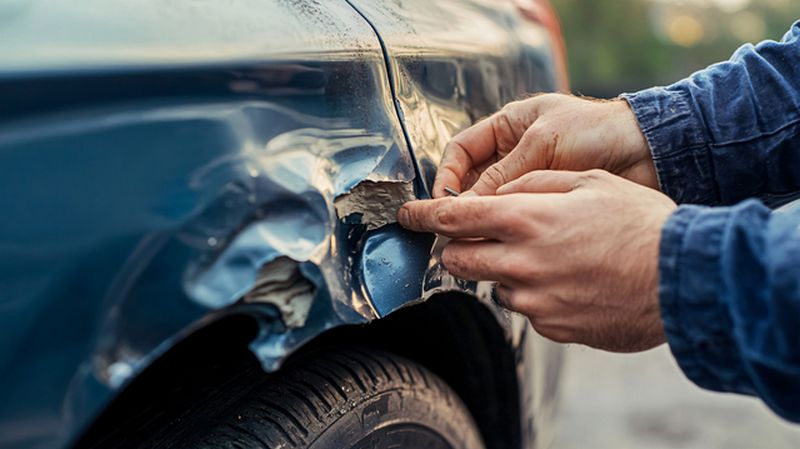


Understanding damage codes is key to buying smart at auto auctions, especially when you're on a tight budget. These simple letters and numbers reveal what happened to a car, how serious the damage is, and whether the vehicle is worth the price. This guide will help you read damage codes confidently so you can avoid costly mistakes and spot real deals.
What Are Damage Codes?
Damage codes are short labels used by auction houses to describe a vehicle’s condition. They give buyers a quick overview of what kind of damage the car has, how serious it might be, and what to expect in terms of repairs. For budget buyers, these codes are essential because they help you spot affordable cars that only need minor work — and avoid vehicles with deeper problems.
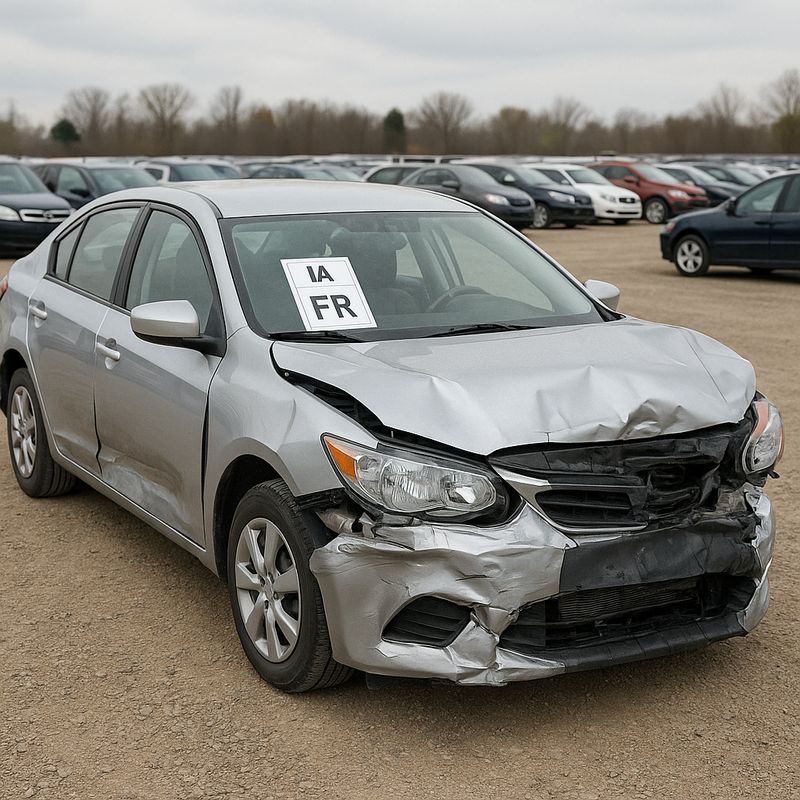
Definition and Purpose of Damage Codes
Damage codes are standardized terms or abbreviations assigned to vehicles after an accident, theft, or other incident. Their purpose is simple: to show what type of damage the vehicle has and where it occurred. Instead of reading long inspection reports, buyers can understand the basic condition at a glance. This makes it easier to compare cars quickly, especially when browsing through hundreds of listings online.
Why Damage Codes Matter When Buying at Auction
Knowing damage codes helps buyers avoid costly surprises. A car listed with “Minor Dents/Scratches” might be a great deal if you’re handy with basic repairs. Meanwhile, “Flood Damage” or “Frame Damage” warns you that the car may require expensive professional work. When you’re shopping on a tight budget, understanding these codes allows you to choose cars that offer the best balance between price and repair cost — ensuring your savings aren’t lost on unexpected issues.
How to Decode the Numbers and Letters
Damage codes often include a mix of letters, numbers, or short phrases. For example, “F” may stand for front-end damage, while “R” indicates rear-end damage. Terms like “BIO,” “HAIL,” or “MECH” point to specific types of issues such as biohazard cleanup, hail impact, or mechanical failure. By learning these common abbreviations, buyers can interpret auction listings quickly and confidently. This knowledge makes it easier to estimate repair needs and decide whether a car fits your budget and skill level.
Overview of Damage Reports at Auto Auctions
Damage reports are one of the most important tools for anyone buying a used or salvage vehicle at auction. They show the condition of the car in detail, explaining what was damaged, how it happened, and what might need repair. For budget buyers, understanding these reports is a major advantage because it helps you avoid vehicles with hidden problems and focus on those that offer real savings.
Types of Damage Reports
Auction platforms provide several types of damage reports, each covering different aspects of the vehicle’s condition. Basic reports list surface-level damage such as dents, scratches, or broken lights. More detailed reports show structural damage, mechanical issues, and electronic faults. Some vehicles also include insurance assessment reports, which explain why the vehicle was declared a total loss. Together, these reports give buyers a clearer picture of what they are paying for.
How Auction Houses Record Damage
Auction houses use standardized inspection procedures to document damage. Inspectors check major areas of the vehicle — including the frame, engine, body panels, suspension, and interior — and record any issues found. They assign damage codes, take photos, and update digital listings so buyers can review everything online. While the reports are not always perfect, they provide enough information for buyers to evaluate risk and plan potential repair costs.
Benefits of Understanding Damage Reports
When you know how to read damage reports, you can make smarter buying decisions. Budget buyers can spot cars that look rough but need only simple repairs, such as replacing a bumper or fixing a window. At the same time, you can avoid vehicles with costly problems like frame distortion, engine failure, or flooding. Understanding damage reports allows you to compare similar cars, negotiate confidently, and avoid overspending on repairs — all of which lead to better value and long-term savings.
Car Damage Categories
Damage categories help buyers understand exactly what kind of issues a vehicle has before placing a bid. Each category highlights a different area of concern, allowing you to estimate repair costs and decide whether the vehicle is a smart budget-friendly purchase.
Frame Damage
Frame damage is one of the most serious categories. It means the main structure of the car has been bent, twisted, or cracked. Repairs can be expensive and sometimes impossible. Budget buyers should approach these vehicles with caution, as even a low auction price may lead to high repair bills later.
Front End Damage
Front end damage usually comes from collisions and can affect headlights, bumpers, fenders, and sometimes engine components. While light front-end damage can be affordable to fix, major damage may involve radiator or engine repairs. Buyers who know how to source cheap parts can often find good deals in this category.
Rear End Damage
Rear end damage often involves bumpers, trunk lids, tail lights, and sometimes frame rails. Many rear-end impacts are cosmetic, making them less expensive to repair. For budget-focused buyers, these vehicles can be good opportunities, especially if the damage does not affect suspension or alignment.
Side Damage
Side damage can range from small dents to severe structural issues if doors or pillars are affected. Replacing doors is usually straightforward, but repairing pillar damage can be costly. Buyers should check this category carefully to understand the extent of the impact.
Top/Roof Damage
Top or roof damage can come from falling branches, rollover accidents, or heavy objects. Repairing a roof can be expensive because it often requires professional work. However, light damage like dents from debris may be manageable for buyers looking for a bargain.
Undercarriage Damage
This category includes damage to the bottom of the vehicle, such as suspension components, exhaust systems, or the frame. Cars with undercarriage damage may look fine from the outside but hide serious issues. Budget buyers should inspect this category closely because repairs can add up quickly.
Mechanical Damage
Mechanical damage refers to issues with the engine, transmission, suspension, or other critical systems. Sometimes the problem is minor, like a faulty sensor. Other times it can mean a complete engine failure. Buyers willing to invest in repairs can find deep discounts in this category, but only if they understand the potential costs.
Minor Dents and Scratches
This is one of the most budget-friendly categories. The damage is usually cosmetic and easy to repair. These vehicles can be ideal for buyers looking for reliable transportation at a low price. With simple fixes, the car can look nearly new again.
Normal Wear
Normal wear includes routine signs of use like faded paint, worn seats, or small interior flaws. These vehicles are usually mechanically sound and only need minor cosmetic improvements. They’re great choices for buyers who want dependable cars without paying full market value.
Missing or Altered VIN
A missing or altered VIN is a serious red flag. It may indicate theft, fraud, or improper repairs. Buyers should avoid these vehicles unless they fully understand the legal implications and can verify the car’s history.
Vandalism
Vandalism damage can include smashed windows, keyed paint, or damaged interiors. Repairs vary in cost depending on the severity. Many vandalized cars are mechanically fine, making them good opportunities for budget buyers willing to handle cosmetic repairs.
Hail Damage
Hail damage ranges from small dents to heavily pitted body panels. While it looks bad, it’s often inexpensive to fix compared to mechanical or structural issues. Vehicles with hail damage can offer excellent value, especially for buyers who don’t mind minor cosmetic flaws.
Detailed Damage Codes
Damage codes help buyers understand exactly what kind of issues a car has before bidding. Each code gives a quick snapshot of the problem, helping you estimate repair costs and avoid surprises. Knowing these codes is especially useful for budget buyers who want to find affordable vehicles without hidden risks.
AO – All Over
"All Over" means the car has damage across multiple areas. It may include dents, scratches, or more serious impacts. This code doesn’t tell you how bad the damage is, so photos and reports are essential. These vehicles can be heavily discounted but often require more work.
BC – Biohazardous/Chemical
This code indicates exposure to hazardous materials like blood, chemicals, or mold. Cleanup can be expensive and must be done professionally. Budget buyers should approach with caution unless they have experience restoring contaminated interiors.
BE – Burn – Engine
This means the fire was located in the engine compartment. Damage can range from melted wiring to complete engine loss. Repairs are often costly, so only buyers comfortable with major engine work should consider these vehicles.
BI – Burn – Interior
The fire affected the inside of the vehicle. Seats, dash components, and wiring may be damaged. Even if the exterior looks fine, interior burns often lead to expensive repairs. Usually not ideal for budget-focused buyers.
BN – Burn
A general burn code that means the vehicle experienced fire damage somewhere. The extent varies, so inspection is crucial. Burned cars can be risky because heat can damage wiring, plastics, and structural components.
CC – Cash for Clunkers
This code was used for vehicles traded under the government Cash for Clunkers program. These vehicles were intentionally disabled, often with a destroyed engine. They are usually sold for parts only, so buyers shouldn’t expect a drivable car.
DH – Damage History
This indicates the car has previous, documented damage. It doesn’t specify the type or severity, so inspection is necessary. Budget buyers may find good deals here, especially if the repairs were done properly.
FD – Frame Damage Reported
Frame damage is a serious issue because it affects the car's structure. Repairs can be expensive and sometimes unsafe if not done correctly. Buyers on a tight budget should consider this code a warning sign.
PR – Partial/Incomplete Repair
This code appears when a repair was started but not finished. It can mean missing parts, unpainted panels, or mechanical work left undone. Skilled DIY buyers may find good opportunities here.
RJ – Rejected Repair
A repair was attempted but failed inspection or quality checks. The problem still exists and may require professional correction. These vehicles can be risky because the original issue might be serious.
RO – Rollover
The vehicle rolled over during an accident. Rollover damage often affects the roof, pillars, and frame. Repairs can be costly, and safety may be compromised. Not the best option for budget buyers seeking reliability.
ST – Stripped
"Stripped" means major parts were removed — sometimes wheels, seats, electronics, or engine parts. These cars can be good for buyers who want to source their own parts, but they require significant work.
TP – Top/Roof
The damage is located on the roof. It may be due to falling objects or rollover accidents. Roof repairs can be costly, but small dents may be manageable for buyers seeking a cheaper option.
UK – Unknown
"Unknown" means the auction does not have information about the damage. This is risky because the real issue could be minor or severe. Budget buyers should only consider UK vehicles if they can inspect them in person.
UN – Undercarriage
Damage under the vehicle can affect suspension, exhaust, or frame components. These issues may not be visible in photos, so careful inspection is crucial. Repairs can be expensive if major components are affected.
VI – Missing/Altered VIN
A missing or altered VIN is a serious sign of potential theft or fraud. These cars may have legal restrictions and should be avoided by budget buyers who want a trouble-free purchase.
VP – Replaced VIN
A VIN has been legally replaced by the state, often due to theft recovery or repairs. These vehicles can be safe to buy if the paperwork is correct. Buyers should always verify documentation.
WA – Water/Flood
This code indicates flood or water intrusion. Flood damage can lead to engine failure, electrical issues, and mold. These vehicles may seem cheap at auctions, but repairs are often costly and unpredictable. Budget buyers should be extremely careful with WA-coded cars.
How to Read Damage Codes and Assess Used Cars
Step-by-Step Guide to Interpreting Codes
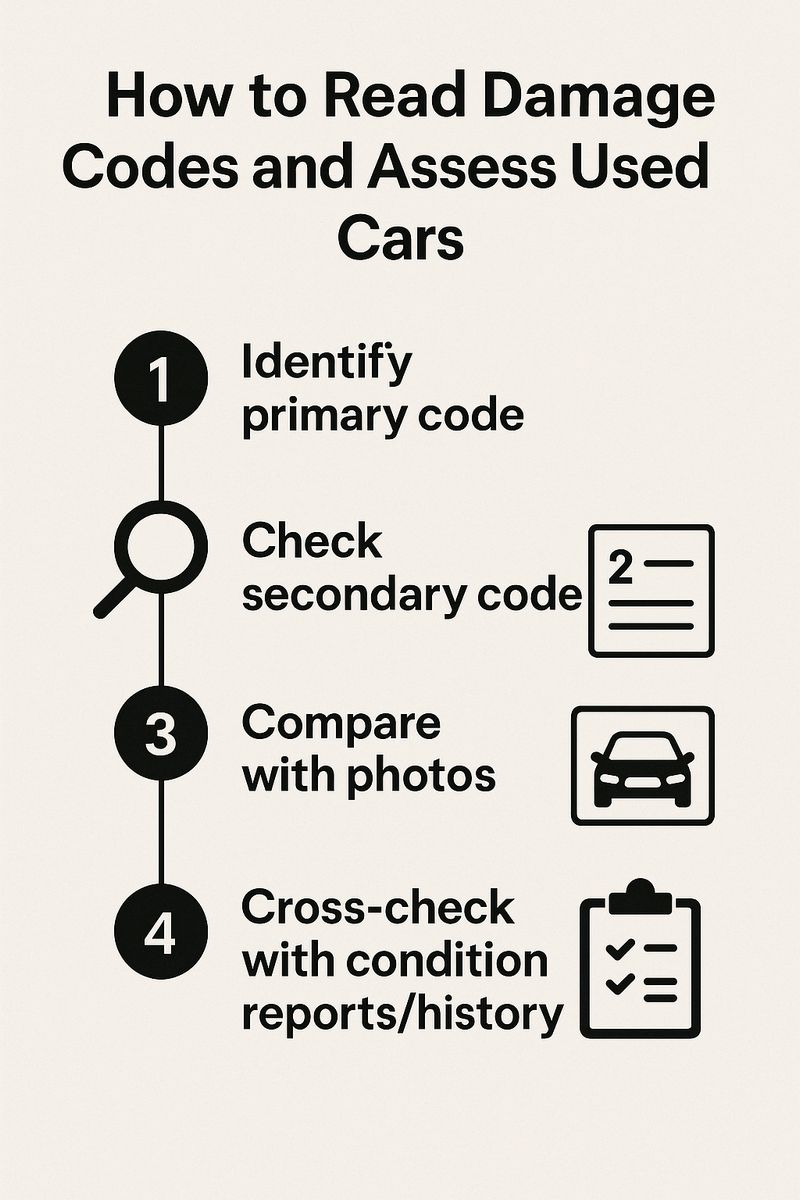
Reading damage codes may feel confusing at first, but once you understand the basics, it becomes a powerful tool for spotting great deals. Start by checking the primary damage code—this usually tells you the most significant issue, like frame damage, water exposure, or front-end collision. Then review the secondary damage code, which adds context, such as mechanical issues or cosmetic dents.
Next, compare the codes with the vehicle photos. For example, if the listing shows “FD” (Frame Damage) but the frame areas in the photos look untouched, you may be looking at older or lightly repaired issues that reduce the price but not the car’s value to you. Finally, cross-check the codes with the condition report, sale notes, and seller type (dealer, insurance, or fleet). These steps help you avoid surprises and understand exactly what you’re paying for.
Understanding Severity Levels
Damage codes often hint at how serious the issue is. Some codes—like “AO” (All Over) or “RO” (Rollover)—signal heavy damage that may require a full rebuild. Others, such as “PR” (Partial Repair) or “UN” (Undercarriage), may point to moderate but manageable work.
For budget-conscious buyers, severity levels help you decide which cars are worth the effort. A car with cosmetic scratches and a minor “ST” (Stripped) code might be a bargain if you're willing to replace missing parts yourself. Meanwhile, codes like “WA” (Water/Flood) or “FD” (Frame Damage Reported) require more caution, since repairs can be costly and sometimes unpredictable.
Understanding severity helps you balance risk and reward—an essential skill when you're trying to save money without buying a car that becomes a long-term money pit.
Comparing Codes Across Auction Listings
When browsing multiple listings, it’s smart to compare damage codes side-by-side. Similar models with the same mileage may have very different final costs depending on their damage types. For example, a 2018 SUV with “Hail Damage (HAIL)” may be much cheaper—and easier to fix—than another 2018 SUV with “Mechanical Damage.”
Also pay attention to how different auction houses label the same issues. One listing may describe a vehicle as “Top Damage (TP),” while another uses a more detailed condition note. By comparing codes consistently, you spot undervalued listings you might otherwise overlook.
For buyers trying to stretch their budget, this comparison step can reveal hidden gems—cars with cosmetic damage that scares off other bidders but doesn’t affect reliability once repaired.
Tips for Using Damage Codes Effectively
Inspect the Vehicle Thoroughly
Damage codes give you a quick overview, but they should never replace a full visual inspection. Always review all available photos—inside, outside, underneath, and under the hood. If the listing includes a 360-degree view, take time to rotate and zoom in.
Look for inconsistencies, such as a “Rear End Damage” code but visible dents on the side, or a “Mechanical Damage” code with no engine photos. Budget-focused buyers often find great deals by identifying cars that look better than the code suggests. On the other hand, a car that looks worse than its damage code indicates should raise a red flag.
Check the Vehicle History Report
A history report helps confirm whether the damage code matches the car’s past. For example, if the code states “FD – Frame Damage Reported” but the history report doesn’t mention a frame-related accident, this could mean the issue is recent or unrecorded.
For buyers trying to save money, a history report is especially useful for spotting repeated accidents, mileage inconsistencies, or flood exposure. These details help you avoid cars that look cheap upfront but become expensive headaches later.
Use a Used Car Buying Checklist
A clear checklist helps you stay focused and compare cars objectively. Include key areas like structural condition, engine status, tires, interior wear, and missing parts.
When you match each item on the checklist with the damage codes, you get a fuller picture. For example, if a listing shows “PR – Partial Repair,” your checklist helps you identify what still needs fixing. This makes budgeting repair costs easier and prevents impulse bids that exceed your limit.
Understand Auction Terminology
Every auction uses specific terms, and knowing them ensures you won’t misinterpret important details. Phrases like “runs and drives,” “starts,” “engine damage,” and “as-is” have very different meanings at Copart and IAAI.
When you understand the terminology, you avoid overpaying for cars that need more work than you expected. This is a big advantage for buyers with limited budgets because it helps you focus only on listings that match your repair skill level and spending plans.
Learn the Copart and IAAI Damage Code Meaning
Copart and IAAI share many codes, but some have unique interpretations. For example, “AO – All Over” at Copart may refer to widespread cosmetic issues, while IAAI may categorize similar cases under different secondary codes.
Learning how each platform labels damage makes you a smarter bidder. You can spot undervalued listings, understand risks clearly, and avoid auctions where the codes hide major issues. Buyers looking to stretch every dollar benefit the most from this—once you understand the codes, you stop guessing and start making confident, informed decisions.
Conclusion: Making Informed Decisions at Auto Auctions
Balancing Cost and Condition
Buying a car at an auto auction is all about finding the right balance between price and overall condition. Damage codes help you understand what you’re really paying for, but the key is matching the car’s condition to your repair skills and budget. A cheaper car isn’t always the best deal if it needs major repairs, while a slightly more expensive vehicle with lighter or clearly documented damage may save you money in the long run. For budget buyers, this balance ensures you avoid unexpected costs and focus on vehicles that offer reliable value.
Using Damage Codes to Spot Deals
Damage codes are your shortcut to identifying hidden opportunities. A car marked with “Minor Dents” or “Normal Wear” may have a much lower bidding price simply because buyers overlook these listings. On the other hand, codes like "AO – All Over" may look intimidating but sometimes reflect cosmetic issues that don’t affect drivability.
By understanding the meaning behind each code, you can filter out overpriced listings and focus on vehicles with repairable issues. This knowledge gives you a competitive edge—especially when every dollar counts.
Final Checklist for Buyers
Before placing a bid, make sure you run through a simple but effective mental checklist:
- Do the damage codes match the photos?
- Does the repair cost fit your budget?
- Does the car’s history report confirm the type and severity of damage?
- Are there any signs of hidden issues the codes don’t reveal?
- Does the listing provide enough clarity to bid with confidence?
Are you interested in buying a vehicle from US auctions?
With this being said – you can still export vehicles and save up a few thousand dollars with Auto4Export. We have an inventory of over 150k plus vehicles with titles you can export for you to choose from. Once you have placed your bid and won the auction a Bill of Sale document is then emailed to you as proof of purchase – after full payments have been made.
To gain access and get started on your purchase, sign up for free.
Further Reading
10 Major Damage Codes in Used Car Auctions: Your Essential Guide
Vehicle Frame Damage: How It Impacts Car Purchases and What You Need to Know
Damage History: What Buyers Need to Know Before Auctions
How to Identify Hidden Damage in Damaged Salvage Cars

Do You Have Any Questions?
 Ask Question