


 Log in
 Sign Up


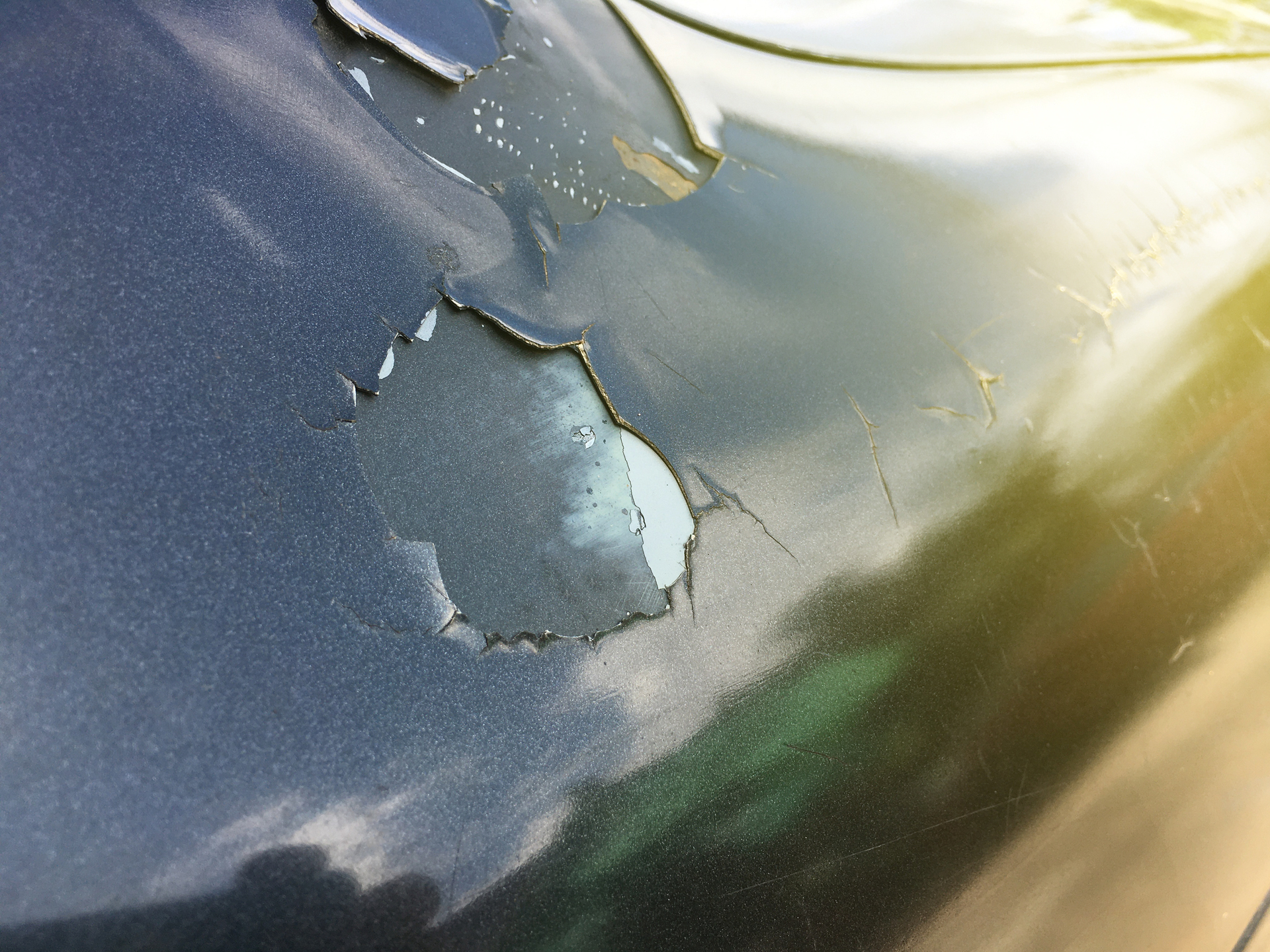


Buying a salvage car can save you money, but hidden damage can turn a bargain into a costly mistake. This guide shows how to spot structural, mechanical, and environmental issues, helping you inspect, evaluate, and make smarter decisions at auctions. Protect your wallet and avoid surprises with practical tips for identifying hidden damage before you buy.
What Does a Salvage Title Really Mean?
If you’re looking at cars on online auctions, you’ve probably seen listings labeled “salvage title.” But what does that actually mean? A salvage title indicates that a car has been significantly damaged in the past, and an insurance company deemed it a total loss. It doesn’t necessarily mean the car is worthless, but it does come with extra risks and considerations.
Why Cars Receive Salvage Titles
Cars typically get salvage titles for one of several reasons:
- Accidents: Severe collisions that cause structural damage, airbags deployment, or frame bending.
- Floods or Water Damage: Vehicles submerged in water may have hidden electrical or mechanical issues.
- Theft Recovery: Cars stolen and later recovered can receive a salvage title if the insurance company already paid out a claim.
- Fire Damage: Even minor fires can damage wiring, interiors, or engine components enough to total the car.
For example, imagine a sedan involved in a fender-bender that bent the frame. The insurance company decides it’s too expensive to repair, pays out the owner, and the car gets a salvage title. To a budget buyer, that same car might still be a good deal — if you know what to look for.
Risks and Opportunities for Buyers
Buying a salvage car has pros and cons:
Risks:
- Hidden structural damage that affects safety.
- Complicated repairs that can add up quickly.
- Difficulties in registering, insuring, or reselling the vehicle.
Opportunities:
- Lower purchase price compared to similar cars with clean titles.
- Potentially a solid, reliable car if repaired properly.
- A chance for budget-conscious buyers to get a higher-end model at an affordable price.
For example, a 2017 SUV with a salvage title due to a minor rear-end collision may sell for thousands less than its clean-title counterpart. If the damage was properly repaired, a careful buyer could save money without sacrificing safety.
Start With the Vehicle History Report
Before you even consider bidding on a damaged salvage car, a vehicle history report is your first line of defense. It gives you a snapshot of the car’s past, helping you spot potential red flags before spending a single dollar.
Using VIN Lookup Services
Every car has a Vehicle Identification Number (VIN) — a unique code that tracks the car’s history. You can use this number with online services like Carfax, AutoCheck, or even some state databases to pull a detailed report.
For example, imagine you’re looking at a 2015 sedan listed as salvage after a minor accident. By entering the VIN in a history report service, you might discover:
- Previous accidents not disclosed in the auction listing
- Odometer discrepancies
- Past flood or fire damage
Using VIN lookup services is quick, affordable, and can save you thousands by avoiding a car with hidden issues.
What a History Report Can (and Can’t) Tell You
A vehicle history report can reveal:
- Accident and damage history
- Salvage or rebuilt title status
- Past owners and mileage
- Insurance claims related to the car
However, it can’t show everything. Hidden frame damage, poor repairs, or mechanical wear may not appear on the report. That’s why a history report is only the starting point — it tells you what’s documented, but a physical inspection is still essential.
For example, a report may show a car had a fender-bender, but not reveal that the collision caused subtle frame misalignment. Knowing this, you can decide to dig deeper with a mechanic or professional inspection.
Common Types of Hidden Damage in Salvage Cars
Salvage cars often look fine in photos or at first glance, but hidden damage can cause big problems down the road. Knowing what to look for helps you avoid costly repairs and make smarter bids at auctions.
Frame and Structural Damage
The frame is the backbone of a car. Even minor accidents can bend or twist it, affecting safety and handling. Look for:
- Uneven gaps between doors, hood, and trunk
- Doors that don’t close smoothly
- Visible welds or new metal in unusual places
For example, a sedan with slightly misaligned doors might have a bent frame from a previous collision. Ignoring it can lead to costly repairs and poor crash protection.
Suspension and Alignment Problems
Accidents or rough roads can damage suspension components, causing uneven tire wear, pulling to one side while driving, or vibrations at certain speeds. Check for:
- Tires wearing faster on one side
- Car leaning to one corner
- Noises when turning or going over bumps
Even if a car drives fine during a short test, hidden suspension issues can lead to expensive repairs.
Electrical System Issues
Water damage, fire, or poor repairs can affect wiring, sensors, or onboard computers. Watch for:
- Flickering dashboard lights
- Non-working power windows, locks, or mirrors
- Warning lights that stay on
For instance, a flood-damaged car may have electrical problems that don’t appear immediately but can cause sudden failures later.
Engine and Transmission Complications
Hidden damage to the engine or transmission can be expensive. Signs include:
- Unusual noises like knocking or grinding
- Leaks under the car
- Hard or jerky shifting
A salvage car with undisclosed engine issues may save money upfront but cost thousands in repairs later.
Trunk and Undercarriage Damage
Collisions or floods can harm the trunk or underside of the car. Look for:
- Water stains, mud, or rust under the car
- Bent or replaced trunk floor
- Exposed or damaged fuel lines
These issues may not show in photos but can affect safety and long-term durability.
Rust and Corrosion
Even a small amount of rust can spread quickly. Pay attention to:
- Rust around wheel wells, under the car, and in seams
- Corrosion near suspension mounts or the frame
- Rust bubbles under paint
Rust can hide deeper structural problems that are costly to fix.
Signs of Poor Repair Work
Cheap or improper repairs can create hidden problems. Look for:
- Mismatched paint or uneven body panels
- Overspray on trim or wheels
- Non-factory bolts, welds, or fasteners
For example, a rear-end collision might be “fixed” with filler and paint instead of proper frame straightening. It may look good visually, but the car could have alignment or safety issues.
Watch Out for Environmental Damage
Not all damage comes from accidents. Environmental factors like water, floods, hail, or severe weather can cause hidden problems in salvage cars. Knowing what to look for helps you avoid buying a car that will need expensive repairs later.
Water and Flood Damage
Flooded cars can look fine on the outside but hide serious mechanical and electrical issues. Common signs of water damage include:
- Musty or moldy odors inside the cabin
- Stains or water lines on carpets, seats, and trunk liners
- Rust or corrosion under the car or around bolts and panels
- Electrical problems such as flickering lights, non-functioning windows, or warning lights
For example, a 2016 sedan may appear clean in auction photos, but if it has water stains under the seats or a persistent musty smell, the engine, transmission, or wiring could be compromised. Flood damage often leads to long-term reliability problems, so always be cautious.
Hail and Severe Weather Damage
Hailstorms, strong winds, and other extreme weather can leave dents, cracked paint, or weakened panels that aren’t obvious at first glance. Key things to check:
- Small, round dents on the hood, roof, and trunk
- Cracked or chipped paint that could lead to rust
- Misaligned panels or gaps caused by wind damage
- Damage to lights, mirrors, or windshield chips
Even minor hail damage can affect resale value and may hide larger structural issues. Severe weather can also compromise seals and drainage, leading to leaks inside the car over time.
How to Inspect a Salvage Car for Hidden Issues
Inspecting a salvage car carefully is key to avoiding expensive surprises. Even if a car looks fine online, hidden damage can lurk beneath the surface. Here’s a step-by-step guide to help you spot potential problems before bidding or buying.
Exterior: Body Panels, Paint, and Bumpers
Start with a thorough visual check of the car’s exterior. Look for:
- Uneven gaps between doors, hood, and trunk, which can indicate frame damage
- Mismatched paint or overspray, a sign of poor repairs
- Dents, scratches, or rust spots that might hide more serious issues
- Cracks in bumpers or lights, which can suggest prior collisions
For example, a sedan may appear smooth in photos, but uneven panel gaps or shiny new paint on one side could mean the car was in an accident. Catching these signs early helps you avoid hidden frame or body damage.
Interior: Upholstery, Electronics, and Controls
Next, check the cabin. Flooded or damaged cars often have hidden interior issues:
- Stains, water lines, or musty smells in carpets and seats
- Non-working electronics such as windows, locks, or infotainment systems
- Dashboard warning lights that stay on
A clean interior doesn’t always mean a car is problem-free. For example, a buyer might notice that the rear windows don’t work or the air conditioning is faulty — signs of past water damage or poor repairs.
Fluids, Leaks, and Warning Lights
Check under the hood for:
- Fluid levels and colors — oil that’s dark or milky can indicate engine issues
- Leaks from the engine, transmission, or radiator
- Warning lights on the dashboard
Even a small leak or warning light can signal a major problem. For instance, a salvage car with a transmission fluid leak might need costly repairs that aren’t visible from the outside.
Listening for Strange Noises During a Test Drive
Finally, take the car for a careful test drive. Pay attention to:
- Knocking, grinding, or rattling from the engine or transmission
- Suspension noises over bumps or when turning
- Brakes that squeak, pull, or feel soft
For example, a 2015 SUV might drive smoothly at low speeds but produce a knocking sound over bumps — a potential sign of frame or suspension damage. Listening carefully helps identify issues that aren’t visible during a static inspection.
Professional Inspections and Cost Estimates
Even with careful self-inspection, some hidden damage in salvage cars can be tricky to spot. Hiring a professional mechanic or inspector can save you from costly surprises and help you make smarter decisions at auctions.
Why You Should Hire a Mechanic Before Buying
A professional inspection provides an expert assessment of a car’s condition. Mechanics can spot issues you might miss, such as:
- Frame misalignment or structural damage
- Subtle engine or transmission problems
- Electrical or wiring issues
- Suspension or steering concerns
For example, a car might look fine in photos, but a mechanic can detect a bent frame or hidden water damage that could cost thousands to repair. Hiring an inspector ensures you know exactly what you’re buying and avoid unexpected repairs.
How Repair Costs Are Calculated
Mechanics estimate repair costs based on:
- Parts replacement — OEM vs. aftermarket components
- Labor time — how many hours are needed for repairs
- Severity of damage — minor dents versus structural issues
- Hidden problems — damage discovered after initial inspection
For instance, a 2016 SUV with rear-end damage might need $1,500 in body work, $800 in suspension repairs, and $500 in paint — totaling $2,800. Knowing this upfront helps budget-conscious buyers decide whether the car is still a worthwhile deal.
When Hidden Damage Makes a Car “Totaled”
Sometimes, hidden damage is so extensive that repairs cost more than the car is worth. In this case, even if the vehicle is technically drivable, it may still be considered “totaled” by insurance standards.
For example, a flood-damaged sedan might need engine work, electrical rewiring, and interior restoration. If the total repair cost exceeds the car’s market value, it’s better to walk away, even if the auction price seems low.
How to Decide: Repair vs. Replacement
Once you identify hidden damage in a salvage car, the next big question is whether to repair the vehicle or walk away and look for another option. Making the right choice can save you money, time, and future headaches.
Factors That Influence the Decision
Several key factors help determine whether repair is worth it:
- Cost of repairs vs. car value: If the repair cost is close to or exceeds the car’s market value, it may be wiser to replace the vehicle.
- Extent of hidden damage: Structural issues, engine problems, or severe water damage are more expensive and harder to fix than cosmetic issues like dents or paint scratches.
- Availability of parts: Some models may have rare or expensive parts, increasing repair costs and delays.
- Your budget and skills: If you have experience doing repairs or access to affordable labor, minor damage may be economical to fix.
For example, a 2017 compact SUV with minor bumper and fender damage might cost $1,200 to repair. But the same SUV with frame damage or waterlogged electronics could easily exceed $5,000 — often more than the car’s value.
Understanding Long-Term Safety and Value
Repairing a salvage car isn’t just about cost — it’s also about long-term safety and resale value. Even if a repair seems affordable, a poorly fixed car can:
- Compromise crash safety due to structural weaknesses
- Cause ongoing mechanical or electrical problems
- Reduce resale value, making it harder to sell later
For instance, a car with repaired flood damage may run fine initially, but hidden corrosion in the wiring or engine could cause failures months later. Budget-conscious buyers need to weigh the immediate savings against potential long-term costs and risks.
Tips to Protect Yourself When Buying Salvage Cars
Buying a salvage car can save you money, but it also comes with risks. Following a few key precautions helps you avoid costly mistakes and ensures you get a car that’s safe and worth your investment.
Use Escrow or Trusted Auction Platforms
When purchasing online, especially from auctions, always use a trusted platform or escrow service. This protects your payment and ensures the car isn’t released until all conditions are met.
For example, a buyer might pay through an auction’s escrow system, which only releases the money once the title, lien clearance, and inspection are verified. This prevents scams or disputes with sellers.
Verify Repairs and Paperwork Thoroughly
Before bidding or buying, check all repair records and documentation. Confirm that:
- The car’s salvage or rebuilt title is accurate
- Repairs were done properly, ideally by certified mechanics
- Any liens or legal claims on the car have been cleared
For instance, a car may appear fully restored, but without proof of proper frame straightening or electrical repair, hidden problems could cost thousands later. Always ask for receipts, inspection reports, and title documents.
Don’t Rush — Compare Options Before Buying
Take your time to review multiple listings and compare cars. A bargain can quickly become a money pit if you rush a decision. Look at:
- Vehicle history reports
- Photos from multiple angles
- Auction notes on damage and repairs
- Professional inspection results
For example, if two 2016 sedans are listed at similar prices, one may have minor cosmetic damage while the other has structural or water-related issues. Comparing carefully ensures you pick the best deal and avoid hidden costs.
Frequently Asked Questions About Hidden Damage
Understanding terminology is important when buying salvage or damaged cars. Here are answers to common questions about the words used to describe cars with issues.
What is a word for a damaged car?
A damaged car can be called a salvage car, wrecked car, damaged vehicle, or totaled car, depending on the severity of the damage. In auctions, “salvage” often refers to cars that insurance companies have declared a total loss but are still repairable.
For example, a 2015 sedan involved in a collision may be listed as a “salvage vehicle” at an auction even if most of the body panels can be repaired easily.
What is the meaning of damaged car?
A damaged car refers to a vehicle that has sustained physical, mechanical, or structural harm, affecting its safety, appearance, or operation. Damage can range from minor dents and scratches to serious frame, engine, or flood-related issues.
For instance, a fender-bender might leave a car with a bent bumper (minor damage), while a collision that affects the frame is considered severe damage.
Can I say my car broke down?
Saying your car “broke down” usually refers to mechanical failure that prevents it from running, rather than collision or structural damage. For example, an engine overheating or a transmission failure would be called a breakdown, but a car involved in a crash is not “broken down.”
What is a faulty car?
A faulty car is one that has a defect or malfunction, which can be mechanical, electrical, or safety-related. For example, a car with faulty brakes, non-functioning airbags, or a leaking transmission would be considered faulty.
Final Thoughts: Buy Smart, Stay Cautious
Buying a salvage car can be a great way to save money, but it requires careful planning and attention to detail. Hidden damage can turn a seemingly good deal into an expensive mistake, so taking precautions is essential.
Start with a vehicle history report using the VIN to uncover past accidents, flood damage, or salvage titles. Inspect the car thoroughly — check the exterior, interior, fluids, and test drive for unusual noises. Look out for frame, suspension, electrical, and engine issues, as well as signs of poor repairs or environmental damage like water or hail.
Whenever possible, hire a professional mechanic to perform a detailed inspection and provide cost estimates. Compare repair costs against the car’s value to decide whether it’s worth buying. Always verify paperwork, title status, and repair history, and use trusted auction platforms or escrow services to protect your money.
Remember, patience and careful evaluation are your best tools. Don’t rush into a purchase just because a price looks low. By staying cautious, doing proper research, and checking for hidden damage, you can confidently buy a salvage car that offers real value — saving money without compromising safety or reliability.
Are you interested in buying a vehicle from US auctions?
With this being said – you can still export vehicles and save up a few thousand dollars with Auto4Export. We have an inventory of over 150k plus vehicles with titles you can export for you to choose from. Once you have placed your bid and won the auction a Bill of Sale document is then emailed to you as proof of purchase – after full payments have been made.
To gain access and get started on your purchase, sign up for free.
Further Reading
How do US auto auctions work?
How to buy a used car from a US auction
Buy Salvaged Cars from the USA. What's the Meaning and Benefit?
Types of Vehicle Titles: What You Can and Can’t Export

Do You Have Any Questions?
 Ask Question