


 Log in
 Sign Up


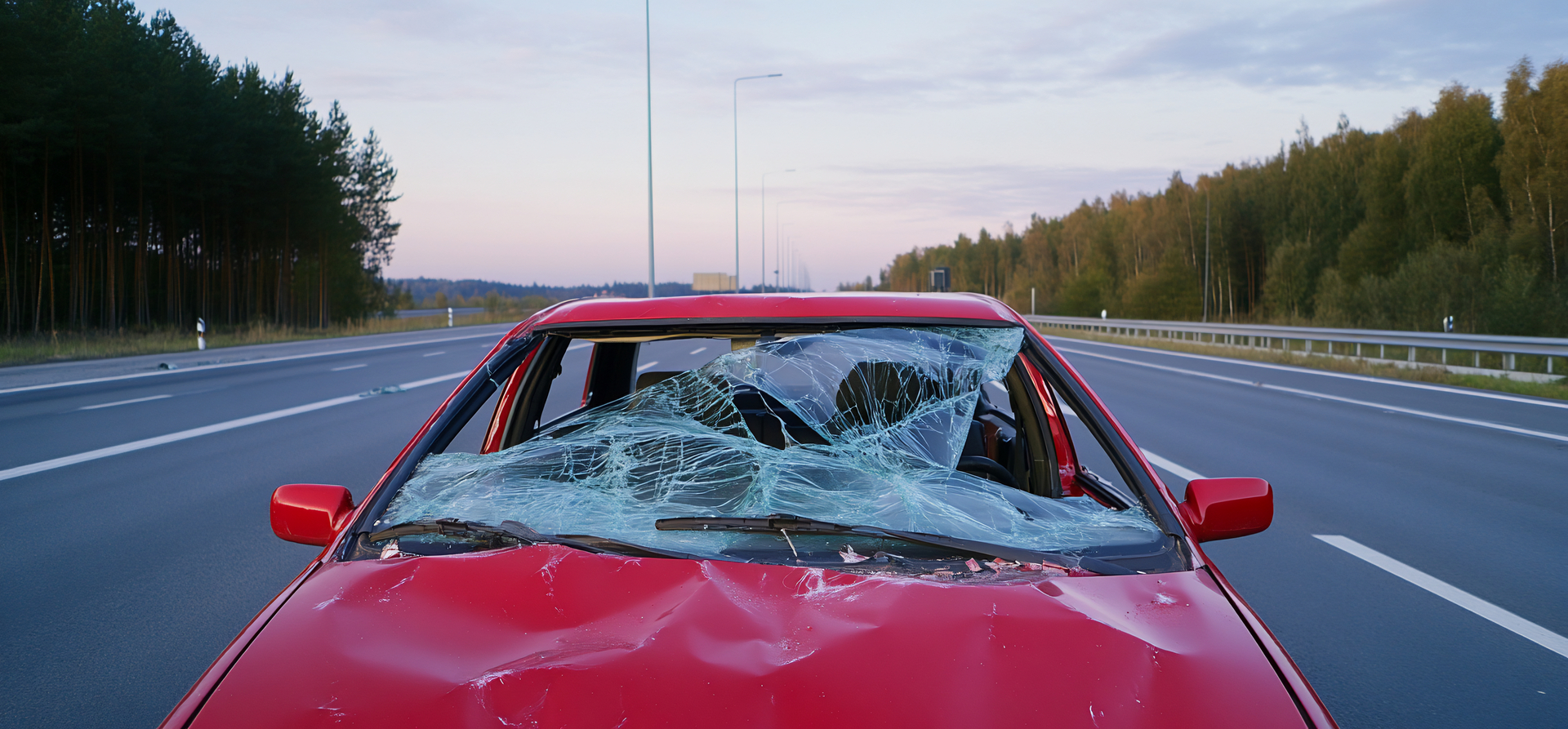


Buying a used car at an online auction can save you a lot of money—but it can also carry hidden risks. One of the most important things to check before placing a bid is the car’s damage history. Understanding what’s behind a vehicle’s record can protect you from unexpected repair costs, safety issues, and financial losses.
Why damage history matters when buying a used car
A vehicle’s damage history tells you about accidents, flood damage, frame issues, or other problems that could affect how the car drives and how long it lasts. For example, a car may look fine in photos but have a bent frame from a past collision. Without this knowledge, you might pay $5,000 for a car that ends up costing $2,000 in repairs. Checking damage history helps you:
- Spot potential safety risks
- Avoid overpaying for a damaged vehicle
- Plan for future maintenance costs
- Compare similar cars more accurately to get the best deal
For budget-conscious buyers, this knowledge is essential. A cheap-looking car may not be cheap at all if hidden damage drives repair costs up.
Common misconceptions about salvage and damage records
Many buyers get confused by terms like “salvage,” “rebuilt,” or “total loss.” Common myths include:
- “Salvage means the car is worthless” – Not true. Many rebuilt salvage vehicles are fully functional and can be good deals if repaired correctly.
- “Minor accidents don’t matter” – Even small collisions can hide frame or mechanical damage that shows up later.
- “Auction cars always have accurate records” – Sometimes reports are incomplete or delayed, so relying solely on an auction listing can be risky.
What is a Salvage or Damage History?
Before bidding on a used car at an online auction, it’s important to understand the difference between a salvage title and a damage history report. Both reveal critical information about a vehicle’s past, but they are not the same thing. Knowing what each term means can help you make a smart, cost-effective choice.
Definition of a salvage vehicle
A salvage vehicle is a car that an insurance company has deemed a total loss due to damage. This can happen after a major accident, fire, flood, or theft recovery. Salvage vehicles are usually not legally drivable until they are repaired and inspected, which is why they are often sold at auctions for much lower prices.
For example, a car that suffered flood damage may be labeled as salvage. While the body might look fine after repairs, electrical systems or the engine could still have hidden issues. For budget buyers, understanding what “salvage” really means helps avoid unexpected repair bills.
Difference between damage history and salvage title
A damage history report shows any accidents, flood damage, or other incidents that affected the car, regardless of whether the insurance company declared it a total loss. A salvage title, on the other hand, is an official designation given by the state indicating that the car was written off by insurance.
In simple terms:
- Damage history = a record of incidents
- Salvage title = legal status showing a car was declared a total loss
A vehicle can have damage reported but still have a clean title if the damage was minor. Conversely, a car with a salvage title has serious damage history, even if it now drives well.
How cars end up with salvage or rebuilt status
There are several common ways cars get a salvage or rebuilt designation:
- Major accidents – Collisions that cost more to repair than the car’s value.
- Flood damage – Water can ruin the engine, electronics, and interior, often leading to a total loss.
- Theft recovery – Cars stolen and later recovered may be damaged or stripped, prompting an insurance write-off.
- Fire or natural disasters – Fires, hurricanes, or other events can severely damage vehicles.
What is a Salvage Title?
A salvage title is an official designation issued by the state to indicate that a vehicle has been damaged to the point where an insurance company declared it a total loss. Understanding the different categories of salvage titles is crucial when buying a car at an auction. Each category tells you how severe the damage was and whether the vehicle can be repaired and safely driven.
Category A – Scrap (cannot be repaired)
Category A vehicles are considered total losses that cannot be repaired for road use. These cars are usually sold only for scrap metal or parts. If you see a Category A vehicle at auction, it’s generally not a candidate for rebuilding or driving—it’s a parts-only purchase. For budget-conscious buyers, these cars are not worth bidding on unless you plan to sell the parts individually.
Category B – Break (parts only)
Category B vehicles are slightly different. They may have been repairable, but the insurance company decided the cost wasn’t worth it. These cars are sold primarily for parts rather than as a drivable vehicle. Buyers sometimes salvage useful components like engines, transmissions, or body panels. For someone on a budget, Category B cars can be a goldmine if you’re looking for inexpensive replacement parts.
Category S – Structural damage
Category S vehicles have structural damage—the frame or chassis was affected in a collision or accident. These cars can often be repaired and returned to the road, but repairs must be done correctly to ensure safety. For auction buyers, Category S cars are a mixed bag:
- Pros: They are usually cheaper than clean-title cars.
- Cons: Poor or incomplete repairs can create long-term safety and reliability issues.
Budget-conscious buyers should inspect these cars carefully or rely on professional inspections before bidding.
Category N – Non-structural damage
Category N vehicles have non-structural damage, such as dents, cosmetic damage, or minor mechanical issues. These cars are generally easier and cheaper to repair than Category S vehicles. Many N-title cars are sold at auctions at attractive prices, making them ideal for buyers looking for a budget-friendly car with minor fixes.
What Does a Salvage or Damage History Report Include?
When shopping at online auctions, a damage history report is one of your most valuable tools. It gives you a clear picture of a vehicle’s past, helping you avoid surprises after purchase. Understanding what these reports include allows you to make smarter, budget-conscious choices.
Accident and repair records
Most reports list all recorded accidents, from minor fender benders to major collisions. They often include details about the type of damage, the areas of the car affected, and whether repairs were completed. For example, a buyer might see that a $4,500 auction car had a rear-end collision repaired properly—alerting them to check the quality of the work and potential resale value.
Flood or fire damage
Reports also flag vehicles with flood or fire damage. Even if the car looks clean now, past water or fire exposure can create long-term problems with the engine, electronics, and interior. For budget buyers, spotting flood or fire damage early can prevent costly repairs later.
Odometer rollback and mileage issues
Some damage history reports include odometer discrepancies. Rolling back the mileage is illegal, but it can happen, especially in vehicles that have undergone major repairs. Checking for mileage inconsistencies ensures you’re not overpaying for a car that may have more wear than it shows.
Theft records and recovery status
Reports often show if a car was reported stolen and later recovered. Stolen vehicles may have hidden damage or missing components. For example, a recovered car could have wiring issues, replaced panels, or other repairs not immediately visible. Knowing this history helps you anticipate potential problems.
Insurance total loss history
Finally, a damage history report will note if the car was ever declared a total loss by an insurance company. This information is crucial for auction buyers. Even if a car looks perfect now, a prior total loss can affect safety, resale value, and insurance rates. Buyers on a budget can use this knowledge to negotiate a lower price or avoid high-risk vehicles altogether.
Why is Checking Damage History Important?
When buying a car at an online auction, the price you see isn’t always the price you’ll actually pay over time. Checking a vehicle’s damage history is one of the smartest steps a buyer can take to avoid unexpected costs, safety issues, and scams.
Avoiding hidden problems
A car might look perfect in photos, but hidden damage can be costly. Structural issues, engine damage from accidents or floods, and poorly repaired bodywork can all lead to expensive repairs. For example, a $5,000 auction car may end up costing an extra $2,000 if the rear frame was bent in a prior accident. Damage history reports reveal these issues early, helping you avoid surprises.
Understanding real car value
Not all used cars are worth their sticker price, especially if they have a history of accidents or major repairs. A damage history report lets you assess a car’s true value by factoring in past incidents. For budget-conscious buyers, this means you can compare cars fairly and avoid overpaying for vehicles that look cheap but have costly past damage.
Protecting yourself from scams
Unfortunately, some sellers hide damage or title issues to sell cars at higher prices. A detailed history report helps protect you from fraud. For example, it can confirm whether a car was ever declared a total loss, salvaged, or had odometer discrepancies. For auction buyers, this knowledge reduces the risk of getting stuck with a lemon.
Negotiating a fair price
Knowing the car’s damage history also gives you leverage when bidding. If a report shows minor accidents or past repairs, you can adjust your bid to reflect the cost of potential fixes. This ensures you’re paying a fair price for the car’s condition and not just its appearance.
How to Identify a Salvaged or Damaged Vehicle When Buying
When buying a car at an online auction, spotting a salvaged or damaged vehicle before bidding can save you thousands. Even cars that look perfect in photos can hide costly problems. Here’s how to identify potential issues effectively.
Physical signs of past repairs
Some damage can be spotted with a careful visual inspection:
- Uneven paint or mismatched panels – May indicate bodywork after a collision.
- Gaps between doors, hood, and trunk – Misalignment can be a sign of frame or structural repair.
- Welding marks or new bolts – Suggest previous work on the chassis or suspension.
- Interior odor or water stains – Could signal flood damage.
Even small signs can hint at larger underlying problems, so it’s worth paying attention. For budget-conscious buyers, recognizing these early helps avoid expensive surprises.
Red flags in vehicle history reports
A history report can reveal issues that aren’t visible:
- Past accidents or insurance claims
- Salvage, rebuilt, or total loss titles
- Odometer discrepancies
- Flood, fire, or theft recovery
Always cross-check the report with the auction listing and photos. If something doesn’t add up, it’s a strong signal to investigate further or walk away.
VIN check and online databases
The Vehicle Identification Number (VIN) is your key to a car’s past. Online databases like Carfax, AutoCheck, and state DMV records allow you to:
- Confirm title status (salvage, rebuilt, clean)
- Review reported accidents and repairs
- Check mileage consistency
Entering the VIN before bidding gives you a clear picture of the car’s history and can save money by avoiding risky vehicles.
Professional inspection
When in doubt, a pre-purchase inspection by a certified mechanic is worth the cost. Mechanics can:
- Detect hidden frame or structural issues
- Assess engine, transmission, and suspension health
- Identify poor-quality repairs that could compromise safety
Can a Salvage Title Be Removed or Changed?
A common question among auction buyers is whether a salvage title can be “removed” or converted into a clean title. Understanding how salvage and rebuilt titles work can help you evaluate whether a car is a smart purchase and avoid costly mistakes.
Rebuilt titles explained
Some cars with a salvage title can be repaired and returned to the road. After the repairs, the vehicle can receive a rebuilt title. This process typically involves:
- Completing all necessary repairs to meet safety and roadworthiness standards
- Passing a state inspection to confirm structural integrity and functioning systems
- Registering the rebuilt car so it can legally be driven
A rebuilt title does not erase the fact that the car was once a total loss—it simply certifies that it’s now considered roadworthy. For budget-conscious buyers, rebuilt cars can be a great deal if repairs were done properly.
State rules and regulations
Rules for salvage and rebuilt titles vary by state. Some key points:
- Certain states require extensive inspections before issuing a rebuilt title
- Documentation of all repairs is often mandatory
- Some states restrict how rebuilt vehicles can be used (e.g., resale or insurance coverage)
Before bidding, it’s important to check the state rules where the car is titled. This ensures that your purchase will be legal and insurable.
Limitations even after rebuilding
Even after a salvage vehicle receives a rebuilt title, there are some limitations:
- Resale value is lower – Cars with rebuilt titles often sell for 20–40% less than similar clean-title vehicles
- Insurance restrictions – Some insurers offer limited coverage or higher premiums for rebuilt vehicles
- Hidden risks – Poorly done repairs may cause ongoing mechanical or safety problems
Are Salvage or Damage History Cars Worth Buying?
Buying a car with a salvage or damage history can be a smart way to save money—but it comes with trade-offs. Understanding the pros and cons helps you decide if this type of vehicle is right for your needs and budget.
Pros of buying salvage cars (lower cost, potential savings)
One of the biggest advantages of salvage cars is price. Vehicles sold at online auctions often go for 20–40% less than similar clean-title cars. This lower cost can allow budget-conscious buyers to:
- Purchase a newer or higher-trim model than they could afford otherwise
- Invest in a car that’s mechanically sound but cosmetically damaged
- Save money for necessary repairs or upgrades
For example, a car that suffered minor front-end damage but has a strong engine and transmission may be a great deal if the bodywork is repaired properly.
Cons of buying salvage cars (safety, financing, resale value)
There are also risks to consider:
- Safety concerns – Cars with structural damage may not perform as well in future collisions if repairs weren’t done correctly.
- Financing and insurance limitations – Many banks hesitate to finance salvage vehicles, and some insurance companies limit coverage or charge higher premiums.
- Lower resale value – Even well-repaired salvage cars sell for less than similar clean-title vehicles, which can make it harder to recoup your investment.
Understanding these drawbacks helps you avoid overpaying or buying a car that might become a money pit.
Who should consider buying them
Salvage or damage history vehicles can be a good fit for:
- Budget-conscious buyers willing to invest time in inspection and minor repairs
- Mechanically skilled individuals who can handle or verify repairs themselves
- People looking for project cars or short-term vehicles where resale value isn’t the main concern
Insurance and Financing for Salvage Cars
Buying a salvage or rebuilt car at an online auction can save money upfront, but it comes with unique challenges when it comes to insurance and financing. Understanding these factors helps you avoid surprises and plan your budget effectively.
Can you insure a salvage or rebuilt title car?
Yes, you can insure a salvage or rebuilt vehicle, but coverage options vary. Most insurance companies offer liability coverage, which is often required by law, but comprehensive or collision coverage may be limited or more expensive. For example, some insurers might insure a rebuilt car for only its post-repair value, not the original market value, which could affect compensation if the car is totaled again.
Coverage limitations
Even when insured, salvage and rebuilt vehicles often face coverage restrictions:
- Lower payout – The car’s insurance value is usually less than a similar clean-title vehicle.
- Limited repair coverage – Some policies may not cover previously damaged areas, meaning you might pay out-of-pocket if those parts fail.
- Higher premiums – Insurers may charge more due to the increased perceived risk.
For budget-conscious buyers, it’s crucial to factor these limitations into your overall cost before bidding.
Challenges with banks and lenders
Financing a salvage or rebuilt vehicle can also be tricky:
- Fewer lending options – Many banks and credit unions are reluctant to offer loans for salvage vehicles.
- Lower loan amounts – Lenders may offer only a fraction of the car’s market or auction price.
- Higher interest rates – When financing is available, interest rates can be higher because lenders view salvage cars as riskier.
How Much is a Salvage Car Worth?
Determining the value of a salvage car is different from pricing a clean-title vehicle. While these cars often sell for less, the exact price depends on several factors. Understanding how to evaluate a salvage vehicle helps you make smart bids at online auctions and avoid overpaying.
Factors that affect salvage car value
Several elements influence how much a salvage car is worth:
- Extent of damage – Minor cosmetic damage is less costly to repair, while frame or flood damage significantly reduces value.
- Repair quality – Professionally repaired vehicles retain more value than those fixed cheaply or improperly.
- Age and mileage – Newer cars or those with low mileage are worth more even with a salvage title.
- Make and model – Popular and reliable brands tend to hold value better than rare or high-maintenance cars.
For example, a 2018 Honda Civic with minor rear-end damage might sell for only 20% less than a clean-title Civic, while a 2015 luxury car with flood damage could be discounted by 50% or more.
Comparing salvage vs. clean title prices
On average, salvage cars sell for 20–40% less than similar clean-title vehicles. This discount reflects the increased risk, insurance limitations, and potential repair costs. Budget-conscious buyers can use this difference to their advantage:
- Purchase a higher-spec vehicle at a lower price
- Budget for repairs while still staying below the market value of a clean car
It’s important to remember that the cheaper price doesn’t always equal savings—hidden damage can make a seemingly great deal costly in the long run.
Tips for negotiating
When bidding or negotiating for a salvage car, keep these tips in mind:
- Use damage history as leverage – If the car has past structural or major repairs, adjust your bid to reflect potential risks.
- Factor in repair costs – Estimate the cost of fixing cosmetic or mechanical issues before placing a bid.
- Compare similar vehicles – Look at other auction listings with similar damage to gauge a fair price.
- Don’t rush – Be patient and avoid emotional bids; there are always other cars at auctions.
What If the Vehicle Has No Damage History Report?
Sometimes, you may come across a car at an online auction that doesn’t have a damage history report. While it might seem like a clean slate, the absence of a report can carry hidden risks. Knowing what to watch for helps you make safer, budget-conscious decisions.
Risks of incomplete data
A missing damage history report doesn’t mean the car is free of issues. Potential risks include:
- Hidden accidents – Minor collisions or off-road damage may not have been reported.
- Flood or fire damage – These incidents might not appear if the vehicle wasn’t insured at the time.
- Salvage or rebuilt history – Some states or private sellers may not report repairs, leaving buyers unaware of the car’s true condition.
For example, a $3,000 auction car with no history report could look like a bargain—but hidden frame damage could cost thousands to repair later.
How to double-check information
Even without a report, you can reduce risks by:
- Running a VIN check through multiple online databases to uncover any past incidents.
- Carefully reviewing auction photos for signs of damage or mismatched panels.
- Requesting a professional inspection if possible, especially for structural or mechanical issues.
- Contacting previous owners or dealers to verify maintenance and accident history.
Taking these steps helps you avoid costly surprises and ensures you’re bidding on a car that’s truly a good deal.
Why some cars don’t have records
There are a few reasons a vehicle may lack a damage history report:
- It was never insured or only had liability coverage, so accidents weren’t recorded.
- The car was imported or moved between states without proper documentation.
- Minor repairs were done privately without insurance claims.
- Some older vehicles simply predate reporting systems like Carfax or AutoCheck.
Questions Buyers Often Ask About Salvage and Damage History
When shopping for cars at online auctions, buyers often have questions about salvage and damage history. Understanding these terms is key to making smart, budget-conscious decisions.
What is a salvage in history?
A salvage in history refers to a vehicle that has been declared a total loss by an insurance company due to damage from an accident, flood, fire, or theft. It shows up on a vehicle’s history report to alert buyers that the car required significant repairs and may have long-term issues. For example, a car listed as salvage in its history might have a bent frame that affects safety and resale value.
What does salvage mean on a log book?
On a log book or title, salvage indicates the car was written off by the insurer. This legal designation informs anyone checking the title that the vehicle has undergone major damage. Even if the car has been repaired and looks fine, the salvage mark cannot be removed, though it may be updated to a rebuilt or reconstructed status once the car passes inspection.
Does salvage mean?
When buyers ask “does salvage mean…?”, the short answer is: the car was severely damaged at some point. It doesn’t automatically mean the vehicle is unsafe or worthless, but it does mean you need to research repair quality, structural integrity, and potential costs. Many salvage cars are perfectly drivable after proper repairs, making them attractive for budget-conscious buyers if inspected carefully.
Why does salvage mean?
Salvage is used to protect future buyers and insurers by signaling that the car was once considered a total loss. Insurance companies flag a vehicle as salvage when repair costs exceed a certain percentage of the car’s value. This ensures buyers know about past damage before purchasing and helps prevent overpaying for a car that may have hidden problems.
Conclusion: Making a Smart Choice with Salvage Cars
Buying a car with a salvage or damage history can be a smart way to save money, but it requires careful evaluation. Understanding the risks and benefits ensures you make informed decisions and avoid costly mistakes at online auctions.
When a salvage car makes sense
A salvage or rebuilt car can be a great choice if:
- You’re budget-conscious and want a vehicle at a lower price than a clean-title car.
- You can verify repairs were done properly or have the skills to handle minor fixes yourself.
- You’re looking for a project car or a short-term vehicle where resale value isn’t critical.
For example, a 2017 Toyota Corolla with minor cosmetic damage and a rebuilt title can save hundreds or even thousands of dollars compared to a similar clean-title model—while still being reliable if repairs are done well.
When to walk away
It’s best to avoid salvage cars if:
- The vehicle has major structural or flood damage that could compromise safety.
- You cannot get insurance or financing on the car.
- There is insufficient repair documentation or signs of poor-quality fixes.
Walking away from high-risk salvage cars helps you avoid expensive repairs and long-term headaches, even if the auction price seems tempting.
Key takeaway for budget-conscious buyers
Salvage and damage history vehicles can offer great value, but only when you do your homework. Always:
- Check the damage history report and VIN
- Inspect the car physically or via a professional
- Factor in repair, insurance, and resale costs
- Compare similar vehicles to gauge a fair price
Are you interested in buying a vehicle from US auctions?
With this being said – you can still export vehicles and save up a few thousand dollars with Auto4Export. We have an inventory of over 150k plus vehicles with titles you can export for you to choose from. Once you have placed your bid and won the auction a Bill of Sale document is then emailed to you as proof of purchase – after full payments have been made.
To gain access and get started on your purchase, sign up for free.
Further Reading
Vehicle Frame Damage: How It Impacts Car Purchases and What You Need to Know
Unlocking the Secrets: Understanding Vehicle History Reports
10 Major Damage Codes in Used Car Auctions: Your Essential Guide
How to Identify Hidden Damage in Damaged Salvage Cars

Do You Have Any Questions?
 Ask Question