


 Log in
 Sign Up


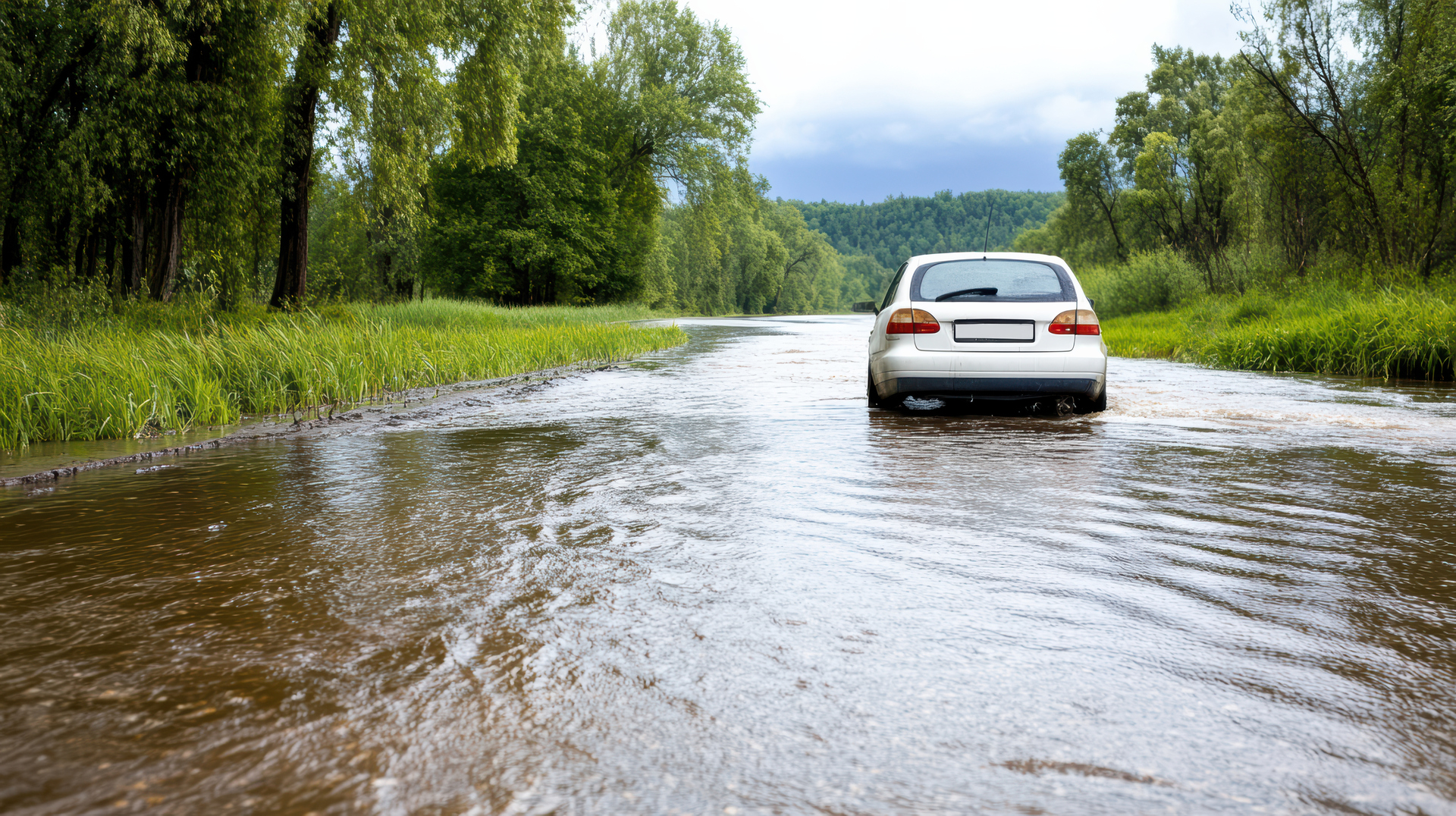


Flood-damaged cars are a growing concern for buyers looking to save money at online auto auctions. While the idea of scoring a bargain can be tempting, these vehicles come with unique risks that can turn a seemingly good deal into a costly mistake. Understanding flood damage is essential for anyone who wants to buy smart and avoid unexpected repair bills.
Why Flood Damage Is a Big Deal for Car Buyers
Flood damage affects a car in ways that aren’t always visible at first glance. Water can seep into the engine, transmission, and electrical systems, causing corrosion, short circuits, and long-term reliability issues. Even interiors like seats, carpets, and airbags can suffer from mold or weakening. For a budget-conscious buyer, the real problem isn’t just the initial repair cost — it’s the hidden issues that appear months or years later, which can turn a cheap purchase into a money pit.
How Flood-Damaged Cars End Up at Auctions
Most flood-damaged vehicles enter the market through insurance write-offs. After a flood, insurance companies often declare cars as “salvage” because the repair cost exceeds the car’s value. These cars then end up at online auctions like Copart or IAAI, where they are sold to buyers who might want to repair them, use them for parts, or resell them. For savvy buyers, this creates opportunities to acquire vehicles at a fraction of their original price — but only if they know how to assess the damage and potential costs.
What This Guide Will Help You Understand
This guide will walk you through everything a budget-conscious buyer needs to know about flood-damaged cars. You’ll learn how to identify different levels of flood damage, which vehicles are repairable, and what costs to expect. We’ll also cover inspection tips, smart auction strategies, and red flags to watch out for. By the end, you’ll have the knowledge to make informed decisions — whether you’re looking for a bargain, a project car, or just want to avoid a financial headache.
What Happens When a Car Gets Flooded
Flooding can wreak havoc on a vehicle, often in ways that aren’t immediately visible. Even a short exposure to water can lead to serious mechanical, electrical, and structural problems. Understanding what happens when a car is submerged helps buyers evaluate risks and make smarter choices at auctions or when shopping for used vehicles.
Types of Flood Damage (Mechanical, Electrical, Structural, Interior)
Flood damage isn’t limited to wet carpets or a smelly interior. It can affect multiple critical systems:
- Mechanical Damage: Water can enter the engine, transmission, or brakes, causing corrosion and rust. Even if the car starts, long-term performance may suffer. For example, a Murano or Honda CR-V that looks fine on the outside might have hidden engine damage from a flooded intake.
- Electrical Damage: Modern cars rely heavily on electronics. Water can short-circuit sensors, ECUs, wiring harnesses, or airbags. A flooded dashboard may cause recurring electrical issues, often expensive to fix.
- Structural Damage: Prolonged submersion can weaken the chassis, suspension components, and welds. Rust may form in hidden areas like the frame rails or underbody.
- Interior Damage: Upholstery, carpeting, and insulation absorb water and can develop mold or odors. Electronics in seats or infotainment systems may fail permanently.
Understanding these categories helps buyers weigh repair costs and long-term reliability.
Freshwater vs. Saltwater Damage – What’s the Difference?
Not all floods are the same. Freshwater, like from a river or rainstorm, is generally easier to deal with because it causes less corrosion if addressed quickly. Saltwater, however, is far more destructive. Salt accelerates rust and damages metals, electronics, and connectors faster. A flood-damaged car from a coastal storm or hurricane may have hidden issues that remain even after professional repairs. Budget-conscious buyers should always check the water source when evaluating a potential purchase.
How Long the Car Was Submerged Matters
Time underwater is a critical factor. A vehicle briefly exposed to a few inches of water might only have minor interior issues, while a car submerged for hours or days can suffer catastrophic damage. Extended exposure allows water to seep deep into mechanical systems, electronics, and structural components, increasing the cost and difficulty of repairs. Knowing the duration of submersion helps buyers estimate risk and avoid cars that could become money pits.
Flood Depth and Its Impact on the Vehicle
The depth of the flood directly affects which parts of the car are damaged. A shallow flood may soak carpets and lower electrical components, whereas water reaching the dashboard or engine bay can ruin critical systems. For example, a low-level flood in a Toyota Corolla might only require interior cleanup, but the same depth in a complex vehicle like a BMW 5 Series can compromise electronics and drivetrain components. Buyers should consider both the reported depth and the type of car when assessing repairability and long-term value.
Common Signs of a Flood-Damaged Car
Flood-damaged cars often look fine at first glance, especially after basic cleaning or quick repairs. However, experienced buyers know that water leaves behind telltale signs. Recognizing these early can save you from buying a car that will drain your budget with hidden problems.
Musty or Moldy Odors
One of the most obvious signs of flood damage is a musty or moldy smell inside the cabin. Even if carpets are replaced, lingering odors can indicate that water seeped deep into insulation or under the seats. For example, a buyer inspecting a salvage Honda Civic might notice a persistent damp scent that hints at hidden mold problems — a warning that the car may need extensive interior work.
Discolored or Damp Interior Upholstery
Flooded cars often show discoloration on seats, carpets, or door panels, sometimes appearing faded, stained, or uneven. Damp patches or a “soggy” feel underfoot can indicate that water has penetrated the flooring. Budget-conscious buyers should check carefully under mats and in corners, as these areas often reveal damage that isn’t obvious at first glance.
Dirt or Sand in Hidden Areas (under seats, trunk, glovebox)
Water carries dirt, sand, or debris into the smallest crevices. Checking under seats, inside the trunk lining, or behind the glovebox can reveal deposits left by floodwaters. A car with fine silt in these hidden spots may have been submerged long enough to affect mechanical or electrical systems — a red flag for buyers hunting a bargain.
Rust, Corrosion, and Moisture in Unusual Spots
Floodwater accelerates rust and corrosion in places not typically exposed to moisture. Look for rust on underbody components, inside wheel wells, or around connectors and bolts in the engine bay. Even small signs of corrosion can indicate larger, unseen damage. Moisture trapped inside metal panels or wiring harnesses is a long-term concern that can lead to expensive repairs.
Foggy Headlights or Dashboard Condensation
Water can infiltrate sealed components like headlights, taillights, or dashboard displays, leaving foggy lenses or condensation. If the dashboard shows small beads of water or the instrument cluster appears hazy, it’s a sign the car may have been submerged, even if it’s been superficially cleaned.
Electrical Malfunctions – Power Windows, Lights, or Sensors Acting Up
Flood-damaged cars often experience electrical issues that persist long after the water has dried. Power windows may move slowly or stop, interior lights may flicker, and sensors in modern vehicles may behave erratically. Even minor electrical quirks can snowball into costly repairs if not addressed properly.
Unusual Engine Noises or Smoke
Finally, engine performance can reveal flood damage. Listen for knocking, tapping, or grinding sounds, and watch for unusual smoke from the exhaust. Water entering the engine or transmission can cause these problems, and fixing them often requires major mechanical work. A car that sounds “off” is a serious warning sign for budget-conscious buyers.
How to Check a Car’s History for Flood Damage
Before buying a car, especially from an online auction, knowing its history is critical. Flood-damaged vehicles can look fine on the surface, but hidden issues may cost thousands in repairs. By using reliable tools and careful inspection, you can identify red flags and avoid making a costly mistake.
Using VIN Check Tools (Carfax, AutoCheck, NMVTIS)
The first step is using VIN check tools like Carfax, AutoCheck, or NMVTIS. Entering the car’s VIN provides a report detailing past accidents, insurance claims, and whether the vehicle was ever declared a total loss. Many flood-damaged cars are flagged as “water damage” or “flood” in these reports. Even if a car looks pristine, a history report can reveal past flooding that may affect resale value or reliability. For example, a Toyota Corolla listed on Copart might appear cheap, but the VIN report could show a flood claim, helping buyers avoid unexpected repair costs.
Checking the Car’s Title for “Salvage” or “Flood” Status
A car’s title status is another key indicator. If the title reads “salvage”, “rebuilt”, or explicitly mentions “flood”, the vehicle has suffered significant damage in the past. Salvage titles often lower the purchase price, which can be appealing for budget-conscious buyers, but they also signal that repairs or hidden issues might exist. Knowing the title status upfront helps you weigh potential savings against possible repair costs.
Signs Sellers Might Try to Hide Flood Damage
Some sellers may attempt to hide flood damage by cleaning or replacing obvious parts. Look out for new carpets, seats, or dashboards that seem out of place for the car’s age. Check for odd odors, inconsistent wiring, or mismatched trim, which may indicate water exposure. Photos in auction listings can sometimes be misleading, so always verify through history reports and detailed inspections. Recognizing these tactics can help you avoid overpaying for a compromised vehicle.
Professional Inspection Before Purchase
Whenever possible, have the car professionally inspected before committing. Experienced mechanics or flood-damage specialists can identify subtle signs that most buyers would miss, such as rust in hidden areas, electrical issues, or engine corrosion. Even if a car seems repairable, a professional assessment gives you a realistic estimate of repair costs and future reliability. For budget-conscious buyers, this step can mean the difference between a smart bargain and an expensive mistake.
Can a Flood-Damaged Car Be Repaired?
Flood-damaged cars often scare buyers away, but the truth is that some vehicles can be repaired and safely driven if the damage is manageable. The key is knowing how severe the flood impact is, which systems were affected, and what it takes to restore the car properly. Budget-conscious buyers can sometimes score great deals if they approach repairs strategically.
When It’s Worth Fixing – Minor vs. Major Damage
Not all flood damage is the same. Minor damage, such as wet carpets, slight water in the engine bay, or temporary electrical issues, can often be repaired without breaking the bank. Major damage, like full submersion in saltwater or prolonged flooding affecting the engine, transmission, or electronics, is much more expensive to fix. For example, a lightly flooded Toyota Corolla or Honda Civic may need interior cleaning and wiring checks, while a fully submerged SUV might be considered a total loss. Understanding this distinction helps buyers decide if a repairable bargain is worth pursuing.
Assessing the Damage – What to Look For
Before buying or repairing a flood-damaged car, carefully inspect for visible and hidden signs of water exposure. Check under carpets, inside the trunk, and under seats for moisture, rust, or sediment. Examine electrical connectors, wiring harnesses, and mechanical components for corrosion. Look at engine oil and transmission fluid for signs of water contamination. A thorough assessment gives you a realistic picture of repair needs and costs.
Key Systems to Evaluate:
Engine and Transmission
Water entering the engine or transmission can cause serious damage. Check for hydrolock, rusted components, and contaminated fluids. If water reached the cylinders or transmission internals, repair may involve expensive part replacements.
Electrical and Computer Systems
Floodwater can short out sensors, ECUs, infotainment systems, and wiring. Every modern car relies on electronics, so even minor corrosion can trigger persistent issues. Ensuring all systems function properly is crucial for safety and reliability.
Interior and Upholstery
Seats, carpets, and insulation absorb water quickly. Mold, odors, and weakened materials often require full replacement. Don’t underestimate interior repairs — they’re labor-intensive and can add up fast.
Brakes and Suspension
Floodwater can damage brake lines, calipers, pads, and suspension components. Rust or contamination in these systems compromises safety and performance, making inspection and replacement essential.
Safety Features (Airbags, Sensors, ABS)
Water can disable airbags, ABS modules, parking sensors, and stability control systems. Restoring these safety features is non-negotiable and may require professional recalibration or replacement.
How Mechanics Restore Flood-Damaged Cars
Mechanics follow a step-by-step restoration process: draining fluids, disassembling affected parts, cleaning and drying every component, replacing damaged electronics, and treating rusted metal. Professionals may also replace interiors, recalibrate sensors, and test drive extensively to ensure everything works reliably. While labor-intensive, proper restoration ensures the car is safe and usable.
Costs to Expect for Repair and Replacement
Repair costs vary widely. Minor water exposure might cost $1,000–$3,000, including interior cleaning, electrical checks, and minor part replacements. Major engine, transmission, or electronics damage can exceed $10,000–$20,000, especially in luxury or complex vehicles. Buyers should always factor these costs into their budget before bidding on a flood-damaged car.
When a Car Is Considered a Total Loss
A car is considered a total loss when repair costs exceed its market value. Full submersion in saltwater, severe engine or transmission damage, or widespread electrical failure usually triggers this status. While total-loss cars can still be sold for parts or as a project vehicle, buying them as a restored daily driver is generally too risky for budget-conscious buyers.
Is It Worth Repairing a Flood-Damaged Car?
Deciding whether to repair a flood-damaged car requires careful consideration. While some vehicles can be restored to safe, drivable condition, others may carry hidden risks that outweigh potential savings. For budget-conscious buyers, understanding costs, long-term reliability, and the type of flood damage is essential before making a purchase.
Repair Costs vs. Market Value
One of the first factors to weigh is repair costs compared to the car’s market value. If repairs are minor and the car’s resale or market value remains higher than the repair investment, it can be a smart bargain. For example, an older Honda Accord with light water exposure may cost $2,000–$3,000 to fix, while its market value after repair could still exceed $6,000. However, if the car suffered severe engine or electrical damage, the repair expenses may surpass the car’s worth, making it a poor financial decision.
Freshwater vs. Saltwater Repair Outcomes
The type of water involved dramatically affects repair success. Freshwater floods are often easier to fix because there’s less corrosion and fewer contaminants. Cars exposed to rainwater or minor river flooding may be fully restorable with proper cleaning and part replacement. Saltwater floods, however, accelerate rust and corrosion, damaging engines, electronics, and body components more severely. Even professional repairs may not prevent long-term issues, which can turn a seemingly affordable purchase into a costly mistake.
Risk of Hidden or Long-Term Issues
Flood damage isn’t always obvious. Even after thorough cleaning, water exposure can cause hidden electrical faults, mold growth, corrosion, and weakened structural components. Long-term issues may appear months or years later, often requiring repeated repairs. Budget-conscious buyers must factor in these risks, as a low upfront cost could be offset by ongoing maintenance and unexpected problems.
Why Some Buyers Still Choose to Rebuild Flooded Cars
Despite the risks, some buyers actively pursue flood-damaged cars. The appeal lies in lower purchase prices, the chance to restore a classic or rare vehicle, or sourcing parts for other projects. With careful inspection, professional repairs, and realistic budgeting, a flood-damaged car can become a functional, reliable vehicle — or a profitable investment for those skilled in restoration.
Salvage Auctions – Affordable Option or Hidden Trap?
Salvage auctions offer flood-damaged cars at significantly reduced prices, creating opportunities for buyers on a budget. Platforms like Copart and IAAI list vehicles with flood, water, or salvage titles, often at a fraction of market value. However, these bargains come with risks of hidden damage and repair costs. Savvy buyers carefully evaluate the VIN history, damage severity, and potential repair costs before bidding. Without proper research, a seemingly cheap car can quickly become a financial trap, highlighting the importance of knowledge and caution in the salvage market.
Insurance and Flood-Damaged Cars
Understanding insurance is crucial when dealing with flood-damaged vehicles. Coverage, claims, and future insurability all affect the true cost of owning a car that has been exposed to water. For budget-conscious buyers, knowing how insurance works can prevent unexpected losses and guide smarter purchasing decisions.
Does Insurance Cover Flood Damage?
Flood damage is generally covered under comprehensive insurance, not standard liability policies. If a vehicle is caught in a flood, storm, or rising waters, comprehensive coverage can pay for repairs or replacement, depending on the policy limits. However, insurance typically only pays if the car is insured before the damage occurs. Buyers should check with their insurer to confirm coverage details, especially when considering purchasing a previously flood-damaged car.
Comprehensive Coverage and Claim Process
Filing a claim for flood damage under comprehensive coverage involves several steps: documenting the damage, submitting a claim with photos and reports, and working with an insurance adjuster. The insurer assesses whether repairs are feasible or if the car is a total loss. For example, after a hurricane, many insurance companies classify cars submerged in saltwater as total losses due to extensive long-term corrosion, even if initial repairs are possible.
Limitations for Salvage and Rebuilt Titles
Cars with salvage or rebuilt titles often face insurance limitations. Some insurers refuse full coverage, while others may offer only liability or limited coverage, making it difficult to insure flood-damaged vehicles fully. Budget-conscious buyers must understand these restrictions because lower premiums may come at the cost of reduced protection in future incidents.
Can You Insure a Repaired Flood-Damaged Car?
Yes, but it depends on the car’s condition and title. Repaired flood-damaged cars with a rebuilt title can often be insured, though policies may be more expensive or limited. Insurance companies typically require proof of professional repairs and inspection to verify the car is roadworthy. Buyers should also note that some carriers may refuse to cover electronics or mechanical failures related to previous flood damage.
Tips for Filing a Claim After a Flood
If your car suffers flood damage, acting quickly improves your chances of full coverage. Take detailed photos, document all affected areas, and notify your insurance company promptly. Avoid starting the car until an adjuster inspects it, as running the engine can worsen water-related damage. For buyers of previously flood-damaged cars, keeping records of repairs and inspections can also help when seeking future coverage or resale.
Buying or Selling a Flood-Damaged Car
Flood-damaged cars can offer bargains, but buying or selling them requires careful attention to legality, safety, and transparency. Budget-conscious buyers and sellers alike need to understand the risks, costs, and procedures to make smart, responsible decisions.
Buying a Flood-Damaged Car from Auctions – What to Know
Online auctions like Copart or IAAI list flood-damaged vehicles at lower prices than market value. While the discounts are appealing, buyers must research the car thoroughly. Knowing the VIN history, title status, and damage extent is essential. Some cars are sold as-is, meaning repair costs and hidden issues fall entirely on the buyer. For example, a lightly flooded Ford Escape may be restorable at a reasonable cost, while a fully submerged SUV could exceed repair budgets.
What to Check Before Bidding or Buying
Before placing a bid, inspect the vehicle history report, title information, and auction photos carefully. Look for salvage or flood titles, visible rust, mold, or water stains, and check for inconsistencies in the interior or engine bay. Ask the auction house for detailed condition reports and, if possible, have a professional inspect the car. Doing this can save thousands in unexpected repair costs.
How to Get a Flood-Damaged Car Inspected and Registered
Once purchased, a flood-damaged car should undergo a professional inspection to evaluate mechanical, electrical, and structural condition. After repairs, check local regulations for registering vehicles with salvage or rebuilt titles. Some states require a detailed inspection, proof of repair, and documentation of the flood history before the car can be legally driven on public roads.
How to Sell a Flood-Damaged or Rebuilt Car Legally
If you plan to sell a flood-damaged or rebuilt car, transparency is key. Disclose the flood history, title status, and repairs completed. Provide documentation of professional inspections and replacement parts to build buyer confidence. Selling without disclosure is illegal in many states and can lead to fines, legal liability, or fraud charges.
How to Be Transparent About Flood History
Transparency protects both buyer and seller. Include flood-related information in listings, like the type of water exposure, repair details, and any remaining issues. Highlight professional repairs and parts replaced. Being upfront not only ensures legal compliance but also builds trust with buyers, making the car more marketable even at a budget-friendly price.
DIY Tips for Repairing a Lightly Flooded Car
For budget-conscious buyers, lightly flood-damaged cars can be a manageable project if approached carefully. With the right steps, tools, and precautions, you can restore a vehicle to safe, drivable condition without overspending. This guide focuses on practical DIY repairs for minor water exposure.
Steps to Dry and Clean the Interior
Start by removing all water-soaked items like floor mats, seat covers, and removable carpets. Use a wet/dry vacuum to extract water from carpets and upholstery. Open all doors and windows to promote airflow and place fans or a dehumidifier inside the cabin to accelerate drying. Clean surfaces with a mild detergent to remove dirt and prevent mold growth. Don’t rush — thorough drying may take several days to prevent lingering odors and structural damage.
Checking Oil, Transmission Fluid, and Filters
Water can contaminate critical fluids. Check the engine oil for a milky appearance, which indicates water intrusion. Inspect the transmission fluid and brake fluid for discoloration or debris. Replace all oil, transmission, and air filters as part of the restoration process. Budget-friendly buyers can handle these fluid changes themselves, but always follow manufacturer guidelines to avoid causing further damage.
Drying Electrical Connections Safely
Even minor flooding can affect wiring, sensors, and connectors. Disconnect the battery before working on electrical components. Use electrical contact cleaner and compressed air to dry and clean connectors. Ensure all circuits are fully dry before reconnecting the battery to prevent shorts. Inspect for corrosion or damage — if any parts look compromised, replacement is safer than risk of failure.
When to Call a Professional Mechanic
DIY repairs are suitable for minor interior and fluid issues, but certain tasks require a professional. Call a mechanic if the flood reached the engine, transmission, or major electrical systems, or if you notice persistent electrical malfunctions or unusual noises. Professional inspections can prevent small problems from becoming costly mistakes and ensure the car is safe to drive.
Pros and Cons of Buying a Repaired Flood-Damaged Car
Buying a repaired flood-damaged car can be tempting for budget-conscious buyers, but it comes with both advantages and potential pitfalls. Understanding the benefits and risks helps you make an informed decision before bidding at auctions or buying from private sellers.
Pros: Lower Cost, Rare Finds, Salvage Value
One of the biggest advantages is lower cost. Repaired flood-damaged cars are often priced well below market value, giving buyers the opportunity to own vehicles that might otherwise be unaffordable. For example, a lightly flooded Honda Civic or Toyota Camry could cost thousands less than a comparable clean title car.
Flood-damaged cars can also offer rare finds. Classic or limited-production models occasionally appear on salvage auctions, and if you’re willing to invest in careful repairs, you might secure a unique vehicle at a fraction of its original price.
Additionally, these vehicles hold salvage value. Even if you don’t plan to drive the car extensively, it can be a source of parts for projects or resale. For those who understand the market, repaired flood-damaged cars can represent a practical investment or a low-cost way to enjoy a desirable model.
Cons: Hidden Damage, Insurance Challenges, Resale Value
The main drawback is hidden damage. Floodwater can leave lingering issues in the engine, transmission, electronics, and structural components that aren’t always obvious during a pre-purchase inspection. These problems can appear months or years later, often requiring expensive repairs.
Insurance can also be a challenge. Cars with salvage or rebuilt titles may be harder to insure, and some policies may exclude coverage for certain components previously affected by water. Premiums can be higher, and coverage may be limited, which adds risk for the buyer.
Finally, resale value is lower. Even after professional repairs, cars with a history of flood damage generally sell for less than similar vehicles with clean titles. Budget-conscious buyers need to consider whether the initial savings outweigh potential long-term depreciation and repair risks.
FAQs
Flood-damaged cars raise many questions for buyers, especially those on a budget. Understanding how water affects vehicles and what repairs are possible helps make informed decisions when considering auction or used cars.
How to fix a car that has water damage?
Fixing a water-damaged car depends on the severity of the flood. Start by drying and cleaning the interior, removing carpets, mats, and upholstery, and using fans or a dehumidifier to prevent mold. Inspect and replace fluids and filters, including engine oil, transmission fluid, and brake fluid. Check electrical connections, clean and dry them carefully, and replace any damaged wiring or sensors. Finally, have a professional mechanic inspect major systems like the engine, transmission, brakes, and suspension to ensure safe operation. Minor water exposure can often be handled with these steps, but extensive damage may require costly professional restoration.
Is a flooded engine fixable?
A flooded engine can sometimes be fixed, but it depends on whether water entered the cylinders or other critical components. If caught early, draining the fluids, removing spark plugs, and turning the engine manually to expel water may save it. However, prolonged submersion or saltwater exposure often causes corrosion, hydrolock, or internal damage that requires engine rebuild or replacement. Budget-conscious buyers should weigh repair costs carefully, as fixing a severely flooded engine can exceed the car’s market value.
How much damage does water do to a car?
The extent of water damage depends on depth, duration, and type of water. Minor exposure might only affect carpets and lower electrical systems, while full submersion can ruin engines, transmissions, electronics, interior, and safety systems. Saltwater is particularly destructive, accelerating corrosion and damaging metals and electronics more than freshwater. Even after repairs, hidden issues like rust, mold, and electrical faults may appear over time, affecting reliability, safety, and resale value. Assessing the potential cost and risk is essential before purchasing a flood-damaged vehicle.
Final Thoughts
Flood-damaged cars can be a goldmine for buyers on a budget — but only if approached with knowledge and caution. Understanding the risks, repair requirements, and costs helps you make smart decisions and avoid costly mistakes.
When to Walk Away vs. When to Rebuild
Knowing when to walk away is just as important as spotting a bargain. Cars with full submersion, saltwater damage, or severe engine and electrical issues often cost more to repair than their market value, making them poor investments. On the other hand, vehicles with minor water exposure, freshwater flooding, or easily replaceable interior and electrical components can be restored safely at a reasonable cost. Assessing the type and extent of damage helps determine whether rebuilding is worthwhile or if it’s better to skip the purchase entirely.
Why Auctions Can Be the Best Place to Find Affordable Options
Online auto auctions like Copart and IAAI are excellent sources for flood-damaged cars at significantly reduced prices. They allow buyers to access a wide selection of vehicles, from budget-friendly sedans to rare or classic models, all in one place. While auctions offer opportunities, they also require due diligence — reviewing VIN reports, inspecting damage, and estimating repair costs. Savvy buyers can turn these auctions into a strategic way to save thousands without sacrificing quality or safety.
Smart Buying = Big Savings for Budget-Conscious Drivers
For drivers looking to save money, knowledge is your biggest tool. Understanding flood damage, evaluating repair costs, checking history reports, and knowing what to inspect in-person can make the difference between a bargain and a financial headache. When approached carefully, flood-damaged cars can provide affordable, reliable vehicles, allowing budget-conscious buyers to stretch every dollar while still getting a car that’s safe, functional, and worth driving.
Are you interested in buying a vehicle from US auctions?
With this being said – you can still export vehicles and save up a few thousand dollars with Auto4Export. We have an inventory of over 150k plus vehicles with titles you can export for you to choose from. Once you have placed your bid and won the auction a Bill of Sale document is then emailed to you as proof of purchase – after full payments have been made.
To gain access and get started on your purchase, sign up for free.
Further Reading
5 Essential Steps to Restore Your Flooded Vehicle Safely
How to Identify Hidden Damage in Damaged Salvage Cars
What Is a Salvage Title Vehicle and Is It Worth Buying?
Salvage Car Facts Debunked! Top 4 Misconceptions About Salvage Title Car

Do You Have Any Questions?
 Ask Question