


 Log in
 Sign Up


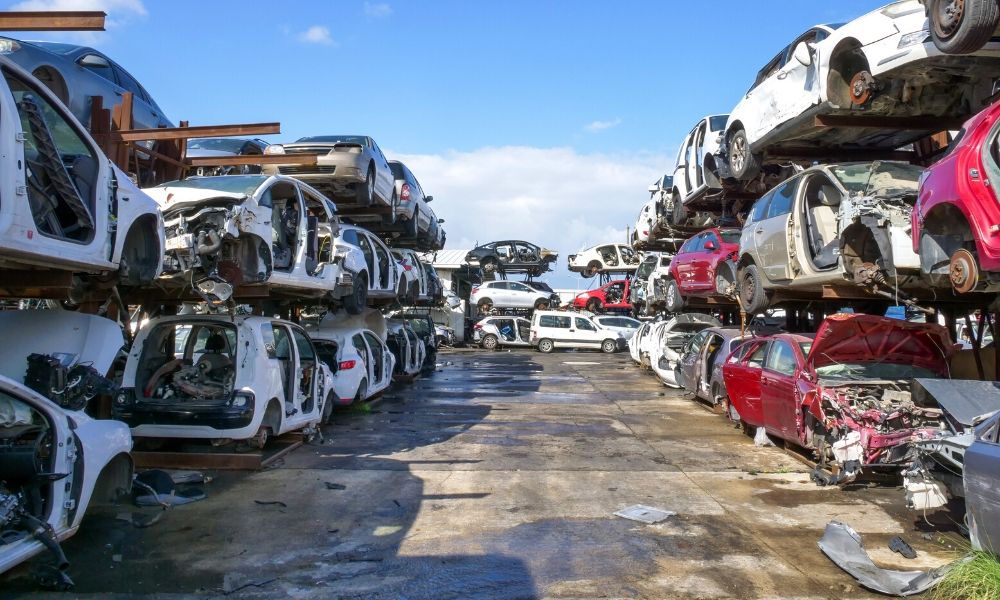


Ever heard of salvage cars? If you have, you've probably also encountered a fair share of horror stories and misconceptions about them. It's easy to assume that a car with a salvage title is a ticking time bomb just waiting to blow up your finances. But is that really the case? Today, we're diving into the world of salvage cars to debunk the top 4 misconceptions about them. Buckle up and get ready for some myth-busting!
What is a Salvage Title Car?
First things first, let's clarify what a salvage title car is. A salvage title is given to a vehicle that has been deemed a total loss by an insurance company. This can happen for various reasons, such as significant damage from an accident, natural disaster, or even theft recovery where the car was declared lost but later found. Essentially, the cost of repairs exceeds the car's market value, prompting the insurer to label it as a salvage.
Misconception 1: Salvage Cars Are Always Totaled
One of the most common myths is that salvage cars are always totaled, meaning they're beyond repair and should be written off completely. While it's true that some salvage cars have been severely damaged, not all of them are beyond repair. Many vehicles receive a salvage title due to cosmetic damage or minor issues that are not necessarily reflective of their overall condition. For instance, a car might get a salvage title due to hail damage, which can be unsightly but doesn't affect its drivability.
Misconception 2: Salvage Cars Are Unsafe to Drive
Safety concerns are a big reason people shy away from salvage cars. The assumption is that if a car has a salvage title, it's inherently unsafe. However, this isn't always the case. Before a salvage car can be legally driven again, it must pass a thorough safety inspection and be repaired to meet certain standards. This process ensures that any salvage vehicle on the road is safe to operate. Furthermore, many salvage cars are repaired to meet or even exceed the safety standards of their pre-accident condition.
Misconception 3: Salvage Cars Can't Be Insured
Another widespread belief is that salvage cars are impossible to insure. While it's true that finding insurance for a salvage car can be more challenging, it's not impossible. Many insurance companies do offer policies for salvage cars, though they might come with some restrictions. Typically, comprehensive and collision coverage might be limited, but liability insurance is usually available. It's essential to shop around and find an insurer that specializes in salvage titles.
Misconception 4: Salvage Cars Have No Resale Value
Many people think that once a car has a salvage title, it’s destined to languish in someone’s garage forever with no hope of resale. However, salvage cars can have resale value, especially if they have been well-repaired and maintained. The key factors that influence resale value include the extent of the original damage, the quality of repairs, and the make and model of the car. Buyers looking for a good deal on a used vehicle might find a well-restored salvage car an attractive option.
Advantages of Buying a Salvage Car
So, why would anyone consider buying a salvage car? One of the main advantages is the cost savings. Salvage cars are typically much cheaper than their clean title counterparts, making them a great option for budget-conscious buyers. Additionally, salvage cars can provide an opportunity to own a rare or classic model that might otherwise be unaffordable.
Disadvantages of Buying a Salvage Car
Of course, there are disadvantages to consider. The potential risks include hidden damages that weren’t adequately repaired, which can lead to higher maintenance costs down the road. Buyers must also deal with the stigma associated with salvage titles, which can make financing and insuring these vehicles more complicated.
How to Buy a Salvage Car
Interested in buying a salvage car? Here’s a quick guide:
- Do Your Research: Understand the car’s history and why it received a salvage title.
- Inspect Thoroughly: Have the car inspected by a trusted mechanic.
- Check Repairs: Ensure all repairs were done correctly.
- Understand the Laws: Be aware of your state’s laws regarding salvage titles.
Rebuilding and Repairing Salvage Cars
If you’re handy with tools or know a reliable mechanic, rebuilding a salvage car can be a rewarding project. Ensure you use quality parts and follow all safety guidelines. This can turn a salvage car into a reliable and safe vehicle for everyday use.
Legal Considerations for Salvage Cars
Different states have varying laws regarding salvage titles, so it’s crucial to understand your local regulations. Some states might require additional inspections or paperwork to register a salvage vehicle.
Financing a Salvage Car
Financing a salvage car can be tricky. Many lenders are hesitant to provide loans for salvage vehicles due to their perceived risk. However, some specialty lenders focus on salvage title loans. Be prepared for higher interest rates and more stringent loan conditions.
Insurance Claims for Salvage Cars
Making an insurance claim for a salvage car follows the same general process as with a regular car, but be aware that the payout might be lower. Salvage cars often have reduced market value, affecting the insurance settlement you might receive.
Salvage Car Auctions
Salvage car auctions are a popular way to purchase these vehicles. These auctions can be a goldmine for bargain hunters but also come with risks. Do your homework, understand the auction process, and be prepared to act quickly to secure a deal.
Conclusion
Salvage cars often get a bad rap due to misconceptions and a lack of understanding. By debunking these myths, we can see that salvage cars can be a viable option for the right buyer. They offer cost savings and unique opportunities, but it’s essential to do thorough research and understand the potential risks involved.
FAQs
Are salvage cars more expensive to insure?
It depends on the insurer, but they can be more expensive or have limited coverage options.
Can a salvage car be restored to its original condition?
Yes, with the right repairs and parts, many salvage cars can be restored to a condition similar to their pre-accident state.
How can I verify the history of a salvage car?
Use services like Carfax or AutoCheck to get a detailed history report of the vehicle.
What should I know before buying a salvage car at auction?
Understand the auction process, inspect the vehicle if possible, and set a budget.
Are there any warranties available for salvage cars?
Some sellers or third-party companies might offer limited warranties on salvage cars, but they are less common.
Are you interested in buying a car from US auctions?
With this being said – you can still export vehicles and save up a few thousand dollars with Auto4Export. We have an inventory of over 150k plus vehicles with titles you can export for you to choose from. Once you have placed your bid and won the auction a Bill of Sale document is then emailed to you as proof of purchase – after full payments have been made.
To gain access and get started on your purchase, sign up for free.
Further Reading
How do US auto auctions work?
How to buy a used car from a US auction
Buy Salvaged Cars from the USA. What's the Meaning and Benefit?
Types of Vehicle Titles: What You Can and Can’t Export

Do You Have Any Questions?
 Ask Question