


 Log in
 Sign Up





Thinking about buying an electric vehicle but not sure where to start? This guide covers everything you need to know before making a decision—from costs, charging, and battery life to choosing between new, used, and auction EVs. You'll learn how to find an electric car that fits your budget, lifestyle, and driving needs while avoiding common mistakes that could cost you money later.
Should You Consider Buying an EV?
Electric vehicles have moved from being a niche product for technology enthusiasts to a realistic option for everyday drivers. Improved battery technology, a growing charging network, and an increasing number of affordable models have made EV ownership more accessible than ever before.
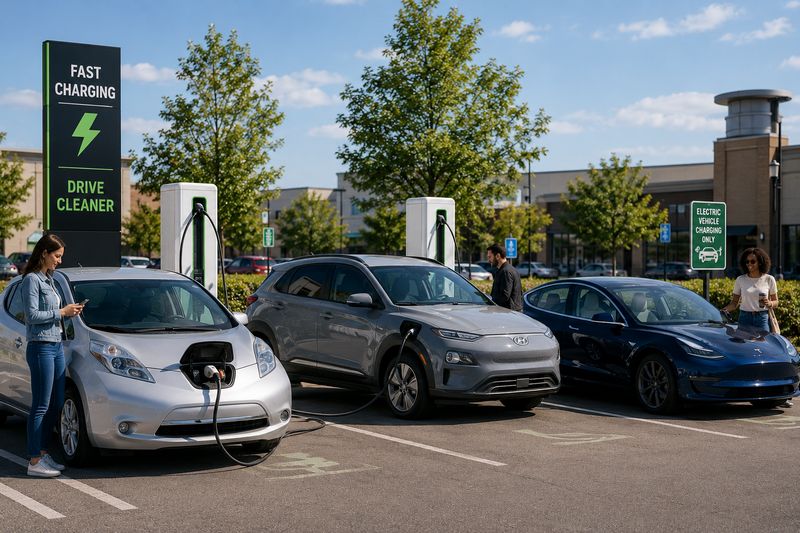
At the same time, buying an electric car is still a major financial decision. While some drivers can save thousands of dollars over the life of the vehicle, others may find that a traditional gasoline-powered car better suits their needs. The key is understanding how you use your vehicle, what your budget allows, and whether an EV aligns with your daily routine.
What Is an Electric Vehicle (EV)?
An electric vehicle, commonly called an EV, is a car powered entirely or partially by electricity rather than relying solely on a gasoline or diesel engine. Most people use the term EV to describe Battery Electric Vehicles (BEVs), which run exclusively on electricity stored in large rechargeable batteries.
Unlike conventional cars, EVs use electric motors to generate power. Instead of stopping at gas stations, owners recharge their vehicles using home chargers or public charging stations. Because electric motors have fewer moving parts than internal combustion engines, EVs generally require less routine maintenance.
For example, a driver commuting 30 miles each day may simply plug the vehicle in overnight at home and wake up with a fully charged battery each morning. There is no need for oil changes, spark plug replacements, or many of the maintenance procedures associated with gasoline vehicles.
However, not all EVs operate in the same way. Some drivers may also encounter plug-in hybrid vehicles, which combine electric driving capability with a gasoline engine for additional flexibility.
Why More Drivers Are Switching to Electric Cars
One of the biggest reasons people choose electric vehicles is the potential for long-term savings. Electricity often costs less than gasoline, especially for drivers who charge at home during off-peak hours. Over several years of ownership, these savings can become significant.
Many drivers also appreciate the lower maintenance requirements. Since EVs do not require oil changes and have fewer mechanical components, routine servicing can be simpler and less expensive.
Performance is another factor. Electric motors deliver instant torque, which means many EVs accelerate quickly and smoothly, even in entry-level models. Drivers often describe the experience as quiet, responsive, and comfortable.
Environmental concerns also influence purchasing decisions. Some buyers want to reduce their carbon footprint or contribute to improved air quality by driving vehicles that produce no tailpipe emissions.
For budget-conscious consumers, the used EV market has become increasingly attractive. Vehicles that originally sold for premium prices may become much more affordable after several years of depreciation. This creates opportunities for buyers who want modern technology without paying new-car prices.
Who Should Buy an EV?
Electric vehicles tend to work best for drivers whose daily habits align with the strengths of EV ownership.
If you have a predictable commute, access to home charging, and drive moderate distances each day, an EV may be an excellent choice. Someone who drives 25 to 50 miles daily for work, errands, and family activities could potentially reduce fuel expenses substantially.
An EV can also make sense for households with multiple vehicles. For example, a family may use an electric car for local transportation while keeping a gasoline-powered SUV for long road trips and vacations.
Drivers looking to reduce ongoing maintenance costs may benefit as well. Someone replacing an older vehicle that frequently requires repairs might appreciate the simplicity of an electric drivetrain.
Used EVs purchased through online auto auctions can be especially appealing for buyers with limited budgets. Instead of paying retail prices at a dealership, some shoppers are able to find electric vehicles at lower prices, making EV ownership accessible even when finances are tight.
Discover Electric Vehicles at Prices That Fit Your Budget
Electric vehicles are becoming more accessible, especially for buyers willing to explore alternatives beyond traditional dealerships. Auto4Export provides access to thousands of EVs from major U.S. auctions, helping you find modern technology at competitive prices.
- ✅ Access to used EVs from leading U.S. auctions
- ✅ Lower prices compared to many retail dealerships
- ✅ Vehicle history reports available before purchase
- ✅ Support throughout the buying process
When Buying an EV May Not Be the Right Choice
Despite their advantages, electric vehicles are not ideal for every situation.
If you frequently travel long distances through areas with limited charging infrastructure, owning an EV may require additional planning and patience. Although charging networks continue to expand, some regions still offer fewer convenient options.
Drivers who live in apartments or rental properties without reliable charging access may also face challenges. Depending exclusively on public charging can reduce some of the convenience and cost savings associated with EV ownership.
Budget considerations matter as well. While used EVs can be affordable, some new electric vehicles still carry higher purchase prices compared to similarly sized gasoline models. Insurance premiums may also be higher for certain EV models.
Climate can influence the ownership experience. Extremely cold temperatures can temporarily reduce driving range, while extremely hot environments may place additional demands on battery cooling systems.
Finally, some drivers simply prefer the familiarity of traditional vehicles. If an EV would create more stress than convenience in your daily life, there is nothing wrong with waiting until the technology better matches your circumstances.
What to Consider Before Buying an EV
Buying an electric vehicle is not just about choosing a model with the longest range or the newest features. The best EV for one driver may be completely wrong for another. Your daily mileage, family size, access to charging, local climate, and travel habits all play a role in determining whether an EV is the right fit.
For budget-conscious buyers, this step is especially important. Purchasing more vehicle than you actually need can lead to higher monthly payments, increased insurance costs, and unnecessary expenses. Taking the time to evaluate your situation honestly can help you find an electric car that provides real value without stretching your budget.
Do You Really Need a Car?
Before shopping for any vehicle, ask yourself whether owning a car is truly necessary. This may seem like an unusual question, but transportation needs vary greatly depending on where you live and work.
If you live in a large city with reliable public transportation, work remotely, and only drive occasionally, alternatives such as ridesharing services or short-term rentals may be more cost-effective than owning a vehicle.
However, many people depend heavily on personal transportation. Parents driving children to school and activities, workers with long commutes, and individuals living in suburban or rural areas often have limited alternatives. In these situations, having a dependable vehicle is essential.
If you have already determined that you need a car, the next step is choosing one that matches your lifestyle without exceeding your budget.
How Much Car Do You Need?
Many buyers make the mistake of purchasing the biggest or most feature-packed vehicle they can afford rather than the one they actually need.
Think carefully about how you will use the car most of the time. A single commuter driving alone to work each day may be perfectly happy with a compact electric hatchback. A family with three children may require an electric SUV with additional cargo space and seating capacity.
Bigger vehicles generally come with higher purchase prices, larger batteries, and increased insurance costs. While they may offer greater range and practicality, they can also strain a limited budget.
For example, someone who only uses a car for commuting and grocery shopping probably does not need a large electric truck capable of towing heavy loads. Choosing a smaller EV could save thousands of dollars upfront while also lowering ongoing ownership expenses.
How Many Miles Do You Drive Each Day?
Your daily driving habits should strongly influence your EV decision.
According to transportation studies, many drivers travel less than 40 miles per day. Even older electric vehicles with modest range capabilities can comfortably handle these distances on a single charge.
If your routine consists of commuting to work, running errands, and returning home each evening, you may not need an EV with 300 or 400 miles of range. Paying extra for a larger battery may not provide meaningful benefits.
On the other hand, if you regularly drive 100 miles or more each day for work, range becomes much more important. Sales representatives, delivery drivers, and people with lengthy commutes may benefit from EVs designed for extended travel between charges.
Keeping track of your driving patterns for a few weeks can provide valuable insight into the type of electric vehicle that best suits your needs.
Will You Use the EV for Long Trips?
Road trips are often one of the biggest concerns for prospective EV buyers.
If you primarily use your vehicle for local transportation, occasional charging stops during rare long-distance journeys may not be a significant inconvenience. In this case, a moderately priced EV with average range could work very well.
However, if you frequently drive hundreds of miles to visit family, travel for business, or take regular vacations, you should carefully consider charging infrastructure along your routes. Fast-charging availability can vary depending on location.
For some households, the ideal solution involves using an EV as the primary daily vehicle while retaining a gasoline-powered car for extended road trips.
When evaluating potential EV purchases, think realistically about how often you travel long distances rather than focusing solely on worst-case scenarios.
Does Your Climate Affect EV Ownership?
Climate conditions can influence how electric vehicles perform throughout the year. While EVs operate successfully in a wide variety of environments, temperature extremes may affect battery efficiency and driving range.
Understanding how weather impacts electric vehicles allows buyers to set realistic expectations and choose models that fit their local conditions.
How Cold Weather Impacts EV Range
Cold temperatures can temporarily reduce the range of an electric vehicle. Batteries operate less efficiently in freezing conditions, and additional energy is required to heat the cabin, warm the battery pack, and defrost windows.
As a result, some EV owners may notice reduced driving range during winter months. The amount of reduction varies depending on the vehicle model, outside temperature, and driving habits.
For example, an EV rated for 250 miles under ideal conditions may deliver noticeably fewer miles during extremely cold weather. This does not necessarily indicate battery damage or permanent degradation; in many cases, range improves once temperatures rise.
Drivers living in colder climates should consider EVs with sufficient range reserves to accommodate seasonal fluctuations. Access to home charging can also make winter ownership more convenient.
Driving an EV in Hot Climates
High temperatures present different challenges. In hot regions, the battery management system works to keep the battery within an optimal operating range, while air conditioning systems increase energy consumption.
Although modern EVs are designed to function effectively in warm environments, extended exposure to extreme heat may contribute to faster battery degradation over many years if the battery cooling system is inadequate.
Fortunately, most newer electric vehicles include sophisticated thermal management systems designed to protect battery health.
Drivers in hotter climates can help preserve battery performance by parking in shaded areas when possible, avoiding repeated fast charging immediately after prolonged high-speed driving, and following the manufacturer's recommendations for battery care.
New vs. Used EV: Which Option Is Better?
There is no universal answer to whether a new or used electric vehicle is the better choice. Some buyers prioritize having the latest technology, maximum battery warranty coverage, and peace of mind that comes with a brand-new car. Others focus on affordability and look for ways to reduce the upfront cost of ownership.
Electric vehicles tend to depreciate quickly during their first few years, which creates opportunities for budget-conscious shoppers. A used EV that originally cost over $50,000 may become available for a fraction of its original price while still offering years of useful service.
Before making a decision, it is important to understand the benefits and limitations associated with each option.
Benefits of Buying a New Electric Car
Purchasing a new EV offers several advantages, particularly for buyers who value convenience and the latest innovations.
One of the biggest benefits is access to the newest battery technology. Manufacturers continuously improve battery efficiency, charging speed, and driving range. A new model may provide substantially more range than an older version released only a few years earlier.
New EVs also come with full factory warranty coverage. This typically includes both the vehicle warranty and the battery warranty, providing reassurance against unexpected repair expenses during the early years of ownership.
Another advantage is the availability of advanced safety features and updated software systems. Many newer electric vehicles include improved driver assistance technologies, enhanced infotainment systems, and over-the-air software updates.
Buyers of new EVs may also qualify for certain incentives or financing programs that are not available for older vehicles. Lower interest rates, promotional financing offers, and manufacturer rebates can sometimes reduce the overall cost of ownership.
However, these benefits come at a price. New EVs often have significantly higher purchase prices, and depreciation tends to be most severe during the first few years.
For someone working within a strict budget, paying extra for a brand-new vehicle may not always be the most practical decision.
Advantages of Buying a Used EV
Used electric vehicles often provide the best balance between affordability and modern technology.
Because EVs depreciate relatively quickly, buyers can sometimes purchase vehicles with low mileage and desirable features at prices far below their original sticker price. This lower entry cost makes EV ownership accessible to a much wider range of consumers.
For example, a driver considering a new compact EV priced above $35,000 may find a three-year-old version of the same model for substantially less while still benefiting from excellent efficiency and remaining battery warranty coverage.
Lower purchase prices can also translate into smaller loan payments or the ability to avoid financing altogether.
Many used EVs continue to offer battery warranty protection. In many cases, manufacturers provide battery coverage lasting eight years or approximately 100,000 miles, although terms vary by brand and model.
In addition, electric vehicles generally have fewer moving parts than gasoline-powered cars. The absence of oil changes, transmission servicing, and certain engine-related repairs may help reduce long-term maintenance expenses.
The primary concern when purchasing a used EV is battery condition. Since battery health directly affects driving range and vehicle value, buyers should carefully evaluate this aspect before making a purchase.
For shoppers seeking maximum value, a used EV often represents one of the most cost-effective ways to transition to electric driving.
Buying an EV From an Auction: Is It Worth It?
For buyers focused on saving money, purchasing an EV through an online auto auction may be worth considering.
Auction vehicles frequently sell below traditional dealership prices, creating opportunities to purchase electric vehicles at substantial discounts. This approach has become increasingly popular among experienced buyers looking to stretch their budgets.
However, auctions require careful research and preparation.
Some auction EVs may have cosmetic damage, while others could have more significant repair histories. Understanding the vehicle's condition, reviewing available reports, and factoring in transportation costs are essential steps before placing a bid.
For example, a buyer might discover an electric SUV at auction with minor body damage that can be repaired affordably. After accounting for repair expenses and auction fees, the total investment may still be significantly lower than purchasing a comparable vehicle from a retail dealership.
At the same time, auctions are not risk-free. Buyers should avoid bidding impulsively and should establish a maximum budget before participating.
Working with experienced auction brokers and conducting thorough due diligence can help reduce uncertainty and improve the chances of securing a worthwhile purchase.
For budget-conscious consumers willing to do their homework, auction EVs can provide access to newer vehicles at prices that would otherwise be unattainable.
What to Check Before Buying a Used Electric Vehicle
A careful inspection is especially important when purchasing a used EV.
Battery health should be one of the first areas of investigation. Reduced battery capacity can decrease driving range and affect the overall value of the vehicle. Whenever possible, request battery health reports or diagnostic information specific to the model being considered.
Reviewing the vehicle history report is equally important. Previous accidents, flood damage, salvage history, or inconsistent ownership records may indicate potential concerns.
Buyers should also verify whether the original battery warranty remains active. Knowing how much coverage is left can provide valuable peace of mind.
Charging equipment deserves attention as well. Confirm that the charging cable and any included accessories are present and functioning properly, as replacements can add unexpected costs.
Software updates and service records may reveal how well the previous owner maintained the vehicle. Regular servicing performed according to manufacturer recommendations often reflects responsible ownership.
A thorough test drive remains essential. Evaluate acceleration, braking performance, charging functionality, and any unusual noises or warning messages displayed by the vehicle.
Whenever possible, arrange for an independent inspection by a qualified technician familiar with electric vehicles. An experienced professional may identify issues that are not immediately obvious during a casual evaluation.
How Much Does Buying an EV Cost?
The cost of buying an electric vehicle varies significantly depending on whether you choose a new or used model, the type of EV you want, and where you purchase it. While EVs have developed a reputation for being expensive, the market has changed considerably in recent years.
Today, buyers can find electric vehicles at a wide range of price points. Some shoppers may choose a brand-new model with the latest technology, while others may focus on used EVs that offer lower upfront costs and strong long-term value.
To determine whether an EV fits your budget, it is important to evaluate both the immediate expenses and the ongoing costs associated with ownership.
Average Prices of Electric Cars
Electric vehicles are available across multiple price categories, from affordable compact cars to luxury SUVs and high-performance models.
Entry-level new EVs often start in the mid-$30,000 range before incentives, although prices vary depending on the manufacturer and available options. Mid-size electric SUVs and premium models frequently cost between $45,000 and $70,000, while luxury EVs can exceed $80,000.
Used electric vehicles provide a more accessible entry point for budget-conscious buyers. Older models with shorter driving ranges may sell for less than $15,000, while newer used EVs with advanced technology and longer range often fall between $20,000 and $35,000.
Depreciation has made many electric vehicles more affordable on the secondary market. A model that originally sold for over $50,000 may become attainable for buyers who would never consider purchasing it new.
This price flexibility allows shoppers to choose an EV that aligns with both their transportation needs and financial situation.
Upfront Purchase Costs
The purchase price represents only part of the initial investment required when buying an electric vehicle.
In addition to the vehicle itself, buyers should account for taxes, registration fees, title fees, documentation charges, and dealer or auction-related expenses. These costs can add several hundred or even several thousand dollars to the final amount paid.
Buyers purchasing through online auto auctions should also consider transportation costs, auction fees, and potential repair expenses if the vehicle requires cosmetic or mechanical work.
Charging equipment may represent another upfront expense. While some EV owners rely on standard household outlets, others choose to install a Level 2 home charging station to improve charging speed and convenience.
For example, a buyer who finds an affordable used EV at auction may initially save thousands of dollars compared to dealership pricing. However, factoring in shipping costs, registration, and charger installation provides a more accurate understanding of the total investment.
Carefully budgeting for these expenses can help prevent unexpected financial surprises after the purchase.
EV Financing Options
Many buyers finance their electric vehicle purchases rather than paying the full amount upfront.
Traditional auto loans remain one of the most common financing methods. Banks, credit unions, dealerships, and online lenders frequently offer financing options for both new and used EVs.
Loan terms generally range from 36 to 84 months. While longer loan periods can reduce monthly payments, they often result in higher total interest costs over the life of the loan.
Some manufacturers provide promotional financing programs for new EVs, including reduced interest rates or special lease offers designed to encourage adoption of electric vehicles.
Buyers considering used EVs should compare offers from multiple lenders to secure the most favorable terms. Even a small difference in interest rates can translate into meaningful savings over several years.
Before committing to financing, it is wise to evaluate how the monthly payment fits within your broader financial picture. Choosing a vehicle that stretches your budget too far can undermine the potential savings associated with electric driving.
Electric Car Battery Lease Programs
Although less common today than in the early years of EV adoption, battery leasing programs still exist in certain markets and deserve consideration.
Under a battery lease arrangement, the buyer purchases the vehicle itself but pays a separate monthly fee for use of the battery pack. The manufacturer or leasing company retains ownership of the battery and assumes responsibility for specific battery-related issues under the lease agreement.
The primary advantage of this approach is a lower initial purchase price. Since the battery is typically the most expensive component of an electric vehicle, separating its cost can reduce the upfront financial burden.
However, ongoing lease payments increase monthly expenses and may continue for as long as the vehicle remains in service.
Anyone considering an EV with a battery lease should carefully review the contract terms, including mileage restrictions, warranty provisions, and transfer requirements if the vehicle is sold.
For most buyers in the United States, outright battery ownership remains the more common arrangement.
Depreciation and Resale Value
Depreciation affects all vehicles, but electric cars have historically experienced unique resale patterns.
New EVs often lose value relatively quickly during their first few years of ownership. Rapid improvements in battery technology and the introduction of newer models can contribute to faster depreciation compared to certain gasoline-powered vehicles.
While this trend may concern new-car buyers, it creates opportunities for used EV shoppers.
Someone purchasing a three- or four-year-old electric vehicle may benefit from the steepest portion of the depreciation curve having already occurred. In other words, the original owner absorbs much of the value loss, allowing the second owner to purchase the vehicle at a more favorable price.
Battery condition remains one of the most significant factors influencing resale value. Vehicles with strong battery health and remaining warranty coverage often command higher prices in the used market.
As consumer confidence in EV technology continues to grow, resale trends may become increasingly stable. However, buyers should still view depreciation as an important part of the ownership equation.
Total Cost of Ownership Compared to Gas Cars
The purchase price alone does not determine whether an EV is expensive or affordable. The total cost of ownership provides a more complete picture.
Electric vehicles often cost less to operate on a day-to-day basis. Charging expenses are frequently lower than gasoline costs, particularly for drivers who charge at home. EVs also eliminate routine expenses such as oil changes and may require fewer mechanical repairs over time.
For example, a commuter driving 15,000 miles per year may spend significantly less on electricity than they would on gasoline for a similarly sized conventional vehicle. Over several years, these savings can partially offset a higher purchase price.
However, other factors such as insurance premiums, tire replacement costs, financing expenses, and depreciation should also be considered.
The financial advantage of an EV depends heavily on individual circumstances. Drivers who travel many miles each year and maintain their vehicles for extended periods often benefit the most from lower operating costs.
For budget-conscious consumers, the goal should not simply be finding the cheapest vehicle to purchase. Instead, it is identifying the vehicle that delivers the greatest overall value throughout the entire ownership experience.
Incentives, Tax Credits, and Financial Benefits
While electric vehicles can sometimes have higher purchase prices than comparable gasoline-powered cars, various financial incentives may help offset these costs. Governments, utility companies, and employers often introduce programs designed to encourage EV adoption and support the transition to cleaner transportation.
For budget-conscious buyers, these incentives can significantly influence the affordability of an electric vehicle. However, eligibility requirements, income limitations, vehicle price caps, and regional regulations can all affect whether a particular benefit applies.
Before making a purchase decision, it is worthwhile to research the programs available in your area and understand how they may impact the total cost of ownership.
Federal Tax Credits for EV Buyers
Federal tax incentives have historically played an important role in reducing the cost of electric vehicle ownership in the United States.
These credits are generally intended to encourage consumers to choose electric transportation by lowering their effective purchase price. Depending on current regulations, qualifying buyers may receive substantial financial benefits when purchasing eligible electric vehicles.
However, federal tax credit programs are often subject to specific requirements. Eligibility may depend on factors such as household income, vehicle assembly location, battery sourcing requirements, vehicle classification, and maximum purchase price thresholds.
In some cases, used electric vehicles may also qualify for federal incentives, making them even more attractive to budget-conscious shoppers.
Because tax laws evolve over time, prospective buyers should verify the latest requirements before relying on anticipated savings when setting their budget.
For some households, federal incentives can represent the difference between an EV being financially out of reach and becoming a realistic option.
State and Local EV Incentives
In addition to federal programs, many states, municipalities, and local organizations offer their own incentives for electric vehicle owners.
These benefits vary widely depending on location. Some programs provide direct rebates following the purchase of an eligible vehicle, while others reduce registration fees or offer tax exemptions.
Certain regions also provide non-financial benefits designed to improve convenience. These may include access to carpool lanes, preferred parking spaces, or reduced toll rates.
For example, two buyers purchasing identical electric vehicles in different states could experience very different ownership costs depending on the incentives available where they live.
Because these programs frequently change due to budget limitations or legislative updates, buyers should consult official local resources to determine which benefits currently apply in their area.
Taking advantage of available state and local incentives may significantly improve the affordability of electric vehicle ownership.
Electric Vehicle Grants and Rebates
Grants and rebates represent another way buyers can lower the cost of purchasing and operating an electric vehicle.
Unlike tax credits, which may require waiting until tax season to realize the financial benefit, rebates often provide more immediate assistance. Depending on the program structure, eligible buyers may receive a reduction at the point of sale or submit documentation to receive reimbursement after the purchase.
Some utility companies also offer incentives related to home charging equipment. These programs may help cover a portion of the cost associated with purchasing and installing a residential charging station.
Businesses, nonprofit organizations, and government agencies may qualify for specialized grant programs that support fleet electrification initiatives.
For households working within a limited budget, these programs can reduce barriers to EV ownership and make the transition to electric transportation more financially manageable.
However, rebate funds are sometimes limited and distributed on a first-come, first-served basis. Buyers interested in these opportunities should review application deadlines and program requirements carefully.
Company Car Benefits for EV Drivers
Electric vehicles can also provide financial advantages for employees who receive company vehicles as part of their compensation packages.
In some countries and regions, governments offer favorable tax treatment for electric company cars to encourage businesses to adopt cleaner transportation solutions. Lower benefit-in-kind taxation or reduced payroll tax obligations may increase the attractiveness of choosing an EV over a conventional company vehicle.
Employers themselves may support EV adoption by providing workplace charging stations, subsidizing charging costs, or offering incentives to employees who select electric vehicles through company fleet programs.
For employees eligible for these arrangements, the overall cost of driving an electric vehicle can become substantially lower than that of a gasoline-powered alternative.
The specific benefits available depend heavily on local tax regulations and employer policies. Employees considering an electric company vehicle should review the details carefully to understand both the advantages and potential obligations associated with participation.
Do Electric Vehicles Pay Road Tax?
One common misconception is that electric vehicles are completely exempt from road taxes and registration fees. In reality, the answer depends on where the vehicle is registered.
Some jurisdictions offer reduced registration fees or temporary exemptions to encourage EV adoption. Others impose special registration surcharges on electric vehicles to compensate for reduced fuel tax revenues that traditionally support road infrastructure projects.
As electric vehicle ownership becomes more widespread, governments continue to reevaluate how transportation funding systems should evolve. As a result, road tax policies affecting EVs may change over time.
For buyers comparing ownership costs, it is important to understand the specific rules applicable in their state or country rather than assuming that all electric vehicles receive automatic tax exemptions.
Even when special EV registration fees apply, lower fuel and maintenance expenses may still result in favorable overall ownership costs compared to gasoline-powered vehicles.
Choosing the Right Electric Vehicle
The growing popularity of electric vehicles means buyers now have more choices than ever before. From practical commuter cars to spacious family SUVs and powerful pickup trucks, EVs are available in nearly every major vehicle category.
While having more options is beneficial, it can also make the decision-making process overwhelming. Rather than focusing solely on advertising claims or the newest releases, buyers should evaluate how they actually use their vehicles on a daily basis.
By understanding the different types of EVs, considering how much space you need, and prioritizing the features that matter most, you can choose an electric vehicle that delivers both value and long-term satisfaction.
Battery Electric Vehicles (BEVs) vs. Plug-In Hybrids (PHEVs)
One of the first decisions buyers face is choosing between a Battery Electric Vehicle (BEV) and a Plug-In Hybrid Electric Vehicle (PHEV).
A BEV operates entirely on electricity. It has no gasoline engine and produces no tailpipe emissions. All energy comes from the battery pack, which must be recharged using an external power source.
BEVs are often ideal for drivers with reliable charging access and predictable daily driving patterns. They typically offer lower maintenance requirements and allow owners to eliminate fuel purchases altogether.
PHEVs, on the other hand, combine an electric motor with a traditional gasoline engine. They can travel a limited distance using electricity alone before automatically switching to gasoline power when the battery is depleted.
For drivers who are interested in electric driving but remain concerned about charging availability or long-distance travel, a PHEV can provide additional flexibility.
The right choice depends largely on your comfort level with charging infrastructure and your typical driving habits.
How to Choose the Right EV Size and Body Style
Selecting the appropriate vehicle size is just as important as choosing the type of powertrain.
Many buyers are tempted to purchase larger vehicles in anticipation of needs they rarely encounter. However, bigger EVs often come with higher purchase prices, larger batteries, and increased insurance costs.
Consider how many passengers you regularly transport, how much cargo space you require, and whether specialized capabilities such as towing are necessary.
Someone commuting alone to work may find that a compact EV perfectly meets their needs. In contrast, families with children may appreciate the additional room offered by larger electric crossovers and SUVs.
Matching the vehicle's size to your actual lifestyle can help you avoid overspending while maximizing practicality.
What Happens to an EV After 5 Years?
A common concern among potential buyers involves how electric vehicles perform as they age.
After five years, most EVs remain fully functional and continue to serve as reliable daily transportation. Modern battery systems are designed to withstand years of regular use, and complete battery failure remains relatively uncommon.
However, some degree of battery degradation is normal. This means the vehicle may gradually lose a small percentage of its original driving range over time. The extent of this reduction depends on factors such as climate conditions, charging habits, mileage, and battery management systems.
Many manufacturers provide battery warranties lasting eight years or approximately 100,000 miles, offering additional reassurance during the ownership period.
For used EV buyers, understanding the vehicle's battery health becomes increasingly important as the car ages.
Electric Sedans
Electric sedans are often well suited to commuters and smaller households seeking efficiency and comfort.
These vehicles generally offer aerodynamic designs that contribute to improved driving range. They frequently provide responsive handling, comfortable interiors, and sufficient space for everyday needs.
Because sedans tend to weigh less than larger SUVs and trucks, they may achieve greater efficiency while maintaining competitive performance.
Drivers who prioritize commuting, lower operating costs, and practical transportation often find electric sedans to be an excellent choice.
Electric SUVs
Electric SUVs have become one of the fastest-growing segments within the EV market.
They offer elevated seating positions, increased cargo capacity, and additional passenger space compared to many sedans. These qualities make them especially appealing to families and active individuals.
Although SUVs generally cost more than smaller EVs, they provide versatility that many buyers consider worthwhile. The ability to accommodate child seats, sports equipment, groceries, and luggage makes them highly practical for everyday life.
For households seeking a balance between electric efficiency and family-friendly functionality, electric SUVs frequently represent the ideal compromise.
Electric Trucks
Electric pickup trucks appeal to buyers who require greater utility and capability.
These vehicles often deliver impressive towing capacity, spacious cabins, and strong acceleration thanks to the instant torque produced by electric motors.
However, electric trucks typically carry higher price tags and consume more energy than smaller EVs. Towing heavy loads can also significantly reduce available driving range.
For buyers who genuinely need truck capabilities for work, recreation, or hauling purposes, an electric truck may provide substantial benefits. For others, selecting a smaller and less expensive EV could prove more economical.
Electric Hatchbacks and Compact Cars
Compact electric vehicles remain among the most practical choices for cost-conscious consumers.
Their smaller dimensions make them easier to maneuver in urban environments, while their lower purchase prices often improve affordability.
Many compact EVs provide enough interior space for daily commuting, errands, and occasional weekend trips without requiring the financial commitment associated with larger vehicles.
Because they generally use smaller battery packs, they may also charge more quickly and consume less electricity.
For first-time EV buyers or individuals seeking a simple and efficient daily driver, compact electric vehicles deserve serious consideration.
How Much Driving Range Do You Need?
Driving range remains one of the most discussed aspects of EV ownership, but more range is not always better.
Many buyers overestimate their actual transportation needs. A driver covering 30 to 40 miles per day may not benefit significantly from paying extra for a vehicle capable of traveling 350 miles on a single charge.
Instead, evaluate your typical weekly driving patterns. Consider commuting distances, regular errands, and occasional longer journeys.
Buyers who frequently travel long distances or lack convenient charging access may prioritize extended range capabilities. Conversely, those with predictable routines and home charging availability may find moderate-range EVs perfectly adequate.
Choosing a range level that reflects your genuine needs can prevent unnecessary spending.
Comparing Popular EV Models
With so many electric vehicles now available, comparing models carefully is essential.
Some EVs emphasize affordability and efficiency, while others prioritize luxury, performance, or advanced technology. Certain manufacturers focus heavily on maximizing driving range, whereas others differentiate themselves through interior quality or safety features.
When comparing options, buyers should look beyond marketing claims and consider practical ownership factors such as warranty coverage, charging compatibility, maintenance requirements, and resale potential.
Reading owner reviews, researching reliability records, and evaluating total ownership costs can provide valuable insights.
For budget-conscious shoppers, comparing used EV models may uncover exceptional value opportunities that would otherwise be overlooked.
Which EV Features Matter Most?
Modern electric vehicles offer an extensive range of features, but not all of them will significantly impact your ownership experience.
For many buyers, fast-charging capability ranks among the most important considerations. Faster charging can improve convenience during road trips and reduce waiting times at public charging stations.
Battery warranty coverage also deserves close attention, particularly for used vehicle purchases. Strong warranty protection can provide peace of mind and help mitigate concerns regarding long-term battery health.
Advanced safety technologies, such as automatic emergency braking and blind-spot monitoring, may contribute to a safer driving experience.
Other buyers may prioritize smartphone integration, navigation systems that display charging locations, heated seats, or over-the-air software updates.
Understanding EV Batteries
The battery is often described as the heart of an electric vehicle. It determines how far the car can travel on a single charge, influences resale value, and represents one of the most expensive components in the entire vehicle.
Because of this, many potential buyers worry about battery longevity and replacement costs. Questions such as "Will the battery last?" or "What happens if it fails?" are common, especially among budget-conscious shoppers considering used EVs.
Fortunately, modern battery technology has proven to be far more durable than many people initially expected. While batteries do experience gradual wear over time, most continue to provide reliable service for many years. Understanding how EV batteries function and how to evaluate their condition can help remove much of the uncertainty surrounding electric vehicle ownership.
How EV Batteries Work
Electric vehicles store energy in large battery packs made up of hundreds or even thousands of individual battery cells. Most modern EVs use lithium-ion battery technology, similar to the batteries found in smartphones and laptops, although EV batteries are significantly larger and more sophisticated.
When the vehicle is charging, electricity flows into the battery and is stored for future use. When driving, the battery supplies power to the electric motor, which converts that energy into movement.
Unlike gasoline vehicles that rely on controlled explosions inside an engine, electric vehicles generate power silently and efficiently through electric motors. This design contributes to smoother acceleration and reduced mechanical complexity.
Modern EVs also include advanced battery management systems. These systems continuously monitor temperature, charging activity, and overall battery performance to optimize efficiency and help protect the battery from excessive wear.
In simple terms, the battery acts as the vehicle's fuel tank, while the electric motor replaces the traditional engine.
Electric Car Battery Life Expectancy
One of the biggest concerns among prospective EV buyers is how long the battery will last.
The good news is that most modern electric vehicle batteries are designed to remain functional for many years. In many cases, batteries continue performing well beyond 100,000 miles of driving.
Rather than failing suddenly, EV batteries typically experience gradual capacity loss over time. This means the vehicle may slowly lose some of its original driving range as the battery ages.
For example, a vehicle that initially provided 300 miles of range might deliver slightly less after several years of regular use. However, this reduction is often modest enough that it does not significantly affect daily driving needs.
Many EV owners continue driving their vehicles well beyond the expiration of the original battery warranty without major battery-related problems.
As battery technology continues to improve, expectations regarding longevity are becoming increasingly positive.
Factors That Affect Battery Degradation
Battery degradation refers to the gradual reduction in a battery's ability to store energy.
Several factors can influence how quickly this process occurs.
Temperature is one of the most important considerations. Prolonged exposure to extreme heat may accelerate battery wear, particularly in vehicles without advanced thermal management systems. Very cold temperatures can temporarily reduce available range, although this effect is often reversible once temperatures return to normal.
Charging habits may also influence long-term battery health. Frequently charging the battery to 100 percent or repeatedly allowing it to discharge completely may contribute to additional stress over time.
Frequent use of high-speed DC fast charging has also been studied as a potential factor affecting long-term degradation, although its impact varies depending on battery design and usage patterns.
Driving habits, mileage accumulation, and vehicle age all play a role as well.
It is important to recognize that some degradation is entirely normal. The goal is not to eliminate it completely but to minimize unnecessary stress and maintain healthy battery performance throughout the vehicle's lifespan.
How to Check Battery Health on a Used EV
Battery condition should be one of the highest priorities when purchasing a used electric vehicle.
Several methods can help buyers evaluate battery health before committing to a purchase.
Some manufacturers provide battery health information directly through the vehicle's onboard system. Certain models display estimated battery capacity or range data that can offer insight into overall condition.
Specialized diagnostic tools may provide more detailed information, including the battery's state of health. This measurement estimates the remaining battery capacity relative to its original condition.
Reviewing service records can also be valuable. Documentation showing regular maintenance and software updates may indicate responsible ownership.
When possible, prospective buyers should request a professional inspection performed by a technician experienced with electric vehicles. An expert evaluation can help identify potential concerns that may not be obvious during a standard test drive.
Finally, compare the vehicle's current estimated range with its original specifications while accounting for expected age-related degradation.
A thorough assessment of battery health can significantly reduce uncertainty when purchasing a used EV.
What Happens If an EV Battery Needs Replacement?
Although complete battery replacement remains relatively uncommon, it is a possibility that buyers should understand.
If a battery experiences significant failure outside warranty coverage, replacement may be necessary. Because the battery pack is one of the most expensive components in an electric vehicle, replacement costs can be substantial.
However, it is important to put this possibility into perspective. Most EV owners never experience a complete battery failure during their ownership period.
In some cases, individual battery modules rather than the entire battery pack can be repaired or replaced, potentially reducing costs.
As electric vehicles become more widespread, battery repair expertise continues to expand. Increased competition and technological improvements may contribute to lower replacement expenses in the future.
For budget-conscious buyers considering older EVs, understanding potential replacement scenarios allows for more realistic financial planning.
At the same time, buyers should avoid assuming that battery replacement is inevitable simply because the vehicle has accumulated mileage. Many EV batteries continue functioning effectively long after initial expectations.
Are EV Batteries Covered Under Warranty?
Battery warranties provide an important layer of protection for electric vehicle owners.
Most manufacturers offer separate battery warranty coverage that extends beyond the vehicle's standard bumper-to-bumper warranty. These warranties commonly last approximately eight years or around 100,000 miles, although exact terms vary by manufacturer and market.
Battery warranties typically cover defects in materials or workmanship as well as excessive capacity loss below specified thresholds.
For example, if the battery's ability to hold a charge declines beyond the level defined by the manufacturer during the warranty period, repairs or replacement may be covered.
Buyers considering used EVs should carefully verify whether battery warranty coverage remains active and whether the warranty transfers to subsequent owners.
Understanding the details of battery protection can provide valuable peace of mind and reduce concerns associated with long-term ownership.
For many shoppers, battery warranties represent one of the strongest arguments in favor of modern electric vehicles. They demonstrate the confidence manufacturers have in their battery technology while helping consumers feel more comfortable embracing a relatively new form of transportation.
EV Range: What You Need to Know
Driving range refers to the distance an electric vehicle can travel on a fully charged battery before it needs to be recharged. It is often one of the first specifications shoppers compare when researching EVs.
However, focusing exclusively on maximum range can sometimes lead buyers to make unnecessarily expensive decisions. A vehicle capable of traveling 350 miles between charges may sound appealing, but if you only drive 30 miles per day, you may be paying thousands of dollars for capacity you rarely use.
Understanding how range works, what influences it, and how to maximize efficiency can help you choose an electric vehicle that fits both your lifestyle and your budget.
What Determines an EV's Driving Range?
Several factors influence how far an electric vehicle can travel on a single charge.
Battery capacity is one of the most significant. Larger batteries store more energy, allowing the vehicle to travel greater distances before recharging becomes necessary. However, larger battery packs also tend to increase vehicle cost and weight.
Vehicle efficiency also plays an important role. Two EVs with similar battery sizes may offer different ranges depending on how efficiently they use stored energy. Aerodynamics, tire design, vehicle weight, and drivetrain efficiency all contribute to overall performance.
The type of driving you do matters as well. Stop-and-go city traffic may affect efficiency differently than steady highway cruising.
Accessories and climate control systems also consume electricity. Running the heater, air conditioner, heated seats, or defrosters can slightly reduce the available driving range.
Ultimately, range is influenced by a combination of vehicle design and real-world usage patterns rather than a single specification.
Real-World Range vs. Manufacturer Estimates
When researching electric vehicles, buyers often encounter official range estimates provided by manufacturers. While these figures are useful for comparison purposes, they should not be interpreted as guarantees.
Official estimates are typically generated under standardized testing conditions designed to create consistency across different models. However, everyday driving rarely mirrors these controlled environments.
For example, a vehicle rated for 300 miles of range may deliver results that vary depending on speed, weather conditions, terrain, passenger load, and driving style.
This does not mean manufacturers are being misleading. Rather, it highlights the importance of understanding that range estimates represent benchmarks rather than fixed outcomes.
When evaluating an EV purchase, consider how your own driving conditions compare to typical testing scenarios. Looking at owner experiences and independent reviews can provide valuable insight into real-world performance.
For most buyers, it is wise to build a comfortable margin into their range expectations rather than planning every trip around the official maximum figure.
How Driving Habits Affect Range
The way you drive can significantly influence how efficiently an electric vehicle uses energy.
Aggressive acceleration and frequent high-speed driving generally increase electricity consumption. Rapid bursts of speed require more power from the battery, reducing the distance that can be traveled on a charge.
Highway driving often consumes energy faster than moderate-speed city driving due to increased aerodynamic resistance. Maintaining speeds well above posted limits may noticeably impact efficiency.
Carrying unnecessary weight can also affect range. Extra cargo requires additional energy to move, particularly during acceleration.
On the other hand, smooth driving habits often improve efficiency. Gradual acceleration, anticipating traffic conditions, and making effective use of regenerative braking can help extend available range.
For example, two drivers operating identical vehicles under similar conditions may achieve very different results simply because of their individual driving styles.
Adopting efficient driving practices not only improves range but may also reduce charging frequency and operating costs.
How Weather Conditions Influence Range
Weather is another important factor affecting EV performance.
Cold temperatures can temporarily reduce driving range because batteries operate less efficiently in freezing conditions. Additional energy is often required to warm the cabin, heat the battery pack, and defrost windows.
As a result, drivers in colder climates may notice lower winter range compared to milder seasons. The reduction varies depending on temperature, vehicle design, and usage patterns.
Hot weather presents different challenges. Running the air conditioning system consumes energy, and battery cooling systems may activate to maintain optimal operating temperatures.
Fortunately, modern electric vehicles are designed to function effectively across a wide range of environmental conditions. Most owners continue to use their EVs year-round without major difficulties.
Understanding how climate affects range allows drivers to plan appropriately and avoid unnecessary anxiety during seasonal changes.
Rather than viewing weather-related fluctuations as a flaw, they should be recognized as a normal aspect of electric vehicle ownership.
Tips for Maximizing EV Efficiency
Although some factors affecting range are beyond your control, there are several practical steps you can take to improve efficiency.
Whenever possible, avoid aggressive acceleration and excessive speeding. Smooth driving habits allow the vehicle to use energy more effectively.
Make use of regenerative braking systems, which capture energy during deceleration and return a portion of it to the battery. Learning how to maximize regenerative braking can improve efficiency during daily driving.
Maintaining proper tire pressure is also important. Underinflated tires increase rolling resistance, forcing the vehicle to consume additional energy.
Reducing unnecessary cargo weight may provide modest efficiency improvements as well.
Drivers who live in extremely cold climates may benefit from preconditioning the vehicle while it remains connected to a charger. This allows the cabin and battery to reach optimal temperatures using grid electricity rather than relying solely on stored battery energy.
Trip planning can also reduce stress and improve efficiency during longer journeys. Identifying charging locations in advance and allowing reasonable buffers helps prevent range anxiety.
Perhaps most importantly, avoid purchasing more range than you realistically need. Many buyers discover that an EV with moderate range capabilities easily handles their daily transportation requirements.
EV Charging Explained
Charging is one of the biggest differences between owning an electric vehicle and driving a gasoline-powered car. For many first-time EV buyers, concerns about charging convenience and availability can create hesitation.
However, most EV owners quickly adapt to a different mindset. Instead of waiting until the vehicle is nearly empty and then visiting a gas station, they often charge regularly whenever the opportunity arises. In many cases, this means plugging in overnight at home and starting each day with a replenished battery.
The right charging solution depends on your lifestyle, driving habits, and access to charging infrastructure. Understanding how the different charging options work can help you determine whether an EV fits your daily routine.
Where Can You Charge an Electric Vehicle?
Electric vehicles can be charged in a variety of locations, giving owners flexibility depending on their circumstances.
Some people rely primarily on home charging, while others take advantage of workplace chargers or public charging networks. Drivers who frequently travel long distances may use fast chargers located along major highways.
The most convenient option often depends on where you spend the majority of your time and how many miles you typically drive each day.
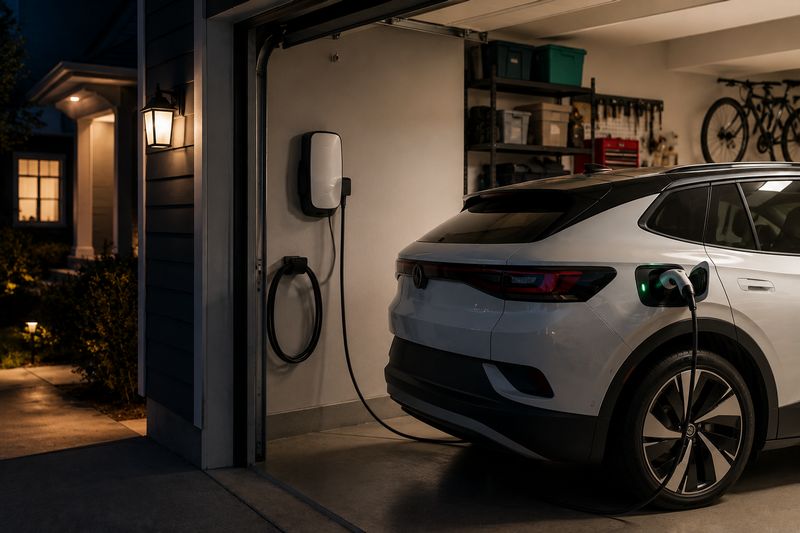
Charging at Home
Home charging is often considered the greatest convenience of EV ownership.
Instead of making special trips to refuel, owners can simply connect the vehicle to a charger overnight. By morning, the battery is ready for another day of driving.
For people with garages, driveways, or dedicated parking spaces, home charging can become part of their daily routine with very little effort.
This approach works particularly well for commuters. For example, someone driving 30 to 50 miles per day may replenish the energy used during the day while sleeping, eliminating the need for frequent visits to public charging stations.
Home charging also tends to provide some of the lowest electricity costs, especially when utilities offer reduced rates during off-peak hours.
Workplace Charging
An increasing number of employers are installing charging stations at offices and business facilities.
Workplace charging allows employees to replenish their batteries while they work, effectively extending the usable range of their vehicles throughout the day.
For individuals with longer commutes, access to charging at work can provide additional peace of mind and reduce reliance on home charging alone.
Some companies offer workplace charging as a free employee benefit, while others charge modest usage fees.
Although not every workplace currently provides this option, its availability continues to expand as electric vehicle adoption increases.
Public Charging Stations
Public charging stations offer flexibility for EV owners who need to charge away from home.
These chargers can often be found in shopping centers, parking garages, hotels, restaurants, entertainment venues, and municipal parking areas.
Public charging is especially useful for apartment residents who lack access to private charging facilities.
Depending on the location, drivers may choose to charge while shopping, dining, or running errands. This allows charging to occur alongside activities that are already part of their daily routine.
While public charging is convenient, relying on it exclusively may require additional planning compared to home charging.
Fast Charging Networks
Fast charging networks are designed primarily for longer trips and situations where rapid charging is necessary.
Unlike standard chargers that may require several hours to replenish a battery, DC fast chargers can add substantial range in a much shorter period.
Many fast charging stations are strategically located along major highways and travel corridors, helping facilitate long-distance EV travel.
For example, a family taking a road trip may stop for a meal or coffee break while their vehicle receives enough energy to continue the journey.
Although fast charging can be extremely convenient, it is generally more expensive than charging at home and is often used as a supplement rather than a primary charging method.
How Long Does It Take to Charge an EV?
Charging time depends on several factors, including battery size, charger type, and the vehicle's maximum charging capability.
Using a standard household outlet provides the slowest charging speeds. This method may work well for drivers with short daily commutes who can leave the vehicle plugged in overnight.
Dedicated home charging equipment significantly reduces charging times and represents the preferred option for many EV owners.
Public charging stations vary considerably in speed. Some provide modest charging rates suitable for extended parking periods, while fast chargers are capable of restoring substantial amounts of range during shorter stops.
It is important to recognize that EV charging differs from filling a gasoline tank. Instead of waiting until the battery is nearly depleted, many owners simply recharge regularly whenever convenient.
Over time, charging becomes less of a special event and more of an ordinary part of vehicle ownership.
How Much Does EV Charging Cost?
Charging costs vary depending on where you charge and local electricity rates.
Home charging is generally the most economical option. Electricity prices differ across regions, but charging an EV often costs less than purchasing gasoline for a comparable driving distance.
Drivers who have access to discounted overnight electricity rates may experience even greater savings.
Public charging costs vary widely. Some locations provide complimentary charging as a customer incentive, while others charge based on energy usage, charging duration, or a combination of factors.
Fast charging networks typically represent the most expensive charging option due to the convenience and infrastructure investment involved.
Even so, many EV owners find that their overall energy expenses remain lower than traditional fuel costs, particularly when the majority of charging occurs at home.
Can You Install a Home Charger?
For homeowners and some renters, installing a dedicated charging station can substantially improve the EV ownership experience.
A professionally installed home charger provides faster charging speeds and increased convenience compared to relying exclusively on a standard electrical outlet.
Before installation, factors such as available electrical capacity, parking arrangements, and local building regulations should be considered.
Many electricians specialize in EV charger installations and can assess whether upgrades to the home's electrical system are necessary.
For individuals planning to keep their EV for several years, installing a home charger may represent a worthwhile investment.
Cost of Installing a Home EV Charger
The cost of installing a home charger depends on several factors.
Simple installations located close to the electrical panel generally cost less than projects requiring substantial electrical upgrades or extensive wiring work.
Expenses may include the charging equipment itself, labor costs, permits, and any modifications necessary to support the charger safely.
While the initial investment can seem significant, many owners view it as an improvement that enhances convenience and simplifies daily charging routines.
Some utility companies and local governments also offer incentives designed to offset installation costs.
Researching available programs before proceeding with installation may help reduce out-of-pocket expenses.
Level 1 vs. Level 2 Home Charging
Home charging is typically divided into two categories: Level 1 and Level 2.
Level 1 charging uses a standard household outlet. It requires no specialized equipment beyond the charging cable supplied with many EVs.
Because charging speeds are relatively slow, Level 1 charging works best for drivers with limited daily mileage and sufficient overnight charging time.
Level 2 charging utilizes dedicated charging equipment connected to a higher-capacity electrical circuit.
This setup delivers substantially faster charging speeds, making it more practical for households with longer commutes or multiple electric vehicles.
Choosing between Level 1 and Level 2 depends largely on your driving patterns and budget. For some owners, standard outlets provide adequate performance. Others benefit greatly from the additional convenience of faster charging capabilities.
How to Find Public Charging Stations While Traveling
Planning ahead can make long-distance EV travel much easier.
Many modern electric vehicles include built-in navigation systems that display nearby charging locations and can recommend charging stops along a route.
Smartphone applications dedicated to EV charging also allow drivers to locate stations, review user feedback, monitor charger availability, and compare charging speeds.
Before embarking on longer trips, it is often wise to identify several charging options along the intended route. Having backup choices can provide additional peace of mind in case a station is temporarily unavailable.
Fortunately, charging infrastructure continues to expand across many regions, making electric vehicle travel increasingly practical.
For most drivers, range anxiety diminishes significantly after gaining real-world experience with charging. Once owners establish routines and become familiar with available resources, charging often feels no more complicated than any other aspect of vehicle ownership.
What to Know About Driving an EV
Driving an electric vehicle is similar to driving a conventional automatic car in many respects. You still accelerate, brake, steer, and follow the same traffic laws. However, several characteristics make the experience distinct.
For many first-time EV drivers, the transition is easier than expected. There is no clutch pedal to learn, no gear shifting to manage, and no special driving techniques required. In fact, many owners describe electric vehicles as simpler and more enjoyable to drive.
Understanding these differences can help eliminate uncertainty and provide a clearer picture of what everyday life with an EV actually looks like.
How Electric Cars Feel to Drive
One of the first things people notice when driving an electric vehicle is how quiet it is.
Unlike gasoline engines that produce noise and vibration during operation, electric motors work almost silently. This creates a calm and refined driving experience, particularly at lower speeds.
The absence of gear changes also contributes to smoother acceleration. Since most EVs use a single-speed transmission, power delivery feels continuous rather than interrupted by shifting.
Many drivers find that electric vehicles feel more relaxing in stop-and-go traffic because of this smoothness. Others appreciate the reduced cabin noise during highway travel.
For someone upgrading from an older gasoline vehicle, the difference can be especially noticeable. What initially feels unusual often becomes one of the most appreciated aspects of EV ownership.
Ultimately, the driving experience tends to feel modern, effortless, and highly responsive.
EV Performance and Acceleration
Electric vehicles have earned a reputation for impressive acceleration, and this characteristic extends far beyond luxury performance models.
Unlike internal combustion engines, which must build power gradually as engine speed increases, electric motors provide maximum torque almost instantly. This allows EVs to accelerate quickly from a standstill.
Even relatively affordable electric vehicles often deliver stronger initial acceleration than comparable gasoline-powered alternatives.
This responsiveness can improve confidence when merging onto highways, overtaking slower traffic, or navigating busy intersections.
However, faster acceleration does not necessarily mean EVs are difficult to control. Most drivers adapt quickly to the more immediate throttle response.
It is also worth noting that performance varies significantly between models. Some EVs prioritize efficiency and comfort, while others emphasize sporty driving characteristics.
For budget-conscious buyers, it is important to remember that everyday practicality often matters more than maximum acceleration figures.
Regenerative Braking Explained
Regenerative braking is one of the defining features of electric vehicle operation.
In a conventional car, pressing the brake pedal converts kinetic energy into heat through friction. This energy is essentially lost.
Electric vehicles can recover a portion of this energy during deceleration. When the driver lifts off the accelerator, the electric motor can function as a generator, converting some of the vehicle's momentum back into electricity and storing it in the battery.
This process is known as regenerative braking.
Depending on the vehicle, regenerative braking may feel subtle or more pronounced. Some EVs allow drivers to adjust the level of regeneration according to personal preference.
Certain models even support "one-pedal driving," where lifting off the accelerator slows the vehicle significantly enough that the brake pedal is used less frequently in everyday traffic.
In addition to improving efficiency and extending range, regenerative braking can reduce wear on traditional brake components.
While the sensation may initially feel unfamiliar, many EV owners quickly grow to appreciate its convenience and effectiveness.
Do You Need a Special Driving Licence for an EV?
For most drivers, no special licence is required to operate an electric vehicle.
If you are legally permitted to drive a conventional passenger car, the same licence typically allows you to drive an electric car as well.
Electric vehicles follow the same traffic laws and general operating principles as other passenger vehicles. There are no additional tests or certifications required solely because the vehicle uses an electric powertrain.
The primary exception involves larger commercial vehicles, which may require specialized licensing regardless of whether they are powered by electricity or traditional fuels.
For the average consumer considering an electric sedan, SUV, hatchback, or pickup truck, transitioning to an EV does not involve additional licensing requirements.
This simplicity makes EV adoption much more accessible than some prospective buyers expect.
Are Electric Vehicles Safe?
Safety remains one of the most important considerations when purchasing any vehicle, and electric vehicles are designed with this priority in mind.
Modern EVs undergo rigorous crash testing and must meet the same regulatory safety standards as gasoline-powered vehicles.
In some cases, the structural design of electric vehicles may contribute to favorable safety outcomes. Because large battery packs are often mounted low within the chassis, EVs can benefit from a lower center of gravity, potentially reducing rollover risk.
Additionally, the absence of a large front-mounted engine may allow engineers greater flexibility when designing crumple zones intended to absorb impact energy during collisions.
Many electric vehicles also include advanced safety technologies such as automatic emergency braking, lane-keeping assistance, adaptive cruise control, blind-spot monitoring, and collision warning systems.
Concerns occasionally arise regarding battery fires following severe accidents. While such incidents can occur, they remain relatively uncommon. Modern battery systems incorporate multiple protective measures designed to minimize risk.
As with any vehicle purchase, buyers should review independent crash test ratings and available safety features when comparing models.
Ultimately, electric vehicles can offer safety levels comparable to — and in some cases exceeding — those of traditional gasoline-powered cars.
For many people, the biggest surprise about driving an EV is how ordinary it becomes after the initial adjustment period. The learning curve is typically short, while the benefits of smooth acceleration, quiet operation, and reduced maintenance may be appreciated every day.
Electric Vehicle Maintenance and Reliability
Maintenance costs often play a major role in the decision to switch from a gasoline-powered vehicle to an electric one. Many drivers are attracted to EVs because they eliminate several common service requirements associated with internal combustion engines.
No oil changes, no spark plugs, and no exhaust systems can translate into meaningful savings over time. At the same time, electric vehicles still require regular inspections and preventive maintenance to remain safe and reliable.
For budget-conscious buyers, especially those considering a used EV, understanding what maintenance to expect can help avoid surprises and provide a clearer picture of total ownership costs.
Are EVs More Reliable Than Gas Cars?
Electric vehicles generally have fewer mechanical components than traditional gasoline-powered cars.
A conventional engine contains hundreds of moving parts working together under high temperatures and pressure. EVs eliminate many of these systems entirely. There is no engine oil, fuel injection system, timing belt, catalytic converter, or multi-speed automatic transmission requiring routine service.
Because of this simplified design, EVs often experience fewer mechanical failures related to powertrain components.
However, reliability depends on more than just the motor itself. Like all vehicles, EVs still contain suspension components, electronic systems, climate control equipment, tires, and braking systems that may require maintenance or repairs over time.
Newer EV models have generally demonstrated strong reliability, although experiences can vary between manufacturers and individual models.
For buyers considering used electric vehicles, researching the reliability history of specific models remains just as important as it would be when purchasing a gasoline-powered car.
How Often Should You Service an EV?
Although electric vehicles require less maintenance overall, regular servicing remains important.
Manufacturers typically recommend periodic inspections based on either mileage intervals or time intervals. These visits often focus on evaluating safety systems, checking fluid levels, inspecting tires and brakes, and monitoring battery-related systems.
Because service requirements differ between brands and models, owners should consult the maintenance schedule outlined in the vehicle's owner's manual.
For example, some manufacturers recommend annual inspections regardless of mileage, while others specify service intervals every 10,000 to 20,000 miles.
Even if an EV appears to be operating normally, skipping scheduled maintenance may increase the likelihood of preventable issues developing over time.
Routine servicing helps ensure that all systems continue functioning properly and that small problems are identified before becoming expensive repairs.
What Maintenance Does an EV Require?
Electric vehicles eliminate several traditional maintenance items, but they still require ongoing care.
Common maintenance tasks may include tire rotations, brake inspections, cabin air filter replacements, windshield wiper replacement, suspension checks, and monitoring of battery cooling systems.
Brake fluid may also require periodic replacement depending on manufacturer recommendations.
Unlike gasoline vehicles, EV owners do not need to schedule regular oil changes or many engine-related services. This reduction in maintenance complexity is one reason many drivers find EV ownership appealing.
However, ignoring routine inspections simply because the vehicle lacks an engine can be costly in the long run.
Maintaining an EV properly contributes to safety, efficiency, and long-term reliability.
Tire Maintenance
Tires remain one of the most important maintenance considerations for electric vehicle owners.
Because EV batteries add weight to the vehicle and electric motors deliver instant torque, tires may experience different wear patterns compared to those on conventional cars.
Regular tire rotations help promote even tread wear and extend tire life. Maintaining proper inflation pressure is equally important, as underinflated tires can reduce efficiency and negatively impact driving range.
Drivers should also monitor tread depth and inspect tires periodically for signs of uneven wear or damage.
Proper tire maintenance supports both safety and energy efficiency, making it a crucial aspect of EV ownership.
Brake System Maintenance
Although electric vehicles use regenerative braking to recover energy during deceleration, their traditional braking systems still require attention.
Regenerative braking often reduces the frequency with which friction brakes are used. As a result, brake pads and rotors may last significantly longer than they would in many gasoline-powered vehicles.
However, infrequent use can sometimes contribute to corrosion or uneven wear, particularly in regions with harsh weather conditions.
Routine brake inspections help ensure that braking components remain in good condition and continue functioning properly when needed.
Brake fluid should also be checked and replaced according to manufacturer recommendations.
While EV owners may spend less on brake-related maintenance overall, periodic inspections remain essential.
Battery Cooling System Checks
Many modern electric vehicles rely on thermal management systems to maintain appropriate battery temperatures.
These systems help protect battery performance, optimize charging efficiency, and support long-term durability.
Depending on the vehicle design, battery cooling systems may utilize specialized coolant that requires periodic inspection or replacement.
Although these maintenance intervals are often infrequent, neglecting thermal management components could potentially affect battery health over time.
Following manufacturer guidelines regarding cooling system maintenance helps preserve one of the vehicle's most valuable components.
For buyers planning to keep an EV for many years, understanding these requirements can contribute to better long-term ownership outcomes.
Electric Vehicle Inspections and MOT Requirements
Electric vehicles are still subject to many of the same inspection requirements as traditional cars.
Depending on local regulations, EV owners may need to comply with annual safety inspections, periodic roadworthiness evaluations, or mandatory testing programs such as MOT inspections.
The specific items examined vary by jurisdiction but often include lighting systems, tires, steering components, suspension, braking performance, and general vehicle condition.
Unlike gasoline vehicles, EVs typically do not require emissions testing because they produce no tailpipe emissions.
Nevertheless, regular inspections remain important for identifying safety concerns and ensuring compliance with legal requirements.
Prospective buyers should familiarize themselves with the regulations applicable in their area to avoid unexpected administrative or maintenance obligations.
EV Repair Costs Compared to Traditional Vehicles
Repair costs are one area where electric vehicle ownership presents both opportunities and challenges.
On one hand, EVs eliminate many common repair expenses associated with internal combustion engines. There are no oil leaks to address, no exhaust systems to replace, and no engine timing components requiring maintenance.
This reduction in mechanical complexity may contribute to lower ownership costs over time.
On the other hand, certain EV-specific repairs can be expensive. Specialized diagnostic procedures, advanced electronic systems, and high-voltage components may require technicians with additional training.
Body repairs can also become more costly in some cases due to the structural integration of battery systems and the need to follow manufacturer-approved repair procedures.
Fortunately, severe battery-related failures remain relatively uncommon, particularly among newer models still covered by warranty protection.
For many owners, the reduction in routine maintenance expenses outweighs the occasional higher-cost repair scenario.
Ultimately, electric vehicles are neither maintenance-free nor prohibitively expensive to maintain. They simply require a different approach to ownership. By understanding which services remain necessary and which traditional expenses disappear, buyers can make more informed financial decisions and determine whether an EV aligns with their long-term transportation goals.
Insurance and Protection for EV Owners
Buying an electric vehicle involves more than choosing the right model and arranging financing. Like any other car, an EV should be properly insured and protected against unexpected events.
Because electric vehicles use different technologies than conventional gasoline-powered cars, many buyers wonder whether insurance costs are higher or whether specialized coverage is necessary. The answer depends on several factors, including the vehicle itself, the driver's profile, and the type of protection selected.
For budget-conscious consumers, understanding these costs before making a purchase can prevent unpleasant surprises and contribute to a more accurate estimate of total ownership expenses.
Is Electric Car Insurance More Expensive?
Electric vehicle insurance is sometimes more expensive than coverage for comparable gasoline-powered cars, but this is not always the case.
Several factors contribute to the perception that EV insurance costs more. Many electric vehicles have relatively high purchase prices, advanced technology systems, and specialized components that can increase repair expenses following an accident.
For example, replacing damaged sensors, cameras, or battery-related components may require specially trained technicians and manufacturer-approved repair procedures.
However, insurance premiums vary significantly depending on the specific vehicle being insured. A used compact EV may cost considerably less to insure than a high-performance luxury electric vehicle.
Driver characteristics also play an important role. Age, driving history, annual mileage, geographic location, and coverage selections often influence premiums more than the vehicle's powertrain alone.
Rather than assuming that all EVs are expensive to insure, buyers should obtain quotes for the specific models they are considering before making a final decision.
Factors That Affect EV Insurance Rates
Insurance companies evaluate numerous factors when determining premiums for electric vehicles.
One of the most important considerations is the value of the vehicle itself. Higher-priced EVs generally cost more to insure because they represent larger potential payouts in the event of a total loss.
Repair costs may also influence premiums. Some electric vehicles require specialized parts or certified repair facilities, which can increase claim expenses.
The availability and cost of replacement components may affect pricing as well. Vehicles with limited parts availability sometimes generate higher insurance costs.
Driver-related factors remain equally important. Insurers typically consider:
- Driving history and previous claims;
- Age and years of driving experience;
- Annual mileage;
- Geographic location;
- Credit-based insurance scores where permitted by law;
- Chosen deductible amounts;
- Coverage limits and optional endorsements.
Safety features can occasionally contribute to lower premiums. Advanced driver assistance technologies designed to reduce collision risk may positively influence insurance costs in certain situations.
Because each insurer uses its own rating methods, shopping around and comparing quotes can often lead to meaningful savings.
EV Breakdown Cover: Do You Need It?
Breakdown coverage, sometimes referred to as roadside assistance, provides support if your vehicle becomes disabled and cannot continue its journey.
Many of the situations covered by traditional roadside assistance apply equally to electric vehicles. Flat tires, dead 12-volt batteries, lockouts, and towing needs can affect any type of car.
However, EV owners may also wish to consider coverage that addresses charging-related situations.
For instance, some roadside assistance providers offer transportation to the nearest charging station if the vehicle runs out of battery power. Others provide mobile charging services capable of delivering enough electricity to allow the driver to continue to an appropriate charging location.
Whether breakdown coverage is necessary depends largely on individual circumstances.
Drivers who frequently travel long distances, rely heavily on public charging infrastructure, or simply value the added peace of mind may find roadside assistance worthwhile.
On the other hand, someone who drives short distances, charges regularly at home, and already receives roadside assistance through another program may decide that additional coverage is unnecessary.
Evaluating your driving habits can help determine whether EV-specific roadside protection makes sense for your situation.
Extended Warranties for Electric Cars
Extended warranties are designed to provide protection beyond the manufacturer's original warranty period.
For electric vehicle owners, these products can offer reassurance regarding unexpected repair expenses after factory coverage expires. However, not all extended warranties provide the same value.
One important consideration is understanding what is already covered by the manufacturer.
Many EVs include separate battery warranties lasting approximately eight years or around 100,000 miles. These warranties often provide substantial protection against battery defects and excessive capacity loss during the covered period.
As a result, buyers should carefully review existing warranty coverage before purchasing additional protection.
Extended warranty plans may cover components such as electronic systems, climate control equipment, suspension parts, and certain drivetrain elements. Coverage details vary significantly depending on the provider and policy selected.
Before committing to an extended warranty, consumers should consider several questions:
- Which components are covered?
- Are battery-related repairs included or excluded?
- What deductibles apply?
- Are there mileage limitations?
- Can repairs be performed at independent facilities, or must they occur at authorized dealerships?
- What is the reputation of the warranty provider?
For buyers purchasing older used EVs with expired factory coverage, a reputable extended warranty may provide valuable financial protection.
However, these plans are not automatically beneficial for every owner. The cost of coverage should be weighed against the likelihood of future repairs and the owner's ability to absorb unexpected expenses.
Ultimately, protecting an electric vehicle involves balancing cost, risk tolerance, and peace of mind. Insurance coverage, roadside assistance, and extended warranties all represent tools that can help manage the financial uncertainties associated with vehicle ownership.
For budget-conscious buyers, the goal should not necessarily be purchasing every available protection product. Instead, it is selecting the coverage options that provide meaningful value based on individual driving habits, financial circumstances, and long-term ownership plans.
Buying a Used EV: Essential Inspection Checklist
A used electric vehicle can represent tremendous value for budget-conscious buyers. In some cases, shoppers can save thousands of dollars compared to purchasing a new EV while still benefiting from advanced safety features, modern technology, and lower maintenance requirements.
At the same time, not every used EV is a good deal. A vehicle with unresolved battery issues, missing charging equipment, or an incomplete service history may ultimately cost more than anticipated.
The good news is that many of these risks can be minimized through a thorough inspection process. By reviewing the vehicle's history, evaluating battery condition, and confirming that key components are functioning properly, buyers can approach the purchase with greater confidence.
Review the Vehicle History Report
A vehicle history report should be one of the first resources consulted when evaluating any used electric vehicle.
These reports often provide valuable information regarding previous ownership, title status, reported accidents, odometer records, and insurance claims. They may also reveal whether the vehicle has been declared a total loss, sustained flood damage, or undergone significant repairs.
For buyers considering auction vehicles, reviewing the vehicle history becomes even more important. Understanding how the vehicle was used and whether it experienced prior damage can help identify potential concerns before bidding.
Pay close attention to inconsistencies in mileage records, salvage branding, or repeated ownership changes over short periods of time.
A clean history report does not guarantee that the vehicle is problem-free, but it can provide an important foundation for further evaluation.
Verify the Battery Warranty Coverage
Battery warranty coverage represents one of the most valuable protections available to EV owners.
Many manufacturers offer battery warranties lasting approximately eight years or around 100,000 miles, although exact terms vary depending on the brand and model.
Before purchasing a used EV, determine whether any battery warranty coverage remains active. In addition, confirm whether the warranty transfers automatically to subsequent owners.
Remaining warranty protection can significantly reduce financial risk, particularly if unexpected battery-related issues arise after the purchase.
Ask the seller for warranty documentation when possible, and verify coverage directly through the manufacturer if necessary.
Knowing that a battery remains protected may provide important peace of mind, especially for first-time EV buyers.
Check the Battery State of Health
The battery is one of the most expensive and important components in an electric vehicle.
Unlike gasoline engines, which are often evaluated through mechanical inspections, EV batteries require a different approach. One of the most useful measurements is the battery's State of Health (SOH).
State of Health estimates how much of the battery's original capacity remains available. Some reduction in capacity is entirely normal as the vehicle ages, but excessive degradation may affect both driving range and overall value.
Certain EV models provide battery health information directly through onboard displays, while others require specialized diagnostic tools to obtain more detailed assessments.
When evaluating a used EV, compare the vehicle's current estimated range with its original specifications while considering age and mileage.
If battery condition information is unavailable, arranging a professional evaluation may be worthwhile before proceeding with the purchase.
Inspect Charging Equipment and Accessories
Charging equipment is an important but sometimes overlooked aspect of used EV purchases.
Many electric vehicles originally include charging cables, adapters, and related accessories. Replacing missing equipment after the purchase can add unexpected expenses.
Verify that the charging cable is present and inspect it for signs of damage or excessive wear. If the vehicle supports multiple charging methods, confirm which accessories are included in the sale.
It is also helpful to test the charging process whenever possible. Connecting the vehicle to a charger and confirming that charging begins normally can help identify potential issues.
Although charging accessories may seem minor compared to battery health, ensuring that everything functions properly contributes to a smoother ownership experience.
Evaluate Software Updates and Service Records
Software plays an increasingly important role in modern electric vehicles.
Manufacturers frequently release updates designed to improve battery management, enhance vehicle performance, address known issues, or introduce new features.
Reviewing service records can provide insight into how well the vehicle has been maintained throughout its life. Documentation showing regular maintenance and completed manufacturer campaigns often reflects responsible ownership.
Ask whether the vehicle has received recommended software updates and whether all applicable recalls have been addressed.
While a missing service record does not necessarily indicate a problem, comprehensive documentation may increase confidence in the vehicle's overall condition.
Well-maintained EVs often continue to provide reliable transportation for many years after their original purchase.
Test Drive the Vehicle
A test drive remains one of the most important parts of evaluating a used electric vehicle.
During the drive, pay attention to acceleration, steering response, braking performance, suspension behavior, and overall ride quality.
Because electric vehicles operate quietly, unusual noises from suspension components, wheel bearings, or other systems may be easier to detect.
Observe whether the estimated range appears reasonable relative to the battery charge level. Monitor the dashboard for warning messages or indicators that may suggest unresolved issues.
If regenerative braking settings can be adjusted, experiment with different modes to ensure they function properly.
Also evaluate practical considerations such as seating comfort, visibility, cargo space, and ease of using the infotainment system.
Even if the vehicle appears excellent on paper, the driving experience should align with your expectations and daily needs.
Have the EV Professionally Inspected
A professional inspection represents one of the best investments a used EV buyer can make.
Technicians experienced with electric vehicles possess specialized knowledge that may allow them to identify issues that are difficult for average consumers to detect.
A comprehensive inspection may include evaluation of battery systems, charging components, suspension parts, brakes, tires, cooling systems, and overall vehicle condition.
For buyers purchasing through online auctions, arranging an inspection after delivery may help identify necessary repairs before the vehicle enters regular service.
Although professional inspections involve an additional upfront cost, they can potentially prevent much larger expenses later.
For someone trying to maximize value while minimizing risk, spending a few hundred dollars on expert evaluation may be one of the smartest financial decisions in the entire purchasing process.
Buying a used EV successfully requires balancing opportunity with caution. Lower purchase prices can create substantial savings, but thorough research remains essential. By following a structured inspection process and paying particular attention to battery-related considerations, buyers can confidently pursue the advantages of used EV ownership while reducing the likelihood of costly surprises.
Buying an EV From an Auto Auction
Auto auctions have become an increasingly popular way to purchase used vehicles, including electric cars. Insurance companies, financial institutions, rental fleets, and dealerships regularly sell vehicles through auction platforms, creating opportunities for buyers to access a wide selection of EVs.
For shoppers focused on maximizing value, auctions can offer substantial savings compared to retail prices. However, these opportunities come with additional responsibilities. Unlike walking into a dealership and purchasing a fully reconditioned vehicle, auction buyers often need to conduct their own research and carefully evaluate potential risks.
The key to a successful auction purchase is preparation. Buyers who understand the process and approach bidding strategically can often secure excellent deals while avoiding costly surprises.
Why Consider an Auction EV?
The primary reason many people consider auction vehicles is affordability.
Electric vehicles can carry higher price tags when sold through traditional retail channels. Auctions may provide access to the same models at lower prices, making EV ownership attainable for buyers with limited budgets.
Auctions also offer a broader selection. Buyers can compare multiple makes, models, mileage ranges, and vehicle conditions from across the country rather than being limited to local dealership inventory.
For example, someone searching for an affordable used EV with modern safety features may discover options at auction that are unavailable within their immediate area.
In addition, some auction vehicles require only minor cosmetic repairs, allowing buyers to obtain substantial savings without sacrificing reliability.
For individuals willing to invest time in research, auctions can represent one of the most effective ways to stretch a vehicle budget.
Potential Savings Compared to Retail Prices
One of the biggest advantages of purchasing an EV through an auction is the possibility of paying less than retail market value.
Dealerships incur expenses related to transportation, inspections, reconditioning, warranties, and overhead costs. These expenses are often reflected in the final selling price.
Auction vehicles, by contrast, may be sold closer to their wholesale value.
For instance, a used electric SUV listed at a dealership for $28,000 might be available at auction for considerably less. Even after accounting for auction fees and transportation expenses, the overall cost could still remain below retail pricing.
However, savings are not guaranteed.
Buyers who fail to research vehicle history, underestimate repair costs, or become emotionally involved in bidding may eliminate much of the potential financial advantage.
Successful auction buyers establish clear budgets, understand the vehicle's condition, and remain disciplined throughout the bidding process.
Understanding Auction Vehicle Conditions
Auction vehicles are offered in a variety of conditions, making it essential to understand exactly what is being purchased.
Some EVs entering auction inventories have clean titles and have simply been retired from fleet service or traded in by previous owners. Others may have sustained accident damage, cosmetic imperfections, or insurance-related losses.
Vehicle descriptions and photographs provide important information, but they should not be viewed as substitutes for thorough research.
Pay close attention to title status, damage disclosures, odometer readings, and any available condition reports.
For electric vehicles specifically, buyers should also evaluate factors such as battery health, remaining warranty coverage, and whether charging equipment is included.
Not every auction vehicle represents a bargain. Understanding the condition category of the vehicle helps determine whether it aligns with your budget, expectations, and willingness to address potential repairs.
How to Research an EV Before Bidding
Preparation is one of the most important factors influencing auction success.
Before placing a bid, gather as much information as possible about the vehicle under consideration.
Start by reviewing the vehicle history report. This may reveal previous accidents, title branding, ownership history, and mileage records.
Research the specific EV model to understand common reliability concerns, battery warranty terms, and typical resale values.
Whenever battery health information is available, review it carefully. Since the battery is one of the vehicle's most valuable components, understanding its condition is critical.
Estimate potential repair costs realistically. Cosmetic damage may appear minor in photographs but could require more extensive repairs than initially expected.
It is also wise to establish a maximum bidding amount before the auction begins. This limit should include anticipated fees, transportation expenses, taxes, and any post-purchase repairs.
Approaching the process methodically can help buyers avoid impulsive decisions that undermine potential savings.
Additional Costs to Consider
One of the most common mistakes first-time auction buyers make is focusing exclusively on the winning bid amount.
In reality, the purchase price represents only part of the total investment required.
Additional expenses may include auction fees, transportation charges, registration costs, taxes, and repairs.
Understanding these costs before bidding allows buyers to evaluate whether a vehicle truly fits within their budget.
A vehicle that initially appears inexpensive may become far less attractive once all associated expenses are considered.
Building these costs into your calculations from the beginning helps ensure a more accurate assessment of overall value.
Auction Fees
Auction fees vary depending on the platform used and the final selling price of the vehicle.
These fees may include buyer fees, administrative charges, documentation fees, and service charges associated with participating through licensed brokers.
For example, winning a vehicle for $15,000 does not necessarily mean your total purchase cost is limited to that amount. Additional fees may increase the final price substantially.
Before participating in any auction, review the applicable fee schedule carefully.
Understanding the full fee structure helps prevent unexpected expenses and supports more informed bidding decisions.
Transportation Costs
Transportation expenses are another important consideration, particularly when purchasing vehicles located far from home.
Once the auction is complete, the vehicle must often be transported from the auction facility to its final destination.
Transportation costs vary depending on distance, vehicle operability, shipping method, and geographic location.
For buyers purchasing through national auction platforms, transportation can represent a meaningful portion of the total acquisition cost.
Requesting shipping estimates in advance allows buyers to incorporate these expenses into their overall budget.
Ignoring transportation costs may result in unpleasant financial surprises after the auction concludes.
Registration and Taxes
After purchasing an auction vehicle, buyers must still complete the registration process required by their state or local jurisdiction.
This often includes title transfer fees, registration charges, and applicable taxes.
Requirements vary depending on where the vehicle will ultimately be registered.
Some states may impose additional inspection requirements before registration is approved, particularly if the vehicle carries a rebuilt or salvage title.
Researching local regulations beforehand helps streamline the post-purchase process and ensures compliance with legal requirements.
These administrative costs should always be included when estimating the total price of an auction purchase.
Tips for First-Time Auction Buyers
Entering an auto auction for the first time can feel intimidating, especially for buyers unfamiliar with the process.
Fortunately, a few simple strategies can greatly improve the experience.
Start by setting a realistic budget and refusing to exceed it, regardless of how competitive the bidding becomes. Emotional bidding often transforms good opportunities into expensive mistakes.
Research multiple vehicles rather than focusing exclusively on one option. Having alternatives reduces pressure and increases flexibility.
Review vehicle history reports, study photographs carefully, and investigate the reputation of specific EV models before participating.
If you are considering a vehicle requiring repairs, obtain repair estimates whenever possible. Underestimating repair costs is one of the most common pitfalls among inexperienced buyers.
For those unfamiliar with auction procedures, working with experienced auction professionals can provide valuable guidance throughout the process.
Most importantly, remain patient. The right vehicle at the right price may not appear immediately, but disciplined buyers often achieve better results over time.
For budget-conscious consumers, auto auctions can provide access to electric vehicles that might otherwise be financially unattainable. While this purchasing method requires additional preparation and due diligence, the potential savings can be substantial. By researching thoroughly, budgeting carefully, and approaching the process strategically, buyers can take advantage of auction opportunities while minimizing unnecessary risks.
Environmental Impact of Electric Vehicles
Electric vehicles are often promoted as a cleaner alternative to traditional gasoline-powered cars. While there is truth to this claim, the environmental benefits of EVs should be viewed through a broader lens that considers the entire lifecycle of the vehicle.
Questions surrounding battery production, resource extraction, and electricity generation have become increasingly important as EV adoption accelerates worldwide. Rather than viewing the issue as a simple comparison between "good" and "bad," it is more accurate to recognize that every type of transportation carries environmental consequences.
The goal is to understand how electric vehicles fit into the larger effort to reduce emissions, improve air quality, and promote more sustainable transportation practices.
Are EVs Better for the Environment?
In many situations, electric vehicles can offer environmental advantages compared to conventional gasoline-powered cars.
One of the most significant differences is the absence of tailpipe emissions. Unlike internal combustion engines, battery electric vehicles do not release carbon dioxide, nitrogen oxides, or other pollutants directly into the atmosphere during operation.
Over time, this can contribute to lower overall greenhouse gas emissions, particularly when the electricity used for charging comes from renewable or lower-emission energy sources.
However, environmental comparisons should consider the entire lifecycle of the vehicle. Manufacturing an EV, especially producing its battery, often requires more energy than manufacturing a comparable gasoline-powered vehicle.
As a result, EVs may begin their lives with a larger manufacturing-related carbon footprint. Many studies suggest that this initial difference can be offset during the vehicle's operational life through reduced emissions associated with driving.
The exact environmental outcome depends on several factors, including local electricity generation methods, annual mileage, and how long the vehicle remains in service.
For most drivers, especially those who keep their vehicles for many years, electric vehicles have the potential to reduce overall environmental impact compared to conventional alternatives.
Understanding the EV Manufacturing Footprint
Manufacturing any vehicle requires raw materials, energy, and industrial processes that contribute to environmental impacts.
Electric vehicles introduce additional considerations because of the materials used in battery production. Lithium, nickel, cobalt, and other minerals commonly associated with EV batteries must be extracted, processed, and incorporated into battery cells.
These activities can involve environmental challenges related to resource use, water consumption, habitat disruption, and energy requirements.
It is important to recognize that conventional vehicles also rely on extensive supply chains involving steel production, aluminum processing, plastics manufacturing, and petroleum extraction.
The difference lies primarily in the concentration of environmental impacts. EV manufacturing tends to involve greater emissions upfront due to battery production, while gasoline vehicles continue generating emissions throughout their operational lives through fuel combustion.
As battery technologies evolve, manufacturers are actively working to improve efficiency, reduce material intensity, and increase the use of responsibly sourced components.
Understanding these complexities allows consumers to approach environmental discussions surrounding EVs with greater nuance and realism.
Battery Recycling and Sustainability
Battery recycling represents one of the most important aspects of improving the long-term sustainability of electric vehicles.
EV batteries do not automatically become waste when their performance declines below automotive requirements. In some cases, batteries may be repurposed for secondary applications such as stationary energy storage systems.
Eventually, batteries can be processed through recycling programs designed to recover valuable materials including lithium, nickel, cobalt, and copper.
Recovering these resources may reduce dependence on newly mined materials and support the development of a more circular supply chain.
Although battery recycling infrastructure continues to expand, the industry remains relatively young. As larger numbers of electric vehicles reach the end of their useful lives, recycling capacity and technological capabilities are expected to grow.
Manufacturers, governments, and private companies are investing heavily in recycling solutions aimed at improving resource efficiency and reducing environmental impacts associated with battery production.
For consumers concerned about sustainability, these developments suggest that battery management practices will likely become increasingly effective over time.
How EVs Contribute to Better Air Quality
One of the most immediate environmental benefits associated with electric vehicles relates to local air quality.
Traditional gasoline and diesel vehicles emit pollutants that contribute to smog formation and may negatively affect human health, particularly in densely populated urban areas.
Electric vehicles eliminate tailpipe emissions entirely. As a result, widespread EV adoption has the potential to reduce concentrations of pollutants linked to respiratory problems and cardiovascular disease.
For people living in cities with heavy traffic congestion, improvements in local air quality may provide meaningful public health benefits.
While electricity generation can still produce emissions depending on the energy sources involved, these emissions occur at centralized facilities rather than directly within neighborhoods and urban corridors where people live, work, and attend school.
As power grids increasingly incorporate renewable energy sources such as solar, wind, and hydroelectric power, the environmental benefits associated with EV operation may continue to increase.
It is important to acknowledge that electric vehicles are not a complete solution to every environmental challenge related to transportation. Traffic congestion, resource consumption, and broader sustainability concerns remain relevant regardless of vehicle type.
Nevertheless, EVs represent one of several tools available for reducing transportation-related emissions and improving urban air quality.
Ultimately, the environmental impact of electric vehicles should be evaluated through a balanced and evidence-based perspective. EVs are neither completely impact-free nor environmentally insignificant. They offer meaningful opportunities to reduce emissions and improve air quality while also presenting challenges related to manufacturing and resource use.
Common Concerns About Buying an EV
Every major shift in automotive technology brings questions and uncertainty. Electric vehicles are no exception.
Prospective buyers often wonder whether they will have enough driving range, what happens if they cannot find a charging station, or whether batteries remain safe after years of use. These concerns are not irrational. In fact, they are important topics to explore before making a purchasing decision.
The good news is that many EV owners discover their initial worries become far less significant after gaining firsthand experience. By understanding the realities of EV ownership, buyers can approach the decision with greater confidence and more realistic expectations.
What About Range Anxiety?
Range anxiety refers to the fear that an electric vehicle will run out of charge before reaching its destination or a suitable charging location.
For many people considering their first EV, this is the biggest psychological barrier to ownership.
In practice, however, range anxiety often decreases significantly after a few weeks of driving an electric vehicle. Most people quickly realize that their daily transportation needs are far more predictable than they initially assumed.
For example, a commuter who drives 35 miles per day may discover that even a modest-range EV provides several days' worth of driving before charging becomes necessary.
Modern electric vehicles frequently offer ranges that comfortably exceed the requirements of typical daily routines. Combined with home charging, many owners rarely think about range during normal use.
That said, range anxiety may still be a legitimate consideration for individuals who regularly drive long distances, lack convenient charging access, or live in areas with limited charging infrastructure.
Choosing an EV with appropriate range capabilities and planning longer trips carefully can significantly reduce these concerns.
Are There Enough Charging Stations?
Charging infrastructure has expanded considerably in recent years, but availability still varies depending on location.
In urban and suburban areas, public charging stations are becoming increasingly common. Many shopping centers, hotels, workplaces, parking facilities, and highway rest stops now offer EV charging options.
Drivers who primarily charge at home may use public charging only occasionally. For them, public infrastructure serves mainly as a backup resource during longer trips.
However, individuals living in apartment buildings without dedicated parking may depend more heavily on public charging networks. In these situations, evaluating local charging availability before purchasing an EV is particularly important.
The answer to whether there are "enough" charging stations depends largely on how and where you intend to use the vehicle.
Infrastructure continues to improve as EV adoption increases, but prospective buyers should honestly assess the charging resources available within their own communities.
What Happens During Power Outages?
Power outages are another concern frequently raised by potential EV buyers.
During an outage, charging availability may become temporarily limited, particularly if home charging equipment relies on the affected electrical grid.
However, it is worth recognizing that gasoline infrastructure can also be disrupted during emergencies. Gas stations often require electricity to operate fuel pumps, process payments, and manage inventory systems.
Many EV owners maintain a habit of charging regularly rather than waiting until the battery is nearly depleted. This routine often results in higher average battery levels compared to the fuel levels maintained by some gasoline vehicle owners.
For individuals living in areas prone to severe weather or prolonged outages, contingency planning may provide additional reassurance. This could include identifying nearby charging locations with backup power capabilities or maintaining access to alternative transportation when necessary.
Although power outages can affect EV charging, they do not automatically render electric transportation impractical.
Are EV Batteries Safe?
Battery safety remains an important topic in discussions about electric vehicles.
Modern EV batteries are engineered with multiple layers of protection designed to minimize the risk of malfunction. Sophisticated battery management systems continuously monitor temperature, voltage, and overall performance.
In the event of a collision, manufacturers incorporate protective structures intended to shield battery components from damage.
News reports involving battery fires often receive substantial media attention because the technology remains relatively new to many consumers. However, it is important to view these events within the broader context of overall vehicle safety.
Gasoline-powered vehicles also present fire risks due to the presence of combustible fuels and high-temperature engine components.
While no transportation technology is entirely free of risk, modern electric vehicles undergo extensive safety testing and must comply with strict regulatory standards before reaching consumers.
Prospective buyers should review independent safety ratings and manufacturer information to better understand the protections built into the vehicles they are considering.
Can EVs Handle Long-Distance Travel?
Many people assume electric vehicles are suitable only for short commutes and local errands.
While this perception may have reflected the limitations of some earlier EV models, many modern electric vehicles are fully capable of handling long-distance travel.
The primary difference lies in planning.
Unlike gasoline vehicles that can be refueled almost anywhere within a matter of minutes, EV road trips typically require identifying charging stops in advance. Charging breaks may also take longer than traditional refueling stops.
For some drivers, this additional planning represents a minor inconvenience. For others, particularly those who travel frequently for work or regularly cover extremely long distances, it may influence vehicle choice.
Fortunately, fast charging networks continue to expand, reducing many of the challenges previously associated with electric road trips.
In reality, the majority of households use their vehicles primarily for local transportation and only occasionally undertake lengthy journeys. For these drivers, an EV may meet virtually all of their transportation needs.
Those who frequently travel long distances should carefully evaluate charging infrastructure along their typical routes and select a vehicle with range characteristics appropriate for their lifestyle.
Ultimately, many of the concerns surrounding electric vehicle ownership stem from unfamiliarity rather than insurmountable obstacles. Range anxiety, charging availability, battery safety, and long-distance travel are all valid topics worthy of consideration. However, they should be evaluated based on individual circumstances rather than assumptions or outdated perceptions.
For some buyers, these concerns may indicate that waiting a few more years before switching to an EV makes sense. For many others, the benefits of electric ownership already outweigh the remaining challenges.
Should You Buy an EV Now or Wait?
The electric vehicle market has changed dramatically over the past decade. What was once considered an experimental technology has become a practical transportation option for millions of drivers around the world.
As more manufacturers enter the EV market, consumers now have access to a broader range of vehicles at different price points. Improved battery technology, expanding charging infrastructure, and increasing competition continue to reshape the industry.
Despite these advances, some buyers remain uncertain about whether this is the right time to make the transition to electric driving. Should you buy an EV now, or would it be smarter to wait for the next generation of technology?
There is no universal answer. The best choice depends on how well today's EVs align with your current needs rather than what future developments might bring.
Reasons to Buy an EV Today
For many consumers, there are compelling reasons to consider purchasing an electric vehicle now.
One of the biggest advantages is the opportunity to reduce ongoing operating expenses. Electricity often costs less than gasoline, and EVs generally require less routine maintenance due to their simpler mechanical design.
Buyers may also benefit from available financial incentives, rebates, or tax credits that help lower the effective cost of ownership. These programs can change over time, and there is no guarantee that current incentives will remain available indefinitely.
The used EV market has expanded considerably as well. Budget-conscious shoppers who previously viewed electric vehicles as unaffordable may now find attractive options at significantly lower prices than comparable new models.
Charging infrastructure has also improved substantially in many regions. Home charging remains a major convenience for many owners, while public charging networks continue to expand.
In addition, delaying a vehicle purchase simply because future improvements are expected can become an endless cycle. Automotive technology evolves continuously, regardless of powertrain type.
If an electric vehicle available today meets your budget and transportation requirements, waiting may provide little practical benefit.
Reasons You Might Want to Wait
Although EVs are an excellent fit for many drivers, waiting may be the better choice in certain circumstances.
If you currently own a reliable vehicle that adequately serves your needs, postponing a purchase may allow you to benefit from future technological advancements and potentially lower prices.
Individuals living in areas with limited charging infrastructure may also prefer to wait until charging accessibility improves. Apartment residents without reliable charging options should carefully assess whether their local environment supports convenient EV ownership.
Budget constraints represent another valid reason to delay. Purchasing any vehicle that stretches your finances too aggressively can create unnecessary stress, regardless of how appealing the technology may be.
Some consumers may also have specific requirements that current EV offerings do not fully address. For example, drivers who frequently tow heavy loads over long distances may find that conventional vehicles better suit their present needs.
There is nothing wrong with deciding that the timing is not right. Choosing to wait does not mean rejecting electric vehicles altogether. It simply reflects a practical assessment of your current circumstances.
How the EV Market Is Changing
The electric vehicle market continues to evolve at a remarkable pace.
Manufacturers are investing heavily in battery research aimed at improving range, reducing charging times, lowering production costs, and enhancing durability. As competition increases, consumers are benefiting from a growing variety of models across multiple vehicle categories.
Electric sedans, SUVs, trucks, and compact hatchbacks are becoming increasingly common, giving buyers more opportunities to find vehicles that match their lifestyles.
The used EV market is also expanding. As larger numbers of leased and previously owned electric vehicles enter the secondary market, affordability continues to improve.
Charging infrastructure development remains another important trend. Public charging networks are expanding into new regions, while workplace charging and residential charging solutions continue to gain popularity.
At the same time, evolving government policies and incentive programs may influence both pricing and consumer demand.
These changes suggest that electric vehicles will likely become even more practical and accessible in the years ahead. However, future improvements should be viewed as part of an ongoing process rather than a reason to indefinitely postpone a decision.
Final Factors to Consider Before Making a Decision
Ultimately, deciding whether to buy an EV now or wait comes down to a few important questions.
Does your current vehicle still meet your needs, or are you already planning to replace it?
Do you have convenient access to charging at home, work, or within your community?
Will the purchase fit comfortably within your budget without creating financial strain?
Does an electric vehicle align with your driving habits, including your daily mileage and occasional long-distance travel needs?
For example, someone driving an aging gasoline vehicle with rising repair costs may discover that transitioning to a reasonably priced used EV makes excellent financial sense today.
Conversely, a driver living in an apartment complex without charging access and satisfied with their current vehicle may determine that waiting is the more practical choice.
The most important thing to remember is that buying an EV should not be driven solely by trends, marketing campaigns, or fear of missing out. It should be based on whether the vehicle improves your situation in a meaningful way.
For many consumers, electric vehicles already provide lower operating costs, reduced maintenance requirements, and a satisfying driving experience. For others, waiting for further infrastructure expansion, broader model availability, or improved affordability may be the wiser path.
There is no perfect time to buy an electric vehicle. There is only the right time for you.
If an EV fits your lifestyle, budget, and transportation needs today, there are many reasons to move forward with confidence. If it does not, continuing to monitor the market while maintaining your current vehicle is a perfectly reasonable decision.
The best vehicle purchase is not necessarily the newest technology or the latest trend. It is the one that supports your goals, protects your finances, and serves your everyday needs reliably for years to come.
Find the Right Electric Vehicle With Auto4Export
Whether you're buying your first EV or searching for an affordable used electric vehicle, Auto4Export helps you explore auction inventory from across the United States. Compare options, review vehicle information, and purchase with confidence while potentially saving thousands.
- ✅ Thousands of EVs available through U.S. auctions
- ✅ Free vehicle history reports on eligible listings
- ✅ International shipping to over 100 countries
- ✅ Experienced support team available every step of the way
Further Reading
Your Essential Guide to Choosing the Right Electric Vehicle (EV)
Hybrid vs Electric Cars
Tips for Buying a Used Electric Vehicle: Everything You Need to Know
Cheapest Electric Cars for 2026 You Can Get for Under $40,000

Do You Have Any Questions?
 Ask Question