


 Log in
 Sign Up




Electric vehicles are becoming more affordable than ever, especially on the used market. But with so many models available, choosing the right EV can be difficult. This guide compares the best used electric cars in 2026 based on value, range, reliability, battery life, and ownership costs. Whether you're looking for a budget-friendly commuter, a family SUV, or a long-range road-trip vehicle, you'll find practical options that can help you save money and avoid costly mistakes.
Why Buy a Used Electric Car?
Used electric vehicles have become much more attractive in recent years. As more EVs enter the market, buyers now have access to better technology, longer driving ranges, and lower prices than ever before. For someone trying to save money, a used EV can offer many of the benefits of electric driving without the high cost of buying new.
However, not every used electric car is the right choice. Understanding how EV prices work, what affects battery health, and whether an EV fits your lifestyle can help you avoid expensive mistakes and find real value.
How Used EV Prices Have Changed in Recent Years
A few years ago, used electric cars were relatively expensive because supply was limited. Early adopters were holding onto their vehicles, and there were fewer EVs entering the used market.
Today, the situation is very different. Large numbers of electric vehicles are coming off leases, fleet programs, and trade-ins. At the same time, automakers continue introducing new EV models with longer range and improved technology.
As a result, used EV prices have fallen significantly in many segments. Vehicles that sold for premium prices just a few years ago can now be found at much more affordable levels.
For example, a buyer who could not afford a new Tesla Model 3 or Hyundai Ioniq 5 may now find a used example that fits their budget. This creates opportunities for buyers who are willing to purchase a vehicle that is a few years old rather than brand new.
The increased supply also means more choices. Buyers can compare different years, battery sizes, mileage levels, and vehicle conditions instead of being limited to a small number of listings.
Why EV Depreciation Creates Buying Opportunities
Depreciation is often viewed as a negative for vehicle owners, but it can be good news for used car buyers.
Many electric vehicles lose value faster than comparable gasoline vehicles during their first few years. Several factors contribute to this trend:
- rapid improvements in EV technology;
- increased competition between manufacturers;
- government incentives on new EVs;
- buyer concerns about battery degradation;
- changing consumer preferences.
For the original owner, depreciation can be frustrating. For the second owner, it can create substantial savings.
Imagine a buyer looking at a three-year-old electric vehicle that originally sold for $45,000. If depreciation reduces its value to $25,000 or $30,000, the second owner receives many of the same features, range, and technology at a much lower price.
This is one reason why used EVs are attracting attention from budget-conscious shoppers. They can often access higher-end technology for the same money that would buy a basic new gasoline car.
Find Affordable Electric Cars Directly from U.S. Auctions
Many of the most popular used EVs, including Tesla, Hyundai, Kia, Chevrolet, and Ford models, are available through U.S. auto auctions at prices significantly below retail. Auto4Export helps you access auction inventory, estimate total costs, and arrange worldwide shipping.
- ✅ Access to thousands of EV auction listings
- ✅ Support with bidding and vehicle selection
- ✅ Worldwide shipping and export services
- ✅ Transparent pricing with no hidden fees
Advantages of Buying a Used EV Instead of New
A used electric vehicle can offer several financial advantages compared to buying new.
The most obvious benefit is the lower purchase price. Depreciation has already affected the vehicle, which means the buyer avoids the largest loss in value that usually occurs during the first few years of ownership.
Other potential advantages include:
- lower monthly payments if financing;
- reduced insurance costs in some cases;
- slower future depreciation;
- access to higher trim levels at lower prices;
- advanced safety technology for less money;
- lower fuel costs compared to gasoline vehicles;
- fewer routine maintenance requirements.
For example, a buyer with a $25,000 budget might not be able to afford a new EV with long range and modern technology. However, that same budget could provide access to a used Tesla Model 3, Ford Mustang Mach-E, or Hyundai Ioniq 5 with features that would be difficult to find in a new vehicle at the same price.
Many used EVs also retain a portion of their original battery warranty, which can provide additional peace of mind.
Who Should Consider a Used Electric Vehicle?
A used EV is not just for technology enthusiasts. It can make sense for many different types of buyers.
Commuters are often ideal EV owners. Someone who drives 20 to 50 miles per day can comfortably operate many used electric vehicles while spending far less on energy than gasoline.
Families may also benefit from a used EV if they have access to home charging. Charging overnight can be more convenient than regular trips to the gas station.
A used electric vehicle can work well for:
- daily commuters;
- families with home charging access;
- city drivers;
- first-time EV buyers;
- budget-conscious shoppers;
- buyers looking to reduce fuel expenses;
- people with predictable driving routines.
For example, a driver spending hundreds of dollars each month on gasoline may find that switching to a used EV significantly reduces operating costs. Over several years, those savings can help offset the purchase price.
Used EVs can also be attractive to buyers who purchase vehicles through auto auctions. As more electric vehicles appear at U.S. auctions, buyers may find opportunities to save even more compared to dealership pricing.
When a Used EV May Not Be the Right Choice
Although used EVs offer many benefits, they are not the right solution for every buyer.
One of the biggest challenges is charging access. A person living in an apartment without reliable charging options may find EV ownership less convenient than owning a gasoline vehicle.
Long-distance drivers should also evaluate their needs carefully. While modern EVs offer impressive range, some older used models may require more frequent charging stops during road trips.
A used EV may not be the best choice if:
- home charging is unavailable;
- public charging is limited in the area;
- very frequent long-distance travel is required;
- the vehicle has significant battery degradation;
- battery warranty coverage has expired;
- repair support is difficult to find locally.
Buyers should also be careful when considering very old electric vehicles with short driving ranges. A low purchase price may seem attractive, but limited range can make the vehicle difficult to use in everyday life.
The best used EV purchase is one that matches the owner's lifestyle. Someone who drives predictable daily routes and can charge at home may save thousands of dollars over time. Someone who constantly drives long distances without reliable charging access may be happier with a hybrid or gasoline vehicle.
What to Look for When Buying a Used Electric Car
Buying a used electric vehicle is different from buying a used gasoline car. While EVs have fewer moving parts and generally require less routine maintenance, there are several factors that deserve special attention before making a purchase.
The battery, charging system, software support, and warranty coverage can have a major impact on long-term ownership costs. A used EV with a healthy battery and good service history can be an excellent value. A neglected one can become an expensive mistake. Taking time to evaluate the vehicle carefully can help you avoid surprises after purchase.
Battery Health and State of Health (SOH)
Battery health is the single most important factor when buying a used electric vehicle. Unlike a gasoline engine, an EV battery slowly loses capacity as it ages. This process is known as battery degradation.
State of Health (SOH) is a measurement that shows how much battery capacity remains compared to when the battery was new. For example, a battery with 90% SOH can typically store about 90% of its original energy capacity.
Most modern EV batteries degrade gradually. A few years of normal use usually results in only moderate capacity loss. However, the exact amount depends on:
- vehicle age;
- mileage;
- charging habits;
- climate conditions;
- battery design;
- maintenance history.
A vehicle with 95% battery health will generally offer better range than an identical vehicle with 80% battery health.
Before buying, try to obtain battery health information through manufacturer diagnostics, third-party battery reports, service records, or onboard vehicle data. This is especially important when purchasing older EVs or vehicles with high mileage.
Remaining Battery Warranty Coverage
Many manufacturers provide battery warranties that are separate from the vehicle's basic warranty. These warranties can significantly reduce financial risk for used EV buyers.
Most modern EV battery warranties last approximately 8 years and cover a specific mileage limit. Coverage often includes protection against excessive battery degradation and certain battery-related failures.
A vehicle with several years of battery warranty remaining may be more attractive than a similar vehicle with expired coverage.
Before purchasing, verify:
- original warranty start date;
- warranty expiration date;
- mileage limitations;
- transferability to second owners;
- battery degradation coverage terms;
- manufacturer-specific exclusions.
For example, two used Tesla Model 3 vehicles may have similar prices, but the one with more remaining battery warranty coverage may offer better long-term value.
Warranty coverage is particularly important for budget-conscious buyers who want protection against unexpected battery-related expenses.
Real-World Driving Range vs EPA Estimates
Many EV buyers focus on official EPA range ratings, but real-world driving range is often more important.
EPA estimates are useful for comparison, but actual range depends on many factors, including:
- temperature;
- driving speed;
- terrain;
- weather conditions;
- tire condition;
- battery age;
- use of climate controls.
For example, a vehicle rated for 300 miles may achieve less during winter highway driving and more during moderate city driving.
When evaluating a used EV, look for owner reviews, independent tests, and real-world experiences rather than relying entirely on official figures.
Consider your actual driving needs. Someone commuting 30 miles per day may be perfectly satisfied with a used EV offering 180 miles of real-world range. A buyer who regularly drives 250 miles between charging opportunities may require a much larger battery.
Understanding your daily driving habits helps prevent paying for more range than you actually need.
Charging Speed and Charging Compatibility
Not all EVs charge at the same speed. Charging performance can dramatically affect ownership convenience, especially for drivers who take longer trips.
Some used EVs support very fast DC charging, while others charge more slowly. Two vehicles with similar range may provide completely different charging experiences during travel.
Before buying, verify:
- maximum DC fast charging speed;
- Level 2 charging capability;
- charging connector type;
- compatibility with local charging networks;
- charging equipment included with the vehicle.
For example, a Hyundai Ioniq 5 or Kia EV6 can recharge significantly faster than many older electric vehicles. This can save considerable time during road trips.
Charging compatibility is also important. Make sure the vehicle can easily access charging infrastructure available in your area or destination market.
Vehicle History Reports and Accident Records
Vehicle history reports remain important for electric vehicles just as they are for gasoline vehicles.
A clean battery does not automatically mean a good vehicle. Accident damage, flood exposure, theft recovery, and previous repairs can affect both safety and reliability.
Before buying, review:
- title status;
- accident history;
- flood damage records;
- airbag deployment history;
- ownership history;
- mileage consistency;
- salvage or rebuilt status;
- previous auction records.
Battery-related damage deserves special attention. A vehicle that experienced severe underbody impact may require additional inspection because the battery pack is often mounted beneath the vehicle.
For auction buyers, reviewing photos carefully can help identify visible damage that may affect battery components, charging systems, or structural integrity.
Software Updates and Manufacturer Support
Modern electric vehicles rely heavily on software. In many cases, software controls battery management, charging behavior, navigation, driver assistance features, and overall vehicle performance.
Manufacturers regularly release updates that improve functionality, fix bugs, and sometimes even increase efficiency.
Before purchasing, check:
- current software version;
- update eligibility;
- manufacturer support status;
- connectivity services availability;
- mobile app functionality;
- subscription requirements for premium features.
Some manufacturers provide over-the-air updates, while others require dealer visits. A vehicle that continues receiving software support may remain more useful and secure over time.
For budget buyers, strong manufacturer support can help extend the practical life of the vehicle.
Maintenance and Repair History
Although EVs generally require less maintenance than gasoline vehicles, maintenance history still matters.
Electric vehicles eliminate many traditional service items such as oil changes, spark plugs, and exhaust system repairs. However, they still contain components that require inspection and occasional replacement.
Review records for:
- brake service;
- tire replacement;
- suspension repairs;
- cooling system maintenance;
- charging system repairs;
- battery-related service visits;
- software updates;
- recall completion status.
A vehicle with complete service records often provides more confidence than one with an unknown history.
This is particularly important when buying through auctions, where maintenance information may be limited. Any available records can provide valuable insight into how the vehicle was treated by previous owners.
Common EV Inspection Checklist Before Purchase
Before purchasing a used electric vehicle, perform a thorough inspection whenever possible. A systematic review can help identify expensive issues before they become your responsibility.
A practical EV inspection checklist includes:
- battery health and SOH report;
- remaining battery warranty verification;
- charging port condition;
- successful charging test;
- title status review;
- accident history check;
- flood damage inspection;
- tire condition and tread depth;
- suspension condition;
- brake system inspection;
- software version verification;
- warning lights on dashboard;
- operation of driver assistance systems;
- heating and air conditioning performance;
- service and repair records;
- recall completion status;
- estimated transportation and registration costs.
For auction buyers, some of this information may need to be gathered from vehicle reports, photos, diagnostic data, and seller disclosures rather than a physical inspection.
How We Selected the Best Used Electric Cars
The used EV market is growing quickly, and buyers now have more choices than ever. Some electric vehicles offer excellent value, while others may have higher ownership costs, limited charging capability, or weaker long-term reliability.
To build this list of the best used electric cars for 2026, we focused on the factors that matter most to budget-conscious buyers. Instead of looking only at performance or luxury features, we evaluated how each vehicle performs in real-world ownership.
The goal was simple: identify used EVs that offer the strongest combination of value, reliability, practicality, and long-term ownership satisfaction.
Reliability Ratings
Reliability was one of the most important factors in our evaluation. A vehicle may offer impressive range and technology, but it is difficult to recommend if owners regularly experience expensive repairs or recurring problems.
We looked at:
- owner satisfaction data;
- long-term reliability reports;
- common repair trends;
- recall history;
- manufacturer quality records;
- real-world ownership experiences.
Vehicles that consistently demonstrated dependable operation scored higher in our rankings.
This is especially important for used EV buyers because repair costs can quickly eliminate any savings from a low purchase price. A used electric car that requires frequent visits to the service center may end up costing more than a slightly more expensive but more reliable alternative.
For example, a buyer choosing between two similarly priced EVs will often benefit more from the vehicle with a stronger reliability record than one with slightly more power or extra features.
Battery Performance and Longevity
The battery is the most expensive and most important component in an electric vehicle. Because of this, battery performance played a major role in our selection process.
We evaluated:
- battery degradation rates;
- long-term range retention;
- battery warranty coverage;
- thermal management systems;
- charging performance over time;
- real-world owner experiences.
A vehicle with excellent battery longevity provides more value because it maintains usable range longer and reduces the likelihood of expensive battery-related concerns.
For example, two EVs may offer similar range when new. However, if one model retains battery capacity better after five years, it becomes the stronger used-car choice.
Vehicles with proven battery durability and strong warranty support received higher rankings in our list.
Value for Money
A great used EV is not necessarily the cheapest EV. Value comes from balancing purchase price, features, reliability, range, and long-term ownership costs.
We looked closely at what buyers receive for their money.
Factors considered included:
- current used market pricing;
- available technology;
- driving range;
- battery condition;
- safety features;
- interior quality;
- expected depreciation.
For example, a used Tesla Model 3 may cost more than some older EVs, but it may also provide significantly more range, stronger charging infrastructure access, and better software support. In some situations, paying slightly more upfront can result in better overall value.
We focused on vehicles that deliver the most benefit for the investment rather than simply the lowest purchase price.
Ownership Costs
Many buyers switch to electric vehicles because they want to reduce operating expenses. That makes ownership costs an essential part of evaluating any used EV.
We considered:
- electricity costs;
- maintenance requirements;
- insurance costs;
- tire replacement expenses;
- repair costs;
- warranty coverage;
- expected long-term expenses.
One advantage of electric vehicles is that they eliminate many traditional maintenance items such as oil changes, spark plugs, timing belts, and exhaust system repairs.
However, some EVs can still be expensive to own due to high insurance premiums, costly replacement parts, or specialized repairs.
Vehicles with lower overall ownership costs received stronger rankings because they offer greater long-term savings for budget-conscious buyers.
Charging Convenience
Range matters, but charging convenience often matters even more in everyday ownership.
A vehicle that charges quickly and has access to reliable charging infrastructure can be much easier to live with than a vehicle that requires long charging sessions.
Our evaluation included:
- DC fast-charging capability;
- Level 2 charging performance;
- charging network compatibility;
- charging port standards;
- charging reliability;
- real-world charging experience.
For example, two vehicles with similar driving range may provide completely different ownership experiences if one can add hundreds of miles of range in a short charging stop while the other charges much more slowly.
We also considered whether the vehicle works well for owners who primarily charge at home as well as those who rely more heavily on public charging networks.
Safety and Technology Features
Modern EV buyers expect more than just electric power. Safety systems and technology features can have a major impact on everyday driving satisfaction.
We evaluated:
- crash test ratings;
- advanced driver assistance systems;
- automatic emergency braking;
- adaptive cruise control;
- lane-keeping assistance;
- infotainment quality;
- smartphone integration;
- software update support.
Technology can also affect long-term value. Vehicles that continue receiving software updates often remain competitive for longer periods than vehicles with outdated systems.
For families, commuters, and first-time EV buyers, modern safety features can be just as important as battery range.
As a result, vehicles that combine strong safety performance with useful technology scored higher in our rankings.
Availability on the Used Market
Even an excellent electric vehicle is not very helpful if buyers cannot find one at a reasonable price.
Availability was a key factor because our goal is to recommend vehicles that real buyers can actually purchase.
We considered:
- overall production volume;
- used market inventory;
- auction availability;
- geographic availability;
- replacement parts support;
- service network coverage.
Vehicles with larger production numbers generally provide more opportunities for buyers. More inventory means more price competition, more trim choices, and a better chance of finding the right vehicle within a specific budget.
This is particularly important for buyers using U.S. auto auctions. Models such as the Tesla Model 3, Tesla Model Y, Chevrolet Bolt EV, Ford Mustang Mach-E, and Hyundai Ioniq 5 are becoming increasingly common in auction inventory, creating more opportunities to save compared to traditional dealership pricing.
Top 10 Best Used Electric Cars to Buy in 2026
The used EV market in 2026 gives buyers more choice than ever before. Some electric cars are now affordable enough for budget-conscious shoppers, while still offering strong range, modern safety features, and lower daily running costs than many gas vehicles.
The best used electric cars are not always the newest or most expensive models. A smart used EV should offer a good battery, practical range, reasonable repair costs, and strong value after auction fees, transportation, and registration.
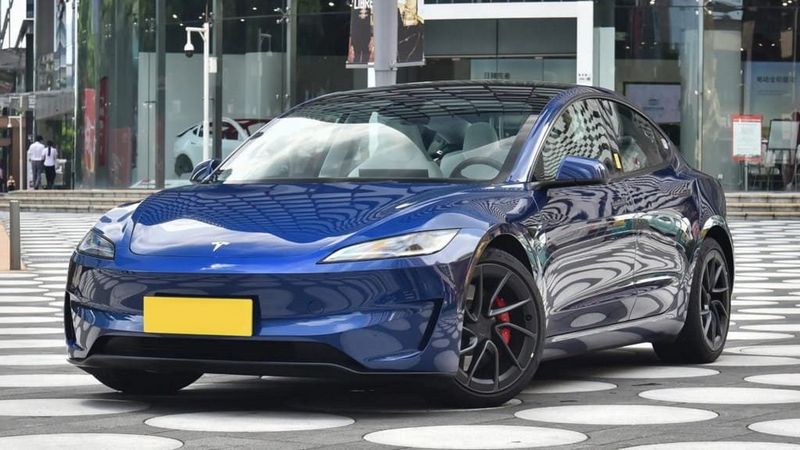
1. Tesla Model 3 – Best Used Electric Car Overall
The Tesla Model 3 is one of the strongest used EV choices in 2026 because it combines range, performance, charging access, technology, and market availability. It is also one of the easiest used EVs to find in the U.S. market, including online auto auctions.
For many buyers, the Model 3 is the used EV that makes the most sense. It is practical enough for commuting, efficient enough to lower daily driving costs, and modern enough to feel current even when buying an older model.
A buyer who wants to stop spending money on gas but does not want a small, limited-range EV will often find the Model 3 attractive. It can work for daily commuting, city driving, and road trips, especially if the buyer has home charging or access to reliable public charging.
Key Specifications and Driving Range
The Tesla Model 3 was sold in several versions from 2018 to 2023, including Standard Range, Standard Range Plus, Rear-Wheel Drive, Long Range, Dual Motor All-Wheel Drive, and Performance.
Driving range depends heavily on the exact year, trim, battery condition, software version, tire size, weather, and driving style. Early Long Range versions were rated around 310 miles when new, while later versions offered different range figures depending on configuration.
Common used Model 3 versions include:
- Standard Range / Standard Range Plus: usually the most affordable choice;
- Rear-Wheel Drive: efficient and practical for daily use;
- Long Range: better for road trips and longer commutes;
- Dual Motor AWD: stronger traction and more confidence in bad weather;
- Performance: quicker acceleration, sportier feel, and higher tire costs.
For budget-conscious buyers, the Long Range model is often the sweet spot. It usually costs more than the base version, but the extra range can make daily ownership easier. This is especially useful if the buyer does not want to charge every day.
However, range should always be judged by the specific vehicle, not only the original rating. A 2018 Model 3 with a healthy battery can still be very useful, but it may not deliver the same range it had when new.
Performance, Technology, and Autopilot Features
The Model 3 is popular because it does more than save fuel. It also feels quick, quiet, and modern. Even lower trims offer smooth acceleration and a clean driving experience.
The interior is simple and built around a large center touchscreen. Many vehicle controls, navigation features, charging information, climate settings, and media functions are managed through this screen.
Technology features may include:
- over-the-air software updates;
- built-in navigation;
- mobile app control;
- Autopilot driver assistance;
- available Full Self-Driving capability on some vehicles;
- Sentry Mode;
- built-in dashcam features;
- strong charging route planning.
Buyers should understand that Autopilot and Full Self-Driving features vary by vehicle. Some cars may have basic Autopilot only. Others may have enhanced features or paid software options. Before buying, always confirm what is actually active on the specific vehicle.
For many used EV buyers, Tesla’s charging network is one of the biggest advantages. A Model 3 can be much easier to use on road trips than some older EVs with slower charging or weaker charging-network support.
Common Issues and What to Check Before Buying
The Tesla Model 3 can be a strong used purchase, but it still requires careful inspection. A low auction price can become expensive if the car has battery damage, structural damage, or missing software features.
Common things to check include:
- battery health and estimated range;
- remaining battery and drive unit warranty;
- charging port condition;
- charging speed and charging history if available;
- accident or salvage title history;
- underbody damage near the battery pack;
- suspension noises or worn control arms;
- tire wear;
- panel gaps and previous body repairs;
- touchscreen operation;
- cameras and sensors;
- Autopilot or Full Self-Driving status;
- recall and service history.
Tire wear is especially important because EVs are heavier than many gas cars and deliver instant torque. A Performance model may also need more expensive tires than a base or Long Range version.
Auction buyers should pay close attention to underbody photos. The battery pack is mounted low in the vehicle, so heavy undercarriage damage can be a serious red flag.
Flood history is another major concern. Water damage can affect high-voltage components, electronics, sensors, and long-term reliability. A cheap flood-damaged EV is usually a risky purchase.
Why It Offers Exceptional Value on the Used Market
The Model 3 offers strong used-market value because it has aged well. Many older examples still provide enough range for daily driving, while newer used models offer more comfort, improved efficiency, and better software support.
Depreciation has also made the Model 3 more affordable. A car that once cost new-car money may now be within reach for buyers comparing it against a used Toyota Camry, Honda Accord, or compact SUV.
For a driver who commutes every day, the fuel savings can be meaningful. Charging at home is often cheaper than buying gasoline, and routine maintenance is simpler because there are no oil changes, spark plugs, or exhaust-system repairs.
The Model 3 is also common at U.S. auto auctions. This gives buyers more chances to compare vehicles by year, mileage, trim, damage, title type, and location.
For international buyers, the Model 3 can be attractive because Tesla has strong global recognition and strong used EV demand in many markets. However, buyers should confirm charging compatibility, parts availability, repair support, and import rules before purchasing.
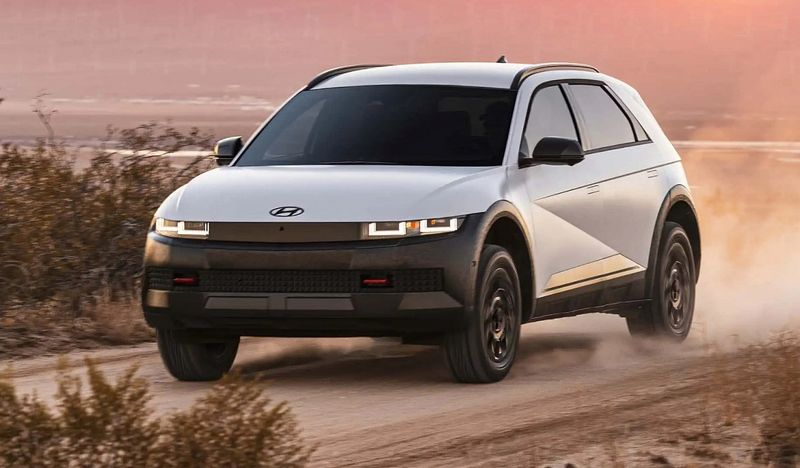
2. Hyundai Ioniq 5 – Best Used Electric SUV for Most Buyers
The Hyundai Ioniq 5 quickly became one of the most respected electric vehicles on the market. It combines fast charging, practical range, modern technology, and SUV-like versatility in a package that appeals to a wide range of buyers.
For used EV shoppers in 2026, the Ioniq 5 is often one of the smartest choices available. It offers many of the features buyers expect from premium electric vehicles while typically costing less than some comparable Tesla models.
The Ioniq 5 is especially attractive for families, commuters, and drivers who want an EV that can comfortably handle both daily errands and longer trips.
Charging Speed and Battery Performance
One of the biggest strengths of the Ioniq 5 is its charging performance. Hyundai built the vehicle on its E-GMP platform, which supports ultra-fast charging under the right conditions.
Compared to many older EVs, the Ioniq 5 can spend much less time connected to a fast charger during road trips. This makes it more practical for drivers who regularly travel beyond their local area.
Depending on the battery size and trim level, most Ioniq 5 models offer competitive driving range that comfortably covers typical daily driving needs.
Buyers can find versions with:
- Standard Range batteries;
- Long Range batteries;
- Rear-Wheel Drive;
- All-Wheel Drive configurations.
The Long Range models are usually the most desirable on the used market because they offer greater flexibility between charging sessions.
Battery degradation has generally been modest on most Ioniq 5 vehicles so far. However, buyers should still review battery health reports whenever possible, especially on higher-mileage examples.
Before purchasing, check:
- battery health and available diagnostics;
- remaining battery warranty coverage;
- charging performance;
- charging port condition;
- software update history;
- estimated real-world range.
For budget-conscious buyers, a well-maintained Long Range Ioniq 5 can provide excellent range without requiring the premium pricing often associated with newer EVs.
Interior Space and Practicality
Although the Ioniq 5 looks compact in photos, it feels surprisingly spacious inside. Hyundai designed the cabin to maximize interior room, creating a vehicle that works well for families and everyday use.
The flat floor design helps create an open feeling throughout the cabin. Front and rear passengers benefit from generous legroom, and the seating position is comfortable for longer drives.
Practical advantages include:
- spacious rear seating;
- large cargo area;
- flexible interior storage;
- wide-opening doors;
- comfortable driving position;
- good visibility;
- family-friendly layout.
Many buyers compare the interior space to vehicles from larger SUV segments. This makes the Ioniq 5 attractive for families who need room for groceries, luggage, strollers, sports equipment, or daily commuting needs.
For someone replacing a compact gasoline SUV, the Ioniq 5 often provides similar practicality while reducing fuel expenses.
The cargo area is particularly useful for airport trips, shopping runs, and weekend travel. Families who regularly carry passengers will likely appreciate the roomy second row.
Reliability and Ownership Experience
The Ioniq 5 has earned a strong reputation for overall ownership satisfaction. Most owners report positive experiences with comfort, efficiency, charging convenience, and daily usability.
Like any modern vehicle, there have been recalls and software updates, but widespread battery degradation concerns have been relatively limited compared to what some buyers feared about EV ownership.
When evaluating a used Ioniq 5, buyers should review:
- recall completion records;
- software update status;
- charging system operation;
- battery warranty coverage;
- suspension condition;
- tire wear;
- accident history;
- service records.
One advantage of EV ownership is reduced routine maintenance. The Ioniq 5 does not require oil changes, timing belt replacements, spark plugs, or many other services associated with gasoline vehicles.
Owners still need to maintain:
- tires;
- brakes;
- suspension components;
- cooling systems;
- cabin air filters.
Insurance costs may vary depending on location and driver profile, so buyers should obtain quotes before purchasing.
Overall, the Ioniq 5 delivers a user-friendly ownership experience that can be appealing to first-time EV buyers who want something simple and practical.
Why the Ioniq 5 Is One of the Best Used EV Deals
The Ioniq 5 stands out because it combines several strengths that are rarely found together at its price point.
It offers:
- fast charging capability;
- competitive driving range;
- spacious interior;
- modern technology;
- strong warranty coverage;
- attractive design;
- reasonable ownership costs.
Depreciation has also created opportunities for used buyers. Many early Ioniq 5 models now cost significantly less than they did when new, allowing second owners to benefit from the original owner's depreciation loss.
For example, a buyer considering a new entry-level EV may discover that a used Ioniq 5 provides more range, faster charging, and more interior space for a similar budget.
The model is also becoming increasingly available through U.S. auto auctions. This creates opportunities to save additional money compared to traditional dealership purchases.
Auction buyers should carefully review:
- title status;
- battery condition;
- accident history;
- charging functionality;
- repair estimates;
- transportation costs.
A clean-history Ioniq 5 with a healthy battery can be one of the strongest values in the used EV market.
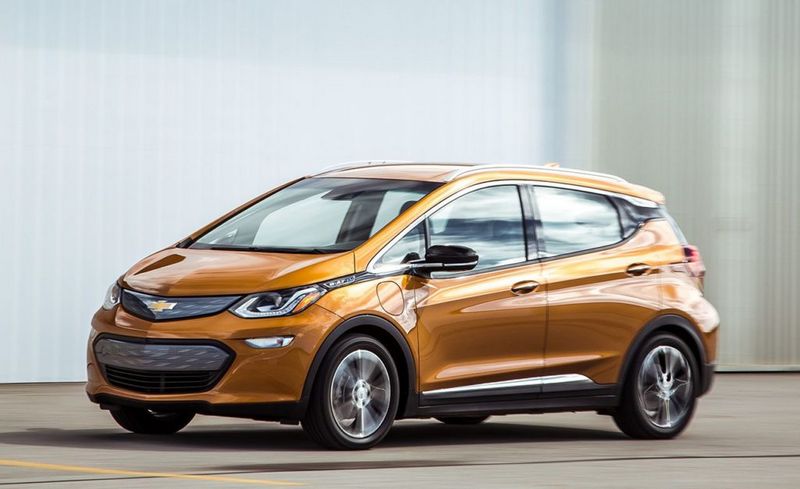
3. Chevrolet Bolt EV & Bolt EUV – Best Budget Used EV
For buyers focused on saving money, the Chevrolet Bolt EV and Bolt EUV are among the most attractive used electric vehicles available in 2026. While they may not have the luxury feel of a Tesla or the ultra-fast charging capability of a Hyundai Ioniq 5, they deliver something many budget-conscious buyers care about most: affordable electric transportation.
The Bolt has become one of the easiest ways to enter EV ownership without spending luxury-car money. Thanks to depreciation, growing used inventory, and widespread availability, many used Bolts can be purchased for significantly less than newer electric vehicles while still offering practical range and low operating costs.
For commuters, first-time EV owners, and buyers shopping under a tight budget, the Bolt deserves serious consideration.
Affordability and Ownership Costs
The Chevrolet Bolt's biggest advantage is simple: value.
Many used EV buyers discover that the Bolt costs thousands less than popular alternatives such as the Tesla Model 3, Hyundai Ioniq 5, Ford Mustang Mach-E, or Kia EV6.
This lower purchase price allows buyers to enter the EV market without stretching their budget.
The Bolt can also help reduce ongoing ownership costs through:
- low electricity expenses;
- minimal routine maintenance;
- no oil changes;
- no exhaust system repairs;
- fewer mechanical components than gasoline vehicles;
- strong parts availability in North America.
For example, a driver who spends several hundred dollars per month on gasoline may notice meaningful savings after switching to a Bolt and charging primarily at home.
Insurance costs vary by location and driver profile, but overall ownership expenses are often lower than many gasoline vehicles in the same price range.
Because the Bolt is relatively simple compared to some premium EVs, maintenance costs can also be easier to manage over time.
For buyers comparing total ownership costs rather than just purchase price, the Bolt often performs very well.
Battery Recall History Explained
One topic that frequently comes up when discussing the Chevrolet Bolt is the battery recall.
Several Bolt EV and Bolt EUV models were included in a major battery recall after certain battery manufacturing defects created a risk of battery fires in a small number of vehicles.
While the recall received significant attention, it is important to understand what happened and how it affects buyers today.
General Motors addressed the issue through battery replacements, battery module replacements, software monitoring updates, and other corrective actions depending on the specific vehicle.
As a result, many used Bolts on the market today have already received recall-related repairs.
In some cases, owners received entirely new battery packs. This can actually be a positive for used buyers because a newer replacement battery may provide:
- improved battery life;
- updated warranty coverage;
- restored range capability;
- additional peace of mind.
Before purchasing a used Bolt, buyers should verify:
- recall completion status;
- battery replacement records;
- remaining battery warranty coverage;
- service documentation;
- software update history.
A Bolt with completed recall work and proper documentation is generally a much safer purchase than one with unresolved battery-related issues.
For auction buyers, checking recall records before bidding is especially important.
Range and Everyday Practicality
One reason the Bolt remains popular is that it offers much more range than many early-generation electric vehicles.
Even older Bolt models can provide enough range for most daily driving needs. For commuters and city drivers, this often means several days of driving between charging sessions.
The Bolt works particularly well for:
- commuting;
- city driving;
- suburban families;
- shopping trips;
- school transportation;
- local business use.
Most owners rarely use the full battery capacity in a single day. Someone driving 30 to 50 miles daily may only need to charge a few times per week.
The Bolt EV has a traditional hatchback design, while the Bolt EUV offers a slightly larger body and additional passenger space.
The EUV version may be especially appealing for buyers who want:
- easier rear-seat access;
- more rear legroom;
- additional comfort for family use.
One limitation compared to newer EVs is DC fast-charging speed. The Bolt charges more slowly than vehicles such as the Hyundai Ioniq 5, Kia EV6, or Tesla Model 3.
For daily commuting this is usually not a major issue. However, drivers who frequently take long road trips should factor charging times into their decision.
Who Should Buy a Used Bolt
The Chevrolet Bolt is not designed to be the fastest EV, the most luxurious EV, or the longest-range EV. Its strength is offering practical electric transportation at an affordable price.
A used Bolt is often an excellent choice for:
- first-time EV buyers;
- budget-conscious shoppers;
- commuters;
- city drivers;
- students;
- retirees;
- families needing a second vehicle;
- buyers looking to reduce fuel costs.
For example, a driver who currently owns an older gasoline sedan and drives 40 miles per day may find the Bolt provides everything they need while significantly reducing operating expenses.
The Bolt can also work well for buyers using U.S. auto auctions. These vehicles appear regularly in auction inventory, creating opportunities to save even more compared to dealership pricing.
However, buyers who frequently travel long distances may prefer models with faster charging capabilities, such as the Tesla Model 3, Kia EV6, or Hyundai Ioniq 5.
4. Kia EV6 – Best Used EV for Long-Distance Driving
The Kia EV6 is one of the strongest used electric vehicles for buyers who care about range, charging speed, and highway comfort. It shares its basic EV platform with the Hyundai Ioniq 5, but it has a sportier design and a more driver-focused feel.
For used EV buyers in 2026, the EV6 can be a smart choice if the goal is to drive electric without feeling limited to short local trips. It is especially useful for commuters with longer routes, families who take weekend trips, and buyers who want an EV that can handle highway travel with fewer charging delays.
It is not always the cheapest used EV, but it can offer strong value because of its fast-charging capability, useful range, modern safety features, and strong warranty coverage.
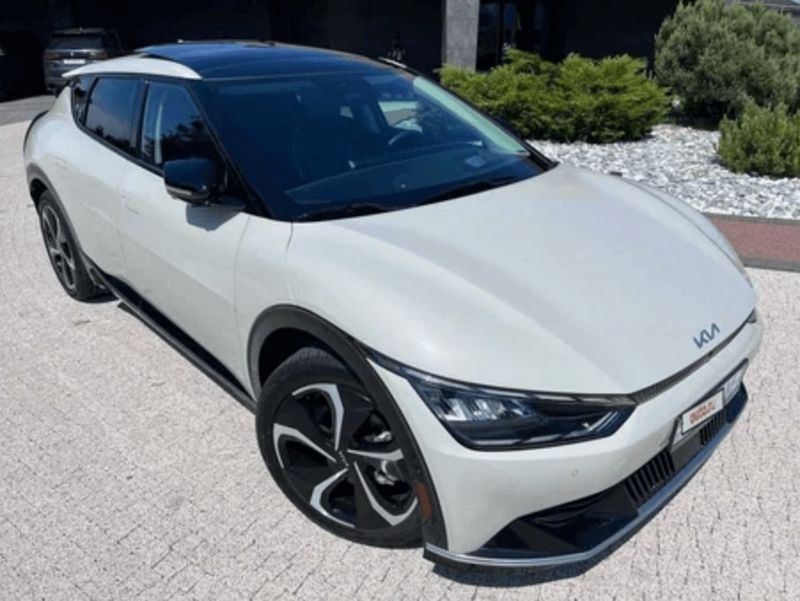
Range and Fast-Charging Capabilities
The Kia EV6 is one of the better used EV choices for long-distance driving because many versions offer strong range and very fast charging under the right conditions.
Most used EV6 models from 2022–2024 are available with different battery and drivetrain options. Buyers may find rear-wheel-drive versions, all-wheel-drive versions, and performance-focused GT models.
Rear-wheel-drive Long Range versions are often the best choice for buyers who want maximum efficiency and driving range. All-wheel-drive models offer better traction and quicker acceleration, but they may use more energy and have slightly less range.
One of the biggest strengths of the EV6 is its fast-charging system. When connected to a compatible high-speed DC fast charger, the EV6 can add a significant amount of range in a short time. This makes it more convenient for road trips than many older EVs that charge slowly.
For daily use, most owners will still charge at home using Level 2 charging. But for long trips, fast charging can make a big difference. A driver traveling between cities may spend less time waiting at chargers and more time on the road.
Before buying a used EV6, check:
- battery size;
- drivetrain type;
- estimated real-world range;
- DC fast-charging capability;
- charging port condition;
- battery health;
- remaining battery warranty;
- software update history.
A used EV6 with a healthy battery and strong charging performance can be one of the most practical electric vehicles for buyers who do more than short local driving.
Technology and Safety Features
The Kia EV6 offers a modern cabin with many useful technology and safety features. This matters for used buyers because even early EV6 models still feel current in 2026.
Depending on trim level, used EV6 models may include:
- large digital displays;
- navigation;
- Apple CarPlay and Android Auto;
- adaptive cruise control;
- lane-keeping assistance;
- blind-spot monitoring;
- forward collision warning;
- automatic emergency braking;
- parking sensors;
- surround-view camera on higher trims;
- vehicle-to-load power capability.
The vehicle-to-load feature can be especially useful. It allows the EV6 to power small electronics or equipment, which can help during camping trips, power outages, or outdoor work.
For family buyers, safety technology is a major advantage. Features like blind-spot monitoring, lane assistance, and automatic emergency braking can make daily driving less stressful.
However, buyers should confirm the exact features on the specific vehicle. Not every EV6 has the same equipment. A base trim may offer fewer comfort and safety features than a Wind, GT-Line, or GT model.
At auction, always review the trim level, option package, photos, and vehicle description before assuming a feature is included.
Performance Variants and Driving Experience
The Kia EV6 is more engaging to drive than many basic electric crossovers. Even standard versions feel quick because electric motors deliver power instantly.
Rear-wheel-drive versions are often the best fit for buyers who want efficiency, range, and lower ownership costs. They are practical for commuting and highway driving.
All-wheel-drive versions provide stronger acceleration and better grip in rain, snow, or cold climates. These models may be better for buyers who live in areas with winter weather or want extra confidence on slippery roads.
The EV6 GT is the performance version. It delivers very quick acceleration and a sportier driving experience. However, it is not the best choice for every budget buyer. Performance models can have:
- higher tire costs;
- faster tire wear;
- higher insurance costs;
- lower driving range;
- greater risk of hard previous use.
For most used buyers, the best balance is usually a Long Range rear-wheel-drive or all-wheel-drive model. These trims offer strong range, good comfort, and useful performance without the extra costs of the GT version.
The EV6 also rides comfortably enough for longer trips. The cabin is quiet, the seats are supportive, and the vehicle feels stable on the highway.
Used EV6 Buying Tips
A used Kia EV6 can be an excellent purchase, but buyers should inspect it carefully before bidding or buying.
Start with the battery. Check battery health, estimated range, charging history if available, and remaining warranty coverage. A healthy battery is the foundation of good EV ownership.
Next, review the vehicle history. Avoid vehicles with flood damage, serious structural damage, or heavy underbody impact. Since the battery pack is located beneath the vehicle, undercarriage damage should be taken seriously.
Buyers should also inspect:
- title type;
- mileage;
- accident history;
- airbag deployment;
- charging port condition;
- tire wear;
- suspension condition;
- software updates;
- recall completion;
- included charging cable;
- dashboard warning lights.
For auction buyers, photos are especially important. Look closely at the front end, underbody, wheel area, and charging port. Even minor-looking damage can become expensive if sensors, cooling systems, or high-voltage components are affected.
International buyers should also confirm local charging compatibility, parts availability, and Kia service support in the destination country.
The best used EV6 is not always the lowest-priced one. A slightly more expensive car with clean history, strong battery health, and no major damage can be a much better deal than a cheaper vehicle that needs complex EV repairs.
5. Ford Mustang Mach-E – Best Used Electric Crossover
The Ford Mustang Mach-E is one of the most practical used electric crossovers for buyers who want space, comfort, and strong daily usability. It combines SUV-style practicality with electric performance and a familiar Ford ownership experience.
For many used EV shoppers in 2026, the Mach-E is appealing because it is more spacious than a compact EV, often less expensive than a used Tesla Model Y, and available in many trims and battery configurations.
It can work well for families, commuters, and buyers who want an electric crossover without moving into luxury-EV pricing. Like any used EV, the right Mach-E depends on battery condition, trim, warranty coverage, vehicle history, and total cost after fees and transportation.
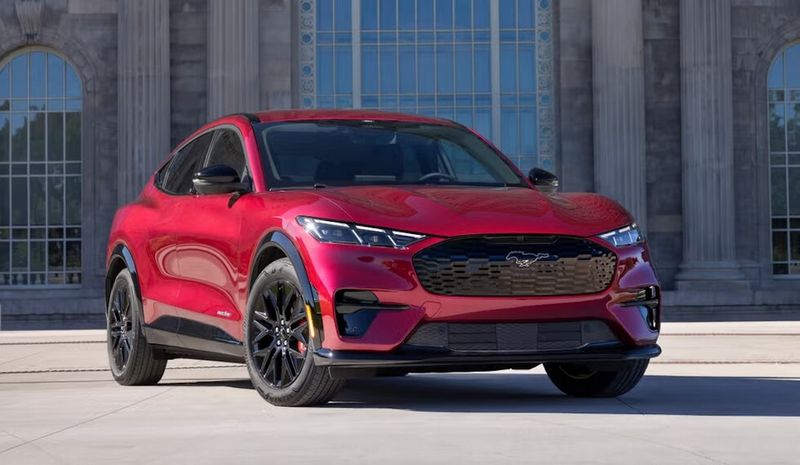
Available Battery and Powertrain Options
The Ford Mustang Mach-E was offered with different battery sizes and powertrain setups. This gives used buyers several choices, but it also means they need to understand which version fits their needs.
Common used Mach-E configurations include:
- Standard Range battery;
- Extended Range battery;
- Rear-Wheel Drive;
- All-Wheel Drive;
- Select trim;
- Premium trim;
- California Route 1 trim;
- GT and GT Performance versions.
For buyers focused on value, the Standard Range version can be enough for daily commuting, school runs, and local errands. It is usually more affordable on the used market and may be a good fit for drivers who can charge at home.
For buyers who drive longer distances or want more flexibility, the Extended Range battery is often the better choice. It costs more, but the added range can make the vehicle easier to live with, especially for highway driving or road trips.
Rear-wheel-drive versions usually offer better efficiency, while all-wheel-drive models provide stronger traction and better performance. AWD can be useful in cold climates or areas with frequent rain or snow.
The GT versions are quick and exciting, but they may not be the best choice for every budget buyer. They can have higher tire costs, higher insurance costs, and more risk of hard previous use.
Interior Comfort and Cargo Space
The Mach-E has one of the more practical interiors in the used EV crossover market. It offers a comfortable cabin, useful rear-seat space, and enough cargo room for daily family needs.
The seating position is higher than in a sedan, which many buyers prefer. Rear passengers have good space, and the flat EV floor helps the cabin feel more open.
Practical benefits include:
- roomy front seats;
- usable rear-seat space;
- large rear cargo area;
- front trunk storage;
- fold-down rear seats;
- comfortable ride quality;
- good visibility;
- family-friendly layout.
For a buyer replacing a gasoline SUV, the Mach-E can feel familiar. It has crossover practicality, but with lower fuel costs and fewer routine maintenance needs.
The cargo area works well for groceries, luggage, sports bags, school items, and everyday errands. The front trunk adds extra storage for charging cables or smaller items.
For families, the Mach-E can be a strong alternative to a used Tesla Model Y, Hyundai Ioniq 5, or Kia EV6, especially when the price is right.
Software and Technology Features
The Mach-E includes a modern technology package centered around a large vertical touchscreen. Most vehicle settings, navigation, charging information, media controls, and EV functions are managed through the infotainment system.
Depending on trim and year, used Mach-E models may include:
- large central touchscreen;
- digital driver display;
- wireless Apple CarPlay and Android Auto;
- navigation;
- FordPass app support;
- over-the-air updates;
- adaptive cruise control;
- lane-centering assistance;
- blind-spot monitoring;
- automatic emergency braking;
- available BlueCruise hands-free highway driving.
BlueCruise can be a valuable feature, but buyers should verify whether the specific vehicle has the hardware, active subscription, and supported software. Do not assume every Mach-E includes it.
Software updates are also important. Ford has improved certain vehicle functions over time through updates, so buyers should check whether the car has received recent software and recall updates.
Technology can make the Mach-E easier to live with, but repairs to sensors, cameras, displays, and driver assistance systems can be expensive after an accident. This is especially important for auction vehicles.
What to Know Before Buying Used
A used Mustang Mach-E can be a great electric crossover, but buyers should inspect carefully before purchasing.
Start with the battery and warranty. Check the battery health, remaining high-voltage battery warranty, mileage, and estimated real-world range. If possible, confirm charging performance before purchase.
Next, review the title and accident history. Avoid vehicles with flood damage, serious underbody damage, or unclear repairs. The battery pack is located under the floor, so undercarriage damage should be treated seriously.
Before buying a used Mach-E, check:
- battery health;
- remaining battery warranty;
- title type;
- accident history;
- airbag deployment;
- underbody damage;
- charging port condition;
- software update status;
- recall completion;
- tire wear;
- suspension condition;
- touchscreen operation;
- driver assistance sensors and cameras;
- included charging cable.
Auction buyers should pay close attention to front-end damage because sensors, cooling components, and electronics may be affected. Even cosmetic-looking damage can become expensive on a modern EV.
For international buyers, it is also important to check charging compatibility, parts availability, Ford service support, and import rules in the destination country.
The Mach-E can offer strong value in 2026 because depreciation has made many examples more affordable. The best used Mach-E is usually a clean-history Premium or California Route 1 model with a healthy battery, good range, and no major structural damage.
6. Polestar 2 – Best Alternative to Tesla
The Polestar 2 is a strong used EV choice for buyers who want something different from a Tesla Model 3. It offers clean Scandinavian design, solid build quality, strong safety features, and a premium feel without being as common as many mainstream electric cars.
For used EV shoppers in 2026, the Polestar 2 can be attractive because depreciation has made it more affordable than when new. A buyer who wants a modern electric sedan or fastback with a premium interior may find the Polestar 2 a smart alternative to Tesla, BMW, or Audi.
However, it is important to consider service access, parts availability, battery condition, and total ownership costs before buying one used.
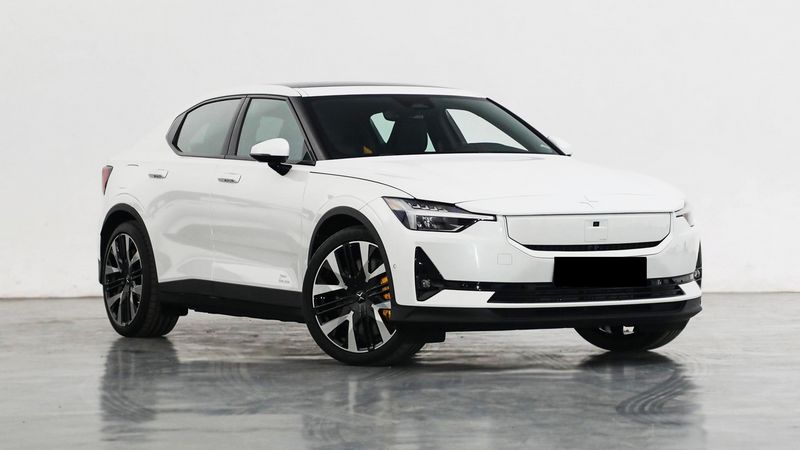
Scandinavian Design and Build Quality
The Polestar 2 has a simple, modern design that feels different from many other electric vehicles. It does not try to look overly futuristic. Instead, it uses clean lines, a high-quality cabin, and a practical fastback shape.
Inside, the cabin feels calm and well organized. Materials are generally solid, and the design is more traditional than Tesla’s very minimal interior. Buyers who prefer a familiar layout with a driver display may like the Polestar 2 more than the Model 3.
Practical design benefits include:
- comfortable front seats;
- useful rear hatch opening;
- clean dashboard layout;
- digital driver display;
- solid interior materials;
- good driving position;
- premium-feeling cabin.
The hatchback-style rear opening makes the Polestar 2 more useful than a regular sedan trunk. It can handle groceries, luggage, work bags, and everyday cargo more easily than many compact sedans.
For buyers who want an EV that feels upscale but not flashy, the Polestar 2 is a strong option.
Performance and Handling
The Polestar 2 offers a confident and stable driving experience. It feels more like a premium sport sedan than a basic commuter EV.
Used buyers can find several versions, including single-motor and dual-motor models. Single-motor versions are usually better for efficiency and lower ownership costs. Dual-motor versions offer stronger acceleration and all-wheel-drive traction.
Performance advantages may include:
- quick electric acceleration;
- stable highway behavior;
- available all-wheel drive;
- firm and controlled handling;
- strong braking feel;
- confident road manners.
The dual-motor models are especially quick and may appeal to drivers who want performance without choosing a Tesla Performance model.
However, performance can bring added costs. More power can mean faster tire wear, higher insurance premiums, and more stress on suspension and brakes if the previous owner drove aggressively.
For most budget-conscious buyers, a standard single-motor or long-range version may be the smarter choice. It provides a good EV experience while keeping ownership costs more manageable.
Google-Based Infotainment System
One of the Polestar 2’s standout features is its Google-based infotainment system. The vehicle uses Google built-in technology, which includes features such as Google Maps, Google Assistant, and access to apps through the vehicle interface.
This can make daily driving easier because navigation, charging stops, and voice control are well integrated.
Useful technology features may include:
- Google Maps navigation;
- voice control through Google Assistant;
- app-based infotainment;
- digital driver display;
- over-the-air software updates;
- smartphone app support;
- driver assistance features.
For EV owners, good navigation matters because the vehicle needs to help plan charging stops. Google Maps integration can make this more convenient than some older EV systems.
Still, buyers should verify that the infotainment system works properly, the software is updated, and connected services are active or available.
Technology problems can be frustrating and may require dealer or service-center support, so this should be checked before purchase whenever possible.
Advantages and Drawbacks as a Used EV
The Polestar 2 has several advantages as a used electric vehicle. It feels premium, drives well, offers good technology, and provides a strong alternative for buyers who do not want a Tesla.
Main advantages include:
- premium interior feel;
- strong safety reputation;
- available all-wheel drive;
- good performance;
- practical hatchback-style cargo access;
- Google-based infotainment;
- lower used prices due to depreciation.
For buyers looking at U.S. auto auctions, the Polestar 2 may offer good value because it is less known than Tesla. Lower demand can sometimes create buying opportunities.
However, there are also drawbacks to consider. Polestar service locations are more limited than many mainstream brands. Parts may be harder to find in some markets, and repairs can cost more than repairs on a Chevrolet Bolt or Nissan Leaf.
Before buying a used Polestar 2, check:
- battery health;
- remaining battery warranty;
- title status;
- accident history;
- charging port condition;
- software update status;
- service records;
- tire wear;
- suspension condition;
- infotainment operation;
- availability of Polestar service support nearby.
International buyers should be especially careful. A Polestar 2 may be attractive at auction, but the destination country must have charging compatibility, parts access, and qualified repair support.
7. Hyundai Ioniq 6 – Best Used EV for Efficiency
The Hyundai Ioniq 6 is one of the most efficient electric cars available on the used market. While many EV buyers focus only on battery size, the Ioniq 6 shows why efficiency matters just as much. A more efficient EV can travel farther using less energy, which helps reduce charging costs and makes daily driving easier.
For used EV shoppers in 2026, the Ioniq 6 is a strong choice for commuters, highway drivers, and buyers who want long range without moving into a large SUV. It is not as spacious as the Ioniq 5, but it offers excellent energy use, a quiet cabin, and strong technology.
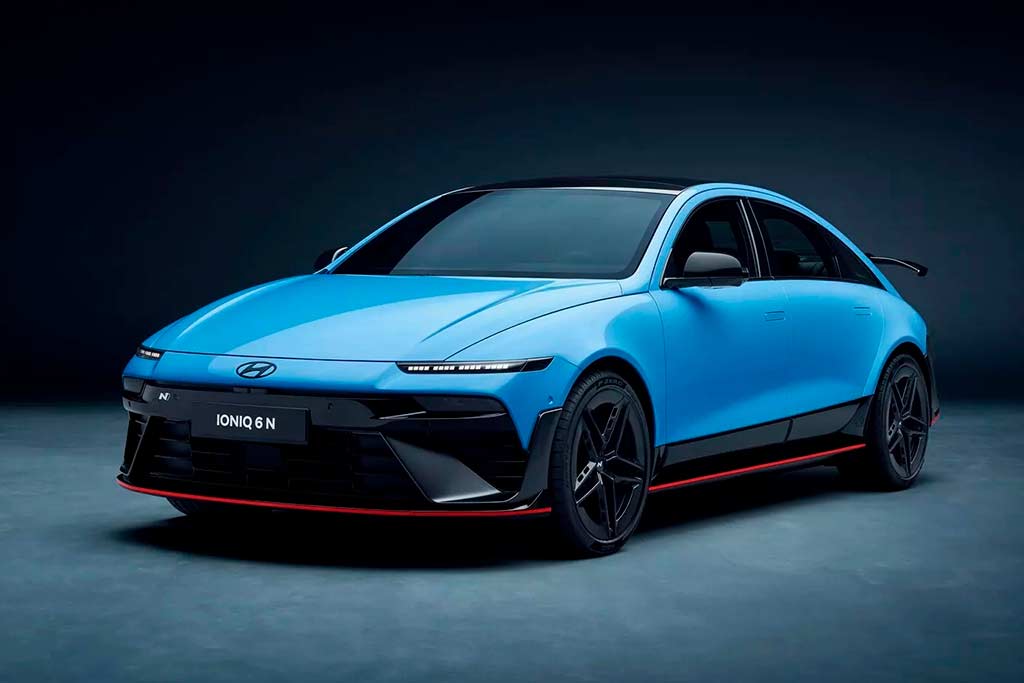
Exceptional Energy Consumption Ratings
The Ioniq 6 was designed with efficiency in mind. Its smooth, aerodynamic shape helps it use less energy at highway speeds compared to many taller electric SUVs and crossovers.
This matters because EV range is not only about battery size. A vehicle with better efficiency can get more miles from each kilowatt-hour of battery capacity. That can help lower electricity costs over time.
For example, a driver who commutes every day may not notice small efficiency differences in one week. But over several years, a more efficient EV can save money through lower charging costs.
The Ioniq 6 is especially attractive for buyers who want:
- strong range without a huge battery;
- lower energy use;
- good highway efficiency;
- reduced charging frequency;
- lower long-term operating costs.
For budget-conscious buyers, this can make the Ioniq 6 a smart used EV. It may cost more than older budget models like the Chevrolet Bolt, but it offers better charging speed, newer technology, and stronger long-distance ability.
Highway Range Performance
Some electric vehicles perform well in city driving but lose range quickly on the highway. The Ioniq 6 was built to reduce that problem.
Because of its aerodynamic design, the Ioniq 6 is well suited for drivers who spend a lot of time on highways. This can be important for commuters who drive between cities, buyers who travel for work, or families who take weekend trips.
Rear-wheel-drive versions usually offer the best efficiency and range. All-wheel-drive models provide more traction and stronger acceleration, but they may use more energy.
For many used buyers, a rear-wheel-drive Long Range Ioniq 6 can be the best balance. It gives strong range and lower energy use without the added cost and efficiency loss of all-wheel drive.
Before buying, check:
- battery size;
- drivetrain type;
- estimated real-world range;
- tire size;
- battery health;
- charging history if available;
- remaining battery warranty.
Tire size can affect efficiency more than some buyers expect. Larger wheels may look better, but they can reduce range and increase tire replacement costs.
Comfort and Interior Technology
The Ioniq 6 has a modern and comfortable interior. It feels more like a sleek electric sedan than a basic commuter car. The cabin is quiet, the seats are supportive, and the dashboard layout is clean and easy to understand.
Technology features may include:
- dual digital displays;
- navigation;
- Apple CarPlay and Android Auto;
- adaptive cruise control;
- lane-keeping assistance;
- blind-spot monitoring;
- automatic emergency braking;
- available head-up display on some trims;
- fast-charging route planning;
- Hyundai driver assistance features.
The interior may not offer the same cargo space as an electric SUV, but it works well for daily commuting and small-family use. Rear-seat space is usable, and the cabin feels open because of the EV platform.
For buyers who mostly drive alone or with one passenger, the Ioniq 6 can feel very comfortable and efficient. For families with strollers, large cargo needs, or frequent rear-seat passengers, the Ioniq 5 or Tesla Model Y may be more practical.
As with any used EV, buyers should verify that all screens, cameras, sensors, driver assistance features, and charging functions work properly before purchase.
Why It Is Becoming a Popular Used EV Choice
The Ioniq 6 is becoming popular on the used market because it offers a strong mix of efficiency, range, fast charging, comfort, and modern design. It is newer than many budget EVs, but depreciation is starting to make early examples more reachable for used buyers.
For someone who wants a used electric car for commuting, the Ioniq 6 can be a smart upgrade from older short-range EVs. It offers more confidence for longer trips and more advanced technology.
Its main advantages include:
- excellent efficiency;
- strong highway range;
- fast charging capability;
- modern cabin technology;
- comfortable ride;
- strong warranty coverage;
- lower energy use than many larger EVs.
At U.S. auto auctions, the Ioniq 6 may not be as common as the Tesla Model 3 or Chevrolet Bolt yet, but availability is improving as more vehicles enter the used market. This can create good opportunities for buyers who are patient and compare listings carefully.
Before bidding on a used Ioniq 6, buyers should check the title type, battery health, accident history, underbody condition, charging port, software updates, and remaining warranty coverage.
8. BMW i4 – Best Used Luxury Electric Sedan
The BMW i4 is one of the strongest used luxury EV choices for buyers who want electric driving without giving up the feel of a traditional premium sedan. It is based on a familiar BMW formula: strong performance, comfortable interior, sharp handling, and a high-quality cabin.
For used EV shoppers in 2026, the i4 can be attractive because depreciation has made early models more reachable. A buyer who wants a luxury EV may find a used i4 priced below some new mainstream electric cars, while still getting a premium badge and a refined driving experience.
However, luxury EVs require careful buying. Repair costs, insurance, tires, electronics, and body damage can be expensive. The i4 is a great choice only when the vehicle history, battery condition, and total cost make sense.
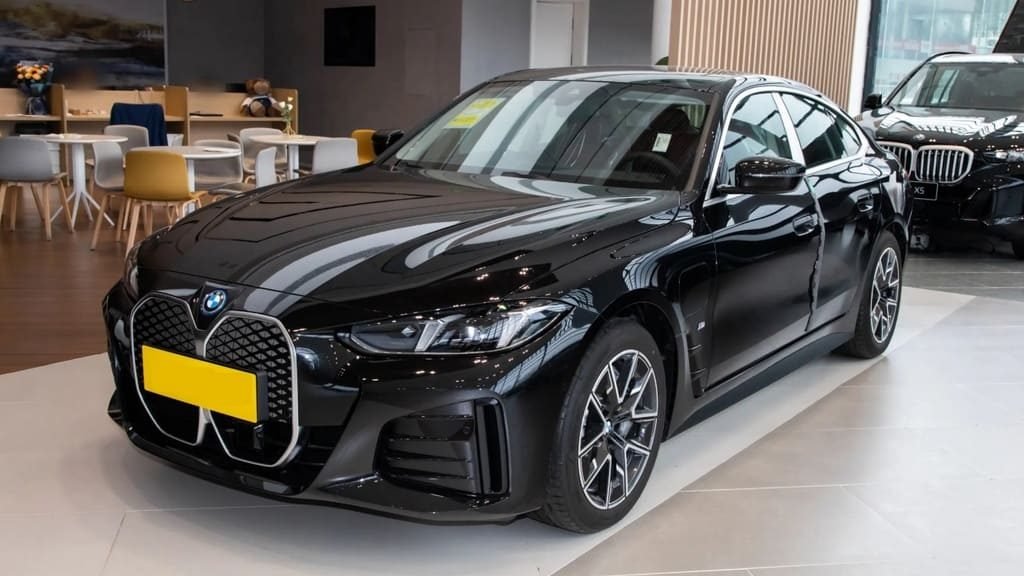
Performance and Driving Dynamics
The BMW i4 stands out because it feels like a BMW first and an EV second. Many electric cars are quick in a straight line, but the i4 also focuses on balance, steering feel, and road confidence.
Used buyers may find several versions, including the i4 eDrive40, i4 xDrive40, and the more powerful i4 M50. Availability depends on year and market.
The eDrive40 is often the best fit for buyers who want range, comfort, and lower ownership costs. It delivers strong acceleration without the added expense of the highest-performance version.
The i4 M50 is the performance model. It offers much stronger acceleration and all-wheel drive, but it can also bring higher tire costs, higher insurance costs, and more risk of hard previous use.
Driving benefits may include:
- quick electric acceleration;
- quiet cabin;
- stable highway behavior;
- precise steering;
- available all-wheel drive;
- strong passing power;
- sporty BMW feel.
For a buyer moving from a gasoline BMW 3 Series or 4 Series, the i4 can feel familiar but smoother and quieter. It is a good option for someone who wants a premium daily driver with lower fuel costs.
Interior Quality and Premium Features
The BMW i4 offers a more traditional luxury-car interior than many EVs. It feels less minimal than a Tesla and more familiar to buyers who already like BMW cabins.
The materials, seating position, controls, and overall fit and finish give the car a premium feel. Depending on trim and options, used i4 models may include high-end comfort and convenience features.
Common features may include:
- curved digital display;
- premium audio system;
- leather or synthetic leather seating;
- heated seats;
- available ventilated seats;
- advanced driver assistance features;
- navigation;
- wireless Apple CarPlay and Android Auto;
- ambient lighting;
- power liftback;
- premium interior trim.
The i4 is technically a liftback, which makes it more practical than a traditional sedan. The rear hatch opening gives easier access to the cargo area, which is useful for luggage, groceries, work bags, and daily errands.
Rear-seat space is acceptable, but it is not as roomy as some electric SUVs. Families with larger cargo needs may prefer a Tesla Model Y, Hyundai Ioniq 5, or Ford Mustang Mach-E.
For buyers who want premium comfort more than maximum space, the i4 is one of the better used EV choices.
Battery Range and Charging Performance
The BMW i4 offers competitive range for a luxury electric sedan. Actual range depends on the exact version, wheel size, tire type, driving speed, weather, and battery condition.
Rear-wheel-drive versions usually offer the best efficiency and range. Performance versions with all-wheel drive and larger wheels may deliver less range but more power.
For daily use, the i4 can work well for commuters who charge at home. It can also handle longer trips if the driver plans charging stops carefully.
Important charging and range factors to check include:
- battery health;
- real-world estimated range;
- remaining battery warranty;
- wheel and tire size;
- DC fast-charging capability;
- charging port condition;
- software updates;
- charging cable availability.
Larger wheels can reduce efficiency and increase tire replacement costs. This is important for budget-conscious buyers because tires on luxury EVs can be expensive.
The i4 does not have Tesla’s charging ecosystem built into the ownership experience in the same way a Model 3 does, so public charging access should be considered. Buyers should check charging networks in their area or destination country before purchase.
A used i4 with a healthy battery, reasonable mileage, and completed software updates can provide a strong balance of luxury, range, and performance.
What Luxury EV Buyers Should Know
A used BMW i4 can be a smart purchase, but it should not be judged only by the auction price. Luxury EVs can depreciate quickly, which creates buying opportunities, but repair costs can still reflect the original luxury-car price.
Before buying a used i4, buyers should check:
- title type;
- battery health;
- remaining warranty coverage;
- accident history;
- airbag deployment;
- underbody damage;
- charging system operation;
- software update status;
- tire wear;
- suspension condition;
- electronic warning lights;
- service records;
- repair estimate after damage.
Accident damage deserves special attention. The i4 has advanced sensors, high-voltage components, and premium body parts. Even moderate damage can become expensive if it affects electronics, cooling systems, safety systems, or the battery area.
At U.S. auto auctions, the i4 may appear as a lease return, repossession, dealer vehicle, or insurance unit. Buyers can sometimes find strong savings, especially on vehicles with minor cosmetic damage. However, salvage or heavily damaged i4 models should be evaluated very carefully.
International buyers should also confirm local BMW EV service support, charging compatibility, parts availability, and import rules before purchasing.
The best used BMW i4 is usually not the cheapest one available. It is the car with a clean history, healthy battery, reasonable mileage, good equipment, and a total cost that still makes sense after fees, transportation, repairs, and registration.
9. Tesla Model Y – Best Used Electric Family Vehicle
The Tesla Model Y is one of the most popular electric family vehicles on the used market. It offers the main things many families want: space, range, safety technology, strong charging support, and lower daily fuel costs compared to a gasoline SUV.
For used EV buyers in 2026, the Model Y can be a practical choice if the budget allows it. It usually costs more than a Chevrolet Bolt or older Model 3, but it offers more cargo space, a higher seating position, and better family practicality.
It is especially useful for buyers who want one electric vehicle for commuting, school runs, grocery trips, weekend travel, and long-distance driving.
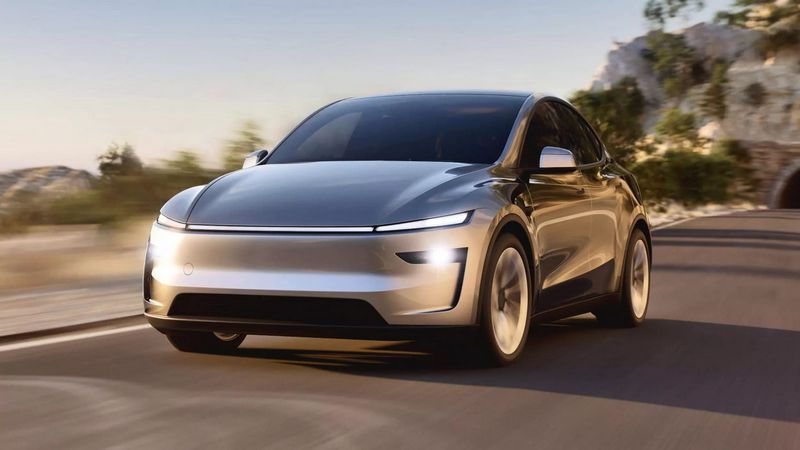
Cargo Capacity and Interior Space
The Model Y is popular with families because it uses space well. The cabin feels open, the rear seats are useful, and the cargo area is large enough for everyday family needs.
Practical space advantages include:
- large rear cargo area;
- fold-flat rear seats;
- front trunk storage;
- underfloor cargo storage;
- wide hatch opening;
- optional third-row seating on some models;
- open cabin layout;
- good rear-seat legroom.
For a parent carrying strollers, sports bags, school backpacks, groceries, or luggage, the Model Y is much easier to live with than many smaller EVs. The hatchback-style rear opening also makes loading items simpler than in a sedan.
The optional third row can be useful for small children, but it is not spacious enough to replace a larger three-row SUV. Buyers who need regular seating for six or seven passengers may want to look at larger vehicles.
For most families, the five-seat Model Y offers the better balance of space, comfort, and cargo capacity.
Long Range vs Performance Versions
The two most common used Model Y versions are Long Range and Performance. Both can be strong choices, but they fit different buyers.
The Long Range version is usually the better option for most used EV shoppers. It offers strong driving range, all-wheel drive, good performance, and better efficiency than the Performance model.
The Performance version is quicker and sportier. It can be fun to drive, but it may not be the smartest choice for budget-conscious families because it can bring higher costs.
Performance models may have:
- higher tire replacement costs;
- faster tire wear;
- higher insurance costs;
- lower real-world range;
- greater risk of aggressive previous use;
- more expensive wheel and suspension repairs.
For a family buyer, the Long Range version usually makes more sense. It gives plenty of power for daily driving while keeping range and comfort as the main priorities.
Before buying, check the exact trim, wheel size, battery condition, and estimated range. Larger wheels may look better, but they can reduce comfort and efficiency.
Technology and Safety Features
The Model Y offers one of the most technology-focused ownership experiences in the used EV market. Most controls are managed through the central touchscreen, and Tesla vehicles receive over-the-air software updates.
Useful technology features may include:
- navigation with charging route planning;
- mobile app control;
- over-the-air software updates;
- Autopilot driver assistance;
- available Enhanced Autopilot or Full Self-Driving capability on some vehicles;
- Sentry Mode;
- built-in dashcam;
- heated seats;
- advanced safety systems;
- strong charging network access.
Buyers should always confirm which software features are active on the specific vehicle. Some listings may mention Full Self-Driving, but the feature should be verified before purchase.
Safety is another reason families consider the Model Y. Its structure, driver assistance systems, and low center of gravity make it appealing for buyers who want a modern family vehicle.
However, repairs after accidents can be expensive. Cameras, sensors, body panels, glass, suspension parts, and high-voltage components should all be checked carefully, especially when buying through auctions.
Why Demand Remains Strong in the Used Market
Demand for the Tesla Model Y remains strong because it fits what many buyers now want: an electric crossover with useful range, family space, and access to reliable charging.
It is easier to recommend than many older EVs because it does not feel limited to short city trips. A Model Y can work for daily commuting and longer travel, especially when the owner has home charging.
Used demand is also supported by Tesla’s strong brand recognition. Many buyers specifically search for Tesla because they know the name, understand the charging network advantage, and expect a modern EV experience.
At U.S. auto auctions, the Model Y is becoming more common as lease returns, trade-ins, repossessions, and insurance vehicles enter the market. This creates opportunities for buyers to save compared to dealership pricing.
Before bidding on a used Model Y, check:
- battery health;
- remaining battery and drive unit warranty;
- title type;
- accident history;
- underbody damage;
- charging port condition;
- software feature status;
- tire wear;
- suspension condition;
- glass and roof condition;
- airbag deployment;
- repair estimates;
- transportation and registration costs.
Flood-damaged Model Y vehicles should be treated with extreme caution because water can affect electronics, high-voltage systems, sensors, and long-term reliability.
For international buyers, it is also important to confirm charging compatibility, Tesla service support, parts availability, and import rules in the destination country.
10. Rivian R1T – Best Used Electric Pickup Truck
The Rivian R1T is one of the most interesting used electric trucks on the market. It combines pickup utility, strong electric performance, off-road capability, and premium features in a way that few other vehicles can match.
For used EV buyers in 2026, the R1T can be attractive if they want an electric truck for adventure, work, towing, or lifestyle use. It is not the cheapest EV on this list, and it is not the most practical choice for every budget buyer. However, for shoppers who need a truck and want electric power, the R1T is one of the strongest used options available.
The key is buying carefully. Repairs, tires, insurance, body parts, and battery-related work can be expensive, so condition and history matter a lot.
Off-Road Capability and Utility
The Rivian R1T was built as more than a city EV with a truck bed. It is designed for outdoor use, rough roads, camping, towing, and adventure driving.
Many R1T models include features that make them useful beyond normal pickup tasks, such as:
- all-wheel drive;
- high ground clearance;
- adjustable air suspension;
- multiple drive modes;
- underbody protection;
- useful truck bed;
- front trunk storage;
- gear tunnel storage;
- available camp and adventure accessories.
The gear tunnel is one of the R1T’s most practical features. It provides extra storage between the cabin and bed, which can be useful for tools, bags, charging cables, recovery gear, or camping equipment.
For buyers who enjoy outdoor activities, the R1T can replace both a daily vehicle and a weekend adventure vehicle. It can carry people, cargo, and equipment while still offering the quiet and smooth driving feel of an EV.
However, buyers should remember that serious off-road use can create wear. Inspect the underbody, suspension, wheels, tires, and skid plates carefully before buying used.
Range and Performance
The R1T offers strong range and very quick acceleration for a pickup truck. Depending on battery pack, motor setup, tires, and driving conditions, range can vary significantly.
Used buyers may find different versions, including quad-motor and dual-motor configurations. Quad-motor versions offer impressive traction and performance, while dual-motor models may provide a better balance of efficiency and cost.
The R1T is fast, especially for its size. Electric torque makes acceleration feel immediate, and all-wheel drive helps deliver strong grip.
Performance advantages include:
- quick acceleration;
- strong towing ability;
- confident all-wheel-drive traction;
- stable highway performance;
- off-road drive modes;
- smooth electric power delivery.
Range can drop when towing, driving fast, using off-road tires, or traveling in cold weather. This is important for buyers who plan to tow trailers, boats, or equipment.
A buyer who mainly uses the R1T for commuting and weekend trips may find the range very practical. A buyer who tows long distances should plan charging stops carefully and understand real-world towing range before purchase.
Premium Features and Technology
The Rivian R1T has a premium interior with a modern, high-tech feel. It is not a basic work truck. It feels closer to a luxury adventure vehicle.
Depending on configuration, used R1T models may include:
- large central touchscreen;
- digital driver display;
- premium audio;
- heated and ventilated seats;
- panoramic glass roof;
- vegan leather-style interior materials;
- driver assistance systems;
- over-the-air software updates;
- built-in navigation;
- mobile app control;
- multiple cameras;
- power-operated features.
The cabin is comfortable for daily driving and long trips. The rear seat is usable for family use, and the storage options make the truck practical for active buyers.
Rivian also improves vehicles through software updates, which can add features, refine systems, and improve the ownership experience over time.
Still, buyers should verify that the software is current, all screens work correctly, cameras function properly, and no warning messages are present.
Technology is one of the R1T’s strengths, but it can also increase repair costs after accident damage.
Important Considerations Before Buying Used
A used Rivian R1T can be a great vehicle, but it requires a careful inspection and realistic budget planning.
This is not the best choice for someone who only wants the cheapest used EV. It is better suited for buyers who specifically need an electric pickup and understand that premium truck ownership comes with higher costs.
Before buying a used R1T, check:
- battery health;
- remaining warranty coverage;
- title status;
- accident history;
- underbody damage;
- suspension condition;
- tire wear;
- wheel damage;
- charging port condition;
- software update status;
- service records;
- towing history if available;
- off-road use signs;
- airbag deployment;
- repair estimates;
- Rivian service support nearby.
Auction buyers should be especially careful with damaged R1T models. Body panels, sensors, suspension parts, cameras, and high-voltage components can be costly to repair.
Flood damage should be avoided whenever possible because water can affect electronics, battery systems, connectors, and long-term reliability.
International buyers should also confirm charging compatibility, parts availability, Rivian service access, and import rules in the destination country. Rivian service support may be limited outside certain markets, which can make repairs more difficult.
The best used Rivian R1T is usually a clean-history vehicle with a healthy battery, no serious structural damage, no heavy underbody impact, and a total cost that still makes sense after auction fees, transportation, repairs, and registration.
Compare Battery Health Before You Place a Bid
Battery condition can have a major impact on the value of a used electric vehicle. Auto4Export helps buyers review auction listings, understand title information, estimate repair costs, and choose EVs that fit their budget and driving needs.
- ✅ Assistance reviewing auction vehicles
- ✅ Guidance on battery and title evaluation
- ✅ Cost estimates before you buy
- ✅ Help avoiding expensive mistakes
Best Used Electric Cars by Budget
Budget is one of the most important factors when shopping for a used electric car. A lower purchase price can help, but the real cost also includes battery condition, charging needs, insurance, repairs, taxes, auction fees, transportation, and registration.
For budget-conscious buyers, the smartest used EV is not always the cheapest one. It is the vehicle that fits your daily driving needs and still makes financial sense after all costs are added.
Best Used EVs Under $15,000
Used EVs under $15,000 are usually older models or compact electric cars with higher mileage. This price range can work well for buyers who need affordable transportation for commuting, city driving, or a second family vehicle.
Good options may include:
- Chevrolet Bolt EV;
- Nissan Leaf;
- older Hyundai Ioniq Electric;
- older Kia Soul EV;
- Fiat 500e in some markets.
The Chevrolet Bolt EV is often the strongest choice in this budget range because it offers better range than many older budget EVs. A used Nissan Leaf can also be affordable, but buyers should pay close attention to battery health because older Leaf models may have more noticeable battery degradation.
This budget works best for someone who drives predictable daily routes. For example, a buyer who drives 30 miles to work and back each day may not need a long-range EV. A clean, affordable used EV with enough range can still save money compared to a gasoline car.
Before buying, check battery health, charging ability, title status, accident history, and whether the range is enough for daily use.
Best Used EVs Under $20,000
The under-$20,000 range gives buyers more flexibility. In this category, shoppers may find newer Chevrolet Bolt EV and Bolt EUV models, older Tesla Model 3 examples, and higher-quality compact EVs.
Strong choices may include:
- Chevrolet Bolt EV;
- Chevrolet Bolt EUV;
- Tesla Model 3 Standard Range Plus;
- Hyundai Kona Electric;
- Kia Niro EV;
- Nissan Leaf Plus.
For many buyers, the Bolt EUV is especially attractive because it offers more passenger space than the Bolt EV while still keeping ownership costs relatively low.
A used Tesla Model 3 may also appear in this price range, especially with higher mileage or older model years. It can offer better charging support and stronger technology than many budget EVs, but buyers should carefully inspect battery condition, software features, accident history, and tire wear.
This budget level is a good fit for commuters who want more range and comfort without moving into expensive EV pricing.
Best Used EVs Under $25,000
A budget under $25,000 can open the door to more modern and more capable electric vehicles. Buyers may find EVs with better range, faster charging, stronger safety features, and more comfortable interiors.
Good options may include:
- Tesla Model 3 Long Range;
- Ford Mustang Mach-E;
- Hyundai Ioniq 5;
- Kia EV6;
- Volkswagen ID.4;
- Polestar 2;
- Chevrolet Bolt EUV Premier.
This is often one of the best price ranges for used EV value. A buyer may be able to get a vehicle that originally cost much more when new, but has already gone through its biggest depreciation period.
For example, someone comparing a basic new gasoline sedan with a used Model 3 or Ioniq 5 may find that the used EV offers more technology, lower fuel costs, and better long-term value.
Auction buyers should be careful in this range because some vehicles may have salvage titles or damage history. A lower price can be attractive, but only if the repair cost is clear and manageable.
Best Used EVs Under $30,000
Used EVs under $30,000 can offer a strong balance of range, technology, space, and comfort. This range is especially useful for buyers who want an electric crossover or family vehicle.
Strong options may include:
- Tesla Model Y;
- Hyundai Ioniq 5;
- Kia EV6;
- Ford Mustang Mach-E;
- Hyundai Ioniq 6;
- Volkswagen ID.4;
- BMW i4 with higher mileage or older model year;
- Polestar 2 Long Range.
For families, the Tesla Model Y, Hyundai Ioniq 5, Ford Mustang Mach-E, and Volkswagen ID.4 are practical choices because they offer more cargo space and easier passenger access than smaller EVs.
For drivers focused on efficiency, the Hyundai Ioniq 6 can be a smart option. It offers excellent energy use and strong highway range, which can reduce charging costs over time.
At this budget level, buyers should compare not only purchase price but also battery warranty, charging speed, insurance cost, and parts availability. A $28,000 EV with strong warranty coverage may be safer than a $24,000 EV with unclear history and expensive damage.
Best Premium Used EVs Above $30,000
Premium used EVs above $30,000 are best for buyers who want more performance, luxury, space, or specialized capability. These vehicles can offer excellent driving experiences, but ownership costs are usually higher.
Strong premium options may include:
- Tesla Model Y Long Range;
- BMW i4;
- Rivian R1T;
- Kia EV6 GT;
- Ford Mustang Mach-E GT;
- Polestar 2 Performance;
- newer Hyundai Ioniq 5 Limited;
- newer Tesla Model 3 Long Range or Performance.
The BMW i4 is a strong choice for buyers who want a luxury electric sedan with premium materials and sporty driving feel. The Rivian R1T is best for buyers who specifically need an electric pickup with off-road ability and utility. The Tesla Model Y remains one of the strongest premium family EV choices because of its space, range, and charging network support.
However, premium EVs require careful budgeting. Tires, insurance, body repairs, electronics, and specialized service can cost more than on basic EVs.
Before buying a premium used EV, check:
- battery health;
- remaining warranty coverage;
- title type;
- accident history;
- underbody damage;
- software features;
- tire and suspension condition;
- local service support;
- estimated repair cost;
- total cost after auction fees and transportation.
Best Used Electric Cars by Vehicle Type
The best used electric car depends on how the vehicle will be used. A commuter may want maximum efficiency, while a family may need cargo space and rear-seat comfort. A truck buyer may care more about utility, towing, and ground clearance.
For budget-conscious buyers, choosing by vehicle type can make the search easier. It helps avoid paying for features you do not need and focuses the budget on what matters most: range, condition, battery health, charging access, and total ownership cost.
Best Used Electric Sedans
Used electric sedans are a good choice for buyers who want efficiency, comfort, and lower running costs without needing SUV-size space. They usually offer better aerodynamics than crossovers, which can help with highway range and energy use.
Strong used electric sedan options include the Tesla Model 3, Hyundai Ioniq 6, BMW i4, and Polestar 2.
The Tesla Model 3 is often the most practical choice because it is widely available, has strong range, and benefits from Tesla’s charging network. The Hyundai Ioniq 6 is a great option for buyers who care about efficiency and highway driving. The BMW i4 is better for shoppers who want a luxury feel, while the Polestar 2 works well for buyers who want a Tesla alternative with premium design.
For auction buyers, the Model 3 is usually easier to find than the others. This can create more opportunities to compare mileage, title type, trim, and damage before bidding.
Best Used Electric SUVs
Used electric SUVs and crossovers are some of the most popular EVs because they match what many families already want: higher seating, flexible cargo space, and a more practical body style.
Strong options include the Tesla Model Y, Hyundai Ioniq 5, Ford Mustang Mach-E, Kia EV6, and Volkswagen ID.4.
The Tesla Model Y is one of the strongest family choices because it offers good cargo space, strong range, and reliable charging access. The Hyundai Ioniq 5 is a comfortable and spacious option with very fast charging. The Ford Mustang Mach-E can be a good value for buyers who want a familiar brand and crossover practicality. The Kia EV6 is a strong choice for longer trips because of its fast-charging ability.
For buyers with children, groceries, sports equipment, or frequent passengers, a used electric SUV may be more practical than a sedan. The main trade-off is price. Electric SUVs often cost more than smaller EVs, so total cost should be checked carefully.
Best Used Electric Hatchbacks
Used electric hatchbacks are ideal for buyers who want low costs, easy parking, and simple daily transportation. They may not offer luxury or huge cargo space, but they can be excellent commuter vehicles.
Good options include the Chevrolet Bolt EV, Chevrolet Bolt EUV, Nissan Leaf, Hyundai Ioniq Electric, and Kia Soul EV.
The Chevrolet Bolt EV is one of the best budget-friendly choices because it offers practical range at a lower price than many newer EVs. The Bolt EUV adds more rear-seat room, making it a better option for small families or buyers who often carry passengers.
The Nissan Leaf can be very affordable, but battery health is extremely important, especially on older models. A low price is not enough if the battery has lost too much capacity.
For buyers who mostly drive in the city or commute a predictable distance, a used electric hatchback can be one of the smartest ways to save money.
Best Used Electric Trucks
Used electric trucks are still a smaller part of the market, but they are becoming more available. They are best for buyers who need utility, off-road ability, towing capability, or pickup practicality.
The Rivian R1T is one of the strongest used electric truck choices. It offers off-road capability, fast acceleration, premium features, and useful storage solutions. It can work well for outdoor buyers, business owners, and drivers who want both truck utility and EV performance.
However, electric trucks are not always the best fit for tight budgets. They can have higher purchase prices, higher insurance costs, expensive tires, and more costly repairs than smaller EVs.
Before buying a used electric truck, check the battery health, title status, underbody condition, suspension wear, tire condition, towing history, and service availability. This is especially important for auction vehicles that may have been used hard or damaged off-road.
Best Used Luxury EVs
Used luxury EVs can offer strong value because many premium electric cars depreciate quickly. A vehicle that was expensive when new may become much more affordable after a few years.
Strong used luxury EV options include the BMW i4, Polestar 2, Tesla Model S, Mercedes-Benz EQ models, Audi e-tron, and higher-trim Tesla Model Y or Model 3 versions.
The BMW i4 is a strong choice for buyers who want a luxury sedan with real driving character. The Polestar 2 offers premium design and a different feel from Tesla. The Audi e-tron can be comfortable and refined, but buyers should check range and repair costs carefully.
Luxury EVs can be tempting at auctions because the price may look low compared to the original sticker price. But repairs still cost like a luxury vehicle. Body panels, sensors, air suspension, electronics, and specialized service can become expensive.
The best used luxury EV is one with clean history, healthy battery, good warranty coverage, and no serious accident or flood damage.
Best Used EVs for Families
Families usually need more than low price. A good family EV should offer space, safety, comfort, cargo flexibility, and enough range for daily routines.
Strong family EV options include the Tesla Model Y, Hyundai Ioniq 5, Ford Mustang Mach-E, Kia EV6, Volkswagen ID.4, and Chevrolet Bolt EUV.
The Tesla Model Y is one of the strongest overall choices because it offers cargo space, strong range, and charging convenience. The Hyundai Ioniq 5 has a very roomy interior and comfortable ride. The Bolt EUV can work for smaller families that want a lower purchase price.
A family buyer should think about real daily use. If the car will be used for school drop-offs, grocery trips, sports practice, and weekend drives, rear-seat space and cargo access matter a lot.
At auction, families should avoid EVs with serious structural damage, flood history, airbag deployment, or unclear battery condition. Saving money is important, but safety and repair quality matter even more when the vehicle will carry passengers every day.
Best Used EVs for Commuting
Commuters often benefit the most from used EV ownership. A predictable daily route makes charging easier, and lower energy costs can create real savings over time.
Strong commuter EV options include the Chevrolet Bolt EV, Tesla Model 3, Hyundai Ioniq 6, Nissan Leaf Plus, Kia Niro EV, Hyundai Kona Electric, and Polestar 2.
The Chevrolet Bolt EV is one of the best budget commuter options because it offers good range for the price. The Tesla Model 3 is better for drivers who want stronger charging support and more technology. The Hyundai Ioniq 6 is a smart choice for highway commuters who care about efficiency.
For example, a driver who travels 40 miles per day and charges at home may save significantly compared to a gasoline car. The key is choosing an EV with enough real-world range for the commute, plus extra margin for winter weather, traffic, and battery aging.
Understanding EV Battery Life Before Buying Used
Battery condition is one of the most important things to understand before buying a used electric car. A healthy battery can make a used EV a smart long-term purchase. A weak or damaged battery can turn a low auction price into an expensive problem.
For budget-conscious buyers, the goal is simple: choose an EV with enough real-world range, clear battery history, remaining warranty when possible, and no signs of serious battery wear or damage.
How Long Do EV Batteries Last?
Most modern EV batteries are designed to last many years. In many cases, the battery can remain useful for 8 to 15 years or more, depending on the vehicle, climate, charging habits, mileage, and maintenance.
A battery does not usually fail all at once. Instead, it slowly loses capacity over time. This means the car can still drive normally, but the maximum range becomes lower than when the vehicle was new.
For example, a used EV that had 300 miles of range when new may offer 260 to 280 miles after several years of use. For many drivers, that is still more than enough for commuting and daily errands.
Battery life matters most when the buyer needs long driving range. A city driver may be fine with an older EV that has lower range. A buyer who drives long distances or exports the vehicle to a country with limited charging access should be more careful.
Typical Battery Degradation Rates
Battery degradation means the battery loses part of its original storage capacity. This happens naturally as the vehicle ages.
Many modern EVs lose a small percentage of battery capacity during the first few years, then degradation often slows down. The exact rate depends on the model and how the vehicle was used.
A small amount of degradation is normal. It should not automatically stop a buyer from purchasing a used EV.
For example, a Tesla Model 3, Hyundai Ioniq 5, or Kia EV6 with 90% battery health can still be a very useful car. But a vehicle with much lower battery health may offer shorter range and weaker resale value.
Buyers should be careful with older EVs that had limited range when new. If a car originally had only 100 miles of range and has lost 25% of its capacity, it may no longer be practical for many drivers.
Factors That Affect Battery Health
Battery health depends on more than age and mileage. Two EVs from the same year can have very different battery condition depending on how they were used.
Important factors include:
- frequent DC fast charging;
- constant charging to 100%;
- keeping the battery very low for long periods;
- hot climate exposure;
- extreme cold use;
- high mileage;
- poor software or recall history;
- accident damage near the battery pack;
- flood or water exposure.
Heat is especially important. Long-term exposure to high temperatures can speed up battery wear. This matters for vehicles from very hot states or cars stored outside for long periods.
Charging habits also matter. A vehicle that was mostly charged at home and kept between moderate battery levels may have better long-term battery health than one that was constantly fast-charged and driven hard.
For auction buyers, some of this information may not be available. That is why battery diagnostics, vehicle history, location, mileage, and damage photos are important.
How to Check Battery Condition Before Purchase
Checking battery condition before purchase is one of the best ways to reduce risk when buying a used EV.
The most useful method is a battery health or State of Health report. This can show how much usable battery capacity remains compared to the original capacity.
Ways to check battery condition include:
- manufacturer diagnostic report;
- third-party EV battery report;
- onboard range estimate;
- service records;
- charging test;
- warranty records;
- recall history;
- inspection by an EV-qualified technician.
The onboard range estimate can help, but it is not always enough. Range estimates can change based on driving habits, weather, and software calculations.
For auction vehicles, buyers should review photos and listing details carefully. Look for warning lights, battery warnings, charging port damage, underbody damage, flood marks, and signs of electrical problems.
Before bidding, try to confirm whether the vehicle powers on, charges, and moves under its own power. A non-running EV can be much more complicated and expensive to diagnose than a basic gasoline car.
Signs of Excessive Battery Wear
Some battery wear is normal, but excessive wear can reduce the value and usefulness of a used EV.
Warning signs may include:
- much lower range than expected;
- battery warning messages;
- charging problems;
- slow or failed charging;
- sudden range drops;
- reduced power warnings;
- overheating messages;
- unresolved battery recalls;
- visible underbody damage;
- flood or water damage history.
A vehicle with accident damage near the battery area should be inspected very carefully. The battery pack is often located under the floor, so underbody impact can be serious even if the exterior damage looks minor.
Flood-damaged EVs are especially risky. Water can damage battery systems, wiring, sensors, connectors, and control modules. Even if the vehicle powers on, long-term reliability may be poor.
For budget buyers, it is usually better to avoid EVs with unclear high-voltage damage. Saving money upfront is not worth it if the car later needs major battery or electrical repairs.
Cost of Battery Replacement by Brand
Battery replacement can be expensive, which is why battery health and warranty coverage matter so much. Costs vary widely by brand, battery size, vehicle age, labor rates, and whether the repair involves a full pack replacement or only part of the battery system.
Premium EVs usually cost more to repair than budget EVs. A BMW i4, Rivian R1T, or Tesla Model Y may have higher battery-related repair costs than a Chevrolet Bolt or Nissan Leaf.
General cost expectations:
- Chevrolet Bolt and Nissan Leaf batteries may be less expensive than many premium EVs, but still costly compared to normal maintenance;
- Tesla battery repairs can be expensive, especially outside warranty;
- Hyundai and Kia EV battery repairs depend on warranty status and parts availability;
- BMW, Rivian, Audi, and Mercedes EV battery repairs can be very expensive because of premium parts and specialized labor.
For many used EV buyers, the smarter strategy is not to plan for battery replacement. The smarter strategy is to buy a vehicle with a healthy battery, good warranty coverage, clean history, and no signs of high-voltage damage.
Used EV Charging Considerations
Charging is one of the biggest differences between owning an electric vehicle and owning a gasoline car. A used EV can save money, but only if the charging setup fits your daily life.
Before buying, think about where you will charge, how often you drive, what type of charger the vehicle supports, and whether public charging is easy to access in your area. A cheap used EV is not a good deal if charging it becomes stressful or inconvenient.
Home Charging vs Public Charging
Home charging is usually the easiest and most affordable way to own an EV. If you can plug in at home overnight, daily EV ownership becomes simple. You drive during the day, charge while you sleep, and wake up with enough range for the next day.
Home charging works especially well for:
- daily commuters;
- families with a garage or driveway;
- drivers with predictable routes;
- buyers who want lower charging costs;
- people who do not want to rely on public stations.
Public charging is useful for road trips, apartment residents, and drivers who cannot install a home charger. However, it can be less convenient because charger availability, speed, pricing, and reliability vary by location.
For example, a buyer who lives in a house and drives 40 miles per day may find EV ownership easy with a home charger. A buyer who lives in an apartment with no charging access may need to depend on public chargers, which can make ownership less predictable.
Before buying a used EV, check whether home charging is possible. If not, review public charging options near your home, work, and regular driving routes.
Level 1, Level 2, and DC Fast Charging
EV charging is usually divided into three main types: Level 1, Level 2, and DC fast charging.
Level 1 charging uses a standard household outlet. It is the slowest option. It can work for drivers with short daily commutes, but it may not add enough range overnight for people who drive a lot.
Level 2 charging uses a stronger 240-volt outlet or dedicated home charging station. This is the best everyday charging setup for most EV owners. It can usually add enough range overnight for normal daily use.
DC fast charging is the quickest option and is usually found at public charging stations. It is useful for road trips and quick stops, but it is not always necessary for daily ownership.
Before buying a used EV, check:
- what charging connector the vehicle uses;
- whether it supports DC fast charging;
- maximum charging speed;
- included charging cable;
- charging port condition;
- compatibility with local charging networks.
Not all used EVs charge at the same speed. A Kia EV6 or Hyundai Ioniq 5 can charge much faster than many older EVs. A Chevrolet Bolt is affordable and practical, but it charges more slowly on road trips.
Charging Costs Compared to Gasoline Vehicles
Charging an EV is often cheaper than buying gasoline, especially when charging at home. The exact savings depend on local electricity rates, public charging prices, driving distance, and vehicle efficiency.
A driver who charges at home overnight may spend much less per mile than a driver using gasoline. This is one of the biggest reasons budget-conscious buyers consider used EVs.
However, public fast charging can cost more than home charging. In some cases, frequent DC fast charging can reduce the savings compared to gasoline.
Cost depends on:
- local electricity rates;
- time-of-use pricing;
- public charging network fees;
- vehicle efficiency;
- battery size;
- driving style;
- weather conditions.
For example, a commuter who charges at home may save a lot over several years. A rideshare driver who relies mostly on public fast charging may save less than expected.
Before buying a used EV, estimate your monthly driving distance and likely charging method. This gives a more realistic view of ownership costs.
How Long Does It Take to Charge a Used EV?
Charging time depends on the vehicle, battery size, charger type, battery temperature, and current battery level.
Level 1 charging may take a long time, sometimes more than a full day for a large battery. It is best for short commutes or emergency use.
Level 2 charging is much faster and is the most practical home charging solution. Many EVs can recharge overnight with Level 2 charging.
DC fast charging can add a large amount of range in a short time, but charging speed slows as the battery gets closer to full. Most drivers use fast charging to reach 70% or 80% rather than waiting for 100%.
General charging expectations:
- Level 1: slow, best for short daily driving;
- Level 2: good for overnight home charging;
- DC fast charging: best for road trips and quick public charging stops.
For used EV buyers, charging speed matters more if you take long trips. If you only drive locally and charge at home, a slower-charging EV may still work very well.
Charging Network Availability in the United States
Charging network availability has improved across the United States, but access is not equal everywhere. Large cities, highways, and EV-friendly states usually have better charging coverage than rural areas.
Tesla vehicles have a major advantage because of Tesla’s charging network and built-in route planning. This is one reason used Tesla Model 3 and Model Y vehicles remain popular.
Other EVs may use networks such as Electrify America, EVgo, ChargePoint, and other public charging providers. Some newer vehicles and charging adapters may improve access, but buyers should always check compatibility before purchase.
Before buying a used EV in the U.S., check:
- charging stations near your home;
- charging stations near your workplace;
- fast chargers along common travel routes;
- connector compatibility;
- charging network reliability;
- pricing;
- whether the vehicle supports route planning.
For international buyers purchasing through U.S. auto auctions, charging compatibility is even more important. A vehicle that charges easily in the U.S. may require adapters or may not be convenient in the destination country.
Cost of Ownership: Used EV vs Gas Car
A used electric car can cost less to own than a gasoline vehicle, but the savings depend on how you drive, where you charge, and which model you buy. The purchase price is only one part of the decision.
For budget-conscious buyers, the best way to compare a used EV and a gas car is to look at the full cost: purchase price, energy or fuel, maintenance, insurance, registration, repairs, and resale value. A cheap car is not always the cheapest car to own.
Purchase Price Comparison
Used EV prices have become more competitive in recent years. Many electric vehicles lose value quickly during the first few years, which can create good buying opportunities for second owners.
A used Chevrolet Bolt, Nissan Leaf, or older Tesla Model 3 may cost less than many buyers expect. In some cases, a used EV can be priced close to a used gasoline compact or family sedan.
However, purchase price depends heavily on:
- model year;
- battery size;
- mileage;
- battery health;
- title type;
- accident history;
- remaining warranty;
- trim level;
- auction location;
- market demand.
For example, a used Chevrolet Bolt may be one of the cheapest ways to switch to electric driving. A used Tesla Model Y or BMW i4 may still cost more, but it may offer more range, space, performance, or premium features.
At U.S. auto auctions, buyers may find lower prices than at dealerships, especially on repossessions, fleet vehicles, lease returns, and vehicles with minor damage. Still, the winning bid is not the final cost. Auction fees, transportation, repairs, and registration must be included before deciding if the deal is truly good.
Electricity Costs vs Fuel Costs
One of the main reasons people buy EVs is to save on daily driving costs. Charging at home is often cheaper per mile than buying gasoline, especially for drivers with long commutes.
A gas car needs fuel every week or every few days, depending on driving distance. An EV can often be charged overnight at home, making daily use more predictable and less expensive.
Energy savings are usually strongest for:
- daily commuters;
- drivers with home charging;
- families with predictable local routes;
- people who drive many miles per month;
- buyers in areas with reasonable electricity rates.
However, charging costs can vary. Public DC fast charging is usually more expensive than home charging. A driver who relies only on public fast chargers may save less than expected.
For example, a buyer who drives 50 miles per day and charges at home may see strong savings compared to a gasoline SUV. But a buyer with no home charging who uses expensive public chargers may not see the same benefit.
Before buying, estimate your monthly driving distance and compare local electricity prices with local fuel prices.
Maintenance Savings
Electric vehicles usually require less routine maintenance than gasoline vehicles. They do not have many of the parts that create regular service costs in gas cars.
EVs do not need:
- oil changes;
- spark plugs;
- timing belts;
- fuel filters;
- exhaust system repairs;
- engine air filters;
- many engine-related services.
This can create meaningful savings over several years, especially for drivers who put a lot of miles on their vehicles.
EVs still need maintenance, including:
- tires;
- brakes;
- suspension;
- cabin air filters;
- coolant service on some models;
- brake fluid;
- wiper blades;
- alignment.
Tires are especially important. EVs are often heavier than comparable gas cars and deliver instant torque. This can cause faster tire wear, especially on performance models like the Tesla Model 3 Performance, Kia EV6 GT, BMW i4 M50, or Ford Mustang Mach-E GT.
Brake wear may be lower because regenerative braking helps slow the vehicle without using the brake pads as much. Still, brakes should be inspected regularly.
Insurance Costs
Insurance costs can be higher for some electric vehicles. This is especially true for premium EVs, high-performance models, and vehicles with expensive body panels, sensors, cameras, or battery systems.
Insurance companies may consider:
- repair costs;
- parts availability;
- vehicle value;
- safety ratings;
- theft risk;
- driver profile;
- location;
- title status;
- previous damage history.
A Chevrolet Bolt may be cheaper to insure than a Tesla Model Y or BMW i4. A performance EV may cost more to insure than a basic commuter EV.
Before buying any used EV, get an insurance quote. This is important because a low auction price can be offset by higher monthly insurance payments.
For budget-focused buyers, insurance should be part of the total cost calculation, not an afterthought.
Registration Fees and Incentives
Registration costs can vary by state and country. Some areas charge extra fees for electric vehicles because EV owners pay less gasoline tax. Other areas offer incentives, rebates, or tax credits for qualifying used EV purchases.
In the United States, some used EVs may qualify for incentives depending on vehicle price, buyer income, model eligibility, and other rules. State and local programs may also change over time.
For international buyers, registration and import rules are even more important. Some countries support EV imports with lower duties or incentives. Others may have age limits, inspection requirements, battery rules, or charging compatibility concerns.
Before buying, check:
- state registration fees;
- EV road-use fees;
- local tax credits or rebates;
- used EV incentive rules;
- import duties and taxes;
- emissions or safety inspection requirements;
- title eligibility for registration.
A used EV with a low purchase price may not be useful if it cannot be registered easily in the buyer’s state or destination country.
Long-Term Ownership Costs
The long-term cost of a used EV depends on the vehicle’s condition, battery health, charging access, and repair risk.
A well-chosen EV can save money through lower energy costs and reduced maintenance. A poorly chosen EV can become expensive if it has battery damage, charging problems, flood history, or limited service support.
A used gas car may be easier to repair in some markets, especially where EV service is limited. Gas vehicles also refuel quickly and may be more practical for drivers who travel long distances in areas with weak charging networks.
A used EV may be the better long-term choice if:
- you can charge at home;
- your daily driving is predictable;
- electricity is affordable;
- the battery is healthy;
- warranty coverage remains;
- local EV service is available;
- the vehicle has no serious accident or flood history.
A gas car may be better if:
- home charging is not available;
- public charging is unreliable;
- long-distance driving is frequent;
- EV repair support is limited;
- the used EV has weak battery health;
- insurance or registration fees are too high.
For many budget-conscious buyers, a used EV can be a smart way to reduce total driving costs. The key is to calculate the full cost before buying. Include the auction price, fees, transportation, repairs, charging setup, insurance, registration, and expected maintenance.
Common Problems Found in Used Electric Cars
Used electric cars can be reliable and affordable, but they still have problems buyers need to understand before purchase. EVs do not have oil changes, fuel pumps, exhaust systems, or many engine parts, but they do have batteries, charging systems, software, sensors, tires, and high-voltage components.
For budget-conscious buyers, the main goal is to avoid hidden repair costs. A cheap used EV can be a smart deal when the battery is healthy and the vehicle history is clean. It can become expensive if there are charging problems, flood damage, weak battery health, or unresolved software issues.
Battery Degradation Concerns
Battery degradation is one of the biggest concerns when buying a used EV. Over time, the battery slowly loses part of its original capacity. This reduces driving range, even if the vehicle still runs normally.
A small amount of degradation is normal. For example, a used EV that originally had 300 miles of range may offer less after several years of use. That does not always mean the car is bad. It depends on how much range remains and whether that range fits the buyer’s daily needs.
Battery degradation becomes a problem when the vehicle no longer offers enough usable range. This is especially important for older EVs that had limited range when new.
Before buying, check:
- State of Health (SOH);
- estimated real-world range;
- battery warranty status;
- charging history if available;
- recall history;
- signs of battery warnings.
For auction buyers, battery data may be limited. In that case, mileage, vehicle age, photos, dashboard warnings, title history, and seller notes become even more important.
Charging System Issues
Charging problems can make an EV difficult to use, even when the battery itself is healthy. A used EV should be able to charge properly at home, on Level 2 chargers, and on compatible public fast chargers if the vehicle supports DC fast charging.
Common charging-related problems may include:
- damaged charging port;
- broken charging door;
- charging errors;
- slow charging;
- failed DC fast charging;
- missing charging cable;
- software-related charging issues;
- high-voltage system warnings.
A buyer should also confirm that the vehicle’s charging connector works with local charging infrastructure. This is especially important for international buyers importing a used EV from the United States.
For example, a used EV may look like a bargain at auction, but if the charging port is damaged or the car cannot fast charge, repair costs can be high. Always check photos of the charging area and look for any notes about charging status.
If possible, test the vehicle on a charger before purchase. If buying at auction, review the listing carefully and avoid vehicles with unclear electrical problems unless repair costs are fully understood.
Software and Connectivity Problems
Modern EVs rely heavily on software. Software can control charging, battery management, navigation, safety systems, infotainment, driver assistance features, and vehicle settings.
Software problems may not look serious in photos, but they can affect the driving experience and repair cost.
Common issues include:
- frozen or slow infotainment screens;
- failed over-the-air updates;
- navigation errors;
- app connection problems;
- driver assistance system warnings;
- camera or sensor errors;
- Bluetooth or connectivity issues;
- inactive subscription features.
Tesla, Rivian, Polestar, Hyundai, Kia, Ford, BMW, and other EV brands all use software heavily. Some problems can be fixed with updates, while others may require service-center diagnosis.
Before buying a used EV, check whether software updates are current, recalls are completed, and key features work properly. Also confirm which paid features are active. For example, some Tesla listings may mention Autopilot or Full Self-Driving, but buyers should verify the actual feature status on the specific vehicle.
For budget buyers, software issues can be risky because diagnosis may require brand-specific tools and qualified technicians.
Tire Wear and Suspension Maintenance
EVs can wear tires faster than many gasoline vehicles. This happens because EVs are often heavier and deliver instant torque. Performance versions can wear tires even faster.
Tire costs can be a surprise for buyers who are new to electric vehicles. A used EV with worn tires may need immediate replacement after purchase.
Models that may have higher tire costs include:
- Tesla Model 3 Performance;
- Tesla Model Y Performance;
- Kia EV6 GT;
- Ford Mustang Mach-E GT;
- BMW i4 M50;
- Rivian R1T.
Suspension components also deserve attention. Extra vehicle weight can place more stress on suspension parts, especially if the vehicle was driven on rough roads or used for towing or off-road driving.
Before buying, check:
- tire tread depth;
- uneven tire wear;
- wheel damage;
- suspension noises;
- alignment issues;
- control arms and bushings;
- signs of off-road use;
- underbody damage.
At auction, look closely at wheel and tire photos. Uneven tire wear may suggest alignment problems or suspension damage after an accident.
Warranty Limitations on Older EVs
Warranty coverage is one of the most important details when buying a used electric car. Many EVs have separate warranties for the basic vehicle and the high-voltage battery. The battery warranty usually lasts longer, but coverage depends on the manufacturer, mileage, age, and specific terms.
Older EVs may have limited or expired warranty coverage. This increases risk because battery repairs, charging-system repairs, electronics, and high-voltage components can be expensive.
Before buying, verify:
- original in-service date;
- remaining basic warranty;
- remaining battery warranty;
- mileage limits;
- transferability;
- degradation coverage;
- recall completion;
- exclusions for salvage or rebuilt titles.
This last point is important for auction buyers. Some warranties may be limited or voided after a salvage title, major accident, flood damage, or improper repair.
For example, a used EV with a clean title and remaining battery warranty may be safer than a cheaper salvage EV with no practical warranty support.
How to Avoid Expensive Repairs
The best way to avoid expensive used EV repairs is to buy carefully before bidding or signing paperwork. A low price can be tempting, but the total cost matters more than the winning bid.
A practical used EV buying process should include:
- checking battery health;
- reviewing vehicle history;
- checking title status;
- avoiding flood damage;
- reviewing accident photos;
- checking underbody damage;
- confirming charging ability;
- verifying warranty coverage;
- checking recall status;
- reviewing software feature status;
- estimating repair costs before bidding;
- checking local service and parts availability.
For U.S. auto auction buyers, photos and reports are very important. Look closely at the battery area, front-end damage, suspension, wheels, dashboard warnings, and charging port. If the damage affects high-voltage systems, repair costs can rise quickly.
International buyers should also confirm that the vehicle can be registered, charged, serviced, and repaired in the destination country.
Buying a Used Electric Car at Auto Auctions
U.S. auto auctions can be a strong place to find used electric cars at lower prices than many dealership listings. As more EVs enter the used market, auction buyers now see models like the Tesla Model 3, Tesla Model Y, Chevrolet Bolt, Ford Mustang Mach-E, Hyundai Ioniq 5, Kia EV6, and Polestar 2 more often.
For budget-conscious buyers, auctions can create real savings. But EVs require extra attention before bidding. Battery health, charging ability, title type, software status, and repair costs can make a big difference in the final value.
Why EVs Are Becoming More Common at Auctions
Electric vehicles are becoming more common at auctions because more people bought or leased EVs during the last few years. As those vehicles age, they enter the used market through lease returns, trade-ins, repossessions, fleet sales, rental programs, and insurance claims.
This creates more choice for buyers. Instead of only seeing a few older short-range EVs, auction shoppers can now find modern electric cars with better range, faster charging, and stronger technology.
Common EV auction listings may include:
- lease-return vehicles;
- bank repossessions;
- dealer trade-ins;
- rental or fleet vehicles;
- insurance vehicles with damage;
- vehicles with clean titles;
- vehicles with salvage titles;
- non-running EVs that need diagnosis.
For example, a buyer looking for a used Tesla Model 3 may find several years, trims, mileage levels, and title types in auction inventory. This makes it easier to compare options and choose the one that offers the best total value.
As EV supply grows, auctions are becoming a more practical way to buy electric vehicles for personal use, resale, or export.
Potential Savings Compared to Dealership Prices
The main reason many buyers consider auctions is price. A used EV at a dealership often includes retail markup, reconditioning costs, financing costs, and dealer overhead. Auction vehicles may sell for less because they are sold through a wholesale or insurance channel.
Savings can be especially noticeable on vehicles with:
- minor cosmetic damage;
- repossession history;
- higher mileage;
- fleet history;
- unpopular colors or trims;
- salvage titles;
- incomplete repairs.
For example, a used Chevrolet Bolt with minor body damage may sell for much less than a clean retail Bolt. A Tesla Model Y with cosmetic damage may also be cheaper than a comparable dealership listing, especially if the repair estimate is manageable.
However, the lowest bid is not always the best deal. A cheap EV with battery damage, flood history, missing keys, or high-voltage problems can become very expensive.
Smart auction buyers calculate the full cost before bidding. This includes the winning bid, auction fees, Auto4Export service support, transportation, repairs, title processing, registration, and export costs if the vehicle is going overseas.
Understanding Auction Vehicle Conditions
Auction EVs can come in many conditions. Some are clean-title vehicles that run and drive. Others are salvage vehicles with accident damage. Some may not start, charge, or move under their own power.
Common auction condition labels may include:
- run and drive;
- starts;
- stationary;
- engine start program;
- keys present;
- keys missing;
- clean title;
- salvage title;
- rebuilt title;
- flood damage;
- front-end damage;
- side damage;
- rear-end damage;
- mechanical damage.
With EVs, condition labels should be read carefully. A vehicle marked as “run and drive” may still have battery degradation, charging problems, warning lights, or software issues. A car that does not start may require a simple 12-volt battery replacement, or it may have a serious high-voltage problem.
Photos are very important. Look closely at the front, rear, underbody, wheels, charging port, dashboard, airbags, and interior. Underbody damage is especially serious because the high-voltage battery pack is usually mounted beneath the vehicle.
Flood-damaged EVs should be treated with extreme caution. Water can damage high-voltage systems, wiring, modules, sensors, and connectors.
How to Check Battery Health Before Bidding
Battery health is one of the most important things to check before bidding on a used EV. The battery affects range, resale value, repair risk, and long-term ownership cost.
The best option is to get a battery State of Health report when available. This shows how much usable battery capacity remains compared to when the vehicle was new.
Before bidding, buyers should try to check:
- battery State of Health;
- estimated range shown on the dashboard;
- battery warning lights;
- charging status;
- charging port condition;
- remaining battery warranty;
- recall completion;
- mileage;
- vehicle age;
- accident location;
- flood history;
- underbody damage.
For example, a 2021 EV with moderate mileage and strong battery health may be a better buy than a cheaper 2023 EV with flood damage or unclear charging status.
If exact battery health is not available, use all available clues. Mileage, photos, dashboard range, seller notes, history reports, and damage type can help estimate risk.
Auto4Export can help buyers review auction listings and understand available information before placing a bid. This is especially helpful for first-time EV buyers who may not know which warning signs matter most.
Additional Costs: Fees, Transportation, and Registration
The auction price is only the starting point. Buyers need to calculate the full cost before deciding how much to bid.
Common additional costs include:
- auction buyer fee;
- broker or service fee;
- documentation fee;
- storage fees if pickup is delayed;
- loading fees in some cases;
- domestic transportation;
- port delivery for export;
- ocean shipping;
- customs duties and taxes;
- local registration;
- inspections;
- repairs;
- charging equipment if needed.
Transportation cost can vary widely by auction location. A vehicle located near a major port may cost less to ship internationally than a vehicle far inland. A non-running EV may cost more to transport because it may require special loading.
Registration is also important. Some title types may not be easy to register in certain states or countries. Salvage, rebuilt, junk, parts-only, or flood titles can create problems depending on the buyer’s location.
Before bidding, international buyers should check whether the vehicle title is exportable and whether the car can be registered in the destination country.
Tips for First-Time EV Auction Buyers
First-time EV auction buyers should start with simple, practical models rather than complicated or heavily damaged luxury EVs. A clean-history Chevrolet Bolt, Tesla Model 3, Hyundai Kona Electric, or Kia Niro EV may be easier to understand than a damaged BMW i4, Rivian R1T, or premium Tesla.
A smart first-time strategy includes:
- choose a common EV with good parts availability;
- avoid flood damage;
- avoid major underbody damage;
- avoid unclear high-voltage problems;
- check title type before bidding;
- estimate repairs before placing a bid;
- confirm transportation cost;
- check charging compatibility;
- review battery warranty;
- set a maximum bid and do not exceed it.
For buyers with limited budgets, it is better to pay slightly more for a clean, working EV than to chase the cheapest damaged listing. EV repairs can be more specialized than gas-car repairs, and not every local mechanic can work on high-voltage systems.
Auto4Export helps buyers access U.S. online auto auctions, compare vehicles, understand title and damage information, calculate costs, bid, and arrange transportation or export. This support can make the process easier for buyers who want auction savings but need help avoiding costly mistakes.
Best Used Electric Cars for Different Buyers
There is no single electric vehicle that is perfect for everyone. The right used EV depends on your budget, daily driving habits, family size, climate, charging access, and long-term goals.
A buyer who drives 20 miles per day has very different needs from someone who regularly takes 300-mile road trips. Likewise, a family with children will prioritize different features than a first-time EV owner looking for the lowest possible ownership costs.
Choosing the right EV for your situation can help you avoid overspending and make ownership easier from day one.
Best EV for First-Time Buyers
For first-time EV buyers, simplicity and affordability are usually the most important factors. The ideal vehicle should be easy to charge, easy to maintain, and widely supported.
The Chevrolet Bolt EV is often one of the best choices for first-time EV owners. It offers practical range, relatively low purchase prices, simple operation, and lower ownership costs than many newer EVs.
Other strong options include:
- Chevrolet Bolt EUV;
- Tesla Model 3 Standard Range;
- Hyundai Kona Electric;
- Kia Niro EV.
A first-time buyer does not necessarily need the newest model or the longest range. For example, someone who drives 40 miles per day may be perfectly happy with a used Bolt EV that costs much less than a newer luxury EV.
Before buying, focus on battery health, charging access, title history, and total ownership cost rather than maximum horsepower or luxury features.
Best EV for Daily Commuting
Daily commuters can benefit more from EV ownership than almost any other group. A predictable driving routine makes charging easier and helps maximize fuel savings.
The Tesla Model 3 is one of the strongest commuter EVs because it combines efficiency, strong range, charging convenience, and widespread availability.
Other excellent commuter choices include:
- Hyundai Ioniq 6;
- Chevrolet Bolt EV;
- Hyundai Kona Electric;
- Kia Niro EV;
- Polestar 2.
A commuter driving 50 miles per day may save significantly on fuel costs over time compared to a gasoline vehicle. Home charging can make ownership even more convenient because the car charges while the owner sleeps.
Efficiency, reliability, and charging access matter more than maximum performance for most commuters.
Best EV for Families
Families need space, comfort, safety, and flexibility. A family EV should handle school runs, grocery shopping, sports equipment, luggage, and daily driving without feeling cramped.
The Tesla Model Y is one of the strongest used family EVs available in 2026. It offers generous cargo capacity, useful driving range, strong safety features, and access to a large charging network.
Other family-friendly options include:
- Hyundai Ioniq 5;
- Ford Mustang Mach-E;
- Kia EV6;
- Volkswagen ID.4;
- Chevrolet Bolt EUV.
The Hyundai Ioniq 5 deserves special attention because its interior feels larger than many buyers expect. Families often appreciate the spacious rear seating and comfortable ride quality.
When buying a family EV, pay close attention to cargo space, rear-seat room, safety ratings, battery health, and long-term reliability.
Best EV for Road Trips
Road-trip drivers need range, charging convenience, and comfort. Fast charging becomes much more important when spending hours on the highway.
The Tesla Model Y Long Range is one of the best used EVs for road trips because it combines strong range with easy access to Tesla's charging network.
Other strong road-trip options include:
- Tesla Model 3 Long Range;
- Kia EV6;
- Hyundai Ioniq 5;
- Hyundai Ioniq 6;
- BMW i4.
The Kia EV6 and Hyundai Ioniq 5 stand out because of their extremely fast charging capabilities. On long trips, shorter charging stops can make a noticeable difference.
Road-trip buyers should compare:
- real-world highway range;
- charging speed;
- charging network availability;
- cabin comfort;
- cargo space;
- cold-weather performance.
A vehicle with slightly less range but much faster charging may actually be more convenient on long journeys.
Best EV for Cold Climates
Cold weather affects every electric vehicle. Lower temperatures can reduce range, increase charging times, and require more energy for cabin heating.
Buyers living in northern states or colder countries should focus on EVs with efficient thermal management systems and strong battery performance.
Good choices include:
- Tesla Model Y;
- Tesla Model 3;
- Hyundai Ioniq 5;
- Hyundai Ioniq 6;
- Kia EV6;
- Ford Mustang Mach-E.
Features that help in cold climates include:
- battery preconditioning;
- heat pumps;
- heated seats;
- heated steering wheel;
- effective battery thermal management.
For example, a buyer in Minnesota or Canada may prioritize winter efficiency over maximum performance. Losing some range during winter is normal, but choosing the right EV can minimize the impact.
Best EV for Warm Climates
Hot climates create different challenges. Constant exposure to high temperatures can increase battery stress and accelerate degradation if thermal management is poor.
Fortunately, most modern EVs have advanced cooling systems that help protect the battery.
Strong options for warm climates include:
- Tesla Model 3;
- Tesla Model Y;
- Hyundai Ioniq 5;
- Kia EV6;
- BMW i4;
- Ford Mustang Mach-E.
Buyers in states such as Arizona, Nevada, Texas, and Florida should pay special attention to battery condition when purchasing used EVs. A vehicle that spent years in extreme heat may have experienced more battery wear than a similar vehicle from a milder climate.
Battery health reports become especially valuable in these situations.
Best EV for Budget-Conscious Buyers
For buyers who want maximum value for their money, affordability is the top priority. The goal is to find a vehicle that offers useful range, reliable operation, and manageable ownership costs.
The Chevrolet Bolt EV remains one of the strongest budget EV choices in 2026. It often provides more range per dollar than almost any other used electric vehicle.
Other good value options include:
- Chevrolet Bolt EUV;
- Nissan Leaf Plus;
- Hyundai Kona Electric;
- Kia Niro EV;
- older Tesla Model 3 examples.
Budget buyers should focus on:
- battery health;
- total ownership cost;
- insurance rates;
- charging availability;
- repair history;
- title status;
- remaining warranty.
For example, a buyer may be tempted by a very cheap luxury EV with accident history. In many cases, a clean Chevrolet Bolt or Hyundai Kona Electric will provide far better long-term value and lower repair risk.
Future Outlook for Used Electric Cars
The used electric car market is still developing, but it is becoming more useful for budget-conscious buyers every year. More EVs are entering the used market, prices are becoming more competitive, and buyers have more choices than they had only a few years ago.
For shoppers who want to save money, this creates both opportunities and risks. Better technology and lower prices can make used EVs more attractive, but buyers still need to check battery health, charging access, repair costs, and warranty coverage before making a decision.
How EV Technology Is Improving
Electric vehicle technology is improving quickly. Newer EVs usually offer better range, faster charging, improved battery management, stronger safety features, and more advanced software than early electric cars.
Battery technology is one of the biggest areas of improvement. Modern EV batteries are designed to last longer, charge more efficiently, and perform better in different climates. Many newer models also have better thermal management systems, which help protect the battery in hot and cold weather.
Charging is also improving. Vehicles such as the Hyundai Ioniq 5, Kia EV6, and Hyundai Ioniq 6 show how fast charging can make EV ownership easier for road trips. As charging speeds improve, used EVs from recent model years become more practical for more drivers.
Software is another major difference. Many EVs now receive updates that can improve charging behavior, navigation, safety systems, and overall usability. This helps some used EVs stay more current than traditional gasoline vehicles of the same age.
For used buyers, these improvements mean that a 2022 or 2023 EV may still feel modern in 2026. It may offer enough range, safety features, and technology for many years of ownership.
Expected Changes in Used EV Pricing
Used EV pricing will likely continue changing as more vehicles enter the market. More supply usually gives buyers more choices and can put pressure on prices.
Many EVs depreciate faster than comparable gasoline vehicles during the first few years. This can be difficult for the first owner, but it creates opportunities for second owners.
Several factors may affect used EV prices:
- new EV price cuts;
- federal and state incentives;
- battery technology improvements;
- charging network expansion;
- fuel prices;
- demand for affordable used vehicles;
- warranty coverage;
- repair costs;
- public confidence in battery life.
For example, if new EV prices drop, used EV prices often adjust as well. This can make a used Tesla Model 3, Chevrolet Bolt, Ford Mustang Mach-E, or Hyundai Ioniq 5 more affordable for buyers with limited budgets.
However, not all used EVs will lose value at the same rate. Models with strong range, good battery health, reliable charging access, and high demand may hold value better than older short-range EVs or vehicles with limited service support.
Upcoming Models That May Affect the Market
New electric vehicles entering the market can affect used EV prices. When automakers release updated models with better range, faster charging, or lower prices, older EVs may become more affordable.
Upcoming and newer EV models may increase competition in several categories, including compact crossovers, family SUVs, electric trucks, and budget EVs. As these vehicles become more common, older models may move into lower price ranges.
This can benefit used buyers. A buyer who cannot afford a new EV may be able to purchase a used version a few years later at a much better price.
For example, as more electric crossovers compete with the Tesla Model Y, Ford Mustang Mach-E, Hyundai Ioniq 5, Kia EV6, and Volkswagen ID.4, prices in the used crossover segment may become more attractive.
The same may happen with electric trucks. As more electric pickups enter the market, used Rivian R1T prices and future used electric truck prices may become more accessible over time.
For auction buyers, more model variety means more chances to compare vehicles and find value. It also means buyers must pay closer attention to parts availability, repair support, and charging compatibility.
Is Now a Good Time to Buy a Used EV?
For many buyers, 2026 can be a good time to buy a used electric vehicle. Prices are more realistic than they were during the early EV boom, inventory is growing, and many used EVs now offer practical range and modern features.
A used EV may be a good choice now if:
- you can charge at home or at work;
- your daily driving is predictable;
- the vehicle has enough real-world range;
- battery health is strong;
- warranty coverage remains;
- repair support is available;
- insurance and registration costs fit your budget.
It may be better to wait if:
- you cannot charge conveniently;
- local public charging is weak;
- used EV prices in your area are still too high;
- you need a very specific model;
- you regularly drive long distances in areas with poor charging access;
- you are considering a damaged EV with unclear repair costs.
For budget-conscious buyers, the smartest move is not simply buying because prices are lower. The smart move is buying the right vehicle at the right total cost.
A clean-history used EV with good battery health can be a strong purchase in 2026. A cheap EV with flood damage, weak battery health, or expensive repairs can still be a bad deal.
Auto4Export helps buyers search U.S. online auto auctions, compare used EV listings, understand title and damage information, estimate costs, and arrange transportation or export. This can be especially useful for buyers who want auction savings but need help avoiding expensive mistakes.
The future of used EVs looks promising, but careful buying remains the key. As supply grows and technology improves, buyers who understand battery health, charging, and total ownership cost will have the best chance to find real value.
Buy a Used Electric Vehicle with Auto4Export
Whether you're looking for a Tesla Model 3, Hyundai Ioniq 5, Chevrolet Bolt, Ford Mustang Mach-E, Tesla Model Y, or another popular EV, Auto4Export can help you find, buy, ship, and export vehicles from U.S. auctions while saving money compared to traditional retail prices.
- ✅ Access to Copart, IAAI, and dealer auctions
- ✅ 100% refundable bidding deposit
- ✅ Vehicle shipping worldwide
- ✅ Full support from purchase to delivery
Further Reading
Cheapest Electric Cars for 2026 You Can Get for Under $40,000
Tips for Buying a Used Electric Vehicle: Everything You Need to Know
Pros and Cons of Buying a Used Tesla
Buying an EV: The Complete Guide to Choosing and Buying an Electric Car

Do You Have Any Questions?
 Ask Question