


 Log in
 Sign Up


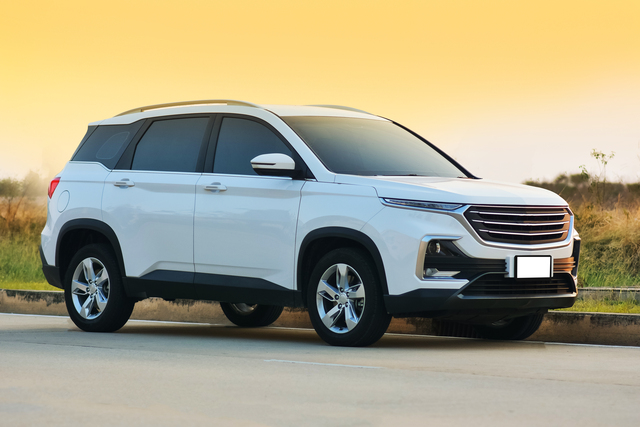


Looking for the best used AWD SUV without overspending? This guide compares the most reliable and affordable all-wheel-drive SUVs for every budget, including fuel economy, reliability, safety, maintenance costs, and common problems. You'll also learn what to inspect before buying and how online auto auctions can help you save money while finding the right AWD SUV for your needs.
Why Buy a Used AWD SUV?
If you're shopping for a practical vehicle without spending a fortune, a used AWD SUV is one of the smartest options available. It combines the everyday comfort of an SUV with added traction that helps you stay in control on wet roads, snowy highways, gravel driveways, and light trails. Buying used also lets you enjoy these benefits while paying thousands of dollars less than the original owner.
For many buyers, a brand-new AWD SUV simply isn't affordable. A two- or three-year-old model often offers nearly the same technology, safety features, and reliability at a much lower price. This makes it possible to drive a well-equipped SUV while staying within your budget.
Whether you're commuting to work, taking family road trips, or living in an area with changing weather conditions, a used AWD SUV can provide excellent value for the money.
What Is an AWD SUV?
An AWD (All-Wheel Drive) SUV is a sport utility vehicle that automatically sends power to all four wheels whenever additional traction is needed. Unlike front-wheel-drive (FWD) or rear-wheel-drive (RWD) vehicles, AWD systems constantly monitor road conditions and distribute power where it can provide the most grip.
Modern AWD systems are designed to work without any driver input. If one wheel begins to slip on snow, ice, mud, or a wet road, the system quickly transfers power to the wheels with better traction. This helps improve stability and reduces the chance of losing control.
For example, imagine you're driving home during a heavy rainstorm. As you pull away from a stoplight, a front-wheel-drive vehicle may briefly spin its tires before gaining traction. An AWD SUV can usually accelerate more smoothly because power is shared between multiple wheels.
Many popular SUVs are available with AWD, including the Toyota RAV4, Honda CR-V, Mazda CX-5, Subaru Forester, Hyundai Santa Fe, Kia Sorento, and Ford Escape.
AWD vs 4WD: Understanding the Difference
Many buyers confuse AWD and 4WD because both systems drive all four wheels. However, they are designed for different purposes.
AWD is intended for everyday driving. It automatically adjusts power distribution between the front and rear wheels to improve traction whenever road conditions change. Drivers do not need to activate or manage the system themselves.
4WD (Four-Wheel Drive), on the other hand, is built primarily for challenging off-road environments. Many 4WD vehicles include a low-range transfer case and locking differentials that help when driving over rocks, deep mud, sand, or steep terrain. In many trucks and traditional SUVs, the driver manually selects when to engage 4WD.
Here is a simple comparison:
|
AWD |
4WD |
|
Automatic operation |
Often manually activated |
|
Best for daily driving |
Best for serious off-roading |
|
Excellent in rain and snow |
Excellent in deep mud, rocks, and rough terrain |
|
Better fuel economy in most cases |
Usually higher fuel consumption |
|
Found on crossovers and family SUVs |
Common on trucks and off-road SUVs |
If your daily routine includes commuting, grocery shopping, school pickups, and occasional winter travel, AWD is usually the better choice. If you regularly drive on rugged trails or need maximum off-road capability, 4WD may be worth considering.
Benefits of Choosing an AWD SUV
One of the biggest advantages of AWD is increased confidence behind the wheel. Better traction can make driving safer and less stressful, especially during bad weather.
Some of the main benefits include:
- Better grip on wet, snowy, or icy roads.
- Improved stability when accelerating.
- More confident handling on gravel roads and uneven surfaces.
- Better performance when climbing steep hills.
- Added peace of mind during changing weather conditions.
- Higher resale value in many regions where AWD is in demand.
AWD can also be helpful even if you don't live in a snowy climate. Heavy rain, loose gravel, dirt roads, and slippery parking lots can all reduce traction. An AWD system helps keep the vehicle stable in these everyday situations.
For example, suppose you're taking your family on a weekend camping trip. The campground entrance may include a muddy dirt road after several days of rain. While a two-wheel-drive vehicle might struggle for traction, an AWD SUV can often drive through with much greater confidence.
Many buyers also appreciate that today's AWD systems operate quietly in the background. You receive the benefits without needing to think about switching drive modes every time road conditions change.
Find Reliable AWD SUVs at U.S. Auto Auctions
Looking for an affordable AWD SUV? Auto4Export gives you access to thousands of vehicles from leading U.S. auto auctions, helping you compare prices, review vehicle history, and buy popular models like the Toyota RAV4, Honda CR-V, Subaru Forester, and more at competitive prices.
- ✅ Access thousands of used AWD SUVs from U.S. auctions
- ✅ Clean Title and Salvage Title vehicles available
- ✅ Vehicle history reports and auction photos
- ✅ Worldwide shipping and export assistance
Who Should Buy an AWD SUV?
An AWD SUV is not necessary for everyone, but it can be an excellent investment for many drivers.
You should seriously consider AWD if you:
- Live in areas that receive snow or ice during the winter.
- Frequently drive in heavy rain.
- Travel through mountain roads or hilly terrain.
- Regularly drive on gravel or unpaved roads.
- Enjoy outdoor activities such as hiking, camping, or skiing.
- Want additional stability for family transportation.
Budget-conscious buyers often assume AWD vehicles are out of reach. Fortunately, that's no longer true. Thanks to depreciation, many reliable AWD SUVs that originally cost over $35,000 can now be found on the used market for under $20,000, depending on mileage, condition, and location.
For instance, a young family looking for a dependable daily driver may discover that a three-year-old AWD Honda CR-V costs only slightly more than a comparable front-wheel-drive model. That small price difference can provide better year-round confidence without significantly increasing the monthly budget.
Is AWD Worth the Extra Cost on a Used Vehicle?
In many cases, yes. While AWD versions usually cost slightly more than front-wheel-drive models, the added expense is often reasonable compared to the extra capability they provide.
The price difference in the used market is frequently much smaller than it was when the vehicle was new. Depending on the model, mileage, and condition, the AWD version may cost only a few thousand dollars more than the equivalent FWD model.
There are some additional ownership costs to keep in mind. AWD systems contain extra components, which may slightly increase maintenance expenses over time. Fuel economy is also typically a little lower because the vehicle is driving more drivetrain components.
However, for many buyers, these trade-offs are outweighed by the benefits. Improved traction, better stability, stronger resale value, and increased confidence during poor weather often make AWD a worthwhile investment.
How to Choose the Best Used AWD SUV
Choosing the best used AWD SUV is not only about finding a model with all-wheel drive. You also need to think about your budget, fuel costs, repairs, safety, space, and how you plan to use the vehicle every day. A good AWD SUV should fit your life, not just look good in photos.
Set Your Budget
Before you start comparing models, decide how much you can realistically spend. This should include more than just the winning bid or purchase price.
Your total budget should include:
- Vehicle price
- Auction fees
- Documentation fees
- Transportation or shipping
- Registration and taxes
- Possible repairs
- New tires or maintenance after purchase
For example, if your maximum budget is $18,000, it may not be smart to bid $18,000 on the vehicle itself. You may need to leave $2,000–$3,000 for fees, delivery, inspection, and small repairs.
A smart buyer looks at the total cost, not just the price of the SUV.
Consider Long-Term Ownership Costs
A cheap SUV is not always cheap to own. Some models have higher repair costs, expensive parts, or complex systems that can cost more over time.
Before buying, check common maintenance costs such as:
- Oil changes
- Brake replacement
- Tire replacement
- Transmission service
- AWD system service
- Suspension repairs
- Battery replacement
For buyers on a limited budget, reliable models like the Toyota RAV4, Honda CR-V, Subaru Forester, and Mazda CX-5 are often attractive because they are widely available and parts are usually easier to find.
The goal is simple: buy an SUV you can afford to keep, not just afford to purchase.
Fuel Economy and Running Expenses
AWD SUVs usually use more fuel than front-wheel-drive SUVs because the drivetrain has more components. The difference may not seem big at first, but it can matter if you drive every day.
For example, a buyer who drives 60 miles per day for work may spend much more on fuel over the year than someone who only drives on weekends. In this case, a fuel-efficient compact AWD SUV may be a better choice than a larger three-row SUV.
If fuel economy is important, look at models such as:
- Toyota RAV4 AWD
- Honda CR-V AWD
- Subaru Forester
- Ford Escape AWD
- Hyundai Tucson AWD
- Kia Sportage AWD
Larger SUVs like the Toyota Highlander or Kia Sorento offer more space, but they usually cost more to fuel and maintain.
Reliability and Maintenance History
Reliability is one of the most important factors when buying a used AWD SUV. A vehicle may look clean in photos, but poor maintenance can lead to expensive problems later.
Always try to check:
- Vehicle history report
- Number of previous owners
- Service records
- Accident history
- Mileage consistency
- Title status
- Signs of flood or frame damage
A well-maintained SUV with 80,000 miles can be a better choice than a neglected SUV with 50,000 miles. Mileage matters, but maintenance matters more.
For example, if one RAV4 has higher mileage but regular service records, while another has lower mileage but no history, the first one may be the safer option.
Safety Ratings and Driver Assistance Features
Safety is especially important if you are buying an SUV for family use, winter driving, or daily commuting. Many 2021 AWD SUVs come with strong safety features, but equipment can vary by trim.
Look for features such as:
- Automatic emergency braking
- Blind spot monitoring
- Lane keeping assist
- Adaptive cruise control
- Rear cross-traffic alert
- Backup camera
- Stability control
- Good crash-test ratings
Some buyers focus only on price and forget about safety features. That can be a mistake. Paying a little more for a trim with better safety technology may be worth it, especially if the SUV will be used for children, long commutes, or highway driving.
Cargo Space and Interior Comfort
An AWD SUV should match your daily needs. A compact SUV may be perfect for one person or a small family, but it may feel too small if you carry sports equipment, baby strollers, luggage, or work tools.
Before choosing a model, think about how you will use the vehicle:
- Do you need room for children?
- Do you carry large bags or equipment?
- Do you travel often?
- Do you need a third row?
- Will adults sit in the back seats often?
The Honda CR-V and Subaru Forester are known for practical cargo space in the compact SUV class. The Toyota Highlander and Kia Sorento are better choices if you need more passenger space or a third row.
A lower price is attractive, but comfort matters if you plan to keep the SUV for several years.
Engine Performance and Towing Capacity
Not every AWD SUV performs the same way. Some are built mainly for fuel efficiency, while others offer stronger engines and better towing ability.
If you mostly drive in the city, a compact AWD SUV with a smaller engine may be enough. If you often drive on highways, mountains, or carry heavy loads, you may want more power.
Think about:
- Acceleration
- Highway passing power
- Towing capacity
- Engine reliability
- Transmission performance
- Load capacity
For example, a Ford Escape AWD or Mazda CX-5 may feel more responsive for daily driving. A Toyota Highlander or Kia Sorento may be better if you need more space and towing ability.
Do not pay extra for power you do not need. But also do not buy an underpowered SUV if you regularly drive with passengers, luggage, or in hilly areas.
Ground Clearance for Snow and Light Off-Road Use
Ground clearance is the distance between the bottom of the vehicle and the road. It matters when driving through snow, gravel roads, uneven driveways, or light trails.
AWD helps with traction, but ground clearance helps the SUV avoid scraping or getting stuck. This is important if you live in an area with winter storms, rural roads, or rough parking areas.
For example, someone living in a city with mild rain may not need much extra ground clearance. But a buyer in a snowy state may benefit from an SUV like the Subaru Forester, which is popular for winter driving and outdoor use.
Remember: AWD helps the wheels grip, but it does not turn every SUV into an off-road vehicle.
AWD System Types and Their Differences
Not all AWD systems work the same way. Some systems send power mainly to the front wheels and only engage the rear wheels when needed. Others are more active and provide power to all wheels more often.
Common AWD system types include:
- On-demand AWD
- Full-time AWD
- Symmetrical AWD
- Torque-vectoring AWD
- Hybrid AWD systems
On-demand AWD is common in many compact SUVs. It is good for daily driving and helps save fuel. Subaru’s Symmetrical AWD is known for sending power to all wheels more consistently, which can be helpful in snow and slippery conditions.
Some newer SUVs also use drive modes such as Snow, Sport, Mud, or Sand. These modes can adjust throttle response, traction control, and power delivery.
For most budget buyers, the key is simple: choose an AWD system that matches your real driving needs. You probably do not need the most advanced system if you only drive in light rain. But if you face snow every winter, AWD quality becomes more important.
Common Problems to Watch Before Buying
Used AWD SUVs can be excellent values, but you should inspect them carefully. AWD systems add extra parts, and neglected maintenance can become expensive.
Common things to watch include:
- Uneven tire wear
- Mismatched tires
- Transmission problems
- Transfer case noise
- Rear differential issues
- Suspension wear
- Oil leaks
- Warning lights on the dashboard
- Delayed shifting
- Vibration during acceleration
Tires are especially important on AWD vehicles. If the tires are different brands, different sizes, or have uneven tread depth, this can put stress on the AWD system.
Also watch for signs of accident damage. Many used SUVs are sold after collisions, especially at auctions. Some are still good deals, but you need to understand the damage before buying.
Best Used AWD SUVs: Top 10 Models
The used SUV market offers dozens of AWD models, but only a handful consistently stand out for their reliability, safety, affordability, and long-term value. The best choice depends on your budget and driving needs, but certain SUVs have built strong reputations thanks to low maintenance costs, comfortable interiors, and dependable all-wheel-drive systems.
The following models are among the best used AWD SUVs you can buy. They perform well in daily driving, handle poor weather with confidence, and can often be found at attractive prices through online auto auctions.
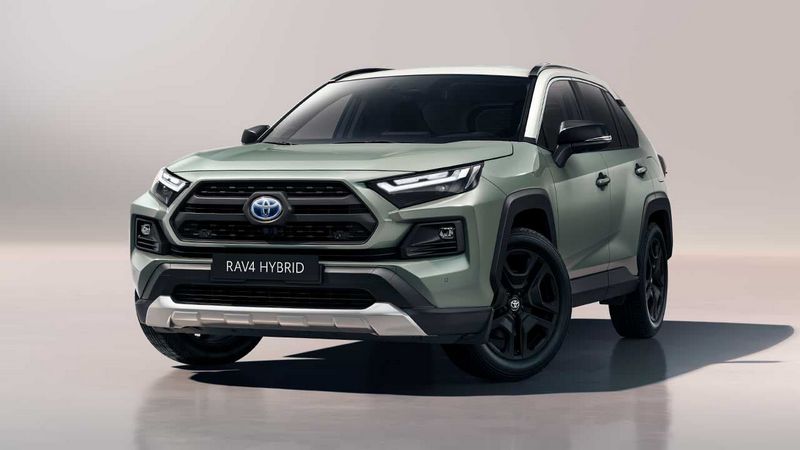
2021 Toyota RAV4
The 2021 Toyota RAV4 remains one of the most popular compact SUVs on the used market, and for good reason. It offers an excellent balance of reliability, fuel efficiency, safety, and resale value. Whether you're commuting every day, taking family road trips, or driving through winter weather, the RAV4 is built to handle a wide range of situations.
For buyers looking to save money without sacrificing quality, a used 2021 RAV4 AWD is often one of the safest investments. Thanks to Toyota's reputation for durability, many examples continue to perform well even after accumulating higher mileage, provided they have been properly maintained.
Why It Stands Out
The biggest strength of the 2021 Toyota RAV4 is its overall balance. Few SUVs combine low ownership costs, modern technology, strong safety ratings, and dependable reliability as well as the RAV4.
Unlike some competitors that excel in only one area, the RAV4 performs well across nearly every category. It is comfortable enough for long family trips, economical enough for daily commuting, and capable enough to handle rain, snow, and light off-road conditions.
Another advantage is its popularity. Since Toyota sold large numbers of RAV4s, buyers can usually find many used examples with different trim levels, mileage, and prices. This makes it easier to compare vehicles and find one that fits your budget.
The RAV4 also holds its value well, which means it may cost slightly more than some competitors on the used market. However, many buyers consider the higher purchase price worthwhile because of lower repair costs and strong long-term reliability.
Performance and AWD Capability
The 2021 RAV4 is powered by a 2.5-liter four-cylinder engine producing 203 horsepower, paired with an eight-speed automatic transmission. The engine delivers smooth acceleration for everyday driving and provides enough power for highway merging and passing.
Toyota's Dynamic Torque Control AWD system automatically distributes power between the front and rear wheels whenever extra traction is needed. Under normal driving conditions, most power is sent to the front wheels to improve fuel economy. When the system detects wheel slip, it quickly transfers power to the rear wheels to improve stability.
For drivers who experience rain, snow, or gravel roads, this AWD system provides additional confidence without requiring any manual adjustments.
The RAV4 also offers several selectable drive modes depending on the trim level, including:
- Normal
- Eco
- Sport
- Snow
- Mud & Sand
- Rock & Dirt (Adventure and TRD Off-Road models)
These settings adjust throttle response, traction control, and AWD behavior to better match road conditions.
Although the RAV4 is not designed for serious off-roading, it performs very well on forest roads, muddy campsites, and snowy highways.
Fuel Economy
Fuel efficiency is one of the RAV4's strongest selling points.
The AWD gasoline model is EPA-rated at approximately:
- 27 mpg city
- 33 mpg highway
- 29 mpg combined
These numbers make it one of the more fuel-efficient compact AWD SUVs in its class.
For buyers who commute long distances every day, this can lead to significant savings over time. A driver covering 15,000 to 20,000 miles per year will generally spend less on fuel than someone driving many larger midsize SUVs.
Lower fuel costs also help reduce the total cost of ownership, making the RAV4 especially attractive to budget-conscious buyers.
Interior, Cargo Space, and Technology
Inside, the 2021 RAV4 offers a practical and comfortable cabin with high-quality materials and an easy-to-use layout.
The seats provide good support for long drives, while the elevated driving position gives excellent visibility in traffic.
Cargo space is another major advantage. Behind the second row, the RAV4 offers approximately 37.6 cubic feet of cargo capacity. Folding the rear seats creates significantly more room for furniture, camping gear, bicycles, or luggage.
Families with children will appreciate the wide rear doors, generous rear-seat space, and large cargo area for strollers, sports equipment, or groceries.
Technology features vary by trim level but commonly include:
- Apple CarPlay
- Android Auto
- Amazon Alexa compatibility
- Touchscreen infotainment system
- Bluetooth connectivity
- USB charging ports
- Dual-zone automatic climate control
- Available wireless charging
- Available premium JBL audio system
- Available panoramic sunroof
Even lower trim levels include many modern features that buyers expect in today's SUVs.
Safety Features
Safety has long been one of Toyota's priorities, and the 2021 RAV4 performs very well in this area.
Every 2021 RAV4 comes standard with Toyota Safety Sense 2.0, a package of advanced driver assistance technologies that includes:
- Pre-Collision System with Pedestrian Detection
- Full-Speed Dynamic Radar Cruise Control
- Lane Departure Alert with Steering Assist
- Lane Tracing Assist
- Automatic High Beams
- Road Sign
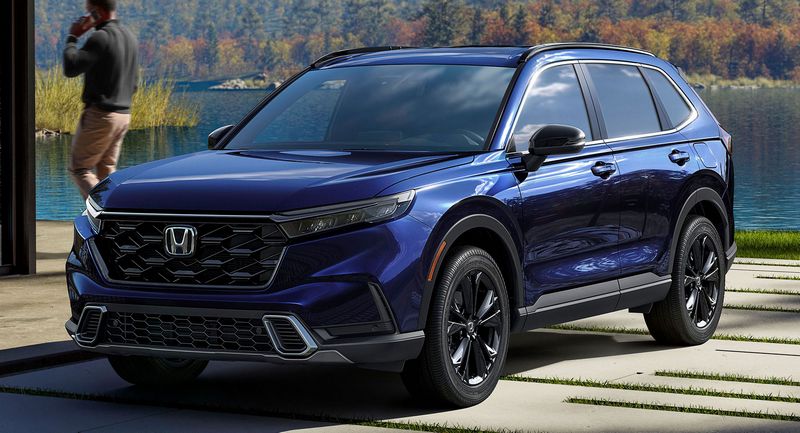
2021 Honda CR-V
The 2021 Honda CR-V is one of the strongest choices for buyers who want a used AWD SUV that feels practical, comfortable, and easy to own. It is not flashy, but that is part of its appeal. The CR-V is built for real life: daily commuting, school runs, grocery trips, family travel, and bad-weather driving.
For budget-conscious buyers, the CR-V is attractive because it offers strong reliability, good fuel economy, a roomy interior, and solid resale value. It is a smart option for someone who wants an SUV that does not feel expensive to drive every day.
Why It Stands Out
The 2021 Honda CR-V stands out because it does almost everything well. It is comfortable, efficient, spacious, and dependable. Many used SUV buyers choose it because they want a vehicle that is simple to live with and does not require constant repairs.
One of its biggest advantages is interior space. Even though the CR-V is a compact SUV, it feels larger inside than many competitors. This makes it a great choice for families, rideshare drivers, small business owners, and anyone who often carries passengers or cargo.
The CR-V is also a good fit for buyers who want an AWD SUV but still care about fuel costs. Some AWD SUVs feel heavy and expensive to run, but the CR-V keeps operating costs reasonable.
For example, if you need one vehicle for work during the week and family use on weekends, the CR-V can cover both needs without feeling oversized or too costly.
Performance and AWD Capability
The 2021 Honda CR-V comes with a 1.5-liter turbocharged four-cylinder engine. It produces about 190 horsepower and is paired with a continuously variable transmission, also known as a CVT.
The engine is not designed for aggressive driving, but it provides smooth and confident performance for normal use. It is strong enough for city traffic, highway merging, and family trips with passengers and luggage.
The available Real Time AWD system automatically sends power to the rear wheels when extra traction is needed. Most of the time, the CR-V drives like a front-wheel-drive SUV to help save fuel. When the road becomes slippery, the system reacts and helps improve grip.
This AWD system is useful for:
- Wet roads
- Light snow
- Slippery parking lots
- Gravel roads
- Hilly neighborhoods
- Everyday winter driving
The CR-V is not a serious off-road SUV, but that is not what most buyers need. It is best for people who want extra confidence in bad weather, not rock-crawling ability.
Fuel Economy
Fuel economy is one of the main reasons the 2021 Honda CR-V is popular among used AWD SUV buyers. The AWD version offers strong mileage for a vehicle with this much interior space.
The 2021 CR-V AWD is rated at approximately:
- 27 MPG city
- 32 MPG highway
- 29 MPG combined
These numbers make it one of the more fuel-efficient AWD SUVs in its class.
This matters for buyers on a tight budget. A lower purchase price is important, but fuel costs can add up quickly. If you drive to work every day, take kids to school, or make regular highway trips, a few extra miles per gallon can save real money over time.
For example, a buyer choosing between a CR-V AWD and a larger three-row SUV may save money every month simply because the CR-V uses less fuel.
Interior, Cargo Space, and Technology
The interior of the 2021 Honda CR-V is one of its strongest points. It feels roomy, practical, and easy to use. The seating position is comfortable, visibility is good, and the cabin layout is simple.
Front passengers get plenty of space, while the rear seats are comfortable enough for adults. This is helpful for families with older children or buyers who often drive with coworkers, friends, or relatives.
Cargo space is excellent for the class. The CR-V offers about 39.2 cubic feet of cargo space behind the rear seats. With the rear seats folded down, cargo space expands to about 75.8 cubic feet.
That gives buyers room for:
- Groceries
- Strollers
- Suitcases
- Sports gear
- Work tools
- Small furniture
- Pet carriers
Technology depends on the trim level. Base models are more basic, while higher trims offer more comfort and convenience features.
Available features may include:
- Apple CarPlay
- Android Auto
- Bluetooth
- Touchscreen infotainment system
- USB ports
- Dual-zone automatic climate control
- Power liftgate
- Heated front seats
- Remote start
- Navigation on higher trims
For most used buyers, the EX or EX-L trims often offer the best balance of price and features.
Safety Features
The 2021 Honda CR-V is a strong choice for safety-minded buyers. Honda equipped it with Honda Sensing, a package of driver-assistance features designed to help prevent accidents and reduce stress on the road.
Common safety features include:
- Collision Mitigation Braking System
- Road Departure Mitigation
- Adaptive Cruise Control
- Lane Keeping Assist
- Forward Collision Warning
- Lane Departure Warning
- Backup camera
- Stability control
- Available blind spot monitoring
- Available rear cross-traffic alert
These features are especially useful for daily commuting and family driving. For example, adaptive cruise control can make highway trips easier, while lane keeping assist can help during long drives when fatigue becomes a factor.
For a used SUV buyer, safety technology can add a lot of value. It may cost more to buy a trim with these features, but it can be worth it if the vehicle will be used every day.
Reliability, Common Issues, and Best Choice for Buyers
The Honda CR-V has a strong reputation for reliability, and the 2021 model is generally considered a dependable used SUV. With regular maintenance, it can serve buyers well for many years.
Still, like any used vehicle, it should be inspected carefully before purchase. Some buyers have reported issues related to the 1.5-liter turbo engine, including fuel dilution concerns in some earlier model years. By 2021, Honda had addressed many of these concerns, but buyers should still check maintenance history and make sure the vehicle runs smoothly.
Things to inspect before buying include:
- Oil change history
- Turbo engine performance
- CVT transmission behavior
- AWD system operation
- Tire condition and matching tread
- Suspension noise
- Brake wear
- Accident history
- Signs of poor repairs
The CR-V is a good choice for buyers who want a safe, fuel-efficient, and roomy AWD SUV without moving into a more expensive midsize model.
It is especially suitable for:
- Small families
- Daily commuters
- First-time SUV buyers
- Budget-conscious buyers
- Drivers in rainy or snowy areas
- Buyers who want strong resale value
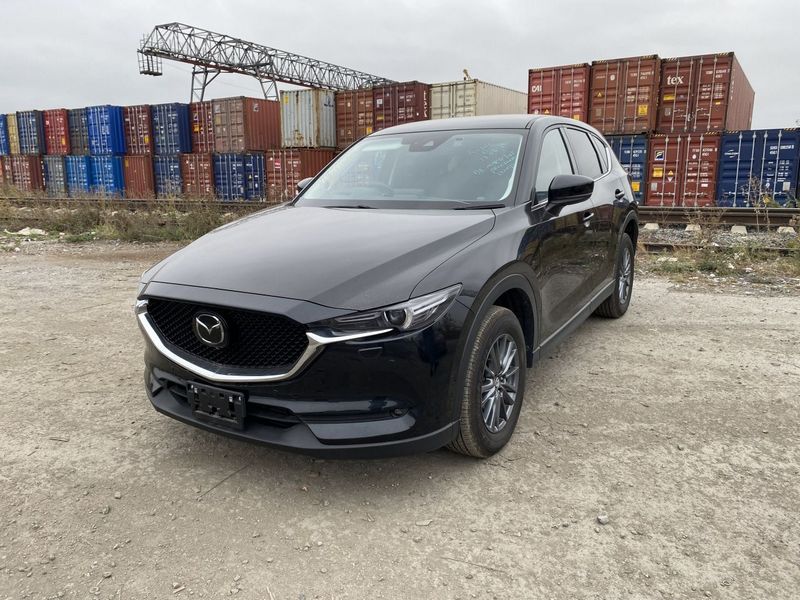
2021 Mazda CX-5
The 2021 Mazda CX-5 is a strong choice for buyers who want a used AWD SUV that feels more premium without moving into luxury-brand prices. It has stylish design, a high-quality interior, sharp handling, and available all-wheel drive for better traction in bad weather.
For budget-conscious buyers, the CX-5 can be a smart alternative to more expensive SUVs. It often feels more refined than many compact competitors, but it can still be found at reasonable prices on the used market and at online auto auctions.
Why It Stands Out
The 2021 Mazda CX-5 stands out because it feels more enjoyable to drive than many other compact AWD SUVs. While models like the Honda CR-V and Toyota RAV4 focus mainly on practicality, the CX-5 adds a more upscale feel and sportier road manners.
This makes it a good fit for buyers who want one vehicle for daily life but do not want something boring. It is practical enough for commuting, grocery runs, and weekend trips, yet it feels more responsive and comfortable from behind the wheel.
Key advantages include:
- Attractive exterior design
- Premium-feeling interior
- Comfortable ride quality
- Strong handling
- Available turbocharged engine
- Good safety features
- Solid reliability record
- Reasonable used-market pricing
For example, a buyer who cannot afford a Lexus, Acura, or BMW SUV may still enjoy a more refined driving experience with a used Mazda CX-5.
Performance and AWD Capability
The 2021 Mazda CX-5 offers two engine options. Most models come with a 2.5-liter four-cylinder engine producing about 187 horsepower. Higher trims offer a turbocharged 2.5-liter engine with much stronger acceleration.
For most budget buyers, the standard engine is enough. It is smooth, reliable, and more affordable to maintain than the turbo version. It works well for city driving, highway commuting, and everyday family use.
The available i-Activ AWD system helps improve traction when roads become slippery. It monitors road conditions and driver input, then adjusts power delivery to help the SUV stay stable. This can be useful in rain, snow, gravel, and uneven road conditions.
The CX-5 AWD is especially good for:
- Rainy city driving
- Light snow
- Highway commuting
- Curvy roads
- Gravel driveways
- Daily driving in colder states
It is not built for heavy off-road use, but it gives drivers better control and confidence in normal bad-weather situations.
One important point is that the CX-5 feels more car-like than many SUVs. Steering is responsive, body roll is well controlled, and the vehicle feels stable at highway speeds. For drivers who enjoy the feel of a sedan but need SUV practicality, this is a major benefit.
Fuel Economy
The 2021 Mazda CX-5 AWD offers respectable fuel economy, though it is not the most fuel-efficient SUV in its class.
With the standard 2.5-liter engine and AWD, fuel economy is approximately:
- 24 MPG city
- 30 MPG highway
- 26 MPG combined
The turbocharged AWD version uses more fuel, so budget-focused buyers should think carefully before choosing it. The extra power feels nice, but it can increase fuel costs over time.
For many buyers, the standard non-turbo AWD model is the better value. It provides enough performance for daily driving while keeping fuel expenses more reasonable.
For example, if you drive mostly to work, school, stores, and weekend errands, the standard engine is usually the smarter choice. If you often drive on highways, carry passengers, or want stronger acceleration, the turbo may be worth considering—but only if your budget allows for higher running costs.
Interior, Cargo Space, and Technology
The interior is one of the biggest reasons buyers choose the 2021 Mazda CX-5. The cabin feels clean, quiet, and more upscale than many competitors in the same price range. Materials are pleasant to touch, controls are well placed, and the seating position feels comfortable.
The front seats offer good support for daily driving and longer trips. Rear-seat space is acceptable, but not as roomy as the Honda CR-V. Taller passengers may find the second row a little tighter, especially on long drives.
Cargo space is practical, though again not class-leading. The CX-5 offers about 30.9 cubic feet of cargo space behind the second row. With the rear seats folded, cargo space expands to about 59.6 cubic feet.
This is enough for:
- Weekly groceries
- Luggage for two or three people
- Sports bags
- Small furniture
- Work items
- Camping gear for short trips
However, buyers who need maximum cargo space may prefer the Honda CR-V, Toyota RAV4, or Subaru Forester.
Technology features are strong for the class. Depending on the trim, the 2021 CX-5 may include:
- 10.25-inch center display
- Apple CarPlay
- Android Auto
- Bluetooth
- USB ports
- Push-button start
- Available Bose audio system
- Available navigation
- Available heated seats
- Available power liftgate
Mazda’s infotainment system uses a control knob instead of only touchscreen operation. Some drivers like this because it can be easier to use while driving. Others may need a little time to get used to it.
Safety Features
The 2021 Mazda CX-5 is a strong choice for safety. Mazda equipped it with many advanced driver-assistance features, even on lower trims.
Common safety features include:
- Automatic emergency braking
- Blind spot monitoring
- Rear cross-traffic alert
- Adaptive cruise control
- Lane departure warning
- Lane keeping assist
- Automatic high beams
- Backup camera
- Stability control
These features make the CX-5 a good option for commuters and families. Blind spot monitoring and rear cross-traffic alert are especially helpful in daily driving, such as changing lanes on busy highways or backing out of crowded parking spaces.
For a used SUV buyer, standard safety technology adds real value. It means you do not always need to buy the highest trim to get important protection features.
Reliability, Common Issues, and Best Choice for Buyers
The Mazda CX-5 has a solid reliability reputation, especially with the standard 2.5-liter non-turbo engine. It is generally considered a dependable used SUV when properly maintained.
Still, buyers should inspect any used CX-5 carefully before purchase. As with all AWD vehicles, tire condition and maintenance history are very important.
Common things to check include:
- Oil change records
- Transmission behavior
- AWD system operation
- Suspension noise
- Brake wear
- Tire matching and tread depth
- Infotainment system function
- Paint and body condition
- Accident history
- Signs of poor collision repair
The turbocharged version can be more exciting to drive, but it may also cost more to maintain. Buyers with a tight budget may be better off choosing the standard engine to reduce long-term ownership costs.
The 2021 Mazda CX-5 is best for buyers who want:
- A stylish used AWD SUV
- A more premium interior
- Good safety features
- Better handling than average
- Comfortable daily driving
- Reasonable reliability
- A lower price than luxury SUVs
The best value is often found in the Touring or Grand Touring trims. These versions usually include a good mix of comfort, safety, and technology without the highest price of the top turbo trims.
2021 Subaru Forester
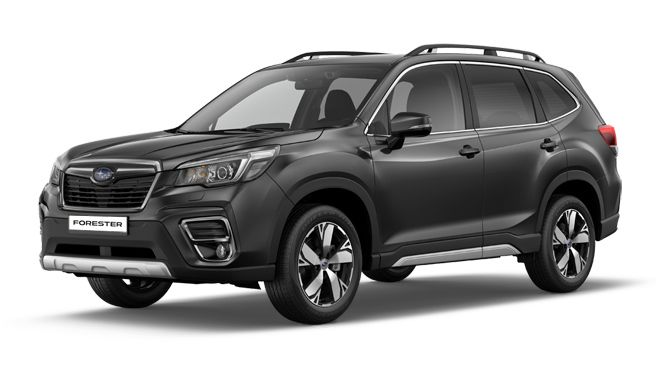
The 2021 Subaru Forester is one of the best used AWD SUVs for buyers who care about bad-weather confidence, visibility, interior space, and practical everyday use. Unlike many compact SUVs where AWD is optional, the Forester comes with standard all-wheel drive. That makes it especially attractive for drivers who live in snowy states, rural areas, or places with frequent rain.
For budget-conscious buyers, the Forester offers a strong mix of value and capability. You do not have to search only for special AWD trims because every 2021 Forester already includes Subaru’s Symmetrical AWD system. This can make shopping easier and help you compare vehicles by mileage, condition, and price instead of drivetrain.
Why It Stands Out
The 2021 Subaru Forester stands out because it is built around practicality. It has a roomy cabin, excellent outward visibility, good cargo space, and standard AWD. It feels less sporty than the Mazda CX-5, but it is very easy to live with.
The Forester is a smart choice for people who need one vehicle for work, family, winter roads, and weekend activities. It fits buyers who may not want a large SUV but still need useful space and confidence in poor weather.
Key advantages include:
- Standard Symmetrical AWD
- Excellent visibility from the driver’s seat
- Spacious interior
- Good cargo capacity
- Strong safety features
- High ground clearance
- Comfortable ride quality
- Good fuel economy for an AWD SUV
For example, if you drive to work before the roads are fully cleared after a snowstorm, the Forester can give you more confidence than many front-wheel-drive SUVs. It is also useful for people who visit campsites, ski resorts, hiking areas, or rural properties.
Standard Symmetrical AWD System
One of the biggest reasons to buy a Subaru Forester is its standard Symmetrical AWD system. While many competing SUVs use an on-demand AWD system that sends power to the rear wheels only when needed, Subaru’s system is designed to provide balanced power delivery more consistently.
This does not mean the Forester is a heavy-duty off-road vehicle, but it does mean it feels stable in many real-world driving conditions.
The system is helpful on:
- Snow-covered roads
- Wet highways
- Gravel roads
- Muddy driveways
- Steep hills
- Light trails
- Slippery parking lots
The 2021 Forester also has generous ground clearance of about 8.7 inches, which is helpful in snow and on uneven roads. Some trims include X-MODE, a Subaru drive-assist feature that helps manage traction on slippery or loose surfaces.
This makes the Forester a good option for buyers who want more capability than a typical city crossover, but do not need a truck-based 4WD SUV.
Fuel Economy
The 2021 Subaru Forester uses a 2.5-liter four-cylinder boxer engine paired with a continuously variable transmission, or CVT. It produces about 182 horsepower, which is enough for normal driving.
Fuel economy is strong considering AWD is standard. The 2021 Forester is rated at approximately:
- 26 MPG city
- 33 MPG highway
- 29 MPG combined
These numbers make the Forester one of the more efficient AWD SUVs in its class. That is important for buyers who want all-wheel drive but do not want high fuel bills.
For example, a buyer who commutes every day and also drives to the mountains on weekends can get AWD capability without moving into a much larger, less efficient SUV.
The Forester is not the fastest SUV in this list. Acceleration is modest, especially when the vehicle is full of passengers or cargo. But for most daily drivers, the trade-off is acceptable because the Forester is comfortable, efficient, and practical.
Interior, Cargo Space, and Technology
The interior of the 2021 Subaru Forester is designed for function. It is not as upscale as the Mazda CX-5, but it is roomy, comfortable, and easy to use.
One of the best things about the Forester is visibility. Large windows and a tall seating position help the driver see clearly in traffic, parking lots, and tight roads. This can be especially helpful for new drivers or anyone who dislikes the closed-in feeling of some modern SUVs.
Passenger space is also strong. The rear seats offer generous legroom, making the Forester comfortable for families and adults sitting in the back.
Cargo space is practical as well. The 2021 Forester offers around 31.1 cubic feet of space behind the rear seats. With the rear seats folded, cargo capacity expands to about 76.1 cubic feet, depending on trim and equipment.
This space is useful for:
- Groceries
- Luggage
- Baby strollers
- Camping gear
- Sports equipment
- Pet supplies
- Small furniture
Technology features vary by trim, but many 2021 Forester models include:
- Touchscreen infotainment system
- Apple CarPlay
- Android Auto
- Bluetooth
- USB ports
- Available navigation
- Available heated seats
- Available power rear gate
- Available Harman Kardon audio system
For many buyers, the Premium trim offers a good balance between price and useful features.
Safety Features
Safety is one of the Forester’s strongest selling points. Subaru equipped the 2021 Forester with EyeSight Driver Assist Technology on most models, giving buyers helpful safety features without needing to move into the most expensive trims.
Common safety features include:
- Pre-collision braking
- Adaptive cruise control
- Lane departure warning
- Lane keep assist
- Lead vehicle start alert
- Rearview camera
- Available blind spot detection
- Available rear cross-traffic alert
- Available reverse automatic braking
These features are useful for both city and highway driving. Adaptive cruise control can reduce stress during long commutes, while blind spot monitoring can help when changing lanes on busy roads.
For families, students, and budget buyers, this safety equipment adds real value. A used Forester can offer many modern safety features at a much lower price than a new SUV.
Reliability, Common Issues, and Best Choice for Buyers
The 2021 Subaru Forester has a good reputation as a practical and dependable AWD SUV, especially when it has been properly maintained. However, buyers should still inspect it carefully before purchase.
Older Subaru models were often associated with certain engine issues, but the 2021 Forester is generally more modern and improved. Still, as with any used vehicle, maintenance history is very important.
Before buying, check for:
- Regular oil changes
- CVT transmission service history
- Smooth acceleration
- No unusual transmission noise
- Tire condition and matching tread depth
- Suspension noises
- Brake wear
- Signs of accident damage
- Proper AWD system operation
- Warning lights on the dashboard
Because the Forester uses AWD all the time, tire condition is especially important. Mismatched tires or uneven tread can create extra stress on the drivetrain. This is something every buyer should check before bidding or purchasing.
The 2021 Subaru Forester is best for buyers who want:
- Standard AWD
- Strong winter capability
- Good fuel economy
- Lots of interior space
- Easy visibility
- Practical cargo room
- Modern safety features
- A comfortable daily driver
2021 Hyundai Santa Fe
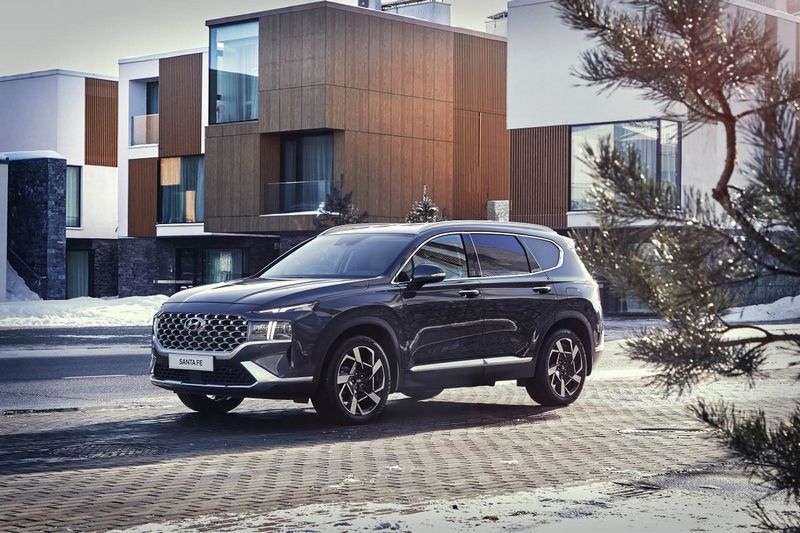
The 2021 Hyundai Santa Fe is a practical choice for buyers who want more space and comfort than a compact SUV, but do not need a full-size three-row vehicle. It sits between smaller SUVs like the Hyundai Tucson and larger family models like the Toyota Highlander. This makes it a strong option for drivers who want an affordable used AWD SUV with a comfortable cabin, good safety features, and a more upscale feel.
For budget-conscious buyers, the Santa Fe can be especially attractive because it often costs less than some Japanese rivals with similar equipment. That can help shoppers get a newer model, better trim, or lower mileage without going over budget.
Why It Stands Out
The 2021 Hyundai Santa Fe stands out because it gives buyers a lot of features for the money. It has a spacious two-row layout, comfortable seats, strong safety technology, and available all-wheel drive. It also feels more refined than many budget SUVs, especially in higher trims.
One of its biggest advantages is value. A used Santa Fe may offer features like heated seats, a large touchscreen, leather upholstery, a power liftgate, blind spot monitoring, and advanced driver assistance at a lower price than some competitors.
Key advantages include:
- Roomy two-row interior
- Comfortable ride quality
- Available AWD
- Strong standard safety features
- Good technology options
- Attractive used-market pricing
- Good warranty coverage when still applicable
- More space than many compact SUVs
For example, a small family may find the Santa Fe more comfortable than a compact SUV, especially if they often carry luggage, sports bags, or a child seat. It gives you more room without the higher price and fuel costs of a larger three-row SUV.
Performance and AWD Capability
The 2021 Hyundai Santa Fe offers different engine choices depending on the trim. Many models come with a 2.5-liter four-cylinder engine that produces about 191 horsepower. Higher trims may offer a turbocharged 2.5-liter engine with much stronger acceleration.
For most budget buyers, the standard engine is enough for daily use. It works well for city driving, commuting, and normal highway trips. It is not the fastest option, but it keeps costs more reasonable.
The available AWD system helps improve traction when the road becomes slippery. In normal conditions, the Santa Fe drives efficiently and comfortably. When the system detects reduced grip, it can send power to the wheels that need it most.
The Santa Fe AWD is useful for:
- Rainy roads
- Light snow
- Slippery driveways
- Gravel roads
- Hilly neighborhoods
- Highway driving in bad weather
Some trims also include drive modes, which can adjust the vehicle’s response depending on conditions. This helps the Santa Fe feel more confident when the weather changes.
The turbocharged version is more enjoyable to drive, especially with passengers or luggage. However, buyers with a limited budget should remember that turbo models usually cost more to buy and may cost more to maintain over time.
Fuel Economy
Fuel economy depends on the engine and drivetrain. The 2021 Santa Fe AWD with the standard 2.5-liter engine delivers approximately:
- 22 MPG city
- 25 MPG highway
- 24 MPG combined
The turbocharged AWD version is similar in combined mileage, but real-world fuel costs can be higher if you often use the extra power.
Compared with smaller AWD SUVs like the Honda CR-V or Toyota RAV4, the Santa Fe uses more fuel. That is expected because it is larger and heavier. However, it still offers reasonable fuel economy for a comfortable midsize two-row SUV.
For example, if you drive long distances every day, a smaller SUV may save more money on gas. But if you need extra room for family, cargo, or road trips, the Santa Fe’s added space may be worth the extra fuel cost.
Budget buyers should compare the purchase price and fuel costs together. A Santa Fe may cost less to buy than some competitors, which can help balance slightly higher fuel expenses.
Interior, Cargo Space, and Technology
The interior is one of the strongest reasons to consider the 2021 Hyundai Santa Fe. It feels spacious, quiet, and comfortable. The layout is simple, and the controls are easy to understand.
The front seats are supportive, and the rear seats offer good space for adults or children. This makes the Santa Fe a good family SUV, especially for buyers who do not need a third row.
Cargo space is also useful. The 2021 Santa Fe offers about 36.4 cubic feet of cargo space behind the second row. With the rear seats folded, cargo space expands to about 72.1 cubic feet.
This gives buyers room for:
- Weekly groceries
- Baby strollers
- Luggage
- Sports equipment
- Work tools
- Camping gear
- Pet supplies
Technology features vary by trim, but many 2021 Santa Fe models include:
- Touchscreen infotainment system
- Apple CarPlay
- Android Auto
- Bluetooth
- USB ports
- Available wireless charging
- Available digital instrument cluster
- Available navigation
- Available premium audio system
- Available power liftgate
- Available heated and ventilated seats
The Santa Fe is a good choice for buyers who want comfort features without paying luxury SUV prices. Even mid-level trims can feel well equipped.
Safety Features
The 2021 Hyundai Santa Fe offers strong safety technology, which adds value for used SUV buyers. Many important driver-assistance features are standard or widely available.
Common safety features include:
- Forward collision-avoidance assist
- Lane keeping assist
- Lane following assist
- Driver attention warning
- Blind spot monitoring
- Rear cross-traffic alert
- Safe exit assist
- Adaptive cruise control
- Backup camera
- Parking sensors on some trims
These features are helpful in daily driving. Blind spot monitoring can make highway lane changes easier, while rear cross-traffic alert is useful when backing out of parking spaces. Safe exit assist can also help warn passengers if traffic is approaching from behind.
For families, safety features can be just as important as price. A used Santa Fe can offer a strong safety package at a reasonable cost, especially compared with older SUVs that lack modern driver assistance.
Reliability, Common Issues, and Best Choice for Buyers
The 2021 Hyundai Santa Fe is generally a solid used SUV, especially when it has a good maintenance history. Hyundai has improved its quality over the years, and the Santa Fe offers strong value in the used market.
Still, buyers should inspect any used Santa Fe carefully. Some Hyundai and Kia models from nearby years have had engine-related concerns, so service history is important. It is also smart to check for recalls, warranty status, and proof of regular maintenance.
Before buying, check:
- Oil change records
- Engine performance
- Transmission shifting
- AWD system operation
- Tire condition
- Brake wear
- Suspension noises
- Warning lights
- Accident history
- Signs of flood damage
- Recall completion
The turbocharged engine offers better performance, but the standard 2.5-liter engine may be the smarter choice for buyers who want lower long-term costs. The best value is often found in SEL trims because they usually include useful comfort and safety features without the highest price.
The 2021 Hyundai Santa Fe is best for buyers who want:
- More room than a compact SUV
- A comfortable two-row cabin
- Good safety technology
- Available AWD
- Strong feature value
- Reasonable used prices
- Family-friendly practicality
2021 Kia Sorento
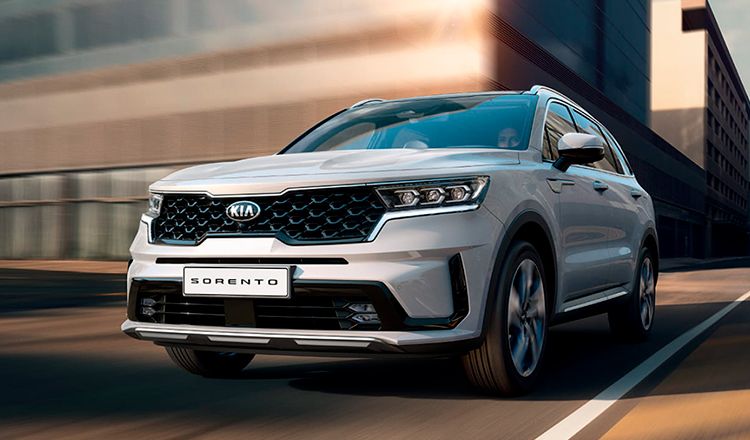
The 2021 Kia Sorento is a smart used AWD SUV for buyers who need more flexibility than a compact SUV but do not want the size or price of a large family vehicle. It offers three rows, available AWD, modern technology, and a comfortable cabin, making it a practical choice for families on a budget.
Why It Stands Out
The 2021 Kia Sorento stands out because it gives buyers a lot of SUV for the money. It is smaller than many traditional three-row SUVs, but it still offers extra seating when needed. This is useful for families who occasionally carry grandparents, friends, or extra kids, but do not want to pay more for a larger SUV.
Key advantages include:
- Available three-row seating
- Available AWD
- Modern interior design
- Good safety features
- Comfortable ride quality
- Strong value on the used market
- More practical space than many compact SUVs
For example, a family with two children may not need a third row every day. But when relatives visit or kids bring friends, the extra seats can be very useful. The Sorento gives that flexibility without feeling as large as a Toyota Highlander or Ford Explorer.
Performance and AWD Capability
The 2021 Kia Sorento offers different engine options. Many models come with a 2.5-liter four-cylinder engine that produces about 191 horsepower. Higher trims may offer a turbocharged 2.5-liter engine with much stronger acceleration.
For most budget buyers, the standard engine is enough for daily driving. It works well for school drop-offs, commuting, shopping, and normal highway use. The turbo engine is quicker, but it usually costs more to buy and may be more expensive to maintain over time.
The available AWD system improves traction when roads become slippery. It can help in:
- Rain
- Light snow
- Gravel roads
- Hilly areas
- Slippery parking lots
- Winter commuting
Some versions also include drive modes that adjust the vehicle’s response based on road conditions. This can make the Sorento feel more confident when weather changes quickly.
The Sorento is not a serious off-road SUV, but it is capable enough for daily bad-weather driving and light outdoor use.
Fuel Economy
Fuel economy depends on the engine and drivetrain. The 2021 Kia Sorento AWD with the standard 2.5-liter engine delivers approximately:
- 23 MPG city
- 25 MPG highway
- 24 MPG combined
The turbocharged AWD version offers similar combined fuel economy, but real-world costs may be higher if you often use the extra power.
For a three-row AWD SUV, these numbers are reasonable. The Sorento is more efficient than many larger SUVs, which can help budget-conscious buyers save money over time.
If you mostly drive alone or with one passenger, a smaller SUV may be cheaper to fuel. But if you need occasional third-row seating, the Sorento can be a good middle ground between fuel savings and family flexibility.
Interior, Cargo Space, and Technology
The 2021 Kia Sorento has a modern, comfortable interior that feels more expensive than many buyers expect. The layout is clean, the seats are supportive, and many trims include useful comfort features.
The first and second rows are comfortable for adults. The third row is best for children or shorter trips. It is helpful to have, but it is not as spacious as the third row in larger SUVs.
Cargo space depends on how the seats are positioned. With all three rows in use, cargo room is limited. Folding the third row creates much more usable space for groceries, luggage, sports gear, or work items.
The Sorento offers approximately:
- 12.6 cubic feet behind the third row
- 45 cubic feet behind the second row
- 75.5 cubic feet with the rear seats folded
Available technology may include:
- Touchscreen infotainment system
- Apple CarPlay
- Android Auto
- Bluetooth
- USB ports
- Available wireless charging
- Available navigation
- Available digital instrument cluster
- Available heated seats
- Available power liftgate
For budget buyers, mid-level trims often provide the best value because they include many useful features without the high price of top trims.
Safety Features
The 2021 Kia Sorento offers many safety features that make it a strong choice for families and daily drivers. Depending on trim, it may include a wide range of driver-assistance systems.
Common safety features include:
- Forward collision avoidance assist
- Lane keeping assist
- Lane following assist
- Driver attention warning
- Blind spot monitoring
- Rear cross-traffic alert
- Safe exit assist
- Adaptive cruise control on some trims
- Backup camera
- Parking sensors on some trims
These features can be very helpful in everyday driving. Blind spot monitoring is useful on highways, while rear cross-traffic alert helps when backing out of parking spaces at stores, schools, or apartment complexes.
For families shopping on a limited budget, safety technology is a major benefit. A used Sorento can provide modern safety features at a price much lower than a new three-row SUV.
Reliability, Common Issues, and Best Choice for Buyers
The 2021 Kia Sorento can be a good used SUV when it has been properly maintained. It offers strong value, modern design, and family-friendly flexibility. However, buyers should inspect it carefully before purchase.
As with many Hyundai and Kia models from this period, it is important to check the engine history, maintenance records, recall status, and warranty coverage. A clean vehicle history report and regular service records can make a big difference.
Before buying, check:
- Oil change history
- Engine performance
- Transmission shifting
- AWD system operation
- Tire condition
- Brake wear
- Suspension noises
- Warning lights
- Accident history
- Recall completion
- Signs of flood damage
The standard engine is usually the better choice for budget-focused buyers who want lower long-term costs. The turbo version is more powerful, but it may not be necessary for everyday family use.
The 2021 Kia Sorento is best for buyers who want:
- Occasional third-row seating
- Available AWD
- Good technology
- Strong safety features
- Family-friendly flexibility
- Lower price than many larger SUVs
- A comfortable daily driver
2021 Toyota Highlander
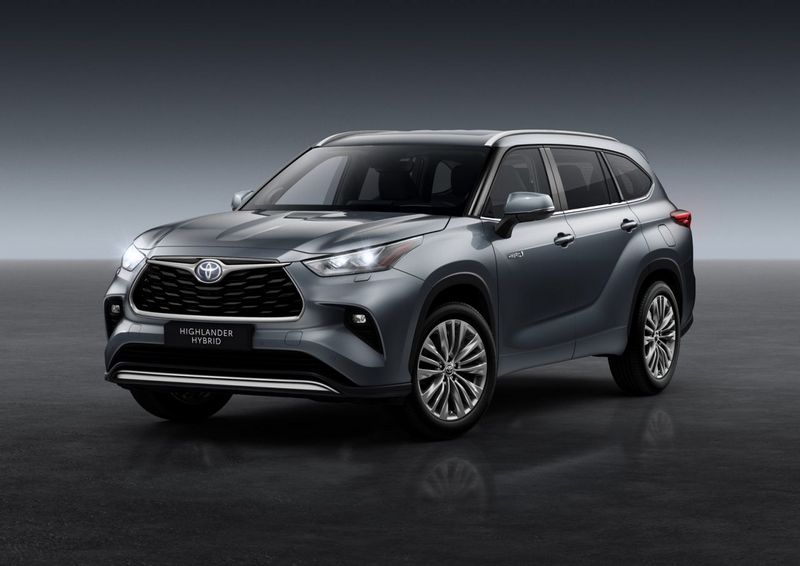
The 2021 Toyota Highlander is one of the best used AWD SUVs for buyers who need more space, stronger performance, and family-friendly comfort. It is larger than compact SUVs like the RAV4, CR-V, and Forester, and it offers three rows of seating. This makes it a strong choice for families who need room for children, passengers, luggage, and daily life.
Why It Stands Out
The 2021 Toyota Highlander stands out because it combines Toyota reliability with midsize SUV practicality. It is not the cheapest SUV on the used market, but it can be one of the smartest long-term buys for families who plan to keep their vehicle for many years.
Key advantages include:
- Three-row seating
- Strong V6 engine
- Available AWD
- Excellent Toyota reliability reputation
- Comfortable ride quality
- Good safety features
- Strong resale value
- Available hybrid version
- Practical cargo space with rear seats folded
For example, a family that has outgrown a compact SUV may find the Highlander much more comfortable. It gives you extra passenger space, better highway power, and more flexibility for road trips. At the same time, it is still easier to drive and park than many full-size SUVs.
Performance and AWD Capability
The 2021 Toyota Highlander comes with a 3.5-liter V6 engine that produces about 295 horsepower. It is paired with an eight-speed automatic transmission. This setup gives the Highlander smooth acceleration and enough power for highway driving, family trips, and light towing.
The available AWD system helps improve traction in poor weather. Under normal conditions, the Highlander drives smoothly and efficiently. When the road becomes slippery, the system can send power to the rear wheels to help maintain stability.
The Highlander AWD is useful for:
- Rainy highways
- Snowy roads
- Gravel driveways
- Hilly neighborhoods
- Family road trips
- Light towing
- Winter commuting
Some higher trims may include a more advanced AWD system that can better manage power between the rear wheels. This can improve stability and control in certain slippery conditions.
The Highlander is not built for serious off-roading, but it is very capable for the type of driving most families actually do. It is a good choice if you need confidence in bad weather, not a rugged trail vehicle.
Fuel Economy
Fuel economy is reasonable for a midsize three-row AWD SUV with a V6 engine. The 2021 Toyota Highlander AWD is rated at approximately:
- 20 MPG city
- 27 MPG highway
- 23 MPG combined
These numbers are lower than compact SUVs like the RAV4 or CR-V, but that is expected. The Highlander is larger, heavier, and more powerful.
For buyers who drive a lot, fuel costs should be part of the decision. If you only need two rows, a smaller AWD SUV may be cheaper to own. But if you regularly carry family members, luggage, or passengers, the Highlander’s extra space may be worth the added fuel cost.
There is also a Highlander Hybrid version, which offers much better fuel economy. However, used hybrid models may cost more to buy, so budget buyers should compare the purchase price, mileage, and expected fuel savings before deciding.
Interior, Cargo Space, and Technology
The 2021 Toyota Highlander has a comfortable and practical interior. It is designed for families, long drives, school pickups, and weekend travel. The cabin feels quiet and well organized, with controls that are easy to understand.
The first and second rows are comfortable for adults. The third row is useful, but it is best for children or shorter adults. If you need a very roomy third row for adults, a larger SUV may be better. But for most families, the Highlander offers enough flexibility.
Cargo space depends on how the seats are arranged. The Highlander offers approximately:
- 16 cubic feet behind the third row
- 48.4 cubic feet behind the second row
- 84.3 cubic feet with the rear seats folded
This makes it practical for:
- School bags
- Groceries
- Sports equipment
- Baby strollers
- Luggage
- Camping gear
- Home improvement supplies
Technology features vary by trim, but many 2021 Highlander models include:
- Touchscreen infotainment system
- Apple CarPlay
- Android Auto
- Amazon Alexa compatibility
- Bluetooth
- USB ports
- Available navigation
- Available JBL audio system
- Available wireless charging
- Available power liftgate
- Available heated and ventilated seats
For budget buyers, mid-level trims often offer the best value. They provide more comfort and technology than base models without the highest price of top trims.
Safety Features
Safety is one of the Highlander’s strongest advantages. The 2021 model comes with Toyota Safety Sense 2.5+, which includes many driver-assistance features.
Common safety features include:
- Pre-collision system with pedestrian detection
- Full-speed adaptive cruise control
- Lane departure alert with steering assist
- Lane tracing assist
- Road sign assist
- Automatic high beams
- Backup camera
- Blind spot monitoring
- Rear cross-traffic alert
- Available parking sensors
These features are especially valuable for families. Adaptive cruise control can make highway trips easier, while blind spot monitoring helps with lane changes. Rear cross-traffic alert is useful when backing out of parking spaces at schools, stores, or apartment complexes.
For a used SUV buyer, having these features included can make the Highlander feel modern and safe even several years after its original sale.
Reliability, Common Issues, and Best Choice for Buyers
The Toyota Highlander has a strong reputation for reliability, and the 2021 model is generally considered a dependable used SUV. Many buyers choose it because they want a vehicle that can last for years with regular maintenance.
However, the Highlander is still a larger and more expensive vehicle than compact SUVs. Tires, brakes, fuel, and some repairs can cost more. Buyers should make sure the vehicle fits not only their purchase budget but also their long-term ownership budget.
Before buying, check:
- Oil change records
- Transmission service history
- AWD system operation
- Tire condition and matching tread
- Brake wear
- Suspension condition
- Third-row seat operation
- Electronics and infotainment system
- Accident history
- Signs of poor body repair
- Recall completion
The 2021 Toyota Highlander is best for buyers who want:
- Three-row seating
- Strong reliability
- Family-friendly comfort
- Available AWD
- Good safety technology
- Strong resale value
- More space than a compact SUV
- A vehicle to keep for many years
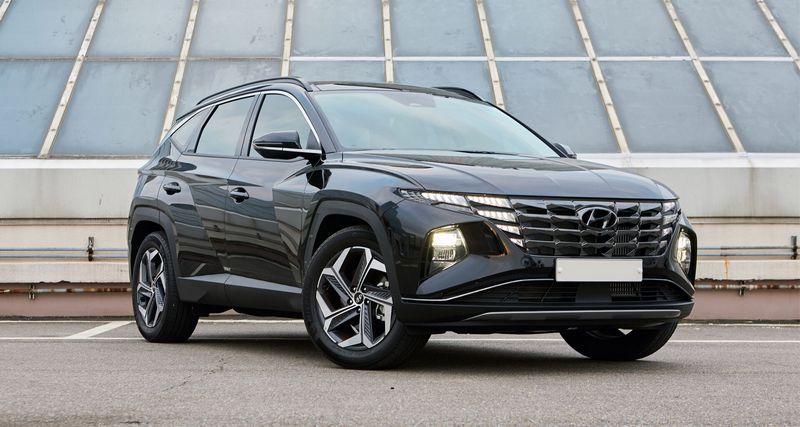
2021 Hyundai Tucson
The 2021 Hyundai Tucson is a practical used AWD SUV for buyers who want a lower purchase price, simple daily driving, and useful features without moving into a larger or more expensive model. It is smaller than the Hyundai Santa Fe, but that can be an advantage for drivers who need easy parking, lower fuel costs, and a vehicle that feels comfortable in the city.
Why It Stands Out
The 2021 Hyundai Tucson stands out because it can offer strong value on the used market. It may not have the same resale strength as a Toyota RAV4 or Honda CR-V, but that can work in favor of budget-conscious buyers. In many cases, a used Tucson may cost less than some competitors with similar mileage and equipment.
Key advantages include:
- Affordable used-market pricing
- Available AWD
- Comfortable ride
- Easy size for city driving
- Simple interior layout
- Good safety features
- Useful technology on many trims
- Lower entry price than many rivals
For example, a buyer with a strict budget may find that a Tucson AWD allows them to get a newer vehicle with fewer miles, while a similar RAV4 or CR-V may cost more. That makes the Tucson worth considering for shoppers who want value first.
Performance and AWD Capability
The 2021 Hyundai Tucson is available with two four-cylinder engines. Lower trims usually come with a 2.0-liter engine producing about 161 horsepower. Higher trims use a 2.4-liter engine with about 181 horsepower.
For most buyers, the 2.4-liter engine is the better choice because it feels stronger in daily driving. The 2.0-liter engine can be enough for city use, but it may feel slower when merging onto highways or driving with passengers and cargo.
The available AWD system helps improve traction when road conditions are poor. It is useful for:
- Rainy roads
- Light snow
- Gravel roads
- Slippery parking lots
- Hilly neighborhoods
- Winter commuting
The Tucson AWD is not made for serious off-road driving. It is best for buyers who need extra confidence during normal bad-weather situations. If your daily routine includes city streets, school drop-offs, work commutes, and occasional snow, the Tucson can handle those needs well.
Fuel Economy
Fuel economy depends on the engine and drivetrain. The 2021 Hyundai Tucson AWD with the 2.0-liter engine delivers approximately:
- 22 MPG city
- 25 MPG highway
- 23 MPG combined
The 2.4-liter AWD version is rated close to:
- 21 MPG city
- 26 MPG highway
- 23 MPG combined
These numbers are not as strong as some competitors like the Honda CR-V, Toyota RAV4, or Subaru Forester. However, the Tucson may cost less to buy, which can help balance the higher fuel use.
For buyers on a limited budget, this is an important point. A Tucson may save money upfront, while another SUV may save more on fuel over time. The best choice depends on how much you drive.
If you drive long distances every day, fuel economy should matter more. If you drive mostly around town and want a lower purchase price, the Tucson can still make sense.
Interior, Cargo Space, and Technology
The 2021 Hyundai Tucson has a simple and comfortable interior. It does not feel as spacious as the Honda CR-V or Subaru Forester, but it offers enough room for small families, couples, students, and daily commuters.
The front seats are comfortable for normal driving, and the rear seats can fit adults for shorter trips. Families with young children may find the Tucson easy to live with because the cabin is not too large and the vehicle is easy to park.
Cargo space is practical for daily use. The 2021 Tucson offers about 31 cubic feet of cargo space behind the rear seats. With the rear seats folded, cargo space expands to about 61.9 cubic feet.
This is enough for:
- Groceries
- School bags
- Small luggage
- Sports equipment
- Pet supplies
- Work bags
- Weekend travel items
Technology features vary by trim, but many 2021 Tucson models may include:
- Touchscreen infotainment system
- Apple CarPlay
- Android Auto
- Bluetooth
- USB ports
- Available heated seats
- Available wireless charging
- Available navigation
- Available premium audio system
- Available dual-zone climate control
For many budget buyers, the SEL trim can be a good value because it often includes more useful features than the base model without the higher cost of top trims.
Safety Features
The 2021 Hyundai Tucson offers a solid list of safety features, especially for a used SUV in its price range. This makes it a good option for buyers who want modern safety technology but cannot afford a newer or more expensive vehicle.
Common safety features include:
- Forward collision warning
- Automatic emergency braking
- Lane keeping assist
- Driver attention warning
- Backup camera
- Available blind spot monitoring
- Available rear cross-traffic alert
- Available adaptive cruise control on higher trims
These features are useful in everyday driving. Blind spot monitoring can help on busy highways, while rear cross-traffic alert can make it easier to back out of parking spaces at stores or apartment complexes.
For a buyer choosing a family vehicle on a limited budget, these features can add real value. A lower purchase price is important, but safety should still be part of the decision.
Reliability, Common Issues, and Best Choice for Buyers
The 2021 Hyundai Tucson can be a dependable used SUV when it has been properly maintained. It is generally simple to use, affordable to buy, and practical for everyday driving.
Still, buyers should inspect any used Tucson carefully before purchase. As with other Hyundai models from this period, it is smart to check engine history, recall status, and service records before bidding or buying.
Before purchase, check:
- Oil change history
- Engine performance
- Transmission shifting
- AWD system operation
- Tire condition and matching tread
- Brake wear
- Suspension noises
- Warning lights
- Accident history
- Recall completion
- Signs of flood damage
The 2.4-liter engine is often the better choice for buyers who want smoother daily driving. The 2.0-liter engine may be cheaper, but it can feel underpowered for highway use.
The 2021 Hyundai Tucson is best for buyers who want:
- A lower purchase price
- Available AWD
- Easy city driving
- Practical cargo space
- Useful safety features
- A comfortable daily commuter
- A newer SUV for less money
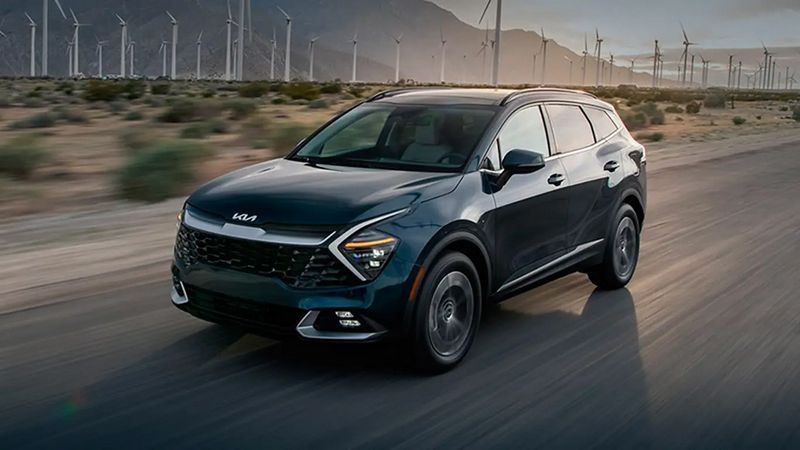
2021 Kia Sportage
The 2021 Kia Sportage is a good used AWD SUV for buyers who want a compact vehicle with a comfortable interior, available all-wheel drive, and a lower used-market price than some better-known competitors. It is not the largest or most fuel-efficient SUV in its class, but it can offer strong value if you find one with good mileage, clean history, and proper maintenance.
Why It Stands Out
The 2021 Kia Sportage stands out because it can be more affordable than rivals like the Toyota RAV4, Honda CR-V, or Subaru Forester. For a buyer with a limited budget, that price difference can be important. It may allow you to buy a newer model year, choose a better trim, or leave more money for shipping, registration, and maintenance.
Key advantages include:
- Affordable used pricing
- Available AWD
- Comfortable seats
- Easy city driving
- Good standard features
- Attractive interior for the price
- Strong safety technology on many trims
- Practical size for small families and commuters
For example, if you want an AWD SUV but cannot stretch your budget to a RAV4 or CR-V, the Sportage may give you many of the same daily benefits at a lower purchase price.
Performance and AWD Capability
The 2021 Kia Sportage is available with two engine options. Most models come with a 2.4-liter four-cylinder engine producing about 181 horsepower. Higher SX Turbo trims use a 2.0-liter turbocharged engine with stronger acceleration.
For most budget-focused buyers, the standard 2.4-liter engine is the better choice. It has enough power for normal city and highway driving, and it is usually cheaper to buy and maintain than the turbo model.
The available AWD system helps the Sportage stay more stable when traction is limited. It can be useful on:
- Wet roads
- Light snow
- Gravel roads
- Slippery parking lots
- Hilly streets
- Winter commutes
The Sportage AWD is not designed for serious off-road use. It is best for buyers who need extra confidence in everyday weather, not deep mud or rough trails.
The turbo version is more fun to drive, but it usually costs more and uses more fuel. If your main goal is saving money, the standard engine is usually the smarter option.
Fuel Economy
Fuel economy is one area where the 2021 Kia Sportage is acceptable, but not class-leading. The AWD model with the 2.4-liter engine delivers approximately:
- 22 MPG city
- 26 MPG highway
- 23 MPG combined
The turbocharged AWD version uses more fuel, so it may not be the best choice for buyers trying to keep monthly costs low.
Compared with SUVs like the Honda CR-V, Toyota RAV4, or Subaru Forester, the Sportage may cost more to fuel over time. However, it can sometimes cost less to purchase, which may balance the total cost for some buyers.
If you drive long distances every day, fuel economy should be a major factor. If you mostly drive around town and want a lower purchase price, the Sportage can still make sense.
Interior, Cargo Space, and Technology
The 2021 Kia Sportage has a comfortable and well-designed interior. The cabin feels solid for the price, and the controls are easy to understand. Front-seat comfort is good, and the driving position works well for daily use.
Rear-seat space is decent for a compact SUV, though it is not as roomy as the Honda CR-V or Subaru Forester. It works well for children, small families, couples, and commuters, but buyers who often carry tall adults in the back may want to compare it with larger options.
Cargo space is useful but not the biggest in the class. The 2021 Sportage offers about 30.7 cubic feet of cargo space behind the second row and about 60.1 cubic feet with the rear seats folded.
That is enough for:
- Groceries
- Work bags
- School supplies
- Small luggage
- Sports gear
- Pet items
- Weekend travel bags
Technology features vary by trim, but many 2021 Sportage models may include:
- Touchscreen infotainment system
- Apple CarPlay
- Android Auto
- Bluetooth
- USB ports
- Available wireless charging
- Available navigation
- Available Harman Kardon audio
- Available heated and ventilated seats
- Available power liftgate
For value shoppers, the EX trim often offers a strong mix of comfort, technology, and price.
Safety Features
The 2021 Kia Sportage offers useful safety features, especially on mid-level and higher trims. This makes it a good option for buyers who want modern protection without paying premium SUV prices.
Common safety features include:
- Forward collision warning
- Automatic emergency braking
- Lane departure warning
- Lane keeping assist
- Driver attention warning
- Blind spot monitoring
- Rear cross-traffic alert
- Backup camera
- Available adaptive cruise control
- Available parking sensors
These features can make everyday driving easier and safer. Blind spot monitoring is helpful on highways, while rear cross-traffic alert is useful when backing out of parking spaces at stores, schools, or apartment buildings.
For a budget buyer, safety features should not be ignored. A slightly higher trim with better safety equipment may be a better long-term choice than the cheapest available vehicle.
Reliability, Common Issues, and Best Choice for Buyers
The 2021 Kia Sportage can be a good used SUV when it has been properly maintained. It offers a comfortable ride, practical size, available AWD, and attractive pricing. However, buyers should check service records and vehicle history carefully before purchase.
As with other Kia and Hyundai models from this period, it is important to review recall status, engine history, and maintenance records. A clean title and regular oil changes are especially important.
Before buying, check:
- Oil change records
- Engine performance
- Transmission shifting
- AWD system operation
- Tire condition and matching tread
- Brake wear
- Suspension noises
- Warning lights
- Accident history
- Recall completion
- Signs of flood damage
The standard 2.4-liter engine is usually the better choice for buyers focused on affordability. The turbo model is quicker, but it may not be worth the higher fuel and maintenance costs for everyday use.
The 2021 Kia Sportage is best for buyers who want:
- A lower-cost used AWD SUV
- Comfortable daily driving
- Easy parking
- Useful safety features
- Good technology for the money
- Compact size
- A practical alternative to more expensive rivals
2021 Ford Escape
The 2021 Ford Escape is a practical used AWD SUV for buyers who want a comfortable daily driver with good fuel economy options, available all-wheel drive, and a lower used price than some top Japanese competitors. It is easy to drive, simple to park, and well suited for commuting, errands, and small-family use.
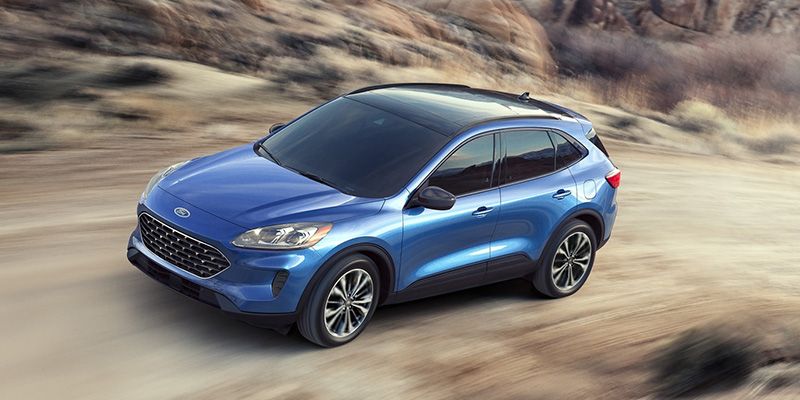
Why It Stands Out
The 2021 Ford Escape stands out because it gives buyers several choices. You can find gasoline, hybrid, and plug-in hybrid versions, though AWD availability depends on the model and trim. For budget-conscious buyers, this flexibility can be useful because it allows you to compare price, fuel costs, mileage, and equipment.
Key advantages include:
- Available AWD
- Comfortable ride quality
- Good fuel economy options
- Easy city driving
- Spacious cabin for its size
- Modern safety features
- Often lower used pricing than some rivals
- Available hybrid version
For example, a buyer who drives to work every day may like the Escape because it feels light and easy to handle. It can be a good fit for someone who wants an affordable AWD SUV but does not need the size or fuel costs of a larger three-row model.
Performance and AWD Capability
The 2021 Ford Escape offers several powertrain options. Many gasoline models use a 1.5-liter turbocharged three-cylinder engine with about 181 horsepower. Some trims offer a stronger 2.0-liter turbocharged four-cylinder engine with about 250 horsepower. Hybrid models are also available.
The standard 1.5-liter engine is enough for normal daily driving. It works well for city streets, light highway use, and commuting. The 2.0-liter turbo engine feels much stronger and is better for buyers who often drive on highways, carry passengers, or want quicker acceleration.
Available AWD helps improve traction when the road becomes slippery. It can be useful for:
- Rainy commutes
- Light snow
- Gravel roads
- Slippery parking lots
- Hilly streets
- Winter highway driving
The Escape AWD is not built for serious off-road use. It is best for drivers who want extra stability in normal bad-weather conditions. For buyers who live in areas with heavy snow, tires are still very important. AWD helps you move, but good winter or all-season tires help you stop and turn safely.
Fuel Economy
Fuel economy is one of the stronger reasons to consider the 2021 Ford Escape. The exact numbers depend on the engine and drivetrain.
The 1.5-liter AWD gasoline model is rated at approximately:
- 26 MPG city
- 31 MPG highway
- 28 MPG combined
The 2.0-liter AWD model uses more fuel but offers much stronger performance. It is rated around:
- 23 MPG city
- 31 MPG highway
- 26 MPG combined
Hybrid versions can deliver much better fuel economy, but buyers should check whether the specific vehicle has AWD and compare the purchase price carefully.
For a budget buyer, the 1.5-liter AWD model may offer the best balance of price and fuel savings. If you drive many miles every week, the Escape can help reduce fuel expenses compared with larger AWD SUVs.
Interior, Cargo Space, and Technology
The 2021 Ford Escape has a practical interior with good passenger space for a compact SUV. The cabin is not as premium as the Mazda CX-5, but it is comfortable and easy to use.
The front seats are supportive for everyday driving, and the second row offers good space for passengers. The sliding rear seat is a useful feature because it lets you adjust the balance between passenger room and cargo space.
Cargo space is competitive. The 2021 Escape offers up to about 37.5 cubic feet of space behind the second row, depending on seat position. With the rear seats folded, cargo space expands to about 65.4 cubic feet.
This makes it useful for:
- Groceries
- Work bags
- School supplies
- Small furniture
- Luggage
- Sports gear
- Pet carriers
- Weekend travel items
Technology features vary by trim, but many 2021 Escape models may include:
- Touchscreen infotainment system
- Apple CarPlay
- Android Auto
- Bluetooth
- USB ports
- Available navigation
- Available digital instrument cluster
- Available heated seats
- Available power liftgate
- Available premium audio system
For many used buyers, the SE and SEL trims often provide a good balance between price, comfort, and technology.
Safety Features
The 2021 Ford Escape includes Ford Co-Pilot360 on many models, which gives buyers useful driver-assistance features even without choosing the most expensive trim.
Common safety features include:
- Automatic emergency braking
- Forward collision warning
- Blind spot monitoring
- Rear cross-traffic alert
- Lane keeping assist
- Backup camera
- Automatic high beams
- Available adaptive cruise control
- Available evasive steering assist
- Available parking sensors
These features are helpful in everyday driving. Blind spot monitoring is useful on highways, while rear cross-traffic alert can help when backing out of a crowded parking space.
For a budget-conscious buyer, the Escape can be attractive because many useful safety features are available on lower or mid-level trims. That means you may not need to buy the top trim to get modern driver assistance.
Reliability, Common Issues, and Best Choice for Buyers
The 2021 Ford Escape can be a good used AWD SUV, especially when it has a clear maintenance history and no major accident damage. It offers good fuel economy, useful space, and a comfortable driving experience.
However, buyers should inspect it carefully before purchase. Turbocharged engines and modern transmissions depend heavily on proper maintenance. A poorly maintained Escape can become expensive later.
Before buying, check:
- Oil change records
- Turbo engine performance
- Transmission shifting
- AWD system operation
- Tire condition and matching tread
- Brake wear
- Suspension noises
- Coolant leaks
- Warning lights
- Accident history
- Recall completion
The 1.5-liter AWD model may be the best choice for buyers focused on fuel savings and lower purchase cost. The 2.0-liter AWD model is better for drivers who want stronger performance, but it can cost more to buy and fuel.
The 2021 Ford Escape is best for buyers who want:
- A fuel-efficient used AWD SUV
- Easy daily driving
- Good safety features
- Comfortable passenger space
- Available hybrid options
- Lower used pricing than some competitors
- A compact SUV for commuting and errands
Comparing the Best Used AWD SUVs
Each SUV in this list can be a good choice, but the best option depends on your budget, driving needs, family size, and long-term ownership plans. A buyer who drives in snow every winter may need something different from a buyer who only wants an affordable SUV for city commuting.
Reliability Comparison
If reliability is your top priority, the Toyota RAV4, Toyota Highlander, Honda CR-V, Subaru Forester, and Mazda CX-5 are usually among the strongest choices.
The Toyota RAV4 is one of the safest picks for budget buyers because it has a strong reputation for long-term durability, good resale value, and reasonable maintenance costs. The Toyota Highlander is also very dependable, but it is larger and more expensive to own.
The Honda CR-V is another excellent choice for buyers who want a practical SUV that can last for many years with proper care. The Subaru Forester is strong for buyers who need AWD every day, but it is important to check the CVT transmission and tire condition before buying.
The Mazda CX-5 also offers solid reliability, especially with the standard non-turbo engine. It is a good choice for buyers who want a more premium feel without taking on luxury-brand repair costs.
Hyundai, Kia, and Ford models can also be good buys, but service history is very important. A well-maintained Hyundai Santa Fe, Kia Sorento, Hyundai Tucson, Kia Sportage, or Ford Escape can be a smart value purchase, especially if the price is lower than Toyota or Honda competitors.
Fuel Economy Comparison
Fuel economy matters a lot if you drive every day. A cheaper SUV can become expensive if it uses too much fuel.
Among the compact AWD SUVs, the Toyota RAV4, Honda CR-V, Subaru Forester, and Ford Escape are usually some of the most fuel-efficient options. They are good choices for commuters, students, rideshare drivers, and families who want to control monthly expenses.
The Mazda CX-5 offers decent fuel economy, but it is not the leader in this group. The Hyundai Tucson and Kia Sportage are also practical, but they may use more fuel than some rivals.
Larger models like the Hyundai Santa Fe, Kia Sorento, and Toyota Highlander offer more space, but they usually cost more to fuel. The Highlander is powerful and comfortable, but it will not be as efficient as a RAV4 or CR-V.
For buyers who drive long distances, a compact AWD SUV is usually the smarter financial choice. For buyers who need space for family trips, the extra fuel cost of a midsize SUV may be worth it.
Interior and Cargo Space Comparison
Interior space can make a big difference in daily life. If you only look at price, you may end up with an SUV that feels too small after a few months.
The Honda CR-V and Subaru Forester are excellent compact SUVs for interior space. Both offer roomy cabins and practical cargo areas. They are good choices for small families, pet owners, and buyers who often carry groceries, luggage, or work equipment.
The Toyota RAV4 also offers useful cargo space and a practical interior, though the CR-V may feel a little roomier inside. The Mazda CX-5 has a more upscale cabin, but it does not offer as much cargo room as some competitors.
The Hyundai Santa Fe gives buyers more space than most compact SUVs while still keeping a two-row layout. It is a good middle option for people who want comfort but do not need a third row.
The Kia Sorento and Toyota Highlander are better for buyers who need three rows. The Highlander is larger and more comfortable for families, while the Sorento is smaller and often more affordable.
Safety Ratings Comparison
Most 2021 AWD SUVs in this list offer strong safety technology. For used buyers, this is important because modern driver-assistance features can make everyday driving easier and safer.
The Toyota RAV4, Honda CR-V, Subaru Forester, Toyota Highlander, Mazda CX-5, and Ford Escape are especially strong choices for safety. Many of these models include automatic emergency braking, lane keeping assistance, adaptive cruise control, and blind spot monitoring, depending on trim.
Hyundai and Kia models also offer good safety features for the money. The Santa Fe, Tucson, Sorento, and Sportage can be attractive because many trims include useful safety technology at lower used prices.
When comparing SUVs, do not only check the model name. Check the exact trim. Some safety features may be standard on one trim and optional on another.
For example, a higher-trim Hyundai Tucson or Kia Sportage may have better safety equipment than a base-model competitor that costs more.
Maintenance and Repair Costs
Maintenance costs are very important for budget-conscious buyers. The purchase price is only the first part of ownership.
Toyota and Honda models usually offer strong long-term value because parts are widely available and many mechanics are familiar with them. The RAV4, Highlander, and CR-V are often good choices for buyers who want predictable ownership costs.
The Subaru Forester can also be reasonable to maintain, but tire matching and CVT condition are very important because of its AWD system. The Mazda CX-5 is generally solid, especially with the standard engine.
Hyundai and Kia SUVs can offer lower purchase prices, but buyers should be careful with service records, recalls, and engine history. Ford Escape buyers should pay close attention to turbo engine maintenance, transmission behavior, and coolant leaks.
A cheap auction price is not always a good deal. A slightly more expensive SUV with clean history and regular maintenance can save money later.
Best AWD SUV for Snow
The Subaru Forester is one of the best choices for snow because it comes with standard Symmetrical AWD and good ground clearance. It feels stable in winter conditions and is popular with drivers in snowy states.
The Toyota RAV4 AWD is also a strong snow choice, especially for buyers who want reliability and good fuel economy. The Honda CR-V AWD is another practical option for winter commuting.
For families, the Toyota Highlander AWD is a good snow-friendly choice because it offers more space and strong road stability.
Still, AWD alone is not enough. Tires matter just as much. A Subaru Forester with worn tires will not perform as well as a Honda CR-V with good winter tires.
Best AWD SUV for Families
The Toyota Highlander is the best choice for families that need three rows, strong reliability, and comfortable road-trip space. It costs more than compact SUVs, but it offers more room and better flexibility.
The Kia Sorento is a good family option for buyers who want occasional third-row seating at a lower price. It is not as roomy as the Highlander, but it can be a smart value for smaller families.
For families that only need two rows, the Honda CR-V, Subaru Forester, Toyota RAV4, and Hyundai Santa Fe are strong choices. The CR-V is especially practical because of its roomy cabin and large cargo area.
Best AWD SUV for Daily Commuting
The Honda CR-V, Toyota RAV4, Ford Escape, and Subaru Forester are some of the best AWD SUVs for daily commuting.
They offer good fuel economy, comfortable seating, useful safety features, and easy handling. These are important if you drive to work every day, sit in traffic, or spend a lot of time on highways.
The Ford Escape can be a good value if you want lower used pricing and strong fuel economy. The RAV4 and CR-V are better choices if long-term resale value and reliability are top priorities.
For buyers who want a more enjoyable driving feel, the Mazda CX-5 is a strong commuter SUV. It feels more refined and responsive than many competitors.
Best AWD SUV for Light Off-Road Driving
For light off-road driving, the Subaru Forester is one of the best options. Its standard AWD, good ground clearance, and practical design make it useful for gravel roads, campsites, muddy driveways, and snowy rural areas.
The Toyota RAV4 AWD is also a good choice for light outdoor use. It works well for buyers who need a dependable SUV for weekend trips, hiking areas, and unpaved roads.
The Mazda CX-5 and Honda CR-V can handle gravel and mild dirt roads, but they are better suited for paved-road comfort. The Hyundai Santa Fe and Toyota Highlander can also handle light rough roads, but their larger size may not be ideal for narrow trails.
None of these SUVs should be treated like serious off-road vehicles. They are best for light trails, weather protection, and everyday traction.
Best Overall Value for Money
The best overall value depends on what the buyer needs most.
For most budget-conscious buyers, the Toyota RAV4 and Honda CR-V are the safest all-around choices. They offer strong reliability, good fuel economy, practical interiors, and high resale value.
The Subaru Forester is the best value for buyers who specifically need strong AWD performance and winter confidence.
The Mazda CX-5 is the best value for buyers who want a more premium feel without paying luxury SUV prices.
The Hyundai Tucson, Kia Sportage, Hyundai Santa Fe, Kia Sorento, and Ford Escape can be excellent value picks if the price is right and the vehicle has a clean history. These models may offer more features for less money than Toyota or Honda competitors.
Estimate the Total Cost of Your AWD SUV
The auction price is only part of the total investment. Before placing a bid, estimate auction fees, inland transportation, shipping, and export costs so you know exactly what your vehicle will cost when it arrives at its destination.
- ✅ Transparent auction and service fees
- ✅ Shipping cost estimates to your country
- ✅ Support choosing the right vehicle for your budget
- ✅ Assistance throughout the entire export process
What to Check Before Buying a Used AWD SUV
Buying a used AWD SUV can save you thousands of dollars, especially if you purchase it through an online auto auction. However, a low purchase price does not always mean you are getting a good deal. Before placing a bid or completing a purchase, take time to inspect the vehicle carefully.
A thorough inspection can help you avoid expensive repairs and give you confidence that you're buying a reliable SUV. Here are the most important things every buyer should check.
Verify the Vehicle History Report
One of the first steps before buying any used SUV is reviewing its vehicle history report. This report provides valuable information about the vehicle's past and can help you identify potential problems before you spend your money.
A vehicle history report may include:
- Previous accidents
- Title status
- Number of previous owners
- Odometer records
- Maintenance history
- Flood damage
- Theft records
- Insurance claims
- Recall information
If you're buying from an online auto auction, always compare the history report with the auction photos and vehicle description. A report showing only minor cosmetic damage is very different from one showing multiple major collisions.
For example, two 2021 Toyota RAV4 SUVs may have similar prices. One has a clean title and regular maintenance records, while the other has multiple accident reports and inconsistent mileage. Spending a little more on the cleaner vehicle could save you thousands in future repairs.
Inspect the AWD System
The all-wheel-drive system is one of the most important components of the vehicle. Repairs to the drivetrain can be expensive, so you should make sure everything operates properly before buying.
During an inspection, check for:
- Warning lights related to the AWD system
- Unusual vibrations
- Grinding or clicking noises
- Fluid leaks around the differential or transfer case
- Smooth power delivery during acceleration
- Proper operation on slippery or loose surfaces if possible
During a test drive, the SUV should accelerate smoothly without hesitation or unusual noises coming from underneath the vehicle.
If you're buying through an online auction and cannot inspect the vehicle yourself, hiring an independent inspector can be a worthwhile investment.
Check Tires for Matching Size and Wear
Many buyers overlook the tires, but they are especially important on AWD vehicles.
Most manufacturers recommend using four tires that match in:
- Brand
- Model
- Size
- Tread depth
If one tire is significantly more worn than the others, the AWD system may work harder than intended. Over time, this can increase wear on components like the transfer case or differentials.
Inspect the tires for:
- Uneven wear patterns
- Sidewall damage
- Cracks
- Low tread depth
- Different tire brands
- Incorrect tire sizes
For example, if three tires have nearly new tread but one tire is badly worn, it may indicate poor maintenance or suspension problems.
Replacing all four tires immediately after purchase can add several hundred dollars to your ownership costs, so include this in your budget.
Look for Signs of Accident Damage
Not every repaired vehicle is a bad purchase, but poor-quality repairs can create long-term problems.
Look carefully for signs such as:
- Uneven gaps between body panels
- Different paint shades
- Overspray on trim or rubber seals
- Rust around repaired areas
- Bent frame components
- Poorly aligned doors or liftgate
- Cracked headlights or taillights
- New parts on only one side of the vehicle
Open the hood and inspect the engine bay. Repairs should appear clean and professional.
If you're reviewing auction photos, zoom in on body panels, wheel wells, bumpers, and the roof. Small details can reveal previous damage that may not be obvious at first glance.
Test Drive Checklist
A test drive tells you much more than photos ever can. Even if a vehicle looks excellent, driving it may reveal hidden problems.
During your test drive, pay attention to:
- Engine starts easily
- Smooth acceleration
- Stable steering
- No pulling to one side
- Proper brake performance
- Transmission shifts smoothly
- No unusual vibrations
- Quiet suspension over bumps
- No warning lights
- Proper climate control operation
Drive at both city and highway speeds if possible.
Make several turns in a parking lot. Listen for clicking noises that could indicate worn CV joints or drivetrain components.
Also test features such as:
- Backup camera
- Touchscreen
- Heated seats
- Adaptive cruise control
- Blind spot monitoring
- Parking sensors
- Power liftgate
Replacing electronic components can become expensive, especially on newer SUVs.
Review Maintenance Records
A complete maintenance history is one of the best indicators that a vehicle has been properly cared for.
Ask for records showing:
- Oil changes
- Transmission service
- Brake replacement
- Tire rotations
- Coolant replacement
- Differential service
- Transfer case service
- Air filter replacement
- Battery replacement
- Recall repairs
Regular maintenance often matters more than low mileage.
For example, a 2021 Honda CR-V with 75,000 miles and complete service records may be a better purchase than another CR-V with 45,000 miles but no maintenance documentation.
Vehicles that receive routine maintenance generally last longer and experience fewer unexpected repairs.
Schedule a Pre-Purchase Inspection
One of the smartest investments you can make is paying for a professional pre-purchase inspection.
A qualified mechanic can identify problems that most buyers would never notice.
A professional inspection typically includes checking:
- Engine condition
- Transmission operation
- AWD system
- Suspension
- Steering components
- Brakes
- Tires
- Battery
- Cooling system
- Fluid leaks
- Frame condition
- Computer diagnostic codes
The inspection usually costs far less than repairing a major mechanical problem later.
For buyers purchasing vehicles through online auto auctions, many inspection services can examine the vehicle before shipment. This extra step can provide peace of mind and help you avoid expensive surprises after delivery.
Buying a Used AWD SUV at Online Auto Auctions
Online auto auctions can be a smart way to find a used AWD SUV for less than retail price. Instead of paying dealership markup, buyers can access vehicles from insurance companies, banks, rental fleets, dealers, and private sellers. For budget-conscious shoppers, this can open the door to models that may otherwise feel too expensive.
Why Auto Auctions Can Save You Money
Auto auctions often offer lower prices because many vehicles are sold quickly and directly through auction platforms. Some SUVs may have accident damage, repossession history, high mileage, or cosmetic issues. Others may be clean-title vehicles that simply came from a dealer, fleet, or finance company.
This creates opportunities for buyers who are patient and know what to look for.
For example, a buyer with a $15,000 budget may not find a clean, low-mileage Toyota RAV4 AWD at a local dealership. But at an online auction, that same buyer may find a RAV4 with minor cosmetic damage, a higher-mileage Honda CR-V, or a Hyundai Tucson AWD at a more realistic price.
The savings can come from:
- Lower starting bids
- More vehicle choices
- Access to insurance and dealer inventory
- Less retail markup
- Opportunity to buy repairable vehicles
- Ability to compare many similar SUVs at once
However, the lowest price is not always the best deal. A cheap SUV with hidden mechanical problems can cost more in the long run than a slightly more expensive vehicle with clean history and light damage.
Clean Title vs Salvage Title SUVs
When buying a used AWD SUV at auction, title status is very important. Two SUVs may look similar in photos, but their title types can affect price, registration, insurance, resale value, and repair risk.
A clean title SUV usually means the vehicle has not been declared a total loss by an insurance company. Clean title vehicles are often easier to register, insure, finance, and resell. They usually cost more, but they may be safer choices for first-time auction buyers.
A salvage title SUV means the vehicle was declared a total loss, often because of accident damage, flood damage, theft recovery, or another insurance claim. Salvage SUVs usually sell for less, but they come with more risk.
A salvage title can make sense if:
- The damage is clearly shown
- Repairs are simple and affordable
- The SUV has good mileage
- The main structure is not damaged
- You understand local registration rules
- You plan to keep the vehicle long term
For example, a 2021 Subaru Forester with minor rear-end damage may be a good project if the frame, AWD system, engine, and airbags are not affected. But a flood-damaged AWD SUV can be much riskier because water can damage electronics, wiring, sensors, and drivetrain components.
For most budget buyers, a clean title or lightly damaged salvage SUV is usually a safer choice than a heavily damaged vehicle with unknown repairs.
How to Find the Best AWD SUV Deals
Finding a good deal at an online auction requires more than choosing the lowest bid. The best deal is the SUV that gives you the right balance of price, mileage, title status, damage level, repair cost, and long-term reliability.
Start by choosing a few models that match your needs. For example:
- Toyota RAV4 or Honda CR-V for reliability and fuel economy
- Subaru Forester for snow and standard AWD
- Mazda CX-5 for a more premium feel
- Hyundai Tucson or Kia Sportage for lower purchase price
- Toyota Highlander or Kia Sorento for family space
Then compare similar vehicles side by side.
Look closely at:
- Mileage
- Title type
- Damage location
- Auction photos
- Vehicle history report
- Estimated repair cost
- Tire condition
- Airbag status
- Engine start status
- Keys availability
- Seller type
A good auction strategy is to set your maximum bid before the auction starts. Do not raise your bid just because you want to win. Emotional bidding can quickly turn a good deal into an expensive mistake.
For example, if your total budget is $18,000, your maximum bid may need to be much lower because you still need to pay auction fees, shipping, repairs, registration, and taxes.
Auction Fees and Additional Costs
The winning bid is not the final price. This is one of the most common mistakes new auction buyers make.
Your total cost may include:
- Winning bid
- Auction buyer fee
- Broker or service fee
- Documentation fee
- Gate fee
- Storage fee if pickup is delayed
- Vehicle loading fee
- Transportation cost
- Repair cost
- Parts
- Registration and taxes
- Export or shipping documents if needed
For example, if you win an AWD SUV for $12,500, your real total may be several thousand dollars higher after fees, delivery, and basic repairs.
That does not mean auctions are a bad deal. It simply means you need to calculate the full cost before bidding. A smart buyer compares the total landed cost with the market price of a similar SUV from a dealer.
If the final savings are still strong after all costs, the deal may be worth it.
Shipping and Delivery Considerations
After winning an online auction, the SUV must be picked up and delivered. This step is important because delays can create storage fees, and poor planning can increase the total cost.
Shipping cost depends on:
- Auction location
- Delivery destination
- Vehicle condition
- Distance
- Open or enclosed transport
- Domestic or international delivery
- Whether the SUV runs and drives
A running SUV is usually cheaper to transport than a non-running one. If the vehicle does not start or has wheel damage, special loading equipment may be needed.
For buyers outside the United States, shipping also includes export preparation, port delivery, ocean freight, and destination paperwork. This makes planning even more important.
For example, a buyer may find a great deal on a Ford Escape AWD in California, but if the final destination is far away, shipping may reduce the savings. Sometimes a slightly more expensive SUV located closer to the port or delivery address can be the better overall deal.
How Auto4Export Helps You Buy with Confidence
Buying an AWD SUV at an online auction can save money, but it can also feel confusing if you are doing it alone. Auto4Export helps buyers access U.S. auto auctions and make more informed decisions before placing a bid.
Auto4Export can help with:
- Access to online auto auctions in the USA
- Vehicle search and comparison
- Understanding title types
- Reviewing auction photos and vehicle details
- Estimating auction fees and additional costs
- Support with bidding
- Payment and documentation guidance
- Domestic transportation
- Export and international shipping support
This is especially useful for budget-conscious buyers who cannot afford a costly mistake. Instead of guessing, you can compare vehicles, understand the full cost, and choose an SUV that better fits your needs.
For example, if you are choosing between a clean-title Honda CR-V AWD and a salvage-title Kia Sportage AWD, Auto4Export can help you look beyond the bid price. The cheaper SUV may still be a good deal, but only if the damage, repair cost, title status, and shipping cost make sense.
Conclusion
A used AWD SUV can be a smart purchase for buyers who want more traction, everyday comfort, and practical space without paying the price of a brand-new vehicle. The best choice depends on your budget, driving conditions, family needs, and how much you want to spend on fuel and maintenance over time.
Which Used AWD SUV Offers the Best Overall Value?
For most buyers, the Toyota RAV4 and Honda CR-V offer the best overall value. They are reliable, fuel-efficient, easy to live with, and strong choices for long-term ownership.
The Subaru Forester is the better choice if you live in an area with snow, ice, or rural roads. Its standard AWD system and good ground clearance make it one of the most confidence-inspiring SUVs in bad weather.
The Mazda CX-5 is a great option if you want a more premium feel without luxury SUV prices. It is stylish, comfortable, and enjoyable to drive.
For families, the Toyota Highlander is one of the best choices because it offers three rows, strong reliability, and good safety features. The Kia Sorento can also be a smart family option if you need occasional third-row seating at a lower price.
If your main goal is saving money upfront, models like the Hyundai Tucson, Kia Sportage, Ford Escape, and Hyundai Santa Fe can offer strong value, especially when they have clean history and good maintenance records.
Final Tips for Buying a Reliable Used AWD SUV
Before buying, do not focus only on the lowest price. A cheap SUV can become expensive if it has hidden damage, poor maintenance, worn tires, or drivetrain problems.
Always check:
- Vehicle history
- Title status
- Mileage
- Maintenance records
- Tire condition
- AWD system condition
- Accident history
- Estimated repair costs
- Auction fees and shipping costs
If you are shopping with a limited budget, leave room for extra expenses. You may need money for registration, taxes, transportation, tires, brakes, oil change, or small repairs after purchase.
A smart buyer thinks about the total cost, not just the bid price.
Find Affordable AWD SUVs with Auto4Export
Auto4Export helps buyers find affordable used AWD SUVs at online auto auctions in the USA. Whether you are looking for a reliable Toyota RAV4, a family-friendly Highlander, a snow-ready Subaru Forester, or a budget-friendly Hyundai or Kia, online auctions can give you access to many options in one place.
With Auto4Export, you can compare vehicles, review auction details, understand fees, arrange shipping, and make a more informed buying decision.
Import Your Next AWD SUV from the USA with Auto4Export
Whether you're searching for a dependable Toyota RAV4, a spacious Toyota Highlander, a winter-ready Subaru Forester, or another reliable AWD SUV, Auto4Export makes it easy to buy directly from U.S. auto auctions and ship your vehicle anywhere in the world.
- ✅ Thousands of auction vehicles available daily
- ✅ Competitive prices below traditional dealership costs
- ✅ Complete assistance with bidding, paperwork, and shipping
- ✅ Trusted export partner serving customers worldwide since 2009
Further Reading
AWD vs 4WD: Differences, Similarities, and Which is Better for Your Needs
Drivetrain Types Explained: FWD, RWD, AWD & 4WD
Cheapest AWD Cars and SUVs in 2026
Best SUVs for Snow 2026

Do You Have Any Questions?
 Ask Question