


 Log in
 Sign Up


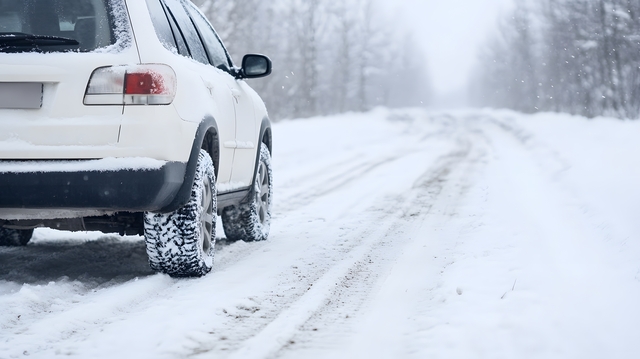


Looking for an SUV that can handle snow without breaking the bank? This guide helps budget-conscious buyers find reliable, winter-ready SUVs. We cover key features, safety tips, and the best models — new or used — so you can drive confidently on icy roads, avoid costly mistakes, and make smart choices at online auctions or dealerships.
What Makes an SUV Great for Snow?
When you’re shopping for an SUV that can handle snowy roads, there are several key features that make a real difference. For budget-conscious buyers, it’s important to focus on the essentials that improve safety and performance without overspending. A good snow-ready SUV combines traction, stability, and comfort so you can drive confidently even in harsh winter conditions.
Key winter-driving features (AWD/4WD, ground clearance, traction control, winter tires)
The foundation of any SUV that performs well in snow starts with its drivetrain. All-Wheel Drive (AWD) or Four-Wheel Drive (4WD) systems help distribute power to all wheels, giving better grip on slippery surfaces. Ground clearance is also critical — higher clearance prevents your SUV from getting stuck in deep snow.
Traction control is another must-have feature. It reduces wheel spin when accelerating on icy or snowy roads, keeping your SUV more stable. Finally, winter tires can make a huge difference. They are designed to stay flexible in cold temperatures and provide better grip on ice and snow than all-season tires. Even an older or budget SUV can handle winter roads well if it has these features.
Safety technologies for snowy conditions
Modern SUVs come with several safety technologies that are especially useful in snow. Anti-lock Braking Systems (ABS) prevent wheels from locking up during sudden stops on icy roads. Electronic Stability Control (ESC) helps keep the vehicle on its intended path during skids. Some SUVs even offer hill descent control, which makes going downhill in slippery conditions much safer.
For budget buyers, you don’t always need the latest model to get these features. Many used SUVs still offer reliable safety systems that work well in winter conditions, helping you avoid accidents without breaking the bank.
Engine performance and torque in low-traction environments
A strong engine with good low-end torque is important when driving in snow. Torque helps the SUV move smoothly from a stop and maintain control on slippery inclines. Smaller engines with turbochargers or efficient V6 engines often provide enough power without consuming too much fuel — an important consideration for cost-conscious drivers.
Even if you buy a pre-owned SUV, checking the engine’s responsiveness in low-traction situations can save you from frustrating experiences in heavy snow.
Interior comfort and heating features (heated seats, steering wheel, remote start)
Snowy conditions are cold, and comfort matters — especially on long drives. Heated seats and a heated steering wheel can make winter driving much more pleasant, while a remote start allows you to warm up the SUV before getting in.
Pros and Cons of Driving an SUV in Snow
Driving an SUV in snowy conditions has clear advantages, but it’s also important to understand the limitations. For someone on a budget, knowing both sides can help make a smarter choice when shopping at online auto auctions.
Pros
One of the biggest advantages of an SUV in snow is better traction and stability. AWD or 4WD systems help you stay in control on icy or snowy roads. Higher ground clearance also prevents your vehicle from getting stuck in deeper snow, which is a common problem for smaller cars.
Cargo space and passenger comfort are another plus. SUVs often have room for winter gear, groceries, or extra passengers without compromising safety. Heated seats and remote start, even in used models, can make winter mornings much easier.
Durability and versatility make SUVs appealing for budget buyers. A well-maintained older SUV can handle not just snow but also rainy or uneven roads, meaning fewer unexpected repairs compared to smaller, less robust cars.
Cons
On the downside, SUVs consume more fuel than smaller cars. In winter, fuel efficiency can drop even further because of the added weight, AWD systems, and cold temperatures.
They can also be trickier to handle on ice. While AWD helps with traction, it doesn’t make the SUV immune to skidding or sliding. Overconfidence can lead to accidents if drivers assume an SUV can stop or turn on ice better than it actually can.
Factors to Consider Before Buying an SUV for Snow
When buying an SUV for snowy conditions, especially on a budget, it’s important to evaluate the key factors that affect safety, performance, and long-term costs. Making the right choice ensures you get a vehicle that handles winter roads well without overspending.
AWD vs. 4WD: What’s better for snow?
All-Wheel Drive (AWD) and Four-Wheel Drive (4WD) both improve traction, but they serve different purposes. AWD is usually always on and automatically adjusts power to the wheels that need it most. This is great for light to moderate snow and icy roads. 4WD, on the other hand, is often selectable and is better for deep snow or off-road conditions.
For budget-conscious buyers, a used AWD SUV is often easier to find and maintain, while 4WD can add versatility but may come with higher maintenance costs.
Ground clearance and approach angles
Ground clearance is critical in snowy regions. Higher clearance prevents the SUV from getting stuck in deep snow, while good approach and departure angles make it easier to navigate hills and driveways. Even a modest SUV with slightly higher ground clearance can outperform a low sedan in winter conditions.
Weight distribution and vehicle stability
SUVs are heavier than regular cars, which helps with traction, but poor weight distribution can make them prone to sliding on ice. Look for vehicles with a balanced front-to-rear weight ratio. Heavier vehicles with good stability control systems are safer and easier to manage in slippery conditions.
Fuel efficiency in winter conditions
Winter driving can significantly reduce fuel efficiency due to heavier throttle use, idling to warm up the car, and snow-covered roads. Smaller or turbocharged engines can provide a balance between winter performance and fuel savings. Budget buyers should consider long-term fuel costs when choosing their SUV.
Maintenance considerations for winter driving
Snow, ice, and road salt can be tough on vehicles. Pay attention to rust prevention, tire wear, brakes, and suspension. Routine maintenance, such as winter tires and regular inspections, is essential to keep a budget SUV reliable in harsh winter conditions.
Is it worth buying a used 4WD vehicle?
Buying a used 4WD SUV can be a smart choice if you know what to check. Ensure the drivetrain is in good condition, inspect for rust or previous damage, and verify that the 4WD system engages smoothly. A well-maintained used 4WD vehicle can be a cost-effective way to get excellent snow performance without paying for a brand-new SUV.
Top 10 Best SUVs for Snow (One Complete List)
Below — a list of SUVs that work well in snowy conditions. I’ve started with five, to show how their characteristics match winter needs. Some are more budget friendly than others, but all have features that make them good picks for snow.
1. 2025 Kia Telluride
The 2025 Kia Telluride is a strong all‑rounder for winter driving. Its AWD system — especially in the X‑Pro trim — is designed to handle snow, with a “Snow Mode” that smooths throttle and adjusts traction control for slippery roads. Its ground clearance is good enough for moderate snow and snow-packed roads.
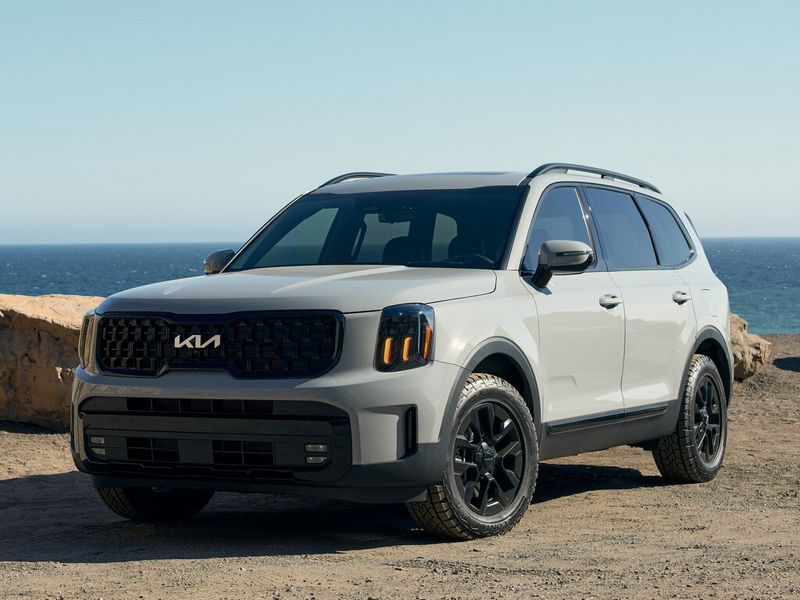
Inside, Telluride offers winter comfort: heated seats (and in some trims, heated second‑row seats), heated steering wheel, and tri-zone climate control — great when you wake up in a cold garage or deal with icy conditions. Also, safety and driver‑assistance features are strong, which adds confidence when visibility or road traction is low.
For budget-conscious buyers: if you find a used Telluride with AWD and winter‑ready tires, it can give reliable winter performance without needing a brand‑new luxury SUV.
2. 2025 Kia Sportage Hybrid
The 2025 Kia Sportage Hybrid stands out among compact SUVs for winter use thanks to its available active AWD with Terrain Mode (which includes a Snow setting). That helps distribute power to the wheels that need it, giving better traction on slick or snow-covered roads.
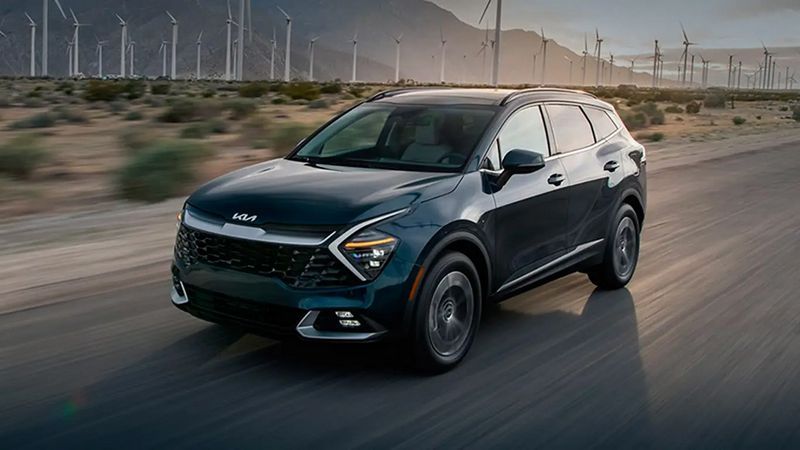
For someone on a budget — or looking for a smaller, more economical SUV — the Sportage Hybrid offers a balance: hybrid fuel efficiency + AWD capability. Its modest size makes it easier to maneuver and park in tight winter spaces compared with larger SUVs.
On daily drives, it’s practical and efficient — so even if you don’t face heavy snow often, you still benefit from lower fuel costs without sacrificing all‑season readiness.
3. 2025 Jeep Wagoneer
The Jeep Wagoneer (2025) — being a larger SUV from a brand known for ruggedness — can be a good snow SUV, especially if one finds a reasonably priced used example. Big SUVs like this typically offer strong AWD/4WD options and enough ground clearance to deal with snow, slush, or rough winter terrain.
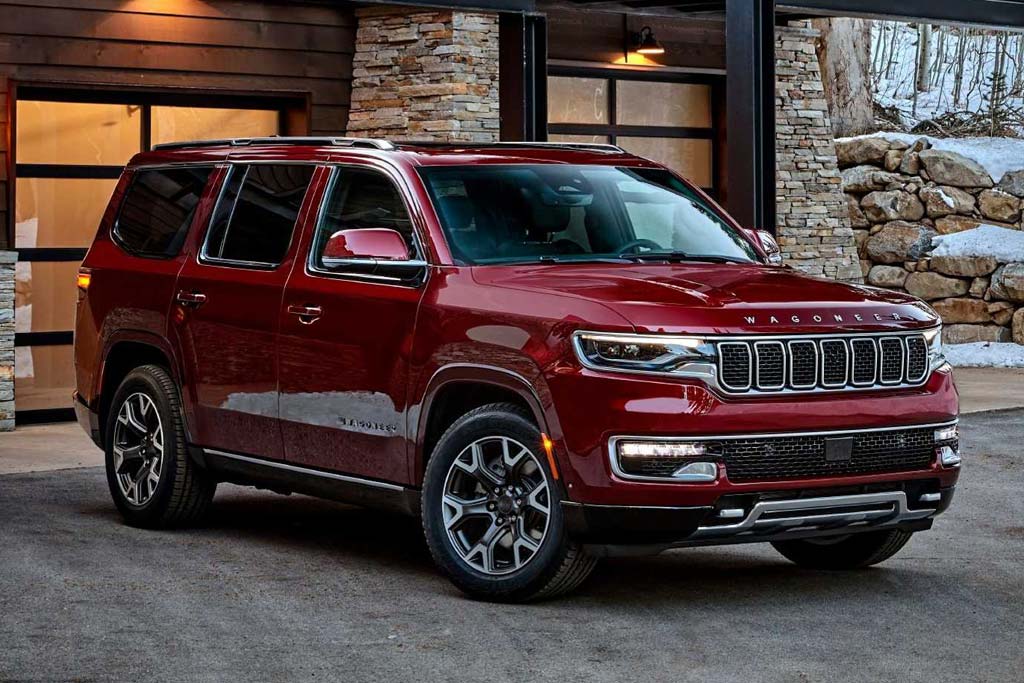
However, because SUVs like Wagoneer often come with higher running costs (fuel, tires, maintenance), a budget‑conscious buyer should check carefully: make sure the AWD/4WD system works correctly, tires are winter‑ready, and the suspension/systems are in good shape.
If you want, I can check recent data for the 2025 Wagoneer (fuel economy, AWD abilities) to confirm how snow‑ready it is right now.
4. 2025 Jeep Grand Cherokee L
The 2025 Jeep Grand Cherokee L offers the size and features many drivers want: flexibility, space, and SUV‑style capability. For snow conditions, its AWD/4WD (depending on trim) and sturdy build can handle winter roads better than a small car.
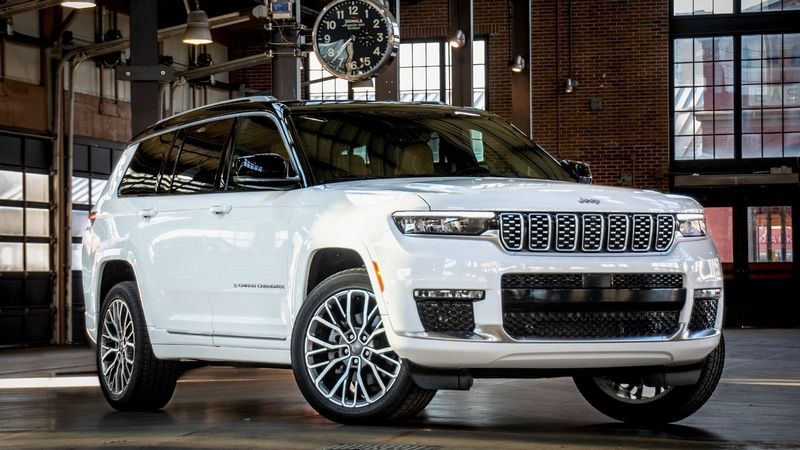
Owners emphasize comfort and styling among the strongest features. For buyers from auctions or used markets, Grand Cherokee L can make sense — provided you do a careful check: confirm the drivetrain is working well, tires are suitable, and that the vehicle has not suffered rust or damage (common risks for older SUVs used in snowy climates).
5. 2025 Volvo XC40
The 2025 Volvo XC40 is a more compact SUV, but it punches above its size in winter‑friendliness. Equipped (in AWD versions) with a capable AWD system, enough ground clearance, and safety/winter‑comfort options, XC40 can be a practical choice for city dwellers or light‑snow regions.
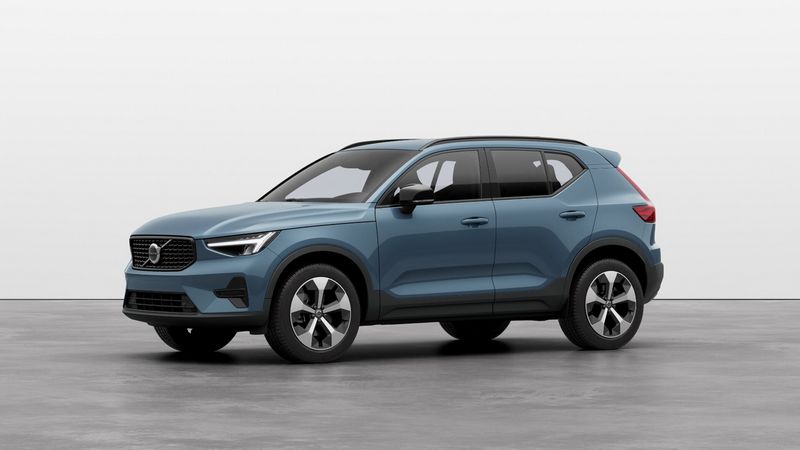
Volvo also emphasizes comfort and safety: among its winter‑ready features are heater options (seats, steering wheel), good traction control, and modern safety systems that help with low‑visibility or icy conditions.
For a budget buyer: because it’s smaller and more efficient than large SUVs, the XC40 may cost less to maintain and fuel, which makes it a sensible compromise — if you don’t need massive cargo space or off-road strength.
6. 2025 Chevrolet Tahoe
The 2025 Chevrolet Tahoe is a large, full‑size SUV that can be a valid choice for snow — especially if you need space, power, or haul a lot of stuff (gear, winter supplies, luggage, passengers). It offers optional 4‑wheel drive (4WD), which helps a lot when roads get slippery or snow‑packed.
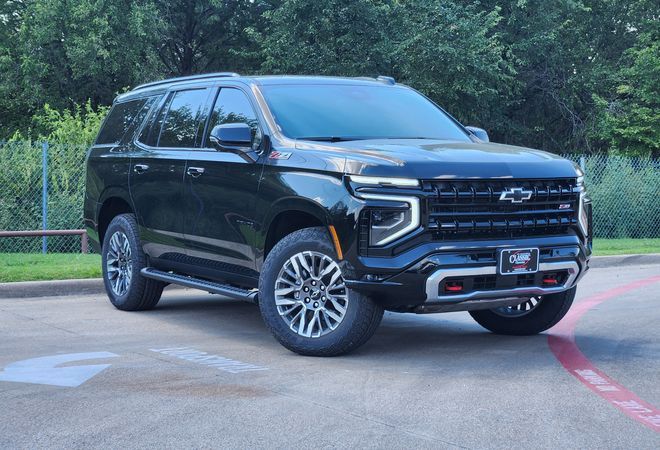
If equipped with the available adaptive suspension, the Tahoe can raise its ride height to help handle deeper snow or uneven winter roads.
Inside, the Tahoe has a roomy cabin and cargo area — useful if you carry winter gear, skis, snowboards, or groceries for a big family.
Downsides: its fuel efficiency is relatively poor compared to smaller SUVs — V8 engines and 4WD significantly hurt gas mileage. Also, because it’s a heavy and big vehicle, maneuvering on narrow snowy streets or parking in tight lots can be tricky for some drivers.
7. 2026 Subaru Forester
The 2026 Subaru Forester — like previous Forester models — is among the best bets if you want a compact-but-capable SUV for snow, especially on a budget. It comes standard with all‑wheel drive (AWD) and offers about 8.7 inches of ground clearance.
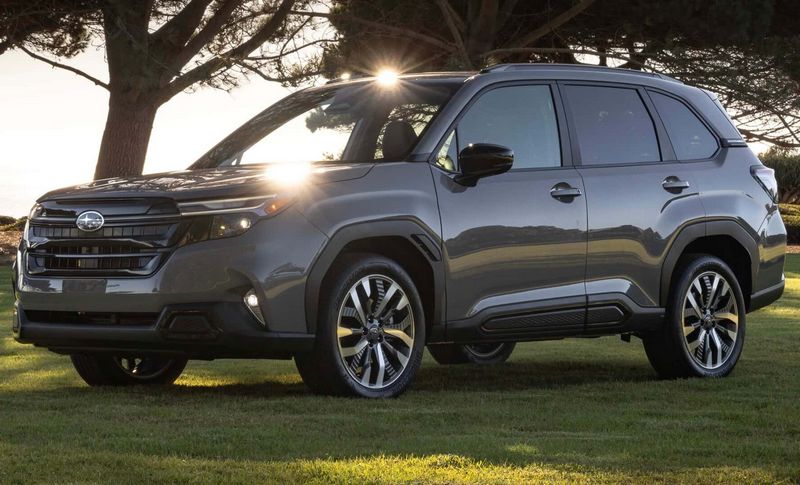
Its AWD and traction control systems are designed to give good stability on snow or ice. Many reviewers and owners highlight it as a great winter SUV without the high costs of a big luxury model.
For a budget‑conscious buyer, Forester is a strong mix of reliability, manageable size, and winter readiness — useful if you live somewhere where snow comes irregularly or roads get only moderate snow.
The trade‑off: it’s not a massive SUV; cargo and passenger space are more limited than with large SUVs. If you need to carry many people or lots of gear often — maybe less ideal than Tahoe or bigger SUVs.
8. 2025 Toyota RAV4 Hybrid
The 2025 Toyota RAV4 Hybrid brings a nice balance of winter readiness, fuel efficiency, and practicality. Every RAV4 Hybrid comes with AWD and about 8.1 inches of ground clearance, enough for typical snow and icy conditions.
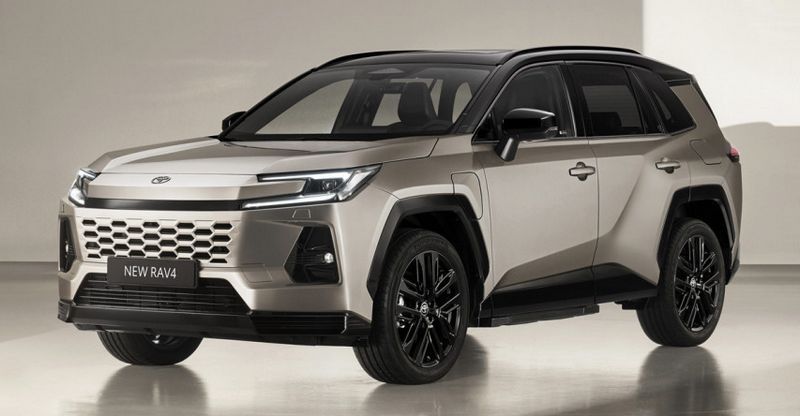
Its hybrid system helps save fuel — a real advantage if you drive frequently. And if you pick a trim with extra features (like the Weather Package), you can get helpful winter comforts like heated seats, heated mirrors, and better lighting for darker, snowy days.
For budget‑conscious buyers, RAV4 Hybrid offers a “good enough” SUV for snow without the high running costs of a heavy V‑8. It also handles well for daily commuting or grocery runs, not just snow trips.
The downside: while it's fine for regular winter roads and moderate snow, RAV4 Hybrid is less robust than large SUVs in deep snow or heavy-duty winter conditions.
9. 2025 Rivian R1S
The 2025 Rivian R1S — an all‑electric SUV — is interesting if you want modern tech and capability. It has full-time AWD (with multiple electric motors, depending on configuration), good ground clearance and off-road potential.
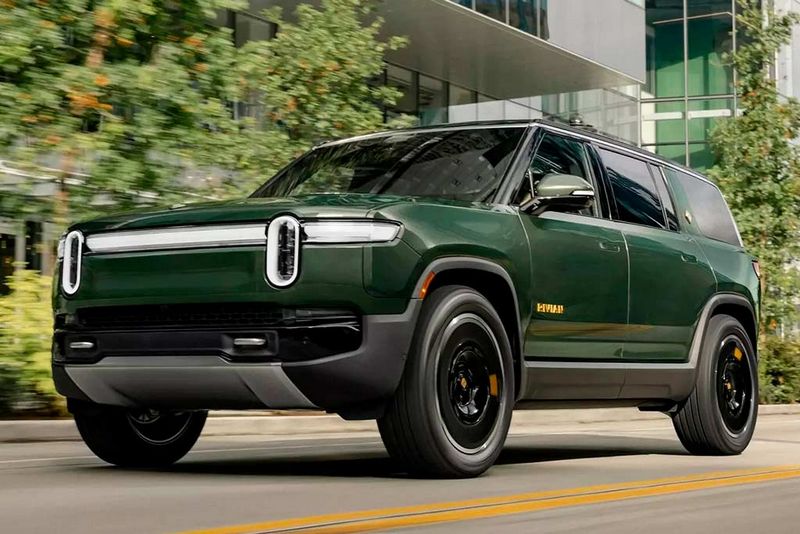
Many owners report good snow performance — especially when using dedicated winter tires. “Snow mode” and torque/vectoring systems help keep traction on slippery roads. Also, its roomy interior and cargo space make it practical if you travel with family or winter gear.
However, because it's heavy and electric, winter driving can reduce range noticeably — cold temperatures and heating load make the battery work harder. Also, price (new or used) tends to be higher than many budget‑oriented SUVs, which may put it out of reach for strictly “save‑money” buyers.
10. 2025 Ford Bronco
The 2025 Ford Bronco brings rugged off‑road and winter capability even as a daily driver. It offers 4‑wheel drive and selectable drive modes — including a “Slippery” mode to help with snow and ice on roads.
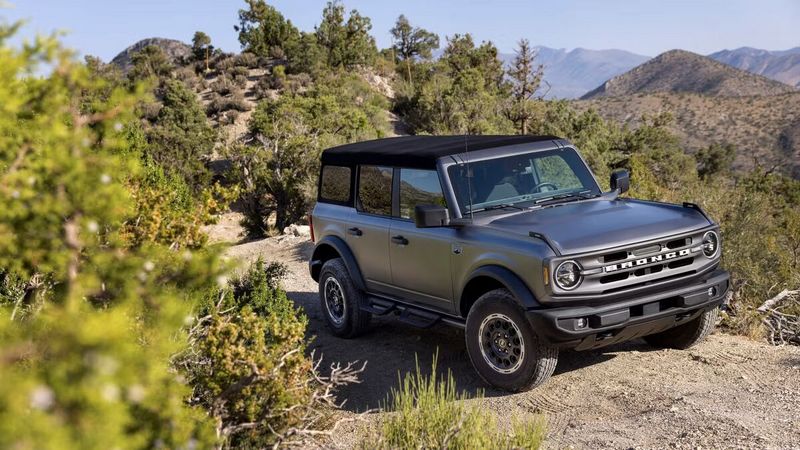
With the right trim and tires, the Bronco can handle deeper snow or rough winter terrain — useful if you live in mountainous or rural areas where roads can go unplowed.
For budget‑minded buyers, older or used Bronco models (if maintained well) may offer a good mix of winter readiness and ruggedness without paying full-price SUV costs.
The cons: fuel economy is weak compared to compact SUVs, and large tires + 4WD systems mean higher maintenance and tire costs.
AWD vs. 4WD SUVs for Winter: Which Should You Choose?
When it comes to choosing an SUV for snowy conditions, understanding the difference between AWD (All-Wheel Drive) and 4WD (Four-Wheel Drive) is key. Each system has strengths depending on the type of winter driving you expect. For budget-conscious buyers, picking the right system can save money while keeping you safe.
Advantages of AWD in snowy city driving
AWD is usually active all the time, automatically distributing power to the wheels with the most traction. This makes it ideal for city driving in snow or icy conditions. It helps prevent wheel spin during acceleration and gives smoother handling on slippery streets, which is especially useful for stop-and-go traffic.
AWD systems are generally lower maintenance than 4WD because they don’t require manual engagement and have fewer heavy-duty components. Many compact and mid-size SUVs, like the Subaru Forester or Toyota RAV4 Hybrid, come with AWD as standard, offering good snow performance without the cost of a large 4WD system.
For budget buyers, a used AWD SUV is often easier to find and cheaper to maintain while still providing confidence on snowy roads.
Advantages of 4WD for deep snow and off-roading
4WD is designed for tougher conditions. Unlike AWD, it can be manually engaged and often includes low-range gearing for maximum traction. This makes it perfect for deep snow, steep hills, and off-road winter terrain. Vehicles like the Jeep Wrangler, Ford Bronco, or Chevrolet Tahoe benefit from 4WD when roads are unplowed or snow is heavy.
While 4WD vehicles are usually heavier and consume more fuel, they provide a level of control and capability that AWD can’t match in extreme conditions. For buyers who live in rural areas or plan winter adventures in backcountry roads, investing in a 4WD SUV — even a used one from an auction — can be worth the extra upfront and maintenance costs.
Tips for Safe Winter Driving
Driving in snow and icy conditions can be challenging, especially for budget-conscious drivers who may be using older or pre-owned SUVs. Following a few practical tips can keep you safe and reduce the risk of accidents while maximizing your SUV’s winter performance.
Winter tire recommendations
Winter tires are one of the most important upgrades for snowy and icy roads. They are made of a softer rubber compound that stays flexible in cold temperatures, improving grip and braking distance. Look for tires with the snowflake-on-the-mountain symbol, which indicates they meet winter performance standards.
Even if your SUV has AWD or 4WD, winter tires make a huge difference. Budget buyers can often find high-quality used or discounted winter tires that provide safety without breaking the bank. Rotating them properly and checking tread depth regularly ensures they last for multiple seasons.
Handling icy roads
Icy roads require careful driving and awareness. Avoid sudden acceleration, hard braking, or sharp steering movements, as these can cause skidding. Keep a larger following distance than usual to allow more time to stop.
Using low gears on slippery inclines can also help maintain control, especially in 4WD vehicles. If your SUV starts to skid, remember to steer gently in the direction you want to go and avoid panicking. Practicing in an empty, snow-covered parking lot can help you get familiar with your SUV’s behavior on ice.
Preparing your SUV for winter
Before winter hits, make sure your SUV is ready. Check the battery, antifreeze levels, windshield wipers, and lights. Ensure your brakes are in good condition, and top off washer fluid with a winter formula that won’t freeze.
Adding winter accessories like snow brushes, ice scrapers, and emergency kits can be lifesavers. Carrying blankets, a flashlight, and a small shovel is also recommended if you get stuck in snow. For budget-conscious buyers, performing these maintenance checks and carrying simple tools is a low-cost way to avoid expensive problems and improve safety.
Are you interested in buying a vehicle from US auctions?
With this being said – you can still export vehicles and save up a few thousand dollars with Auto4Export. We have an inventory of over 150k plus vehicles with titles you can export for you to choose from. Once you have placed your bid and won the auction a Bill of Sale document is then emailed to you as proof of purchase – after full payments have been made.
To gain access and get started on your purchase, sign up for free.
Further Reading
AWD vs 4WD: Differences, Similarities, and Which is Better for Your Needs
Best SUVs Under $25,000 in 2025
Top Small Used SUVs You Can Buy in 2025
Best SUVs for Mountain Driving in 2025

Do You Have Any Questions?
 Ask Question