


 Log in
 Sign Up


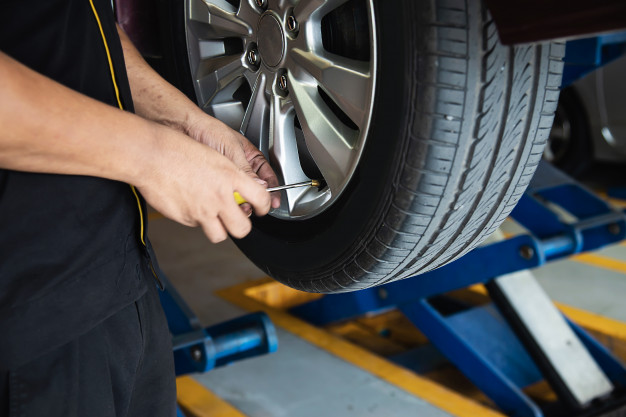


Tire maintenance might not be the most exciting part of car ownership, but it's undoubtedly one of the most important. Whether you're driving a brand-new car or an old reliable, taking care of your tires is crucial. This is especially true for used car tires, which may already have some wear and tear. In this guide, we'll walk you through four essential tips to help you keep your used car tires in top shape. Let's dive in!
Understand the Basics of Tire Maintenance
What is Tire Maintenance?
Tire maintenance involves a series of routine checks and tasks aimed at ensuring your tires are in good working condition. This includes inspecting them for damage, checking tire pressure, rotating them regularly, and making sure they're properly aligned and balanced.
Why Tire Maintenance is Crucial
Maintaining your tires isn't just about extending their lifespan; it's about safety and performance. Properly maintained tires can prevent accidents, improve fuel efficiency, and ensure a smoother ride. Neglecting tire care can lead to blowouts, poor handling, and increased fuel consumption.
Tip 1: Regular Tire Inspections
Visual Inspection Techniques
Start with a simple visual inspection. Look for any cuts, cracks, or bulges on the tire surface. Check the sidewalls and tread area for embedded objects like nails or glass. It's also important to inspect for any signs of dry rot, especially if the tires are old.
Checking Tread Depth
Tread depth is crucial for maintaining traction on the road. Tires with worn-out tread can be dangerous, especially in wet conditions.
The Penny Test
One quick and easy way to check tread depth is the penny test. Insert a penny into the tread grooves with Lincoln's head facing down. If you can see the top of Lincoln's head, it's time to replace the tire.
Using a Tread Depth Gauge
For a more accurate measurement, use a tread depth gauge. Place the gauge into the tread groove and press down until the base of the gauge rests on the tire. Read the measurement on the gauge to determine if your tires need replacing.
Spotting Uneven Wear and Tear
Uneven wear can indicate issues with your vehicle's alignment, suspension, or even tire pressure. Look for areas where the tread is worn down more than others. If you notice any uneven wear, it's time to have your car checked by a professional.
Tip 2: Maintaining Proper Tire Pressure
Why Tire Pressure Matters
Maintaining the correct tire pressure is vital for your safety and your car's performance. Overinflated or underinflated tires can lead to poor handling, reduced fuel efficiency, and increased wear and tear.
How to Check Tire Pressure
Using a Tire Pressure Gauge
Invest in a good-quality tire pressure gauge. Check the tire pressure when the tires are cold (before driving) to get an accurate reading. Remove the valve cap, press the gauge onto the valve stem, and note the pressure reading.
Recommended Pressure Levels
Refer to your car's manual or the sticker inside the driver's door to find the recommended tire pressure levels. Ensure all four tires are inflated to the specified pressure.
Consequences of Incorrect Tire Pressure
Driving with incorrect tire pressure can lead to several problems. Underinflated tires can overheat, causing a blowout, while overinflated tires can lead to a harsh ride and increased risk of damage from road hazards.
Tip 3: Tire Rotation and Alignment
Importance of Tire Rotation
Rotating your tires regularly helps to distribute wear evenly across all four tires, extending their lifespan and improving performance.
How Often to Rotate Tires
A good rule of thumb is to rotate your tires every 6,000 to 8,000 miles, or according to your vehicle manufacturer's recommendations.
Understanding Tire Alignment
Proper tire alignment ensures that your car handles correctly and that your tires wear evenly.
Signs of Misalignment
Common signs of misalignment include the vehicle pulling to one side, uneven tire wear, and a steering wheel that is off-center when driving straight.
Benefits of Proper Alignment
Having your tires properly aligned can improve handling, increase fuel efficiency, and extend the life of your tires. It also ensures a smoother and safer ride.
Tip 4: Balancing Your Tires
What is Tire Balancing?
Tire balancing involves correcting any uneven distribution of weight in the tires and wheels. This ensures that your tires rotate smoothly and without vibration.
How Tire Balancing is Done
During a tire balancing service, weights are added to the wheels to achieve a balanced rotation. This is typically done using a specialized machine that spins the wheels to identify any imbalance.
Signs Your Tires Need Balancing
If you feel a vibration in the steering wheel or seat, especially at higher speeds, it may indicate that your tires are out of balance. Regular balancing can prevent uneven wear and prolong the life of your tires.
Additional Tips for Extending Tire Life
Avoid Overloading Your Vehicle
Overloading puts extra pressure on your tires, leading to excessive wear and potential blowouts. Always adhere to your vehicle's load capacity limits.
Drive Carefully and Avoid Potholes
Driving carefully can significantly impact the lifespan of your tires. Avoiding potholes, curbs, and other road hazards can prevent damage and extend tire life.
Store Tires Properly When Not in Use
If you have seasonal tires or spare tires, store them properly. Keep them in a cool, dry place, away from direct sunlight and sources of heat to prevent deterioration.
The Environmental Impact of Used Tires
Recycling and Reusing Old Tires
Used tires can be recycled and repurposed in various ways, from playground surfaces to garden mulch. Recycling helps reduce environmental waste and promotes sustainability.
Eco-Friendly Tire Disposal Methods
If your tires are no longer usable, dispose of them responsibly. Many tire shops and recycling centers accept old tires for proper disposal. Avoid dumping them in landfills where they can cause environmental harm.
Conclusion
Taking care of your used car tires doesn't have to be a chore. By following these simple tips—regular inspections, maintaining proper tire pressure, rotating and aligning your tires, and balancing them—you can extend the life of your tires and ensure a safer, smoother ride. Remember, well-maintained tires not only enhance your driving experience but also contribute to better fuel efficiency and overall vehicle performance. So, keep an eye on those tires and give them the care they deserve!
FAQs
How often should I check my tire pressure? It's recommended to check your tire pressure at least once a month and before long trips.
Can I rotate my tires myself? Yes, you can rotate your tires yourself if you have the right tools and follow your vehicle's rotation pattern. However, it might be easier and safer to have a professional do it.
What are the signs of tire misalignment? Signs include uneven tire wear, the vehicle pulling to one side, and a crooked steering wheel when driving straight.
How long do used tires typically last? The lifespan of used tires varies depending on various factors such as driving habits, road conditions, maintenance, and the quality of the tires themselves. On average, used tires can last anywhere from 20,000 to 50,000 miles if properly cared for and depending on their initial tread depth.
Are there any products that can help extend tire life? Yes, there are tire care products such as tire sealants, tire dressings, and UV protectants that can help maintain tire health and longevity. These products can protect tires from UV rays, prevent dry rot, and keep the rubber supple.
Are you interested in buying a car from US auctions?
With this being said – you can still export vehicles and save up a few thousand dollars with Auto4Export. We have an inventory of over 150k plus vehicles with titles you can export for you to choose from. Once you have placed your bid and won the auction a Bill of Sale document is then emailed to you as proof of purchase – after full payments have been made.
To gain access and get started on your purchase, sign up for free.
Further Reading
How do US auto auctions work?
How to buy a used car from a US auction
Buy Salvaged Cars from the USA. What's the Meaning and Benefit?
Types of Vehicle Titles: What You Can and Can’t Export

Do You Have Any Questions?
 Ask Question