


 Log in
 Sign Up


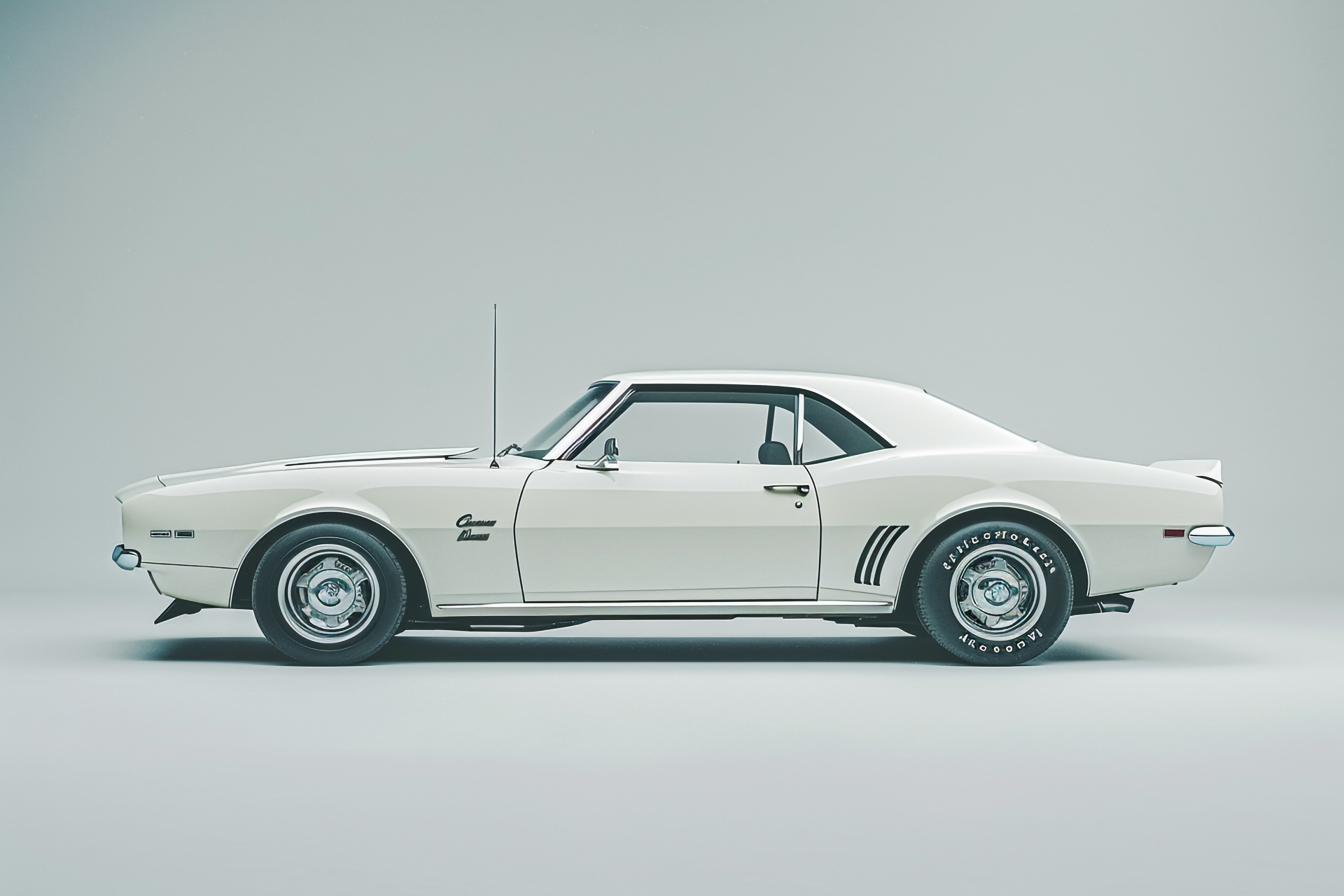


Classic cars are more than just vehicles—they’re pieces of history you can drive. This guide will show you why owning a classic car is a unique and rewarding experience, especially if you’re on a budget. You’ll learn about their special designs, powerful engines, and simple mechanics. Whether you dream of joining classic car shows or just want a ride that turns heads, this article helps you understand the joys of classic cars and how to find your own.
Why Are Classic Cars So Captivating?
Classic cars have a special way of grabbing attention wherever they go. When you see one driving down the street, it’s almost impossible not to stop and take a closer look. These cars don’t just blend in—they stand out. The reason is simple: they carry a sense of history and style that modern vehicles just can’t match.
Take the 1923 Ford Model T, for example. This car wasn’t just any old vehicle; it changed the way people traveled and made cars affordable for the average person. Seeing a Model T today is like seeing a moving piece of history. Or consider the early ’70s Camaro—a true muscle car icon that represents power, speed, and the bold designs of its era. Then there’s the 1957 Volvo, which shows a completely different style, proving classic cars come in many shapes and stories.
What makes these cars so captivating is their unique charm. Each one tells a story from a different time, showing the design trends, engineering, and culture of that era. Classic cars often have details and shapes you just don’t find on modern vehicles—like chrome accents, wide grilles, and bold colors. These elements create a strong visual impact and spark curiosity.
What Is It Like to Own a Classic Car?
Owning a classic car is an experience unlike any other. It’s not just about having a way to get from point A to point B—it’s about connecting with a piece of history and enjoying a unique lifestyle. When you drive a classic car, you don’t just move through traffic; you create a scene. Heads turn, people smile, and you often get nods or waves from fellow car lovers. It’s a feeling of pride and excitement that comes from being behind the wheel of something truly special.
Driving a classic car is a hands-on, engaging experience. Unlike modern cars that feel smooth and quiet, classic cars have character. You can hear the engine roar, feel the weight of the steering wheel, and even sense the road beneath you. Every turn and acceleration reminds you that this vehicle has a story—a past filled with memories and adventures. For many owners, this makes driving a classic car a joyful escape from the ordinary.
Beyond the driving itself, owning a classic car opens the door to a passionate community. Classic car shows are gatherings where enthusiasts come together to admire each other’s vehicles, swap stories, and celebrate automotive history. Being part of these shows means sharing your pride with others who understand the love and effort that go into maintaining and restoring these vehicles. It’s a chance to connect with people who share your passion, learn new things, and even make lifelong friends.
Owning a classic car also means you get closer to automotive history than most people ever will. You can open the hood, see the old engine parts, and even do your own repairs and maintenance. This hands-on connection to the car’s mechanics lets you appreciate the craftsmanship and engineering that went into vehicles from decades ago. Unlike modern cars full of computers and sensors, classic cars invite you to learn, tinker, and truly understand how they work.
How Did Classic Car Designs Stand Out?
Before the 1980s, car designers had a lot of fun with their creations. They weren’t just building vehicles—they were crafting bold statements on wheels. Unlike today’s cars, which often focus on sleek efficiency and uniform shapes, classic cars from earlier decades show off unique styles and personality. Designers used creativity to make each model stand out, turning cars into true works of art.
One of the most striking features of classic cars was the use of wings, fins, and other eye-catching embellishments. These design elements didn’t always have a practical purpose, but they sure grabbed attention. For example, many cars from the 1950s and ’60s had large tailfins that looked like they belonged on a spaceship rather than a vehicle. These fins made cars instantly recognizable on the road and gave them a futuristic, stylish look.
Take the 1960 Buick LeSabre as a perfect example. Its bold design included sweeping lines and a large, chrome-filled front grille that made it impossible to miss in a parking lot. The car’s unique shape and shiny details made it stand out from all the others around it. You could spot a Buick LeSabre a mile away just by its silhouette and the way it caught the light.
Other classic cars showed off personality through bright colors, shiny chrome bumpers, and detailed hood ornaments. These touches gave each car its own identity and made driving or owning one feel special. You didn’t just have a car—you had a rolling symbol of style and creativity.
Why Do Classic Car Engines and Driving Feel Different?
One of the most exciting things about classic cars is how different they feel and sound compared to modern vehicles. The engine alone tells a story — a powerful, raw sound that turns heads and sparks curiosity. Unlike today’s cars, where engines are designed to be as quiet and smooth as possible, classic cars roar with personality. Each brand had its own unique engine tone and performance style that made them instantly recognizable to enthusiasts.
For example, a classic Ford engine has a deep, growling sound that feels strong and steady. Chevrolet engines tend to have a sharper, more aggressive rumble, while Pontiac engines offer a distinct, throaty roar that muscle car fans love. Volkswagen engines, especially in classic models, have a lighter, buzzing hum that sets them apart from American muscle. These sounds are part of the charm—listening to a classic car’s engine is like hearing a piece of automotive history in action.
Driving a classic car is also a much more hands-on and engaging experience. Modern cars are built for comfort and ease, with smooth automatic steering and advanced suspension systems that almost drive themselves. Classic cars, on the other hand, require you to really connect with the road and the machine. You can feel every turn, every bump, and every change in the engine’s power. This makes driving a classic car feel like a dance between you and the vehicle rather than just cruising in a machine.
Take muscle cars from the early ’70s as an example. When you accelerate hard in one of these beasts, you might experience fishtailing—where the rear of the car sways side to side because of the powerful engine and less advanced traction control. It’s a thrilling, sometimes challenging feeling that demands your full attention and skill. This kind of driving isn’t for everyone, but for many classic car owners, it’s part of the fun and excitement.
What Are the Benefits of Classic Cars’ Simplicity?
One of the greatest benefits of classic cars is their simplicity. Unlike modern vehicles packed with complex computer systems, sensors, and electronic controls, classic cars are much easier to understand and work on. There are no confusing error codes or digital diagnostics to interpret. When something needs fixing, it’s often as straightforward as “just turn the wrench” and get to work.
This hands-on nature of classic cars appeals to many people, especially those who enjoy tinkering and learning about how things work. Instead of taking your car to a dealership or specialist for every little problem, you can often handle repairs and maintenance yourself. Changing spark plugs, adjusting carburetors, or tightening belts doesn’t require expensive tools or special software—just basic mechanical skills and a willingness to get your hands dirty.
In today’s technology-heavy world, this simplicity can be a refreshing change. Modern cars rely on computers for everything, from engine timing to braking systems, making even small repairs costly and complicated. For people on a budget, classic cars offer a chance to avoid those high repair bills while gaining valuable mechanical knowledge. The satisfaction of fixing your own car, hearing the engine roar back to life, and knowing exactly what you did is something that modern cars often can’t provide.
Beyond cost savings, the straightforward design of classic cars also means fewer things can go wrong electronically. With fewer parts to malfunction, these cars can be more reliable in the long run—if you know how to care for them. For many classic car enthusiasts, this blend of simplicity, hands-on control, and mechanical reliability makes owning a classic car a rewarding and enjoyable experience.
How Can You Find Classic Cars at Auto4Export Auctions?
If you’ve ever dreamed of owning a classic car, Auto4Export is a great place to start turning that dream into reality. Auto4Export offers daily online auctions where you can find a wide range of classic vehicles, from timeless muscle cars to vintage trucks and luxury models. This means that every day, there’s a new chance to bid on and win a piece of automotive history without leaving your home.
Recently, some exciting classic cars have come through the Auto4Export auctions. For example, a 1959 Chevrolet Apache, known for its rugged style and strong performance, was available. Another standout was a 1971 Oldsmobile, a true muscle car that captures the spirit of the ’70s. And the list doesn’t stop there—upcoming auctions include rare finds like a 1940 LaSalle, a 1984 Rolls-Royce, and even a 1957 Volvo that breaks away from the usual modern car designs.
What’s great about Auto4Export is that it makes bidding on these classic cars easy and accessible, even if you’re on a budget. You don’t have to wait for a special event or travel far to join in; the auctions are online, allowing you to participate anytime and from anywhere.
Are you interested in buying a vehicle from US auctions?
With this being said – you can still export vehicles and save up a few thousand dollars with Auto4Export. We have an inventory of over 150k plus vehicles with titles you can export for you to choose from. Once you have placed your bid and won the auction a Bill of Sale document is then emailed to you as proof of purchase – after full payments have been made.
To gain access and get started on your purchase, sign up for free.
Further Reading
Ultimate Guide to Buying Cars at US Auto Auctions
How to buy a used car from a US auction
Buy Salvaged Cars from the USA. What's the Meaning and Benefit?
Types of Vehicle Titles: What You Can and Can’t Export

Do You Have Any Questions?
 Ask Question