


 Log in
 Sign Up


Buying a car with a salvage or junk title can save you money, but the risks and rules are very different. This guide explains the key differences, what each title means, and how budget-conscious buyers can use auctions to get the best deal. Learn how to spot repairable cars, avoid vehicles that are parts-only, and make smart choices when bidding.
What Is a Salvage Title?
Definition and when a car receives a salvage title
A salvage title is given to a car that has been damaged severely enough that an insurance company considers it a total loss. This doesn’t necessarily mean the car is completely worthless — it just means the cost to repair it is close to or exceeds the car’s market value.
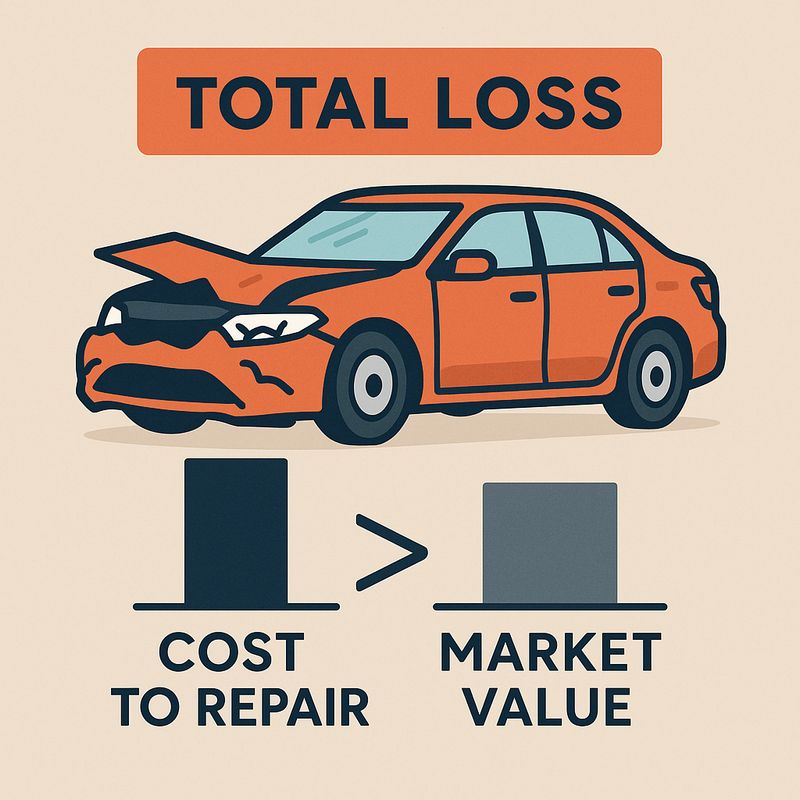
For example, if a $10,000 car gets damaged in a flood or major accident and repairs would cost $8,000–$9,000, the insurance company may declare it a total loss. Once a car is totaled, the state issues a salvage title to clearly indicate its history.
Why insurance companies declare a car “total loss”
Insurance companies declare cars “total loss” to avoid paying more for repairs than the car is worth. This protects both the company and the policyholder.
A few common reasons for a total loss declaration:
- Repair costs are too high relative to the car’s market value.
- The damage affects the car’s frame or safety features.
- The vehicle has been flooded, burned, or stolen and recovered with significant damage.
For budget buyers at online auctions, understanding this helps avoid overpaying for a car that might need expensive repairs.
Typical damage types (accident, flood, fire, theft recovery)
Cars with salvage titles can suffer different types of damage:
- Accident damage: Collision that bends the frame or heavily damages body panels.
- Flood damage: Water intrusion can ruin the engine, electronics, and interior.
- Fire damage: Can affect wiring, mechanical components, and interior surfaces.
- Theft recovery: Stolen vehicles that are damaged or stripped before being recovered.
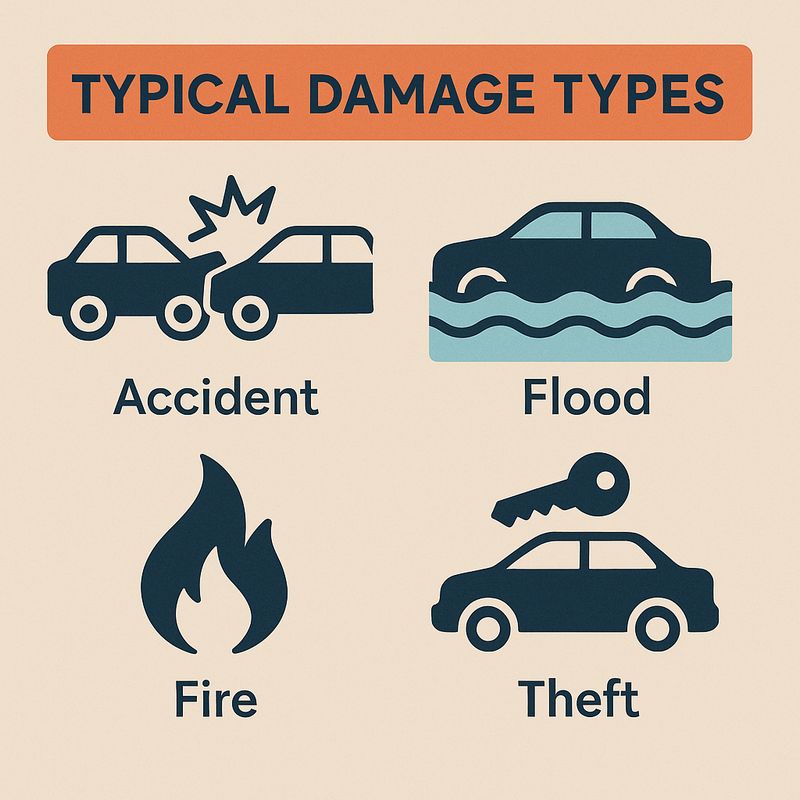
Knowing the type of damage is important because it influences repair costs, future reliability, and resale value.
Rebuildable vs. non-rebuildable salvage
Not all salvage title cars are the same. There are two main categories:
- Rebuildable salvage: Cars that can be repaired and inspected to become roadworthy again. They often appeal to budget-conscious buyers looking for a cheap car that can be fixed and insured.
- Non-rebuildable salvage (or junk): Cars that cannot be legally repaired or driven on public roads. These vehicles are usually sold for parts or scrap.
What Is a Junk Title?
Definition and legal meaning
A junk title is assigned to a vehicle that is considered totally unusable and not safe to drive. Unlike a salvage title, a junk title indicates that the car has no legal value as a road vehicle. It is essentially a formal recognition that the car is only good for parts or scrap.
For budget-conscious buyers browsing online auctions, a junk title signals that the car cannot be repaired for regular driving, so it’s only suitable for someone looking to salvage parts or metal.
When a salvage vehicle becomes junk (certificate of destruction)
Sometimes a vehicle with a salvage title can be reclassified as junk. This usually happens if:
- The car is severely damaged during an accident, flood, or fire after receiving a salvage title.
- The estimated repair costs become far too high or impossible.
- The state issues a certificate of destruction, officially marking the vehicle as junk.
Once this happens, the car cannot be legally rebuilt or driven on public roads. This distinction is crucial for auction buyers to understand before bidding.
“Parts Only” vehicles — what it means
Vehicles labeled as “parts only” are typically junk title cars. They are sold strictly for:
- Harvesting functional parts like engines, transmissions, or tires.
- Scrapping for metal value.
Buying a “parts only” vehicle makes sense if you’re looking to repair another car or resell components, but it’s not a path to a drivable, insured vehicle.
Junk title restrictions: why it can never be registered again
A car with a junk title cannot be registered, insured, or legally driven in most states. Even if you try to repair it extensively, the state will not issue a roadworthy title.
This legal restriction protects drivers and the public from unsafe vehicles. For buyers at online auctions, it’s a critical point: a junk title car is only valuable if you want parts, scrap, or specific mechanical components, not a daily driver.
Salvage Title vs Junk Title: Key Differences
Can you repair it?
Salvage title cars can usually be repaired and brought back to roadworthy condition. Many buyers at online auctions purchase these vehicles, fix the damage, and either use them as daily drivers or resell them.
Junk title cars, on the other hand, cannot be repaired for legal driving. They are considered unsafe or beyond practical repair, making them suitable only for parts or scrap. For budget-conscious buyers, knowing this distinction prevents wasted time and money.
Can it be registered and driven again?
A salvage title car can often be inspected and re-registered once repairs are complete, allowing it to be driven legally on public roads. Each state has its own rules for inspection and roadworthiness certificates.
Junk title vehicles cannot be registered or insured under any circumstances. Even if fully repaired, they remain “off-limits” for road use. This is a critical factor when deciding whether a car at auction is worth bidding on.
Cost-effectiveness: repair vs. part out
Salvage cars can be cost-effective if repair costs are reasonable compared to the car’s market value. For example, a minor flood-damaged sedan might be repaired for $3,000 and then worth $7,000 after restoration.
Junk cars are usually more profitable as parts or scrap. Attempting to repair a junk title vehicle is rarely financially sensible, because repairs would be too extensive and still wouldn’t make it legal to drive.
Resale value: salvage vs junk
A repaired salvage title car has resale value, though lower than a clean title vehicle. Buyers at online auctions can sometimes flip them for a profit if repairs are done properly.
Junk title cars generally have little to no resale value beyond parts or scrap metal. They are not sold as drivable cars, so the market is limited to those looking to harvest components.
Auction visibility (how cars are listed on Auto4Export)
On platforms like Auto4Export:
- Salvage title cars are listed clearly as “salvage” with details on the type of damage. Buyers know they may be repairable.
- Junk title cars are usually listed as “parts only” or “junk,” signaling that they are not roadworthy.
Salvage Title Cars: What Can You Do With Them?
Repair and inspect to obtain a rebuilt/reconstructed title
One of the main opportunities with salvage title cars is that you can repair them and apply for a rebuilt or reconstructed title. Once repaired, the car must pass a state inspection to ensure it meets safety and roadworthiness standards. After approval, it can be legally driven and insured again.
For budget-conscious buyers at online auctions, this is a cost-effective way to get a car for significantly less than a similar clean-title vehicle. For example, a $12,000 car with a salvage title might sell for $5,000–$7,000, making repairs and inspection a financially smart option.
Exporting salvage cars (international buyers benefit from lower prices)
Salvage cars can also be exported to other countries where regulations for salvage or rebuilt vehicles are more flexible. International buyers often take advantage of the lower auction prices in the U.S. to get vehicles that would cost much more domestically.
For someone purchasing through platforms like Auto4Export, buying a salvage car for export can be a practical strategy to save money while still obtaining a functional vehicle abroad.
Resell a rebuilt vehicle for profit (flipping cars)
Another common use is to flip a rebuilt salvage car for profit. Buyers repair the vehicle, obtain a rebuilt title, and then sell it at a higher price. This can be a lucrative option if you know how to assess repair costs and choose cars that are easier to fix.
For example, a minor-accident vehicle sold for $6,000 at auction could be repaired for $2,000 and resold for $9,000–$10,000. This makes salvage title cars attractive to small-scale car dealers or savvy individual buyers looking to stretch their budget while still making a smart investment.
Junk Title Cars: What Can You Do With Them?
Dismantle the car and sell parts individually
One of the most common ways to make use of a junk title car is to dismantle it and sell usable parts individually. Engines, transmissions, tires, batteries, and electronics can still hold significant value even if the car itself cannot be driven.
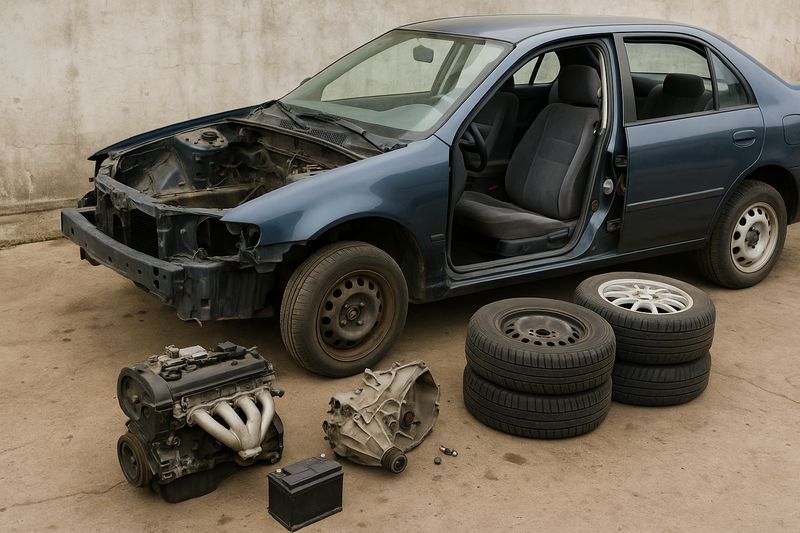
For budget-conscious buyers at online auctions, this approach can help recover some of the purchase cost. For example, a junked SUV may sell its engine, wheels, and seats separately for a total that approaches or exceeds the initial auction price.
Sell the entire car to a junkyard or dismantler
If you don’t want to dismantle the vehicle yourself, you can sell the entire car to a junkyard or professional dismantler. They will pay based on the weight of the metal and the value of any reusable components.
This is a quick and convenient option for buyers who want to recover some cash without investing time or effort in parting out the vehicle.
Obtain Certificate of Destruction
After selling or scrapping a junk title car, the state may issue a Certificate of Destruction. This officially confirms that the car is no longer roadworthy and prevents it from being illegally registered or driven in the future.
This certificate protects both buyers and the public by ensuring that unsafe vehicles stay off the road. It also provides legal documentation for anyone handling or selling the junk vehicle.
Environmentally responsible disposal (scrap metal recycling)
Junk title vehicles can be recycled for scrap metal, including steel, aluminum, and other materials. This environmentally responsible disposal helps reduce waste while also providing some monetary return.
Signs a Car Might Be Junk (Even If It Says Salvage)
Extensive frame damage or severe fire
Even if a car has a salvage title, extensive frame damage or severe fire damage can make it effectively a junk vehicle. A bent or twisted frame compromises structural integrity, making repairs unsafe or extremely costly. Fire damage can destroy wiring, electronics, and key mechanical components, leaving the car too expensive or impossible to restore for legal driving.
Budget-conscious buyers should carefully inspect auction listings and photos for signs of extreme structural or fire damage before placing a bid.
Missing key engine/transmission components
A salvage vehicle missing critical components like the engine, transmission, or drivetrain parts can also be considered junk. Replacing these parts often costs more than the car’s total value, making repair financially impractical.
At online auctions, some cars are sold “as-is” with major parts removed. Buyers should read descriptions carefully and check whether essential components are present to avoid overpaying for a vehicle that cannot be made roadworthy.
Flood vehicles that are rusted beyond repair
Flood-damaged cars can sometimes be repaired, but if the damage has caused extensive rust to the body, frame, or mechanical parts, the car may essentially be junk. Rust spreads quickly and can compromise safety, electrical systems, and engine performance.
Tips for Selling a Junk Car
Remove personal belongings
Before selling a junk car, make sure to thoroughly check the interior, trunk, and under seats for personal items. Even small items like documents, chargers, or tools can be overlooked and cause delays or issues during the sale. Removing everything also makes the car easier for the buyer or junkyard to handle.
Sell valuable parts separately (battery, catalytic converter, wheels)
Some components of a junk car retain significant value. Parts like the battery, catalytic converter, wheels, tires, or even electronics can be removed and sold individually to maximize profit. For example, a catalytic converter can be worth hundreds of dollars on its own. Budget-conscious sellers can recover more money by parting out these high-value items before selling the remainder of the car.
Shop around different junkyards for best price
Don’t settle for the first junkyard offer. Check multiple junkyards or dismantlers to compare prices based on the vehicle’s weight, parts, and scrap value. Even a small difference per pound can add up to a significant gain for budget-minded sellers.
Prepare paperwork and ID to finalize sale
Most states require documentation to sell a junk car legally. Be sure to have your car title, a valid ID, and any other required paperwork ready. Some junkyards also require a bill of sale or signature on a certificate of destruction. Being organized speeds up the sale process and ensures you get paid quickly without legal issues.
Tips for Buying Salvage Cars at Auction (Budget Buyers)
Check the damage category (actual vs estimated repair cost)
When shopping at online auto auctions, it’s important to understand the type and severity of the damage. Sometimes a car is listed as “salvage” even if the damage is minor, while other times it may be far worse than it appears. Compare the estimated repair costs to the car’s market value to ensure the investment makes sense. Budget buyers should avoid vehicles where repairs could easily exceed the car’s potential resale or use value.
Inspect photos carefully or order a pre-bid inspection
Most auctions provide photos of the vehicle, but they may not show every detail. Examine all images closely, looking for frame issues, rust, flood signs, or missing parts. If possible, order a pre-bid inspection from a certified mechanic or inspection service. This step helps avoid surprises and gives a realistic sense of what repairs will be required, saving money and stress in the long run.
Calculate repair costs + auction fees + registration costs
Before placing a bid, factor in all additional costs: repairs, auction fees, shipping, taxes, and registration. A car that seems like a bargain might become expensive once these expenses are added. For budget-conscious buyers, creating a full cost estimate ensures you don’t overspend and helps you make smarter bids.
Know local regulations for rebuilt title inspection
Each state has its own rules for inspecting and registering a rebuilt salvage car. Some states require detailed inspections for structural integrity, emissions, and safety systems. Knowing these regulations in advance ensures that a salvage vehicle can legally be driven after repair. This information is crucial for budget buyers who want to avoid purchasing a car that cannot be legally registered or insured after restoration.
Turning Junk or Salvage Cars Into Cash
Which option gives better profit potential?
Whether you can make more money from a junk or salvage car depends on the vehicle’s condition and your goals. Salvage title cars that can be repaired and re-registered often offer higher profit potential for buyers who can invest in repairs. On the other hand, junk title cars or severely damaged salvage vehicles are usually more profitable when sold for parts or scrap. Budget-conscious buyers must evaluate each car carefully to decide the most lucrative approach.
When parting out makes more money than repairing
Sometimes, selling individual parts from a salvage or junk vehicle is more profitable than repairing it. High-value components like engines, transmissions, tires, batteries, and catalytic converters can fetch significant prices, often exceeding the total cost of the car itself. For example, a flood-damaged SUV might be too costly to repair, but its wheels, battery, and engine parts could be sold individually for a substantial return. This strategy minimizes risk and maximizes cash for budget-conscious buyers.
How auction buyers earn from salvaged cars
Auction buyers earn from salvaged cars in several ways:
- Repair and resell: Fixing a salvage vehicle and selling it with a rebuilt title for a higher price.
- Parting out: Selling components individually to other buyers or repair shops.
- Exporting: Sending salvage vehicles to international markets where they can be repaired and used legally at lower cost.
Pros and Cons: Salvage vs Junk Title
Pros and cons of salvage vehicles (repairable)
Pros:
- Lower purchase price: Salvage title cars often sell for 30–60% less than comparable clean-title vehicles.
- Repairable for road use: With proper repairs and inspection, these cars can be legally driven and insured.
- Profit potential: Buyers can fix and resell the vehicle or use it as a budget-friendly daily driver.
- Auction availability: Many salvage cars are listed at online auctions, giving buyers access to a wide range of makes and models at discounted prices.
Cons:
- Repair costs: Some damage can be costly, especially for flood, frame, or electrical issues.
- Lower resale value: Even after repairs, a rebuilt title car sells for less than a clean-title vehicle.
- Insurance limitations: Some insurers charge higher premiums or restrict coverage for salvage/rebuilt vehicles.
- Hidden damage risk: Photos and auction descriptions may not reveal all issues, requiring careful inspection or pre-bid evaluation.
Pros and cons of junk vehicles (parts only)
Pros:
- Affordable starting point: Junk cars can be purchased cheaply at auctions, often under $1,000.
- Valuable parts: Engines, transmissions, batteries, wheels, and other components can be sold individually.
- No repair hassle: Since the vehicle is not intended for driving, buyers avoid costly and time-consuming repairs.
- Scrap metal value: Even the remaining body can be recycled for cash, providing additional profit.
Cons:
- Cannot be driven or registered: Junk title cars are permanently off the road.
- Limited market: Only buyers interested in parts or scrap will pay for the vehicle.
- Storage and labor: Dismantling a junk car requires space and effort, which may not suit everyone.
Junk Title vs Salvage Title: Quick Comparison Table
Registration allowed?
Salvage title: Yes, after repairs and passing a rebuilt or reconstructed title inspection, salvage vehicles can be legally registered and driven.
Junk title: No, junk cars cannot be registered or insured. They are permanently off the road and intended only for parts or scrap.
Repair possibility?
Salvage title: Repairable. Salvage vehicles can be fixed depending on the type and extent of damage, making them roadworthy again.
Junk title: Not repairable for legal driving. Repairs are either too costly or legally prohibited, so the vehicle is only useful for parts.
Resale opportunities?
Salvage title: Moderate. Repaired salvage cars can be sold with a rebuilt title, though they usually sell for less than clean-title vehicles.
Junk title: Limited. Resale is mainly for parts or scrap value; the vehicle itself cannot be sold as a drivable car.
Best use (repair, export, part-out)
Salvage title: Best for repair and resale, daily driving after rebuilding, or export to markets with flexible salvage regulations.
Junk title: Best for parting out or selling to a junkyard for scrap metal. Ideal for buyers seeking components rather than a drivable vehicle.
Final Decision: Which One Is Right for You?
Choose salvage if you want a cheap car to repair or flip
If your goal is to own a drivable car at a lower cost or flip it for profit, a salvage title vehicle is the better choice. These cars can be repaired, inspected, and re-registered, allowing you to use them as daily drivers or resell them at a higher price. For budget-conscious buyers, salvage cars provide the opportunity to save money while still getting a functional vehicle.
Choose junk only if you need parts or scrap value
A junk title vehicle is only worth considering if you are interested in parts, components, or scrap metal. These cars cannot be legally driven, insured, or registered. They are ideal for buyers who want to dismantle the car for valuable parts, sell components individually, or recycle the metal for cash. Attempting to repair a junk vehicle for road use is usually impractical and costly.
Best option for budget-conscious buyers
For most budget-conscious buyers using Auto4Export, salvage title cars are generally the smarter investment. They offer:
- Lower auction prices compared to clean-title cars
- The potential to repair and drive legally
- Opportunities to flip for profit or export to other markets
Are you interested in buying a vehicle from US auctions?
With this being said – you can still export vehicles and save up a few thousand dollars with Auto4Export. We have an inventory of over 150k plus vehicles with titles you can export for you to choose from. Once you have placed your bid and won the auction a Bill of Sale document is then emailed to you as proof of purchase – after full payments have been made.
To gain access and get started on your purchase, sign up for free.
Further Reading
What is a Junk Title?
Salvage Title Meaning: What You Need to Know
Salvage Car Facts Debunked! Top 4 Misconceptions About Salvage Title Car
Understanding Salvage vs. Clean Titles: What Buyers Need to Know

Do You Have Any Questions?
 Ask Question