


 Log in
 Sign Up


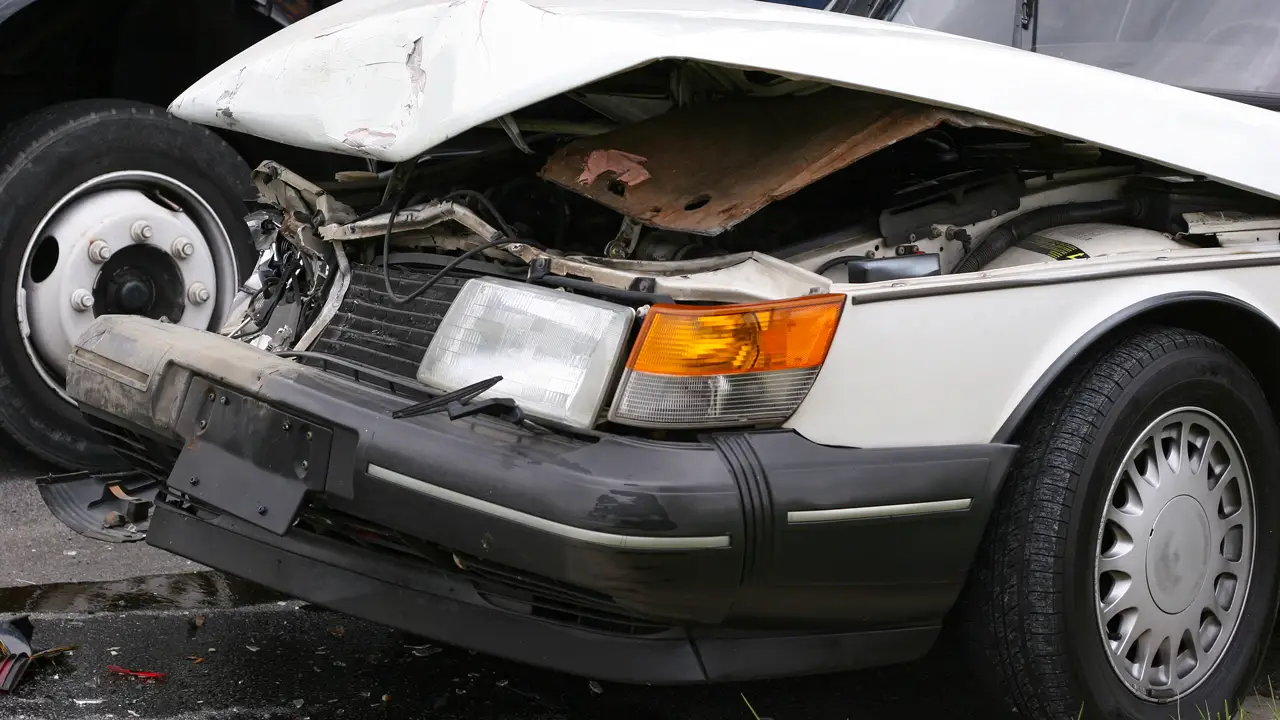


Understanding the value of a rebuilt title car is essential for budget-conscious buyers and sellers alike. This guide explains what rebuilt titles mean, how they impact a car’s market value, and what to consider when buying or selling one. With practical tips and clear insights, you’ll be better equipped to navigate this unique market confidently, make informed decisions, and avoid costly mistakes.
What Is a Rebuilt Title, and How Is It Different from a Salvage Title?
When navigating the world of used cars, you may encounter vehicles with "rebuilt" or "salvage" titles. These terms indicate a car’s history of significant damage, but they differ in key ways. Understanding these distinctions is crucial, especially if you're shopping on a budget or considering a car with a complex background. Let’s break it down.
What Is a Rebuilt Title?
A rebuilt title is assigned to a vehicle that was previously declared a total loss by an insurance company due to significant damage but has since been professionally repaired and deemed safe for the road. This title is issued only after the car undergoes stringent inspections to ensure it meets safety and functionality standards. Vehicles with rebuilt titles are legally drivable and can often serve as reliable transportation if repaired properly.
What Is a Salvage Title?
A salvage title is assigned to a vehicle that has been deemed a total loss by an insurance company but has not yet been repaired. These vehicles are typically sold as-is and are often purchased for parts or as restoration projects. Cars with salvage titles are not legally drivable until they are repaired and inspected, at which point they may qualify for a rebuilt title.
Key Differences Between Rebuilt and Salvage Titles
To help clarify the distinctions, here’s a simple comparison table:
| Feature | Salvage Title | Rebuilt Title |
|---|---|---|
| Definition | Assigned to vehicles deemed total losses by insurance companies. | Given to previously salvaged vehicles restored to safe, drivable condition. |
| Insurability | Difficult to insure, often limited to liability coverage. | Easier to insure than salvage, though options may still be limited. |
| Resale Value | Lower value due to unrepaired damage and limited appeal. | Higher than salvage but still below vehicles with clean titles. |
| Safety Inspections | No mandatory inspections to obtain the title. | Must pass rigorous safety inspections before earning the rebuilt designation. |
| Usage | Often used for parts or as fixer-uppers. | Legally drivable and suitable for everyday use if restored properly. |
How Much Does a Rebuilt Title Affect a Car’s Value?
A rebuilt title significantly impacts a car’s market value, and understanding this effect is crucial for both buyers and sellers. While vehicles with a rebuilt title can be a budget-friendly option, their history of major damage often results in lower resale prices compared to cars with clean titles. Here's an in-depth look at how a rebuilt title influences value and how to navigate these challenges effectively.
Why Does a Rebuilt Title Lower Value?
The main reason rebuilt title vehicles are priced lower is the history of significant damage they’ve experienced. Whether caused by an accident, flooding, or other events, this damage raises concerns for potential buyers. Some key factors contributing to the reduced value include:
- Buyer Caution: Buyers are naturally wary of vehicles with a damaged past, even if repairs have been made. They may worry about hidden issues, compromised safety, or long-term reliability.
- Limited Financing Options: Lenders are often hesitant to finance rebuilt title cars, making it harder for buyers to secure loans. This further narrows the buyer pool and reduces demand.
- Lower Insurance Coverage: Insuring a rebuilt title car can be more complicated, with fewer coverage options and potentially higher premiums. Buyers may factor these extra costs into their purchase decision.
On average, rebuilt title vehicles are worth 20–50% less than comparable cars with clean titles. For example, if a clean title car is valued at $20,000, a similar rebuilt title car might sell for $10,000–$16,000, depending on the quality of repairs and market conditions.
Can Rebuilt Title Cars Still Attract Buyers?
Despite the challenges, rebuilt title cars can still find interested buyers—especially those looking for affordable vehicles. To increase appeal and minimize the negative impact on value, consider the following:
-
High-Quality Repairs: The quality of the restoration plays a critical role in determining how much value the car retains. Professional, thorough repairs can reassure buyers that the car is safe and reliable. For example, a rebuilt vehicle repaired by a certified mechanic with original manufacturer parts will likely fetch a higher price than one with incomplete or poorly executed repairs.
-
Transparent Disclosures: Providing complete documentation of the car’s repair history is essential. Buyers appreciate honesty, and being upfront about the extent of the damage and the quality of the repairs can build trust. Include receipts, inspection reports, and before-and-after photos to give buyers confidence in the vehicle’s condition.
-
Competitive Pricing: Setting the right price is crucial. While rebuilt title cars sell for less, pricing too low might raise red flags, while pricing too high could deter potential buyers. Research market trends and compare prices of similar rebuilt title cars to find the sweet spot.
Who Buys Rebuilt Title Cars?
While rebuilt title cars may not appeal to everyone, they often attract a specific group of buyers, including:
- Budget-Conscious Buyers: Individuals who need a reliable car but can’t afford a clean title vehicle.
- Mechanics and Hobbyists: Buyers with the skills to identify and address any remaining issues.
- Specialty Dealers: Some independent dealers specialize in rebuilt title cars, refurbishing and reselling them to niche markets.
Maximizing Resale Value
For sellers, understanding how to position a rebuilt title car can make a big difference in the selling price. Here are some tips:
- Emphasize any unique features or upgrades added during repairs.
- Highlight the car’s current condition, such as low mileage or recent maintenance.
- Offer perks like a discounted price or additional warranties (if applicable).
Can You Sell a Rebuilt Title Car?
Selling a rebuilt title car is entirely possible, but it comes with unique challenges. The stigma surrounding a vehicle’s history of significant damage can deter some buyers, but with the right approach, transparency, and preparation, you can successfully find a buyer. Here’s how to navigate the process and make your rebuilt title car appealing to potential purchasers.
Overcoming Buyer Hesitations
One of the biggest challenges in selling a rebuilt title car is overcoming buyer skepticism. Potential buyers may worry about the vehicle’s safety, reliability, or long-term performance. However, addressing these concerns head-on can help ease their doubts and build trust.
-
Provide Full Transparency
Transparency is key when selling a rebuilt title car. Be upfront about the car’s history, the cause of the damage, and the extent of the repairs. Buyers appreciate honesty, and hiding details can backfire if issues come to light later.Include the following documentation to reassure buyers:
- Repair Records: Show proof of all work done on the car, including parts replaced and labor involved.
- Inspection Reports: Provide copies of safety inspections and certifications proving the car is roadworthy.
- Before-and-After Photos: Visual evidence of the damage and restoration process can help buyers see the improvements made.
-
Communicate Quality Repairs
Highlight the quality of the restoration work. If professional mechanics or certified repair shops handled the repairs, emphasize this point. Buyers are more likely to trust a car that was restored by experts using original or high-quality parts. -
Offer a Vehicle History Report
Provide a comprehensive vehicle history report from a trusted service like Carfax or AutoCheck. This report adds credibility to your claims and gives buyers a clear picture of the car’s background.
Setting Realistic Price Expectations
Pricing a rebuilt title car requires careful consideration. These vehicles typically sell for 20–50% less than similar cars with clean titles due to their history. Setting an appropriate price is crucial to attracting buyers while still getting a fair return.
-
Research Market Trends
Look at listings for other rebuilt title cars of the same make, model, and year to gauge the current market. Use platforms like Auto4Export to compare prices and ensure your pricing aligns with buyer expectations. -
Highlight the Value
While the price may be lower than a clean title vehicle, emphasize the value buyers are getting. If the car has features like low mileage, advanced technology, or recent upgrades, include these details in your listing. -
Be Open to Negotiation
Buyers may want to negotiate the price further due to the car’s title status. Be prepared to discuss the reasons behind your pricing and justify the value with documentation and repairs.
Appealing to the Right Buyer
Rebuilt title cars may not attract every buyer, but they can appeal to specific groups, such as:
- Budget-Conscious Shoppers: People looking for affordable options who are willing to accept the title status in exchange for savings.
- Mechanics or Enthusiasts: Individuals with the skills to assess and maintain the car themselves.
- Independent Dealers: Dealers specializing in rebuilt title cars may be interested in purchasing for resale.
By targeting these niche markets, you can increase your chances of finding an interested buyer.
Tips for a Successful Sale
To maximize your chances of selling a rebuilt title car, follow these best practices:
- Be Honest: Full disclosure is non-negotiable. Honesty builds trust and can lead to smoother negotiations.
- Market Smartly: Advertise on platforms like Auto4Export, where buyers specifically look for rebuilt or salvage vehicles.
- Keep the Car Presentable: A clean, well-maintained car creates a positive first impression. Have the car detailed before showing it to buyers.
- Be Patient: Selling a rebuilt title car may take longer than selling a clean title vehicle, but patience and persistence can pay off.
What Are the Pros of Selling a Car with a Rebuilt Title?
Selling a car with a rebuilt title may come with its challenges, but it also offers several advantages that can benefit both sellers and buyers. While these vehicles might not attract the same wide audience as clean title cars, they hold unique opportunities for those willing to navigate this specialized market. Let’s explore the key benefits of selling a rebuilt title car.
1. Lower Competition in the Market
One of the standout advantages of selling a rebuilt title car is the reduced competition in the marketplace. Clean title vehicles dominate most car listings, but rebuilt title cars cater to a more specific segment of buyers. This smaller pool of sellers means your car is more likely to stand out and attract attention from the right audience.
For instance, budget-conscious buyers or those with specialized needs often seek out rebuilt title cars as affordable alternatives. With fewer options available, your listing can gain greater visibility and a higher chance of serious inquiries.
2. Attracting a Niche Buyer Base
Rebuilt title cars appeal to a targeted group of buyers, including:
- Budget-Conscious Shoppers: Many buyers are looking for functional vehicles at a fraction of the cost of clean title cars.
- Mechanics and Enthusiasts: These individuals are often confident in assessing the quality of repairs and maintaining the vehicle themselves.
- Hobbyists: Some buyers enjoy working on cars as a project and see rebuilt title vehicles as an opportunity for customization or further restoration.
By focusing on these specific audiences, you can tailor your marketing efforts to attract buyers who value the cost savings and functionality of a rebuilt title car.
3. Potential for Higher Returns Compared to Salvage Title Cars
While rebuilt title cars don’t command the same prices as clean title vehicles, they are significantly more valuable than cars with salvage titles. A rebuilt title indicates that the vehicle has been restored to a safe, drivable condition, giving it an edge in the resale market.
For example, if a salvage title car might sell for only 30–40% of its clean title value, a rebuilt title car can often fetch 50–70% of the clean title price. This offers sellers a better return on investment, especially if the restoration work was done professionally and meets industry standards.
4. Building Trust Through Transparency and Documentation
Transparency can be a powerful tool when selling a rebuilt title car. By providing detailed information about the car’s history, damage, and repairs, you can build trust with potential buyers. A transparent approach reassures buyers that the vehicle has been restored properly and is safe to drive.
Here’s how to build trust effectively:
- Provide Repair Records: Documentation showing the repairs performed, including parts and labor, demonstrates the quality of work.
- Show Safety Inspections: Share the results of any inspections the car has passed to confirm it meets roadworthy standards.
- Offer a Vehicle History Report: Reports from services like Carfax or AutoCheck provide an additional layer of credibility.
Buyers appreciate honesty, and full disclosure can make them feel more comfortable with their purchase. This approach can lead to smoother transactions and even repeat customers if they feel confident in your integrity as a seller.
5. Appealing to a Market with Unique Needs
Rebuilt title cars often cater to buyers with specific needs or preferences, making them an attractive option in certain situations. For example:
- Families on a Tight Budget: A family needing an affordable second car may prioritize function over a clean title.
- Students or Young Professionals: Individuals just starting out might prefer a reliable, budget-friendly vehicle for commuting.
- Commercial Use: Businesses needing affordable fleet vehicles for deliveries or transport often consider rebuilt title options.
By emphasizing the cost-effectiveness and practicality of a rebuilt title car, you can position it as a smart choice for these groups.
What Are the Cons of Selling a Car with a Rebuilt Title?
While selling a car with a rebuilt title has its benefits, there are several challenges that sellers should be prepared to face. Understanding these drawbacks can help you navigate the process more effectively and manage expectations. Here are the main cons of selling a rebuilt title vehicle:
1. Reduced Market Value
A rebuilt title significantly impacts a car’s resale value. These vehicles typically sell for much less than their clean title counterparts due to their history of damage. Buyers often perceive rebuilt title cars as riskier investments, even if the repairs were done professionally and the vehicle is fully functional.
For example, a car with a rebuilt title might sell for 50–70% of the price of a clean title car in similar condition. This reduction reflects buyer caution and the stigma associated with cars that have undergone major repairs.
2. Buyer Skepticism
Potential buyers are often wary of rebuilt title cars because of concerns about:
- Repair Quality: They may question whether the repairs were done properly and if the car is truly safe to drive.
- Long-Term Reliability: Buyers might worry that the car could develop hidden issues later on.
- Resale Challenges: Some buyers are hesitant to purchase a car they know will be harder to sell in the future.
This skepticism can make it more difficult to convince buyers to move forward with a purchase. Overcoming these doubts requires clear communication and a transparent approach to the car’s history and repairs.
3. Smaller Pool of Potential Buyers
The market for rebuilt title cars is much narrower than for clean title vehicles. Many buyers prefer the peace of mind that comes with a clean title and are unwilling to consider cars with a history of damage. This limited buyer pool can lead to:
- Longer Selling Times: It may take more time to find an interested and qualified buyer.
- Reduced Negotiation Power: With fewer buyers competing for your car, you may have less leverage when it comes to price.
Targeting niche markets, such as budget-conscious shoppers or enthusiasts familiar with rebuilt titles, can help mitigate this issue, but it still requires patience and effort.
4. Insurance Complications for Buyers
One of the biggest challenges buyers face when considering a rebuilt title car is obtaining insurance. While rebuilt title vehicles are easier to insure than those with salvage titles, coverage options are often limited. Buyers may encounter:
- Higher Premiums: Some insurance companies charge higher rates for rebuilt title cars.
- Limited Coverage: Insurers may only offer liability coverage rather than full coverage.
- Difficulty Finding Insurers: Certain companies may refuse to insure rebuilt title vehicles altogether.
These complications can deter potential buyers, making it harder to close a sale. As a seller, it’s important to acknowledge these challenges and provide resources or guidance to help buyers navigate the insurance process.
5. Extensive Disclosure and Repair Documentation
Selling a rebuilt title car requires a high level of transparency. Potential buyers will expect detailed information about the car’s history, including:
- Damage Details: What caused the car to be deemed a total loss by the insurance company.
- Repair Records: Documentation of the repairs performed, including receipts, parts used, and labor details.
- Inspection Reports: Proof that the car has passed all required safety inspections to qualify for a rebuilt title.
Gathering and organizing this documentation can be time-consuming and cumbersome, but it is essential for building trust with buyers. Failing to provide this information may lead to lost sales or even legal disputes if a buyer feels misled.
What Tips Can Help You Sell a Car with a Rebuilt Title Successfully?
Selling a car with a rebuilt title requires a thoughtful and strategic approach. While these vehicles can present challenges in the marketplace, using the right tactics can help you find the right buyer and close the deal. Here are actionable tips to sell your rebuilt title car successfully:
1. Target Niche Buyers and Dealers
One of the most effective ways to sell a rebuilt title car is by focusing on niche audiences who understand and value these vehicles. These include:
- Independent Dealers: Many dealerships specialize in rebuilt or salvage title vehicles for resale or parts.
- Budget-Conscious Buyers: Buyers looking for affordable transportation may be open to rebuilt title cars if they see value in the repairs.
- Project Enthusiasts: Car hobbyists or mechanics may appreciate a well-restored vehicle with a rebuilt title for its cost-effectiveness.
Tip: Use platforms like Auto4Export, which cater to buyers and sellers of rebuilt title vehicles, to connect with your target audience.
2. Keep Detailed Repair Documentation
Transparency is key to building trust with potential buyers. Providing comprehensive documentation about the car’s history and repairs reassures buyers that the vehicle is safe and reliable. Key records to provide include:
- Damage History: Explain what led to the car receiving a salvage title (e.g., accident, flood, or other issues).
- Repair Records: Include receipts, invoices, and details about parts and labor used during restoration.
- Inspection Reports: Proof that the car passed required safety inspections to qualify for a rebuilt title.
Buyers are much more likely to consider a rebuilt title vehicle when they have access to detailed and credible information about the repairs.
3. Offer a Vehicle History Report
A vehicle history report from a reputable provider (e.g., CARFAX) is a valuable tool to reassure buyers. This report provides an overview of the car’s past, including:
- Title Status Changes: Documentation of the shift from salvage to rebuilt title.
- Ownership History: A clear record of previous owners and any major events.
- Accident Reports: Details of the original damage, helping buyers understand the scope of the repairs.
Including a vehicle history report in your listing demonstrates transparency and professionalism, making it easier for buyers to trust your car’s quality.
4. Set a Competitive Price
Pricing a rebuilt title car correctly is one of the most critical steps in the sales process. The price should reflect the vehicle’s rebuilt status and the quality of its restoration. Consider these factors when determining the price:
- Market Research: Look at prices for similar rebuilt title vehicles in your area or on platforms like Auto4Export.
- Repair Quality: High-quality repairs and new parts may justify a slightly higher price within the rebuilt title market.
- Buyer Expectations: Understand that rebuilt title cars typically sell for 50–70% of the value of clean title vehicles in similar condition.
Tip: Be realistic but firm with your pricing. A fair price that acknowledges the rebuilt title while emphasizing the car’s value will attract serious buyers.
5. Build Buyer Confidence
Gaining buyer trust is essential to successfully sell a rebuilt title car. Here’s how to do it:
- Be Transparent: Clearly disclose the car’s history, including details of the damage and repairs. Hiding information can lead to mistrust and legal disputes.
- Showcase the Vehicle’s Condition: Provide high-quality photos that highlight the car’s current state, including close-ups of repaired areas and interior features.
- Offer a Test Drive: Allow buyers to inspect and test the car to see its functionality firsthand.
Confidence in your honesty and the vehicle’s quality will go a long way in easing buyer concerns and increasing the likelihood of a sale.
6. Use Online Listings Effectively
List your car on platforms that cater to buyers interested in rebuilt title vehicles, such as Auto4Export. In your listing, include:
- A detailed description of the car’s features, repairs, and history.
- High-quality photos from multiple angles.
- Repair and inspection documentation as downloadable files or available upon request.
Engaging, informative, and transparent listings will help attract serious buyers and save time on unnecessary inquiries.
In summary, understanding the value and challenges of rebuilt title cars is key to making informed buying or selling decisions. While these vehicles come with unique considerations, they can be a great option for budget-conscious buyers or sellers looking to maximize value. Ready to explore affordable rebuilt title cars? Register now on auto4export.com, find your ideal vehicle, place your bids, and drive away with confidence!
Are you interested in buying a car from US auctions?
With this being said – you can still export vehicles and save up a few thousand dollars with Auto4Export. We have an inventory of over 150k plus vehicles with titles you can export for you to choose from. Once you have placed your bid and won the auction a Bill of Sale document is then emailed to you as proof of purchase – after full payments have been made.
To gain access and get started on your purchase, sign up for free.
Further Reading
How do US auto auctions work?
How to buy a used car from a US auction
Buy Salvaged Cars from the USA. What's the Meaning and Benefit?
Types of Vehicle Titles: What You Can and Can’t Expor

Do You Have Any Questions?
 Ask Question