


 Log in
 Sign Up


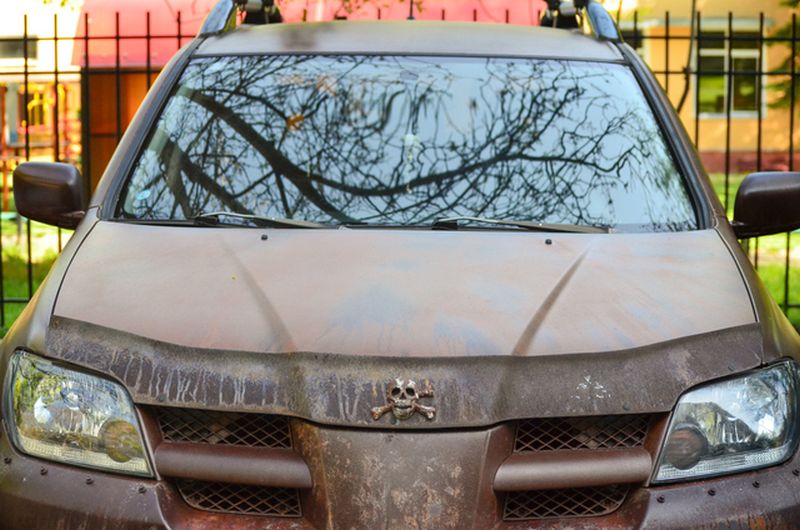


Looking to buy a car on a budget? Understanding salvage titles can help you save big at auctions without unexpected surprises. This guide explains why vehicles get salvage titles, how it affects value, and what to watch for, so you can make smart, informed decisions and find reliable cars at lower prices.
What Is a Salvage Title?
Understanding salvage titles is crucial for anyone shopping for a budget vehicle at online auctions. A salvage title can save buyers money, but it also comes with important considerations. Knowing what it means, how it affects value, and clearing up common misconceptions helps you make smarter, safer purchases.
Definition and Purpose
A salvage title is issued to a vehicle that has been significantly damaged, usually from an accident, flood, fire, or theft recovery. When an insurance company declares a car a total loss, it receives a salvage title instead of a clean one. The purpose is to inform future buyers that the vehicle has undergone major damage and may have been repaired. For budget-conscious buyers, salvage vehicles can offer major savings if you understand their condition and history.
How It Affects Vehicle Value
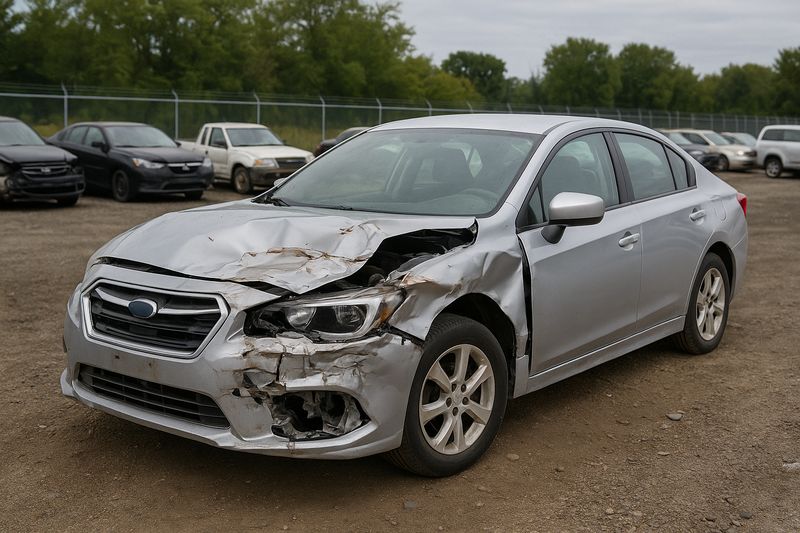
Vehicles with a salvage title are typically worth 20% to 50% less than similar models with a clean title. This lower price reflects potential repair costs, resale challenges, and limited financing options. For example, a 2018 SUV valued at $20,000 with a clean title might sell for $12,000–$16,000 with a salvage title. Savvy buyers can use this price difference to their advantage, purchasing a vehicle they can repair or use immediately without overspending.
Common Misconceptions
Many people assume salvage-title vehicles are unsafe or worthless, but that isn’t always true. Some cars have only minor cosmetic damage or were fully restored to safe, roadworthy condition. Another misconception is that insurance companies won’t cover them — most do, though rates may vary. Understanding these myths helps buyers make informed decisions and spot good deals at auctions without fear of overpaying or ending up with a problematic vehicle.
Primary Reasons a Car Gets a Salvage Title
Knowing why a vehicle receives a salvage title helps budget buyers make informed decisions at online auctions. Not all salvage vehicles are the same, and understanding the type of damage can guide you in evaluating repair costs, safety, and resale potential.
Collision Damage That Exceeds Vehicle Value
One of the most common reasons for a salvage title is severe collision damage. If the cost to repair a car after an accident is higher than its market value, insurance companies declare it a total loss. For example, a compact car hit hard on the front end may cost $8,000 to repair when it’s only worth $6,000. Buyers who understand the extent of damage can decide whether repairing it is worthwhile or if the car is better for parts.
Flood or Water Damage
Flooded vehicles often receive salvage titles because water can damage the engine, electronics, and interior beyond economical repair. Even after cleaning and drying, hidden corrosion or wiring issues can emerge later. Budget buyers who inspect flood-damaged cars carefully, or use them for parts, can still find value, but caution is essential.
Fire or Heat Damage
Cars exposed to fire or extreme heat can suffer structural or electronic damage that is difficult to fix. Burned wiring, melted plastics, and compromised frames often result in salvage titles. While full restoration is possible for experienced mechanics, these vehicles are usually more expensive to repair than the discounted purchase price might suggest.
Theft Recovery with Significant Damage
Vehicles stolen and later recovered sometimes sustain major damage, either from the theft itself or improper storage. If repairs are costly or insurance considers the damage severe, the car receives a salvage title. Budget buyers who can verify the repairs and condition may find a reliable vehicle at a lower price.
Hail Damage Beyond Repair Costs
Severe hailstorms can leave a car with extensive dents, broken glass, or damaged panels. If repair costs exceed the vehicle’s value, insurers issue a salvage title. Many hail-damaged cars are mechanically sound, and some buyers purchase them at auctions to fix cosmetic damage cheaply while saving money.
Vandalism or Civil Unrest Damage
Cars damaged by vandalism, riots, or civil unrest may be declared salvage if repairs are costly. Scratched, broken, or burned vehicles fall into this category. Savvy budget buyers can sometimes restore these vehicles or use them for parts without paying the full retail price for a similar car.
Non-Repairable or Parts-Only Classification
Some cars are so severely damaged that they are classified as non-repairable or intended for parts only. These vehicles are usually not roadworthy, but they can be valuable for buyers looking for spare parts or project cars. Auctions often list these vehicles at extremely low prices, allowing buyers to save money while obtaining components for other vehicles.
Additional Reasons a Car Might Have a Salvage Title
Besides major accidents or disasters, several other circumstances can lead to a salvage title. For budget buyers, knowing these reasons helps assess risk, potential repair costs, and resale value when shopping at online auctions.
Vehicle Damaged in an Accident
Even minor accidents can sometimes trigger a salvage title if repair costs approach the vehicle’s value or insurance declares it totaled. Cars with front-end, side-impact, or frame damage often fall into this category. Budget buyers can benefit by purchasing these vehicles if they are mechanically sound and cosmetic repairs are manageable.
The Car Was Stolen and Recovered
Recovered stolen vehicles may carry a salvage title if the theft caused damage or if the insurance company paid a total loss claim. While the car may be repaired, the title indicates its history. Buyers should verify the vehicle’s condition and documentation to ensure it is safe and properly restored.
Vehicle Received Significant Aftermarket Modifications
Cars that have undergone extensive modifications, such as engine swaps, suspension lifts, or custom bodywork, may be issued a salvage title if the changes affect safety or insurance coverage. While some enthusiasts value these vehicles, budget buyers should carefully inspect for quality and reliability before purchasing.
Car Sustained Weather Damage or Natural Disaster Impact
Apart from floods or hail, other natural events like tornadoes, hurricanes, or heavy snow can damage vehicles enough to warrant a salvage title. Roof collapses, water intrusion, or structural compromise can make repairs expensive. Buyers should inspect for hidden damage before bidding at auctions.
Insurance Company Settlements or Claims
Sometimes a vehicle receives a salvage title simply because the insurance company settled a claim as a total loss, even if repairs were minor. This may include vehicles involved in liability claims or incidents not caused by the owner. For budget-conscious buyers, these cars can offer significant savings if mechanically sound.
Kit Cars or Custom Builds
Kit cars and custom-built vehicles may be given a salvage title to reflect their non-standard construction. While these cars can be fun projects or show vehicles, buyers should ensure they meet safety standards and are roadworthy before purchase. Auctions often list these vehicles at lower prices for buyers who understand their unique requirements.
Owner Did Not Re-title the Vehicle
In some cases, owners fail to re-title a vehicle after repairs or previous salvage status. This can result in a salvage title being issued when the vehicle is sold. While the car may be fully functional, the title reflects its history and may affect resale or financing.
Restored Antique or Classic Cars
Antique or classic cars restored after decades of wear or prior damage sometimes receive salvage titles. Restoration can bring them back to excellent condition, but the title alerts future buyers to the vehicle’s history. Budget buyers looking for vintage cars should weigh the price savings against potential restoration work and insurance considerations.
How Repairable Are Salvage Vehicles?
Salvage vehicles can be a great opportunity for budget buyers, but understanding repairability is key. Some cars are relatively easy to fix, while others may require extensive work that exceeds their value. Knowing how to assess damage and estimate repair costs helps you decide if a salvage vehicle is a smart investment.
Assessing Damage Levels
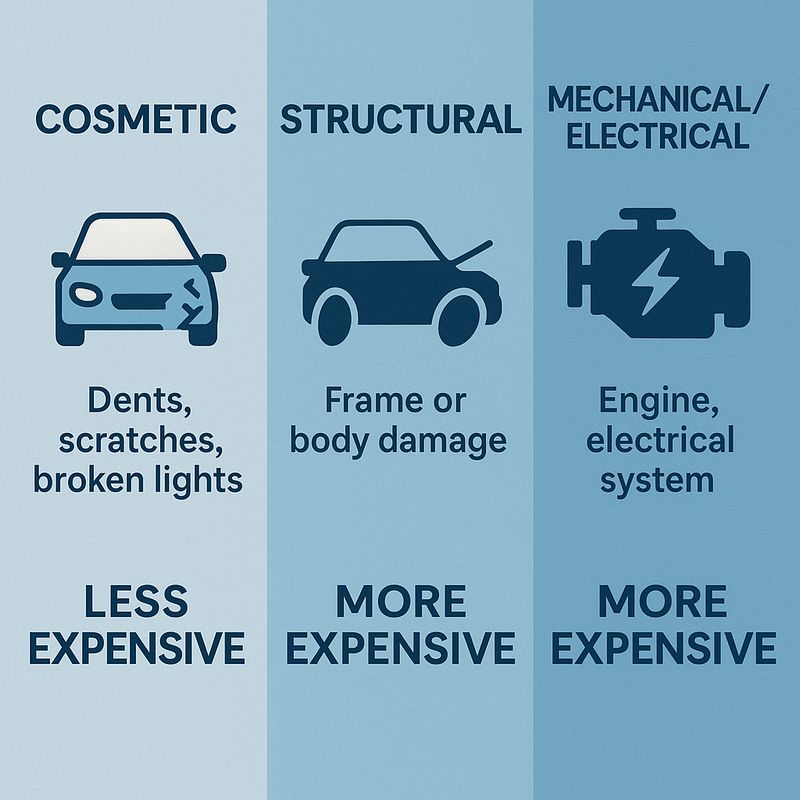
The first step is evaluating the type and extent of damage. Cosmetic issues like dents, scratches, or broken lights are usually easy and inexpensive to fix. Structural damage, engine problems, or electrical system failures are more serious and costly. Budget buyers should carefully review vehicle history reports, inspection photos, and auction notes to gauge the overall condition before placing a bid.
Typical Repairs and Costs
Common repairs for salvage vehicles include replacing bumpers, fenders, or panels, fixing suspension or brake components, and addressing minor water or fire damage. Costs vary depending on parts availability and labor rates. For example, replacing a damaged bumper might cost $200–$500, while repairing engine or frame damage could run into thousands. Knowing typical repair ranges helps buyers calculate potential expenses and compare them to the discounted auction price.
When It’s Worth Repairing
Repairing a salvage vehicle makes sense when the total cost, including purchase price, is still below the market value of a similar clean-title car. Vehicles with primarily cosmetic damage or minor mechanical issues often offer the best value. Budget buyers who have access to affordable repairs or can handle some work themselves can save significantly, making salvage vehicles a practical option for getting a reliable car without overspending.
Can Salvage Cars Be Re-Titled?
Many budget buyers wonder if a salvage vehicle can eventually receive a clean or rebuilt title. The answer depends on state regulations, the quality of repairs, and proper documentation. Understanding the process helps buyers plan for resale, insurance, and long-term use.
State Regulations Overview
Each U.S. state has its own rules for re-titling salvage vehicles. Some allow a rebuilt title once the car passes inspections, while others may have stricter limits or require additional paperwork. It’s important for buyers to check local DMV or state motor vehicle websites before purchasing to ensure compliance. Being aware of regulations prevents legal issues and ensures the car can be legally driven after repairs.
Required Inspections and Documentation
Re-titling usually requires a thorough inspection by a certified mechanic or state inspector. They check for proper repairs, roadworthiness, and safety standards. Documentation such as receipts for parts, repair invoices, and previous title history is typically needed. Budget buyers should keep all records organized to streamline the re-titling process and demonstrate that the vehicle has been properly restored.
Limitations After Re-titling
Even after obtaining a rebuilt or re-titled status, some limitations may apply. Insurance coverage might be reduced or more expensive, and resale value is often lower than a clean-title vehicle. Certain states may restrict the vehicle from being used commercially or require ongoing safety checks. Understanding these limitations helps buyers weigh the pros and cons, ensuring a salvage vehicle remains a smart, cost-effective choice.
Buying a Salvage Vehicle on a Budget
Buying a salvage vehicle can be a smart way for budget-conscious buyers to get a reliable car at a fraction of the market price. Understanding the process, benefits, and potential risks helps you make informed decisions and avoid costly mistakes at online auctions.
Benefits of Buying at Auction
Auctions offer access to a wide range of salvage vehicles at significantly lower prices than dealerships or private sales. You can find cars, trucks, and SUVs with minor or repairable damage that suit your budget and needs. For example, a 2017 SUV with a front-end collision may sell for 30–50% less than a clean-title model, giving buyers an opportunity to restore it affordably. Auctions also provide detailed vehicle histories and condition reports, helping you make a smart purchase.
Tips for Inspecting Salvage Cars
Inspecting a salvage car carefully is crucial. Check the engine, transmission, suspension, and brakes for signs of damage or wear. Look for frame issues, rust, or previous repair quality. Verify that all electronic components and safety systems function properly. Photos and inspection reports from the auction can help, but if possible, consider a personal or professional inspection to avoid unexpected repair costs.
How to Spot a Smart Deal
A smart deal isn’t just the lowest price; it’s a combination of vehicle condition, repair costs, and future reliability. Compare auction listings of similar models, check past repairs, and estimate total restoration costs. Vehicles with minor cosmetic damage but mechanically sound systems often offer the best value. Setting a budget before bidding and sticking to it prevents overpaying in the heat of auction competition.
Risks to Consider
While salvage vehicles can save money, they come with risks. Hidden damage, lower resale value, and potential insurance limitations are common challenges. Flooded or fire-damaged cars may have ongoing mechanical issues. Buyers should be prepared for repair expenses and verify that the car meets safety standards before driving. Being aware of these risks ensures that you make an informed, cost-effective decision.
Maintaining a Salvage Vehicle
Maintaining a salvage vehicle is key to keeping it reliable, safe, and functional for everyday use. Proper care can extend its lifespan and prevent minor issues from becoming major, costly repairs. For budget buyers, regular maintenance ensures that the money saved on purchase is not lost to avoidable problems.
Essential Maintenance Tips
Routine maintenance is especially important for salvage vehicles. Check oil, coolant, brake fluid, and transmission fluid regularly. Inspect brakes, tires, and suspension components for wear, particularly if the vehicle was previously in an accident. Keep an eye on electrical systems, as wiring can be a weak point in repaired cars. Following a strict maintenance schedule reduces the risk of unexpected breakdowns and keeps your vehicle roadworthy.
Protecting the Vehicle from Future Damage
Preventive care protects your salvage vehicle from further issues. Wash and wax the exterior to prevent rust, especially if previous repairs involved bodywork or panel replacement. Avoid driving through deep water or rough terrain until you are confident in the vehicle’s condition. Using floor mats, seat covers, and cargo liners helps protect the interior from wear and tear, keeping the vehicle in good shape for years.
Recommended Upgrades and Safety Checks
Consider upgrades that improve safety and reliability. Reinforced suspension parts, new tires, and upgraded brakes can enhance performance, especially if the car had prior structural or collision damage. Conduct regular safety checks, including airbags, seatbelts, and lights, to ensure the vehicle meets road standards. For budget buyers, investing in these upgrades can prevent future costs and make a salvage vehicle a dependable, long-term option.
Final Thoughts: Buy Smart, Inspect First
Purchasing a salvage vehicle can be a practical way for budget-conscious buyers to access reliable transportation at a lower cost. The key is to balance savings with safety and long-term reliability. Taking the time to inspect, research, and plan ensures your investment pays off without surprises.
Balancing Cost Savings and Reliability
Salvage vehicles offer significant price reductions compared to clean-title cars, but lower cost shouldn’t mean compromising on safety or performance. Focus on cars with repairable damage, solid mechanical condition, and verifiable history. By carefully evaluating repair needs and potential expenses, you can enjoy substantial savings while still getting a vehicle that runs well and meets your daily needs.
Making an Informed Choice
An informed decision starts with research. Review vehicle history reports, auction notes, and inspection details. Understand state regulations regarding salvage or rebuilt titles and consider insurance implications. Set a clear budget for both purchase and repairs. By combining knowledge with careful inspection, budget buyers can confidently select a salvage vehicle that offers both affordability and reliability for years to come.
Are you interested in buying a vehicle from US auctions?
With this being said – you can still export vehicles and save up a few thousand dollars with Auto4Export. We have an inventory of over 150k plus vehicles with titles you can export for you to choose from. Once you have placed your bid and won the auction a Bill of Sale document is then emailed to you as proof of purchase – after full payments have been made.
To gain access and get started on your purchase, sign up for free.
Further Reading
Salvage Title Meaning: What You Need to Know
Salvage Car Facts Debunked! Top 4 Misconceptions About Salvage Title Car
Buy Salvage Cars from the USA. What's the Meaning and Benefit?
Understanding Salvage vs. Clean Titles: What Buyers Need to Know

Do You Have Any Questions?
 Ask Question