


 Log in
 Sign Up


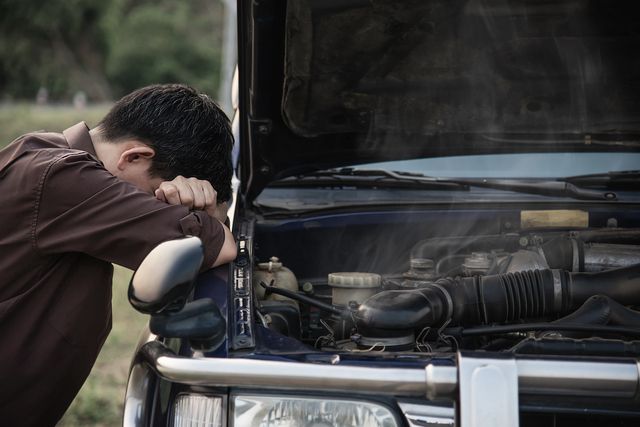


Buying a car, especially at an auction, can be a great way to save money—but “mechanical issues” can be confusing and risky. This guide breaks down what mechanical problems really mean, how to spot red flags, and what repairs might cost. By understanding these issues, budget buyers can make smarter choices, avoid costly mistakes, and find vehicles that are safe and reliable without overspending.
What Does “Mechanical Issues” Mean?
When you see the phrase “mechanical issues” in a car listing, especially at an online auction, it can sound vague and even scary. For a budget buyer, it often raises one big question: “Is this a small fix… or a money pit?”
In simple terms, mechanical issues mean there is a problem with the way the car works. Something is not functioning as it should. It could be minor, like a small oil leak. Or it could be serious, like a failing transmission. The key is understanding what kind of problem you are dealing with before you bid.
Simple Definition for Car Buyers
For everyday car buyers, “mechanical issues” means the car has a problem with its moving or working parts.
That usually includes the engine, transmission, brakes, steering, suspension, or other systems that make the vehicle run and drive safely. If the part helps the car move, stop, or turn, it falls under mechanical.
Imagine this situation. You find a car at auction that is $2,000 cheaper than similar models. The listing says “mechanical issues.” If the issue is worn spark plugs, that’s a small and cheap repair. If the issue is a blown head gasket, that’s a completely different story.
This is why the term alone is not enough. You need details.
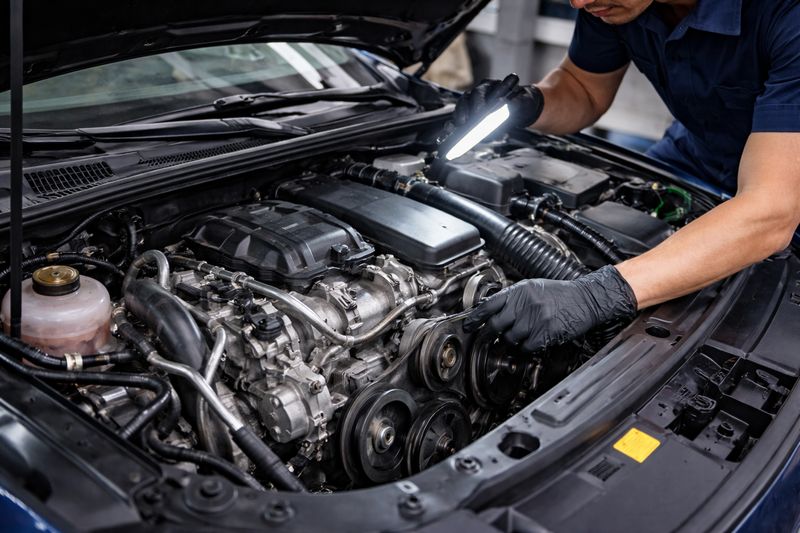
Mechanical vs. Electrical vs. Cosmetic Problems
Many buyers confuse mechanical problems with other types of issues. They are not the same.
Mechanical problems affect how the car physically operates. For example:
- Engine misfires
- Transmission slipping
- Brake failure
- Steering rack damage
Electrical problems involve wiring, sensors, batteries, or control modules. For example:
- Dead battery
- Faulty alternator
- Malfunctioning power windows
- Dashboard warning light due to sensor error
Cosmetic problems only affect how the car looks. For example:
- Scratches
- Dents
- Faded paint
- Torn seats
Here’s why this matters. A dented door may look bad, but the car can still drive perfectly. A slipping transmission may look fine from the outside, but the repair could cost thousands. Budget buyers often focus on appearance, but mechanical condition is what really affects your wallet.
Minor Wear and Tear vs. Serious Mechanical Failure
Not every mechanical issue is a disaster.
Cars naturally wear out over time. Brake pads, belts, hoses, and shocks are designed to be replaced. If a listing says the car needs new brake pads, that is normal maintenance.
Serious mechanical failure is different. That includes:
- Engine knocking
- Transmission not shifting
- Overheating due to internal damage
- Complete loss of power while driving
Let’s say you’re buying your first auction car because your current vehicle just broke down and you need something affordable. If the new car needs $300 in routine maintenance, that’s manageable. If it needs a $4,000 engine replacement, that can wipe out your savings.
Understanding the difference between routine wear and major failure protects you from expensive surprises.
Why Auction Listings Use the Term “Mechanical Issues”
Auction platforms often use general terms instead of detailed diagnoses. “Mechanical issues” is one of those catch-all phrases.
There are a few reasons for this.
First, auction houses are not repair shops. They usually do not perform deep inspections. If the car does not run smoothly or shows warning signs, they may simply label it “mechanical issues” without listing every possible cause.
Second, sellers want to limit liability. A broad term protects them. It tells buyers there is a problem, but it does not promise a full explanation.
Third, sometimes the exact problem is unknown. The vehicle may not start, or it may stall during movement. Instead of guessing, the listing stays general.
For a budget-conscious buyer, this means one thing: you must do your homework. Review the vehicle history report. Check whether it is listed as “run and drive” or a non-runner. Factor in possible repair costs before bidding.
Check the Lot Like a Pro Before You Bid
“Mechanical issues” can mean a $50 fix or a $4,000 repair. Use Auto4Export tools and guidance to review the lot details, verify the vehicle status, and estimate your full cost before committing.
- ✅ Free membership to browse auction inventory
- ✅ Lot-level cost estimate (auction + inland + export)
- ✅ Help interpreting “Run & Drive” vs non-runner listings
- ✅ Support with paperwork and shipping from any U.S. port
What Is Considered a Mechanical Issue in a Vehicle?
A mechanical issue is any problem that affects how the car runs, moves, stops, or handles the road. If the part plays a role in driving performance or safety, it usually falls under mechanical.
For budget buyers at online auctions, this is critical. A car may look clean in photos, but hidden mechanical problems can turn a cheap deal into an expensive repair project. Below are the most common types of mechanical issues you may see in listings.
Engine-Related Problems
The engine is the heart of the vehicle. When something goes wrong here, repairs can become costly very quickly.
Misfires and Rough Idling
An engine misfire happens when one or more cylinders fail to fire properly. You may feel shaking while idling at a stoplight. The car may hesitate when you press the gas.
Sometimes the cause is minor, like worn spark plugs or ignition coils. That is affordable to fix. But in other cases, it could point to fuel system problems or internal engine damage.
If you’re buying a budget auction car, always check whether it runs smoothly or shakes while idling.
Overheating
Overheating is a serious warning sign. It can be caused by a faulty radiator, bad thermostat, water pump failure, or coolant leaks.
If a previous owner kept driving while the engine was overheating, the damage could be severe. A warped cylinder head or blown head gasket can cost thousands to repair.
A car that overheats is never something to ignore.
Oil Consumption or Leaks
Some older engines burn oil between changes. Small oil leaks from gaskets are common and often manageable.
But heavy oil consumption, blue smoke from the exhaust, or large puddles under the car may signal internal engine wear. That can mean piston ring damage or valve seal issues.
For someone trying to save money, constant oil top-ups or engine rebuilds defeat the purpose of buying cheap.
Transmission Problems
The transmission controls how power moves from the engine to the wheels. If it fails, the car may not move at all.
Slipping Gears
If the car changes gears unexpectedly or struggles to stay in gear, that is called slipping.
You might press the gas and feel the engine rev, but the car does not accelerate properly. This often points to internal transmission wear. Repairs can be expensive, especially for automatic transmissions.
Delayed Shifting
When there is a delay between pressing the gas and the gear changing, something is wrong.
It could be low transmission fluid or software issues. But it can also mean worn clutches or internal damage. If ignored, the problem usually gets worse.
Transmission Fluid Leaks
Transmission fluid is essential for cooling and lubrication. If you see red or dark fluid under the car, it may be leaking.
A small leak from a seal can be fixed. But running the car low on fluid can destroy the transmission completely.
Brake System Failures
Brakes are one of the most important safety systems in any vehicle.
Worn Brake Pads and Rotors
Brake pads wear down over time. This is normal maintenance. Squealing or grinding sounds often mean they need replacement.
If the rotors are deeply worn or warped, they may also need to be replaced. While not cheap, this is still considered routine maintenance.
Brake Fluid Leaks
If brake fluid leaks, stopping power can drop suddenly. The brake pedal may feel soft or go to the floor.
This is a serious safety issue. Leaks can come from brake lines, hoses, or the master cylinder.
ABS Malfunctions
The Anti-lock Braking System (ABS) helps prevent wheel lock during hard braking. If the ABS warning light is on, there may be sensor problems or module failure.
In normal driving, the brakes may still work. But in emergency situations, you lose extra protection.
Steering and Suspension Issues
These systems control how the car handles and responds on the road.
Faulty Steering Rack
A damaged steering rack can cause loose steering, clunking noises, or fluid leaks in power steering systems.
If the steering feels unstable or too loose, repairs may be required immediately.
Worn-Out Shocks and Struts
Shocks and struts absorb bumps. When they wear out, the ride becomes rough. The car may bounce excessively after hitting a bump.
While replacement is common on older cars, ignoring it affects stability and tire wear.
Broken Control Arms or Bushings
Control arms and bushings keep wheels aligned properly. When they fail, you may hear knocking sounds and feel poor handling.
This can also cause uneven tire wear and steering problems.
Tire and Wheel Problems
Tires and wheels may seem simple, but they play a huge role in safety.
Tire Blowouts
A blowout happens when a tire suddenly bursts. Worn tires, low pressure, or sidewall damage increase the risk.
If you’re buying a car at auction, always check tire condition in photos.
Uneven Tire Wear
Uneven wear often points to alignment or suspension problems. Replacing tires without fixing the root cause only leads to more expenses.
For budget buyers, this can be an early sign of deeper mechanical trouble.
Damaged Wheel Bearings
Bad wheel bearings cause humming or grinding noises while driving. If ignored, they can affect wheel stability.
Replacing them is not extremely expensive, but driving too long with damaged bearings can cause further damage.
Lighting and Visibility Failures
While some lighting problems seem minor, they can still be considered mechanical when they affect safety.
Faulty Headlights and Taillights
Broken headlights reduce visibility at night. Non-working taillights increase the risk of rear-end accidents.
Often, this is just a bulb replacement. But sometimes wiring or housing damage is involved.
Malfunctioning Wipers
Wipers are essential during rain or snow. If they fail, visibility drops fast.
Sometimes it’s just worn blades. Other times, the wiper motor or linkage may need replacement.
6 Common Mechanical Issues That Can Affect Safety
When you’re buying a car on a tight budget, it’s easy to focus on price first. But some mechanical problems are not just expensive — they are dangerous. These issues can increase the risk of an accident or leave you stranded in a risky situation.
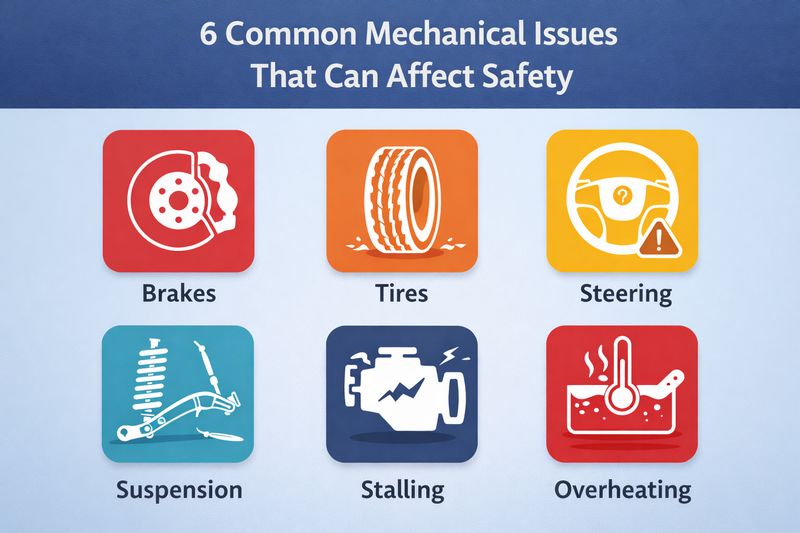
Here are six common mechanical problems that directly affect safety and should never be ignored.
Faulty Brakes
Brakes are your main safety system. If they fail, nothing else matters.
Common signs include squealing, grinding, a soft brake pedal, or the car pulling to one side when stopping. Sometimes the issue is simple, like worn brake pads. That is normal maintenance. But if there is a brake fluid leak or master cylinder failure, stopping distance can increase dramatically.
Imagine driving in city traffic and the car in front of you suddenly stops. If your brakes respond even half a second too late, that small delay can cause a crash.
When reviewing an auction listing, any mention of brake problems should be taken seriously.
Tire Blowouts
A tire blowout happens when a tire suddenly bursts, often at high speed. This can cause immediate loss of control.
Worn tread, sidewall damage, or old tires increase the risk. Budget buyers sometimes plan to “replace the tires later,” but driving on unsafe tires even for a few weeks can be dangerous.
Picture yourself on the highway at 65 mph. A front tire blows out. The steering wheel jerks, and the car swerves. That’s not just inconvenience — it’s a real safety threat.
Always check tire condition in listing photos and factor replacement into your budget.
Steering System Failures
The steering system controls where the car goes. If it fails, you lose control of direction.
Problems may include a leaking power steering system, a damaged steering rack, or worn tie rods. Warning signs include loose steering, clunking noises when turning, or vibration in the wheel.
If steering fails during a turn or emergency maneuver, the driver may not be able to avoid an obstacle. For someone buying a car to commute daily, that risk is too high to ignore.
Suspension Collapse
The suspension keeps the car stable and connected to the road. It includes shocks, struts, springs, and control arms.
If a suspension component breaks, the vehicle can sit unevenly or handle unpredictably. In severe cases, a broken spring or control arm can cause sudden loss of stability.
You might notice excessive bouncing, loud knocking sounds, or the car leaning heavily in turns. These are warning signs.
For budget buyers, suspension repairs may seem optional. But poor suspension affects braking, steering, and overall control.
Engine Stalling
Engine stalling means the car suddenly shuts off while driving.
This can happen because of fuel system issues, ignition problems, or sensor failures. While it may sound minor, stalling at the wrong moment can be dangerous.
Imagine your engine shuts off while crossing an intersection or merging onto a highway. You lose power steering and power braking assistance. The situation can quickly become unsafe.
If an auction listing mentions stalling or “runs rough,” investigate further before placing a bid.
Overheating While Driving
An overheating engine can cause sudden breakdowns. In extreme cases, it can even lead to engine failure while on the road.
If the temperature gauge rises into the red zone, the engine may shut down to protect itself. Steam from under the hood is another serious warning sign.
For someone trying to save money, it may be tempting to think, “I’ll fix it later.” But overheating can destroy an engine completely. That turns a cheap purchase into a major expense.
When buying a vehicle, especially from an online auction, always consider whether the issue affects safety. Cosmetic flaws can wait. A cracked bumper won’t stop you from getting home. But faulty brakes, bad tires, or steering problems can.
Avoid High-Risk Lots With Hidden Safety Problems
Brake, tire, steering, overheating, and stalling issues can turn an auction deal into a dangerous and expensive mistake. We’ll help you evaluate the risk and plan the right next step: repair, parts, or export.
- ✅ Identify “red flag” mechanical issues from listing clues
- ✅ Guidance on realistic repair vs parts-value decisions
- ✅ Export-ready process with documentation checks
- ✅ Optional insurance and photo documentation before container loading
What Is a Mechanical Failure? (And What It’s Not)
When you see the words “mechanical failure” in a vehicle report, it sounds serious. And sometimes it is. But not every mechanical problem qualifies as a true failure.
For budget buyers, this difference matters. A failure can mean a major repair bill. A minor issue may just mean routine maintenance. Understanding the line between the two helps you avoid panic and make smarter bidding decisions.
Definition of Mechanical Failure
A mechanical failure happens when a critical component stops working completely or can no longer perform its intended function.
This usually affects major systems like:
- Engine
- Transmission
- Braking system
- Steering system
For example, if the transmission no longer shifts and the car won’t move, that is mechanical failure. If the engine throws a rod and cannot run at all, that is also failure.
In simple terms, failure means the part is no longer doing its job and the vehicle cannot operate safely or properly without repair.
For someone buying at an online auction, this often means the car may be listed as “non-runner” or “does not start.”
Problems Caused by Poor Maintenance
Not every broken part means the car was badly built. Many mechanical problems happen because of neglected maintenance.
For example:
- Driving too long without oil changes can damage the engine
- Ignoring worn brake pads can ruin the rotors
- Never changing transmission fluid can lead to slipping gears
In these cases, the failure was preventable. The previous owner may have delayed maintenance to save money. Unfortunately, the next buyer pays the price.
If you are shopping with a limited budget, this is important. A car with service records showing regular maintenance is often safer than a slightly cheaper one with no history at all.
Damage Caused by Accidents vs. Internal Failure
Mechanical failure is different from accident damage, even if both affect how the car runs.
Accident damage happens because of an external impact. For example:
- A crash damages the radiator, causing overheating
- A collision bends suspension components
- Front-end damage affects steering alignment
Internal failure, on the other hand, happens because parts wear out or break from use. For example:
- A timing chain snaps due to age
- Bearings wear out inside the engine
- Internal transmission clutches fail
This difference matters at auctions. A car may have mechanical problems caused by crash damage. Once repaired properly, it may run perfectly fine. But internal engine failure can require a full rebuild or replacement.
Always check whether the issue is impact-related or internal wear.
When a Warning Light Is Not a Major Failure
Dashboard warning lights make many buyers nervous. But not every warning light means disaster.
For example, a Check Engine Light could be triggered by:
- A loose gas cap
- A faulty oxygen sensor
- Minor emissions issues
These are often inexpensive fixes.
Of course, the same light could also indicate something more serious. That’s why reading the OBD-II codes before bidding is so important.
If you’re a budget buyer, don’t assume the worst. A warning light is a signal that something needs attention. It is not automatically proof of catastrophic failure.
The key takeaway is simple. Mechanical failure means a part has stopped working in a way that prevents safe or normal operation. But many issues labeled as “mechanical problems” are not full failures. Some are maintenance-related. Some are minor sensor issues. Some are accident-related.
Red Flags That Signal Mechanical Problems
When you’re shopping for a budget car, especially at an online auction, you won’t always get a full inspection report. That means you need to rely on warning signs. Some red flags are easy to ignore because the price looks good. But ignoring them can cost you far more later.
Here are the most common signs that a vehicle may have deeper mechanical problems.
Warning Lights on the Dashboard
Dashboard lights exist for a reason. They are the car’s way of telling you something is wrong.
The most common one is the Check Engine Light. It can mean something minor, like a loose gas cap. But it can also signal misfires, catalytic converter issues, or transmission problems.
Other serious warning lights include:
- Oil pressure light
- Temperature warning light
- ABS light
- Battery or charging system light
If multiple warning lights are on at the same time, that’s a bigger concern. It may point to neglected maintenance or deeper system failures.
For budget buyers, this is a key moment. A cheap car with active warning lights might need immediate repairs before it’s even safe to drive daily.
Unusual Noises (Knocking, Grinding, Squealing)
Cars should not make loud or unusual noises. Strange sounds are often early warnings of mechanical trouble.
Knocking from the engine can signal internal damage. Grinding when braking often means worn brake pads or damaged rotors. Squealing under the hood may point to a loose or worn belt.
For example, if you hear grinding when shifting gears, that could mean transmission wear. If you hear clunking when turning, it may be suspension or steering components.
When reviewing auction videos, always listen carefully. Sound can reveal more than photos.
Smoke from Engine or Exhaust
Smoke is never a good sign.
White smoke from the exhaust may mean coolant is entering the engine. Blue smoke usually means the engine is burning oil. Black smoke often points to fuel system issues.
Smoke coming from under the hood can indicate overheating or leaking fluids hitting hot engine parts.
If you imagine buying a car to save money on commuting, the last thing you want is constant smoke and repeated repairs. Smoke often signals internal problems that are expensive to fix.
Fluid Leaks Under the Car
A small wet spot under a parked car might not seem serious. But leaks can quickly turn into larger failures.
Common fluids to watch for:
- Engine oil
- Transmission fluid
- Coolant
- Brake fluid
- Power steering fluid
Dark brown or black puddles usually mean oil. Red fluid often points to transmission issues. Green or orange liquid is typically coolant.
A minor gasket leak may be manageable. But a leaking brake line or transmission seal can lead to major repairs if ignored.
For budget-conscious buyers, always factor in repair costs when you see signs of leaks.
Vibrations or Poor Handling
A car should feel stable and predictable on the road. If it vibrates excessively or pulls to one side, something is wrong.
Steering wheel vibration at high speeds can mean wheel imbalance or suspension wear. Shaking while braking may point to warped rotors. If the car drifts left or right, alignment or steering issues may be present.
Poor handling is more than just uncomfortable. It affects safety. Especially in emergency situations where quick steering response is critical.
When you’re trying to stretch every dollar, it’s tempting to accept minor flaws. But red flags like these should never be ignored. Cosmetic damage can wait. Mechanical warning signs cannot.
Could a Mechanical Issue Cause an Accident?
Yes, a mechanical issue can absolutely cause an accident. Not every crash is caused by reckless driving. Sometimes the vehicle itself fails at the worst possible moment.
For budget buyers, this topic is important for two reasons. First, you want to avoid buying a car that puts you at risk. Second, if you’re considering a damaged auction vehicle, you need to understand whether mechanical failure played a role in the accident.
Real-World Scenarios
Mechanical problems don’t always give long warnings. In some cases, failure happens suddenly and leaves the driver with no time to react.
Below are realistic situations that show how mechanical issues can lead to accidents.
Brake Failure Before Impact
Imagine driving in traffic. The car ahead suddenly stops. You press the brake pedal, but it feels soft and goes almost to the floor. The vehicle doesn’t slow down in time.
Brake failure can happen due to leaking brake fluid, a failed master cylinder, or severely worn components. Even a small leak that was ignored for months can turn into complete braking loss at the worst moment.
In this case, the accident was not caused by speeding or distraction. It was caused by a mechanical problem.
Tire Blowout at Highway Speed
A tire blowout at 65 mph is terrifying. The steering wheel jerks, and the car may swerve sharply.
If the driver cannot regain control quickly, the vehicle can hit another car or crash into a barrier. Blowouts often result from worn tires, underinflation, or hidden sidewall damage.
For someone who bought a cheap car and decided to “replace the tires later,” this scenario shows why delaying safety repairs can be risky.
Steering Loss in a Turn
Now picture making a turn at an intersection. Suddenly, the steering feels loose or unresponsive. The car does not follow the direction of the wheel.
This could be caused by a failed steering rack, broken tie rod, or power steering failure. In tight spaces or busy traffic, loss of steering control can quickly lead to impact.
These situations are rare, but they do happen. And they often happen in vehicles with neglected mechanical problems.
Questions to Ask After an Accident
If a car has already been in an accident and you’re considering buying it at auction, ask important questions:
Was there any sign of mechanical trouble before the crash?
Did the driver report brake, steering, or engine problems?
Was the vehicle recalled for safety defects?
Did poor maintenance contribute to the failure?
Understanding the root cause helps you decide whether the car is worth repairing. If the accident was caused by a simple worn part that has already been replaced, the risk may be low. If the failure was due to deep internal damage, repairs could be expensive and ongoing.
Preserving Evidence of Mechanical Failure
In serious accidents, determining whether a mechanical issue caused the crash requires evidence.
Damaged parts should not be thrown away immediately. Photos of the scene, repair records, and diagnostic reports are important. In some cases, onboard computer data can show warning codes recorded before impact.
If you’re buying a salvage vehicle, reviewing documentation carefully can tell you whether the failure was isolated or part of a bigger pattern of neglect.
For budget buyers, documentation is protection. It helps you avoid buying a car with unresolved safety risks.
The Role of Mechanics and Technical Experts
Professional mechanics and technical experts play a key role in identifying mechanical failure.
They can:
- Inspect damaged components
- Read diagnostic codes
- Determine whether a part failed before or after impact
- Estimate realistic repair costs
If you’re not mechanically experienced, paying for a pre-purchase inspection can save thousands later. Spending a few hundred dollars upfront is often smarter than gambling on an unknown problem.
Understanding Liability When Mechanical Issues Are Involved
When a mechanical problem leads to an accident, the next question is often: who is responsible?
Liability can become complicated. It is not always as simple as blaming the driver. In some cases, poor maintenance is the issue. In others, a defective part or improper repair may be the real cause.
If you are buying a used or salvage car at auction, understanding liability also protects you in the future. You don’t want to inherit someone else’s negligence.
Driver Responsibility and Maintenance Neglect
In many situations, the driver is responsible for maintaining the vehicle in safe condition.
Cars require regular oil changes, brake inspections, tire replacements, and fluid checks. If a driver ignores clear warning signs — like grinding brakes or bald tires — and an accident happens, that neglect can make them legally responsible.
For example, if someone keeps driving with worn brake pads until the braking system fails, it may be considered preventable. The same applies if a driver ignores overheating warnings or dashboard alerts for months.
For budget buyers, this matters. A vehicle with no maintenance records may signal that previous owners delayed repairs to save money. That increases risk.
Manufacturer Defects
Sometimes the problem is not the driver’s fault. It may be a manufacturer defect.
A defective airbag system, faulty ignition switch, or poorly designed brake component can cause accidents even when the vehicle was properly maintained. In these cases, liability may fall on the automaker.
This is why checking recall history is important before buying a used car. If a vehicle has open safety recalls that were never fixed, the risk remains.
Buying a discounted car is smart. Buying one with unresolved safety defects is not.
Repair Shop Errors
Another possible source of liability is improper repair work.
If a mechanic installs brake components incorrectly or fails to tighten steering parts properly, the result can be dangerous. In such cases, the repair shop may share responsibility for the accident.
For example, imagine a car had suspension repairs shortly before a crash. If an inspection shows the parts were installed incorrectly, that changes the liability picture.
If you’re purchasing a vehicle that was recently repaired after an accident, reviewing repair documentation can help you understand what was done and by whom.
Shared Fault Situations
Liability is not always clear-cut. Sometimes multiple parties share responsibility.
A driver may have delayed maintenance. A repair shop may have performed incomplete work. Another driver on the road may also have contributed to the accident.
In these shared fault situations, responsibility can be divided based on percentage. Insurance companies and courts often examine maintenance records, expert reports, and accident details to determine who carries how much blame.
For someone buying a salvage vehicle, knowing the cause of damage helps you avoid legal and safety risks down the line.
Unique Legal Considerations by State
Liability laws differ by state. Some states follow comparative fault rules, where responsibility is divided between parties. Others follow stricter systems.
In certain states, if a driver is found mostly responsible, they may recover less compensation. In others, even partial fault can limit claims.
If you plan to register and drive your auction vehicle in a specific state, understanding local laws can be helpful. This is especially true if the vehicle has a history of mechanical failure or prior accident claims.
The main takeaway is simple. Mechanical issues can involve different layers of responsibility. The driver, manufacturer, repair shop, or even multiple parties may share liability.
Insurance Challenges When Mechanical Failure Is Suspected
When a car is involved in an accident and mechanical failure is suspected, insurance claims can become complicated. Many budget buyers assume insurance will automatically cover any damage. That is not always true.
Insurance policies usually cover sudden accidents. They do not typically cover breakdowns caused by poor maintenance or normal wear. If the insurer believes the accident happened because the vehicle was not properly maintained, the claim may be reduced or denied.
If you are buying a used or salvage car, understanding this risk is important before you put it on the road.
How Insurers Investigate Mechanical Claims
When mechanical failure is mentioned, insurance companies investigate carefully.
They may inspect the vehicle themselves or hire an independent expert. They look at damaged parts, maintenance records, and diagnostic data. Modern vehicles store error codes and system data that can show whether warning lights were active before the crash.
For example, if brake components were heavily worn long before the accident, the insurer may argue that the driver ignored maintenance. If a part clearly broke due to sudden defect, that is treated differently.
For budget buyers, this means documentation matters. A well-maintained car with service records is easier to defend than one with no history at all.
Denied Claims Due to “Wear and Tear”
One of the most common reasons for claim denial is “wear and tear.”
Insurance companies do not pay for parts that simply wore out over time. If an engine fails because it was never serviced, that is considered maintenance neglect, not an accident.
For example:
A tire that explodes due to extreme wear may not be covered.
An engine that overheats because coolant was never replaced may not qualify as an insured event.
From the insurer’s point of view, these are preventable problems.
If you bought a very cheap car and skipped early repairs to save money, that decision could affect coverage later.
What Documentation You Need
Good records can protect you.
Keep receipts for:
- Oil changes
- Brake replacements
- Tire purchases
- Major repairs
- Diagnostic reports
If you fix a known issue right after buying a vehicle, keep proof. This shows you acted responsibly.
If a mechanical failure leads to an accident, documentation can help prove that you maintained the vehicle properly and did not ignore known defects.
For buyers of auction cars, getting a full inspection after purchase is a smart move. It creates a clear starting point for future records.
When to Seek Legal Advice
In serious accidents where mechanical failure is disputed, legal advice may be necessary.
This is especially true if:
- The insurance company denies your claim
- There is disagreement about the cause of failure
- A manufacturer defect is suspected
- A repair shop may have made a mistake
An attorney can help review expert reports, maintenance records, and policy terms. In some cases, the issue is not simple neglect but a defective part or improper repair.
Mechanical Issues in Auction and Salvage Cars
Buying a car from an online auction or salvage lot can be a great way to save money. But these vehicles often come with mechanical problems that are not fully detailed in the listing. For budget buyers, understanding what “mechanical issues” really means is key to avoiding expensive surprises.
What “Mechanical Issues” Means on Auction Listings
Auction listings often use broad terms like “mechanical issues” or “needs repair” because the seller may not know the exact problem. This label can cover anything from minor maintenance, like replacing worn belts, to major failures, like a blown engine or failing transmission.
For buyers on a tight budget, it’s important not to panic when you see the phrase. Instead, use it as a signal to investigate further. Watch for videos, ask for additional details, and check the car’s history report.
Run and Drive vs. Non-Runner Vehicles
Auctions typically categorize vehicles as “run and drive” or “non-runner.”
A “run and drive” car starts, moves, and can usually be driven onto a trailer. These vehicles may have minor mechanical issues but are generally safer bets for budget buyers.
A “non-runner” does not start or cannot move under its own power. These cars may require towing and significant repairs. For someone trying to save money, non-runners are riskier, but if you understand the problem and repair costs, they can also offer bigger savings.
Knowing the difference helps you decide whether you’re willing to take on repairs for a cheaper purchase price.
Risks of Buying a Car with Known Mechanical Problems
Cars with mechanical issues can be tempting because of lower auction prices. But there are risks:
- Hidden damage may increase repair costs beyond the purchase price.
- Some problems may affect safety, like brakes, steering, or tires.
- Parts may be hard to find or expensive, especially for older or rare models.
- Repair timelines may delay your ability to use the car.
For budget buyers, it’s about balancing savings with the potential costs. A small problem like worn brake pads is manageable. A major issue like a transmission rebuild may wipe out the savings from buying cheap.
How to Estimate Repair Costs Before Bidding
Before you bid, take steps to estimate potential repair costs. This reduces the risk of overspending after purchase.
Reviewing Vehicle History Reports
Vehicle history reports can reveal prior accidents, flood damage, or title issues. They may also show past service records and previous mechanical problems.
Knowing this history helps you understand whether mechanical issues are new or recurring. For example, a car with repeated engine issues may be a warning sign, while a single minor repair is less concerning.
Checking OBD-II Codes
If possible, get access to the car’s OBD-II diagnostic codes. These codes reveal active and pending trouble signals from the engine, transmission, and other systems.
Even a simple scan can tell you whether warning lights indicate minor sensor issues or serious engine problems. This step gives budget buyers more confidence before bidding.
Budgeting for Unexpected Repairs
Even with research, unexpected repairs are almost inevitable. Always set aside a portion of your budget for surprises.
For example, a $3,000 auction car may need $500–$1,000 in immediate maintenance, like brakes, fluids, or belts. Larger repairs, like a failing transmission, could cost thousands. Planning for these costs prevents your cheap purchase from becoming a financial burden.
Can a Driver Be Liable for Mechanical Issues?
Mechanical problems don’t always happen out of nowhere. Sometimes the driver’s actions—or inactions—play a major role in causing or worsening the issue. Understanding liability helps budget buyers stay safe and avoid legal or financial trouble after purchasing a vehicle.
Failure to Maintain the Vehicle
Regular maintenance is the driver’s responsibility. Oil changes, brake inspections, tire rotations, and fluid checks are essential for keeping a car running safely.
If a driver skips maintenance, they may be held liable for any accidents that occur as a result. For example, failing to replace worn brake pads that lead to brake failure during a sudden stop can be considered negligence.
For someone buying a used or salvage vehicle, it’s important to check whether the previous owner kept up with maintenance. A car with a strong service history is less likely to have preventable mechanical failures.
Ignoring Known Problems
Liability increases when a driver ignores known mechanical problems.
If the car makes unusual noises, warning lights are active, or parts are visibly damaged, continuing to drive the vehicle can be dangerous. For example, a steering rack that produces clunking sounds or loose control arms should be repaired immediately. Ignoring these problems may result in accidents and legal responsibility.
Budget-conscious buyers sometimes take a “buy cheap, fix later” approach. This can be acceptable for minor maintenance. But ignoring issues that affect safety is risky and could make the driver liable for accidents.
Driving an Unsafe Vehicle
Even if a mechanical problem hasn’t caused an accident yet, driving a car known to be unsafe can create liability.
Unsafe vehicles include:
- Cars with worn brakes or tires
- Vehicles with broken suspension or steering components
- Cars with overheating engines or leaking fluids
If a driver causes an accident while operating a car with these known issues, insurance companies and courts may assign responsibility to the driver.
For buyers at online auctions, this highlights the importance of inspecting the vehicle thoroughly before driving it home. Fixing safety-related mechanical issues first is critical to avoid liability.
How to Handle Mechanical Issues After Purchase
Buying a car at an auction or salvage sale can save money, but it often comes with mechanical surprises. Handling these issues quickly and wisely is key to keeping your budget in check and ensuring the car is safe to drive.
Immediate Inspection Steps
Once you take possession of the vehicle, start with a thorough inspection.
Check essential systems first: brakes, tires, suspension, steering, and fluids. Look for leaks, unusual noises, and signs of damage. Test drive the car carefully, listening for engine misfires, transmission delays, or vibrations.
Even if the car ran well during the auction video, shipping or transport can sometimes reveal hidden issues. Catching problems early helps you avoid further damage and gives you a clear picture of what needs attention.
Prioritizing Safety Repairs
Not all repairs are equally urgent. Focus on safety-related issues first.
Brakes, steering, suspension, tires, and lights should always take priority. For example, worn brake pads can be replaced immediately, while minor cosmetic scratches can wait. Ignoring safety repairs may put you and others at risk and could result in accidents or liability issues.
Budget buyers should make a simple checklist: fix what affects driving and safety first, then tackle comfort or cosmetic issues later.
DIY vs. Professional Repairs
Some repairs can be done yourself, while others require professional expertise.
Simple tasks like replacing windshield wipers, air filters, spark plugs, or light bulbs are usually safe for DIY. More complicated work—engine repairs, transmission work, brake system overhaul, or steering repairs—should be handled by a qualified mechanic.
For budget buyers, DIY work saves money, but attempting complicated repairs without experience can make the problem worse. Always weigh the risk versus the cost before starting a repair.
When Repairs Cost More Than the Car Is Worth
Sometimes, the total cost of repairs exceeds the car’s value. For example, a $2,000 auction car might need a $3,000 transmission rebuild.
In these situations, it may not make sense to invest in the vehicle. You have a few options:
- Sell the car for parts or scrap
- Negotiate repair discounts with a mechanic
- Consider trading the car for a better deal
Knowing when to cut losses is important for budget-conscious buyers. Throwing money into a problem car can erase all the savings you gained at auction.
Key Takeaways for Budget Car Buyers
Buying a car on a tight budget doesn’t have to mean taking unnecessary risks. Understanding mechanical issues and knowing how to evaluate a vehicle before bidding can save you money and stress. Here’s a summary of the most important lessons for budget-conscious buyers.
Not All Mechanical Issues Are Deal Breakers
Just because a listing mentions “mechanical issues” doesn’t automatically mean the car is unsafe or too expensive to repair. Some problems are minor, like worn wiper blades, a leaking valve cover gasket, or a loose belt.
The key is knowing which issues affect safety and drivability versus those that are cosmetic or low-cost fixes. A smart buyer focuses on major systems like brakes, steering, tires, and engine health while planning for smaller, manageable repairs later.
How to Spot High-Risk Vehicles
High-risk vehicles are ones where mechanical problems are likely to lead to costly repairs or safety concerns. Look for red flags such as:
- Multiple warning lights on the dashboard
- Smoke from the engine or exhaust
- Excessive fluid leaks
- Loud knocking, grinding, or squealing noises
- History of repeated major repairs or accidents
Photos, videos, and vehicle history reports can reveal these issues. If several red flags appear, it may be safer to skip the car, even if the price looks good.
Smart Bidding Strategies to Save Money
Budget buyers need a plan when bidding. Start by setting a maximum bid that accounts for the car’s purchase price plus estimated repairs. Avoid letting excitement or competition push your bid beyond what you can realistically spend.
Consider vehicles labeled “run and drive” over “non-runner” if you lack experience with major repairs. Use inspection reports, OBD-II scans, and maintenance records to guide your decisions. Remember, a lower auction price is only a bargain if the total repair costs keep the car within your budget.
When a Discounted Car Is Still a Good Deal
Even cars with mechanical issues can be good deals if you understand the problems and can fix them safely and affordably. For example:
- A $3,000 car with worn brakes and minor fluid leaks might be fixed for $500–$700, leaving a safe, reliable vehicle.
- A car with cosmetic scratches or interior wear may need almost no mechanical work, making the low price a true bargain.
The smartest buyers focus on potential repair costs, prioritize safety, and weigh each purchase against their budget. With careful research, you can turn auction finds into reliable cars without overspending.
Get a Clear Total Cost Before You Buy
Budget wins happen when you control the total number: purchase price + auction fees + inland transport + export shipping + documentation. Start with free access and get help choosing lots that match your goals.
- ✅ Transparent “all-in” export approach (no surprises after purchase)
- ✅ Shipping from all U.S. ports with documentation verification
- ✅ Bank-invoice payments only for secure transactions
- ✅ Support from auction purchase to international delivery
Further Reading
8 Essential Fixes to Check When Buying a Used Car
Why Won’t My Car Start? - 16 Common Reasons and How to Fix Them
Top 10 Ways to Save Money At Car Auctions
Unlocking the Secrets: Understanding Vehicle History Reports

Do You Have Any Questions?
 Ask Question