


 Log in
 Sign Up


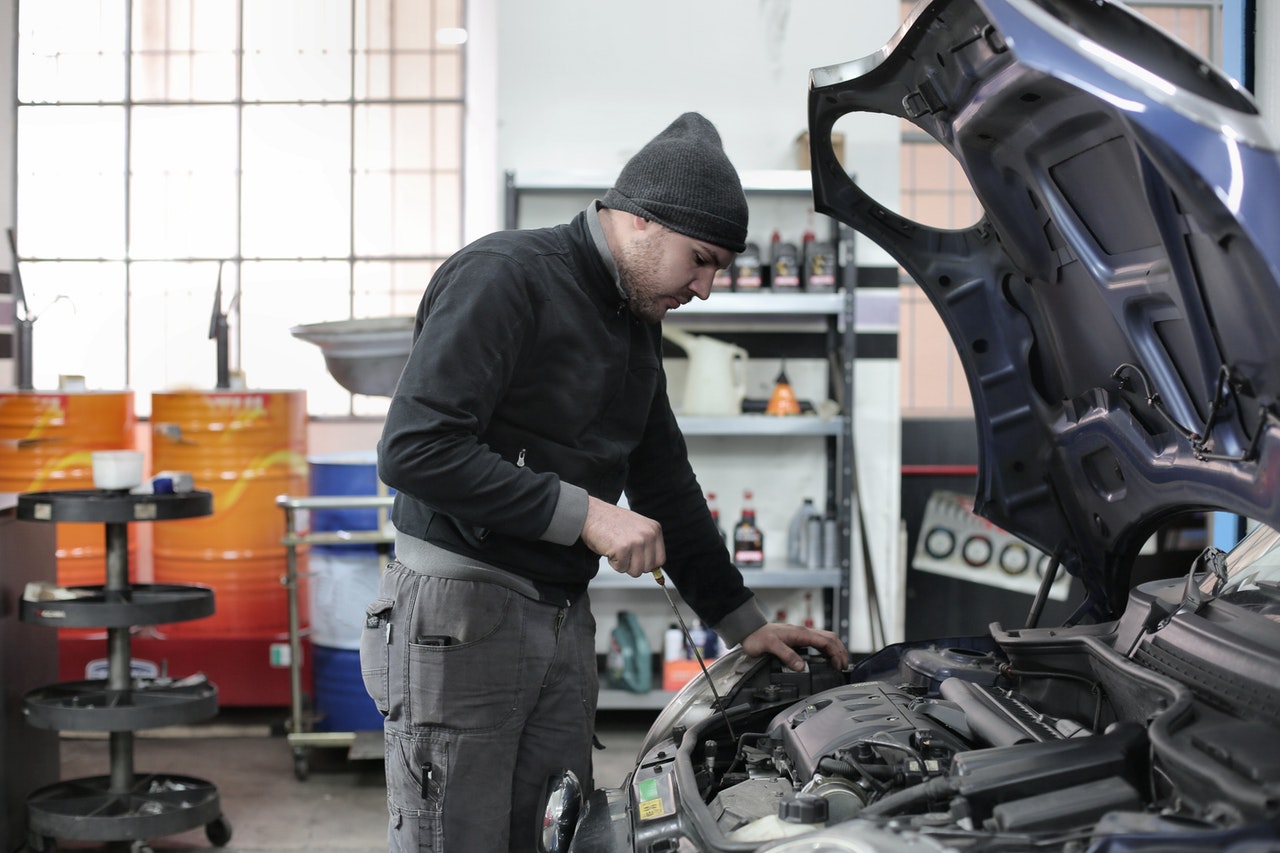


When buying a used car, being aware of potential issues can save you money and headaches down the road. This guide highlights eight common fixes that every budget-conscious buyer should know. From engine problems to brake system checks, understanding these key areas will empower you to make informed decisions and negotiate better deals. By recognizing warning signs and knowing what to look for, you can ensure a safer, more reliable vehicle while keeping your finances intact. Let's dive into these essential tips for smart used car buying!
What are the Signs of Engine Problems?
When buying a used car, being aware of engine problems is crucial to avoid expensive repairs down the line. Here are some common signs that indicate engine issues:
Unusual Noises
One of the first indicators of engine trouble is unusual sounds coming from the engine compartment. If you hear knocking, ticking, or grinding noises, it may signal serious problems. For instance, a knocking sound can indicate worn bearings, while a ticking noise might suggest a problem with the valve lifters. Ignoring these sounds can lead to catastrophic engine failure.
Real-Life Example:
Imagine purchasing a used car that seems perfect during the test drive. However, after a few days, you notice a knocking sound from the engine. You might think it's just minor noise, but this could lead to a costly repair bill of several thousand dollars if the bearings fail completely.
Smoke from the Exhaust
If you see smoke coming from the exhaust pipe, it’s a sign that something is wrong. The color of the smoke can give you clues about the issue:
- Blue Smoke: Indicates oil burning, which could mean worn piston rings or valve seals.
- White Smoke: Often signals coolant leaking into the engine, a problem that can lead to a blown head gasket.
- Black Smoke: Suggests too much fuel is being burned, which may point to fuel injection problems.
Real-Life Example:
A buyer purchased a used SUV without noticing blue smoke pouring from the exhaust. The car ran well initially, but soon the engine began consuming oil at an alarming rate, leading to expensive repairs that could have been avoided with earlier detection.
Dashboard Warning Lights
Modern cars are equipped with various sensors that monitor engine performance and health. If a warning light, such as the check engine light, appears on the dashboard, it’s a red flag that shouldn’t be ignored.
While some warning lights can indicate minor issues, others may point to severe problems that could affect the engine's performance. It's essential to read the vehicle’s diagnostic codes to determine the exact issue.
Real-Life Example:
Consider a situation where a buyer notices the check engine light on during a test drive. Instead of investigating, they decide to ignore it, assuming it's a minor issue. A few weeks later, the engine begins to misfire, and they end up facing a hefty repair bill for ignition system replacements.
How Can You Identify Transmission Issues?
Identifying transmission issues is essential when buying a used car, as repairs can be expensive and complicated. Here are some common signs of transmission problems and tips on how to check for them.
Delays in Shifting Gears
One of the first signs of a potential transmission problem is experiencing delays when shifting gears. If you notice that the vehicle hesitates before engaging into drive or reverse, this could indicate an issue with the transmission. Ideally, you want the shifts to be smooth and immediate.
How to Check:
During a test drive, pay close attention when accelerating from a stop. If you experience a delay or feel the engine revving without the car moving forward as it should, it’s a warning sign. This can point to low transmission fluid levels or worn components within the transmission system.
Real-Life Example:
Imagine you’re test-driving a used sedan, and you feel a noticeable lag before it shifts into gear. Although the seller may downplay it, it could indicate underlying transmission wear. If you ignore this symptom, you might find yourself facing costly repairs shortly after the purchase.
Unusual Noises
Listen for any strange noises while driving, especially when the transmission is engaged. Grinding, whining, or clunking sounds can indicate serious transmission issues.
How to Check:
While driving, accelerate gradually. If you hear any unusual noises when the transmission shifts gears, it’s worth investigating further.
Real-Life Example:
A buyer purchased a used truck without realizing it made a clunking noise when shifting into gear. After a few months, the noise worsened, leading to a transmission rebuild that cost thousands of dollars. If they had listened carefully during the test drive, they might have avoided this headache.
Fluid Leaks
Checking for transmission fluid leaks is vital when assessing a used vehicle. Transmission fluid is usually red or brown and has a slightly sweet smell. If you see puddles of fluid under the car or notice the fluid levels are low, it can indicate a leak or other transmission problems.
How to Check:
Before the test drive, look under the car for any signs of leakage. Additionally, after driving, check the transmission fluid level using the dipstick. The fluid should be at the proper level and free of debris or a burnt smell. If the fluid is dark or has a burnt odor, it could signal that the transmission is overheating or failing.
Real-Life Example:
A buyer ignored a small pool of reddish fluid under a used SUV they were considering. After purchasing, they discovered it had significant transmission issues due to a long-standing leak, resulting in costly repairs that could have been avoided with a simple check.
Dashboard Warning Lights
Just like with engine problems, modern vehicles often come equipped with sensors that monitor the transmission. If you see a warning light on the dashboard indicating transmission issues, don’t ignore it.
How to Check:
Before completing your purchase, ask the seller if there have been any recent warning lights related to the transmission. It's essential to know what the lights mean and whether they have been addressed.
Real-Life Example:
A buyer noticed the "check transmission" light illuminated on the dashboard during a test drive but decided to overlook it. After making the purchase, they faced severe transmission issues that led to a complete transmission replacement.
What Should You Check in the Brake System?
The brake system is one of the most crucial safety components of any vehicle, so it’s essential to ensure it’s in good working condition when buying a used car. Here are some key aspects to check, including wear on brake pads and rotors, as well as the importance of testing brakes during a test drive.
Inspecting Brake Pads and Rotors
One of the first things to look at when assessing the brake system is the condition of the brake pads and rotors. Brake pads are designed to create friction against the rotors to slow down or stop the vehicle. Over time, these components can wear down and require replacement.
How to Check:
- Visual Inspection: Look through the wheel spokes to see the brake pads. They should be at least a quarter of an inch thick. If they appear thin, they may need to be replaced soon.
- Check the Rotors: Inspect the rotors for any signs of scoring or grooves. They should have a smooth surface. If the rotors look uneven or have significant wear, they may also need to be replaced.
Real-Life Example:
Imagine you’re considering a used car and notice the brake pads look worn during your inspection. If you choose to ignore this and purchase the vehicle, you might soon face the cost of replacing both the pads and the rotors, which can add up to several hundred dollars.
Brake Fluid Check
Another essential part of the brake system is the brake fluid. Low brake fluid levels can indicate leaks or problems in the braking system.
How to Check:
Open the hood and locate the brake fluid reservoir, typically near the back of the engine bay. The fluid should be at the appropriate level indicated on the reservoir. If it's low, this could signify a leak or worn brake components.
Real-Life Example:
A buyer might overlook the importance of checking brake fluid levels. After purchase, they notice a spongy brake pedal and, upon inspection, find that the brake fluid is nearly empty. This could lead to dangerous situations if not addressed promptly.
Testing the Brakes During a Test Drive
One of the best ways to assess the brake system is by testing the brakes during a test drive. This allows you to feel how the brakes respond under real conditions.
What to Look For:
- Brake Response: When you apply the brakes, they should engage smoothly and quickly without any grinding or squeaking noises.
- Pulling to One Side: If the car pulls to one side when braking, it could indicate uneven wear on the brake pads or issues with the brake lines.
- Vibration or Pulsation: If you feel vibrations or pulsations in the brake pedal, this may signify warped rotors.
Real-Life Example:
Consider a situation where a buyer takes a used vehicle for a test drive and notices the brakes make a grinding sound and vibrate when applied. Instead of brushing it off, this is a crucial indicator that the brakes may need immediate attention or replacement, potentially saving the buyer from costly repairs down the line.
How Can You Spot Suspension Problems?
The suspension system of a vehicle plays a vital role in providing a smooth ride and maintaining vehicle control. Problems with the suspension can lead to safety concerns and impact driving comfort. Here’s how you can identify suspension issues, including uneven tire wear and vibrations while driving, along with real-life examples illustrating their significance.
Uneven Tire Wear
One of the most common signs of suspension problems is uneven tire wear. If the tires show signs of wear on one side more than the other or exhibit bald patches, it can indicate that the suspension is not functioning correctly.
How to Check:
- Visual Inspection: Take a close look at the tread on each tire. They should wear evenly across the surface. Look for bald spots, cupping, or any significant differences in wear patterns.
- Tire Pressure: Ensure that the tire pressure is at the manufacturer’s recommended levels. Low or high pressure can also lead to uneven wear, but if the pressure is correct and wear is still uneven, the suspension might be to blame.
Real-Life Example:
A buyer notices that the front tires of a used sedan are more worn than the rear tires during their inspection. Ignoring this could mean the vehicle has suspension issues, such as misalignment or worn shock absorbers. After purchasing the car, the buyer faces the added expense of replacing all four tires prematurely, along with potential suspension repairs.
Vibration While Driving
If you experience vibrations in the steering wheel or throughout the vehicle while driving, it could indicate suspension problems. These vibrations often become more pronounced at higher speeds or during turns.
How to Check:
During a test drive, pay attention to how the car feels on the road. If you notice excessive vibrations, it’s worth investigating further.
Real-Life Example:
A buyer is excited about a used sports car but feels a persistent vibration in the steering wheel while driving. They dismiss it as a minor issue, but after purchase, they discover that the problem stems from worn shocks and struts. This results in a rough ride and requires expensive repairs that could have been avoided with earlier detection.
Excessive Bounce or Swaying
Another sign of potential suspension issues is excessive bouncing or swaying when driving over bumps or during sharp turns. If the car continues to bounce after hitting a bump, it may indicate worn shocks or struts.
How to Check:
During your test drive, find a bumpy road or speed bump. Pay attention to how the car responds. If it seems to bounce excessively or sway when taking corners, it’s a clear indication that the suspension may need attention.
Real-Life Example:
Consider a scenario where a buyer test drives a used SUV and notices it sways significantly when taking a turn. They decide to ignore it, believing it’s just the vehicle's nature. After purchase, they realize the shocks are worn, compromising safety and leading to a bumpy ride. This oversight could have been caught during the test drive.
Listening for Unusual Noises
Unusual noises can also indicate suspension problems. Clunking, knocking, or squeaking sounds when driving over bumps may suggest that the suspension components are worn or damaged.
How to Check:
During the test drive, listen carefully for any odd sounds while navigating over uneven surfaces or bumps.
Real-Life Example:
A buyer hears a clunking noise when driving over potholes in a used truck. They might brush it off, thinking it’s a normal sound for a vehicle of that age. However, this could signify damaged struts or bushings, which, if not addressed, could lead to further issues and additional costs after the purchase.
What Do You Need to Know About the Electrical System?
The electrical system in a vehicle is crucial for its operation, affecting everything from the engine to entertainment features. When buying a used car, it’s essential to check the electrical components to avoid unexpected repair costs later. Here are the key aspects to examine, including headlights, power windows, and the battery, along with examples of how electrical issues can lead to significant expenses.
Checking the Headlights and Exterior Lights
Start by inspecting the headlights, taillights, turn signals, and brake lights. Functioning lights are vital for safety, and issues here can indicate underlying electrical problems.
How to Check:
- Turn on the headlights: Ensure both low and high beams work properly.
- Test all exterior lights: Have someone stand outside the car while you activate the turn signals and brake lights. Check for any dim or non-functional bulbs.
Real-Life Example:
A buyer takes a used sedan for a test drive and notices that one of the headlights flickers. They decide to ignore it, thinking it’s a simple bulb issue. After purchase, they find out that the problem stems from a faulty wiring harness, leading to repair costs that could easily exceed $500. Regular maintenance on wiring and electrical components can help prevent these types of issues.
Inspecting the Power Windows and Locks
Power windows and locks are convenient features that can enhance your driving experience. However, if they malfunction, repairs can be costly.
How to Check:
- Test all windows: Press each window switch to ensure they operate smoothly. Listen for any grinding or unusual noises.
- Check the locks: Ensure that all door locks respond promptly when using the key fob or switch.
Real-Life Example:
Imagine a buyer who notices that the driver’s side window is slow to roll down during the test drive. Rather than addressing this potential issue, they purchase the vehicle. Soon after, the window motor fails completely, resulting in a repair bill of several hundred dollars. A simple test during the drive could have highlighted the issue, allowing for negotiation on the price or a repair before purchase.
Assessing the Battery and Charging System
The battery and charging system are essential for starting the vehicle and powering electrical components. A weak or failing battery can lead to starting issues and may leave you stranded.
How to Check:
- Battery condition: Look for any signs of corrosion around the terminals. If the battery is old (typically over three years), ask for the service history.
- Start the vehicle: Observe how quickly the engine starts. A sluggish start can indicate battery issues.
- Test the charging system: Once the car is running, check the battery voltage using a multimeter. It should read between 13.7 and 14.7 volts with the engine running.
Real-Life Example:
A buyer starts a used truck during the inspection and notices it takes longer than usual to start. After ignoring this sign, they purchase the truck only to face a dead battery a few weeks later. The cost of replacing the battery and possibly the alternator could exceed $300, which could have been avoided with a more thorough pre-purchase inspection.
Listening for Electrical Issues
While driving, pay attention to any unusual sounds or behavior from the vehicle. Electrical problems can manifest in various ways, including flickering dashboard lights or strange noises when turning on features.
How to Check:
- Observe the dashboard: Make sure all indicators are functioning properly without flickering.
- Listen for odd sounds: Any clicking or buzzing when activating electrical components should be investigated.
Real-Life Example:
A buyer notices the dashboard lights flickering when they turn on the air conditioning. They choose to overlook this, thinking it’s a minor glitch. However, after purchase, they discover it’s a sign of an overloaded electrical system, resulting in significant repair costs. Such issues could affect the vehicle's overall performance and lead to costly repairs.
How to Assess the Condition of Tires?
Tires are one of the most critical components of a vehicle, directly impacting safety, handling, and fuel efficiency. When buying a used car, assessing the condition of the tires is essential to ensure you’re not facing immediate replacement costs or safety issues. Here’s a guide on what to look for when inspecting tires, including wear patterns, tire pressure, and the potential implications of old or damaged tires.
Checking Tire Tread Depth
The tread on your tires provides the necessary grip for safe driving, especially in wet or slippery conditions. Insufficient tread depth can lead to poor traction and increased stopping distances.
How to Check:
- Use the Penny Test: Insert a penny into the tread grooves with Lincoln’s head facing down. If you can see the top of Lincoln’s head, the tread is too shallow, and the tires should be replaced.
- Tread Depth Gauge: For a more accurate measurement, use a tread depth gauge, which will indicate how much tread is left in millimeters.
Real-Life Example:
Imagine you’re inspecting a used sedan and notice the tread depth is barely above the legal limit. If you ignore this warning and buy the car, you could face dangerous driving conditions and the expense of replacing tires within months. New tires can cost anywhere from $400 to $800, depending on the make and model of the vehicle.
Inspecting for Uneven Wear Patterns
Uneven tire wear can indicate alignment issues, suspension problems, or improper inflation. It’s crucial to examine the tires for signs of uneven wear, as it can compromise safety and handling.
How to Check:
- Visual Inspection: Look for any bald spots, cupping, or one-sided wear on the tires. The wear should be uniform across the surface.
- Rotation History: Ask the seller about the tire rotation history. Regular rotations can help prevent uneven wear and extend tire life.
Real-Life Example:
A buyer notices that the outer edges of the tires are worn down while the center tread appears fine. This condition suggests the car may have been driven with incorrect tire pressure or alignment issues. If the buyer chooses to purchase the vehicle, they might incur additional costs for realignment and potentially new tires, leading to unexpected expenses.
Checking for Damage or Cracks
Physical damage to the tires can significantly affect their performance and safety. It’s essential to inspect the tires for any signs of cracks, bulges, or punctures.
How to Check:
- Visual Inspection: Look for any visible cracks in the sidewalls, bulges, or foreign objects embedded in the tread.
- Flexing the Sidewall: Gently press on the sidewalls to see if they flex too easily. Excessive flexibility may indicate damage or deterioration.
Real-Life Example:
During a test drive, a buyer spots a bulge on the sidewall of one tire but dismisses it, thinking it won’t cause any problems. After purchasing the vehicle, they experience a blowout, leading to a potentially dangerous situation and the cost of replacing the damaged tire.
Assessing Tire Pressure
Proper tire pressure is crucial for safety, fuel efficiency, and tire longevity. Over-inflated or under-inflated tires can lead to poor handling and increased wear.
How to Check:
- Use a Tire Pressure Gauge: Check the tire pressure against the manufacturer’s recommended levels, usually found on a sticker inside the driver’s door or in the owner’s manual.
- Visual Inspection: Look for any obvious signs of under-inflation, such as tires that appear flat or bulging.
Real-Life Example:
A buyer notices that the tires seem slightly flat during their inspection. They decide to ignore it, thinking it’s a simple fix. However, after purchase, they find that the tires were significantly under-inflated, leading to rapid wear and decreased fuel efficiency. This oversight can cost hundreds of dollars in extra fuel expenses and premature tire replacement.
What to Look for in the Cooling System?
The cooling system of a vehicle is essential for maintaining optimal engine temperatures and preventing overheating. When buying a used car, it’s crucial to inspect the cooling system carefully, as issues can lead to severe engine damage and costly repairs. Here’s what to look for in the cooling system, including signs of coolant leaks, radiator condition, and potential implications of neglecting these checks.
Checking for Coolant Leaks
Coolant leaks are one of the most common issues in a vehicle’s cooling system. Detecting leaks early can save you from significant engine damage down the road.
How to Check:
- Visual Inspection: Look for any puddles or stains under the vehicle, especially in the area of the radiator, hoses, or water pump. A green or orange fluid is often a sign of coolant leaking.
- Inspect Hoses: Examine the hoses connected to the radiator and engine for any cracks, bulges, or signs of wear. Squeeze them gently to check for brittleness or softness.
Real-Life Example:
Imagine you’re inspecting a used SUV and notice a small puddle of fluid under the front. You check and find it’s coolant. If you ignore this warning and buy the vehicle, you may face overheating issues shortly after purchase, leading to extensive engine repairs that could cost thousands of dollars.
Assessing Radiator Condition
The radiator is a critical component of the cooling system, helping to dissipate heat from the engine. A damaged or clogged radiator can lead to overheating and engine failure.
How to Check:
- Visual Inspection: Look for any signs of rust, corrosion, or physical damage on the radiator. Check for any bent fins or leaks.
- Check the Radiator Cap: Ensure the cap fits securely and is in good condition. A faulty cap can lead to pressure loss, causing the coolant to boil and overflow.
Real-Life Example:
A buyer notices that the radiator of a used sedan shows signs of corrosion during inspection. They might think it’s a minor cosmetic issue, but if they proceed with the purchase, they could soon find themselves dealing with overheating problems. A replacement radiator can cost anywhere from $300 to $800, depending on the vehicle, plus labor costs for installation.
Examining the Cooling Fan
The cooling fan is crucial for regulating engine temperature, especially during idling or low-speed driving. If the fan isn’t functioning correctly, it can lead to overheating.
How to Check:
- Test the Fan Operation: With the engine running, observe if the cooling fan turns on when the engine reaches the proper temperature. It should engage and spin freely.
- Listen for Unusual Noises: Pay attention to any strange noises, such as grinding or rattling sounds, which can indicate a failing fan motor or loose components.
Real-Life Example:
During a test drive, a buyer notices that the cooling fan doesn’t seem to activate. They choose to ignore this red flag. After purchase, the vehicle overheats in traffic, leading to potential engine damage and repair costs that could easily exceed $1,000. Such an oversight could have been avoided by checking the cooling fan’s functionality.
Inspecting the Coolant Condition
The condition of the coolant itself is also important. Old or contaminated coolant can lose its effectiveness in regulating temperature and preventing corrosion.
How to Check:
- Check Coolant Color: Open the coolant reservoir and inspect the fluid. It should be a bright color (usually green, orange, or yellow) without any sediment or debris. Cloudy or rusty coolant may indicate contamination.
- Use a Coolant Tester: For a more accurate assessment, use a coolant tester to check the freezing and boiling points, ensuring they are within acceptable ranges.
Real-Life Example:
A buyer opens the coolant reservoir and finds the fluid is dark and contaminated. They might think it’s just a minor issue, but this can lead to engine overheating and corrosion in the cooling system. If they purchase the vehicle without addressing this, they could face significant repair bills down the line.
How Can You Evaluate the Interior and Exterior Condition?
When buying a used car, assessing both the interior and exterior condition is crucial. A thorough evaluation not only ensures you’re investing in a vehicle that is aesthetically pleasing and comfortable but also helps you identify potential issues that could affect the car's value and your overall ownership experience. Here’s what to look for when examining the body and interior of a used vehicle, including signs of rust, damage, and other important factors.
Assessing the Exterior Condition
The exterior of the car is the first thing you notice, and it’s essential to evaluate it carefully. The condition of the car's body can reveal much about how well it has been maintained.
What to Check:
-
Look for Rust:
- Inspect areas prone to rust, such as the wheel wells, undercarriage, and around the doors.
- Rust can spread quickly and lead to structural issues, so even small spots should not be ignored.
-
Check for Dents and Scratches:
- Walk around the vehicle and look for any visible dents, scratches, or paint chips.
- Minor imperfections may seem insignificant, but they can impact the car's resale value.
-
Evaluate the Paint Condition:
- Look for inconsistencies in the paint color, which may indicate repairs or a repaint.
- Faded paint or uneven surfaces can suggest that the car has been exposed to harsh conditions.
-
Inspect the Windows and Lights:
- Check all windows for cracks or chips. Ensure they operate smoothly.
- Inspect headlights, taillights, and turn signals for functionality and clarity.
Real-Life Example:
Imagine you're considering a used hatchback and notice rust forming around the rear wheel wells. Ignoring this issue may lead to extensive repairs in the future. If you proceed with the purchase, the cost of addressing rust damage could easily reach into the thousands, affecting the vehicle's overall longevity and safety.
Evaluating the Interior Condition
The interior of the car is where you will spend most of your time, so it’s essential to ensure it’s comfortable and well-maintained.
What to Check:
-
Examine the Upholstery:
- Look for tears, stains, or excessive wear on the seats and carpets.
- Consider how easy it will be to clean or repair any damage.
-
Check the Dashboard and Controls:
- Ensure that all controls, switches, and instruments function correctly.
- Pay attention to warning lights on the dashboard, as they can indicate underlying issues.
-
Assess the Air Conditioning and Heating:
- Test the climate control system to ensure it heats and cools effectively.
- Malfunctioning climate control systems can lead to discomfort during extreme weather.
-
Smell for Unpleasant Odors:
- Pay attention to any musty or unpleasant smells, which could indicate mold, mildew, or water damage.
- Odors can also come from smoke, pets, or spilled food, affecting your enjoyment of the vehicle.
Real-Life Example:
While inspecting a used minivan, you notice stains on the seats and an unpleasant odor inside. You might think these are minor issues, but they can signal deeper problems. Cleaning and reconditioning the interior can cost several hundred dollars. If the interior is neglected, it may lead to more significant issues, such as mold growth, requiring even more expensive remedies.
Importance of Evaluating Condition
Evaluating both the interior and exterior condition of a vehicle is critical for several reasons:
-
Future Resale Value: A car that is well-maintained inside and out is more likely to retain its value. Buyers are often willing to pay more for a vehicle that appears to be in good condition.
-
Safety and Comfort: Damage to the exterior can compromise safety features, while interior issues can lead to discomfort during your drive. A comfortable, clean interior enhances the overall driving experience.
-
Preventing Future Costs: Identifying issues early, such as rust or mechanical failures, can save you from more costly repairs down the line. A small dent can quickly lead to rust if left unchecked, and minor interior damage can turn into major repairs if not addressed.
In summary, being aware of these eight common fixes can significantly enhance your used car buying experience, helping you avoid costly repairs and ensuring you make a smart investment. By keeping an eye on key areas like the engine, transmission, and brakes, you can drive away with confidence in your purchase. Ready to find your perfect vehicle? Register today, explore our extensive selection, place your bids, and win your dream car at auto4export.com!
Are you interested in buying a car from US auctions?
With this being said – you can still export vehicles and save up a few thousand dollars with Auto4Export. We have an inventory of over 150k plus vehicles with titles you can export for you to choose from. Once you have placed your bid and won the auction a Bill of Sale document is then emailed to you as proof of purchase – after full payments have been made.
To gain access and get started on your purchase, sign up for free.
Further Reading
How do US auto auctions work?
How to buy a used car from a US auction
Buy Salvaged Cars from the USA. What's the Meaning and Benefit?
Types of Vehicle Titles: What You Can and Can’t Export

Do You Have Any Questions?
 Ask Question