


 Log in
 Sign Up


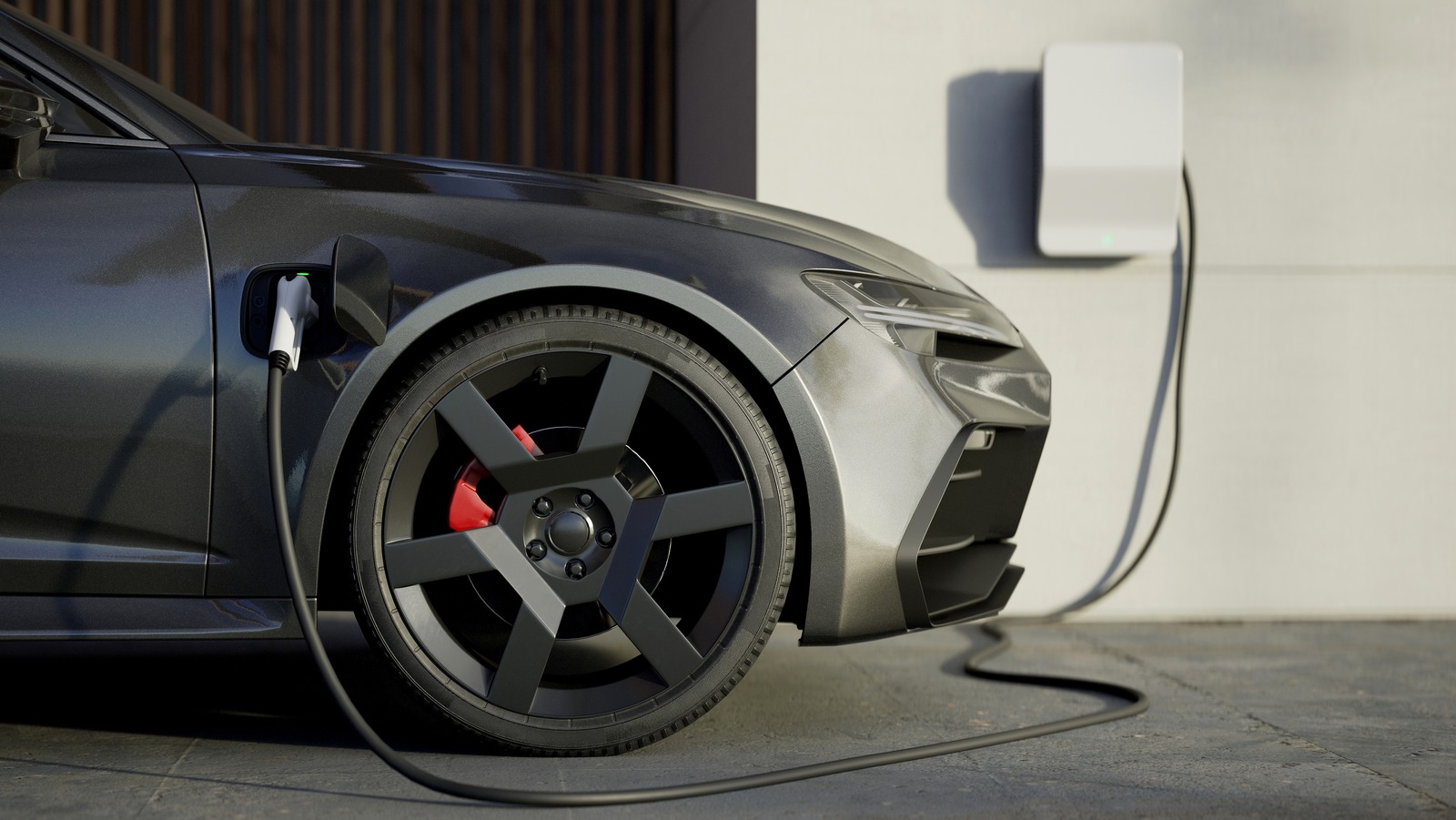


Maintaining your hybrid car doesn't have to be a daunting or expensive task. By taking a proactive approach and handling some of the maintenance tasks yourself, you can keep your car running smoothly and avoid costly repairs. Here are eight simple DIY tips to help you take care of your hybrid vehicle.
Understanding Your Hybrid Car
Before diving into maintenance tips, it's essential to understand the basic components of your hybrid car. Hybrid vehicles typically combine an internal combustion engine with an electric motor. They also have a hybrid battery, which is crucial for storing and utilizing electric energy.
Common Issues in Hybrid Cars
Hybrid cars are generally reliable, but they can face issues like any other vehicle. Common problems include battery degradation, brake wear, and software glitches. Knowing these potential issues can help you stay ahead of problems and maintain your car effectively.
Essential Tools for DIY Maintenance
Having the right tools is crucial for any DIY project, and car maintenance is no exception. Here are some must-have tools for hybrid car care:
- Socket set
- Wrenches
- Jack and jack stands
- Screwdrivers
- Tire pressure gauge
- Multimeter (for electrical checks)
Safety Gear and Precautions
Always prioritize safety when working on your car. Wear gloves and safety glasses, and make sure your car is on a flat surface with the parking brake engaged before starting any work.
Regular Oil Changes
Importance of Oil Changes
Regular oil changes are vital for keeping your engine running smoothly. Oil lubricates the engine's moving parts, reducing friction and preventing wear.
Step-by-Step Guide to Changing Oil
- Warm up your car for a few minutes to loosen the oil.
- Lift the car using a jack and secure it with jack stands.
- Place a drain pan under the oil drain plug and remove the plug.
- Let the oil drain completely, then replace the drain plug.
- Remove the oil filter and install a new one.
- Fill the engine with the recommended type and amount of oil.
- Check for leaks and dispose of the used oil properly.
Battery Maintenance
Checking Battery Health
Regularly checking your hybrid battery's health is crucial. You can use a multimeter to check the voltage and ensure it's within the recommended range.
Tips for Extending Battery Life
Avoid deep discharges and keep the battery at a moderate charge level. Park your car in the shade to prevent overheating, and drive your car regularly to keep the battery active.
Tire Care
Inspecting Tire Tread and Pressure
Maintaining proper tire pressure and tread depth is essential for safety and fuel efficiency. Use a tire pressure gauge to check the pressure regularly and a tread depth gauge to ensure the tread is within safe limits.
Rotating Tires for Even Wear
Rotating your tires every 5,000 to 7,500 miles helps ensure even wear, which extends the life of your tires and improves your car's handling.
Brake Maintenance
Understanding Regenerative Braking
Hybrid cars use regenerative braking to recharge the battery. This system reduces wear on traditional brake components, but you still need to maintain the brakes.
DIY Brake Pad Replacement
- Lift the car and remove the wheels.
- Inspect the brake pads and rotors.
- Remove the old brake pads and replace them with new ones.
- Reinstall the wheels and lower the car.
- Test the brakes to ensure they're working correctly.
Fluid Checks and Changes
Importance of Regular Fluid Checks
Fluids like coolant, brake fluid, and transmission fluid are essential for your car's performance. Regular checks ensure these fluids are at the proper levels and free of contaminants.
How to Check and Refill Fluids
- Coolant: Check the coolant level in the reservoir and add more if needed.
- Brake fluid: Ensure the fluid is between the minimum and maximum marks.
- Transmission fluid: Check the level using the dipstick and add more if necessary.
Filter Replacements
Changing the Air Filter
A clean air filter is crucial for optimal engine performance. Check your air filter every 12,000 to 15,000 miles and replace it if it's dirty.
Importance of Cabin Air Filter Replacement
The cabin air filter keeps the air inside your car clean. Replace it every 15,000 to 30,000 miles to ensure a fresh and clean cabin environment.
Inspecting the Cooling System
Checking Coolant Levels
Regularly check the coolant level to prevent overheating. Ensure the coolant is at the correct level and top it up if necessary.
Cleaning the Radiator
A clean radiator is essential for efficient cooling. Inspect the radiator for debris and clean it with a soft brush or compressed air.
Addressing Unusual Noises
Common Noises and Their Causes
Unusual noises can indicate various issues. Squealing brakes, knocking engines, or rattling exhausts are common noises that need attention.
DIY Solutions for Noisy Components
- Brakes: Check and replace worn brake pads.
- Engine: Ensure proper oil levels and check for loose components.
- Exhaust: Tighten any loose parts or replace damaged sections.
Keeping Software Updated
Importance of Software Updates
Software updates improve your car's performance and fix bugs. Regularly check for updates from your car manufacturer.
How to Perform Software Updates
- Check your car's manual for update instructions.
- Download updates from the manufacturer's website.
- Follow the instructions to install the updates using a USB drive or over-the-air updates.
Cleaning and Detailing
Benefits of Regular Cleaning
Regular cleaning keeps your car looking good and prevents damage from dirt and debris. A clean car also enhances your driving experience.
DIY Detailing Tips
- Wash your car regularly using a mild car shampoo.
- Vacuum the interior and clean the upholstery.
- Apply a protective wax to the exterior to maintain the paint's shine.
When to Seek Professional Help
Recognizing When a Job is Too Big
While DIY maintenance can save money, some tasks require professional expertise. If you're unsure or uncomfortable with a repair, it's best to seek help.
Finding a Reliable Mechanic
Look for a mechanic with hybrid car experience. Check reviews and ask for recommendations to find a trustworthy professional.
Conclusion
Taking care of your hybrid car with these simple DIY tips can save you from costly repairs and extend the life of your vehicle. Regular maintenance ensures your car runs smoothly and efficiently. Stay proactive, and don't hesitate to seek professional help when needed.
FAQs
How Often Should I Change the Oil in My Hybrid Car?
Change the oil every 5,000 to 10,000 miles, depending on your driving habits and the manufacturer's recommendations.
Can I Replace the Hybrid Battery Myself?
Replacing a hybrid battery can be complex and dangerous. It's best left to professionals unless you have extensive experience and the right tools.
What Are the Signs That My Brakes Need Attention?
Signs include squealing noises, reduced braking performance, and a spongy brake pedal. Regularly inspect your brakes and replace components as needed.
How Often Should I Rotate My Tires?
Rotate your tires every 5,000 to 7,500 miles to ensure even wear and extend their lifespan.
Is It Necessary to Update My Car’s Software Regularly?
Yes, regular updates improve performance and fix bugs. Check for updates from your car manufacturer and install them as recommended.
Are you interested in buying a car from US auctions?
With this being said – you can still export vehicles and save up a few thousand dollars with Auto4Export. We have an inventory of over 150k plus vehicles with titles you can export for you to choose from. Once you have placed your bid and won the auction a Bill of Sale document is then emailed to you as proof of purchase – after full payments have been made.
To gain access and get started on your purchase, sign up for free.
Further Reading
How do US auto auctions work?
How to buy a used car from a US auction
Buy Salvaged Cars from the USA. What's the Meaning and Benefit?
Types of Vehicle Titles: What You Can and Can’t Export

Do You Have Any Questions?
 Ask Question