


 Log in
 Sign Up




Kia vehicles are known for their blend of affordability, reliability, and modern features, making them a popular choice among car owners. However, maintaining or repairing a car can be expensive, especially if it involves costly parts or labor. One smart way to reduce these expenses is by purchasing salvage Kia cars from auctions. These vehicles provide a cost-effective source of genuine parts and repair opportunities without compromising quality.
Why Choose a Kia Vehicle?
Kia has built a strong reputation for delivering vehicles that combine innovative design, exceptional performance, and value for money. Whether you need a compact sedan, a spacious SUV, or an eco-friendly hybrid, Kia offers a wide range of options to suit diverse needs. Let’s explore why so many drivers prefer Kia and how its vehicles stand out in the automotive market.
Overview of Kia’s Popular Models
- Kia Sportage: This versatile SUV is a favorite among families and adventurers, thanks to its spacious interior, modern features, and fuel-efficient performance.
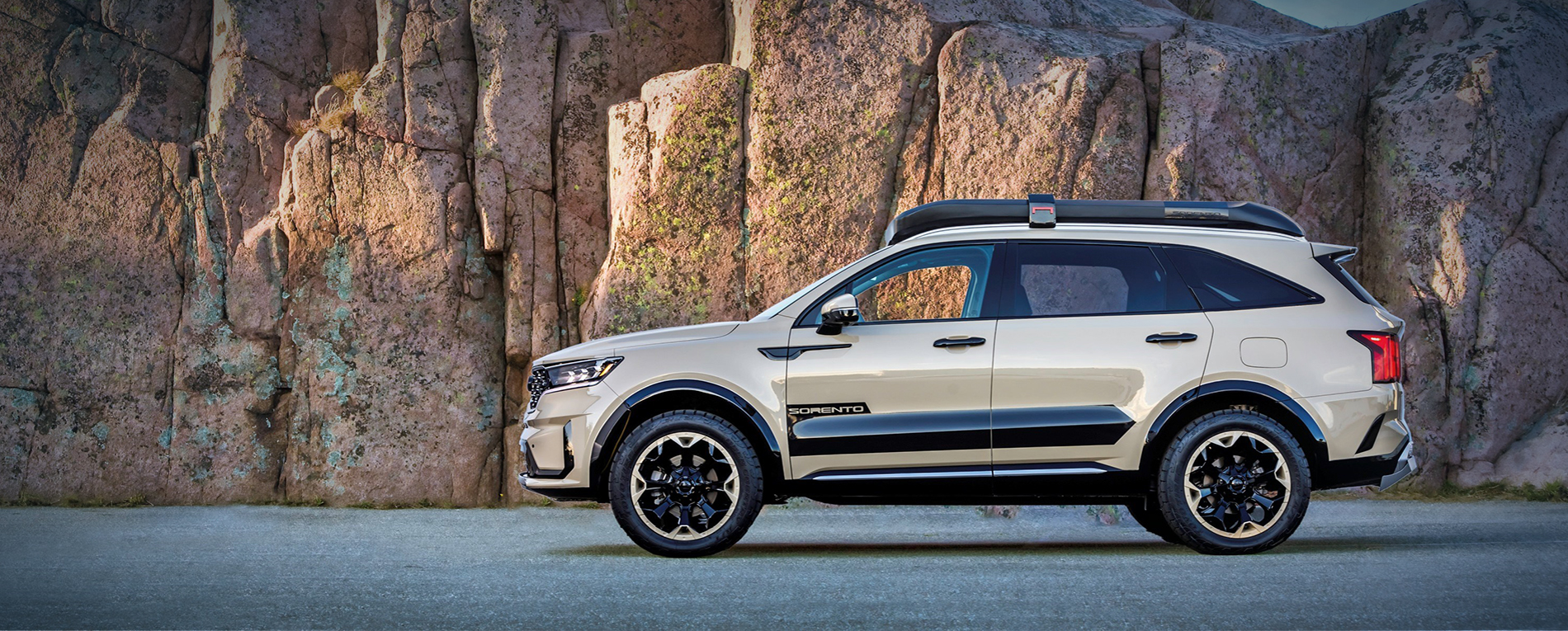
- Kia Sorento: A midsize SUV that offers three-row seating, advanced safety technology, and impressive towing capabilities, making it ideal for long trips or busy lifestyles.
- Kia Forte: A compact sedan that combines stylish design, excellent fuel economy, and an affordable price point. It’s a great option for daily commuting.
- Kia Soul: Known for its distinctive boxy design, the Soul offers plenty of cargo space and innovative technology, appealing to younger and trend-conscious drivers.
- Kia Niro: An eco-friendly hybrid that delivers outstanding fuel efficiency without sacrificing performance or comfort, making it a sustainable choice for modern drivers.
With a broad lineup of models, Kia ensures there’s something for everyone, whether you’re looking for practicality, luxury, or sustainability.
Durability and Affordability of Kia Vehicles
- Reliability for the Long Haul: Kia vehicles are engineered with longevity in mind, backed by one of the industry’s best warranties. This durability makes them a sound investment for budget-conscious buyers.
- Affordable Maintenance: Compared to other brands, Kia cars generally have lower maintenance costs, making them an economical choice for individuals and families.
- Resale Value: Many Kia models retain their value well over time, especially when maintained properly, providing financial benefits when it’s time to upgrade.
- High-Quality Engineering: With advanced manufacturing techniques and rigorous quality control, Kia vehicles are designed to handle diverse driving conditions with ease.
What Makes Kia Cars Prone to Needing Repairs?
Like any vehicle brand, Kia cars have components that can wear out over time due to regular use, environmental factors, or lack of maintenance. Understanding the common repair needs of Kia vehicles and why some repairs might be costly can help owners plan better and save money.
Common Parts that Require Repairs
- Brakes: Frequent use of brakes, especially in city driving conditions, can lead to wear and tear on brake pads and rotors. Regular inspections are necessary to avoid more extensive damage.
- Suspension Components: Over time, parts like shock absorbers and struts may wear out, particularly if the car is driven on rough roads or handles heavy loads frequently.
- Transmission Systems: While Kia vehicles are generally reliable, some models have reported issues with transmission components. Problems like delayed shifting or slipping gears often require repairs or replacements.
- Engine Components: Spark plugs, timing belts, and ignition coils are commonly replaced in Kia vehicles as part of routine maintenance or after extended use.
- Electrical Systems: Issues with components like the battery, alternator, or wiring systems can arise, especially in older vehicles or those with extensive electrical features.
- Cooling Systems: Radiators, hoses, and water pumps can develop leaks or wear over time, potentially leading to overheating if not addressed promptly.
Why Repairs Can Be Expensive
- Labor Costs: Certain repairs, such as those involving the engine or transmission, require specialized tools and expertise. The labor costs for these repairs can add up quickly.
- Genuine Parts Pricing: Kia vehicles often use OEM (Original Equipment Manufacturer) parts to maintain performance and reliability. While high-quality, these parts can be more expensive than aftermarket alternatives.
- Advanced Technology Features: Many Kia models come equipped with advanced infotainment systems, sensors, and safety features. Repairs involving these technologies can be costly due to their complexity.
- Warranty Expiration: Once the factory warranty expires, repair costs become the responsibility of the owner, which can significantly increase out-of-pocket expenses.
- Supply Chain Factors: In some cases, sourcing specific Kia parts can be challenging, especially for less common models, leading to higher prices for repairs.
Can You Save Money by Buying Salvage Kia Cars?
Buying a salvage Kia car is a smart and cost-effective option for those looking to save on repairs and parts. While salvage vehicles come with their own set of risks, they can offer significant financial benefits when purchased with care. Here's how you can save money by opting for salvage Kia cars.
Benefits of Salvage Vehicles
- Lower Purchase Price: Salvage Kia cars are often sold at a fraction of the price of new or even used cars. The initial cost savings can be substantial, allowing you to buy a newer or better-equipped model for less.
- Access to Genuine Parts: When you purchase a salvage vehicle, you’re often getting the opportunity to obtain original equipment manufacturer (OEM) parts that can be reused in your current vehicle. These parts are high-quality and usually more affordable than buying new replacements from a dealer.
- Potential for Repair Projects: For those who are handy with car repairs, buying a salvage vehicle can offer the chance to fix it up and enjoy the satisfaction of restoring a car to its former glory. Whether it’s a minor repair or a full rebuild, salvage cars offer an affordable entry point into a rewarding project.
- Reduced Depreciation: New cars lose a large portion of their value in the first few years, but salvage vehicles have already gone through this steep depreciation. This means they will lose less value over time, making them a more cost-effective investment in the long run.
- Eco-Friendly Option: By choosing a salvage vehicle, you’re contributing to a circular economy. Instead of sending a damaged car to the junkyard, you’re giving it a second life, which reduces waste and environmental impact.
How Salvage Cars Offer Affordable Alternatives
- Cost-Effective Repairs: While some salvage Kia cars might need repairs, they can be significantly cheaper to fix than buying a brand-new car or even a used one that hasn’t been damaged. If you’re able to handle repairs yourself or find affordable mechanics, the overall repair costs can be low.
- Parts for Other Vehicles: Salvage cars can provide access to parts for other Kia vehicles you may own. You can use the salvaged parts to fix multiple cars at once, potentially saving a lot of money over time.
- Opportunity for Upgrades: Salvage vehicles often come with valuable upgrades that you can’t find in a brand-new car for the same price. Whether it’s advanced technology, custom modifications, or enhanced safety features, a salvage car may offer more for less.
- Fewer Hidden Costs: When buying a salvage vehicle, you have more control over the purchase. You can often negotiate the price based on its condition and make an informed decision, avoiding hidden fees and costs associated with new or used car purchases.
What Does Salvage Status Mean for Kia Cars?
When it comes to purchasing a Kia car from an auction, understanding the salvage status is crucial. Salvage status indicates that the vehicle has been significantly damaged or deemed a total loss by an insurance company. However, it doesn’t necessarily mean the car is beyond repair. Knowing what salvage status means and dispelling some common misconceptions can help you make a more informed decision when considering a Kia salvage vehicle.
Understanding Salvage Vehicle Status
- Definition of Salvage Status: A vehicle is typically given a salvage title after it has been declared a total loss by an insurance company. This could be due to reasons such as severe accidents, flooding, fire damage, or theft recovery. In many cases, the car may still be repairable, but the cost of repairs exceeds the vehicle's current market value, leading the insurance company to classify it as a salvage vehicle.
- Salvage Title vs. Clean Title: A salvage title indicates that the car has been severely damaged, while a clean title means the vehicle has not been involved in major accidents or incidents. Salvage cars are typically sold at a much lower price compared to those with a clean title, but buyers must be prepared to assess the damage and necessary repairs carefully.
- Rebuilt and Restored Titles: In some cases, salvage cars can be repaired and rebuilt to a roadworthy condition. Once the necessary repairs are completed and inspected by a state agency, the vehicle may be issued a rebuilt or restored title. This status means the car is safe for driving and has passed a thorough inspection, though it may still have a lower resale value compared to clean-title cars.
- Inspecting Salvage Kia Vehicles: When considering a salvage Kia, it’s essential to inspect the vehicle thoroughly for any underlying damage that might not be immediately visible. Make sure the car has been properly repaired, and check for structural integrity, engine health, and any hidden issues that could affect its performance.
Misconceptions About Salvage Cars
- Salvage Cars Are Always a Bad Investment: One of the biggest misconceptions is that salvage cars are always a poor investment. While some salvage vehicles may be beyond repair, many others can be restored to excellent condition for a fraction of the price of a new or used car. It’s essential to assess each vehicle’s condition individually.
- Salvage Cars Are Unreliable: Some people believe that salvage cars are inherently unreliable. However, this is not always the case. Many Kia vehicles with salvage titles can be repaired to their original condition, restoring their reliability. If the car has been properly repaired and inspected, it can perform just as well as a new or used car.
- Salvage Cars Are Difficult to Insure: Another misconception is that salvage cars are impossible to insure. While it’s true that some insurance companies may charge higher premiums or offer limited coverage for salvage vehicles, many insurers still provide full coverage for salvage and rebuilt cars, as long as the vehicle passes safety inspections.
- All Salvage Cars Are Flooded or Totaled by Accidents: Not all salvage cars are the result of major accidents or flooding. In some cases, a car may be classified as salvage due to minor damage, theft recovery, or a simple insurance claim, which doesn’t necessarily affect the vehicle's overall quality. It’s important to understand the specific reasons behind the salvage status of any car you’re considering.
How to Purchase Salvage Kia Cars from Auctions?
Purchasing a salvage Kia car from an auction can be a great way to save money while accessing valuable parts or even repairing a car for personal use. However, the process can be different from buying a vehicle through a traditional dealership, so it's essential to understand how salvage car auctions work. With the right preparation, you can make a smart purchase and avoid any surprises along the way.
The Auction Process
- Finding the Right Auction:
The first step in purchasing a salvage Kia is to identify an auction that deals with salvage vehicles. There are several online platforms and physical auction houses where you can bid on salvage cars, including those specifically dedicated to vehicles declared a total loss by insurance companies. Popular online auction sites like Copart and IAAI allow buyers to access detailed listings of salvage cars from across the country, including Kias. - Registration and Account Setup:
Before participating in an auction, you'll need to register with the auction house or online platform. This typically involves creating an account, verifying your identity, and sometimes paying a registration fee. In some cases, you may need to provide proof of a business license if you plan to resell the vehicle or if you're a dealer. - Researching the Cars:
Once you're registered, take the time to browse the available listings. Look for Kia vehicles that match your needs and budget. Auction listings usually include details like the vehicle’s make, model, mileage, damage history, and photos. Some auctions also provide inspection reports and condition grades. For example, a Kia Optima with a salvage title might be listed as "front-end collision" or "water damage," giving you an idea of what to expect in terms of repairs. - Inspection and Pre-Bid Checks:
Before placing a bid, it’s essential to thoroughly inspect the vehicle in person if possible. If you're bidding online, you can sometimes request additional photos or even a video inspection from the auction house. Look for signs of significant damage, such as frame or engine issues, which might require costly repairs. Checking for rust, mechanical problems, and electrical issues will help you avoid costly surprises. - Bidding on the Car:
When you’ve found a Kia vehicle that you’re interested in, it’s time to place a bid. During the auction, you’ll compete with other buyers who are also interested in the same car. Most auctions operate on a timed bidding system, meaning you’ll have a limited amount of time to place your highest bid. Be sure to set a maximum bid ahead of time to avoid getting caught up in a bidding war. - Winning the Auction:
If you’re the highest bidder when the auction ends, congratulations! You’ll win the vehicle, but there are a few steps remaining before the car is yours. After winning, you’ll typically need to pay for the car within a certain time frame. Payment methods can vary but often include bank transfers or certified checks. Be prepared to pay the auction fees, taxes, and any additional costs related to transportation. - Arranging for Vehicle Pickup or Shipping:
Once you’ve made your payment, you’ll need to arrange for the car’s pickup or shipping. Some auctions offer delivery services for an additional fee, while others require you to pick up the vehicle yourself. Ensure that you understand the logistics and costs involved in transporting your newly acquired Kia vehicle to your location.
What to Look for When Bidding on Salvage Kia Cars?
Bidding on a salvage Kia car can be an exciting yet complex process, especially if you are new to the world of salvage vehicle auctions. While the potential savings are substantial, it’s essential to carefully evaluate the cars you’re interested in to ensure that your investment pays off in the long run. By focusing on key factors and performing thorough inspections, you can avoid costly mistakes and find a car that meets your needs at a fraction of the cost of a new one.
Key Factors to Consider
- Damage History and Type:
One of the most important factors to consider when bidding on a salvage Kia car is the type and extent of damage it has sustained. Salvage vehicles typically fall into categories such as collision, flood, fire, or theft recovery. Each type of damage comes with its own set of repair challenges. For instance, flood-damaged cars may have extensive electrical and rust issues, while collision vehicles might have frame damage that could be expensive or difficult to fix. Look closely at the damage reports, and if possible, try to determine whether the car can be safely repaired or if the damage is beyond your ability or budget to fix. - Vehicle’s Age and Mileage:
The age and mileage of the salvage Kia car are important factors in determining its overall value. Older vehicles may require more maintenance, and high-mileage cars could have more wear and tear on crucial components like the engine or transmission. Ideally, you want to bid on a vehicle that still has many years of life left in it after repairs. Compare the mileage and age of the vehicle with similar cars on the market to determine whether it’s a worthwhile investment. - Repair Costs vs. Potential Savings:
Before bidding, it’s essential to estimate the cost of repairs and parts for the Kia vehicle you’re considering. Factor in labor costs if you plan to hire a mechanic, or determine if you can complete the repairs yourself. Compare the total repair costs with the vehicle’s market value after repairs to see if the project will be financially viable. Keep in mind that while salvage cars are cheaper upfront, repairs can sometimes cost more than anticipated, especially if you run into unexpected issues. - Vehicle Title and Legal Status:
Make sure to verify the title status of the salvage Kia car. Some salvage vehicles come with a “rebuilt” or “repaired” title, meaning they’ve been inspected and are roadworthy. Others might still carry a “salvage” title, indicating they have not been repaired or passed inspection. Be aware of your state’s regulations, as some states require vehicles with salvage titles to pass additional inspections before they can be registered. Always ensure that the title is clear and that there are no legal or registration issues associated with the car. - Market Demand for the Model:
Not all Kia models are created equal in terms of resale value and demand. Before bidding, research the specific model you’re considering to see if it holds value after repairs. Some models may be more desirable than others, which could help you sell the car later on if you decide not to keep it. Understanding the market demand for your specific model can help you avoid purchasing a car that won’t be easy to sell or has a limited resale value.
Tips for Inspecting Salvage Vehicles
- Examine the Exterior and Frame:
When inspecting a salvage Kia, check the exterior for any visible damage, including dents, scratches, and signs of rust. The frame is particularly important, as damage to the frame can affect the vehicle’s structural integrity. If the frame is bent or compromised, repairs can be expensive and difficult. Make sure to thoroughly inspect the front and rear sections for signs of severe collision damage. - Inspect the Engine and Transmission:
The engine and transmission are two of the most costly components to repair, so they should be closely examined. Check for any fluid leaks, unusual noises, or signs of wear. You can also request a compression test or look for maintenance records that show the condition of these crucial parts. If the car is a flood-damaged vehicle, be especially cautious, as water can cause long-term damage to the engine and transmission. - Look for Signs of Electrical Damage:
Many salvage Kia cars, especially those damaged by flooding, can have electrical issues. Check the car’s electrical components, including lights, dashboard electronics, and wiring. If the vehicle has water damage, you may notice corrosion on wires or connectors, which could lead to costly repairs down the line. Always be thorough when checking the electrical system to avoid unexpected repair bills. - Assess the Interior Condition:
While the exterior and mechanical condition are important, don’t overlook the interior of the car. Check for mold or mildew, especially in flood-damaged vehicles. Also, look at the condition of the seats, dashboard, and other interior features. Repairing or replacing the interior can be expensive, so ensure that the car’s interior condition aligns with the price you're willing to pay. - Consult a Professional Mechanic:
If you’re unsure about the condition of the salvage Kia, consider hiring a professional mechanic to conduct a pre-bid inspection. A mechanic can provide a more thorough evaluation of the car’s condition, helping you spot any hidden issues that might not be immediately visible. This can save you from making a costly mistake during the bidding process.
How to Repair or Resell Salvage Kia Cars for Profit?
Purchasing a salvage Kia car from an auction offers the potential for significant savings, but the real opportunity lies in the ability to repair or resell the vehicle for a profit. Whether you're a mechanic looking for a project or a savvy investor hoping to turn a quick profit, understanding how to repair or resell a salvage Kia can help you maximize your return on investment. With the right approach and strategy, salvage vehicles can become a lucrative business venture.
Repairing Salvage Kia Cars
Repairing a salvage Kia car is an ideal way to bring a vehicle back to life and potentially increase its value. However, successful repairs require both skill and careful planning to avoid overspending. Here are the key steps to follow when repairing a salvage Kia for resale or personal use:
- Assess the Damage and Plan Repairs:
Before diving into repairs, it's crucial to thoroughly assess the damage. Make sure you have a clear understanding of what needs to be fixed—whether it’s mechanical, cosmetic, or both. This assessment will help you determine the time, cost, and expertise required for repairs. For instance, a Kia Forte with a front-end collision may need a new bumper, grille, and radiator, while more severe damage could involve the suspension or frame. By understanding the full scope of the repairs, you can plan out the work and set a realistic budget. - Source Affordable Parts:
One of the most significant costs when repairing a salvage vehicle is sourcing replacement parts. Thankfully, buying parts from auctions or salvage yards can help you save money. You can often find used or refurbished parts that are compatible with your Kia model, which will cost far less than purchasing new ones from the manufacturer. Be sure to check the condition of used parts before installation to ensure they are in good working order. - Address Structural Issues First:
If the salvage Kia has frame or structural damage, make sure to address this before tackling cosmetic repairs. Frame repairs can be complicated and require special tools and expertise, so it's important to do this right the first time. Structural issues can affect the vehicle's safety, so don’t cut corners in this area. Once the structural integrity is restored, you can move on to other repairs, such as bodywork, paint, and interior restoration. - Check the Vehicle’s Electrical System:
Electrical problems are common in salvage cars, especially in those affected by flooding. When repairing a salvage Kia, pay special attention to the electrical system. Test all electrical components, including lights, air conditioning, windows, and the vehicle’s computer system. If necessary, clean corrosion, replace damaged wires, and ensure that all systems are functioning properly. - Test the Vehicle Thoroughly:
Once all repairs are completed, it's essential to conduct a full test of the vehicle. Test drive the car to ensure that the engine, transmission, brakes, and suspension are all in good working order. A thorough test will help identify any issues that may have been overlooked, which could cost you later if left unaddressed. Additionally, consider getting a mechanic to perform a final inspection before listing the car for resale.
By repairing a salvage Kia yourself or through a professional mechanic, you can transform a car that was once deemed "totaled" into a fully functional vehicle that can be sold for a profit or used as a reliable car.
Reselling Salvage Kia Cars
Reselling salvage Kia cars can be a profitable venture if done correctly. Whether you’re flipping cars as a hobby or running a business, there are several strategies to maximize your profits from reselling these vehicles:
- Determine the Vehicle's Market Value:
Before reselling a repaired salvage Kia, research its market value. Check online listings for similar models that are in good condition to see how much they are selling for. Keep in mind that while salvage cars will typically sell for less than clean-titled vehicles, a well-repaired car can still fetch a competitive price. Factor in your repair costs, auction fees, and any additional expenses when setting your selling price. - Target the Right Buyers:
When reselling a repaired salvage Kia, it’s important to target the right market. Many buyers are willing to purchase salvage vehicles as a way to save money on a reliable car. However, the buyer will want to be sure that the repairs were done properly and that the vehicle is safe to drive. Consider marketing the vehicle to budget-conscious individuals, people looking for project cars, or those who need parts from a specific model. - Provide Detailed Documentation of Repairs:
Buyers will want to know that the salvage Kia has been properly repaired and is in good condition. To increase the car's resale value, provide detailed documentation of all repairs and parts used. This could include receipts for parts, invoices from repair shops, and photos of the car before and after the repairs were made. Transparency about the work done will help build trust with potential buyers and make them more likely to purchase the vehicle. - Rebuild the Title (If Applicable):
In some cases, you may be able to rebuild the title of a salvage Kia, which will make the car more marketable. Rebuilt titles indicate that the vehicle has been inspected and deemed roadworthy after repairs. In many states, a car with a rebuilt title can be registered and insured just like any other car, but it typically has a lower resale value than a clean title vehicle. Check with your local DMV to see if it’s possible to obtain a rebuilt title and ensure that all necessary inspections are completed. - List the Car Online or Through Local Dealers:
Once you’ve determined the car’s value and ensured all necessary repairs are completed, you can list the salvage Kia for resale. Popular online platforms like Craigslist, eBay, and Autotrader are excellent places to market the vehicle. If you prefer to work with a dealer, some may be interested in purchasing salvage cars directly from you, though they may offer lower prices than individual buyers.
Are There Any Risks Involved in Buying Salvage Kia Cars?
While buying salvage Kia cars can offer significant savings, it's important to recognize that there are certain risks involved in the process. Understanding these risks can help you make more informed decisions and avoid potential financial setbacks. While salvage vehicles can be an excellent way to save money on repairs and parts, there are hidden challenges that you need to be prepared for. Being aware of the potential pitfalls will help you mitigate risks and ensure your investment is worthwhile.
Hidden Damage and Repair Costs
One of the most significant risks of buying salvage Kia cars is the potential for hidden damage that may not be immediately obvious. While the vehicle might look fine on the surface, it could have underlying issues that could be expensive or complicated to repair. For example, frame damage or structural issues can sometimes be hidden from view, especially if the car has been repaired poorly or hastily. In such cases, the cost of repairs can quickly exceed the savings you initially anticipated.
- Frame and Structural Damage:
Frame damage is particularly concerning when buying salvage vehicles. If the frame is bent or weakened, the car’s safety and handling can be compromised. Replacing or repairing the frame can be a costly and time-consuming process, requiring specialized equipment and expertise. If the damage is too extensive, the vehicle might be deemed unsafe, and repairing it may not be feasible. - Engine or Transmission Problems:
While exterior bodywork may be repaired relatively easily, hidden issues like engine or transmission problems can be more difficult to detect. Problems with the engine or transmission can be costly to fix, especially if the damage is related to internal components like pistons, bearings, or gears. In some cases, these repairs may even require replacing the entire engine or transmission, which can quickly add up in terms of cost. - Electrical Issues:
Electrical damage is another common problem, particularly in flood-damaged vehicles. Water can cause significant damage to the electrical components of a vehicle, leading to issues with the car's wiring, battery, alternator, and other systems. Identifying electrical issues can be challenging, and repairing or replacing the electrical system may be expensive, especially if the damage is widespread.
Even if the salvage Kia appears to be in good condition at first glance, there’s always the risk of hidden damage. Always have the vehicle thoroughly inspected by a professional mechanic before making your purchase to avoid costly surprises down the road.
Insurance and Resale Challenges
In addition to repair costs, there are also challenges associated with insuring and reselling salvage Kia cars. The vehicle's salvage title can affect both its insurability and its resale value, potentially limiting your options and reducing your return on investment.
- Insurance Issues:
Insuring a salvage Kia car can be more complicated than insuring a clean-title vehicle. Many insurance companies are hesitant to provide full coverage on salvage cars, and you may be limited to liability or comprehensive coverage, depending on your insurer. Additionally, some insurance companies may offer lower premiums for salvage vehicles or require additional inspections before providing coverage. It’s essential to confirm that you can secure adequate insurance for the car before purchasing it. - Rebuilding the Title:
If you plan to resell the salvage Kia, the vehicle's salvage title can be a barrier. Some buyers may be hesitant to purchase a car with a salvage title due to concerns about its condition or history. To make the car more appealing to potential buyers, you may need to rebuild the title, which involves repairing the car to a roadworthy state and passing an inspection. Rebuilding the title process can be time-consuming and costly, and not all states offer this option. - Depreciation and Resale Value:
Even if you successfully repair the salvage Kia, it will still have a reduced resale value compared to a vehicle with a clean title. Potential buyers may be wary of purchasing a car with a salvage history, leading to a slower sale and lower offers. Additionally, salvage vehicles often depreciate at a faster rate than clean-title cars, meaning that you may lose money if you decide to sell the car later on. Understanding the potential depreciation and resale challenges beforehand can help you make a more informed decision about whether buying a salvage Kia is the right choice for you.
Are you interested in buying a car from US auctions?
With this being said – you can still export vehicles and save up a few thousand dollars with Auto4Export. We have an inventory of over 150k plus vehicles with titles you can export for you to choose from. Once you have placed your bid and won the auction a Bill of Sale document is then emailed to you as proof of purchase – after full payments have been made.
To gain access and get started on your purchase, sign up for free.
Further Reading
Ultimate Guide to Buying Cars at US Auto Auctions
How to buy a used car from a US auction
Buy Salvaged Cars from the USA. What's the Meaning and Benefit?
Types of Vehicle Titles: What You Can and Can’t Export

Do You Have Any Questions?
 Ask Question