


 Log in
 Sign Up


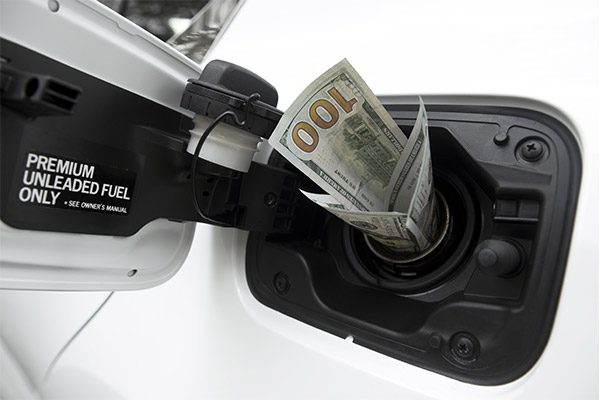


With rising fuel prices, finding ways to save gas has become more important than ever. While driving habits play a big role in fuel efficiency, proper vehicle maintenance is just as crucial. Fortunately, there are several DIY maintenance tips you can follow to help reduce gas consumption and get the most out of every gallon. Let’s explore these practical tips to help you save money and lower your car’s environmental impact.
1. Keep Your Tires Properly Inflated
Why It Matters
Underinflated tires can increase rolling resistance, which forces your engine to work harder and use more fuel. In fact, driving on underinflated tires can reduce your fuel efficiency by up to 3%. Keeping your tires properly inflated is one of the simplest and most effective ways to improve gas mileage.
How to Do It
Check your tire pressure at least once a month using a reliable tire gauge. Inflate your tires to the recommended pressure listed in your vehicle’s owner’s manual or on the driver’s side doorjamb. Don’t forget to check the pressure when the tires are cold, as heat can cause temporary inflation.
2. Replace Your Air Filter Regularly
Why It Matters
A dirty or clogged air filter restricts airflow to the engine, which can lead to poor combustion and reduced fuel efficiency. Replacing your air filter regularly ensures your engine gets the clean air it needs to operate efficiently, helping to reduce gas consumption.
How to Do It
Consult your vehicle’s owner’s manual to find the recommended replacement interval for your air filter. For most cars, replacing the air filter every 12,000 to 15,000 miles is ideal. You can easily replace the air filter yourself by following the instructions in the manual. It’s a quick and affordable task that can make a noticeable difference in your fuel economy.
3. Maintain Proper Engine Oil Levels
Why It Matters
Using the correct grade of motor oil and maintaining proper oil levels are essential for engine efficiency. Low or dirty oil can cause friction and heat build-up, which reduces fuel efficiency. Using the wrong oil grade can also make your engine work harder, increasing gas consumption.
How to Do It
Regularly check your engine oil level using the dipstick, and top it off if necessary. Follow your vehicle manufacturer’s recommendations for oil type and change intervals. Using high-quality, fuel-efficient motor oil labeled “Energy Conserving” can help improve your gas mileage.
4. Keep Your Engine Tuned
Why It Matters
A well-tuned engine runs more efficiently and uses less fuel. Ignoring minor engine issues, like misfires or faulty oxygen sensors, can lead to poor fuel economy. Keeping your engine in top shape ensures that it runs smoothly and burns fuel more effectively.
How to Do It
Follow the maintenance schedule in your vehicle’s owner’s manual, which includes regular tune-ups, spark plug replacements, and other essential services. If your check engine light comes on, address the issue promptly to prevent further damage and fuel waste.
5. Lighten the Load
Why It Matters
The heavier your vehicle, the more fuel it needs to move. Carrying unnecessary weight, especially in the trunk, can significantly decrease your gas mileage. Reducing excess weight is an easy way to improve your fuel efficiency without spending a dime.
How to Do It
Remove any heavy items that you don’t need to carry regularly, such as sports equipment, tools, or other gear. Keep only the essentials in your car to minimize weight and maximize fuel economy.
6. Ensure Proper Wheel Alignment
Why It Matters
Misaligned wheels can cause uneven tire wear, increased rolling resistance, and reduced fuel efficiency. Proper wheel alignment ensures that your tires work together harmoniously, reducing the amount of energy needed to move the vehicle.
How to Do It
If your car pulls to one side or if you notice uneven tire wear, it’s time to check your wheel alignment. While aligning your wheels may require a trip to the mechanic, it’s a worthwhile investment that can save you money on fuel in the long run.
7. Use the Right Fuel
Why It Matters
Using a higher octane fuel than what your engine requires doesn’t improve performance or fuel economy; it just wastes money. On the other hand, using a lower octane fuel than recommended can cause engine knocking, reducing efficiency.
How to Do It
Check your owner’s manual to determine the correct octane rating for your vehicle. Stick to that rating to optimize your engine’s performance and fuel efficiency. Avoid premium fuel unless your car specifically requires it.
8. Change Spark Plugs When Needed
Why It Matters
Worn or faulty spark plugs can cause misfires, rough idling, and decreased fuel efficiency. Replacing spark plugs at the recommended intervals ensures proper combustion and helps maintain optimal fuel consumption.
How to Do It
Spark plug replacement is typically recommended every 30,000 to 100,000 miles, depending on your vehicle’s make and model. If you notice poor performance, rough idling, or a decrease in fuel efficiency, it might be time to replace the spark plugs sooner.
Conclusion
Saving gas doesn’t have to be complicated. By following these simple DIY maintenance tips, you can improve your vehicle’s fuel efficiency, reduce your environmental impact, and save money at the pump. Regular maintenance not only helps you get better gas mileage but also extends the life of your car. So, take the time to care for your vehicle, and enjoy the benefits of a more efficient ride.
Are you interested in buying a car from US auctions?
With this being said – you can still export vehicles and save up a few thousand dollars with Auto4Export. We have an inventory of over 150k plus vehicles with titles you can export for you to choose from. Once you have placed your bid and won the auction a Bill of Sale document is then emailed to you as proof of purchase – after full payments have been made.
To gain access and get started on your purchase, sign up for free.
Further Reading
How do US auto auctions work?
How to buy a used car from a US auction
Buy Salvaged Cars from the USA. What's the Meaning and Benefit?
Types of Vehicle Titles: What You Can and Can’t Export

Do You Have Any Questions?
 Ask Question