


 Log in
 Sign Up


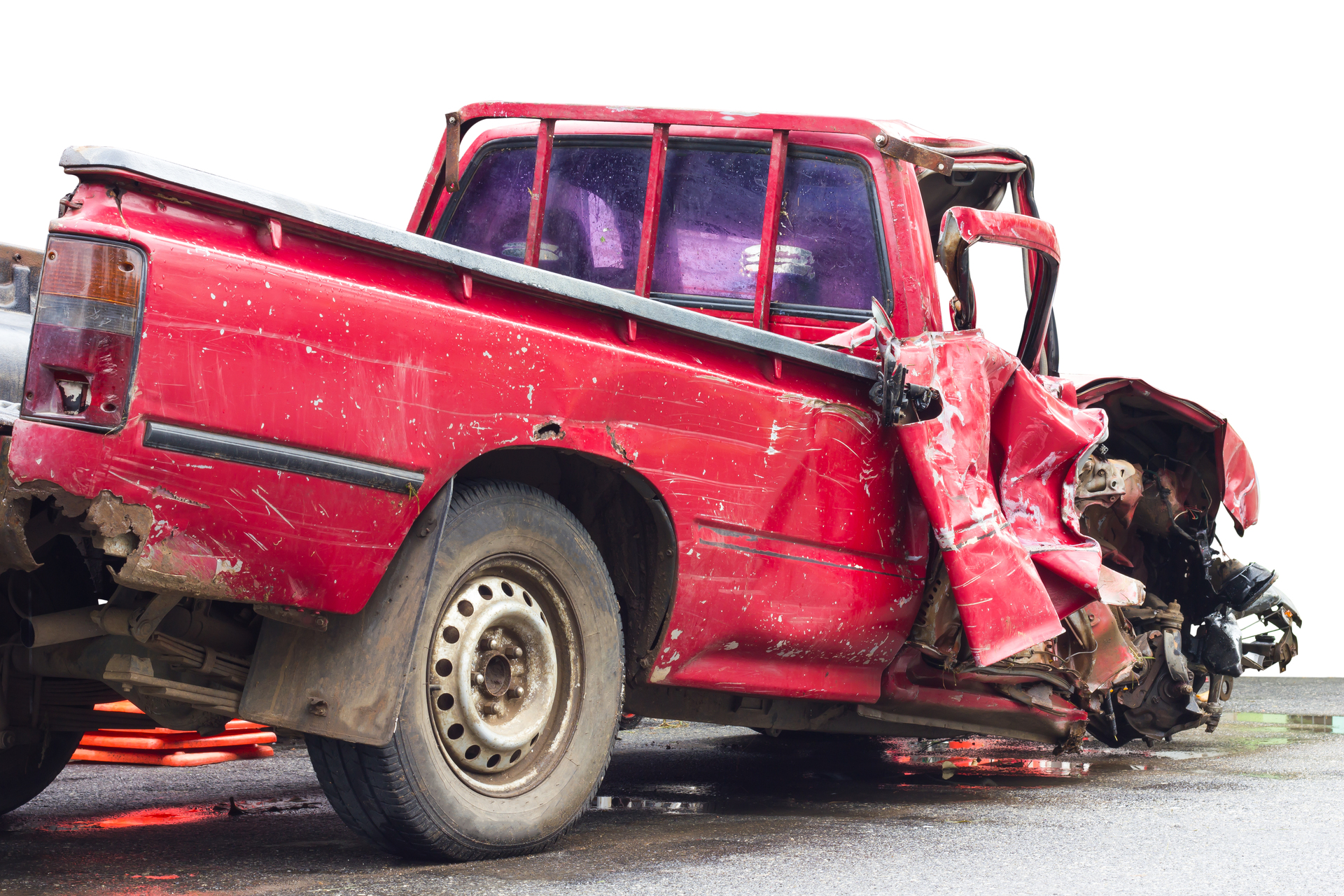


Buying a totaled truck can be a great way to save money, but it comes with its own set of challenges. In this guide, we’ll walk you through the important steps to evaluate a salvage truck before making a purchase. From assessing the damage and checking spare parts availability to ensuring it’s roadworthy, we’ll help you make an informed decision. If you're on a budget and looking for a smart purchase, this guide is your go-to resource for buying totaled trucks with confidence.
What Are Totaled Trucks, and Why Consider Buying Them?
Totaled trucks, often referred to as salvage trucks, are vehicles that have been declared a total loss by insurance companies. This typically happens when the cost of repairing the truck exceeds its market value after an accident, natural disaster, or another significant event. Once declared totaled, these trucks receive a salvage title, marking them as heavily damaged. However, this doesn’t necessarily mean they’re beyond saving.
For budget-conscious buyers, totaled trucks can be a goldmine. Since these vehicles are priced significantly lower than their undamaged counterparts, they offer an affordable entry point into truck ownership. The key is to find a truck with manageable damage that can be repaired at a reasonable cost.
Take, for example, a mid-size pickup that suffered cosmetic damage in a minor accident. The insurance company might label it as totaled due to high repair estimates at professional body shops. However, if you’re handy or know a trusted mechanic, you could repair it for a fraction of the cost. This transforms what seems like a junked vehicle into a reliable, roadworthy truck.
Another example might be a truck that sustained water damage during a flood. While the electronics might need replacement, the engine and structure could remain intact. With some investment in repairs, such trucks can often return to the road for far less than the price of a new or even a used vehicle in pristine condition.
How Can You Determine If a Totaled Truck Is Repairable?
Deciding whether a totaled truck is worth restoring starts with assessing the extent of the damage. A thorough evaluation helps you understand whether the truck can be safely and economically brought back to life. Here are some practical steps and tips to help you determine if a totaled truck is repairable:
1. Inspect the Extent of the Damage
Start by examining the condition of the truck. If you’re buying online through a platform like Auto4Export, study the photos and descriptions carefully. Look for trucks with damages that are mostly cosmetic, such as dents, scratches, or minor body damage. These are typically easier and less expensive to repair compared to structural damage or severe mechanical failures.
For example, a truck with a damaged bumper or broken headlights might only need a few hundred dollars in repairs, whereas a truck with a bent frame or engine issues could cost thousands to fix.
2. Evaluate the Feasibility of Repairs
Ask yourself: Are the repairs straightforward and manageable? Research the cost and availability of the parts needed to fix the truck. If parts are rare or expensive, the repair process may become a financial burden. Trucks with common makes and models usually have readily available parts, which makes them more attractive as salvage purchases.
Let’s say you’re considering a popular model like a Ford F-150. Its wide availability means you can likely find affordable parts from local shops or online marketplaces. On the other hand, a rare truck might pose challenges in sourcing replacement components.
3. Seek Professional Guidance
If you’re unsure about a truck’s condition, consult a trusted mechanic or auto repair specialist. They can provide an expert opinion on the type and cost of repairs required. A professional inspection can also identify hidden problems that may not be visible in photos or basic descriptions.
Mechanics can also assess the structural integrity of the vehicle, ensuring that key systems like the frame, engine, and transmission are salvageable. Investing in this advice upfront can save you from costly surprises later.
4. Weigh Costs Against Value
Once you know the repair costs, compare them to the truck’s potential value after restoration. A good rule of thumb is to avoid vehicles where repair costs exceed 50% to 70% of the post-repair value. This ensures you don’t overspend on a project that might not offer enough return on investment.
For instance, if a truck’s market value is $20,000 in good condition but repairs will cost $15,000, it might not be a wise purchase. However, if repairs are estimated at $5,000, the investment becomes much more appealing.
5. Prioritize Safety
Beyond financial feasibility, prioritize safety. Ensure the truck can meet roadworthy standards after repairs. Review local Department of Motor Vehicles (DMV) regulations to understand the requirements for registering and insuring a salvage truck. Always prioritize vehicles with repairable damage that won’t compromise safety systems like airbags, brakes, or steering.
What Should You Check When Evaluating Spare Parts Availability?
One of the most critical factors in deciding whether to purchase a totaled truck is the availability of spare parts. Without access to the right components, even the most promising salvage truck can quickly turn into an expensive and time-consuming project. Here’s what to consider when evaluating spare parts availability:
1. Research the Truck Model
Begin by identifying the make and model of the truck you’re interested in. Popular truck models like the Ford F-150, Chevrolet Silverado, and Ram 1500 often have an abundant supply of spare parts due to their widespread use and high production numbers. This availability makes repairs easier and more cost-effective.
For example, if you’re considering a Ford F-150, parts like doors, bumpers, or suspension components can often be sourced from local salvage yards or online retailers at reasonable prices. In contrast, a rare or discontinued model might require expensive custom orders or extensive searches.
2. Check the Market for Spare Parts
Look into both new and used parts markets. Salvage yards, online platforms, and truck enthusiasts’ forums can be great resources for finding affordable spare parts. Ensure the parts are compatible with the truck’s year, make, and model to avoid costly mismatches.
Platforms like eBay Motors or specialized auto parts websites often list components at competitive prices. You can also contact local mechanics or repair shops to ask about their sources for used or aftermarket parts.
3. Assess Cost and Availability
Even if parts are available, it’s essential to ensure they are reasonably priced. Compare prices from multiple sellers to avoid overpaying. Some parts, like bumpers or headlights, may cost just a few hundred dollars, while others, such as an engine or transmission, can run into the thousands. Factor these costs into your overall budget for the truck’s restoration.
For instance, replacing a truck’s damaged door might cost around $300, while sourcing a replacement engine could set you back $4,000 or more. Knowing these figures upfront helps you make a better purchasing decision.
4. Consider Aftermarket and Used Options
Don’t limit yourself to original equipment manufacturer (OEM) parts, as aftermarket parts are often just as reliable and significantly cheaper. Used parts, especially from the same model year, can also be a cost-effective solution. However, inspect used parts carefully for wear and damage before purchase.
For example, an aftermarket grille for a Chevrolet Silverado may cost half as much as the OEM version and still provide the same functionality and appearance.
5. Evaluate Parts Availability for Salvage Models
Salvage trucks sometimes require unique components that can be harder to find. For instance, if the damage involves structural parts like the frame or rare trim pieces, sourcing these may be challenging. Verify that the necessary components are not only available but also can be delivered within a reasonable timeframe.
In addition, look for interchangeable parts from similar models. Many truck manufacturers share components across different vehicles, which can widen your options and simplify the repair process.
6. Factor in Shipping Costs and Time
If parts aren’t available locally, you may need to order them from out of town or overseas. Be sure to account for shipping costs and delivery times in your repair timeline and budget. Some parts may take weeks to arrive, delaying your project.
7. Ask an Expert
If you’re unsure about parts availability, consult a mechanic or auto parts specialist. Their experience with different truck models can provide valuable insights into which vehicles are easier and cheaper to repair. They may also have connections to reliable suppliers.
Why Is Physical Inspection Crucial Before Buying a Totaled Truck?
Purchasing a totaled truck from an online auction can be a fantastic way to save money, but it’s not without risks. Relying solely on online descriptions or images might lead to unpleasant surprises. That’s why conducting a physical inspection is an essential step before finalizing your purchase. Here’s why it matters and how you can ensure a thorough evaluation with the help of Auto4Export.
1. Online Descriptions Can Be Misleading
Sellers often provide detailed descriptions and photographs, but these might not always reflect the truck's actual condition. Some damages, such as frame issues or hidden rust, are hard to capture in pictures. A minor-looking dent in an image could turn out to be structural damage upon closer examination.
For instance, an online listing might describe a truck as "repairable with minimal damage," but a physical inspection might reveal extensive engine issues or a compromised chassis that significantly increases repair costs.
2. Avoid Unexpected Expenses
Without a physical inspection, you risk underestimating the cost of repairs. Some damages may require specialized repairs or parts, which can quickly add up. By inspecting the vehicle, you can identify potential red flags and make a more informed decision.
For example, discovering that the truck has electrical system damage during an inspection can save you from committing to a costly and challenging repair.
3. Verify Vehicle History
While most online auctions provide some information about a vehicle's history, such as whether it was involved in an accident or flood, these reports may not always be comprehensive. During a physical inspection, you can look for telltale signs of issues like water damage or improper past repairs.
Watermarks on upholstery, musty odors, or corrosion in hidden areas can indicate flood damage, even if it’s not disclosed in the listing.
4. Confirm Repairability
The main goal of inspecting a totaled truck is to confirm that it’s repairable within your budget. This includes assessing the condition of key components such as the engine, transmission, and suspension.
During an inspection, you can also check if the truck’s frame is intact and if the damage aligns with what was described. Trucks with a bent or cracked frame may not be worth the investment, as frame repairs can be prohibitively expensive.
5. Tips for Arranging Inspections through Auto4Export
Auto4Export offers a convenient way to arrange inspections for vehicles listed on their platform. Here’s how you can make the most of it:
- Request a Pre-Inspection Report: Many salvage auction platforms provide pre-inspection reports that give an overview of the truck’s condition. Use these as a starting point but never rely on them entirely.
- Hire a Local Inspector: If you can’t visit the auction yard yourself, Auto4Export can connect you with trusted professionals who can inspect the truck on your behalf. These experts can provide a detailed assessment, including photographs and notes about potential issues.
- Schedule an On-Site Visit: If possible, visit the auction yard to inspect the truck in person. Bring a checklist of key areas to review, such as the engine bay, undercarriage, and interior condition.
- Use a Mechanic's Expertise: If you’re unfamiliar with vehicle mechanics, consider hiring a professional mechanic to accompany you. Their trained eye can spot problems that might go unnoticed to an untrained buyer.
6. Test the Vehicle if Possible
Some salvage auctions allow potential buyers to test-start vehicles or perform basic functionality checks. If this option is available, use it to assess the truck's drivability and listen for unusual noises from the engine or transmission.
What Does a Salvage Title Tell You About a Truck?
When buying a totaled truck at an online auction, one of the most important details to understand is the salvage title. This designation provides essential information about the truck’s history and condition, giving you insight into why the vehicle is priced lower than similar models on the market. Here’s what a salvage title means and why understanding its implications is crucial for making a smart purchase.
1. What Is a Salvage Title?
A salvage title is issued when a vehicle is declared a total loss by an insurance company. This typically happens when the cost of repairing the damage exceeds a significant percentage of the vehicle’s pre-accident value, usually 75-80%. It’s a formal recognition that the vehicle has sustained extensive damage, been stolen and recovered, or faced other major incidents.
For example, if a truck valued at $20,000 suffers $16,000 in damages after an accident, the insurance company might deem it uneconomical to repair and issue it a salvage title instead.
2. Why Do Salvage Titles Matter?
A salvage title alerts potential buyers that the truck is not in its original condition and likely requires repairs to be roadworthy. While this doesn’t necessarily mean the vehicle is beyond recovery, it does indicate that extra caution is needed during the buying process.
Key points to consider about a salvage title:
- It affects the truck’s resale value, as vehicles with salvage titles are generally worth less than those with clean titles.
- Obtaining financing for salvage vehicles can be challenging since banks often hesitate to provide loans for them.
- Insurance companies may refuse to provide full coverage or charge higher premiums.
3. What Does the Salvage Title Reveal?
Understanding the reason behind the salvage title is critical for assessing whether a truck is worth purchasing. Here are the most common reasons a truck might receive a salvage title:
- Accidents: Major collisions can cause structural damage, such as a bent frame or compromised safety systems. Trucks involved in severe accidents are the most common candidates for salvage titles.
- Flood Damage: Flooded vehicles may have issues like corroded electrical systems, engine damage, or mold in the interior. These problems can be expensive to fix and may not always be visible at first glance.
- Theft Recovery: If a stolen vehicle is recovered after the insurance company has already paid a claim, it may be issued a salvage title. These trucks may have minimal damage but still require careful evaluation.
- Vandalism: Vehicles damaged due to vandalism, such as broken windows or defaced paintwork, can also receive salvage titles.
- Hail or Natural Disasters: Trucks damaged in severe weather events, like hailstorms or hurricanes, may be considered total losses by insurance companies.
For example, a truck that received a salvage title due to hail damage might still be in excellent mechanical condition, but a vehicle with flood damage could have hidden issues that are harder to repair.
4. How to Investigate the Salvage Title?
Before placing a bid on a totaled truck, take these steps to investigate its salvage title:
- Review the Vehicle History Report: Platforms like Auto4Export often provide vehicle history reports that detail the reasons for the salvage title. These reports can reveal whether the damage is primarily cosmetic or more severe.
- Inspect the Truck’s Condition: A physical inspection can confirm the extent of the damage and whether it aligns with the salvage title’s reason.
- Consult a Mechanic: Have a trusted mechanic evaluate the truck for potential hidden problems, especially if the salvage title is due to water or collision damage.
- Understand State Regulations: Some states have specific requirements for registering and insuring salvage vehicles. Check the regulations in your state to ensure the truck can be legally used on the road.
5. Why Consider Salvage Trucks with Titles?
Salvage trucks can offer incredible value for budget-conscious buyers. With the right repairs, they can provide years of reliable service at a fraction of the cost of a similar truck with a clean title. Trucks with salvage titles due to minor damage, theft recovery, or hailstorms are often excellent candidates for affordable restoration projects.
For instance, a truck with cosmetic hail damage might require nothing more than minor bodywork, allowing you to save thousands compared to buying a new or certified pre-owned model.
Can You Get Insurance for a Totaled Truck?
Purchasing a totaled truck with a salvage title is a cost-effective way to own a vehicle, but insuring it comes with unique challenges. Since most insurance companies view salvage vehicles as higher-risk investments, it’s essential to understand your options and how to navigate the process. Here’s what you need to know about insuring a totaled truck and tips for finding coverage.
1. Why Is Insuring Salvage Title Vehicles Challenging?
Salvage trucks are often seen as risky by insurance providers due to several reasons:
- Uncertain Repair Quality: Insurers worry about the reliability of repairs made to salvage vehicles. Even if a truck looks roadworthy, underlying issues may remain, potentially leading to accidents or breakdowns.
- Difficulty in Valuation: Since salvage vehicles have a significantly lower resale value than trucks with clean titles, determining their worth for insurance purposes can be tricky.
- Limited Coverage Options: Many insurance companies are reluctant to offer comprehensive or collision coverage for salvage vehicles. They might only provide liability insurance, which covers damages you cause to other people or property but not your truck.
For example, a truck with a salvage title due to flood damage might have unseen electrical issues, which could increase the likelihood of costly repairs or accidents later.
2. How to Find Insurance for a Salvage Truck?
While insuring a salvage truck can be difficult, it’s not impossible. Many buyers successfully secure coverage by taking the following steps:
- Look for Specialized Insurance Providers: Some companies specialize in insuring vehicles with salvage titles. These providers are more accustomed to working with salvage vehicles and may offer policies tailored to your needs.
- Focus on Local or Regional Insurers: Smaller, regional insurance companies often have more flexible policies and may be willing to insure your salvage truck.
- Negotiate for Liability-Only Coverage: If comprehensive coverage is unavailable, liability insurance is still a valuable option. It meets legal requirements for driving and protects you in case of accidents where you’re at fault.
3. Prepare Your Truck for Insurance Approval
To improve your chances of getting insurance, make sure your salvage truck is in the best possible condition:
- Repair the Truck Thoroughly: Ensure that all necessary repairs are completed, and the truck is safe to drive. A certified mechanic can provide documentation confirming that the vehicle is roadworthy.
- Pass a State Inspection: Many states require a salvage vehicle inspection before it can be insured or registered. Passing this inspection proves the truck meets legal safety standards.
- Provide a Detailed Repair Report: Keep a record of all repairs, including invoices, parts used, and labor costs. This transparency can reassure insurers about the truck’s condition.
4. What Coverage Should You Expect?
While options may be limited, here’s what to consider when selecting an insurance policy:
- Liability Insurance: The most common and accessible coverage for salvage trucks, liability insurance is a must-have to drive legally. It covers damages or injuries caused to others in an accident.
- Comprehensive and Collision Coverage: If available, these policies cover damage to your truck from accidents, theft, or natural disasters. However, insurers may charge higher premiums for salvage vehicles.
- Gap Insurance: This type of insurance is generally not offered for salvage vehicles. Since salvage trucks already have low market value, gap insurance isn’t applicable.
5. How to Compare Insurance Policies?
When searching for an insurer, compare quotes and coverage options to find the best fit for your budget and needs:
- Ask About Salvage Policies Upfront: Be clear about the truck’s salvage title when requesting a quote. Some insurers might reject vehicles with this designation outright, while others may provide specific coverage.
- Consider the Cost of Premiums: Salvage title vehicles often come with higher premiums. Balance the cost of insurance with the savings you achieved by purchasing the truck.
- Research Customer Reviews: Look for feedback on how insurers handle claims for salvage title vehicles. Reliable customer service and efficient claim processing are essential.
How Can You Finance a Salvage Truck Purchase?
Buying a salvage truck is an excellent way to save money on a vehicle, but the purchasing process often comes with unique financial challenges. Unlike new or used trucks with clean titles, salvage vehicles rarely qualify for traditional financing options, which means buyers need to plan carefully. Here’s what you need to know about financing a salvage truck purchase and how to prepare for it.
1. Why Don’t Banks Finance Salvage Vehicles?
Traditional lenders, like banks and credit unions, are hesitant to offer loans for salvage trucks for several reasons:
- Low Resale Value: Salvage vehicles often have minimal resale value, making them a risky investment for lenders. If the borrower defaults on the loan, the bank may struggle to recover its costs by selling the vehicle.
- Uncertain Condition: Since salvage trucks have been heavily damaged in accidents, floods, or other incidents, lenders are wary of potential hidden problems that might affect the vehicle's long-term usability.
- Insurance Limitations: Many insurance companies only provide limited coverage for salvage vehicles, further reducing their appeal to lenders.
For example, a bank may refuse to finance a truck that was totaled in an accident, even if the repairs have restored it to roadworthy condition.
2. What Are the Alternatives to Traditional Financing?
While conventional auto loans may not be available, there are several other ways to finance your purchase:
- Personal Loans: If you have a strong credit score, you may be able to take out a personal loan to cover the cost of the truck. Keep in mind that personal loans often come with higher interest rates than auto loans.
- Savings and Cash-on-Hand: Many buyers choose to pay for salvage trucks outright, using savings or cash on hand. Since salvage vehicles are typically sold at a fraction of the price of comparable clean-title vehicles, this option can be more feasible than it sounds.
- Credit Cards: In some cases, buyers may use a credit card to finance part or all of the purchase. While this approach can be convenient, be cautious of high interest rates and ensure you have a plan to pay off the balance.
3. Why Is It Important to Have Sufficient Cash on Hand?
When buying a salvage truck, having adequate funds ready is crucial for several reasons:
- Quick Transactions: Salvage trucks, especially those sold through online auctions, often require fast payment after a successful bid. Buyers are typically asked to deposit a percentage of the winning bid immediately, followed by the remaining balance.
- Avoiding Financing Complications: Paying in cash eliminates the need to deal with lenders or navigate financing restrictions. This simplifies the process and ensures you can secure the truck without delays.
- Covering Repair Costs: Many salvage trucks require repairs before they can be driven. Having extra cash available allows you to address these expenses promptly, ensuring your truck is roadworthy as soon as possible.
4. Tips for Budgeting Your Purchase
To make the process smoother, here are some tips for preparing your finances:
- Set a Spending Limit: Determine how much you can afford to spend on the truck, including potential repair costs, taxes, and fees. Stick to this budget when bidding or negotiating.
- Research Average Prices: Use platforms like Auto4Export to explore pricing trends for salvage trucks similar to the one you’re considering. This will help you set realistic expectations for your purchase.
- Account for Hidden Costs: Don’t forget to include additional expenses like transportation, inspections, and registration fees when calculating your total budget.
5. How to Use Auto4Export for a Smooth Purchase
Platforms like Auto4Export simplify the buying process for salvage trucks by offering transparent listings and auction services. Here’s how Auto4Export helps:
- Affordable Prices: Salvage trucks listed on Auto4Export are typically sold at a fraction of their market value, making them accessible for budget-conscious buyers.
- Detailed Listings: Each listing includes information about the truck’s condition, repair history, and salvage title, allowing you to make an informed decision.
- Assistance with Logistics: Auto4Export can help arrange transportation for your truck, ensuring it reaches you safely after purchase.
What Are the DMV Requirements for Roadworthiness?
Purchasing a salvage truck is an economical way to own a vehicle, but getting it roadworthy and legally approved for use requires meeting specific requirements set by the Department of Motor Vehicles (DMV). These regulations ensure that the truck is safe to drive and complies with state laws. Here’s a guide to understanding and fulfilling the DMV’s roadworthiness requirements for your salvage truck.
1. Understand What “Roadworthy” Means
For a vehicle to be legally driven on public roads, it must pass various inspections to confirm that it meets safety and environmental standards. For a salvage truck, this means addressing all the damages that led to its salvage title and ensuring the repairs bring it back to a safe and operational condition.
A roadworthy truck should:
- Operate safely without posing risks to the driver, passengers, or others on the road.
- Comply with state emissions standards (if applicable).
- Meet all structural and functional requirements, such as having working brakes, lights, and a sturdy frame.
2. Repair the Truck Thoroughly
Before a salvage truck can be inspected by the DMV, it needs to undergo necessary repairs to restore its functionality and safety. These repairs may include:
- Structural Repairs: Fixing the truck’s frame or chassis if it was damaged in an accident.
- Mechanical Repairs: Addressing issues with the engine, transmission, brakes, and suspension.
- Electrical Repairs: Ensuring that headlights, taillights, turn signals, and other electrical components are in working order.
- Cosmetic Repairs (if required): While not all cosmetic damage impacts roadworthiness, some states may require a vehicle’s appearance to meet specific standards.
Always use high-quality parts for repairs, and consider consulting a professional mechanic for advice on restoring the truck to a roadworthy state.
3. Obtain a Salvage Title Inspection
After completing the repairs, the next step is to schedule a salvage title inspection with your state’s DMV or an authorized inspection station. This inspection is designed to verify:
- The quality and completeness of the repairs.
- That no stolen parts were used in the reconstruction of the truck.
- The overall safety of the vehicle.
Be prepared to provide documentation, including:
- Receipts for all repairs and parts used.
- Photos of the truck before and after repairs (if required by your state).
- The salvage title and any additional paperwork provided at the time of purchase.
4. Pass an Emissions Test (if applicable)
In states where emissions testing is mandatory, you’ll need to ensure the truck meets environmental standards. This involves:
- Checking for any leaks or faults in the exhaust system.
- Ensuring the truck’s engine operates efficiently and doesn’t produce excessive emissions.
Some states combine the emissions test with the salvage inspection, while others require it as a separate step.
5. Obtain a Rebuilt Title
Once the truck passes all required inspections, you can apply for a rebuilt title. A rebuilt title replaces the salvage title and indicates that the truck has been repaired and deemed roadworthy. This step is essential for legally driving the truck and obtaining insurance coverage.
6. Verify Local Requirements
DMV requirements vary by state, so it’s critical to check the specific regulations in your area. Some states have additional steps, such as VIN verification or submitting a detailed repair log. Use your state DMV’s website or contact them directly to ensure you understand all the necessary requirements.
7. Why Following DMV Requirements Matters
Meeting the DMV’s roadworthiness standards is about more than just legality—it’s about safety. Properly completing repairs and inspections ensures your truck:
- Can handle daily driving conditions.
- Won’t pose risks to you or others on the road.
- Maintains its value if you decide to sell it in the future.
Why Is a Mechanic’s Evaluation Essential Before the Purchase?
Purchasing a totaled or salvage truck can be a great way to save money, but it’s important to understand that these vehicles may have hidden issues that could lead to costly repairs down the road. To avoid unexpected breakdowns and ensure you're making a sound investment, getting a mechanic’s evaluation before finalizing the purchase is crucial. Here’s why having a trusted mechanic inspect the truck is a vital step in the buying process.
1. Identify Hidden Damage
When trucks are involved in accidents, the visible damage is often the most obvious concern. However, hidden damage—such as frame issues, suspension problems, or internal engine damage—can be just as serious, and in some cases, more costly to repair. A mechanic has the expertise to inspect areas of the truck that may not be immediately visible, such as:
- The frame and undercarriage for cracks or structural damage.
- The suspension system to ensure it’s functioning properly.
- The engine, transmission, and drivetrain for signs of wear or unseen damage.
By having a mechanic assess these components, you can get a clear picture of the truck’s true condition.
2. Evaluate Repair Costs
Even if a truck seems to be in good condition based on its appearance, the repairs required to get it roadworthy might not be immediately apparent. A mechanic can provide an accurate estimate of the repairs needed to bring the truck to a safe and functional state. This evaluation helps you avoid purchasing a vehicle that requires expensive or extensive repairs that could exceed your budget.
For example, if the truck has a damaged transmission or engine, the cost of repair might be far higher than the vehicle’s value, making it a poor investment. A mechanic’s input will give you a realistic understanding of what the vehicle needs and help you decide whether it’s worth the purchase.
3. Assess Safety Concerns
A trusted mechanic is also trained to spot safety concerns that could affect the performance of the vehicle. Issues such as faulty brakes, damaged airbags, or malfunctioning electrical systems can pose serious safety risks. Even minor issues that might seem insignificant can compromise the truck's safety, especially when it comes to the functionality of essential features like lights, steering, and braking.
Getting a mechanic's evaluation ensures that the truck meets all necessary safety standards, reducing the likelihood of accidents or breakdowns while driving. This peace of mind is invaluable when purchasing a salvage vehicle.
4. Prevent Future Surprises
Many buyers of salvage trucks face unexpected breakdowns soon after making the purchase, especially if the truck wasn’t thoroughly inspected before the deal. While some repairs may be minor, other issues may surface later, leading to costly fixes. A mechanic’s evaluation helps identify potential long-term issues that could cause problems down the line, such as rust in the frame or ongoing electrical issues.
By addressing these issues before you buy, you can prevent future surprises and save money on unnecessary repairs. The mechanic will also be able to give you advice on whether certain repairs are worth doing or if the vehicle has underlying issues that could make it a better idea to pass on.
5. Get Expert Advice on Rebuilding Potential
If you’re considering purchasing a salvage truck to rebuild, a mechanic’s evaluation is especially important. The mechanic will be able to tell you if the truck has the potential to be fully restored or if it’s better to look for another option. For example, a truck with extensive frame damage may never be as safe or reliable as a truck that just needs body repairs.
With their expertise, mechanics can also suggest modifications or improvements that might be necessary for rebuilding the truck into a reliable and roadworthy vehicle. Their advice can help you make an informed decision about whether the salvage truck is a worthwhile project.
6. Save Money in the Long Run
While having a mechanic evaluate the truck might seem like an added cost, it can save you money in the long run. By identifying potential issues early, you can avoid purchasing a truck that will require substantial repairs after the fact. The cost of the evaluation is a small price to pay compared to the potential expenses you could incur from unexpected issues later on.
Are you interested in buying a vehicle from US auctions?
With this being said – you can still export vehicles and save up a few thousand dollars with Auto4Export. We have an inventory of over 150k plus vehicles with titles you can export for you to choose from. Once you have placed your bid and won the auction a Bill of Sale document is then emailed to you as proof of purchase – after full payments have been made.
To gain access and get started on your purchase, sign up for free.
Further Reading
Ultimate Guide to Buying Cars at US Auto Auctions
How to buy a used car from a US auction
Buy Salvaged Cars from the USA. What's the Meaning and Benefit?
Types of Vehicle Titles: What You Can and Can’t Export

Do You Have Any Questions?
 Ask Question