


 Log in
 Sign Up


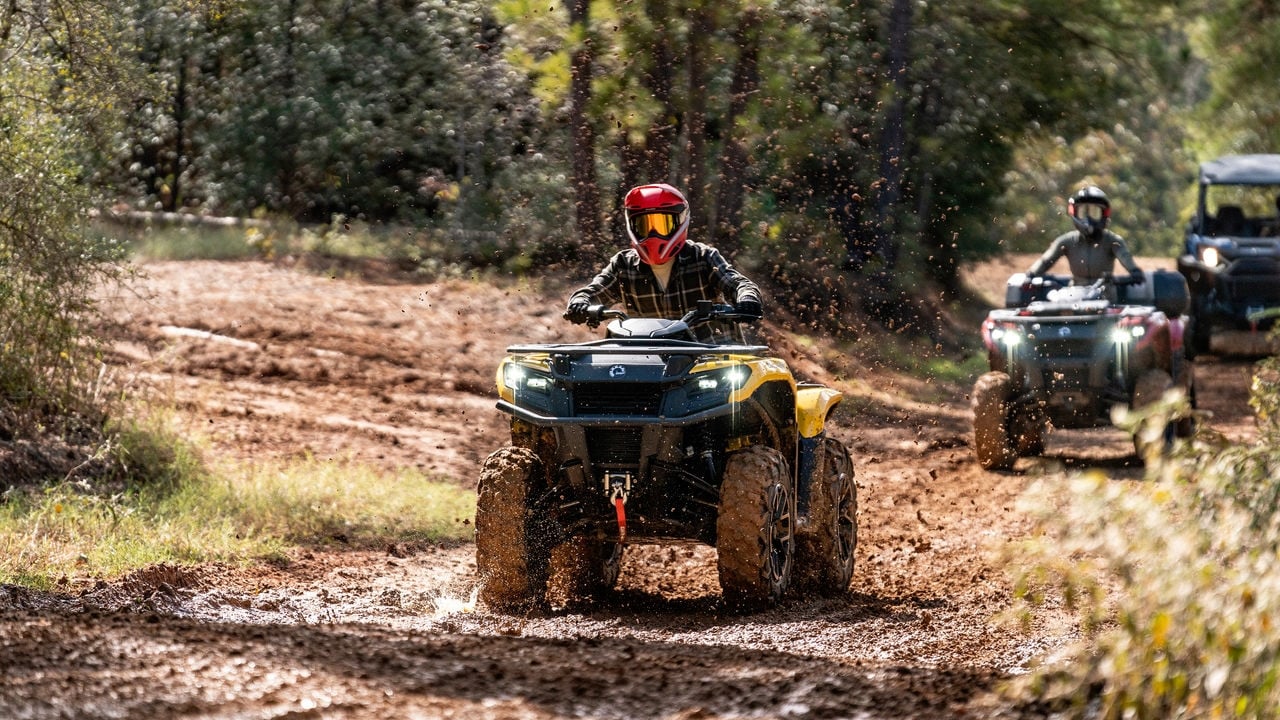


Looking to buy a salvage ATV? This guide will help you assess salvage ATVs effectively, ensuring you make an informed purchase. We’ll cover the benefits of buying salvage vehicles, where to find quality options, how to inspect them for potential issues, and tips on repairs. Whether you're on a budget or seeking a project vehicle, this guide will walk you through everything you need to know to make a smart decision.
What is a Salvage ATV?
A salvage ATV refers to an all-terrain vehicle that has been deemed "salvage" by an insurance company, often because of significant damage or an accident. This label doesn't necessarily mean the ATV is no longer functional. In fact, many salvage ATVs can still be in great working condition with some repairs. The term "salvage" simply indicates that the vehicle has been involved in an incident that led the insurer to declare it as a total loss, typically due to damage, theft, or other factors. However, these vehicles can still hold significant value for buyers who are willing to invest in repairs.
The appeal of salvage ATVs lies mainly in their affordability. Compared to brand-new ATVs, which can often cost thousands of dollars, salvage models are much more budget-friendly. For buyers who want the thrill and utility of an ATV but are working with a tight budget, a salvage ATV offers an attractive alternative. It allows them to enjoy the benefits of owning an all-terrain vehicle at a fraction of the price of a new one.
The popularity of ATVs has skyrocketed in recent years. These vehicles are designed to perform well on various off-road terrains, making them perfect for recreational activities such as trail riding, hunting, and farming. With their low-pressure tires and ability to handle tough conditions, ATVs are becoming a favorite choice for people who enjoy outdoor adventures. Additionally, modern ATVs are often designed to carry both the rider and a passenger, offering even more versatility.
Why Buy a Salvage ATV Instead of a New One?
When considering purchasing an ATV, the high price tag of a new model can be a major barrier for many buyers. This is where salvage ATVs come in as a more financially accessible option. Choosing a salvage ATV over a new one offers several financial benefits, making it an appealing choice for those looking to save money while still enjoying the thrill and utility of an all-terrain vehicle.
1. Lower Prices
One of the primary reasons buyers opt for salvage ATVs is the significantly lower cost compared to new models. Salvage ATVs are typically priced much lower because they have been previously damaged or involved in an accident, even though many are still perfectly functional with a little repair work. The cost savings can be substantial, often allowing buyers to save hundreds or even thousands of dollars. This makes it easier to own an ATV without breaking the bank, especially for those who might be on a tighter budget.
2. Good Condition Options
Contrary to what many might assume, not all salvage ATVs are in poor condition. Many salvage vehicles, including ATVs, are sold because of minor cosmetic damage, such as scratches or dents, rather than major mechanical issues. In fact, some salvage ATVs may have only minor repairs needed, such as replacing a few parts or fixing cosmetic damage, making them a great deal for buyers. If you're diligent about inspecting the ATV or getting it professionally checked, you could end up with an ATV that runs just as well as a new one, but at a fraction of the price.
3. Potential for Low-Mileage Vehicles
Salvage ATVs can also be a good option for buyers looking for a low-mileage vehicle. Just because an ATV is labeled as salvage doesn't mean it's been heavily used. In many cases, salvage ATVs are declared as such after an accident or damage, even if they haven't accumulated many miles. Buying a low-mileage salvage ATV means you’re getting a vehicle that could still have many years of use left, but at a much lower price than a brand-new ATV with similar mileage.
4. Affordable Alternative for Budget-Conscious Buyers
For those who need an ATV but don’t have the budget for a brand-new model, a salvage ATV presents a much more affordable alternative. Whether you're a recreational rider, someone who needs an ATV for work, or even a beginner looking to try out off-roading, a salvage ATV allows you to experience all the benefits of ATV ownership without the steep price tag. You can invest in repairs if needed, and still be spending much less than you would on a new vehicle.
Where to Find Quality Salvage ATVs?
When it comes to finding a quality salvage ATV, there are several reliable places to look. Whether you’re searching for an ATV for recreational use or work, finding the right one at an affordable price requires knowing where to look. Luckily, there are numerous options available for buyers who want to purchase salvage ATVs, and online platforms and salvage yards are two of the most convenient sources.
1. Online Platforms Like Auto4Export
One of the easiest and most efficient ways to find salvage ATVs is through online platforms like Auto4Export. These platforms provide a wide variety of vehicles, including salvage ATVs, from various makes and models. The advantage of using an online platform is that you can browse numerous options from the comfort of your home. Auto4Export, for example, allows you to easily compare different ATVs, check their conditions, and place bids, all without needing to visit a physical salvage yard.
Online platforms like Auto4Export also offer detailed listings with photos, vehicle descriptions, and important information about the ATV's condition. This makes it easier to make an informed decision before purchasing. Plus, these platforms often have search filters that allow you to narrow down your options based on factors like make, model, year, and location, which makes it much simpler to find exactly what you’re looking for. The added convenience of having the vehicle shipped directly to your home or warehouse also eliminates the need for in-person visits, saving both time and money.
2. Salvage Yards
Another option for finding salvage ATVs is by visiting salvage yards. These yards specialize in vehicles that have been declared total losses by insurance companies, and many salvage yards have a selection of ATVs in various conditions. While you may need to physically visit the yard to inspect the vehicles, you might be able to find a great deal on a salvage ATV that can be restored with some repairs.
The advantage of salvage yards is that they often have a large inventory of vehicles that you can physically inspect before buying. You can see firsthand the condition of the ATVs and negotiate prices directly with the yard owner or sales representative. However, you’ll need to factor in the cost of transportation and the time spent traveling to the yard, which may make it less convenient than shopping online.
3. Insurance Auctions
Another place to find quality salvage ATVs is through insurance auctions. Insurance companies often auction off salvage vehicles, including ATVs, after declaring them total losses. These auctions can be held in person or online, and they give buyers the opportunity to bid on salvage vehicles at a lower price than what they would pay for a new model. Many buyers find great deals on salvage ATVs at these auctions, especially when they’re looking for specific makes or models.
Participating in insurance auctions can be a bit more complex than other buying methods, as you may need to register in advance, place bids, and compete with other buyers. However, the potential for significant savings makes it an attractive option for those willing to invest the time to learn about the auction process.
4. Local Dealerships with Salvage Vehicles
In some cases, local dealerships may offer salvage ATVs for sale, especially if they specialize in used or pre-owned vehicles. These dealerships often work directly with insurance companies or salvage yards to offer buyers a selection of salvage vehicles that have been inspected and repaired to a certain extent. Buying from a dealership can offer peace of mind, as many dealerships provide warranties or service options on salvage vehicles.
5. Online Auctions and Marketplaces
In addition to Auto4Export, there are several other online auction sites and marketplaces where salvage ATVs can be found. Websites like eBay Motors and Copart offer a wide range of salvage vehicles for sale, including ATVs. These sites often allow you to bid on vehicles, which can drive the price down and potentially save you more money.
How to Inspect a Salvage ATV Before Purchasing?
Purchasing a salvage ATV can be a great way to save money, but it's crucial to inspect the vehicle thoroughly before making a decision. Unlike new vehicles, salvage ATVs may have undergone accidents or experienced damage, so a proper inspection will help ensure that the ATV is worth the investment and can be repaired to a functional state. If you're not familiar with ATV mechanics, it's especially important to conduct a detailed inspection or hire a professional to help. Here’s a step-by-step guide to inspecting a salvage ATV.
1. Start with a Visual Inspection of the ATV
The first step is to give the ATV a thorough visual inspection. Look over the body, frame, and components for any visible signs of damage, rust, or wear. Pay attention to the following areas:
- Frame: Check for any cracks, bends, or other structural damage. The frame is the foundation of the ATV, and any significant issues here can be costly to repair.
- Body Panels and Plastics: Inspect the body panels for dents, scratches, or cracks. These cosmetic issues may not affect performance, but they can indicate how the vehicle was treated.
- Welding or Repairs: Look for any signs of past repairs, such as welding marks or patched areas. While repairs are normal in salvage vehicles, it’s important to ensure they were done properly and that the ATV is still safe to use.
2. Check the Engine
The engine is one of the most important parts of the ATV, and you should inspect it carefully. Look for any signs of leaks, damage, or corrosion. Follow these steps:
- Leaks: Check around the engine for any oil, coolant, or fuel leaks. Even small leaks could indicate underlying issues that will need to be fixed.
- Compression Test: If you're familiar with engines, perform a compression test to check the health of the engine. A low compression reading may signal internal engine problems.
- Signs of Overheating: Look for signs of excessive heat damage, such as warped engine parts or scorched areas. Overheating can cause serious damage, and you want to avoid purchasing an ATV with these issues.
- Exhaust System: Inspect the exhaust system for any damage or rust. Ensure the muffler and exhaust pipes are intact, as any leaks or damage could reduce performance.
3. Inspect the Tires and Suspension
ATVs rely heavily on their tires and suspension to perform well on rough terrain, so it’s essential to check both components thoroughly:
- Tires: Examine the tires for wear and tear. Look for any punctures, cracks, or flat spots that may require tire replacement. Also, check the tread depth to ensure the tires are still usable for off-road riding.
- Suspension: Check the suspension system, including the shocks, springs, and struts. Look for signs of leaks or damage to the shock absorbers. The suspension should feel firm and responsive, without any unusual sagging or resistance. If the suspension is in poor condition, repairs can be expensive.
4. Test the Electrical System
The electrical system of an ATV includes the battery, lights, wiring, and ignition system. It’s essential to ensure that everything is working properly:
- Battery: Check the battery for corrosion, leaks, or wear. If the battery looks damaged, it may need to be replaced, which can be an additional cost.
- Lights and Electrical Components: Test the headlights, taillights, and brake lights to ensure they are functional. Check the wiring for any exposed or frayed cables, as these can cause electrical failures.
- Ignition System: Test the ignition to make sure it turns on smoothly and the ATV starts without issues. A faulty ignition system can be costly to repair.
5. Examine the Brake System
Brakes are critical to the safety and performance of any vehicle, and ATVs are no exception. Check the brake system carefully:
- Brake Pads: Inspect the brake pads for wear. Thin or worn-out brake pads may need to be replaced before you can safely ride the ATV.
- Brake Lines and Leaks: Check the brake lines for any visible cracks or leaks. Leaking brake fluid can be dangerous and indicates a serious problem.
- Braking Performance: If possible, test the brakes to ensure they respond well and provide the expected stopping power. A lack of responsiveness or squeaking could indicate that the brakes need repair or replacement.
6. Look for Any Signs of Frame or Alignment Issues
Check the ATV's alignment by inspecting the handlebars and wheels. If the handlebars are not straight or there are uneven gaps between the wheels and the frame, it could indicate that the ATV was involved in an accident. Misalignment can lead to uneven tire wear and affect the overall handling of the vehicle. If the frame is bent or damaged, repairs may be expensive and could affect the safety of the ATV.
7. Perform a Test Ride
If the ATV appears to be in good condition during the visual inspection, and you feel confident in its overall health, consider taking it for a test ride. This will help you evaluate the vehicle’s performance firsthand. During the test ride, pay attention to:
- Engine Performance: Ensure the engine runs smoothly without stalling, sputtering, or losing power.
- Braking: Test the brakes in different conditions to see how responsive they are.
- Suspension and Handling: Evaluate the suspension system by riding over rough terrain. The ATV should feel stable and responsive without unusual bouncing or instability.
8. Get a Professional Inspection
If you are not familiar with ATV mechanics or if you're unsure about any part of the inspection, it’s always a good idea to hire a professional mechanic. A mechanic will be able to assess the vehicle more thoroughly, identify hidden problems, and help you determine if the ATV is worth the investment. They can also give you an estimate of the repair costs, which will help you decide if the salvage ATV is still a good deal.
Should You Repair the Salvage ATV or Look for a Different One?
When considering purchasing a salvage ATV, one of the most critical factors to evaluate is whether it’s worth repairing or if you should look for a different vehicle altogether. While buying a salvage ATV can save you money upfront, it’s essential to assess the cost of repairs and compare them to the cost of purchasing a new ATV. In many cases, if the cost of repairs exceeds the price of buying a new or used ATV, it may be better to walk away from the salvage option and keep searching. Here’s how you can assess whether a salvage ATV is worth fixing.
1. Evaluate the Extent of Damage:
Before deciding whether to repair a salvage ATV, it’s important to understand the extent of the damage. Salvage ATVs may be listed as such for various reasons, such as accidents, water flood damage, or mechanical failures. Some damages are minor and can be repaired for a reasonable cost, while others may be more severe, requiring expensive parts and labor.
Start by identifying the areas of the ATV that need repair:
- Engine Damage: Engine repairs can be costly, especially if internal components are damaged. However, if the engine only has minor issues such as a faulty spark plug or fuel system problem, it may be worth fixing.
- Frame and Suspension Issues: Frame damage, such as cracks or bends, can be expensive to repair, and in some cases, it may not be worth fixing. Suspension problems are usually more affordable to address, but extensive damage could affect the ATV’s overall handling and safety.
- Cosmetic Damage: Dents, scratches, and cracked body panels may be unsightly but typically won’t affect the performance of the ATV. If the frame and engine are in good condition, cosmetic repairs might not be a dealbreaker.
2. Get an Estimate of Repair Costs:
Once you’ve identified the damaged areas, the next step is to get an estimate of the repair costs. It’s crucial to understand how much it will cost to fix the ATV and bring it up to a reliable, road-ready condition. If you’re unfamiliar with ATV repairs, consider consulting a mechanic or a repair shop to get an accurate estimate.
Be sure to include the following in your calculations:
- Parts: Determine how much the replacement parts will cost. Some parts, like engines or transmissions, can be expensive, while others, like tires or brakes, may be more affordable.
- Labor Costs: Labor costs can add up quickly, especially if the repairs require a significant amount of time or expertise. Make sure to account for the time needed to repair the vehicle.
- Additional Costs: Don’t forget to factor in the cost of tools or equipment you may need to buy if you plan to perform some repairs yourself. This could include things like special wrenches, a lift, or an engine diagnostic tool.
3. Compare the Repair Costs to the Cost of a New or Used ATV:
Once you have a repair estimate, compare it to the cost of purchasing a new or used ATV. If the total repair costs (parts + labor) are nearing or exceeding the price of a brand-new or slightly used ATV, it’s a good indication that the salvage ATV may not be worth fixing. Here are some things to consider:
- New ATV Cost: A brand-new ATV comes with a warranty and will be in perfect condition. The price will naturally be higher, but the vehicle’s reliability and longevity might justify the cost. If the repair costs for a salvage ATV are close to the price of a new one, it might make more sense to buy a new vehicle for peace of mind.
- Used ATV Cost: If you're considering a used ATV, look for vehicles in good condition that don’t require major repairs. Sometimes, you can find used ATVs that are only slightly more expensive than the total cost of a salvage ATV repair. In this case, buying used could be a better choice, as it offers a lower-risk option.
4. Consider the Long-Term Costs:
While it’s tempting to buy a salvage ATV at a significantly reduced price, you should also think about the long-term costs of ownership. If the salvage ATV requires frequent repairs after you’ve fixed the major issues, the cost of maintenance could quickly add up. In some cases, an ATV that requires continual repairs will end up being more expensive in the long run than buying a new or used one.
Additionally, if the repairs are extensive, you may be dealing with a vehicle that has ongoing mechanical problems, which could affect its performance and safety. If the repairs are more than just one-time fixes and will require constant attention, it might be better to move on to a different salvage ATV or a fully operational used ATV.
5. The Importance of Resale Value:
Another factor to consider is the resale value of the salvage ATV once it’s repaired. A salvage ATV may have a lower resale value than a new or lightly used ATV, even if you spend a lot of money on repairs. If you plan to resell the ATV later, keep in mind that its salvage title may deter potential buyers. This could make it harder to get a good return on your investment.
In contrast, a used ATV with a clean title will generally retain its value better and may be easier to resell. If you plan to resell the ATV down the road, it’s important to weigh this factor when deciding whether to repair or replace the salvage ATV.
6. Deciding If It’s Worth Fixing:
Ultimately, whether or not to repair a salvage ATV comes down to a balance of the following:
- The cost of repairs compared to the price of a new or used ATV.
- The extent of damage and how much work will be required.
- The long-term maintenance costs and potential reliability issues.
- The resale value of the vehicle after repairs.
If the cost of repairs is reasonable and the ATV can be restored to reliable condition, it may be worth fixing. However, if the repairs are extensive, costly, and affect the long-term usability of the ATV, it may be wiser to look for a different salvage ATV or a used vehicle in better condition.
What Are the Advantages of Buying Salvage ATVs Online?
In today's digital age, buying salvage ATVs online has become a convenient and efficient option for many buyers. Platforms like Auto4Export offer significant advantages over traditional methods of purchasing salvage vehicles, making it easier for budget-conscious individuals to find and purchase their desired ATVs. Here are the key benefits of buying salvage ATVs through online platforms.
1. Convenience of Ordering from Home:
One of the most significant advantages of purchasing a salvage ATV online is the convenience it offers. Instead of driving to multiple salvage yards or dealerships, you can browse a wide selection of ATVs from the comfort of your own home. With just a few clicks, you can view detailed listings, check the condition of the vehicles, and compare prices across different models and makes. This saves time and effort, allowing you to make an informed decision without leaving your home.
Buying online also eliminates the need to negotiate prices in person or deal with pushy sales tactics that can sometimes be encountered at physical locations. You can take your time reviewing options and finding the best deal for your budget.
2. Wide Variety of ATVs to Choose From:
When you shop online, you gain access to a far broader range of salvage ATVs than you would by visiting local salvage yards or dealerships. Platforms like Auto4Export partner with numerous suppliers and salvage yards across the United States, bringing together a vast selection of ATVs for sale. Whether you're looking for a specific make, model, or condition, you're likely to find something that suits your needs.
This wide variety makes it easier to find a salvage ATV that meets both your budget and performance requirements. You’ll also have the option to select from different types of ATVs, from popular brands like Yamaha and Honda to more niche manufacturers, giving you a greater chance of finding the perfect vehicle for your needs.
3. Easy to Compare Prices and Condition:
Shopping online makes it simple to compare prices and conditions of different salvage ATVs. With listings that include detailed descriptions and photographs, you can quickly assess the condition of the vehicles, including any damage or repairs that may be required. Online platforms like Auto4Export often provide thorough descriptions of the ATVs, including mileage, mechanical condition, and any existing damages, allowing you to make well-informed decisions.
Additionally, you can easily compare prices across multiple listings to ensure you're getting the best deal. This transparency helps you avoid overspending and ensures that you're purchasing a vehicle at a fair price.
4. Shipment Tracking and Delivery to Your Door:
Once you've purchased a salvage ATV, one of the main concerns is getting it delivered to your location. Buying online through platforms like Auto4Export allows you to have the vehicle shipped directly to your home, garage, or warehouse, saving you time and effort. The platform often provides tracking options, so you can monitor the progress of your shipment in real-time.
This is a huge advantage over traditional salvage yard visits, where you would typically need to arrange transportation or handle the logistics of picking up your vehicle in person. Online purchases take care of these details, ensuring a smooth and convenient delivery process.
5. Avoid the Hassle of Visiting Salvage Yards in Person:
One of the more challenging aspects of buying salvage ATVs through traditional means is the need to visit multiple salvage yards. Not only can this be time-consuming, but it often means sifting through large amounts of inventory, which can be overwhelming. Additionally, visiting salvage yards in person requires travel, and it’s possible that the vehicles available may not meet your expectations once you inspect them in person.
With online platforms like Auto4Export, you can skip the hassle of in-person visits and browse salvage ATVs from the comfort of your home. The online platform does the heavy lifting by compiling listings from various salvage yards, offering you the best options without needing to physically visit each one. This can save you a lot of time and effort, allowing you to focus on finding the right vehicle.
6. Secure and Transparent Transactions:
Buying salvage ATVs online through reputable platforms ensures that the transaction is secure and transparent. Online platforms like Auto4Export often use secure payment methods, providing peace of mind that your financial information is protected. In addition, you’ll receive detailed invoices and purchase confirmations, making the process transparent and straightforward.
Furthermore, many online platforms have customer service teams available to assist with any concerns or questions you may have during the buying process. This level of support is often more accessible than what you would find at a traditional salvage yard, where communication might be less reliable.
7. Access to Reviews and Seller Ratings:
When purchasing salvage ATVs online, you also have access to reviews and seller ratings, which can help guide your purchasing decision. You can see feedback from previous buyers about the condition of the vehicle, the reliability of the seller, and the quality of customer service. This level of transparency helps ensure that you are buying from trusted and reputable sellers, giving you more confidence in your purchase.
8. Increased Availability of Parts and Accessories:
In addition to finding the ATV itself, buying online through platforms like Auto4Export gives you easy access to the parts and accessories you may need for future repairs or upgrades. Many online platforms offer a seamless connection to parts suppliers, allowing you to order everything from tires to engine components. This makes it easier to maintain your ATV long-term, as you can easily find the parts you need without having to search multiple sites or visit parts stores.
Can Salvage ATVs Be Used for Parts in Other Repairs?
Salvage ATVs are not only valuable as complete vehicles, but they can also serve as a rich source of parts for mechanics and body shops. In fact, many repair shops and individuals looking to save money on parts turn to salvage ATVs to source components that can be reused in other repairs or sold separately. Here's how salvage ATVs can be repurposed for parts, offering significant value to those in the repair industry.
1. Reuse of Key ATV Components:
One of the main reasons mechanics and body shops buy salvage ATVs is to extract reusable parts. ATVs, like any vehicle, contain components that wear out or break down over time, and many of these parts can still be in good condition even on a salvage ATV. For instance, the engine, transmission, and suspension parts can be valuable in both ATV repairs and for use in other types of vehicles that share similar components.
For example, if an ATV's engine is in good condition, it can be used as a replacement for another ATV or even for certain types of dirt bikes or small utility vehicles that require a similar engine. The tires, handlebars, exhaust systems, and even the seat can also be salvaged for use in repairs or sold to other ATV owners who need replacements. This makes salvage ATVs a cost-effective source of spare parts for anyone in the repair business.
2. Affordable Parts for ATV Repairs:
For body shops that specialize in ATV repairs, salvage vehicles provide an affordable and reliable source of parts. Instead of purchasing brand-new components at full price, which can be expensive, shops can use parts from salvage ATVs to cut down on costs. For instance, the electrical system, fuel tank, and even the frame of a salvage ATV can often be reused in the repair process. This significantly reduces the overall cost of repairing ATVs for customers, making it a win-win for both repair shops and their clients.
3. Selling Parts to Other ATV Owners:
Salvage ATVs can also be a profitable investment for those looking to sell parts separately. Body shops and mechanics can buy a salvage ATV, dismantle it, and then sell the individual components to other ATV owners or online retailers. Commonly needed parts, such as wheels, brake systems, and suspension components, are often in high demand. By breaking down the ATV into its individual parts and selling them, a body shop can make a profit while also helping others find the specific parts they need at a lower price than new ones.
For example, if the frame of a salvage ATV is slightly damaged but still salvageable, it could be sold to someone who needs a frame replacement. Likewise, a salvage ATV’s fuel system or exhaust system, even if slightly worn, can still be functional and useful to other ATV owners. The ability to sell individual parts opens up additional revenue streams for repair shops and businesses that specialize in ATV restoration.
4. Utilizing Parts for Custom Builds or Modifications:
In addition to basic repairs, salvage ATVs can be a great resource for custom builds or modifications. Enthusiasts and hobbyists who enjoy modifying their ATVs often look for specific parts to upgrade or customize their vehicles. Salvage ATVs can provide those hard-to-find components at a much lower cost than purchasing new. For example, custom exhaust systems, specialized suspension parts, or upgraded engines from salvage ATVs can be used to enhance the performance or appearance of another vehicle.
Mechanics and body shops can even use salvage ATV parts to create entirely new custom builds, mixing and matching parts to create vehicles that are more affordable than buying a brand-new custom ATV. This creative approach allows for further innovation and cost savings in the ATV world.
5. Environmental Benefits of Reusing Parts:
Another significant advantage of using parts from salvage ATVs is the environmental impact. Instead of letting parts from old or damaged ATVs go to waste, body shops and repair shops can give them a second life by reusing or recycling them. This reduces the demand for new parts, lessens the environmental burden of manufacturing, and keeps usable components out of landfills. This sustainable approach is beneficial for the environment and aligns with the growing trend of recycling and repurposing materials in various industries.
6. Finding Hard-to-Find Parts:
Sometimes, ATV owners are looking for parts that are no longer in production or hard to find through traditional retailers. Salvage ATVs are an excellent resource for these hard-to-find parts. Whether it’s a rare ATV model or a discontinued part, a salvage vehicle could provide exactly what’s needed. Mechanics can help their customers locate those elusive components and complete repairs that would otherwise be impossible without scouring multiple stores or paying premium prices for new parts.
In conclusion, buying a salvage ATV can be a cost-effective way to get a high-performance vehicle, but it’s essential to assess the condition thoroughly before purchasing. By following the tips outlined in this guide, you can make sure you’re getting the best deal while avoiding costly repairs. Ready to find your perfect salvage ATV? Register on Auto4Export, browse through a wide selection, place your bids, and win great deals today!
Are you interested in buying a vehicle from US auctions?
With this being said – you can still export vehicles and save up a few thousand dollars with Auto4Export. We have an inventory of over 150k plus vehicles with titles you can export for you to choose from. Once you have placed your bid and won the auction a Bill of Sale document is then emailed to you as proof of purchase – after full payments have been made.
To gain access and get started on your purchase, sign up for free.
Further Reading
Ultimate Guide to Buying Cars at US Auto Auctions
How to buy a used car from a US auction
Buy Salvaged Cars from the USA. What's the Meaning and Benefit?
Types of Vehicle Titles: What You Can and Can’t Export

Do You Have Any Questions?
 Ask Question