


 Log in
 Sign Up


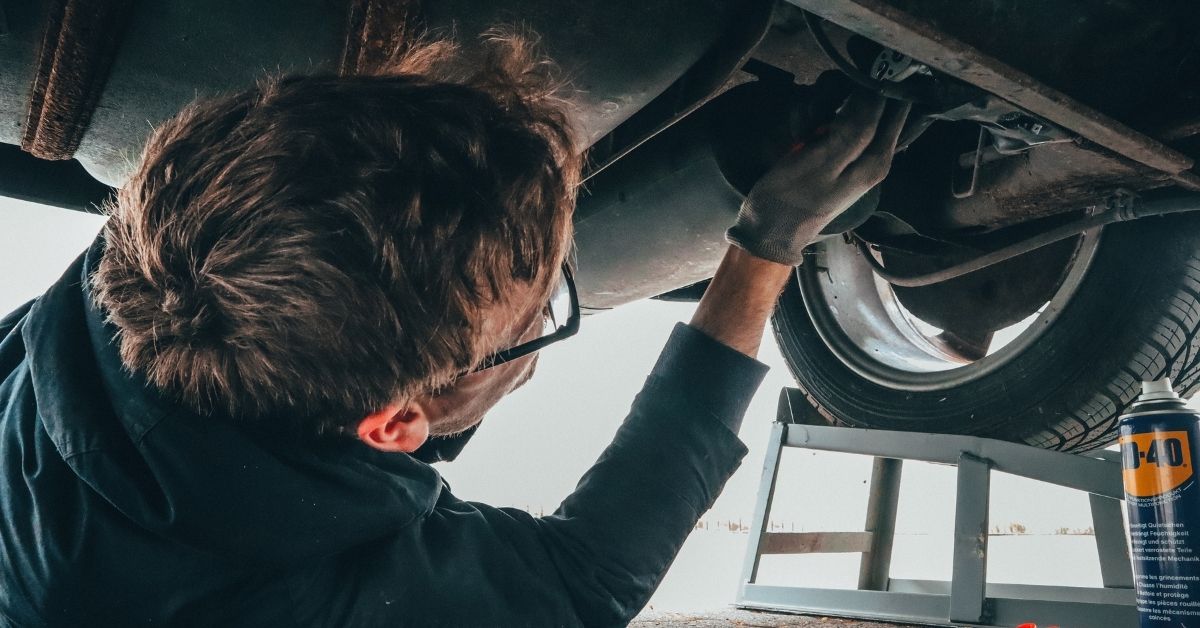


Maintaining your car might seem like a chore, but it's a crucial part of ensuring your safety on the road. Proper car maintenance isn't just about keeping your vehicle running smoothly; it's about preventing accidents and ensuring your peace of mind. Let's dive into how a well-maintained car can significantly reduce the risk of accidents.
Understanding Car Maintenance
Before we get into the nitty-gritty, let's understand what car maintenance actually entails. Car maintenance is a series of tasks performed at regular intervals to keep your vehicle in optimal condition. These tasks can range from simple checks and replacements to more complex inspections and repairs.
Types of Car Maintenance
Car maintenance can be broadly classified into two categories: preventive and corrective. Preventive maintenance includes regular tasks like oil changes, tire rotations, and brake inspections, aimed at preventing issues before they occur. Corrective maintenance, on the other hand, involves fixing problems that have already arisen, such as repairing a flat tire or replacing a broken headlight.
Regular Maintenance Tasks
Oil Changes
One of the most critical aspects of car maintenance is changing the oil. Engine oil lubricates the moving parts of your engine, reducing friction and preventing overheating. Regular oil changes ensure that your engine runs smoothly and efficiently.
Tire Maintenance
Tires are your car's only contact with the road, making their maintenance vital for safety. Proper tire maintenance includes checking the tire pressure, ensuring adequate tread depth, and rotating the tires regularly to promote even wear.
Brake Inspections
Your car's brakes are its most crucial safety feature. Regular brake inspections can help you identify worn brake pads, leaking brake fluid, or other issues that could compromise your stopping power.
Fluid Checks
Your car relies on several fluids to operate correctly, including engine coolant, transmission fluid, and brake fluid. Regularly checking and replacing these fluids ensures that your car's systems function smoothly and safely.
Importance of Oil Changes
Regular oil changes are like giving your car a fresh start every few months. Clean oil ensures that your engine parts are well-lubricated, reducing wear and tear and improving performance. Most experts recommend changing your oil every 3,000 to 5,000 miles, but always refer to your car's manual for specific guidelines.
Tire Maintenance
Tire Pressure
Maintaining the correct tire pressure is essential for safe driving. Under-inflated tires can cause poor handling and increased wear, while over-inflated tires can lead to a harsh ride and increased risk of blowouts. Check your tire pressure monthly and before long trips.
Tire Tread and Safety
Your tire tread provides the grip needed for safe driving, especially in wet or slippery conditions. Use the penny test to check your tread depth: insert a penny into the tread with Lincoln's head facing down. If you can see all of Lincoln's head, it's time to replace your tires.
Importance of Tire Rotation
Rotating your tires regularly ensures even wear, which extends their lifespan and maintains traction. Aim to rotate your tires every 6,000 to 8,000 miles or as recommended by your vehicle's manufacturer.
Brake Inspections
Signs of Brake Wear
Brakes are critical for safety, so regular inspections are a must. Look out for signs of wear, such as squeaking, grinding noises, or a spongy brake pedal. If you notice any of these, get your brakes checked immediately.
Impact on Stopping Distance
Worn brakes can significantly increase your stopping distance, making it harder to avoid collisions. Regular brake maintenance ensures that your car stops as quickly and safely as possible.
Fluid Checks and Replacements
Engine Coolant
Engine coolant prevents your car from overheating. Check the coolant level regularly and top it up if needed. It's also important to flush and replace the coolant according to your car's maintenance schedule.
Transmission Fluid
Transmission fluid lubricates the gears in your transmission, ensuring smooth shifting and preventing overheating. Regularly check the transmission fluid level and condition, and replace it as recommended.
Brake Fluid
Brake fluid transfers the force from your brake pedal to the brake pads. Low or contaminated brake fluid can lead to brake failure, so it's crucial to check and replace it as needed.
Advanced Maintenance Tasks
Suspension and Steering
Your car's suspension and steering systems are vital for a smooth and controlled ride. Regular inspections can identify issues like worn shocks or struts, which can affect handling and safety.
Electrical System Checks
Modern cars rely on complex electrical systems. Regular checks can prevent issues like dead batteries, faulty alternators, or malfunctioning lights, all of which can compromise safety.
Timing Belt Replacement
The timing belt is crucial for your engine's operation. A broken timing belt can cause severe engine damage, so replace it according to your car's maintenance schedule.
Seasonal Maintenance
Preparing for Winter
Winter driving can be challenging, so prepare your car accordingly. This includes checking the antifreeze, battery, and tires, and ensuring you have winter wiper blades and an emergency kit.
Summer Maintenance Tips
Hot weather can take a toll on your car. Check the air conditioning system, coolant, and tire pressure to ensure your car runs smoothly during the summer months.
DIY vs. Professional Maintenance
Benefits of Professional Inspections
While you can handle many maintenance tasks yourself, professional inspections provide a thorough checkup that can catch issues you might miss. Mechanics have the tools and expertise to keep your car in top shape.
What You Can Do at Home
Simple tasks like checking tire pressure, changing oil, and replacing wiper blades can be done at home. Always refer to your car's manual for guidance and safety instructions.
Technological Aids in Car Maintenance
Onboard Diagnostics
Modern cars come with onboard diagnostic systems that alert you to potential issues. These systems can help you stay on top of maintenance and address problems before they become serious.
Maintenance Reminder Systems
Many cars have built-in maintenance reminder systems that notify you when it's time for service. These reminders can help you stay on schedule and ensure your car remains in optimal condition.
The Financial Aspect
Cost of Regular Maintenance vs. Repairs
Regular maintenance is a small investment compared to the cost of major repairs. Keeping up with maintenance can prevent expensive breakdowns and extend the life of your vehicle.
Insurance Benefits
Some insurance companies offer discounts for regular maintenance, as a well-maintained car is less likely to be involved in an accident. Check with your provider to see if you qualify.
Environmental Benefits
Reduced Emissions
A well-maintained car runs more efficiently, producing fewer emissions and contributing to a cleaner environment. Regular maintenance helps keep your car eco-friendly.
Fuel Efficiency
Proper maintenance can improve your car's fuel efficiency, saving you money on gas and reducing your carbon footprint. Simple tasks like keeping your tires properly inflated and changing your air filter can make a big difference.
Common Mistakes in Car Maintenance
Ignoring Warning Lights
Dashboard warning lights are there for a reason. Ignoring them can lead to serious problems. Address any warning lights promptly to keep your car safe and running smoothly.
Skipping Scheduled Maintenance
Your car's maintenance schedule is designed to keep it in peak condition. Skipping scheduled maintenance can lead to breakdowns and costly repairs, so stick to the plan.
Conclusion
Regular car maintenance is essential for keeping you safe on the road. From oil changes to brake inspections, each task plays a vital role in preventing accidents and ensuring your car performs at its best. By staying proactive and following your car's maintenance schedule, you can enjoy peace of mind and a safer driving experience.
FAQs
How often should I check my tire pressure?
It's a good idea to check your tire pressure at least once a month and before any long trips. Proper tire pressure ensures safe handling and extends tire life.
What are the most critical fluids to check in my car?
The most critical fluids to check are engine oil, coolant, transmission fluid, and brake fluid. Regularly checking and maintaining these fluids helps keep your car running smoothly and safely.
How can I tell if my brakes need to be inspected?
Signs that your brakes need to be inspected include squeaking or grinding noises, a spongy brake pedal, or a longer stopping distance. If you notice any of these signs, get your brakes checked immediately.
Is it worth paying for professional car maintenance?
Yes, professional car maintenance provides a thorough inspection and can catch issues you might miss. Mechanics have the expertise and tools to keep your car in top shape, which can prevent costly repairs down the road.
How does seasonal maintenance differ?
Seasonal maintenance prepares your car for the specific challenges of different weather conditions. Winter maintenance focuses on things like antifreeze and tire tread, while summer maintenance ensures your air conditioning and cooling systems are in good shape.
Are you interested in buying a car from US auctions?
With this being said – you can still export vehicles and save up a few thousand dollars with Auto4Export. We have an inventory of over 150k plus vehicles with titles you can export for you to choose from. Once you have placed your bid and won the auction a Bill of Sale document is then emailed to you as proof of purchase – after full payments have been made.
To gain access and get started on your purchase, sign up for free.
Further Reading
How do US auto auctions work?
How to buy a used car from a US auction
Buy Salvaged Cars from the USA. What's the Meaning and Benefit?
Types of Vehicle Titles: What You Can and Can’t Export

Do You Have Any Questions?
 Ask Question