


 Log in
 Sign Up


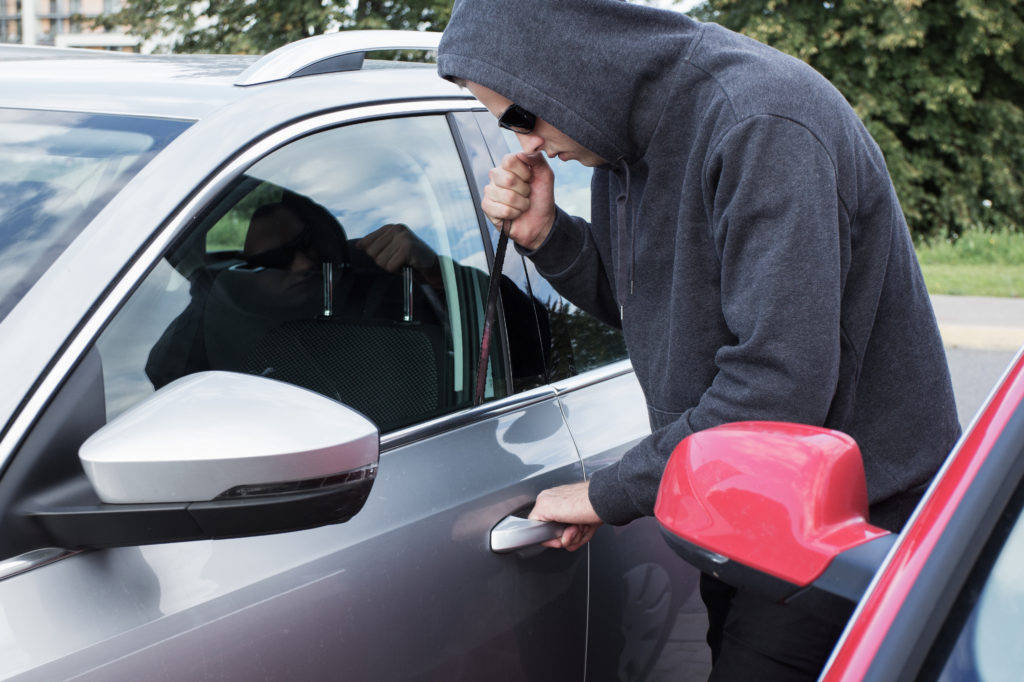


Car theft is a distressing experience, leaving victims not only without their vehicle but also with a slew of questions about financial recovery. The good news is that car insurance can cover theft in certain circumstances, depending on your policy. Understanding how car insurance cover theft, what types of coverage apply, how to file a claim, and the steps to protect yourself financially is crucial for car owners. Let's dive into the details to help you navigate this challenging situation.
Overview of Car Theft and Insurance
What is Car Theft Coverage?
Car theft coverage refers to protection provided by specific types of auto insurance policies, primarily comprehensive coverage. This coverage ensures you’re financially safeguarded if your vehicle is stolen or damaged during an attempted theft. However, not all insurance policies automatically include theft protection. Understanding the specifics of your policy is crucial, especially in areas with high car theft rates.
Differences Between Comprehensive, Full, and Liability Coverage
- Comprehensive Coverage: This policy covers theft, vandalism, and other non-collision-related damages, such as fire or natural disasters. It is optional but often required if your car is leased or financed.
- Full Coverage: This includes both comprehensive and collision coverage, providing broader protection but not a specific theft-only policy.
- Liability Coverage: Covers damage to others’ property or injuries caused by you but does not include theft protection. If you only have liability insurance, your car is not covered against theft.
Types of Insurance Coverage for Theft
Comprehensive Coverage for Stolen Vehicles
What It Covers and Its Limitations
Comprehensive insurance typically covers:
- The market value of your stolen vehicle minus your deductible.
- Damages resulting from theft attempts, such as broken windows or locks.
Limitations include:
- Exclusions for theft due to owner negligence, such as leaving keys in the car.
- Reimbursement limited to the vehicle’s actual cash value (ACV), which accounts for depreciation.
Full Coverage and Its Scope
Full coverage encompasses comprehensive and collision coverage, protecting your car from theft and damages caused by accidents. While it ensures peace of mind, it’s essential to check if custom parts, upgrades, or additional equipment are covered under this policy.
Coverage for Vehicle Upgrades, Custom Parts & Equipment
Standard comprehensive policies often exclude custom parts or aftermarket upgrades like custom wheels, stereo systems, or modifications. However, some insurers offer riders or endorsements for additional premiums to cover these items specifically. Always document upgrades and keep receipts to validate their value during a claim.
Gap Coverage for Loan and Lease Payoffs
Gap insurance is crucial for those who owe more on their car loan or lease than the vehicle’s current market value. If your stolen vehicle's ACV is less than your loan payoff, gap insurance covers the difference, ensuring you’re not left with an unpaid balance on a vehicle you no longer have.
Theft-Related Scenarios and What’s Covered
Stolen Car: What Does Your Policy Cover?
If your vehicle is stolen, comprehensive coverage will typically reimburse you for the car’s actual cash value (ACV) minus your deductible. Policies generally do not cover the cost of alternate transportation unless rental reimbursement is included. Ensure your coverage includes theft protection if your car is leased or financed, as lenders often require it.
Vandalism and Damage from Break-ins
Comprehensive insurance also protects against damages caused during break-ins or attempted thefts. Coverage includes:
- Broken windows or damaged locks.
- Scratched or dented body panels.
- Steering column or ignition damage.
However, such damages may still require paying your deductible before the insurance kicks in.
Theft of Personal Items from Your Car
Coverage Limitations for Belongings
Comprehensive insurance does not cover personal items stolen from your car, such as laptops, bags, or jewelry. Instead, such losses are typically handled under your renters or homeowners insurance. These policies often have limitations on high-value items, so adding a rider for expensive belongings might be necessary. Keep an inventory of your possessions and their receipts to facilitate claims.
Filing a Theft Claim
Steps to Take When Your Car Is Stolen
Reporting to the Police & When to File a Report
- Contact local law enforcement immediately. Provide key details like your car’s make, model, VIN, and license plate number.
- File a police report as soon as possible, as insurers often require this before initiating a claim.
- Inform your insurance company within 24 hours of the theft.
Essential Documentation (Police Report, Photos, etc.)
When filing your claim, be ready to present:
- A copy of the police report.
- Photos of your vehicle (if available).
- Proof of ownership, such as a title or loan documents.
- Receipts for upgrades or custom parts (if applicable).
How Insurance Companies Determine Your Car’s Value
Insurers calculate the ACV based on factors like:
- Your vehicle’s age, mileage, and condition before the theft.
- Market prices for similar vehicles in your area.
- Any modifications or enhancements, if documented.
Depreciation significantly impacts the payout amount, which might fall short of your car’s replacement cost unless gap coverage is included.
What Happens if Your Car Is Recovered?
If your car is recovered after a claim payout:
- The insurer typically takes possession of the vehicle.
- You can repurchase it by reimbursing the insurance payout, subject to branded or salvage title regulations.
If recovered before the claim is settled, the insurer covers repair costs for damages sustained during the theft, subject to your deductible.
Preventing Car Theft and Saving on Insurance
Anti-Theft Devices and Discounts
Installing anti-theft devices not only protects your vehicle but can also reduce your insurance premium. Many insurers offer discounts for the following:
- Alarm Systems: Standard car alarms deter opportunistic thieves and may qualify you for a minor discount.
- Tracking Systems: Devices like LoJack or GPS trackers increase the chances of recovering your car, leading to potential premium reductions.
- Immobilizers: Features such as electronic keys or engine disablement systems make stealing your car more challenging, often resulting in lower insurance costs.
- Dashcams: While primarily used for recording incidents, some insurers recognize their role in preventing theft and offer discounts.
Check with your insurer to confirm which devices qualify for discounts and consider combining multiple systems for added protection and savings.
Additional Car Theft Prevention Tips
Minimize theft risks with these practical measures:
- Park Smart: Always park in well-lit, visible areas. If available, choose secure parking structures or spaces covered by surveillance cameras.
- Lock and Remove Valuables: Always lock your car and take personal items like bags, electronics, or tools with you to avoid tempting thieves.
- Use Physical Locks: Steering wheel locks, pedal locks, or tire clamps provide an extra layer of deterrence.
- Keep Your Keys Safe: Never leave your car running unattended, and consider using RFID-blocking pouches to protect key fobs from relay theft.
- Mark Your Vehicle: Etching your VIN on windows or installing tamper-proof license plate screws discourages thieves looking for easy-to-resell parts.
By implementing these strategies, you not only lower your risk of theft but may also qualify for reduced insurance premiums, ultimately saving money in the long run.
Are you interested in buying a car from US auctions?
With this being said – you can still export vehicles and save up a few thousand dollars with Auto4Export. We have an inventory of over 150k plus vehicles with titles you can export for you to choose from. Once you have placed your bid and won the auction a Bill of Sale document is then emailed to you as proof of purchase – after full payments have been made.
To gain access and get started on your purchase, sign up for free.
Further Reading
How do US auto auctions work?
How to buy a used car from a US auction
Buy Salvaged Cars from the USA. What's the Meaning and Benefit?
Types of Vehicle Titles: What You Can and Can’t Export

Do You Have Any Questions?
 Ask Question