


 Log in
 Sign Up


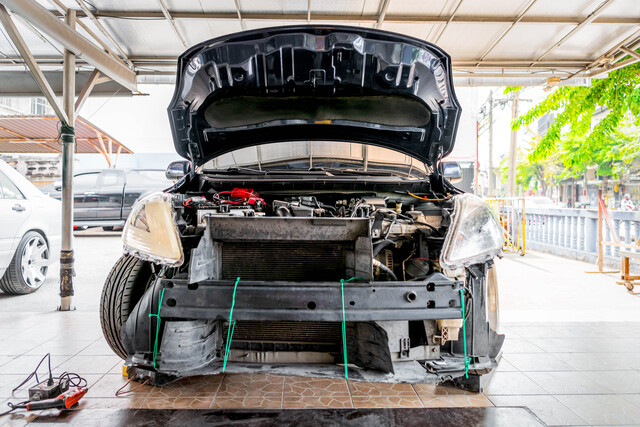


A Certificate of Destruction (CoD) is a crucial document for anyone dealing with damaged or totaled vehicles. This guide explains what a CoD is, how it differs from salvage titles, and why it matters for safety, legal compliance, and exporting. Learn how to navigate CoD vehicles at auctions, avoid costly mistakes, and make informed decisions whether buying for parts, scrap, or overseas markets.
What Is a Certificate of Destruction?
Understanding a Certificate of Destruction (CoD) is essential for anyone buying cars at online auctions or considering salvaged vehicles. It’s a document that has serious legal implications and affects how a vehicle can be used, sold, or insured. For budget-conscious buyers, knowing what a CoD means can help avoid costly mistakes.
Definition and Purpose of a CoD
A Certificate of Destruction is an official document issued by a state that declares a vehicle cannot be legally driven again. Essentially, it marks the car as permanently off the road. The primary purpose of a CoD is to protect the public and the environment by ensuring severely damaged vehicles are either dismantled for parts or properly recycled, rather than being rebuilt and sold unsafely.
For example, if a 2014 Ford Fusion is involved in a severe accident and the repair costs exceed its value, the insurance company may decide to issue a CoD. That car can no longer be registered for road use, but it might still have valuable parts for resale.
How It Differs from a Salvage or Junk Title
A CoD is not the same as a salvage or junk title, though they are often confused.
- Salvage title: Indicates a car has been damaged but can be repaired and inspected to become road-legal again. Buyers at auctions may purchase these cars for rebuilding.
- Junk title: Often used interchangeably with salvage in some states but generally signals that a vehicle is intended for parts or scrap.
- Certificate of Destruction: A legal declaration that the vehicle cannot be rebuilt or registered in that state under any circumstances.
Understanding this distinction is critical. A CoD vehicle might be extremely cheap at auction, but it cannot be legally driven in the U.S., which makes it suitable only for parts, export, or specialized uses.
Who Issues the Certificate of Destruction
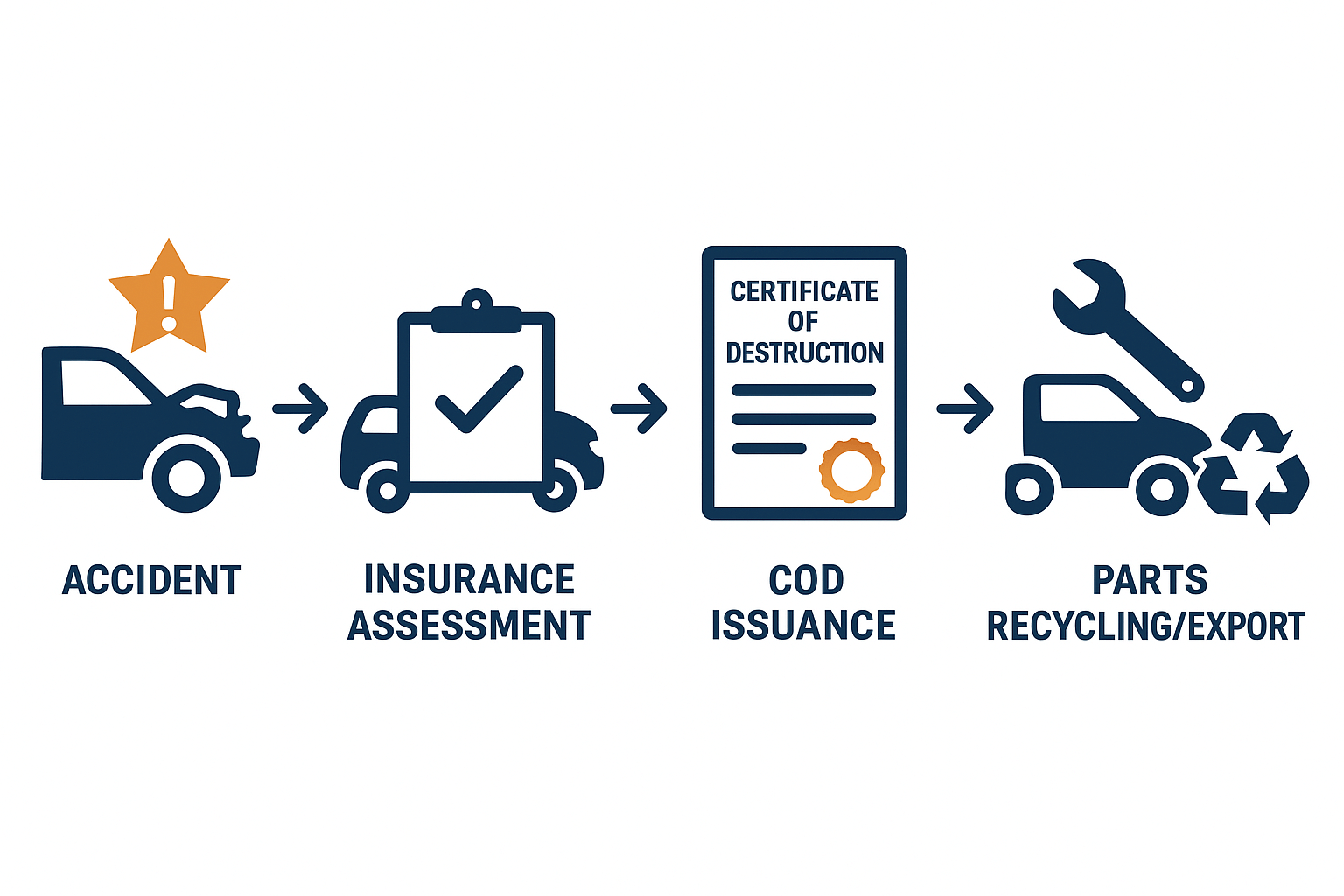
CoDs are typically issued by state motor vehicle departments or insurance companies after a vehicle is declared a total loss. The process usually involves:
- Insurance assessment: Determining that the vehicle’s repair cost exceeds its market value.
- Official documentation: The insurer submits the required paperwork to the state DMV.
- Issuance of the CoD: The state records the vehicle as permanently destroyed, preventing it from being registered again.
Some states may have slightly different procedures, but the end result is the same: the vehicle is officially off-limits for normal road use.
Why It’s Used in Auto Auctions and Insurance Claims
CoDs appear frequently in online auto auctions because insurance companies sell these vehicles for parts or export rather than repair. Buyers on a tight budget can get extremely low prices for CoD vehicles, but they must understand the restrictions.
For example, a 2016 Toyota Camry with a CoD might sell for $2,000 at auction. While you can’t drive it in the U.S., it could be profitable for someone exporting it to a country with different regulations or for salvaging valuable parts like the engine, transmission, or electronics.
From an insurance perspective, issuing a CoD simplifies the claims process. Instead of worrying about rebuilding a totaled car, the insurer pays the claim and ensures the car is removed from the road, reducing safety risks and potential future liability.
When and Why a Vehicle Gets a Certificate of Destruction
A Certificate of Destruction (CoD) isn’t issued lightly. It is reserved for vehicles that are severely damaged, unsafe, or non-restorable. For buyers at online auctions or those considering salvaged vehicles, understanding when and why a CoD is issued helps avoid costly mistakes and legal trouble.
After Severe Damage or Total Loss
Vehicles usually receive a CoD after major accidents, floods, or other catastrophic events. When repair costs exceed the car’s market value, the insurance company may declare it a total loss and recommend a Certificate of Destruction.
For example, a 2015 Honda Accord that was submerged in floodwater and has significant engine and interior damage would likely get a CoD. While parts like the wheels or body panels might still have value, the car itself cannot return to the road, making it strictly a source for salvage or export.
When an Insurance Company Deems a Car Non-Restorable
Sometimes, even if the vehicle looks repairable, an insurance company may determine it is non-restorable due to structural damage, frame bending, or compromised safety systems. In these cases, issuing a CoD protects buyers from unknowingly purchasing a car that would be unsafe to drive.
For instance, a 2017 Chevrolet Malibu with a crushed chassis might appear intact superficially, but it can’t pass state inspections safely. A CoD ensures this vehicle is legally barred from registration, preventing accidents or liability claims.
For Environmental and Legal Compliance
Another reason for a CoD is environmental and regulatory compliance. Vehicles that are severely damaged or dismantled improperly can leak fluids, metals, or hazardous materials into the environment. By issuing a CoD, states ensure that these cars are properly recycled or dismantled rather than being rebuilt unsafely.
This helps buyers understand that a CoD car is not just unsafe for the road—it also must be handled responsibly, often for parts or scrap, ensuring eco-friendly disposal.
Why Some Vehicles Can Never Be Driven Again
Ultimately, a CoD means the vehicle can never legally be driven in the issuing state. This restriction is in place for safety, legal, and environmental reasons. CoD vehicles are not eligible for rebuilt or salvage titles, making them unsuitable for standard registration.
For example, budget-conscious buyers might spot a 2016 Toyota Camry at auction with a CoD. While it’s cheap, they need to know they cannot drive it in the U.S.. The car is only useful for parts, export to countries with different regulations, or specialized purposes.
What Information Appears on a Certificate of Destruction
A Certificate of Destruction (CoD) is an official document that provides all the details needed to identify a vehicle and confirm that it cannot be legally driven or registered. For buyers at online auctions or anyone handling used vehicles, knowing what information a CoD contains helps avoid confusion and ensures proper handling.
Vehicle Identification Details (VIN, Make, Model, Year)
Every CoD lists the Vehicle Identification Number (VIN), along with the make, model, and year of the car. The VIN is a unique code that identifies the vehicle, much like a fingerprint, and ensures that the CoD applies to the correct car.
For example, if a 2014 Ford Fusion has a CoD, the document will show its VIN, “Ford” as the make, “Fusion” as the model, and 2014 as the year. This makes it easy for auction buyers, insurance companies, and export services to track and verify the vehicle’s status.
Issuing Authority and Date of Destruction
The CoD also specifies which state agency or insurance company issued it and the date the certificate was issued. This confirms the legal authority behind the declaration and provides a reference point for the vehicle’s destruction.
Knowing the issuing authority helps buyers check the authenticity of the CoD. For instance, a buyer seeing a CoD issued by the California DMV can verify that the vehicle is officially off the road and cannot be registered again in that state.
Owner or Insurance Company Information
The certificate usually includes the name of the last registered owner or the insurance company that declared the vehicle a total loss. This ensures accountability and helps track the car’s history, especially in auctions or resale situations.
For example, if an insurance company declared a 2016 Toyota Camry a total loss, their name will appear on the CoD. Buyers can then confirm the document is legitimate and understand who was responsible for handling the vehicle before it reached the auction.
Notes on Environmental Disposal or Recycling
Many CoDs also include instructions or notes about proper disposal, recycling, or dismantling. This ensures that hazardous materials like fluids, batteries, and metals are handled responsibly, protecting the environment and complying with state laws.
For auction buyers, these notes highlight that a CoD vehicle is meant only for parts, scrap, or export, not for normal road use. Understanding these details helps buyers plan how they will handle the vehicle and avoid legal or environmental issues.
Certificate of Destruction vs. Salvage Title
Understanding the difference between a Certificate of Destruction (CoD) and a salvage title is crucial for anyone buying cars at online auctions. Confusing the two can lead to legal issues, wasted money, or a vehicle you cannot use. This section explains the key differences and what they mean for buyers.
Key Differences Between the Two Documents
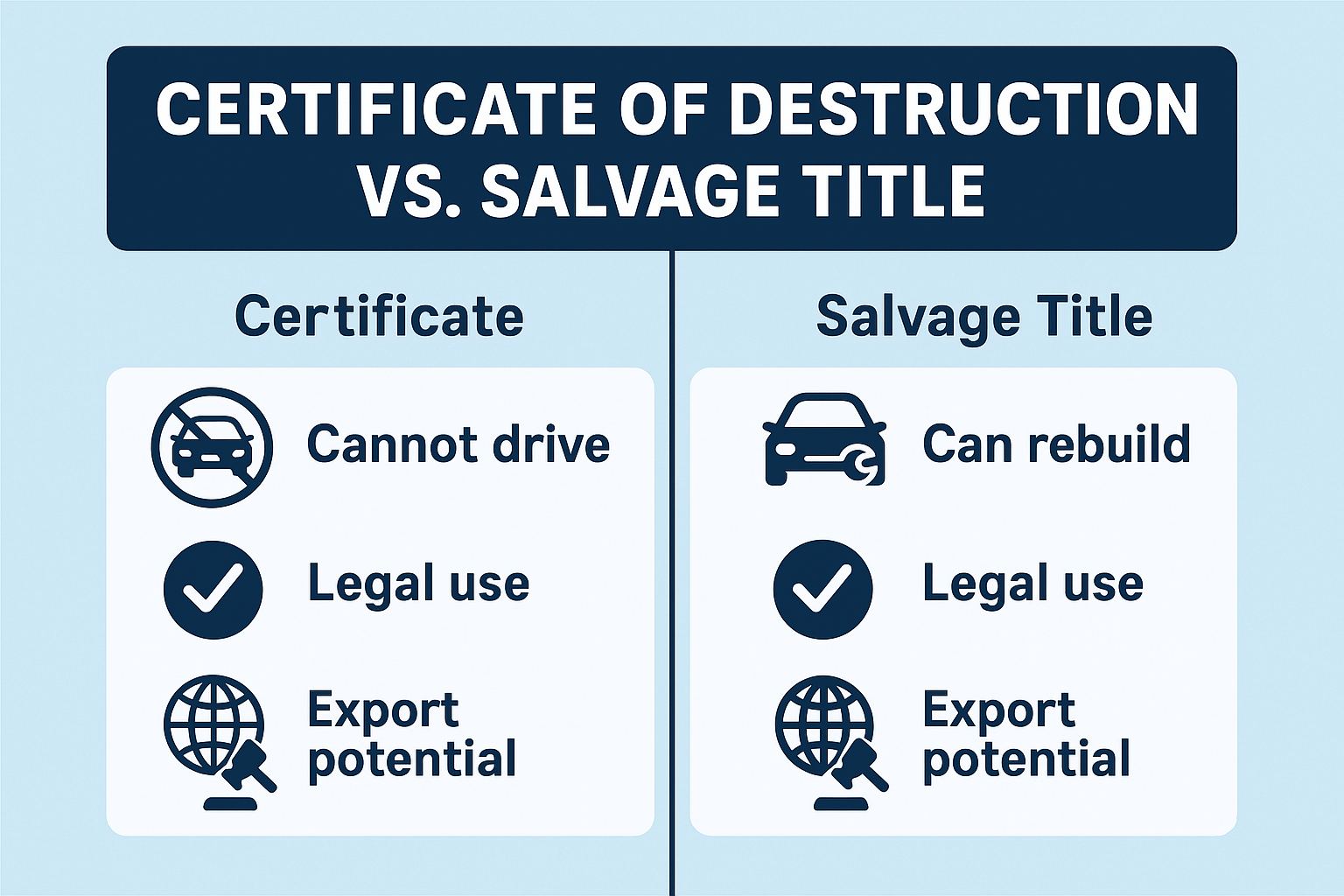
A salvage title indicates that a car has been damaged—often in an accident, flood, or theft—but can be repaired and inspected to become road-legal again. Once repaired, it may be issued a rebuilt title and legally driven.
A Certificate of Destruction, on the other hand, declares that the vehicle cannot be registered or driven in the issuing state under any circumstances. Even if it looks repairable, a CoD car is permanently off the road.
In short:
- Salvage title = can be rebuilt and driven after inspection.
- Certificate of Destruction = cannot be rebuilt or legally driven; only suitable for parts, scrap, or export.
Can You Repair or Export a CoD Vehicle?
While a CoD vehicle cannot be legally driven in the U.S., it can sometimes be repaired or exported, depending on the destination country’s regulations. Exporting CoD cars can be a cost-effective option for buyers in countries that allow registration of rebuilt vehicles, but it requires research and compliance with local laws.
For example, a 2015 Nissan Altima with a CoD might sell for $1,500 at a U.S. auction. While you cannot drive it in the U.S., it could be shipped overseas, where registration rules differ, or dismantled for valuable parts like engines, transmissions, or electronics.
What Happens if You Buy a Car with a CoD Title
If you purchase a CoD vehicle without understanding the restrictions, you may face serious problems. You cannot register it, insure it for road use, or drive it legally in the U.S. Attempting to bypass these restrictions is illegal and could lead to fines or seizure of the vehicle.
However, CoD cars can still be a smart purchase for budget-conscious buyers looking for parts, export opportunities, or specialized projects. Knowing the title type upfront prevents surprises and ensures you use the vehicle in a legal and profitable way.
Can You Export a Vehicle with a Certificate of Destruction?
For budget-conscious buyers, vehicles with a Certificate of Destruction (CoD) can be an affordable option—but understanding the rules is critical. While CoD cars cannot be legally driven in the U.S., many buyers take advantage of export opportunities to use or sell these vehicles overseas. Knowing how export regulations work ensures a safe and profitable purchase.
CoD Rules for U.S. Buyers vs. International Exporters
In the U.S., a CoD vehicle cannot be registered, insured, or driven on public roads. This makes it unsuitable for domestic use unless it’s for parts or scrap.
For international buyers, however, the rules can be different. Many countries allow registration of rebuilt or imported salvage vehicles, making CoD cars valuable for export. Buyers must research the destination country’s regulations carefully to ensure the vehicle can be legally imported, registered, and used.
For example, a 2016 Toyota Corolla with a CoD might sell for $2,000 at a U.S. auction. While it’s unusable domestically, an overseas buyer in a country with flexible import laws could legally register it after repairs, making it a cost-effective option.
Why Many CoD Cars Are Sold for Parts Only
Most CoD vehicles at U.S. auctions are sold for parts rather than repair. The engines, transmissions, body panels, and electronics often still have significant value. Buyers looking to save money can purchase these vehicles, dismantle them, and resell components individually.
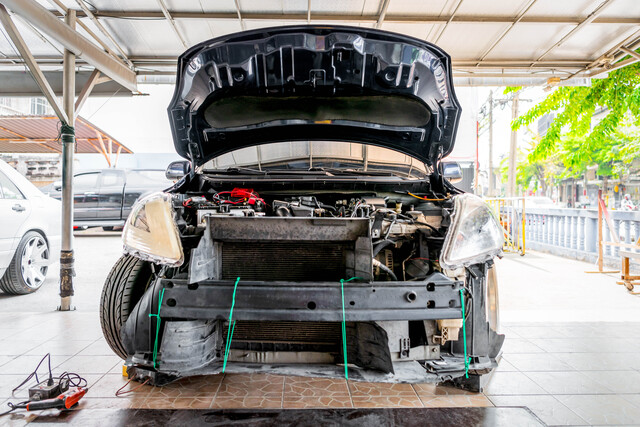
This is ideal for someone running a budget-friendly repair shop or exporting parts internationally. A single CoD vehicle can yield multiple profitable components, offering maximum value for minimal investment.
How Auto4Export Helps Buyers Source CoD Cars for Export
Auto4Export specializes in helping buyers locate and purchase CoD vehicles legally and efficiently. We provide:
- Verified auction listings of CoD cars suitable for export.
- Guidance on export rules and documentation for different countries.
- Support with shipping, customs clearance, and compliance.
By using Auto4Export, budget-conscious buyers can access low-cost CoD vehicles that would otherwise be unusable in the U.S., turning them into profitable opportunities overseas or for parts resale.
Legal and Environmental Purpose of the CoD
A Certificate of Destruction (CoD) serves more than just a legal function—it also protects the environment and supports responsible automotive practices. Understanding these purposes helps budget-conscious buyers make smart choices when purchasing CoD vehicles for parts or export.
Preventing Unsafe Vehicles from Returning to the Road
One of the primary reasons for issuing a CoD is safety. Vehicles with severe structural damage, compromised frames, or faulty safety systems can be extremely dangerous if rebuilt and driven. By issuing a CoD, states legally prevent these vehicles from being registered or used on public roads, reducing the risk of accidents and injuries.
For example, a 2015 Honda Civic involved in a major flood may appear repairable, but hidden water damage can affect the engine, electronics, and brakes. The CoD ensures that unsafe cars like this are kept off the road permanently, protecting drivers, passengers, and other road users.
Ensuring Proper Recycling and Disposal of Materials
CoDs also promote environmental responsibility. Severely damaged vehicles contain hazardous materials like oil, fuel, batteries, and coolant. If improperly disposed of, these substances can harm soil, water, and air quality.
Issuing a CoD requires the vehicle to be dismantled or recycled according to state regulations. Parts that are still usable can be salvaged, while toxic or non-recyclable components are safely processed. This reduces environmental damage and ensures eco-friendly handling of old or destroyed vehicles.
How CoD Supports Sustainable Auto Industry Practices
By combining safety and environmental oversight, the CoD contributes to a more sustainable automotive industry. It encourages the recycling of parts, the responsible disposal of hazardous materials, and the reuse of components that are still functional.
For budget-conscious buyers, this creates opportunities: purchasing CoD vehicles for parts or export allows them to save money while supporting sustainable practices. Engines, transmissions, and electronics can be reused, reducing waste and extending the life of valuable materials.
Certificate of Destruction in the U.S. and Abroad
The rules surrounding a Certificate of Destruction (CoD) vary widely depending on location. For budget-conscious buyers, understanding how CoDs are handled in the U.S. and abroad is essential for legal compliance, export planning, and safe vehicle use.
U.S. Regulations by State (DMV and Environmental Laws)
In the United States, CoD regulations are primarily governed by state Departments of Motor Vehicles (DMVs). While the core purpose is the same—preventing unsafe vehicles from returning to the road—each state has specific rules regarding issuance, documentation, and disposal.
For instance, California, Texas, and Florida all issue CoDs after an insurance company declares a vehicle a total loss, but the exact process and legal obligations differ slightly. States also enforce environmental laws, ensuring that fluids, metals, and other hazardous materials are properly handled. Buyers at online auctions must check the issuing state’s rules to understand whether the vehicle can be exported, dismantled, or used for parts.
DVLA Rules in the U.K. — When to Notify After Requesting a CoD
In the United Kingdom, the Driver and Vehicle Licensing Agency (DVLA) oversees Certificates of Destruction. UK CoDs are typically issued when a vehicle is permanently scrapped at an authorized facility. Once a CoD is requested, the DVLA must be notified so the vehicle is officially removed from the road.
This process ensures that the car cannot be re-registered in the U.K., similar to U.S. CoD regulations. Buyers and sellers in the UK need to follow these notification rules to comply with legal and environmental requirements.
Differences in International Regulations for Vehicle Disposal
Outside the U.S. and U.K., CoD rules can vary significantly. Some countries allow CoD or salvage vehicles to be rebuilt and registered, while others enforce strict disposal and recycling regulations. For buyers looking to export CoD vehicles, it’s crucial to research local laws to determine what is permissible.
For example, a CoD car purchased in the U.S. might be exported to a country where rebuilt vehicles can be registered after inspection. Conversely, other countries may only allow CoD vehicles to be used for parts or scrap. Understanding these international differences helps buyers make safe, legal, and cost-effective decisions when sourcing CoD vehicles abroad.
Buying a Vehicle with a Certificate of Destruction
Purchasing a vehicle with a Certificate of Destruction (CoD) can be a smart way to save money, but it comes with important restrictions and risks. For budget-conscious buyers at online auctions, understanding what a CoD means is essential to make informed, legal, and profitable decisions.
What You Can and Can’t Do with a CoD Vehicle
A CoD vehicle cannot be legally driven or registered in the U.S. This means you cannot insure it for road use, nor can you use it for personal transportation.
However, there are still options:
- You can use it for parts to repair other vehicles.
- You can scrap it to sell metal or recyclable components.
- You can export it to countries that allow registration of rebuilt vehicles.
For example, a 2016 Honda Civic with a CoD might sell for $1,500. You can’t drive it in the U.S., but the engine, transmission, and electronics could be resold individually for more than the purchase price.
Buying for Parts, Scrap, or Export
Many CoD vehicles are sold specifically for parts or export. This can be a great opportunity for buyers who run repair shops, resell components, or work in the auto export business. Parts like tires, engines, and infotainment systems often retain high value, even if the car itself is legally unusable.
For budget-conscious buyers, this approach allows you to maximize value from low-cost vehicles. Instead of paying for a fully functional car, you can profit by selling or using individual components.
How to Verify a Vehicle’s Title Before Purchase
Before buying a CoD vehicle, it’s crucial to verify the title. Check:
- The issuing state or authority.
- The Vehicle Identification Number (VIN) matches the CoD.
- Any restrictions or special notes on the certificate.
Doing this ensures the vehicle is legally classified as a CoD and prevents surprises like hidden salvage issues, liens, or registration problems. Online auction platforms often provide documentation, but it’s wise to double-check with the DMV or the insurance company.
Hidden Risks of Buying a CoD Car Without Research
Buying a CoD car without proper research carries several risks:
- Accidentally purchasing a car that cannot be exported to your target country.
- Overestimating the value of parts or resale potential.
- Facing legal penalties if the vehicle is used on public roads.
- Missing underlying damage that reduces parts’ usability or value.
For instance, a flooded CoD car might look inexpensive, but water damage could ruin the electronics or engine, making resale unprofitable. Proper due diligence prevents these pitfalls and ensures a safe, cost-effective purchase.
How to Obtain or Request a Certificate of Destruction
A Certificate of Destruction (CoD) is a formal document that confirms a vehicle has been permanently removed from the road. Whether you’re an owner, insurance company, or recycler, knowing the correct process to obtain a CoD ensures legal compliance and proper handling of the vehicle.
Who Can Apply for It — Owners, Insurance Companies, or Recyclers
Typically, a CoD can be requested by:
- Vehicle owners who want to scrap their damaged car legally.
- Insurance companies after declaring a vehicle a total loss.
- Authorized recyclers or dismantlers who handle end-of-life vehicles.
For example, if an insurance company declares a 2017 Toyota Camry totaled after a flood, they may apply for the CoD to ensure the car is properly scrapped and removed from the state’s registration system.
Steps to Request a CoD from an Authorized Facility
Requesting a CoD usually involves several clear steps:
- Prepare vehicle information: Include VIN, make, model, and year.
- Submit proof of ownership or insurance claim: This confirms you have the right to request a CoD.
- Deliver the vehicle to an authorized facility: Often a licensed scrap yard or DMV-approved recycling center.
- Complete required forms: State-specific CoD request forms are typically available online or at the facility.
Following these steps ensures the vehicle is processed legally and safely.
Submitting and Tracking a CoD Request
Once submitted, the request is tracked by the state DMV or the authorized facility. Many states provide online portals or reference numbers to monitor progress. This transparency allows owners or insurance companies to confirm that the vehicle is officially recorded as destroyed.
For example, after submitting a CoD request for a 2015 Ford Focus, the owner can check the DMV portal to see when the certificate is issued and officially logged in the system.
How Long It Takes to Receive a Certificate
The time to receive a CoD varies by state and facility, but typically ranges from a few days to several weeks. Factors affecting timing include:
- Volume of CoD requests at the facility.
- Verification of ownership and insurance documents.
- State-specific administrative processing.
Knowing the estimated timeline helps buyers, insurers, and recyclers plan for export, parts resale, or proper disposal without legal delays.
Common Misconceptions About Certificates of Destruction
A Certificate of Destruction (CoD) is often misunderstood, especially by budget-conscious buyers looking for cheap vehicles at auctions. Misinterpreting its meaning can lead to legal trouble, wasted money, or unsafe situations. This section clarifies the most common myths about CoD vehicles.
“A CoD Car Can Be Fixed and Re-Registered” – Why That’s False
One of the biggest misconceptions is that a CoD vehicle can be repaired and legally driven again. This is false. A CoD indicates that the car is permanently off the road in the issuing state.
Even if the damage seems minor or the car looks repairable, the law does not allow registration for road use. For example, a 2016 Honda Civic with a CoD may appear drivable, but attempting to register or insure it in the U.S. is illegal. Understanding this prevents buyers from spending money on a car they can never legally use.
“It’s the Same as a Junk Title” – Understanding the Difference
Many people confuse CoD vehicles with junk or salvage titles. While related, they are not the same:
- Junk or salvage title: Car is damaged but can be repaired and possibly re-registered after inspection.
- Certificate of Destruction: Car cannot be rebuilt, registered, or insured under any circumstances in the issuing state.
Knowing the difference helps buyers make smart decisions. For instance, a budget-conscious buyer may prefer a salvage vehicle they can repair, rather than a CoD car that only has value for parts or export.
“You Don’t Need to Inform Authorities” – When You Actually Do
Another misconception is that owners or recyclers don’t need to notify the authorities when a vehicle is being destroyed. In reality, reporting to the DMV or authorized facility is mandatory. Failure to do so can result in fines, legal penalties, or confusion in the vehicle registration system.
For example, if a flood-damaged 2015 Toyota Corolla is scrapped without notifying the DMV, the state may still consider it active on the road, creating liability issues for future buyers or insurers. Proper reporting ensures the car is officially removed from circulation and compliant with legal and environmental standards.
How Certificates of Destruction Affect Auto Auctions
Certificates of Destruction (CoD) play a significant role in auto auctions, especially for buyers looking for budget-friendly vehicles or parts. Understanding how CoDs impact auctions helps bidders avoid legal pitfalls and make smart purchases.
Why Some Cars at Copart or IAAI Have CoD Titles
Many vehicles at major U.S. auto auctions like Copart or IAAI have CoD titles because they were declared total losses by insurance companies. These cars are often too damaged to be safely repaired and registered, so insurers sell them for parts, scrap, or export.
For example, a 2016 Ford Focus listed with a CoD at Copart may appear repairable superficially, but it’s legally classified as destroyed. This keeps the car off U.S. roads while still allowing buyers to acquire it for valuable components or export opportunities.
Rules for Bidding and Exporting CoD Vehicles
Bidding on CoD cars comes with strict rules:
- You cannot register or drive the car in the U.S.
- Many auctions allow export-only bids, meaning the vehicle must leave the country.
- Buyers are responsible for researching the destination country’s import rules to ensure the car can be legally registered or used abroad.
For instance, a CoD vehicle purchased for export might be shipped to a country that permits rebuilt or imported cars. Without following auction rules and export regulations, the purchase could become illegal or non-profitable.
How Bidders Can Identify CoD Cars Before Buying
Most auctions clearly indicate a CoD vehicle in the title status or auction listing. Buyers should:
- Check the title column in the auction catalog.
- Review auction notes and vehicle history reports.
- Confirm with the auction house if the vehicle is restricted to parts or export only.
For budget-conscious buyers, correctly identifying CoD vehicles prevents surprises and ensures the investment is used as intended—whether for parts, scrap, or export.
Tips for Auto Buyers and Exporters
Buying vehicles at auctions, especially those with a Certificate of Destruction (CoD), requires extra caution. Following a few simple tips can help budget-conscious buyers make smart, safe, and legal purchases.
Always Check the Vehicle Title Type Before Bidding
Before placing a bid, always verify the title type of the vehicle. Knowing whether it’s a CoD, salvage, or clean title helps prevent unexpected legal or registration issues.
For example, a 2015 Toyota Camry listed at an auction may look affordable, but if it has a CoD title, it cannot be driven in the U.S. Understanding this upfront saves money and avoids frustration.
Verify Export Eligibility with Customs Regulations
If you plan to export a CoD vehicle, check the destination country’s customs and import rules. Some countries allow registration of rebuilt vehicles, while others only permit CoD cars to be used for parts.
For instance, a CoD vehicle exported from the U.S. to a country with flexible regulations can be legally repaired and registered. Skipping this step could result in seizure, fines, or additional fees.
Use Trusted Partners Like Auto4Export for Safe Purchases
Working with experienced partners like Auto4Export ensures that you are buying from verified auctions, receiving proper documentation, and following all legal requirements for export. This reduces risk and simplifies the process for first-time buyers or international purchasers.
For example, Auto4Export provides guidance on title verification, auction registration, shipping, and customs, helping buyers make informed and profitable purchases without surprises.
Avoid Scams and Mislabeling in Online Listings
Always be vigilant for scams or mislabeling in online auction listings. Some vehicles may be incorrectly listed as salvage or clean titles, or their CoD status may be unclear.
Tips to avoid issues:
- Cross-check the VIN and title type.
- Review photos and vehicle history reports.
- Ask auction staff or your export partner for confirmation.
Final Thoughts: Why a Certificate of Destruction Matters
A Certificate of Destruction (CoD) is more than just paperwork—it’s a crucial tool that ensures safety, legal compliance, and environmental responsibility in the automotive world. For budget-conscious buyers at auctions or exporters, understanding its significance helps make informed decisions and avoid costly mistakes.
Protecting Buyers from Unsafe Vehicles
The primary purpose of a CoD is safety. Vehicles with severe structural damage, flood damage, or other catastrophic issues can be extremely dangerous if rebuilt or driven. By issuing a CoD, authorities prevent these cars from returning to the road, protecting buyers and the public from potential accidents.
For example, a 2016 Honda Civic with a CoD may look repairable, but hidden water or frame damage could make it unsafe to drive. Recognizing this prevents buyers from spending money on a car they cannot legally or safely use.
Supporting Legal and Environmental Compliance
CoDs also serve legal and environmental purposes. They ensure that vehicles are properly disposed of, recycled, or dismantled, reducing the risk of hazardous materials contaminating the environment. By keeping destroyed cars out of circulation, CoDs maintain compliance with state regulations and support responsible automotive practices.
For auction buyers or exporters, this means understanding that a CoD vehicle is legally restricted and often intended only for parts, scrap, or overseas markets. Following these rules protects both the buyer and the environment.
How to Buy Smart and Avoid CoD Cars Unless for Parts or Export
Budget-conscious buyers should always check the title type before bidding. CoD vehicles are generally not suitable for driving in the U.S., so they should only be purchased if you plan to:
- Salvage parts for resale or personal projects.
- Scrap the vehicle for materials.
- Export to a country where CoD vehicles can be legally registered.
Using trusted partners, verifying documentation, and researching regulations helps buyers avoid legal trouble and wasted investments. By understanding the implications of a CoD, you can make smart, safe, and profitable decisions at auto auctions or when exporting vehicles.
Are you interested in buying a vehicle from US auctions?
With this being said – you can still export vehicles and save up a few thousand dollars with Auto4Export. We have an inventory of over 150k plus vehicles with titles you can export for you to choose from. Once you have placed your bid and won the auction a Bill of Sale document is then emailed to you as proof of purchase – after full payments have been made.
To gain access and get started on your purchase, sign up for free.
Further Reading
Types of Vehicle Titles: What You Can and Can’t Export
Salvage Title Meaning: What You Need to Know
What Is a Rebuilt Title and Why Does It Matter?
Buy Salvage Cars from the USA. What's the Meaning and Benefit?

Do You Have Any Questions?
 Ask Question