


 Log in
 Sign Up


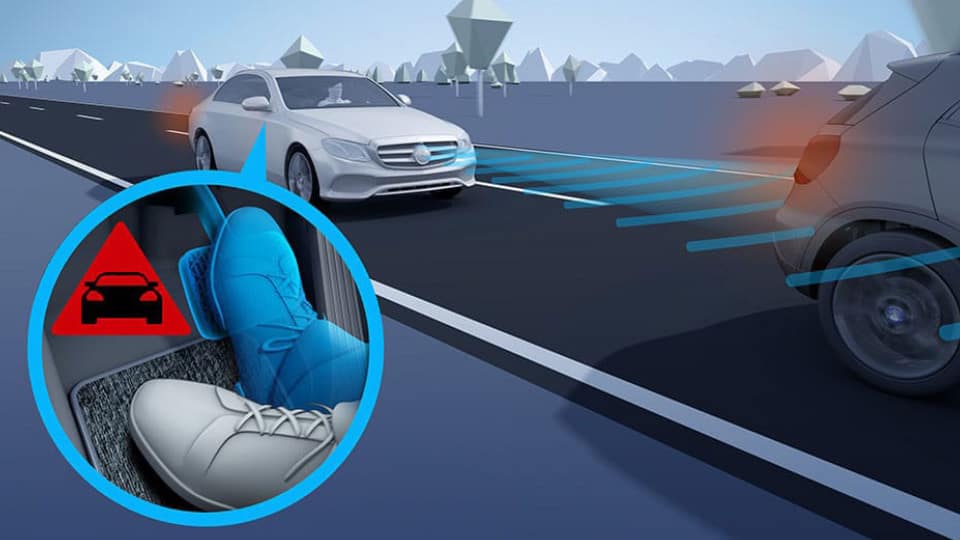


When it comes to car safety, ensuring your vehicle is in top shape is crucial. This article is the second part of our car safety series, focusing specifically on three critical aspects: braking systems, tire pressure, and anti-rollover features. These components play a vital role in preventing accidents and ensuring a smooth driving experience. Let’s dive into each of these elements and understand how they contribute to your vehicle's safety.
Braking Systems
1. Understanding Braking Systems
The braking system is one of the most essential components of any vehicle. It is responsible for slowing down or stopping your car, ensuring you can navigate safely through various driving conditions. Modern vehicles come equipped with advanced braking technologies that enhance safety and performance.
2. Disc Brakes vs. Drum Brakes
Disc Brakes: Most vehicles today use disc brakes. They are known for their superior stopping power and better performance in wet conditions. Disc brakes are more efficient at dissipating heat, which helps in maintaining their effectiveness even under heavy braking.
Drum Brakes: Drum brakes are older technology and are generally found in the rear wheels of many cars. They are less effective in wet conditions and tend to overheat more quickly compared to disc brakes. However, they are still used in some vehicles due to their lower cost.
3. Anti-lock Braking System (ABS)
What is ABS? The Anti-lock Braking System prevents the wheels from locking up during hard braking. This system helps maintain steering control and stability, reducing the risk of skidding.
How Does ABS Work? ABS uses sensors to monitor wheel speed and adjust brake pressure accordingly. If a wheel starts to lock up, the system momentarily reduces brake pressure, then applies it again. This process repeats rapidly to keep the wheels turning and maintain control.
Tire Pressure
1. Importance of Proper Tire Pressure
Maintaining the correct tire pressure is crucial for safe driving. Under-inflated or over-inflated tires can lead to poor handling, reduced fuel efficiency, and increased tire wear. Proper tire pressure ensures optimal contact with the road, enhancing safety and performance.
2. How to Check Tire Pressure
Manual Gauge: A manual gauge can be used to check tire pressure. Simply remove the valve stem cap from your tire, press the gauge onto the valve, and read the pressure. Compare this reading to your vehicle's recommended pressure, which can be found in the owner's manual or on a sticker inside the driver’s side door.
Electronic Monitors: Many modern vehicles are equipped with electronic tire pressure monitoring systems (TPMS) that alert you when a tire is under-inflated. While these systems are convenient, it's still a good practice to check your tire pressure manually.
3. Effects of Incorrect Tire Pressure
Under-Inflation: Tires that are not properly inflated can cause decreased fuel efficiency, increased tire wear, and poor handling. In extreme cases, under-inflated tires can lead to blowouts.
Over-Inflation: Tires that are too inflated can cause a harsh ride and increased risk of tire blowouts. Over-inflated tires also have reduced traction, which can impact your vehicle's handling and braking performance.
Anti-Rollover Car Safety Features
1. Understanding Rollover Risks
Rollovers are among the most dangerous types of accidents, often leading to severe injuries or fatalities. They can occur due to sudden maneuvers, sharp turns, or uneven road surfaces. Modern vehicles are equipped with features designed to reduce the risk of rollovers.
2. Electronic Stability Control (ESC)
What is ESC? Electronic Stability Control helps drivers maintain control of their vehicle during slippery conditions or abrupt maneuvers. It automatically applies individual brakes to help correct oversteering or understeering.
How ESC Works: ESC uses sensors to monitor your vehicle’s direction and steering. If it detects that the vehicle is not following the driver’s intended path, it applies brakes to individual wheels to help steer the vehicle back on course.
3. Roll-Over Mitigation Systems
What are Roll-Over Mitigation Systems? These systems use sensors to detect the likelihood of a rollover. They automatically engage various safety mechanisms to prevent the vehicle from tipping over.
How They Work: These systems typically incorporate ESC and traction control to reduce the risk of rollovers. They can also include features like active suspension systems that adjust the vehicle’s height to enhance stability.
4. Side-Impact Airbags
What are Side-Impact Airbags? Side-impact airbags are designed to protect occupants in the event of a side collision or rollover. They deploy from the sides of the vehicle to cushion the impact and reduce the risk of injury.
Benefits of Side-Impact Airbags: These airbags help protect the head and torso from injury during a side collision. They work in conjunction with other safety features, like seat belts, to provide comprehensive protection.
Conclusion
Ensuring your vehicle is equipped with effective braking systems, maintaining proper tire pressure, and utilizing anti-rollover safety features are all critical for safe driving. Regular maintenance and understanding how these components work can significantly enhance your driving experience and safety on the road.
FAQs
How often should I check my tire pressure?
You should check your tire pressure at least once a month and before long trips. Regular checks help ensure your tires are properly inflated and can help prevent issues related to under- or over-inflation.
Can I upgrade my car’s braking system?
Yes, you can upgrade your car’s braking system. High-performance brake pads and rotors can improve braking efficiency. Consult with a professional mechanic to determine the best options for your vehicle.
What should I do if my ABS light comes on?
If your ABS light comes on, it indicates a problem with the ABS system. You should have your vehicle inspected by a professional mechanic to diagnose and fix the issue.
How do I know if my vehicle has an ESC system?
Check your vehicle’s owner’s manual or look for a button or indicator light on your dashboard that signifies ESC. Most modern vehicles come equipped with this feature as a standard safety measure.
Are side-impact airbags standard in all cars?
While many modern vehicles come with side-impact airbags as standard, it’s important to check your specific vehicle model. If not standard, they can often be added as an option.
Are you interested in buying a car from US auctions?
With this being said – you can still export vehicles and save up a few thousand dollars with Auto4Export. We have an inventory of over 150k plus vehicles with titles you can export for you to choose from. Once you have placed your bid and won the auction a Bill of Sale document is then emailed to you as proof of purchase – after full payments have been made.
To gain access and get started on your purchase, sign up for free.
Further Reading
How do US auto auctions work?
How to buy a used car from a US auction
Buy Salvaged Cars from the USA. What's the Meaning and Benefit?
Types of Vehicle Titles: What You Can and Can’t Export

Do You Have Any Questions?
 Ask Question