


 Log in
 Sign Up




Buying a luxury car does not always require a luxury budget. This guide covers the best used luxury cars to buy in 2026, including reliable sedans, SUVs, and affordable premium models. Learn which vehicles offer the best value, lowest ownership costs, and strongest reliability, plus tips for choosing, inspecting, and buying a used luxury car that fits your budget.
Why Buy a Used Luxury Car Instead of a New One
Buying a luxury car no longer means spending $60,000, $80,000, or even more on a brand-new vehicle. In 2026, many buyers are choosing used luxury cars because they offer premium comfort, advanced technology, and strong performance at a much lower price. A vehicle that was once out of reach can become surprisingly affordable after only a few years.
For budget-conscious buyers, a used luxury vehicle can provide far more value than a new economy car. Instead of paying for rapid depreciation, buyers can enjoy premium materials, advanced safety systems, and higher-quality driving experiences while staying within their budget.
How Luxury Cars Become Affordable After Depreciation
Luxury vehicles lose value faster than many mainstream models. The first owner often experiences the biggest drop in value during the first three to five years. This creates excellent opportunities for used car buyers.
For example, a luxury SUV that sold for $65,000 when new may be available for $35,000 or less after several years. Some premium sedans lose nearly half of their original value within the first four years.
This depreciation does not necessarily mean the vehicle is unreliable. In many cases, the car still offers modern technology, comfortable seating, advanced safety features, and many years of remaining service life.
A buyer with a budget of $25,000 may discover that they can purchase a well-maintained luxury vehicle instead of a new economy sedan with fewer features. This is one of the main reasons used luxury cars continue to attract buyers in 2026.
Benefits of Buying a Used Premium Vehicle
One of the biggest advantages of buying a used luxury car is getting more vehicle for your money. Premium brands often include features that remain impressive even years after the vehicle was built.
Benefits of buying a used luxury vehicle include:
- Lower purchase price.
- Slower depreciation after purchase.
- Higher-quality interior materials.
- More advanced safety equipment.
- Better sound insulation.
- Stronger engines and smoother transmissions.
- Improved ride comfort.
- More standard technology features.
For example, a buyer comparing a new compact economy SUV with a five-year-old luxury SUV may find that the used luxury vehicle offers leather seats, adaptive cruise control, a premium audio system, heated seats, and all-wheel drive for a similar price.
Many drivers also appreciate the more refined driving experience. Luxury cars often have quieter cabins, smoother suspensions, and more comfortable seats that make long trips less tiring.
Luxury Features You Can Get for Less Money
Used luxury cars allow buyers to enjoy premium features that may still be expensive options on many new vehicles.
Common features found in affordable used luxury cars include:
- Leather upholstery.
- Heated and ventilated seats.
- Panoramic sunroofs.
- Adaptive cruise control.
- Large touchscreen displays.
- Premium sound systems.
- Head-up displays.
- Blind spot monitoring.
- Surround-view cameras.
- Heated steering wheels.
- All-wheel drive systems.
- Power-adjustable seats with memory settings.
A buyer shopping for a used Lexus RX or BMW 330i may discover features that are unavailable on a new entry-level vehicle costing the same amount.
For example, a family with a $30,000 budget may have to choose a basic new crossover with cloth seats and limited technology. The same budget may purchase a luxury SUV with a premium interior, advanced safety systems, and additional comfort features.
Who Should Consider a Used Luxury Car
Used luxury vehicles are not only for car enthusiasts. They can be an excellent choice for many different buyers.
A used luxury car may be a good option for:
- Drivers who want premium comfort on a budget.
- Families looking for a safe and spacious vehicle.
- Commuters who spend many hours on the road.
- First-time luxury car buyers.
- Buyers upgrading from an older economy vehicle.
- People who value comfort more than owning a new car.
- Drivers who want advanced technology without paying full price.
For example, someone driving a ten-year-old compact sedan may discover that a used Acura RDX or Lexus IS offers significantly better comfort, safety, and driving quality while remaining affordable.
However, buyers should also consider maintenance costs. Luxury vehicles may require more expensive parts and specialized service compared with mainstream brands. Researching ownership costs before buying remains very important.
Are Used Luxury Cars Worth Buying in 2026
For many buyers, the answer is yes. The used luxury market in 2026 offers strong value, especially as vehicle prices remain high and new cars become increasingly expensive.
Several factors make used luxury vehicles attractive this year:
- Large supply of off-lease vehicles.
- Improved reliability of many modern luxury models.
- Better fuel economy and hybrid options.
- Advanced safety systems becoming more common.
- Strong competition between luxury brands.
- Significant depreciation savings.
Reliable models from Lexus, Acura, Genesis, and some BMW and Mercedes-Benz vehicles continue to attract buyers who want premium features without paying new-car prices.
The key is choosing the right model, reviewing maintenance records, checking vehicle history reports, and understanding ownership costs before making a purchase.
Drive a Premium Vehicle Without Paying New-Car Prices
Many luxury vehicles lose a large portion of their value within the first few years. Auto4Export helps buyers access used luxury cars from U.S. auctions, allowing them to purchase premium vehicles at significantly lower prices than traditional dealerships.
- ✅ Access to dealer and insurance auctions
- ✅ Thousands of luxury vehicles available weekly
- ✅ Lower prices than retail dealerships
- ✅ Support with buying and exporting worldwide
What Makes a Good Used Luxury Car
A good used luxury car is not just a car with a famous badge. It should be comfortable, reliable, safe, and realistic to own after the purchase. For budget-conscious buyers, the best choice is usually the vehicle that offers premium features without creating high repair bills every few months.
Before buying, look beyond the exterior design and interior materials. A luxury car may look clean in photos, but its true value depends on maintenance history, ownership costs, mileage, title status, and overall condition.
Reliability and Long-Term Ownership Costs
Reliability should be one of the first things to check when buying a used luxury car. A low purchase price does not always mean a good deal if the vehicle needs expensive repairs soon after purchase.
Some luxury brands are known for lower long-term ownership costs. Lexus, Acura, and Genesis often appeal to buyers who want premium comfort without the highest repair risk. Many European luxury vehicles can also be good purchases, but they usually require stricter maintenance and more careful inspection.
For example, a used Lexus RX may cost more upfront than some European SUVs of the same age, but it may save money over time because of lower repair costs and stronger reliability. A cheaper luxury SUV can become expensive if it has engine leaks, suspension problems, or electronic issues.
A good used luxury car should have:
- A strong reliability record.
- Reasonable parts prices.
- Clear maintenance history.
- No major unresolved mechanical issues.
- A powertrain with a proven reputation.
- Ownership costs that fit your real budget.
The best luxury car is not always the cheapest one. It is the one you can afford to buy, maintain, insure, and repair.
Maintenance and Repair Expenses
Luxury cars usually cost more to maintain than regular vehicles. Oil changes, tires, brakes, batteries, suspension parts, and electronic repairs can all be more expensive. This is especially true for performance models, large SUVs, and vehicles with air suspension or complex turbocharged engines.
Before buying, estimate the cost of basic service. Check how much it costs to replace tires, brake pads, rotors, spark plugs, fluids, and suspension components. These are normal ownership expenses, not rare repairs.
For example, a buyer may find a used Mercedes-Benz E-Class at an attractive price. But if the car needs new tires, brakes, and a major service soon after purchase, the total cost can rise quickly.
Used luxury buyers should be careful with vehicles that have:
- Missed service records.
- Warning lights on the dashboard.
- Rough shifting.
- Oil leaks.
- Suspension noise.
- Electrical problems.
- Poor-quality previous repairs.
- Very cheap aftermarket parts.
A professional inspection can help avoid buying a car that looks good but needs thousands of dollars in repairs.
Depreciation and Resale Value
Depreciation is one of the main reasons used luxury cars can be affordable. Many premium vehicles lose value quickly during the first few years. This creates savings for second and third owners.
However, depreciation still matters after you buy the car. Some models continue losing value faster than others. A luxury sedan with weak demand may become cheaper every year, while a reliable luxury SUV may hold value better.
For example, a used Lexus RX or Acura RDX may keep resale value better than a less popular luxury sedan. SUVs are often easier to resell because many buyers want space, comfort, and all-wheel drive.
When choosing a used luxury car, consider:
- Brand reputation.
- Model popularity.
- Mileage.
- Condition.
- Title type.
- Service history.
- Color and trim.
- Market demand.
A car with strong resale value may cost more at the beginning, but it can be cheaper to own in the long run if you sell it later for a better price.
Safety Ratings and Advanced Technology
Luxury vehicles often include advanced safety features before they become common in regular cars. This is one of the biggest advantages of buying a used premium model.
Many used luxury cars may include:
- Adaptive cruise control.
- Blind spot monitoring.
- Lane keeping assist.
- Automatic emergency braking.
- Parking sensors.
- Rear cross-traffic alert.
- Surround-view cameras.
- Driver attention alerts.
- Strong crash protection.
These features can make daily driving easier and safer, especially for families and commuters. For example, someone who drives in heavy traffic every day may appreciate adaptive cruise control and blind spot monitoring more than a larger engine.
Still, technology should be checked carefully. Luxury cars often have complex infotainment systems, digital displays, sensors, cameras, and electronic control modules. Repairs can be expensive if these systems fail.
During inspection, test every feature. Check the screen, backup camera, seat controls, climate control, parking sensors, audio system, sunroof, keyless entry, and driver assistance features.
Fuel Economy and Powertrain Options
A good used luxury car should match your driving habits. A powerful engine may feel exciting, but it can also mean higher fuel costs, higher insurance, and more expensive repairs.
Used luxury cars are available with many powertrain options:
- Gas engines.
- Turbocharged engines.
- Hybrid systems.
- Plug-in hybrid systems.
- Electric powertrains.
- All-wheel drive.
- Rear-wheel drive.
- Front-wheel drive.
For city driving, a hybrid luxury car can help reduce fuel costs. For long highway trips, a smooth gas sedan or SUV may be a better fit. For cold climates or snowy areas, all-wheel drive may be more important than horsepower.
For example, a buyer who drives 60 miles per day may care more about fuel economy and seat comfort than fast acceleration. Another buyer who lives in a snowy state may prefer an all-wheel-drive luxury SUV like a Lexus RX, BMW X3, or Acura RDX.
The right powertrain should fit your lifestyle, not just look impressive on paper.
Availability of Parts and Service
Parts availability is very important when buying a used luxury vehicle. Some models are easy to service because parts are widely available and many mechanics know how to work on them. Others can be difficult and expensive to repair.
A used luxury car is usually safer to buy when:
- The brand has strong dealer support.
- Independent mechanics can service it.
- Common parts are easy to find.
- The model was sold in large numbers.
- Repair information is widely available.
- Used and aftermarket parts are available.
For budget buyers, this can make a major difference. A rare luxury model may look special, but even small repairs can become expensive if parts are hard to find.
For example, a Lexus RX or Acura RDX may be easier to maintain than a rare European performance sedan. A BMW 330i may also be easier to service than a less common high-performance BMW M model.
Before buying, check whether there are qualified mechanics in your area. If every repair requires a dealer visit, ownership costs can become much higher.
Vehicle History and Previous Ownership
Vehicle history can tell you a lot about how a used luxury car was treated. A clean-looking car may still have accident history, title issues, flood damage, odometer problems, or poor maintenance records.
Always review the vehicle history report before buying. Look for:
- Accident history.
- Title status.
- Mileage records.
- Number of previous owners.
- Service history.
- Auction history.
- Insurance loss records.
- Flood or fire damage.
- Lemon law or manufacturer buyback records.
Previous ownership also matters. A one-owner luxury car with regular service records is often a better choice than a cheaper car with unclear history.
For example, a luxury sedan used mostly for highway commuting may be in better condition than a lower-mileage vehicle with poor maintenance and accident repairs. Mileage matters, but history and condition often matter more.
If buying from an auto auction, carefully review photos, damage notes, title type, vehicle condition, and estimated repair costs before bidding.
Warranty Coverage and Certified Pre-Owned Programs
Warranty coverage can reduce risk when buying a used luxury car. Some newer used luxury vehicles may still have factory warranty coverage. Others may qualify for certified pre-owned programs through dealers.
A certified pre-owned vehicle usually costs more, but it may include:
- Manufacturer inspection.
- Extended warranty coverage.
- Roadside assistance.
- Vehicle history review.
- Limited repair protection.
- Dealer-backed confidence.
This can be useful for buyers who want a luxury car but worry about repair costs. A CPO Lexus, Acura, BMW, Genesis, or Mercedes-Benz may offer more peace of mind than a regular used vehicle.
However, CPO is not always the cheapest option. Buyers with tighter budgets may find better prices through regular used listings or auto auctions. In that case, a professional inspection and detailed history review become even more important.
A warranty can help, but it does not replace smart buying. Always understand what is covered, what is excluded, and when the warranty ends.
How to Choose the Right Used Luxury Car
Choosing the right used luxury car is not only about finding the lowest price or the most expensive badge. The best vehicle is the one that fits your lifestyle, budget, driving habits, and long-term ownership goals. A luxury car that works perfectly for one buyer may become a costly mistake for another.
Before making a purchase, think about how you use your vehicle every day. Consider your family size, commute, fuel costs, maintenance budget, and the type of driving you do most often. Taking time to answer these questions can help you avoid expensive mistakes and find a vehicle that truly meets your needs.
Luxury Sedan vs Luxury SUV
One of the first decisions buyers face is choosing between a luxury sedan and a luxury SUV. Both offer premium interiors, advanced technology, and comfortable driving experiences, but they serve different purposes.
Luxury sedans typically provide:
- Better fuel economy.
- Smoother handling.
- Lower purchase prices.
- Quieter highway driving.
- Easier parking.
- Lower center of gravity.
Models such as the BMW 330i, Audi A6, and Mercedes-Benz E-Class appeal to buyers who spend a lot of time commuting or traveling on highways.
Luxury SUVs offer:
- Higher seating position.
- More cargo space.
- Easier entry and exit.
- Better visibility.
- More passenger room.
- Available all-wheel drive.
Vehicles such as the Lexus RX, Acura RDX, and BMW X3 are popular among families and drivers who need additional versatility.
For example, a commuter driving alone to work every day may be happier with a luxury sedan. A family with children, pets, or outdoor equipment may benefit more from a luxury SUV.
Gas, Hybrid, Plug-In Hybrid, or Electric Models
Modern luxury vehicles offer several powertrain options. Each has advantages and disadvantages depending on your driving habits.
Gas-powered vehicles remain the most common choice. They offer:
- Lower purchase prices.
- Easy refueling.
- Large selection of used models.
- Lower battery replacement concerns.
Hybrid luxury vehicles combine gasoline engines with electric motors. They can provide:
- Better fuel economy.
- Lower fuel costs.
- Quiet operation.
- Reduced emissions.
Plug-in hybrid vehicles allow short electric driving distances while keeping a gasoline engine for longer trips.
Electric luxury vehicles offer:
- Instant acceleration.
- Low operating costs.
- Quiet driving.
- Fewer moving parts.
However, buyers should also consider charging availability, battery condition, and driving range.
For example, a driver with a short daily commute and home charging may enjoy an electric luxury vehicle. Someone who regularly drives long distances across several states may prefer a gasoline or hybrid model.
Choosing the right powertrain depends on your daily routine, fuel costs, and local charging infrastructure.
Choosing the Right Size and Seating Capacity
Vehicle size affects comfort, practicality, fuel costs, and parking convenience. Some buyers focus only on luxury features and forget to consider whether the vehicle actually fits their needs.
Compact luxury cars usually offer:
- Lower prices.
- Better fuel economy.
- Easier parking.
- Lower maintenance costs.
Mid-size luxury vehicles provide:
- More rear-seat space.
- Better ride comfort.
- Larger trunks.
- More features.
Large luxury SUVs often offer:
- Three rows of seating.
- Extra cargo space.
- Better family practicality.
- More towing capability.
A single driver may not need a large seven-passenger SUV. At the same time, a family with three children may quickly outgrow a compact luxury sedan.
Before buying, ask yourself:
- How many passengers ride with you regularly?
- Do you need cargo space?
- Do you travel with pets?
- Do you need a third row?
- Is parking space limited?
Buying the right size vehicle can improve comfort while helping reduce ownership costs.
Daily Commuting vs Long-Distance Driving
How you drive should strongly influence your decision. The ideal luxury car for city driving may not be the best choice for frequent highway travel.
Daily commuters often benefit from:
- Good fuel economy.
- Comfortable seats.
- Driver assistance systems.
- Easy parking.
- Smooth ride quality.
Long-distance drivers may prioritize:
- Large fuel tanks.
- Quiet cabins.
- Supportive seating.
- Advanced cruise control systems.
- Spacious interiors.
For example, someone driving 20 miles per day in city traffic may value fuel efficiency and compact size. A sales representative who drives hundreds of highway miles every week may prioritize ride comfort and highway stability.
Many luxury vehicles excel at long-distance driving because of their comfortable seats, low cabin noise, and advanced driver assistance technologies.
Think about where you spend most of your time behind the wheel before choosing a vehicle.
Performance vs Comfort Priorities
Luxury cars can focus on different driving experiences. Some models emphasize sporty handling and acceleration, while others focus on comfort and relaxation.
Performance-oriented luxury vehicles often feature:
- More powerful engines.
- Sport suspensions.
- Larger wheels.
- Faster acceleration.
- Sharper steering.
Comfort-focused models typically provide:
- Softer suspension tuning.
- Quieter cabins.
- Smoother ride quality.
- Better seat comfort.
- Less road noise.
For example, a BMW 330i may appeal to drivers who enjoy responsive handling and sporty driving. A Lexus RX may be a better choice for buyers who value comfort and reliability.
Buyers should also remember that performance models often have:
- Higher insurance costs.
- More expensive tires.
- Increased maintenance expenses.
- Greater fuel consumption.
Choosing the right balance between comfort and performance can lead to greater satisfaction after purchase.
Budget Planning and Total Ownership Costs
Many buyers focus only on the purchase price. However, the total cost of ownership often determines whether a luxury car remains affordable.
When creating your budget, consider:
- Purchase price.
- Taxes and registration fees.
- Insurance costs.
- Fuel expenses.
- Routine maintenance.
- Tires and brakes.
- Repairs.
- Extended warranties.
- Vehicle shipping costs.
For example, a buyer with a $30,000 budget may spend the entire amount on the vehicle itself and later struggle with maintenance expenses. Another buyer may purchase a $25,000 luxury vehicle and keep several thousand dollars available for future repairs and maintenance.
Financial experts often recommend keeping a maintenance reserve when purchasing a used luxury vehicle. This can help cover unexpected repairs without creating financial stress.
A luxury car should improve your driving experience, not create monthly financial problems.
Newer Entry-Level Models vs Older Flagship Vehicles
Many buyers face an important choice: purchase a newer entry-level luxury vehicle or an older flagship model.
A newer entry-level luxury car often provides:
- Newer technology.
- Better fuel economy.
- Lower mileage.
- Remaining warranty coverage.
- Lower repair risk.
Examples include:
- BMW 330i.
- Lexus IS.
- Acura RDX.
- Genesis G80.
Older flagship vehicles may offer:
- Larger interiors.
- More premium materials.
- More features.
- More powerful engines.
- Higher original prices.
Examples include:
- Mercedes-Benz S-Class.
- BMW 7 Series.
- Audi A8.
At first glance, the older flagship may seem like the better deal because it originally cost much more. However, repairs and maintenance can also be significantly more expensive.
For many budget-conscious buyers, a newer entry-level luxury vehicle often provides the best balance between reliability, technology, and ownership costs.
A five-year-old BMW 330i may be easier and less expensive to own than a ten-year-old BMW 7 Series, even if both vehicles cost the same amount.
Top 10 Best Used Luxury Cars to Buy in 2026
The best used luxury cars in 2026 offer a combination of comfort, reliability, technology, and reasonable ownership costs. While some luxury vehicles can become expensive to maintain, others provide excellent value for budget-conscious buyers. The following models stand out because they deliver premium features without requiring a six-figure budget.
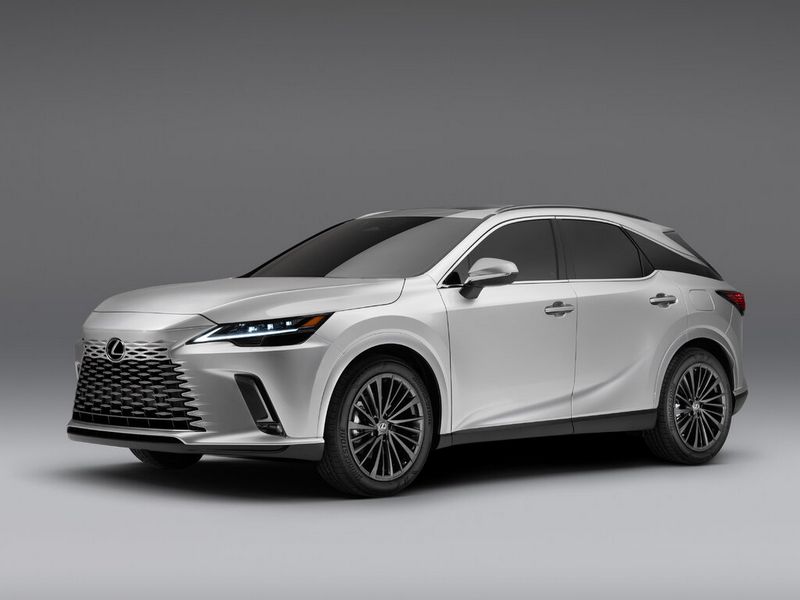
1. Lexus RX 350
The Lexus RX 350 remains one of the safest choices in the used luxury SUV market. It combines strong reliability, low ownership costs, and a comfortable driving experience. Many buyers choose the RX because it offers luxury without the high repair bills often associated with some European brands.
Why It Is One of the Most Reliable Luxury SUVs
Reliability is one of the biggest strengths of the Lexus RX 350. The vehicle has built a strong reputation for dependable engines, durable transmissions, and lower repair costs compared to many competitors.
The 3.5-liter V6 engine used in many RX 350 models has proven to be very durable when properly maintained. Routine maintenance is usually straightforward, and many owners drive these vehicles well beyond 150,000 miles.
The RX also benefits from Toyota's engineering and manufacturing standards. This helps reduce unexpected repairs and makes the SUV attractive to buyers who want long-term dependability.
Many used car shoppers specifically search for the RX because they want luxury features without taking on excessive repair risks.
Interior Comfort, Safety, and Ownership Costs
The interior of the RX 350 focuses on comfort rather than sporty driving. The cabin is quiet, the seats are supportive, and the ride quality remains smooth even on rough roads.
Common features may include:
- Leather upholstery.
- Heated and ventilated seats.
- Power-adjustable front seats.
- Large infotainment screens.
- Premium audio systems.
- Adaptive cruise control.
- Blind spot monitoring.
- Lane departure warning.
- Automatic emergency braking.
The RX also receives strong safety ratings and offers many driver assistance technologies that make daily commuting easier.
Ownership costs are generally lower than many competing luxury SUVs. Insurance rates are often reasonable, and maintenance costs tend to remain manageable.
For buyers with a budget between $25,000 and $40,000, a used RX 350 can provide many years of comfortable ownership.
Common Problems and Maintenance Concerns
Although the RX 350 is considered highly reliable, no vehicle is completely free of problems.
Some owners report:
- Oil leaks on higher-mileage vehicles.
- Water pump failures.
- Worn suspension components.
- Minor infotainment system issues.
- Battery replacement needs.
- Brake wear.
Fortunately, most repairs are relatively predictable and less expensive than major repairs on some European luxury SUVs.
Before buying, inspect maintenance records carefully and verify that routine services were performed on schedule.
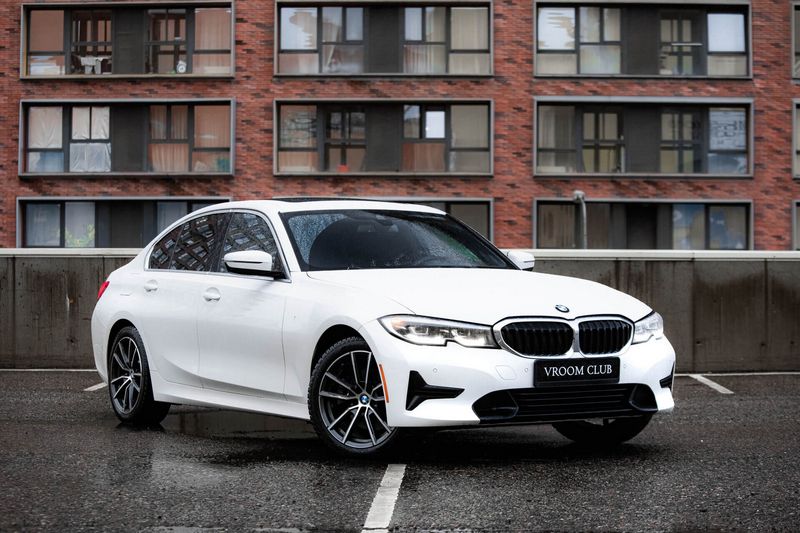
2. BMW 330i
The BMW 330i is one of the most popular luxury sports sedans on the used market. It offers strong performance, precise handling, and modern technology while remaining more affordable than larger BMW models.
Many buyers consider the 330i because it delivers an enjoyable driving experience without the higher ownership costs of performance-oriented M models.
Performance, Driving Experience, and Technology
Driving enjoyment has always been one of BMW's strengths, and the 330i continues that tradition.
The turbocharged four-cylinder engine provides strong acceleration while maintaining respectable fuel economy. Steering remains responsive, and the suspension balances comfort with sporty handling.
The 330i performs well in several areas:
- Quick acceleration.
- Precise steering.
- Excellent highway stability.
- Strong braking performance.
- Comfortable front seats.
- Modern infotainment systems.
- Available all-wheel drive.
Technology features may include:
- Digital instrument displays.
- Apple CarPlay and Android Auto.
- Navigation systems.
- Adaptive cruise control.
- Parking sensors.
- Head-up displays.
- Wireless charging.
For drivers who enjoy being behind the wheel, the 330i remains one of the most engaging luxury sedans available.
Maintenance Costs and Reliability Expectations
Modern BMW models have become more reliable than many older generations, but ownership costs can still be higher than Japanese luxury vehicles.
Regular maintenance may include:
- Synthetic oil changes.
- Brake service.
- Tire replacement.
- Cooling system maintenance.
- Spark plug replacement.
- Transmission service.
The turbocharged engine generally performs well when maintenance schedules are followed. However, neglected vehicles can become expensive to repair.
Potential issues may include:
- Cooling system problems.
- Oil leaks.
- Electronic malfunctions.
- Sensor failures.
- Turbocharger-related repairs on higher-mileage vehicles.
Buyers should prioritize vehicles with complete maintenance records and avoid examples with poor service history.
Best Model Years to Buy
The G20-generation BMW 330i introduced for the 2019 model year has received positive reviews for reliability, technology, and driving performance.
Recommended model years often include:
- 2020 BMW 330i.
- 2021 BMW 330i.
- 2022 BMW 330i.
These vehicles offer:
- Updated infotainment systems.
- Improved driver assistance features.
- Better interior quality.
- Modern safety technology.
- Efficient turbocharged engines.
Buyers looking for lower prices may also consider well-maintained 2017 or 2018 models, although newer generations often provide improved reliability and technology.
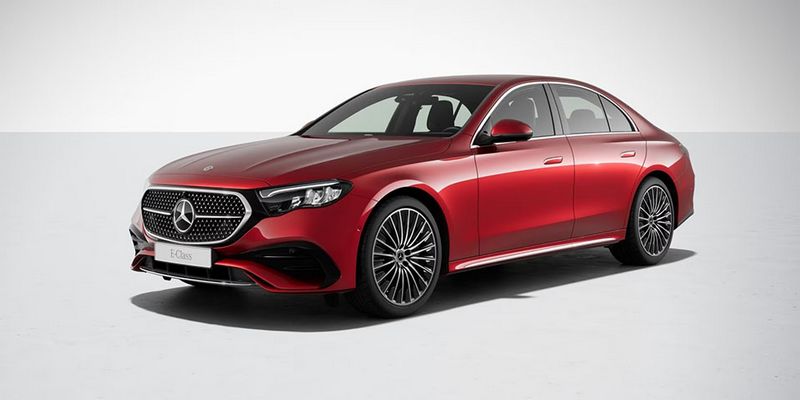
3. Mercedes-Benz E-Class
The Mercedes-Benz E-Class has long been considered one of the best luxury sedans for comfort, refinement, and technology. It provides a smooth ride, elegant interior, and premium driving experience that appeals to many used luxury buyers.
The E-Class is particularly attractive for drivers who prioritize comfort over sporty handling.
Luxury Features and Ride Quality
Ride comfort remains one of the E-Class's strongest qualities. The suspension absorbs road imperfections very well, making long trips less tiring.
The cabin offers:
- High-quality materials.
- Comfortable seating.
- Excellent sound insulation.
- Large digital displays.
- Ambient interior lighting.
- Premium audio systems.
- Heated and ventilated seats.
- Advanced driver assistance features.
Many buyers compare the E-Class to more expensive luxury vehicles because of its quiet interior and refined ride quality.
Families, commuters, and highway drivers often appreciate the relaxed driving experience that the E-Class provides.
Engine Options and Fuel Economy
The E-Class has been offered with several engine choices depending on the model year.
Common options include:
- Four-cylinder turbocharged engines.
- V6 engines.
- Mild-hybrid systems.
- Diesel engines in certain markets.
- Performance AMG versions.
The E350 and E300 models are often recommended because they balance performance, fuel economy, and ownership costs.
Many four-cylinder models can achieve fuel economy figures that are surprisingly good for a midsize luxury sedan. Buyers who drive long distances may appreciate the combination of comfort and efficiency.
Choosing the right engine depends on driving needs. Some buyers prefer lower operating costs, while others prioritize stronger acceleration.
Common Issues and Ownership Tips
Although the E-Class has a strong reputation, ownership costs can still be higher than some competitors.
Potential issues may include:
- Air suspension problems on certain models.
- Electronic system malfunctions.
- Oil leaks.
- Sensor failures.
- Battery-related issues.
- Infotainment system glitches.
Regular maintenance is extremely important. Delaying service can lead to larger repair bills later.
Ownership tips include:
- Buy vehicles with documented maintenance history.
- Perform oil changes on schedule.
- Inspect suspension components carefully.
- Test all electronic features.
- Consider a pre-purchase inspection.
- Keep a maintenance reserve fund.
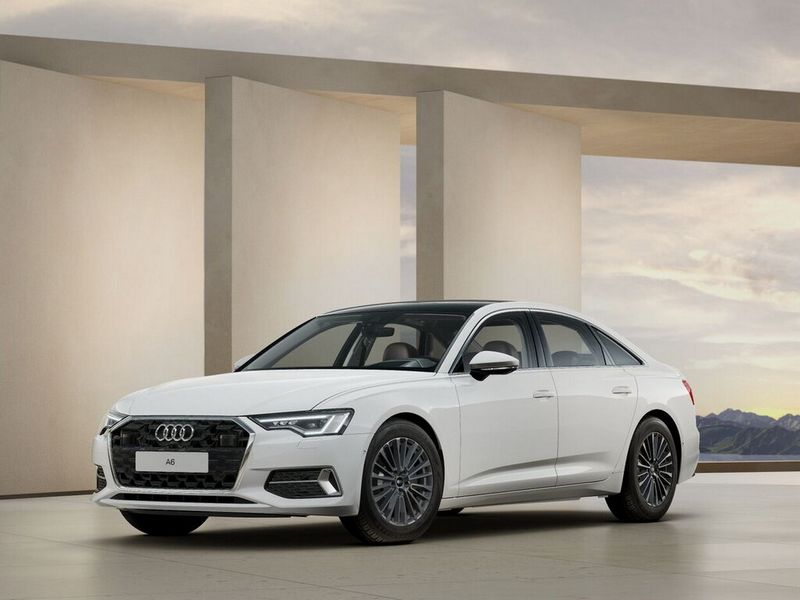
4. Audi A6
The Audi A6 offers an excellent balance of luxury, technology, comfort, and all-weather capability. It appeals to buyers who want a premium European sedan without moving into the much more expensive full-size luxury segment. In 2026, used A6 models remain attractive because they offer advanced technology and upscale interiors at prices that are often much lower than their original sticker price.
Interior Quality and Advanced Technology
One of the strongest features of the Audi A6 is its interior. Even older models still feel modern thanks to clean design, high-quality materials, and advanced technology.
The cabin often includes:
- Leather seating surfaces.
- Digital instrument clusters.
- Dual touchscreen displays.
- Navigation systems.
- Wireless smartphone connectivity.
- Premium audio systems.
- Ambient interior lighting.
- Heated and ventilated seats.
- Four-zone climate control.
Audi interiors are known for their excellent build quality. Buttons, switches, and materials often feel more expensive than those found in many competitors.
The A6 also offers a very quiet cabin. Road noise and wind noise remain low even at highway speeds, making long-distance driving comfortable.
Many buyers moving from mainstream vehicles are surprised by how modern even a five-year-old Audi A6 feels.
Quattro All-Wheel Drive Advantages
Audi's Quattro all-wheel drive system is one of the main reasons buyers choose the A6.
Quattro provides several advantages:
- Better traction in rain.
- Improved winter driving capability.
- Increased stability.
- Better handling in curves.
- Added confidence on slippery roads.
Drivers who live in northern states or areas with snow often appreciate the additional grip provided by Quattro.
For example, a buyer in Colorado, Minnesota, or New York may prefer an Audi A6 over a rear-wheel-drive luxury sedan because of winter weather conditions.
The system operates automatically and helps distribute power to the wheels with the most traction. This can improve safety and driving confidence during difficult road conditions.
Reliability and Repair Costs
The Audi A6 can be a rewarding luxury sedan to own, but buyers should understand that maintenance costs may be higher than some Japanese competitors.
Potential repair areas include:
- Oil leaks.
- Cooling system issues.
- Electronic sensors.
- Water pumps.
- Suspension components.
- Timing chain concerns on certain engines.
Turbocharged engines generally perform well when properly maintained, but neglected maintenance can lead to expensive repairs.
Regular service is very important. Buyers should look for:
- Complete maintenance records.
- Regular oil changes.
- Dealer or specialist service history.
- No warning lights.
- Smooth transmission operation.
For buyers who want European luxury, advanced technology, and all-wheel-drive capability, the Audi A6 remains a strong choice in the used market.
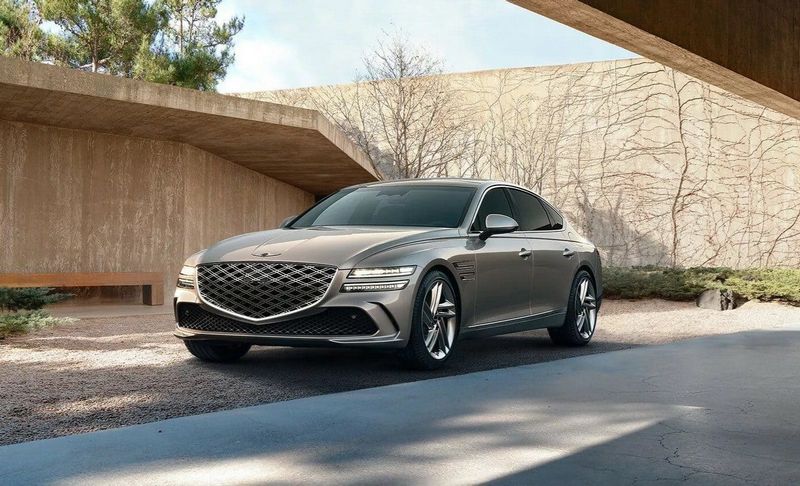
5. Genesis G80
The Genesis G80 has become one of the biggest value leaders in the luxury market. It offers many premium features found in German luxury cars while often costing thousands of dollars less on the used market.
Many buyers who compare the G80 with BMW, Mercedes-Benz, and Audi models are surprised by how much equipment Genesis includes for the price.
Premium Features for a Lower Price
The Genesis G80 delivers a luxury experience that often exceeds buyer expectations.
Depending on the trim level, features may include:
- Leather seating.
- Heated and ventilated seats.
- Large touchscreen displays.
- Digital gauges.
- Premium sound systems.
- Panoramic sunroof.
- Adaptive cruise control.
- Surround-view cameras.
- Blind spot monitoring.
- Power rear sunshades.
The interior uses high-quality materials, and the cabin remains very quiet during highway driving.
Many used G80 models cost less than similarly equipped German competitors. This makes them attractive for buyers who want luxury features while staying within a limited budget.
For example, a buyer with $30,000 may find a newer Genesis G80 with more equipment than an older German luxury sedan at the same price.
Warranty Benefits and Ownership Experience
One major advantage of Genesis vehicles is their strong factory warranty coverage. Newer used models may still have portions of the original warranty remaining.
This can reduce ownership risk and give buyers additional confidence.
The ownership experience is often described as:
- Comfortable.
- Quiet.
- Easy to drive.
- Well-equipped.
- Less stressful than some European brands.
Maintenance costs are generally lower than many German competitors. Parts prices and repair expenses often remain more manageable, which is important for budget-conscious buyers.
Owners frequently praise the overall value, reliability, and level of equipment offered by the G80.
Value Compared with German Competitors
The Genesis G80 directly competes with vehicles such as:
- BMW 5 Series.
- Mercedes-Benz E-Class.
- Audi A6.
However, depreciation works in favor of used buyers. Many G80 models sell for significantly less than their German competitors while offering similar features.
Advantages of the G80 include:
- Lower purchase prices.
- Better warranty coverage.
- Strong reliability ratings.
- Lower maintenance costs.
- High equipment levels.
German luxury cars may still offer sportier handling or stronger brand recognition, but the Genesis G80 often delivers the best overall value.
For buyers who care more about comfort, technology, and affordability than brand prestige, the G80 can be one of the smartest luxury purchases in 2026.
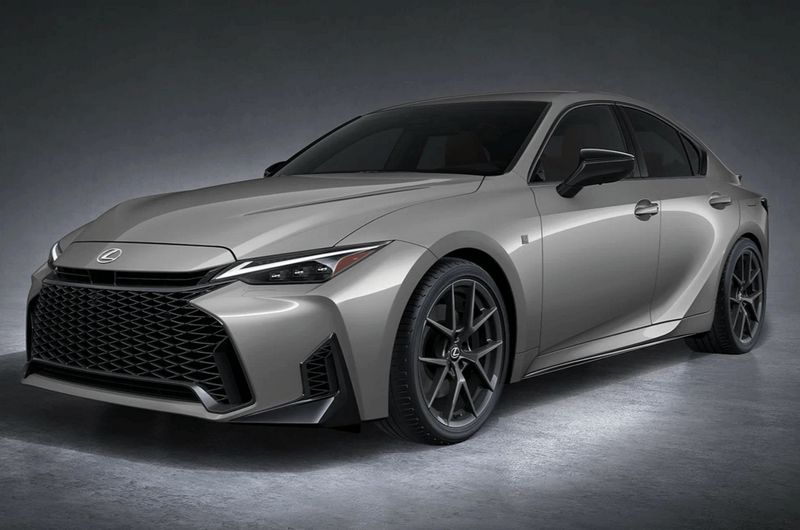
6. Lexus IS
The Lexus IS combines sporty styling, reliable engineering, and reasonable ownership costs. It is one of the few luxury sport sedans that can satisfy drivers who want both enjoyable handling and long-term dependability.
The IS is especially popular among first-time luxury buyers because it offers a premium experience without extremely high maintenance costs.
Sporty Handling and Proven Reliability
The Lexus IS provides a more engaging driving experience than many people expect from a Lexus.
Its strengths include:
- Responsive steering.
- Balanced handling.
- Comfortable ride quality.
- Rear-wheel-drive availability.
- All-wheel-drive options.
- Strong reliability.
Unlike some European sport sedans, the IS generally requires fewer major repairs over time.
Many owners keep these vehicles for well over 150,000 miles with regular maintenance.
This combination of driving enjoyment and dependability makes the IS attractive to buyers who want a luxury sedan they can keep for many years.
The vehicle is also smaller than some midsize luxury sedans, making it easier to park and drive in urban areas.
Available Engines and Fuel Economy
Several engines have been offered in the Lexus IS over the years.
Common options include:
- Four-cylinder turbocharged engines.
- Naturally aspirated V6 engines.
- More powerful V6 variants in sport models.
The IS 300 and IS 350 are among the most popular versions.
Fuel economy varies depending on the engine, but many models offer a good balance between performance and efficiency.
The naturally aspirated V6 engines are especially appreciated for their reliability because they avoid some of the complexity associated with turbocharged engines.
For buyers who want dependable performance, these engines remain attractive choices.
Best Years and Trims to Consider
Several Lexus IS model years are especially popular in the used market.
Recommended options often include:
- 2018 Lexus IS 300.
- 2019 Lexus IS 300.
- 2020 Lexus IS 350.
- 2021 Lexus IS.
These vehicles provide:
- Updated safety systems.
- Modern infotainment features.
- Improved styling.
- Strong reliability.
- Comfortable interiors.
The F Sport trim is particularly popular because it adds:
- Sportier styling.
- Larger wheels.
- Performance suspension tuning.
- Sport seats.
- Unique interior details.
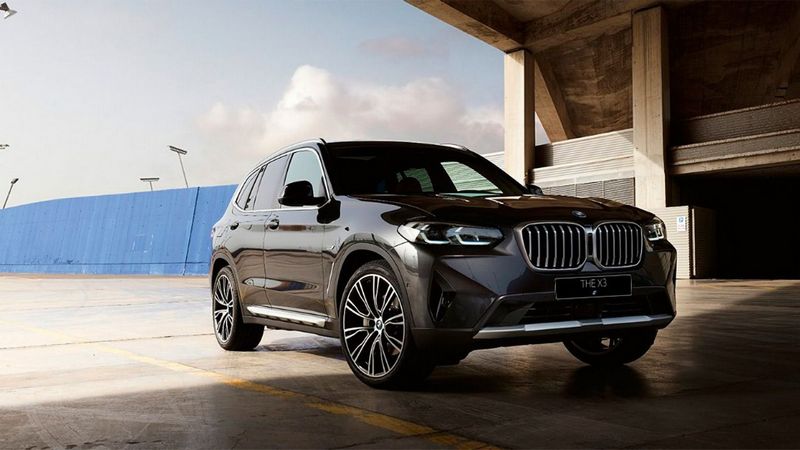
7. BMW X3
The BMW X3 is one of the most popular luxury compact SUVs in the world. It combines the practicality of an SUV with the driving characteristics of a sports sedan. Buyers who want a luxury vehicle that feels engaging behind the wheel often choose the X3 over some of its competitors.
Used BMW X3 models remain highly desirable in 2026 because they offer modern technology, strong engine options, and everyday usability.
Practicality and Driving Dynamics
The X3 stands out because it successfully balances utility and performance. Unlike some luxury SUVs that focus entirely on comfort, the BMW X3 still feels sporty and responsive.
Its strengths include:
- Precise steering.
- Excellent cornering ability.
- Strong acceleration.
- Stable highway driving.
- Available all-wheel drive.
- Comfortable ride quality.
The cargo area provides enough space for luggage, groceries, strollers, and sports equipment. Rear-seat passengers also have good legroom, making the X3 suitable for small families.
Many buyers appreciate the higher seating position while still enjoying driving characteristics that feel similar to a luxury sedan.
For example, someone upgrading from a BMW 3 Series may find the X3 offers more practicality without sacrificing driving enjoyment.
Interior Technology and Comfort
Modern X3 models feature high-quality interiors and advanced technology. Even used models from recent years often feel competitive with newer vehicles.
Available features may include:
- Digital instrument displays.
- Large infotainment screens.
- Apple CarPlay and Android Auto.
- Heated front and rear seats.
- Panoramic sunroof.
- Wireless charging.
- Adaptive cruise control.
- Parking assistance systems.
- Premium audio systems.
Interior materials generally feel upscale, and the seats provide excellent support during long trips.
The cabin is also relatively quiet at highway speeds, making the X3 suitable for commuting and road trips.
Drivers who spend many hours on the road often appreciate the combination of comfort and modern technology.
Long-Term Maintenance Considerations
Like most German luxury vehicles, the BMW X3 requires regular maintenance.
Potential ownership expenses include:
- Oil changes.
- Brake service.
- Tire replacement.
- Cooling system repairs.
- Suspension components.
- Electronic sensors.
Turbocharged engines generally perform well when properly maintained, but neglected service can lead to costly repairs.
Buyers should pay close attention to:
- Service records.
- Oil change history.
- Cooling system maintenance.
- Transmission performance.
- Warning lights.
The 2019 and newer generations have shown improvements in reliability and technology. A well-maintained X3 can provide many years of enjoyable ownership, but buyers should still budget for maintenance expenses.
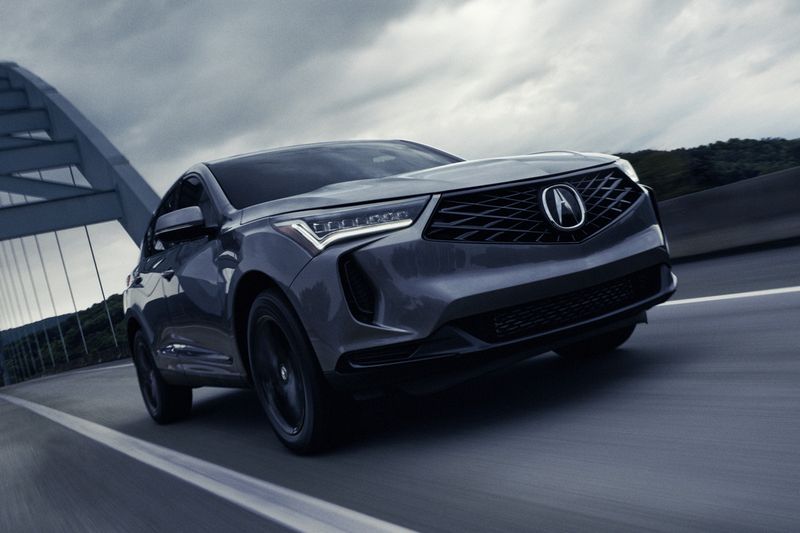
8. Acura RDX
The Acura RDX has become one of the best values in the luxury SUV market. It combines reliability, advanced safety technology, and lower ownership costs than many European competitors.
For buyers who want luxury without excessive maintenance expenses, the RDX remains one of the safest choices in 2026.
Reliability and Affordable Ownership
Reliability is one of the RDX's strongest advantages. Acura vehicles have long been known for dependable engineering and lower repair costs.
Owners often praise the RDX for:
- Durable engines.
- Strong transmissions.
- Reasonable maintenance costs.
- Long-term reliability.
- Lower repair frequency.
Routine maintenance usually costs less than similar European luxury SUVs.
For example, a buyer comparing an Acura RDX with a German luxury SUV may find that insurance, repairs, and maintenance expenses are noticeably lower.
Many RDX models easily exceed 150,000 miles with proper care.
This makes the vehicle attractive for buyers who plan to keep their luxury SUV for several years.
Safety and Technology Features
The Acura RDX offers many advanced safety systems as standard equipment.
Common features include:
- Adaptive cruise control.
- Automatic emergency braking.
- Lane keeping assist.
- Blind spot monitoring.
- Rear cross-traffic alert.
- Parking sensors.
- Traffic sign recognition.
- Multiple airbags.
The interior also provides modern technology, including:
- Large infotainment displays.
- Smartphone connectivity.
- Premium audio systems.
- Navigation.
- Wireless charging.
- Heated and ventilated seats.
The spacious interior and comfortable seating make the RDX particularly appealing for families.
Many buyers appreciate receiving these features without paying the higher prices often associated with European luxury brands.
Advantages Over European Rivals
The Acura RDX competes directly with vehicles such as:
- BMW X3.
- Audi Q5.
- Mercedes-Benz GLC.
While the European models may offer slightly sportier driving characteristics, the RDX often provides several practical advantages:
- Lower ownership costs.
- Better long-term reliability.
- Lower repair expenses.
- Strong resale value.
- Competitive safety features.
- Lower insurance costs.
For budget-conscious buyers, these factors can significantly reduce the total cost of ownership.
Someone purchasing their first luxury SUV may find the RDX easier to own and maintain than many German alternatives.
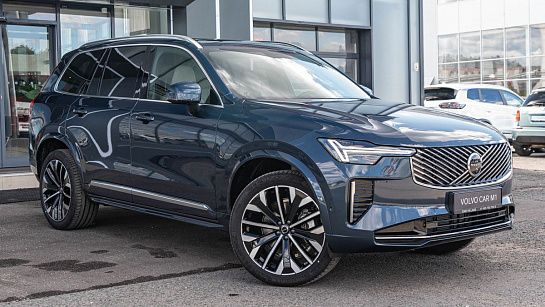
9. Volvo XC90
The Volvo XC90 is one of the most elegant luxury family SUVs available on the used market. It combines Scandinavian design, advanced safety systems, and spacious seating with premium comfort.
The XC90 appeals to buyers who prioritize safety, interior quality, and family practicality.
Luxury Family SUV Features
One of the XC90's biggest advantages is its spacious interior.
Many models offer:
- Three rows of seating.
- Large cargo capacity.
- Premium leather upholstery.
- Panoramic sunroof.
- Heated and ventilated seats.
- Premium audio systems.
- Four-zone climate control.
- Power-folding third-row seats.
The cabin design feels modern and minimalist, with clean lines and high-quality materials.
Families often appreciate the flexible seating arrangements and generous cargo space.
For example, parents transporting children, sports equipment, or luggage may find the XC90 more practical than smaller luxury SUVs.
Safety Systems and Interior Quality
Volvo has built its reputation around safety, and the XC90 continues that tradition.
Available safety features include:
- Automatic emergency braking.
- Blind spot monitoring.
- Lane keeping assistance.
- Adaptive cruise control.
- Pilot Assist driving technology.
- Collision avoidance systems.
- Rear cross-traffic alerts.
- Multiple advanced airbags.
The interior materials are among the best in the segment. Wood trim, leather surfaces, and premium finishes give the XC90 a sophisticated appearance.
Many buyers choose the XC90 specifically because they want a luxury SUV with outstanding safety ratings.
Ownership Costs and Reliability
Ownership costs for the XC90 generally fall between Japanese and German luxury vehicles.
Maintenance expenses may include:
- Brake service.
- Suspension components.
- Electronic repairs.
- Cooling system maintenance.
- Turbocharger-related repairs.
Some models use both turbocharging and supercharging technology, which increases mechanical complexity.
Potential issues may include:
- Infotainment system problems.
- Air suspension repairs.
- Electronic sensor failures.
- Cooling system concerns.
Buyers should carefully review maintenance records and consider a professional inspection.
Despite these considerations, the XC90 remains attractive for buyers who value safety, interior quality, and family practicality.
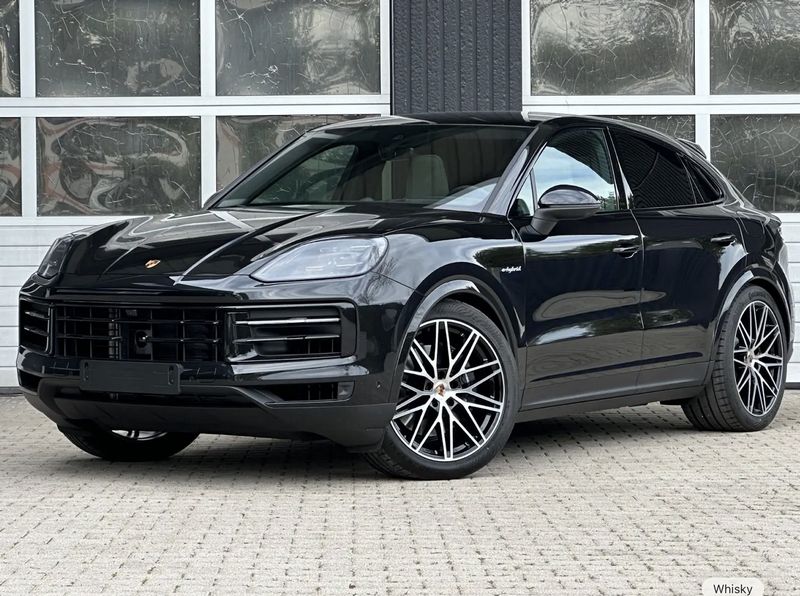
10. Porsche Cayenne
The Porsche Cayenne is unique among luxury SUVs because it delivers sports car performance while maintaining SUV practicality. It remains one of the most desirable used luxury SUVs for driving enthusiasts.
Although ownership costs can be higher than many other models on this list, the Cayenne offers a driving experience that few competitors can match.
Performance and Driving Experience
The Cayenne handles more like a sports sedan than a traditional SUV.
Its strengths include:
- Powerful engines.
- Excellent steering.
- Strong braking.
- Outstanding cornering ability.
- Stable high-speed performance.
- Sporty suspension tuning.
Available engines range from turbocharged V6 models to powerful V8 variants.
Even base models provide strong acceleration and impressive handling.
Drivers who enjoy spirited driving often find the Cayenne far more engaging than many other luxury SUVs.
For someone who wants both family practicality and sports car characteristics, the Cayenne remains a highly attractive option.
Maintenance Costs and Repair Expectations
Potential buyers should understand that the Cayenne can be expensive to maintain.
Ownership expenses may include:
- Premium fuel.
- Expensive tires.
- Brake service.
- Suspension repairs.
- Cooling system maintenance.
- Electronic repairs.
Common concerns may include:
- Transfer case issues.
- Cooling system failures.
- Air suspension repairs.
- Oil leaks.
- Electrical problems.
- High labor costs.
Repair bills can be substantial, especially at dealerships.
This is why maintenance history is extremely important when shopping for a used Cayenne.
A vehicle with complete service records is usually worth paying extra for.
Who Should Buy a Used Cayenne
The Porsche Cayenne is not the ideal choice for every buyer.
It is best suited for:
- Driving enthusiasts.
- Buyers who value performance.
- Owners with maintenance budgets.
- Luxury SUV shoppers seeking sporty handling.
- Buyers who want something different from traditional luxury SUVs.
It may not be the best option for buyers with very limited budgets or those who want the lowest ownership costs.
However, for buyers who understand the maintenance requirements and appreciate Porsche engineering, a used Cayenne can deliver one of the most rewarding luxury SUV experiences available in 2026.
Find the Right Luxury Car at U.S. Auto Auctions
Buying a used luxury car at auction can save thousands of dollars, but understanding vehicle history, title status, transportation, and total costs is essential. Auto4Export helps buyers navigate the entire process from bidding to international delivery.
- ✅ Vehicle history and auction report assistance
- ✅ Help estimating shipping and total costs
- ✅ Worldwide export and transportation services
- ✅ Experienced support throughout the buying process
Most Reliable Used Luxury Cars
Reliability is one of the most important factors when buying a used luxury car. A premium badge may look attractive, but long-term ownership costs often determine whether a vehicle is truly a good investment.
Some luxury brands have built strong reputations for durability, lower repair costs, and dependable performance. Others may offer excellent driving experiences but require more expensive maintenance as they age.
For buyers with limited budgets, choosing a reliable model can reduce repair expenses, lower ownership costs, and provide greater peace of mind. The following luxury vehicles have earned strong reputations for dependability and long-term value.
Lexus Models With the Highest Reliability Ratings
Lexus has consistently ranked among the most reliable luxury brands for many years. The company's reputation comes from durable engines, dependable transmissions, and lower repair rates compared with many competitors.
Several Lexus models stand out in the used market.
Lexus RX
The RX remains one of the most dependable luxury SUVs available. Many owners drive these vehicles well beyond 150,000 miles with routine maintenance. The comfortable ride, strong safety ratings, and lower ownership costs make the RX particularly attractive.
Lexus IS
The IS combines sporty styling with excellent reliability. Both four-cylinder and V6 models have proven to be durable, making the IS one of the safest choices for first-time luxury buyers.
Lexus ES
The ES focuses on comfort and low ownership costs. It offers a smooth ride, quiet interior, and proven powertrains. Maintenance costs are often lower than many competing luxury sedans.
Lexus GX
The GX is known for exceptional durability and strong resale value. Although fuel economy is lower than some competitors, many buyers appreciate its long-term reliability.
Lexus vehicles often offer:
- Lower repair frequency.
- Strong resale values.
- Widely available parts.
- Proven engines and transmissions.
- Lower maintenance costs.
For many budget-conscious buyers, Lexus remains the safest luxury brand to purchase used.
Acura Luxury Vehicles With Low Ownership Costs
Acura has built a strong reputation for combining luxury features with Honda reliability. The brand often appeals to buyers who want lower maintenance costs while still enjoying premium features.
Acura RDX
The RDX is one of the most dependable luxury SUVs in its segment. It offers strong safety ratings, comfortable seating, and relatively affordable ownership costs.
Acura MDX
The MDX remains a popular choice for families. It provides three rows of seating, advanced safety technology, and long-term durability.
Acura TLX
The TLX offers modern styling, comfortable interiors, and reasonable maintenance expenses. It can be an excellent alternative to more expensive European sport sedans.
Advantages of Acura ownership include:
- Lower repair costs.
- Strong reliability ratings.
- Affordable maintenance.
- Good fuel economy.
- Excellent resale value.
Many buyers who are concerned about expensive repairs choose Acura because of its balance between luxury and dependability.
Genesis Models With Strong Dependability Scores
Genesis has quickly become one of the most respected luxury brands in the market. Although the company is newer than many competitors, its vehicles have earned strong reliability scores and positive owner feedback.
Genesis G80
The G80 provides a premium driving experience while maintaining reasonable ownership costs. The interior quality and technology often compete with much more expensive vehicles.
Genesis GV70
The GV70 has become a popular luxury SUV because of its attractive styling, advanced safety systems, and strong warranty coverage.
Genesis G70
The G70 offers sporty handling while maintaining good reliability ratings. It appeals to drivers who want performance without the higher ownership costs associated with some European competitors.
Genesis vehicles often provide:
- Strong warranty coverage.
- High equipment levels.
- Competitive pricing.
- Lower maintenance costs.
- Modern safety features.
For buyers seeking value and dependability, Genesis has become one of the strongest alternatives to traditional luxury brands.
BMW Models That Age Well
BMW vehicles often receive mixed opinions regarding reliability, but several models have proven to age well when properly maintained.
The key to owning a reliable BMW is buying a vehicle with complete service records and following recommended maintenance schedules.
BMW 330i
The 330i remains one of BMW's most dependable models. Newer generations have improved reliability while maintaining excellent driving dynamics.
BMW X3
The X3 combines practicality and strong performance. Recent models have shown good reliability when serviced regularly.
BMW 540i
Vehicles equipped with BMW's inline six-cylinder engines have developed strong reputations among enthusiasts. Many owners report excellent long-term durability.
BMW ownership requires:
- Regular oil changes.
- Scheduled maintenance.
- Quality replacement parts.
- Proper cooling system care.
A neglected BMW can become expensive, but a well-maintained example may provide years of enjoyable ownership.
Mercedes-Benz Models With Proven Reliability
Mercedes-Benz offers many luxury vehicles, but some models have demonstrated stronger long-term reliability than others.
Mercedes-Benz E-Class
The E-Class has earned a reputation for comfort and durability. It remains one of the most popular used luxury sedans because of its balanced combination of luxury and reliability.
Mercedes-Benz GLC
The GLC luxury SUV offers modern technology, comfortable seating, and relatively manageable ownership costs.
Mercedes-Benz C-Class
Recent C-Class models provide a premium driving experience while maintaining reasonable reliability when properly serviced.
Owners who maintain their Mercedes vehicles regularly often enjoy:
- Comfortable rides.
- Advanced safety features.
- High-quality interiors.
- Strong highway performance.
However, buyers should always review maintenance records and inspect electronic systems carefully before purchasing.
Luxury SUVs With the Fewest Problems
Luxury SUVs continue to dominate the used market because they combine comfort, safety, cargo space, and versatility. Some models have developed particularly strong reputations for reliability.
Lexus RX
The RX remains one of the most dependable luxury SUVs available. Low repair rates and strong resale value make it a top recommendation.
Acura RDX
The RDX offers affordable ownership and excellent reliability, making it ideal for budget-conscious buyers.
Genesis GV70
The GV70 delivers premium features while maintaining competitive ownership costs.
Lexus GX
The GX is known for exceptional durability and off-road capability.
BMW X3
Recent X3 models provide strong driving dynamics and improved reliability.
Volvo XC90
Although maintenance costs can be higher, the XC90 offers outstanding safety and family practicality.
When shopping for a reliable luxury SUV, buyers should focus on:
- Complete maintenance history.
- Clean vehicle history reports.
- Reasonable mileage.
- Strong reliability records.
- Available service support.
- Affordable ownership costs.
Best Used Luxury Cars by Category
Not every luxury car fits every buyer. Some drivers want maximum comfort for highway travel, while others need a family SUV, excellent fuel economy, or a reliable first luxury vehicle. Choosing the right category can help buyers narrow their options and avoid paying for features they do not need.
The following recommendations focus on value, reliability, ownership costs, and real-world usability for budget-conscious buyers.
Best Used Luxury Sedan
The Mercedes-Benz E-Class remains one of the best used luxury sedans available in 2026.
The E-Class offers:
- Excellent ride comfort.
- Quiet interior.
- Premium materials.
- Advanced safety systems.
- Comfortable highway driving.
- Multiple engine options.
Drivers who spend a lot of time commuting or traveling often appreciate the smooth ride and supportive seats.
The Lexus ES is another excellent choice for buyers who prioritize reliability and lower maintenance costs. It delivers luxury and comfort while keeping ownership expenses relatively low.
The BMW 330i appeals to drivers who prefer sportier handling and a more engaging driving experience.
For most buyers, the E-Class offers the best balance between luxury, comfort, and long-distance usability.
Best Used Luxury SUV
The Lexus RX 350 remains one of the strongest luxury SUV choices in the used market.
Its advantages include:
- Outstanding reliability.
- Comfortable ride.
- Strong resale value.
- Lower maintenance costs.
- Excellent safety ratings.
- Spacious interior.
The RX is especially attractive for families and buyers who want long-term dependability.
The Acura RDX provides a more affordable alternative with strong reliability and modern technology.
Drivers seeking a sportier SUV may prefer the BMW X3, while larger families may appreciate the additional space offered by the Volvo XC90.
For most buyers, the Lexus RX continues to be the safest overall recommendation.
Best Used Luxury Compact Car
The Lexus IS stands out as one of the best compact luxury cars available.
The IS combines:
- Proven reliability.
- Sporty styling.
- Reasonable ownership costs.
- Good fuel economy.
- Strong resale value.
The BMW 330i is another excellent option for drivers who enjoy performance and handling.
The Audi A4 may also appeal to buyers who want all-wheel drive and advanced technology.
Compact luxury cars are ideal for:
- Daily commuting.
- Urban driving.
- First-time luxury buyers.
- Smaller families.
- Drivers who want lower ownership costs.
Among these models, the Lexus IS often provides the best balance between reliability and driving enjoyment.
Best Used Luxury Car Under $20,000
Finding a luxury vehicle under $20,000 is possible if buyers focus on slightly older but reliable models.
Good options include:
- Lexus ES.
- Acura TLX.
- Lexus IS.
- Acura RDX.
- Mercedes-Benz E-Class (older models).
- Audi A6 (higher mileage examples).
At this price level, vehicle condition becomes more important than model year.
Buyers should prioritize:
- Maintenance records.
- Clean vehicle history reports.
- Reasonable mileage.
- Professional inspections.
A well-maintained Lexus ES or Acura TLX can provide luxury features at the price of an economy car.
Best Used Luxury Car Under $30,000
The $30,000 budget range opens many attractive options.
Popular choices include:
- Lexus RX 350.
- BMW 330i.
- Genesis G80.
- Acura RDX.
- Volvo XC90.
- Lexus IS.
Many vehicles in this price range include:
- Modern safety systems.
- Smartphone connectivity.
- Adaptive cruise control.
- Heated seats.
- Advanced driver assistance technology.
For buyers with limited budgets, $30,000 often represents the sweet spot between affordability and modern features.
The Genesis G80 offers especially strong value in this category.
Best Used Luxury Car Under $40,000
A budget of $40,000 gives buyers access to newer luxury vehicles with lower mileage and more advanced technology.
Strong options include:
- Newer Lexus RX models.
- BMW X3.
- Genesis GV70.
- Mercedes-Benz E-Class.
- Volvo XC90.
- Porsche Cayenne.
At this price point, buyers can often find:
- Remaining factory warranties.
- Certified pre-owned vehicles.
- Modern safety systems.
- Updated infotainment technology.
- Low-mileage examples.
For many buyers, spending slightly more upfront can reduce future repair risks and maintenance costs.
Best Used Luxury Hybrid Vehicle
Luxury hybrids continue to grow in popularity because they reduce fuel expenses while maintaining premium comfort.
The Lexus RX Hybrid is one of the best choices available.
Advantages include:
- Excellent fuel economy.
- Proven hybrid reliability.
- Comfortable ride.
- Strong resale value.
- Lower operating costs.
The Lexus ES Hybrid also provides outstanding fuel efficiency while maintaining luxury features.
Hybrid luxury vehicles can be especially attractive for:
- High-mileage drivers.
- Daily commuters.
- Urban drivers.
- Buyers concerned about fuel prices.
For buyers seeking low operating costs, Lexus hybrid models remain difficult to beat.
Best Used Luxury Car for Families
Families often prioritize space, safety, comfort, and reliability.
The Volvo XC90 excels in several areas:
- Three-row seating.
- Outstanding safety systems.
- Spacious interior.
- Premium materials.
- Large cargo capacity.
The Lexus RX remains another excellent family vehicle because of its reliability and comfortable ride.
The Acura MDX offers a strong combination of space, technology, and affordability.
Parents often appreciate advanced safety systems, rear-seat comfort, and cargo space more than performance figures.
For larger families, the Volvo XC90 may be the best overall choice.
Best Used Luxury Car for Long Highway Trips
Long-distance drivers often value comfort, fuel efficiency, and low cabin noise.
The Mercedes-Benz E-Class remains one of the best highway vehicles available.
Its strengths include:
- Comfortable seats.
- Smooth ride quality.
- Quiet interior.
- Advanced cruise control systems.
- Excellent highway stability.
The Audi A6 also performs exceptionally well during long trips, especially with Quattro all-wheel drive.
The Lexus ES provides a more affordable alternative while maintaining excellent ride comfort.
Drivers who regularly travel hundreds of miles may appreciate these vehicles more than sportier models.
Best Used Luxury Car for First-Time Buyers
First-time luxury buyers often need a vehicle that is affordable, reliable, and easy to maintain.
The Lexus IS is one of the best choices because it offers:
- Proven reliability.
- Sporty design.
- Lower repair costs.
- Good resale value.
- Comfortable ownership experience.
The Acura RDX also works well for buyers entering the luxury market.
The Genesis G80 provides premium features at competitive prices and can be an excellent value.
First-time buyers should focus on:
- Ownership costs.
- Insurance expenses.
- Reliability.
- Service history.
- Maintenance records.
Choosing a dependable model can help new luxury owners enjoy the premium experience without unexpected repair bills.
Best Used German Luxury Cars
German luxury cars have long been considered the benchmark for performance, technology, and driving comfort. Brands such as BMW, Mercedes-Benz, and Audi have built strong reputations for producing premium vehicles that deliver refined interiors, advanced engineering, and enjoyable driving experiences.
Buying a used German luxury car can provide exceptional value because these vehicles often depreciate quickly during their first years. However, ownership costs, maintenance requirements, and repair expenses should always be considered before making a purchase.
For buyers who choose carefully and maintain their vehicles properly, a used German luxury car can provide many years of enjoyable ownership.
BMW Models Worth Buying Used
BMW has built its reputation on driving performance. Many buyers choose BMW because the vehicles offer responsive handling, powerful engines, and a sporty driving experience that few competitors can match.
Several BMW models stand out in the used market.
BMW 330i
The 330i is one of the safest BMW purchases. It offers:
- Excellent handling.
- Strong fuel economy.
- Modern technology.
- Reasonable maintenance costs.
- Proven turbocharged engines.
Recent generations have shown improved reliability, making the 330i one of the best entry-level luxury sedans.
BMW X3
The X3 combines SUV practicality with sporty driving characteristics. Buyers appreciate:
- Spacious interiors.
- Available all-wheel drive.
- Strong engine options.
- Comfortable ride quality.
- Modern safety systems.
The X3 remains one of the most popular luxury SUVs in the market.
BMW 540i
Many enthusiasts recommend BMW's six-cylinder models because of their balance between performance and reliability. The 540i provides:
- Smooth acceleration.
- Comfortable ride quality.
- Premium interior materials.
- Strong highway performance.
Vehicles equipped with BMW's inline-six engines often develop excellent reputations among long-term owners.
BMW X5
The X5 is another strong option for buyers seeking a larger luxury SUV. Newer models provide advanced technology, spacious interiors, and refined driving dynamics.
When shopping for a used BMW, buyers should prioritize:
- Complete service history.
- Regular oil changes.
- Cooling system maintenance.
- Professional inspections.
- Lower ownership mileage.
A well-maintained BMW can remain enjoyable and reliable for many years.
Mercedes-Benz Models That Offer the Best Value
Mercedes-Benz focuses heavily on comfort, luxury, and advanced technology. The brand offers several used models that deliver excellent value.
Mercedes-Benz E-Class
The E-Class remains one of the best used luxury sedans available.
Its strengths include:
- Smooth ride quality.
- Quiet interior.
- Premium materials.
- Advanced safety features.
- Excellent highway comfort.
Many buyers consider the E-Class the ideal balance between luxury and practicality.
Mercedes-Benz C-Class
The C-Class offers a more affordable entry into the Mercedes-Benz brand. It provides:
- Elegant styling.
- Modern technology.
- Good fuel economy.
- Comfortable interiors.
Recent models have become increasingly popular among younger buyers and first-time luxury owners.
Mercedes-Benz GLC
The GLC luxury SUV combines:
- Comfortable seating.
- Advanced safety features.
- Spacious cargo areas.
- Premium interior materials.
It serves as an attractive alternative to the BMW X3 and Audi Q5.
Mercedes-Benz GLE
Buyers who need more interior space may consider the GLE. It offers luxury SUV comfort and advanced driver assistance systems.
The best value usually comes from vehicles that are three to five years old because they have already experienced much of their depreciation while still offering modern technology.
Audi Vehicles With the Lowest Ownership Costs
Audi vehicles are known for elegant interiors, advanced technology, and all-wheel-drive capability. While some Audi models can become expensive to maintain, several offer reasonable ownership costs.
Audi A6
The A6 remains one of the best luxury sedans in Audi's lineup.
Advantages include:
- High-quality interiors.
- Quattro all-wheel drive.
- Comfortable ride.
- Modern technology.
- Strong highway performance.
The A6 is especially popular in regions with snow and challenging weather conditions.
Audi A4
The A4 offers:
- Lower purchase prices.
- Good fuel economy.
- Compact size.
- Modern infotainment systems.
- Available all-wheel drive.
Many buyers choose the A4 because it provides Audi luxury with lower ownership costs than larger models.
Audi Q5
The Q5 is one of Audi's best-selling SUVs.
Its strengths include:
- Comfortable interiors.
- Good cargo space.
- Quattro traction.
- Modern safety technology.
The Q5 often appeals to families who want a luxury SUV with manageable ownership costs.
Audi A3
The A3 can provide an affordable entry into the Audi brand. Smaller size and lower operating costs make it attractive to younger buyers.
Buyers can reduce ownership expenses by choosing:
- Four-cylinder engines.
- Well-maintained vehicles.
- Models with complete service records.
- Cars with lower mileage.
Regular maintenance is especially important for long-term Audi ownership.
Common Problems With German Luxury Cars
German luxury cars offer excellent driving experiences, but buyers should understand the potential issues that can occur as these vehicles age.
Some common concerns include:
Electronic Problems
Modern German vehicles contain numerous electronic systems, including:
- Touchscreen displays.
- Sensors.
- Cameras.
- Driver assistance systems.
- Digital dashboards.
As vehicles age, electronic repairs can become expensive.
Cooling System Failures
Water pumps, thermostats, and cooling system components may require replacement over time. Ignoring cooling system issues can lead to more serious engine problems.
Oil Leaks
Oil leaks are relatively common on some higher-mileage German vehicles. Valve cover gaskets, oil filter housings, and seals may require attention.
Air Suspension Problems
Luxury models equipped with air suspension systems can experience failures as they age. Repairs can be expensive.
Turbocharger Issues
Many modern German engines use turbochargers. Although generally reliable, these components may require maintenance or replacement at higher mileage.
Carbon Buildup
Direct injection engines may develop carbon deposits over time, which can affect performance and fuel economy.
Higher Labor Costs
German luxury vehicles often require specialized technicians and diagnostic equipment. Labor costs may be higher than for mainstream vehicles.
Despite these concerns, many problems can be minimized through proper maintenance. Buyers should:
- Review service records.
- Obtain a pre-purchase inspection.
- Avoid neglected vehicles.
- Budget for maintenance.
- Follow recommended service intervals.
Best Used Japanese Luxury Cars
Japanese luxury cars are often the safest choice for buyers who want comfort, quality, and lower ownership costs. Brands such as Lexus, Acura, and Infiniti offer premium features without the same repair risks often associated with some European luxury vehicles.
For budget-conscious buyers, Japanese luxury cars can be especially attractive. They usually offer strong reliability, easier maintenance, better resale value, and lower long-term repair expenses. This makes them a smart option for drivers who want a premium vehicle but do not want unpredictable ownership costs.
Why Lexus Remains a Top Choice
Lexus remains one of the strongest used luxury car brands because it combines premium comfort with proven reliability. Many Lexus models share engineering with Toyota vehicles, which helps reduce repair risk and improve long-term durability.
Popular used Lexus models include:
- Lexus RX.
- Lexus ES.
- Lexus IS.
- Lexus GX.
- Lexus NX.
The Lexus RX is one of the best choices for buyers who want a reliable luxury SUV. The Lexus ES is ideal for drivers who want a smooth, quiet sedan with lower maintenance costs. The Lexus IS appeals to buyers who want a sportier luxury sedan without giving up dependability.
Lexus vehicles are also known for strong resale value. A used Lexus may cost more than some competitors at the time of purchase, but it often holds value better over time.
For example, a buyer comparing a used Lexus RX with a cheaper European SUV may pay more upfront for the Lexus. However, the Lexus may save money later through fewer repairs, lower maintenance costs, and stronger resale value.
Lexus is a strong choice for buyers who want luxury without constant service visits.
Acura Models With Excellent Reliability
Acura is another excellent option for used luxury buyers. As Honda's premium brand, Acura offers many of the same strengths: dependable engines, practical interiors, and lower repair costs.
Used Acura models worth considering include:
- Acura RDX.
- Acura MDX.
- Acura TLX.
- Acura ILX.
The Acura RDX is a strong choice for buyers who want a compact luxury SUV with affordable ownership costs. It offers good performance, a comfortable interior, and many standard safety features.
The Acura MDX is a better fit for families because it offers three-row seating, strong reliability, and practical cargo space.
The Acura TLX is a good option for buyers who want a luxury sedan with sporty styling and reasonable maintenance expenses.
Acura vehicles may not always feel as flashy as some European luxury cars, but they are often easier to own. Parts are usually more affordable, service is widely available, and many independent mechanics are familiar with Honda and Acura platforms.
For first-time luxury buyers, Acura can be one of the best ways to upgrade without taking on high repair risk.
Infiniti Models Worth Considering
Infiniti can also offer good value in the used luxury market, especially for buyers who want strong engines, comfortable interiors, and lower purchase prices.
Used Infiniti models worth considering include:
- Infiniti Q50.
- Infiniti QX50.
- Infiniti QX60.
- Infiniti QX80.
The Infiniti Q50 is a sporty luxury sedan with strong acceleration and attractive used prices. It can be a good option for drivers who want performance but do not want to pay BMW or Mercedes-Benz prices.
The Infiniti QX60 is a practical family SUV with three-row seating and a comfortable ride. It may appeal to families who want space and premium features at a lower price.
The Infiniti QX80 is a large luxury SUV with strong towing ability and a powerful engine. However, fuel economy is low, so buyers should consider operating costs carefully.
Infiniti models often depreciate faster than Lexus and Acura vehicles. This can create good deals for used buyers, but resale value may also be weaker later.
Before buying an Infiniti, check service history, transmission performance, electronics, and overall condition. A well-maintained Infiniti can be a good value, but buyers should avoid neglected vehicles.
Ownership Costs Compared With European Brands
One of the biggest advantages of Japanese luxury cars is lower ownership cost. While every vehicle can need repairs, Lexus and Acura models usually have fewer expensive problems than many German luxury vehicles.
Japanese luxury cars often offer:
- Lower maintenance costs.
- More affordable parts.
- Strong reliability.
- Better resale value.
- Easier service access.
- Lower repair frequency.
European luxury cars may offer sharper handling, more advanced performance, and stronger brand prestige. However, they often require more expensive maintenance and specialized repairs.
For example, a used BMW or Audi may provide a sportier driving experience, but it may also require higher repair budgets for cooling systems, electronics, turbochargers, or suspension components.
A used Lexus or Acura may feel less aggressive on the road, but it can be easier to own for several years.
For buyers with limited budgets, this difference matters. The best deal is not always the cheapest purchase price. It is the vehicle that stays affordable after the sale.
Used Luxury SUVs vs Luxury Sedans
Choosing between a used luxury SUV and a used luxury sedan depends on how you drive, how much space you need, and what ownership costs you can afford. Both body styles can offer premium interiors, advanced safety systems, and strong comfort. The better choice is the one that fits your daily life.
A luxury sedan may be better for a driver who wants a smooth ride, better fuel economy, and lower purchase prices. A luxury SUV may be better for a family, a buyer who needs cargo space, or someone who wants a higher seating position. Before choosing, compare comfort, practicality, fuel costs, repairs, and resale value.
Ride Comfort and Driving Experience
Luxury sedans usually feel smoother and more balanced on the road. They sit lower, weigh less, and often handle better than SUVs. This can make them more enjoyable for highway driving, daily commuting, and city use.
A used Mercedes-Benz E-Class, Lexus ES, BMW 330i, or Audi A6 can feel quiet, stable, and comfortable at highway speeds. These cars are often easy to drive, easy to park, and less tiring on long trips.
Luxury SUVs offer a different experience. They provide a higher seating position, better road visibility, and a more confident feel in bad weather. Models such as the Lexus RX, BMW X3, Acura RDX, and Volvo XC90 are popular because they combine comfort with everyday practicality.
However, SUVs usually feel heavier than sedans. They may not corner as sharply, and they can feel less responsive in tight city driving.
For a buyer who enjoys driving, a sedan may feel more refined. For a buyer who wants confidence, visibility, and space, an SUV may be the better choice.
Interior Space and Practicality
Luxury SUVs usually win when it comes to space and practicality. They offer more cargo room, easier entry and exit, and more flexible seating. This is helpful for families, pet owners, and drivers who often carry luggage, tools, strollers, or sports equipment.
A used Volvo XC90 or Acura MDX can offer three rows of seating, which makes it useful for larger families. A Lexus RX or Acura RDX may not have three rows in most versions, but it still offers more cargo flexibility than many sedans.
Luxury sedans can still be practical, especially for commuters and small families. A Mercedes-Benz E-Class, Lexus ES, or Genesis G80 can provide excellent rear-seat comfort and a large trunk. For drivers who mostly carry passengers and small luggage, a sedan may be enough.
Think about your daily routine. If you regularly fold seats, transport larger items, or drive with children and equipment, an SUV may make more sense. If you mostly drive alone or with one passenger, a sedan can provide luxury without extra size or weight.
Fuel Economy Differences
Luxury sedans usually offer better fuel economy than luxury SUVs. They are lighter, lower to the ground, and often use smaller engines. This can reduce fuel costs over time, especially for drivers with long commutes.
For example, a used Lexus ES, BMW 330i, or Mercedes-Benz E-Class can be more efficient than a similarly priced luxury SUV. Hybrid sedans, such as the Lexus ES Hybrid, can be especially attractive for buyers who want premium comfort with lower fuel expenses.
Luxury SUVs often use more fuel because they are heavier and less aerodynamic. All-wheel drive, larger wheels, and bigger engines can also increase fuel consumption.
That does not mean every SUV is inefficient. Some models, such as the Lexus RX Hybrid or Acura RDX, can offer reasonable fuel economy for their size. Still, buyers should compare real-world fuel costs before purchasing.
A buyer who drives 15,000 miles per year may spend much more on fuel with a larger SUV than with a sedan. This difference should be included in the total ownership budget.
Maintenance and Repair Costs
Maintenance costs vary by brand, model, engine, mileage, and condition. However, luxury SUVs often cost more to maintain than sedans because they are heavier and use larger components.
SUVs may have higher costs for:
- Tires.
- Brakes.
- Suspension parts.
- All-wheel-drive systems.
- Larger batteries.
- More expensive body repairs.
Luxury sedans may be cheaper to maintain in some cases, especially if they have smaller engines and simpler drivetrains. A Lexus ES or Acura TLX may cost less to maintain than a larger luxury SUV from the same price range.
European SUVs can become expensive if they have air suspension, turbocharged engines, or complex all-wheel-drive systems. Before buying, check repair costs for the exact model, not just the brand.
For example, a used BMW X3 may be reasonable to own if it has strong service records. A poorly maintained older BMW X5 or Porsche Cayenne may require much higher repair budgets.
The safest approach is to inspect the vehicle, review maintenance records, and leave money in the budget for future service.
Which Body Style Holds Value Better
Luxury SUVs often hold value better than luxury sedans because demand for SUVs remains strong. Many buyers want higher seating positions, all-wheel drive, and cargo space. This helps used luxury SUVs keep resale value.
Models such as the Lexus RX, Acura RDX, and BMW X3 often remain popular on the used market. Clean, well-maintained SUVs with good mileage can be easier to resell than many luxury sedans.
Luxury sedans may depreciate faster, especially large sedans with expensive original prices. This can be good for used buyers because it creates lower purchase prices. A used Genesis G80, Audi A6, or Mercedes-Benz E-Class may offer excellent value because the first owner already absorbed much of the depreciation.
For buyers who want the lowest purchase price, sedans can be attractive. For buyers who want stronger resale value later, SUVs may be safer.
How Much Does It Cost to Own a Used Luxury Car
The purchase price is only one part of buying a used luxury car. Insurance, maintenance, repairs, fuel, tires, and depreciation can all affect the real cost of ownership. A vehicle that looks affordable at auction or in a listing may become expensive if the buyer does not plan for these costs.
For budget-conscious buyers, the smartest approach is to calculate the full cost before purchase. A used luxury car can still be a great value, but it should fit your monthly budget after you bring it home.
Insurance Costs for Luxury Vehicles
Luxury vehicles often cost more to insure than regular cars. Insurers may charge higher rates because these vehicles have more expensive parts, advanced electronics, powerful engines, and higher repair costs after an accident.
Insurance costs can depend on:
- Vehicle make and model.
- Engine size.
- Vehicle value.
- Driver age and record.
- Location.
- Annual mileage.
- Coverage type.
- Title status.
For example, a used Lexus ES may be cheaper to insure than a Porsche Cayenne or BMW 540i because it is less performance-focused and usually has lower repair costs.
Buyers should always request insurance quotes before purchase. This is especially important for luxury SUVs, performance sedans, and vehicles with salvage or rebuilt titles. A car that fits your purchase budget may not fit your insurance budget.
Maintenance and Service Expenses
Used luxury cars usually require more expensive service than mainstream vehicles. Even basic maintenance can cost more because luxury models often use synthetic oil, larger filters, special fluids, advanced electronics, and brand-specific parts.
Common maintenance expenses include:
- Oil changes.
- Transmission service.
- Brake fluid replacement.
- Coolant service.
- Spark plugs.
- Battery replacement.
- Air filters.
- Software updates.
Japanese luxury brands such as Lexus and Acura usually have lower service costs. German brands such as BMW, Mercedes-Benz, Audi, and Porsche may require more expensive maintenance, especially as mileage increases.
A buyer choosing a used BMW X3 or Audi A6 should leave extra money for scheduled service. A buyer choosing a Lexus RX or Acura RDX may still need maintenance, but costs are often easier to manage.
The best way to reduce expenses is to buy a vehicle with complete service records and continue maintenance on schedule.
Tire, Brake, and Suspension Costs
Tires, brakes, and suspension parts can be surprisingly expensive on used luxury cars. These vehicles are often heavier, faster, and equipped with larger wheels than standard cars.
Luxury vehicles may require:
- Performance tires.
- Larger brake rotors.
- Premium brake pads.
- Adaptive suspension parts.
- Air suspension components.
- All-wheel-drive service.
For example, replacing tires on a luxury SUV with 20-inch wheels can cost much more than replacing tires on a compact sedan. Brake service on a Porsche Cayenne or Mercedes-Benz E-Class can also be much more expensive than on a Toyota Camry or Honda Accord.
Before buying, check tire condition, brake wear, and suspension noise. If the vehicle needs all three soon after purchase, the first year of ownership can become costly.
A clean-looking car with worn tires, weak brakes, and suspension issues may not be a good deal.
Fuel and Charging Costs
Fuel costs depend on the vehicle's engine, weight, driving style, and fuel type. Many luxury vehicles require premium gasoline, which costs more than regular fuel.
Larger luxury SUVs and performance sedans usually use more fuel. Vehicles such as the Porsche Cayenne, BMW X5, and Volvo XC90 may have higher fuel expenses than smaller sedans like the Lexus IS or BMW 330i.
Hybrid luxury vehicles can reduce fuel costs. Models such as the Lexus ES Hybrid and Lexus RX Hybrid are strong choices for buyers who drive often and want lower operating expenses.
Electric luxury vehicles may cost less to charge than gasoline vehicles cost to fuel, especially if the owner can charge at home. However, buyers should consider battery health, charging access, and possible installation costs for a home charger.
Before choosing a vehicle, estimate your yearly mileage. A driver traveling 15,000 miles per year may save a significant amount with a hybrid or efficient sedan compared with a large gas SUV.
Depreciation After Purchase
Used luxury cars usually depreciate faster than mainstream vehicles. This is one reason they become affordable for second and third owners.
However, depreciation does not stop after purchase. Some vehicles continue losing value quickly, especially older flagship sedans, high-mileage performance cars, and models with weak resale demand.
Factors that affect depreciation include:
- Brand reputation.
- Mileage.
- Condition.
- Title type.
- Service history.
- Market demand.
- Fuel economy.
- Repair costs.
Luxury SUVs often hold value better than large sedans because demand for SUVs remains strong. Lexus and Acura models also tend to keep value better than many competitors because of their reliability reputations.
For example, a used Lexus RX may cost more upfront than a similar-age European SUV, but it may lose value more slowly and be easier to resell later.
Buyers who plan to keep the vehicle for many years may worry less about depreciation. Buyers who plan to sell in two or three years should choose models with stronger resale value.
Extended Warranties and Protection Plans
An extended warranty can provide extra protection for used luxury car buyers, especially when purchasing a vehicle with expensive electronics or complex mechanical systems.
A warranty may help cover:
- Engine repairs.
- Transmission repairs.
- Electrical failures.
- Air conditioning systems.
- Suspension components.
- Infotainment issues.
However, not all warranties are equal. Some plans have many exclusions, high deductibles, or strict repair rules. Buyers should read the contract carefully before paying for coverage.
Extended warranties may make sense for:
- German luxury vehicles.
- High-tech models.
- Turbocharged engines.
- Vehicles with air suspension.
- Buyers with limited repair savings.
They may be less necessary for a well-maintained Lexus or Acura, especially if the buyer keeps a repair reserve fund.
Most Common Problems With Used Luxury Cars
Used luxury cars can offer excellent comfort and value, but they can also come with expensive problems if buyers are not careful. Many premium vehicles have advanced electronics, complex engines, special suspension systems, and costly parts. These features make the car feel better when everything works, but they can also increase repair costs as the vehicle gets older.
This does not mean buyers should avoid used luxury cars. It means they should know what to inspect before purchase. A clean vehicle history report, maintenance records, and a professional inspection can help reduce risk.
Electronic and Infotainment Issues
Modern luxury cars often have more electronic features than regular vehicles. These systems can include large touchscreens, digital dashboards, parking cameras, driver assistance sensors, premium audio systems, power seats, and advanced climate controls.
Common electronic problems may include:
- Frozen or slow infotainment screens.
- Backup camera failure.
- Parking sensor issues.
- Bluetooth or smartphone connection problems.
- Digital gauge cluster glitches.
- Power seat or memory seat failure.
- Faulty keyless entry systems.
- Warning lights caused by bad sensors.
These issues may not stop the car from driving, but they can be expensive and annoying. For example, replacing a luxury vehicle’s infotainment screen or control module can cost much more than fixing a simple radio in a standard car.
Before buying, test every electronic feature. Connect your phone, use the navigation system, check all cameras, adjust every seat, open the sunroof, test the climate controls, and look for warning lights on the dashboard.
Air Suspension Failures
Some luxury sedans and SUVs use air suspension to create a smoother ride. When new, this system can make the vehicle feel quiet, soft, and comfortable. But as the car ages, air suspension parts can wear out and become expensive to repair.
Common air suspension issues include:
- Vehicle sitting too low on one side.
- Compressor running too often.
- Warning messages on the dashboard.
- Bouncy or uneven ride.
- Air leaks in suspension bags.
- Failed height sensors.
Air suspension repairs can be costly because the system may involve several expensive parts. A used luxury SUV with a low price may not be a good deal if it needs new air struts, a compressor, and sensors.
Buyers should be especially careful with older flagship sedans and large luxury SUVs. During inspection, look at the vehicle after it has been parked for several hours. If one corner sits lower than the others, there may be a suspension leak.
Turbocharger and Engine Problems
Many modern luxury vehicles use turbocharged engines. These engines can provide strong power and good fuel economy, but they also need proper maintenance. Missed oil changes, poor-quality oil, overheating, and hard driving can shorten turbocharger and engine life.
Possible turbocharger and engine problems include:
- Oil leaks.
- Coolant leaks.
- Rough idle.
- Loss of power.
- Excessive smoke from the exhaust.
- Whining noises from the turbocharger.
- Check engine lights.
- Timing chain issues.
- Carbon buildup.
- Overheating.
A turbocharged BMW, Audi, Mercedes-Benz, or Porsche can be enjoyable to drive, but buyers should be very careful with poor maintenance history. Repairs can quickly become expensive.
Before buying, check service records and look for regular oil changes. During a test drive, listen for unusual engine noises, check for smoke, and make sure the engine accelerates smoothly.
Transmission Concerns
Transmission repairs are among the most expensive problems used luxury car buyers can face. Many luxury vehicles use advanced automatic transmissions, dual-clutch transmissions, or complex all-wheel-drive systems.
Warning signs of transmission problems include:
- Harsh shifting.
- Delayed gear engagement.
- Jerking during acceleration.
- Slipping between gears.
- Transmission warning lights.
- Fluid leaks.
- Vibration at speed.
- Burning smell after driving.
A transmission may feel fine during a short test drive but show problems after warming up. That is why a longer test drive is useful before purchase.
Buyers should also check whether transmission service was performed on schedule. Some owners skip transmission fluid service because it can be expensive, but neglected fluid can lead to bigger problems later.
If the vehicle shifts roughly or shows warning lights, it is usually better to walk away unless repair costs are clearly understood before purchase.
Expensive Repairs to Watch For
Some repairs are especially costly on used luxury vehicles. These repairs may not be obvious in photos, so buyers should inspect the car carefully before making a decision.
Expensive repairs to watch for include:
- Air suspension replacement.
- Turbocharger replacement.
- Transmission repairs.
- Engine oil leaks.
- Timing chain repairs.
- Infotainment screen replacement.
- Digital dashboard repairs.
- Adaptive headlight repairs.
- Hybrid battery replacement.
- High-voltage EV battery issues.
- Panoramic sunroof leaks.
- Cooling system repairs.
- All-wheel-drive transfer case problems.
These problems can turn a cheap luxury car into an expensive project.
For example, a buyer may find a used German luxury SUV for less than the price of a newer Toyota or Honda. But if it needs suspension, tires, brakes, and electronic repairs, the total cost can quickly exceed the savings.
The safest approach is to leave room in your budget for maintenance and repairs. Do not spend every dollar on the purchase price.
Models and Years to Avoid
There is no single list of luxury cars that every buyer must avoid. Condition, maintenance history, mileage, climate, previous ownership, and title status all matter. A well-maintained vehicle from a model with average reliability may be safer than a neglected vehicle from a reliable brand.
However, budget-conscious buyers should be careful with:
- Older flagship luxury sedans with complex electronics.
- High-mileage performance models.
- Luxury SUVs with air suspension and poor service history.
- Vehicles with repeated warning lights.
- Cars with flood or fire damage.
- Poorly repaired salvage vehicles.
- Models with known engine or transmission issues.
- Vehicles with missing maintenance records.
Examples can include older BMW 7 Series, Mercedes-Benz S-Class, Audi A8, Porsche Cayenne, Range Rover models, and high-performance AMG, M, or S/RS versions. These vehicles may be impressive, but repair costs can be much higher than entry-level luxury models.
A buyer with a limited budget is usually safer choosing a Lexus RX, Acura RDX, Lexus ES, Lexus IS, Genesis G80, BMW 330i, or well-maintained Mercedes-Benz E-Class instead of an older flagship model.
What Mileage Is Too High for a Used Luxury Car
Mileage is one of the first things buyers look at when shopping for a used luxury car. Many people automatically avoid vehicles with over 100,000 miles and only search for low-mileage examples. However, mileage alone does not determine whether a luxury car is a good purchase.
A well-maintained luxury vehicle with 120,000 miles can often be a better choice than a neglected car with only 60,000 miles. Service history, maintenance records, driving conditions, and overall vehicle condition usually matter more than the number on the odometer.
Understanding how mileage affects luxury cars can help buyers make smarter decisions and avoid paying extra simply because a vehicle has lower mileage.
Is 50,000 Miles Considered Low Mileage
In most cases, 50,000 miles is considered low mileage for a used luxury car. Many vehicles at this mileage still have years of useful life remaining, especially if they have been properly maintained.
A luxury vehicle with 50,000 miles may offer several advantages:
- Less wear on the engine.
- Reduced suspension wear.
- Lower interior wear.
- Longer tire and brake life.
- Better resale value.
- Remaining factory warranty in some cases.
For example, a five-year-old luxury sedan with 50,000 miles averages only about 10,000 miles per year, which is below the typical annual driving distance for many Americans.
However, low mileage does not always guarantee a good vehicle. Cars that sit unused for long periods can still develop problems such as:
- Battery failures.
- Tire aging.
- Fluid deterioration.
- Seal leaks.
- Brake corrosion.
A low-mileage luxury car is usually attractive, but buyers should still inspect the vehicle carefully and review maintenance records.
Buying Luxury Cars With Over 100,000 Miles
Many buyers avoid luxury cars with six-digit mileage, but some high-mileage vehicles can still be excellent purchases.
Several luxury brands have models that regularly exceed 150,000 or even 200,000 miles when properly maintained.
Examples include:
- Lexus RX.
- Lexus ES.
- Lexus GX.
- Acura MDX.
- Acura RDX.
- Lexus IS.
- Some BMW six-cylinder models.
A vehicle with over 100,000 miles can offer substantial savings because depreciation has already occurred. For buyers with limited budgets, this may provide access to a luxury vehicle that would otherwise be unaffordable.
However, higher mileage increases the likelihood of repairs.
Potential concerns include:
- Suspension wear.
- Brake replacement.
- Cooling system repairs.
- Oil leaks.
- Transmission maintenance.
- Electronic failures.
- Worn interior components.
For example, a 120,000-mile Lexus RX with complete service records may be a safer purchase than an 80,000-mile luxury SUV that has missed maintenance.
Buyers considering high-mileage vehicles should always budget for future repairs and maintenance.
Maintenance Records That Matter Most
Service history often tells more about a luxury car than mileage.
Important maintenance records include:
- Oil change history.
- Transmission service.
- Cooling system maintenance.
- Brake service.
- Tire replacement.
- Spark plug replacement.
- Differential service.
- Timing belt replacement when applicable.
- Battery replacement.
- Suspension repairs.
Regular oil changes are especially important for turbocharged engines found in many BMW, Audi, Mercedes-Benz, and Porsche models.
Cooling system maintenance is also critical because overheating can lead to major engine damage.
Buyers should look for:
- Dealer service records.
- Independent mechanic invoices.
- Maintenance receipts.
- Service schedules.
- Documented repairs.
Missing maintenance records increase the risk of expensive repairs.
For example, a BMW with complete maintenance history may be a better purchase than a lower-mileage vehicle with no service documentation.
Why Condition Matters More Than Mileage
Condition is often more important than mileage when evaluating a used luxury car.
Two vehicles with identical mileage may be in completely different condition depending on how they were driven and maintained.
A well-maintained 120,000-mile highway vehicle may have:
- Less engine wear.
- Better interior condition.
- Fewer cold starts.
- Smoother transmission operation.
- Better maintenance records.
Meanwhile, a 60,000-mile city-driven vehicle may have experienced:
- Frequent short trips.
- Heavy traffic.
- More braking.
- More suspension wear.
- Greater interior wear.
Buyers should evaluate:
- Exterior condition.
- Interior wear.
- Tire condition.
- Brake condition.
- Suspension performance.
- Engine operation.
- Transmission behavior.
- Electronic systems.
- Service records.
For example, worn seats, damaged buttons, uneven tire wear, and multiple warning lights can indicate poor ownership even if the mileage is relatively low.
A clean, well-maintained vehicle with higher mileage often provides better value than a neglected low-mileage car.
Ultimately, there is no exact mileage that automatically makes a luxury car too old to buy. Some vehicles become risky at 80,000 miles because of poor maintenance, while others remain dependable well beyond 150,000 miles.
For most buyers, the ideal combination is:
- Complete maintenance records.
- Clean vehicle history.
- Good overall condition.
- Reasonable ownership costs.
- A professional pre-purchase inspection.
How to Inspect a Used Luxury Car Before Buying
A used luxury car should always be inspected carefully before purchase. Premium vehicles can look clean in photos, but hidden problems may cost thousands of dollars after the sale. This is especially important for buyers with limited budgets who cannot afford major repairs soon after buying the car.
A proper inspection should include the vehicle history report, maintenance records, interior condition, electronics, suspension, brakes, test drive results, and professional evaluation. The goal is simple: avoid a car that looks affordable but becomes expensive after purchase.
Review the Vehicle History Report
The vehicle history report is one of the first things to check. It can show important details about the car’s past, including accidents, title status, mileage records, ownership history, and possible damage events.
When reviewing the report, look for:
- Accident history.
- Salvage or rebuilt title.
- Flood or fire damage.
- Odometer inconsistencies.
- Number of previous owners.
- Service records.
- Auction history.
- Insurance loss records.
- Lemon law or manufacturer buyback records.
A clean history report is helpful, but it does not guarantee the vehicle is perfect. Some repairs, accidents, or maintenance issues may not appear in the report. This is why the history report should be only the first step, not the final decision.
For example, a luxury SUV may have a clean title but still show signs of poor repairs, repainting, or missed maintenance during a physical inspection.
Check Maintenance Records
Maintenance records are extremely important when buying a used luxury car. A premium vehicle with regular service is usually safer than a cheaper vehicle with no service history.
Important records include:
- Oil changes.
- Transmission service.
- Brake service.
- Coolant replacement.
- Spark plug replacement.
- Tire replacement.
- Suspension repairs.
- Battery replacement.
- Dealer or specialist inspections.
Luxury vehicles often require specific fluids, parts, and service intervals. Missed maintenance can lead to expensive problems later.
For example, a BMW, Audi, Mercedes-Benz, or Porsche with missing oil change records should be treated carefully, especially if it has a turbocharged engine. A Lexus or Acura may be more forgiving, but service history still matters.
If the seller cannot provide maintenance records, buyers should lower their expectations or consider another vehicle.
Inspect the Interior and Electronics
The interior can reveal how the vehicle was treated. Luxury cars have many electronic systems, and repairing them can be expensive.
Inspect the cabin carefully. Check:
- Seat wear.
- Dashboard condition.
- Steering wheel wear.
- Buttons and switches.
- Door panels.
- Headliner.
- Sunroof operation.
- Climate control.
- Power seats.
- Seat heaters and ventilation.
- Infotainment screen.
- Backup camera.
- Parking sensors.
- Digital dashboard.
- Audio system.
- Keyless entry.
Test every feature, even small ones. A broken seat motor, failed screen, or non-working camera may cost more than expected.
Also watch for warning lights on the dashboard. If the check engine light, airbag light, ABS light, or suspension warning appears, the vehicle needs further diagnosis before purchase.
A clean interior with working electronics usually shows better ownership care.
Examine Suspension and Brakes
Suspension and brake repairs can be expensive on used luxury vehicles. Many premium cars use larger brakes, performance tires, advanced all-wheel-drive systems, or adaptive suspension components.
During inspection, check for:
- Uneven tire wear.
- Worn brake pads.
- Brake vibration.
- Squeaking or grinding noises.
- Leaking shocks or struts.
- Suspension clunks.
- Vehicle pulling to one side.
- Uneven ride height.
- Air suspension warning messages.
Luxury SUVs and performance sedans may be especially costly to repair if suspension parts are worn.
For example, replacing brakes and tires on a Porsche Cayenne, BMW X5, or Mercedes-Benz E-Class can be much more expensive than on a regular sedan.
If the vehicle has air suspension, check whether it sits evenly after being parked. A low corner may indicate an air leak or failing compressor.
Take a Thorough Test Drive
A test drive helps reveal problems that photos and reports cannot show. Do not rush this step. A short drive around the block may miss important issues.
During the test drive, pay attention to:
- Engine startup.
- Idle smoothness.
- Acceleration.
- Transmission shifting.
- Steering feel.
- Brake response.
- Suspension noise.
- Road vibration.
- Cabin noise.
- Air conditioning performance.
- Warning lights.
- All-wheel-drive behavior.
Drive at different speeds if possible. Test city driving, highway driving, braking, turning, and parking.
The vehicle should accelerate smoothly, shift without hesitation, stop confidently, and drive straight without pulling.
If the transmission shifts harshly, the engine hesitates, or the suspension makes noise, get the issue inspected before buying.
For auction vehicles where a test drive is not possible, rely more heavily on condition reports, photos, video, title status, auction notes, and professional inspection services when available.
Get a Professional Pre-Purchase Inspection
A professional pre-purchase inspection is one of the best ways to reduce risk. This is especially important for used luxury cars because repair costs can be high.
A mechanic or inspection specialist can check:
- Engine condition.
- Transmission performance.
- Suspension wear.
- Brake condition.
- Fluid leaks.
- Diagnostic trouble codes.
- Electronic systems.
- Previous accident repairs.
- Tire condition.
- Cooling system.
- Undercarriage damage.
For German luxury cars, it is best to use a mechanic familiar with BMW, Mercedes-Benz, Audi, or Porsche vehicles. For Lexus and Acura models, an experienced Japanese-brand specialist can often provide a strong inspection at a reasonable cost.
A pre-purchase inspection may cost money upfront, but it can save thousands of dollars by identifying hidden problems.
For budget-conscious buyers, this step is not optional. It is protection against buying a luxury car that needs major repairs immediately after purchase.
Buying Used Luxury Cars at Auto Auctions
Auto auctions can be a smart way to buy a used luxury car for less than retail price. Many premium vehicles enter U.S. auctions after lease returns, insurance claims, repossessions, trade-ins, fleet use, or dealer inventory changes. For budget-conscious buyers, this can create opportunities to find models that may be too expensive at a traditional dealership.
However, auction buying requires careful research. A lower price is only a good deal if the buyer understands the title status, vehicle condition, repair needs, auction fees, shipping costs, and total purchase budget.
Why Luxury Cars Are Cheaper at Auctions
Luxury cars are often cheaper at auctions because auctions move vehicles quickly. Sellers may want to clear inventory, recover loan balances, settle insurance claims, or sell vehicles that need repairs.
Common auction sources include:
- Insurance companies.
- Banks and lenders.
- Rental or fleet companies.
- Dealers.
- Manufacturers.
- Leasing companies.
- Repossession companies.
Luxury vehicles also depreciate quickly. A car that cost $70,000 new may sell for much less after several years, especially if it has accident damage, high mileage, or a less desirable title.
For example, a buyer may find a used BMW 330i, Lexus RX, Audi A6, or Mercedes-Benz E-Class at auction for less than similar vehicles listed at dealerships. The savings can be meaningful, but the buyer must inspect the condition carefully.
Auction prices may look attractive because they often do not include all final costs. The winning bid is only the starting point.
Salvage vs Clean Title Luxury Vehicles
Title status is one of the most important factors when buying a luxury car at auction.
A clean title vehicle usually has no major insurance loss recorded on the title. These vehicles may come from dealers, fleets, lease returns, repossessions, or private sellers. Clean title luxury cars usually cost more, but they are often easier to finance, insure, register, and resell.
A salvage title vehicle has usually been declared a total loss by an insurance company. This can happen because of collision damage, flood damage, theft recovery, fire damage, vandalism, or expensive repair estimates.
Salvage luxury cars can be much cheaper, but they carry more risk. Repairs may be expensive because luxury vehicles use costly parts, sensors, cameras, headlights, airbags, and electronic systems.
Before bidding on a salvage luxury car, check:
- Primary damage.
- Secondary damage.
- Airbag deployment.
- Frame or structural damage.
- Flood or fire history.
- Estimated repair cost.
- Parts availability.
- State registration rules.
- Insurance options.
- Resale value after repair.
For first-time buyers, a clean title vehicle or lightly damaged run-and-drive vehicle is usually safer than a heavily damaged salvage car.
How Auction Pricing Works
Auction pricing is based on bidding competition. The final sale price depends on demand, vehicle condition, mileage, title status, location, and seller expectations.
Several factors affect auction prices:
- Make and model.
- Year and trim.
- Mileage.
- Title type.
- Damage severity.
- Vehicle location.
- Keys availability.
- Run-and-drive status.
- Market demand.
- Auction fees.
- Seller reserve price.
Some vehicles sell with no reserve, while others require seller approval after the auction. In seller approval cases, the highest bid may not automatically win unless the seller accepts it.
Buyers should set a maximum bid before the auction starts. This maximum should include all expected costs, not just the vehicle price.
For example, if your total budget is $25,000, you should not bid $25,000 on the car. You still need to pay auction fees, broker fees, transportation, possible repairs, registration, taxes, and other expenses.
Smart auction buyers calculate backward from their total budget.
Additional Costs After Purchase
The final cost of an auction vehicle is higher than the winning bid. Buyers should plan for all additional expenses before bidding.
Common additional costs include:
- Auction buyer fees.
- Broker or service fees.
- Documentation fees.
- Payment transfer fees.
- Storage fees if payment or pickup is delayed.
- Gate fees.
- Loading fees.
- Title processing fees.
- Domestic transportation.
- International shipping if exporting.
- Customs and port charges.
- Repair costs.
- Registration and taxes.
- Inspection costs.
A luxury car may also need immediate maintenance after purchase. This can include tires, brakes, battery, oil change, fluids, alignment, sensors, or electronic repairs.
For example, a used Mercedes-Benz E-Class bought at auction may look like a bargain, but if it needs tires, brakes, and suspension work, the real cost can increase quickly.
Before bidding, create a full budget. The best deal is not always the car with the lowest bid. It is the car with the best total cost after purchase.
Shipping and Transportation Expenses
Transportation is another major cost when buying at auction. Auction vehicles are often located in different states, and buyers need to move them from the auction yard to a home, repair shop, port, or warehouse.
Shipping costs depend on:
- Vehicle location.
- Delivery distance.
- Vehicle size and weight.
- Running or non-running condition.
- Open or enclosed transport.
- Pickup deadlines.
- Port destination.
- Seasonal demand.
A running sedan is usually cheaper to transport than a non-running luxury SUV. Larger vehicles such as Porsche Cayenne, Volvo XC90, BMW X5, or Mercedes-Benz GLE may cost more because they take more carrier space.
If the vehicle does not run, the carrier may need special loading equipment. This can increase the price.
For international buyers, the vehicle may first need domestic transport to a U.S. port before ocean shipping. Auto4Export can help arrange auction purchase support, domestic transportation, export paperwork, and international shipping.
Shipping should always be included in the budget before bidding. A cheap vehicle located far away may not be the best deal once transportation is added.
Tips for First-Time Auction Buyers
Buying a used luxury car at auction can save money, but first-time buyers should be careful. The goal is to avoid emotional bidding and choose a vehicle that makes financial sense.
Helpful tips include:
- Set a total budget before bidding.
- Check the title type.
- Review all auction photos.
- Read condition notes carefully.
- Compare market prices.
- Estimate repair costs.
- Check parts availability.
- Avoid flood-damaged vehicles.
- Be careful with missing keys.
- Avoid heavy structural damage.
- Include fees and transportation in your budget.
- Do not bid more than the car is worth.
- Use professional help if you are unsure.
First-time buyers should usually focus on vehicles with clear information, manageable damage, reasonable mileage, and strong resale demand.
For example, a clean title Lexus RX or Acura RDX may be safer for a beginner than a heavily damaged Porsche Cayenne or older BMW 7 Series.
Should You Buy a Certified Pre-Owned Luxury Car
A certified pre-owned luxury car can be a good middle ground between buying new and buying a regular used vehicle. It usually costs less than a new car but offers more protection than a standard used car. For buyers who want premium comfort with less risk, CPO can be worth considering.
However, CPO vehicles are not always the cheapest option. Budget-conscious buyers should compare the higher purchase price with the value of the warranty, inspection, and added peace of mind.
Benefits of CPO Programs
Certified pre-owned programs are offered by manufacturers through authorized dealers. These vehicles usually must meet age, mileage, and condition requirements before they can be sold as CPO.
Common CPO benefits include:
- Manufacturer-backed inspection.
- Extended warranty coverage.
- Roadside assistance.
- Vehicle history review.
- Reconditioning before sale.
- Possible special financing offers.
- Added buyer confidence.
For a luxury car buyer, this can reduce stress. A used BMW, Mercedes-Benz, Lexus, Acura, Genesis, or Audi may feel safer to buy when it has passed a certified inspection and includes warranty protection.
For example, a first-time luxury buyer may feel more comfortable buying a CPO Lexus RX or BMW 330i than buying a similar vehicle from a private seller with limited records.
CPO can be especially helpful for buyers who want a newer vehicle but do not want the full cost of a brand-new luxury car.
Warranty Coverage Differences
Warranty coverage varies by brand, model, year, mileage, and CPO program. Some programs extend the original factory warranty. Others add limited coverage after the original warranty expires.
A CPO warranty may cover:
- Engine.
- Transmission.
- Drivetrain.
- Electrical systems.
- Climate control.
- Infotainment components.
- Certain suspension parts.
However, not everything is always covered. Wear items are usually excluded.
Common exclusions may include:
- Tires.
- Brake pads.
- Brake rotors.
- Wiper blades.
- Interior wear.
- Cosmetic damage.
- Routine maintenance.
- Damage caused by neglect.
Buyers should read the warranty terms carefully. A warranty that sounds strong in advertising may have limits, deductibles, or exclusions.
Before buying a CPO luxury car, ask:
- When does the warranty start?
- When does it end?
- What parts are covered?
- What parts are excluded?
- Is there a deductible?
- Can repairs be done at any dealer?
- Is the warranty transferable?
The details matter. A strong warranty can protect buyers from major repair costs, but it should be clearly understood before purchase.
Higher Prices Compared With Regular Used Cars
CPO luxury cars usually cost more than regular used vehicles. The higher price reflects dealer inspection, reconditioning, warranty coverage, and certification costs.
This price difference can be worthwhile for some buyers, but not for everyone.
For example, a regular used Mercedes-Benz E-Class may cost several thousand dollars less than a similar CPO model. If the regular used car has excellent maintenance records and passes an independent inspection, it may offer better value.
On the other hand, if the buyer is worried about repair costs, the CPO model may be worth the extra money.
CPO pricing can be higher because of:
- Dealer markup.
- Warranty cost.
- Reconditioning expenses.
- Lower mileage.
- Newer model years.
- Better condition standards.
Budget-conscious buyers should compare the total cost, not just the monthly payment. A higher CPO price may increase taxes, financing costs, and depreciation after purchase.
When a CPO Vehicle Makes Sense
A certified pre-owned luxury car makes the most sense when the buyer wants lower risk and is willing to pay more for added protection.
CPO may be a good choice for:
- First-time luxury car buyers.
- Buyers who want warranty coverage.
- Drivers who cannot handle sudden repair bills.
- Buyers choosing German luxury brands.
- Shoppers buying newer vehicles with advanced electronics.
- People who plan to keep the car for several years.
For example, a CPO BMW X3, Audi A6, or Mercedes-Benz E-Class may give a buyer more confidence because these vehicles can have expensive electronics and mechanical systems.
CPO may be less necessary for buyers who are purchasing reliable models such as Lexus RX, Lexus ES, Acura RDX, or Acura MDX, especially if the vehicle has strong service records and passes a professional inspection.
For buyers focused on the lowest purchase price, regular used cars or auto auctions may offer better savings. For buyers who value warranty protection and peace of mind, CPO can be worth the premium.
Is a Used Luxury Car Worth It in 2026
A used luxury car can be worth buying in 2026 if the vehicle fits your budget, driving needs, and long-term ownership plan. The best used luxury cars offer comfort, safety, technology, and premium materials for much less than their original price.
The key is not buying the cheapest luxury car you can find. The smarter choice is buying a well-maintained model with reasonable mileage, clean history, manageable repair costs, and strong resale value.
Who Should Buy a Used Luxury Vehicle
A used luxury vehicle can make sense for buyers who want more comfort and features but do not want to pay the full price of a new premium car.
It may be a good choice for:
- Drivers upgrading from an older economy car.
- Families looking for a safer and more comfortable SUV.
- Commuters who spend many hours on the road.
- Buyers who want premium features at a lower price.
- First-time luxury car buyers.
- Drivers who value comfort more than having a brand-new vehicle.
- Buyers who can budget for maintenance and repairs.
For example, someone with a $30,000 budget may choose a used Lexus RX, Acura RDX, Genesis G80, or BMW 330i instead of a new basic crossover. The used luxury car may offer leather seats, better sound insulation, stronger safety systems, and a more refined driving experience.
A used luxury car is not ideal for everyone. Buyers with very tight maintenance budgets should be careful with older German luxury vehicles, high-mileage performance models, and cars with unclear service history.
When Buying Luxury Used Saves the Most Money
Buying used saves the most money when depreciation has already reduced the vehicle’s price but the car still has many years of useful life remaining.
Luxury cars often lose a large part of their value during the first few years. This creates opportunities for second and third owners.
The best value is often found in vehicles that are:
- Three to six years old.
- Well-maintained.
- Below or near average mileage.
- Popular on the used market.
- Equipped with useful features.
- Free from major accident history.
- Not too expensive to repair.
For example, a luxury sedan that originally cost $60,000 may sell for nearly half that amount after several years. If it has clean history and strong maintenance records, the buyer can enjoy premium comfort without paying new-car depreciation.
Used luxury SUVs can also be strong values, especially models like the Lexus RX, Acura RDX, BMW X3, and Volvo XC90. These vehicles provide practicality and premium features while costing much less than new versions.
The savings are highest when the buyer avoids emotional bidding, understands total ownership costs, and does not overpay for the badge.
How to Find the Best Deals
Finding the best used luxury car deal requires research. The lowest price is not always the best deal. A cheap luxury car with hidden repairs can cost more than a cleaner vehicle with a higher purchase price.
To find better deals, buyers should:
- Compare market prices.
- Check vehicle history reports.
- Review maintenance records.
- Research common problems.
- Compare insurance costs.
- Estimate repair expenses.
- Check tire and brake condition.
- Look at resale value.
- Consider auction vehicles.
- Get a professional inspection when possible.
Auto auctions can offer strong savings for buyers who understand the process. Many luxury vehicles enter auctions through insurance companies, banks, dealers, lease returns, and repossessions.
For auction buyers, it is important to calculate the full cost before bidding. This includes auction fees, transportation, repairs, registration, taxes, and shipping if the vehicle will be exported.
Auto4Export can help buyers search for vehicles, review auction options, arrange bidding support, and manage shipping from the United States.
Final Recommendations for Budget-Conscious Buyers
For most budget-conscious buyers, the best used luxury car is not the most powerful or most expensive model. It is the vehicle that combines comfort, reliability, safety, and realistic ownership costs.
Strong choices in 2026 include:
- Lexus RX 350.
- Acura RDX.
- Lexus ES.
- Lexus IS.
- Genesis G80.
- BMW 330i.
- BMW X3.
- Mercedes-Benz E-Class.
- Audi A6.
- Volvo XC90.
Buyers who want lower ownership costs should usually start with Lexus, Acura, and Genesis. Buyers who want stronger performance or a more premium driving feel may consider BMW, Mercedes-Benz, Audi, or Porsche, but should budget more carefully for maintenance.
Before buying, remember these rules:
- Do not buy only for the badge.
- Check the vehicle history.
- Review maintenance records.
- Avoid flood-damaged vehicles.
- Be careful with salvage titles.
- Inspect electronics and suspension.
- Compare insurance costs.
- Keep money aside for repairs.
- Calculate shipping and auction fees.
- Get help if you are buying at auction for the first time.
A used luxury car can be a smart purchase in 2026. With the right model, careful inspection, and realistic budget, buyers can enjoy premium comfort and technology without paying new-car prices.
Start Searching Premium Vehicles With Auto4Export
Whether you are looking for a reliable Lexus, a sporty BMW, or a luxury SUV at auction prices, Auto4Export gives buyers access to thousands of vehicles from major U.S. auctions with worldwide shipping and export support.
- ✅ Access to Copart and IAAI inventory
- ✅ Luxury cars, SUVs, hybrids, and EVs available
- ✅ International shipping and export assistance
- ✅ Support from purchase to final delivery
Further Reading
The Cheapest Luxury Cars You Can Buy in 2026
Affordable Luxury Cars in 2026: Style and Comfort Without Breaking the Bank
21 Best Lexus Models in 2026
Cars That Hold Their Value: Smart Picks for Budget Buyers

Do You Have Any Questions?
 Ask Question