


 Log in
 Sign Up




Buying a car is not just about the price you pay today—it’s also about how much value it will keep in the future. This guide explains which cars hold their value best and why it matters, especially for budget buyers. You’ll learn how to avoid fast-depreciating models, spot smart auction deals, and choose cars that are easier to resell later without losing money.
Why Car Depreciation Matters for Auction Buyers
When you buy a car at an auction, the price you pay is only part of the story. What really matters is how much value the car will lose over time. This is called depreciation. For budget buyers, understanding depreciation is one of the easiest ways to avoid losing money after purchase.
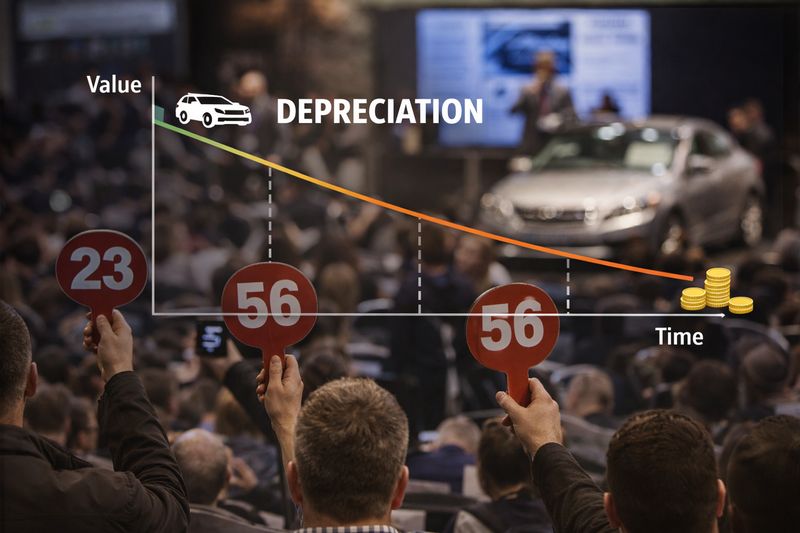
How depreciation affects your total ownership cost
Depreciation is the biggest hidden cost of owning a car. Even if you buy a car cheaply at an auction, its value can drop quickly if it depreciates fast.
For example:
- A car that loses value slowly costs you less in the long run
- A car that loses value quickly becomes more expensive, even if it was cheap upfront
Think of two buyers:
- One buys a low-priced sedan that loses value fast
- Another buys a slightly more expensive model that holds value better
After a few years, the second buyer often ends up spending less overall.
For budget buyers, this is important because saving money is not just about the purchase price—it’s about what you can sell the car for later.
Why resale value is key when buying from auctions
When you buy from an auction, you are often buying a car with some level of uncertainty. That’s why resale value becomes even more important.
A car with strong resale value gives you:
- More flexibility if you want to sell later
- Lower financial risk if repairs become expensive
- Better return on your initial investment
For example, if you buy a car at auction for daily use but later decide to upgrade, a high-resale model helps you recover more of your money.
On the other hand, a car that loses value quickly can leave you stuck with a vehicle that is hard to sell without taking a big loss.
Real-life example: saving money by choosing the right model
Imagine two buyers shopping at the same auction with a limited budget.
Buyer A chooses a cheap car that looks like a good deal but has weak resale value. After three years, the car is worth very little and needs expensive repairs.
Buyer B spends a little more on a model known for holding value well. It may cost slightly more upfront, but after three years, it still has strong demand in the used market.
Why Do Cars Depreciate?
Car depreciation happens to almost every vehicle, but the speed of value loss is different for each model. For auction buyers on a budget, understanding why cars lose value helps you avoid poor choices and focus on models that stay stronger in the resale market.
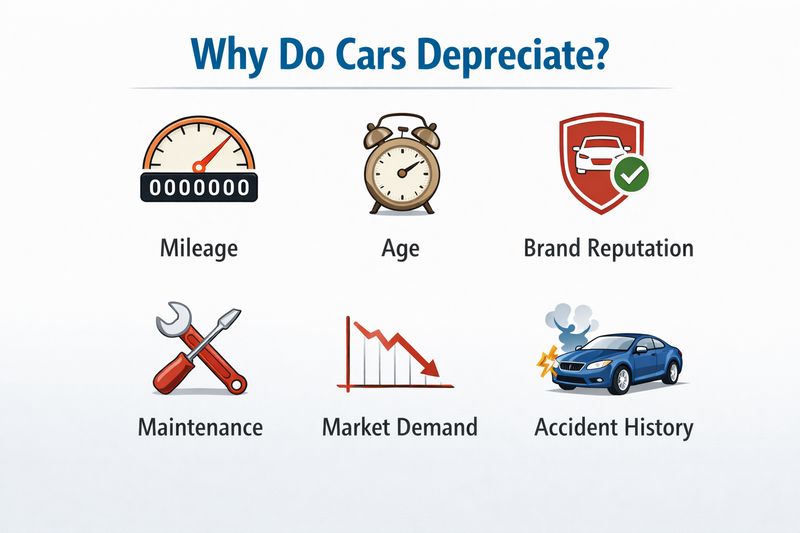
Key factors behind vehicle depreciation
Depreciation is influenced by several practical factors that affect how buyers see the car’s value over time. It is not just about age—it is about condition, reputation, and demand in the real world.
Mileage and usage
Mileage is one of the strongest indicators of depreciation. The more a car is driven, the more wear it has on the engine, transmission, and suspension.
For example:
- A 5-year-old car with low mileage can still feel “almost new”
- The same model with very high mileage will usually sell for much less
At auctions, budget buyers often see high-mileage cars at lower prices. While they are cheaper, they also tend to lose value faster after purchase.
Age and model year
Age affects both condition and perception. Even if a car is not heavily used, older models often lose value simply because newer versions are available.
Common reasons include:
- Newer safety features in updated models
- Better fuel efficiency in newer generations
- Changes in design and technology
For example, a 10-year-old car may still run well, but buyers often prefer newer models with modern features, which pushes older prices down.
Brand reputation and reliability
Some brands are known for holding value better because they are reliable and cheaper to maintain. Others depreciate faster due to higher repair costs or weaker reputation.
In general:
- Reliable brands tend to lose value slower
- Less trusted brands often drop in price faster
For budget buyers, this is important when choosing at auctions. A cheap car from a low-demand brand may look like a bargain but lose value quickly.
Maintenance history and condition
A well-maintained car always holds value better than one with unclear or poor service history.
Buyers pay attention to:
- Regular oil and service records
- Signs of proper repairs instead of neglect
- Interior and exterior condition
For example, two identical cars at auction can have very different prices if one has full maintenance records and the other has none. Condition directly affects trust and resale value.
Market demand and trends
Depreciation is also driven by market demand. If fewer people want a certain type of car, its value drops faster.
Demand can change because of:
- Fuel prices (affecting SUVs vs small cars)
- Lifestyle trends (urban driving vs off-road needs)
- New technology (electric vs gasoline vehicles)
For example, compact fuel-efficient cars may hold value better during times of high fuel prices, while large engines may lose demand faster.
Impact of accidents and salvage titles
Accident history is one of the biggest factors that increases depreciation. Cars with accident damage or salvage titles lose value much faster than clean-title vehicles.
Reasons include:
- Reduced buyer trust
- Possible hidden structural or mechanical issues
- Higher insurance risk
- Lower resale demand
At auctions, salvage vehicles are often cheaper, which attracts budget buyers. However, even after repair, they usually remain lower in value compared to similar clean-title cars.
What Causes Some Cars to Hold Value Better Than Others
Not all cars lose value at the same speed. Some models stay in demand for years, while others drop in price quickly. For auction buyers on a budget, understanding what makes a car hold its value helps you choose smarter and avoid costly mistakes.
Reliability and long-term durability
Cars that are known for reliability tend to hold their value better because buyers trust them more in the long run.
When a car is durable:
- It breaks down less often
- It lasts for many years with proper care
- It creates fewer unexpected repair costs
For example, buyers at auctions often prefer models with a reputation for running “forever” because they feel safer buying them even with high mileage. Reliability builds confidence, and confidence supports resale value.
Low cost of ownership and maintenance
If a car is cheap to maintain, it naturally stays more attractive in the used market.
Low ownership cost includes:
- Affordable spare parts
- Simple repairs
- Good fuel economy
- Reasonable insurance costs
For budget buyers, this is very important. A car that is cheap to buy but expensive to fix will lose value quickly because future buyers avoid it.
Strong demand in the used car market
Demand plays a huge role in value retention. If many people want the same type of car, prices stay higher even as the car ages.
High-demand cars often include:
- Practical daily drivers
- Family-friendly SUVs
- Reliable compact cars
At auctions, you may notice that some models always attract more bids. That is a clear sign of strong demand, which helps them hold value better over time.
Limited supply and high popularity
Cars that are harder to find often keep their value longer, especially if they are also popular.
This happens when:
- Production numbers are limited
- A model is discontinued
- Special editions are released
For example, when a popular model is no longer produced, existing cars on the market become more desirable. At auctions, limited supply can quickly push prices up, even for older vehicles.
Fuel efficiency and practicality
Practical cars usually hold value better because they fit everyday needs.
Key factors include:
- Good fuel economy
- Comfortable daily driving
- Enough space for families or work use
- Easy handling in city traffic
For example, a fuel-efficient sedan or compact SUV will often stay in demand even after many years. People buy them not for status, but for daily use.
Brand perception and resale reputation
Brand image strongly affects how a car holds its value. Some brands are known for quality and reliability, while others are seen as riskier or more expensive to maintain.
In general:
- Trusted brands keep stronger resale value
- Less reliable brands lose value faster
At auctions, this difference is easy to see. Two similar cars in price and age can sell very differently just because of the brand reputation behind them.
Best Car Brands That Hold Their Value
When you are buying a car on a budget, especially at auctions, the brand you choose can have a big impact on how much value you keep over time. Some brands are known for strong reliability and steady demand, while others lose value faster. Understanding this difference helps you make smarter long-term decisions.
Top brands with strongest resale value
Certain brands consistently perform well in the used car market because they are reliable, practical, and widely trusted by buyers.
Toyota
Toyota is one of the strongest brands for value retention. Its cars are known for long-term reliability, low maintenance costs, and high demand worldwide. Even older models often stay in demand at auctions because buyers trust them to last.
Porsche
Porsche holds value exceptionally well, especially in sports and luxury segments. Many models are not only desirable to drive but also attractive to collectors, which keeps resale prices strong over time.
Land Rover
Land Rover vehicles tend to hold value well in the SUV and luxury off-road segment. Their strong brand image and premium positioning help maintain demand, especially for well-equipped models.
Honda
Honda is known for affordable reliability and low running costs. Many of its models are popular in the used market, which helps them maintain stable resale value, especially compact cars and sedans.
Subaru
Subaru has strong resale value thanks to its reputation for safety and all-wheel-drive capability. It is especially popular in regions with harsh weather conditions, which keeps demand steady.
Brands with faster depreciation to be careful with
Some brands lose value faster due to higher maintenance costs, weaker demand, or less stable reputation in the used market. These cars are not necessarily bad, but they require more careful buying decisions at auctions.
Jaguar
Jaguar vehicles often depreciate faster due to higher repair costs and lower long-term reliability perception compared to some competitors in the luxury segment.
DS Automobiles
DS Automobiles is a newer premium brand that still struggles with long-term resale stability in some markets. Limited demand can lead to quicker value drops.
Vauxhall
Vauxhall models tend to depreciate faster in many regions due to strong competition and lower resale demand compared to other mainstream brands.
Lotus
Lotus produces performance-focused cars with niche demand. While some models are desirable, limited practicality and high maintenance costs can affect resale stability for everyday buyers.
GWM Ora
GWM Ora is an emerging EV brand that is still building its reputation. As a result, resale values can fluctuate, and long-term market demand is not yet fully established.
Top 10 Cars That Hold Their Value Best
Some vehicles are known for keeping their value better than others, even after years of use. For budget buyers shopping at auctions, these models are especially interesting because they combine reliability with strong resale demand. Below are the first three examples from the most value-stable cars on the market.
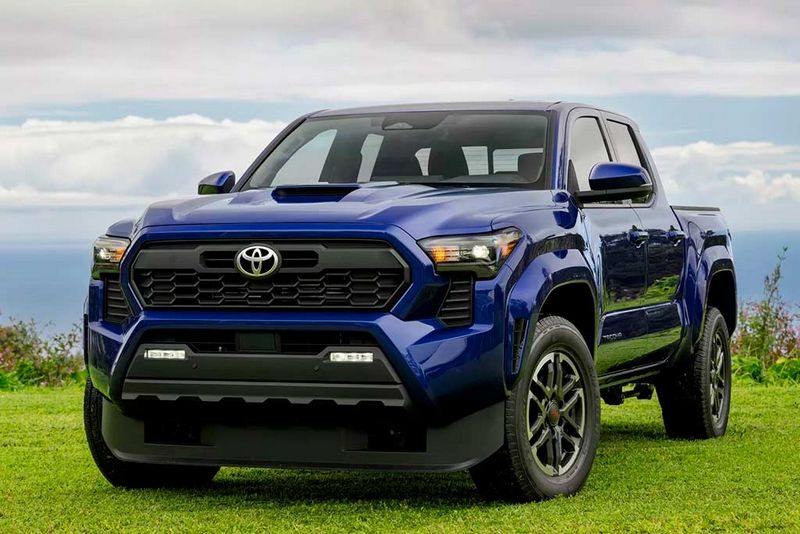
1. Toyota Tacoma
Toyota Tacoma is one of the strongest value-retaining pickup trucks in the used market. It is known for durability, simple mechanics, and long service life, which makes it highly desirable even with high mileage.
Why it holds value
The Tacoma holds its value because buyers trust it to last. It is built for long-term use and is popular in both work and personal driving. Demand stays high even for older models, which keeps resale prices strong.
Best use cases for budget buyers
For budget buyers, this truck is often used for:
- Light work or delivery tasks
- Outdoor activities and travel
- A reliable daily vehicle with utility value
Even older auction units can remain practical and in demand.
What to check when buying at auction
When inspecting a Toyota Tacoma at auction, focus on:
- Frame rust, especially in older models
- Suspension wear from heavy use
- Maintenance history and oil changes
- Signs of off-road damage or towing stress
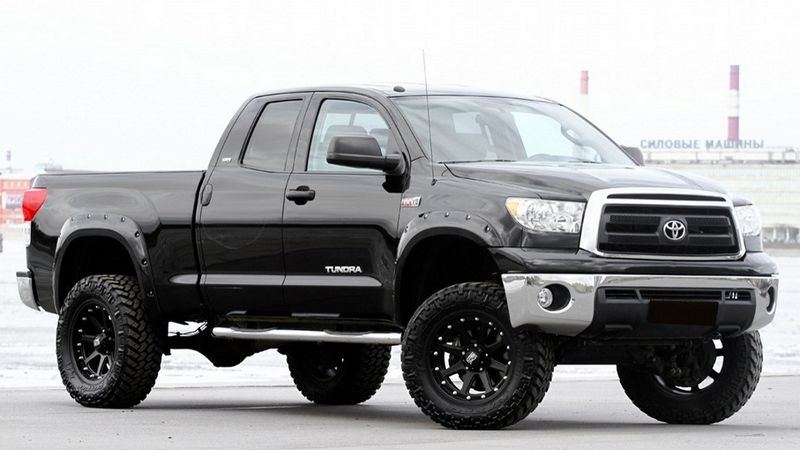
2. Toyota Tundra
Toyota Tundra is a full-size pickup known for its strength, long lifespan, and consistent resale value. It is often used for heavy-duty work but is also popular as a personal truck.
Durability and resale strength
The Tundra is built for tough conditions, which is why it remains in demand even after many years. Its reputation for reliability helps it maintain strong resale prices in the used market.
Ownership cost insights
While fuel consumption is higher than smaller vehicles, maintenance costs are generally predictable. Many buyers choose it because they prefer long-term reliability over short-term savings.
Auction buying tips
At auctions, check:
- Engine condition and transmission performance
- Signs of commercial or heavy towing use
- Frame condition and underbody rust
- Repair history after accidents
3. Toyota 4Runner
Toyota 4Runner is a midsize SUV with strong off-road capability and a reputation for long-term durability. It is one of the few SUVs that consistently holds its value well over time.
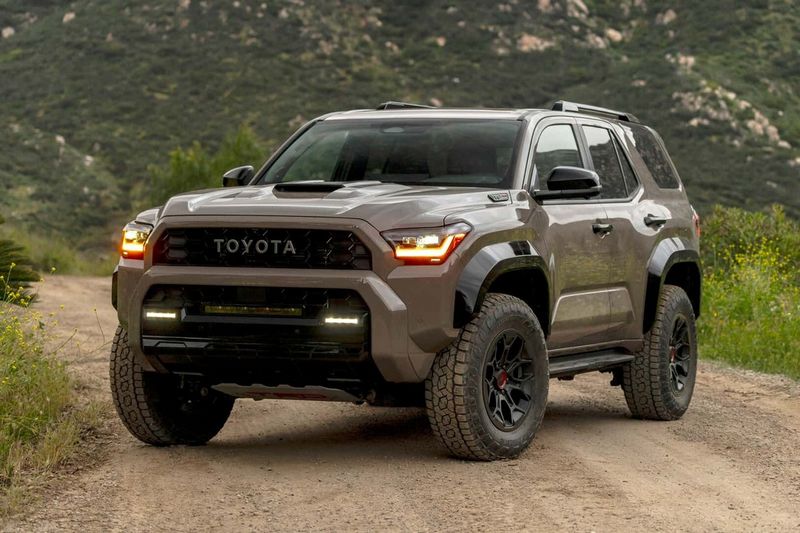
Off-road reliability and demand
The 4Runner is popular among drivers who need both daily usability and off-road performance. Its strong build and simple design make it highly reliable in different driving conditions.
Long-term value retention
This model keeps its value because:
- Demand for reliable SUVs is consistently high
- It has a loyal fan base
- It lasts for many years with proper maintenance
Even older models remain competitive in the used market.
Common issues to inspect
When buying at auction, pay attention to:
- Suspension wear from off-road use
- Rust in underbody and frame areas
- Engine oil leaks in high-mileage units
- Interior wear from heavy use
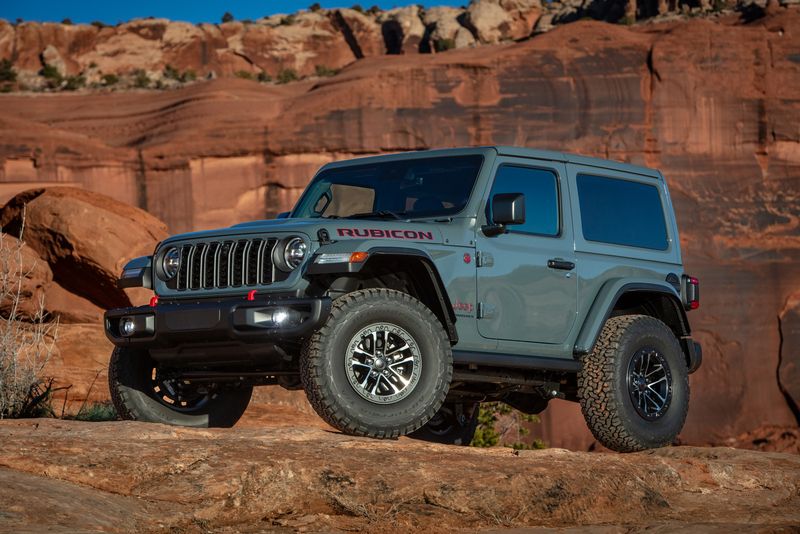
4. Jeep Wrangler
Jeep Wrangler is one of the most recognizable SUVs in the world. Its strong design, off-road capability, and loyal fan base help it keep value better than many other vehicles in its class.
Iconic design and strong resale demand
The Wrangler has a unique, boxy design that has stayed consistent for decades. Buyers love it because it stands out on the road and performs well off-road. This strong identity creates constant demand, which supports resale value even for older models.
Ideal buyer profile
This vehicle is a good fit for:
- Drivers who enjoy off-road or outdoor activities
- Buyers looking for a lifestyle vehicle, not just transport
- People who want a car with strong personality and recognition
At auctions, Wranglers often attract attention even with mileage or minor damage because demand stays high.
What to look for in salvage listings
When buying a Wrangler from salvage auctions, check:
- Frame condition, especially after off-road use
- Suspension and steering components
- Signs of water or mud damage from off-road driving
- Roof and door condition (removable parts can be damaged or missing)
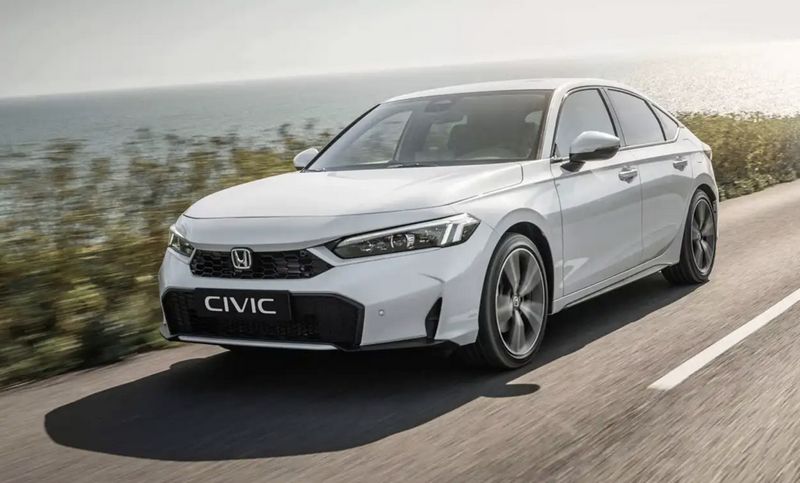
5. Honda Civic
Honda Civic is one of the most popular compact cars in the world. It is known for affordability, reliability, and low running costs, which makes it a strong value holder in the used market.
Affordable and reliable choice
The Civic is often chosen by budget buyers because it is cheap to maintain and fuel-efficient. Even older models remain practical for daily use, which helps maintain steady demand.
Why it’s always in demand
This model stays popular because:
- It is easy and cheap to repair
- Fuel efficiency makes it ideal for daily driving
- It has a strong reputation for long-term reliability
Because of this, Civics often sell quickly at auctions, even when they have higher mileage.
Smart buying tips
At auction, look for:
- Clean engine performance and no overheating history
- Transmission condition (especially in high-mileage units)
- Accident history and frame integrity
- Interior wear, which can show heavy daily use
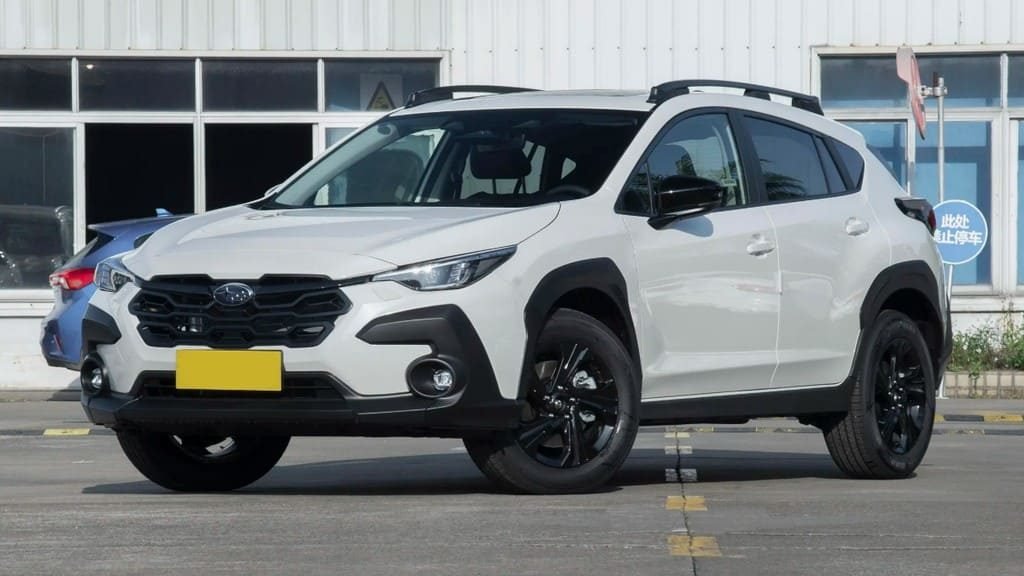
6. Subaru Crosstrek
Subaru Crosstrek is a compact SUV known for its all-wheel-drive system and practicality. It is especially popular in areas with snow, rain, or rough road conditions.
AWD advantage and popularity
The Crosstrek’s standard all-wheel drive makes it highly desirable for drivers who need stability in different weather conditions. This feature increases demand and helps it hold value better than many competitors.
Value retention factors
This model holds value well because:
- Strong reputation for safety and reliability
- Practical size for city and light off-road use
- Consistent demand in colder regions
Even older Crosstrek models remain attractive at auctions due to their versatility.
Inspection checklist
When evaluating a Subaru Crosstrek at auction, focus on:
- CVT transmission condition (if equipped)
- Suspension wear from rough roads or snow use
- Rust under the body, especially in colder climates
- Service history, especially regular maintenance records
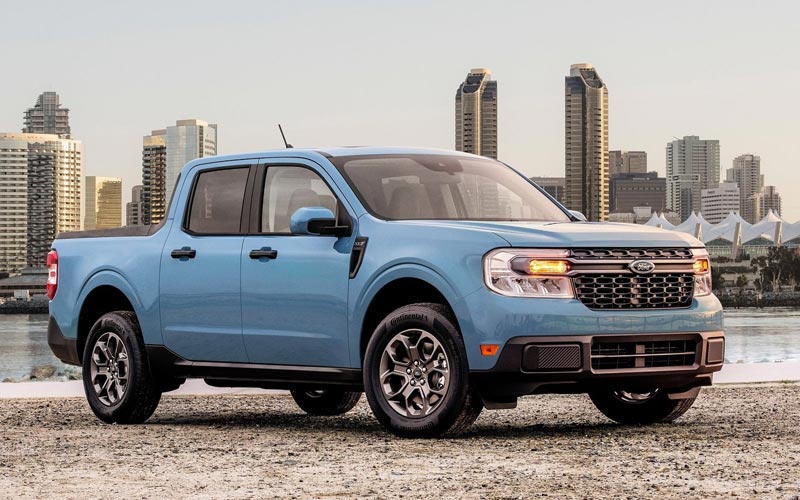
7. Ford Maverick
Ford Maverick is a compact pickup that quickly became popular because it offers truck utility at a lower price point. For budget buyers, it is one of the most interesting modern options at auctions.
Budget-friendly pickup with strong demand
The Maverick is attractive because it combines pickup functionality with lower entry costs. Many buyers want a small truck for daily tasks, which keeps demand high and helps it hold value better than expected.
Fuel efficiency benefits
Unlike traditional large pickups, the Maverick offers strong fuel economy, especially in hybrid versions. This makes it cheaper to run, which is a key factor for long-term ownership value.
Auction insights
When buying at auction, check:
- Hybrid system condition (if equipped)
- Signs of commercial use or heavy cargo loading
- Suspension and bed wear
- Accident history affecting frame or structure
8. Ford Bronco
Ford Bronco has quickly become one of the most in-demand SUVs in recent years. Its combination of retro design and off-road capability has created strong resale performance.
High demand and limited supply impact
Because production was limited during its early relaunch years, demand has often exceeded supply. This imbalance helps the Bronco hold its value well, especially for newer models.
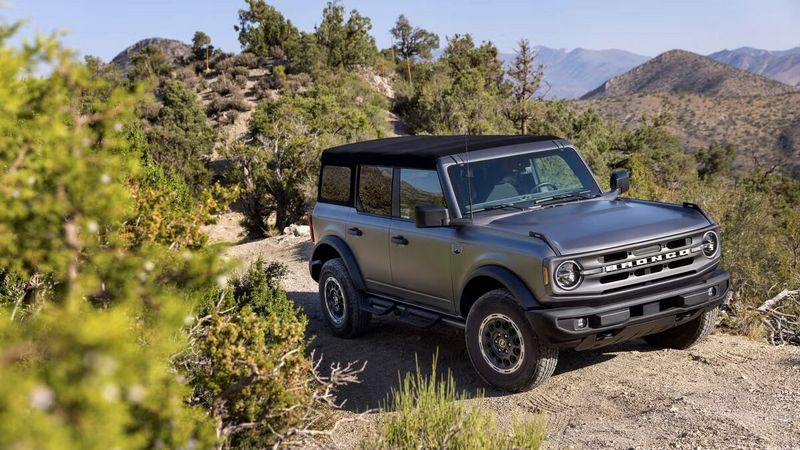
Off-road appeal
The Bronco is designed for off-road driving, making it popular among adventure-focused buyers. Features like removable doors and rugged suspension increase its lifestyle appeal.
What affects resale value
Key factors include:
- Trim level and off-road package options
- Mileage and usage history
- Condition of off-road components
- Accident or flood history
9. Chevrolet Corvette
Chevrolet Corvette is one of the most iconic American sports cars. It is known for strong performance and long-standing collector interest.
Sports car that holds value
Unlike many sports cars that depreciate quickly, the Corvette often holds value better due to its performance reputation and strong enthusiast community.
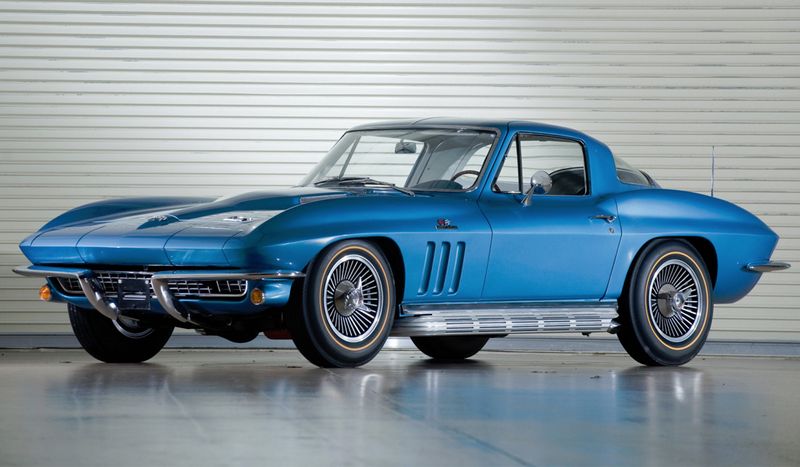
Collector appeal
Certain generations and special editions become highly desirable over time. This creates steady demand in both used and collector markets.
Risks when buying damaged units
At auctions, Corvettes may appear at low prices due to damage, but buyers should watch for:
- Frame or structural repairs
- Engine performance issues
- High repair costs for specialized parts
- Poor-quality past modifications
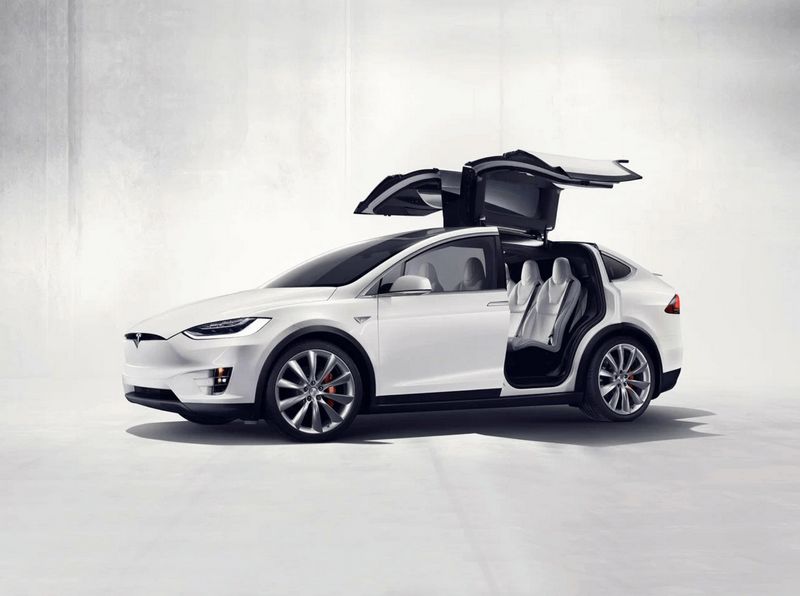
10. Tesla Model X
Tesla Model X represents the growing electric vehicle segment and is known for advanced technology and strong brand appeal.
EV demand and tech appeal
The Model X attracts buyers because of its technology features, electric performance, and brand recognition in the EV market. This helps maintain demand in certain segments.
Depreciation vs traditional cars
Like many electric vehicles, the Model X can depreciate faster in early years compared to some traditional models, but strong demand for used EVs can help stabilize prices later.
Battery and repair considerations
When buying at auction, key factors include:
- Battery health and range performance
- Cost of replacement parts
- Availability of certified repair services
- Accident history affecting high-voltage systems
Affordable Cars That Hold Value Well (Budget Picks)
Not every value-retaining car is expensive. Some of the best options for budget buyers are practical, affordable models that stay in demand for years. These cars are often easy to find at auctions and are popular because they are reliable, cheap to maintain, and easy to resell later.
Toyota Camry
Toyota Camry is one of the most trusted midsize sedans in the used car market. It is known for long-term reliability and low maintenance costs, which helps it stay in demand.
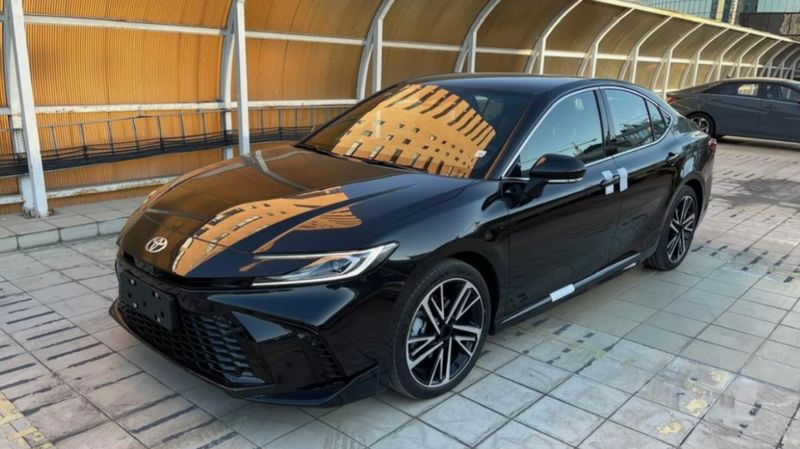
Buyers like it because:
- It is comfortable for daily driving
- It has a strong reputation for durability
- It is widely available, making parts easy to find
Even older Camry models at auctions are often considered safe buys for budget users who want predictable ownership costs.
Mazda CX-5
Mazda CX-5 is a compact SUV that combines style, efficiency, and reliability. It has become popular among families and city drivers.
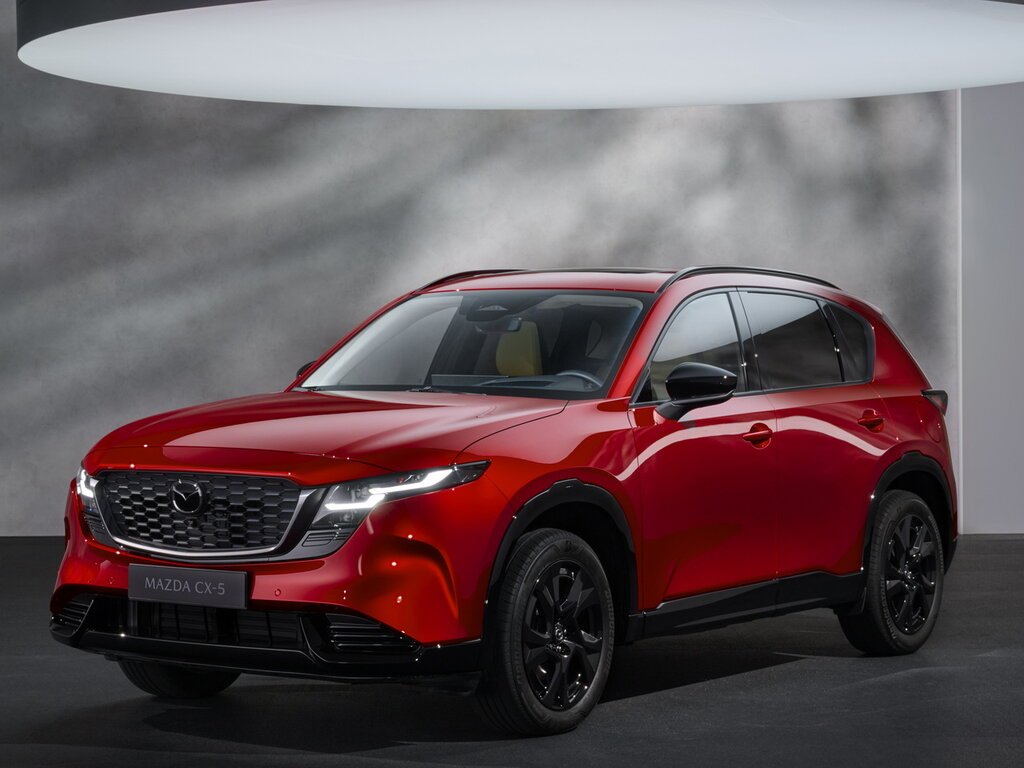
It holds value well because:
- It offers good fuel efficiency for an SUV
- It has a strong reputation for driving comfort
- It remains in high demand in the used market
For auction buyers, CX-5 models often provide a balance between affordability and long-term usability.
Toyota RAV4
Toyota RAV4 is one of the best-selling SUVs in the world. Its popularity directly supports strong resale value.
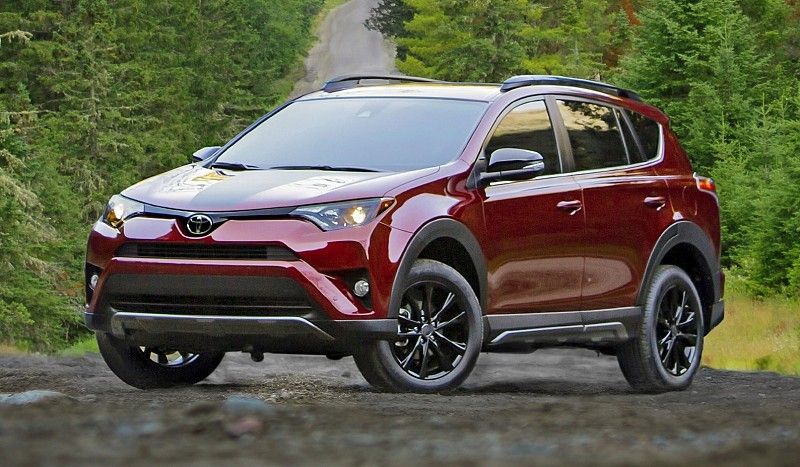
Key reasons it holds value:
- Extremely high market demand
- Proven long-term reliability
- Practical size for families and daily use
At auctions, RAV4s are often competitive because buyers know they can resell them easily later.
Mazda3 Hatchback
Mazda3 (hatchback version) is a compact car known for driving comfort and stylish design. It is a strong choice for urban drivers.
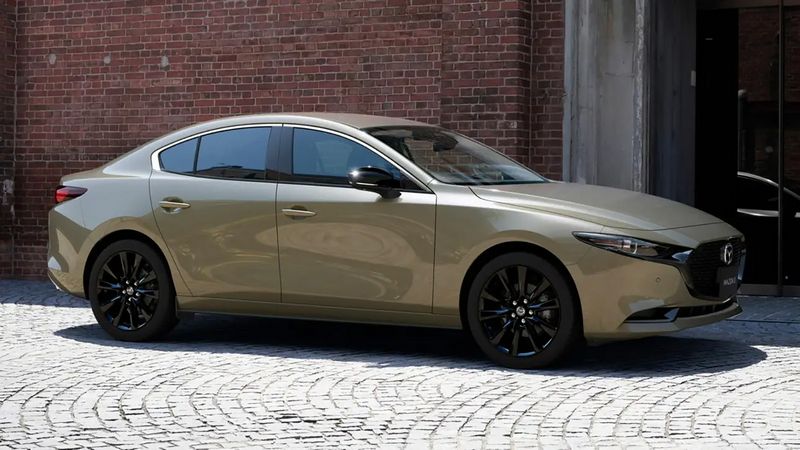
It remains valuable because:
- It is fuel-efficient and affordable to run
- It offers a premium feel in a compact segment
- It is popular among younger buyers
Even older Mazda3 models can attract steady interest at auctions due to their practicality.
Suzuki Swift
Suzuki Swift is a small, efficient hatchback that is very popular in city driving markets. It is simple, cheap to maintain, and easy to operate.
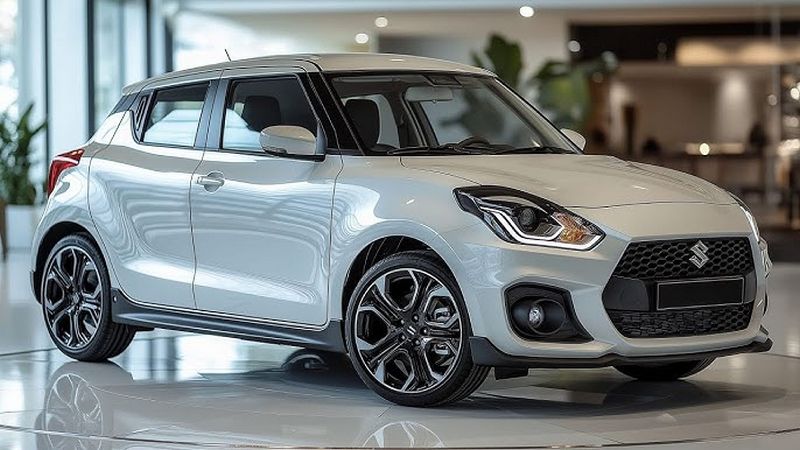
It holds value due to:
- Very low running costs
- Strong fuel economy
- High demand for budget city cars
For buyers on a tight budget, the Swift is often one of the most affordable entry points into reliable ownership.
Why these models are great for auction buyers
These cars are especially good choices at auctions because they combine low purchase prices with strong demand in the used market. Even if they come with minor damage or higher mileage, they are usually still easy to repair and resell.
Budget buyers benefit from:
- Lower initial investment
- Predictable repair costs
- Easier resale compared to niche models
Expected depreciation vs savings
While all cars depreciate, these models tend to lose value more slowly than average vehicles in their price range. That means buyers can save money not only when purchasing at auction but also when reselling later.
In practice:
- Cheaper purchase price reduces upfront cost
- Slower depreciation protects long-term value
- Strong demand helps avoid major resale losses
How to Protect Your Car’s Value After Purchase
Buying a car at a good price—especially from an auction—is only the first step. If you want to keep its value over time, you need to take care of it after purchase. Small habits and smart decisions can slow down depreciation and help you avoid unnecessary financial loss.
7 must-know tips to slow depreciation
Protecting your car’s value is not complicated, but it requires consistency. These simple actions can make a big difference in how much your car is worth in the future.
Keep mileage under control
Mileage is one of the fastest ways a car loses value. The more you drive, the lower the resale price usually becomes.
To manage it:
- Use the car mainly for planned trips
- Avoid unnecessary long-distance driving
- Consider a second vehicle for heavy daily use if possible
For budget buyers, this helps keep an auction-bought car attractive for longer.
Follow regular maintenance schedule
Regular maintenance keeps the car running smoothly and prevents expensive problems.
This includes:
- Oil and filter changes on time
- Brake and tire checks
- Engine and cooling system inspections
Skipping maintenance may save money short term, but it reduces value quickly.
Keep detailed service records
Service history builds trust with future buyers. A well-documented car is always easier to sell.
Make sure to keep:
- Repair receipts
- Service logs
- Parts replacement history
Even simple notes can increase resale confidence later.
Avoid unnecessary modifications
Modifications can lower resale value, especially if they change the original design or performance.
Best practice:
- Keep the car as original as possible
- Avoid extreme tuning or visual changes
- Only upgrade if it improves safety or reliability
Original cars are usually more attractive in the used market.
Protect exterior and interior condition
Appearance matters a lot when selling a car.
To protect it:
- Wash and wax regularly
- Fix small scratches early
- Use seat covers or floor mats
- Avoid long exposure to sun or harsh weather
A clean, well-kept car always feels more valuable to buyers.
Choose the right insurance coverage
Good insurance protects you from financial loss after accidents.
Look for:
- Coverage that matches car value
- Protection against accident-related depreciation
- Options for agreed value (if available for older cars)
This is especially useful for auction cars with previous damage history.
Store and use the car properly
Where and how you store your car affects its long-term condition.
Best practices include:
- Parking in a garage or covered area
- Avoiding long periods of inactivity
- Starting the engine regularly if not used often
- Protecting it from moisture and rust
Auction Buying Tips: Maximizing Resale Value
Buying a car at auction is not just about finding the lowest price. The real goal is to find a vehicle that will still be valuable when you decide to sell it later. For budget buyers, smart decisions at this stage can save thousands in future losses.
How to spot undervalued cars
Undervalued cars are those priced lower than their real market potential. These are often the best deals for budget buyers.
You can spot them by looking for:
- Light cosmetic damage but strong mechanical condition
- High-mileage cars from reliable models
- Listings with poor photos or weak descriptions
- Vehicles from owners who need quick sales
For example, a well-known reliable sedan with minor scratches may be overlooked at auction, even though it can perform well for years.
Reading auction listings like a pro
Auction listings contain more information than just price and photos. Learning how to read them properly helps you avoid bad purchases.
Pay attention to:
- Title type (clean, salvage, rebuilt)
- Damage description (mechanical, cosmetic, flood, etc.)
- Mileage and usage history
- Number of previous owners
- Location and storage conditions
For budget buyers, the key is not to rush. A cheap listing can hide expensive problems if you don’t read the details carefully.
Red flags that kill resale value
Some issues make a car much harder to resell later, even if the purchase price is low.
Common red flags include:
- Severe frame or structural damage
- Flood or fire history
- Inconsistent mileage records
- Poor repair quality from previous work
- Missing documentation or unclear history
For example, a heavily damaged car may look like a bargain, but it often becomes difficult to sell without a major loss.
When a salvage car is still a good deal
Not all salvage cars are bad purchases. Some can still be smart buys if you understand the risk.
A salvage car can be a good deal when:
- Damage is cosmetic rather than structural
- Repair costs are low compared to market value
- The model is known for strong reliability and demand
- Parts are easy and affordable to find
For example, a lightly damaged but popular SUV may still be worth buying if repairs are simple and resale demand is strong.
Common Mistakes That Hurt Resale Value
Even smart buyers can lose money if they make simple mistakes when choosing a car at auction. The goal is not only to buy cheap, but to choose a vehicle that will still be easy to sell later. Avoiding these common errors can make a big difference in your total cost of ownership.
Buying unpopular models
One of the biggest mistakes is choosing a car that has low demand in the used market. Even if the price at auction looks attractive, resale value can be very weak.
Unpopular models often:
- Stay on the market for a long time when resold
- Attract fewer buyers and lower bids
- Have limited support for parts and maintenance
For example, a rare or discontinued model with low demand may seem like a bargain, but it can be difficult to sell later without lowering the price significantly.
Ignoring hidden damage
Hidden damage is one of the fastest ways to lose resale value. A car may look fine in photos but still have serious issues underneath.
Common hidden problems include:
- Frame or structural damage
- Engine or transmission wear
- Electrical system issues
- Water or flood damage
For budget buyers, this is especially risky because repair costs can quickly exceed the initial savings from a cheap auction price.
Overpaying at auctions
Overpaying is more common than many buyers realize, especially in competitive bidding situations. Emotional decisions can lead to paying more than the car is actually worth.
This happens when:
- Buyers get caught in bidding wars
- They ignore market comparisons
- They focus only on winning the auction
If you overpay, resale value will almost always be lower than your total investment, which leads to a direct financial loss when selling.
Skipping vehicle history checks
A missing or ignored vehicle history report is a serious mistake. Without it, you are essentially buying blind.
A proper history check can reveal:
- Accident records
- Mileage inconsistencies
- Title issues (salvage, rebuilt, flood)
- Previous ownership patterns
For example, two identical-looking cars can have completely different values once history is checked. One may be clean, while the other has a damaged past that significantly lowers resale potential.
Conclusion: How to Choose a Car That Saves You Money
Choosing a car that holds its value is one of the smartest ways to save money, especially when buying at auctions. The lowest price is not always the best deal. What really matters is how much value the car will keep over time and how easy it will be to resell later.
Key takeaways for budget buyers
For budget-conscious buyers, the main idea is simple: focus on long-term value, not just upfront cost.
Keep in mind:
- Reliable brands usually hold value better
- Popular models are easier to resell
- Condition and history matter more than age alone
- Cheap cars can become expensive if they depreciate fast
For example, two cars with the same auction price can lead to very different results later—one may still sell well after a few years, while the other loses most of its value.
Final tips before bidding at auction
Before placing a bid, always slow down and check the full picture. Auctions move fast, but good decisions require preparation.
Smart steps include:
- Checking vehicle history and title status
- Comparing similar models on the market
- Estimating repair and ownership costs
- Setting a strict budget and sticking to it
- Avoiding emotional bidding wars
Even a good-looking deal can turn into a loss if you skip these steps. Discipline is key at auctions.
Why value retention should guide your decision
Value retention is one of the most important factors in car buying, especially for budget buyers. It determines how much money you actually keep after purchase, use, and resale.
A car that holds value well:
- Reduces long-term financial loss
- Gives more flexibility when upgrading later
- Makes ownership less risky overall
For example, a slightly more expensive car that holds its value can be a better deal than a cheap car that depreciates quickly and becomes hard to sell.
Further Reading
How Used Cars Can Save Money and Offer Better Value
Top 10 Least Expensive Cars to Own and Maintain
Most Reliable Used Cars Under $10,000 in 2026
Top 10 Used Toyota Cars Under $10,000: Reliable and Affordable Picks

Do You Have Any Questions?
 Ask Question