


 Log in
 Sign Up





The best selling cars of all time earned their place through decades of strong demand, reliability, and real-world value. From the Ford Model T to the Toyota Corolla and Tesla Model Y, these vehicles helped shape the automotive industry and influenced how millions of people travel. In this guide, you'll discover the world's most successful cars, what made them so popular, and which models are still worth buying used today.
What Is the Best Selling Car of All Time?
When people talk about the best selling car of all time, they are referring to the vehicle that has sold the highest number of units throughout its entire production history. This is different from annual sales rankings, which only measure how many vehicles were sold during a specific year.
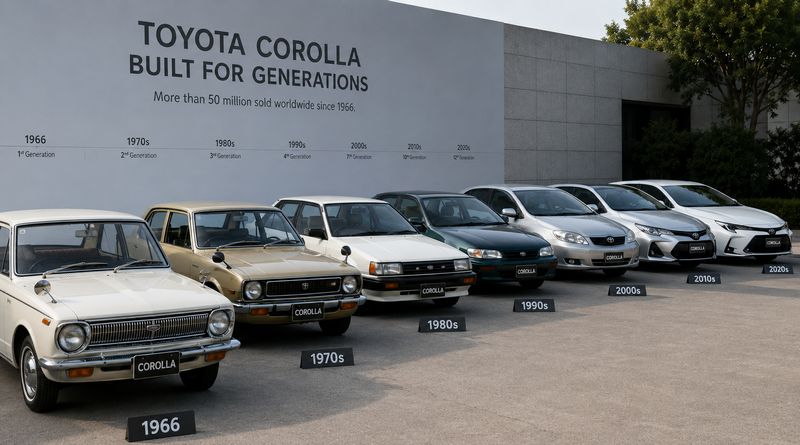
Determining the best selling car ever is not always as simple as checking a sales chart. Some vehicles have been produced for decades, while others have been sold under different names in different markets. Despite these challenges, automotive historians and industry analysts generally agree that the Toyota Corolla holds the title of the best selling car of all time, with more than 50 million units sold worldwide since its introduction in 1966.
Understanding how these rankings are calculated helps explain why certain vehicles have achieved legendary status and why they continue to influence the automotive market today.
How Global Vehicle Sales Are Measured
Global vehicle sales are typically measured by counting the total number of units sold to customers across all markets where a vehicle is available. Automakers collect sales data from dealerships, distributors, and regional sales networks. Industry organizations then compile and verify these figures.
For a model to qualify as a global best seller, sales from multiple countries are added together. For example, a Toyota Corolla sold in the United States counts the same as a Corolla sold in Japan, Australia, Europe, or South America. This allows analysts to calculate a vehicle's worldwide sales performance.
Manufacturers often release annual sales reports, but long-term sales records require combining decades of data. In some cases, model names, body styles, or regional variations must also be considered. For example, a vehicle may be sold under different names in different countries while still belonging to the same model family.
Because of these factors, automotive researchers often focus on model lines rather than individual generations when measuring total sales.
Why Lifetime Sales Matter More Than Annual Sales
Annual sales figures can show which vehicles are currently popular, but lifetime sales provide a much broader picture of a vehicle's success. A model that consistently sells well for decades often has a greater impact on the automotive industry than a vehicle that experiences only a few years of strong demand.
For example, a new electric vehicle might become the best selling vehicle in a particular year. However, that achievement does not automatically place it among the greatest-selling vehicles in history. To reach that level, a model must maintain strong demand over many years and across multiple generations.
Lifetime sales also demonstrate long-term customer trust. Vehicles that remain on the market for decades typically succeed because they offer qualities buyers consistently value, such as reliability, affordability, fuel efficiency, safety, and low ownership costs.
This is one reason why vehicles like the Toyota Corolla, Ford F-Series, and Honda Civic continue to rank among the world's best sellers. Their success is based not on a single strong year but on decades of steady demand.
Find the World's Best-Selling Cars at U.S. Auto Auctions
Many of the most successful vehicles in automotive history are available through U.S. auto auctions every day. From the Toyota Corolla and Honda Civic to the Ford F-150 and Toyota Camry, Auto4Export helps buyers access thousands of listings at competitive prices while simplifying the purchasing process.
- ✅ Access to Copart, IAAI, and dealer auctions
- ✅ Thousands of popular models available daily
- ✅ Vehicle shipping and export assistance worldwide
- ✅ Transparent pricing and bidding support
Challenges in Comparing Sales Across Different Eras
Comparing vehicle sales across different eras presents several challenges. The automotive market today is much larger than it was fifty or one hundred years ago. Population growth, economic development, and global expansion have significantly increased the number of potential buyers.
A vehicle sold in the 1920s competed in a completely different environment than a vehicle sold today. For example, the Ford Model T achieved extraordinary sales numbers at a time when automobile ownership was still relatively rare. Modern vehicles benefit from larger global markets, improved transportation networks, and broader consumer access.
Another challenge involves production methods. Early vehicles were often built in lower volumes due to manufacturing limitations. Today, automakers can produce millions of vehicles annually using highly automated factories.
Model definitions can also create confusion. Some manufacturers treat each generation as a continuation of the same model, while others make significant changes that blur the line between generations. Analysts must decide whether to combine sales across all generations or evaluate each version separately.
Because of these factors, historical sales comparisons require context rather than relying solely on raw numbers.
Best Selling Car vs Most Popular Car: What's the Difference?
Many people assume that the best selling car and the most popular car are the same thing, but these terms describe different concepts.
A best selling car is determined by measurable sales data. The ranking is based on how many units were sold over a specific period or throughout the vehicle's entire production history. This is an objective measurement that can be verified through sales records.
A most popular car, on the other hand, is often influenced by public perception, brand recognition, media coverage, enthusiast communities, and cultural impact. A vehicle can be extremely popular without being the highest-selling model.
For example, sports cars such as the Ford Mustang or Porsche 911 have enormous cultural influence and loyal fan bases. However, their total sales are much lower than mass-market vehicles like the Toyota Corolla or Honda Civic.
Popularity can also vary by region. A vehicle that dominates sales in one country may be relatively unknown elsewhere. In contrast, the best selling cars of all time usually achieve success across multiple markets and generations.
Top 10 Best Selling Cars of All Time
Some vehicles become popular for a few years. Others stay in demand for decades. The best selling cars of all time usually have one thing in common: they solve everyday problems for millions of drivers. They are affordable, practical, reliable, and easy to live with.
For used car buyers, this matters a lot. A model that sold in huge numbers is often easier to find at auctions, easier to repair, and easier to resell later. That is why many budget-conscious buyers look closely at proven models before placing a bid.
1. Toyota Corolla – The Best Selling Car Ever
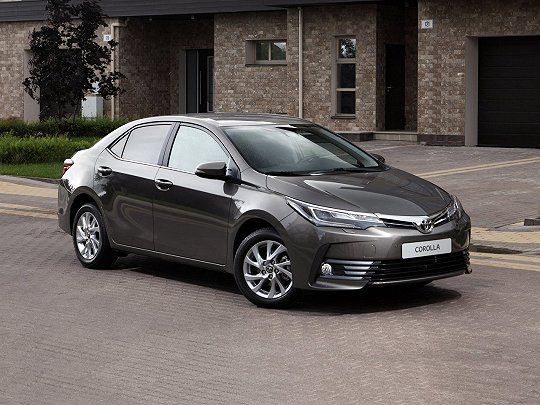
The Toyota Corolla is widely recognized as the best selling car of all time. Toyota introduced the Corolla in 1966, and the model has been produced across many generations since then. In 2021, Toyota announced that it had sold the 50-millionth Corolla worldwide, making it one of the biggest milestones in automotive history.
The Corolla became successful because it was never built to be flashy. It was built to be useful. For many drivers, it was the car that could handle daily commuting, school runs, weekend errands, and long-term ownership without creating major financial stress.
That is exactly why the Corolla remains so popular on the used car market today. Buyers often choose it because they want a simple, dependable vehicle with reasonable fuel costs and strong resale value.
Total Units Sold and Production History
The first Toyota Corolla went on sale in Japan in 1966. Toyota designed it as a compact, affordable car for regular families and workers. It later expanded into markets around the world, including the United States, where it arrived in the late 1960s.
Over time, the Corolla changed from a basic compact car into a global model family. It has been sold as a sedan, hatchback, wagon, coupe, and hybrid in different markets. Toyota also adapted the Corolla to meet local buyer needs, which helped it stay competitive for many decades.
By 2016, Toyota reported more than 44.1 million Corolla sales worldwide. In 2021, Toyota confirmed that the model had reached 50 million global sales. This long production history is one of the main reasons the Corolla is considered the best selling car ever.
For buyers searching through U.S. auto auctions, this large production volume is an advantage. More units on the road usually means more auction listings, more used parts, and more mechanics who know how to service the model.
Key Features That Made the Corolla a Global Success
The Corolla became successful because it focused on what most buyers actually need. It offered practical transportation at a price many families could afford. It was not the fastest or most luxurious car in its class, but it delivered strong everyday value.
Key reasons for its global success include:
- reliable engines and transmissions;
- good fuel economy;
- affordable maintenance;
- simple controls;
- practical interior space;
- strong resale value;
- wide parts availability;
- Toyota’s reputation for durability.
For a buyer on a limited budget, these features matter more than expensive options. A family looking for a second car, a student buying a first vehicle, or a driver who needs a cheap commuter often wants the same thing: a car that starts every morning and does not cost too much to keep on the road.
The Corolla fits that need very well. This is why it has remained popular in many countries with very different road conditions, fuel prices, and ownership costs.
Most Popular Generations of the Toyota Corolla
Several Corolla generations stand out in the used car market. Older models are often valued for their simple design, while newer models offer better safety, comfort, and technology.
The 1990s Corolla models are known for basic, durable engineering. Many of them became popular with drivers who wanted low repair costs and long service life. They may feel simple by modern standards, but that simplicity is part of their appeal.
The 2003–2008 Corolla is also very popular among used car buyers. It is often seen as one of the most practical budget choices because it combines good fuel economy with low maintenance costs. For many buyers, this generation is a strong option when the main goal is reliable transportation at a low price.
The 2009–2013 Corolla added a more modern interior and improved comfort while keeping the same practical character. It is common at auctions and can be a good choice for buyers who want a newer car without paying too much.
The 2014–2019 Corolla brought more modern styling, better cabin space, and stronger safety features. These models are often attractive to families, rideshare drivers, and commuters who want a balance of price, comfort, and dependability.
Newer Corolla models, including hybrid versions, are popular with buyers who want better fuel savings and more modern features. They usually cost more, but they can still offer strong long-term value if the vehicle history is clean and the condition is good.
Why Used Toyota Corollas Remain in High Demand
Used Toyota Corollas stay in high demand because they are easy to understand and easy to recommend. Buyers know what they are getting: a compact car with a strong reputation, reasonable running costs, and good resale value.
This is especially important for people trying to save money. A cheap vehicle is not always a good deal if it needs constant repairs. A Corolla may cost more than some competitors with similar mileage, but many buyers are willing to pay extra because they trust the model’s long-term reliability.
At U.S. auto auctions, Corollas can attract strong bidding because many different buyers want them. Local commuters, small dealers, exporters, students, and families all search for the same model. Clean title Corollas with moderate mileage often sell quickly, while salvage or minor-damage units can be interesting for buyers who understand repair costs.
For international buyers, the Corolla can be especially practical. Parts are available in many countries, mechanics are familiar with the model, and resale demand is usually strong. That makes it easier to justify the purchase, transportation, and import costs.
Before bidding on a used Corolla, buyers should still check the vehicle history, title type, mileage, damage photos, and estimated repair costs. Even a reliable model can become a bad purchase if it has serious structural damage, flood history, or poor maintenance records.
2. Ford F-Series – America's Best Selling Pickup Truck
The Ford F-Series is one of the most important vehicle lines in American automotive history. It is not just a work truck. For many buyers, it is also a family vehicle, a towing tool, a business asset, and a daily driver.
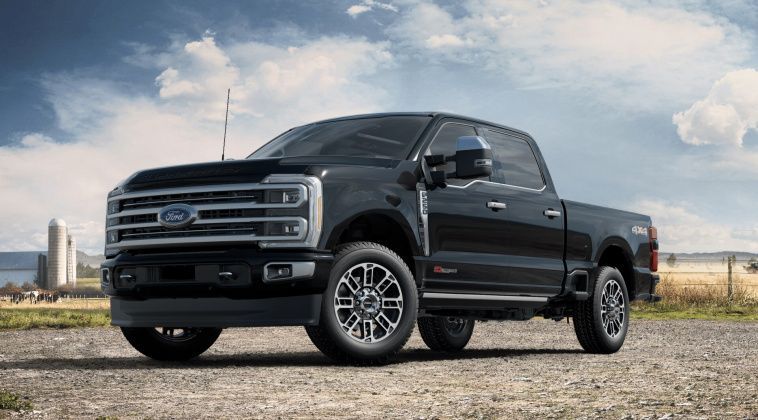
The most famous model in the lineup is the Ford F-150. It has become especially popular because it offers many versions for different needs. Some buyers choose a basic work truck. Others want a comfortable crew cab with space for children, tools, luggage, and weekend trips.
For used truck buyers, the F-Series is important because it is common at U.S. auto auctions. That gives budget-conscious buyers more options, but it also means they need to compare condition, mileage, title type, engine, cab size, and repair costs before bidding.
Total Sales and Historical Growth
The Ford F-Series was introduced in 1948. Over time, it grew from a simple work vehicle into a large family of pickups, including light-duty, medium-duty, and heavy-duty versions. The F-150 became the most recognized model in the lineup and helped turn the F-Series into a sales leader.
For decades, the F-Series has been one of the best selling vehicles in the United States. It became especially strong because pickup trucks are deeply connected to American work and lifestyle needs. Contractors, farmers, small business owners, families, and outdoor drivers all found practical uses for Ford trucks.
Sales grew as the truck itself changed. Early models were basic and focused mainly on durability. Later generations added better interiors, stronger engines, improved towing technology, safer cabins, and more comfort. This helped the F-Series reach buyers who wanted one vehicle for both work and family use.
Today, the F-Series is often listed among the highest-selling vehicle lines in history. Its long production run, strong U.S. demand, and wide range of trims have made it one of the most successful nameplates ever built.
How the F-Series Became a Market Leader
The F-Series became a market leader because Ford understood that truck buyers do not all need the same vehicle. Some people need a simple pickup for job sites. Others need a truck that can tow a boat, carry equipment, or replace a family SUV.
Ford built the F-Series around choice. Buyers could select different cab sizes, bed lengths, engines, drivetrains, payload ratings, and trim levels. This flexibility helped the truck appeal to many groups at once.
A basic F-150 XL could serve as a work truck for a construction crew. A crew cab XLT could work for a family that needs rear-seat space and weekend utility. A Lariat, King Ranch, Platinum, or Limited could attract buyers who want comfort, leather seats, advanced technology, and strong towing ability.
The F-Series also benefited from strong brand loyalty. Many truck owners stay with the same brand for years because they trust the truck, know the service network, and understand how it performs under real use.
This matters in the used market too. A buyer looking at auction listings may see many Ford trucks because companies, fleets, insurance sellers, and private owners regularly move them through auctions. This creates more chances to find a truck below retail price.
Most Popular F-150 Generations
Several Ford F-150 generations are especially common and popular in the used truck market. Each one has different strengths, so buyers should choose based on budget and intended use.
The 1997–2003 F-150 helped modernize the truck with smoother styling and better comfort. These models are now older, but they can still appeal to buyers looking for a low-cost truck for basic use. Condition is very important because age, rust, and previous repairs can affect value.
The 2004–2008 F-150 brought a stronger frame, a more modern cabin, and a tougher look. It became popular with both work users and private buyers. However, buyers should carefully inspect engine condition, maintenance history, and underbody rust before bidding.
The 2009–2014 F-150 is one of the most important used generations. It offered better engines, improved towing ability, and more interior space. Many buyers like this generation because it can still feel modern while costing less than newer trucks.
The 2015–2020 F-150 was a major step forward because Ford introduced an aluminum body. This helped reduce weight and improve efficiency. These trucks are very popular, but repair costs can be higher after body damage, so auction buyers should study damage photos closely.
The 2021 and newer F-150 models added more advanced technology, updated interiors, hybrid options, and improved towing features. These trucks are more expensive, but they can be attractive for buyers who want modern safety and comfort without paying new-truck prices.
Why Buyers Continue Choosing Used Ford Trucks
Used Ford trucks remain popular because they offer practical value. A pickup can do things many sedans and SUVs cannot. It can tow trailers, carry tools, haul materials, handle rough roads, and still serve as a family vehicle when equipped with a crew cab.
For buyers on a budget, a used F-150 can make sense if they need one vehicle for several jobs. For example, a small business owner may use it during the week for equipment and on weekends for family errands. A buyer who lives outside the city may need extra ground clearance and towing ability. A family may choose a crew cab truck because it gives them passenger space and cargo flexibility.
Another reason buyers choose used Ford trucks is parts availability. Since the F-Series has been sold in huge numbers, parts are usually easier to find than for rare or imported truck models. Many mechanics are also familiar with these vehicles, which can make maintenance more manageable.
At U.S. auto auctions, Ford trucks can appear in many conditions. Some are clean-title trade-ins. Others are fleet vehicles, repossessions, insurance cars, or trucks with accident damage. This creates opportunities, but also risk.
Before buying a used F-Series truck, buyers should check:
- title type;
- mileage;
- engine and transmission condition;
- frame damage;
- rust, especially on older trucks;
- towing history;
- suspension wear;
- accident photos;
- repair cost after auction.
3. Volkswagen Golf – Europe's Hatchback Icon
The Volkswagen Golf is one of the most successful compact cars ever made. It became famous because it offered a smart mix of practicality, comfort, fuel economy, and enjoyable driving. For many European families, students, commuters, and small business owners, the Golf was the car that could do almost everything without feeling too large or too expensive.
Unlike many compact cars that are seen only as basic transportation, the Golf built a stronger identity. It was useful enough for daily driving, but also refined enough to feel more premium than many rivals. This balance helped it become one of Europe’s most recognizable hatchbacks and one of the best selling cars in the world.
For used car buyers, the Golf can be an attractive option because it offers good interior space in a compact body. It is easy to park, comfortable on highways, and practical for city life. However, buyers should always check the engine, transmission, service history, and repair costs before bidding, especially when looking at older or higher-mileage models.
Sales Figures and Global Reach
Volkswagen introduced the first Golf in 1974 as a replacement for the Beetle. The idea was simple: create a modern, front-wheel-drive hatchback that could meet the needs of a new generation of drivers. The result became one of the most important cars in Volkswagen history.
Over the decades, the Golf sold in very large numbers across Europe and many other markets. It became especially strong in Germany, the United Kingdom, and other European countries where compact hatchbacks are popular. The Golf also reached buyers in North America, South America, Asia, Africa, and Australia, although its popularity varied by region.
In some markets, the Golf was sold under different names or alongside related Volkswagen models. In the United States, for example, earlier versions were known as the Volkswagen Rabbit. Even with these naming differences, the Golf family remained one of Volkswagen’s most important global products.
Its success came from long-term consistency. The Golf was not just a short-term hit. It stayed relevant for decades because Volkswagen continued updating the model while keeping its core strengths: compact size, practical hatchback design, solid road feel, and everyday usability.
Evolution from Mk1 to Modern Generations
The Golf has gone through many generations, often referred to as “Mk” generations. Each generation brought changes in design, technology, comfort, and safety, but the basic idea stayed the same: a practical hatchback that feels good to drive.
The Mk1 Golf, introduced in the 1970s, was light, simple, and efficient. It helped define the modern hatchback formula with front-wheel drive, a rear hatch, and a compact footprint. It was practical for families and city drivers who needed useful space without buying a large car.
The Mk2 Golf arrived in the 1980s with more space, improved comfort, and better build quality. It became very popular in Europe and is still respected by enthusiasts today.
The Mk3 and Mk4 generations brought more safety features, smoother styling, and better interiors. The Mk4, in particular, became known for its more premium feel compared to many other compact cars of its time.
The Mk5 and Mk6 Golf models improved ride quality, handling, and technology. These generations are common in the used market and can offer strong value when properly maintained.
The Mk7 Golf is often viewed as one of the strongest modern generations. It offered a refined interior, good fuel economy, strong safety equipment, and a comfortable driving experience. Many used car buyers like this generation because it feels modern but can cost less than newer vehicles.
The Mk8 Golf continued the shift toward digital screens, advanced driver assistance, and more modern cabin technology. These newer models may cost more at auction, but they can appeal to buyers who want a compact car with a more premium feel.
Golf GTI and Performance Variants
One of the biggest reasons the Golf became a legend is the Golf GTI. Introduced in the 1970s, the GTI helped create the idea of the “hot hatch” — a small practical car with sporty performance.
The GTI showed that a compact hatchback did not have to be boring. It could carry groceries, fit into tight parking spaces, and still be fun on a winding road. This made it popular with younger drivers, enthusiasts, and buyers who wanted one car for both daily driving and weekend enjoyment.
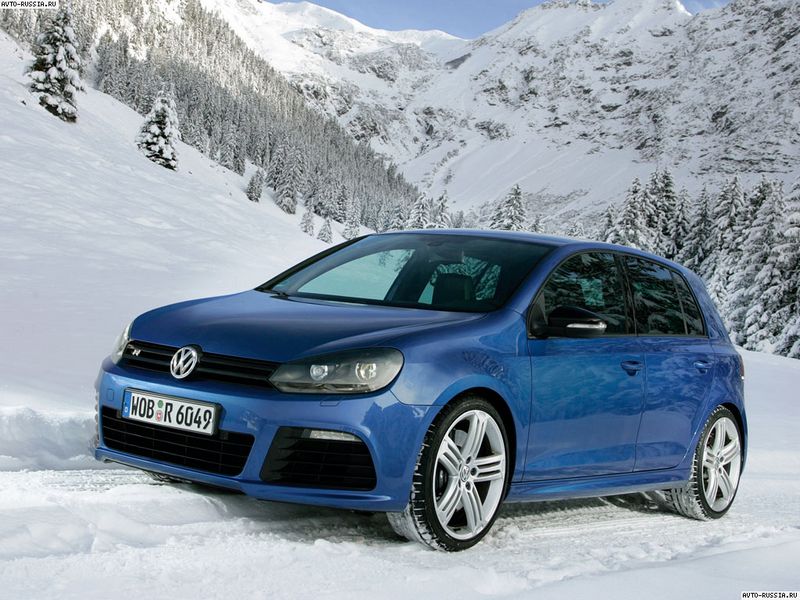
Over the years, Volkswagen also offered other performance versions, including the Golf R in later generations. The Golf R added more power and all-wheel drive in many markets, making it one of the most capable compact performance cars in the Volkswagen lineup.
For used car buyers, performance versions can be exciting but require extra caution. A used GTI or Golf R may have been driven harder than a regular Golf. Buyers should check maintenance records, modifications, accident history, turbocharger condition, transmission behavior, and signs of rough use.
A well-maintained GTI can be a great used car for someone who wants practical space and driving fun. But a neglected one can become expensive quickly. This is especially important at auctions, where the buyer may not be able to test the car fully before bidding.
Why the Golf Remains Popular Worldwide
The Golf remains popular because it fits many different lifestyles. It is small enough for crowded cities, but practical enough for daily family use. The hatchback body makes it easy to load bags, tools, sports gear, or groceries. For someone who does not want a large SUV, the Golf can offer a useful balance of size and space.
Another reason for its popularity is driving quality. Many compact cars feel basic, but the Golf has often been praised for feeling stable, comfortable, and refined. This gives buyers the sense that they are getting more car for the money.
The Golf also has a wide range of versions. A buyer can choose a basic fuel-efficient model, a diesel version in some markets, a sporty GTI, or a performance-focused Golf R. This variety helped the model stay relevant to many types of drivers.
In the used market, the Golf can be a smart choice, but it is not always the cheapest car to own. Maintenance costs may be higher than some Japanese compact cars, especially if the vehicle has a turbo engine, dual-clutch transmission, or poor service history.
For auction buyers, the best approach is to look beyond the winning bid. A cheap Golf with hidden mechanical problems may cost more in the long run than a cleaner car with a higher purchase price. Buyers should check the title, mileage, service records, damage photos, engine type, and transmission before making a decision.
4. Honda Civic – Decades of Reliability
The Honda Civic is one of the most trusted compact cars in the world. It has been popular for decades because it gives drivers what they need most: good fuel economy, practical size, affordable maintenance, and long-term dependability.
For many buyers, the Civic is not an emotional purchase. It is a smart purchase. A student may choose it as a first car. A family may buy it as a second vehicle. A commuter may choose it to save money on gas. A small dealer or exporter may look for it at auction because demand is steady in many markets.
The Civic has changed a lot over the years, but its basic value remains the same. It is a car that is easy to use, easy to own, and usually easy to resell when the time comes.
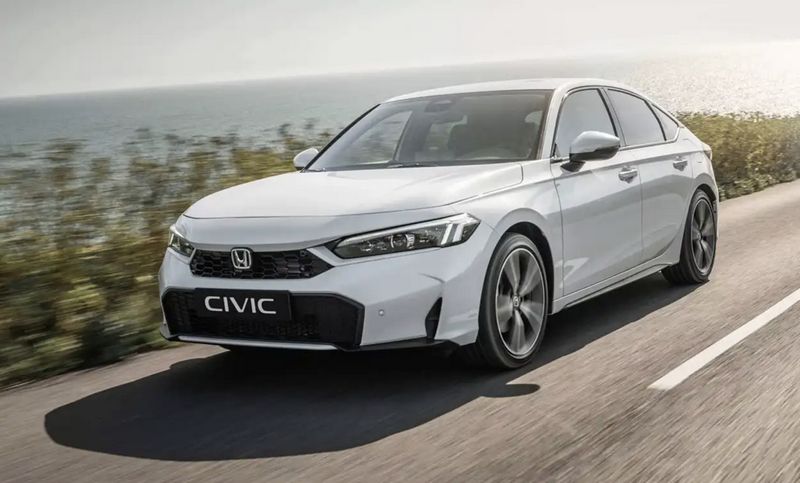
Civic Sales History and Milestones
Honda introduced the Civic in 1972. At the time, many buyers wanted smaller, more fuel-efficient cars. The Civic arrived at the right moment and quickly became known as a practical compact car with low running costs.
In the 1970s and 1980s, the Civic gained attention for fuel economy and simple engineering. It became especially important during periods when gas prices made efficient cars more attractive. Many buyers who had previously owned larger vehicles started looking at smaller cars, and the Civic became one of the strongest choices.
Over the following decades, the Civic grew in size, comfort, safety, and technology. It moved from being a small basic car to a more refined compact vehicle. Honda added better interiors, stronger engines, improved crash protection, hybrid versions in some generations, and sportier trims.
The Civic also became one of Honda’s best-selling global models. Its success came from steady demand across many countries, including the United States, Canada, Japan, and other major markets. It is now one of the most recognized compact cars ever built.
For used car buyers, this long history is a major advantage. Because so many Civics were sold, they are common in the used market and at U.S. auto auctions. This gives buyers more chances to compare prices, mileage, title types, and conditions before making a decision.
Body Styles and Popular Configurations
One reason the Honda Civic stayed popular for so long is that Honda offered it in several body styles and configurations. This helped the model appeal to different types of buyers.
The Civic sedan is one of the most common versions. It is practical for families, commuters, and first-time buyers because it has four doors, a usable trunk, and enough space for daily needs. Many buyers choose the sedan because it feels simple and familiar.
The Civic coupe was popular with younger drivers and buyers who wanted a sportier look. It usually offered the same basic reliability as the sedan but with a more personal style. Since Honda no longer sells new Civic coupes in the U.S., clean used examples can still attract interest.
The Civic hatchback became popular because it offers more cargo flexibility. It is useful for drivers who need to carry bags, tools, sports gear, or small furniture but do not want a larger SUV. For city drivers, the hatchback can be especially practical because it combines compact size with easy loading.
Honda also offered performance-focused versions, such as the Civic Si and Civic Type R. These models are popular with enthusiasts because they offer better handling, more power, and a more exciting driving experience. However, used performance Civics should be checked carefully because some may have been modified or driven hard.
For budget-conscious buyers, the best configuration is often a regular Civic sedan or hatchback with a clean history, moderate mileage, and good maintenance records. These versions usually offer the best balance of price, reliability, and everyday use.
Why the Civic Appeals to Multiple Generations
The Honda Civic appeals to many generations because it fits different stages of life. A young driver may want an affordable first car. A parent may want a reliable commuter. A family may need a low-cost second vehicle. An older driver may want something easy to park and inexpensive to maintain.
The Civic works for all of these buyers because it does not try to be too complicated. It offers enough comfort for daily driving, enough space for normal use, and enough efficiency to keep fuel costs under control.
Another reason for its wide appeal is Honda’s reputation. Many people know someone who owned a Civic for many years. That kind of real-world experience builds trust. When buyers hear that a Civic can last a long time with regular maintenance, they are more comfortable choosing one used.
The Civic also has strong resale value. This matters for buyers who are trying to spend money carefully. A cheaper car from another brand may look attractive at first, but if it loses value quickly or needs more repairs, it may not be the better deal.
At auctions, Civics can attract many bidders because they are popular with private buyers, dealers, exporters, and repair shops. This can make prices competitive, especially for clean title cars. Still, buyers may find good opportunities with lightly damaged, repossessed, or insurance vehicles if repair costs are reasonable.
Best Used Honda Civic Models to Buy
The best used Honda Civic depends on the buyer’s budget, location, and comfort level with mileage or repairs. Still, several generations are especially popular in the used market.
The 2006–2011 Civic is common and often affordable. It can be a good choice for buyers who want basic transportation at a lower price. These cars are older now, so condition matters more than mileage alone. Buyers should check for accident history, rust, engine condition, and maintenance records.
The 2012–2015 Civic is another practical choice. It offers better comfort and technology than older models while still staying simple and efficient. For many budget-focused buyers, this generation can be a strong balance between price and reliability.
The 2016–2021 Civic is very popular because it feels more modern. It has a more spacious interior, better styling, stronger safety features, and good fuel economy. Sedan and hatchback versions from this generation are both in demand. Buyers should pay close attention to engine type, service history, and any accident damage.
The 2022 and newer Civic models offer a more refined cabin, updated design, and newer safety features. They usually cost more, but they may be attractive for buyers who want a newer vehicle without paying full dealership prices.
For auction buyers, the most important step is not just choosing the right year. It is checking the specific car. A well-maintained older Civic can be a better purchase than a newer one with hidden damage or poor repairs.
Before bidding on a used Honda Civic, buyers should review:
- title type;
- mileage and odometer status;
- accident or flood history;
- engine and transmission condition;
- service records when available;
- damage photos;
- airbag status;
- estimated repair cost;
- auction fees and transportation cost.
5. Volkswagen Passat – A Global Family Sedan
The Volkswagen Passat became one of the world’s most successful family sedans because it offered more space, comfort, and road stability than many smaller compact cars. For many buyers, it was a step up from a basic economy car without moving into a luxury brand.
The Passat was especially popular with families, commuters, and business drivers who wanted a comfortable car for daily use and longer trips. It offered a more mature feel than the Volkswagen Golf, while still staying practical and relatively affordable compared to premium sedans.
For used car buyers, the Passat can be attractive because depreciation often makes it cheaper than many new compact cars. However, buyers should look carefully at maintenance history, engine type, transmission condition, and repair costs before bidding at auction.
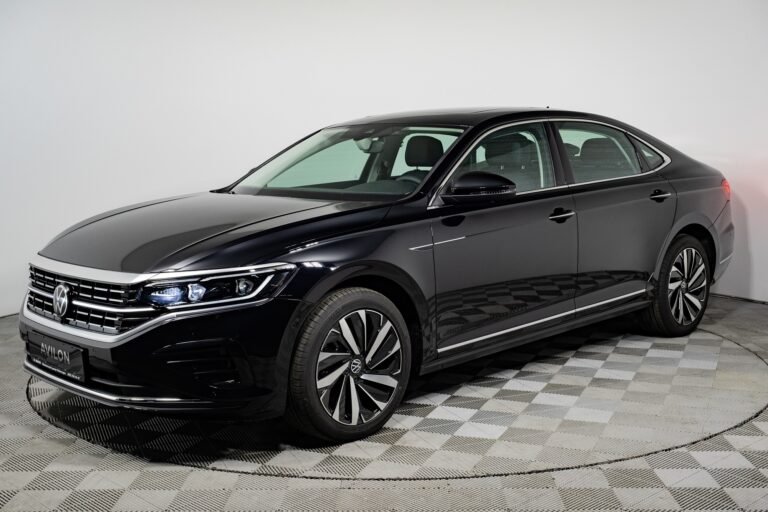
Lifetime Sales and Market Presence
Volkswagen introduced the Passat in 1973. It was designed as a practical mid-size car that could serve families and drivers who needed more room than a compact hatchback. Over the years, the Passat was sold as a sedan, wagon, and fastback in different markets.
The Passat became a strong global model for Volkswagen. It was especially important in Europe, where family sedans and wagons were popular for many decades. It also had a presence in North America, China, and other markets, although demand differed by region.
In Europe, the Passat was often seen as a sensible family and company car. Many drivers used it for long highway trips, daily commuting, and business travel. In China, the Passat name also became important in the sedan market, helping Volkswagen expand its presence among middle-class and business buyers.
In the United States, the Passat had a more mixed history. It offered good space and comfort, but it competed against strong rivals like the Toyota Camry, Honda Accord, Nissan Altima, and Ford Fusion. Even so, used Passats are still common enough at auctions to interest buyers looking for a roomy sedan at a lower price.
Its long production history and wide global reach are the main reasons the Passat is often included among the best selling car nameplates of all time.
Key Features That Attracted Buyers
The Passat attracted buyers because it offered a practical balance between comfort, size, and driving quality. It was not usually the cheapest sedan in its class, but it often felt more refined than basic family cars.
One of its biggest strengths was interior space. The Passat gave families more rear-seat room and trunk space than many compact cars. This made it useful for parents with children, drivers who carried passengers often, or buyers who needed a comfortable car for longer commutes.
Another strength was road comfort. Many Passat models were designed to feel stable on highways. This made the car popular with drivers who spent a lot of time traveling between cities or commuting long distances.
The Passat also appealed to buyers because of its European driving feel. Compared with some soft family sedans, many Passat generations felt more controlled and confident on the road. For buyers who wanted something practical but not boring, this was a strong selling point.
Common features that helped the Passat attract buyers included:
- roomy cabin;
- large trunk;
- comfortable highway ride;
- solid handling;
- available wagon body style in some markets;
- diesel engine options in certain generations;
- available turbocharged engines;
- more premium interior feel than many economy cars.
For budget-conscious buyers, these qualities can make a used Passat look like a good deal. The key is making sure the lower purchase price does not come with expensive repair needs.
Most Successful Passat Generations
Several Passat generations played an important role in the model’s success. Each one appealed to buyers in a different way.
The early Passat models from the 1970s and 1980s helped establish the nameplate. They were simple, practical, and efficient for their time. These older cars are now more interesting to collectors and enthusiasts than regular used car buyers.
The B5 Passat, sold from the late 1990s into the mid-2000s, became one of the most recognized generations. It offered a more premium design, a comfortable interior, and strong road manners. Many buyers saw it as a near-luxury sedan at a more affordable price. However, older B5 models now require careful inspection because age, maintenance gaps, and repair costs can be serious concerns.
The B6 Passat brought a more modern design and more technology. It became popular in several markets, but buyers should pay close attention to engine and transmission condition, especially on higher-mileage cars.
The North American Passat introduced for the 2012 model year was designed specifically for the U.S. market. It was larger, roomier, and more focused on comfort. This generation is common in the used market and can offer good value for buyers who want a spacious sedan without paying SUV prices.
Later Passat models added more technology, improved safety features, and updated styling. In some markets, the Passat continued to be offered as a wagon, which made it even more practical for families.
For used buyers, the best generation depends on budget and repair expectations. A newer Passat may cost more upfront, but it can offer better safety and fewer age-related problems. An older Passat may be cheaper to buy but can become expensive if maintenance was neglected.
Passat's Legacy in the Used Car Market
The Passat’s legacy in the used car market is based on value. It often gives buyers a lot of car for the money. A used Passat can offer more space and comfort than many compact cars at a similar price.
This is useful for families and commuters who want a comfortable vehicle but cannot justify the cost of a new sedan or SUV. For example, a buyer who needs rear-seat room for children and a large trunk for daily use may find a used Passat more practical than a smaller compact car.
At U.S. auto auctions, Passats can appear as trade-ins, fleet vehicles, repossessions, insurance vehicles, and dealer inventory. This gives buyers different price points and conditions to choose from. Clean-title Passats may work well for daily use, while damaged vehicles may appeal to buyers who can manage repairs at a lower cost.
However, the Passat requires careful buying. Some Volkswagen models can cost more to maintain than Japanese family sedans. Turbo engines, diesel systems, electrical components, and automatic transmissions should be checked closely. A low auction price is not enough if the car needs expensive mechanical work.
Before bidding on a used Volkswagen Passat, buyers should review:
- title type;
- mileage;
- service history;
- engine type;
- transmission behavior;
- accident or flood history;
- dashboard warning lights;
- cooling system condition;
- suspension wear;
- estimated repair costs;
- auction fees and transportation costs.
6. Volkswagen Beetle – The People's Car
The Volkswagen Beetle is one of the most recognizable cars ever made. Its rounded shape, simple design, and long production history made it more than just transportation. It became a symbol of affordable mobility in many parts of the world.
Unlike many cars that became famous because of power or luxury, the Beetle became famous because it was simple, practical, and easy to understand. It was built for people who needed basic transportation at a price they could afford.
For today’s used car buyers, the original Beetle is no longer just a cheap daily driver. It is mostly a classic car. Buyers look for it because of its history, unique design, easy mechanical layout, and strong collector interest.
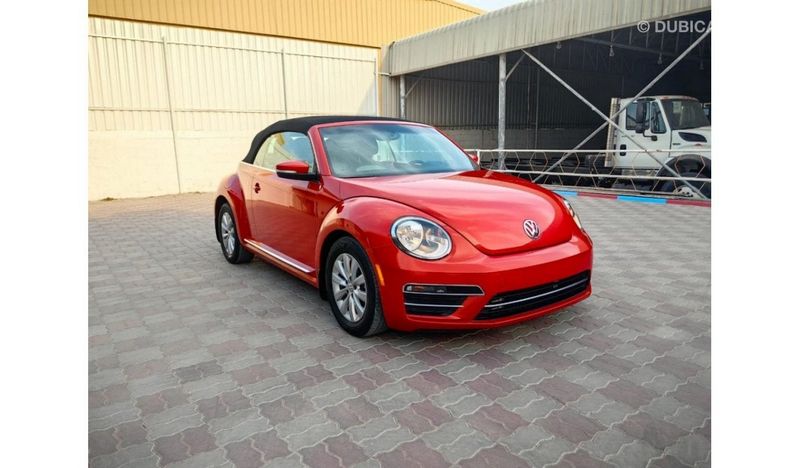
The Story Behind the Original Beetle
The original Volkswagen Beetle was developed in Germany before World War II as an affordable car for ordinary people. The idea was to create a small, simple vehicle that could carry a family, handle daily driving, and be easier to own than many larger cars of the time.
After the war, production continued and the Beetle slowly became a global success. Its air-cooled rear engine, compact size, and simple mechanical design helped it stand out from other vehicles. It was not complicated, and that made it easier to maintain in many markets.
The Beetle also arrived at the right time. Many families around the world wanted personal transportation but could not afford expensive cars. The Beetle offered a practical answer. It was small, efficient, and durable enough for daily use.
In the United States, the Beetle became popular in the 1950s and 1960s. It was very different from the large American cars of that period. While many vehicles were big, heavy, and fuel-hungry, the Beetle was compact and economical. That difference helped it build a loyal following.
Production Records and Historic Achievements
The Volkswagen Beetle became one of the most produced cars in history. The original air-cooled Beetle stayed in production for decades, with factories building the car in different countries.
One of its biggest achievements was passing the production record of the Ford Model T. This was important because the Model T had long been seen as the car that brought affordable transportation to the masses. When the Beetle reached that milestone, it proved that a simple global car could stay successful for many generations.
More than 21 million original Beetles were built before production ended in Mexico in 2003. That long production run helped make the Beetle one of the most successful single-design cars ever produced.
The Beetle’s success was not based on constant redesigns. Instead, Volkswagen kept improving the car slowly while preserving the same basic shape and engineering concept. This made the Beetle instantly recognizable in almost any country.
For buyers and collectors today, that history is a big part of the car’s value. A Beetle is not just an old compact car. It is a vehicle connected to one of the most important production stories in the automotive world.
Cultural Influence Around the World
The Beetle became a cultural icon because people connected with it emotionally. It was affordable, friendly-looking, and different from many other cars on the road. Its shape made it easy to recognize, and its simple personality helped it appeal to many types of drivers.
In the 1960s and 1970s, the Beetle became popular with students, young families, travelers, and people who wanted something practical but not ordinary. It also became connected with counterculture movements in the United States and other countries.
Movies, advertising, and popular culture helped build the Beetle’s image even more. Many people remember the Beetle not only as a car, but as a character. It appeared in films, cartoons, posters, and family memories.
In many countries, the Beetle also served as a dependable work vehicle. It was used as a taxi, delivery car, commuter vehicle, and family car. This wide range of uses helped the Beetle become part of everyday life.
That cultural influence is one reason the Beetle still attracts attention today. Even people who are not car enthusiasts often recognize it immediately.
Why Classic Beetles Remain Collectible
Classic Beetles remain collectible because they combine history, design, and simplicity. Many classic cars are expensive to buy and difficult to maintain. The Beetle is different. It is usually easier to understand mechanically, and parts support remains strong in many markets.
For collectors, the Beetle offers a fun entry point into classic car ownership. It has personality, but it is not as intimidating as many rare or high-performance classics. A buyer can enjoy weekend drives, local car shows, or restoration projects without dealing with the same level of complexity found in luxury classics.
Another reason Beetles remain collectible is customization. Owners often modify them into beach cars, lowered street cars, off-road Baja Bugs, or restored factory-style classics. This flexibility keeps interest strong across different buyer groups.
At U.S. auto auctions, classic Beetles may appear in many conditions. Some are restored and ready to drive. Others need bodywork, mechanical repairs, or complete restoration. Buyers should be careful because rust can be a major issue, especially in floor pans, heater channels, and lower body areas.
Before buying a classic Beetle, buyers should check:
- rust condition;
- title status;
- engine condition;
- transmission condition;
- originality;
- previous restoration quality;
- missing parts;
- interior condition;
- electrical system;
- availability of export documents if buying internationally.
7. Opel/Vauxhall Corsa – Europe's Compact Favorite
The Opel Corsa, also sold as the Vauxhall Corsa in the United Kingdom, is one of Europe’s most successful small cars. It became popular because it was affordable, easy to drive, simple to park, and practical enough for everyday use.
For many European buyers, the Corsa served as a first car, city car, student car, or low-cost family runabout. It was never designed to be a luxury vehicle. Its strength was value. It gave buyers a useful small car without high fuel costs, expensive insurance, or difficult maintenance.
For used car buyers, the Corsa remains important because it is common, budget-friendly, and easy to understand. It can be a smart option for buyers who need basic transportation, especially in markets where small hatchbacks are in steady demand.
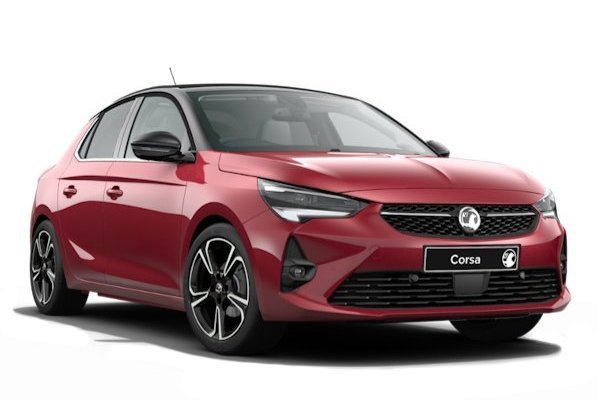
Sales Success Across Multiple Markets
The Opel Corsa was introduced in 1982. Since then, it has been sold across many European markets and other regions. In the United Kingdom, it became known as the Vauxhall Corsa, while in much of continental Europe it was sold as the Opel Corsa.
This dual identity helped the model reach a wider audience. In countries where Opel had a strong presence, the Corsa became a familiar small car. In the UK, the Vauxhall Corsa became one of the most common cars on the road, especially among young drivers and families looking for an affordable second vehicle.
The Corsa’s success came from matching the needs of European drivers. Many cities have narrow streets, small parking spaces, and high fuel prices. A compact hatchback like the Corsa made sense because it was easier to own than a larger sedan or SUV.
It also appealed to buyers who wanted a simple car with low running costs. For someone buying a first vehicle or replacing an older car on a tight budget, the Corsa offered a practical answer.
Over several decades, the Corsa built strong sales because it stayed close to its original purpose: affordable transportation for everyday life.
Generational Improvements Over Time
The Corsa improved steadily with each generation. Early models were simple and lightweight, focused mostly on low cost and basic transportation. They were easy to drive and easy to maintain, which helped them gain a strong following.
Later generations added more comfort, better safety, improved fuel economy, and more modern styling. The car became more refined while still keeping its small-car identity.
The Corsa B, sold through much of the 1990s, became especially familiar in Europe. It was compact, simple, and affordable. Many drivers remember it as a first car or a practical city vehicle.
The Corsa C and Corsa D generations brought better interior space, improved crash protection, and more modern features. These models are still seen in the used market and can be attractive for budget buyers when the condition is good.
The Corsa E added more technology and a more mature design, while the newer Corsa F brought sharper styling, modern driver assistance features, and even electric versions in some markets.
This gradual improvement helped the Corsa stay relevant. It did not need to completely change its identity. It simply became safer, more comfortable, and more efficient over time.
Affordability and Ownership Benefits
Affordability has always been one of the Corsa’s biggest strengths. It was usually priced below larger family cars, which made it easier for young drivers, students, and budget-focused families to buy.
The Corsa also offered low running costs. Smaller engines usually meant better fuel economy. Tires, brakes, and basic service items were often less expensive than on larger vehicles. Insurance costs could also be lower, depending on the market, engine size, and driver history.
For many buyers, the Corsa worked well because it did not require a big budget to own. It was a car for regular life: commuting to work, driving to school, shopping, and short family trips.
Common ownership benefits include:
- low purchase price on the used market;
- good fuel economy;
- easy parking;
- simple controls;
- practical hatchback cargo space;
- wide parts availability in Europe;
- many mechanics familiar with the model;
- lower ownership costs compared to larger cars.
For auction buyers or exporters, these points matter. A vehicle with low operating costs and strong local demand can be easier to resell, especially in markets where small hatchbacks are popular.
Why Used Corsas Remain Popular
Used Corsas remain popular because they are affordable and easy to live with. Many buyers do not need a large car. They need something reliable enough for daily driving, cheap enough to buy, and simple enough to maintain.
A used Corsa can fit that need well. It is a practical choice for a student who needs a first car, a parent who wants a second vehicle for local driving, or a buyer who wants to spend less on fuel and repairs.
The hatchback body also helps. Even though the Corsa is small, it can carry groceries, bags, school items, and everyday cargo better than many small sedans. Fold-down rear seats add more flexibility when needed.
In the used market, Corsas are often available in many trims, engine sizes, and price ranges. This gives buyers more choice. A basic model may be best for low-cost driving, while a newer or better-equipped version may offer more comfort and safety.
However, buyers should still inspect carefully. A cheap Corsa can become expensive if it has been poorly maintained or damaged. Older examples may have worn suspension parts, clutch issues, electrical problems, rust, or accident repairs.
Before buying a used Opel or Vauxhall Corsa, buyers should check:
- title and registration history;
- mileage and odometer status;
- engine condition;
- clutch and gearbox operation;
- service records;
- rust on older vehicles;
- accident history;
- airbag status;
- warning lights;
- repair cost compared to vehicle value.
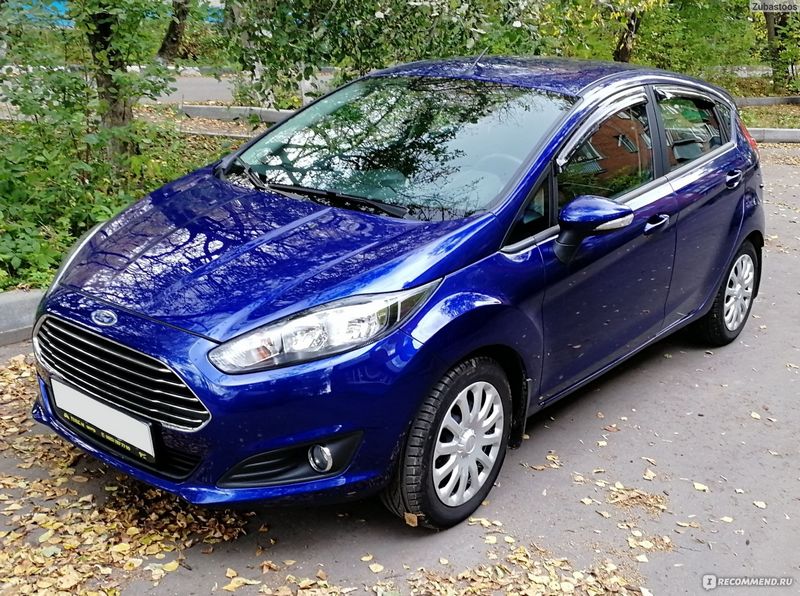
8. Ford Fiesta – One of the World's Most Successful Small Cars
The Ford Fiesta became one of the world’s most successful small cars because it was affordable, practical, and easy to drive. It was designed for people who needed simple daily transportation without the cost of a larger vehicle.
For many buyers, the Fiesta was a first car, a city commuter, or a low-cost second vehicle for the family. It worked well in busy cities, on short daily routes, and for drivers who wanted to spend less on fuel, tires, and basic maintenance.
For used car buyers, the Fiesta can offer good value, but condition matters. Some models are simple and inexpensive to own, while others require more careful inspection, especially cars with automatic transmission issues or poor service history.
Sales Numbers and Global Expansion
Ford introduced the Fiesta in 1976 as a small, fuel-efficient car for Europe and other global markets. It arrived during a time when many drivers wanted smaller cars with better fuel economy. This helped the Fiesta build strong demand from the beginning.
Over the years, the Fiesta became one of Ford’s most important global models. It was sold in Europe, Latin America, Asia, Africa, and North America. In many countries, it became a common choice for young drivers, families on a budget, and city commuters.
The Fiesta was especially successful in Europe, where small hatchbacks are popular because of narrow streets, limited parking, and higher fuel costs. In the United Kingdom, it became one of the best-known cars on the road and remained a strong seller for many years.
Ford sold millions of Fiestas across multiple generations. Its global success came from a simple formula: compact size, reasonable price, low running costs, and practical hatchback space.
At auctions, Fiesta models may appear as trade-ins, repossessions, fleet vehicles, insurance vehicles, or dealer inventory. This gives budget-focused buyers a wide range of choices, from basic older cars to newer models with more comfort and technology.
Most Notable Fiesta Generations
The early Fiesta models from the late 1970s and 1980s were small, lightweight, and simple. They were built for affordable driving and basic transportation. These older models are now more interesting to collectors and enthusiasts than regular used car buyers.
The Fiesta generations from the 1990s and early 2000s helped the model stay popular in Europe and other markets. They improved comfort, safety, and interior space while keeping the car affordable. Many buyers remember these versions as dependable small cars for everyday use.
The 2008–2017 Fiesta generation became one of the most recognized modern versions. It offered sharper styling, better handling, and a more refined interior. This generation also became more familiar in the United States after Ford brought the Fiesta back to the U.S. market.
The 2011–2019 U.S.-market Fiesta is common in used listings and auctions. It was available as a sedan and hatchback, giving buyers more choice. The hatchback is often more practical because of its flexible cargo area, while the sedan can be attractive for buyers who prefer a traditional trunk.
The later European Fiesta models added more technology, better safety equipment, and improved comfort. Sportier versions, including the Fiesta ST, became popular with drivers who wanted a small car that was fun to drive. The Fiesta ST is especially respected for its handling and performance, but used examples should be inspected carefully because they may have been driven hard.
Fuel Economy and Urban Practicality
Fuel economy was one of the Fiesta’s biggest strengths. Smaller engines, lighter weight, and compact design helped keep running costs low. This made the car attractive to people who drove every day but did not want to spend too much on gas.
The Fiesta also worked well in cities. Its small size made it easy to park, easy to maneuver in traffic, and less stressful to drive on narrow streets. For a student, delivery driver, or commuter, this kind of practicality can matter more than luxury features.
The hatchback version adds more usefulness. It can carry groceries, bags, small furniture, or school items better than many small sedans. Fold-down rear seats make it more flexible when extra cargo space is needed.
Common benefits of the Ford Fiesta include:
- low fuel consumption;
- easy parking;
- compact size;
- affordable used prices;
- practical hatchback option;
- simple daily driving;
- lower tire and brake costs compared to larger vehicles;
- fun handling in many versions.
For budget-conscious buyers, this makes the Fiesta appealing. It can be a good choice when the goal is to buy a low-cost car for commuting, local errands, or first-time ownership.
Used Ford Fiesta Buying Considerations
A used Ford Fiesta can be a smart buy, but it is important to choose carefully. The lowest price is not always the best deal, especially if the car has transmission problems, accident damage, or poor maintenance history.
One of the biggest concerns for some Fiesta models, especially in the U.S. market, is the PowerShift dual-clutch automatic transmission. Some buyers reported issues such as shuddering, hesitation, rough shifting, or clutch wear. Because of this, auction buyers should be very careful with automatic Fiesta models from affected years.
Manual transmission Fiesta models are often preferred by buyers who want simpler mechanical operation, but they still need proper inspection. Clutch wear, engine condition, suspension noise, and previous accident repairs should all be checked.
Before bidding on a used Ford Fiesta, buyers should review:
- title type;
- mileage and odometer status;
- transmission type;
- service history;
- accident or flood history;
- engine condition;
- clutch or transmission behavior;
- warning lights;
- suspension wear;
- airbag status;
- damage photos;
- estimated repair cost.
The Fiesta can be a strong value when it has a clean history and is in good mechanical condition. It is best for buyers who need affordable transportation and do not require a large cabin or heavy cargo space.
At U.S. auto auctions, the Fiesta may be interesting for exporters, first-time buyers, and small dealers because it is inexpensive and easy to sell in markets where small cars are popular. However, buyers should calculate the full cost before bidding, including auction fees, transportation, repairs, and export expenses.
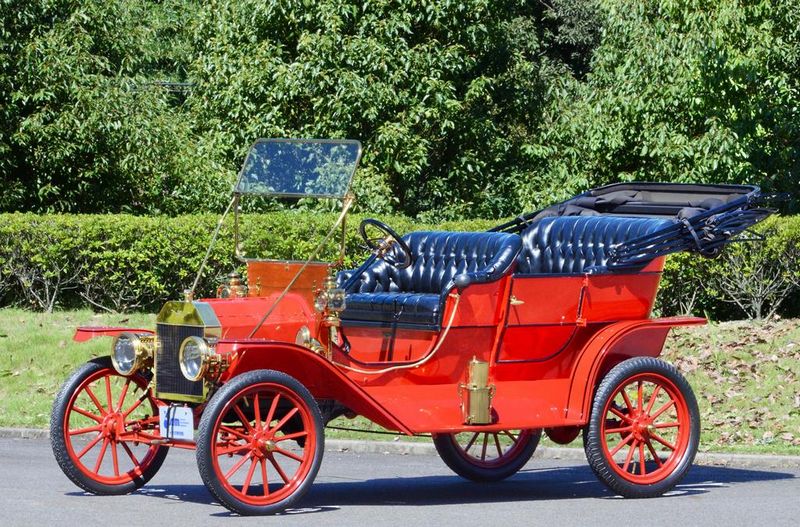
9. Ford Model T – The Car That Changed Transportation
The Ford Model T is one of the most important cars ever built. It was not the fastest, most comfortable, or most advanced vehicle by modern standards. Its importance comes from something much bigger: it made car ownership possible for millions of ordinary people.
Before the Model T, cars were often expensive products for wealthy buyers. The Model T helped change that. It turned the automobile from a luxury item into a practical tool for work, family life, and personal freedom.
For today’s buyers, the Model T is not a normal used car choice. It is a historic collectible. But its influence is still visible in the way modern vehicles are built, priced, sold, and used around the world.
How the Model T Revolutionized Manufacturing
Ford introduced the Model T in 1908. At the time, most cars were built slowly and cost too much for average families. Henry Ford wanted to build a car that was strong, simple, and affordable enough for regular workers.
The Model T was designed with simplicity in mind. It had a durable frame, a basic engine, and a design that could handle rough roads. This mattered because roads in the early 1900s were often poor, especially outside major cities.
Ford also focused on making the car easier and faster to produce. Instead of building each vehicle almost like a custom product, Ford developed a more organized manufacturing process. Parts were standardized, workers performed specific tasks, and production became much more efficient.
This changed the auto industry. The Model T showed that a car could be produced in large numbers while keeping the price low enough for more people to buy it.
Production Records and Historical Significance
The Ford Model T was produced from 1908 to 1927. During that time, Ford built more than 15 million units. This was an extraordinary number for the early automotive era.
For many years, the Model T held the record as the world’s best-selling car. It became the vehicle that put America on wheels and influenced transportation far beyond the United States.
The Model T was used by families, farmers, small business owners, doctors, delivery drivers, and workers. It helped people travel farther, reach jobs more easily, move goods, and connect rural areas with towns and cities.
Its historical significance is not just about sales. The Model T changed how people lived. It gave many families access to personal transportation for the first time. That changed shopping, work, travel, and even where people could choose to live.
In simple terms, the Model T helped create the modern car culture that later spread around the world.
The Impact of Assembly Line Production
One of the biggest reasons the Model T became so successful was Ford’s moving assembly line. Introduced in 1913, this system made production much faster and more efficient.
Before assembly line production, cars took much longer to build. Workers had to move around the vehicle and perform many different tasks. With the moving assembly line, the car moved through the factory while workers completed specific steps.
This reduced production time and helped lower costs. As production became more efficient, Ford was able to reduce the price of the Model T. That made the car affordable to more buyers.
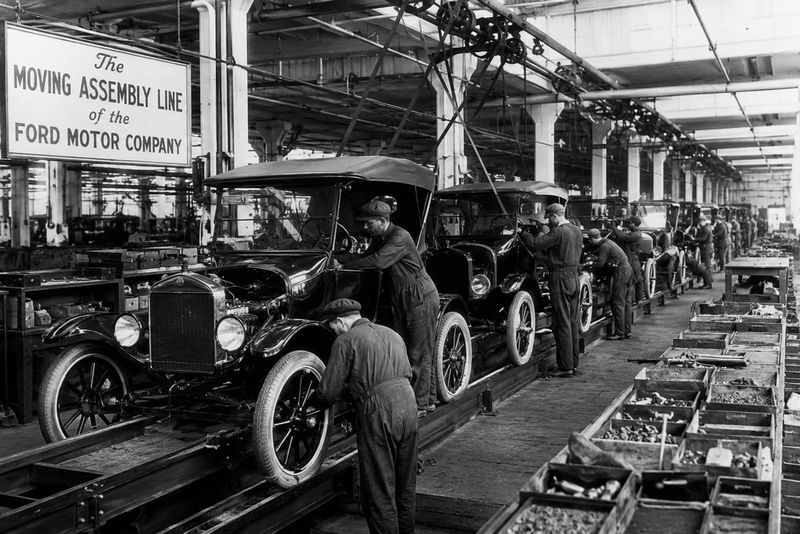
The assembly line also changed manufacturing outside the auto industry. Other industries studied Ford’s system and used similar ideas to produce goods faster and at lower cost.
This is one reason the Model T matters even today. It did not just change cars. It changed the way many products are made.
Why the Model T Still Matters Today
The Ford Model T still matters because it represents the beginning of mass-market car ownership. Many modern ideas in the auto industry can be traced back to the Model T: affordable pricing, large-scale production, standardized parts, and vehicles built for everyday use.
Today, most buyers expect cars to be practical, reliable, and available at different price points. That expectation did not happen by accident. The Model T helped prove that a vehicle could serve regular people, not just wealthy customers.
For collectors, the Model T remains important because of its history. It is one of the most recognizable early automobiles and a symbol of the shift from horse-drawn transportation to the motor age.
At auctions, Model T vehicles are usually bought by collectors, museums, restoration shops, or enthusiasts. Buyers are not looking for modern comfort or daily driving convenience. They are looking for originality, history, and restoration potential.
Before buying a Ford Model T, collectors should check:
- title and ownership documents;
- body condition;
- frame condition;
- engine completeness;
- originality of parts;
- quality of previous restoration;
- missing components;
- availability of replacement parts;
- transport and storage costs.
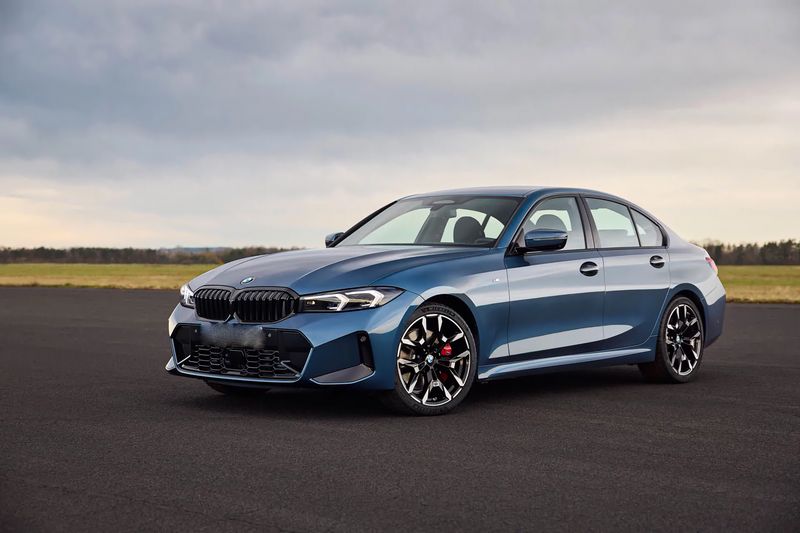
10. BMW 3 Series – The Best Selling Luxury Car Line
The BMW 3 Series is one of the most successful luxury car lines in the world. It became popular because it offered something many drivers wanted: a car that felt premium, sporty, and practical at the same time.
For many buyers, the 3 Series was the first step into a luxury brand. It was smaller and more affordable than larger BMW models, but it still carried the image, driving feel, and status of the BMW name.
For used car buyers, the 3 Series can be tempting because depreciation often makes older luxury cars look affordable. However, a low purchase price does not always mean low ownership cost. Buyers need to look closely at maintenance history, engine condition, accident damage, and repair costs before bidding.
Sales Achievements and Global Popularity
BMW introduced the first 3 Series in 1975. It replaced the BMW 02 Series and quickly became one of the company’s most important models. Over time, it helped define the compact luxury sport sedan category.
The 3 Series became popular in Europe, North America, Asia, and many other regions. It appealed to buyers who wanted a car that was more exciting than a regular family sedan but still usable every day.
BMW offered the 3 Series in several body styles over the years, including sedan, coupe, convertible, wagon, hatchback-style Gran Turismo, and performance-focused M models. This variety helped the model reach different types of buyers.
The sedan became the most practical choice for daily use. Coupes and convertibles attracted buyers who wanted style. Wagons appealed to buyers who needed more cargo space. The M3 became a performance icon.
This wide appeal helped the 3 Series become one of the best selling luxury car lines ever made. It is also one of the most common luxury models in the used market, including U.S. auto auctions.
Performance, Comfort, and Prestige
The 3 Series became famous because it balanced performance and comfort better than many competitors. It was not just a car with a luxury badge. It was known for steering feel, handling, engine response, and driver confidence.
Many buyers liked that the 3 Series could be comfortable during the week and fun to drive on weekends. It worked as a commuter car, family sedan, business vehicle, or personal car for someone who wanted more excitement than a basic compact.
BMW also built strong prestige around the model. For many buyers, owning a 3 Series meant moving up from economy cars into a more premium class. The badge mattered, but the driving experience mattered too.
Common reasons buyers chose the 3 Series include:
- sporty handling;
- comfortable cabin;
- premium brand image;
- strong engine options;
- available all-wheel drive;
- good highway performance;
- wide range of trims;
- strong enthusiast support;
- attractive styling.
For budget-focused buyers, this can be appealing. A used 3 Series may cost less than a new economy car, while offering more power, comfort, and status. But the buyer must remember that luxury-car repairs usually cost more than economy-car repairs.
Most Popular BMW 3 Series Generations
Several 3 Series generations are especially well known in the used and enthusiast markets.
The E30 generation, sold from the 1980s into the early 1990s, is now a classic. It is loved for its simple design, light weight, and strong driver connection. Clean E30 models have become collectible, especially the M3.
The E36 generation from the 1990s brought more modern styling and better comfort. It is still popular with enthusiasts, but age and maintenance are major concerns today.
The E46 generation, sold from the late 1990s into the mid-2000s, is one of the most respected 3 Series generations. Many buyers like its balance of size, handling, and classic BMW feel. However, used E46 models should be checked carefully for cooling system issues, suspension wear, oil leaks, and rust.
The E90 generation, sold from the mid-2000s into the early 2010s, offered a more modern cabin, stronger engines, and better safety features. It is common in the used market and can offer good value, but repair costs can rise quickly if maintenance was ignored.
The F30 generation, introduced in the 2010s, brought more technology, turbocharged engines, and improved fuel economy. It is one of the more common modern used 3 Series choices. Buyers should review service records and inspect the engine, transmission, electronics, and suspension.
The G20 generation is the newest major 3 Series family. It offers more advanced technology, stronger safety features, and a more refined interior. These cars usually cost more, but they can be attractive for buyers who want a newer luxury sedan at auction.
Is a Used BMW 3 Series Worth Buying?
A used BMW 3 Series can be worth buying, but only for the right buyer. It is a good choice for someone who wants a premium driving experience and understands that maintenance will cost more than on a Toyota Corolla, Honda Civic, or Ford Fiesta.
The main risk is buying a cheap luxury car without checking the total cost. A low auction price can look attractive, but repairs for BMW engines, cooling systems, electronics, suspension, and body damage can be expensive.
A used 3 Series may make sense if the car has clean history, reasonable mileage, strong maintenance records, and no serious structural damage. It may also be a good auction choice for buyers who have access to affordable repairs or plan to resell the vehicle in a market where BMW demand is strong.
Before bidding on a used BMW 3 Series, buyers should check:
- title type;
- mileage and odometer status;
- service history;
- engine leaks;
- cooling system condition;
- transmission behavior;
- suspension wear;
- electronic warning lights;
- accident or flood history;
- airbag status;
- repair cost after damage;
- parts availability in the destination country.
For international buyers, a 3 Series can be attractive because BMW has strong brand recognition around the world. However, import costs, parts prices, fuel quality, and local repair expertise should all be considered before purchase.
Research Before You Bid and Avoid Costly Mistakes
The most reliable cars in the world can still become expensive purchases if you overlook title issues, hidden damage, or transportation costs. Auto4Export helps buyers evaluate vehicles, estimate expenses, and understand auction details before placing a bid.
- ✅ Help reviewing vehicle history and title types
- ✅ Cost estimates for shipping and export
- ✅ Guidance on auction fees and bidding strategy
- ✅ Support for first-time auction buyers
Honorable Mentions That Nearly Made the Top 10
Some vehicles may not always appear in the top 10 best selling cars of all time, but they still deserve attention. These models reached huge sales numbers, influenced their markets, or became long-term favorites among buyers.
For used car shoppers, honorable mentions can be just as important as the main list. Many of these vehicles are common at auctions, have strong parts availability, and are familiar to mechanics and buyers around the world.
Chevrolet Impala
The Chevrolet Impala is one of the most famous American sedans ever built. It became popular because it offered space, comfort, and strong road presence at a price many families could understand.
For decades, the Impala served as a family car, highway cruiser, police vehicle, taxi, and fleet sedan. This wide use helped it become one of Chevrolet’s most successful nameplates.
Older Impalas are now collectible, especially models from the late 1950s and 1960s. Later versions, especially from the 2000s and 2010s, are more common as affordable used sedans.
For auction buyers, the Impala can be interesting because it often offers a lot of space for the money. However, buyers should check mileage, transmission condition, fleet history, accident damage, and maintenance records before bidding.
Lada Classic (VAZ-2101 Family)
The Lada Classic, based on the VAZ-2101 family, became one of the most important cars in Eastern Europe and the former Soviet Union. It was simple, strong, and designed for difficult road conditions.
The model was based on Fiat engineering but adapted for rougher use. It became popular because it was affordable, easy to repair, and supported by a large parts network in many countries.
For many families, the Lada Classic was not just a car. It was their first personal vehicle, their daily commuter, and sometimes their only transportation for many years.
Today, older Lada models are mostly interesting to collectors, enthusiasts, and buyers in regions where parts and repair knowledge are still available. They are not common choices at U.S. auctions, but they remain important in global automotive history.
Toyota Camry
The Toyota Camry is one of the strongest family sedans in the world. It became popular because it offered reliability, comfort, good fuel economy, and low ownership costs.
In the United States, the Camry has been one of the best selling passenger cars for many years. Families, commuters, rideshare drivers, and small dealers often choose it because it is practical and easy to resell.
For used car buyers, the Camry is often one of the safest choices. It usually costs more than some competitors with similar mileage, but buyers often pay extra because of Toyota’s reputation for durability.
At U.S. auto auctions, Camrys are common and highly competitive. Clean title examples with moderate mileage can attract strong bids. Salvage or minor-damage Camrys may still be worth considering if repair costs are reasonable and the damage is clearly documented.
Nissan Sentra
The Nissan Sentra is another compact car that sold in large numbers over many decades. It became popular because it offered affordable transportation, good fuel economy, and a lower entry price than many larger sedans.
The Sentra has been especially useful for first-time buyers, students, commuters, and families looking for a budget-friendly second car. It is not usually seen as exciting, but it fills an important role in the used car market.
For auction buyers, the Sentra can be attractive because prices may be lower than Toyota Corolla or Honda Civic prices. This can create good opportunities for buyers who want a compact sedan but have a tighter budget.
However, some used Sentra models require careful inspection, especially vehicles with CVT transmission concerns. Buyers should check service history, transmission behavior, mileage, title type, and accident history before bidding.
Chevrolet Silverado
The Chevrolet Silverado is one of America’s most successful pickup trucks. Like the Ford F-Series, it became popular because it serves many different needs: work, towing, hauling, family use, and business ownership.
The Silverado is common on job sites, farms, highways, and suburban driveways. It is available in many cab sizes, bed lengths, engines, and trim levels, which helps it appeal to a wide range of buyers.
Used Silverados remain in strong demand because pickup trucks hold value well. Buyers often look for them at auctions to save money compared to dealership prices.
Before buying a used Silverado, buyers should check frame condition, rust, engine type, transmission condition, towing history, suspension wear, accident damage, and title status. A good Silverado can be a useful long-term vehicle, but a damaged or poorly maintained one can become expensive quickly.
Tesla Model Y
The Tesla Model Y is much newer than the other honorable mentions, but it has already become one of the most important vehicles of the modern era. It helped bring electric vehicles into the mainstream by combining SUV practicality, strong performance, long driving range, and advanced technology.
Unlike older best sellers that built their numbers over decades, the Model Y gained global attention very quickly. It became popular in many markets because buyers wanted an electric crossover that could work for families, commuting, and daily use.
For used car buyers, the Model Y can be appealing because it offers low fuel costs, modern safety features, and strong technology. However, buying a used EV requires a different checklist than buying a gasoline car.
Auction buyers should check battery health, charging ability, software status, accident history, airbag deployment, suspension damage, repair estimates, and whether the vehicle has a clean or salvage title.
Best Selling Cars by Decade
Looking at best selling cars by decade helps show how buyer needs changed over time. Early buyers wanted simple transportation. Later generations wanted comfort, speed, family space, fuel economy, safety, and now electric range.
These decade examples are not always based on one exact global sales formula. Vehicle markets were measured differently in different eras. Still, each model below represents a major shift in what drivers wanted during its time.
1900s–1920s: Ford Model T
The Ford Model T defined the early age of mass car ownership. Before it arrived, many cars were too expensive for regular families. The Model T changed that by offering simple, durable transportation at a lower price.
It became popular because it worked for everyday life. Farmers, workers, families, and small business owners used it for travel, work, and deliveries. Its simple design also made it easier to repair than many early cars.
The Model T’s biggest impact was not just sales. It proved that cars could be built in large numbers and sold to ordinary people. That idea shaped the entire auto industry.
1930s: Chevrolet National Series
The Chevrolet National Series represented the growing demand for more comfortable and stylish cars in the 1930s. Buyers still wanted value, but they also expected better design, smoother driving, and more features than early basic vehicles offered.
Chevrolet became a strong competitor to Ford during this period. Its cars appealed to families who wanted dependable transportation without paying luxury-car prices.
The National Series helped show that the American car market was changing. Buyers were no longer satisfied with just basic mobility. They wanted cars that felt more modern, more comfortable, and more personal.
1940s: Willys MB Jeep
The Willys MB Jeep became one of the most important vehicles of the 1940s because of World War II. It was not a normal passenger car, but its influence was enormous.
The Jeep was built for military use. It needed to be strong, simple, and capable on rough terrain. Soldiers used it for transport, communication, towing, and many other duties.
After the war, the Jeep’s reputation helped create demand for civilian off-road vehicles. It influenced the development of SUVs and 4x4 vehicles for decades. Today’s off-road market still carries part of the Jeep’s original identity.
1950s: Chevrolet Bel Air
The Chevrolet Bel Air became one of the symbols of 1950s American car culture. It offered bold styling, chrome details, bright colors, and a sense of optimism that matched the post-war era.
For many families, the Bel Air represented success and comfort. It was larger, more stylish, and more powerful than the basic cars of earlier decades.
The Bel Air was especially important because it showed how emotional car buying had become. Buyers wanted transportation, but they also wanted style, status, and personality.
Classic Bel Air models are still collectible today, especially well-preserved or restored examples from the mid-1950s.
1960s: Ford Mustang
The Ford Mustang changed the 1960s by creating a new kind of affordable sporty car. It looked exciting, offered many engine choices, and was priced low enough for younger buyers to consider.
The Mustang became popular very quickly because it gave drivers style and performance without the cost of a luxury or exotic car. It appealed to students, young professionals, families, and enthusiasts.
Its success also created the “pony car” category and pushed other automakers to build competitors. For many buyers, the Mustang proved that a car could be practical enough for daily use and still feel exciting.
Used Mustangs remain popular at auctions today, especially among buyers looking for affordable performance or collectible models.
1970s: Oldsmobile Cutlass
The Oldsmobile Cutlass became one of America’s strongest sellers in the 1970s. It appealed to buyers who wanted a comfortable mid-size car with a more premium feel than basic economy models.
During this decade, many drivers were dealing with changing fuel prices, emissions rules, and shifting tastes. The Cutlass fit the moment because it offered comfort, style, and familiar American design in a manageable size.
It was available in several body styles and trims, which helped it reach many buyers. Families, commuters, and personal-luxury buyers all found versions that matched their needs.
The Cutlass shows how important mid-size cars were before SUVs became dominant.
1980s: Volkswagen Rabbit
The Volkswagen Rabbit, known as the Golf in many markets, reflected the growing popularity of compact hatchbacks in the 1980s. Buyers wanted smaller cars that were efficient, practical, and easier to drive in cities.
The Rabbit offered a useful hatchback body, front-wheel drive, and better fuel economy than many larger cars. It became a smart choice for drivers who wanted daily practicality without a large footprint.
In the U.S., the Rabbit helped introduce many buyers to the European hatchback idea. In Europe, the Golf name continued to grow into one of the most successful compact car lines ever.
The Rabbit showed that small cars could be practical, enjoyable, and desirable.
1990s: Ford Explorer
The Ford Explorer helped define the SUV boom of the 1990s. Before this decade, many families drove sedans, station wagons, or minivans. The Explorer showed that SUVs could become mainstream family vehicles.
It offered a higher driving position, more cargo space, available four-wheel drive, and a more rugged image than a traditional family sedan. Many buyers liked the idea of one vehicle that could handle school runs, road trips, bad weather, and weekend activities.
The Explorer’s success helped shift the American market toward SUVs. That trend continues today, as many buyers now choose crossovers and SUVs over sedans.
For used buyers, older Explorers can be affordable, but condition, rust, transmission health, and maintenance history are important.
2000s: Toyota Camry
The Toyota Camry was one of the most important family sedans of the 2000s. It became popular because it was comfortable, reliable, fuel-efficient, and easy to own.
For many families, the Camry was the safe choice. It offered enough space for daily life, reasonable maintenance costs, and strong resale value. It was not usually the most exciting car in its class, but it delivered what most buyers needed.
The Camry also became common among commuters, rideshare drivers, and used car dealers because demand stayed strong. At auctions, Camrys often attract competition because buyers trust the model.
For budget-conscious buyers, a used Camry can still be a smart choice when the history is clean and the repair costs are reasonable.
2010s: Toyota Corolla
The Toyota Corolla continued its global success through the 2010s. It remained popular because it offered simple, dependable transportation at a manageable price.
During this decade, many buyers wanted better fuel economy, modern safety features, and lower ownership costs. The Corolla matched those needs well. It was easy to drive, easy to maintain, and easy to resell in many markets.
The Corolla was also common in rental fleets, family use, commuting, and export markets. This helped keep supply strong in the used market and at auctions.
For buyers trying to save money, the Corolla remained one of the most logical choices. It may not offer luxury or high performance, but it often delivers low-risk ownership.
2020s: Tesla Model Y
The Tesla Model Y represents the shift toward electric vehicles in the 2020s. It became popular because it combined EV efficiency with the body style buyers already wanted: a compact crossover.
Many buyers who were not ready for a small electric hatchback found the Model Y more practical. It offered family space, strong acceleration, modern technology, and access to Tesla’s charging network.
The Model Y also showed that an electric vehicle could compete with traditional gasoline best sellers. In 2023, it was reported as the world’s best-selling car, with about 1.22 million global sales.
For used car and auction buyers, the Model Y requires a different checklist than gasoline vehicles. Buyers should check battery health, charging ability, software status, accident history, suspension damage, and repair costs.
Why Some Cars Sell Millions While Others Disappear
Every year, automakers introduce new models with high expectations. Some become global success stories and remain on the market for decades. Others struggle to attract buyers and eventually disappear. The difference is rarely based on one factor alone.
The world's best selling cars usually succeed because they consistently meet the needs of ordinary drivers. They offer reliability, reasonable costs, practical features, and strong long-term value. Understanding these factors helps explain why vehicles like the Toyota Corolla, Ford F-Series, Honda Civic, and Volkswagen Golf became global icons while many competitors were forgotten.
Reliability and Durability
Reliability is one of the most important reasons a vehicle achieves long-term success. Buyers want a car they can depend on every day. A vehicle that starts consistently, avoids major repairs, and performs well over many years builds trust among owners.
Durability is especially important because many buyers keep their vehicles for a long time. A family may drive the same car for ten years or more. A commuter may add thousands of miles every year. A small business owner may rely on a truck every day to generate income.
When a vehicle develops a reputation for lasting hundreds of thousands of miles with proper maintenance, demand grows naturally. Owners recommend it to friends and family. Mechanics become familiar with it. Dealers know it will sell.
This is one reason models like the Toyota Corolla and Honda Civic have remained popular for decades. Buyers know these vehicles have a history of dependable performance.
Reliability also affects the used car market. A vehicle known for durability often keeps its value better because buyers feel more confident purchasing it with higher mileage.
Affordable Ownership Costs
A low purchase price alone does not make a vehicle successful. Buyers also care about the total cost of ownership.
Ownership costs include:
- fuel expenses;
- insurance;
- maintenance;
- repairs;
- replacement parts;
- registration fees;
- depreciation.
A car that is cheap to buy but expensive to maintain may lose popularity quickly. On the other hand, a vehicle with predictable operating costs often attracts repeat buyers.
For example, many budget-conscious families choose models such as the Toyota Camry, Toyota Corolla, or Honda Civic because they typically offer reasonable maintenance costs and good fuel economy. Saving a few hundred dollars every year on fuel and repairs can make a significant difference over the life of a vehicle.
Affordable ownership costs also help vehicles stay popular in export markets. International buyers often look for models that are easy to maintain and inexpensive to repair after import.
Global Market Availability
Some vehicles become best sellers because they are available in many countries rather than just one region.
A car sold only in North America has fewer opportunities to accumulate sales than a vehicle sold across North America, Europe, Asia, South America, Africa, and Australia. The broader the market reach, the greater the sales potential.
The Toyota Corolla is a perfect example. It became the best selling car in history partly because Toyota successfully sold it around the world. Drivers in different countries had different needs, but the Corolla's combination of reliability, affordability, and efficiency appealed to many of them.
Global availability also creates advantages for owners. Vehicles sold in many markets often have:
- stronger parts availability;
- larger service networks;
- greater mechanic familiarity;
- higher resale demand;
- more aftermarket support.
These benefits make ownership easier and help keep demand strong over multiple generations.
Strong Dealer and Service Networks
Even a great vehicle can struggle if owners cannot easily service it. This is why strong dealer and repair networks play a major role in long-term success.
Buyers feel more comfortable purchasing a vehicle when they know help is available nearby. They want access to:
- trained technicians;
- replacement parts;
- warranty support;
- maintenance services;
- recall repairs.
Brands that build large dealer networks often gain a competitive advantage because ownership becomes more convenient.
Toyota, Ford, Honda, Chevrolet, and Volkswagen all benefited from extensive sales and service networks. A driver in a major city or a small town could usually find a dealer, order parts, or schedule repairs without major difficulty.
This support becomes even more important in the used vehicle market. Buyers are often more willing to purchase an older vehicle when they know parts and service remain readily available.
Continuous Model Improvements
The most successful vehicles rarely stay the same for decades. Automakers must continuously improve their products to meet changing buyer expectations.
As technology evolves, buyers expect better:
- safety systems;
- fuel economy;
- comfort;
- infotainment features;
- performance;
- emissions compliance.
Manufacturers that fail to adapt often lose market share.
The Volkswagen Golf is a good example. The first Golf from the 1970s was very different from today's model. Yet each generation improved while preserving the characteristics that made the Golf popular in the first place.
The Honda Civic followed a similar path. It evolved from a simple economy car into a modern compact vehicle with advanced safety features, hybrid technology in some markets, and improved interior quality.
Successful models balance innovation with familiarity. They introduce improvements without losing the qualities that existing customers value.
Brand Reputation and Customer Loyalty
A strong reputation can help a vehicle succeed for generations. When buyers have positive experiences with a model, they are more likely to purchase another vehicle from the same brand.
Customer loyalty is powerful in the automotive industry. A family that owns several reliable Toyota vehicles may choose another Toyota when it is time to replace a car. A truck owner satisfied with a Ford F-150 may remain loyal to the Ford brand for decades.
Brand reputation develops slowly and can take years to earn. It is built through:
- product quality;
- reliability;
- customer service;
- resale value;
- owner experiences;
- long-term consistency.
Vehicles that consistently deliver positive ownership experiences create loyal customer bases that support future sales.
This is one reason why some nameplates survive for fifty years or more while others disappear after only a few generations. Successful vehicles become trusted products. Buyers know what to expect, and that confidence encourages repeat purchases.
How the Automotive Industry Changed Through Best Selling Cars
The history of the automotive industry can be told through its best selling vehicles. Every major sales success reflects a change in what buyers wanted and what manufacturers were able to deliver.
Some vehicles introduced new manufacturing methods. Others changed how families traveled, how businesses operated, or how people viewed personal transportation. By looking at the world's most successful cars, we can better understand how the automotive industry evolved over more than a century.
Mass Production and the Ford Model T
Few vehicles changed the automotive industry as much as the Ford Model T. Introduced in 1908, it transformed the automobile from a luxury product into something ordinary families could afford.
Before the Model T, cars were expensive and often built in relatively small numbers. Production was slow, and ownership was limited mostly to wealthy buyers.
Ford changed this by introducing large-scale manufacturing techniques, including the moving assembly line. This dramatically increased production efficiency and lowered costs.
As a result:
- vehicles became more affordable;
- production volumes increased;
- car ownership expanded rapidly;
- manufacturers adopted similar production methods;
- the automotive industry entered the age of mass production.
The Model T proved that cars could be built efficiently and sold to millions of customers. Modern vehicle manufacturing still follows many of the principles introduced during the Model T era.
The Rise of Compact Cars
As cities grew and fuel prices became more important, buyers started looking for smaller and more efficient vehicles. This shift helped create the rise of compact cars.
Models such as the Volkswagen Beetle, Volkswagen Golf, Honda Civic, Toyota Corolla, and Ford Fiesta became global success stories because they delivered practical transportation without excessive operating costs.
Compact cars appealed to buyers for several reasons:
- lower fuel consumption;
- easier parking;
- lower purchase prices;
- reduced maintenance costs;
- better suitability for urban driving.
The success of compact vehicles also helped manufacturers expand internationally. Small cars could meet the needs of buyers in Europe, Asia, South America, and many developing markets where affordability was especially important.
Even today, compact vehicles remain among the most popular choices for first-time buyers, commuters, and budget-conscious families.
The Popularity of Family Sedans
As living standards improved, many buyers wanted more comfort and space than compact cars could provide. This led to the growth of the family sedan market.
Vehicles such as the Toyota Camry, Volkswagen Passat, Chevrolet Impala, and Honda Accord became popular because they balanced practicality, comfort, and affordability.
Family sedans typically offered:
- larger interiors;
- comfortable rear seating;
- bigger trunks;
- smoother highway driving;
- improved safety features;
- greater comfort for long-distance travel.
For decades, family sedans dominated many markets, especially in North America. They became the standard choice for households that needed one vehicle capable of handling commuting, vacations, shopping, and family transportation.
Although SUVs have become more popular in recent years, family sedans remain important because they often provide better fuel economy and lower ownership costs than larger vehicles.
The Growth of Pickup Trucks
Pickup trucks were once considered work vehicles used primarily by farmers, contractors, and businesses. Over time, they evolved into mainstream transportation choices.
The success of the Ford F-Series and Chevrolet Silverado demonstrates how dramatically the truck market expanded.
Modern pickup trucks offer far more than cargo capacity. Many models include:
- advanced safety technology;
- luxury interiors;
- powerful towing capability;
- family-friendly cabins;
- off-road features;
- modern infotainment systems.
This transformation helped pickups attract a much broader audience. Today, many truck owners rarely use their vehicles for commercial work. Instead, they choose trucks for lifestyle reasons, towing, outdoor activities, or simply personal preference.
The popularity of pickup trucks significantly influenced vehicle design and helped create the modern SUV and crossover market.
The Expansion of Global Automotive Brands
Many early automakers focused mainly on domestic markets. As transportation networks improved and international trade expanded, manufacturers began competing globally.
Brands such as Toyota, Volkswagen, Honda, Ford, and BMW built worldwide sales networks that allowed them to reach millions of customers across multiple continents.
This globalization changed the industry in several ways:
- manufacturers increased production volumes;
- vehicle platforms were shared across markets;
- global parts supply chains expanded;
- competition increased;
- buyers gained access to more vehicle choices.
The Toyota Corolla is perhaps the best example of global automotive success. Its reputation for reliability and affordability helped it become the best selling car of all time in numerous countries.
Global expansion also encouraged manufacturers to design vehicles that could appeal to a wide range of buyers, cultures, and driving conditions.
The Shift Toward Electric Vehicles
One of the biggest changes in the modern automotive industry is the move toward electrification.
For more than a century, gasoline and diesel vehicles dominated the market. Today, electric vehicles are becoming increasingly important as governments, manufacturers, and consumers focus on efficiency and emissions reduction.
The rise of the Tesla Model Y demonstrates how quickly this shift is happening. In a relatively short period, the Model Y became one of the world's highest-selling vehicles, competing directly with long-established gasoline-powered models.
Electric vehicles are changing the industry through:
- battery technology development;
- new charging infrastructure;
- lower operating costs for many drivers;
- software-focused vehicle design;
- reduced dependence on traditional fuel systems.
Traditional manufacturers have responded by investing billions of dollars in EV development. Companies that once focused entirely on gasoline-powered vehicles now offer electric cars, SUVs, trucks, and commercial vehicles.
The shift toward electric vehicles is still developing, but it already represents one of the most significant transformations since the introduction of mass production.
Best Selling Cars in Different Vehicle Categories
The best selling car overall is usually measured by total lifetime sales, but buyers often compare vehicles by category. A compact car, sedan, hatchback, pickup truck, luxury car, and electric vehicle all serve different needs.
For used car buyers, this category view is useful. It helps narrow the search based on budget, family size, fuel costs, cargo needs, and resale value. A buyer looking for a low-cost commuter may not need a pickup truck. A family that needs towing may not want a compact sedan. The best choice depends on how the vehicle will be used every day.
Best Selling Compact Car
The Toyota Corolla is widely recognized as the best selling compact car of all time. It became successful because it offered simple, reliable, and affordable transportation for millions of drivers around the world.
The Corolla is not famous for luxury or high performance. Its strength is practical value. It is easy to drive, fuel-efficient, and usually less expensive to maintain than many larger or more complex vehicles.
For budget-conscious buyers, this is exactly why the Corolla remains attractive. A used Corolla can work well as a first car, commuter vehicle, second family car, or export purchase. It is also common at U.S. auto auctions, which gives buyers more chances to compare mileage, title type, damage, and price.
The Corolla’s global popularity also supports strong parts availability and resale demand in many countries.
Best Selling Sedan
The Toyota Camry is one of the most successful sedans in the world, especially in the family car segment. It became popular because it offers more space and comfort than a compact car while keeping ownership costs reasonable.
Many families choose the Camry because it is practical without being too expensive to maintain. It has a roomy cabin, a comfortable ride, good fuel economy for its size, and a strong reputation for reliability.
For used car buyers, the Camry often costs more than some competing sedans, but it may still be the better value if the condition is good. A cheaper sedan can become expensive if it needs major repairs or loses value quickly.
At auctions, Camrys are often in high demand. Buyers should pay close attention to title status, mileage, accident history, airbag condition, and repair costs before bidding.
Best Selling Hatchback
The Volkswagen Golf is one of the most successful hatchbacks ever made. It became a favorite in Europe and many other markets because it combined compact size with everyday practicality.
The Golf is small enough for city driving but useful enough for daily family needs. The hatchback design makes it easier to load groceries, bags, tools, or sports equipment compared to many small sedans.
The Golf also built a reputation for feeling more refined than many basic compact cars. Buyers liked its road feel, interior quality, and wide range of versions, from fuel-efficient models to sporty GTI and Golf R variants.
For used buyers, the Golf can be a smart choice, but maintenance costs should be checked carefully. Some versions have turbocharged engines, dual-clutch transmissions, or higher repair costs than simpler economy cars. The best used Golf is usually one with clear service history and no hidden mechanical problems.
Best Selling Pickup Truck
The Ford F-Series is the best selling pickup truck line in America and one of the most successful vehicle lines in the world. The Ford F-150 is the most recognized model in the lineup and has been a top choice for work, towing, family use, and daily driving.
The F-Series became successful because it offers many configurations. Buyers can choose different cab sizes, bed lengths, engines, towing packages, and trim levels. A basic work truck and a luxury crew cab F-150 can serve very different buyers while still belonging to the same model family.
For used truck buyers, the F-Series is important because it is common at auctions. This creates opportunities to save money compared to dealership prices.
However, trucks require careful inspection. Buyers should check the frame, rust, engine, transmission, suspension, towing history, title type, and accident damage. A low bid can become expensive if the truck needs major repairs.
Best Selling Luxury Car
The BMW 3 Series is often considered the best selling luxury car line. It became popular because it offered a premium badge, sporty handling, daily usability, and a wide range of body styles and engines.
For many buyers, the 3 Series was the entry point into the BMW brand. It felt more exciting than a basic family sedan, but it was still practical enough for commuting and daily driving.
In the used market, the 3 Series can look very attractive because luxury cars often depreciate quickly. A used BMW may cost the same as a newer economy car, but it can offer more performance, comfort, and prestige.
The risk is ownership cost. BMW parts, labor, electronics, suspension repairs, and engine maintenance can be expensive. Before bidding on a used 3 Series, buyers should check service records, warning lights, leaks, cooling system condition, accident history, and repair estimates.
A used BMW 3 Series can be worth buying, but only when the total cost makes sense.
Best Selling Electric Vehicle
The Tesla Model Y is one of the most important electric vehicles in the world. It became popular because it combines electric driving with the body style many buyers already prefer: a compact crossover.
The Model Y offers strong acceleration, modern technology, good cargo space, and access to Tesla’s charging network. This helped it attract families, commuters, and drivers who wanted to switch from gasoline to electric power without giving up SUV practicality.
For used car buyers, the Model Y can be appealing because electric vehicles may have lower fuel and routine maintenance costs. There is no traditional engine oil change, and regenerative braking can reduce brake wear.
However, buying a used EV requires a different checklist. Buyers should check battery health, charging ability, software status, accident damage, suspension condition, airbag deployment, and repair costs. EV body and battery repairs can be expensive, especially after an accident.
Which Best Selling Cars Are Worth Buying Used Today?
Not every best selling car is a good used car purchase today. Some models are too old, too expensive to repair, or better suited for collectors than daily drivers. The best used choices are usually the vehicles that still offer reliability, reasonable ownership costs, strong parts availability, and good resale value.
For budget-conscious buyers, the goal is not to buy the most famous car. The goal is to buy the car that makes sense after the auction price, fees, transportation, repairs, and registration. A low winning bid can look attractive, but the real value depends on total cost.
Best Budget-Friendly Options
For buyers with a limited budget, compact cars and older family sedans are often the best place to start. They usually cost less than SUVs and trucks, use less fuel, and are easier to maintain.
Good budget-friendly options include the Toyota Corolla, Honda Civic, Toyota Camry, Nissan Sentra, Ford Fiesta, and Volkswagen Golf. These vehicles are common in the used market, which gives buyers more listings to compare.
The Toyota Corolla is often one of the safest budget choices because it has a strong reputation for reliability and low ownership costs. The Honda Civic is another good option for buyers who want dependable transportation with better driving feel. The Nissan Sentra can sometimes be cheaper than both, but buyers should inspect transmission condition carefully.
A buyer looking for a first car, daily commuter, or second family vehicle may find better value in a clean older compact than in a newer vehicle with serious damage.
Best Cars for Reliability
Reliability is one of the main reasons many best selling cars became successful. A reliable used car can save money over time because it is less likely to need major repairs.
The Toyota Corolla, Toyota Camry, and Honda Civic are often among the strongest choices for reliability. These models have long histories, large owner communities, and strong parts availability.
For families and commuters, the Toyota Camry can be especially practical because it offers more space than a compact car while keeping maintenance costs reasonable. The Corolla is better for buyers who want lower fuel costs and easier parking. The Civic is a good middle ground for buyers who want reliability with a slightly sportier feel.
However, model reputation is not enough. A poorly maintained Corolla or Civic can still be a bad purchase. Buyers should always check mileage, service history, accident damage, flood history, title type, and engine condition before bidding.
Best Cars for Fuel Economy
Fuel economy matters when a buyer is trying to save money after purchase. A cheaper car with poor gas mileage can cost more in the long run, especially for drivers who commute every day.
The Toyota Corolla, Honda Civic, Ford Fiesta, Volkswagen Golf, and Nissan Sentra are practical choices for fuel-conscious buyers. Hybrid versions of the Corolla and Camry can also be strong options if the battery condition is good.
For city driving, smaller cars like the Fiesta, Corolla, and Civic can help reduce fuel costs and make parking easier. For longer highway commutes, a Camry may offer a better balance of comfort and efficiency.
Electric vehicles like the Tesla Model Y can reduce fuel expenses, but they usually cost more upfront. Used EV buyers must also check charging access, battery health, repair costs, and local service availability.
For buyers on a tight budget, the smartest fuel-saving choice is often a simple gasoline compact with good history rather than a damaged hybrid or EV with uncertain repair costs.
Best Cars for Families
Families usually need more than low price. They need space, safety, comfort, and a vehicle that can handle daily routines without stress.
The Toyota Camry, Volkswagen Passat, Chevrolet Impala, and larger trims of the Honda Civic can be good used family choices. These vehicles offer more cabin room and trunk space than many small economy cars.
For families that need towing, cargo space, or a work-and-family vehicle, the Ford F-Series or Chevrolet Silverado may make sense. A crew cab pickup can carry children, tools, luggage, and sports equipment, but fuel costs, insurance, and repair expenses will usually be higher.
A family buyer should think about real daily use. If the car will be used for school drop-offs, grocery trips, and commuting, a Camry or Passat may be more practical than a truck. If the family also needs to tow a trailer or carry equipment, a pickup may be worth the extra cost.
At auction, family buyers should avoid vehicles with serious structural damage, deployed airbags, flood history, or unclear repair estimates.
Best Cars for First-Time Buyers
First-time buyers need a vehicle that is easy to drive, easy to insure, and not too expensive to maintain. The best choice is usually simple, reliable, and affordable rather than powerful or luxury-focused.
The Toyota Corolla, Honda Civic, Ford Fiesta, Nissan Sentra, and Toyota Camry are common choices for first-time buyers. They are practical, widely available, and usually easier to service than luxury or performance vehicles.
A first-time buyer should be careful with used BMW 3 Series models, sporty Civic Si models, Golf GTI models, and high-mileage trucks. These can be exciting, but they may bring higher insurance costs, more expensive repairs, or signs of hard driving.
For a student, new driver, or young family member, a clean-title compact car with moderate mileage is often the better decision. It may not look exciting, but it can help avoid surprise repair bills.
Before buying, first-time buyers should calculate the full cost, including insurance, taxes, registration, repairs, and transportation.
Best Cars Available Through Auto Auctions
Many best selling cars are available through U.S. auto auctions because they were sold in large numbers. This includes trade-ins, repossessions, fleet vehicles, rental units, insurance vehicles, and dealer inventory.
Popular auction options include:
- Toyota Corolla;
- Toyota Camry;
- Honda Civic;
- Nissan Sentra;
- Ford F-150;
- Chevrolet Silverado;
- Volkswagen Golf;
- BMW 3 Series;
- Tesla Model Y.
For budget-focused buyers, auctions can create savings compared to dealership prices. However, the buyer must understand the risks. Some vehicles need repairs, some have salvage titles, and some may have hidden mechanical issues.
The best auction purchase is usually not the cheapest vehicle on the list. It is the vehicle with a clear title or manageable damage, good photos, reasonable mileage, available history, and a total cost that still makes sense after all fees.
Auto4Export helps buyers search U.S. auction listings, review vehicle details, estimate costs, arrange bidding, and organize transportation or export. This can be especially useful for international buyers who want access to U.S. auction vehicles but need help understanding titles, damage, fees, and shipping.
Buying Best Selling Cars at U.S. Auto Auctions
U.S. auto auctions can be a practical way to buy popular models for less than dealership prices. Vehicles like the Toyota Corolla, Toyota Camry, Honda Civic, Ford F-150, Chevrolet Silverado, BMW 3 Series, and Tesla Model Y often appear at auctions because they were sold in large numbers across the country.
For budget-conscious buyers, this creates real opportunities. However, auction buying is not only about finding the lowest bid. The smart approach is to check the vehicle carefully, estimate all costs, and understand what will happen after the sale.
Why Popular Models Are Common at Auctions
Best selling cars are common at auctions for a simple reason: there are millions of them on the road. When a model sells in high numbers, more examples eventually enter the used market through trade-ins, repossessions, rental fleets, dealer inventory, insurance claims, and bank sales.
This is why auction platforms often have many listings for models such as the Corolla, Camry, Civic, F-150, Silverado, Sentra, and 3 Series. Buyers may find different years, trims, mileage levels, title types, and damage conditions.
A popular model can also be easier to compare. For example, if there are several Toyota Camrys from the same year range, buyers can compare mileage, damage photos, title status, location, and estimated repair cost before deciding which one makes the most sense.
High availability can also help after purchase. Popular models often have better parts availability, more mechanics who know how to work on them, and stronger resale demand in many countries.
Potential Savings Compared to Dealership Prices
One of the main reasons buyers look at U.S. auto auctions is the chance to save money. Dealership vehicles usually include retail markup, reconditioning costs, financing costs, and dealer overhead. Auction vehicles may sell for less because they are sold directly through auction channels.
Savings can be especially noticeable on:
- repossessed vehicles;
- fleet vehicles;
- rental returns;
- trade-ins;
- insurance vehicles;
- vehicles with minor damage;
- vehicles with cosmetic issues.
For example, a buyer looking for a used Toyota Corolla may find a clean-title auction car priced lower than a similar retail listing. Another buyer may choose a lightly damaged Honda Civic, repair it locally, and still spend less than buying a ready-to-drive car from a dealer.
However, the lower price must be viewed carefully. Auction buyers also need to include auction fees, broker fees, transportation, repairs, title processing, export costs, and local registration expenses.
A cheap winning bid is not always a good deal. The real question is: what will the vehicle cost after everything is paid?
How to Check Vehicle History Before Bidding
Checking vehicle history is one of the most important steps before bidding. A best selling model can still be a bad purchase if it has flood damage, serious frame damage, odometer issues, or poor repair history.
Before bidding, buyers should review the VIN and available auction information. They should look at the title type, damage description, mileage, seller notes, photos, and previous sales records when available.
Important things to check include:
- clean, salvage, rebuilt, junk, or parts-only title;
- accident history;
- flood or water damage;
- odometer status;
- airbag deployment;
- frame or structural damage;
- previous auction sales;
- maintenance records when available;
- keys status;
- whether the vehicle starts or runs;
- visible damage in photos.
For example, a Toyota Camry with minor front-end damage may be a better purchase than a cheaper Camry with flood history. A Ford F-150 with cosmetic dents may be more manageable than one with frame damage or heavy underbody rust.
Auto4Export can help buyers review auction listings, check available history, and better understand title and damage information before placing a bid.
Understanding Auction Fees and Transportation Costs
Auction cost does not end at the winning bid. Every buyer should calculate the total landed cost before deciding how much to bid.
Common auction-related costs include:
- winning bid;
- auction buyer fee;
- broker or service fee;
- documentation fee;
- storage fees if the vehicle is not picked up on time;
- loading fee in some cases;
- domestic transportation;
- port delivery if exporting;
- ocean shipping;
- customs and local import costs in the destination country;
- repair costs after arrival.
Transportation is especially important because the auction location can change the final cost. A car bought in Georgia may be cheaper to move to the Port of Savannah than a car bought far inland. A vehicle purchased in California may make sense for Pacific routes but not for every destination.
Buyers should also consider whether the vehicle runs and drives. A non-running vehicle usually costs more to transport because it may need special loading equipment.
Before bidding, buyers should set a maximum bid based on the full cost, not just the auction price. This helps avoid overpaying when bidding becomes competitive.
Tips for International Buyers
International buyers can benefit from U.S. auto auctions because the U.S. market offers a large supply of used vehicles, including clean-title, salvage, repossessed, and fleet units. Popular models are often attractive for export because parts and resale demand may be strong in many destination countries.
Still, international buyers need to be careful. Not every vehicle is suitable for export or registration abroad. Title type, age restrictions, emissions rules, customs duties, and local repair costs can all affect the final decision.
Before buying from a U.S. auction, international buyers should check:
- whether the title can be exported;
- import rules in the destination country;
- vehicle age limits;
- customs duties and taxes;
- repair parts availability locally;
- shipping route and port options;
- whether the vehicle can be registered after import;
- total cost after auction, transport, shipping, and customs.
A good export vehicle is not always the cheapest vehicle. It is the vehicle that makes sense after all costs and risks are included.
For example, a clean-title Toyota Corolla or Honda Civic may cost more at auction, but it can be easier to register and resell. A salvage BMW 3 Series may look cheap, but repairs and parts may be expensive in the destination country. A Tesla Model Y may offer strong resale potential, but buyers must understand EV repair costs, charging access, and battery condition.
Auto4Export helps international buyers access U.S. auctions, understand vehicle details, calculate estimated costs, arrange bidding, and organize transportation or export. This support can make the process easier for buyers who want to save money but need help avoiding costly mistakes.
The best auction strategy is simple: choose a popular model, check the history, calculate the full cost, and bid only when the numbers make sense.
Start Searching U.S. Auction Inventory Today
Whether you're looking for a Toyota Corolla, Honda Civic, Ford F-150, BMW 3 Series, Tesla Model Y, or another high-demand vehicle, Auto4Export provides access to thousands of auction listings and helps manage every step from purchase to delivery.
- ✅ Access to thousands of vehicles across the U.S.
- ✅ 100% refundable bidding deposit
- ✅ Worldwide shipping and export services
- ✅ Support from purchase to final delivery
Further Reading
5 Reasons the Honda Accord Still Shines at US Car Auctions
Top 5 Best Hatchbacks Ever Made for Fun and Value
Cars That Hold Their Value: Smart Picks for Budget Buyers
The Most American-Made Vehicles in 2026

Do You Have Any Questions?
 Ask Question