


 Log in
 Sign Up


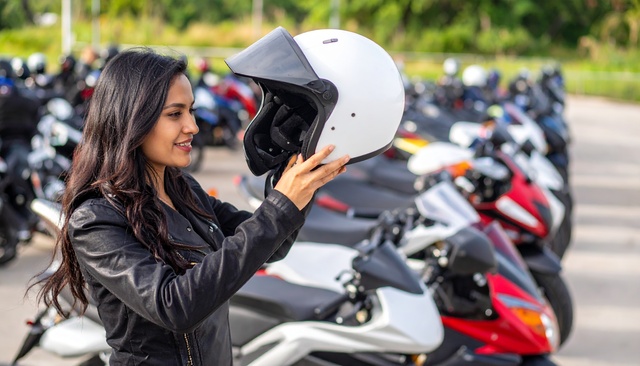


Looking for a safe, budget-friendly way for your teen to start riding? This guide covers motorcycles for teens, from beginner-friendly gas and electric models to tips on choosing the right size, power, and safety features. Learn how to pick bikes that build confidence, stay affordable, and offer fun while keeping your teen safe on the road.
Why Consider a Motorcycle for a Teen?
Buying a motorcycle for a teen isn’t just about giving them something fun to ride. It can be a smart, budget-friendly way to introduce driving responsibility without the high costs of owning a car. For many families, it becomes a practical way to help a teen learn independence while keeping expenses manageable.
Independence and responsibility
A motorcycle teaches responsibility fast. Teens learn to check fuel, maintain tire pressure, and handle routine maintenance. These habits build confidence and independence — something every parent wants to see. Instead of depending on rides from family or public transportation, your teen can manage their own schedule and get to school, part-time jobs, or activities on time.
Affordable compared to owning a car
Cars come with big expenses: higher insurance, fuel costs, and maintenance. Motorcycles, on the other hand, are often much cheaper to buy and keep running. Even brand-name bikes like Honda or Kawasaki can be found for a fraction of the cost of a used car — especially at online auctions. For budget-conscious families, this means fewer monthly expenses and more freedom for the teen.
Imagine finding a small starter bike at an auction for hundreds less than market price — instead of spending thousands on a car your teen may scratch or dent while learning.
Builds riding skills gradually before upgrading to larger bikes
A small beginner-friendly motorcycle allows teens to learn balance, control, and traffic awareness at a slower pace. They can start with a low-power bike (like a 125cc or 250cc) and move to something bigger as they gain confidence. It’s a safe and structured way to build driving skills before handling a full-size motorcycle — or even a car.
What to Look for in a Motorcycle for Teens
When choosing a motorcycle for a teen, the goal is simple: find a bike they can control with confidence. It should fit their size, match their skill level, and include safety features that help prevent accidents. A motorcycle that’s easy to handle will make your teen feel safe, and you will feel more comfortable knowing they’re on a bike suited for beginners.
Size and seat height – must fit their height and leg reach
A bike that’s too tall or bulky is unsafe for a beginner. The rider must be able to put both feet flat on the ground when stopped. This helps with balance and gives teens confidence, especially in parking lots or heavy traffic.
Tip: at auctions or when buying used, always check seat height in the listing. If your teen has to stretch or tiptoe, the bike is too tall.
Engine power (don’t jump too high too fast)
More power isn’t better for a beginner. A smaller engine like 125cc–300cc is ideal for learning. It keeps the bike manageable without overwhelming acceleration.
Starting small helps teens build skills gradually. They can always upgrade later — and since motorcycles at auctions are budget-friendly, moving to a bigger bike later won’t break the bank.
Weight and control
A lighter bike is easier to handle at low speeds, especially during turns or in parking situations. If the bike feels heavy, teens may struggle to control it or pick it up if it tips over.
Lighter = more confidence + safer learning experience.
Safety features (ABS, traction control, riding modes)
Modern bikes offer safety features that help prevent skidding or wheel lock-up. For teens, these features can be game-changing.
Look for:
- ABS (Anti-lock Braking System): reduces wheel lock on sudden stops.
- Traction control: helps maintain grip on slippery roads.
- Beginner riding modes: limits power and makes the bike smoother to handle.
These features add peace of mind without adding a huge cost when buying used.
Electric vs. gas — what’s better for beginners?
Electric motorcycles are becoming popular among teens because they’re quiet and easy to operate — no shifting gears. They also require less maintenance and no fuel costs.
Gas motorcycles give more range and often feel more “traditional” to ride. They teach gear shifting, which helps teens develop skills they can use on bigger bikes later.
For short city rides, electric can be perfect.
For learning long-term skills and highway riding later, gas bikes are a better choice.
Safety and Legal Requirements
Before you buy a motorcycle for a teen, it’s important to understand the legal rules and safety standards. It’s not just about choosing the right bike — teens must ride responsibly and follow the law. Knowing these basics helps avoid fines, accidents, or unnecessary stress.
Motorcycle permit and license requirements (age varies by state/country)
Riding laws depend on where you live, but most places require teens to get a motorcycle permit before getting a full license. In many U.S. states, teens can start the process at 15–16 years old with a written test, followed by a riding test.
The permit usually has restrictions such as:
- No night riding
- No passengers
- Limited types of roads
These rules protect beginners and make sure they practice safely before riding independently.
Mandatory safety gear (helmet, gloves, boots, jacket)
Even on a small motorcycle, proper gear is essential. A helmet isn’t just a recommendation — in most places, it’s the law. Gear reduces injury in case of a fall and helps teens build safe habits.
Minimum recommended gear:
- DOT-approved helmet
- Motorcycle gloves
- Over-the-ankle boots
- Protective jacket (mesh or textile for airflow)
Think of gear like insurance: you hope you never need it, but you’ll be glad it’s there if something happens.
Parent supervision and rules for neighborhood riding
Teens learn best when parents set strict rules from day one. Start with low-traffic areas: empty parking lots, quiet neighborhoods, or short rides to school. Create clear guidelines like:
- No riding with friends on the back
- No riding in bad weather
- Must text or call upon arrival at destination
These rules help build confidence without unnecessary risks.
Insurance and registration basics
Just like a car, a motorcycle needs:
- Registration
- Insurance
- License plates
Insurance for motorcycles is typically much cheaper than car insurance — a big win for budget-conscious families. When buying from online auctions (Copart or IAAI), make sure to check whether the motorcycle comes with a clean or salvage title, since this affects registration requirements.
Top 10 Motorcycles for Teens (Beginner-Friendly Choices)
These bikes are known for easy handling, low seat height, reasonable power, and affordable pricing — especially when bought used or at online auto auctions. They allow teens to learn safely without overpaying for their first motorcycle.
Honda Grom (125cc) — legendary beginner bike
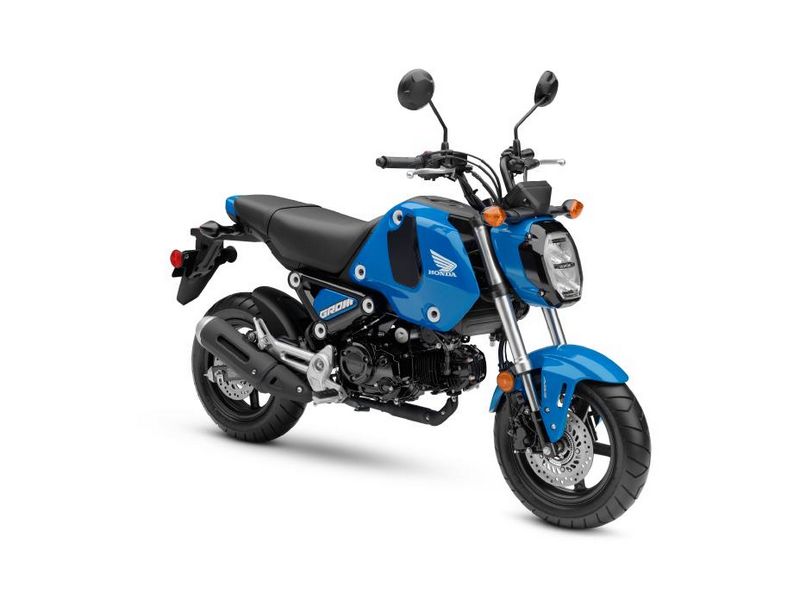
The Honda Grom is one of the most popular starter bikes for teens and new riders. It’s small, lightweight, and extremely easy to control. With a 125cc engine, it keeps speeds reasonable but still fun. The Grom is famous for being fuel-efficient and simple to maintain, making it perfect for families who want reliability without big expenses. Used Groms often show up at auctions and sell for much less than dealer prices — an ideal choice for budget-minded buyers.
Kawasaki KLX110 — ideal off-road starter
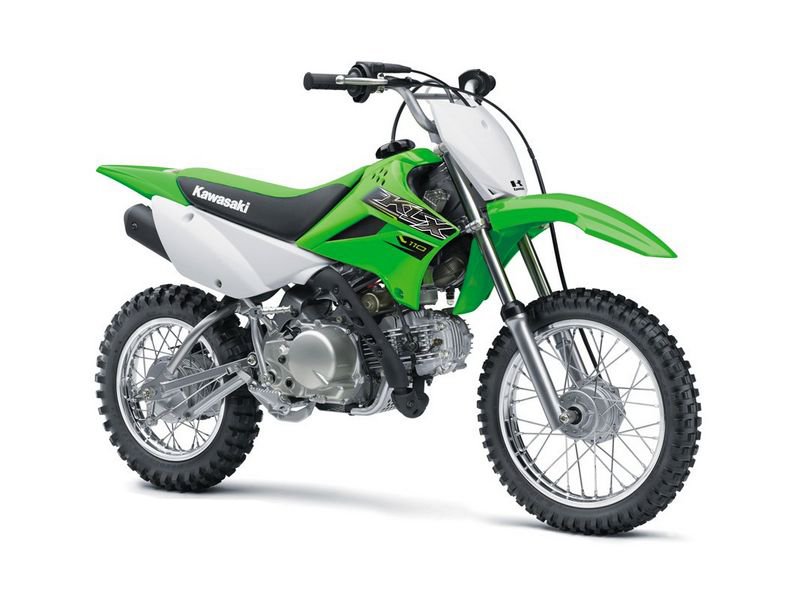
If your teen is curious about riding but not ready to deal with traffic yet, the KLX110 is a great off-road learning bike. It’s lightweight, durable, and comfortable for younger teens who want to practice balance and throttle control before riding on streets. It also takes a lot of beginner “drops” without expensive repairs. Families often choose this bike as a safe introduction to riding before stepping up to a road motorcycle.
Suzuki JR50 — perfect first mini-bike
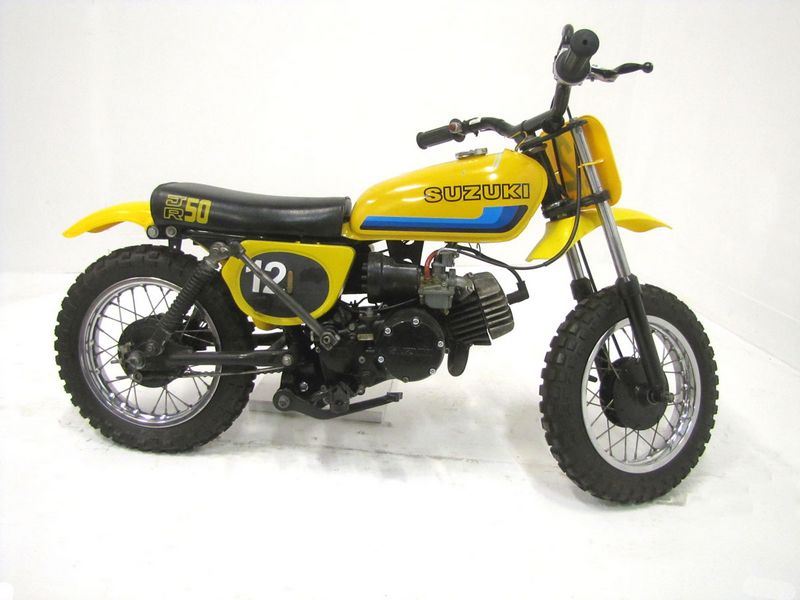
The Suzuki JR50 is a classic first motorcycle for small teens — or even younger riders. It’s tiny, forgiving, and incredibly simple to operate. The low seat height makes it easy to handle, and the limited power reduces the chance of mistakes. If your teen has zero experience, this model is a friendly and inexpensive way to start riding safely.
Honda Monkey — small, fun, lightweight
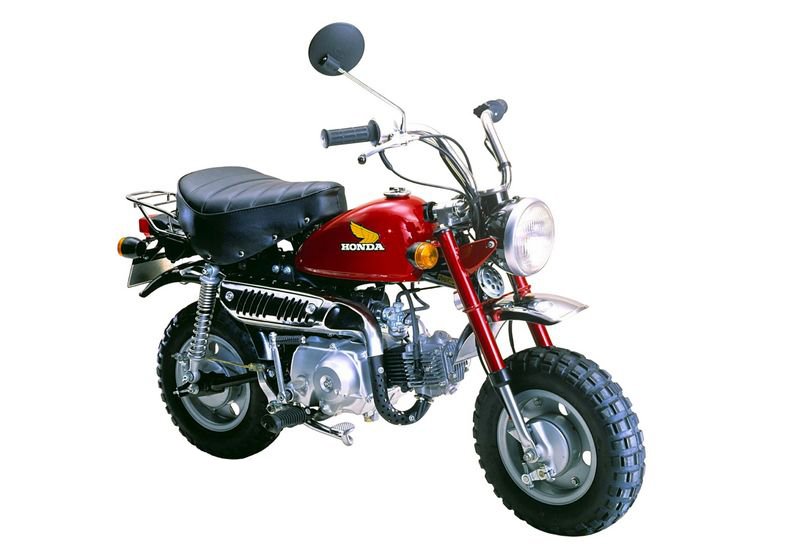
The Honda Monkey keeps the huge fun factor of the Grom, but with a retro look that makes teens smile every time they ride. It’s compact, fuel-efficient, and practical for daily commuting around town or campus. Because it’s a Honda, maintenance is cheap and parts are easy to find. Many riders say the Monkey feels like a “toy that became a real motorcycle.”
Benelli TNT 135 — budget-friendly Grom alternative
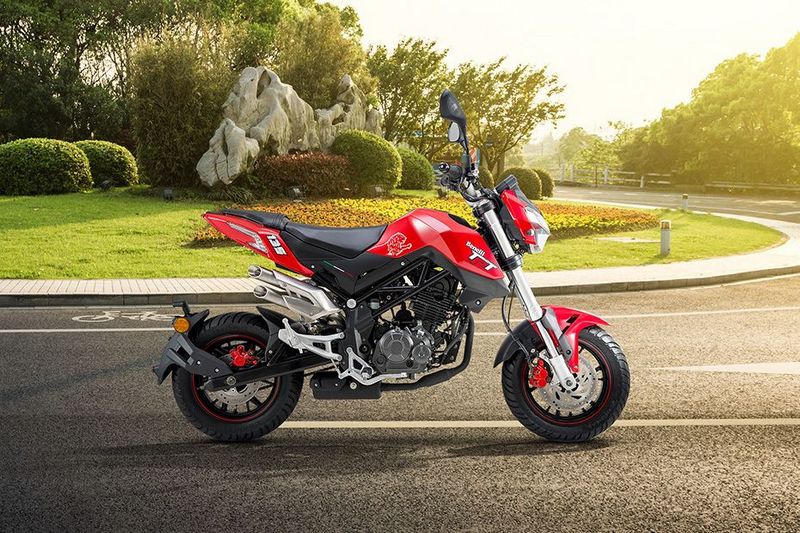
The Benelli TNT 135 is a cost-effective option if you love the Honda Grom style but want to spend less. It offers slightly more power than the Grom while keeping the same lightweight handling that beginners appreciate. For budget-conscious parents, this bike is a great deal — and on auction platforms, prices are often even lower than what you’d pay for a used Grom.
Yamaha YZF-R3 — sporty but beginner-friendly
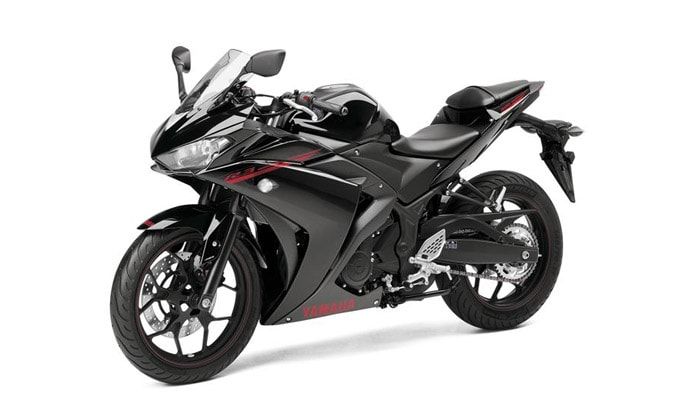
The Yamaha R3 looks like a track bike but rides like a friendly starter motorcycle. Teens love its sporty design, and parents appreciate that it’s not overly powerful. The 321cc engine provides smooth acceleration without intimidating speed. It’s lightweight, predictable, and ideal for teens who want to learn on a bike that feels “cool” while still being safe. Used R3s appear often at auctions, making it possible to snag one at a lower price than at dealerships.
Kawasaki Ninja 400 / Ninja 400 KRT Edition — light sportbike
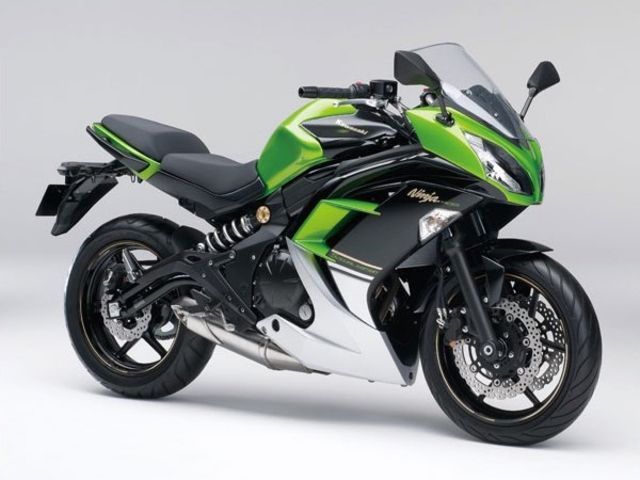
The Ninja 400 is one of the most popular beginner motorcycles in the world. It has enough power to grow with the rider, but it’s still manageable for teens learning to ride. The lightweight frame helps with cornering and low-speed maneuvering, which builds confidence. The KRT Edition includes sportier styling — a huge win for teens who love the race-bike look. At online auctions, these bikes sometimes sell for significantly less than retail.
BMW G 310 R — premium style, manageable power
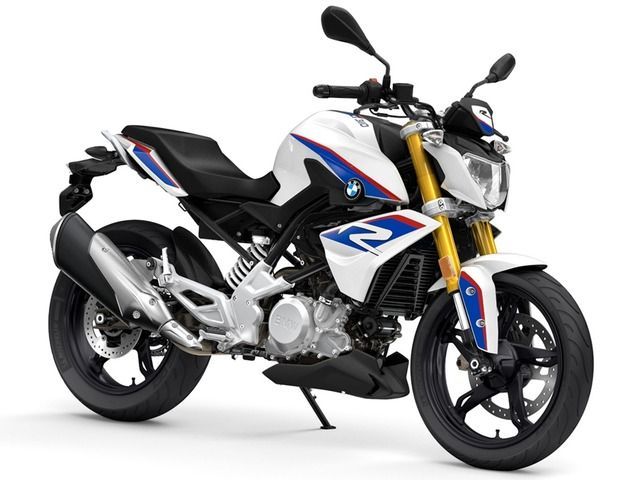
For teens who want something more refined, the BMW G 310 R brings premium design without overwhelming power. The seating position is upright, making it comfortable for daily commuting or riding around town. Maintenance costs are reasonable, and used prices at auctions often fall below those of new Japanese models. It’s a great option if you want a premium badge without the premium price.
Royal Enfield Meteor 350 — comfortable cruiser for beginners
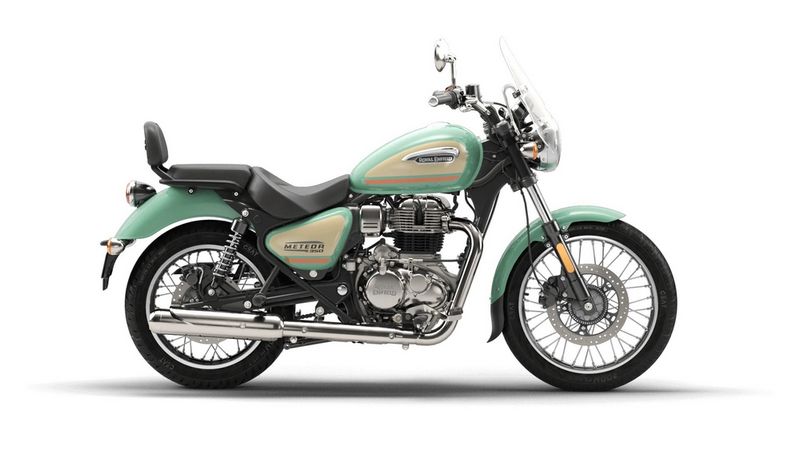
The Royal Enfield Meteor 350 is easygoing, stable, and perfect for teens who prefer a relaxed ride. It doesn’t try to go fast — and that’s exactly why parents like it. The upright seating and low center of gravity help beginners feel in control at any speed. It’s efficient on gas and inexpensive to maintain. Buying one through an auction can save even more, especially on newer model years.
CFMOTO 300SS — affordable sporty option with tech features
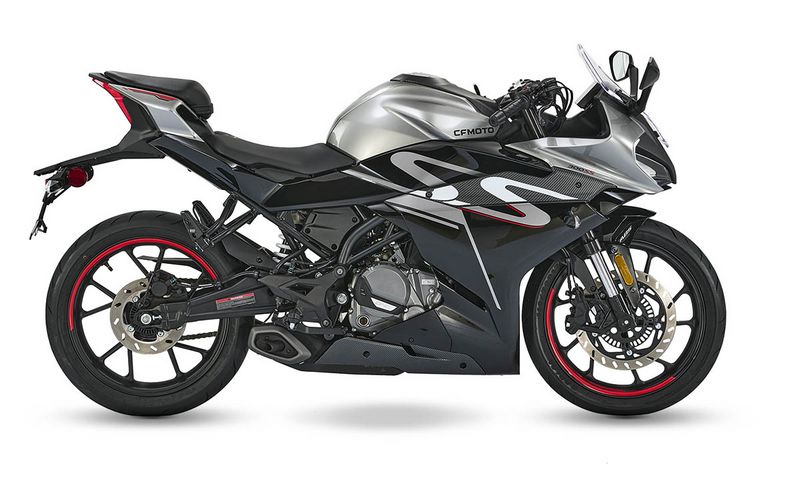
The CFMOTO 300SS is one of the best value sport motorcycles for teens. It includes features usually found on more expensive bikes, like a full color display, riding modes, and modern styling. Despite the low price, the build quality is impressive. For families on a budget, it’s a way to get a sporty, tech-packed motorcycle without overspending. Auctions often list lightly used units, offering even greater savings.
Best Electric Motorcycles for Teens
Electric motorcycles are becoming a popular choice for teens because they’re quiet, easy to control, and require almost no maintenance. No gears. No oil changes. Just charge and ride. For families on a budget, this means fewer ongoing costs and less stress about repairs. Electric bikes are especially great for short city rides or neighborhood practice sessions.
HYPER GOGO M5 (Electric)
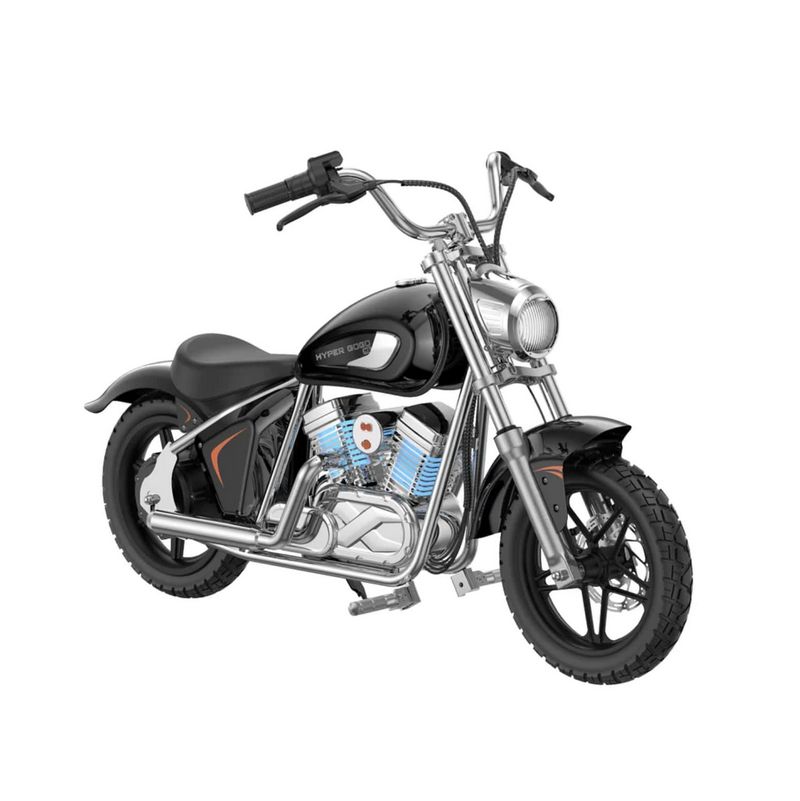
A compact and stylish electric motorcycle that’s perfect for younger or beginner riders. It’s lightweight, easy to balance, and designed for smooth acceleration, which helps teens build confidence from day one. Since it doesn’t have gears, riders can focus on learning control and balance instead of worrying about shifting.
M5 — compact starter electric
The M5 is ideal for teens who are just starting out. It’s small enough to maneuver easily but powerful enough to feel exciting. Its low seat height makes it comfortable for riders of different sizes, and the simple controls reduce the stress of learning. For budget-conscious parents, this is a great “first motorcycle” that doesn't require much upkeep.
HYPER GOGO S9 Plus
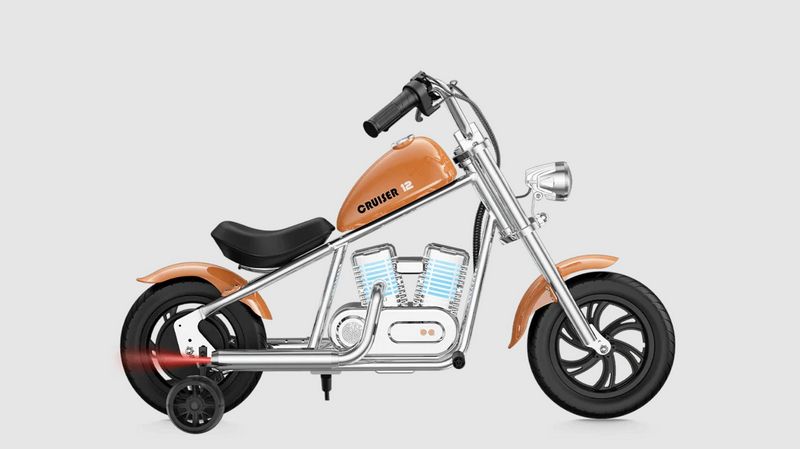
A more urban-oriented electric motorcycle designed for short commutes around town. It’s slightly larger than the M5 and offers quicker acceleration and longer battery life. Teens will like its modern look, while parents will appreciate the safety features and manageable speed.
S9 Plus — urban-friendly electric
The S9 Plus shines in stop-and-go traffic. It’s agile, quiet, and extremely efficient. Teens can ride it to school, part-time jobs, or around the neighborhood with total control. Families save money on fuel, and because electric motorcycles have fewer moving parts, repair costs stay low.
HYPER GOGO R8 (Electric Dirt Bike)
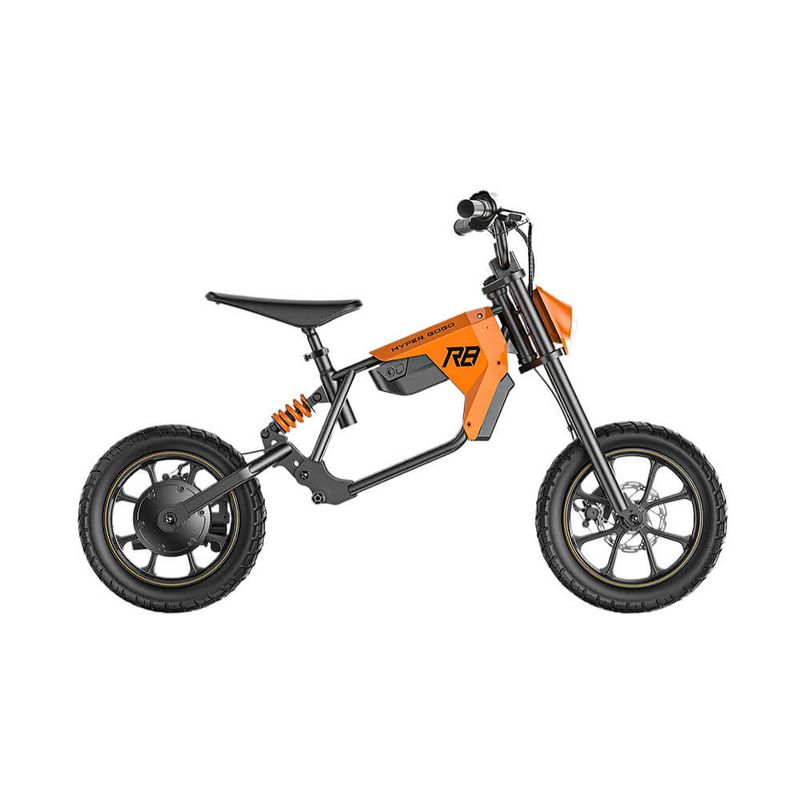
An electric dirt bike designed for teens interested in off-road riding. It offers more power and has suspension designed for uneven terrain. It’s a great option for teens who want to build technical skills and explore motorcycle handling in safe, open spaces like trails or private land.
R8 — off-road learning platform
The R8 helps teens learn balance, turning, and throttle control without traffic or distractions. It’s powerful enough to feel exciting, yet still manageable for new riders. If you’re unsure whether your teen is ready for public streets, starting off-road is a stress-free way to build core riding skills. And since it’s electric, there’s no loud engine noise — neighbors will appreciate that.
Best Motorcycles for Smaller Riders (Seat Height 30–30.9 in)
Choosing the right seat height is crucial for teen riders, especially those who are shorter or still growing. A bike that’s too tall can feel intimidating and unsafe. These motorcycles have a low seat height (30–30.9 inches), making it easier for riders to place both feet on the ground, stay balanced at stops, and build confidence quickly.
Honda Grom
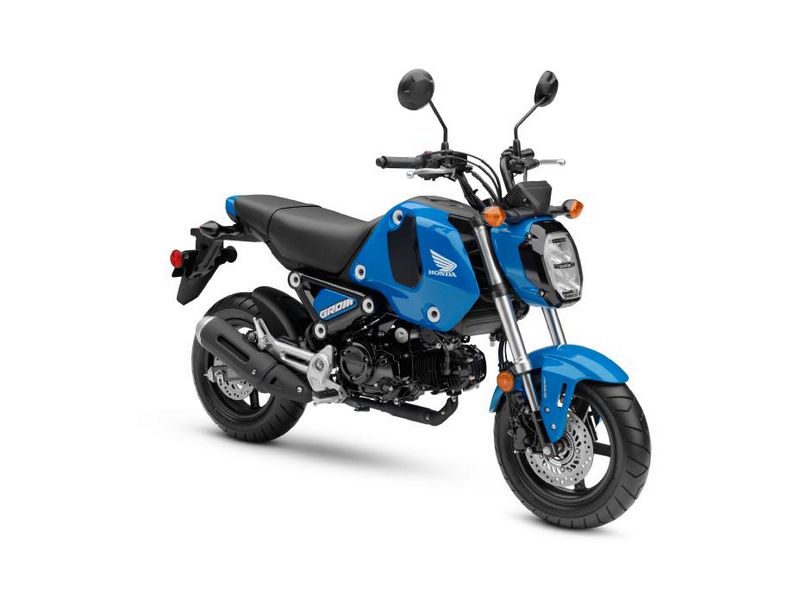
The Honda Grom is legendary among beginners — small size, light weight, and responsive handling. Teens love that it looks like a real motorcycle, not a toy. Parents love that it’s fuel-efficient and inexpensive to maintain. With its low seat height, even shorter riders can control it without feeling overwhelmed. Used Groms are common at online auctions, so you can score one at a much better price than at a dealership.
Honda Navi
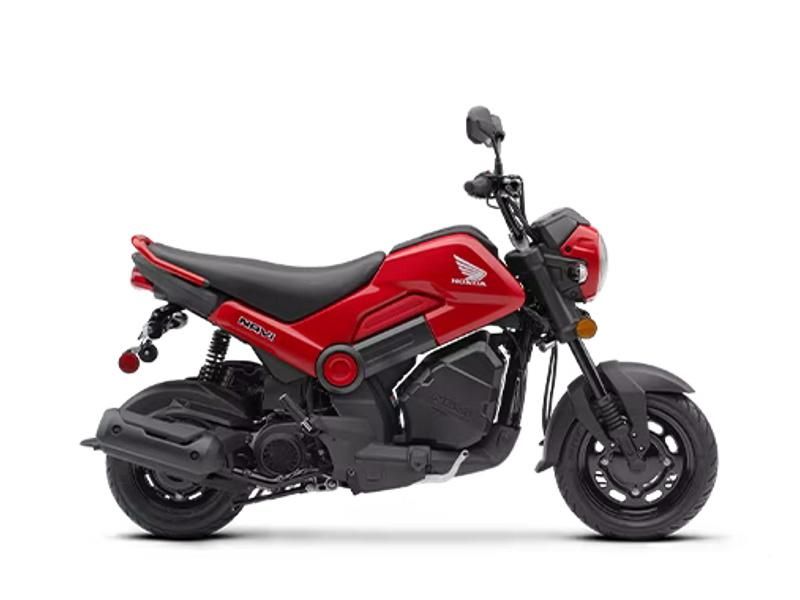
The Honda Navi blends motorcycle looks with scooter simplicity. No gear shifting, no clutch — just twist and go. It’s extremely lightweight, making it perfect for teens who are just learning. The compact size also means less stress at low speeds, like parking lots or school drop-off zones. And since Navis are some of the cheapest new motorcycles on the market, they’re a great choice for budget-conscious families.
Honda Monkey
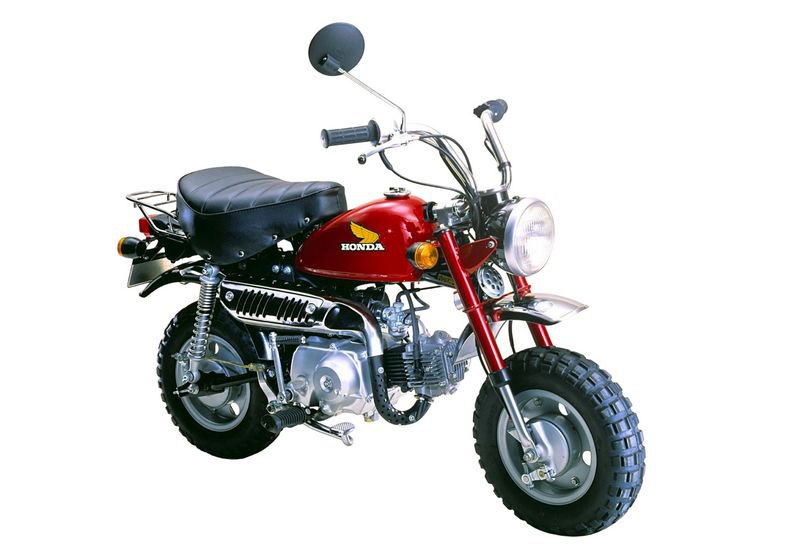
The Honda Monkey combines retro style with real-world practicality. Its compact frame and upright seating make it comfortable and confidence-boosting for smaller riders. The Monkey is playful and fun, but still reliable enough for daily commuting. Teens love how cool it looks, and parents appreciate Honda’s durability, especially when buying used.
Honda Super Cub C125
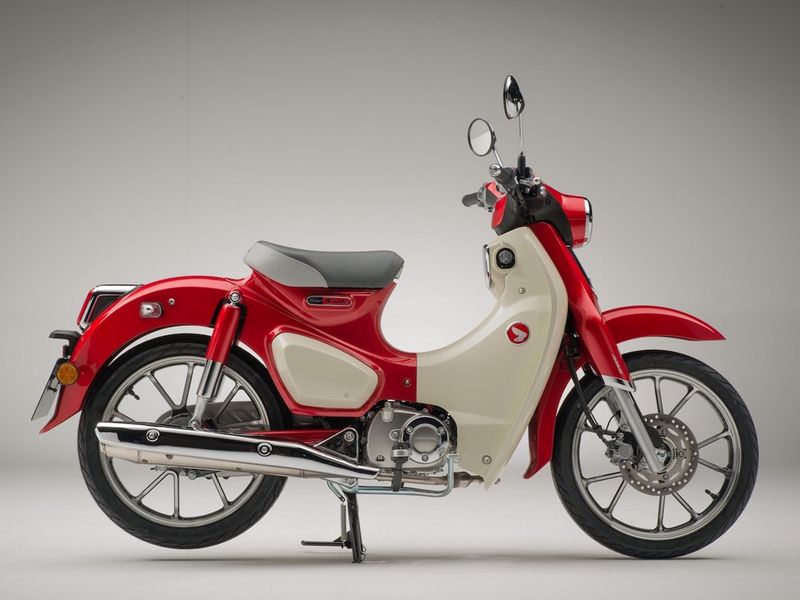
The Super Cub C125 is one of the easiest motorcycles to ride thanks to its automatic clutch — no shifting stress for beginners. It has the charm of a classic design but with modern technology and strong fuel efficiency. The low seat height makes it perfect for riders who want to feel in total control from day one. It’s ideal for short trips, riding to school, or getting around town.
Benelli TNT 135
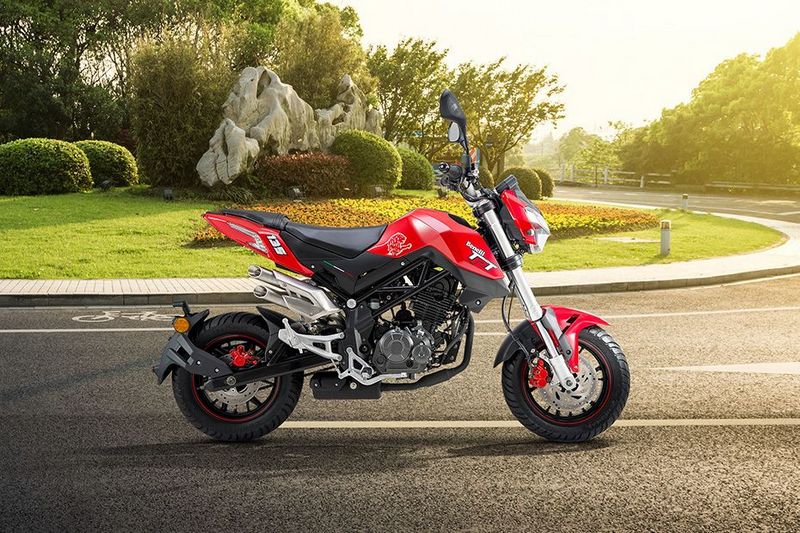
The Benelli TNT 135 is a budget-friendly alternative to the Honda Grom. It offers slightly more power and bold styling, making it a favorite among teens who want something sporty on a tight budget. Its low seat height and lightweight body make it easy to maneuver in traffic and tight spaces. At online auctions, TNT 135 models often go for extremely attractive prices.
How Much Do Teen Motorcycles Cost?
Motorcycles for teens come in a wide price range depending on whether you’re looking at a new model, a used one, or a salvage/auction option. Understanding the cost breakdown helps you plan a realistic budget—not just for the bike itself, but also for the extra expenses that come with owning and riding one safely.
New vs. used price comparison
Brand-new motorcycles designed for younger or smaller riders typically start around the lower end of the price spectrum. Small-displacement models (like 125cc and 150cc) from Honda, Yamaha, and other well-known brands often cost from $2,000 to $4,500. You’re paying for reliability, warranty, and the peace of mind that nothing needs to be fixed.
However, buying used can significantly reduce the cost. The same models, depending on condition and mileage, often sell for $1,200 to $2,500 on the used market. If the bike is only a few years old and lightly ridden, it can still feel like new — just at a fraction of the price.
How buying at auction can save 30–50%
If you want the biggest savings, motorcycle auctions are where you can stretch your budget the furthest. Salvage or insurance auctions often have bikes that have been repossessed, lightly damaged, or written off for minor cosmetic issues. These bikes can go for 30–50% less than dealership prices.
For example:
- A $3,500 bike at a dealership may sell at auction for $1,700–$2,300.
- Sometimes, you’ll even find models that need no repairs at all — they were simply repossessed or not claimed by the owner.
This route is especially smart for teens who are learning — a few scratches on a budget-friendly bike are easier to accept than damaging a brand-new one.
Additional expenses (gear, insurance, safety course)
Beyond the motorcycle price itself, there are essential costs to factor into your budget:
|
Expense |
Estimated cost |
|
Riding gear (helmet, gloves, jacket) |
$250–$700 depending on quality |
|
Motorcycle insurance |
2$100–$300/year for small displacement bikes |
|
Safety course / rider training |
$50–$150 depending on your state or training program |
Gear and training aren’t optional — they’re crucial. A DOT-approved helmet alone can make the difference between a minor fall and a serious injury. Many states also offer insurance discounts for completing a certified safety course, so the course can save money in the long run.
Used Motorcycles from Auctions — Why It’s Smart for Budget Families
Buying a motorcycle at an auction is one of the smartest ways for budget-focused families to get a reliable bike without overpaying. Instead of paying full dealership pricing, you gain access to bikes that are repossessed, used, or lightly damaged — all at a fraction of the cost. For teens and first-time riders, this approach lets you start small, stay safe, and save money.
Save money buying used instead of new
Brand-new motorcycles lose value quickly the moment they leave the dealership. Auctions allow you to skip that depreciation. Many bikes sold at insurance or dealer auctions cost 30–50% less than retail prices.
You can find:
- Low-mileage bikes that were barely used
- Repossessed or end-of-lease units that require no repairs
- Lightly damaged motorcycles where only cosmetic fixes are needed
Instead of paying for “new,” you’re paying for what actually matters: solid mechanics and ride quality. This leaves more room in your budget for gear, insurance, and safety training.
Wider choice of beginner models
Dealerships usually stock current-year models and focus on higher-margin bikes. Auctions, on the other hand, offer a wide selection of starter motorcycles perfect for teens and new riders.
You’ll often see:
- Small displacement bikes (125cc–250cc)
- Compact sport bikes and mini-motos
- Dirt bikes and dual-sport options
Whether your teen wants something for commuting, practicing in a parking lot, or exploring off-road, auctions provide more variety than local dealers — and at better prices.
Help with bidding, inspection, shipping
Buying at auction doesn’t mean you’re left to figure everything out on your own. Many services (like Auto4Export and similar agents) help with:
- Pre-auction inspection to check bike condition
- Bidding on your behalf so you don’t overpay
- Shipping and documentation
This removes stress from the process. Even if the motorcycle is located in another state, professionals handle the logistics — you just choose the bike and enjoy the savings.
Are you interested in buying a vehicle from US auctions?
With this being said – you can still export vehicles and save up a few thousand dollars with Auto4Export. We have an inventory of over 150k plus vehicles with titles you can export for you to choose from. Once you have placed your bid and won the auction a Bill of Sale document is then emailed to you as proof of purchase – after full payments have been made.
To gain access and get started on your purchase, sign up for free.
Further Reading
Introduction to Motorcycle Auctions: A Guide to Finding Your Perfect Ride
Used Sports Car: What You Need to Know Before Buying One
Liter Motorcycle Guide: Tips, Models, and Buying Advice
Cross-Country vs Enduro Motorcycles: Key Differences Explained

Do You Have Any Questions?
 Ask Question