


 Log in
 Sign Up


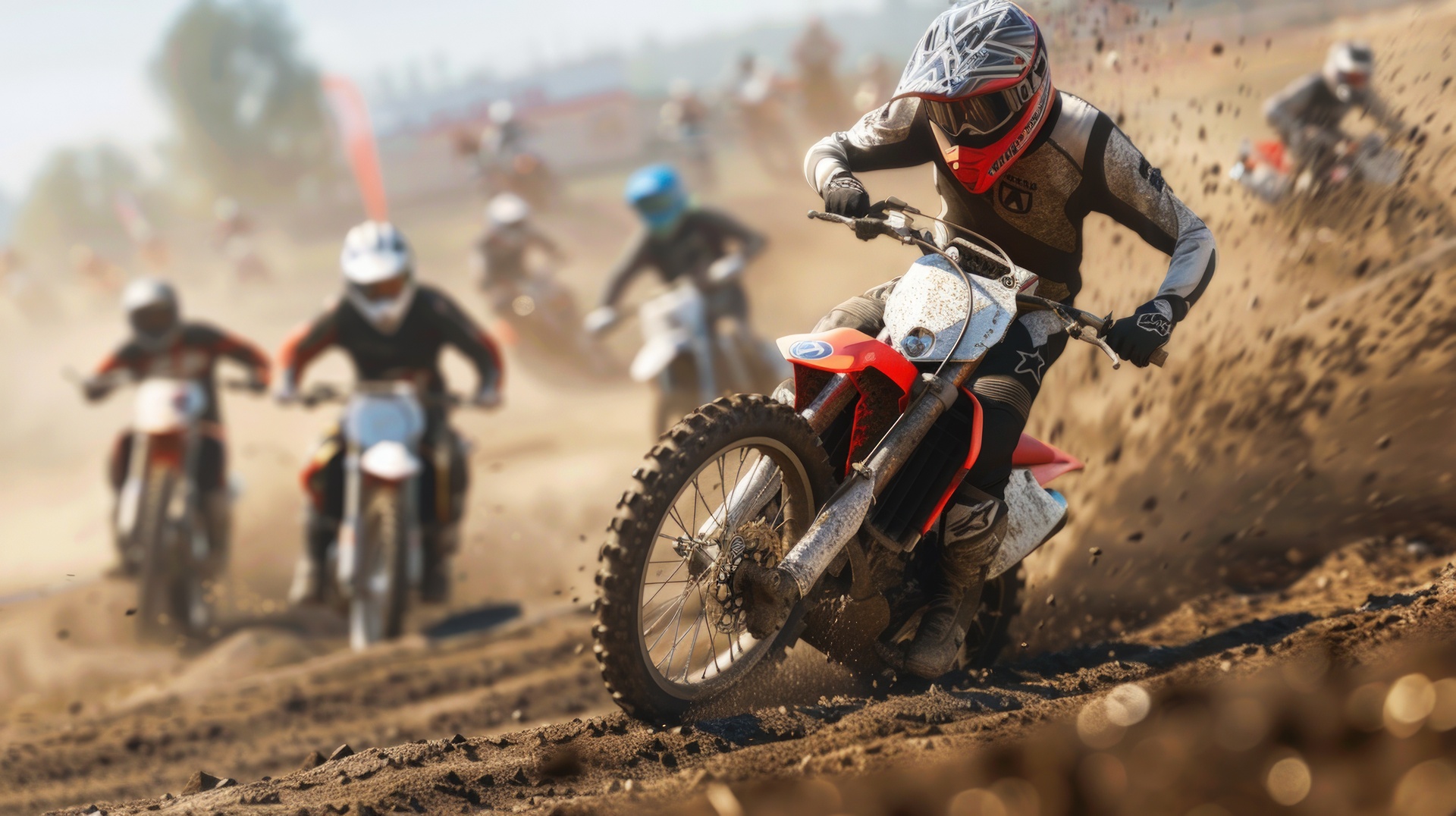


If you’re shopping for a motorcycle at an online auction, you’ve probably noticed terms like cross-country and enduro used in listings. At first glance, they may seem almost the same. Both are built for off-road use, both look rugged, and both promise adventure. But the truth is, they’re not identical—and knowing the difference can save you money and help you choose a bike that actually fits your riding style.
Why riders often confuse the two
The confusion usually comes from the way these bikes look and are advertised. Both cross-country and enduro motorcycles have knobby tires, high suspensions, and tough frames. Sellers often use the terms interchangeably, which doesn’t help either. For a buyer on a budget, this can lead to mistakes—like paying extra for features you don’t need, or ending up with a bike that’s not comfortable for the type of riding you want to do.
Think of it like buying a car at auction: a compact SUV and a crossover may look similar in photos, but they handle differently and serve different needs. The same logic applies here.
Quick overview of each type
- Cross-Country Motorcycles
These are designed for high performance on rough trails and dirt tracks. They’re lightweight, fast, and built to handle short, intense rides. Riders often compare them to sports cars—fun, quick, and best for specific conditions. - Enduro Motorcycles
Enduro bikes are built for endurance, just like the name suggests. They’re heavier, have larger fuel tanks, and are designed for longer rides across varied terrain. If cross-country bikes are like sports cars, enduro bikes are more like SUVs—they can go farther and handle a wider mix of conditions.
What Are Enduro Motorcycles?
When you hear the word enduro, think “endurance.” These motorcycles are built to last through long rides, rough terrain, and changing conditions. They’re not just about quick thrills—they’re about covering distance without wearing out the rider or the machine.
Definition and purpose
An enduro motorcycle is designed for long-distance off-road travel. It combines the durability of a dirt bike with the comfort features needed for hours on the trail. Bigger fuel tanks, softer seats, and wider gear ranges make them suitable for mixed terrain—dirt, gravel, forest paths, even stretches of road.
The main purpose of an enduro bike is to let riders explore farther without worrying about constant refueling or fatigue. For a budget-conscious buyer, this means you can get a bike that works for weekend adventures, commuting on backroads, or even dual-sport riding if it’s street-legal.
History and evolution of enduro bikes
Enduro motorcycles grew out of traditional dirt bikes in the mid-20th century, when riders wanted machines that could handle more than just short races. Early models were basically dirt bikes with a few adjustments—larger tanks and slightly more comfortable setups.
Over time, manufacturers like Yamaha, KTM, and Honda refined the design. Today’s enduro bikes often include electric starters, advanced suspension systems, and emissions equipment that allow them to be registered for street use in some regions.
For buyers at online auctions, this evolution is important. Older enduro models might be very simple and cheaper to repair, while newer ones may cost more upfront but save money long-term with better fuel efficiency and modern parts availability.
Key Features of Enduro Motorcycles
Enduro bikes are designed with endurance in mind. Every part of the motorcycle is built to help riders go farther, stay comfortable longer, and handle unpredictable terrain. Below are the main features that make them stand out.
Engines and smooth power delivery
Enduro motorcycles typically use single-cylinder engines tuned for steady, manageable power rather than sudden bursts. This makes them easier to control on steep hills, muddy trails, or rocky ground. Instead of raw speed, you get smooth acceleration that helps conserve energy and fuel. For buyers at auctions, this means a reliable engine that won’t wear you out during long rides.
Durable, lightweight frames
The frame of an enduro bike is usually made from materials like aluminum or chromoly steel. This balance keeps the motorcycle light enough to handle sharp turns and heavy enough to remain stable. A lighter frame also means less strain if you need to lift the bike after a fall—something off-road riders know happens more often than we’d like.
Long-travel suspension systems
Enduro bikes come with suspension systems that can handle deep ruts, jumps, and uneven surfaces. With more travel (the distance the suspension can compress), the ride feels smoother, even when the terrain is rough. For budget buyers, this feature reduces repair costs—less shock to the frame and fewer broken parts over time.
Extended fuel range
A key feature of enduro motorcycles is the larger fuel tank. Some models can go twice as far on a single fill compared to cross-country bikes. This matters when you’re riding in remote areas where gas stations are scarce. At auctions, always check tank size—it can tell you a lot about whether the bike was built for short sprints or long adventures.
Street-legal components (dual-sport models)
Many modern enduro bikes are sold as dual-sport models. They come equipped with headlights, mirrors, turn signals, and license plate mounts, making them legal to ride on the street. For a budget-conscious rider, this is a big advantage: one bike can cover both daily commuting and weekend off-road trips, saving you from having to buy a second motorcycle.
What Makes Enduro Riding Unique?
Enduro riding isn’t just about owning the right motorcycle—it’s about the type of challenges and experiences that come with it. From the trails you ride to the people you meet, enduro culture has its own identity.
Challenging terrain
Enduro routes are designed to test both rider and machine. Unlike motocross tracks, which are shorter and more controlled, enduro trails stretch for miles through forests, mountains, rivers, and mud. Riders may face rocks, tree roots, steep hills, and water crossings all in a single ride. For someone on a budget, buying an enduro bike at auction means you’re getting a machine already built for this variety—it’s a bike that can take you far without expensive upgrades.
Physical and mental demands
Enduro riding is often compared to a workout on two wheels. Long hours on the bike require stamina, strength, and focus. Riders have to think ahead, choose the right lines, and react quickly when the ground changes under their tires. It’s not about pure speed but about endurance and smart riding. Budget-conscious riders often appreciate this style because it puts more value on skill and determination rather than on having the newest, most expensive bike.
The community and competitions
Enduro isn’t only about solo adventure—it’s also about community. Many riders join local clubs or group rides where newcomers are welcome. On the competitive side, there are organized enduro races, from regional events to international competitions like the International Six Days Enduro (ISDE). Even if you’re not racing, the culture is supportive. People share tips, trade parts, and help each other on tough trails. For auction buyers, this means you’re joining a scene where even an older or cheaper bike can earn respect if you ride it well.
What Are Cross-Country Motorcycles?
Cross-country motorcycles are all about speed and control over rough terrain. They’re designed for riders who want the thrill of racing across trails, fields, and dirt tracks. Unlike enduro bikes, which focus on endurance and comfort, cross-country machines are built for shorter, more intense rides where performance matters most.
Definition and purpose
A cross-country motorcycle is essentially a competition-ready off-road bike tuned for speed, agility, and handling. These bikes are lightweight, quick to accelerate, and easy to maneuver through tight turns or obstacles. Their main purpose is to perform in races and short, high-energy trail rides, where every second counts.
For budget-conscious riders at auctions, this means a cross-country bike can be a good deal if you’re mainly looking for weekend fun or occasional amateur racing. However, it may not be the best option if you plan on long-distance rides, since comfort and fuel range are limited compared to enduro bikes.
History and role in racing
Cross-country bikes grew out of motocross racing in the mid-20th century. Riders wanted machines that could handle not only closed circuits but also longer outdoor trails filled with natural obstacles like hills, mud, and rocks. Manufacturers like KTM, Yamaha, and Honda began producing specialized models that combined the raw speed of motocross with features better suited for open terrain.
Today, cross-country motorcycles play a big role in off-road competitions. Events like GNCC (Grand National Cross Country) in the U.S. showcase these bikes in demanding races that mix speed, endurance, and technical skill. For auction buyers, this history means two things:
- Older models are often cheaper and simpler to repair, making them budget-friendly for casual riding.
- Newer race-focused models may cost more, but they offer advanced suspension, lighter materials, and better overall performance.
Key Features of Cross-Country Motorcycles
Cross-country motorcycles are built for performance first. Every detail is designed to help the rider move quickly and handle unpredictable terrain at speed. Here are the main features that set them apart.
Engine setup and tuning
The engines on cross-country bikes are tuned for fast response and strong acceleration. They often come with higher horsepower compared to enduro bikes, giving riders the power to push through dirt tracks, steep climbs, or quick sprints. This setup is ideal for racing but can mean more frequent maintenance. For a buyer on a budget, it’s worth checking auction listings carefully—engines built for racing may have more wear than casual-use bikes.
Fuel capacity and tank size
Unlike enduro motorcycles, cross-country bikes usually come with smaller fuel tanks. The focus is on keeping the bike light and agile rather than maximizing range. While this limits how far you can ride before refueling, it makes sense for short races or trail sessions. For budget riders, this is a trade-off: cheaper upfront costs, but not the best option if you plan long-distance adventures.
Tires optimized for mixed terrain
Cross-country motorcycles use knobby tires designed to grip dirt, gravel, and loose soil while still handling occasional patches of hard ground. These tires give riders the confidence to push harder in varied conditions. However, they wear faster than standard road tires. At auctions, pay attention to tire condition—it’s often an easy way to estimate how much life is left in the bike.
Suspension balance for speed and control
The suspension on cross-country bikes is tuned differently from enduro models. It’s firm enough to handle jumps and rough terrain but also balanced for quick turns and acceleration. This makes the ride sharper and more responsive, though less comfortable over long distances. For budget buyers, that means lower comfort but higher performance at a lower cost than many dual-purpose bikes.
Minimal or no street-legal features
Most cross-country motorcycles are not street-legal out of the box. They usually lack headlights, mirrors, turn signals, and license plate holders. This keeps the bike lighter for racing but limits its use to trails and private land unless modified. For someone buying at auction, this can be both a drawback and an advantage—non-street-legal bikes often sell for less, making them an affordable option if you only want off-road fun.
Direct Comparison: Cross-Country vs. Enduro Motorcycles
At first glance, cross-country and enduro bikes look very similar. But once you break them down feature by feature, the differences become clear. Understanding these details can help you make a smarter purchase at an online auction and avoid paying for a bike that doesn’t fit your needs.
Engine differences
Cross-country bikes have engines tuned for speed and quick throttle response. They’re great for races and short rides where power matters most. Enduro bikes, on the other hand, focus on smooth and steady power delivery. Their engines are built for control over long distances and rough terrain rather than pure speed.
Fuel tanks and riding range
Enduro motorcycles usually come with larger tanks, which means more miles between fill-ups. This makes them practical for long trips or exploring remote areas. Cross-country bikes stick to smaller tanks to keep the weight down, perfect for short sprints but limiting for extended rides.
Tires and traction
Both bikes use knobby tires, but their setups differ slightly. Cross-country tires are optimized for mixed terrain, giving quick grip during fast changes of direction. Enduro tires are built to handle a wider variety of surfaces—mud, rocks, gravel—over long distances, offering more durability.
Suspension travel and adjustability
Suspension is a key difference. Cross-country bikes have firmer suspension tuned for speed, jumps, and quick handling. Enduro bikes feature long-travel suspension systems that soak up bumps and ruts, making long rides less punishing. If comfort is important to you, enduro wins here.
Headlights and street-legal parts
Most enduro models, especially dual-sport versions, include headlights, mirrors, and turn signals—making them legal for street use in many areas. Cross-country bikes rarely come with these features, which limits them to off-road use unless modified.
Tuning and customization options
Cross-country bikes are often customized for racing, with aftermarket exhausts, performance upgrades, and specialized suspension parts. Enduro bikes are more commonly adjusted for comfort and endurance, such as larger fuel tanks, softer seats, or luggage racks. At auctions, you’ll often see these upgrades already installed, which can save you money.
Comfort and ergonomics
Enduro bikes are built with the rider’s comfort in mind—softer seats, smoother suspension, and a riding position that reduces fatigue. Cross-country bikes prioritize performance, meaning less padding and a more aggressive riding stance. For budget-conscious riders planning long weekends on trails, an enduro will usually feel more forgiving.
Types of Riding Each Bike Excels At
Both cross-country and enduro motorcycles are capable off-road machines, but they’re designed with different goals in mind. Knowing where each type performs best can help you avoid overpaying for the wrong bike at an auction.
Where Enduro bikes shine
Enduro bikes are built for long-distance and mixed-terrain riding. They shine in situations where endurance, fuel range, and comfort matter most:
- Trail exploration – Enduro bikes can handle hours of riding through forests, hills, or mountains without making you stop every 20 minutes for fuel.
- Adventure trips – With larger tanks and smoother suspension, they’re perfect for weekend or multi-day rides where you’ll face mud, gravel, rocks, and maybe even stretches of pavement.
- Dual-purpose use – Many enduro models come with street-legal features, which means you can ride them to work during the week and take them off-road on the weekend.
For budget-conscious buyers, this versatility is valuable. One enduro bike can replace the need for both a commuter and a weekend toy, saving money on ownership.
Where Cross-Country bikes perform best
Cross-country bikes excel in high-speed, performance-focused riding. They’re at their best when the terrain demands agility and fast reactions:
- Racing and competitions – From local dirt races to organized cross-country events, these bikes are designed to perform under pressure.
- Short, intense trail rides – If you like blasting down dirt paths or testing yourself on technical tracks, a cross-country bike delivers speed and excitement.
- Lightweight handling – Their smaller tanks and race-tuned suspension make them feel nimble, letting you weave through tight spaces or handle quick climbs with ease.
For riders shopping on a budget, a cross-country bike can be a great choice if your main goal is fun and adrenaline in shorter bursts, rather than comfort over long journeys.
Which Motorcycle Should You Choose?
Choosing between an enduro and a cross-country motorcycle comes down to your riding style, experience, and budget. Both bikes offer great value at online auctions, but each serves a different type of rider. Here’s how to decide which one fits you best.
For beginners
If you’re new to off-road riding, an enduro motorcycle is usually the smarter choice. Its smoother power delivery, softer suspension, and more forgiving design make it easier to control on tricky terrain. Plus, the larger fuel tank and added comfort mean you can spend more time learning without constantly stopping. For a first bike, enduro models provide a better balance of performance and safety.
For competitive racers
If your goal is racing, a cross-country bike is the clear winner. These machines are built for speed, quick acceleration, and agile handling. They’re the go-to choice for events like GNCC races or local dirt competitions. Just keep in mind that because they’re often pushed hard, auctioned cross-country bikes may show more wear—so factor potential repair costs into your budget.
For weekend trail riders
For casual riders who want adventure on weekends, an enduro bike shines again. It’s comfortable enough for longer rides and versatile enough for different types of terrain. Whether you’re exploring forest trails or riding across gravel roads, an enduro motorcycle will handle it all. If you also need occasional street use, look for a dual-sport enduro that comes with headlights and mirrors.
For budget-conscious buyers
If saving money is your top priority, the right choice depends on how you’ll ride:
- Choose an enduro bike if you want one motorcycle that does it all—commuting, trail riding, and light adventure trips. It may cost a little more upfront but saves money by covering multiple roles.
- Choose a cross-country bike if you’re only interested in pure off-road fun. These bikes are often cheaper at auctions since they lack street-legal parts, making them a good pick if you just want performance at a lower price.
Popular Models to Consider
When shopping for motorcycles at online auctions, knowing which models are reliable, affordable, and easy to maintain can save you both money and headaches. Below are some popular options in each category that budget-conscious buyers often look for.
Best-known Enduro models
Enduro motorcycles are known for durability, comfort, and versatility. Some widely recognized models include:
- KTM 500 EXC – Lightweight yet powerful, this bike is great for long rides and mixed terrain. Parts are widely available, making repairs easier for budget riders.
- Honda CRF450L – Known for reliability and smooth power delivery, this bike is beginner-friendly and well-suited for dual-sport use.
- Yamaha WR250R – A smaller, fuel-efficient enduro bike that balances performance with affordability, perfect for weekend adventures.
- Suzuki DR-Z400S – Versatile and sturdy, this model can handle trails and light commuting, making it a favorite among cost-conscious buyers.
These models often appear in auctions, sometimes as lightly used or salvaged bikes. With a careful inspection, they can offer excellent long-term value.
Best-known Cross-Country models
Cross-country motorcycles prioritize speed, agility, and off-road performance. Popular options include:
- KTM 250 XC-W – Designed for competition and fast trail riding, it’s lightweight and responsive, ideal for racers or adrenaline-focused riders.
- Husqvarna TE 300i – A high-performance model with fuel-injected engine, great for serious cross-country trails or amateur competitions.
- Yamaha YZ250X – Built for cross-country racing, this bike combines speed and maneuverability in a compact, race-ready package.
- Honda CRF250X – Reliable, easy to maintain, and excellent for short, high-speed rides on rough terrain.
Getting Started with Off-Road Riding
Buying an enduro or cross-country bike is just the first step. To enjoy your rides safely and keep your bike in good condition, you need the right gear, some training, and basic maintenance knowledge.
Basic gear and safety equipment
Safety is critical in off-road riding. Even budget riders should invest in a few key items:
- Helmet – A certified off-road helmet protects your head and is non-negotiable.
- Goggles – Keep dirt, dust, and debris out of your eyes.
- Gloves – Protect your hands from scratches and provide better grip.
- Boots – Sturdy, high boots support your ankles and protect against rocks and falls.
- Body armor and knee pads – Optional but highly recommended for new riders.
Even if you buy a cheaper motorcycle at an auction, skimping on safety gear is a false economy. A solid helmet or protective boots can save you from serious injury.
Training and practice tips
Riding off-road is a skill you develop over time. Some beginner tips:
- Start small – Begin on easy trails before tackling steep hills or muddy terrain.
- Practice balance and control – Slow rides help you learn how your bike handles different surfaces.
- Learn basic techniques – Standing while riding, throttle control, and body positioning can make trails much safer and more fun.
- Join a group or club – Experienced riders often give valuable advice, and you’ll learn faster while riding in a safe environment.
Auctions are perfect for budget riders because you can get a reliable bike at a low price and practice on it without worrying about paying full retail.
Maintenance essentials
Off-road motorcycles require regular maintenance to stay safe and perform well:
- Check oil and fluids – Dirt riding stresses the engine, so frequent oil changes are essential.
- Inspect tires and brakes – Knobby tires wear quickly, and brakes must be in top condition.
- Clean after every ride – Mud and dust can damage the chain, suspension, and other components.
- Lubricate the chain – Keeps the bike running smoothly and prevents expensive repairs.
Why Riders Love Enduro and Cross-Country Bikes
Both enduro and cross-country motorcycles have passionate followings for good reasons. Beyond the technical features, these bikes offer experiences and advantages that riders of all budgets appreciate.
Community and events
One of the biggest draws of off-road riding is the people. Whether you’re riding an enduro or cross-country bike, you’ll find a welcoming community:
- Clubs and meetups – Local riding groups often organize weekend trail rides, helping beginners and seasoned riders connect.
- Competitions – Enduro and cross-country events, from small local races to international competitions, offer a chance to test skills, share knowledge, and enjoy camaraderie.
- Online forums and auction advice – Riders often share tips on buying, maintaining, and upgrading bikes purchased at auctions, making it easier for budget-conscious buyers to make smart choices.
The social aspect adds a lot of value, especially if you’re riding a lower-cost or salvaged bike—you’re part of the community even without spending on the latest model.
Thrill of the challenge
Off-road riding is about more than just transportation—it’s an adventure. Both types of bikes provide:
- Enduro thrill – Tackling long trails, hills, and varied terrain tests endurance and skill, making every ride a mini-adventure.
- Cross-country excitement – Quick accelerations, jumps, and technical courses give a rush of adrenaline, perfect for riders who love speed and competition.
For budget-minded riders, this thrill comes without the cost of expensive supermotos or high-end sport bikes. Even an auction bike can deliver a memorable, adrenaline-filled experience.
Value for money
Enduro and cross-country motorcycles offer excellent value, particularly when bought at auctions:
- Durability – Both bike types are built tough, lasting many years with proper maintenance.
- Versatility – Enduro bikes can double as commuter and trail machines; cross-country bikes deliver performance for fun, technical rides.
- Lower entry cost – Auctions allow riders to purchase reliable bikes at a fraction of the retail price, saving thousands compared to buying new.
FAQ
This section answers the most common questions about enduro and cross-country motorcycles. If you’re shopping at auctions, these quick explanations can help you make informed decisions.
What makes a motorcycle an enduro?
An enduro motorcycle is designed for long-distance off-road riding over varied terrain. Key features include:
- Smooth, controllable engine power for endurance rides
- Long-travel suspension to handle bumps, rocks, and ruts
- Larger fuel tanks for extended range
- Often dual-sport capable with street-legal components
Basically, if a bike can take you on hours-long trails without tiring you or the machine, it’s likely an enduro.
What's the difference between an enduro and trail bike?
Trail bikes are usually smaller, lighter, and simpler than enduro motorcycles. They are designed for short, recreational rides on dirt paths and are easier to handle for beginners. Enduro bikes, in contrast, are built for longer rides, mixed terrain, and sometimes street use, with more comfort and durability features. In short: trail bikes are for casual fun, enduro bikes are for serious off-road adventure.
What's the difference between dirt bike and enduro?
“Dirt bike” is a broad term for motorcycles made primarily for off-road use, often focusing on racing or short trail rides. Enduro bikes are a specific type of dirt bike designed for endurance and versatility. While a dirt bike may be lightweight and powerful for short bursts, an enduro bike is built to last longer rides, carry more fuel, and handle mixed terrain without tiring the rider.
What is the difference between enduro and dual sport?
A dual-sport motorcycle is essentially an enduro bike adapted for legal street use. Dual-sport bikes include headlights, mirrors, turn signals, and license plate mounts. All enduro bikes are capable off-road, but not all are street-legal. So if you want a bike that works both on trails and public roads, look for a dual-sport version of an enduro motorcycle.
Conclusion: Choosing the Right Bike for Your Riding Style
Choosing between an enduro and a cross-country motorcycle comes down to how you plan to ride, your experience level, and your budget. Both types offer unique advantages, and understanding their differences can help you make a smarter purchase—especially when shopping at online auctions.
If you’re new to off-road riding or want a bike that can handle long trails, mixed terrain, and even street use, an enduro motorcycle is likely your best option. Its smoother power delivery, long-travel suspension, and larger fuel tank make it comfortable and versatile for weekend adventures or commuting.
If your main goal is speed, competition, or short, high-intensity trail rides, a cross-country bike is a great choice. Lightweight, agile, and tuned for quick performance, it excels in racing or technical off-road terrain. Keep in mind that these bikes may require more maintenance and lack street-legal features.
For budget-conscious buyers, online auctions provide an excellent opportunity to get a reliable off-road bike at a fraction of retail price. Consider:
- What type of terrain you’ll ride most often
- How far you want to go on a single ride
- Whether you need street-legal features
- Your willingness to handle maintenance or repairs
Are you interested in buying a vehicle from US auctions?
With this being said – you can still export vehicles and save up a few thousand dollars with Auto4Export. We have an inventory of over 150k plus vehicles with titles you can export for you to choose from. Once you have placed your bid and won the auction a Bill of Sale document is then emailed to you as proof of purchase – after full payments have been made.
To gain access and get started on your purchase, sign up for free.
Further Reading
Introduction to Motorcycle Auctions: A Guide to Finding Your Perfect Ride
Why Buy Salvage Motorcycles and Where Find Salvage Title Motorcycles for Sale?
Used Sports Car: What You Need to Know Before Buying One
Best Cars for Modification: Top 10 Picks for Car Enthusiasts

Do You Have Any Questions?
 Ask Question