


 Log in
 Sign Up


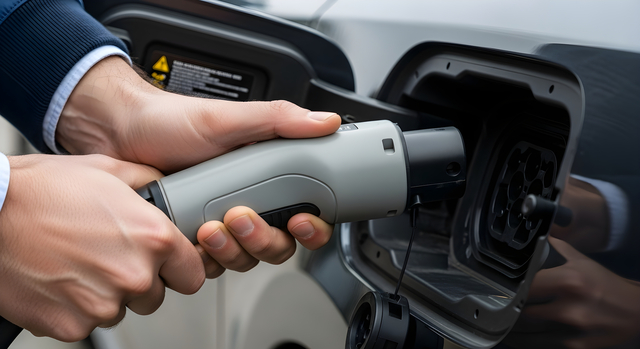


Electric pickup trucks are becoming more powerful, practical, and affordable every year. This guide covers the best EV trucks for range, towing, off-road driving, daily use, and budget buyers. You’ll also learn how to compare battery performance, ownership costs, and auction prices to help you choose the right electric truck while saving money.
Why Are Electric Pickup Trucks Becoming So Popular?
Electric pickup trucks are quickly becoming one of the fastest-growing segments in the U.S. auto market. More buyers are starting to see that EV trucks are no longer just futuristic experiments or expensive luxury vehicles. Modern electric pickups now offer strong towing power, fast acceleration, advanced technology, and lower operating costs compared to many traditional gas trucks.
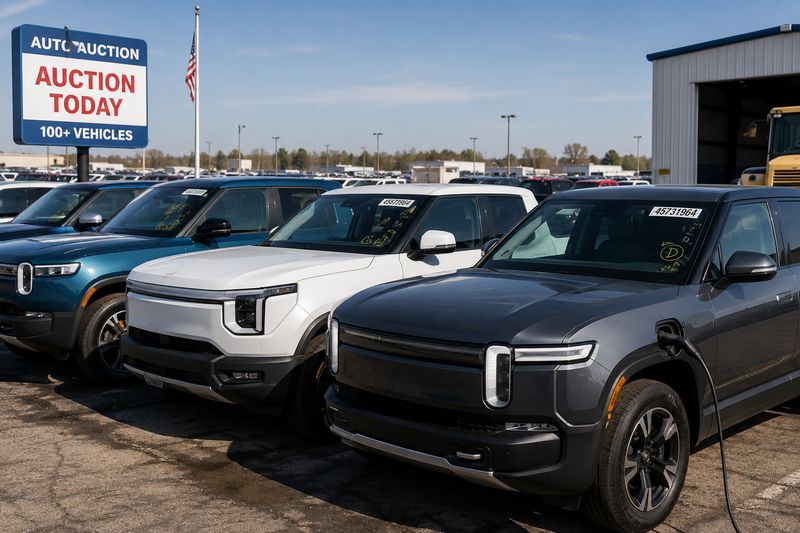
For budget-conscious buyers, electric trucks are becoming especially interesting in the used vehicle market. As more models appear at online auto auctions, buyers now have opportunities to purchase damaged, repaired, repossessed, or lightly used EV trucks for much lower prices than dealership retail values. Many shoppers who could never afford a new EV truck are now considering used or salvage options as a way to save money.
How EV Trucks Combine Power, Utility, and Lower Running Costs
One reason electric pickup trucks are gaining popularity is their ability to combine strong performance with lower day-to-day expenses. Unlike older electric vehicles that focused mainly on fuel savings, modern EV trucks are built to handle real work tasks while still reducing ownership costs.
Electric motors deliver instant torque, which helps EV trucks accelerate quickly and pull heavy loads with less effort. Even large electric pickups can feel smooth and powerful during towing, highway driving, or hauling equipment. Some EV trucks can produce performance numbers similar to heavy-duty gas trucks while using far less energy.
Many buyers are also attracted to lower running costs. Electric trucks do not require oil changes, spark plug replacements, or many of the maintenance services common with gasoline engines. This can help owners save thousands of dollars over time. For example, a contractor who drives long distances every week may spend much less on fuel and maintenance with an electric truck compared to a traditional V8 pickup.
Electric trucks also appeal to buyers who want modern technology. Features like large touchscreen displays, software updates, advanced towing systems, and driver assistance tools are becoming major selling points. Many EV trucks feel more like luxury vehicles inside while still offering the utility of a traditional pickup.
Why Budget Buyers Are Looking at Used Electric Trucks
New electric pickup trucks can still be expensive, especially high-end trims with larger battery packs and premium features. However, used and salvage EV trucks are creating new opportunities for budget buyers who want modern technology at lower prices.
Many shoppers are now watching online auto auctions for electric trucks with cosmetic damage, minor collision repairs, or theft recovery histories. In some cases, buyers can save thousands of dollars compared to dealership prices. This is especially attractive for people who are comfortable repairing vehicles or working with independent body shops.
For example, a buyer may find a lightly damaged Ford F-150 Lightning at auction for far less than the price of a clean-title dealership truck. After repairs, the total investment may still remain significantly below normal market value.
Another reason budget buyers are interested in used EV trucks is depreciation. Some electric vehicles lose value faster during the first few years of ownership. This creates opportunities for second owners to purchase advanced trucks with low mileage at more affordable prices.
Buyers are also learning that many EV batteries are designed to last for years. A truck with 50,000 or 70,000 miles may still have strong battery performance if it was properly maintained. This gives used EV buyers more confidence than in earlier years when battery durability was less understood.
What Makes Electric Pickups Different From Traditional Gas Trucks?
Electric pickup trucks operate very differently from traditional gasoline or diesel trucks. The biggest difference is the powertrain. Instead of using an internal combustion engine, EV trucks rely on electric motors powered by large battery packs.
This changes the overall driving experience. Electric trucks are usually quieter, smoother, and faster during acceleration. Many drivers are surprised by how quickly large EV pickups respond when merging onto highways or pulling trailers.
Another major difference is maintenance. Gas trucks contain many moving engine components that eventually wear out. EV trucks eliminate many of these parts, reducing the need for regular mechanical servicing. While electric trucks still require brake service, suspension repairs, tires, and cooling system maintenance, they usually need less routine engine-related work.
Electric pickups also introduce new features that are uncommon in traditional trucks. Some models offer front storage compartments called “frunks” because they no longer need large engines under the hood. Others provide onboard power systems that allow owners to run tools, camping equipment, or appliances directly from the truck’s battery.
Charging is another important difference. Instead of visiting gas stations, EV owners charge their trucks at home or at public charging stations. For some drivers, this becomes more convenient than stopping for fuel. However, charging infrastructure can still be a challenge in certain rural areas or during long road trips.
Are Electric Pickup Trucks Practical for Daily Use and Work?
Many buyers originally questioned whether electric trucks could handle real-world work demands. Today, manufacturers are proving that EV pickups can be practical for both personal and commercial use.
For daily driving, electric trucks often perform very well. They provide comfortable interiors, smooth rides, and quiet cabins that make commuting easier. Drivers who mainly use their trucks for local travel may only need to charge once or twice per week depending on mileage.
Electric trucks can also work well for contractors, delivery companies, and small businesses. Fleet owners are increasingly testing EV pickups because of lower fuel expenses and reduced maintenance downtime. Companies that operate predictable daily routes may benefit the most from electric trucks.
However, practicality still depends on how the truck will be used. Towing heavy trailers over long distances can reduce battery range significantly. Cold weather can also affect charging speed and driving range. Buyers who regularly travel long highway distances or tow large equipment every day may still prefer traditional gas or diesel trucks in some situations.
For many average drivers, though, electric pickups already provide enough range and capability for normal use. Someone who uses a truck for commuting, home improvement projects, occasional towing, and weekend travel may find an EV truck more than practical enough.
How Electric Trucks Are Changing the U.S. Pickup Market
Electric pickups are starting to reshape the American truck market in several ways. Major manufacturers now view EV trucks as an important part of their future lineup rather than a small experimental category.
Companies like Ford Motor Company, General Motors, Tesla, and Rivian are investing heavily in electric truck development. Competition between brands is pushing improvements in battery range, towing capability, charging speed, and technology features.
The growing popularity of EV trucks is also changing buyer expectations. Many customers now expect advanced software systems, large digital displays, and driver assistance technologies even in work-oriented trucks. Traditional truck manufacturers are adapting quickly to keep up with these changes.
Online auto auctions are also seeing more electric truck inventory than in previous years. As lease returns, repossessions, fleet vehicles, and salvage units enter the market, buyers gain more affordable access to EV trucks. This trend may continue making electric pickups more realistic for budget-minded shoppers around the world.
What Should Buyers Look for When Choosing an Electric Pickup Truck?
Buying an electric pickup truck is different from buying a traditional gas-powered truck. Buyers still need to think about towing, payload, cargo space, and reliability, but electric trucks also introduce new factors like battery range, charging speed, and software features.
For budget-conscious shoppers, especially those considering used or auction vehicles, understanding these details is extremely important. A truck that looks affordable upfront may become expensive later if the battery condition is poor or charging support is limited in the buyer’s area. Careful research can help buyers avoid costly mistakes and choose an EV truck that matches both their budget and daily needs.
Driving Range and Real-World Battery Performance
Driving range is one of the first things most buyers look at when shopping for an electric pickup truck. Manufacturers often advertise large range numbers, but real-world performance can vary depending on driving conditions, weather, speed, cargo weight, and towing.
A truck rated for 320 miles of range may deliver significantly less during highway driving or while pulling a trailer. Cold weather can also reduce battery efficiency because the system uses additional energy to heat the battery and cabin.
Buyers should focus on realistic daily usage instead of only looking at official EPA estimates. Someone who mainly drives locally may not need maximum range. On the other hand, buyers who travel long distances regularly should prioritize larger battery packs and fast-charging capability.
Battery health is especially important when purchasing a used EV truck. Over time, all batteries slowly lose some capacity. A lightly used truck with good charging habits may still perform very well after several years, while poorly maintained vehicles could show faster degradation.
For example, a buyer purchasing a used electric truck from an auction should pay close attention to battery condition reports, mileage, accident history, and charging performance. A cheaper truck may not be a good deal if the battery has major damage or reduced capacity.
Towing Capacity and Payload Ratings
Pickup truck buyers often care about towing and hauling capability more than anything else. Electric trucks can deliver impressive towing performance because electric motors produce instant torque. Some EV pickups can tow heavy trailers just as well as traditional gasoline trucks.
However, towing affects electric trucks differently than gas vehicles. Pulling a heavy trailer can reduce driving range dramatically. In some cases, range may drop by 40% or even more depending on weight, terrain, and weather conditions.
Payload ratings are also important. Payload refers to how much weight the truck can carry inside the cabin and bed combined. Buyers using their truck for work should compare payload numbers carefully, especially if they transport tools, building materials, or equipment daily.
Some electric trucks are designed more for comfort and lifestyle driving than heavy-duty commercial use. Others focus heavily on towing and work capability. Buyers should honestly evaluate how they plan to use the truck instead of choosing based only on appearance or horsepower numbers.
For example, a weekend camper towing a small trailer has very different needs than a contractor pulling heavy equipment every day. Understanding these differences helps buyers avoid overpaying for features they may never use.
Charging Speed and Charging Network Availability
Charging is one of the biggest lifestyle changes for new EV truck owners. Instead of stopping at gas stations, drivers charge their vehicles at home or public charging stations. Because of this, charging speed and charger availability are extremely important factors.
Some electric trucks support ultra-fast DC charging that can restore a large percentage of battery capacity within 30 to 45 minutes. Others charge more slowly, especially older models or lower trims.
Buyers should also research charging networks in their local area. Large cities may have many public chargers, while rural areas may offer limited infrastructure. Drivers planning frequent road trips should verify whether reliable charging stations exist along their regular routes.
Home charging setup is another important consideration. Many EV owners install Level 2 home chargers for faster overnight charging. While this adds convenience, buyers should still factor installation costs into their total ownership budget.
Auction buyers should be especially careful when purchasing older electric trucks because charging technology changes quickly. Some early EV models may not support the fastest modern charging systems, which could affect long-term convenience and resale value.
Battery Warranty and Long-Term Reliability
Battery replacement is one of the biggest financial concerns for electric vehicle buyers. Fortunately, most manufacturers provide long battery warranties that help reduce this risk.
Many EV truck batteries are covered for around 8 years or 100,000 miles, although warranty terms vary by manufacturer. Buyers should always review the remaining warranty coverage when purchasing used vehicles.
Long-term reliability also depends on battery cooling systems, charging habits, software management, and accident history. A truck involved in a major collision may require expensive battery inspections even if the damage appears cosmetic.
Reliability concerns are especially important for salvage auction buyers. Flood damage, underbody impacts, or improper repairs can create serious electrical problems in EV trucks. Buyers should carefully inspect service records and obtain professional evaluations when possible.
At the same time, electric trucks often avoid many traditional engine problems found in gasoline vehicles. There are no oil leaks, transmission rebuilds, or many of the common mechanical failures associated with internal combustion engines. For some buyers, this can help offset concerns about battery replacement costs.
Interior Technology and Driver Assistance Features
Modern electric pickup trucks usually offer advanced technology features that go far beyond traditional work trucks. Large touchscreens, digital instrument clusters, smartphone integration, voice controls, and advanced navigation systems are now common in many EV pickups.
Driver assistance systems are also becoming major selling points. Features like adaptive cruise control, lane-keeping assistance, blind-spot monitoring, parking cameras, and automated driving functions can make long trips easier and safer.
Many buyers appreciate that electric trucks often feel more modern inside than older gasoline pickups. Even work-oriented trims may include technology features that were previously found only in luxury vehicles.
However, buyers should remember that more technology can also mean higher repair costs. Damaged sensors, cameras, or electronic systems may become expensive after accidents. Auction buyers should inspect these systems carefully before purchasing salvage vehicles.
For budget-focused shoppers, it may make more sense to choose a mid-level trim with essential features rather than paying extra for every available technology package.
Off-Road Capability and Ground Clearance
Many truck buyers want vehicles that can handle rough terrain, camping trips, construction sites, or outdoor adventures. Some electric pickups are specifically designed with strong off-road capability in mind.
Features like adjustable air suspension, all-wheel drive systems, terrain management modes, skid plates, and high ground clearance help certain EV trucks perform well off pavement. Instant electric torque can also improve low-speed control on difficult terrain.
At the same time, electric trucks are usually very heavy because of large battery packs. This weight can affect handling in mud, sand, or deep snow. Tire choice also becomes extremely important for off-road driving.
Ground clearance matters for buyers who regularly drive on uneven roads or trails. A truck with insufficient clearance may risk battery damage from rocks or obstacles underneath the vehicle.
Buyers interested in off-road use should also consider repair costs. Damaging the battery area during off-road driving could become extremely expensive compared to traditional truck repairs.
Bed Size, Storage Solutions, and Cargo Utility
Utility remains one of the most important reasons people buy pickup trucks. Buyers should carefully compare bed length, storage options, tie-down systems, and cargo features before choosing an electric truck.
Some EV pickups offer creative storage solutions because they do not require large gasoline engines. Front trunks, hidden compartments, under-bed storage, and foldable cargo systems can improve practicality.
Bed size still matters for work use. Contractors, landscapers, and small business owners may need enough room for tools, equipment, or construction materials. Smaller lifestyle-focused trucks may not provide enough cargo utility for heavy commercial tasks.
Some electric trucks also include built-in power outlets that allow owners to operate tools or appliances directly from the truck’s battery system. This can be very useful for job sites, outdoor activities, or emergency backup power.
Buyers should compare cargo utility carefully because some EV trucks prioritize luxury and technology more than traditional truck practicality.
Software Updates and Smart Truck Features
Software is becoming one of the biggest differences between electric trucks and traditional vehicles. Many EV pickups now receive over-the-air software updates that improve performance, add features, or fix bugs without requiring dealership visits.
Some trucks can even improve charging efficiency, navigation systems, towing calculations, or battery management through software updates alone. This creates a more technology-focused ownership experience similar to smartphones or computers.
Smart features may include remote vehicle monitoring, phone-based controls, route planning with charger locations, and advanced energy management systems. Buyers who enjoy technology often find these features extremely appealing.
However, software problems can also create frustrations. Some EV owners report bugs, touchscreen freezes, charging glitches, or system errors. Buyers should research manufacturer reliability and software reputation before purchasing.
For used vehicle buyers, software support is especially important. Older models may stop receiving updates after several years, which could affect functionality and resale value later.
Price Differences Between New and Used EV Trucks
New electric pickup trucks can still carry high price tags, especially premium trims with long-range battery packs and luxury features. However, used EV trucks are becoming more affordable as the market grows.
Depreciation creates opportunities for budget buyers. Some electric trucks lose value quickly during the first few years, allowing second owners to purchase them at significant discounts.
Auction vehicles can provide even larger savings. Buyers may find repossessed, repaired, or lightly damaged EV trucks at much lower prices than dealership inventory. In some cases, the savings can be substantial enough to offset repair costs while still staying below retail market value.
At the same time, buyers should avoid focusing only on the lowest purchase price. Battery condition, repair history, software support, and charging capability may affect long-term ownership costs much more than the initial sale price.
A cheap electric truck with major battery issues could become far more expensive than a slightly higher-priced truck in better condition.
Insurance and Maintenance Costs
Insurance costs for electric pickup trucks are often higher than many buyers expect. EV trucks usually contain expensive battery systems, advanced sensors, cameras, and specialized parts that increase repair costs after accidents.
Some models also experience longer repair times because replacement parts may be harder to source. This can increase insurance premiums in certain areas.
Maintenance costs, however, are often lower than traditional gas trucks. Electric vehicles eliminate many routine engine services such as oil changes, spark plugs, fuel system repairs, and transmission maintenance.
Brake wear may also decrease because regenerative braking systems reduce stress on traditional brake components. Over time, these savings can help offset higher insurance premiums.
Are Electric Pickup Trucks Worth Buying From Auto Auctions?
For many buyers, auto auctions are becoming one of the most affordable ways to purchase electric pickup trucks. New EV trucks can still be expensive, especially models with large battery packs, premium trims, and advanced technology packages. Auctions give buyers access to used, repossessed, fleet, and salvage electric trucks at prices that are often far below dealership retail values.
This is especially attractive for budget-conscious shoppers who are willing to repair minor damage or purchase vehicles with cosmetic issues. However, buying an electric truck at auction also requires careful research. EV trucks contain expensive battery systems and advanced electronics that can become costly if damaged improperly. Understanding what to inspect before bidding is extremely important.
Why Salvage and Auction EV Trucks Can Save Buyers Thousands
One of the biggest advantages of buying electric pickup trucks at auction is the potential for major savings. Insurance companies frequently total EV trucks after accidents because repair costs for batteries, sensors, and electronics can be extremely high at dealership service centers.
In many cases, the actual damage may be less severe than buyers expect. A truck with cosmetic body damage, minor suspension repairs, or theft recovery history may still have a fully functional battery and drivetrain. Buyers who can manage repairs properly may save thousands compared to buying the same truck from a dealership.
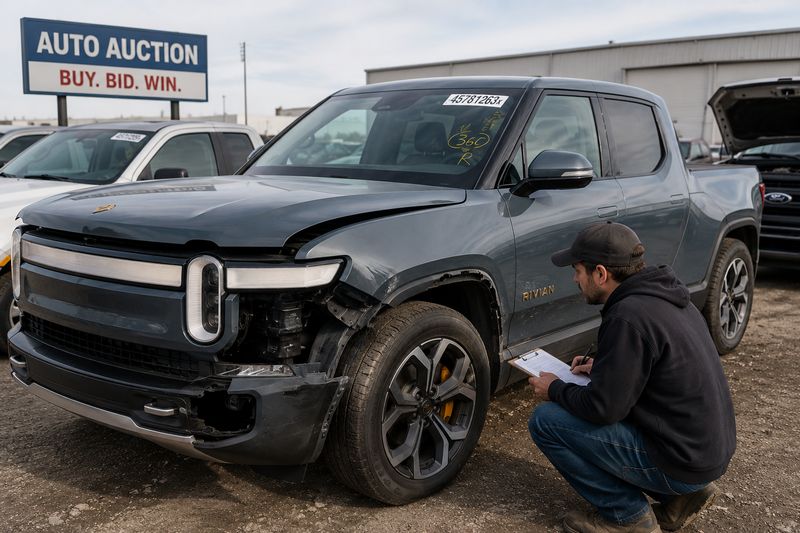
For example, a lightly damaged Ford F-150 Lightning or Rivian R1T may sell at auction for far less than market value simply because insurance repair estimates were high. Independent repair shops may complete repairs at significantly lower costs than dealership pricing.
Used EV trucks from auctions can also help international buyers save money on export purchases. Some countries charge high taxes on new electric vehicles, making used auction trucks a more affordable alternative.
Another reason auction EV trucks can be attractive is depreciation. Electric vehicles sometimes lose value faster during the first few years of ownership. This creates opportunities for second owners to purchase relatively new trucks with modern technology at lower prices.
Common Types of Damage Found on Electric Trucks at Auctions
Electric pickup trucks appear at auctions for many different reasons. Some vehicles are involved in accidents, while others are repossessions, theft recoveries, lease returns, or flood-damaged units.
Front-end collisions are common because modern EV trucks contain many expensive sensors, cameras, headlights, cooling systems, and electronic components near the front of the vehicle. Even moderate damage can lead insurance companies to declare the truck a total loss.
Side damage is another common issue. Buyers should pay close attention to damage near the battery pack area underneath the truck. Impacts to the battery structure can become extremely expensive to repair.
Flood damage is also important to watch carefully. Water exposure may affect battery systems, high-voltage wiring, connectors, modules, and electronics throughout the vehicle. Some flood-damaged EV trucks can be repaired successfully, while others may develop long-term electrical problems.
Auction buyers may also find vandalized or theft recovery trucks. In some cases, thieves damage charging systems, wiring, dashboards, or electronic modules during theft attempts. These vehicles may offer good value if the damage is limited and repairable.
Hail damage, rear-end collisions, suspension damage, and underbody impacts are also commonly seen on electric trucks at salvage auctions.
What Buyers Should Inspect Before Purchasing an EV Pickup
Inspecting an electric pickup truck before bidding is extremely important because EV repairs can become expensive very quickly. Buyers should never focus only on visible body damage.
Battery condition is one of the most important factors. If possible, buyers should review battery health reports, charging behavior, warning messages, and diagnostic information. Trucks with battery damage may require extremely costly repairs or complete battery replacement.
The underbody area should also be inspected carefully. Many electric trucks store their battery packs underneath the cabin floor. Damage to protective battery structures may create serious safety risks.
Buyers should also inspect charging ports, cooling systems, suspension components, wheel alignment, airbags, cameras, sensors, and electronic displays. Even small accidents can affect advanced driver assistance systems that require recalibration after repairs.
Interior electronics are another important area. Large touchscreen systems, cameras, digital dashboards, and software-controlled features may become expensive if damaged.
Auction photos and vehicle history reports can provide useful information, but buyers should remember that online images may not show hidden damage. Whenever possible, professional inspections are highly recommended before purchasing high-value EV trucks.
Battery Safety Checks After an Accident
Battery safety is one of the biggest concerns when buying damaged electric trucks. High-voltage battery systems can become dangerous if damaged during collisions.
After an accident, buyers should check for warning lights, charging failures, coolant leaks, unusual odors, smoke history, or signs of battery swelling. Damaged battery packs may create fire risks if internal cells are compromised.
Many manufacturers recommend specialized inspections after significant collisions, especially if the underbody or battery area was impacted. Certified EV technicians can use diagnostic tools to evaluate battery integrity and high-voltage system safety.
Cooling systems are also critical because EV batteries rely on temperature management to operate safely. Damaged cooling lines or battery thermal systems can affect long-term reliability.
Some insurance companies automatically total electric vehicles simply because battery inspection costs are extremely high. This sometimes creates opportunities for experienced buyers who understand EV repair risks and have access to qualified repair specialists.
However, buyers without EV repair experience should be cautious with heavily damaged trucks. A cheap purchase price can quickly become expensive if hidden battery problems appear later.
Can Flood-Damaged Electric Trucks Be Repaired?
Flood-damaged electric trucks can sometimes be repaired, but they also carry some of the highest risks in the salvage market. Water exposure can damage high-voltage systems, battery packs, electronic modules, connectors, sensors, and wiring harnesses throughout the vehicle.
Clean water exposure may be less severe than saltwater flooding. Saltwater is especially dangerous because it accelerates corrosion and may continue causing electrical problems long after repairs are completed.
Some flood-damaged EV trucks are repairable if the battery pack remained sealed and water exposure was limited. However, buyers should understand that hidden corrosion problems may appear months later.
Flood vehicles should always undergo detailed inspections before purchase. Buyers should look for mud residue, corrosion around connectors, moisture inside lights, interior water stains, unusual electrical behavior, and signs of mold or water contamination.
For inexperienced buyers, flood-damaged EV trucks may be too risky unless purchased very cheaply. Even if the truck appears functional initially, long-term reliability problems may become difficult and expensive to solve later.
How to Estimate Repair Costs on EV Pickup Trucks
Estimating repair costs on electric pickup trucks requires more research than traditional gas vehicles. EV trucks contain specialized components that can dramatically increase repair expenses.
Battery-related repairs are often the most expensive. Even minor impacts near battery areas may require detailed inspections, protective housing repairs, or full battery replacement in severe cases.
Parts availability is another major factor. Some electric truck manufacturers still have limited replacement part inventories, which may increase both repair costs and waiting times.
Buyers should also calculate the cost of sensor recalibration, charging system repairs, suspension work, software programming, and cooling system service. Many repairs require specialized EV-certified technicians.
A good strategy is to compare the estimated total repair cost with the current market value of a clean-title truck. Buyers should also include transportation, auction fees, taxes, registration, and export costs when calculating their total investment.
For example, a buyer may purchase a damaged electric truck for a low auction price but later discover expensive battery diagnostics, long parts delays, and high labor costs that eliminate the expected savings.
Careful budgeting is extremely important when buying salvage EV trucks.
Which EV Pickup Trucks Hold Their Value Best?
Not all electric pickup trucks depreciate at the same rate. Some models maintain strong resale values because of brand reputation, battery performance, production volume, or strong customer demand.
The Ford F-150 Lightning has generally remained one of the strongest resale performers because it combines familiar F-Series truck practicality with electric technology. Many buyers trust the established Ford truck platform.
The Rivian R1T has also maintained strong interest thanks to its premium design, off-road capability, and unique market position. However, repair costs and parts availability can still affect resale values for damaged units.
The Tesla Cybertruck continues attracting attention because of its unusual design and Tesla charging network access. Market demand remains strong, although insurance and repair costs can be high.
Future resale value often depends on battery durability, charging compatibility, software support, and manufacturer stability. Buyers should consider these long-term factors before purchasing less established EV brands.
Used electric trucks with strong charging support and proven reliability will likely hold value better than models with limited infrastructure or uncertain long-term manufacturer support.
Best Auction Platforms to Find Electric Trucks
Electric pickup trucks are becoming more common across major U.S. auto auction platforms. Buyers now have access to thousands of used and salvage EV vehicles through both public and dealer-only auctions.
Different auction platforms offer different advantages depending on the buyer’s experience level, budget, and access requirements.
Copart Electric Truck Listings
Copart is one of the largest salvage auction platforms for electric vehicles. Buyers can find damaged, repossessed, theft recovery, and clean-title EV trucks from insurance companies, dealerships, and fleet operators.
Copart often provides large photo galleries, vehicle condition information, and detailed listing data that help buyers evaluate vehicles remotely. Public buyers can also access many listings through licensed brokers like Auto4Export.
The platform is especially popular for buyers looking for repairable salvage vehicles at lower prices.
IAAI EV Pickup Auctions
IAA is another major source for electric pickup trucks. Insurance companies frequently send damaged EV vehicles to IAA auctions after collisions, flood events, or theft recoveries.
IAA listings often include useful condition details, start codes, and auction grading information that help buyers understand vehicle condition before bidding.
Many buyers use IAA to search for newer EV trucks with relatively light damage because insurance total-loss decisions on electric vehicles can sometimes occur earlier than with traditional gas trucks.
Dealer-Only EV Auction Platforms
Dealer-only auction platforms such as Manheim and ACV Auctions also offer electric pickup trucks, including lease returns, trade-ins, fleet units, and cleaner inventory.
These platforms may provide access to vehicles with less severe damage and stronger service histories compared to salvage auctions. However, prices are often higher, and most public buyers need licensed dealer or broker access to participate.
Top 10 Best Electric Pickup Trucks
Electric pickup trucks are becoming more competitive every year. Buyers now have access to models that focus on work capability, luxury comfort, off-road performance, long driving range, and advanced technology. Some trucks are designed for contractors and towing, while others target outdoor enthusiasts or premium buyers looking for futuristic features.
For budget-conscious shoppers, understanding the strengths and weaknesses of each electric truck is extremely important. Some models hold value better, some are cheaper to repair, and others may become more attractive at salvage auctions because of faster depreciation. Choosing the right EV truck depends on how the vehicle will actually be used.
2026 Ford F-150 Lightning
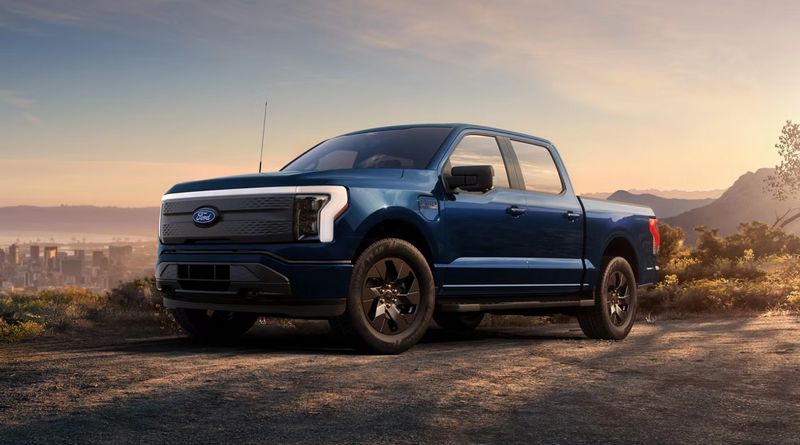
The Ford F-150 Lightning remains one of the most practical and recognizable electric pickup trucks on the market. Because it is based on the traditional F-150 platform, many buyers already feel comfortable with its size, layout, and work-truck capability. Ford successfully combined familiar truck functionality with modern EV technology, making the Lightning attractive to both longtime truck owners and first-time EV buyers.
Range, Charging, and Battery Options
The F-150 Lightning is available with multiple battery options depending on trim level. Buyers can choose between standard-range and extended-range battery packs, with higher trims offering significantly more driving distance.
Real-world range varies depending on towing, weather, payload weight, and driving habits. The extended-range models are more appealing for buyers who regularly travel longer distances or tow trailers.
Fast-charging capability allows the Lightning to recover a large amount of battery capacity relatively quickly at compatible charging stations. Home charging is also convenient for owners who install Level 2 charging systems.
For used buyers, battery condition becomes extremely important. Trucks with proper charging history and lower battery degradation usually provide better long-term value.
Towing and Work Truck Capability
One reason the Lightning became popular so quickly is its strong work-truck performance. Instant electric torque helps the truck accelerate smoothly even when carrying cargo or pulling trailers.
The Lightning offers impressive towing numbers for an electric pickup, although range decreases significantly during heavy towing. Buyers who regularly tow large campers or equipment should understand how quickly battery consumption increases under load.
Ford also designed the Lightning with worksite practicality in mind. Multiple onboard power outlets allow owners to run tools, appliances, and equipment directly from the truck’s battery system. This feature is especially useful for contractors and mobile work crews.
Payload capacity remains competitive with many traditional half-ton trucks, making the Lightning practical for everyday utility tasks.
Interior Comfort and Technology Features
Inside, the Lightning combines familiar F-150 comfort with modern EV technology. Higher trims include large touchscreen displays, digital gauges, premium audio systems, and advanced driver assistance features.
The spacious cabin makes the truck comfortable for both daily commuting and long highway trips. Rear passenger space is generous, which is helpful for families or work crews.
One of the most popular features is the large front trunk, often called the “frunk.” Because the truck does not require a traditional gasoline engine, the front storage compartment provides additional secure cargo space.
Technology features include smartphone integration, towing assistance systems, navigation with charging support, and over-the-air software updates.
Best Trim Levels for Budget Buyers
Budget-conscious buyers often focus on mid-level trims because they provide the best balance between price and features. Base work-oriented trims may offer strong value for contractors who prioritize utility over luxury options.
Higher trims add larger batteries, premium interiors, and advanced technology packages, but they also increase both purchase price and repair costs.
Auction buyers may find especially good value in lightly damaged XLT or Lariat models. These trims often include desirable features without reaching the very high pricing of fully loaded premium versions.
For buyers trying to maximize savings, used Lightning trucks with cosmetic damage may offer strong long-term value if the battery system remains healthy.
Common Problems and Ownership Costs
Like many newer EV trucks, the Lightning has experienced some software glitches, charging issues, and electronic system recalls. Some owners also report concerns about charging infrastructure during long-distance travel.
Repair costs can become expensive after accidents because of advanced sensors, cameras, and battery-related components. Insurance rates may also be higher than expected.
Tire wear can increase because electric trucks are very heavy and produce strong acceleration torque. Buyers should also budget for possible suspension wear over time.
At the same time, routine maintenance is usually lower compared to gasoline trucks because there are no oil changes, fuel system repairs, or traditional transmission servicing requirements.
Why the F-150 Lightning Is One of the Most Practical EV Trucks
The Lightning stands out because it feels familiar to traditional truck owners while still offering modern EV benefits. Buyers get real pickup-truck functionality without sacrificing comfort or technology.
For many people, the Lightning is easier to adapt to than some futuristic EV competitors because it still behaves like a normal F-150 in daily use. Contractors, families, and budget-minded buyers all appreciate this balance.
As used inventory grows at online auto auctions, the Lightning is likely to remain one of the most attractive electric trucks for buyers looking to save money while still getting practical utility and strong performance.
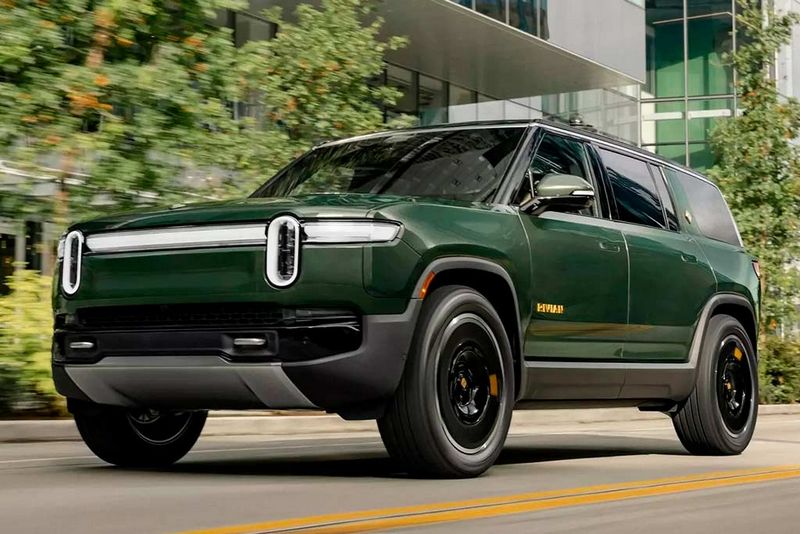
2026 Rivian R1T
The Rivian R1T became one of the first electric pickups to successfully combine luxury, adventure capability, and high-performance engineering. Unlike traditional work-focused trucks, the R1T was designed heavily around outdoor lifestyles, overlanding, camping, and premium technology.
Its unique styling and advanced engineering helped Rivian quickly build a strong reputation among EV enthusiasts and outdoor buyers.
Adventure and Off-Road Features
The R1T was built with off-road driving as one of its main priorities. Adjustable air suspension allows the truck to increase ground clearance for rough terrain, while advanced terrain modes help improve traction in difficult conditions.
The truck performs very well on dirt roads, trails, snow, and rocky terrain. Features like underbody protection, all-wheel drive capability, and strong suspension travel make it attractive for outdoor adventures.
Rivian also added practical storage solutions specifically designed for camping and travel. The gear tunnel storage compartment between the cabin and truck bed became one of the truck’s most recognizable features.
For buyers who enjoy outdoor activities, the R1T feels more lifestyle-oriented than many traditional pickups.
Quad-Motor and Performance Capabilities
One of the most impressive aspects of the R1T is its performance. Certain configurations use quad-motor systems that provide exceptional acceleration and precise power delivery to each wheel.
The truck feels extremely fast for its size and weight. Instant torque gives the R1T sports-car-like acceleration while still maintaining off-road capability.
The advanced drivetrain also improves traction control because power can be adjusted independently at each wheel. This helps both on pavement and during off-road driving.
Although performance is impressive, aggressive driving can reduce driving range significantly, especially when combined with off-road tires or heavy cargo.
Interior Design and Premium Technology
Inside, the R1T focuses heavily on premium materials and modern design. The cabin feels more like a luxury SUV than a traditional work truck.
Large digital displays control most vehicle functions, while minimalist styling creates a clean and futuristic appearance. High-quality materials, panoramic glass roofs, and premium seating add to the upscale feel.
The truck also includes advanced navigation, smart energy management systems, and over-the-air software updates.
However, some traditional truck buyers may prefer more physical buttons and simpler controls compared to Rivian’s technology-heavy approach.
Real-World Driving Range
The R1T offers competitive driving range depending on battery configuration and wheel choices. Larger battery packs provide more flexibility for road trips and outdoor travel.
Real-world range depends heavily on terrain, weather, speed, tire selection, and cargo weight. Off-road driving and camping setups can reduce efficiency noticeably.
Fast charging capability helps improve long-distance usability, although charging infrastructure remains an important consideration for buyers traveling into remote areas.
For many owners, home charging works well because the truck is often used for local commuting mixed with occasional outdoor trips.
Reliability and Repair Considerations
Because Rivian is still a relatively young manufacturer, long-term reliability data remains more limited compared to older truck brands. Some owners report software issues, electronic glitches, and occasional service delays.
Repair costs can also become expensive because Rivian parts and certified repair centers are still less common than traditional manufacturers.
Auction buyers should be especially careful when evaluating damaged R1T trucks because body panels, sensors, suspension systems, and battery repairs may become costly.
At the same time, the R1T continues maintaining strong demand in the used market because of its unique design and limited competition.
Why the Rivian R1T Appeals to Outdoor Buyers
The R1T stands out because it successfully blends luxury, adventure capability, and advanced EV performance into one vehicle.
Outdoor enthusiasts appreciate the truck’s off-road systems, creative storage features, and camping-friendly design. Buyers looking for something different from traditional gasoline trucks are often attracted to Rivian’s modern approach.
For people who want an electric truck focused more on exploration and lifestyle than purely work-related tasks, the R1T remains one of the strongest options currently available.
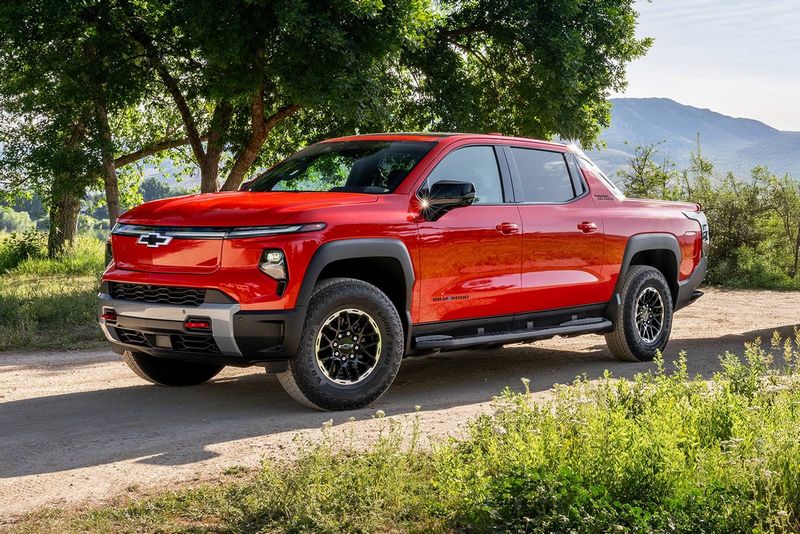
2026 Chevrolet Silverado EV
The Chevrolet Silverado EV represents Chevrolet’s attempt to bring full-size truck capability into the electric era. Built on General Motors’ Ultium platform, the Silverado EV focuses heavily on long driving range, work utility, and modern technology.
Unlike some lifestyle-oriented EV trucks, the Silverado EV is designed to appeal strongly to traditional truck buyers who need real towing and hauling capability.
Silverado EV Range and Ultium Battery Platform
The Silverado EV benefits from GM’s Ultium battery architecture, which was designed to support large battery capacity and long-distance driving.
Some configurations offer extremely competitive range numbers compared to other electric trucks. This makes the Silverado EV attractive for buyers who regularly drive long highway distances or use their truck for work-related travel.
Battery placement also helps improve weight distribution and interior space. Fast charging support allows drivers to recover substantial range during charging stops.
For used buyers, battery condition and charging history remain important factors, especially because large battery replacement costs can be extremely high.
Work Truck vs Luxury Trim Differences
Chevrolet offers both work-oriented trims and premium luxury versions of the Silverado EV. Work Truck models focus more on durability, fleet use, and utility, while higher trims include premium materials and advanced technology features.
Budget-conscious buyers may prefer simpler trims because they usually cost less to repair and maintain. Luxury trims often include larger wheels, more electronics, premium interiors, and additional driver assistance systems that increase ownership costs.
Fleet-oriented versions may become especially attractive in the used market later because businesses often maintain vehicles on strict service schedules.
Cargo Space and Multi-Flex Tailgate Features
Cargo utility remains a major strength of the Silverado EV. Chevrolet designed the truck with flexible bed configurations and advanced storage solutions.
The Multi-Flex tailgate system improves loading flexibility and helps owners manage oversized cargo more easily. Foldable configurations create additional functionality for both work and recreational use.
The truck also includes front storage space because of its electric drivetrain layout. This gives owners additional secure cargo capacity beyond the traditional truck bed.
For contractors and commercial users, cargo flexibility is one of the Silverado EV’s strongest selling points.
Fast Charging and Towing Performance
Fast charging is critical for large electric trucks, and Chevrolet designed the Silverado EV to support high-speed charging capability at compatible stations.
The truck also delivers strong towing performance, although range reduction during heavy towing remains a normal challenge for all electric pickups.
Drivers planning frequent towing should carefully consider route planning and charging station availability before long trips.
For moderate towing and daily work use, the Silverado EV provides strong capability while reducing fuel expenses compared to traditional gasoline trucks.
Expected Maintenance and Repair Costs
Routine maintenance costs are generally lower than gasoline-powered Silverado models because there are fewer mechanical components requiring regular service.
However, repair costs after accidents can still become expensive because of battery systems, electronics, cameras, sensors, and structural repair complexity.
Insurance costs may also remain relatively high for newer EV trucks because replacement parts and specialized labor can increase claim expenses.
Auction buyers should carefully inspect battery areas, suspension systems, and electronic components before purchasing damaged units.
Why the Silverado EV Is Built for Long-Distance Truck Owners
The Silverado EV focuses heavily on practicality for drivers who spend significant time on highways or use their trucks for regular work tasks.
Long driving range, large interior space, strong towing capability, and flexible cargo utility make it appealing for buyers who want traditional truck usefulness combined with lower operating costs.
For many truck owners transitioning into EVs, the Silverado EV offers one of the more familiar full-size truck experiences in the electric market.
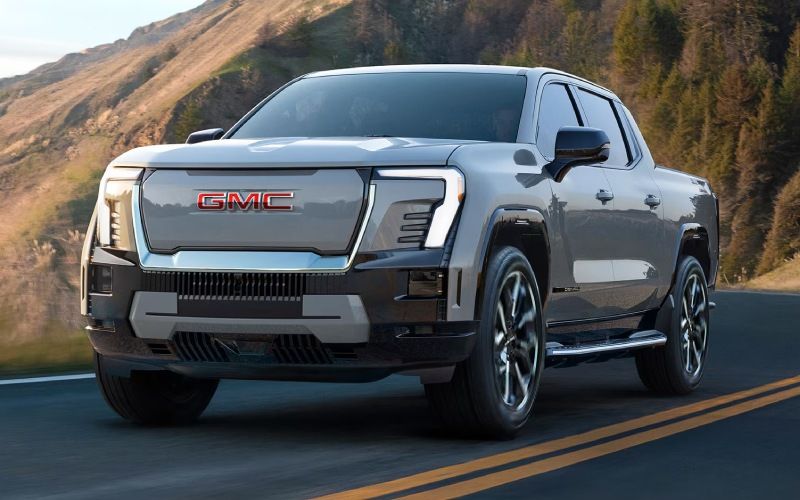
2026 GMC Sierra EV
The GMC Sierra EV targets buyers looking for a more premium and luxury-focused electric truck experience. While it shares some underlying technology with the Silverado EV, the Sierra EV places greater emphasis on upscale materials, advanced technology, and high-end styling.
The truck is designed more for premium buyers who want luxury comfort combined with full-size truck capability.
Luxury Features and Premium Interior Options
The Sierra EV offers one of the most luxurious interiors currently available in the electric truck market. Premium leather seating, large digital displays, panoramic roof options, and upscale trim materials create a high-end atmosphere inside the cabin.
Noise insulation and ride comfort are also strong priorities. The Sierra EV feels smoother and quieter than many traditional trucks during highway driving.
Luxury-focused buyers may appreciate the combination of truck practicality with SUV-like interior comfort.
Performance and Towing Specifications
Despite its luxury positioning, the Sierra EV still delivers strong towing and hauling capability. Instant electric torque provides confident acceleration and smooth trailer handling.
Higher trims focus heavily on performance while still maintaining comfort-oriented suspension tuning.
Like other electric trucks, towing large loads reduces range considerably. Buyers who tow frequently should plan charging stops carefully during long trips.
Denali Features and Technology Systems
The Denali trim represents the premium version of the Sierra EV lineup. Advanced driver assistance systems, premium audio, large infotainment displays, and sophisticated suspension technology are major highlights.
Technology systems include advanced trailering assistance, adaptive cruise control, and modern navigation with charging integration.
However, additional luxury electronics can also increase repair complexity and insurance costs over time.
Battery Range and Charging Speed
The Sierra EV offers competitive range numbers and strong fast-charging capability. Large battery capacity helps improve highway usability and towing flexibility compared to some smaller EV trucks.
Charging speed becomes especially important for premium buyers who expect convenience during long trips.
Home charging remains the most practical solution for many owners, especially those using the truck primarily for commuting and local driving.
Ownership Costs Compared to Other EV Trucks
Because the Sierra EV targets luxury buyers, ownership costs are generally higher than more basic electric truck models.
Insurance premiums, tire replacements, luxury interior repairs, and electronic component costs may all increase long-term expenses.
However, buyers still benefit from lower routine maintenance compared to gasoline luxury trucks because there are fewer traditional engine-related service requirements.
Used Sierra EV trucks may eventually become attractive for budget buyers as depreciation lowers pricing in the auction market.
Why the Sierra EV Targets Premium Truck Buyers
The Sierra EV focuses on buyers who want luxury-level comfort without giving up truck capability. It combines advanced technology, upscale styling, and strong electric performance into a premium full-size package.
For drivers who prioritize comfort, technology, and high-end design, the Sierra EV offers one of the most refined experiences currently available in the electric pickup segment.
Find Electric Pickup Trucks at Lower Auction Prices
Electric pickup trucks are still expensive at dealerships, but online auto auctions create opportunities to save thousands. Auto4Export helps buyers access used, salvage, repossessed, and lightly damaged EV trucks from major U.S. auctions worldwide.
- ✅ Access to Copart, IAA, and dealer-only auctions
- ✅ Lower prices compared to retail dealerships
- ✅ Shipping and export support worldwide
- ✅ Help buying EV trucks without a dealer license
2026 Tesla Cybertruck
The Tesla Cybertruck is easily one of the most recognizable and controversial electric vehicles ever released. Its futuristic styling, stainless steel body, and extreme performance numbers helped it become one of the most discussed trucks in the automotive industry.
Some buyers love its unconventional design and advanced technology, while others prefer more traditional pickup styling. Regardless of opinions, the Cybertruck continues attracting huge attention from EV enthusiasts, technology-focused buyers, and people looking for something very different from standard full-size trucks.
Stainless Steel Body and Unique Design
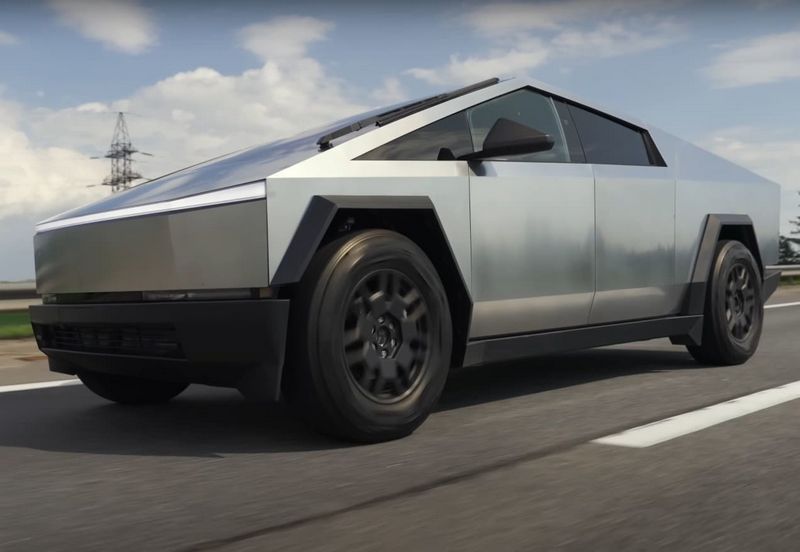
The Cybertruck stands out immediately because of its angular stainless steel body panels and futuristic appearance. Unlike traditional trucks that use painted steel or aluminum bodywork, Tesla designed the Cybertruck with exposed stainless steel exterior panels.
This construction gives the truck a very unusual look while also helping improve dent resistance and durability in some situations. However, stainless steel panels can also create repair challenges because they require specialized repair methods and may show scratches or fingerprints differently than painted surfaces.
The truck’s wedge-shaped design improves aerodynamics compared to many traditional pickups, helping overall efficiency and driving range. At the same time, some buyers find the styling too aggressive or unconventional for everyday use.
The Cybertruck also includes unique features such as a powered tonneau cover, large front trunk storage, and adjustable air suspension.
Acceleration and Performance Numbers
One of the Cybertruck’s biggest strengths is performance. Even though it is a large and heavy pickup truck, the vehicle delivers extremely fast acceleration thanks to Tesla’s electric drivetrain technology.
Higher-performance versions offer sports-car-level acceleration that surprises many drivers. Instant electric torque allows the truck to launch quickly and maintain strong pulling power under load.
All-wheel drive configurations improve traction during rain, snow, or off-road conditions. Adjustable suspension systems also help the truck adapt to different driving situations.
However, aggressive acceleration and high-speed driving can reduce battery efficiency significantly. Buyers interested in maximum range may need to drive more conservatively.
The Cybertruck also offers competitive towing capability, although towing heavy trailers affects range just like other electric trucks.
Tesla Software and Autopilot Features
Tesla is known for its software-focused approach, and the Cybertruck continues this strategy. Large touchscreen controls, advanced navigation systems, over-the-air updates, and smartphone integration are central parts of the ownership experience.
Tesla’s Autopilot and driver assistance technologies are also major selling points. Features like adaptive cruise control, lane-centering, traffic-aware driving, and automated parking functions help make highway travel easier.
Software updates can improve vehicle performance, charging efficiency, and infotainment systems without requiring dealership visits. Many buyers appreciate that Tesla vehicles continue receiving updates years after purchase.
At the same time, some drivers may prefer more physical buttons instead of touchscreen-based controls for nearly all functions. Software bugs and occasional system glitches are also common complaints among some Tesla owners.
Charging Access Through the Tesla Supercharger Network
One major advantage of the Cybertruck is access to Tesla’s Supercharger network. Tesla currently operates one of the largest and most reliable fast-charging infrastructures in North America.
This gives Cybertruck owners an important convenience advantage during long road trips. Charging stations are widely available along major highways and are generally considered easy to use.
Fast charging capability allows drivers to recover substantial battery range relatively quickly compared to slower public charging systems.
For buyers who travel frequently, charging access may become one of the strongest reasons to choose a Tesla over some competing EV trucks.
Home charging still remains the most convenient option for many owners during everyday use.
Repair Challenges and Insurance Costs
The Cybertruck’s unique construction creates some repair challenges that buyers should understand before purchasing. Stainless steel body panels require specialized repair techniques, and replacement parts may be expensive.
Tesla repair networks can also become overloaded in some areas, leading to longer repair waiting times after accidents.
Insurance costs for the Cybertruck are often higher than many traditional pickups because of repair complexity, advanced electronics, expensive sensors, and high-performance components.
Auction buyers should be especially cautious with heavily damaged Cybertrucks. Hidden structural damage, suspension issues, or battery problems may become very expensive to repair.
At the same time, strong market demand may help Cybertrucks maintain good resale value compared to some other EV trucks.
Why the Cybertruck Is One of the Most Talked-About EVs
The Cybertruck generates attention because it challenges nearly every traditional idea about pickup truck design. Its futuristic styling, high performance, advanced software, and strong charging support make it one of the most unique vehicles currently on the road.
Some buyers are attracted purely by the technology and performance, while others enjoy the attention and exclusivity the truck brings.
Whether people love it or hate it, the Cybertruck continues shaping conversations about the future of electric vehicles and modern truck design.
2026 GMC Hummer EV Pickup
The GMC Hummer EV Pickup represents one of the most extreme approaches to electric truck design. Instead of focusing mainly on efficiency or affordability, GMC built the Hummer EV as a high-performance luxury off-road vehicle packed with advanced technology and enormous power.
The truck is designed more as a premium lifestyle product than a traditional work-focused pickup.
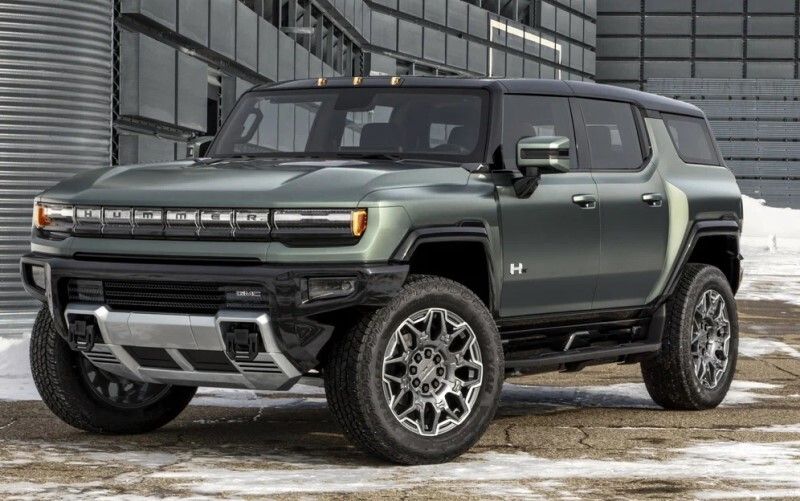
CrabWalk and Off-Road Technology
One of the Hummer EV’s most famous features is CrabWalk mode. This system allows all four wheels to turn in the same direction, helping the truck move diagonally during certain off-road situations.
The truck also includes advanced air suspension, underbody cameras, locking differentials, terrain management systems, and extreme off-road capability.
Large tires, high ground clearance, and advanced traction systems allow the Hummer EV to perform impressively on rough terrain, rocks, mud, and trails.
Off-road enthusiasts appreciate the truck’s advanced engineering, although its massive size and weight can still create challenges in tighter environments.
Extreme Performance and Power Output
The Hummer EV delivers extremely high horsepower and torque numbers. Instant electric torque allows the truck to accelerate surprisingly quickly despite its enormous weight.
Fast acceleration, advanced all-wheel drive systems, and adaptive suspension help the truck feel more agile than many buyers expect.
However, extreme performance also increases energy consumption. Aggressive driving can reduce driving range quickly, especially with large off-road tires installed.
The truck’s weight also affects braking distances and tire wear more than smaller EVs.
Battery Size and Real-World Efficiency
The Hummer EV uses a very large battery pack to support both its heavy weight and powerful drivetrain. While this helps provide competitive range numbers, efficiency is not one of the truck’s strongest areas.
Real-world driving range can vary significantly depending on driving style, terrain, weather, and tire setup.
Because the truck is extremely heavy, energy consumption is higher than many other electric pickups. Buyers focused mainly on efficiency or low operating costs may prefer lighter EV trucks.
Fast charging capability helps offset some concerns, but charging large battery packs still takes time compared to smaller electric vehicles.
Interior Technology and Luxury Features
Inside, the Hummer EV combines luxury materials with advanced digital technology. Large screens, premium audio systems, removable roof panels, and advanced off-road camera systems help create a premium experience.
The interior feels modern and upscale, targeting buyers who want luxury-level comfort combined with rugged capability.
Many technology systems focus specifically on off-road use, including terrain visualization, trail mapping, and suspension controls.
The truck’s large dimensions also create a spacious cabin with generous passenger room.
High Ownership Costs and Weight Concerns
The Hummer EV is expensive to purchase, insure, and repair. Large tires, premium components, advanced suspension systems, and heavy battery systems all increase ownership costs.
Its extreme weight may also create concerns about tire wear, braking performance, and long-term component stress.
Repairing damaged body panels, suspension systems, or battery components can become very expensive after accidents.
For budget-conscious buyers, the Hummer EV will likely remain a niche vehicle unless heavily depreciated or purchased through salvage auctions.
Why the Hummer EV Is More of a Lifestyle Truck
The Hummer EV focuses more on excitement, luxury, and extreme capability than practical work-truck efficiency. Buyers are often attracted to its bold design, off-road technology, and impressive performance numbers rather than fuel savings or affordability.
For outdoor enthusiasts and luxury buyers who want something dramatic and different, the Hummer EV delivers a very unique ownership experience.
2026 RAM 1500 REV
The RAM 1500 REV represents RAM’s entry into the growing electric truck market. RAM is trying to compete directly with trucks like the Ford Lightning and Chevrolet Silverado EV by combining familiar truck comfort with electric performance and long driving range.
Many truck buyers are watching the RAM REV closely because RAM already has a strong reputation for comfortable interiors and smooth ride quality.
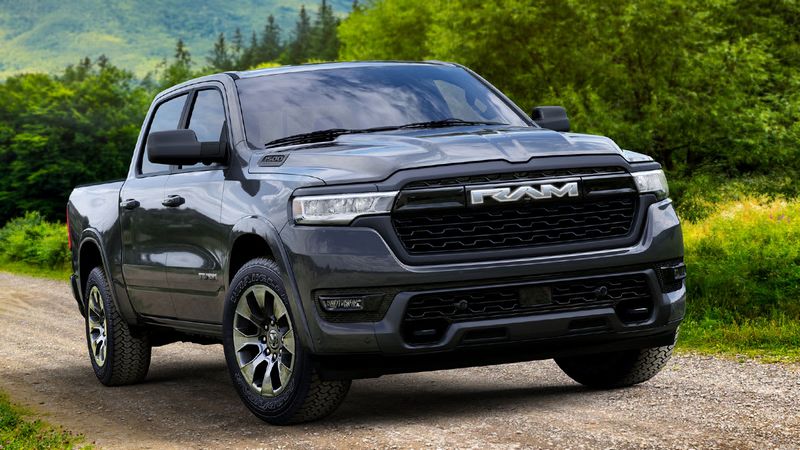
Expected Range and Battery Options
RAM plans to offer multiple battery configurations for the REV, targeting buyers with different driving needs and budgets.
Long-range versions are expected to compete directly with other premium electric trucks, especially for highway driving and towing flexibility.
Battery capacity and charging performance will play major roles in determining how competitive the truck becomes in real-world use.
Buyers interested in road trips, towing, or work use will likely prioritize larger battery options for added flexibility.
Towing and Work-Oriented Features
RAM understands that truck buyers still expect strong towing and utility capability even in electric vehicles. The REV is expected to offer competitive towing numbers along with advanced trailer assistance systems.
The truck will likely include onboard power outlets, cargo management systems, and practical work-oriented features similar to competing electric pickups.
RAM also focuses heavily on ride comfort, which may help the REV appeal to buyers who use trucks both for work and family transportation.
As with all electric trucks, towing heavy loads will reduce driving range significantly.
Interior Comfort and Infotainment Technology
RAM trucks are already known for upscale interiors, and the REV is expected to continue this reputation.
Large touchscreen displays, premium seating materials, digital driver displays, and advanced infotainment systems will likely be major selling points.
Buyers transitioning from luxury SUVs may appreciate the truck’s emphasis on comfort and technology.
At the same time, work-oriented trims are expected to remain available for buyers who prioritize utility over luxury.
How RAM Plans to Compete With Ford and Chevrolet
RAM faces strong competition from Ford and General Motors, both of which already have electric trucks on the road.
To compete successfully, RAM is focusing heavily on interior comfort, driving range, towing capability, and familiar truck usability.
The company also benefits from a loyal customer base that already trusts RAM products for towing and daily driving.
Pricing, charging performance, and reliability will ultimately determine how successful the REV becomes in the long term.
Expected Pricing and Availability
Pricing is expected to vary significantly depending on trim level and battery configuration. Higher trims with larger batteries and premium features will likely compete directly with luxury EV trucks.
Base work-oriented trims may become more attractive for budget-conscious buyers if RAM positions them competitively against gasoline trucks.
As production increases, used and salvage REV trucks may eventually become available through online auto auctions, creating lower-cost opportunities for buyers.
Why Buyers Are Waiting for the RAM REV
Many truck owners are interested in the RAM REV because they already trust the RAM brand but want to transition into electric vehicles.
Buyers who prioritize interior comfort, smooth ride quality, and traditional truck practicality are especially interested in seeing how RAM balances these qualities with modern EV technology.
The REV has strong potential to become a serious competitor if RAM delivers strong range, towing capability, and competitive pricing.
2026 Chevrolet Colorado EV
The Chevrolet Colorado EV is expected to target buyers who want a smaller and more affordable electric truck option. While full-size EV pickups dominate headlines, many drivers do not actually need massive trucks for daily use.
A compact electric pickup could become attractive for commuters, small business owners, and urban drivers looking for practicality without full-size truck dimensions.
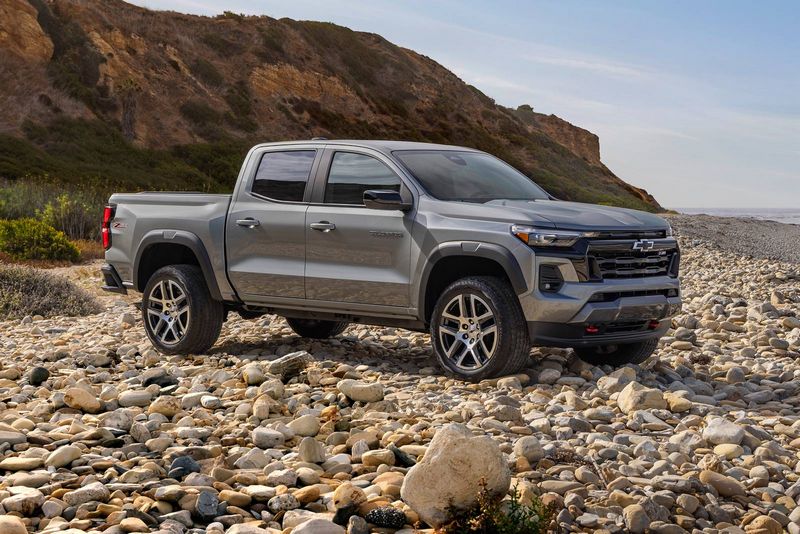
Compact Electric Truck Advantages
Smaller electric trucks offer several advantages compared to full-size pickups. They are easier to park, easier to maneuver in cities, and often more efficient because of lower weight.
Compact trucks may also appeal to buyers who occasionally need cargo utility but do not tow heavy trailers regularly.
For many drivers, a midsize electric truck provides enough practicality for daily tasks without the higher ownership costs associated with larger vehicles.
Expected Pricing and Affordability
One of the biggest advantages of a smaller electric truck could be lower pricing. Full-size EV pickups often become expensive very quickly, especially with larger batteries and premium trims.
A compact truck like the Colorado EV may help bring electric pickups to a wider group of budget-conscious buyers.
Lower purchase prices could also reduce insurance costs, tire expenses, and maintenance costs compared to heavy luxury EV trucks.
Auction buyers may eventually find compact electric trucks especially attractive because repair costs may remain lower than on larger premium models.
Urban Driving and Everyday Practicality
Smaller dimensions make compact trucks more practical for urban driving. Parking garages, narrow streets, and daily commuting are much easier with midsize vehicles than oversized full-size trucks.
Electric drivetrains also work especially well in city driving because regenerative braking improves efficiency during stop-and-go traffic.
For drivers who mainly use their truck for commuting, small cargo loads, and occasional weekend projects, a compact EV truck may be more practical than larger models.
Potential Off-Road Features
Although smaller than full-size trucks, the Colorado EV may still include off-road-oriented trims and adventure features.
Chevrolet has a strong history with off-road midsize trucks, and buyers will likely expect all-wheel drive systems, terrain modes, and upgraded suspension options.
Compact off-road EV trucks could become popular among younger buyers interested in camping, biking, and outdoor travel.
Battery Efficiency Compared to Full-Size Trucks
Smaller trucks are generally more energy-efficient than larger electric pickups because they weigh less and require smaller battery packs.
Better efficiency may improve real-world driving range while reducing charging costs over time.
This could become especially attractive for budget-focused buyers who want lower operating expenses without sacrificing all truck utility.
Why Smaller EV Trucks May Grow in Popularity
Many buyers are beginning to realize they do not need oversized trucks for everyday life. Compact electric pickups may offer a better balance between affordability, efficiency, practicality, and utility.
As battery technology improves and more affordable EV options enter the market, smaller electric trucks could become one of the fastest-growing vehicle segments in the coming years.
2026 Toyota Tacoma EV
The Toyota Tacoma EV is one of the most anticipated future electric trucks because of the Tacoma’s long-standing reputation for reliability, durability, and off-road capability. Many buyers who normally avoid early EV technology are still interested in the Tacoma EV simply because they trust Toyota’s engineering history.
Toyota has traditionally taken a more cautious approach toward fully electric vehicles compared to some competitors. Because of this, many truck buyers expect the Tacoma EV to focus heavily on long-term reliability and practical usability instead of chasing extreme horsepower numbers or futuristic styling.
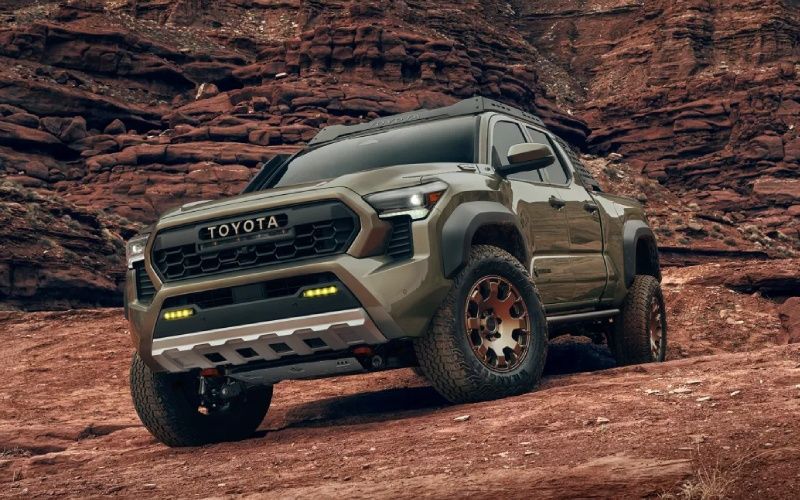
Toyota’s Approach to Electric Trucks
Toyota has spent years building a reputation around durability and dependable ownership costs. Instead of rushing aggressively into the EV market, the company focused heavily on hybrids and long-term battery development.
With the Tacoma EV, Toyota is expected to apply this conservative engineering philosophy to electric trucks. Buyers anticipate a truck that prioritizes reliability, practical range, strong build quality, and manageable ownership costs.
Rather than creating an overly futuristic vehicle, Toyota will likely focus on making the transition from gasoline to electric feel natural for existing Tacoma owners.
This strategy could appeal strongly to traditional truck buyers who want EV benefits without sacrificing dependability.
Expected Reliability and Durability
Reliability is one of the biggest reasons buyers are interested in the Tacoma EV. Tacoma owners are known for keeping their trucks for many years and driving them in harsh conditions.
Many buyers expect Toyota to focus heavily on battery durability, weather resistance, and long-term ownership stability. Strong battery cooling systems, conservative charging management, and proven drivetrain engineering will likely become major priorities.
Durability is especially important for buyers who use trucks for outdoor travel, construction work, or remote driving where breakdowns can become serious problems.
If Toyota successfully combines EV technology with its traditional reliability reputation, the Tacoma EV could become extremely popular in both the new and used vehicle markets.
Off-Road and Adventure Features
Off-road capability is a major part of the Tacoma brand identity, so buyers expect the electric version to continue this tradition.
Potential features may include advanced all-wheel drive systems, terrain management modes, locking differentials, skid plates, and upgraded suspension packages for off-road trims.
Electric torque delivery may actually improve low-speed off-road control in certain conditions. Instant power can help drivers maintain smoother traction on rocks, mud, and steep terrain.
Toyota will likely continue offering adventure-oriented trims that appeal to campers, overlanders, and outdoor enthusiasts.
Battery protection will also become extremely important during off-road driving. Buyers will expect strong underbody shielding to help prevent damage during trail use.
Expected Range and Charging Capabilities
Although official details remain limited, buyers expect the Tacoma EV to offer practical range numbers suitable for both commuting and outdoor travel.
Toyota will likely focus more on balanced efficiency and long-term battery health than chasing the highest range figures in the segment.
Fast-charging capability will still be important, especially for buyers using the truck for road trips or outdoor adventures. Charging infrastructure access may also influence how competitive the Tacoma EV becomes against rivals like the Ford Lightning and Rivian R1T.
For many buyers, consistent real-world range and dependable charging performance matter more than extreme EPA estimates.
Potential Pricing and Market Competition
Pricing will play a major role in determining how successful the Tacoma EV becomes. The midsize truck segment attracts many practical and budget-conscious buyers who may not want luxury-level EV pricing.
Toyota may try positioning the Tacoma EV between compact electric trucks and expensive full-size EV pickups.
Competition will likely include future electric midsize trucks from Chevrolet, Ford, and startup manufacturers. Buyers will compare pricing, battery range, off-road features, and long-term ownership costs carefully.
If Toyota manages to offer competitive pricing with strong reliability, the Tacoma EV could become one of the most desirable electric trucks for everyday buyers.
Why Tacoma Fans Are Interested in the EV Version
Tacoma buyers are often loyal because of the truck’s reputation for reliability, resale value, and adventure capability. Many existing Tacoma owners are curious about electric trucks but remain cautious about newer EV brands.
The Tacoma EV gives these buyers a familiar and trusted platform combined with modern electric technology.
For outdoor enthusiasts, commuters, and budget-focused shoppers looking for a dependable midsize truck, the Tacoma EV could become one of the safest entries into the electric pickup market.
2026 Canoo Electric Pickup
The Canoo Electric Pickup takes a very different approach compared to traditional pickup trucks. Instead of focusing on large dimensions or aggressive styling, Canoo designed a compact and futuristic truck built around efficiency, modular utility, and urban practicality.
The truck targets buyers looking for something lightweight, flexible, and highly functional rather than oversized and heavy-duty.
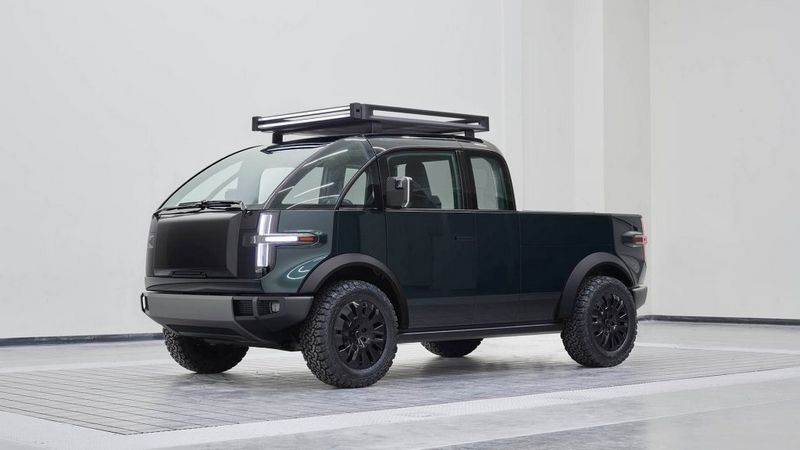
Unique Compact Truck Design
The Canoo pickup stands out immediately because of its unusual shape and compact proportions. The truck uses a cab-forward design that maximizes interior and cargo space while keeping overall vehicle length relatively short.
This makes the truck easier to maneuver in cities, parking lots, and tight urban environments compared to full-size pickups.
The futuristic styling may not appeal to traditional truck buyers, but many people appreciate the vehicle’s practical and minimalist design philosophy.
Its smaller size may also improve energy efficiency and reduce operating costs compared to larger EV trucks.
Modular Utility and Storage Features
One of Canoo’s biggest strengths is modular functionality. The truck includes multiple fold-out work surfaces, hidden storage compartments, expandable bed systems, and flexible cargo solutions.
This makes the vehicle appealing for contractors, small businesses, delivery services, and urban tradespeople who need practical storage without driving oversized trucks.
The compact footprint also helps maximize usable cargo space relative to overall vehicle size.
Many buyers may find the Canoo more useful for daily work tasks than some larger lifestyle-oriented electric trucks.
Expected Range and Performance
The Canoo pickup is expected to prioritize balanced efficiency over extreme performance numbers. Buyers should not expect sports-car acceleration or heavy-duty towing capability similar to larger electric pickups.
Instead, the focus will likely remain on practical daily driving range, city usability, and low operating costs.
Its lighter size could help improve battery efficiency and reduce charging expenses compared to heavy full-size EV trucks.
For buyers mainly using trucks for commuting, small cargo loads, or local business operations, moderate range may be completely sufficient.
Commercial and Fleet Use Potential
The Canoo pickup may become especially attractive for commercial fleets and small businesses. Delivery companies, contractors, service technicians, and urban fleets often value practicality, efficiency, and maneuverability more than extreme towing numbers.
Its modular work-oriented design could help businesses reduce fuel costs while still maintaining cargo flexibility.
Fleet operators may also appreciate simpler daily charging schedules because many commercial vehicles return to central locations every night.
If priced competitively, Canoo could find a strong market among urban commercial users.
Affordability and Startup Risks
One concern buyers may have is Canoo’s long-term stability as a newer startup company. Unlike major manufacturers such as Ford or Toyota, smaller EV startups still face financial and production challenges.
Buyers should consider possible risks related to service networks, replacement parts availability, warranty support, and long-term company stability.
At the same time, startup manufacturers sometimes offer innovative ideas and lower pricing compared to traditional automakers.
For budget-conscious buyers, future used or salvage Canoo pickups could eventually become affordable alternatives if repair support remains available.
Why the Canoo Pickup Stands Out From Traditional Trucks
The Canoo pickup stands out because it challenges the idea that every truck needs to be large, heavy, and extremely powerful.
Instead, it focuses on efficient urban utility, modular functionality, and practical storage solutions. Buyers who mainly use trucks for city driving, small business tasks, or everyday practicality may find the Canoo far more useful than oversized full-size pickups.
Its unconventional design will not appeal to everyone, but it represents a very different vision for the future of electric trucks.
2026 Alpha Wolf Electric Truck
The Alpha Wolf Electric Truck has attracted attention because of its retro-inspired styling and compact pickup concept. Designed by startup company Alpha Motor Corporation, the Wolf combines classic small truck proportions with modern electric vehicle ideas.
The truck appeals heavily to enthusiasts who miss older compact pickups and want something simpler than today’s oversized full-size trucks.
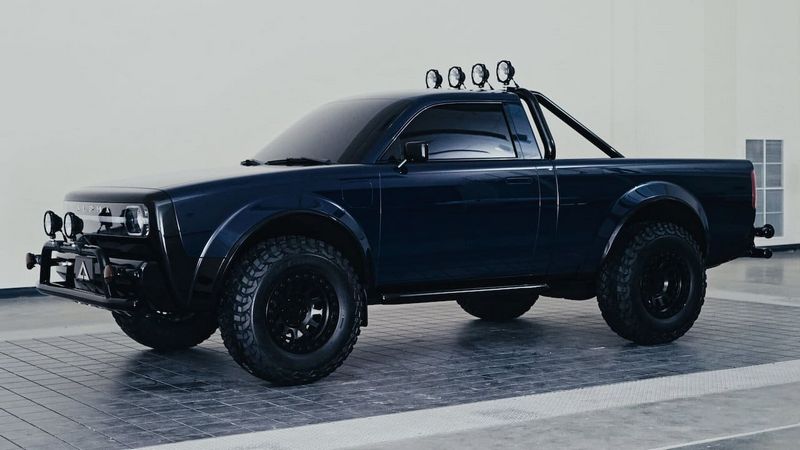
Retro Styling and Compact Pickup Design
The Alpha Wolf uses retro-inspired styling that reminds many buyers of compact trucks from the 1980s and 1990s. Clean body lines, simple proportions, and rugged design cues create a very different appearance compared to futuristic EV trucks like the Cybertruck.
Its smaller dimensions may make it easier to use for daily commuting, city driving, and light outdoor activities.
Many enthusiasts appreciate the idea of a lightweight electric pickup that focuses more on simplicity and practicality than excessive luxury or technology.
The nostalgic styling also helps the truck stand out in a crowded EV market.
Expected Performance and Battery Specifications
Although official production details remain limited, the Wolf is expected to offer moderate battery sizes and practical driving range suitable for everyday use.
The truck is not expected to compete directly with heavy-duty full-size electric pickups in towing or payload capability. Instead, it focuses more on efficiency, affordability, and lightweight driving dynamics.
All-wheel drive versions may become available for buyers interested in off-road use or winter driving.
Performance will likely target balanced usability rather than extreme acceleration.
Off-Road and Adventure Potential
The Wolf’s compact size could make it attractive for camping, trail driving, and outdoor adventures. Smaller trucks are often easier to maneuver on narrow trails and rough roads compared to massive full-size pickups.
Potential off-road trims may include upgraded tires, suspension systems, skid plates, and all-wheel drive capability.
Outdoor enthusiasts who prefer lightweight overlanding setups may find the Wolf more practical than oversized luxury EV trucks.
Its simpler approach may also appeal to buyers who want fewer complicated systems during outdoor travel.
Interior Simplicity and Utility
Unlike many luxury-focused EV trucks filled with giant screens and advanced electronics, the Alpha Wolf is expected to maintain a more minimalist interior approach.
Simple controls, functional layouts, and practical utility may become major selling points for buyers who prefer straightforward vehicles.
This could also help reduce ownership costs if fewer electronic systems require expensive repairs later.
Many traditional truck enthusiasts still appreciate physical buttons and durable interiors over fully digital controls.
Availability and Production Challenges
One of the biggest concerns surrounding the Alpha Wolf is production uncertainty. Startup EV manufacturers often face delays, funding challenges, supply chain issues, and production difficulties.
Buyers interested in the Wolf should understand that availability timelines may change significantly.
Long-term parts support, service access, and warranty stability also remain important concerns when purchasing vehicles from smaller startup companies.
At the same time, unique startup vehicles sometimes develop strong enthusiast communities and maintain high interest because of their limited production numbers.
Why Enthusiasts Are Watching the Alpha Wolf
The Alpha Wolf attracts attention because it offers something very different from most modern trucks. Instead of building an oversized luxury vehicle, Alpha focused on creating a compact, retro-inspired electric pickup with simple utility and outdoor appeal.
Many buyers miss the era of affordable compact pickups, and the Wolf represents a possible return to that concept in electric form.
Buy Electric Trucks With More Confidence
Electric pickup trucks contain expensive batteries, sensors, and advanced electronics. Auto4Export helps buyers review vehicle history, auction details, and shipping logistics before placing bids on EV trucks from U.S. auctions.
- ✅ Vehicle history reports and auction research tools
- ✅ Support evaluating salvage and repairable EV trucks
- ✅ Export documentation and shipping coordination
- ✅ Photo documentation before container loading
Which Electric Pickup Truck Has the Best Range?
Driving range is one of the most important topics for electric pickup truck buyers. Many people considering an EV truck want to know how far the vehicle can travel on a full charge, especially during highway driving, towing, or cold weather conditions.
Modern electric trucks continue improving rapidly, with some models now offering range numbers that make long-distance driving far more practical than earlier EVs. However, buyers should understand that advertised range and real-world performance are often very different. Factors like speed, weather, payload weight, tire choice, and towing can dramatically change how far an electric truck can actually travel.
For budget-conscious buyers, range also affects long-term value. Trucks with larger battery packs and faster charging systems may remain more desirable in the used market over time.
Longest-Range EV Pickup Trucks Compared
Several electric pickup trucks now compete for the title of longest-range EV truck. Manufacturers continue increasing battery capacity and improving efficiency to attract buyers who travel long distances regularly.
The Chevrolet Silverado EV is expected to become one of the range leaders because of its large Ultium battery platform and efficiency-focused engineering. Some configurations target extremely high range estimates designed for highway travel and work-oriented use.
The GMC Sierra EV also offers strong projected range numbers thanks to similar battery technology and large battery capacity.
The Ford F-150 Lightning remains competitive, especially in extended-range configurations. Many buyers appreciate that the Lightning combines practical truck utility with solid real-world range performance.
The Rivian R1T offers strong range while also focusing heavily on off-road capability and performance. Buyers who want adventure-oriented features often consider the R1T one of the best all-around EV trucks.
The Tesla Cybertruck also competes aggressively in the range category, especially because of Tesla’s focus on aerodynamic efficiency and battery technology.
However, buyers should remember that official range estimates are measured under controlled testing conditions. Real driving situations rarely match perfect laboratory conditions.
Real-World Highway Range vs EPA Estimates
EPA range estimates help buyers compare electric vehicles, but actual highway range can vary significantly in real-world driving.
Highway speeds usually reduce EV efficiency faster than city driving. Unlike gasoline vehicles, electric trucks consume much more energy at high speeds because aerodynamic resistance increases rapidly.
For example, a truck rated for 320 miles of EPA range may deliver much lower results during long highway trips at 75 or 80 mph. Strong headwinds, heavy cargo, large tires, and cold temperatures can reduce range even further.
Aggressive acceleration also affects battery consumption. Electric trucks produce instant torque, which makes fast driving fun but increases energy usage quickly.
City driving often produces better efficiency because regenerative braking helps recover energy during stop-and-go traffic. Buyers who mainly commute locally may experience range numbers closer to official estimates.
Used EV buyers should also understand that battery age affects real-world performance. Older trucks with higher mileage may show some battery degradation, slightly reducing total available driving range over time.
How Towing Affects Electric Truck Range
Towing is one of the biggest challenges for electric pickup trucks. While EV trucks often provide excellent towing power because of instant torque, pulling heavy trailers can reduce battery range dramatically.
Large campers, enclosed trailers, construction equipment, and boats create additional wind resistance and weight that force the truck to consume much more energy.
In some cases, towing can reduce range by 40% to 50% or even more depending on conditions. Mountain driving, strong winds, cold weather, and high speeds increase energy usage further.
For example, a truck capable of driving 320 miles unloaded may only achieve around 150 to 180 miles while towing a heavy trailer on the highway.
This creates additional planning challenges because charging stations may not always accommodate large trailers easily. Drivers may need to disconnect trailers before charging at certain locations.
Buyers who tow regularly should carefully evaluate battery size, charging infrastructure, and real-world towing tests before choosing an electric truck.
For occasional towing, many modern EV trucks perform very well. However, buyers who tow heavy loads daily over long distances may still prefer traditional diesel trucks in some situations.
Which EV Trucks Charge the Fastest?
Charging speed is just as important as driving range for many EV truck owners. A truck with fast charging capability becomes much more practical for long-distance travel and work use.
The Tesla Cybertruck benefits heavily from Tesla’s Supercharger network, which offers widespread fast-charging access and generally reliable charging performance across North America.
The Chevrolet Silverado EV and GMC Sierra EV also support high-speed DC fast charging thanks to General Motors’ Ultium platform.
The Ford F-150 Lightning supports fast charging as well, although charging speed can vary depending on battery configuration and charger availability.
Charging performance depends on more than maximum advertised numbers. Battery temperature, charging station output, state of charge, and weather conditions all affect real-world charging speed.
Most EV trucks charge fastest when the battery is partially depleted. Charging usually slows down significantly as the battery approaches full capacity.
For daily use, many owners rely mainly on home charging overnight. Fast public charging becomes most important during road trips, towing situations, or long work-related travel.
Cold Weather Range Loss Explained
Cold weather affects all electric vehicles, including pickup trucks. Low temperatures reduce battery efficiency and force the truck to use additional energy for cabin heating and battery temperature management.
This can noticeably reduce driving range during winter conditions. In some situations, range may decrease by 15% to 30% or more depending on temperature and driving conditions.
Highway driving in freezing temperatures usually creates the biggest efficiency losses because the truck uses continuous energy to maintain battery temperature and cabin comfort.
Snow tires, icy roads, and strong winter winds can reduce efficiency even further.
Preconditioning helps improve cold-weather performance. Many EV trucks allow owners to warm the battery while still plugged into a charger before driving. This helps improve both range and charging speed during winter.
Buyers living in colder regions should consider larger battery packs if they plan to drive long distances regularly during winter months.
At the same time, electric trucks often perform very well in snow because their low-mounted battery packs improve weight distribution and traction. Instant torque and advanced all-wheel drive systems also help maintain stability on slippery roads.
Which Electric Pickup Truck Is Best for Towing and Work?
Many buyers still judge pickup trucks mainly by their ability to tow trailers, carry heavy cargo, and survive demanding daily work conditions. Electric pickup trucks are improving rapidly in these areas, but not every EV truck is designed for serious work use.
Some electric pickups focus more on luxury and lifestyle driving, while others are built specifically for contractors, towing, and commercial applications. Buyers should carefully compare towing capability, payload ratings, charging convenience, and long-term operating costs before choosing a work-oriented EV truck.
For budget-conscious buyers, used and auction EV trucks may offer an opportunity to access modern work-truck technology at significantly lower prices than buying new.
Best EV Trucks for Construction and Contractor Use
Construction companies and contractors need trucks that can carry tools, haul materials, tow trailers, and handle long workdays without constant charging interruptions.
The Ford F-150 Lightning remains one of the strongest choices for contractors because it combines familiar truck utility with practical electric features. Its onboard power outlets are especially useful on job sites because owners can operate tools, lights, compressors, and other equipment directly from the truck’s battery system.
The Chevrolet Silverado EV also targets work-focused buyers with strong towing capability, large interior space, and flexible cargo solutions. Long-range battery options make it attractive for contractors who drive long distances regularly.
The RAM 1500 REV is expected to compete heavily in the contractor market by focusing on comfort, towing performance, and traditional truck usability.
For smaller businesses operating mainly in urban areas, future compact electric trucks like the Chevrolet Colorado EV or Canoo Electric Pickup may provide more affordable operating costs and easier city maneuverability.
Contractors should also consider charging access carefully. Businesses with central parking locations can benefit greatly from overnight charging, while companies operating long-distance routes may face more limitations.
Maximum Towing Capacity Comparison
Towing capacity remains one of the most important specifications for truck buyers. Electric trucks perform very well during towing because electric motors deliver maximum torque instantly.
The Chevrolet Silverado EV is expected to become one of the strongest towing-focused EV trucks because of its large battery platform and work-oriented design.
The Ford F-150 Lightning also delivers competitive towing capability and remains one of the most proven electric trucks currently available.
The GMC Sierra EV combines strong towing performance with luxury-focused features, appealing to buyers who want both capability and comfort.
The Tesla Cybertruck provides strong towing numbers as well, although its unusual styling and construction create mixed opinions among traditional truck owners.
However, buyers must understand that towing dramatically affects electric driving range. A truck capable of traveling over 300 miles unloaded may lose nearly half its range when pulling a large trailer.
This makes charging infrastructure extremely important for frequent towing applications. Long-distance towing with electric trucks still requires more planning than traditional gasoline or diesel trucks.
For occasional towing, many modern EV trucks already perform extremely well. Daily heavy-duty commercial towing remains more challenging but continues improving each year.
Payload Ratings Explained
Payload rating refers to how much total weight a truck can safely carry inside the cabin and cargo bed. This includes passengers, tools, cargo, equipment, and hitch weight from trailers.
Many buyers focus only on towing numbers while ignoring payload limits, but payload is often more important for construction and commercial work.
Electric trucks can sometimes have lower payload ratings than expected because large battery packs add substantial vehicle weight before cargo is even loaded.
For example, adding heavy toolboxes, construction materials, ladders, generators, and multiple workers can quickly push a truck near its payload limit.
The Ford F-150 Lightning offers competitive payload capability for many real-world work situations, making it attractive for contractors and service businesses.
Fleet buyers should carefully compare payload ratings between trims because luxury packages, panoramic roofs, larger wheels, and additional technology features may reduce available cargo capacity.
Understanding payload is especially important for businesses transporting heavy equipment daily. Overloading any truck — electric or gasoline — can affect safety, suspension wear, tire life, and braking performance.
Can Electric Trucks Handle Heavy-Duty Daily Use?
This is one of the biggest questions many buyers still ask about electric pickups. The answer depends heavily on how the truck is actually being used.
For moderate commercial work, local service routes, urban delivery operations, and daily commuting mixed with light hauling, modern electric trucks already perform very well. Many businesses appreciate lower fuel costs, reduced maintenance, and quieter operation.
Electric trucks also handle stop-and-go driving efficiently because regenerative braking helps recover energy during city traffic.
However, heavy-duty use creates more challenges. Continuous towing, extremely long highway routes, cold weather operation, and remote rural driving can expose current charging limitations.
Battery range decreases significantly under heavy loads, especially while towing large trailers or carrying heavy payloads. Charging downtime also becomes an important consideration for businesses operating around tight schedules.
Some industries may adapt to electric trucks faster than others. Urban contractors, electricians, plumbers, landscapers, and local service companies may find EV trucks very practical today.
Long-haul towing companies and remote heavy-equipment operators may still rely more heavily on diesel trucks until charging infrastructure improves further.
At the same time, EV technology continues advancing quickly. Battery efficiency, charging speed, and towing performance improve with nearly every new generation of electric trucks.
Best Electric Trucks for Fleet Operators
Fleet operators are becoming increasingly interested in electric pickup trucks because operating costs can be significantly lower compared to gasoline vehicles.
The Ford F-150 Lightning has become especially popular for fleet testing because it combines familiar truck functionality with reduced fuel and maintenance expenses.
The Chevrolet Silverado EV also targets commercial fleets heavily, especially businesses requiring long driving range and large cargo capacity.
Smaller commercial-focused EV trucks like the Canoo Electric Pickup may eventually become attractive for urban delivery fleets and service companies because of their compact size and efficient design.
Fleet operators often benefit the most from EV trucks because they can install centralized charging stations at company facilities. Trucks return to the same location daily, making overnight charging much easier to manage.
Lower routine maintenance is another major advantage. Electric trucks eliminate oil changes, many transmission issues, fuel system repairs, and other common service expenses that add up quickly across large fleets.
However, fleet managers still need to carefully evaluate charging infrastructure, winter performance, towing requirements, and long-term battery durability before fully transitioning to electric trucks.
Which Electric Pickup Truck Is Best for Off-Road Driving?
Off-road capability has always been an important part of pickup truck culture in the United States. Many buyers use trucks not only for work, but also for camping, overlanding, hunting, fishing, trail driving, and outdoor adventures. Electric pickup trucks are now entering this market with advanced traction systems, adjustable suspension setups, and powerful all-wheel drive technology.
Electric motors actually provide some advantages off road. Instant torque delivery helps maintain smooth traction on difficult terrain, while low-mounted battery packs improve weight distribution and stability. However, EV trucks also face challenges such as heavy vehicle weight, charging limitations in remote areas, and expensive repair costs after underbody damage.
For buyers interested in outdoor travel, understanding how different EV trucks perform away from pavement is extremely important.
Best EV Trucks for Camping and Overlanding
Some electric trucks are much better suited for camping and overlanding than others. Buyers planning outdoor trips often look for strong ground clearance, long driving range, onboard power systems, cargo storage, and reliable all-wheel drive capability.
The Rivian R1T is widely considered one of the best electric trucks for camping and adventure travel. Rivian designed the truck specifically for outdoor lifestyles, adding features like adjustable air suspension, multiple terrain modes, underbody protection, and unique storage compartments such as the gear tunnel.
The GMC Hummer EV Pickup also performs extremely well off road because of its advanced suspension systems, CrabWalk steering feature, large tires, and aggressive terrain capabilities.
The Ford F-150 Lightning may not be as extreme off road as Rivian or Hummer EV models, but it remains practical for camping because of its onboard power outlets and spacious cargo capacity. Owners can power lights, refrigerators, cooking equipment, and tools directly from the truck’s battery.
Future trucks like the Toyota Tacoma EV are also expected to attract overlanding enthusiasts because Toyota already has a strong reputation in the off-road and adventure community.
Buyers planning remote outdoor travel should always consider charging availability carefully before choosing an EV truck for overlanding use.
Suspension Systems and Terrain Modes
Modern electric trucks use advanced suspension systems to improve both ride comfort and off-road performance. Adjustable air suspension has become especially popular because it allows trucks to raise ground clearance during trail driving and lower the vehicle during highway travel for better efficiency.
The Rivian R1T uses adaptive air suspension and advanced terrain management software to help drivers handle mud, sand, snow, rocks, and rough trails.
The GMC Hummer EV Pickup includes sophisticated off-road technology such as Extract Mode, which raises the suspension significantly for improved obstacle clearance.
Terrain modes are another major advantage for EV trucks. Different drive settings adjust power delivery, traction control, regenerative braking, steering response, and suspension behavior depending on driving conditions.
Electric motors provide very precise low-speed torque control, which helps improve traction during rock crawling and technical off-road situations.
However, buyers should remember that advanced suspension systems can become expensive to repair if damaged during off-road driving. Air suspension components, electronic sensors, and adaptive systems increase repair complexity compared to simpler traditional trucks.
Water Fording and Ground Clearance Features
Ground clearance is extremely important during off-road driving because electric trucks carry large battery packs underneath the vehicle floor. Protecting the battery area from impacts is one of the biggest priorities for EV truck manufacturers.
Many electric pickups include reinforced battery shielding and skid plates to help protect high-voltage systems from rocks and trail damage.
The GMC Hummer EV Pickup offers impressive ground clearance and water-fording capability designed for aggressive off-road use.
The Rivian R1T also performs well in water crossings thanks to sealed battery systems and adjustable ride height.
Water fording capability refers to how deeply a truck can safely drive through water without damaging electrical systems or mechanical components. EV trucks are often surprisingly capable in this area because battery packs and high-voltage systems are heavily sealed against moisture.
However, buyers should still avoid deep or fast-moving water whenever possible. Flood damage remains extremely dangerous for all electric vehicles and may lead to expensive electrical failures later.
Ground clearance also affects trail flexibility. Trucks with higher clearance can navigate rocks, deep ruts, and uneven terrain more safely without risking underbody impacts.
Tire Options and Off-Road Accessories
Tires play a massive role in off-road performance. Even the most advanced electric truck will struggle on difficult terrain without proper tires.
All-terrain tires provide a balance between highway comfort and off-road traction, while mud-terrain tires offer stronger grip in deep mud, rocks, and loose surfaces. However, aggressive off-road tires may reduce driving range because of increased rolling resistance and heavier weight.
Many buyers upgrade EV trucks with aftermarket accessories such as roof racks, skid plates, light bars, recovery gear, bed storage systems, camping equipment, and upgraded wheels.
The Ford F-150 Lightning and Rivian R1T already have growing aftermarket support for outdoor accessories and overlanding modifications.
At the same time, buyers should understand that adding heavy accessories reduces efficiency and driving range. Roof tents, oversized tires, steel bumpers, and cargo racks all increase energy consumption.
Off-road accessories can also increase total vehicle weight, affecting suspension wear and payload capacity.
Which EV Truck Performs Best Off Pavement?
Choosing the best off-road EV truck depends heavily on how the vehicle will actually be used.
The Rivian R1T is often considered the best overall balance between off-road capability, range, comfort, and technology. It performs extremely well on trails while still remaining practical for everyday driving.
The GMC Hummer EV Pickup offers some of the most extreme off-road technology currently available, but its enormous size, weight, and high ownership costs make it less practical for some buyers.
The Tesla Cybertruck also shows strong off-road potential because of adjustable suspension and powerful all-wheel drive systems, although opinions remain mixed because of its unusual design.
The Ford F-150 Lightning may not target hardcore rock crawling, but it remains one of the most practical electric trucks for mixed daily driving, camping, and light off-road use.
Future trucks like the Toyota Tacoma EV may become extremely popular if Toyota successfully combines EV technology with the Tacoma’s established off-road reputation.
For many buyers, the best off-road electric truck is not necessarily the most extreme one. Practicality, charging access, repair costs, and daily usability remain just as important as trail performance.
How Much Does It Cost to Own an Electric Pickup Truck?
Many buyers are interested in electric pickup trucks because of potential long-term savings. While EV trucks can still have high purchase prices, ownership costs are often very different from traditional gasoline or diesel trucks.
Electric trucks usually reduce fuel and routine maintenance expenses, but they may also bring higher insurance costs, expensive repairs after accidents, and concerns about battery replacement later in the vehicle’s life. The real cost of ownership depends heavily on driving habits, charging access, climate, repair history, and whether the truck is purchased new or through an auction.
For budget-conscious buyers, understanding total ownership costs is just as important as comparing purchase prices.
Electricity Costs vs Gasoline Expenses
One of the biggest financial advantages of electric trucks is lower energy cost compared to gasoline or diesel fuel.
Charging an electric pickup truck at home is usually cheaper than filling a traditional truck with fuel, especially for drivers who travel long distances regularly. Electricity prices vary depending on location, but many EV owners spend significantly less per mile compared to gasoline truck owners.
For example, a driver using a full-size gasoline pickup for daily commuting and work travel may spend hundreds of dollars each month on fuel. An electric truck charged mostly at home may reduce those monthly costs considerably.
Electric trucks are especially efficient in stop-and-go city driving because regenerative braking helps recover energy during braking and deceleration.
However, charging costs can increase if owners rely heavily on public fast chargers. Fast charging stations often cost more than home electricity rates, especially during peak travel periods.
Towing heavy trailers, aggressive driving, cold weather, and oversized off-road tires also increase electricity consumption significantly.
Buyers should calculate expected driving distance, local electricity prices, and charging habits carefully before estimating long-term savings.
Maintenance Savings Compared to Gas Trucks
Electric pickup trucks usually require less routine maintenance than gasoline-powered trucks because they contain fewer moving mechanical components.
There are no oil changes, spark plugs, fuel injectors, transmission fluid services, or many of the common engine repairs associated with internal combustion vehicles. This can save owners a significant amount of money over time.
Regenerative braking systems also reduce wear on traditional brake components because the electric drivetrain helps slow the truck during deceleration.
For many owners, these lower maintenance requirements become one of the biggest advantages of EV ownership.
However, electric trucks are not maintenance-free. Tires often wear faster because EV trucks are very heavy and produce strong acceleration torque. Suspension systems, cooling systems, air conditioning components, and electronics still require maintenance and repairs.
Luxury EV trucks with advanced suspension systems and large digital displays may also become expensive when components fail outside warranty coverage.
Auction buyers should pay especially close attention to repair history because poorly repaired electric trucks can develop costly electrical or battery-related problems later.
Battery Replacement Costs Explained
Battery replacement remains one of the biggest concerns for many EV buyers. Electric truck batteries are extremely expensive components, and full replacement costs can be very high.
Fortunately, complete battery replacement is still relatively uncommon in newer EV trucks. Most manufacturers provide battery warranties that typically last around 8 years or 100,000 miles, although coverage terms vary.
Modern EV batteries are designed to maintain strong performance for many years if properly maintained. Many trucks still retain good battery health well beyond 100,000 miles.
Battery degradation usually happens gradually over time rather than failing suddenly. A truck may slowly lose some driving range after years of use, but still remain practical for everyday driving.
Battery replacement costs depend on battery size, manufacturer, labor costs, and parts availability. Large full-size electric trucks use massive battery packs, which makes replacement especially expensive.
This is one reason why buyers should carefully inspect used and salvage EV trucks before purchase. Hidden battery damage from accidents or flooding can create serious long-term risks.
At the same time, battery technology continues improving quickly. Over time, repair costs and battery replacement options may become more affordable than they are today.
Insurance Costs for EV Pickup Trucks
Insurance costs for electric pickup trucks are often higher than many buyers expect. Several factors contribute to these increased premiums.
EV trucks contain expensive battery systems, advanced electronics, cameras, sensors, and driver assistance technology that increase repair costs after accidents.
Body repairs can also become more complicated because many EVs use specialized materials, integrated electronics, and unique structural designs.
For example, the Tesla Cybertruck may require specialized body repairs because of its stainless steel exterior panels, while luxury EV trucks like the GMC Hummer EV Pickup contain extremely expensive technology systems and suspension components.
Longer repair times can also increase insurance costs because replacement parts and certified repair centers may not always be widely available.
Younger drivers and buyers living in high-traffic urban areas may see especially high insurance premiums for electric trucks.
However, insurance pricing varies significantly depending on driving history, location, vehicle trim, and repair availability. Some buyers may still find total ownership costs lower overall because of fuel and maintenance savings.
Tax Credits and Incentives for Electric Trucks
Government incentives can help reduce the cost of owning an electric pickup truck. Depending on location and vehicle eligibility, buyers may qualify for tax credits, rebates, reduced registration fees, or utility company incentives.
Federal tax credits in the United States have changed several times in recent years, and eligibility depends on factors such as vehicle assembly location, battery sourcing, buyer income limits, and purchase price.
Some states also offer additional EV incentives on top of federal programs. Utility companies may provide rebates for home charger installation or discounted overnight electricity rates for EV charging.
Business owners and fleet operators may qualify for commercial incentives when purchasing electric trucks for work use.
Used EV tax credits may also become available for qualifying lower-cost vehicles, helping budget buyers reduce purchase expenses further.
Buyers should always verify current incentive rules carefully because government programs frequently change over time.
Auction buyers should understand that salvage-title vehicles may not qualify for some incentives depending on local regulations.
Depreciation and Resale Value Trends
Depreciation is one of the most important financial factors when buying any vehicle, and electric trucks are no exception.
Some EV trucks depreciate faster than traditional gasoline trucks during the first few years of ownership. Rapid technology changes, evolving battery systems, and strong competition can affect resale values significantly.
For budget-conscious buyers, depreciation can actually create opportunities. Used electric trucks may become available at much lower prices after only a few years on the road.
The Ford F-150 Lightning and Rivian R1T currently maintain relatively strong demand because of their popularity and strong overall reputation.
Vehicles with proven reliability, strong charging support, and long battery warranties usually hold value better than less established models.
Luxury EV trucks often depreciate more quickly because of high original pricing and expensive repair costs. Startup brands may also face resale uncertainty if long-term company stability becomes a concern.
Auction vehicles create additional opportunities for savings because buyers can purchase lightly damaged or repossessed electric trucks below normal market value. In some cases, even after repairs, the total investment may remain far below dealership pricing.
What Are the Biggest Problems With Electric Pickup Trucks?
Electric pickup trucks continue improving every year, but they still have several challenges that buyers should understand before making a purchase. While EV trucks offer strong performance, lower maintenance, and modern technology, they also introduce new ownership concerns that traditional gasoline trucks do not have.
Some issues are related to charging infrastructure and battery limitations, while others involve repair costs, software reliability, and real-world towing performance. For many buyers, especially those purchasing used or salvage vehicles from online auctions, understanding these potential problems is extremely important.
Electric trucks can work very well for the right owner, but they are not perfect solutions for every situation.
Charging Infrastructure Limitations
One of the biggest concerns for EV truck owners is charging infrastructure. While charging networks continue expanding across the United States, some areas still have limited fast-charging access, especially in rural regions and remote travel routes.
This becomes more important for truck owners because pickups are often used for towing, outdoor travel, work sites, and long-distance driving where charging stations may not always be available nearby.
Even when chargers exist, they may not always function properly. Some public charging stations experience technical problems, slow charging speeds, damaged connectors, or long waiting lines during busy travel periods.
Large pickup trucks also create additional charging challenges. Drivers towing trailers may struggle to fit into certain charging station layouts and may need to disconnect trailers before charging.
The Tesla Cybertruck currently benefits from access to Tesla’s large Supercharger network, which many drivers consider more reliable than some public alternatives.
For buyers who mainly drive locally and charge at home, infrastructure limitations may not be a major issue. However, people who frequently travel long distances or work in remote locations should carefully evaluate charging availability before switching to an electric truck.
Heavy Weight and Tire Wear Issues
Electric pickup trucks are extremely heavy because of their large battery packs. Many EV trucks weigh significantly more than comparable gasoline models.
This extra weight affects several areas of ownership, especially tire wear. Instant electric torque combined with heavy vehicle mass can cause tires to wear out faster than many buyers expect.
Aggressive acceleration, towing, and oversized off-road tires increase wear even further. Replacement tires for large EV trucks can also become expensive because many models use specialized load-rated tires.
Heavy vehicle weight may also affect suspension components, braking systems, and overall driving dynamics. Some drivers notice that EV trucks feel less agile on rough roads or during emergency maneuvers compared to lighter vehicles.
The GMC Hummer EV Pickup is one of the most extreme examples because its enormous battery pack and off-road hardware create very high vehicle weight.
At the same time, the low-mounted battery position improves stability and traction in many driving situations. Buyers should simply understand that heavy electric trucks create different maintenance patterns than traditional pickups.
Long Charging Times During Road Trips
Even though charging technology continues improving, charging an electric truck still takes much longer than refueling a gasoline vehicle.
Fast charging can restore substantial battery range within 30 to 45 minutes under ideal conditions, but this is still much slower than a five-minute fuel stop.
Charging times become even longer during bad weather, busy travel periods, or when charging stations operate below maximum speed.
Road trips with electric trucks require more planning than gasoline trucks. Drivers must consider charger locations, charging speed, weather conditions, towing weight, and possible station availability issues.
Heavy towing creates even bigger challenges because battery consumption increases dramatically. A truck towing a large trailer may require much more frequent charging stops during long trips.
For many owners, this is not a major issue during everyday commuting because they charge at home overnight. However, drivers who regularly travel long highway distances may still prefer traditional gasoline or diesel trucks for convenience.
As battery and charging technology improve, long-distance EV travel will likely become easier, but charging time remains one of the biggest limitations today.
Repair Delays and Parts Availability
Repair delays are another growing concern for electric truck owners. Many EV trucks contain specialized components that may not be widely available through normal repair networks.
After accidents, owners sometimes wait weeks or even months for replacement parts, especially for newer or lower-volume models.
Battery-related repairs often require specially trained technicians and certified repair facilities. Some repair shops still lack experience working on high-voltage EV systems.
The Rivian R1T and other startup-brand trucks may face additional parts availability challenges because their service networks are still expanding.
Even mainstream manufacturers sometimes experience delays involving sensors, battery components, cameras, charging systems, or advanced driver assistance technology.
Auction buyers should be especially careful because salvage EV trucks may require expensive diagnostics before repairs even begin. Hidden battery damage or electronic problems can dramatically increase repair costs.
Insurance companies also consider repair delays when calculating premiums, which is one reason why EV truck insurance can become expensive.
Software Bugs and Electronic System Problems
Modern electric trucks rely heavily on software and electronic systems. Large touchscreen interfaces, digital controls, over-the-air updates, advanced driver assistance systems, and battery management software all play central roles in daily operation.
While many buyers enjoy these advanced features, software problems can also create frustration.
Owners sometimes report frozen screens, charging errors, camera malfunctions, navigation glitches, connection failures, or unexpected warning messages.
The Tesla Cybertruck and Ford F-150 Lightning both depend heavily on software integration, which means updates can improve functionality but may also occasionally introduce new bugs.
Unlike traditional mechanical problems, software issues can sometimes disable important vehicle functions even when the truck itself is mechanically fine.
Electronic repair complexity also increases long-term ownership concerns. Replacing sensors, cameras, displays, or control modules may become expensive outside warranty coverage.
Some buyers prefer EV trucks with simpler interfaces and fewer complicated electronic systems because they may be easier to maintain long term.
Cold Weather Performance Concerns
Cold weather remains one of the most common concerns among EV truck buyers. Low temperatures affect battery chemistry and reduce overall energy efficiency.
During winter driving, electric trucks use additional power to heat the battery and cabin. This reduces available driving range, especially during highway travel.
In very cold conditions, range loss may become significant. Drivers towing trailers or carrying heavy loads in winter conditions may experience even faster battery depletion.
Charging speed also slows down in cold weather if the battery is not properly preconditioned. Some trucks automatically warm the battery before charging, but this still requires additional energy.
The Ford F-150 Lightning, Rivian R1T, and other modern EV trucks include advanced thermal management systems to improve winter performance, but no electric vehicle completely avoids cold-weather efficiency loss.
At the same time, electric trucks often perform very well in snow because of low center-of-gravity battery placement and advanced all-wheel drive systems.
Are Used Electric Pickup Trucks a Good Buy?
Used electric pickup trucks are becoming more attractive as the EV market continues growing. Many buyers who cannot afford expensive new electric trucks are now looking at used inventory, lease returns, repossessed vehicles, and salvage auction trucks as more affordable alternatives.
For budget-conscious shoppers, used EV trucks can offer major savings while still providing modern technology, strong performance, and lower fuel costs. However, buying a used electric truck requires more research than buying a traditional gasoline vehicle. Battery condition, charging capability, repair history, and software support all play important roles in long-term ownership value.
When buyers understand what to inspect and how to evaluate battery health, used EV trucks can become very smart purchases.
What to Check Before Buying a Used EV Truck
Buying a used electric truck starts with a careful inspection. Buyers should look beyond cosmetic condition and focus heavily on battery health, charging performance, and accident history.
One of the first things to check is whether the truck still has remaining factory battery warranty coverage. Many EV manufacturers offer battery warranties lasting around 8 years or 100,000 miles, which can provide important financial protection.
Vehicle history reports are also extremely important. Buyers should check for collision damage, flood exposure, salvage history, airbag deployments, and previous insurance claims.
The underbody area deserves special attention because battery packs are usually mounted underneath the truck floor. Damage to battery protection structures may become extremely expensive to repair.
Charging performance should also be tested whenever possible. Slow charging, warning messages, or charging interruptions may indicate underlying electrical problems.
Buyers should also inspect tires, suspension components, cameras, sensors, touchscreen systems, and driver assistance features. Modern EV trucks rely heavily on electronics, and damaged systems can become costly outside warranty coverage.
For auction vehicles, professional inspections are highly recommended because online photos may not show hidden battery or electrical damage.
How to Evaluate Battery Health
Battery health is one of the most important factors when buying any used electric truck. Unlike gasoline engines that may show obvious mechanical problems, battery degradation happens gradually over time.
Most modern EV batteries lose capacity slowly as the truck ages. A used electric truck may still perform very well after several years if the battery was properly maintained and charged correctly.
Buyers should look for battery health reports whenever available. These reports may show remaining battery capacity, charging history, and system diagnostics.
Charging habits matter significantly. Trucks frequently charged with high-speed DC chargers may experience faster battery wear compared to vehicles charged mostly at home using slower Level 2 charging systems.
Mileage alone does not always tell the full story. A higher-mileage truck with careful charging history may perform better than a lower-mileage truck that experienced poor battery treatment or extreme weather conditions.
Range estimates shown on the dashboard can also provide clues about battery condition, although they are not perfect indicators.
Buyers should watch for warning lights, charging errors, unusual battery temperature behavior, or reduced charging speed. These may indicate battery management system problems or possible battery damage.
The Ford F-150 Lightning and Rivian R1T both use advanced thermal battery management systems that help protect long-term battery health.
Best Used Electric Trucks Under Different Budgets
Used EV truck pricing varies widely depending on brand, battery size, trim level, condition, and repair history.
Buyers with higher budgets often look for lightly used premium trucks such as the Rivian R1T or higher-trim Ford F-150 Lightning models. These trucks offer strong range, advanced technology, and excellent performance while still costing less than brand-new versions.
Mid-range buyers may focus on work-oriented trims with smaller battery packs or higher mileage. These trucks often provide the best balance between affordability and practical daily usability.
Budget-focused shoppers frequently search salvage auctions for repairable EV trucks with cosmetic damage or minor collision history. In some cases, lightly damaged trucks can save buyers thousands compared to dealership pricing.
Future compact EV trucks like the Chevrolet Colorado EV or Toyota Tacoma EV may eventually become especially attractive in the used market because of their smaller size and potentially lower ownership costs.
For many buyers, choosing slightly older or lower-trim electric trucks can provide excellent value without sacrificing the main benefits of EV ownership.
Which EV Trucks Have the Lowest Depreciation?
Depreciation plays a huge role in used EV truck pricing. Some models maintain strong resale value, while others lose value more quickly during the first few years of ownership.
The Ford F-150 Lightning currently holds value relatively well because of strong consumer demand, familiar truck design, and Ford’s established reputation in the pickup market.
The Rivian R1T also maintains strong interest because of its premium positioning, off-road capability, and limited production numbers.
The Tesla Cybertruck may continue holding strong resale value because of extremely high public interest and Tesla’s charging infrastructure advantages.
Vehicles from newer startup brands may experience faster depreciation because buyers remain uncertain about long-term company stability, repair support, and parts availability.
Battery range also affects depreciation heavily. Trucks with larger battery packs, faster charging capability, and longer real-world range usually remain more desirable in the used market.
Software support matters as well. EV trucks receiving regular updates and maintaining modern charging compatibility will likely age better than older systems with limited support.
Why Auction-Bought EV Trucks Can Offer Better Value
Online auto auctions are becoming one of the best places to find affordable used electric pickup trucks. Many buyers use auctions to purchase repossessed, lease-return, repaired, or salvage EV trucks at prices far below dealership retail values.
Insurance companies often total electric vehicles after accidents because battery inspections and electronic repairs can become extremely expensive at dealership labor rates. However, some trucks may only have cosmetic or repairable damage.
For example, a lightly damaged Ford F-150 Lightning purchased at auction may still cost significantly less than a clean-title dealership truck even after repairs are completed.
Auction vehicles also allow international buyers to access U.S. EV inventory that may be unavailable or extremely expensive in their local markets.
Platforms like Copart and IAA regularly offer electric pickup trucks with various conditions and price levels.
Using services like Auto4Export helps buyers access these auctions without needing a dealer license while also receiving support with bidding, vehicle history checks, and export logistics.
At the same time, buyers should remain careful when purchasing salvage EV trucks. Battery damage, flood exposure, or hidden electrical problems can quickly eliminate expected savings.
How Can Auto4Export Help Buyers Purchase Electric Pickup Trucks?
Buying an electric pickup truck from the United States can feel complicated, especially for international buyers or first-time auction customers. Many electric trucks are sold through dealer-only platforms, salvage auctions, insurance auctions, and wholesale marketplaces that are not directly available to the public.
This is where Auto4Export helps simplify the process. The company gives buyers access to major U.S. auto auctions, helps evaluate vehicles before bidding, and manages shipping and export logistics worldwide.
For budget-conscious buyers looking to save money on electric trucks, auctions can provide access to vehicles that would normally cost far more at traditional dealerships.
How Auto4Export Helps Customers Access U.S. Auto Auctions
Many electric pickup trucks enter the market through auctions after lease returns, trade-ins, repossessions, insurance claims, or fleet replacement programs. Some vehicles are lightly damaged, while others are clean-title units sold below dealership pricing.
Auto4Export helps customers access major U.S. auction platforms such as Copart, IAA, and other dealer-focused marketplaces.
Buyers can browse thousands of electric trucks online, including models like the Ford F-150 Lightning, Rivian R1T, Tesla Cybertruck, and Chevrolet Silverado EV.
Instead of limiting customers to local dealership inventory, Auto4Export allows buyers to search vehicles from all across the United States. This increases the chances of finding better pricing, better condition, or more desirable trim levels.
Auction access is especially valuable for buyers trying to maximize value while staying within a limited budget.
Buying Electric Trucks Without a Dealer License
One of the biggest challenges for many buyers is that some U.S. auto auctions require a dealer license. Private buyers often cannot bid directly on these platforms by themselves.
Auto4Export helps solve this problem by allowing customers to purchase vehicles through its licensed dealer and broker access.
This makes the process much easier for international customers and first-time auction buyers who do not have automotive business licenses.
Instead of dealing with registration restrictions, licensing requirements, and auction paperwork alone, buyers can use Auto4Export to participate legally in dealer-only auctions and insurance auctions.
This opens access to a much larger inventory of electric pickup trucks than most retail buyers could normally reach on their own.
For budget-focused shoppers, this often means better opportunities to find lower-priced EV trucks before they appear on traditional dealership lots.
Vehicle History Reports and Auction Inspection Support
Buying any used vehicle requires careful research, but electric pickup trucks need even more attention because battery systems and electronics can become expensive if damaged.
Auto4Export helps buyers review vehicle history reports, auction condition information, and available inspection details before bidding.
This is especially important for electric trucks because buyers should check for:
- Previous collision damage
- Flood exposure
- Battery-related warnings
- Airbag deployment history
- Structural damage
- Charging system problems
- Underbody impacts near battery packs
Auction photos may not always reveal hidden damage clearly, so additional inspection support can help buyers avoid risky purchases.
For example, a truck with minor cosmetic damage may still have an excellent battery and become a very good value purchase. On the other hand, a cheap truck with hidden battery damage could become extremely expensive later.
Vehicle history reports and auction support help buyers make more informed decisions before spending money.
Shipping Electric Pickup Trucks Worldwide
After purchasing an electric truck, international buyers still need to transport the vehicle from the United States to their home country.
Auto4Export helps organize vehicle transportation from auction locations to U.S. ports and then arranges international shipping worldwide.
Electric pickup trucks are often large and heavy, which makes shipping logistics especially important. Different countries may also have different import rules, taxes, and transportation requirements for EV vehicles.
Auto4Export helps buyers coordinate shipping methods, loading arrangements, export paperwork, and transportation scheduling.
The company also provides photo documentation before loading vehicles into containers, helping customers verify vehicle condition before overseas shipment.
For many international buyers, handling all logistics independently would be difficult and time-consuming. Having one company manage the process simplifies the experience significantly.
Exporting EV Trucks From U.S. Ports
Exporting electric trucks involves more than simply shipping the vehicle overseas. Buyers must also manage documentation, port handling, customs requirements, and international transportation regulations.
Auto4Export works with major U.S. ports and helps prepare export paperwork carefully to reduce delays and shipping problems.
This is especially important for electric vehicles because battery-powered vehicles may require additional transportation handling procedures compared to traditional gasoline trucks.
The company ships vehicles from ports across the United States, giving buyers flexibility depending on auction location and destination country.
International customers benefit from having export coordination handled professionally instead of trying to navigate customs procedures independently.
For buyers importing electric trucks into Europe, the Middle East, Africa, or other regions, proper documentation and export management become critical parts of the buying process.
How Buyers Can Save Money on Electric Trucks Through Auctions
One of the biggest reasons buyers use auto auctions is the opportunity to save money. New electric pickup trucks can still be very expensive, especially premium trims with large battery packs and advanced technology packages.
Auctions often provide access to:
- Lease returns
- Insurance vehicles
- Repossessed trucks
- Fleet vehicles
- Theft recovery units
- Lightly damaged trucks
- Salvage-title vehicles
In many cases, buyers can purchase electric trucks for thousands less than dealership retail prices.
For example, a lightly damaged Ford F-150 Lightning or Rivian R1T may still have a healthy battery and strong performance while costing far less than a clean-title retail vehicle.
Depreciation also creates opportunities. Some EV trucks lose value quickly during the first few years, allowing second owners to purchase advanced technology at much lower prices.
Using Auto4Export helps buyers access these opportunities while also reducing many of the risks associated with international auction purchases.
Final Thoughts on the Best Electric Pickup Trucks
Electric pickup trucks are no longer experimental vehicles designed only for early adopters or luxury buyers. The market has grown rapidly, and today buyers can choose between work-oriented trucks, luxury EV pickups, off-road adventure models, and more affordable compact electric trucks.
Every buyer has different priorities. Some people care most about towing and work capability, while others focus on range, technology, comfort, or off-road performance. Budget also plays a major role because electric trucks can still be expensive when purchased new.
The good news is that used inventory and online auto auctions are making EV trucks more accessible than ever before. Buyers who research carefully can now find electric pickups that fit both their needs and their budgets.
Which EV Truck Is Best for Budget Buyers?
For budget-conscious buyers, the best electric truck is usually the one that balances practicality, reliability, and long-term ownership costs.
The Ford F-150 Lightning remains one of the strongest overall choices because it combines familiar truck functionality with lower operating costs and strong parts availability. As more used and auction inventory enters the market, the Lightning will likely become even more attractive for buyers looking to save money.
Future compact EV trucks like the Chevrolet Colorado EV or Toyota Tacoma EV may also become excellent options for buyers who do not need oversized full-size trucks.
Budget buyers should focus carefully on:
- Battery condition
- Charging capability
- Insurance costs
- Remaining warranty coverage
- Repair history
- Parts availability
Sometimes a lower-priced salvage or auction truck can provide far better value than an expensive clean-title dealership vehicle.
The best budget EV truck is not always the cheapest one upfront. Long-term reliability and repair costs matter just as much.
Best Overall Electric Pickup Truck for Daily Use
For everyday driving, commuting, family transportation, and mixed utility use, the Ford F-150 Lightning currently offers one of the best overall balances in the market.
The truck feels familiar to traditional pickup owners while still delivering modern EV advantages such as lower fuel costs, strong acceleration, quiet driving, and onboard power capability.
Its spacious interior, practical bed utility, and wide service network make it easier to live with than some more experimental EV trucks.
The Rivian R1T is also an excellent daily-use option for buyers who prioritize premium design, outdoor capability, and advanced technology.
For many drivers, the ideal daily-use EV truck is one that combines reasonable range, comfortable driving, simple charging routines, and practical cargo space without becoming too expensive to maintain.
Best Luxury Electric Pickup Truck
Buyers looking for the most luxurious electric truck experience will likely focus on models like the GMC Sierra EV, GMC Hummer EV Pickup, and Tesla Cybertruck.
The Sierra EV stands out for buyers who want premium interior comfort, advanced technology, smooth ride quality, and traditional luxury-truck styling.
The Hummer EV focuses more on extreme performance and off-road technology while still delivering a high-end interior and attention-grabbing design.
The Cybertruck appeals to buyers who want futuristic styling, strong software integration, Tesla charging access, and very fast acceleration.
Luxury EV trucks usually provide impressive technology and performance, but buyers should also remember that ownership costs, insurance rates, and repair expenses are typically much higher than simpler work-oriented models.
Best Electric Pickup Truck for Work and Towing
For towing, hauling, and commercial use, the Chevrolet Silverado EV and Ford F-150 Lightning currently stand out as some of the strongest choices.
The Silverado EV focuses heavily on long driving range, large battery capacity, and practical work-truck capability. It is especially attractive for buyers who regularly travel long distances or use trucks for commercial purposes.
The F-150 Lightning remains one of the most practical trucks for contractors because of its onboard power systems, familiar layout, and broad service support.
The upcoming RAM 1500 REV may also become a serious competitor in the work-truck segment if RAM delivers strong towing performance and competitive pricing.
However, buyers who tow heavy trailers daily over very long distances should still carefully evaluate charging infrastructure and real-world towing range before fully transitioning to electric trucks.
For many moderate work applications, modern EV pickups already perform extremely well.
Why Buying Through Auto Auctions Can Be a Smart Option
One of the smartest ways to save money on electric pickup trucks is through online auto auctions.
New EV trucks can still be very expensive, especially premium trims with larger battery packs and advanced technology. Auctions give buyers access to:
- Used trucks
- Lease returns
- Fleet vehicles
- Repossessed units
- Lightly damaged vehicles
- Salvage-title trucks
In many cases, buyers can save thousands of dollars compared to dealership pricing.
Platforms like Copart and IAA regularly offer electric trucks in a wide range of conditions and price levels.
Using services like Auto4Export allows buyers to access these auctions without needing a dealer license while also receiving help with bidding, vehicle history reports, inspections, shipping, and export logistics.
For budget-conscious buyers willing to research carefully, auction vehicles can provide access to modern electric pickup trucks at prices that would normally be impossible through traditional dealerships.
As EV technology continues improving and more used inventory enters the market, electric pickup trucks will likely become even more affordable and practical for everyday buyers around the world.
Save Money on Electric Pickup Trucks With Auto4Export
Auto4Export helps buyers worldwide purchase electric pickup trucks from major U.S. auto auctions. Whether you are looking for a Ford F-150 Lightning, Rivian R1T, Tesla Cybertruck, or another EV truck, our team helps simplify bidding, shipping, and export logistics.
- ✅ Access to thousands of EV auction vehicles
- ✅ Licensed dealer access without your own license
- ✅ Worldwide vehicle shipping and export services
- ✅ Competitive pricing on used and salvage EV trucks
Further Reading
Best Trucks of 2026: Top Picks for Every Need
Best Off-Road Pickup Trucks for 2026
Online Pickup Truck Auctions: How to Buy a Truck for Less
Discover Affordable Electric Cars & Hybrids at US Auctions for International Buyers

Do You Have Any Questions?
 Ask Question