


 Log in
 Sign Up




Air suspension can make a car feel smoother, more comfortable, and more capable, but it can also lead to higher repair costs if you buy the wrong vehicle. This guide explains how air suspension works, which cars commonly use it, typical problems to watch for, repair costs, and how to inspect the system before buying. Whether you're considering a luxury SUV, pickup truck, or auction vehicle, you'll learn how to decide if air suspension is worth it for your budget and driving needs.
What Is Air Suspension?
If you are shopping for a used luxury SUV, premium sedan, or high-end pickup truck, you may come across vehicles equipped with air suspension. Dealers often advertise it as a premium feature that improves comfort and performance. At the same time, many used car buyers worry about repair costs and long-term reliability.
Before deciding whether a vehicle with air suspension is right for you, it is important to understand what this system actually does, how it differs from traditional suspension, and why manufacturers continue to use it in modern vehicles.
Definition of an Air Suspension System
Air suspension is a type of vehicle suspension system that uses compressed air instead of traditional steel coil springs to support the vehicle's weight.
In a conventional suspension setup, metal springs absorb impacts from the road and help maintain vehicle stability. Air suspension performs the same basic function but replaces those springs with flexible rubber air chambers, often called air springs or airbags.
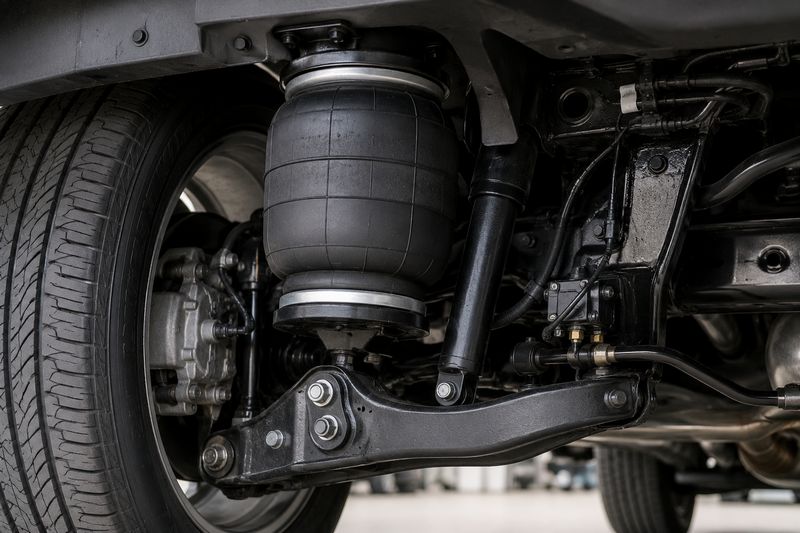
These air springs are inflated or deflated as needed to adjust the vehicle's ride height and suspension firmness. This allows the system to adapt to different driving conditions, passenger loads, and driver preferences.
For example, a luxury SUV carrying five passengers and luggage may automatically raise air pressure to maintain a level ride. Without this capability, the rear of the vehicle might sag under the extra weight.
Air suspension was once found almost exclusively on high-end luxury vehicles. Today, it is also available on some mainstream trucks and SUVs, either as standard equipment or as an optional upgrade.
How Air Suspension Works
Although air suspension sounds complicated, its basic concept is fairly simple.
The system uses an electric air compressor to generate compressed air. That air is stored in a reservoir tank and delivered through air lines to the air springs located near each wheel.
Electronic sensors constantly monitor the vehicle's height and position. If the vehicle becomes lower because of added weight, the system instructs the compressor to add air to the affected air springs. If the vehicle needs to be lowered, valves release some of the stored air.
Many modern systems operate automatically without requiring driver input.
For example, imagine a family preparing for a road trip. They load several suitcases into the cargo area of their SUV. Within moments, the air suspension adjusts itself to compensate for the extra weight, helping the vehicle maintain its intended ride height and handling characteristics.
Some vehicles also allow drivers to manually select different ride heights or suspension settings depending on road conditions.
While this technology provides impressive flexibility, it also introduces additional components that may eventually require maintenance or replacement.
Air Suspension vs. Traditional Coil Spring Suspension
The biggest difference between air suspension and traditional suspension lies in how each system supports the vehicle.
Traditional suspension relies on steel coil springs. These springs have fixed characteristics determined during manufacturing. While they can provide excellent durability and predictable performance, they cannot adapt to changing conditions.
Air suspension, by contrast, offers adjustability.
A vehicle equipped with air suspension can raise or lower itself automatically, compensate for heavy loads, and alter ride characteristics depending on the selected driving mode.
In practical terms, this means an air suspension system may provide:
- A smoother ride over uneven roads;
- Better control when carrying passengers or cargo;
- Adjustable ground clearance;
- Easier entry and exit when the vehicle lowers itself.
However, these benefits come with trade-offs.
Coil spring suspensions are generally simpler, less expensive to repair, and often preferred by buyers seeking maximum long-term reliability.
Air suspension systems contain compressors, sensors, valves, and air lines that add complexity. As vehicles age, these components can fail, sometimes resulting in costly repairs.
For someone purchasing a used vehicle on a limited budget, this distinction is particularly important.
A luxury SUV equipped with air suspension may sell for the same price as a newer vehicle with conventional suspension. While the comfort may be appealing, future repair costs should be considered as part of the overall ownership experience.
Why Manufacturers Use Air Suspension in Modern Vehicles
Given the additional complexity, many buyers wonder why manufacturers continue to install air suspension systems.
The answer is simple: they offer benefits that traditional suspension systems cannot easily match.
Ride comfort is one of the biggest advantages. Air suspension can absorb road imperfections more effectively, creating the smooth and refined driving experience expected in premium vehicles.
Manufacturers also value the system's ability to maintain proper ride height regardless of passenger or cargo weight. This improves stability and ensures the vehicle performs consistently under varying conditions.
Aerodynamics represent another advantage. Some vehicles automatically lower themselves at highway speeds to reduce air resistance and improve efficiency.
Off-road capability can benefit as well. Certain SUVs allow drivers to temporarily increase ground clearance when navigating rough terrain.
Pickup truck owners may appreciate air suspension's load-leveling capabilities when towing trailers or transporting heavy equipment.
From the manufacturer's perspective, air suspension enhances comfort, versatility, and perceived vehicle sophistication.
From the consumer's perspective, the decision becomes more personal.
If you prioritize ride quality, regularly tow heavy loads, or want the premium features commonly found in luxury vehicles, air suspension may be worth considering.
On the other hand, if your primary goal is minimizing maintenance expenses and maximizing long-term simplicity, a traditional suspension system may represent the safer financial choice.
Neither option is universally better.
The right decision depends on how you plan to use the vehicle, how much risk you are willing to accept regarding future repairs, and whether the benefits of air suspension justify its additional complexity.
What Components Make Up an Air Suspension System?
Air suspension is not just one part. It is a system made of several components that work together to support the vehicle, adjust ride height, and keep the ride smooth. This is why air suspension can feel impressive when everything works properly, but expensive when several parts start failing on an older used car.
For budget-conscious buyers, understanding the main components is important. If you are looking at a used luxury SUV or sedan from an auction, one failed air spring or weak compressor can turn a good deal into a costly repair project.
Air Springs (Airbags)
Air springs, often called airbags, are the parts that replace traditional metal coil springs.
They are made from strong rubber and are designed to hold compressed air. When air pressure increases, the vehicle rises. When air pressure decreases, the vehicle lowers.
Air springs help absorb bumps and support the vehicle's weight. They also allow the car to adjust its ride height depending on passengers, cargo, or road conditions.
For example, if a family loads luggage into the back of a luxury SUV, the rear air springs can add pressure to keep the vehicle level. This helps prevent the rear end from sagging.
Over time, air springs can crack, dry out, or develop leaks. This is one of the most common air suspension problems in used vehicles.
Air Compressor
The air compressor is the part that creates compressed air for the system.
When the vehicle needs to raise itself or restore proper ride height, the compressor turns on and pumps air into the system. Without a working compressor, the air springs cannot receive enough pressure.
A healthy compressor may run briefly when the vehicle starts or when ride height changes. However, if the compressor runs too often or sounds unusually loud, it may be working harder than normal because of an air leak.
This matters when buying a used car. A weak compressor can be expensive to replace, and it may also indicate that another part of the system has been leaking for some time.
Air Reservoir Tank
The air reservoir tank stores compressed air so the system does not need to rely on the compressor every time a small adjustment is needed.
This helps the suspension respond faster and reduces stress on the compressor.
For example, if the vehicle slightly adjusts ride height while driving, it can use stored air from the tank instead of immediately activating the compressor.
Not every air suspension system uses the same tank design, but the purpose is generally the same: store air and make the system more efficient.
If the tank or its connections develop leaks, the system may lose pressure and force the compressor to run more often.
Height Sensors
Height sensors monitor the vehicle's position at each corner.
They tell the control module whether the vehicle is sitting too high, too low, or unevenly. Based on this information, the system decides whether to add or release air.
For example, if the rear of the car drops after heavy cargo is loaded, the height sensors detect the change and signal the system to correct it.
Faulty height sensors can cause incorrect ride height, warning lights, or uneven suspension behavior.
When inspecting a used vehicle, an uneven stance may not always mean the air springs are bad. It could also be a sensor issue.
Air Lines and Fittings
Air lines carry compressed air between the compressor, reservoir tank, valve block, and air springs.
Fittings connect these lines to different parts of the system.
These components may seem simple, but they are very important. Even a small leak in an air line or fitting can cause the system to lose pressure.
Air leaks can be difficult to find because they may only appear under certain conditions. A vehicle may look fine during a short inspection but sag overnight after sitting parked.
This is why buyers should be cautious with used vehicles that appear low on one side or take too long to rise after starting.
Electronic Control Module
The electronic control module is the brain of the air suspension system.
It receives information from height sensors, driving modes, speed sensors, and other vehicle systems. Then it decides how much air pressure should be sent to each air spring.
In modern vehicles, the control module may automatically lower the car at highway speeds, raise it for rough roads, or adjust firmness depending on the selected driving mode.
If the control module fails or receives incorrect data, the suspension may behave unpredictably.
Electrical problems can be harder to diagnose than simple mechanical issues, so repairs may require specialized equipment and an experienced technician.
Valve Block Assembly
The valve block controls where air goes inside the suspension system.
It opens and closes valves to send air to specific air springs or release air when the vehicle needs to lower itself.
Think of it as a traffic controller for air pressure.
If the valve block malfunctions, one corner of the vehicle may rise or drop incorrectly. The system may also fail to hold pressure even if the air springs themselves are still in good condition.
Valve block problems can sometimes be confused with air spring leaks, which is why proper diagnosis is important before replacing parts.
Shock Absorbers and Struts
Air suspension still needs shock absorbers or struts to control vehicle movement.
Air springs support the weight of the vehicle, but shocks and struts help manage bouncing, body movement, and stability.
Without good shocks or struts, even a working air suspension system may feel unstable, floaty, or uncomfortable.
Some vehicles combine air springs and struts into one assembly. In these cases, replacement costs can be higher because the entire unit may need to be replaced together.
For used car buyers, this is an important detail. A vehicle may have no obvious air leaks but still need expensive suspension work if the struts are worn out.
How Does Air Suspension Work in Everyday Driving?
Air suspension is most noticeable in daily driving because it can change how a vehicle feels, sits, and responds to different situations. Instead of giving the driver one fixed suspension setup, the system can adjust ride height and firmness depending on speed, load, road surface, or selected driving mode.
For someone buying a used vehicle on a budget, these features can be very attractive. A luxury SUV with air suspension may feel smooth and stable for a much lower purchase price than a newer economy car. But it is also important to understand how the system behaves in real life, not just how it looks in a vehicle listing.
Automatic Ride Height Adjustment
One of the main everyday benefits of air suspension is automatic ride height adjustment.
The system uses height sensors to monitor how the vehicle sits. If the car is too low at one corner or the rear drops because of extra weight, the system can add air pressure to restore the correct height.
This happens without the driver doing anything.
For example, imagine buying groceries, loading several bags into the cargo area, and putting two passengers in the back seat. A vehicle with traditional suspension may sit slightly lower in the rear. A vehicle with air suspension can correct this by adding air to the rear air springs.
This helps keep the vehicle level, which can improve comfort, handling, and headlight aim.
Some vehicles also lower themselves automatically at highway speeds. This can improve stability and may help reduce aerodynamic drag.
How the System Responds to Different Road Conditions
Air suspension can respond differently depending on the road surface and driving situation.
On smooth roads, the system may provide a soft and comfortable ride. On rough pavement, it can help absorb bumps and reduce harsh impacts inside the cabin.
This is one reason air suspension is popular in luxury cars and SUVs. It helps create the feeling that the vehicle is floating over uneven roads rather than crashing through every bump.
However, the system does not make a car immune to bad roads. Deep potholes, sharp impacts, and damaged pavement can still cause discomfort or damage suspension components.
For budget-conscious buyers, this is important. Air suspension may improve comfort, but it does not remove the need to inspect tires, wheels, control arms, struts, and other suspension parts before buying a used vehicle.
If a used SUV feels rough during a test drive, the issue may not be the air suspension alone. Worn shocks, old tires, or damaged suspension links can also affect ride quality.
Load-Leveling Capabilities
Load-leveling is one of the most practical features of air suspension.
When extra weight is added to a vehicle, the system can raise the affected area to keep the body level. This is especially useful for SUVs, pickup trucks, and vehicles used for towing.
For example, a buyer may choose a used pickup with air suspension because they occasionally tow a trailer or carry tools for work. Without load-leveling, the rear of the truck may sag under weight, making the vehicle less stable and harder to control.
Air suspension can help reduce that sag and maintain a safer driving position.
This feature can also be useful for families. A full cargo area, passengers in every seat, and luggage for a road trip can put extra weight on the rear suspension. Load-leveling helps the vehicle stay balanced.
Still, air suspension does not increase the legal payload or towing capacity of the vehicle. It helps manage weight better, but the driver must still follow the manufacturer's load limits.
Driver-Selectable Suspension Modes
Many vehicles with air suspension allow the driver to choose different suspension modes.
These modes change how the vehicle feels and behaves. Depending on the model, the system may adjust ride height, suspension firmness, throttle response, steering feel, or drivetrain settings.
Not every vehicle offers the same modes, but the most common options include comfort, sport, and off-road settings.
For used car buyers, it is important to test these modes before purchase. If the vehicle is advertised with adjustable air suspension, every mode should function properly. Warning messages, slow height changes, or a failure to switch modes can indicate expensive problems.
Comfort Mode
Comfort mode is designed to make the ride smoother and more relaxed.
In this setting, the suspension usually feels softer. It helps absorb small bumps, road cracks, and uneven pavement.
This mode is useful for daily commuting, city driving, and long highway trips. It is one of the main reasons buyers are attracted to air suspension in the first place.
For example, someone replacing an older vehicle with stiff suspension may immediately notice how much more comfortable a used luxury sedan feels in comfort mode.
However, a very soft setting may also make the vehicle feel less sharp during fast cornering. For most daily drivers, that trade-off is acceptable.
Sport Mode
Sport mode is designed to make the vehicle feel more controlled and responsive.
The suspension may become firmer, and in some vehicles, the ride height may lower slightly. This can reduce body movement when turning, braking, or accelerating.
Sport mode is helpful when driving on winding roads or when the driver wants a more connected feel.
For example, a used performance SUV with air suspension may feel comfortable during the workweek but more planted when sport mode is selected on a weekend drive.
The downside is that sport mode can feel harsher on rough roads. If your main goal is comfort, you may not use this mode often.
Off-Road Mode
Off-road mode is commonly found on SUVs and some trucks with air suspension.
This mode raises the vehicle to increase ground clearance. Extra clearance can help when driving over dirt roads, snow, gravel, uneven driveways, or mild trails.
For someone who lives in a rural area or needs to reach job sites, this feature can be useful.
For example, a buyer may look at a used luxury SUV because it offers both a comfortable highway ride and the ability to lift itself for rough roads.
However, off-road mode has limits. Air suspension does not turn every SUV into a serious off-road vehicle. Tires, drivetrain, underbody protection, and overall vehicle design still matter.
It is also important to remember that driving for long periods at maximum ride height can place extra stress on the system in some vehicles. Owners should follow the manufacturer's recommendations.
In everyday driving, air suspension can make a vehicle feel smoother, more adaptable, and more capable. It can level heavy loads, lower the vehicle at speed, and provide different driving modes for comfort or performance. For the right buyer, these features can add real value.
What Are the Benefits of Air Suspension?
Air suspension can offer real advantages when it is working properly. It can make a vehicle more comfortable, more stable, and more flexible in different driving situations. This is why many luxury sedans, premium SUVs, and some trucks use this system from the factory.
For used car buyers, these benefits can be attractive. A vehicle with air suspension may feel much more expensive than its current auction or used-market price suggests. However, the benefits should always be weighed against possible repair costs, especially on older vehicles.
Improved Ride Comfort
Ride comfort is one of the main reasons people choose vehicles with air suspension.
Instead of relying only on metal coil springs, air suspension uses air pressure to help absorb bumps and road imperfections. This can make the vehicle feel smoother over rough pavement, expansion joints, and small potholes.
For example, a family shopping for a used luxury SUV may notice that it feels much softer and quieter than a basic SUV with traditional suspension. On daily commutes, school runs, and long highway drives, this comfort can make a big difference.
This is especially useful for drivers who spend a lot of time on the road or regularly carry passengers.
Better Handling and Stability
Air suspension can also help improve handling and stability.
Because the system can adjust ride height and air pressure, the vehicle may feel more controlled in different driving situations. Some systems can stiffen the suspension in sport mode or lower the vehicle at higher speeds.
This can reduce body movement when turning, braking, or changing lanes.
For example, a large SUV with air suspension may feel more stable on the highway than expected for its size. This can make the vehicle feel safer and more confident, especially when carrying passengers or cargo.
However, handling still depends on tires, vehicle weight, suspension design, and overall condition. Air suspension helps, but it does not fix worn-out parts or poor maintenance.
Adjustable Ride Height
Adjustable ride height is one of the most useful features of air suspension.
The vehicle can raise or lower itself depending on the driving situation. Some systems do this automatically, while others allow the driver to choose a setting.
A lower ride height can make the vehicle easier to enter, improve stability, or reduce wind resistance. A higher ride height can help when driving over rough roads, steep driveways, snow, or uneven surfaces.
For buyers considering a used SUV, this flexibility can be a major advantage. The same vehicle can feel comfortable on the highway and more capable on rough terrain.
Enhanced Towing and Hauling Performance
Air suspension can be very helpful for drivers who tow trailers or carry heavy loads.
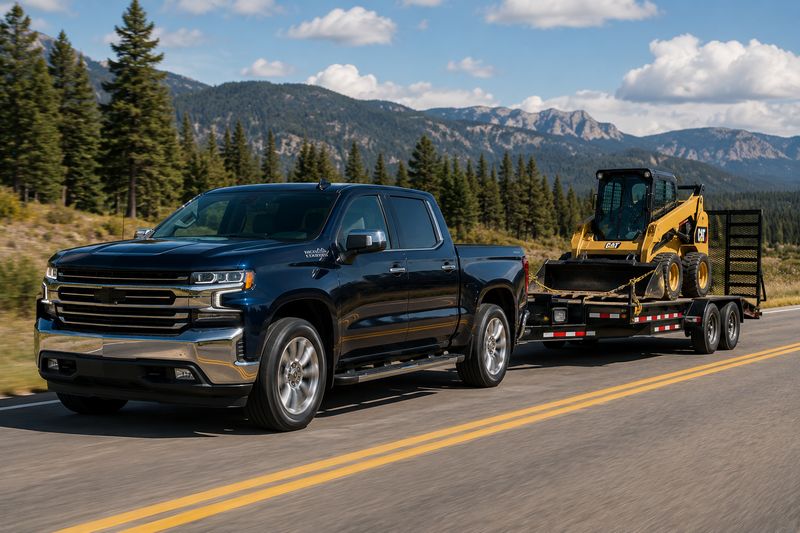
When weight is added to the rear of the vehicle, a traditional suspension may compress and cause the back end to sag. Air suspension can add pressure to the rear air springs and help keep the vehicle level.
This can improve stability, steering feel, and braking confidence while towing or hauling.
For example, a buyer who uses a pickup truck for weekend projects may appreciate how air suspension helps when carrying tools, building materials, or a small trailer.
It is important to remember that air suspension does not increase the manufacturer's towing or payload rating. It helps the vehicle manage weight better, but the driver must still stay within legal and factory limits.
Reduced Vehicle Sag Under Heavy Loads
Vehicle sag is common when a car or SUV carries heavy passengers, cargo, or luggage.
When the rear of the vehicle sits too low, it can affect handling, headlight aim, tire wear, and overall comfort. It may also make the vehicle look overloaded.
Air suspension helps reduce this problem by automatically adjusting air pressure to bring the vehicle back to a normal ride height.
For example, if a family loads a used luxury SUV with luggage for a road trip, the system can raise the rear and keep the vehicle balanced.
This feature is especially useful for larger SUVs, wagons, and trucks that are often used for travel, towing, or work.
Easier Entry and Exit Through Lowered Ride Height
Some vehicles with air suspension can lower themselves when parked or when a special access mode is selected.
This makes it easier for passengers to get in and out of the vehicle.
For families with children, older passengers, or anyone who finds tall SUVs difficult to enter, this can be a practical benefit.
For example, a large SUV may feel too high for daily use, but air suspension can lower it when parked and raise it again for driving.
This feature may also make loading groceries, luggage, or heavy items into the cargo area easier.
Improved Aerodynamics at Highway Speeds
Many modern air suspension systems can lower the vehicle automatically at highway speeds.
When the vehicle sits lower, air can flow around it more efficiently. This can reduce aerodynamic drag and may slightly improve fuel economy or electric driving range, depending on the vehicle.
The improvement may not be dramatic, but it can help the vehicle feel more stable and efficient during long highway trips.
For example, a luxury sedan may lower itself slightly at speed to reduce wind resistance and improve high-speed comfort.
This is one reason manufacturers use air suspension not only for comfort, but also for performance and efficiency.
Increased Ground Clearance When Needed
Air suspension can raise the vehicle when extra ground clearance is needed.
This is useful for rough roads, snow, steep driveways, gravel paths, and mild off-road situations.
For example, someone buying a used SUV at auction may want a comfortable vehicle for daily driving but still need extra clearance for rural roads or winter conditions. Air suspension can provide that flexibility.
This does not mean every air suspension vehicle is built for serious off-roading. Tires, drivetrain, underbody protection, and vehicle design still matter.
But the ability to raise the vehicle when needed can help avoid scraping the underside and make the vehicle more practical in difficult conditions.
Considering a Vehicle With Air Suspension? Buy Smarter From U.S. Auctions
Many luxury SUVs, premium sedans, and pickup trucks equipped with air suspension can be purchased for significantly less through online auto auctions. Auto4Export helps you access thousands of vehicles from the United States while providing the information you need to make an informed decision.
- ✅ Access to Copart, IAAI, and dealer-only inventory
- ✅ Free vehicle history reports on eligible listings
- ✅ Transparent service fees with no hidden costs
- ✅ Worldwide shipping and export assistance available
What Are the Drawbacks of Air Suspension?
Air suspension offers impressive comfort and versatility, but it is not without disadvantages. For buyers shopping for a used vehicle, especially those trying to stay within a limited budget, understanding these drawbacks is just as important as recognizing the benefits.
A luxury SUV with air suspension may sell for the same price as a newer vehicle with traditional suspension. While the premium ride quality can be tempting, future repair costs and increased complexity should always be part of the decision-making process.
Knowing the potential downsides can help buyers avoid unpleasant surprises after the purchase.
Higher Initial Cost
Vehicles equipped with air suspension are often more expensive when new.
Because the system includes additional components such as air springs, compressors, sensors, and electronic controls, manufacturers typically reserve this feature for higher trim levels or premium models.
For example, an SUV with air suspension may have originally cost several thousand dollars more than an identical version equipped with traditional coil springs.
The good news for used car buyers is that luxury vehicles often depreciate heavily. This means you may be able to purchase a used vehicle with air suspension for a fraction of its original price.
However, while the purchase price may be lower, the maintenance costs can still reflect the vehicle's premium origins.
Expensive Repairs and Replacement Parts
One of the biggest concerns associated with air suspension is repair cost.
Unlike traditional suspension systems, which often involve relatively inexpensive springs and shock absorbers, air suspension repairs can require specialized components that cost significantly more.
Replacing a leaking air spring, faulty compressor, or damaged valve block can quickly become expensive. In some cases, multiple components fail around the same time, especially in older vehicles.
For example, someone may purchase a ten-year-old luxury SUV because it appears to be an excellent value. A few months later, they discover that two leaking air springs and an overworked compressor need replacement.
Suddenly, the initial savings begin to disappear.
For buyers with limited financial flexibility, it is wise to budget for potential repairs before purchasing a vehicle equipped with air suspension.
Increased System Complexity
Traditional suspension systems are relatively straightforward.
Air suspension, by comparison, introduces a much higher level of complexity.
Instead of relying solely on springs and dampers, the system incorporates compressors, air reservoirs, electronic control modules, sensors, air lines, valves, and various electrical connections.
Each additional component creates another potential point of failure.
While modern air suspension systems are generally well engineered, complexity inevitably increases maintenance requirements over the long term.
This does not mean air suspension is inherently unreliable. It simply means there are more parts that require proper functioning to deliver the intended driving experience.
For buyers planning to keep a vehicle for many years, understanding this added complexity is important.
Risk of Air Leaks
Air leaks represent one of the most common problems affecting aging air suspension systems.
Over time, rubber air springs can deteriorate due to age, repeated expansion and contraction, road debris, and environmental exposure.
Air lines and fittings may also develop leaks.
Small leaks often begin gradually. The vehicle may sit normally during the day but appear lower after remaining parked overnight. In other cases, owners may notice the compressor running more frequently than usual as it attempts to compensate for escaping air.
If left unaddressed, leaks can place additional strain on the compressor and lead to more extensive repairs.
For prospective buyers, uneven ride height is often a warning sign that deserves closer investigation before proceeding with a purchase.
Sensitivity to Extreme Temperatures
Air suspension systems can be affected by extreme weather conditions.
Very cold temperatures may cause rubber components to become less flexible. Moisture within the system can also create complications if not properly managed.
Hot climates present different challenges. Extended exposure to high temperatures may accelerate the aging process of certain rubber components and seals.
Manufacturers design air suspension systems to operate under a wide range of environmental conditions, and many owners use them successfully for years in challenging climates.
However, extreme temperatures may contribute to accelerated wear over time.
For buyers living in regions with severe winters or prolonged heat, it is worth considering how local conditions may influence long-term maintenance requirements.
Potential Compressor Failure
The air compressor is one of the most important components in the entire system.
Without it, the suspension cannot generate the compressed air necessary to maintain proper ride height.
Compressors typically experience the greatest strain when other problems exist within the system. For example, a small air leak may force the compressor to cycle more frequently than intended.
Over time, this increased workload can contribute to premature failure.
A failing compressor may become louder than usual, take longer to raise the vehicle, or stop functioning altogether.
Because compressors are often expensive to replace, identifying underlying issues promptly can help prevent unnecessary damage.
For used car buyers, listening carefully during inspections and observing how quickly the vehicle adjusts ride height may provide valuable clues regarding compressor health.
Limited Availability of Specialized Repair Shops
Finding qualified technicians can sometimes be more challenging for vehicles equipped with air suspension.
While many independent repair facilities are comfortable servicing conventional suspension systems, fewer specialize in diagnosing and repairing advanced air suspension components.
Certain repairs may require manufacturer-specific diagnostic equipment or technicians with specialized training.
As a result, owners may need to rely more heavily on dealerships or dedicated European vehicle specialists, depending on the make and model.
This can influence both repair costs and convenience.
For example, a buyer living in a major metropolitan area may have several repair options available nearby. Someone living in a smaller community may need to travel significant distances to access appropriate expertise.
Before purchasing a used vehicle with air suspension, it may be worthwhile to research local repair resources.
Air suspension is neither universally good nor universally bad. It simply involves trade-offs.
For some drivers, the improved comfort, adaptability, and premium driving experience justify the additional complexity and maintenance costs. For others, especially those seeking the lowest possible ownership expenses, a traditional suspension system may represent the more practical choice.
The key is approaching the purchase with realistic expectations. A vehicle with air suspension can be an outstanding value when properly maintained and purchased at the right price. But buyers should never focus solely on the initial purchase cost while ignoring the possibility of future repairs.
Can You Daily Drive a Car With Air Suspension?
A car with air suspension can be a comfortable and practical daily driver, especially if the system is in good condition. Many luxury sedans, SUVs, and trucks are designed to use air suspension every day, not only for special situations.
The main question for used car buyers is not whether air suspension can handle daily driving. It can. The real question is whether the vehicle has been maintained well enough to avoid expensive problems after purchase. For someone buying on a budget, this difference matters.
Is Air Suspension Reliable for Everyday Use?
Air suspension can be reliable for everyday use when the system is properly designed, maintained, and inspected.
Many factory air suspension systems are built to handle normal driving conditions for years. Drivers use these vehicles for commuting, school runs, shopping, towing, and road trips without thinking about the suspension every day.
However, reliability often depends on age and condition. As the vehicle gets older, rubber air springs, seals, sensors, compressors, and air lines may begin to wear out.
For example, a five-year-old luxury SUV with complete service records may still be a strong daily driver. A twelve-year-old SUV with unknown history, uneven ride height, and a noisy compressor may be a much bigger risk.
This is why a pre-purchase inspection is so important. Air suspension may work well today, but signs of slow leaks or compressor strain can point to future repair bills.
How Comfortable Is It for Daily Commuting?
Comfort is one of the biggest strengths of air suspension in daily driving.
On regular commutes, air suspension can help smooth out rough pavement, road cracks, small bumps, and uneven surfaces. This can make the vehicle feel calmer and more refined than a similar model with traditional suspension.
For someone who spends an hour in traffic every day, this difference can be meaningful. A used luxury sedan or SUV with air suspension may feel much more relaxing than a basic economy vehicle, even if both cost around the same on the used market.
Air suspension can also reduce the tired, harsh feeling that comes from driving over poor city roads every day.
Still, comfort depends on the full suspension system. Bad tires, worn control arms, weak shocks, or damaged wheels can make even an air suspension vehicle feel rough. A smooth test drive is important before buying.
Does Air Suspension Affect Fuel Economy?
Air suspension can affect fuel economy, but usually not in a dramatic way.
Some vehicles with air suspension automatically lower themselves at highway speeds. A lower ride height can reduce aerodynamic drag, which may help improve fuel economy slightly.
This benefit is more noticeable on larger SUVs and luxury vehicles designed to adjust ride height at speed.
However, air suspension also adds weight and complexity. The compressor and related components require energy to operate, although the effect is usually small during normal driving.
In real-world use, fuel economy depends much more on engine size, vehicle weight, tire condition, driving habits, and road conditions.
For budget-conscious buyers, air suspension should not be viewed as a major fuel-saving feature. Its main advantages are comfort, stability, load-leveling, and adjustability.
Is Air Suspension Suitable for Long-Distance Travel?
Air suspension can be excellent for long-distance travel.
A smoother ride can reduce fatigue on highways, especially during trips with passengers and luggage. The system can also help keep the vehicle level when fully loaded, which improves stability and comfort.
For example, a family taking a used luxury SUV on a long road trip may appreciate how the vehicle stays balanced even with bags in the cargo area and passengers in every seat.
Some systems lower the vehicle at highway speeds, which can improve stability and make the vehicle feel more planted.
The main concern is reliability during the trip. If the system is already showing warning lights, sagging after parking, or making loud compressor noises, long-distance travel may become risky.
Before using an older air suspension vehicle for a long trip, it is smart to inspect the system, check tire condition, and address warning lights early.
How Does It Perform in Urban Driving?
Air suspension can perform very well in urban driving.
City roads often include potholes, speed bumps, uneven pavement, steep driveways, and constant stop-and-go traffic. A working air suspension system can make these conditions feel less harsh.
Some vehicles can also lower themselves for easier entry and exit, which is useful when parking, loading groceries, or helping children and older passengers get into the vehicle.
In tight city areas, adjustable ride height may help when dealing with steep parking garage ramps or rough alleys.
However, urban driving can also be hard on suspension components. Potholes, curb impacts, and poor road surfaces can wear out tires, wheels, shocks, control arms, and air suspension parts.
If you are buying a used car that spent most of its life in a city with rough roads, inspect the suspension carefully before purchase.
Can It Handle Rough Roads and Potholes?
Air suspension can help improve comfort on rough roads, but it does not make the vehicle indestructible.
The system can absorb many small bumps and adjust ride height when needed. Some SUVs can raise themselves for extra clearance on gravel roads, snow, dirt paths, or uneven surfaces.
This can be useful for buyers who live outside the city or need to drive on poorly maintained roads.
However, deep potholes and sharp impacts can still damage wheels, tires, control arms, air struts, and air springs. Air suspension may soften the ride, but it cannot fully protect the vehicle from bad road conditions.
For example, a used luxury SUV may feel smooth on rough pavement, but a hard hit from a pothole can still lead to an expensive repair.
If you regularly drive on very poor roads, a simpler traditional suspension may sometimes be the safer financial choice. It may not feel as smooth, but repairs are often cheaper and easier to handle.
Air suspension can absolutely work for daily driving, but buyers should be realistic. When the system is healthy, it can make commuting, highway travel, and city driving more comfortable. When it is neglected, it can become one of the most expensive parts of the vehicle to fix.
Which Vehicles Commonly Use Air Suspension?
Air suspension is no longer limited to a handful of ultra-expensive luxury cars. Over the years, manufacturers have introduced this technology into a variety of vehicles, including SUVs, pickup trucks, and performance models. In some cases, it comes standard. In others, it is offered as an optional upgrade.
For used car buyers, understanding which types of vehicles commonly use air suspension is important. It helps set realistic expectations regarding comfort, maintenance costs, and long-term reliability. It can also explain why two seemingly similar vehicles may have very different ownership experiences.
Luxury Sedans With Air Suspension
Luxury sedans were among the first passenger vehicles to adopt air suspension on a large scale.
Premium automakers often use air suspension to deliver the smooth, quiet ride their customers expect. The ability to automatically adjust ride height and suspension firmness helps create a refined driving experience.
Common examples include models from brands such as Mercedes-Benz, BMW, Audi, and Land Rover. Vehicles like the Mercedes-Benz S-Class, BMW 7 Series, and Audi A8 have frequently been equipped with factory air suspension systems.
For budget-conscious buyers, these vehicles can become surprisingly affordable on the used market due to depreciation.
For example, someone shopping with a $20,000 budget may discover that a ten-year-old luxury sedan with air suspension costs the same as a newer midsize family sedan.
The trade-off is maintenance. While the initial purchase price may be attractive, buyers should remember that replacement parts and repairs often reflect the vehicle's original luxury status.
SUVs Equipped With Air Suspension
Air suspension is especially common in premium SUVs.
Because SUVs are expected to provide both comfort and versatility, adjustable suspension systems can be particularly beneficial. They allow the vehicle to maintain ride quality while carrying passengers and cargo, while also increasing ground clearance when needed.
Popular examples include the Range Rover, Land Rover Discovery, Mercedes-Benz GLS, Audi Q7, Audi Q8, Porsche Cayenne, Jeep Grand Cherokee, and some versions of the BMW X5.
These systems can improve ride comfort during everyday commuting while also supporting towing and mild off-road use.
For example, a family searching for a spacious used SUV may be attracted to a luxury model because it offers a premium interior and smooth ride at a lower purchase price than expected.
However, SUVs with air suspension are often heavier and may have higher repair costs than comparable vehicles with traditional suspension systems.
Before purchasing one, it is important to inspect the suspension carefully and review maintenance records whenever possible.
Pickup Trucks With Factory Air Suspension
Air suspension has also become increasingly popular in pickup trucks.
Truck manufacturers use these systems primarily to improve ride comfort and towing performance. When carrying heavy cargo or pulling trailers, air suspension can help keep the vehicle level and maintain stability.
The Ram 1500 is one of the most well-known examples of a pickup truck available with factory-installed air suspension. Some heavy-duty trucks may also offer air suspension systems designed specifically for towing applications.
For truck owners, load-leveling capabilities can be extremely useful.
Imagine someone who uses their truck during the week for commuting but occasionally tows a boat or utility trailer on weekends. Air suspension can help the vehicle adapt to both situations.
That said, buyers should recognize that trucks with air suspension may involve higher maintenance expenses compared to models equipped with traditional leaf springs or coil spring setups.
If maximum simplicity and durability are top priorities, a conventional suspension system may be the better fit.
Performance Cars Using Air Suspension
Although comfort is often associated with air suspension, some performance vehicles use this technology as well.
Manufacturers have developed sophisticated systems that balance ride quality with improved handling characteristics. By adjusting ride height and suspension firmness automatically, these vehicles can adapt to different driving situations.
Certain Porsche models, high-performance Audi vehicles, and other premium sports sedans may feature advanced air suspension systems.
For example, a performance-oriented luxury sedan may provide a comfortable ride during daily commuting but switch to a firmer setup when sport mode is selected.
This versatility appeals to drivers who want both refinement and responsiveness in a single vehicle.
However, performance models often combine expensive suspension technology with other costly components. Buyers considering these vehicles should prepare for potentially higher ownership expenses.
Purchasing such vehicles through auto auctions or the used market may reduce the initial investment, but repair budgets should still be part of the ownership plan.
Vehicles With Aftermarket Air Suspension Systems
Not every vehicle with air suspension left the factory that way.
Many owners install aftermarket air suspension kits to customize ride height, improve appearance, or enhance load-carrying capabilities.
Aftermarket systems are particularly common in show vehicles, modified trucks, and enthusiast communities interested in adjustable suspension setups.
Some systems are professionally installed using high-quality components, while others may vary significantly in quality and reliability.
For used car buyers, aftermarket modifications deserve extra attention.
Unlike factory systems designed specifically for the vehicle, aftermarket installations depend heavily on the quality of both the components and the workmanship involved.
For example, a lowered sedan advertised with adjustable air suspension may look appealing, but poorly executed modifications can lead to ongoing reliability concerns.
Buyers should inspect installation quality carefully, request documentation regarding the components used, and consider arranging a professional inspection before completing the purchase.
Vehicles equipped with factory air suspension generally provide a more predictable ownership experience than heavily modified aftermarket systems.
Air suspension can be found across a surprisingly wide range of vehicles, from luxury sedans and family SUVs to pickup trucks and performance cars. Each application serves a different purpose, whether improving comfort, enhancing towing capability, or increasing versatility.
For buyers shopping on a budget, the key is understanding why the system was included and whether its benefits align with your needs.
A well-maintained luxury SUV purchased at the right price may deliver exceptional comfort and value. On the other hand, an older vehicle with neglected suspension components can quickly become expensive to own.
Should You Buy a Used Car With Air Suspension?
Buying a used car with air suspension can be either a smart decision or an expensive mistake. Much depends on the vehicle's age, maintenance history, and overall condition. For budget-conscious buyers, the lower purchase price of a used luxury vehicle can be very appealing. However, potential repair costs should always be part of the equation.
The key is understanding both the benefits and the risks before making a purchase. A well-maintained vehicle with air suspension may provide years of comfort and convenience. A neglected one can quickly erase any savings you gained at the time of purchase.
Pros of Buying a Used Vehicle With Air Suspension
One of the biggest advantages of buying a used vehicle with air suspension is value for money.
Luxury cars and premium SUVs often lose value quickly during the first few years of ownership. As a result, buyers can sometimes purchase vehicles with features that were once considered exclusive to high-end models for a surprisingly reasonable price.
For example, someone with a budget of $25,000 may have to choose between a newer mainstream SUV with basic equipment or an older luxury SUV with premium materials, advanced safety features, and air suspension.
Air suspension can also provide:
- Better ride comfort compared to many traditional suspension systems;
- Automatic load-leveling capabilities;
- Adjustable ride height for different driving situations;
- Improved highway stability;
- Easier entry and exit in certain vehicles.
If the system has been properly maintained, a used vehicle with air suspension can offer an ownership experience that feels far more expensive than its purchase price suggests.
Common Risks to Consider
Despite its advantages, buying a used car with air suspension comes with certain risks.
The most obvious concern is unexpected repair costs. Air suspension systems contain numerous components that can wear out over time, including air springs, compressors, sensors, valves, and air lines.
A vehicle may appear to drive perfectly during a short test drive while hiding issues that only become noticeable later.
For example, an SUV might maintain proper ride height during the day but slowly sink overnight due to a small air leak. The compressor may compensate temporarily, masking the problem until it eventually fails from overuse.
Other risks include:
- Limited maintenance records;
- Deferred repairs by previous owners;
- Difficulty finding experienced repair shops;
- Higher labor costs compared to traditional suspension systems.
For buyers with tight budgets, these factors should never be overlooked.
How Vehicle Age Affects Air Suspension Reliability
Age is one of the biggest factors influencing air suspension reliability.
Rubber air springs naturally deteriorate over time. Exposure to heat, cold, moisture, road salt, and constant flexing eventually takes a toll on the materials.
As vehicles reach eight to ten years of age, suspension components may begin requiring more attention.
This does not mean every older vehicle with air suspension should be avoided.
For example, a ten-year-old luxury sedan with detailed service records and recently replaced air springs may actually represent a safer purchase than a six-year-old vehicle that has received minimal maintenance.
Mileage also matters.
A vehicle that spent most of its life on highways may experience less suspension wear than one that frequently encountered rough city roads, potholes, or harsh winter conditions.
Rather than focusing exclusively on age, buyers should evaluate the overall condition of the system.
Typical Repair Costs to Expect
Repair costs are often the deciding factor for used car buyers considering air suspension.
Prices vary depending on the make, model, labor rates, and whether original equipment or aftermarket parts are used.
While costs differ from vehicle to vehicle, buyers should generally expect the following ranges:
- Air spring replacement: approximately $300 to $1,000 or more per corner;
- Air compressor replacement: roughly $500 to $1,500;
- Height sensor replacement: around $150 to $500;
- Valve block replacement: often between $300 and $800;
- Diagnostic fees: typically $100 to $250 before repairs begin.
Luxury European vehicles may fall toward the higher end of these ranges.
For example, someone who saves $8,000 by purchasing a used luxury SUV instead of a newer mainstream model should ask themselves whether they would be financially prepared for a potential $1,500 suspension repair.
Planning ahead is essential.
Many experienced buyers set aside a maintenance reserve after purchasing a used premium vehicle. This approach can reduce stress if repairs eventually become necessary.
When It Makes Sense to Choose Air Suspension
Air suspension can make excellent sense under the right circumstances.
It may be a good choice if:
- You value ride comfort and spend significant time driving;
- You regularly tow trailers or carry heavy loads;
- You want the features and refinement of a luxury vehicle at a lower purchase price;
- The vehicle has complete maintenance records;
- A professional inspection confirms the system is in good condition;
- You have a financial cushion for unexpected repairs.
For example, a buyer who purchases a well-maintained used luxury SUV through an auto auction may receive thousands of dollars in savings compared to retail pricing. If those savings exceed the potential repair risks, the purchase could represent excellent value.
On the other hand, air suspension may not be the best choice if:
- Your budget leaves little room for unexpected expenses;
- You prioritize simplicity above all else;
- The vehicle has warning lights or obvious suspension problems;
- Maintenance history is unavailable;
- You plan to keep ownership costs as low as possible.
Traditional suspension systems are generally simpler and less expensive to repair.
There is no universal answer to whether buying a used vehicle with air suspension is a good idea.
For some buyers, it offers an opportunity to enjoy premium comfort and advanced features at an affordable purchase price. For others, especially those seeking maximum predictability and minimal maintenance costs, a conventional suspension system may provide greater peace of mind.
The smartest approach is to focus on condition rather than assumptions. A well-maintained vehicle with air suspension can be a rewarding purchase. A neglected example, regardless of price, can quickly become more expensive than expected.
Inspect Before You Bid and Avoid Costly Surprises
A luxury vehicle with air suspension can offer exceptional value, but only when purchased wisely. Auto4Export provides auction support, vehicle history tools, and guidance to help buyers evaluate potential risks before committing to a purchase.
- ✅ Vehicle history reports to identify red flags
- ✅ Support understanding auction listings and conditions
- ✅ Help estimating total purchase and shipping costs
- ✅ Access to thousands of auction vehicles every week
How to Inspect Air Suspension Before Buying a Used Car
Inspecting air suspension before buying a used car is one of the most important steps in the purchase process. A vehicle may look clean, drive smoothly for a few minutes, and still have hidden suspension problems that become expensive later.
This matters even more for auction buyers. You may not always have the same inspection access as you would at a dealership, so every available photo, condition note, warning light, and vehicle history detail should be reviewed carefully before placing a bid.
Check the Vehicle's Ride Height
Start by looking at the vehicle's ride height.
A healthy air suspension system should allow the vehicle to sit evenly and at the correct height. The front and rear should not appear unusually low unless the vehicle is intentionally set to a lowered mode.
If the vehicle looks too low, especially after sitting parked, it may indicate an air leak, weak air spring, faulty valve block, or compressor issue.
For example, if a used luxury SUV is sitting noticeably lower in the rear than the front, do not assume it is just because of camera angle or cargo weight. It may be a sign that the rear air springs are losing pressure.
When possible, compare the vehicle's stance with photos of the same model in normal ride height.
Listen for Compressor Noise
The air compressor may make some noise when adjusting the suspension, but it should not run constantly or sound strained.
When the vehicle starts, listen for a short compressor cycle. A brief sound can be normal. A loud, grinding, or continuous noise is more concerning.
If the compressor keeps running, it may be trying to compensate for a leak somewhere in the system.
This is important because compressor replacement can be expensive. Even worse, a failed compressor may only be the result of another problem, such as leaking air springs or damaged air lines.
A noisy compressor should always be treated as a warning sign, not a small inconvenience.
Inspect for Suspension Warning Lights
Check the dashboard for suspension warning lights or messages.
Many vehicles with air suspension will display alerts when the system detects a problem. These warnings may mention suspension fault, ride height issue, chassis system error, or similar messages depending on the manufacturer.
Do not ignore these warnings just because the vehicle still drives.
A suspension warning light can indicate problems with height sensors, compressor performance, valve operation, air pressure, or electronic controls.
For budget-conscious buyers, warning lights are especially important. They may point to repairs that cost hundreds or thousands of dollars after purchase.
If you are viewing an auction listing, zoom in on dashboard photos when available and look carefully for warning indicators.
Look for Signs of Uneven Vehicle Stance
An uneven stance is one of the easiest visual signs of air suspension trouble.
Stand back and look at the vehicle from the front, rear, and both sides. One corner should not sit lower than the others.
A vehicle leaning to one side may have a leaking air spring, faulty height sensor, valve block problem, or damaged suspension component.
For example, if the front passenger side sits lower than the driver side, the issue may be isolated to that corner. If the entire rear end is low, the problem may involve rear air springs, air lines, or load-leveling components.
Uneven stance can also affect handling and tire wear. It should not be dismissed as only a cosmetic issue.
Test Different Suspension Modes
If the vehicle allows driver-selectable suspension modes, test each mode carefully.
Switch between normal, comfort, sport, off-road, access, or height adjustment modes depending on what the vehicle offers. Watch how the vehicle responds.
The system should raise and lower smoothly without excessive delay, loud compressor noise, or warning messages.
If the vehicle refuses to change height, changes very slowly, or gets stuck in one mode, repairs may be needed.
For example, an SUV advertised with off-road height should be able to raise itself when that mode is selected. If it cannot, the feature may be nonfunctional.
Testing modes is especially important because sellers may advertise air suspension as a premium feature even when the system is not working correctly.
Review Maintenance and Repair Records
Maintenance records can reveal how well the air suspension system has been cared for.
Look for evidence of previous air spring replacements, compressor replacement, valve block repairs, sensor repairs, or suspension diagnostics.
A vehicle that has already had major air suspension components replaced may be less risky than one still running on all original parts after many years.
For example, a ten-year-old luxury SUV with documented replacement of front air struts and compressor may be a better buy than a similar SUV with no records at all.
Also check whether repairs were done with quality parts. Cheap parts or poor installation can lead to repeat problems.
If records are missing, assume that future repairs may be needed and adjust your budget accordingly.
Check for Air Leaks
Air leaks are among the most common air suspension problems.
A small leak can cause the vehicle to lower overnight or force the compressor to run more often. Over time, this extra strain may damage the compressor.
If you can inspect the vehicle in person, look for signs such as sagging after the car has been parked, uneven height, or frequent compressor cycling.
Some technicians use soapy water to check air springs, fittings, and lines for leaks. Bubbles may appear where air is escaping.
In auction situations, you may not be able to perform this test before bidding. In that case, look carefully at listing photos. If the vehicle appears low in one corner or unusually low overall, consider it a risk factor.
A car that looks good in photos but sits low after delivery may need immediate suspension repair.
Arrange a Professional Pre-Purchase Inspection
A professional inspection is one of the best ways to reduce risk when buying a used vehicle with air suspension.
An experienced technician can check the compressor, air springs, lines, sensors, valve block, control module, and related suspension components. They can also scan the vehicle for stored fault codes that may not appear as active warning lights on the dashboard.
This is especially valuable for luxury vehicles, European models, and SUVs with complex electronic suspension systems.
For example, paying for an inspection before buying a used premium SUV may feel like an extra expense. But if it helps you avoid a vehicle that needs $2,000 in suspension repairs, it can save money in the long run.
If you are buying through an online auto auction, use every inspection option available before bidding. If a full inspection is not possible, build extra repair room into your budget.
Air suspension can be a great feature when it is working properly, but it should never be ignored during the buying process. Checking ride height, compressor behavior, warning lights, maintenance records, and possible leaks can help you avoid expensive surprises.
Common Air Suspension Problems
Air suspension systems can provide excellent comfort and versatility, but they are not immune to wear and tear. As vehicles age, certain components become more likely to fail, especially if maintenance has been neglected.
For used car buyers, understanding the most common air suspension problems is essential. Recognizing the warning signs early can help you avoid purchasing a vehicle that may require expensive repairs shortly after you bring it home. It can also help current owners address minor issues before they turn into major expenses.
Air Spring Leaks
Air spring leaks are among the most common problems affecting vehicles with air suspension.
Air springs are made from reinforced rubber that expands and contracts thousands of times throughout the life of the vehicle. Over time, exposure to road debris, moisture, heat, cold temperatures, and normal aging can cause cracks or weak spots to develop.
A leaking air spring may allow the vehicle to lose pressure gradually.
Common symptoms include:
- One corner of the vehicle sitting lower than the others;
- The vehicle lowering overnight after being parked;
- Frequent compressor operation;
- Suspension warning messages.
For example, a buyer may inspect a used luxury SUV that appears perfectly level during the day. The next morning, the rear suspension has dropped several inches because the air springs slowly leaked overnight.
Replacing an air spring promptly can prevent additional strain on other components, particularly the compressor.
Faulty Air Compressors
The air compressor is responsible for generating the compressed air needed to operate the suspension system.
When functioning properly, it runs only when adjustments are required. However, compressors can wear out over time, especially if they are forced to compensate for air leaks elsewhere in the system.
Signs of compressor problems may include:
- Excessive noise during operation;
- Longer-than-normal ride height adjustments;
- Suspension warning lights;
- Failure of the vehicle to raise itself.
For example, if an SUV takes several minutes to reach normal ride height after startup, the compressor may be struggling.
In many cases, compressor failure is not the original problem. A leaking air spring or damaged air line may have caused the compressor to work harder than intended for an extended period.
This is why a complete diagnosis is important before replacing components.
Damaged Air Lines
Air lines transport compressed air throughout the suspension system.
Although they are designed to withstand demanding conditions, air lines can eventually become damaged due to age, physical impacts, corrosion around fittings, or improper repairs.
Even a small leak can affect suspension performance.
Potential symptoms include:
- Inconsistent ride height;
- Frequent compressor cycling;
- Suspension faults appearing intermittently;
- Slow loss of ride height.
Because air lines are often routed beneath the vehicle, they may be vulnerable to road debris or accidental damage during other repair work.
Diagnosing damaged air lines can sometimes be challenging because leaks may only occur under certain conditions or pressures.
Ignoring a small leak may eventually contribute to compressor failure and more expensive repairs.
Failed Ride Height Sensors
Ride height sensors monitor the position of the vehicle and provide information to the suspension control system.
Based on this data, the system determines whether adjustments are needed.
If a sensor fails or provides inaccurate readings, the suspension may react incorrectly.
Possible symptoms include:
- Uneven ride height;
- Suspension warning messages;
- Inability to change suspension modes;
- The vehicle sitting too high or too low.
For example, a faulty sensor may incorrectly indicate that one corner of the vehicle has dropped, causing the system to add unnecessary air pressure.
Height sensors are often exposed to dirt, moisture, and road contaminants, which can contribute to wear over time.
Fortunately, sensor failures are often less expensive to address than major compressor or air spring replacements.
Valve Block Malfunctions
The valve block assembly directs compressed air to the appropriate air springs.
It acts as the traffic controller of the air suspension system, opening and closing internal passages as needed.
When valve block problems develop, the system may struggle to distribute air properly.
Symptoms can include:
- One side of the vehicle lowering unexpectedly;
- Difficulty maintaining ride height;
- Inconsistent suspension adjustments;
- Compressor overuse.
Valve block failures can sometimes mimic the symptoms of leaking air springs.
For example, a vehicle that consistently lowers at one corner may have a valve that fails to seal correctly rather than a damaged air spring.
Because the symptoms overlap, professional diagnosis is often necessary to identify the actual source of the problem.
Electrical System Issues
Modern air suspension systems rely heavily on electronic communication.
Wiring harnesses, connectors, relays, fuses, and control circuits all play important roles in ensuring the system functions correctly.
Electrical issues can occur for a variety of reasons, including corrosion, water intrusion, damaged wiring, or aging components.
Common symptoms may include:
- Suspension warning lights;
- Random system malfunctions;
- Failure of the compressor to activate;
- Intermittent ride height problems.
Electrical faults can be particularly frustrating because they may appear and disappear without warning.
For example, a suspension warning message might appear only during rainy weather if moisture affects a compromised electrical connection.
Proper diagnostic equipment is often required to isolate these problems accurately.
Suspension Control Module Failures
The suspension control module serves as the brain of the air suspension system.
It receives information from various sensors and determines how the compressor, valves, and other components should respond.
Although control module failures are less common than air spring leaks, they can still occur.
Potential symptoms include:
- Multiple suspension-related warning messages;
- Inability to adjust ride height;
- Failure of suspension modes to operate;
- Diagnostic trouble codes stored in the vehicle's computer systems.
In some situations, software updates may resolve operational concerns. In others, the module itself may require replacement.
Because control modules interact with numerous vehicle systems, accurate diagnosis is especially important before authorizing repairs.
Replacing expensive electronic components unnecessarily can significantly increase ownership costs.
Air suspension problems do not automatically mean a vehicle should be avoided. Many issues can be repaired successfully, and some components naturally wear out as part of normal vehicle aging.
The key for used car buyers is recognizing the warning signs early. A luxury SUV with recently replaced air springs and a properly functioning compressor may represent excellent value. A vehicle displaying multiple suspension symptoms without maintenance records deserves much greater caution.
How Much Does It Cost to Repair Air Suspension?
Air suspension repair costs can vary widely. A small leak or sensor issue may be manageable, while a failed compressor or multiple worn air springs can become expensive quickly. This is one of the main reasons budget-conscious buyers should inspect the system carefully before buying a used car with air suspension.
The exact cost depends on the vehicle brand, the failed component, labor rates, and whether the repair shop uses original equipment or aftermarket parts. Luxury vehicles usually cost more to repair because parts and labor are often more expensive.
Average Air Spring Replacement Costs
Air springs are among the most common air suspension parts to fail.
On many vehicles, replacing one air spring can cost anywhere from a few hundred dollars to over $1,000 per corner, depending on the model and parts used.
In some cars, the air spring is separate from the shock or strut. In others, the air spring and strut are combined into one assembly. Combined assemblies usually cost more to replace.
For example, replacing a rear air spring on some SUVs may be relatively affordable compared to replacing a front air strut on a luxury sedan.
Used car buyers should remember that if one air spring has failed, the others may also be near the end of their service life.
Air Compressor Replacement Costs
The air compressor is another expensive component.
A replacement compressor can often cost between $500 and $1,500 or more, including parts and labor. On high-end luxury vehicles, the total may be even higher.
Compressor failure is often caused by another problem in the system. If an air spring or air line leaks, the compressor may run too often as it tries to maintain pressure. Over time, this extra workload can burn it out.
This is why replacing only the compressor without fixing the original leak may lead to another failure later.
If you are inspecting a used vehicle and hear the compressor running constantly, treat it as a serious warning sign.
Costs of Replacing Height Sensors
Height sensors are usually less expensive than air springs or compressors, but they can still add to the repair bill.
Depending on the vehicle, replacing a ride height sensor may cost roughly $150 to $500 per sensor, including labor.
A faulty sensor can cause the vehicle to sit too high, too low, or unevenly. It may also trigger suspension warning lights.
The challenge is diagnosis. A low corner may look like an air spring leak, but the real problem could be a failed height sensor or calibration issue.
For this reason, proper testing is important before replacing parts.
Diagnostic Expenses
Air suspension diagnosis often requires more than a quick visual inspection.
Repair shops may need to scan the vehicle for fault codes, check air pressure, test the compressor, inspect air lines, and look for leaks.
Diagnostic fees commonly range from $100 to $250, depending on the shop and the vehicle.
This cost may feel frustrating, but it can save money in the long run. Guessing and replacing parts without diagnosis can become much more expensive.
For example, replacing an air spring will not solve the problem if the real issue is a leaking valve block or damaged air line.
Labor Costs for Air Suspension Repairs
Labor costs can make a big difference in the final repair price.
Air suspension parts may be harder to access than traditional suspension components. Some repairs require special tools, calibration, or manufacturer-specific diagnostic equipment.
Labor rates also vary by location and shop type. Dealerships and luxury vehicle specialists usually charge more than general repair shops.
For example, a simple air spring replacement may be fairly quick on one vehicle but take several hours on another because of the design.
When estimating repair costs, always consider both parts and labor. A cheap part does not always mean a cheap repair.
Factors That Affect Repair Pricing
Several factors influence how much air suspension repairs will cost.
The first is the make and model of the vehicle. Premium brands usually have more expensive parts and higher labor costs.
The second is the system design. A simple rear load-leveling setup may cost less to repair than a fully adjustable four-corner air suspension system.
The third is parts choice. Original equipment parts are often more expensive, while quality aftermarket parts may reduce the cost. However, very cheap parts can lead to repeat repairs.
Vehicle age also matters. Older vehicles may have multiple worn components, which can turn one repair into a larger job.
Location is another factor. Labor rates in large cities or at specialized shops may be much higher than in smaller towns.
For auction buyers, these costs should be included before bidding. A luxury SUV may look like a great deal at a low purchase price, but if it needs $2,000 in air suspension work right away, the real cost of ownership changes quickly.
Air suspension repairs are not always unaffordable, but they should never be ignored. The smartest approach is to inspect the system before buying, estimate possible repair costs, and leave room in your budget for maintenance.
How Long Does Air Suspension Last?
Air suspension does not last forever, but it can serve reliably for many years when the vehicle is maintained properly. The real lifespan depends on the vehicle model, driving conditions, climate, mileage, and how quickly small problems are repaired.
For used car buyers, this is an important question. A vehicle with air suspension may feel smooth during a short test drive, but if the system is already near the end of its life, repairs may appear soon after purchase. Understanding typical lifespan and warning signs can help you avoid buying a car that needs expensive suspension work right away.
Average Lifespan of Air Suspension Components
The lifespan of air suspension parts varies by component.
Air springs often last around 6 to 10 years, depending on use and climate. Some fail earlier, especially on vehicles exposed to harsh winters, road salt, extreme heat, or rough roads. Others may last longer if the vehicle is well maintained and driven mostly on smooth pavement.
Air compressors can also last many years, but their lifespan depends heavily on system condition. If there are air leaks, the compressor may run more often than normal. This extra workload can wear it out much faster.
Height sensors, valve blocks, air lines, and electronic modules may also fail with age, but they do not always wear out at the same rate.
For example, a 7-year-old luxury SUV with original air springs may still drive well, but the buyer should understand that suspension repairs could become more likely in the next few years.
Factors That Influence Durability
Several factors affect how long an air suspension system lasts.
Age is one of the biggest factors. Rubber parts naturally dry out and weaken over time. Even a low-mileage vehicle can develop air spring cracks simply because the rubber has aged.
Mileage also matters. The more a vehicle is driven, the more the air springs, shocks, sensors, and other components move and adjust.
Maintenance history is another major factor. A small leak that is repaired early may remain a minor issue. The same leak ignored for months can overwork the compressor and lead to a much larger repair bill.
Climate plays a role as well. Heat can speed up rubber aging, while cold weather can make rubber less flexible. Road salt and moisture can affect fittings, lines, and electrical connections.
Vehicle type matters too. A heavy SUV or truck may place more stress on the suspension than a lighter sedan.
How Driving Conditions Affect Longevity
Driving conditions can significantly influence air suspension lifespan.
Vehicles driven mostly on smooth highways usually experience less suspension stress than vehicles used daily on rough city streets, gravel roads, or pothole-filled roads.
Frequent towing or hauling can also increase wear. Air suspension is designed to help manage heavy loads, but repeated heavy use still puts stress on the system.
For example, a pickup truck used occasionally for light towing may experience normal wear. A similar truck used every week with heavy trailers may need suspension repairs sooner.
Urban driving can be hard on air suspension because of speed bumps, curbs, potholes, and stop-and-go traffic. Rural roads can also be challenging if they are uneven or poorly maintained.
This does not mean air suspension cannot handle difficult conditions. It can. But buyers should understand that harsh use may shorten component life.
Signs Your Air Suspension Is Wearing Out
Air suspension problems often show warning signs before the system fails completely.
One common sign is the vehicle sitting lower than normal after being parked overnight. This may indicate a slow air leak.
Another warning sign is uneven ride height. If one corner sits lower than the others, there may be a leaking air spring, faulty height sensor, damaged air line, or valve block issue.
A compressor that runs too often or sounds louder than usual can also indicate trouble. It may be working harder because the system is losing air pressure.
Other signs include suspension warning lights, slow ride height adjustment, a rougher ride than usual, or the vehicle failing to raise or lower when different modes are selected.
For used car buyers, these signs should never be ignored. A small issue may be repairable, but it should still be included in the purchase decision and budget.
Air suspension can last a long time, but age and condition matter more than the feature itself. A well-maintained system can provide years of comfort and practicality. A neglected system can become expensive quickly.
How to Maintain an Air Suspension System
Air suspension maintenance is mostly about prevention. The system can work well for years, but small issues should not be ignored. A minor air leak, dirty fitting, or warning light can turn into a larger repair if the compressor keeps working too hard or if damaged parts are left untreated.
For budget-conscious owners, regular checks are especially important. Spending a little time on maintenance can help avoid expensive repairs and protect the value of a used vehicle with air suspension.
Perform Regular Visual Inspections
A simple visual inspection can reveal early signs of air suspension problems.
Look at the vehicle from the front, rear, and both sides. The car should sit evenly when parked on level ground. One corner should not look lower than the others, and the rear should not sag without a clear reason.
Also check the area around the wheels when possible. Look for cracked rubber on air springs, damaged lines, loose fittings, or signs that suspension parts are rubbing against something.
For example, if a used SUV starts sitting slightly lower on one side overnight, this may be an early sign of an air leak. Catching it early can help prevent compressor damage.
Regular visual checks are simple, free, and useful for any owner.
Keep Suspension Components Clean
Dirt, road salt, mud, and debris can shorten the life of air suspension components.
Air springs, fittings, and lines are exposed to harsh conditions under the vehicle. Over time, grime and salt can contribute to wear, cracking, corrosion, and leaks.
Washing the undercarriage periodically can help, especially after winter driving or off-road use.
This does not mean you need to pressure-wash delicate parts aggressively. The goal is to remove buildup that can damage rubber and metal components over time.
For drivers in areas with snow and salted roads, keeping the underside of the vehicle clean is especially important.
Check for Air Leaks Periodically
Air leaks are one of the most common air suspension problems.
A small leak may not be obvious at first. The vehicle may still drive normally, but the compressor may run more often to keep the system pressurized.
Pay attention to how the vehicle sits after being parked for several hours or overnight. If one corner drops, the rear sags, or the vehicle lowers unevenly, a leak may be present.
You may also notice that the compressor runs longer than usual after startup.
Some repair shops use soapy water to identify leaks around air springs, lines, fittings, and valve blocks. Bubbles can show where air is escaping.
Finding leaks early can prevent a small repair from becoming a compressor replacement.
Monitor Compressor Performance
The compressor is one of the most expensive parts of many air suspension systems.
A healthy compressor should not run constantly. It may activate briefly during startup, height adjustment, or load changes, but it should not sound strained or cycle repeatedly.
If the compressor becomes louder, runs more frequently, or takes longer to raise the vehicle, the system should be checked.
For example, a driver may ignore a compressor that runs every time the vehicle starts. Over time, the compressor can overheat or fail because it is compensating for a leak.
Monitoring compressor behavior helps catch problems before they become serious.
Follow the Manufacturer's Service Schedule
Every vehicle has its own service recommendations.
The owner's manual may include inspections, software updates, calibration procedures, or fluid checks related to suspension components. Some systems also include filters, dryers, or other parts that help control moisture inside the air system.
Following the manufacturer's schedule helps keep the system operating as designed.
This is especially important for luxury vehicles with complex suspension controls. Skipping service may save money in the short term but lead to higher costs later.
When buying a used vehicle, review service records to see whether the previous owner followed recommended maintenance.
Protect the System During Winter Driving
Winter can be hard on air suspension systems.
Cold temperatures may make rubber components less flexible, while road salt and moisture can affect fittings, lines, and electrical connections.
If you drive in winter conditions, rinse the undercarriage regularly to remove salt buildup. Avoid letting packed snow and ice accumulate around suspension components.
It is also smart to avoid raising or lowering the suspension repeatedly in extreme cold unless necessary. The system may be under more stress when rubber and seals are stiff.
For buyers in colder states, winter maintenance should be part of the ownership plan. A vehicle with air suspension can still work well in winter, but it needs reasonable care.
Address Warning Lights Immediately
Suspension warning lights should never be ignored.
A warning message may indicate low pressure, sensor problems, compressor issues, valve block trouble, or electronic faults. Even if the vehicle still drives normally, the system may already be under stress.
Ignoring a warning light can allow a small problem to spread.
For example, a minor leak may trigger a suspension warning. If the driver continues using the vehicle without repair, the compressor may run too often and fail later.
When a warning appears, scan the vehicle for fault codes and have the system inspected by a qualified technician.
Air suspension maintenance does not have to be complicated, but it does require attention. Regular inspections, clean components, early leak detection, and fast response to warning lights can help extend system life.
How to Maintain an Air Suspension System
Air suspension systems can provide years of smooth and comfortable driving, but they require some attention to stay in good condition. Unlike traditional coil springs, air suspension relies on multiple components working together, including air springs, compressors, sensors, and electronic controls. Ignoring small issues can lead to expensive repairs later.
The good news is that regular maintenance does not have to be complicated. A few simple habits can help extend the life of the system and reduce the chances of unexpected breakdowns. For owners of used vehicles, especially those purchased at auction, preventive maintenance can save a significant amount of money over time.
Perform Regular Visual Inspections
One of the easiest ways to maintain an air suspension system is through regular visual inspections.
Walk around the vehicle occasionally and check whether it sits evenly. A vehicle that appears lower on one corner or noticeably lower at the front or rear may have an air suspension issue.
If possible, inspect the air springs for cracks, dry rot, or visible damage. Also check for loose fittings, damaged air lines, or signs of corrosion around suspension components.
For example, if you notice that your SUV looks normal after driving but sits lower after remaining parked overnight, this could indicate a developing air leak.
Early detection often means simpler and less expensive repairs.
Keep Suspension Components Clean
Road dirt, mud, salt, and other debris can accelerate wear on suspension components.
Air springs are made from reinforced rubber, and prolonged exposure to contaminants may contribute to cracking and deterioration over time. Metal components and electrical connectors may also suffer from corrosion if they are not kept reasonably clean.
Washing the underside of the vehicle periodically can help remove harmful buildup.
This is particularly important if you frequently drive on gravel roads, in muddy conditions, or in areas where road salt is used during winter.
Keeping suspension components clean will not eliminate wear entirely, but it may help extend their service life.
Check for Air Leaks Periodically
Air leaks are among the most common causes of air suspension problems.
A small leak may not immediately affect ride quality, but it can force the compressor to work harder to maintain proper pressure. Over time, this additional strain may lead to compressor failure.
Pay attention to how the vehicle behaves after sitting parked for several hours or overnight.
Possible warning signs include:
- One corner sitting lower than the others;
- The entire rear or front suspension dropping;
- The compressor running more frequently than normal.
Some technicians use soapy water to identify leaks around air springs, fittings, and air lines. Escaping air creates bubbles that reveal the leak location.
Addressing leaks promptly can help prevent more expensive repairs later.
Monitor Compressor Performance
The air compressor is one of the most important components in the system.
Under normal conditions, it should operate occasionally to maintain ride height or respond to changing loads. It should not run constantly.
Listen carefully during startup and while adjusting suspension settings.
Potential signs of compressor trouble include:
- Excessively loud operation;
- Longer-than-normal adjustment times;
- Frequent cycling;
- Difficulty raising the vehicle.
For example, if your vehicle takes several minutes to return to normal ride height after startup, the compressor may be struggling.
Ignoring these symptoms can increase the risk of complete compressor failure.
Follow the Manufacturer's Service Schedule
Every manufacturer provides maintenance recommendations designed specifically for the vehicle.
These guidelines may include inspection intervals, software updates, diagnostic checks, or related suspension service procedures.
Following the recommended service schedule helps identify potential problems before they become serious.
Even if no specific air suspension maintenance interval exists, routine inspections performed during scheduled service appointments can uncover early signs of wear.
Owners of used luxury vehicles should also review previous maintenance records whenever possible.
A well-documented service history often indicates that the suspension system has received appropriate attention throughout the vehicle's life.
Protect the System During Winter Driving
Winter conditions can be particularly challenging for air suspension systems.
Road salt, moisture, freezing temperatures, and ice accumulation may accelerate wear on suspension components.
Drivers living in colder climates should take additional precautions, including:
- Washing the undercarriage regularly during winter months;
- Removing accumulated snow and ice when practical;
- Addressing small leaks before temperatures drop significantly.
Cold weather can also affect rubber flexibility, making existing weaknesses more noticeable.
For example, an aging air spring that functions adequately during warmer months may begin leaking during extremely cold conditions.
Seasonal maintenance can help minimize these risks.
Address Warning Lights Immediately
Suspension warning lights should never be ignored.
Modern air suspension systems continuously monitor their own operation. When a warning appears, the vehicle is often detecting a problem that requires attention.
Common causes include:
- Air pressure issues;
- Height sensor malfunctions;
- Compressor problems;
- Electronic control faults;
- Valve block failures.
Some problems may initially seem minor. The vehicle may continue driving normally despite displaying a warning message.
However, delaying repairs can allow a small issue to affect other components.
For example, continuing to drive with an air leak may overwork the compressor and transform a relatively inexpensive repair into a much larger expense.
Prompt diagnosis is often the most cost-effective approach.
Maintaining an air suspension system does not require advanced mechanical knowledge. Regular inspections, attention to warning signs, and adherence to recommended service practices can significantly improve reliability and longevity.
For budget-conscious owners, preventive maintenance is especially valuable. Spending a small amount of time and money today may help avoid much larger repair bills tomorrow.
Air Suspension vs. Traditional Suspension
Choosing between air suspension and traditional suspension is not always straightforward. Both systems have strengths and weaknesses, and the better option depends on how you use your vehicle, your comfort expectations, and your maintenance budget.
For buyers shopping on a limited budget, this comparison is especially important. A used luxury SUV with air suspension may offer an impressive driving experience for the price. On the other hand, a vehicle with traditional suspension may provide lower long-term ownership costs. Understanding the differences can help you decide which system fits your needs.
Ride Comfort Comparison
When it comes to ride comfort, air suspension usually has the advantage.
Air suspension uses compressed air to absorb bumps and adjust to changing road conditions. This often results in a smoother and more refined ride, especially on rough pavement and highways.
Traditional suspension systems use metal coil springs or leaf springs. While many modern setups provide excellent comfort, they cannot adapt to changing conditions in the same way air suspension can.
For example, a used luxury sedan with air suspension may glide over road imperfections that would be more noticeable in a similar vehicle with conventional springs.
However, not everyone needs the highest level of comfort. If your daily commute is short and you primarily drive on well-maintained roads, the difference may not justify the added complexity.
Handling and Performance Differences
Both suspension systems can provide good handling, but they achieve it differently.
Air suspension can adjust ride height and stiffness depending on driving conditions. Some systems automatically lower the vehicle at highway speeds or become firmer when sport mode is activated.
This adaptability can improve body control and high-speed stability.
Traditional suspension systems, on the other hand, provide fixed characteristics. Engineers tune them to balance comfort and performance, but they do not actively adjust while driving.
For example, a performance SUV with air suspension may feel comfortable during daily driving but noticeably firmer when switched into sport mode.
That said, a well-designed traditional suspension can still offer excellent handling. Many sports cars rely on conventional suspension systems because of their simplicity and predictable behavior.
Reliability and Maintenance Considerations
Traditional suspension systems generally have an advantage when it comes to simplicity and reliability.
Coil springs and standard shock absorbers have relatively few components. While they eventually wear out, repairs are often straightforward and widely understood by most repair shops.
Air suspension systems are more complex.
In addition to shocks and structural components, they rely on air springs, compressors, height sensors, valve blocks, air lines, and electronic control modules.
Each additional component creates another potential failure point.
This does not mean air suspension is unreliable. Many systems operate successfully for years. However, older vehicles with neglected maintenance histories may become expensive to keep on the road.
For budget-conscious buyers, maintenance expectations should play a major role in the purchasing decision.
Repair Cost Comparison
Repair costs are one of the biggest differences between the two systems.
Traditional suspension repairs are often more affordable. Replacing coil springs, shocks, or struts generally costs less than repairing major air suspension components.
Air suspension repairs can involve specialized parts and diagnostic procedures.
For example:
- Replacing a traditional shock absorber is often less expensive than replacing an air strut assembly.
- Repairing an air leak may involve replacing air springs, air lines, or valve blocks.
- A failed compressor can add significantly to the repair bill.
For someone purchasing a used vehicle through an auto auction, these differences matter.
A luxury SUV with air suspension may cost thousands less than a comparable newer SUV with conventional suspension. However, one major air suspension repair could offset much of that initial savings.
Buyers should consider not only the purchase price but also the potential ownership costs over time.
Which System Is Better for Daily Driving?
The answer depends on your priorities.
Air suspension may be the better choice if you value:
- Maximum ride comfort;
- Adjustable ride height;
- Premium driving feel;
- Load-leveling capabilities;
- Additional flexibility for different driving situations.
Traditional suspension may be the better option if you prioritize:
- Lower maintenance costs;
- Simpler mechanical systems;
- Easier access to repair services;
- Predictable long-term ownership expenses.
For example, someone commuting long distances every day may appreciate the smooth ride of air suspension. Meanwhile, a driver looking for dependable transportation with minimal repair concerns may prefer traditional suspension.
Neither option is universally better. The right choice depends on what matters most to you.
Which Suspension Is Better for Towing?
Air suspension often has an advantage when towing.
One of its biggest benefits is automatic load-leveling. When extra weight is added to the rear of the vehicle, the system can increase air pressure to maintain a level ride height.
This can improve stability, steering feel, and overall driving confidence while towing.
For example, a pickup truck towing a boat may remain level and composed thanks to its air suspension system.
Traditional suspension systems can also perform very well when towing, especially when designed specifically for heavy-duty applications. Many trucks use leaf springs that provide excellent durability under load.
However, they may allow more rear-end sag compared to a load-leveling air suspension system.
It is important to remember that air suspension does not increase a vehicle's official towing capacity. Drivers must always stay within the manufacturer's recommended limits.
Air suspension and traditional suspension each offer distinct advantages.
Air suspension excels in comfort, adaptability, and towing support. Traditional suspension shines in simplicity, affordability, and ease of maintenance.
For buyers shopping on a budget, the decision often comes down to balancing driving experience against long-term ownership costs.
A well-maintained vehicle with air suspension can provide exceptional value and comfort. A vehicle with traditional suspension may deliver greater peace of mind and lower repair expenses.
Factory Air Suspension vs. Aftermarket Air Suspension
Air suspension can be installed by the vehicle manufacturer or added later by a previous owner. These two setups may look similar from the outside, but they can be very different in quality, reliability, repair cost, and long-term value.
For used car buyers, this difference matters a lot. A factory air suspension system on a luxury SUV is usually designed to work with the vehicle from day one. An aftermarket system depends heavily on the quality of the kit, the installer, and how the vehicle was used after modification.
Key Differences Between the Two Systems
Factory air suspension is designed, tested, and installed by the manufacturer before the vehicle is sold new.
It is integrated with the vehicle's electronic systems, safety features, drive modes, sensors, and dashboard controls. In many cases, it is also supported by factory diagnostic tools and manufacturer repair procedures.
Aftermarket air suspension is installed after the vehicle leaves the factory.
Some aftermarket systems are simple and designed mainly to adjust ride height. Others are more advanced and include compressors, air tanks, electronic controllers, and multiple ride-height presets.
The biggest difference is integration.
Factory systems are usually built as part of the complete vehicle design. Aftermarket systems are added later, so their quality depends on the parts used and the skill of the installer.
For example, a used Mercedes-Benz SUV with factory air suspension is very different from a modified sedan that had an air ride kit installed by a previous owner.
Both may use compressed air, but the ownership experience can be very different.
Benefits of Factory-Installed Air Suspension
Factory-installed air suspension usually offers the most predictable experience.
Because the system is designed specifically for that vehicle, it is more likely to work smoothly with the suspension geometry, onboard electronics, drive modes, and safety systems.
Factory systems may automatically adjust ride height, lower the vehicle at highway speeds, level heavy loads, or raise the body for rough roads.
Another advantage is service support. Dealerships and qualified specialists can usually diagnose factory systems using proper scan tools and repair information.
Parts availability may also be better because the system was included as part of the original vehicle design.
For buyers considering a used vehicle, factory air suspension can be a good choice if the system is working properly and maintenance records are available.
The main drawback is cost. Factory systems on luxury vehicles can still be expensive to repair, especially as the vehicle gets older.
Advantages of Aftermarket Air Suspension Kits
Aftermarket air suspension can offer flexibility that factory systems may not provide.
Many owners install aftermarket kits to lower the vehicle for appearance, raise it for clearance, or customize the stance for shows and personal style.
Some truck owners use aftermarket air helper systems to improve load support when towing or hauling.
The biggest advantage is customization. Drivers can choose the system, ride height range, controller type, tank size, compressor setup, and overall design.
Aftermarket kits can also be useful when factory air suspension is unavailable for a specific vehicle.
For example, a pickup owner may add rear air helper springs to reduce sag when towing a trailer. This is different from converting the entire suspension system, but it can still provide useful support.
However, aftermarket systems vary widely in quality. A professionally installed kit from a reputable brand may work well. A poorly installed system can lead to leaks, electrical problems, uneven ride height, and safety concerns.
Installation Considerations
Installation quality is one of the most important factors with aftermarket air suspension.
Even a good kit can perform poorly if it is installed incorrectly.
Important installation details include proper air line routing, secure fittings, safe wiring, correct compressor placement, moisture management, and proper clearance around suspension components.
If air lines are routed too close to heat sources or moving parts, they may fail. If wiring is poorly protected, electrical problems may appear later. If suspension geometry is not considered, the vehicle may not drive safely or comfortably.
Used car buyers should be cautious with vehicles that have aftermarket air suspension but no documentation.
Ask for receipts, kit details, installation records, and service history. If possible, have the vehicle inspected by a shop familiar with modified suspension systems.
A clean-looking modified car may still hide poor workmanship underneath.
Which Option Offers Better Value?
For most used car buyers, factory air suspension usually offers better long-term value than a heavily modified aftermarket setup.
Factory systems are more integrated, easier to diagnose, and usually better suited for daily driving. They may still be expensive to repair, but their behavior is more predictable.
Aftermarket air suspension can be valuable for buyers who specifically want customization, show-car stance, or added load support. But it requires more caution.
If your main goal is reliable daily transportation, a factory system in good condition is usually the safer choice.
If your main goal is appearance or customization, an aftermarket system may make sense, but only if the installation is high quality and fully documented.
For example, a budget-conscious buyer looking at two used vehicles may choose the one with factory air suspension and full service records over a modified vehicle with unknown parts and no installation receipts.
The best value depends on your purpose.
A factory system can add comfort and versatility. An aftermarket system can add personalization. But both should be inspected carefully before purchase.
Is Air Suspension Worth It?
Air suspension can be worth it, but only for the right buyer and the right vehicle. It offers comfort, flexibility, and useful features that traditional suspension cannot always provide. At the same time, it can be more expensive to repair and more complicated to maintain.
For budget-conscious shoppers, the decision should not be based only on how smooth the vehicle feels during a short test drive. You need to consider the purchase price, system condition, repair history, and your ability to handle future maintenance costs.
Who Should Consider Buying a Car With Air Suspension?
A car with air suspension may be a good choice for buyers who value comfort and versatility.
If you drive long distances, carry passengers often, or want a smoother daily commute, air suspension can make the vehicle feel more refined and relaxing.
It may also make sense for drivers who tow trailers or carry heavy loads. Load-leveling air suspension can help keep the vehicle balanced when extra weight is added.
For example, a buyer looking for a used luxury SUV may find one at auction for much less than retail. If the air suspension is working properly and the vehicle has good maintenance records, it could provide premium comfort at a reasonable price.
Air suspension may be especially useful for:
- Families who want a comfortable SUV;
- Drivers who spend many hours on highways;
- Truck owners who tow or haul occasionally;
- Buyers who want adjustable ride height;
- People who value a luxury driving feel.
The system is most appealing when its benefits match how you actually use the vehicle.
When Traditional Suspension May Be a Better Choice
Traditional suspension may be the better option if your main priority is low ownership cost.
Coil springs, leaf springs, and standard shock absorbers are usually simpler and cheaper to repair. Most repair shops can service them without specialized equipment.
For buyers on a very tight budget, this simplicity can be important.
For example, if you are choosing between an older luxury SUV with air suspension and a newer mainstream SUV with traditional suspension, the mainstream SUV may be the safer financial choice if you cannot afford unexpected repairs.
Traditional suspension may be better if:
- You want the lowest possible maintenance costs;
- You plan to keep the vehicle for many years;
- You drive on very rough roads every day;
- You do not tow or carry heavy loads;
- You do not need adjustable ride height;
- The vehicle with air suspension has warning lights or uneven ride height.
Comfort is valuable, but financial predictability matters too.
Is Air Suspension a Good Investment for Used Car Buyers?
Air suspension can be a good investment for used car buyers when the vehicle is priced correctly and the system is healthy.
Many luxury vehicles with air suspension depreciate quickly. This creates opportunities for buyers who want premium features without paying new-car prices.
A well-maintained used vehicle with air suspension can offer strong value, especially if the purchase price is low enough to leave room for future repairs.
For example, if you save several thousand dollars by buying a luxury SUV through an online auto auction, those savings may help offset possible air suspension maintenance later.
However, air suspension is not a good investment if you buy blindly.
A cheap vehicle with sagging suspension, compressor noise, or warning lights may become expensive very quickly. In that case, the low purchase price may not be a real bargain.
For used car buyers, air suspension should be treated as a premium feature with premium repair risk. It can add value, but only when inspected carefully.
Final Factors to Consider Before Making a Purchase
Before buying a vehicle with air suspension, look beyond the listing photos and the attractive price.
Start with the vehicle's condition. Does it sit level? Does it raise and lower correctly? Are there warning lights on the dashboard? Does the compressor sound normal?
Next, review maintenance records. Recent replacement of air springs, compressor, sensors, or valve components can reduce risk. No records at all should make you more cautious.
Also consider your repair budget. If one air spring or compressor fails after purchase, can you afford the repair without financial stress?
Think about how you will use the vehicle. If you need comfort, towing support, or adjustable ground clearance, air suspension may be worth it. If you simply need affordable transportation, traditional suspension may make more sense.
The final decision should balance comfort, price, condition, and risk.
Air suspension is not something buyers should automatically avoid. It can make a used car feel more luxurious, practical, and enjoyable. But it is also not a feature to ignore during inspection.
For Auto4Export customers looking at vehicles from U.S. online auctions, the best approach is careful research before bidding. A vehicle with air suspension can be a smart buy when the price is right and the system is healthy. But if there are signs of neglect, it may be better to move on and wait for a cleaner option.
Explore U.S. Auction Inventory With Auto4Export
Whether you're looking for a luxury SUV with premium features or a budget-friendly daily driver, Auto4Export can help you purchase vehicles directly from U.S. auctions. Register for free and discover opportunities to save compared to traditional retail prices.
- ✅ Thousands of vehicles available daily
- ✅ No dealer license required to participate
- ✅ Worldwide shipping to over 100 countries
- ✅ Expert support from purchase to final delivery
Further Reading
A Guide to Used Car Care and Maintenance
8 Essential Fixes to Check When Buying a Used Car
A Complete Guide to Used Car Vehicle Inspection
Tips on How to Properly Inspect Used Car From Auction Before Buying

Do You Have Any Questions?
 Ask Question