


 Log in
 Sign Up


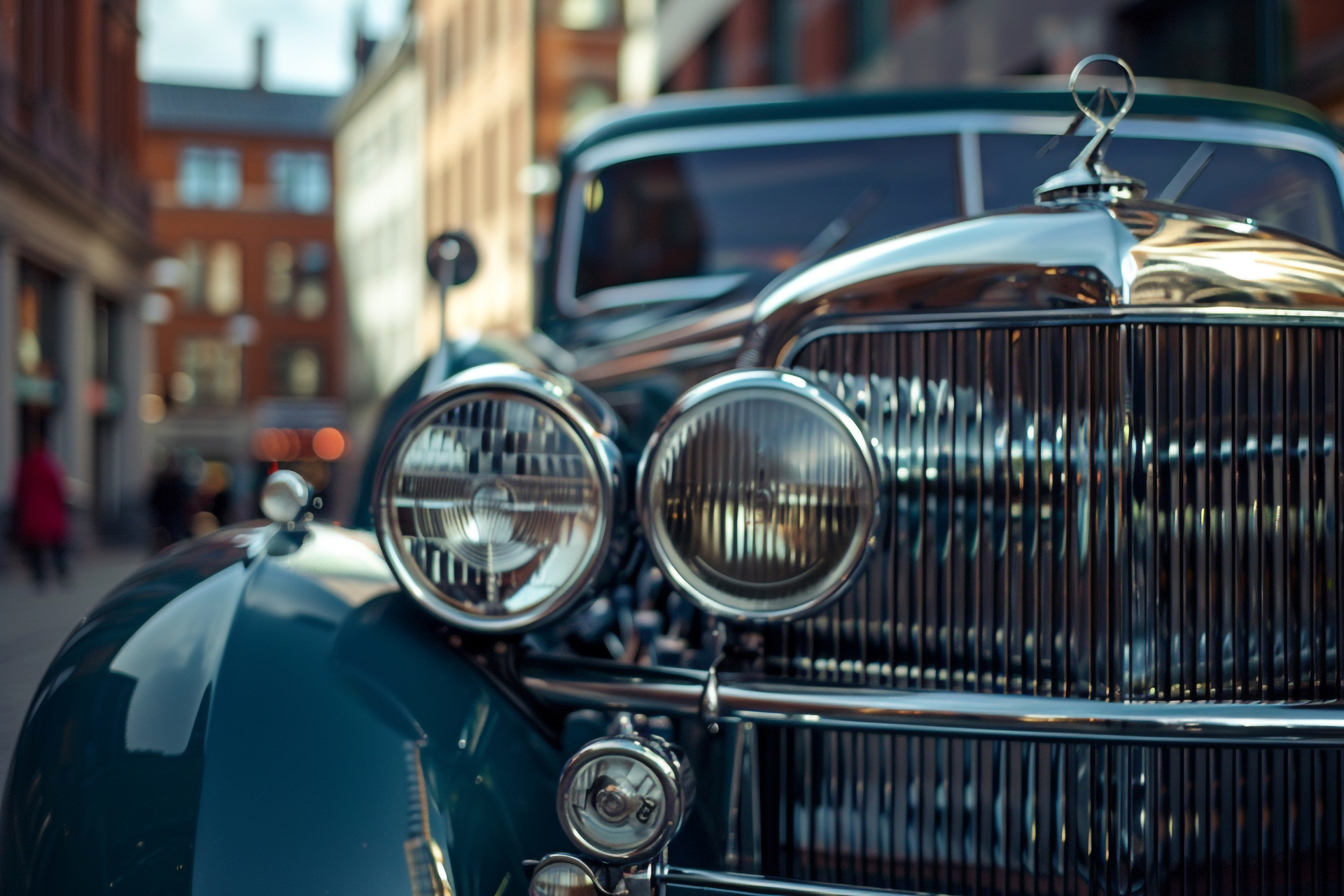


Looking to add timeless charm to your sports car collection without breaking the bank? This guide introduces you to four iconic British classics that combine elegance, performance, and affordability. From innovative designs to enduring appeal, these cars have captured the hearts of enthusiasts for decades. Whether you're a seasoned collector or just starting, discover how these classics can elevate your collection and fit your budget.
What Makes the Lotus Elan a Game-Changer in Classic Car Design?
When it comes to classic British sports cars, the Lotus Elan holds a special place in automotive history. Introduced in the 1960s, the Elan was revolutionary for its time, setting new standards in performance, design, and engineering. This lightweight, nimble car wasn’t just a vehicle; it was a statement of innovation and ingenuity.
Lightweight Steel and Fiberglass Chassis
One of the most defining features of the Lotus Elan was its unique construction. The car was built on a steel backbone chassis combined with a fiberglass body. This combination made it incredibly lightweight without sacrificing durability. By reducing weight, the Elan delivered exceptional handling and responsiveness, characteristics that continue to inspire sports car designs to this day. The streamlined construction also contributed to its iconic, sleek aesthetic, which remains admired by enthusiasts and collectors worldwide.
Performance Upgrades That Set New Standards
The Lotus Elan wasn’t just about looking good—it was engineered to perform. It featured cutting-edge developments for its time, including four-wheel disc brakes, which were rare in sports cars of that era. These brakes significantly improved stopping power, enhancing both safety and performance. The independent suspension system provided unparalleled comfort and control, allowing drivers to navigate sharp turns and winding roads with ease. At the heart of the Elan was its double overhead cam engine, which delivered a spirited driving experience that enthusiasts couldn’t get enough of.
Why Is the Austin Healey Sprite a Unique Collectible?
The Austin Healey Sprite, fondly known as the “Frogeye” in its home country of England, is a true classic in the world of British sports cars. Launched in 1958, this compact and charming car quickly captured the imagination of automotive enthusiasts worldwide. Its blend of quirky design, historical significance, and affordability has made it a timeless favorite at classic car auctions.
Striking Design Features: The “Frogeye” Headlights
One of the most iconic aspects of the Austin Healey Sprite is its distinctive front-end design, particularly its rounded, wide-set headlights. These “Frogeye” headlights were originally intended to be retractable, similar to those found on later models like the Porsche 928. However, budget constraints led to a fixed position, creating the unique “smiling face” that earned the car its nickname. This endearing design not only made the Sprite instantly recognizable but also cemented its place in automotive history as one of the most charming designs of its era.
The 1958 Launch and Enduring Appeal
The Sprite debuted in 1958 as an affordable and accessible sports car, targeting enthusiasts who wanted a spirited driving experience without breaking the bank. Its lightweight construction and compact size made it incredibly agile, perfect for navigating narrow roads or enjoying weekend drives. The Sprite’s simplicity and reliability also added to its appeal, making it a popular choice for drivers across the globe. To this day, its charming aesthetics and historical value ensure it stands out in the crowded field of classic cars.
How Did the Jaguar E-Type Set a New Benchmark in the 1960s?
The Jaguar E-Type, often hailed as one of the most beautiful cars ever made, revolutionized the world of sports cars in the 1960s. With its breathtaking design, cutting-edge engineering, and unmatched performance, it became an instant icon of the golden age of British motoring. Even decades later, the E-Type remains a favorite among collectors, symbolizing elegance and innovation.
A Powerhouse of Performance: The 3.8-Liter Engine
Under the sleek hood of the Jaguar E-Type roared a 3.8-liter engine, delivering an impressive 265 horsepower and 240 lb-ft of torque. These figures were groundbreaking for the era, allowing the car to reach a top speed of 150 mph—an extraordinary feat at the time. Its performance wasn’t just about speed; the E-Type offered exceptional handling and acceleration, making it a thrilling ride on both open highways and winding country roads. Paired with its lightweight construction and aerodynamic shape, the car became a benchmark for sports car engineering.
An Icon of the Golden Era
Debuting in 1961, the Jaguar E-Type quickly captured the hearts of automotive enthusiasts and the general public alike. Its elongated hood, flowing curves, and low profile gave it a timeless elegance that set it apart from other cars of its generation. Enzo Ferrari himself famously called it "the most beautiful car ever made," a testament to its extraordinary design. Beyond aesthetics, the E-Type was also surprisingly practical, offering a smooth ride and reliable performance, making it a favorite among drivers worldwide.
What Makes the Triumph Spitfire a Refined Classic?
The Triumph Spitfire is a shining example of how automotive design can evolve to meet the desires of car enthusiasts. Born as a response to the success of the Austin Healey Sprite, the Spitfire set a new standard for refinement in the world of compact sports cars. With its sleek aesthetics, innovative features, and the touch of a legendary designer, it became a classic beloved by collectors and drivers alike.
Inspired by the Austin Healey Sprite’s Success
The Triumph Spitfire owes much of its existence to the popularity of the Austin Healey Sprite. The Sprite’s success revealed a market hungry for affordable yet stylish sports cars. However, Triumph aimed to take things further by introducing a car that combined the Sprite’s agility with a more polished design and greater comfort. The Spitfire’s development was fueled by this vision of refinement, offering a more sophisticated alternative to its competitors.
The Influence of Giovanni Michelotti
A significant factor in the Spitfire’s elegance is the involvement of Giovanni Michelotti, one of the most renowned automotive designers of his time. Michelotti, celebrated for his work with Ferrari, Maserati, and Lancia, brought his signature flair to the Spitfire. His design featured clean lines, balanced proportions, and a modern aesthetic that elevated the car's appeal. Michelotti's expertise ensured that the Spitfire wasn’t just a car—it was a masterpiece of design that reflected the sophistication of its era.
Sleek Design and Practical Features
The Triumph Spitfire stood out with its distinctive single front-end design, a feature that not only enhanced its aerodynamic look but also made it easier to access the engine for maintenance—a practical consideration for car enthusiasts. Unlike many of its contemporaries, the Spitfire came with wind-up windows, adding a touch of modernity and convenience to its compact frame. These features, combined with its sporty demeanor, made the Spitfire a symbol of practicality and style.
Are you interested in buying a car from US auctions?
With this being said – you can still export vehicles and save up a few thousand dollars with Auto4Export. We have an inventory of over 150k plus vehicles with titles you can export for you to choose from. Once you have placed your bid and won the auction a Bill of Sale document is then emailed to you as proof of purchase – after full payments have been made.
To gain access and get started on your purchase, sign up for free.
Further Reading
How do US auto auctions work?
How to buy a used car from a US auction
Buy Salvaged Cars from the USA. What's the Meaning and Benefit?
Types of Vehicle Titles: What You Can and Can’t Export

Do You Have Any Questions?
 Ask Question