


 Log in
 Sign Up


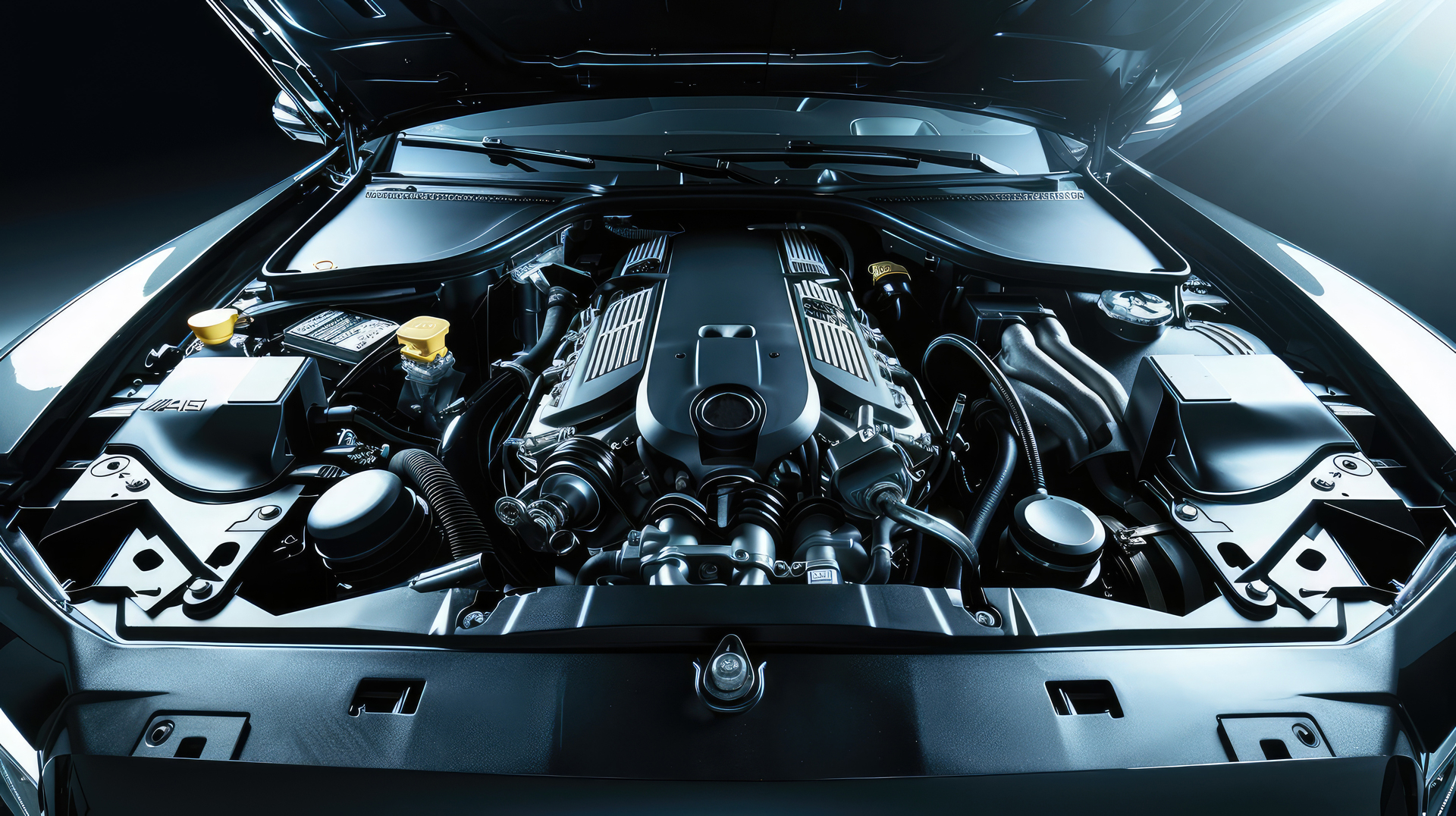


Looking for a 2018 Ford F-150 that fits your budget? This guide breaks down all engine options, helping buyers understand performance, fuel economy, and maintenance costs. Discover which engine suits daily driving, towing, or long-term ownership so you can make a smart, cost-effective choice.
Why the 2018 F-150 Is a Smart Choice
The 2018 Ford F-150 remains one of the most popular trucks for good reasons. It balances power, versatility, and reliability while holding its value well in the used market. For buyers on a budget, it’s a practical option because you can often find models with low mileage at a fraction of the original price. Whether you need a work truck, a weekend hauler, or a daily driver, the 2018 F-150 delivers solid performance without breaking the bank.
Key Upgrades for the 2018 Model Year
The 2018 F-150 brought several improvements over previous years. Notably, it offered better engine choices, improved fuel efficiency, and more advanced tech features. Buyers could get upgraded infotainment systems, driver-assist features like lane-keeping and blind-spot monitoring, and improved towing capabilities. These updates make the 2018 model feel more modern, even on a budget, and give first-time truck buyers peace of mind when shopping used.
Strengths of the 2018 F-150 in the Used Market
In the used market, the 2018 F-150 is appealing for several reasons. It has a reputation for durability and long-term reliability, meaning fewer unexpected repair costs for budget-minded buyers. Parts are widely available and relatively affordable, and its resale value remains strong. Many buyers can find well-maintained examples under $30,000, offering a powerful truck experience without the high price of a new F-150. For students, small business owners, or weekend warriors, it’s an accessible way to own a capable full-size truck.
Overview of All Engine Options
The 2018 Ford F-150 offers a wide range of engine choices, giving buyers flexibility to match power, fuel efficiency, and cost to their specific needs. From the economical base V6 to the powerful V8, each option has its strengths and trade-offs. Understanding the lineup helps budget-minded buyers pick a truck that performs well without overspending on fuel or maintenance.
How Ford Diversified the F-150’s Powertrain Lineup
For 2018, Ford offered five main engines for the F-150:
- 3.3L V6 – The base engine, reliable and fuel-efficient, ideal for daily commuting and light hauling.
- 2.7L EcoBoost V6 – A turbocharged option, providing more power without drastically hurting fuel economy. Great for towing moderate loads.
- 5.0L V8 – Traditional V8 power, perfect for heavy-duty towing or those who want strong performance on highways.
- 3.5L EcoBoost V6 – High-output turbo V6, capable of serious towing and hauling while still being more efficient than a V8.
- 3.0L Power Stroke Diesel V6 – Diesel option focused on torque, fuel efficiency, and long-distance towing, ideal for buyers who drive a lot or need maximum efficiency under load.
This range allows buyers to choose between affordability, fuel savings, and raw power, depending on their lifestyle and budget.
Which Engine Is Right for Your Needs (Work, Towing, Daily Driving)
- Daily Driving / Budget Buyers: The 3.3L V6 is the most affordable to buy and maintain, with decent fuel economy and enough power for errands and commuting. Perfect for someone using the F-150 as a reliable daily driver without heavy towing.
- Light to Moderate Towing: The 2.7L EcoBoost V6 strikes a balance between price and capability. It provides extra horsepower for weekend projects or hauling small trailers, while keeping fuel costs lower than a V8.
- Heavy Towing / Work Trucks: The 5.0L V8 or 3.5L EcoBoost V6 is better suited for buyers who tow large trailers or need maximum payload capacity. The V8 is simple and durable, while the 3.5L EcoBoost adds turbocharged power for more challenging loads.
- Long-Distance / Efficiency Focus: The 3.0L Power Stroke Diesel is perfect for drivers who rack up miles or tow heavy loads frequently. While initial cost is higher, fuel savings and torque make it a strong option for budget-minded buyers looking at long-term value.
Understanding these options helps buyers match the truck’s capabilities to their lifestyle without overspending on power they don’t need.
2018 Ford F-150 3.3L Ti-VCT V6 – Entry-Level and Efficient
The 3.3L Ti-VCT V6 is the base engine for the 2018 F-150, designed to provide reliable performance without high costs. For buyers focused on affordability, low maintenance, and solid day-to-day usability, this engine delivers just what you need without paying for extra horsepower you may never use.
Specs and Performance
The 3.3L V6 produces 290 horsepower and 265 lb-ft of torque. While it’s not the most powerful engine in the lineup, it’s smooth and reliable for general driving. It comes standard with a six-speed automatic transmission and can handle light towing and hauling tasks efficiently. This makes it ideal for buyers who want a full-size truck experience without spending more on a V8 or turbocharged option.
Best Use Cases and Payload Capacity
This engine is best suited for daily driving, errands, and light work tasks. It’s perfect for small business owners, students, or anyone using the F-150 for commuting and occasional hauling. The 3.3L V6 supports a payload of around 1,900–2,000 lbs, which is enough for most DIY projects, landscaping work, or carrying equipment for hobbies. Buyers who don’t need heavy towing or commercial-level loads will find this engine practical and cost-effective.
Fuel Economy and Maintenance Costs
One of the biggest advantages of the 3.3L V6 is fuel efficiency. It averages about 19 mpg city and 25 mpg highway, which keeps running costs lower than larger engines. Maintenance is also straightforward, with lower repair costs compared to turbocharged or diesel options. For budget-minded buyers, this engine balances affordability, reliability, and everyday practicality, making it one of the smartest entry-level choices in the 2018 F-150 lineup.
2018 Ford F-150 2.7L EcoBoost V6 – Balance of Power and Efficiency
The 2.7L EcoBoost V6 strikes a sweet spot for buyers who want more power than the base V6 but still care about fuel efficiency and long-term costs. It’s a turbocharged option that offers strong performance for towing, hauling, and daily driving without the higher fuel bills of a V8.
Turbocharged Performance Details
The 2.7L EcoBoost produces 325 horsepower and 400 lb-ft of torque thanks to its twin-turbo design. This gives the F-150 quick acceleration and the ability to handle heavier loads more easily than the 3.3L V6. Despite the added power, the turbocharged engine is engineered to be fuel-efficient, making it ideal for buyers who want capability without excessive gas costs.
Towing and Payload Ratings
With the 2.7L EcoBoost, the 2018 F-150 can tow up to 8,500 lbs and handle a payload of around 2,250 lbs. This makes it versatile for weekend projects, small trailers, or recreational gear. For example, a small business owner transporting tools and materials, or a family towing a camper for weekend trips, will find this engine practical and capable without needing to pay for a larger V8.
Pros and Cons for Everyday Drivers
- Pros: Strong performance for its size, good fuel efficiency for a turbocharged engine, capable towing and hauling, smoother acceleration than the base V6.
- Cons: Slightly higher maintenance costs compared to the 3.3L V6, more complex engine components (turbocharger and intercooler), and premium fuel is recommended for best performance.
For budget-minded buyers who need more versatility and power than the entry-level engine, the 2.7L EcoBoost is an excellent compromise — offering modern technology, strong towing capacity, and reasonable fuel economy without stretching your budget too far.
2018 Ford F-150 5.0L Ti-VCT V8 – Classic Muscle
The 5.0L V8 has long been a favorite for buyers who need traditional power and durability. Known for its robust performance and strong towing capacity, it’s ideal for those who use their F-150 for heavy-duty work or want a truck that feels confident on the road. While it’s not the most fuel-efficient engine, it delivers reliable strength that many budget-minded buyers find worth the cost.
Horsepower, Torque, and Durability
The 5.0L V8 produces 395 horsepower and 400 lb-ft of torque. This gives it excellent acceleration and the ability to tow larger trailers or carry heavy payloads without straining the engine. The V8 is known for durability and long-term reliability, making it a solid choice for buyers who plan to keep their truck for many years. Its simpler, naturally aspirated design also keeps maintenance more predictable compared to turbocharged engines.
Ideal Buyers (Contractors, Heavy Use)
This engine is best suited for contractors, small business owners, and anyone who frequently hauls equipment or trailers. For example, a contractor transporting tools and materials daily, or a weekend warrior towing an RV, will benefit from the V8’s muscle and reliability. While it comes at a higher purchase price and fuel cost, the V8 ensures the truck can handle tough workloads without compromise.
Fuel Consumption and Maintenance Notes
Fuel economy for the 5.0L V8 averages around 16–18 mpg city and 22–24 mpg highway. While this is lower than the V6 options, many buyers consider it acceptable given the extra towing and payload capabilities. Maintenance costs are slightly higher than the base V6 but generally predictable, thanks to its simple design and widespread availability of parts. For budget-minded buyers needing serious capability, the V8 offers a balance of strength, reliability, and long-term value.
2018 Ford F-150 3.5L EcoBoost V6 – Power and Versatility
The 3.5L EcoBoost V6 combines turbocharged performance with impressive towing capabilities, making it one of the most versatile engines in the 2018 F-150 lineup. It delivers strong power without the fuel penalties of a V8, appealing to buyers who need both capability and efficiency for work or weekend adventures.
Specs and Towing Capacity
The 3.5L EcoBoost produces 375 horsepower and 470 lb-ft of torque, giving it one of the highest towing ratings in the F-150 range. Depending on the configuration, it can tow up to 12,200 lbs and carry a payload around 3,250 lbs. This makes it ideal for buyers who frequently tow campers, trailers, or boats, or need a truck that can handle heavier loads without straining the engine.
Real-World Performance Feedback
Owners praise the 3.5L EcoBoost for its smooth acceleration, strong low-end torque, and surprisingly good fuel efficiency for a turbocharged engine. Drivers report that it performs well both in city driving and on highways with heavy loads. Compared to the 5.0L V8, it feels lighter and more responsive, making it a good choice for those who want power without sacrificing drivability or efficiency.
Who Should Choose This Engine?
This engine is perfect for buyers who need serious towing power but also want better fuel economy than a V8. It’s ideal for contractors, outdoor enthusiasts, or families who tow trailers for vacations. For budget-minded buyers, it provides excellent long-term value — a powerful and versatile option that can handle almost any task the F-150 is known for, without the extra fuel costs of a larger engine.
2018 Ford F-150 High-Output 3.5L EcoBoost – Raptor DNA
The High-Output 3.5L EcoBoost is the engine that brings Raptor-level performance to the 2018 F-150. While not as common as other engines, it delivers serious power and capability for buyers who need maximum performance for towing, hauling, or off-road adventures. For budget-minded buyers, understanding its strengths and costs is key before making a purchase.
What Makes It Different
This version of the 3.5L EcoBoost is tuned for high output, with stronger internals, upgraded turbochargers, and enhanced cooling systems. Compared to the standard 3.5L EcoBoost, it provides more horsepower and torque, giving the truck better acceleration and performance under load. These upgrades make it feel more aggressive and responsive, especially when towing or driving in challenging conditions.
Horsepower and Off-Road Capability
The High-Output EcoBoost produces around 450 horsepower and 510 lb-ft of torque, rivaling some V8 engines in sheer strength. This makes it excellent for hauling trailers, carrying heavy payloads, or navigating rough off-road trails. Many owners choose this engine for its combination of towing ability and off-road potential, making it ideal for outdoor enthusiasts who need a versatile truck.
Limited Applications and Costs
While powerful, this engine is typically only found in higher trims or special editions like the Raptor or Lariat with heavy-duty packages. It’s more expensive to buy and maintain than the standard 3.5L EcoBoost or base V6 engines. Fuel economy is lower, and insurance may be higher due to the performance focus. Budget-minded buyers should weigh the benefits carefully — it’s a fantastic engine if you need the extra power, but overkill if you only plan light hauling or daily driving.
2018 Ford F-150 3.0L Power Stroke Diesel – Built for Torque
The 3.0L Power Stroke Diesel is designed for buyers who need maximum torque, fuel efficiency, and long-term durability. While less common than the gasoline engines, it’s a favorite among drivers who tow frequently or cover high mileage, making it a smart option for budget-minded buyers looking for long-term savings and reliability.
Diesel Performance Specs
The 3.0L Power Stroke produces 250 horsepower and a robust 440 lb-ft of torque. While its horsepower is lower than many gasoline engines, the high torque output provides excellent towing and hauling capabilities. It can tow up to 11,400 lbs and handle a payload around 2,100–2,200 lbs, making it ideal for work trucks, small business owners, or outdoor enthusiasts who regularly tow trailers or boats.
Fuel Economy Advantages
One of the biggest benefits of the 3.0L diesel is fuel efficiency. It averages roughly 20–22 mpg city and 26–28 mpg highway, which is higher than most V8 gasoline options. Over time, these savings add up, especially for buyers who drive long distances or frequently tow heavy loads. Diesel engines are also known for their longevity, so you can expect more miles before major repairs are needed.
Long-Term Ownership and Maintenance
Diesel engines generally require different maintenance than gasoline engines, including regular oil changes, fuel filters, and occasional turbo servicing. However, the 3.0L Power Stroke is known for durability and reliability, which can reduce unexpected repair costs over the truck’s lifetime. For budget-conscious buyers willing to follow maintenance schedules, this engine provides an excellent combination of power, efficiency, and long-term value.
Transmission and Drivetrain
Understanding the transmission and drivetrain options is essential when shopping for a 2018 F-150. These components directly affect driving experience, fuel economy, and towing ability. Choosing the right combination ensures you get the performance you need without overspending on features you don’t.
10-Speed Automatic – What to Expect
Most 2018 F-150 engines come paired with Ford’s 10-speed automatic transmission. This transmission provides smooth gear shifts, improved fuel efficiency, and better acceleration compared to older 6-speed or 8-speed automatics. Drivers often notice that the 10-speed keeps the engine in the optimal power range, which is especially helpful when towing trailers or hauling heavy loads. For budget-minded buyers, this means a truck that feels responsive without sacrificing economy or long-term reliability.
Rear-Wheel vs. Four-Wheel Drive Options
The 2018 F-150 is available in both rear-wheel drive (RWD) and four-wheel drive (4WD) configurations.
- Rear-Wheel Drive (RWD): Offers lower initial cost and slightly better fuel economy. It’s ideal for buyers who mostly drive on highways or in mild weather conditions. A daily commuter or someone using the truck for light hauling may find RWD sufficient.
- Four-Wheel Drive (4WD): Provides superior traction for off-road conditions, snow, or slippery roads. It’s perfect for buyers who tow trailers in challenging terrain or live in areas with harsh winters. While 4WD adds a bit to the purchase price and slightly reduces fuel efficiency, it increases versatility and resale value.
Choosing the right drivetrain depends on your typical driving conditions and budget. For many buyers, balancing cost, fuel economy, and capability will guide the choice between RWD and 4WD.
Fuel Economy by Engine
Fuel costs are a major concern for budget-minded buyers, and the 2018 F-150 lineup offers a wide range of efficiency depending on engine choice. Understanding both EPA ratings and real-world performance helps you make a smart decision that balances power, towing, and everyday fuel costs.
EPA Ratings and Real-World Results
The EPA fuel economy ratings provide a baseline for each engine, but real-world results can vary based on driving style, load, and terrain. Here’s a general look at the 2018 F-150 engines:
- 3.3L V6: ~19 mpg city / 25 mpg highway. Best for daily commuting and light hauling.
- 2.7L EcoBoost V6: ~20 mpg city / 26 mpg highway. Good balance of power and efficiency.
- 5.0L V8: ~16–17 mpg city / 22–24 mpg highway. Strong power, heavier on gas.
- 3.5L EcoBoost V6: ~18–19 mpg city / 23–25 mpg highway. Excellent for towing without V8 fuel costs.
- High-Output 3.5L EcoBoost: ~15–17 mpg city / 20–22 mpg highway. High performance, lower efficiency.
- 3.0L Power Stroke Diesel: ~20–22 mpg city / 26–28 mpg highway. Best long-term fuel savings, especially for towing or highway driving.
Budget-conscious buyers should consider both the engine’s power and fuel efficiency, as higher-powered engines may cost more to operate daily.
How to Save on Fuel with Each Engine Type
- Drive Smoothly: Avoid rapid acceleration and heavy braking; even the turbocharged engines benefit from gentle driving.
- Lighten Your Load: Remove unnecessary cargo to reduce fuel consumption.
- Regular Maintenance: Keep tires inflated, perform timely oil changes, and follow recommended maintenance to maximize efficiency.
- Choose Wisely: Pick an engine that fits your primary use. If you mostly commute or run errands, a 3.3L V6 or 2.7L EcoBoost may save hundreds annually on fuel. If you tow frequently, the 3.0L diesel can offset higher upfront costs with long-term fuel savings.
By considering these factors, buyers can match an engine to their budget and driving needs, getting the most value from their 2018 F-150 without overspending on gas.
Reliability and Common Issues
Reliability is one of the most important considerations for anyone buying a used 2018 F-150, especially budget-minded buyers who want to avoid expensive surprises. Each engine has its strengths and a few known issues, but with regular maintenance and careful selection, the F-150 can remain a dependable truck for years.
Known Problems by Engine Type
- 3.3L V6: Generally reliable with few issues. Some owners report minor oil consumption over time and occasional spark plug replacements.
- 2.7L EcoBoost V6: Turbocharged engines can sometimes experience coolant leaks, carbon buildup, or higher oil consumption. Proper maintenance helps minimize these problems.
- 5.0L V8: Known for durability and long life. Occasionally, some owners report intake manifold gasket issues, but overall it’s low-maintenance.
- 3.5L EcoBoost V6: Like the 2.7L, it may develop carbon buildup or turbo-related problems if maintenance is neglected. Still, it’s considered reliable with proper care.
- High-Output 3.5L EcoBoost: Higher stress on engine components means more attention is required. Turbo and cooling system maintenance is critical.
- 3.0L Power Stroke Diesel: Diesel engines are generally robust, but some owners note potential EGR or turbo issues. Regular maintenance and high-quality diesel fuel prevent most problems.
Understanding these issues allows buyers to budget for preventative maintenance and avoid unexpected repairs.
Maintenance Costs and Availability of Parts
One advantage of the 2018 F-150 is the wide availability of parts and service expertise. Common maintenance like oil changes, brake pads, and filters is relatively affordable. V6 engines tend to have lower maintenance costs, while turbocharged and diesel engines may be slightly more expensive to service.
- Budget-Friendly Options: 3.3L V6 and 5.0L V8 have predictable, low-cost maintenance.
- Moderate-Cost Options: 2.7L and 3.5L EcoBoost require more attention but remain manageable with regular service.
- Higher-Cost Option: High-output EcoBoost and diesel engines may have higher parts and labor costs, but their durability often offsets these expenses for buyers who plan long-term ownership.
For budget-conscious buyers, choosing the right engine and following a consistent maintenance schedule is the key to keeping a 2018 F-150 reliable without overspending.
Buying Tips for Budget-Friendly Shoppers
Finding a 2018 F-150 that fits your budget doesn’t mean compromising on quality or capability. With a careful approach, buyers can secure a truck that meets their needs, whether for towing, daily driving, or occasional hauling, without overspending.
Best Engine for Towing vs. Commuting
Choosing the right engine depends on your primary use:
- Towing or Heavy Loads: The 3.5L EcoBoost V6 or 5.0L V8 offers strong towing and payload capabilities. For frequent long-haul towing, the 3.0L Power Stroke Diesel is also a great option, combining torque and fuel efficiency.
- Daily Commuting or Light Hauling: The 3.3L V6 or 2.7L EcoBoost provides enough power for errands, commuting, and light weekend projects while saving on fuel and maintenance costs.
By matching the engine to your needs, you avoid paying for horsepower you don’t use or limiting your truck’s capabilities.
Mileage and Condition Considerations
Mileage and overall condition are crucial for budget-minded buyers. Lower-mileage trucks are generally more reliable but come at a higher price, while higher-mileage trucks can be affordable if they’ve been well maintained. Look for:
- Regular maintenance records
- Clean engine and undercarriage
- No major body damage or frame issues
- Consistent oil and fluid levels
A little extra research here can prevent costly repairs down the road.
How to Spot a Good Deal at Auctions or Private Sales
Buying from auctions or private sellers can save thousands, but it requires attention to detail:
- Check Vehicle History Reports: Look for accidents, title issues, or recurring repairs.
- Inspect Thoroughly: If possible, bring a mechanic or use a pre-purchase inspection service to evaluate the engine, transmission, brakes, and suspension.
- Compare Prices: Research market values using tools like Black Book or online pricing guides to ensure the price is fair.
- Negotiate Smartly: Especially at auctions, set a maximum bid and stick to it — don’t get caught in a bidding war that stretches your budget.
By combining careful research, inspection, and negotiation, budget-minded buyers can find a 2018 F-150 that balances cost, reliability, and performance.
Frequently Asked Questions
Buying a 2018 F-150 raises a lot of questions, especially for budget-minded shoppers who want reliability, efficiency, and value. Here are answers to some of the most common concerns.
Which 2018 F-150 Engine Is the Most Reliable?
The 3.3L V6 and 5.0L V8 are generally considered the most reliable engines in the 2018 F-150 lineup. They have fewer complex components than the turbocharged or diesel options, meaning less risk of costly repairs. Budget-conscious buyers often prefer these engines for their predictable maintenance costs and strong long-term durability, especially if they plan to keep the truck for several years.
Which Engine Gets the Best Gas Mileage?
For the best fuel economy, the 3.0L Power Stroke Diesel stands out, averaging about 20–22 mpg city and 26–28 mpg highway. Among gasoline engines, the 2.7L EcoBoost V6 is the most efficient, offering a good balance of power and fuel savings. Buyers who drive mostly in the city or on long commutes can save hundreds of dollars per year by choosing one of these more efficient engines.
Is the 2018 F-150 a Good Truck for Work or Family Use?
Yes. The 2018 F-150 is versatile enough for both work and family life. For work, engines like the 5.0L V8, 3.5L EcoBoost, or 3.0L Diesel handle towing and heavy loads with ease. For family use, the 3.3L V6 or 2.7L EcoBoost provides sufficient power, comfortable ride quality, and lower fuel costs. The truck’s spacious cab options, safety features, and modern tech make it practical for hauling kids, groceries, or weekend gear while still being budget-friendly.
Are you interested in buying a car from US auctions?
With this being said – you can still export vehicles and save up a few thousand dollars with Auto4Export. We have an inventory of over 150k plus vehicles with titles you can export for you to choose from. Once you have placed your bid and won the auction a Bill of Sale document is then emailed to you as proof of purchase – after full payments have been made.
To gain access and get started on your purchase, sign up for free.
Further Reading
How do US auto auctions work?
How to buy a used car from a US auction
Buy Salvaged Cars from the USA. What's the Meaning and Benefit?
Types of Vehicle Titles: What You Can and Can’t Export

Do You Have Any Questions?
 Ask Question