


 Log in
 Sign Up
 Vehicle Finder
Popular Makes
- Toyota28,641
- Ford28,633
- Chevrolet24,852
- Honda20,852
- Nissan17,940
- Hyundai12,905
- Kia10,133
- Jeep9,162
- Dodge7,401
- Subaru6,266
- Gmc5,965
- Mercedes-Benz5,663
- Bmw5,590
- Volkswagen5,069
- Ram4,359
- Lexus4,272
- Mazda3,956
- Audi3,292
- Buick3,259
- Chrysler3,095
- Cadillac2,473
- Infiniti2,327
- Tesla2,293
- Acura2,284
- Mitsubishi1,736
- Volvo1,532
- Lincoln1,522
- Land Rover1,412
Vehicle Types
7 am to 6 pm EST Mon - Fri


7 am to 6 pm EST Mon - Fri


- Toyota28,641
- Ford28,633
- Chevrolet24,852
- Honda20,852
- Nissan17,940
- Hyundai12,905
- Kia10,133
- Jeep9,162
- Dodge7,401
- Subaru6,266
- Gmc5,965
- Mercedes-Benz5,663
- Bmw5,590
- Volkswagen5,069
- Ram4,359
- Lexus4,272
- Mazda3,956
- Audi3,292
- Buick3,259
- Chrysler3,095
- Cadillac2,473
- Infiniti2,327
- Tesla2,293
- Acura2,284
- Mitsubishi1,736
- Volvo1,532
- Lincoln1,522
- Land Rover1,412
Used & Salvage Cars from USA for export

Do You Have Any Questions?
 Ask Question
Showing result: 1,920 - 1,944 of 3,059
Sale Date (recent)


Run & Drive
When a vehicle arrives at an auction’s yard, the auction confirms that the vehicle starts, can be put into gear and can move forward under its own power. These functions are not guaranteed at pickup or delivery, and the vehicle may not be roadworthy.
535652465GTDN136668249107120,021
Normal Wear
Salvage
120,021
Normal Wear
Salvage
8/4/2026, 2:00:00 PM
Salvage
Normal Wear
120,021
$0
$2,400
$0
$2,400
08/04/2026 465633861FTPX14556NB02993
0
Burn
Non-Repairable
0
Burn
Non-Repairable
8/5/2026, 2:00:00 PM
Non-Repairable
Burn
0
$0
$0
08/05/2026Run & Drive
When a vehicle arrives at an auction’s yard, the auction confirms that the vehicle starts, can be put into gear and can move forward under its own power. These functions are not guaranteed at pickup or delivery, and the vehicle may not be roadworthy.

Clean Title
The clean title definition indicates that the vehicle has never been deemed a total loss but in some states a vehicle with clean title can have total loss history. it is the User’s responsibility 1) to check the car's history and any notes on salvage records or Total loss ( for example NMVTIS report) 2) to verify with their specific state or jurisdiction that the vehicle can be legally titled and registered.We cannot guarantee that any vehicle purchased through our site will be able to be reconstructed or titled in any specific state or country. We are not responsible for any difficulties in passing inspection and registering your car in your state. Please get more info about the reconstruction process before purchasing any vehicle. Each state has different guidelines for salvage titles.
452591693GCEC14V86G226896Clean
Left & Right Side
158,521
$0
$0
08/18/2026
Run & Drive
When a vehicle arrives at an auction’s yard, the auction confirms that the vehicle starts, can be put into gear and can move forward under its own power. These functions are not guaranteed at pickup or delivery, and the vehicle may not be roadworthy.
522698061GCDT136968331992219,258
Front End
Non-Repairable
219,258
Front End
Non-Repairable
8/24/2026, 2:00:00 PM
Non-Repairable
Front End
219,258
$0
$0
08/24/2026
Run & Drive
When a vehicle arrives at an auction’s yard, the auction confirms that the vehicle starts, can be put into gear and can move forward under its own power. These functions are not guaranteed at pickup or delivery, and the vehicle may not be roadworthy.
530862865FNRL38706B121946246,673
Side
Non-Repairable
246,673
Side
Non-Repairable
8/24/2026, 2:00:00 PM
Non-Repairable
Side
246,673
$0
$0
08/24/2026 49414656SHSRD78566U409031
266,273
Front End
Non-Repairable
266,273
Front End
Non-Repairable
8/24/2026, 2:00:00 PM
Non-Repairable
Front End
266,273
$0
$0
08/24/2026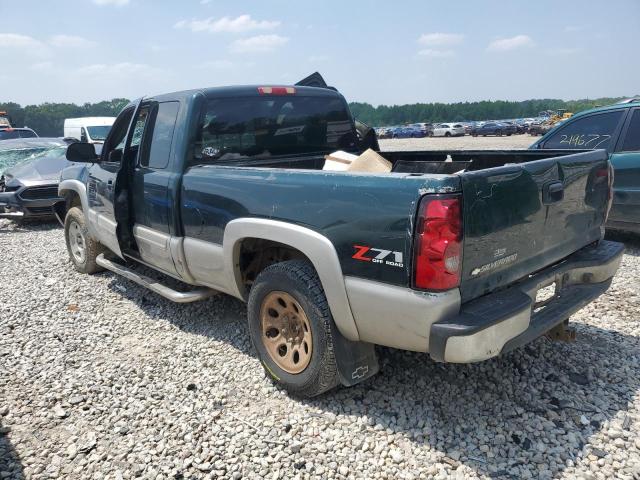 792733231GCEK19B46Z138428
0
All Over
Salvage
0
All Over
Salvage
Not Assigned
Salvage
All Over
0
$0
$0
Not Assigned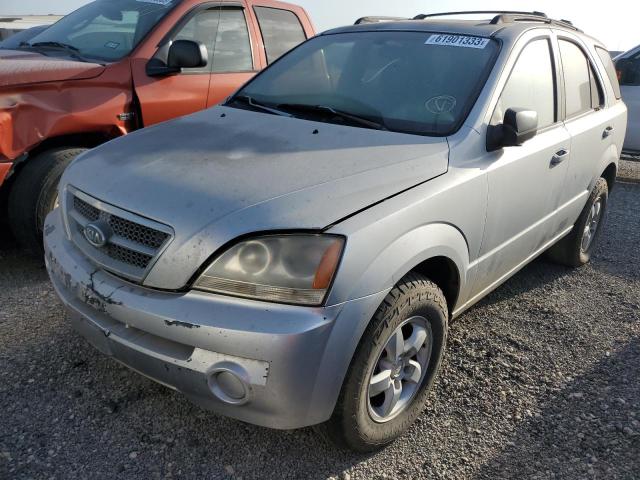
Clean Title
The clean title definition indicates that the vehicle has never been deemed a total loss but in some states a vehicle with clean title can have total loss history. it is the User’s responsibility 1) to check the car's history and any notes on salvage records or Total loss ( for example NMVTIS report) 2) to verify with their specific state or jurisdiction that the vehicle can be legally titled and registered.We cannot guarantee that any vehicle purchased through our site will be able to be reconstructed or titled in any specific state or country. We are not responsible for any difficulties in passing inspection and registering your car in your state. Please get more info about the reconstruction process before purchasing any vehicle. Each state has different guidelines for salvage titles.
61901333KNDJC733365537189178,450
Water/Flood
Clean
178,450
Water/Flood
Clean
Not Assigned
Clean
Water/Flood
178,450
$0
$0
Not Assigned
Clean Title
The clean title definition indicates that the vehicle has never been deemed a total loss but in some states a vehicle with clean title can have total loss history. it is the User’s responsibility 1) to check the car's history and any notes on salvage records or Total loss ( for example NMVTIS report) 2) to verify with their specific state or jurisdiction that the vehicle can be legally titled and registered.We cannot guarantee that any vehicle purchased through our site will be able to be reconstructed or titled in any specific state or country. We are not responsible for any difficulties in passing inspection and registering your car in your state. Please get more info about the reconstruction process before purchasing any vehicle. Each state has different guidelines for salvage titles.
71109242HPSA0909G5060
Minor Dent/Scratches
Clean
0
Minor Dent/Scratches
Clean
Not Assigned
Clean
Minor Dent/Scratches
0
$125
$125
Not Assigned
Clean Title
The clean title definition indicates that the vehicle has never been deemed a total loss but in some states a vehicle with clean title can have total loss history. it is the User’s responsibility 1) to check the car's history and any notes on salvage records or Total loss ( for example NMVTIS report) 2) to verify with their specific state or jurisdiction that the vehicle can be legally titled and registered.We cannot guarantee that any vehicle purchased through our site will be able to be reconstructed or titled in any specific state or country. We are not responsible for any difficulties in passing inspection and registering your car in your state. Please get more info about the reconstruction process before purchasing any vehicle. Each state has different guidelines for salvage titles.
61400124LJE01235B6060
Mechanical
Clean
0
Mechanical
Clean
Not Assigned
Clean
Mechanical
0
$825
$825
Not Assigned
Run & Drive
When a vehicle arrives at an auction’s yard, the auction confirms that the vehicle starts, can be put into gear and can move forward under its own power. These functions are not guaranteed at pickup or delivery, and the vehicle may not be roadworthy.
Clean Title
The clean title definition indicates that the vehicle has never been deemed a total loss but in some states a vehicle with clean title can have total loss history. it is the User’s responsibility 1) to check the car's history and any notes on salvage records or Total loss ( for example NMVTIS report) 2) to verify with their specific state or jurisdiction that the vehicle can be legally titled and registered.We cannot guarantee that any vehicle purchased through our site will be able to be reconstructed or titled in any specific state or country. We are not responsible for any difficulties in passing inspection and registering your car in your state. Please get more info about the reconstruction process before purchasing any vehicle. Each state has different guidelines for salvage titles.
66635244JH4CL96866C077791456
All Over
Clean
456
All Over
Clean
Not Assigned
Clean
All Over
456
$10
$10
Not Assigned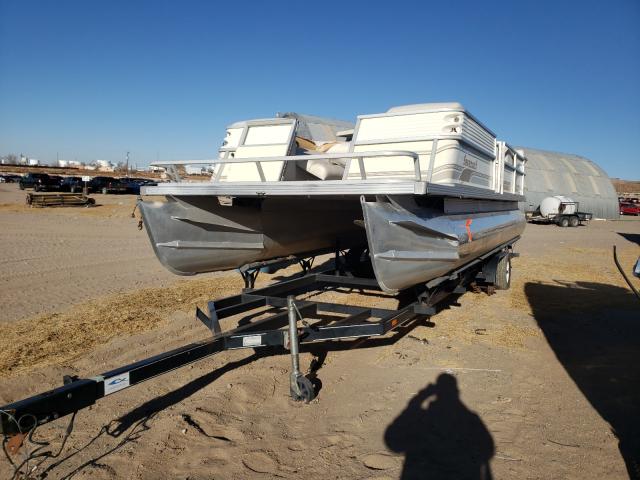 56836560MAU019840606
66
All Over
Salvage
66
All Over
Salvage
Not Assigned
Salvage
All Over
66
$60
$60
Not Assigned
Clean Title
The clean title definition indicates that the vehicle has never been deemed a total loss but in some states a vehicle with clean title can have total loss history. it is the User’s responsibility 1) to check the car's history and any notes on salvage records or Total loss ( for example NMVTIS report) 2) to verify with their specific state or jurisdiction that the vehicle can be legally titled and registered.We cannot guarantee that any vehicle purchased through our site will be able to be reconstructed or titled in any specific state or country. We are not responsible for any difficulties in passing inspection and registering your car in your state. Please get more info about the reconstruction process before purchasing any vehicle. Each state has different guidelines for salvage titles.
5703887519UUA662X6A032792188,426
Front End
Clean
188,426
Front End
Clean
Not Assigned
Clean
Front End
188,426
$0
$0
Not Assigned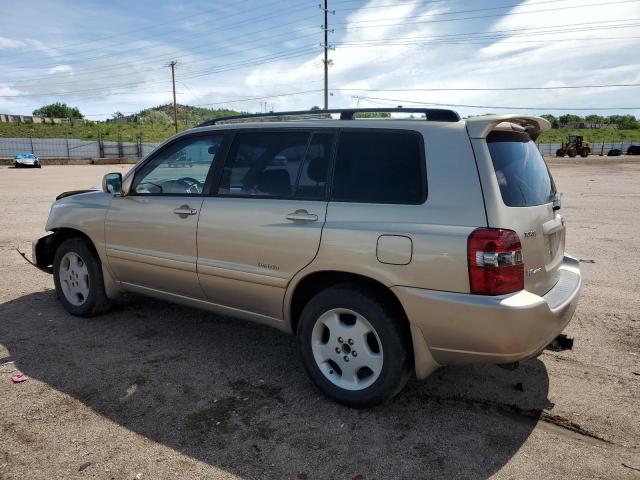
Run & Drive
When a vehicle arrives at an auction’s yard, the auction confirms that the vehicle starts, can be put into gear and can move forward under its own power. These functions are not guaranteed at pickup or delivery, and the vehicle may not be roadworthy.
58577715JTEEP21A960183620237,030
Front End
Salvage
237,030
Front End
Salvage
Not Assigned
Salvage
Front End
237,030
$0
$0
Not Assigned 55742225JYARN15Y96A002308
0
All Over
Salvage
0
All Over
Salvage
Not Assigned
Salvage
All Over
0
$200
$200
Not Assigned
Clean Title
The clean title definition indicates that the vehicle has never been deemed a total loss but in some states a vehicle with clean title can have total loss history. it is the User’s responsibility 1) to check the car's history and any notes on salvage records or Total loss ( for example NMVTIS report) 2) to verify with their specific state or jurisdiction that the vehicle can be legally titled and registered.We cannot guarantee that any vehicle purchased through our site will be able to be reconstructed or titled in any specific state or country. We are not responsible for any difficulties in passing inspection and registering your car in your state. Please get more info about the reconstruction process before purchasing any vehicle. Each state has different guidelines for salvage titles.
65703525JTC65195C6060
Rear End
Clean
0
Rear End
Clean
Not Assigned
Clean
Rear End
0
$1,300
$1,300
Not Assigned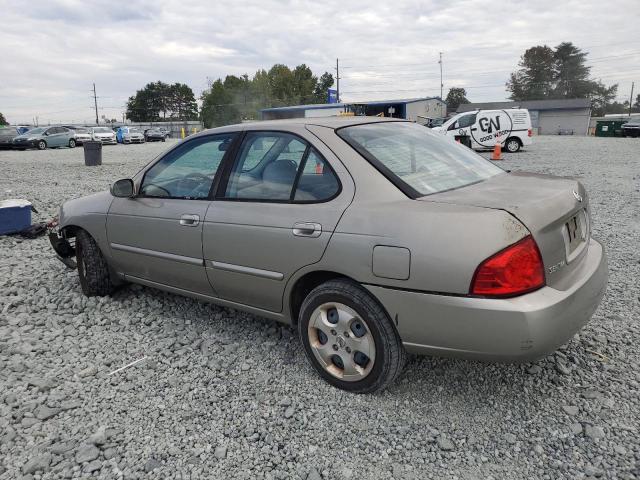
Run & Drive
When a vehicle arrives at an auction’s yard, the auction confirms that the vehicle starts, can be put into gear and can move forward under its own power. These functions are not guaranteed at pickup or delivery, and the vehicle may not be roadworthy.
804722453N1CB51DX6L611660202,739
Front End
Salvage
202,739
Front End
Salvage
Not Assigned
Salvage
Front End
202,739
$0
$0
Not Assigned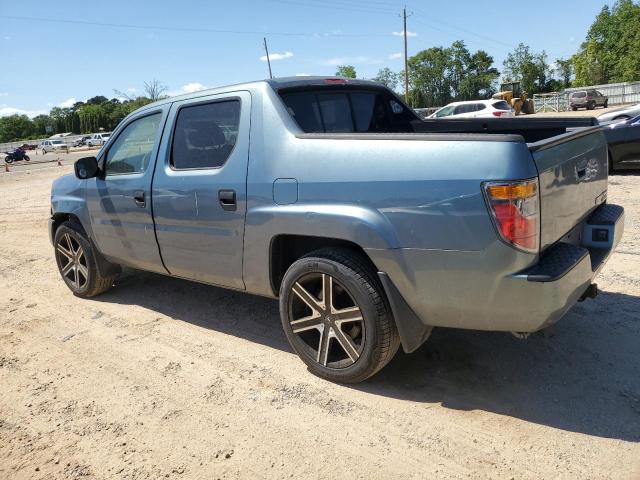
Run & Drive
When a vehicle arrives at an auction’s yard, the auction confirms that the vehicle starts, can be put into gear and can move forward under its own power. These functions are not guaranteed at pickup or delivery, and the vehicle may not be roadworthy.
550365352HJYK16236H559344195,777
Front End
Salvage
195,777
Front End
Salvage
Not Assigned
Salvage
Front End
195,777
$0
$0
Not Assigned
Run & Drive
When a vehicle arrives at an auction’s yard, the auction confirms that the vehicle starts, can be put into gear and can move forward under its own power. These functions are not guaranteed at pickup or delivery, and the vehicle may not be roadworthy.
814027652GCEC13V161226071188,054
Front End
Salvage
188,054
Front End
Salvage
Not Assigned
Salvage
Front End
188,054
$0
$0
Not Assigned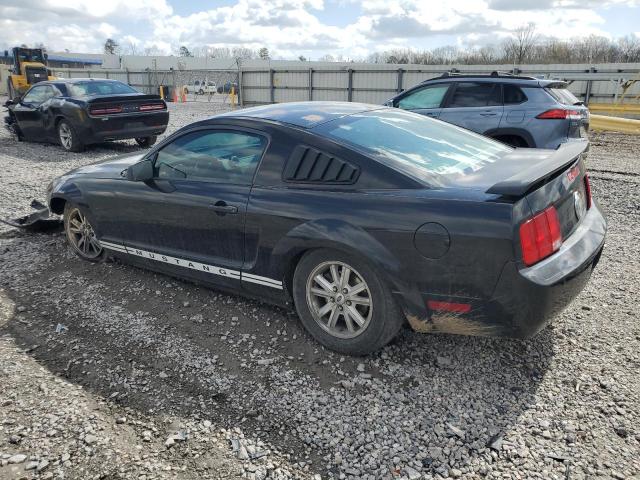 719723251ZVFT80N065144331
189,176
Front End
Salvage
189,176
Front End
Salvage
Not Assigned
Salvage
Front End
189,176
$0
$0
Not Assigned
Run & Drive
When a vehicle arrives at an auction’s yard, the auction confirms that the vehicle starts, can be put into gear and can move forward under its own power. These functions are not guaranteed at pickup or delivery, and the vehicle may not be roadworthy.
897305851FTYR10D96PA57301217,890
Front End
Salvage
217,890
Front End
Salvage
Not Assigned
Salvage
Front End
217,890
$125
$125
Not Assigned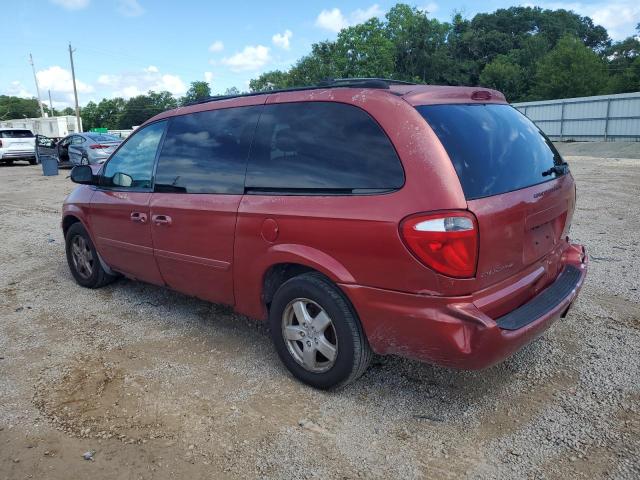
Run & Drive
When a vehicle arrives at an auction’s yard, the auction confirms that the vehicle starts, can be put into gear and can move forward under its own power. These functions are not guaranteed at pickup or delivery, and the vehicle may not be roadworthy.
720678152D4GP44L96R620966279,084
Front End
Salvage
279,084
Front End
Salvage
Not Assigned
Salvage
Front End
279,084
$0
$0
Not Assigned 90915355JF1GD67686H513304
172,206
Side
Salvage
172,206
Side
Salvage
Not Assigned
Salvage
Side
172,206
$0
$0
Not Assigned
Run & Drive
When a vehicle arrives at an auction’s yard, the auction confirms that the vehicle starts, can be put into gear and can move forward under its own power. These functions are not guaranteed at pickup or delivery, and the vehicle may not be roadworthy.
851654951G1AK15F167845949118,440
Front End
Salvage
118,440
Front End
Salvage
Not Assigned
Salvage
Front End
118,440
$0
$0
Not Assigned
How to Buy and Export a Car from an American Auto Auction
Buying and exporting a car from an American auto auction can be a lucrative opportunity to access a wide range of vehicles at competitive prices. Whether you're an international dealer or a private buyer looking to acquire a vehicle from the vast American market, understanding the process is crucial. Here's a step-by-step guide to navigating the complexities of purchasing and exporting a car from the U.S.
Step 1: Research and Choose the Right Auction
Start by researching the various types of auto auctions available in the U.S., including online platforms and physical auction houses. Consider public auctions, government vehicle auctions, and dealer-only auctions, depending on your eligibility and the type of vehicle you're looking for. Websites like Manheim, Copart, and Auto Auction Mall offer extensive listings and are a good starting point.
Step 2: Registration and Deposit
Once you've chosen an auction, the next step is to register as a bidder. This process typically requires submitting personal or business information and possibly a refundable deposit. The deposit amount varies but is usually a percentage of your intended purchase limit. This ensures that bidders are serious and have the financial means to complete purchases.
Step 3: Vehicle Inspection and History Check
Before bidding, thoroughly inspect the vehicle listings. Many auctions provide detailed reports, including vehicle history, condition, and any damages. If you're bidding online and cannot physically inspect the car, consider hiring a third-party inspection service. Understanding the vehicle's condition and history is crucial to avoid costly mistakes.
Step 4: Bidding Process
Familiarize yourself with the auction's bidding process, which can vary between different platforms. Decide on your maximum bid based on your research, the vehicle's condition, and your budget, including shipping and importation costs. Stay disciplined during the auction to avoid overbidding.
Step 5: Payment and Documentation
Upon winning a bid, you'll need to finalize the payment according to the auction house's guidelines. Payment methods and timelines can vary, so it's important to be prepared in advance. Additionally, gather all necessary documentation from the auction house, including the bill of sale, title, and any other paperwork required for export.
Step 6: Arrange for Shipping
After purchasing the vehicle, you'll need to arrange for its transportation from the auction site to your country. Contact international shipping companies that specialize in vehicle export from the U.S. to get quotes and understand the process, including insurance, shipping options (container or Roll-on/Roll-off), and estimated transit times.
Step 7: Customs and Importation
Familiarize yourself with your country's import regulations, taxes, and duties on vehicles imported from the U.S. You may need to work with a customs broker to navigate the importation process, prepare the necessary documentation, and ensure compliance with local laws. This step is crucial to avoid delays or additional costs.
Step 8: Vehicle Collection and Registration
Once the vehicle arrives in your country, complete any remaining customs procedures, pay the necessary duties and taxes, and collect your vehicle. The final step is to register the vehicle in your country, which will require the documents provided by the auction house and any importation paperwork.
Conclusion
Buying and exporting a car from an American auto auction involves several steps, from choosing the right auction to navigating shipping and customs procedures. With careful planning, research, and attention to detail, you can successfully acquire a vehicle from the U.S. and import it into your country. Remember to consider all associated costs and regulations to ensure a smooth and cost-effective transaction.
FAQs
1. Do I need a license to buy from dealer-only auctions?
Yes, dealer-only auctions require bidders to have a dealer license. However, some services allow you to bid through a licensed dealer.
2. How long does shipping a car internationally usually take?
Shipping times can vary significantly depending on the destination and shipping method, ranging from a few weeks to a couple of months.
3. Can I buy a car from a U.S. auction without being in the U.S.?
Yes, many auctions offer online bidding options, allowing international buyers to participate without physically being in the U.S.
4. What are the most common payment methods for auction purchases?
Wire transfer is the most common and preferred method, though some auctions may accept other forms of payment.
5. Is it possible to return a vehicle after purchase if it doesn't meet my expectations?
Generally, all sales at auto auctions are final, especially for exported vehicles. It's crucial to conduct thorough research and inspections before bidding.