


 Log in
 Sign Up
 Vehicle Finder
Popular Makes
- Ford28,781
- Toyota28,574
- Chevrolet24,906
- Honda20,832
- Nissan17,930
- Hyundai12,925
- Kia10,119
- Jeep9,173
- Dodge7,444
- Subaru6,230
- Gmc5,958
- Mercedes-Benz5,652
- Bmw5,577
- Volkswagen5,064
- Ram4,430
- Lexus4,265
- Mazda3,953
- Audi3,284
- Buick3,267
- Chrysler3,113
- Cadillac2,471
- Infiniti2,317
- Tesla2,282
- Acura2,281
- Mitsubishi1,732
- Volvo1,530
- Lincoln1,522
- Land Rover1,411
Vehicle Types
7 am to 6 pm EST Mon - Fri


7 am to 6 pm EST Mon - Fri


- Ford28,781
- Toyota28,574
- Chevrolet24,906
- Honda20,832
- Nissan17,930
- Hyundai12,925
- Kia10,119
- Jeep9,173
- Dodge7,444
- Subaru6,230
- Gmc5,958
- Mercedes-Benz5,652
- Bmw5,577
- Volkswagen5,064
- Ram4,430
- Lexus4,265
- Mazda3,953
- Audi3,284
- Buick3,267
- Chrysler3,113
- Cadillac2,471
- Infiniti2,317
- Tesla2,282
- Acura2,281
- Mitsubishi1,732
- Volvo1,530
- Lincoln1,522
- Land Rover1,411
Used & Salvage Cars from USA for export

Do You Have Any Questions?
 Ask Question
Showing result: 1,824 - 1,848 of 2,025
Sale Date (recent)
 870073151D7HA18N24S581491
208,442
Side
Salvage
208,442
Side
Salvage
Not Assigned
Salvage
Side
208,442
$0
$0
Not Assigned 605998161FAFP44654F138573
0
Front End
Salvage
0
Front End
Salvage
Not Assigned
Salvage
Front End
0
$0
$0
Not Assigned

Run & Drive
Когда автомобиль поступает на территорию аукциона, аукцион подтверждает, что автомобиль заводится, может переключать передачи и двигаться вперёд. Эти функции не гарантируются при выдаче или доставке, и автомобиль может быть непригодным для эксплуатации.
59685206WAULC68E54A107999177,070
Front End
Salvage
177,070
Front End
Salvage
Not Assigned
Salvage
Front End
177,070
$0
$0
Not Assigned
Run & Drive
Когда автомобиль поступает на территорию аукциона, аукцион подтверждает, что автомобиль заводится, может переключать передачи и двигаться вперёд. Эти функции не гарантируются при выдаче или доставке, и автомобиль может быть непригодным для эксплуатации.
608641861GCEC19X84Z345376175,000
Front End
Salvage
175,000
Front End
Salvage
Not Assigned
Salvage
Front End
175,000
$0
$0
Not Assigned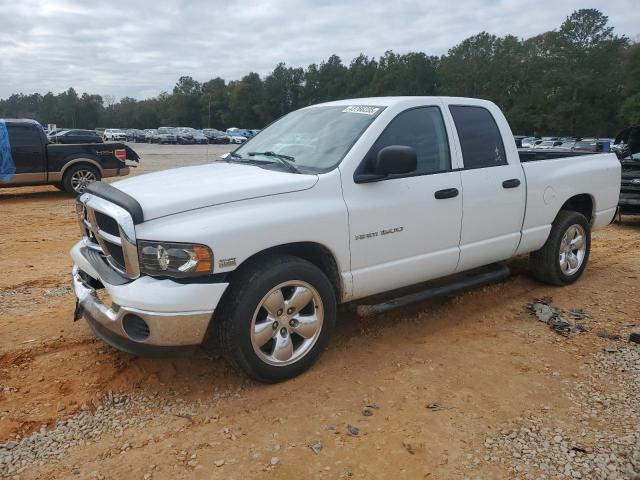
Run & Drive
Когда автомобиль поступает на территорию аукциона, аукцион подтверждает, что автомобиль заводится, может переключать передачи и двигаться вперёд. Эти функции не гарантируются при выдаче или доставке, и автомобиль может быть непригодным для эксплуатации.
543001361D7HA18D84J213491252,598
Front End
Salvage
252,598
Front End
Salvage
Not Assigned
Salvage
Front End
252,598
$0
$0
Not Assigned
Run & Drive
Когда автомобиль поступает на территорию аукциона, аукцион подтверждает, что автомобиль заводится, может переключать передачи и двигаться вперёд. Эти функции не гарантируются при выдаче или доставке, и автомобиль может быть непригодным для эксплуатации.

Clean Title
Clean title означает, что автомобиль никогда не признавался полной утратой, однако в некоторых штатах автомобиль с чистым титулом может иметь историю полной утраты. Пользователь обязан: 1) проверить историю автомобиля и любые записи о salvage или полной утрате (например, отчёт NMVTIS); 2) убедиться, что в вашем штате автомобиль может быть легально зарегистрирован. Мы не гарантируем, что любой автомобиль, купленный через наш сайт, можно будет восстановить или зарегистрировать в определённом штате. Мы не несём ответственности за сложности с прохождением инспекции и регистрацией. Перед покупкой автомобиля уточните информацию о процессе восстановления. В каждом штате действуют свои правила для salvage title.
591402865GADT13S842289426107,836
Front End
Clean
107,836
Front End
Clean
Not Assigned
Clean
Front End
107,836
$0
$0
Not Assigned
Clean Title
Clean title означает, что автомобиль никогда не признавался полной утратой, однако в некоторых штатах автомобиль с чистым титулом может иметь историю полной утраты. Пользователь обязан: 1) проверить историю автомобиля и любые записи о salvage или полной утрате (например, отчёт NMVTIS); 2) убедиться, что в вашем штате автомобиль может быть легально зарегистрирован. Мы не гарантируем, что любой автомобиль, купленный через наш сайт, можно будет восстановить или зарегистрировать в определённом штате. Мы не несём ответственности за сложности с прохождением инспекции и регистрацией. Перед покупкой автомобиля уточните информацию о процессе восстановления. В каждом штате действуют свои правила для salvage title.
600931461FTSE34L84HA149460
Burn
Clean
0
Burn
Clean
Not Assigned
Clean
Burn
0
$0
$0
Not Assigned
Run & Drive
Когда автомобиль поступает на территорию аукциона, аукцион подтверждает, что автомобиль заводится, может переключать передачи и двигаться вперёд. Эти функции не гарантируются при выдаче или доставке, и автомобиль может быть непригодным для эксплуатации.
611958165TBRT34124S449596163,260
Rear End
Salvage
163,260
Rear End
Salvage
Not Assigned
Salvage
Rear End
163,260
$100
$100
Not Assigned
Run & Drive
Когда автомобиль поступает на территорию аукциона, аукцион подтверждает, что автомобиль заводится, может переключать передачи и двигаться вперёд. Эти функции не гарантируются при выдаче или доставке, и автомобиль может быть непригодным для эксплуатации.
576750964S2DM58W444315544218,328
Front End
Salvage
218,328
Front End
Salvage
Not Assigned
Salvage
Front End
218,328
$0
$0
Not Assigned
Clean Title
Clean title означает, что автомобиль никогда не признавался полной утратой, однако в некоторых штатах автомобиль с чистым титулом может иметь историю полной утраты. Пользователь обязан: 1) проверить историю автомобиля и любые записи о salvage или полной утрате (например, отчёт NMVTIS); 2) убедиться, что в вашем штате автомобиль может быть легально зарегистрирован. Мы не гарантируем, что любой автомобиль, купленный через наш сайт, можно будет восстановить или зарегистрировать в определённом штате. Мы не несём ответственности за сложности с прохождением инспекции и регистрацией. Перед покупкой автомобиля уточните информацию о процессе восстановления. В каждом штате действуют свои правила для salvage title.
57830406JTEBU17R748012673180,425
Rollover
Clean
180,425
Rollover
Clean
Not Assigned
Clean
Rollover
180,425
$0
$0
Not Assigned
Run & Drive
Когда автомобиль поступает на территорию аукциона, аукцион подтверждает, что автомобиль заводится, может переключать передачи и двигаться вперёд. Эти функции не гарантируются при выдаче или доставке, и автомобиль может быть непригодным для эксплуатации.
Clean Title
Clean title означает, что автомобиль никогда не признавался полной утратой, однако в некоторых штатах автомобиль с чистым титулом может иметь историю полной утраты. Пользователь обязан: 1) проверить историю автомобиля и любые записи о salvage или полной утрате (например, отчёт NMVTIS); 2) убедиться, что в вашем штате автомобиль может быть легально зарегистрирован. Мы не гарантируем, что любой автомобиль, купленный через наш сайт, можно будет восстановить или зарегистрировать в определённом штате. Мы не несём ответственности за сложности с прохождением инспекции и регистрацией. Перед покупкой автомобиля уточните информацию о процессе восстановления. В каждом штате действуют свои правила для salvage title.
617414462T2HA31U04C018346258,312
Normal Wear
Clean
258,312
Normal Wear
Clean
Not Assigned
Clean
Normal Wear
258,312
$0
$0
Not Assigned
Run & Drive
Когда автомобиль поступает на территорию аукциона, аукцион подтверждает, что автомобиль заводится, может переключать передачи и двигаться вперёд. Эти функции не гарантируются при выдаче или доставке, и автомобиль может быть непригодным для эксплуатации.
607607964T1BF28B04U380394143,907
Rear End
Salvage
143,907
Rear End
Salvage
Not Assigned
Salvage
Rear End
143,907
$0
$0
Not Assigned
Run & Drive
Когда автомобиль поступает на территорию аукциона, аукцион подтверждает, что автомобиль заводится, может переключать передачи и двигаться вперёд. Эти функции не гарантируются при выдаче или доставке, и автомобиль может быть непригодным для эксплуатации.
526686861D7GL12K74S540150170,593
Front End
Salvage
170,593
Front End
Salvage
Not Assigned
Salvage
Front End
170,593
$0
$0
Not Assigned 548954364T1BF28B64U349747
161,370
Water/Flood
Salvage
161,370
Water/Flood
Salvage
Not Assigned
Salvage
Water/Flood
161,370
$0
$0
Not Assigned
Run & Drive
Когда автомобиль поступает на территорию аукциона, аукцион подтверждает, что автомобиль заводится, может переключать передачи и двигаться вперёд. Эти функции не гарантируются при выдаче или доставке, и автомобиль может быть непригодным для эксплуатации.
95505585JTEZU14R840026017163,575
Front End
Salvage
163,575
Front End
Salvage
Not Assigned
Salvage
Front End
163,575
$0
$0
Not Assigned
Run & Drive
Когда автомобиль поступает на территорию аукциона, аукцион подтверждает, что автомобиль заводится, может переключать передачи и двигаться вперёд. Эти функции не гарантируются при выдаче или доставке, и автомобиль может быть непригодным для эксплуатации.
48902826JF1SG65624G766948219,068
Front End
Salvage
219,068
Front End
Salvage
Not Assigned
Salvage
Front End
219,068
$0
$0
Not Assigned
Run & Drive
Когда автомобиль поступает на территорию аукциона, аукцион подтверждает, что автомобиль заводится, может переключать передачи и двигаться вперёд. Эти функции не гарантируются при выдаче или доставке, и автомобиль может быть непригодным для эксплуатации.
85988485JTEDP21A040012537273,413
Front End
Salvage
273,413
Front End
Salvage
Not Assigned
Salvage
Front End
273,413
$0
$0
Not Assigned 605716365FNRL18554B040795
191,114
Burn
Salvage
191,114
Burn
Salvage
Not Assigned
Salvage
Burn
191,114
$0
$0
Not Assigned 509084261FTRX12584KC30350
204,464
Front End
Salvage
204,464
Front End
Salvage
Not Assigned
Salvage
Front End
204,464
$0
$0
Not Assigned 603220964T1BF28B84U388906
152,577
Front End
Salvage
152,577
Front End
Salvage
Not Assigned
Salvage
Front End
152,577
$0
$0
Not Assigned 597677661FTRF12W64NA78451
377,089
Vandalism
Salvage
377,089
Vandalism
Salvage
Not Assigned
Salvage
Vandalism
377,089
$0
$0
Not Assigned
Run & Drive
Когда автомобиль поступает на территорию аукциона, аукцион подтверждает, что автомобиль заводится, может переключать передачи и двигаться вперёд. Эти функции не гарантируются при выдаче или доставке, и автомобиль может быть непригодным для эксплуатации.
61059076WDBUH65J04A521054197,565
Front End
Salvage
197,565
Front End
Salvage
Not Assigned
Salvage
Front End
197,565
$0
$0
Not Assigned 458744061FTYR10D34PB31518
159,113
Burn - Engine
Salvage
159,113
Burn - Engine
Salvage
Not Assigned
Salvage
Burn - Engine
159,113
$0
$0
Not Assigned
Run & Drive
Когда автомобиль поступает на территорию аукциона, аукцион подтверждает, что автомобиль заводится, может переключать передачи и двигаться вперёд. Эти функции не гарантируются при выдаче или доставке, и автомобиль может быть непригодным для эксплуатации.
599163861G4HR54K544172942Salvage
Front End
223,775
$0
$0
Not Assigned
How to Buy and Export a Car from an American Auto Auction
Buying and exporting a car from an American auto auction can be a lucrative opportunity to access a wide range of vehicles at competitive prices. Whether you're an international dealer or a private buyer looking to acquire a vehicle from the vast American market, understanding the process is crucial. Here's a step-by-step guide to navigating the complexities of purchasing and exporting a car from the U.S.
Step 1: Research and Choose the Right Auction
Start by researching the various types of auto auctions available in the U.S., including online platforms and physical auction houses. Consider public auctions, government vehicle auctions, and dealer-only auctions, depending on your eligibility and the type of vehicle you're looking for. Websites like Manheim, Copart, and Auto Auction Mall offer extensive listings and are a good starting point.
Step 2: Registration and Deposit
Once you've chosen an auction, the next step is to register as a bidder. This process typically requires submitting personal or business information and possibly a refundable deposit. The deposit amount varies but is usually a percentage of your intended purchase limit. This ensures that bidders are serious and have the financial means to complete purchases.
Step 3: Vehicle Inspection and History Check
Before bidding, thoroughly inspect the vehicle listings. Many auctions provide detailed reports, including vehicle history, condition, and any damages. If you're bidding online and cannot physically inspect the car, consider hiring a third-party inspection service. Understanding the vehicle's condition and history is crucial to avoid costly mistakes.
Step 4: Bidding Process
Familiarize yourself with the auction's bidding process, which can vary between different platforms. Decide on your maximum bid based on your research, the vehicle's condition, and your budget, including shipping and importation costs. Stay disciplined during the auction to avoid overbidding.
Step 5: Payment and Documentation
Upon winning a bid, you'll need to finalize the payment according to the auction house's guidelines. Payment methods and timelines can vary, so it's important to be prepared in advance. Additionally, gather all necessary documentation from the auction house, including the bill of sale, title, and any other paperwork required for export.
Step 6: Arrange for Shipping
After purchasing the vehicle, you'll need to arrange for its transportation from the auction site to your country. Contact international shipping companies that specialize in vehicle export from the U.S. to get quotes and understand the process, including insurance, shipping options (container or Roll-on/Roll-off), and estimated transit times.
Step 7: Customs and Importation
Familiarize yourself with your country's import regulations, taxes, and duties on vehicles imported from the U.S. You may need to work with a customs broker to navigate the importation process, prepare the necessary documentation, and ensure compliance with local laws. This step is crucial to avoid delays or additional costs.
Step 8: Vehicle Collection and Registration
Once the vehicle arrives in your country, complete any remaining customs procedures, pay the necessary duties and taxes, and collect your vehicle. The final step is to register the vehicle in your country, which will require the documents provided by the auction house and any importation paperwork.
Conclusion
Buying and exporting a car from an American auto auction involves several steps, from choosing the right auction to navigating shipping and customs procedures. With careful planning, research, and attention to detail, you can successfully acquire a vehicle from the U.S. and import it into your country. Remember to consider all associated costs and regulations to ensure a smooth and cost-effective transaction.
FAQs
1. Do I need a license to buy from dealer-only auctions?
Yes, dealer-only auctions require bidders to have a dealer license. However, some services allow you to bid through a licensed dealer.
2. How long does shipping a car internationally usually take?
Shipping times can vary significantly depending on the destination and shipping method, ranging from a few weeks to a couple of months.
3. Can I buy a car from a U.S. auction without being in the U.S.?
Yes, many auctions offer online bidding options, allowing international buyers to participate without physically being in the U.S.
4. What are the most common payment methods for auction purchases?
Wire transfer is the most common and preferred method, though some auctions may accept other forms of payment.
5. Is it possible to return a vehicle after purchase if it doesn't meet my expectations?
Generally, all sales at auto auctions are final, especially for exported vehicles. It's crucial to conduct thorough research and inspections before bidding.