


 Log in
 Sign Up
 Vehicle Finder
Popular Makes
- Ford28,781
- Toyota28,574
- Chevrolet24,906
- Honda20,832
- Nissan17,930
- Hyundai12,925
- Kia10,119
- Jeep9,173
- Dodge7,444
- Subaru6,230
- Gmc5,958
- Mercedes-Benz5,652
- Bmw5,577
- Volkswagen5,064
- Ram4,430
- Lexus4,265
- Mazda3,953
- Audi3,284
- Buick3,267
- Chrysler3,113
- Cadillac2,471
- Infiniti2,317
- Tesla2,282
- Acura2,281
- Mitsubishi1,732
- Volvo1,530
- Lincoln1,522
- Land Rover1,411
Vehicle Types
7 am to 6 pm EST Mon - Fri


7 am to 6 pm EST Mon - Fri


- Ford28,781
- Toyota28,574
- Chevrolet24,906
- Honda20,832
- Nissan17,930
- Hyundai12,925
- Kia10,119
- Jeep9,173
- Dodge7,444
- Subaru6,230
- Gmc5,958
- Mercedes-Benz5,652
- Bmw5,577
- Volkswagen5,064
- Ram4,430
- Lexus4,265
- Mazda3,953
- Audi3,284
- Buick3,267
- Chrysler3,113
- Cadillac2,471
- Infiniti2,317
- Tesla2,282
- Acura2,281
- Mitsubishi1,732
- Volvo1,530
- Lincoln1,522
- Land Rover1,411
Used & Salvage Cars from USA for export

Do You Have Any Questions?
 Ask Question
Showing result: 984 - 1,008 of 1,567
Sale Date (recent)
 597119961GDJ6E1E43F520516
0
Minor Dent/Scratches
Salvage
0
Minor Dent/Scratches
Salvage
9/15/2026, 4:00:00 PM
Salvage
Minor Dent/Scratches
0
$0
$0
09/15/2026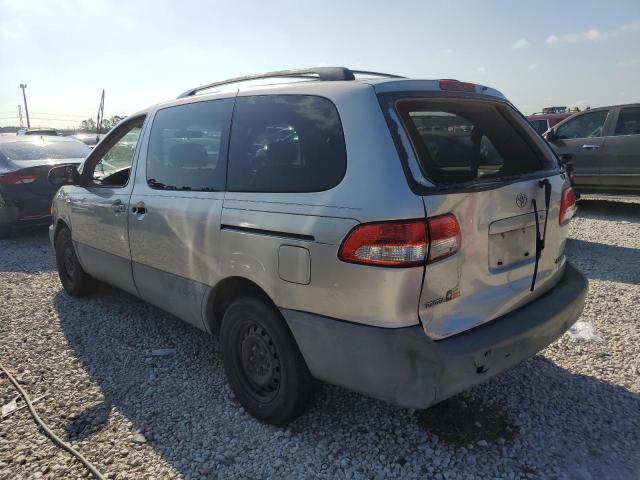

Correr y conducir
Cuando un vehículo llega al patio de una subasta, ésta confirma que el vehículo arranca, puede ponerse en marcha y puede avanzar por sus propios medios. Estas funciones no están garantizadas en el momento de la recogida o la entrega, y es posible que el vehículo no esté en condiciones de circular.

Título limpio
La definición de título limpio indica que el vehículo nunca ha sido considerado siniestro total, pero en algunos estados un vehículo con título limpio puede tener historial de siniestro total. es la responsabilidad del usuario 1) para comprobar la historia del coche y las notas sobre los registros de salvamento o pérdida total (por ejemplo NMVTIS informe) 2) para verificar con su estado o jurisdicción específica que el vehículo puede ser legalmente titulado y registered.We no puede garantizar que cualquier vehículo comprado a través de nuestro sitio será capaz de ser reconstruido o titulado en cualquier estado o país específico. No nos hacemos responsable de cualquier dificultad en pasar la inspección y el registro de su coche en su estado. Por favor, obtenga más información sobre el proceso de reconstrucción antes de comprar cualquier vehículo. Cada estado tiene diferentes directrices para los títulos de salvamento.
662700234T3ZF19C03U536617290,982
Rear End
Clean
290,982
Rear End
Clean
Not Assigned
Clean
Rear End
290,982
$150
$150
Not Assigned 490096952T1BR38E03C011834
0
All Over
Non-Repairable
0
All Over
Non-Repairable
Not Assigned
Non-Repairable
All Over
0
$0
$0
Not Assigned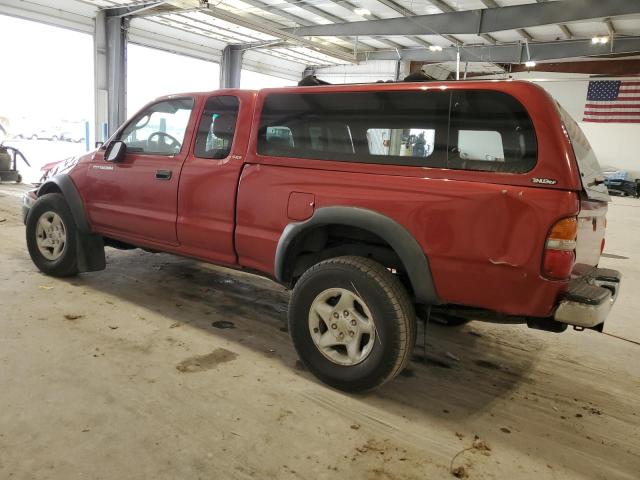
Correr y conducir
Cuando un vehículo llega al patio de una subasta, ésta confirma que el vehículo arranca, puede ponerse en marcha y puede avanzar por sus propios medios. Estas funciones no están garantizadas en el momento de la recogida o la entrega, y es posible que el vehículo no esté en condiciones de circular.
516887855TEWN72N53Z283870190,895
All Over
Salvage
190,895
All Over
Salvage
Not Assigned
Salvage
All Over
190,895
$275
$275
Not Assigned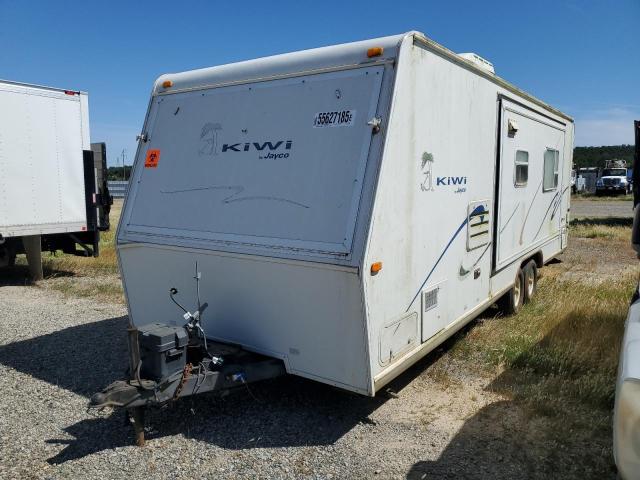 556271851UJBJ02L931JE0068
0
Vandalism
Salvage
0
Vandalism
Salvage
Not Assigned
Salvage
Vandalism
0
$30
$30
Not Assigned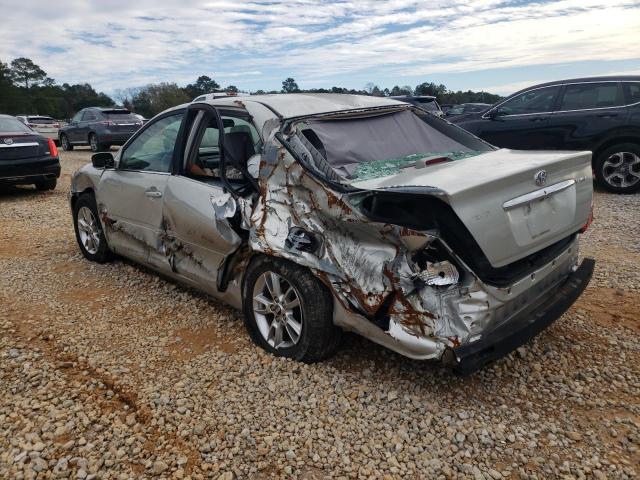 489073354T1BE32K73U127458
0
Rear End
Salvage
0
Rear End
Salvage
Not Assigned
Salvage
Rear End
0
$0
$0
Not Assigned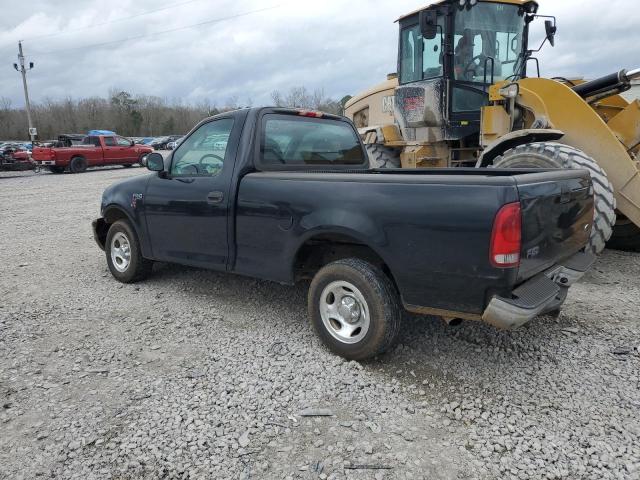
Correr y conducir
Cuando un vehículo llega al patio de una subasta, ésta confirma que el vehículo arranca, puede ponerse en marcha y puede avanzar por sus propios medios. Estas funciones no están garantizadas en el momento de la recogida o la entrega, y es posible que el vehículo no esté en condiciones de circular.
632089851FTRF17233NB285340
Front End
Salvage
0
Front End
Salvage
Not Assigned
Salvage
Front End
0
$0
$0
Not Assigned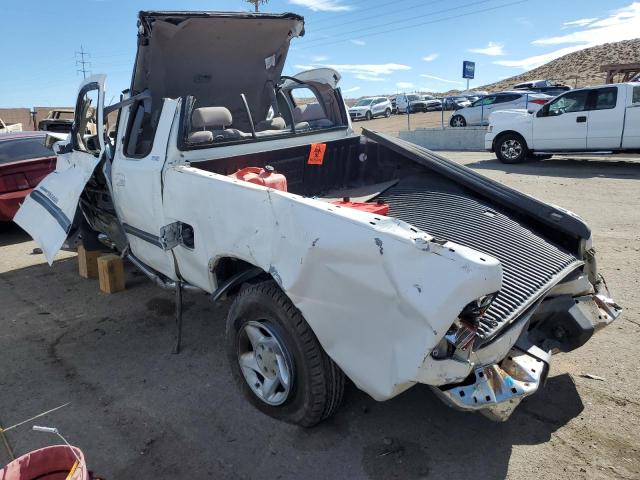 635946835TBRT34113S346474
0
Rollover
Non-Repairable
0
Rollover
Non-Repairable
Not Assigned
Non-Repairable
Rollover
0
$0
$0
Not Assigned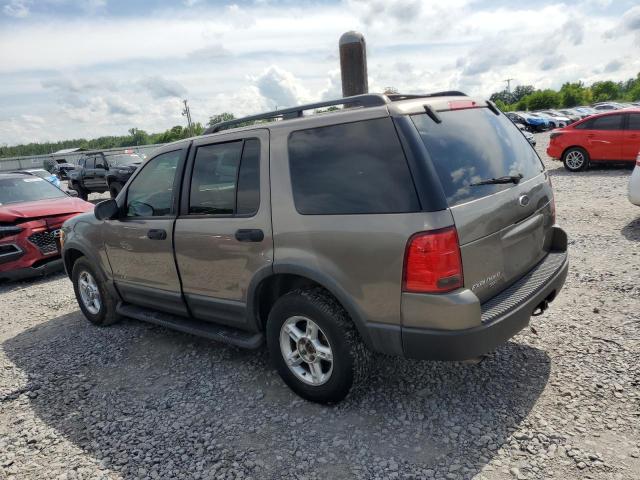
Correr y conducir
Cuando un vehículo llega al patio de una subasta, ésta confirma que el vehículo arranca, puede ponerse en marcha y puede avanzar por sus propios medios. Estas funciones no están garantizadas en el momento de la recogida o la entrega, y es posible que el vehículo no esté en condiciones de circular.
846101851FMDU73K43UB52982218,302
Mechanical
Salvage
218,302
Mechanical
Salvage
Not Assigned
Salvage
Mechanical
218,302
$0
$0
Not Assigned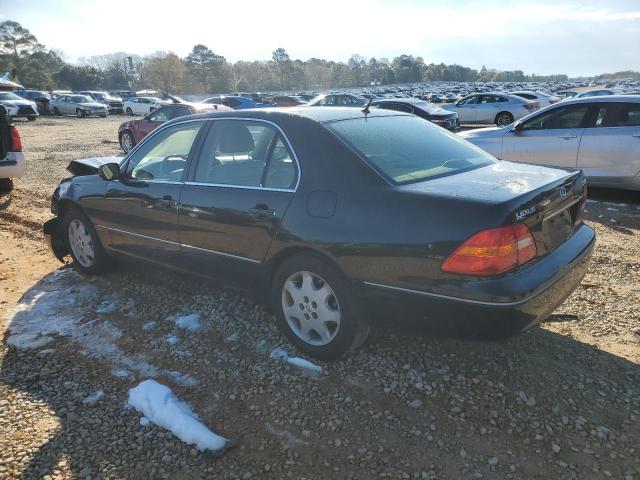 80441575JTHBN30F730106819
340,285
Front End
Salvage
340,285
Front End
Salvage
Not Assigned
Salvage
Front End
340,285
$0
$0
Not Assigned
Título limpio
La definición de título limpio indica que el vehículo nunca ha sido considerado siniestro total, pero en algunos estados un vehículo con título limpio puede tener historial de siniestro total. es la responsabilidad del usuario 1) para comprobar la historia del coche y las notas sobre los registros de salvamento o pérdida total (por ejemplo NMVTIS informe) 2) para verificar con su estado o jurisdicción específica que el vehículo puede ser legalmente titulado y registered.We no puede garantizar que cualquier vehículo comprado a través de nuestro sitio será capaz de ser reconstruido o titulado en cualquier estado o país específico. No nos hacemos responsable de cualquier dificultad en pasar la inspección y el registro de su coche en su estado. Por favor, obtenga más información sobre el proceso de reconstrucción antes de comprar cualquier vehículo. Cada estado tiene diferentes directrices para los títulos de salvamento.
951057451GKEK13T73R182134211,542
Front End
Clean
211,542
Front End
Clean
Not Assigned
Clean
Front End
211,542
$0
$0
Not Assigned
Correr y conducir
Cuando un vehículo llega al patio de una subasta, ésta confirma que el vehículo arranca, puede ponerse en marcha y puede avanzar por sus propios medios. Estas funciones no están garantizadas en el momento de la recogida o la entrega, y es posible que el vehículo no esté en condiciones de circular.
97853785JTEBT14R030017427288,479
Side
Salvage
288,479
Side
Salvage
Not Assigned
Salvage
Side
288,479
$0
$0
Not Assigned 66368165JTEZT14R930002410
214,947
Water/Flood
Salvage
214,947
Water/Flood
Salvage
Not Assigned
Salvage
Water/Flood
214,947
$0
$0
Not Assigned 996254753D7LA38C23G859400
Salvage
Rear End
197,178
$550
$550
Not Assigned 969135351HTMMAAM73H578263
0
All Over
Salvage
0
All Over
Salvage
Not Assigned
Salvage
All Over
0
$0
$0
Not Assigned 986947551FTRX17203NB45949
0
Rear End
Salvage
0
Rear End
Salvage
Not Assigned
Salvage
Rear End
0
$0
$0
Not Assigned 775325754T1BE32K53U755292
142,874
Side
Salvage
142,874
Side
Salvage
Not Assigned
Salvage
Side
142,874
$0
$0
Not Assigned 735311851D7HA18Z13J508474
0
Side
Salvage
0
Side
Salvage
Not Assigned
Salvage
Side
0
$0
$0
Not Assigned
Correr y conducir
Cuando un vehículo llega al patio de una subasta, ésta confirma que el vehículo arranca, puede ponerse en marcha y puede avanzar por sus propios medios. Estas funciones no están garantizadas en el momento de la recogida o la entrega, y es posible que el vehículo no esté en condiciones de circular.
754411252HGES16533H541330189,361
Side
Salvage
189,361
Side
Salvage
Not Assigned
Salvage
Side
189,361
$0
$0
Not Assigned
Título limpio
La definición de título limpio indica que el vehículo nunca ha sido considerado siniestro total, pero en algunos estados un vehículo con título limpio puede tener historial de siniestro total. es la responsabilidad del usuario 1) para comprobar la historia del coche y las notas sobre los registros de salvamento o pérdida total (por ejemplo NMVTIS informe) 2) para verificar con su estado o jurisdicción específica que el vehículo puede ser legalmente titulado y registered.We no puede garantizar que cualquier vehículo comprado a través de nuestro sitio será capaz de ser reconstruido o titulado en cualquier estado o país específico. No nos hacemos responsable de cualquier dificultad en pasar la inspección y el registro de su coche en su estado. Por favor, obtenga más información sobre el proceso de reconstrucción antes de comprar cualquier vehículo. Cada estado tiene diferentes directrices para los títulos de salvamento.
97723145UMA3G029A303908
Side
Clean
908
Side
Clean
Not Assigned
Clean
Side
908
$0
$0
Not Assigned 728322154T1BF30K53U552094
25,898
Front End
Salvage
25,898
Front End
Salvage
Not Assigned
Salvage
Front End
25,898
$0
$0
Not Assigned
Correr y conducir
Cuando un vehículo llega al patio de una subasta, ésta confirma que el vehículo arranca, puede ponerse en marcha y puede avanzar por sus propios medios. Estas funciones no están garantizadas en el momento de la recogida o la entrega, y es posible que el vehículo no esté en condiciones de circular.
489906761GNEC13V83R1396170
Rear End
Salvage
0
Rear End
Salvage
Not Assigned
Salvage
Rear End
0
$0
$0
Not Assigned
Correr y conducir
Cuando un vehículo llega al patio de una subasta, ésta confirma que el vehículo arranca, puede ponerse en marcha y puede avanzar por sus propios medios. Estas funciones no están garantizadas en el momento de la recogida o la entrega, y es posible que el vehículo no esté en condiciones de circular.
Título limpio
La definición de título limpio indica que el vehículo nunca ha sido considerado siniestro total, pero en algunos estados un vehículo con título limpio puede tener historial de siniestro total. es la responsabilidad del usuario 1) para comprobar la historia del coche y las notas sobre los registros de salvamento o pérdida total (por ejemplo NMVTIS informe) 2) para verificar con su estado o jurisdicción específica que el vehículo puede ser legalmente titulado y registered.We no puede garantizar que cualquier vehículo comprado a través de nuestro sitio será capaz de ser reconstruido o titulado en cualquier estado o país específico. No nos hacemos responsable de cualquier dificultad en pasar la inspección y el registro de su coche en su estado. Por favor, obtenga más información sobre el proceso de reconstrucción antes de comprar cualquier vehículo. Cada estado tiene diferentes directrices para los títulos de salvamento.
781016453GNFK16Z63G281096289,801
Side
Clean
289,801
Side
Clean
Not Assigned
Clean
Side
289,801
$0
$0
Not Assigned 768527251FMEU17W93LB47104
0
Rollover
Salvage
0
Rollover
Salvage
Not Assigned
Salvage
Rollover
0
$0
$0
Not Assigned
How to Buy and Export a Car from an American Auto Auction
Buying and exporting a car from an American auto auction can be a lucrative opportunity to access a wide range of vehicles at competitive prices. Whether you're an international dealer or a private buyer looking to acquire a vehicle from the vast American market, understanding the process is crucial. Here's a step-by-step guide to navigating the complexities of purchasing and exporting a car from the U.S.
Step 1: Research and Choose the Right Auction
Start by researching the various types of auto auctions available in the U.S., including online platforms and physical auction houses. Consider public auctions, government vehicle auctions, and dealer-only auctions, depending on your eligibility and the type of vehicle you're looking for. Websites like Manheim, Copart, and Auto Auction Mall offer extensive listings and are a good starting point.
Step 2: Registration and Deposit
Once you've chosen an auction, the next step is to register as a bidder. This process typically requires submitting personal or business information and possibly a refundable deposit. The deposit amount varies but is usually a percentage of your intended purchase limit. This ensures that bidders are serious and have the financial means to complete purchases.
Step 3: Vehicle Inspection and History Check
Before bidding, thoroughly inspect the vehicle listings. Many auctions provide detailed reports, including vehicle history, condition, and any damages. If you're bidding online and cannot physically inspect the car, consider hiring a third-party inspection service. Understanding the vehicle's condition and history is crucial to avoid costly mistakes.
Step 4: Bidding Process
Familiarize yourself with the auction's bidding process, which can vary between different platforms. Decide on your maximum bid based on your research, the vehicle's condition, and your budget, including shipping and importation costs. Stay disciplined during the auction to avoid overbidding.
Step 5: Payment and Documentation
Upon winning a bid, you'll need to finalize the payment according to the auction house's guidelines. Payment methods and timelines can vary, so it's important to be prepared in advance. Additionally, gather all necessary documentation from the auction house, including the bill of sale, title, and any other paperwork required for export.
Step 6: Arrange for Shipping
After purchasing the vehicle, you'll need to arrange for its transportation from the auction site to your country. Contact international shipping companies that specialize in vehicle export from the U.S. to get quotes and understand the process, including insurance, shipping options (container or Roll-on/Roll-off), and estimated transit times.
Step 7: Customs and Importation
Familiarize yourself with your country's import regulations, taxes, and duties on vehicles imported from the U.S. You may need to work with a customs broker to navigate the importation process, prepare the necessary documentation, and ensure compliance with local laws. This step is crucial to avoid delays or additional costs.
Step 8: Vehicle Collection and Registration
Once the vehicle arrives in your country, complete any remaining customs procedures, pay the necessary duties and taxes, and collect your vehicle. The final step is to register the vehicle in your country, which will require the documents provided by the auction house and any importation paperwork.
Conclusion
Buying and exporting a car from an American auto auction involves several steps, from choosing the right auction to navigating shipping and customs procedures. With careful planning, research, and attention to detail, you can successfully acquire a vehicle from the U.S. and import it into your country. Remember to consider all associated costs and regulations to ensure a smooth and cost-effective transaction.
FAQs
1. Do I need a license to buy from dealer-only auctions?
Yes, dealer-only auctions require bidders to have a dealer license. However, some services allow you to bid through a licensed dealer.
2. How long does shipping a car internationally usually take?
Shipping times can vary significantly depending on the destination and shipping method, ranging from a few weeks to a couple of months.
3. Can I buy a car from a U.S. auction without being in the U.S.?
Yes, many auctions offer online bidding options, allowing international buyers to participate without physically being in the U.S.
4. What are the most common payment methods for auction purchases?
Wire transfer is the most common and preferred method, though some auctions may accept other forms of payment.
5. Is it possible to return a vehicle after purchase if it doesn't meet my expectations?
Generally, all sales at auto auctions are final, especially for exported vehicles. It's crucial to conduct thorough research and inspections before bidding.