


 Log in
 Sign Up


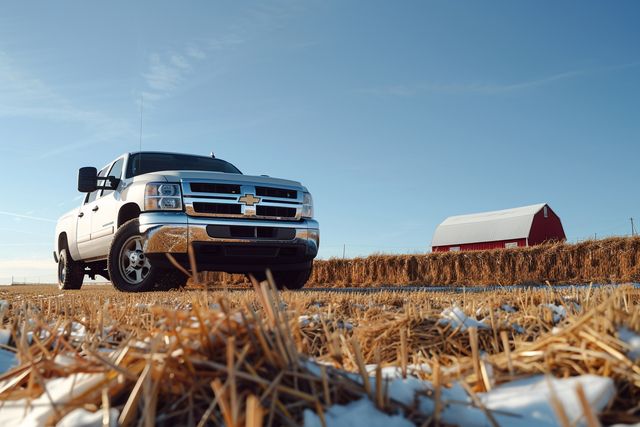


Hot shot trucking is one of the fastest and most flexible ways to transport vehicles and small loads in the U.S. But is it the right option for you? In this guide, you’ll learn how it works, when it saves you money, and how to use it smartly — especially if you’re buying a car from an auction and want to avoid extra costs.
What Is Hot Shot Trucking?
Hot shot trucking is one of the fastest and most flexible ways to move small loads across the U.S. It’s especially useful when you don’t want to pay for a full-size truck or wait days for standard shipping. For many people buying cars from auctions, this option can save both time and money.
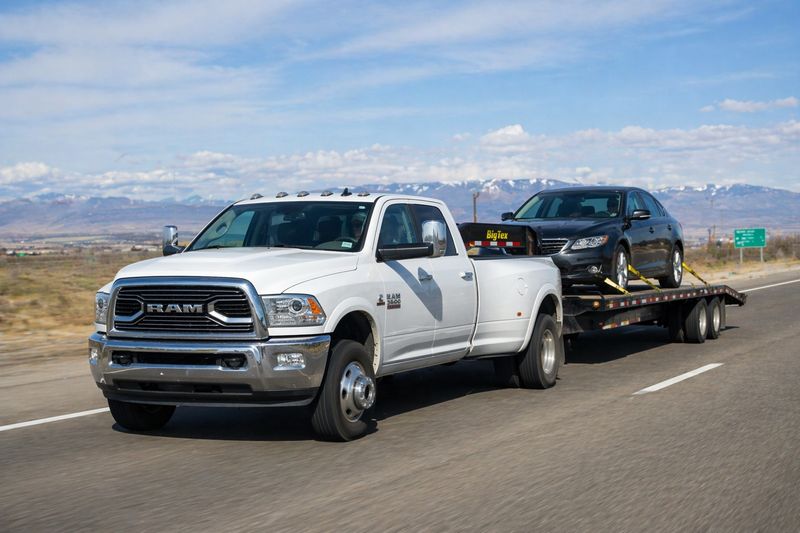
Definition of hot shot trucking
Hot shot trucking is a type of freight delivery that uses smaller trucks — usually pickup trucks with trailers — to transport loads quickly. Unlike traditional trucking, it focuses on urgent deliveries and smaller shipments.
Instead of waiting for a full truckload to fill up, a hot shot driver can pick up your item and deliver it directly. This makes it a popular choice for people who need fast service without paying for a large commercial truck.
For example, if you win a car at an auction in another state and want it delivered as soon as possible, a hot shot driver can pick it up and bring it straight to you without delays.
What are hot shot loads?
Hot shot loads are smaller, time-sensitive shipments that don’t require a full semi-truck. These loads are usually lighter and more flexible in size, which makes them perfect for quick delivery.
Common examples include:
- One or two vehicles from an auction
- Construction materials needed urgently on a job site
- Farm equipment parts during harvest season
If you’re a buyer trying to save money, this matters. Instead of paying for a large carrier that transports multiple vehicles, you can move just your car — often faster and sometimes cheaper.
Why hot shot trucking is popular in today’s logistics market
Speed and flexibility are the main reasons hot shot trucking is growing fast. In today’s market, delays cost money. Businesses and individuals want deliveries done as quickly as possible.
Hot shot trucking solves several problems:
- No need to wait for a full load
- Faster pickup times
- Direct delivery with fewer stops
For example, imagine you bought a car at a great price but the auction yard is charging daily storage fees. Waiting 5–7 days for a traditional carrier could cost you extra. A hot shot driver can often pick up the car within 1–2 days, helping you avoid those fees.
It’s also popular because entry costs for drivers are lower, which increases competition — and that can lead to better pricing for customers.
Industries that rely on hot shot trucking (construction, oil & gas, auto transport, agriculture)
Hot shot trucking is widely used in industries where time matters and delays are expensive.
Construction:
Builders often need materials delivered immediately to keep projects on schedule. If a key part is missing, the entire job can stop. Hot shot trucking helps avoid downtime.
Oil & gas:
This industry depends heavily on urgent deliveries. Equipment failures can cost thousands of dollars per hour, so fast transport is critical.
Auto transport:
This is where it becomes especially relevant for auction buyers. If you purchase a single car, hot shot trucking can be a practical way to get it delivered without waiting for a full carrier.
For example, instead of your car sitting at the auction lot for days, a hot shot driver can pick it up quickly and bring it straight to your location.
Agriculture:
Farmers often need parts or equipment urgently, especially during planting or harvest seasons. Delays can mean lost income, so fast delivery is essential.
How Hot Shot Trucking Works
To understand whether hot shot trucking is right for you, it helps to see how the process actually works. The main advantage is simplicity — fewer steps, faster decisions, and direct delivery. This is especially useful if you’ve just bought a car at an auction and want to move it quickly without overpaying.
Typical process from booking to delivery
The process is straightforward and much faster than traditional shipping.
It usually looks like this:
- You request a quote
You provide details like pickup location, delivery address, vehicle type, and whether the car is running or not. - A driver accepts the load
The job is posted on a load board or sent to a network of drivers. Because hot shot drivers handle smaller loads, they can often accept jobs quickly. - Pickup is scheduled
In many cases, pickup can happen within 1–2 days — sometimes even the same day if a driver is nearby. - Direct transportation
Your vehicle is loaded onto a trailer and delivered with minimal stops. Unlike large carriers, there’s no need to wait for multiple vehicles to fill the truck. - Delivery to your location
The driver delivers the vehicle directly to your address or a nearby agreed location.
For example, if you bought a car at auction and want to avoid storage fees, this process can save you both time and extra costs.
Types of vehicles used (pickup trucks, flatbed trailers, gooseneck trailers)
Hot shot trucking uses smaller, more flexible equipment compared to traditional freight.
Pickup trucks
Heavy-duty pickups (like Ford F-250, Ram 2500, or similar) are the main vehicles used. They are powerful enough to tow trailers but cheaper to operate than semi-trucks.
Flatbed trailers
These are the most common trailers. They are open and versatile, making them ideal for transporting cars, equipment, or materials.
Gooseneck trailers
These attach over the rear axle of the truck, providing better stability and allowing for heavier loads. They are often used when transporting multiple vehicles or heavier equipment.
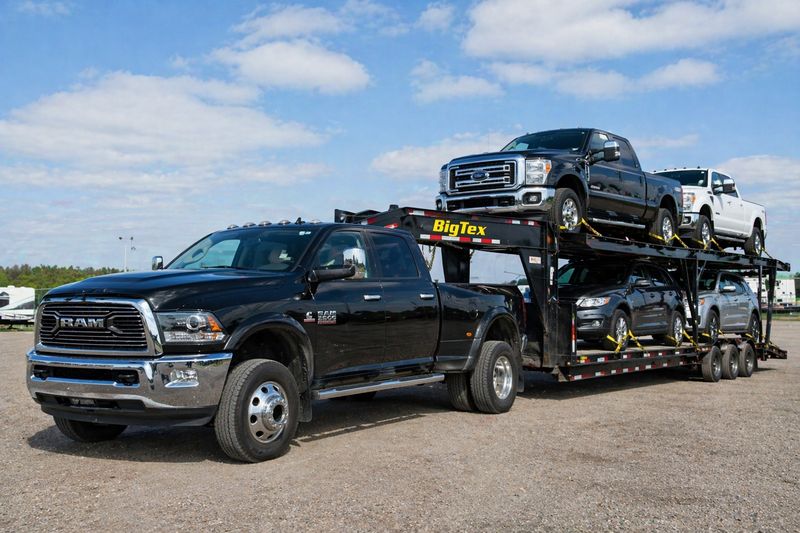
For auction buyers, this means your car is usually transported on a simple, open trailer — which keeps costs lower compared to enclosed or specialized transport.
Load sizes and weight limits
Hot shot trucking is designed for smaller loads, but “small” can still cover a wide range.
Typical limits include:
- Weight: up to 10,000–15,000 pounds (non-CDL setups may be lower)
- Size: usually 1–3 vehicles or small equipment
- Trailer capacity: depends on the setup (bumper pull vs gooseneck)
If you’re moving just one car, you’re well within the ideal range for hot shot trucking. That’s why it’s often a good fit for individual buyers.
However, if you’re shipping multiple vehicles or oversized equipment, a traditional carrier may be more cost-effective.
Delivery timelines and urgency factor
Speed is one of the biggest advantages of hot shot trucking.
Typical timelines:
- Pickup: often within 1–2 days
- Delivery: depends on distance, but usually faster than standard shipping
Because drivers don’t need to wait for a full load, they can move immediately. This is critical in situations where time equals money.
For example:
- You bought a car and the auction gives you a limited pickup window
- Storage fees start after a few days
- You want to flip the car quickly and resell it
In these cases, paying slightly more for faster delivery can actually save you money overall.
Buy Cars at U.S. Auctions and Get Them Delivered Fast
Found a great deal at an auction? Don’t lose money on delays or storage fees. Auto4Export helps you buy vehicles from U.S. auctions and arrange fast, flexible delivery options — including hot shot trucking when speed matters.
- ✅ Access to Copart, IAAI, Manheim, and more
- ✅ Pickup from any auction across the USA
- ✅ Fast delivery options to avoid storage fees
- ✅ Full export and logistics support
Hot Shot Trucking vs Expedited Freight
At first glance, hot shot trucking and expedited freight may seem the same. Both are designed for fast delivery and urgent shipments. But in reality, there are important differences that affect price, speed, and when each option makes sense — especially if you’re trying to save money on transporting a car.
Key similarities
Both hot shot trucking and expedited freight focus on speed and priority delivery.
Here’s what they have in common:
- Faster pickup compared to standard shipping
- Direct or near-direct delivery with fewer stops
- Used for time-sensitive loads
- Higher priority compared to regular freight
For example, if you just bought a car at auction and need it picked up quickly to avoid storage fees, both options can work.
They are built for situations where waiting is more expensive than paying a bit extra for faster transport.
Main differences in equipment and scale
The biggest difference is the type of equipment and shipment size.
Hot shot trucking:
- Uses pickup trucks with trailers
- Designed for smaller loads (1–3 vehicles or light equipment)
- More flexible and easier to schedule
Expedited freight:
- Uses larger vehicles like box trucks, sprinter vans, or even semi-trucks
- Handles heavier or more complex shipments
- Often used by businesses with strict delivery contracts
In simple terms, hot shot trucking is a “lightweight” version of expedited freight.
If you’re an individual buyer moving one car, a full-size expedited truck is often unnecessary — and more expensive than needed.
Cost comparison
Cost is where many buyers make their decision.
Hot shot trucking is usually more affordable for small loads because:
- Lower fuel and operating costs
- Smaller vehicles
- Less overhead
Expedited freight tends to cost more because:
- Larger trucks and higher fuel usage
- Commercial-grade operations
- Often priced for business clients, not individual buyers
For example, if you’re shipping one car from an auction:
- A hot shot driver may offer a competitive rate for a quick delivery
- An expedited freight service might charge significantly more for the same job
That’s why budget-conscious buyers often lean toward hot shot trucking when possible.
When to choose hot shot trucking over traditional freight
Hot shot trucking is the better choice in several common situations — especially if your goal is to save money while still getting fast delivery.
Choose hot shot trucking when:
- You’re shipping one vehicle or a small load
- You want faster pickup without paying for a full truckload
- You’re trying to avoid auction storage fees
- You need flexibility in scheduling
For example, imagine you bought a car at a great price, but the auction gives you only a few days to remove it. Waiting for a large carrier could lead to extra fees. A hot shot driver can pick it up quickly and deliver it directly, helping you keep your total cost lower.
However, if you’re shipping multiple vehicles or large equipment, traditional freight or full-size expedited services may be more cost-efficient.
What Is a Hot Shot Driver?
Behind every hot shot delivery is a driver who handles everything from pickup to final delivery. Unlike traditional trucking, where roles are often split between dispatchers, drivers, and logistics teams, hot shot drivers usually manage the entire process themselves. This makes the job more flexible — but also more demanding.
Role and responsibilities
A hot shot driver is responsible for transporting smaller, time-sensitive loads using a pickup truck and trailer. But the role goes beyond just driving.
Typical responsibilities include:
- Picking up loads from auctions, dealers, or job sites
- Securing vehicles or equipment safely on the trailer
- Planning routes and delivery timelines
- Communicating with brokers or customers
- Handling basic paperwork and confirmations
For example, if you buy a car at auction, the hot shot driver may be the one who:
- Contacts the yard
- Schedules pickup
- Loads the vehicle
- Delivers it directly to your location
It’s a hands-on role where one person often manages the entire shipment.
Daily tasks and workflow
The daily routine of a hot shot driver can vary, but it usually follows a simple pattern.
A typical day may look like this:
- Morning: Check load boards or messages for available jobs
- Booking: Accept a load and confirm pickup details
- Pickup: Drive to the location, inspect the vehicle, and load it
- Transport: Deliver the load with minimal stops
- Delivery: Unload and confirm receipt
- Evening: Search for the next load or plan the next route
For drivers working with auto auctions, timing is critical. Many yards have strict pickup hours, and missing a window can delay the entire process.
From a buyer’s perspective, this is why communication matters — a reliable driver keeps everything moving without delays.
Skills required to succeed
Hot shot trucking may seem simple, but it requires a mix of practical and business skills.
Key skills include:
- Driving and towing experience – handling trailers safely, especially with vehicles onboard
- Time management – meeting tight delivery windows
- Basic mechanical knowledge – understanding your truck and handling small issues
- Communication skills – working with brokers, customers, and auction staff
- Problem-solving – dealing with delays, traffic, or last-minute changes
For example, if a car at auction doesn’t start, the driver needs to know how to handle loading it safely or adjust the plan quickly.
Drivers who combine these skills can deliver faster, avoid problems, and build a strong reputation — which often leads to better-paying jobs.
Independent owner-operator vs company driver
Hot shot drivers usually work in one of two ways: independently or for a company.
Independent owner-operator:
- Owns the truck and trailer
- Chooses which loads to accept
- Sets their own schedule
- Keeps more profit but pays all expenses (fuel, maintenance, insurance)
This option offers more freedom, but also more risk. Income can vary depending on how many loads the driver secures.
Company driver:
- Works for a logistics company
- Uses company equipment
- Has more stable income
- Less responsibility for finding loads or handling business tasks
For beginners, working for a company can be a safer way to learn the industry.
How Much Do Hot Shot Drivers Make?
Income is one of the main reasons people consider hot shot trucking. It looks simple: smaller truck, faster jobs, quick payments. But real earnings depend on many factors — and expenses can take a big share if you’re not careful. Understanding this helps you see why prices vary when you’re booking transport for your car.
Average earnings in the U.S.
Hot shot drivers in the U.S. can earn a wide range depending on experience and workload.
Typical numbers:
- Beginners: around $3,000–$6,000 per month (gross)
- Experienced drivers: $6,000–$12,000+ per month (gross)
Some drivers earn even more during busy seasons, especially when demand is high.
But it’s important to understand: these are gross earnings, not profit. From this amount, drivers still pay for fuel, maintenance, insurance, and other expenses.
For example, a driver might charge $1,000 to deliver a car — but a big part of that goes toward operating costs.
Factors affecting income (distance, load type, demand)
Not all loads pay the same. Several key factors directly impact how much a driver earns.
Distance
Longer trips usually pay more overall, but the rate per mile may be lower. Short trips can sometimes be more profitable if the driver finds multiple loads in one day.
Load type
Transporting a running car is easier and faster than a non-running one. Non-running vehicles may require extra equipment or time, which can increase the price.
Demand
When demand is high — for example, during peak auction seasons — rates go up. When fewer loads are available, prices drop.
Location
Some routes are more profitable than others. Deliveries from major auction hubs or cities are easier to book than remote areas.
For example, if many people buy cars from the same auction at the same time, drivers can group jobs and optimize routes — which can affect pricing for each customer.
Cost breakdown (fuel, maintenance, insurance)
Expenses are a big part of hot shot trucking. This is why prices can’t always be “cheap,” even if the load seems small.
Main costs include:
- Fuel – one of the biggest expenses, especially for long distances
- Maintenance – tires, brakes, oil changes, and repairs
- Insurance – commercial coverage can be expensive
- Trailer costs – wear and tear on equipment
- Permits and licenses – depending on the setup
For example, a long-distance delivery might require hundreds of dollars in fuel alone. Add maintenance and insurance, and the margin gets tighter.
This explains why two drivers may quote different prices for the same job — their cost structure and route planning may not be the same.
Profit potential for beginners vs experienced drivers
Profit depends not just on how much a driver earns, but how well they manage costs and choose loads.
Beginners:
- Often take lower-paying loads to build experience
- May have higher costs due to inefficient routes
- Still learning how to find the best-paying jobs
Experienced drivers:
- Know which loads are worth taking
- Plan routes to reduce empty miles
- Build relationships with brokers or direct clients
- Can negotiate better rates
For example, an experienced driver might combine multiple deliveries in one trip, reducing fuel cost per job. A beginner might run the same distance for just one load and earn less profit.
From a customer’s perspective, this matters because experienced drivers can sometimes offer better pricing while still making a profit.
Pros and Cons of Hot Shot Trucking
Hot shot trucking can look like an easy way to make money or move loads quickly, but like any logistics option, it has both advantages and drawbacks. Understanding both sides helps you make smarter decisions — whether you’re thinking about becoming a driver or simply choosing the best way to transport a car.
Benefits of hot shot trucking
Hot shot trucking has grown quickly because it solves real problems: speed, flexibility, and lower entry costs. These benefits make it attractive for both drivers and customers.
Flexibility and independence
One of the biggest advantages is flexibility. Many hot shot drivers work as independent owner-operators, which means they choose:
- When to work
- Which loads to accept
- Where to go
For drivers, this creates a sense of independence that’s hard to find in traditional trucking jobs.
For customers, this flexibility means faster responses. For example, if you need a car picked up from an auction quickly, an independent driver may accept the job within hours instead of days.
Faster deliveries and high demand
Hot shot trucking is built for speed. Drivers don’t wait for a full truckload, which allows them to move quickly.
This leads to:
- Faster pickups
- Direct deliveries
- Fewer delays
There’s also strong demand across multiple industries, including auto transport. If you’ve ever faced auction storage fees, you know how important fast pickup can be. A quicker delivery can actually save you money in the long run.
Lower startup costs compared to semi-trucks
Compared to traditional trucking, hot shot trucking is more affordable to start.
Instead of buying a semi-truck, drivers can begin with:
- A heavy-duty pickup truck
- A flatbed or gooseneck trailer
This lower barrier to entry brings more drivers into the market, which increases competition. For customers, that often means better pricing options — especially for smaller shipments like a single vehicle.
Challenges of hot shot trucking
Despite the benefits, hot shot trucking comes with real challenges. These are important to understand, especially if you’re considering it as a business or wondering why pricing can vary.
Long hours and physical demands
Hot shot drivers often work long hours, especially when handling urgent deliveries.
The job is not just driving. It also includes:
- Loading and unloading vehicles
- Securing cargo with straps and equipment
- Inspecting loads
For example, loading a non-running car at an auction yard can take extra time and physical effort. Over time, this can become exhausting.
Unpredictable schedules
Unlike traditional trucking jobs with fixed routes, hot shot work can be unpredictable.
Drivers may:
- Accept last-minute jobs
- Travel long distances with little notice
- Wait between loads without guaranteed work
For customers, this can sometimes affect availability. During busy periods, finding a driver quickly may be harder or more expensive.
Income instability
Income in hot shot trucking is not always consistent.
Some weeks may be busy and profitable, while others are slow. Factors like fuel prices, demand, and competition all play a role.
For example, during peak auction seasons, drivers may earn more due to higher demand. But in slower periods, rates can drop, and fewer loads are available.
Vehicle wear and tear
Using a pickup truck for heavy towing puts a lot of stress on the vehicle.
Common issues include:
- Faster tire wear
- Brake system strain
- Increased maintenance needs
Over time, these costs add up. This is one reason why pricing for hot shot transport isn’t always as low as customers expect — drivers must cover these ongoing expenses.
Pay Structure of Hot Shot Trucking
Understanding how pricing works in hot shot trucking helps both drivers and customers make better decisions. Rates can vary a lot depending on how the job is priced, who is involved, and how efficiently the route is planned. If you’ve ever received very different quotes for the same car delivery, this section explains why.
Per mile vs per load pricing
Hot shot jobs are usually priced in two main ways: per mile or per load.
Per mile pricing
This is based on the distance between pickup and delivery.
- Common for longer routes
- Easy to calculate and compare
- Rates may decrease per mile on longer trips
For example, a driver may charge $1.50–$3.00 per mile depending on demand and route.
Per load pricing
This is a fixed price for the entire job.
- More common for short distances or urgent deliveries
- Price depends on complexity, not just miles
- Easier for customers to understand total cost upfront
For example, moving one car from an auction nearby might cost a flat $400–$700, regardless of minor route changes.
For budget-conscious buyers, per load pricing is often easier to plan around, especially when trying to stay within a fixed budget.
How brokers and load boards affect pricing
Most hot shot loads are found through brokers or load boards, and both play a big role in pricing.
Load boards
These are online platforms where drivers find available jobs.
- Prices are often competitive
- Drivers can choose the best-paying loads
- Rates change quickly based on supply and demand
Brokers
Brokers act as middlemen between customers and drivers.
- They post loads and negotiate rates
- They take a commission (which affects final price)
- They help fill loads faster
For example, when you request car transport, your job may be posted on a load board. Multiple drivers see it and decide if the price works for them. If the price is too low, no one accepts it. If it’s competitive, it gets picked up quickly.
This is why pricing can fluctuate — it’s not fixed like standard shipping.
Direct contracts vs brokered loads
Hot shot drivers can work either through brokers or directly with customers.
Brokered loads:
- Easier to find work consistently
- Less time spent searching for clients
- Lower profit margins due to broker fees
Direct contracts:
- Higher profit potential
- More control over pricing
- Requires building relationships and finding clients
For example, a driver working directly with a car dealer or auction buyer can skip broker fees and offer a better price — while still earning more.
From a customer perspective, working directly with a driver can sometimes mean:
- Lower cost
- Faster communication
- More flexible scheduling
But brokers can still be helpful when you need quick access to available drivers.
Tips to maximize profit margins
Profit in hot shot trucking depends on how well the driver manages both pricing and costs. Small improvements can make a big difference.
Here are practical tips drivers use:
- Reduce empty miles
Plan routes so you always have a load on the way back. Driving empty cuts into profits fast. - Choose the right loads
Not every job is worth it. Experienced drivers skip low-paying loads that don’t cover fuel and time. - Combine multiple shipments
Transporting 2–3 cars in one trip can increase total earnings without doubling costs. - Watch fuel efficiency
Fuel is one of the biggest expenses. Smart driving and route planning help reduce it. - Build direct relationships
Repeat customers (like auction buyers) provide steady work and better rates.
For example, a driver who delivers one car and returns empty may earn less than a driver who plans two deliveries along the same route.
How to Start a Hot Shot Trucking Business
Starting a hot shot trucking business is one of the most accessible ways to enter the logistics industry. You don’t need a semi-truck or a huge budget to begin. But to make it work — and actually stay profitable — you need to set things up correctly from the start.
Step 1: Choose the right truck and trailer
Your equipment is your foundation. The wrong setup can limit your loads or increase your costs.
Most beginners start with:
- A heavy-duty pickup truck (like a ¾-ton or 1-ton)
- A flatbed or gooseneck trailer
Key things to consider:
- Towing capacity
- Fuel efficiency
- Reliability and maintenance history
For example, if you plan to transport cars from auctions, a gooseneck trailer may allow you to carry multiple vehicles — which can increase your earnings per trip.
Don’t rush to buy the most expensive setup. Many beginners start with used equipment to keep initial costs lower.
Step 2: Get licenses and permits (CDL vs non-CDL)
Your licensing depends on your total vehicle weight (truck + trailer + load).
- Non-CDL setup:
If your combined weight is under 26,000 lbs, you can operate without a Commercial Driver’s License (CDL). - CDL required:
If you exceed that limit, you’ll need a CDL and follow stricter regulations.
You may also need:
- USDOT number
- Motor Carrier (MC) number
- State-specific permits
For beginners, a non-CDL setup is often easier and cheaper to start with. But it may limit how much you can haul.
Step 3: Register your business and get insurance
To operate legally, you need to set up your business properly.
Basic steps include:
- Registering your business (LLC or similar structure)
- Getting a USDOT and MC number
- Opening a business bank account
Insurance is critical and not optional. Typical coverage includes:
- Liability insurance
- Cargo insurance
- Physical damage coverage
For example, if you’re transporting a car from an auction and something happens during transit, cargo insurance protects both you and the customer.
Insurance can be one of the biggest startup costs, so plan your budget carefully.
Step 4: Find hot shot loads (load boards, brokers, direct clients)
Once you’re set up, the next step is finding work.
Most beginners use:
- Load boards – fast way to find available jobs
- Freight brokers – consistent source of loads
- Direct clients – dealers, auction buyers, or businesses
For example, many drivers start by transporting vehicles from auto auctions. There is steady demand, especially when buyers need fast pickup to avoid storage fees.
Over time, building direct relationships can lead to better-paying and more consistent work.
Step 5: Set pricing and manage payments
Pricing is where many beginners make mistakes. Charging too little can quickly eat into your profit.
When setting your rates, consider:
- Fuel costs
- Distance
- Load type (running vs non-running vehicle)
- Time and urgency
For example, a short urgent delivery may pay more than a long-distance trip with flexible timing.
You also need to manage payments properly:
- Use invoices and clear terms
- Track expenses and income
- Avoid relying only on low-paying loads
Many drivers start with competitive pricing to get experience, but the goal is to gradually move toward better-paying jobs.
Calculate the Full Cost Before You Ship Your Car
Shipping is only one part of the total cost. With Auto4Export, you can plan everything in advance — from auction fees to transport and international delivery — so you don’t face unexpected expenses after buying a vehicle.
- ✅ Transparent pricing with no hidden fees
- ✅ Help estimating total landed cost worldwide
- ✅ Support choosing the best transport option
- ✅ Guidance on export documents and shipping
Equipment Needed for Hot Shot Trucking
The right equipment is what makes hot shot trucking possible. Unlike large freight companies, you don’t need a semi-truck — but you still need a reliable setup that can handle daily loads and long distances. Choosing the right tools from the start can save you money and prevent problems on the road.
Pickup truck requirements
The pickup truck is the core of your operation. It needs to be strong enough to tow safely and reliable enough to handle constant use.
Most hot shot drivers use:
- ¾-ton or 1-ton trucks (Ford F-250/F-350, Ram 2500/3500, etc.)
- Diesel engines for better towing power and fuel efficiency
- Dual rear wheels (dually) for improved stability
Key things to look for:
- High towing capacity
- Good fuel economy under load
- Proven reliability
For example, if you’re transporting cars from auctions, your truck may be towing thousands of pounds daily. A weaker setup can lead to breakdowns, delays, and extra repair costs.
Buying a used truck can reduce startup costs, but maintenance history is critical.
Trailer types and selection
Your trailer determines what kind of loads you can carry and how much you can earn per trip.
Common trailer types include:
Flatbed trailers
- Most versatile option
- Suitable for vehicles, equipment, and general freight
- Easier to load and unload
Gooseneck trailers
- Attached over the rear axle of the truck
- Better weight distribution and stability
- Higher load capacity (often used for multiple vehicles)
Bumper pull trailers
- Cheaper and easier to start with
- Lower weight capacity
- Suitable for smaller loads
For example, if you plan to transport one car at a time, a basic flatbed may be enough. But if you want to maximize profit by moving multiple vehicles, a gooseneck trailer is a better long-term investment.
Safety equipment and tie-downs
Safety is not optional in hot shot trucking. Proper equipment protects the load, the driver, and everyone on the road.
Essential items include:
- Ratchet straps and chains to secure vehicles
- Binders and hooks for tightening loads
- Wheel chocks to prevent movement
- Tarps (if needed for certain cargo)
- Reflective triangles and safety gear
For example, when transporting a car from an auction, it must be secured tightly to prevent shifting during transit. Improper tie-downs can damage the vehicle or cause accidents.
Investing in quality safety equipment reduces risk and builds trust with customers.
Technology tools (GPS, ELD, apps)
Modern hot shot trucking relies on technology to stay efficient and competitive.
Important tools include:
GPS navigation
- Helps plan routes and avoid delays
- Saves fuel by optimizing travel paths
ELD (Electronic Logging Device)
- Required for certain operations (especially CDL drivers)
- Tracks driving hours and ensures compliance
Mobile apps and load boards
- Find available loads quickly
- Communicate with brokers and customers
- Track payments and deliveries
For example, a driver using load board apps can find a return load before finishing a delivery — reducing empty miles and increasing profit.
How to Find Hot Shot Loads
Finding steady work is one of the biggest challenges in hot shot trucking. You can have the best truck and trailer, but without consistent loads, you won’t make money. The good news is that there are several proven ways to find jobs — and most drivers use a mix of them.
Load boards and online platforms
Load boards are the most common starting point for beginners. These are online platforms where brokers and shippers post available loads.
How they work:
- Loads are listed with pickup and delivery details
- Drivers can browse and choose jobs
- Rates are either fixed or open for negotiation
Popular advantages:
- Fast access to available jobs
- Wide variety of loads across the country
- Easy way to get started with no connections
For example, if you just bought a car at auction, your transport request may appear on a load board. Drivers nearby can see it and decide whether to accept the job.
The downside is competition. Many drivers see the same loads, so pricing can be competitive — especially for beginners.
Working with freight brokers
Freight brokers act as intermediaries between customers and drivers. They help match loads with available drivers.
Benefits of working with brokers:
- Consistent flow of jobs
- Less time spent searching for loads
- Help with paperwork and coordination
For example, instead of checking load boards all day, a broker may contact you directly when a suitable job appears — such as picking up a vehicle from an auction yard.
The trade-off is that brokers take a commission, which reduces your profit per load. However, for many drivers, the steady work is worth it.
Building direct relationships with shippers
This is where the real long-term opportunity is. Direct clients can provide stable and better-paying work.
Examples of direct shippers:
- Car dealers
- Auction buyers
- Construction companies
- Equipment suppliers
For example, if you regularly deliver cars for auction buyers, they may start contacting you directly instead of going through brokers. This saves them money and increases your profit.
Benefits of direct relationships:
- Higher rates (no broker fees)
- Repeat business
- More predictable workload
It takes time to build these connections, but they are key to growing a stable business.
Tips for consistent load availability
Finding one load is easy. Finding loads consistently is what makes a business successful.
Here are practical tips:
- Stay active on multiple platforms
Don’t rely on just one load board or broker. - Plan return trips in advance
Always look for a load before finishing your current delivery to avoid driving empty. - Focus on high-demand areas
Major auction locations and cities usually have more available loads. - Build a reputation
Reliable drivers get repeat work and better offers. - Be flexible
Being open to different routes and load types increases your chances of finding work.
For example, a driver who delivers a car to a busy city and already has the next load scheduled will earn more than someone who has to drive back empty.
Streamline Your Hot Shot Trucking Business
Running a hot shot trucking business is not just about finding loads and driving. The real profit comes from how efficiently you operate. Small improvements in planning, tools, and organization can save hundreds of dollars per trip — which adds up quickly over time.
Route planning and fuel efficiency
Fuel is one of the biggest expenses in hot shot trucking, so smart route planning is critical.
Good planning helps you:
- Reduce total miles driven
- Avoid traffic and delays
- Minimize empty (unpaid) miles
For example, instead of taking a direct route with no return load, an experienced driver plans a trip with pickup → delivery → next load nearby. This way, every mile is making money.
Simple ways to improve fuel efficiency:
- Avoid aggressive driving (hard braking, fast acceleration)
- Keep steady speeds on highways
- Plan fuel stops in lower-cost areas
Even small changes can significantly reduce fuel costs over long distances.
Using software and automation tools
Technology can make your business faster and more organized.
Useful tools include:
- Load board apps to find jobs quickly
- Route planning apps to optimize trips
- Accounting software to track income and expenses
- Communication tools to stay in touch with clients and brokers
For example, instead of manually searching for loads after each delivery, you can set alerts in load board apps to notify you when a matching job appears.
Automation saves time — and time saved means more opportunities to take profitable loads.
Managing paperwork and compliance
Even though hot shot trucking is simpler than large-scale logistics, paperwork is still a big part of the job.
You need to manage:
- Bills of lading (BOL)
- Invoices and payment records
- Insurance documents
- DOT and compliance requirements (if applicable)
Keeping everything organized helps you:
- Avoid legal issues
- Get paid faster
- Track your real profit (not just gross income)
For example, a driver who sends invoices immediately after delivery will get paid faster than someone who delays paperwork.
Many drivers use digital tools to store documents and reduce paperwork errors.
Scaling your operation over time
Once your business is stable, the next step is growth.
Ways to scale include:
- Taking on higher-paying loads instead of more loads
- Building direct relationships with repeat clients
- Adding another truck or driver
- Specializing in a niche (for example, auction vehicle transport)
For example, if you regularly work with auction buyers, you can become their go-to driver. This creates consistent work without relying on load boards.
Scaling is not about working more hours — it’s about working smarter and increasing profit per trip.
How to Extend the Life of Your Truck
Your truck is your biggest investment in hot shot trucking. If it breaks down, you stop making money. That’s why taking care of your vehicle is not optional — it directly affects your income, reliability, and long-term costs.
Preventive maintenance schedule
Regular maintenance is the easiest way to avoid expensive repairs.
A basic schedule should include:
- Oil changes every 5,000–10,000 miles (depending on use)
- Brake inspections regularly, especially when towing
- Tire checks and rotations to prevent uneven wear
- Transmission and coolant checks to avoid overheating
- Trailer inspection (lights, brakes, tires) before trips
For example, skipping oil changes to save money can lead to engine damage that costs thousands to fix. Preventive maintenance is always cheaper than major repairs.
Drivers who follow a strict schedule experience fewer breakdowns and more consistent income.
Driving habits that reduce wear
How you drive has a big impact on how long your truck lasts.
Bad habits increase wear on key components like brakes, tires, and engine parts.
Good driving habits include:
- Smooth acceleration instead of sudden starts
- Gradual braking instead of hard stops
- Keeping a steady speed on highways
- Avoiding over-revving the engine
For example, aggressive driving while towing a loaded trailer puts extra stress on the engine and transmission. Over time, this leads to more frequent and expensive repairs.
Driving calmly not only saves your truck — it also improves fuel efficiency.
Managing heavy loads safely
Hot shot trucking often involves towing heavy loads, and improper handling can damage both your truck and trailer.
Key practices:
- Stay within your truck’s towing capacity
- Distribute weight evenly on the trailer
- Secure loads properly to prevent shifting
- Check tire pressure before every trip
For example, if a vehicle is loaded incorrectly on a trailer, it can create uneven weight distribution. This puts extra strain on the suspension and tires, increasing the risk of failure on the road.
Safe load management protects your equipment and reduces long-term wear.
Cost-saving tips for repairs and parts
Repairs are unavoidable, but there are ways to reduce costs.
Smart strategies include:
- Fix small issues early before they become major problems
- Buy quality parts instead of the cheapest options
- Compare prices between suppliers and shops
- Learn basic repairs to handle simple fixes yourself
For example, replacing worn brake pads early is much cheaper than replacing the entire braking system later.
Some drivers also keep spare parts (like straps, lights, or small components) to avoid delays and emergency purchases at higher prices.
When Is Hot Shot Trucking the Right Choice?
Hot shot trucking is not always the cheapest or the best option — but in the right situation, it can save you both time and money. The key is understanding when speed and flexibility actually work in your favor, especially if you’re buying a vehicle on a budget.
Best scenarios for customers (urgent delivery, small loads)
Hot shot trucking works best when you have a small, time-sensitive shipment.
Common situations include:
- You bought one car at an auction and need fast pickup
- The auction gives you a limited pickup window
- Storage fees start after a few days
- You need delivery without waiting for other vehicles
For example, imagine you won a car at a great price, but the auction starts charging $30–$50 per day after a deadline. Waiting for a traditional carrier could cost you an extra $150–$300. A hot shot driver can pick it up quickly and help you avoid those fees.
It’s also a good choice when:
- You want direct delivery with fewer delays
- Your shipment doesn’t require a large truck
- You value speed more than the absolute lowest price
When it’s cheaper than traditional transport
Hot shot trucking is not always cheaper upfront — but in many cases, it becomes cheaper overall.
It can save you money when:
- You’re shipping a single vehicle (not multiple cars)
- You want to avoid extra fees (storage, delays, missed deadlines)
- You don’t want to pay for unused space on a large carrier
For example, a traditional car carrier may offer a lower base price, but:
- Pickup could take 5–7 days
- Your car may sit at the auction yard
- Storage fees add up
In contrast, a hot shot driver may charge slightly more for transport but pick up the car in 1–2 days. The total cost can end up lower when you include avoided fees.
This is especially important for budget-conscious buyers trying to control the total cost, not just the shipping price.
When to avoid hot shot trucking
There are also situations where hot shot trucking is not the best option.
You may want to choose another method when:
- You are shipping multiple vehicles at once
- Your delivery is not urgent
- You want the lowest possible price and can wait
- The load is large or oversized
For example, if you bought 3–4 cars from an auction, a traditional multi-car carrier will likely be more cost-effective than hiring a hot shot driver.
Also, if timing is flexible, waiting for a standard carrier can reduce costs — especially on long-distance routes.
Conclusion
Hot shot trucking is a practical solution in today’s logistics market — especially for people who want fast delivery without paying for a full-size truck. Whether you’re thinking about starting a business or simply choosing how to transport a car from an auction, understanding how it works helps you avoid unnecessary costs.
Key takeaways
Hot shot trucking is built around speed, flexibility, and smaller loads.
Here are the main points to remember:
- It uses pickup trucks and trailers, not semi-trucks
- Best for 1–3 vehicles or small shipments
- Offers faster pickup and delivery compared to traditional transport
- Pricing varies based on distance, urgency, and demand
- Can help save money overall, especially by avoiding delays and extra fees
For auction buyers, the biggest advantage is simple: you don’t have to wait days for your car to be picked up.
Is hot shot trucking worth it for beginners?
For drivers, hot shot trucking can be a good entry point into the logistics industry. The startup costs are lower than traditional trucking, and the learning curve is more manageable.
However, it’s not “easy money.”
Beginners should expect:
- Trial and error with pricing and load selection
- Higher expenses at the start
- The need to learn route planning and cost control
For customers, especially budget-conscious buyers, it’s often worth it when:
- You need fast delivery
- You are shipping a single vehicle
- You want to avoid extra costs like storage fees
In the right situation, it can be one of the most efficient transport options available.
Final tips for getting started successfully
Whether you’re a new driver or someone booking transport, a few simple tips can make a big difference:
- Think in total cost, not just price
A cheaper shipping rate is not always the best deal if delays add extra fees. - Plan ahead when possible
Booking early gives you more options and better pricing. - Work with reliable drivers or partners
Communication and timing are critical in hot shot trucking. - Start simple and scale gradually (for drivers)
Don’t rush into expensive equipment — learn the business first. - Stay flexible
The more flexible you are with timing and routes, the more you can save or earn.
The key idea is simple:
Hot shot trucking works best when you use it strategically — not for every situation, but for the ones where speed and flexibility actually save you money.
Buy, Ship, and Export Vehicles from the USA with Ease
Whether you need fast delivery with hot shot trucking or full international shipping, Auto4Export handles the entire process. From auction purchase to delivery at your destination — everything is organized for you in one place.
- ✅ Purchase vehicles from all major U.S. auctions
- ✅ Container and RoRo shipping worldwide
- ✅ Complete export documentation and customs support
- ✅ Photo reports and tracking at every stage
Further Reading
Purchase of Used Light Commercial Vehicles from US Auto Auctions
Best Trucks of 2026: Top Picks for Every Need
Auto Auction: How to Buy and Ship a Truck From a Truck Auction
Online Pickup Truck Auctions: How to Buy a Truck for Less

Do You Have Any Questions?
 Ask Question